Liquid rennet
A liquid milk-coagulating enzyme preparation whose source, activity and formulation vary, used to form curd for cheesemaking.
 FermenteaWhere food goes to change
Traditional method
Kasar Peyneri
Kaşar peyniri is a Turkish stretched-curd cheese. This entry documents a traditional raw-milk process described by the FAO and its regional history; it is not a home cheesemaking recipe.
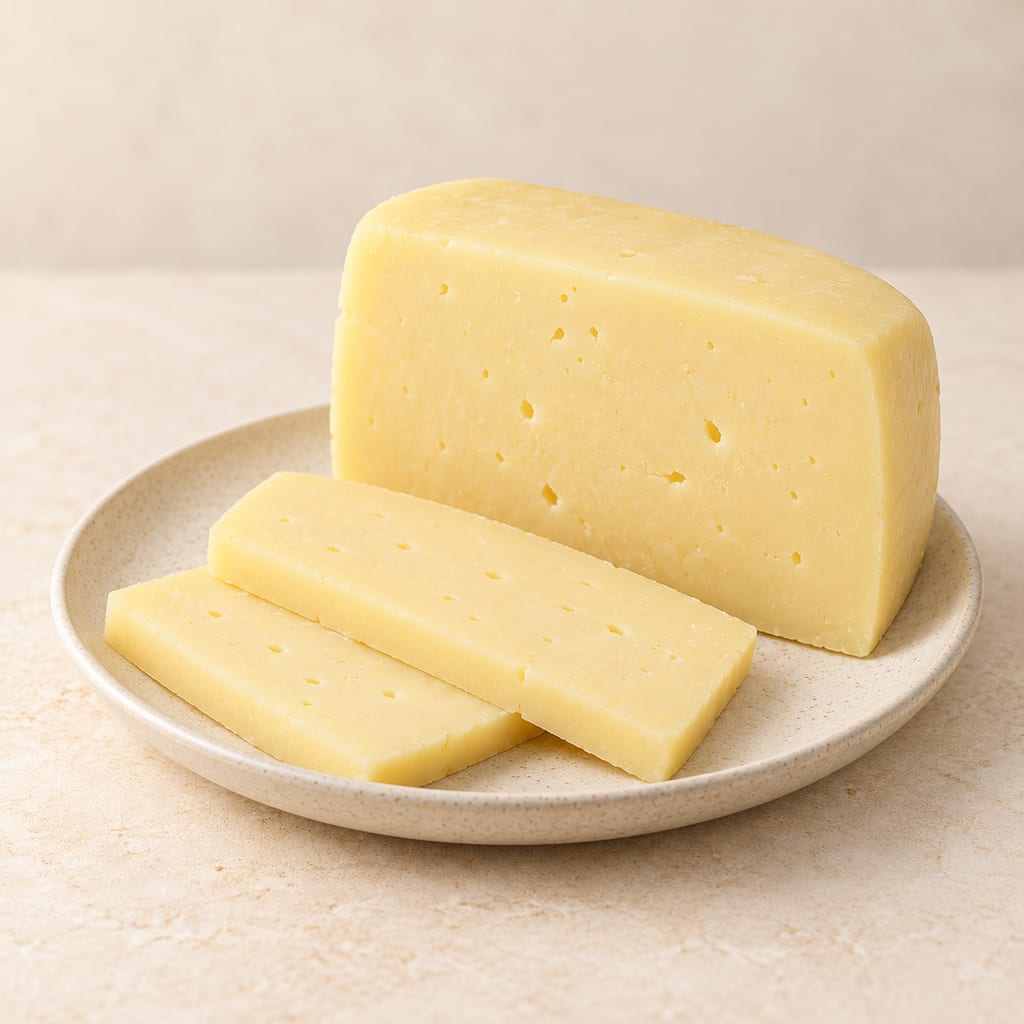
Kaşar peyniri is a Turkish hard cheese in the pasta-filata family, a broad group whose curds are softened and worked into a continuous texture. The FAO entry describes a firm, ripened cheese made from sheep milk, sometimes mixed with goat milk, with a smooth, dry surface and a close body without eyes. Its account gives the cheese a flat cylindrical form. Those characteristics identify the particular traditional product recorded there; they do not define every cheese marketed as kaşar.
English-language sources write the name in several ways, including kaşar, kasar, kashar and the FAO spelling Kasar Peyneri. Shared words and techniques do not establish that two regional cheeses have the same origin or use the same milk and process. Modern products may differ in milk species, cultures, heat treatment, ripening and moisture. This entry is limited to one source-defined account and treats other styles as comparisons.
The page is a cultural and historical record, not a household cheesemaking recipe or validated preservation procedure. The FAO documents raw-milk production. That fact remains part of the account, while the instructions, quantities and process-control fields have been removed so the entry does not present that process as a method for home use.
A description published in 1905 by İhsan Bey and reproduced by the Istanbul Commodity Exchange records sheep-milk kaşar around Edirne, Selanik and Kosova. It distinguishes lowland cheese eaten fresh from mountain cheese kept through winter. The account associates hot-water working and open-ring forms with the craft. It offers a dated witness to established regional practice, not a documented invention date or a modern controlled specification.
The contrast between fresh lowland cheese and mountain cheese kept for winter is useful because it shows that kaşar did not refer to a single age or eating occasion. Fresh cheese and a firmer cheese kept for later use are different products in texture and keeping history. The 1905 account does not provide a modern home protocol, and its descriptions should not be converted into a new schedule by combining them with later industrial or research data.
A distinct history belongs to Kars kaşarı. Scholarship traces its production in Kars to the early Republic, when cheesemakers from western Thrace and Bulgaria helped establish the local trade. Migration, summer pasture, milk supply, changing dairies and transport shaped that regional history. These sources document Kars as an important production region; they do not establish that Kars is the origin of all kaşar or that the FAO's raw sheep-milk method is a specification for Kars cheese.
The FAO entry places Kasar Peyneri in Turkey but lists the area of origin, area of production and origin history as unknown. That is a meaningful limit: the technical account supports a description of the materials, form and production tradition it records, but it does not identify a village, inventor or uninterrupted lineage. The 1905 account provides dated evidence of established practice in named places, not the beginning of kaşar.
The historic names Selanik and Kosova belong to the source's own period and wording. Their appearance in a 1905 account should not be silently converted into claims about modern national borders or a present-day protected designation. Kars is a separate regional story documented by later scholarship. These records are related through the wider history of cheese-making and trade, but they provide different kinds of evidence.
Keeping those distinctions visible preserves both the cultural account and its uncertainty. A product labelled kaşar may be fresh or aged, regional or industrial, and made from different milks or cultures. The name alone cannot identify which historical account, production system or safety status applies. The entry therefore names the source and scope of each claim rather than treating one documented method as universal.
Milk provides the water, fat, proteins and minerals that become concentrated in cheese. Rennet is the coagulant named in the FAO account. In cheesemaking generally, rennet enzymes help casein proteins form a gel that holds fat and water. Draining and pressing change the amount of moisture retained in the curd, while acidity and handling influence how that curd behaves. These broad relationships explain why cheeses made from different milks or with different cultures do not necessarily share the same texture.
The FAO version records raw whole sheep milk, with sheep and goat milk also described as a possible mixture, and no added starter or other additive. It does not identify a particular microbial culture or state a pH endpoint. Raw milk's microbial population can vary, so the source's account does not establish one reproducible acidity or a home readiness test. The historical record retains the source's materials without turning them into a measured household ingredient list.
Research on kaşar from other makers reports changes in moisture, water activity, acidity and protein breakdown during ripening. Those findings help explain why cheese texture and flavour develop over time. They are observations about the batches in those studies, not target values or a safety validation for the separate FAO account. The distinction between documenting a food and validating a method matters especially when the described raw material is unpasteurized milk.
Published Kaşar studies also describe distinct pasteurized-milk production with starter cultures. Sert, Ayar and Akın compared raw-milk cheese with a starter-culture-added pasteurized version and reported that the cultures contributed to acidity and affected microbiological quality. Atasoy examined acidification kinetics in raw and pasteurized Kaşar production using thermophilic, mesophilic and mixed cultures; the abstract notes slower pH change after pasteurization and differences by culture type. These are culture-led production studies, not evidence that pasteurized milk can simply replace the raw milk in the FAO's starter-free account, and they do not provide a validated household adaptation.
The FAO describes kaşar as a rennet-set curd that is consolidated by pressing and later softened in hot water. Working the softened curd creates the continuous, stretched body associated with pasta-filata cheeses. The account names a woven basket and hand-shaping as features of this production tradition. These are historical process observations, not directions for a home batch.
The hot-water stage is part of shaping. The cited account does not provide a validated time-and-temperature treatment for the curd's center or identify it as a pasteurization step. It therefore cannot be treated as a pathogen-kill control. The 1905 account also mentions hot-water working, but describes a different source and form; the two accounts should not be joined into a single modern instruction set.
Curd texture is affected by milk composition, microbial activity, acidity and moisture. The FAO reports no starter and no endpoint for the curd's early maturation, and does not supply a household-scale process-control plan. As a result, the account can support a description of the traditional craft and finished cheese, but it cannot support promises that a particular batch will be ready to stretch or safe because it has been held for a stated interval.
The FAO records surface salting and subsequent ripening as parts of the traditional Kaşar production account. Salt affects flavour and moisture movement; maturation changes the cheese's moisture and texture. FAO lists traditional conditions, but those values are not reproduced here as a household schedule or endpoint. It does not give a household salt dose, a validated acidity target, or a process that would make the described raw-milk cheese safe to prepare at home.
Studies of commercial kaşar show that moisture and texture evolve during storage, but these changes depend on the specific milk, cultures, process and facilities studied. A measurement from one producer's batch cannot be assumed to describe another process. Likewise, the passage of time by itself does not show that pathogens are absent.
In a 2023–24 Salmonella outbreak investigation, CDC reported that the outbreak strain was detected in a raw-milk cheese aged for 60 days. That observation does not mean all aged raw-milk cheese is contaminated. It does show why an aging duration alone cannot be presented as proof of safety. The FAO's described ripening period is therefore retained as cultural context in the source record but omitted from the page's structured timing and maturation fields.
The 1905 account's distinction between fresh lowland cheese and mountain cheese kept for winter shows that the name covers products with different maturity and use. The FAO's later technical account concerns a hard, ripened form. Neither one should be used to supply missing details in the other, and neither supports an invented universal kaşar recipe.
Kars kaşarı is a regional expression with its own history and place-based identity. Research describes its development in relation to migration, pasture, milk supply, local dairies and changing trade. Commercial accounts of Kars products may use cow milk, extended ripening and other conditions that differ from the FAO's sheep-milk account. These make useful comparisons, but do not establish that every Kars wheel follows one process.
Modern studies and market products also show kaşar made with different milks, added cultures and production systems. The shared name does not make those methods interchangeable. This record distinguishes the traditional source account from fresh kaşar, Kars products and other modern formulations rather than blending their properties or process details.
New Mexico State University Extension says that raw milk used for home cheesemaking must be pasteurized and provides general guidance on sanitation and handling. It does not validate substituting pasteurized milk into this particular Kaşar process. Changing the milk treatment, adding cultures or altering the maturation conditions would create a different method, and pasteurization alone does not validate its later curd maturation, salting or aging.
CDC's outbreak report documents detection of a Salmonella outbreak strain in raw milk cheese aged for 60 days. This does not establish that every aged raw-milk cheese is unsafe or contaminated. It does establish that elapsed time is not, by itself, a guarantee of pathogen absence. The hot-water shaping stage in the FAO account also lacks a stated validated center-temperature treatment and must not be described as pasteurization.
This page therefore preserves the traditional and regional account as non-instructional documentation. No reliable, source-specific pasteurized-milk method matching the FAO process was found. It does not advise readers to make or age cheese at home using the recorded raw-milk procedure; nor does it imply that a simple milk substitution would make that process validated.
The FAO describes a flat cylindrical wheel with a smooth dry rind and a uniform close body. Kaşar is firm enough for slicing or grating, though fresh and longer-ripened products differ in softness, moisture and flavour. The 1905 account describes open rings instead of the later technical account's wheel form. These source-specific depictions illustrate variation across records rather than one mandatory appearance.
Some related gallery photographs show fresh Kars kaşarı, branded regional products or commercial aged wheels. They are visual comparisons, not evidence that those products follow the particular sheep-milk process documented by the FAO. A photograph can show form and presentation but cannot establish milk treatment, microbial process, safety or historical lineage.
Kaşar is often eaten at breakfast and used in cooked dishes, but serving choices vary by style and household. A cheese's appearance alone cannot determine its age or production history. The name and visual form are useful starting points for understanding the food, not substitutes for source-specific documentation.
The available sources also distinguish a described cheese from an inspected specimen: textual dimensions and a photographed wheel are not evidence that a current retail item matches the old account. Gallery examples are credited to their own sellers or photographers, and any regional style is labelled as a comparison unless its origin page supports a closer connection.
Kaşar has a history of seasonal sheep-milk cheesemaking. In 1905, İhsan Bey described makers working around Edirne, Selanik and Kosova, distinguishing lowland cheese eaten fresh from mountain cheese kept over winter. The curd was worked in hot water and shaped in open rings. The later method here uses raw whole milk without an added starter.
Raw milk can contain disease-causing microorganisms. In a 2023–24 Salmonella outbreak investigation, the outbreak strain was detected in raw milk cheese aged for 60 days; aging time alone is not a safety guarantee.
Hazard sourceFresh cheese and food-contact equipment can carry pathogens if handled or sanitized improperly.
Hazard sourceThis entry is a non-instructional cultural and historical account, not a household cheesemaking protocol. NMSU advises that raw milk used for home cheesemaking must be pasteurized; the cited guidance does not validate a pasteurized adaptation of the distinct FAO Kaşar method.
Control sourceThe documented FAO method begins with raw milk. Raw milk can carry pathogens, and the hot-water shaping stage is not identified as a validated pasteurization step.
CDC reported detecting a Salmonella outbreak strain in raw milk cheese aged for 60 days during a 2023–24 outbreak investigation. Aging alone does not establish safety.
This page documents the source-specific tradition and does not present it as a safe household process. The available sources do not establish a pasteurized version matching this method; pasteurization alone does not validate its curd maturation, salting or aging.
The FAO entry is headed Turkey; its exact origin and area of production are not specified.
A liquid milk-coagulating enzyme preparation whose source, activity and formulation vary, used to form curd for cheesemaking.
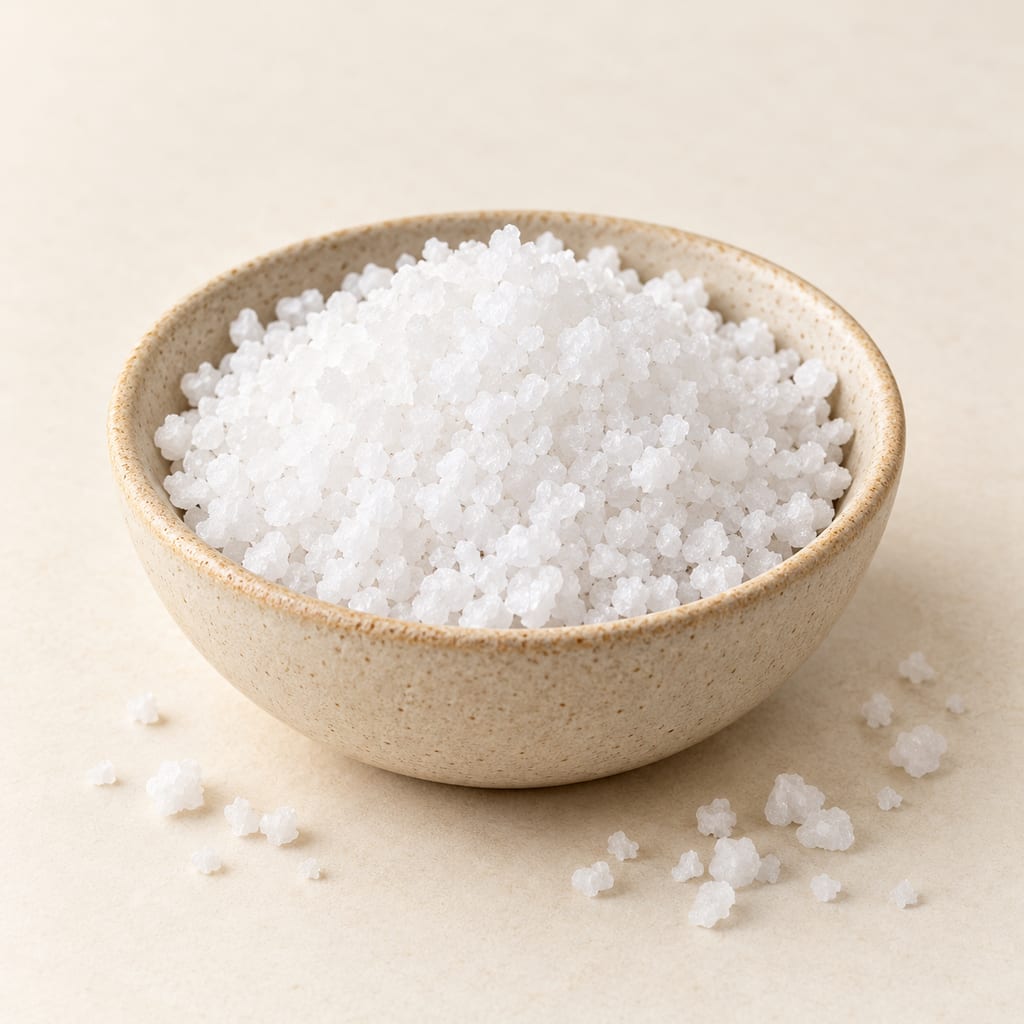
Food-grade sodium chloride seasons food and changes water movement in brines and cures; crystal size and the recipe's measurement method matter.
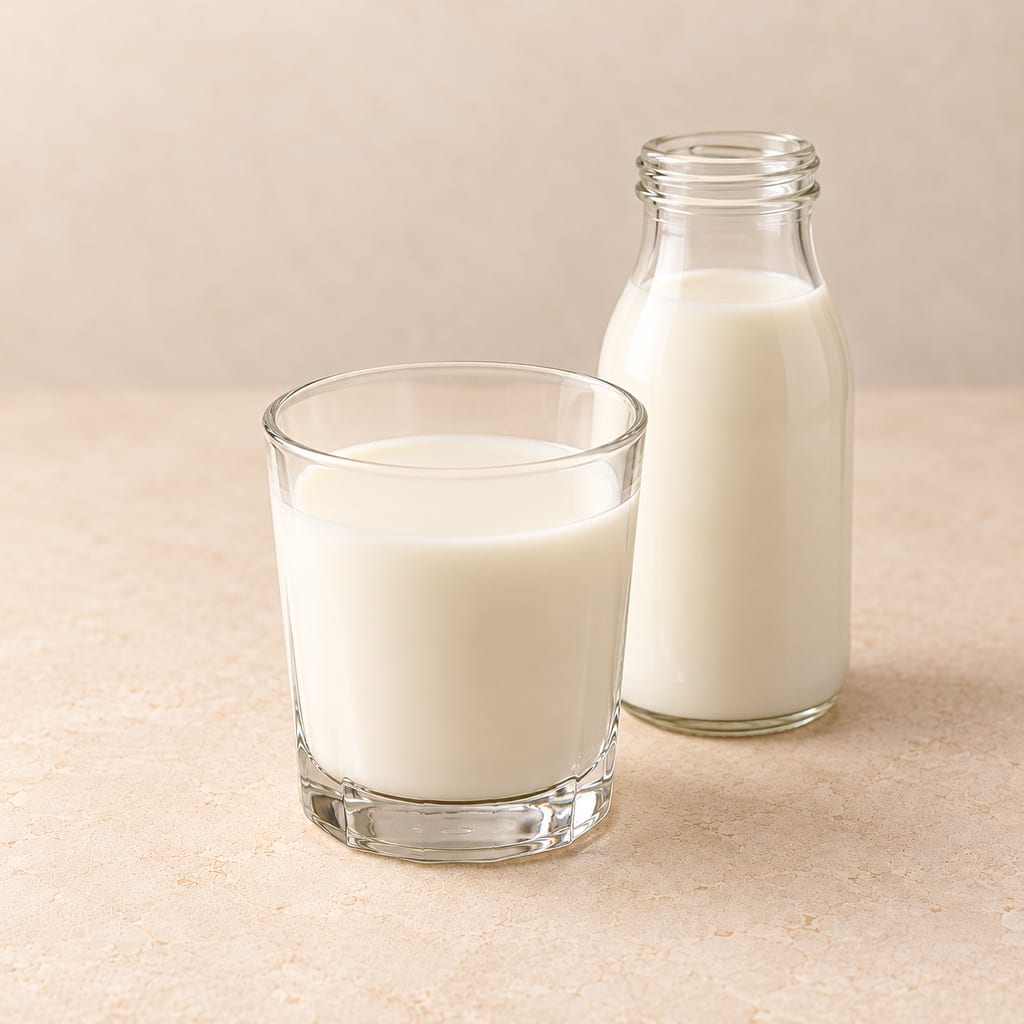
Milk from a ewe, used in cheese and cultured dairy foods. Its protein, fat and solids vary with the animal and season; it contains lactose and milk allergens.
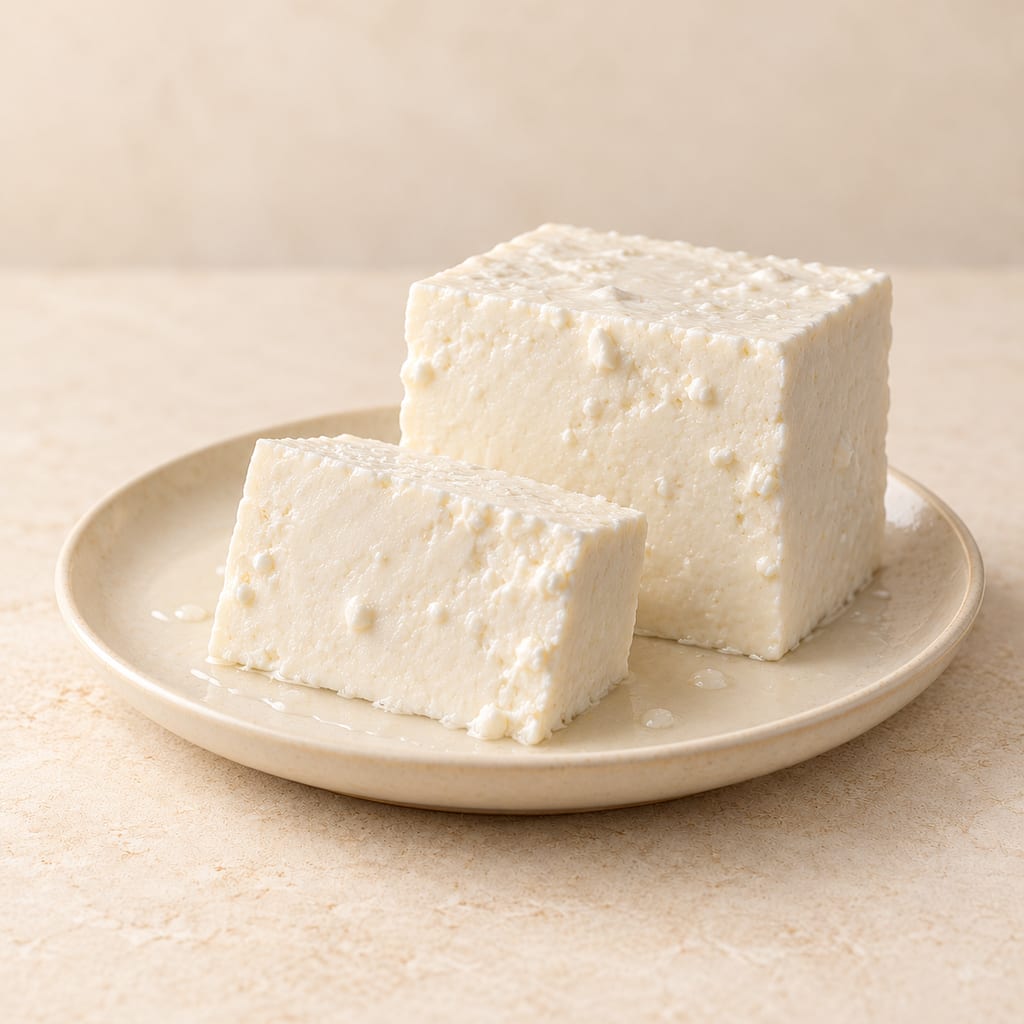
Beyaz peynir is a Turkish white cheese matured in brine. Sheep milk, alone or mixed with other milks, gives a close-textured cheese cut into blocks and packed in cans.
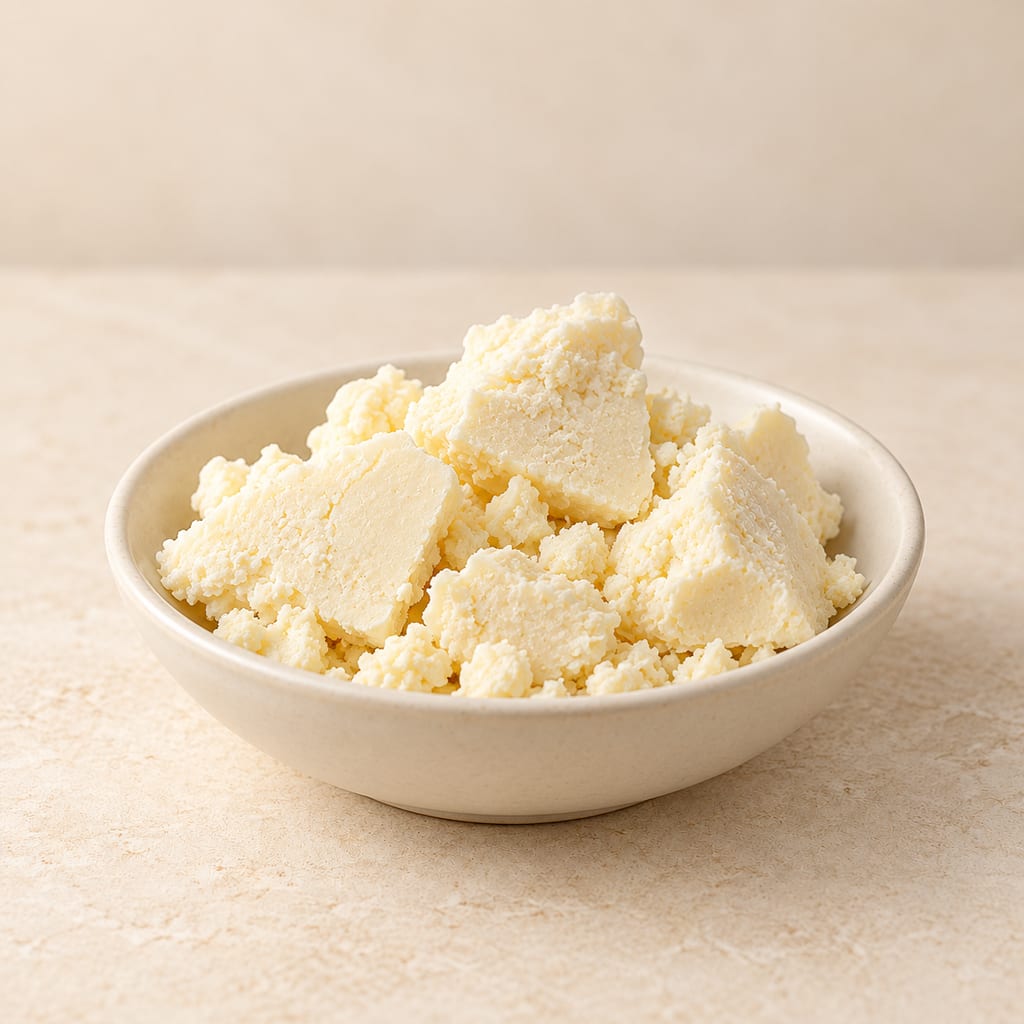
Tulum peyniri is a Turkish cheese traditionally packed into animal-skin bags to mature. This sheep-milk method adds a thermophilic yogurt culture before renneting, draining and dry salting.

Ayran is Turkey’s cold, savoury yogurt drink: plain yogurt is loosened with water and lightly salted, then whisked smooth or aerated into a soft cap of foam.
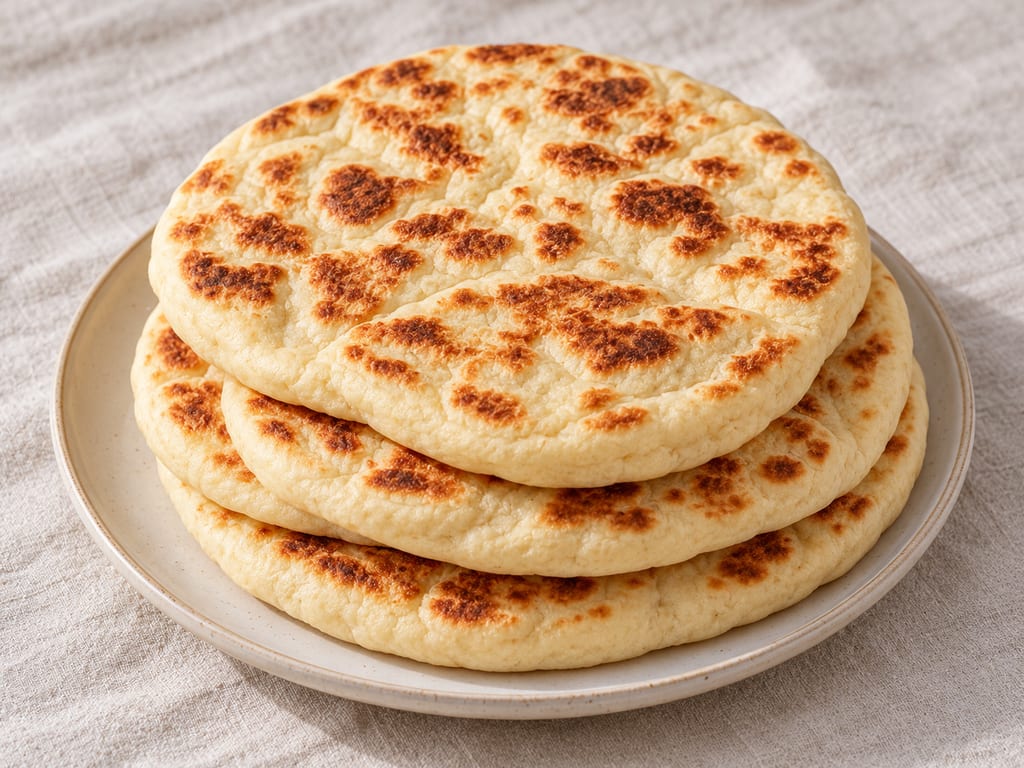
This Turkish bazlama uses yeast, plain yogurt and olive oil for a soft dough cooked in a skillet. Shape it into twelve small or six larger rounds, flip as bubbles appear, and wrap the breads to keep them soft.
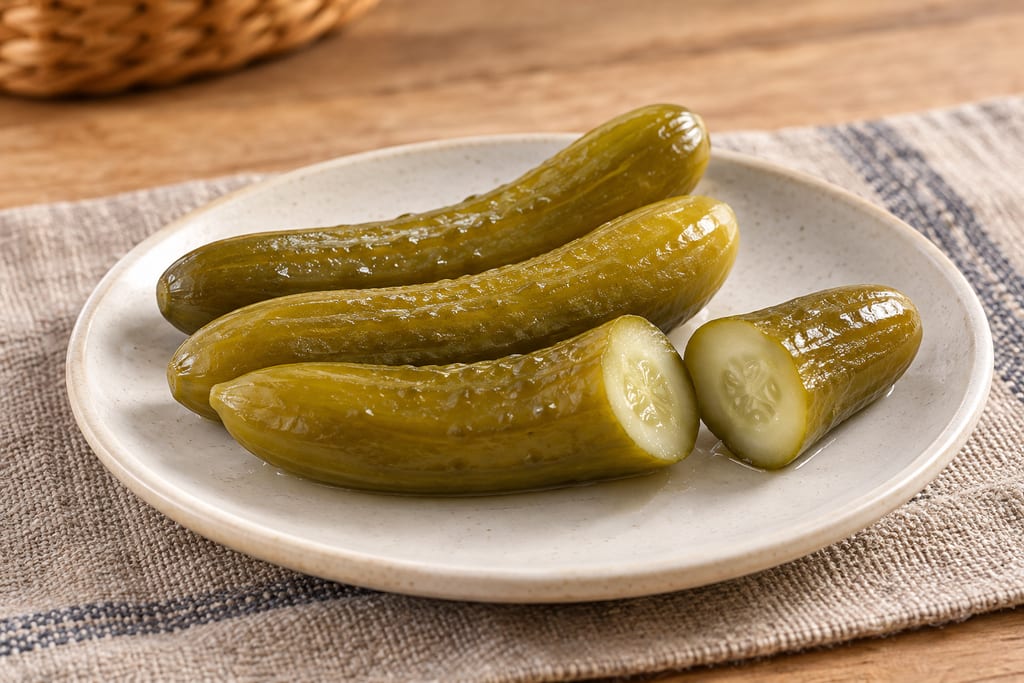
Çubuk turşusu is a registered pickle from Çubuk district in Ankara. Its cucumber variant is sold as Salatalık Turşusu, and a commercial specification sets its brine and room-temperature period.
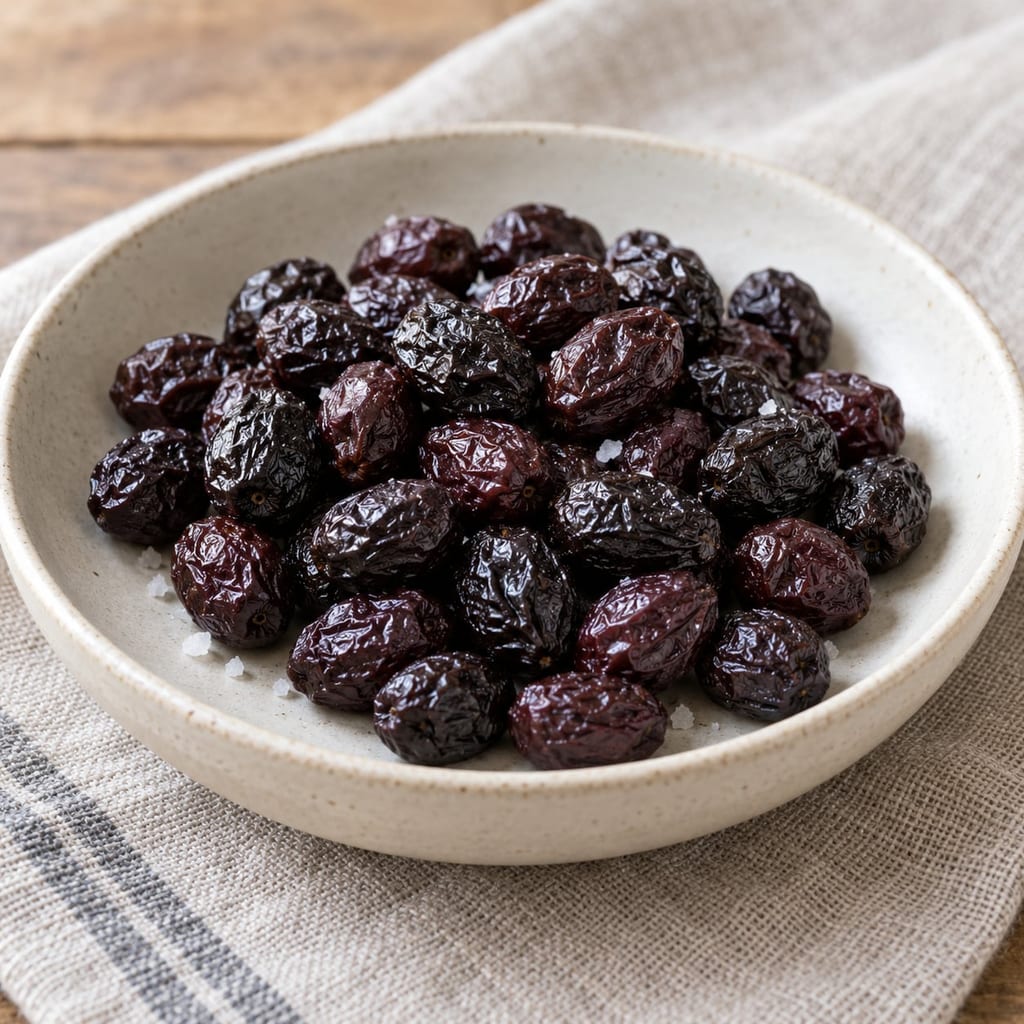
Fully ripe dark olives are mixed with salt and turned weekly as salt draws out moisture. Distinct from existing brine-fermented and lye-treated olives.
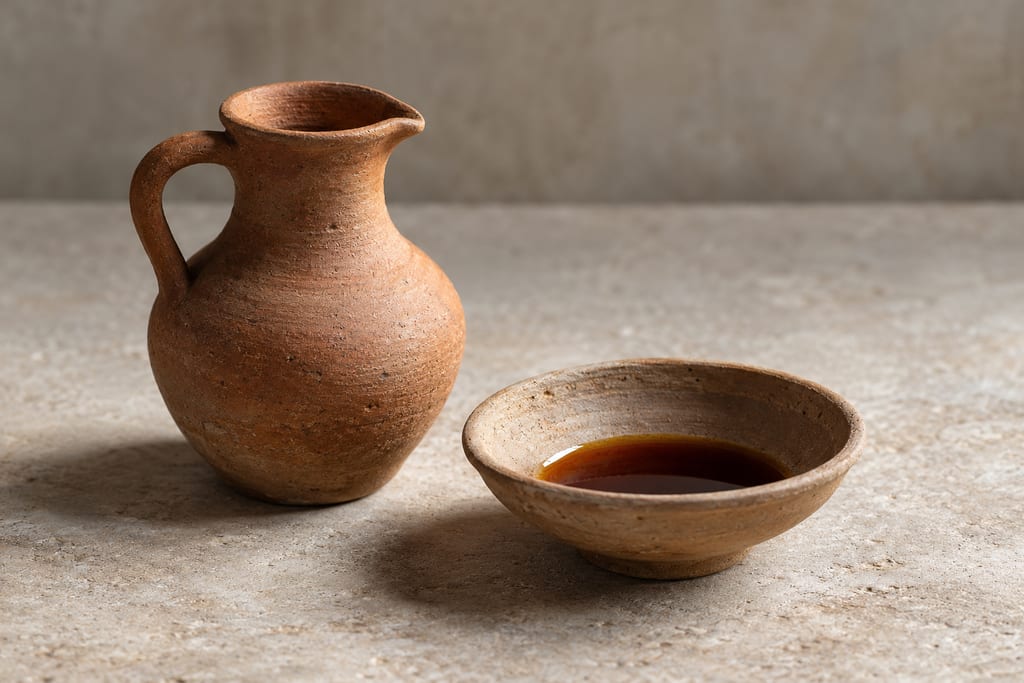
Garum, Greek garos and Latin liquamen, was the fish sauce of the ancient Mediterranean: fish and viscera salted and left in the sun, then drained off as a savoury liquid.
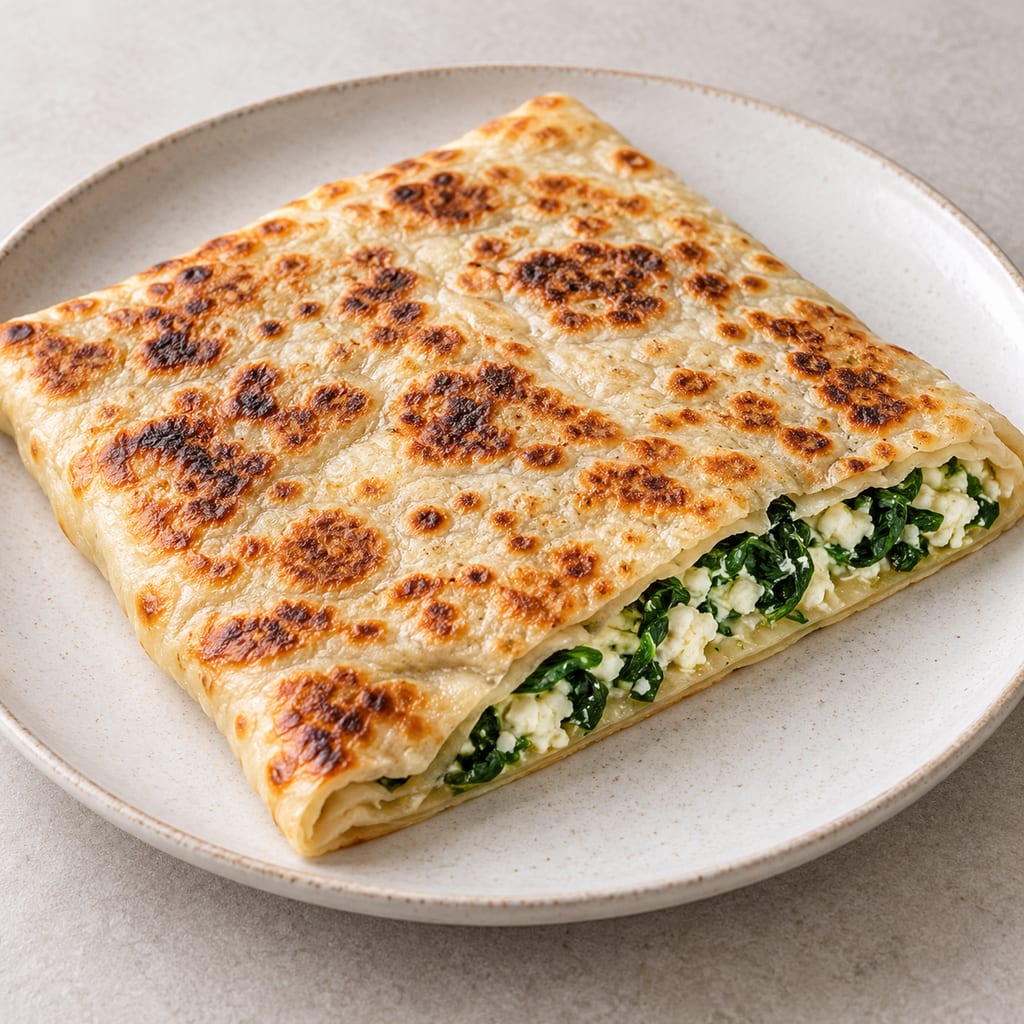
A yeast-and-yogurt dough is rolled into a large thin sheet, filled with spinach, onion and feta, folded closed, then cooked on an oiled griddle. This is Özlem Warren’s spinach-and-cheese family-style version.
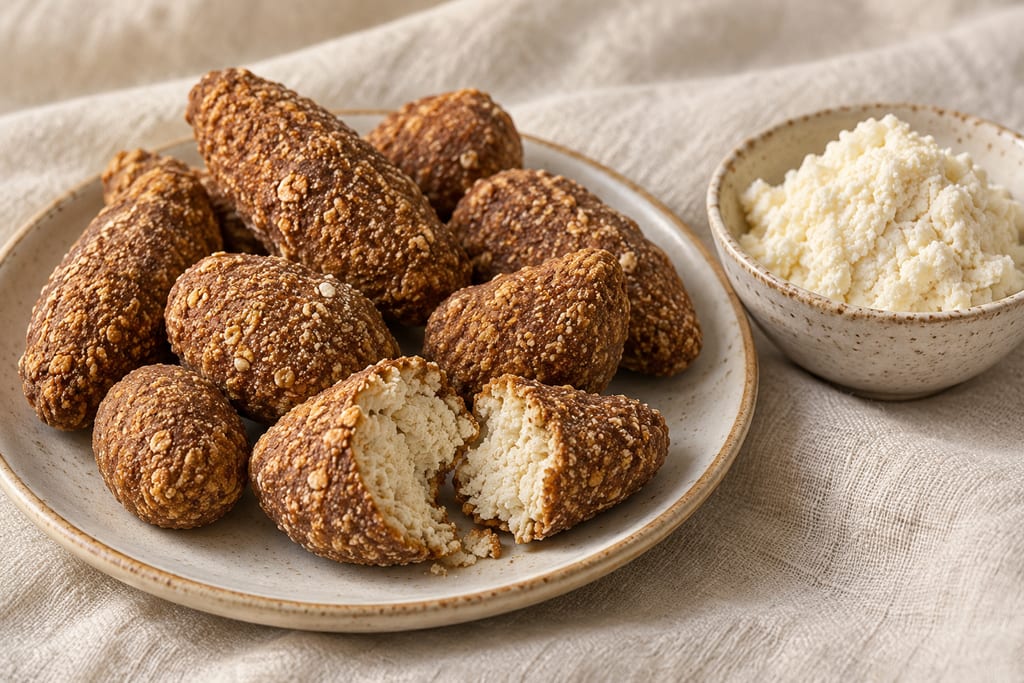
A two-stage Altai dairy preparation: sour chegen is heated into soft aarchi, then portions are drained, pressed and traditionally smoked into firm kurut.
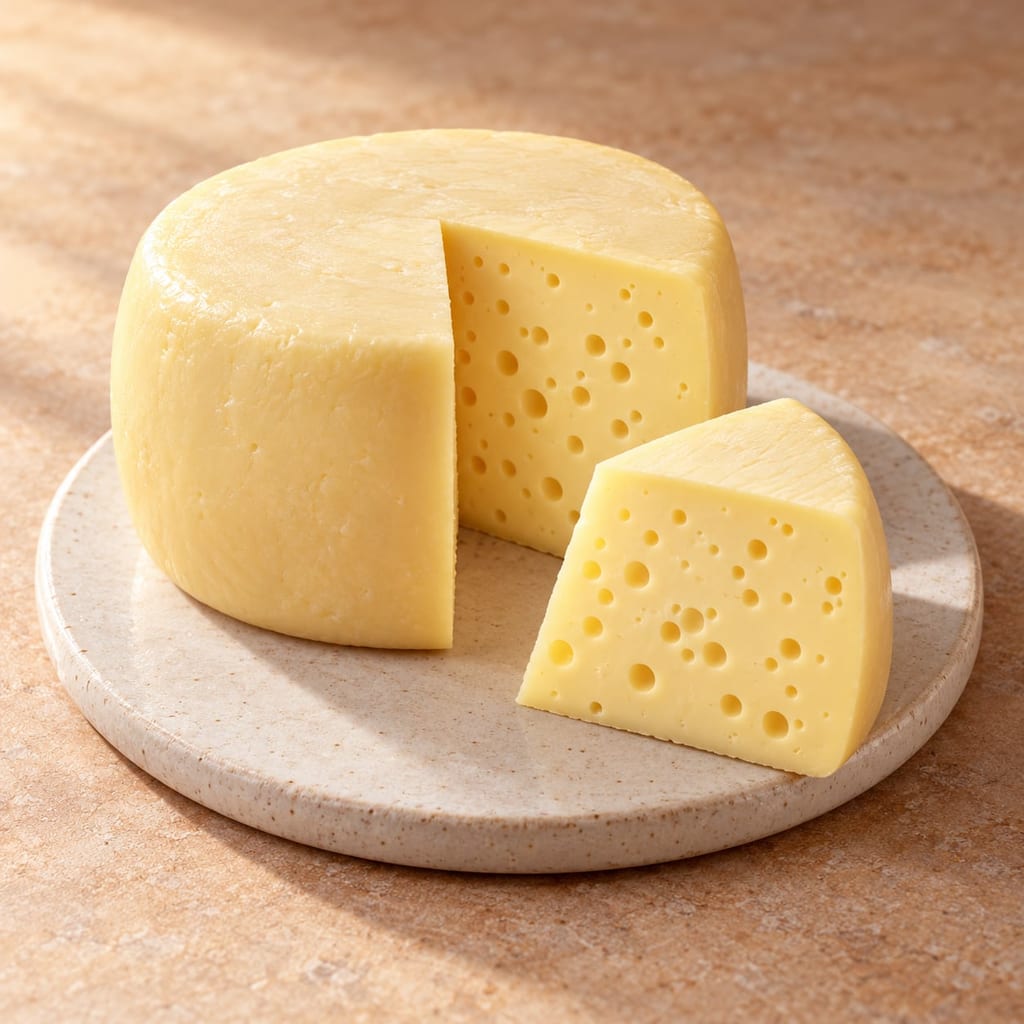
A washed-curd cheese with propionic bacteria, warmed by hot water in two steps and then held in a warm room for weeks so the bacteria can form its holes.
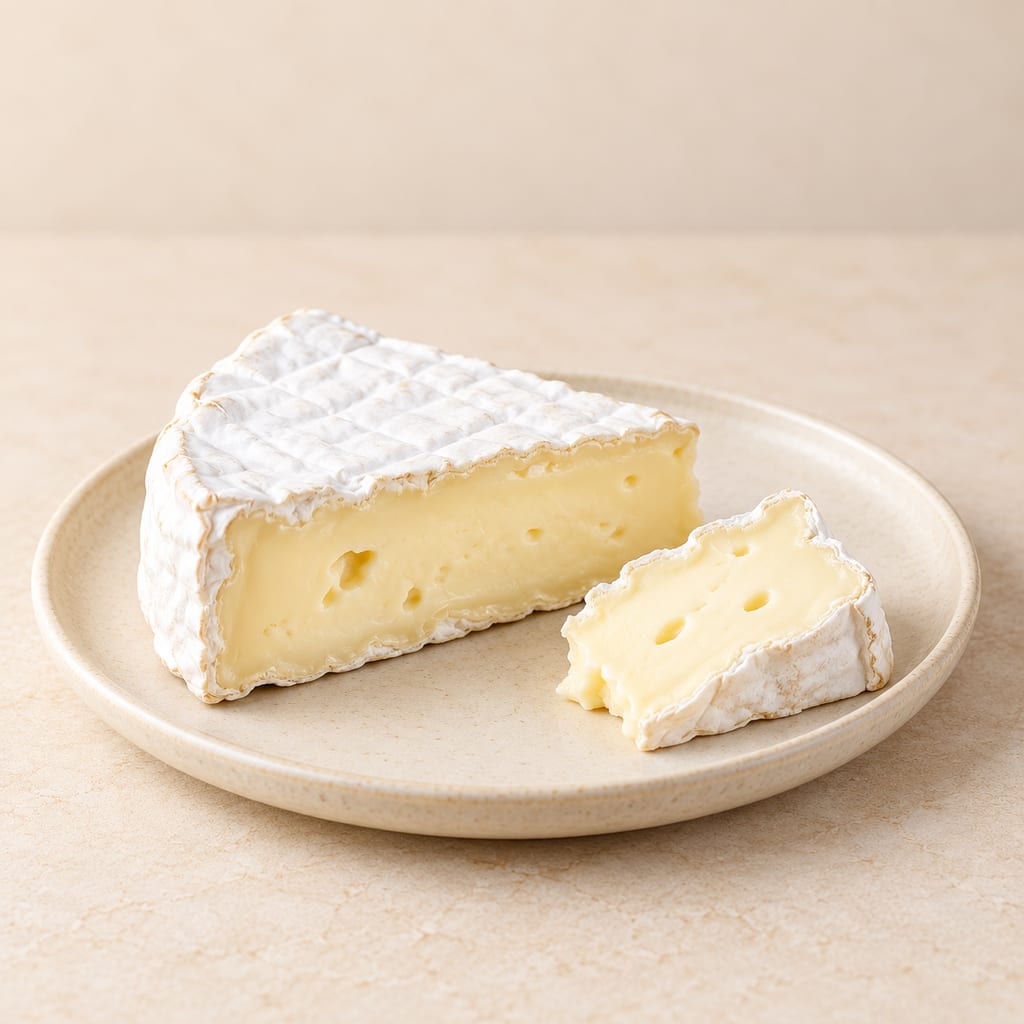
A cream-enriched Brie with a white bloomy rind and a softening center, made from pasteurized milk with lactic and surface cultures.
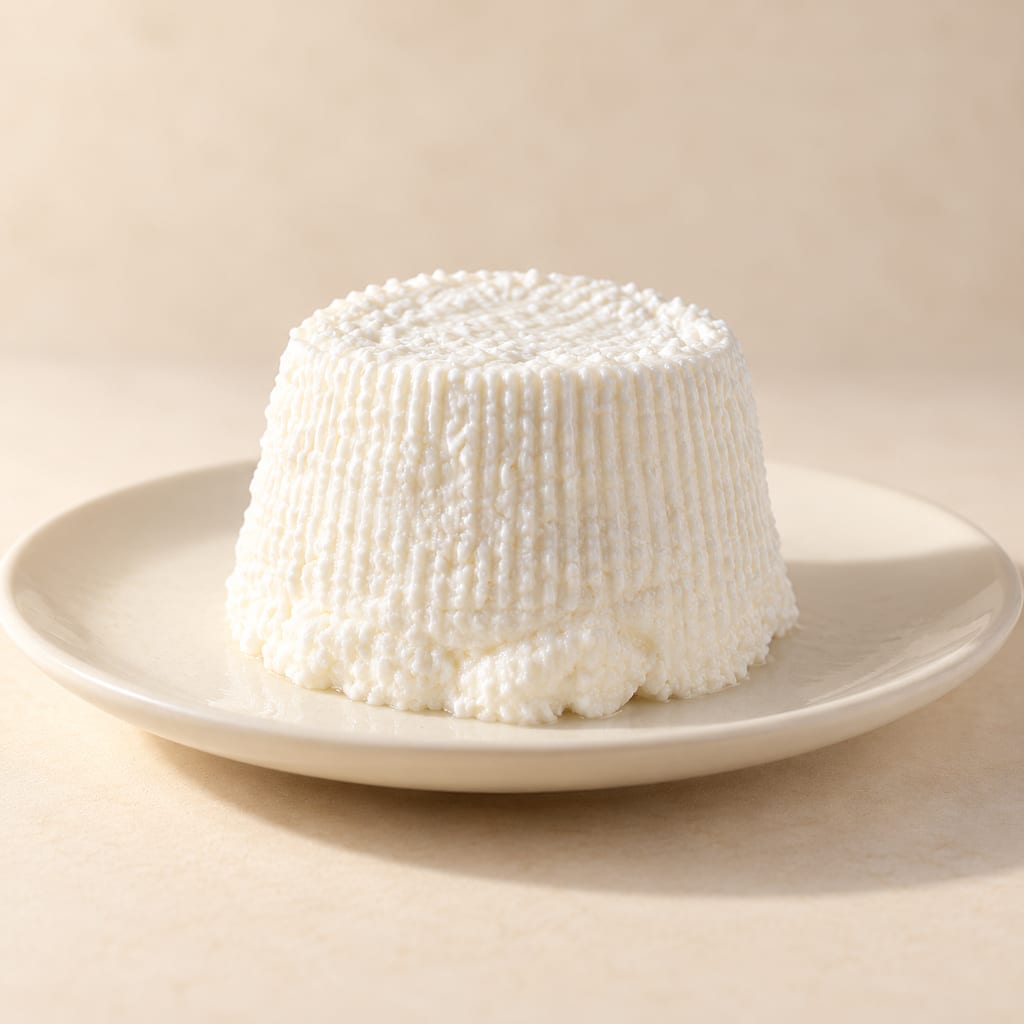
Corsican Brocciu is a whey cheese made by heating sheep's or goat's whey with whole milk and salt, then gently draining the flocculated curds. It is eaten fresh or salted and ripened as Brocciu passu.
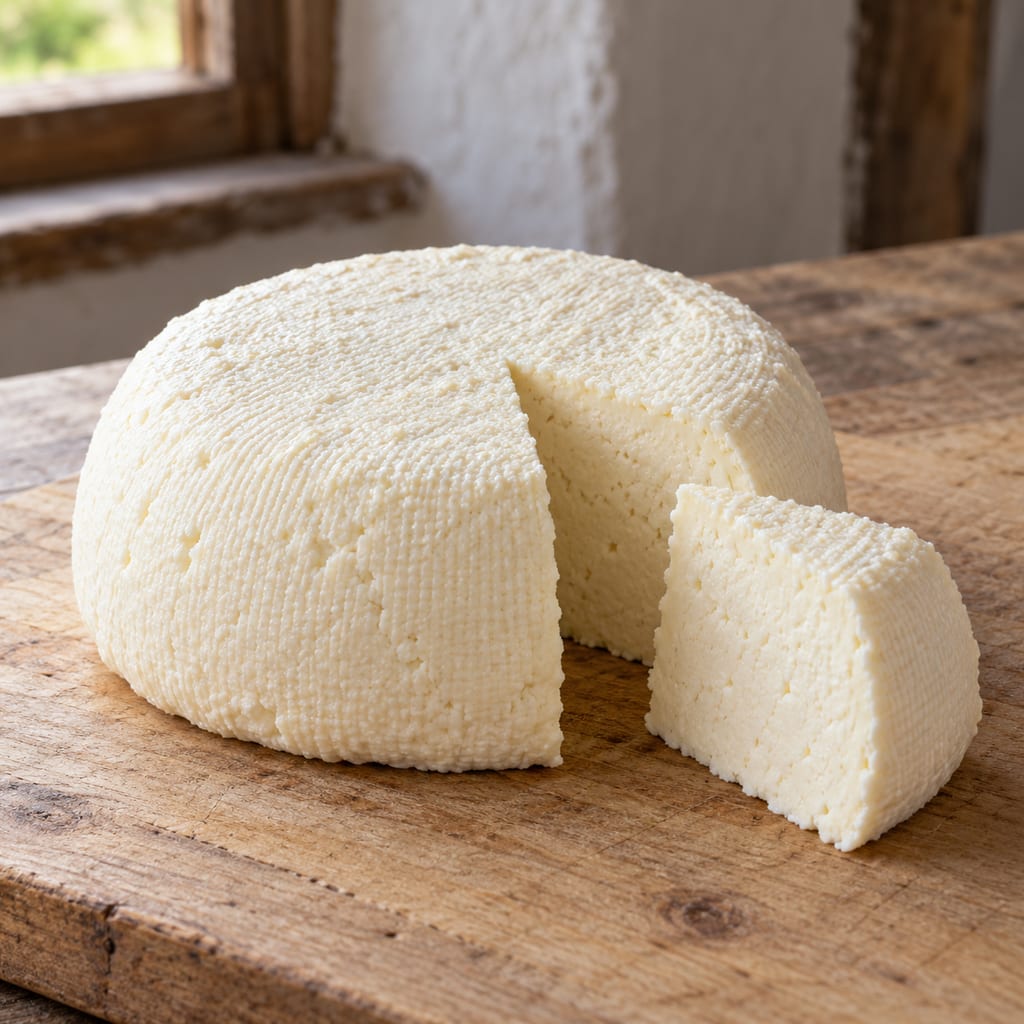
Budz is a traditional Hutsul rennet-set cheese made from sheep, cow or goat milk in the Ukrainian Carpathians, forming a fresh curd that can be eaten, smoked or processed into salted bryndza.
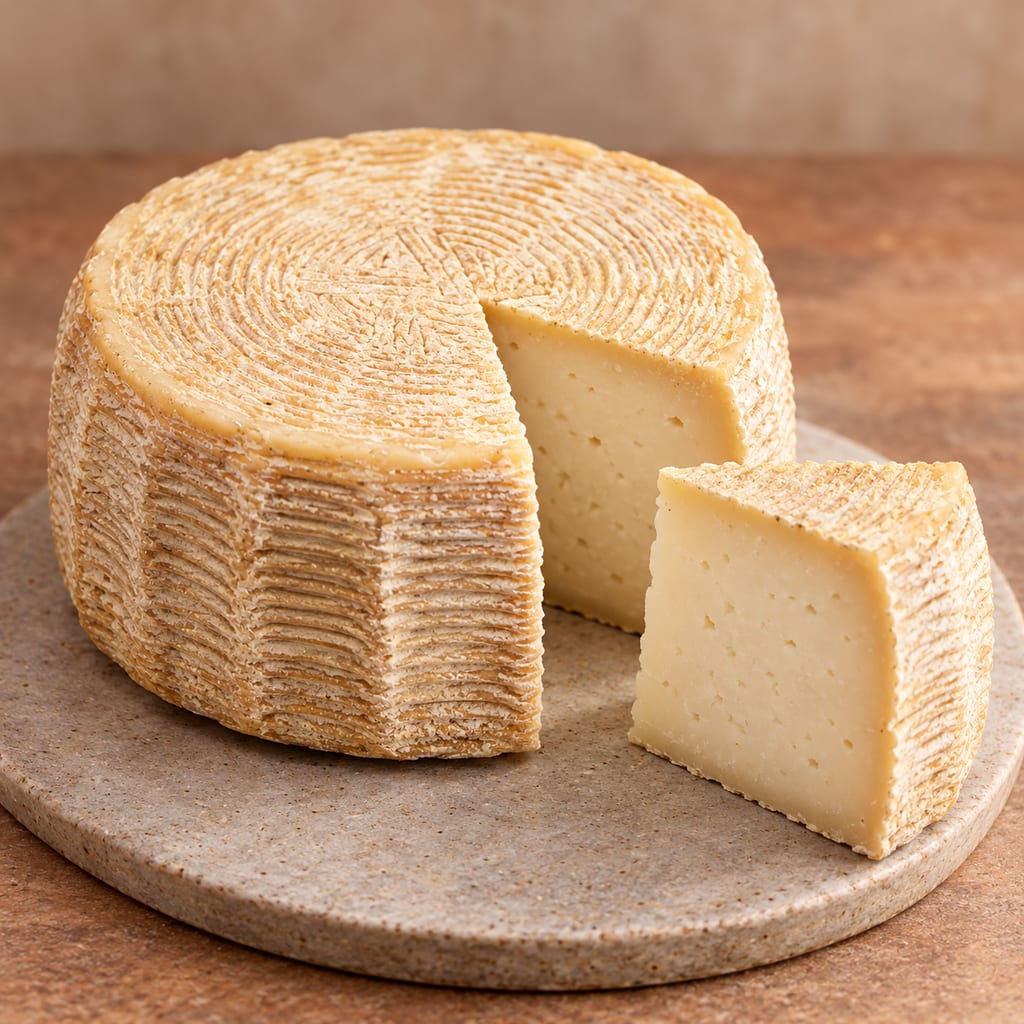
A scalded cheese moulded in baskets and re-cooked in its forms in hot whey, made alongside a ricotta from the same milk, then acidified, brined and aged for months.
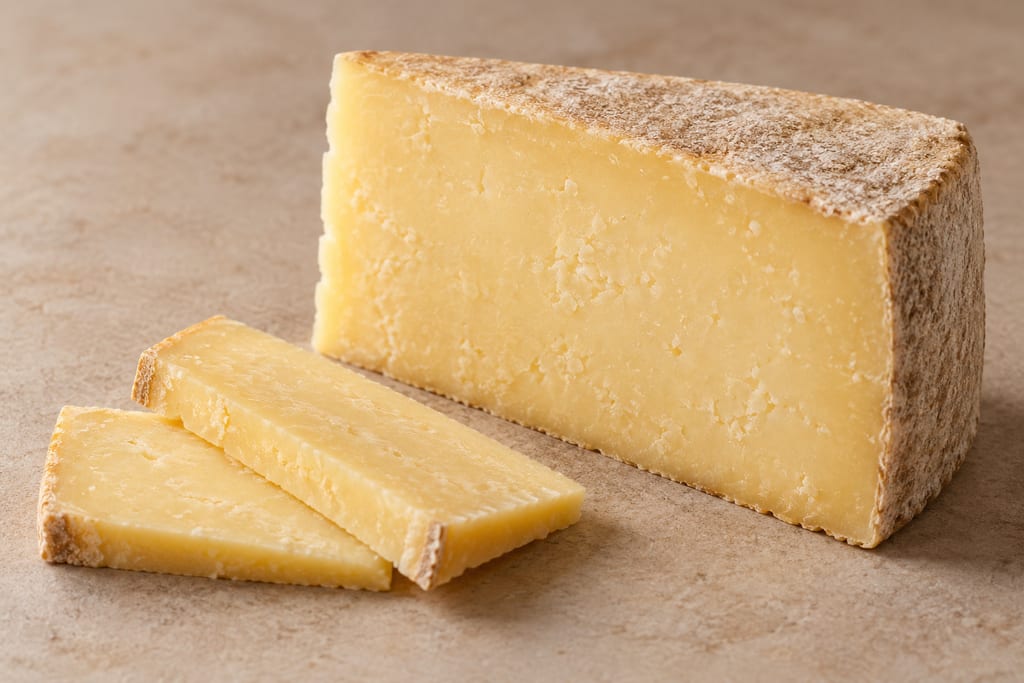
A pressed cheese whose curd is cooked slowly, then cheddared: kept warm in slabs that are turned and stacked for hours before milling, salting and pressing.
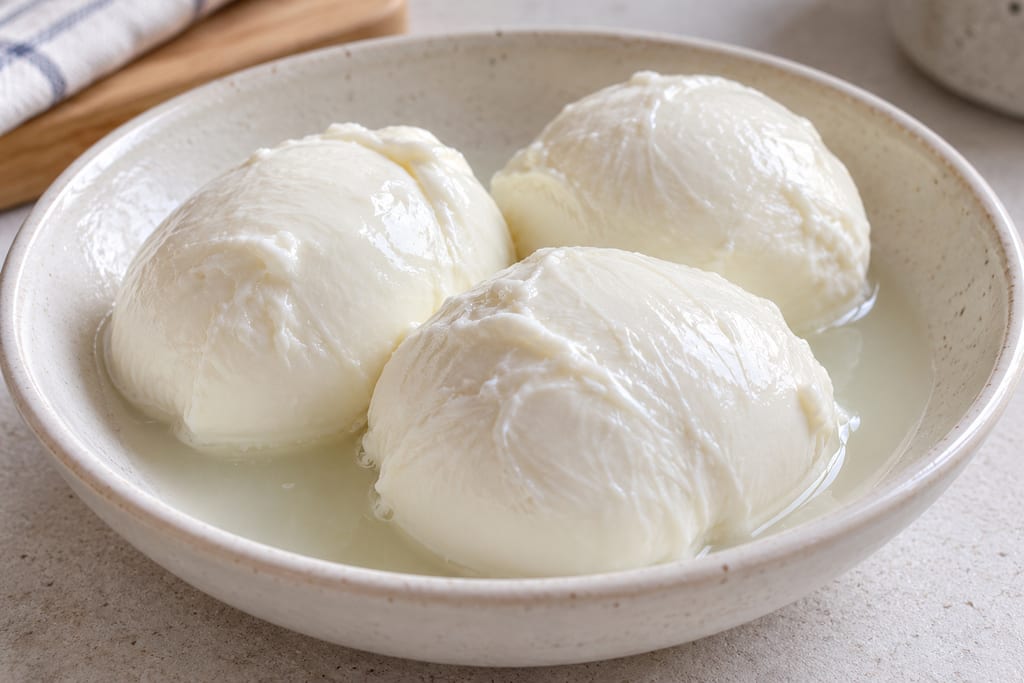
A quick fresh batch uses low-temperature-pasteurized whole milk, citric acid and rennet; the curd is warmed, drained and stretched in hot whey.

A Cap-Pelé boucanière is an Acadian herring-smoking building. The documented Willie Niles example is a one-storey wood-frame structure with a ridge smoke vent and interior bays for hanging fish-bearing cannes.

Achcharu is a family of Sri Lankan vinegar pickles made with mixed vegetables or seasonal fruit and a piquant spice dressing. This version is a quick, refrigerated, non-fermented mixed-vegetable pickle.

The acocote is a long, hollowed and dried gourd used to draw aguamiel from a mature maguey. It is a harvesting tool: the sap is transferred to a separate vessel before it ferments into pulque.

Adrak murabba preserves young ginger in sugar syrup, a sweet South Asian preparation recorded in Indian cookery and food-processing sources.

Parkia biglobosa seeds are fermented into regional West African seasonings, including nététou, iru, dawadawa and soumbala. The yellow fruit pulp is a separate food, and names and methods vary by place.

Japanese reddish-brown vinegar from sake lees matured about three years, turned to vinegar by acetic bacteria; the vinegar of Handa and Edomae sushi rice.

A refined common-wheat flour blended for a broad range of baking; its protein and behavior vary with wheat, milling and market.

The almond mushroom, Agaricus subrufescens, was cultivated in eastern North America in the 1800s, lost its market, and returned as a cultivated mushroom from Brazil, where it is grown under several names.
No community contributions have been published for this entry yet.
Sign in to contribute. Published comments and photos are free to read.
FAOProcess
The technology of traditional milk products in developing countriesKasar Peyneri milk species and raw-milk method, rennet basis, curd cut, pressing, 24-hour maturation, hot-water stretching, salt endpoint, and ripening conditions.
Cited in: Kaşar and its stretched-curd form; Seasonal cheesemaking in the written record; What the record can and cannot establish; Milk, rennet and the changing curd; Pressed curd and the hot-water stretch; Salting, maturation and the limits of time; Food safety and household use; Recognising the cheese without overclaiming
New Mexico State University ExtensionSafety
Making Homemade CheeseRaw-milk and cheese pathogen safety context; not validation of this traditional method.
Cited in: Milk, rennet and the changing curd; Pressed curd and the hot-water stretch; Food safety and household use
İstanbul Ticaret BorsasıHistory
Yerli Kaşar Peynir 120 Yıl Önce Nasıl İmal Ediliyordu?Institutional transcription of İhsan Bey’s 5 May 1905 Resimli Ziraat Gazetesi account, sheep-milk making around Edirne, Selanik and Kosova; lowland fresh and mountain overwintered styles.
Cited in: Seasonal cheesemaking in the written record; What the record can and cannot establish; Pressed curd and the hot-water stretch; Fresh, aged and regional versions; Recognising the cheese without overclaiming
New Perspectives on Turkey, Cambridge University PressHistory · Geography
Articulation and disarticulation of Kars cheeses within dairy commodity chainsResearch traces kaşar production in Kars to the early Republic after 1923, with cheesemakers arriving from western Thrace and Bulgaria.
It describes changes in Kars production and trade chains, including industrialization and later geographic branding; these Kars developments do not establish the origin of all kaşar or of the FAO sheep-milk method.
Cited in: Kaşar and its stretched-curd form; Seasonal cheesemaking in the written record; What the record can and cannot establish; Fresh, aged and regional versions; Recognising the cheese without overclaiming
Yüzüncü Yıl University Journal of the Institute of Natural and Applied SciencesScience · Texture
Determination of Some Chemical and Textural Properties in Fresh and Ripened Kashar CheeseA study of kaşar from different Turkish producers during 90 days reported lower dry matter, water activity and pH overall and increased lactic acid, ripening index and water-soluble nitrogen during storage.
In that study, cheeses softened and became less elastic and less sticky; these measured changes describe the studied cheeses and do not provide endpoints for the separate FAO method.
Cited in: Milk, rennet and the changing curd; Salting, maturation and the limits of time; Fresh, aged and regional versions
Centers for Disease Control and Prevention, MMWRSafety
Outbreak of Salmonella Typhimurium Infections Linked to Commercially Distributed Raw Milk — California and Four Other States, September 2023–March 2024During the 2023–24 outbreak investigation, the outbreak strain was detected in raw milk cheese aged for 60 days; this demonstrates that aging time alone does not guarantee pathogen absence.
Cited in: Salting, maturation and the limits of time; Food safety and household use
International Journal of Dairy Technology (Wiley)Science · Safety
The effects of starter culture on chemical composition, microbiological and sensory characteristics of Turkish Kaşar Cheese during ripeningThe study compared Kaşar made from raw milk with a starter-culture-added pasteurized-milk version; its abstract reports that starter culture affected microbiological quality and contributed to acidity. It does not establish that the FAO starter-free traditional method can be directly adapted by substituting pasteurized milk.
Cited in: Milk, rennet and the changing curd
Journal of Food Process Engineering (Wiley)Science · Process
Determination of pH change kinetics during different stages of Kashar cheese manufacturing from raw and pasteurized milk with addition of thermophilic, mesophilic and mixed thermophilic cultureThe study evaluated pH-change kinetics in Kashar manufacture from raw and pasteurized milk with thermophilic, mesophilic and mixed starter cultures; its abstract reports pasteurization slowed pH change and culture type affected acidification rates. It does not validate the separate FAO raw-milk, no-starter method as a home process.
Cited in: Milk, rennet and the changing curd