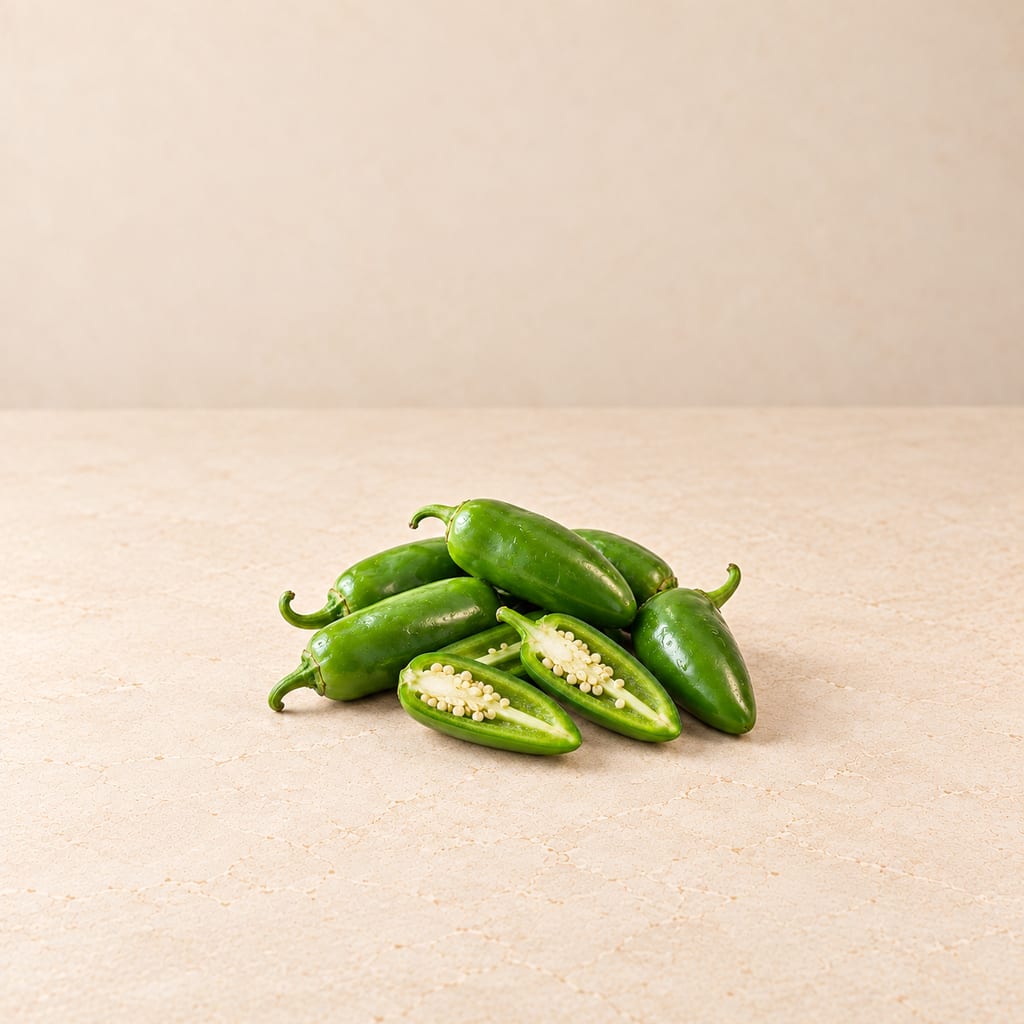
Green chilli (serrano, jalapeño and milder varieties)
Green chillies are fresh, unripe or just-ripe pods of Capsicum annuum, from the medium-hot jalapeño and hotter serrano to mild New Mexican types, used raw in sauces and cooked in pastes.
 FermenteaWhere food goes to change
Modern method
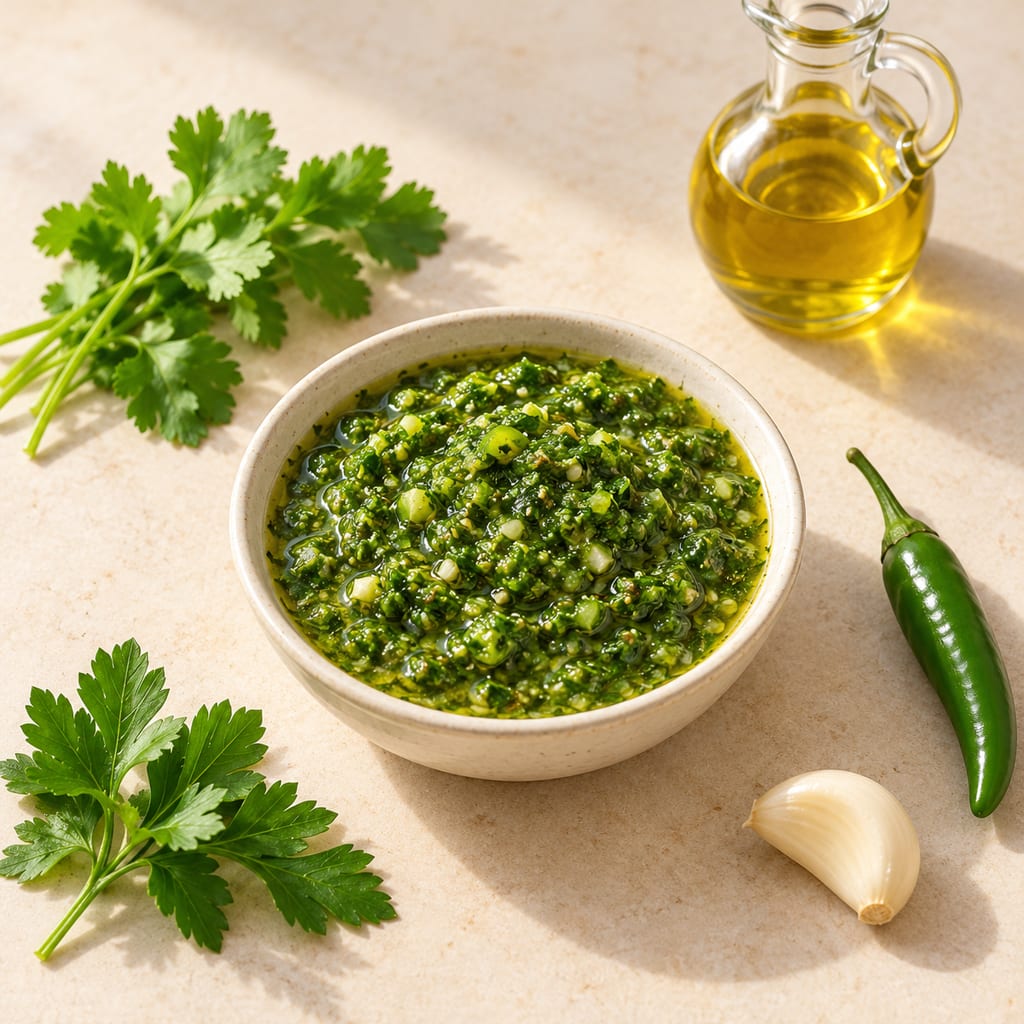
Yemeni zhug inspires this fresh sauce of coriander, parsley and green chilli. Its weighed mild-chilli formula is one contemporary variation, not a canonical household recipe.
Zhug is also written as zhoug or schug, and the Yemeni Arabic name sahawiq appears in accounts of the sauce. SBS Food traces the style to Yemen and describes its wide use in Israel and other Middle Eastern settings. The same report notes green, red and brown versions and says fresh chilli, garlic and coriander are common, while recipes vary between families. UNICEF UK describes zhug as a paste or chutney served with Yemeni dishes. These sources support a broad culinary association, not one fixed ingredient list, regional formula or first date.
This recipe records one contemporary sauce inspired by that family of preparations. Its green colour comes from fresh herbs and green chilli. The measured mixture adds parsley and uses a deliberately mild starting chilli weight. It is not presented as a canonical Yemeni household recipe or as a tested copy of a source recipe.
The ingredient list gives gram weights for a small batch of coriander, parsley, green chilli, garlic, olive oil, optional lemon juice, salt, cumin and cardamom. Those amounts make this particular prototype repeatable; they do not define a standard ratio. The 20 g of mild green chilli is a starting point because the archive treats chilli strength as the main variable. Taste a small amount on plain food before adjusting it, as the method says.
The UNICEF UK handout offers a different zhug formula: three bunches of fresh coriander, one to four green chillies, garlic, olive oil, lemon juice, cumin, ground coriander, cardamom and salt. It blends the ingredients until partly chunky, then refrigerates the sauce. This prototype instead weighs its ingredients, includes parsley, leaves out ground coriander, and makes lemon optional. The handout supports the style and a possible method; it does not validate these weights or the storage life of this recipe.
The SBS report records further variation. One interviewed cook describes balancing heat, salt, sourness and sweetness and uses paprika and sugar with spices, oil and lemon; another serves a bright green coriander-and-chilli sauce. This prototype omits sugar and paprika. Their formula choices are evidence of variation, not requirements that should be silently added to this list.
The written method keeps visible herb and chilli pieces, either by chopping with a knife or pulsing briefly. That texture suits the UNICEF handout's partly chunky finish, while leaving the actual texture to the cook's chopping or blending. A smooth purée is not required by this recipe. The fresh chilli supplies the heat; coriander and parsley give the green herb base, while cumin, cardamom, salt and optional lemon give the measured mixture its particular seasoning. Other versions use different spice balances, so this combination is a variant rather than a definition.
The UNICEF handout suggests adding a couple of tablespoons of zhug to a stew or rice dish. SBS's interviewed cooks describe serving it with meat, roasted vegetables, hummus, fish, bread, soups and salads. These examples show how a small amount can be used as a condiment at the table or added to a dish. They are serving ideas, not parts of the measured batch and not evidence that the sauce preserves food.
This uncooked sauce contains fresh garlic mixed with oil. The National Center for Home Food Preservation warns that garlic-in-oil held at room temperature can support botulism. Its guidance is to make the mixture fresh, refrigerate it at or below 40°F (4°C) for no more than four days, or freeze it for longer storage. This is conservative garlic-in-oil guidance, not validation testing of this full formula. The optional lemon juice does not establish a safe pH or extend the stated time. Do not store the sauce at room temperature or use smell, taste, bubbles or appearance to judge whether it is safe.
Zhug, also written zhoug or skhug, is a fresh chilli-and-herb relish of Yemeni origin that diaspora cooks have carried across the Middle East and to Israel. The archive names Ottolenghi’s preparation as one that names that origin, and it uses coriander, garlic and spices. Recipes differ in their herbs, the presence of parsley, the use of cardamom and whether acid is added, so zhug is better described as a family than as one recipe.
This house sauce is an inspired version. It chops coriander and parsley with green chilli, garlic and oil, adds cumin and cardamom, and makes a relish that stays closer to a fresh herb sauce than to a paste. The aim is visible pieces rather than a smooth purée.
Chilli intensity varies between fruits and varieties, so the formula starts with a milder green chilli and asks the cook to taste the chilli, the herb freshness and the spice separately. Adding more chilli is the last correction, and it should be made in small steps. The herbs give most of the freshness; they lose brightness if they are chopped far ahead of use.
The optional lemon is a deliberate variation. It sharpens the sauce and makes it more acidic, but it does not define every zhug and does not validate a longer keep. Use the sauce with eggs, beans, roasted vegetables or in a sandwich, in small amounts at a time.
Garlic in oil is a known botulism risk when it is kept at room temperature. The NCHFP guidance on freezing garlic in oil advises refrigerating at 40 F or below and using the product within four days, or freezing it. The oil layer in a zhug is not a validated preservation method, and a jar of herbs and garlic under oil should not be left out of the refrigerator.
For that reason the house sauce is refrigerated promptly in small clean containers, or portioned and frozen while fresh. The archive applies a conservative 48-hour working window, which is a planning convention and not a measured shelf life. Thaw frozen portions in the refrigerator and expect the colour and fresh-herb character to change somewhat in storage.
The sources used here do not give a validated shelf life, a safe room-temperature limit or a canning procedure for a herb sauce with garlic and oil. Appearance, smell and taste do not establish safety. A zhug that looks and smells fresh after two days in the warm can still be unsafe, which is why the cold chain is the control and not the sensory check.
A contemporary untested prototype based on the broad fresh Yemeni herb-and-chilli sauce style. Sources describe zhug/sahawiq as Yemen-associated and document its later diaspora use; this formula's weights and reduced chilli level are newly developed.
Scaling: source batch only
Fresh garlic submerged in oil creates a known botulism risk if stored at room temperature.
Hazard sourceKeep freshly made sauce refrigerated at or below 4°C and use within four days, or freeze promptly; do not store at room temperature.
Control sourceGarlic in oil is not a preservation method; never keep this sauce at room temperature.
Optional lemon juice does not validate a longer shelf life.
Untested development formula; no sensory or recipe-specific shelf-life validation is recorded.
Do not use smell, taste, bubbling or appearance to establish safety.
The style is Yemen-associated; this newly developed formula is not presented as a traditional Yemeni household recipe.
The source describes zhug as widely eaten in Israel; this does not make the present prototype an Israeli traditional recipe.
Green chillies are fresh, unripe or just-ripe pods of Capsicum annuum, from the medium-hot jalapeño and hotter serrano to mild New Mexican types, used raw in sauces and cooked in pastes.
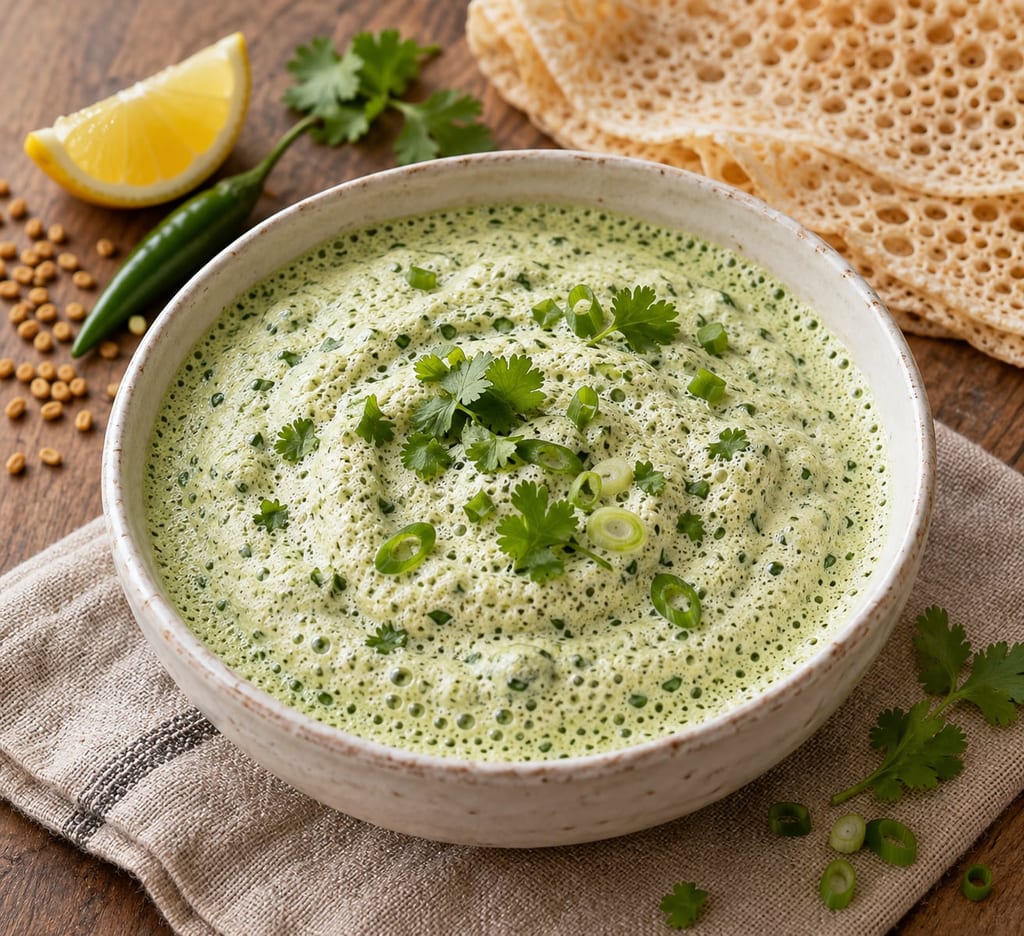
A whipped condiment of soaked ground fenugreek seed, aerated until foamy and finished with herbs, chilli and lemon. It comes from Yemen.
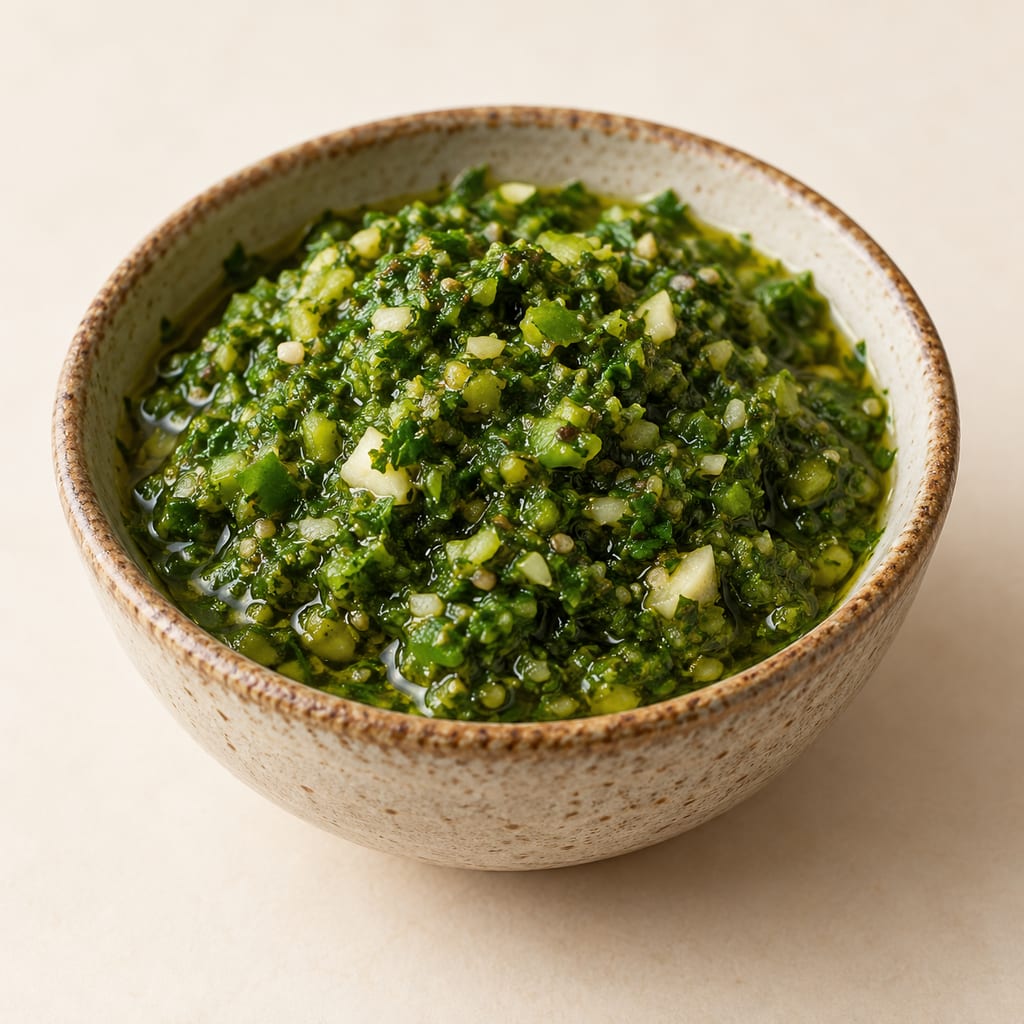
A Yemeni hot sauce of fresh chilli, coriander and garlic bound with olive oil, the base of sahawiq and a common condiment in Israel. It is made by crushing, not cooking, and keeps only briefly in the refrigerator.
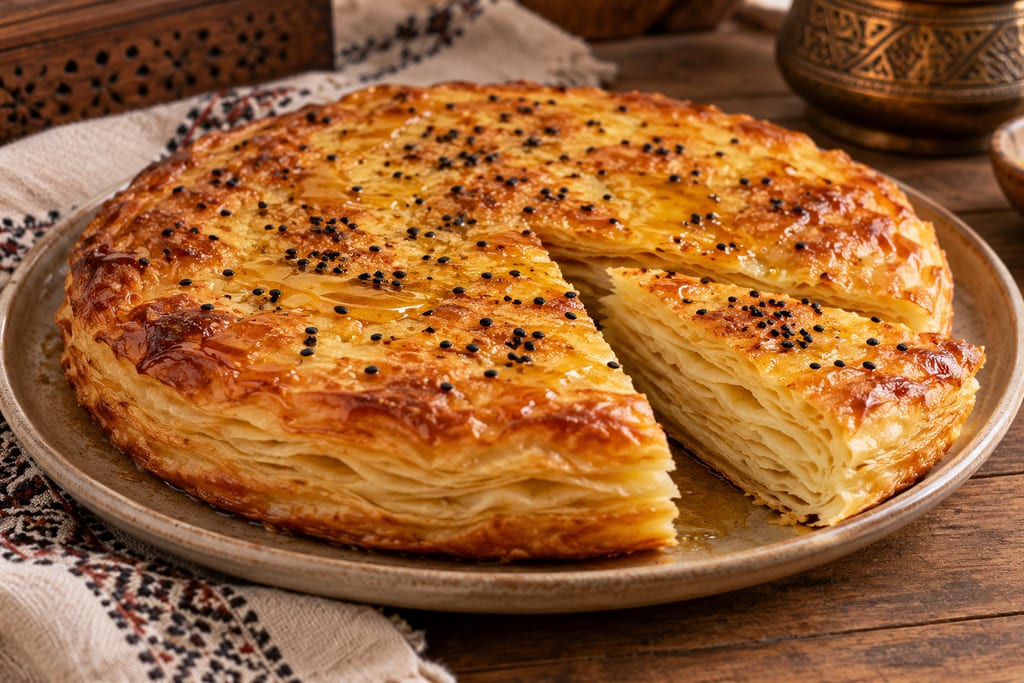
Bint al-sahn is a Yemeni celebration and home bread built from thin, egg-rich yeast dough layers brushed with ghee or butter. This source-specific version makes one round cake, baked until golden and served warm with honey.
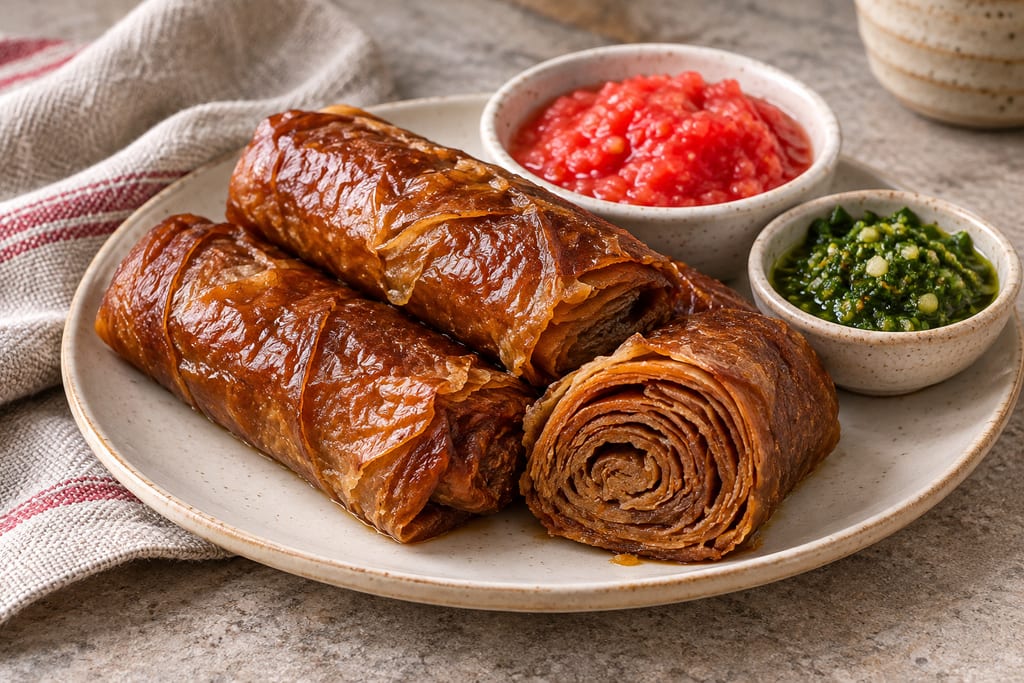
Jachnun is a rolled, butter-layered wheat pastry baked covered for hours at very low oven heat and served warm, often with grated tomato and schug.
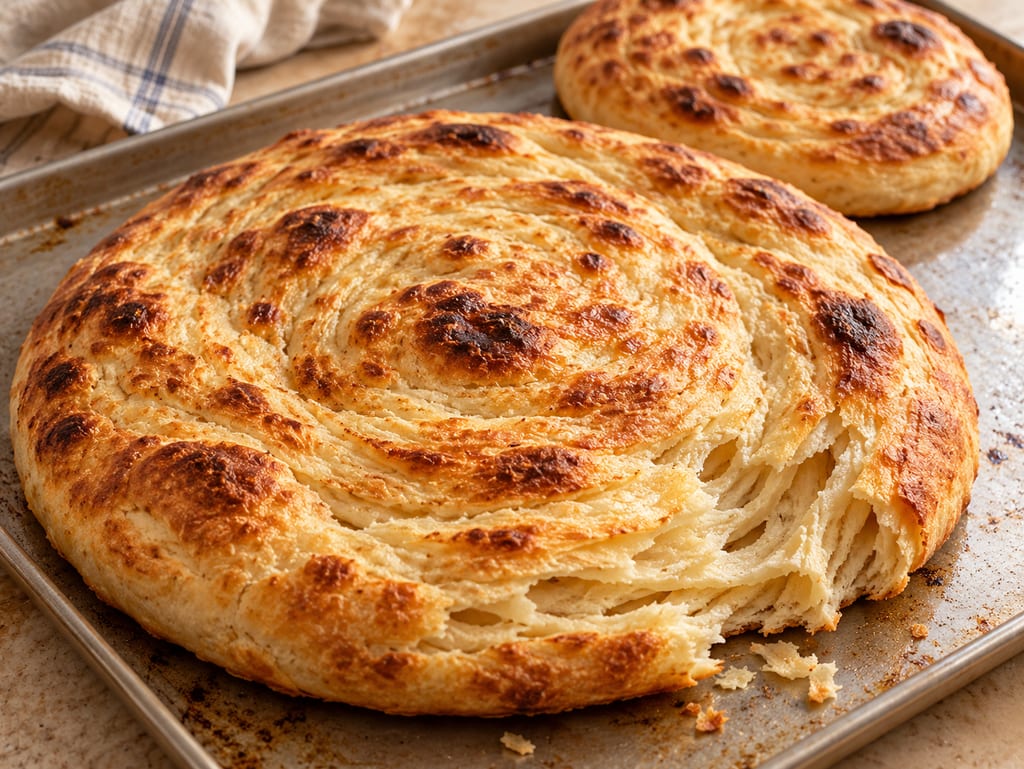
This Yemeni home-oven variation uses a yeast-raised wheat dough, folds it repeatedly with semn and oil, then bakes it as large rounds.
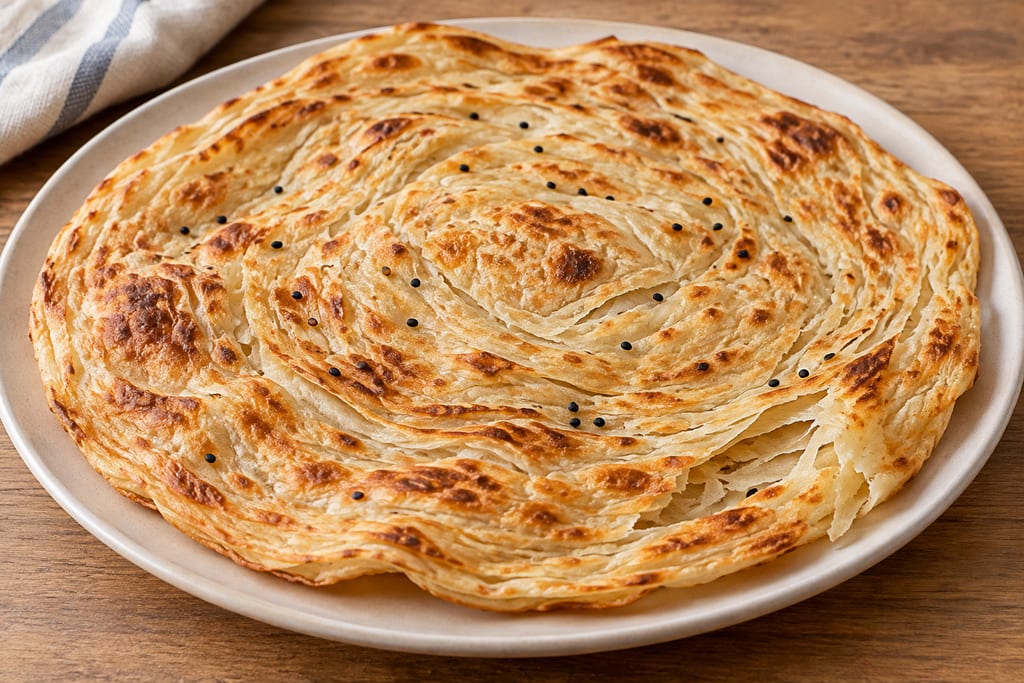
A Yemeni layered wheat bread made by stretching an unleavened dough thin, folding butter or ghee through it, and baking it on a very hot stone.
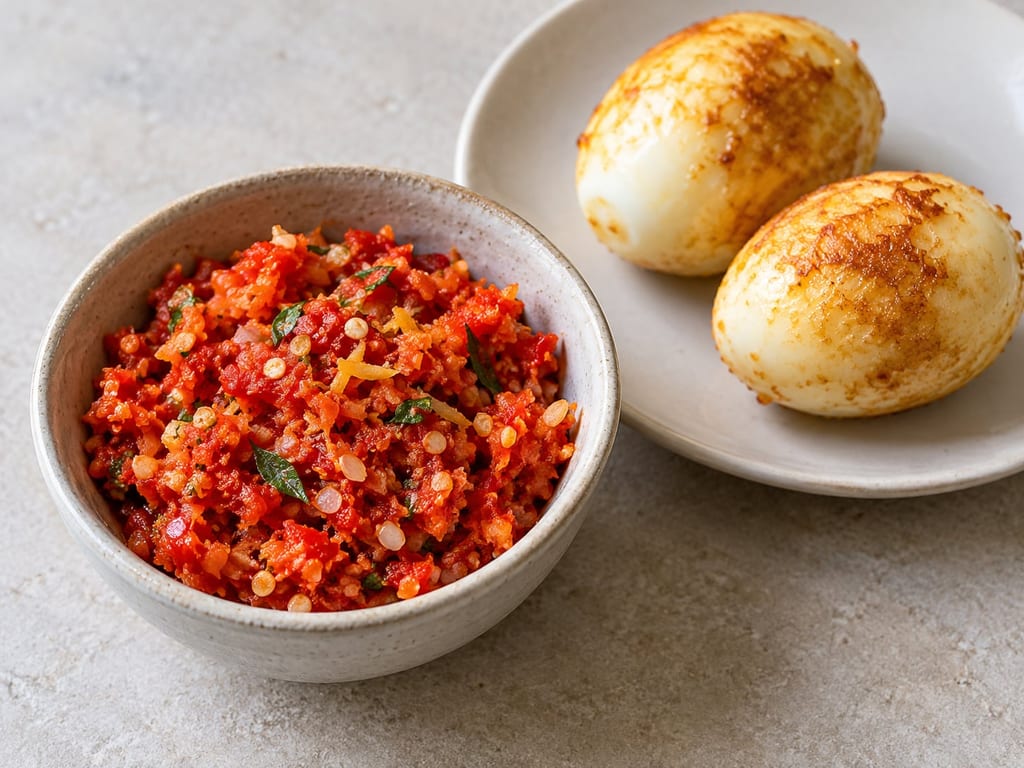
Ai-manas is described as a very hot chilli paste served with Timorese meals. One published version blends fresh chillies, shallots, garlic, Thai basil, ginger, lemon and salt, and serves it with eggs. Sources do not establish a standard formula, precise birthplace or earliest date.
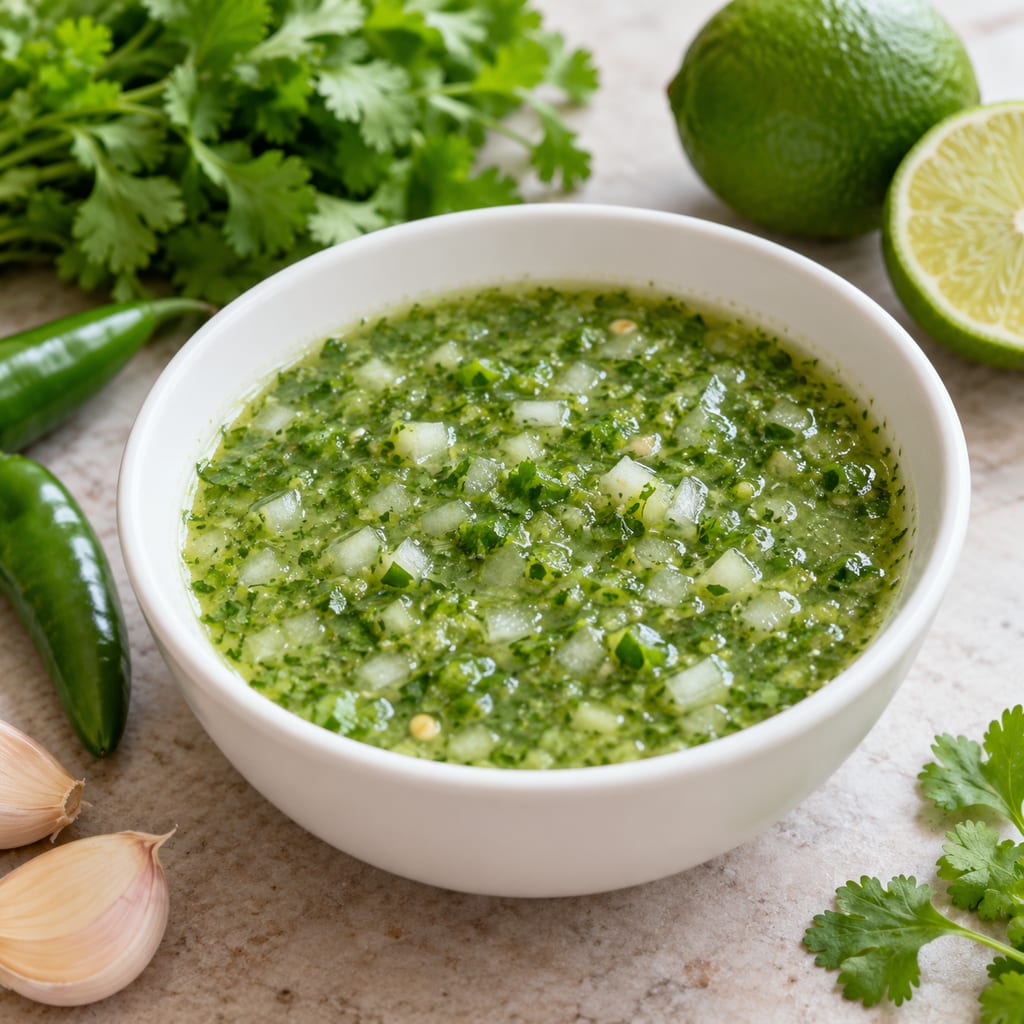
A fresh, uncooked Ecuadorian table sauce of hot pepper, cilantro, garlic and lime, served with most everyday dishes.
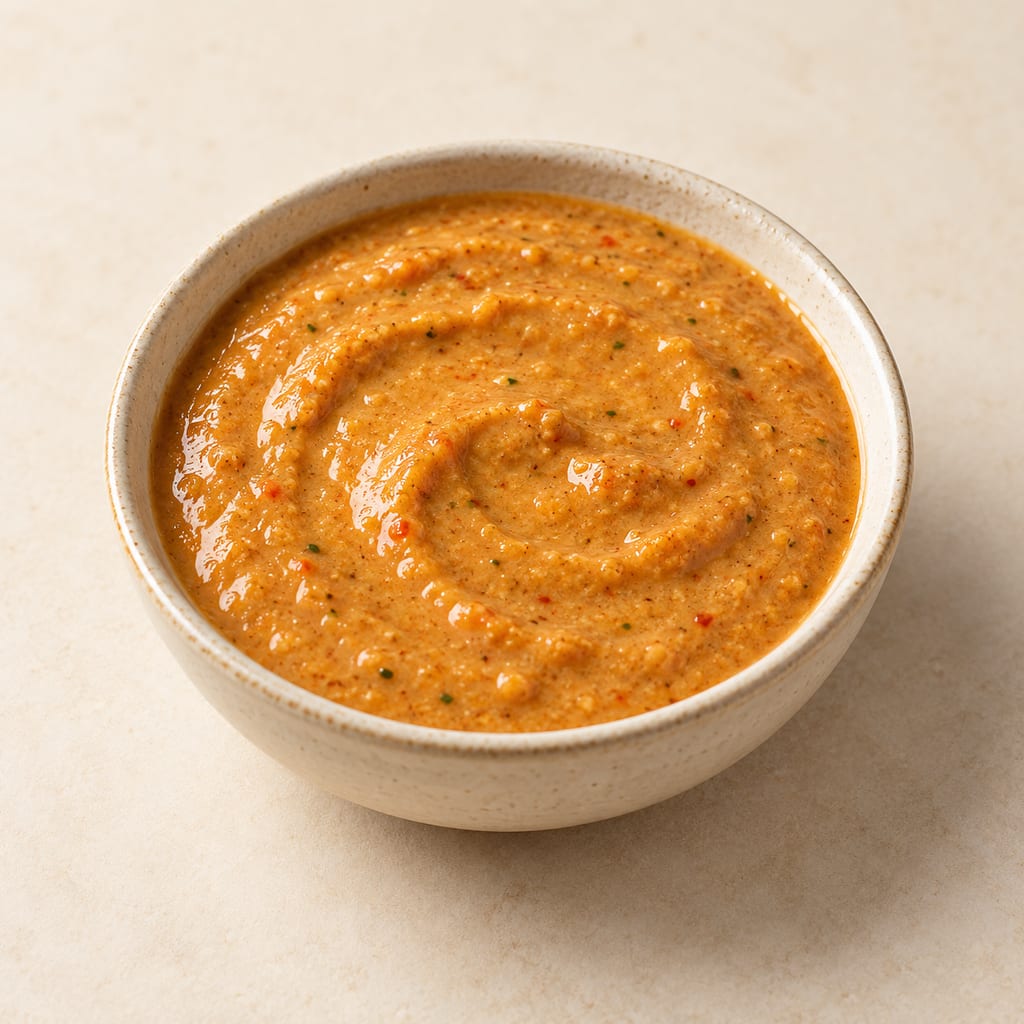
A spicy peanut hot sauce from the Popayán and Cauca region of Colombia, traditionally served with pipián empanadas and tamales.
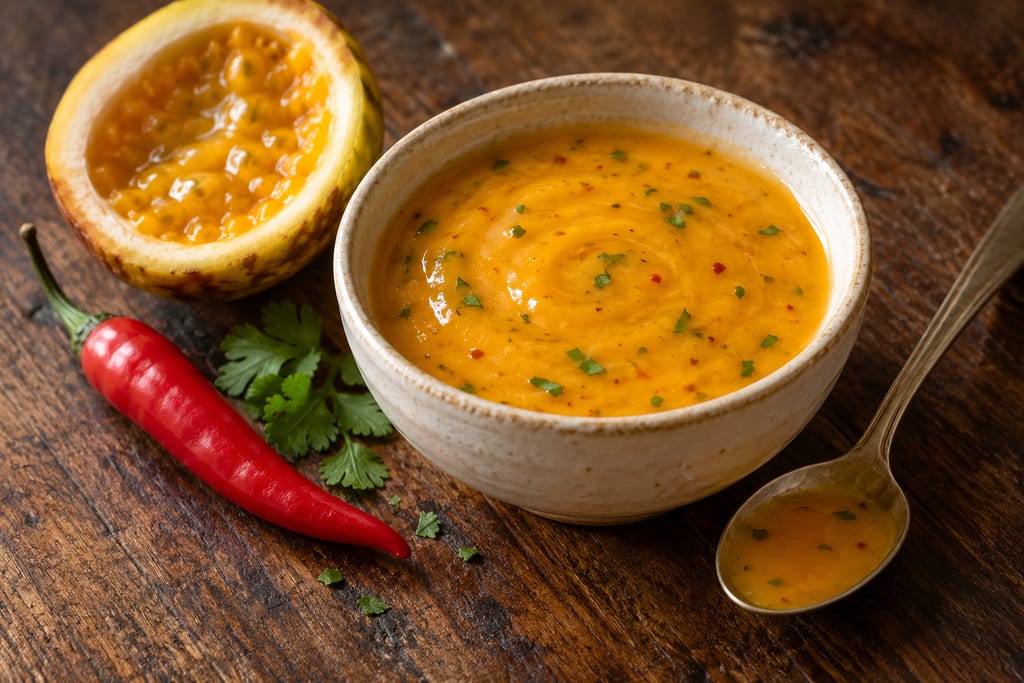
A contemporary Ecuadorian hot sauce that pairs passion fruit juice with boiled chile peppers, oil and lime.
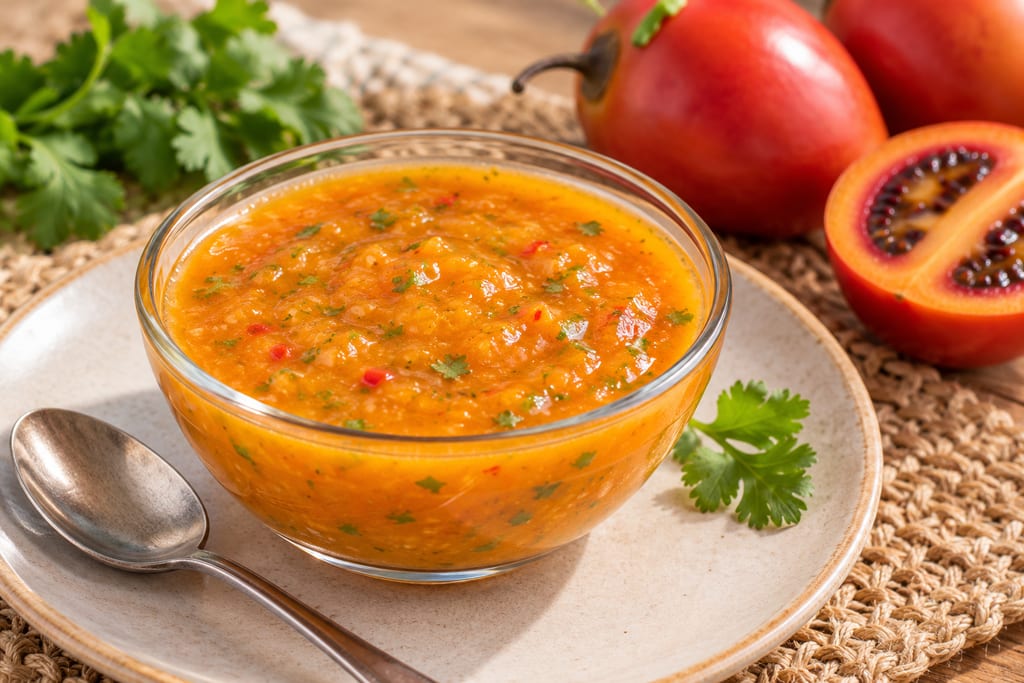
An Ecuadorian hot sauce built on tamarillo, a tart fruit that gives a sharper, fleshier base than ordinary tomato salsa.
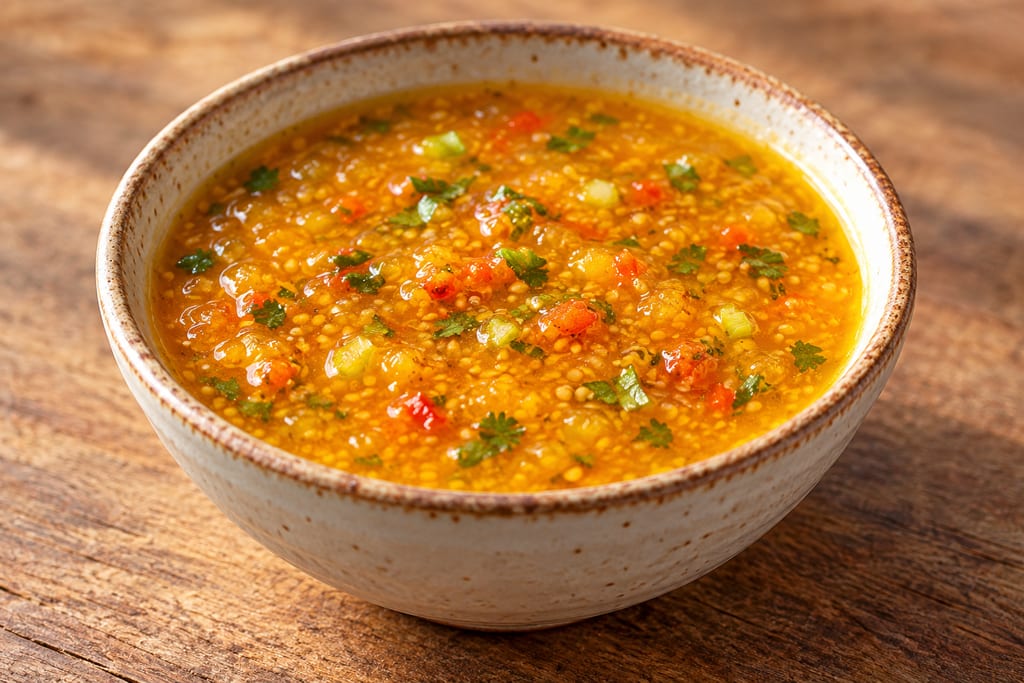
A sweet, tart and spicy Colombian sauce of uchuva, the yellow physalis fruit, with hot pepper, scallion, cilantro and lime.
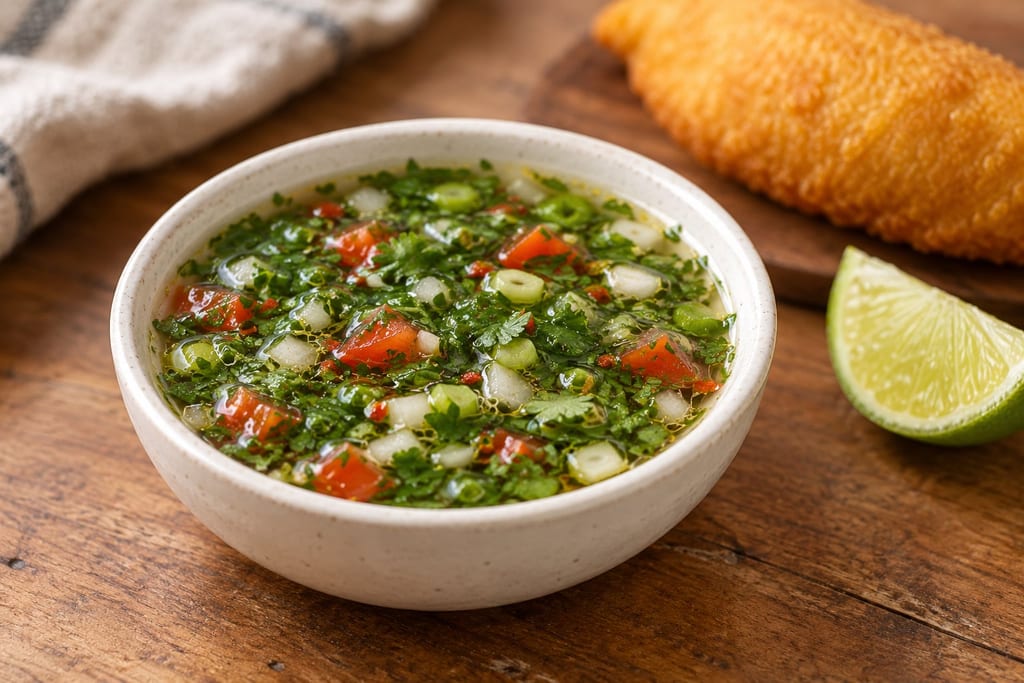
A fresh Colombian table condiment of chopped herbs, scallion and tomato in a vinegar and chile base, served beside fried and filled dishes.
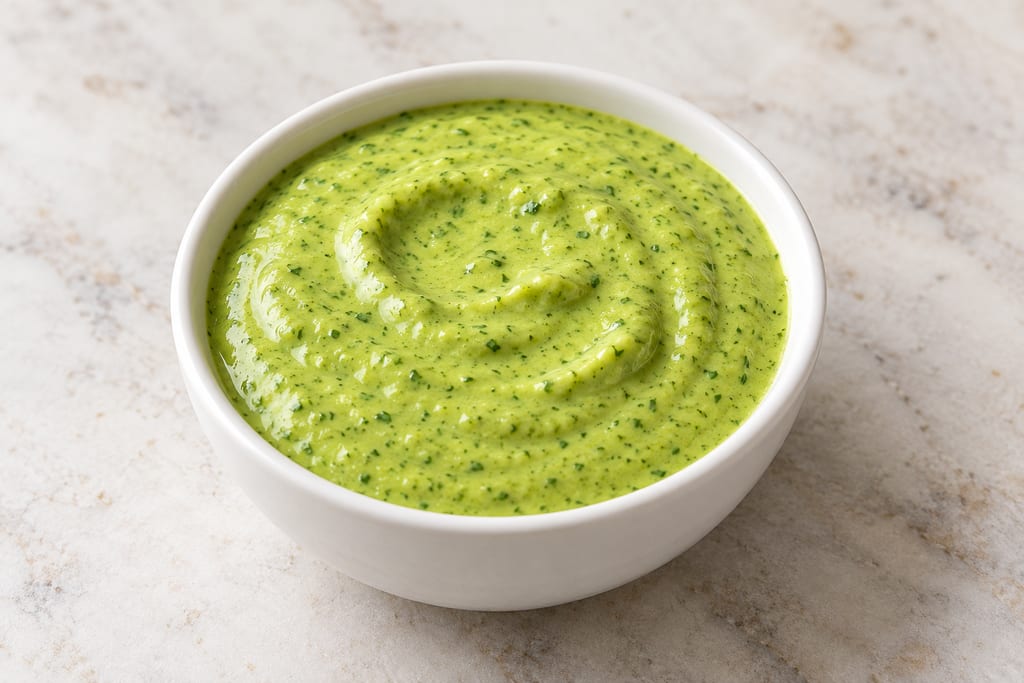
Ají verde is a Peruvian green sauce of coriander, chilli, onion and garlic in a mayonnaise or cheese base. It is best known through Peruvian restaurant cooking abroad.
No community contributions have been published for this entry yet.
Sign in to contribute. Published comments and photos are free to read.
SBS FoodContext · History
Zhug is the Yemeni hot sauce that gives a kick to your cookIdentifies zhug as Yemeni in origin, gives sahawiq as a Yemeni Arabic name, and reports widespread use in Israel and other Middle Eastern settings.
Describes green, red and brown variations and reports fresh chilli, garlic and coriander as common ingredients across family recipes.
One interviewed cook describes balancing spicy, salty, sour and sweet flavours and lists oil, lemon, spices, salt, sugar and paprika; another describes reducing heat for Australian diners.
Interviewed cooks serve zhug with meat, roasted vegetables, hummus, fish, bread, soups and salads; another home use is in lentil soup.
Cited in: A family of Yemeni chilli-herb sauces; A measured variation beside a published recipe; Texture, flavour and serving
UNICEF UKContext · Inspiration
Hulbah and zhugDescribes hulbah and zhug as Yemeni pastes or chutneys and suggests adding a couple of tablespoons to stew or rice.
The zhug ingredient list gives three bunches of coriander, one to four green chillies, garlic, olive oil, lemon juice, cumin, ground coriander, cardamom and salt.
Directions blend the ingredients until partly chunky, transfer the sauce to a container and refrigerate.
This is a separate handout formula; it does not validate this record's weights or shelf life.
Cited in: A family of Yemeni chilli-herb sauces; A measured variation beside a published recipe; Texture, flavour and serving
National Center for Home Food Preservation, University of GeorgiaSafety · Storage
Freezing Garlic-In-OilRefrigerate at 40 F or below and use within four days, or freeze; botulism risk at room temperature.
Cited in: Refrigerate fresh garlic in oil; Zhug and its many forms; Chilli, herbs and taste; Garlic in oil; What the sources do not establish