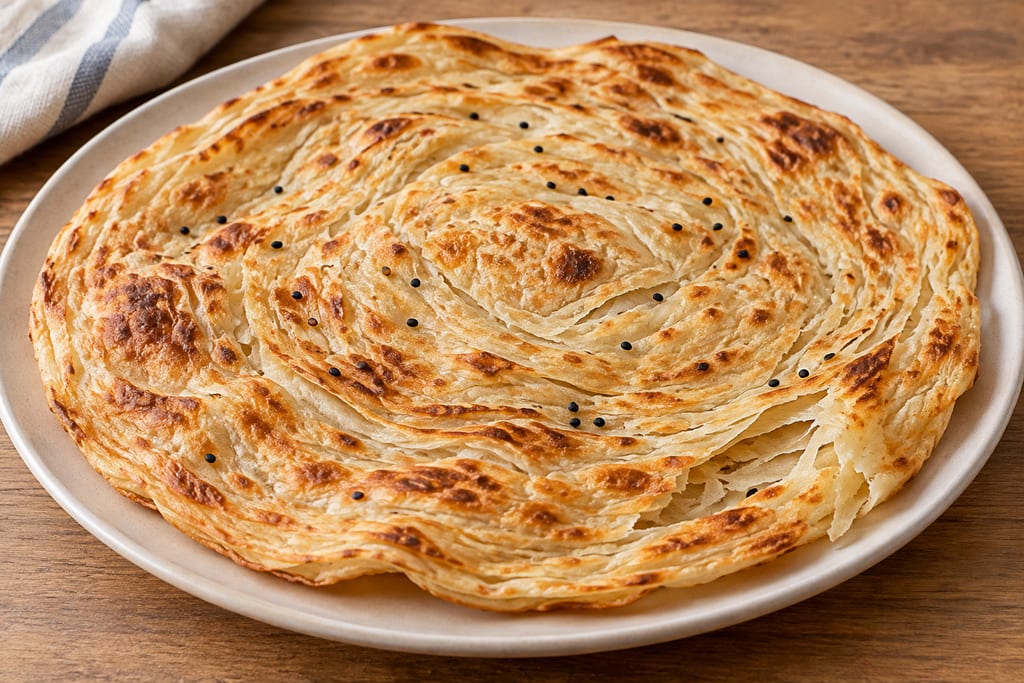
Yemeni malawah
A Yemeni layered wheat bread made by stretching an unleavened dough thin, folding butter or ghee through it, and baking it on a very hot stone.
 FermenteaWhere food goes to change
Traditional method
Jachnun · Yemenite jachnun
Jachnun is a rolled, butter-layered wheat pastry baked covered for hours at very low oven heat and served warm, often with grated tomato and schug.
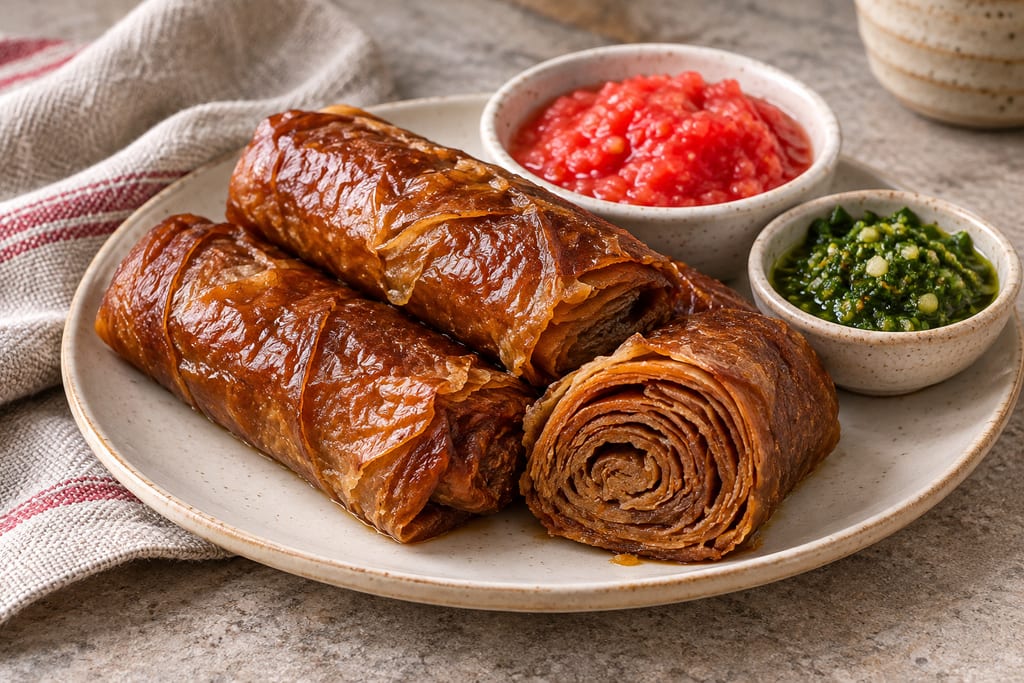
Jachnun is identified as a Yemenite Jewish overnight pastry and Sabbath-morning food. The inspected sources document a living tradition and diaspora, but do not establish a first attestation date.
Yield 10 to 15 pieces · Scaling: source batch only
Uncooked flour can carry germs; do not taste raw dough, and clean hands, bowls and work surfaces after handling it.
Hazard sourceFollow the source's covered 12–14-hour oven bake at 200°F (93°C) in an oven-safe pot with a lid. The separate slow-cooked-egg method is not included; cook any eggs separately using a tested egg method.
Control sourceRefrigerate leftovers within 2 hours of baking (within 1 hour if exposed to temperatures above 90°F / 32°C) at 40°F / 4°C or colder.
Control sourceDo not eat raw dough. Keep the low-temperature overnight bake distinct from cooking eggs; the cited family recipe uses a separate slow-cooked-egg method.
Identified with Yemenite Jewish foodways; no more precise origin is established.
A Yemenite Jewish family tradition documented in Israel; not claimed as the dish's origin.
A Yemeni layered wheat bread made by stretching an unleavened dough thin, folding butter or ghee through it, and baking it on a very hot stone.
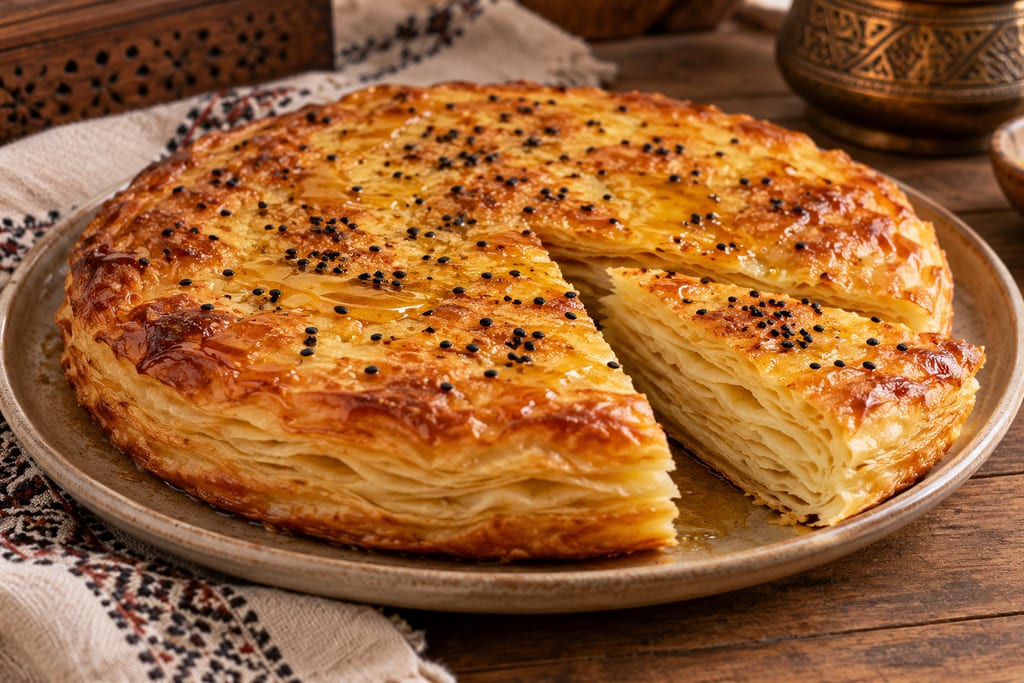
Bint al-sahn is a Yemeni celebration and home bread built from thin, egg-rich yeast dough layers brushed with ghee or butter. This source-specific version makes one round cake, baked until golden and served warm with honey.
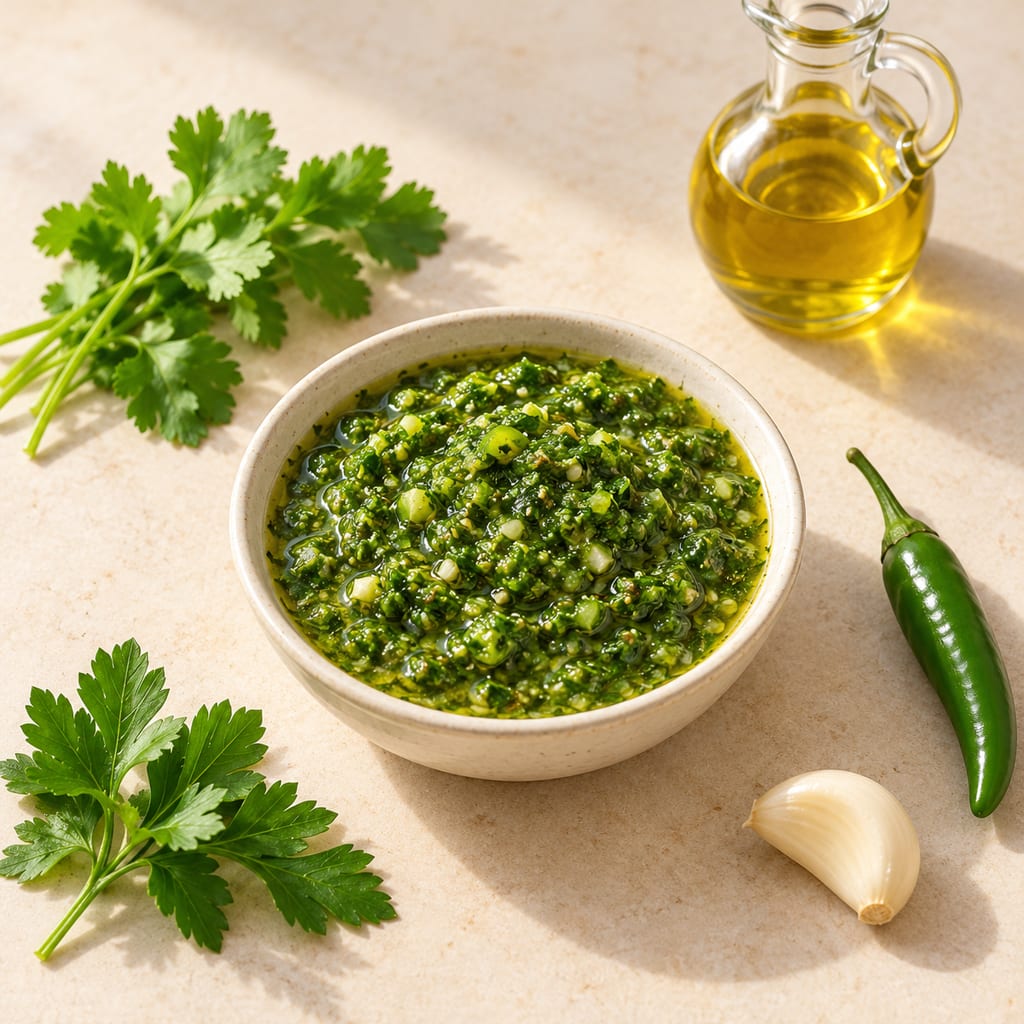
Yemeni zhug inspires this fresh sauce of coriander, parsley and green chilli. Its weighed mild-chilli formula is one contemporary variation, not a canonical household recipe.
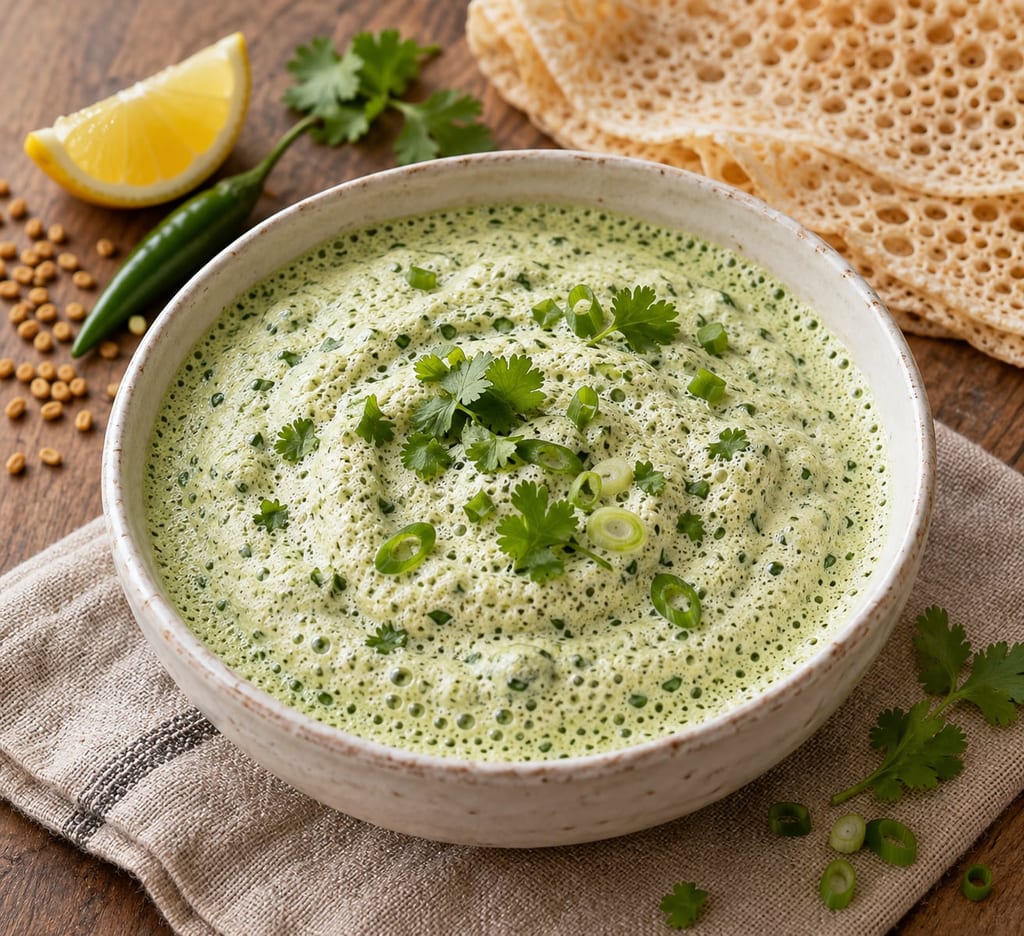
A whipped condiment of soaked ground fenugreek seed, aerated until foamy and finished with herbs, chilli and lemon. It comes from Yemen.
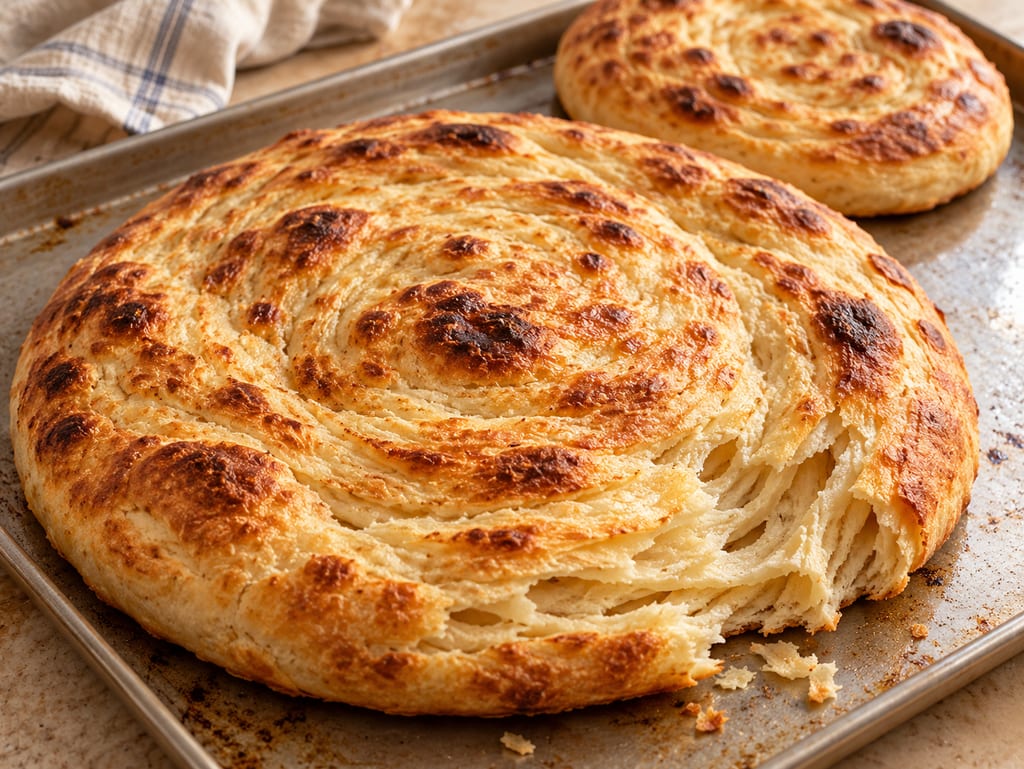
This Yemeni home-oven variation uses a yeast-raised wheat dough, folds it repeatedly with semn and oil, then bakes it as large rounds.
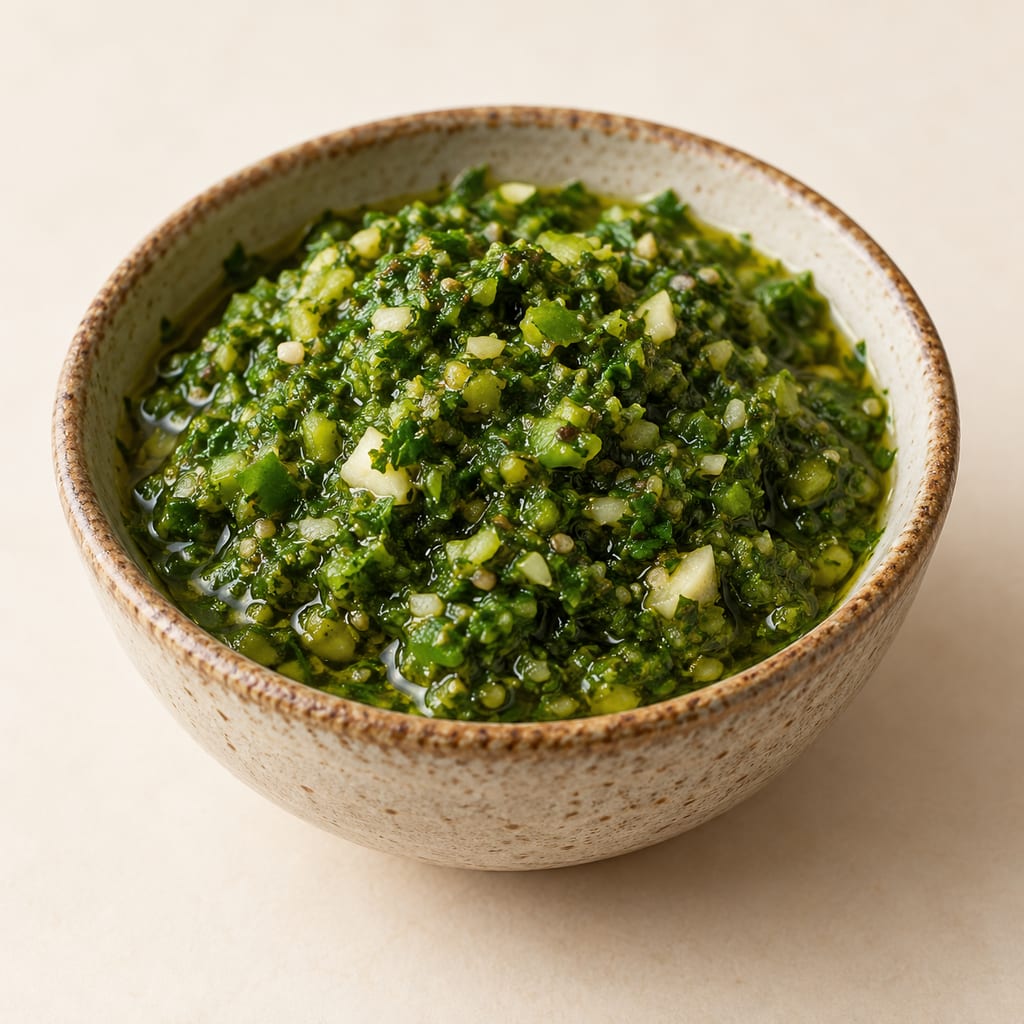
A Yemeni hot sauce of fresh chilli, coriander and garlic bound with olive oil, the base of sahawiq and a common condiment in Israel. It is made by crushing, not cooking, and keeps only briefly in the refrigerator.
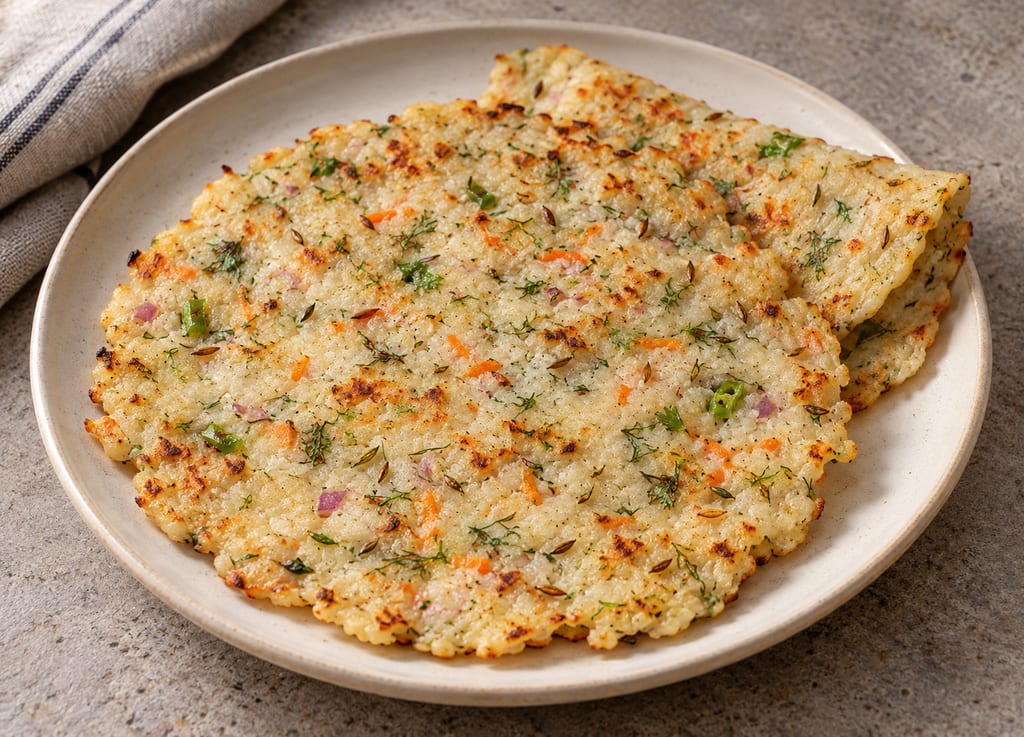
This Karnataka-style akki rotti mixes fine rice flour with vegetables, coconut, herbs and spices, then hand-pats and griddle-cooks the dough.

A Colombian Andean griddle cake made from fresh sweet-corn batter, cooked in butter and served with white cheese.
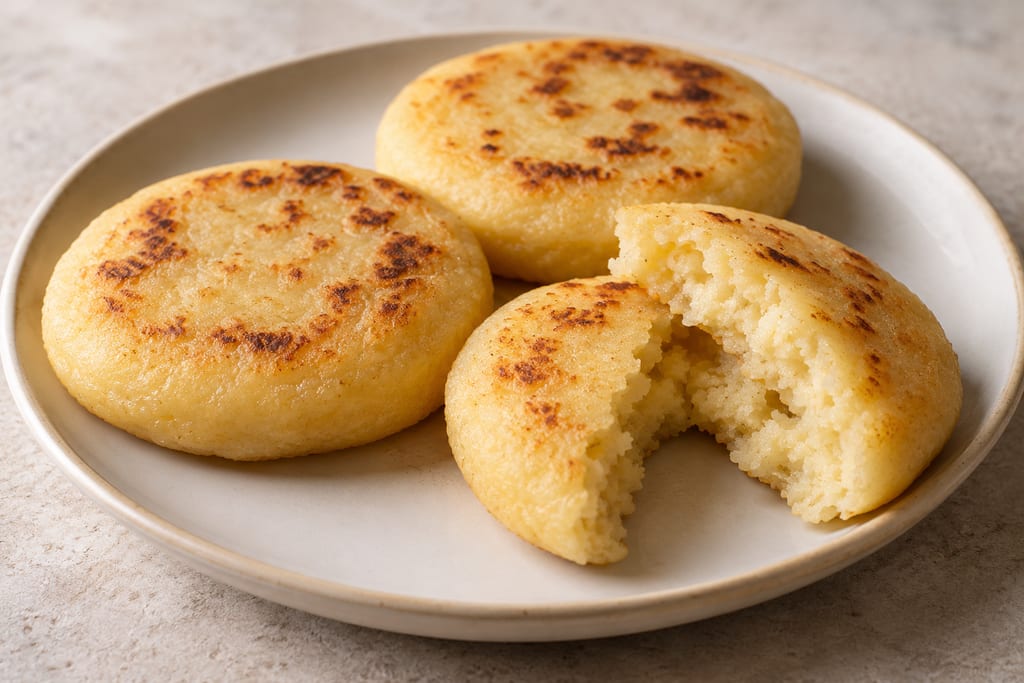
This household version combines precooked corn flour, warm water and salt, then cooks thick rounds on a lightly oiled skillet or griddle. It is one source-specific arepa method, not a universal Colombian or Venezuelan formula.
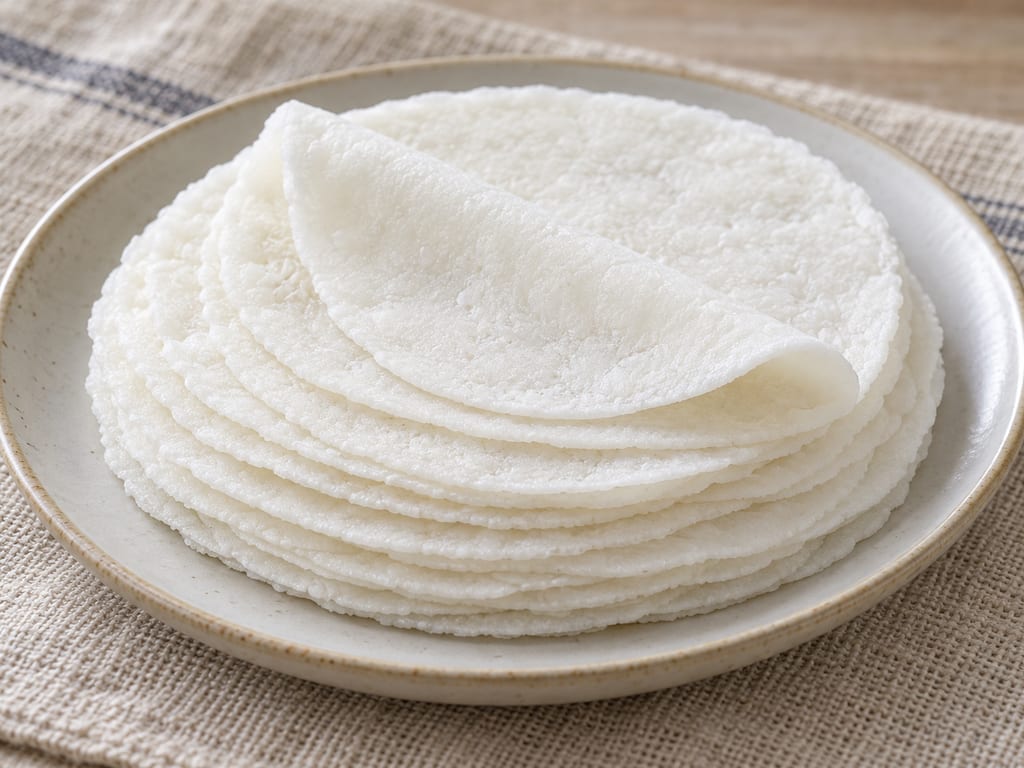
Thin Malabar rice-flour rounds made from roasted rice flour cooked into salted boiling water, kneaded after cooling, and rolled to about 1 mm. They cook on a hot griddle without taking on colour.
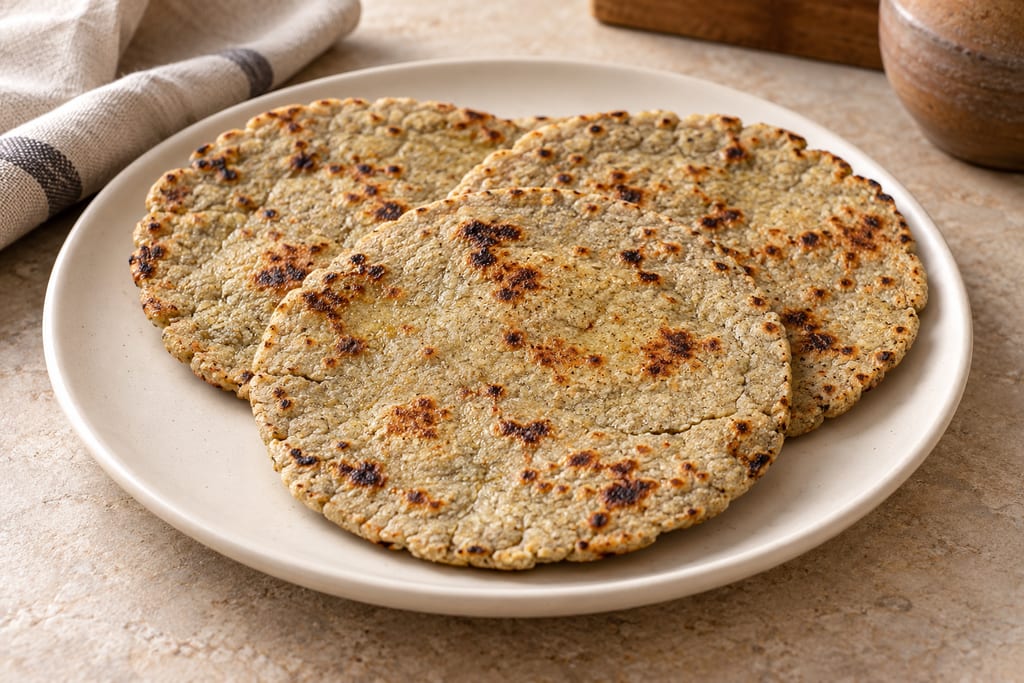
A pearl-millet flatbread shaped between sheets and cooked on a hot tawa. This home batch makes eight.
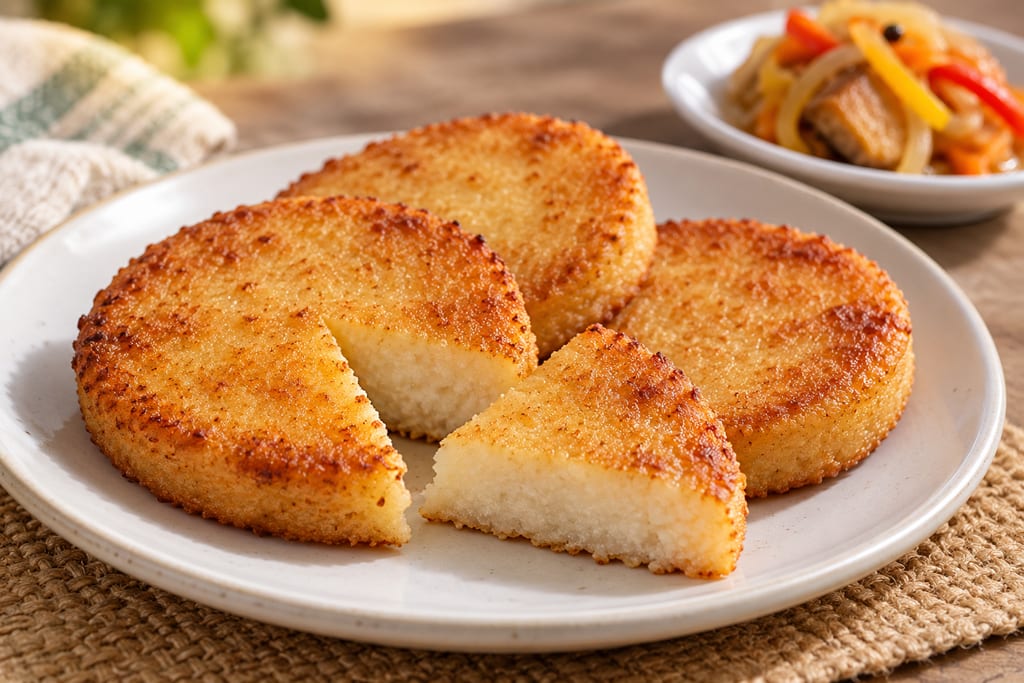
A serving method for approved, prepared bammy rounds: soak them in coconut milk and refry until golden. It does not process raw cassava.
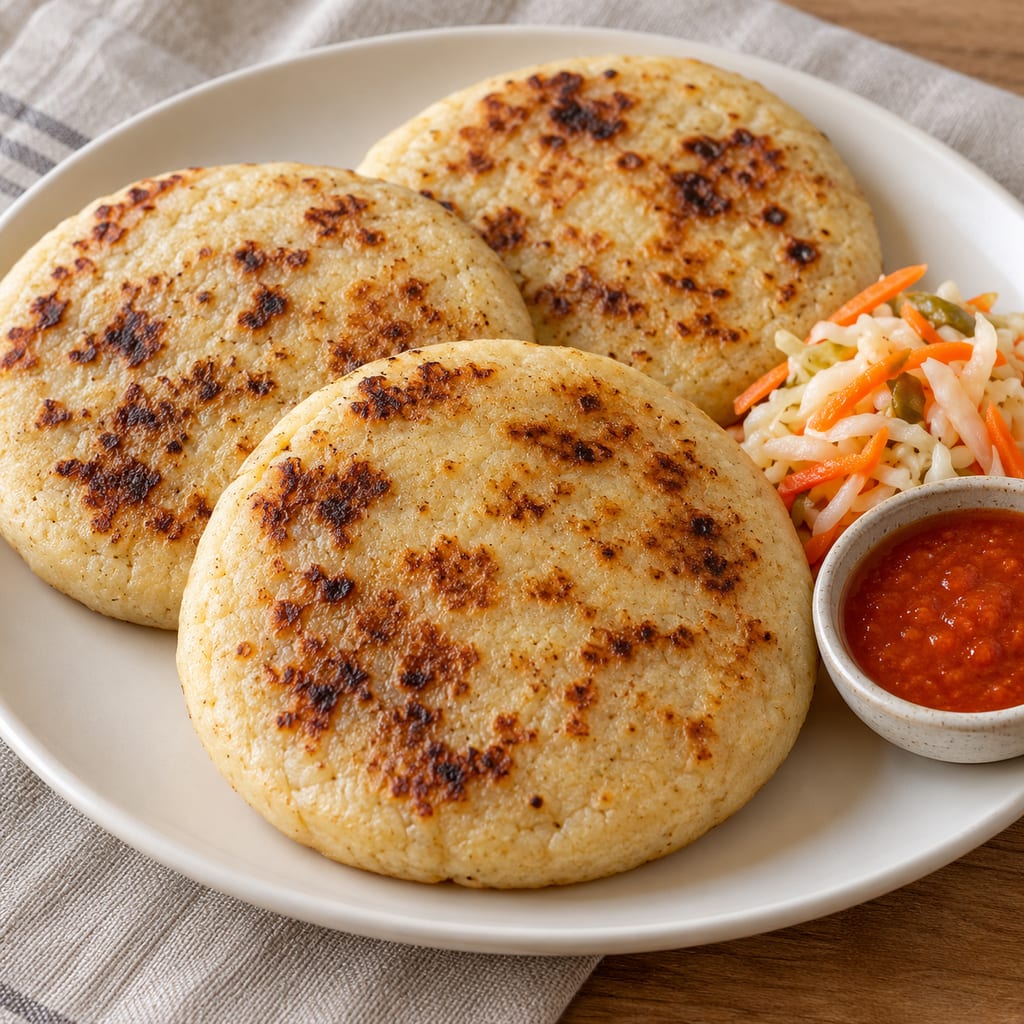
Salvadoran-style masa harina cakes filled with refried beans and cheese, sealed and cooked on an oiled skillet.
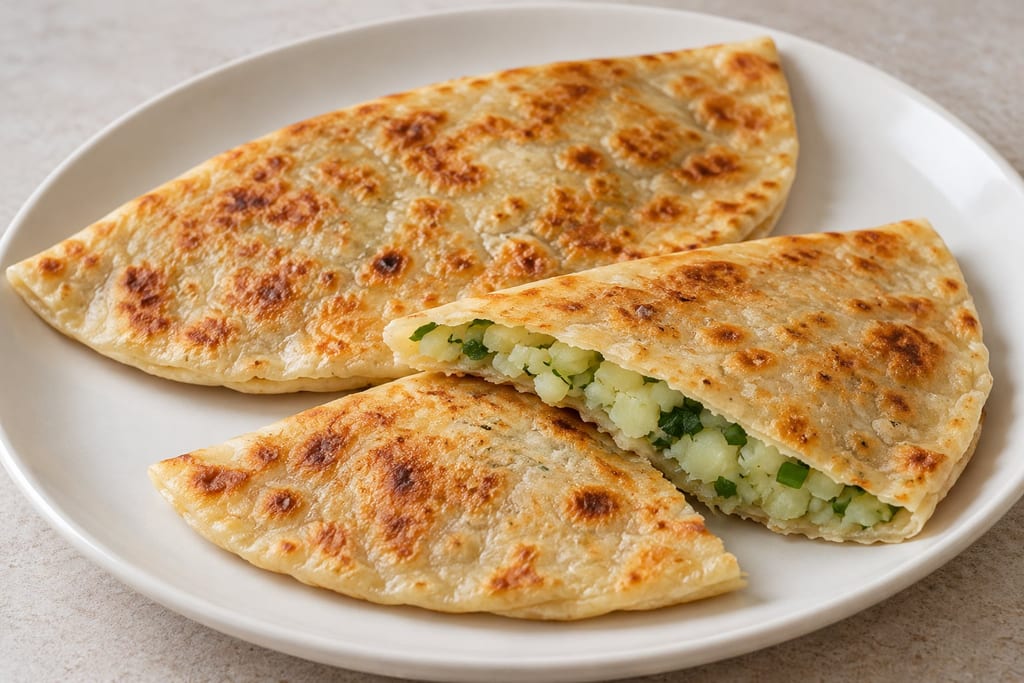
A thin, unleavened Afghan flatbread filled with mashed potato, scallion and cilantro, folded and pan-browned. This version uses a dough made from scratch.
No community contributions have been published for this entry yet.
Sign in to contribute. Published comments and photos are free to read.
Jewish Food SocietyRecipe · Identity · History
Jachnun (Yemenite Jewish Bread) with Slow-Cooked EggsMeasured dough: 1,040 g flour, 55 g brown sugar, 10 g salt, 600–720 ml water, 100 ml neutral oil and 227 g butter; makes 10–15 pieces.
Rest dough 30 minutes, shape and refrigerate dough balls at least 2 hours or overnight; stretch thin, butter, fold and roll; layer in an oven-safe lidded pot with parchment and dry bread beneath; add hot water over parchment; bake 12–14 hours at 200°F, checking every few hours and adding boiling water if dry.
Identifies Yemenite Jewish family tradition in Yemen and Israel and describes serving with grated tomato and schug. Its slow-cooked eggs are a separate method and are omitted here.
Foodish, ANU Museum of the Jewish PeopleIdentity · History · Recipe
Jachnun (Yemenite Overnight Pastry)Identifies jachnun as a Yemenite pastry baked overnight on low heat and names Yemen as its food community.
A separate 9–12-piece recipe uses 1 kg flour and 2.5 cups water, stretches thin, layers with ghee, and bakes covered in a 100°C oven for 16 hours; this is corroboration, not combined with the Jewish Food Society formula.
Centers for Disease Control and PreventionSafety
Raw Flour and DoughRaw flour and dough can carry germs; avoid tasting or eating raw dough and clean after handling.
FoodSafety.govSafety
4 Steps to Food SafetyRefrigerate leftovers within 2 hours, or within 1 hour if ambient temperature exceeds 90°F (32°C); refrigerator at or below 40°F (4°C).