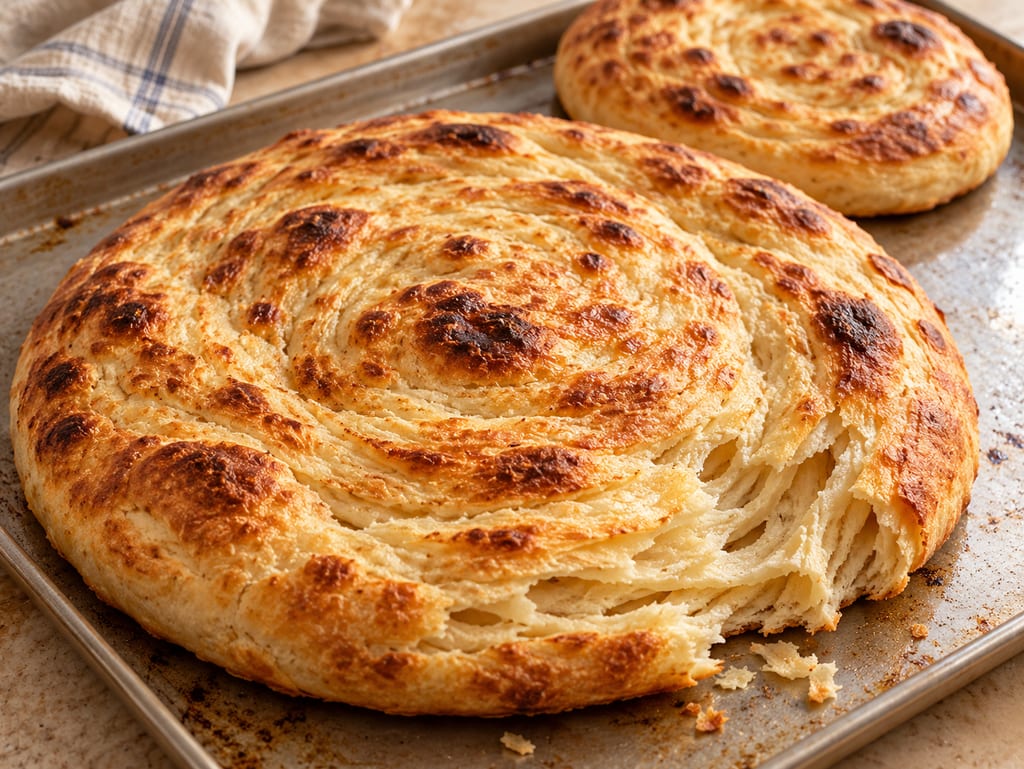
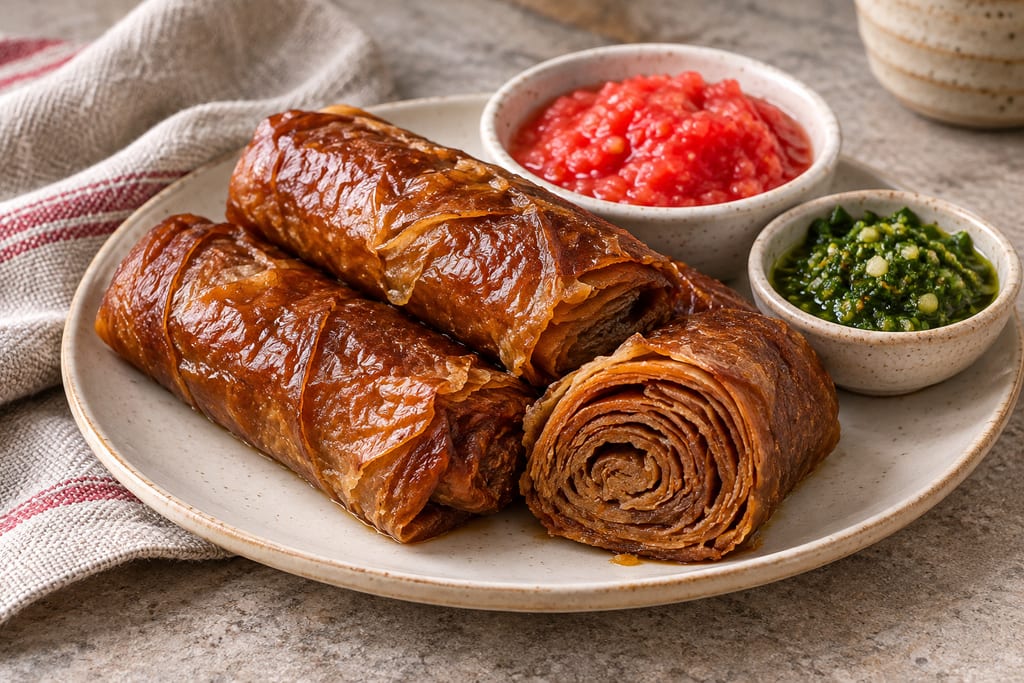
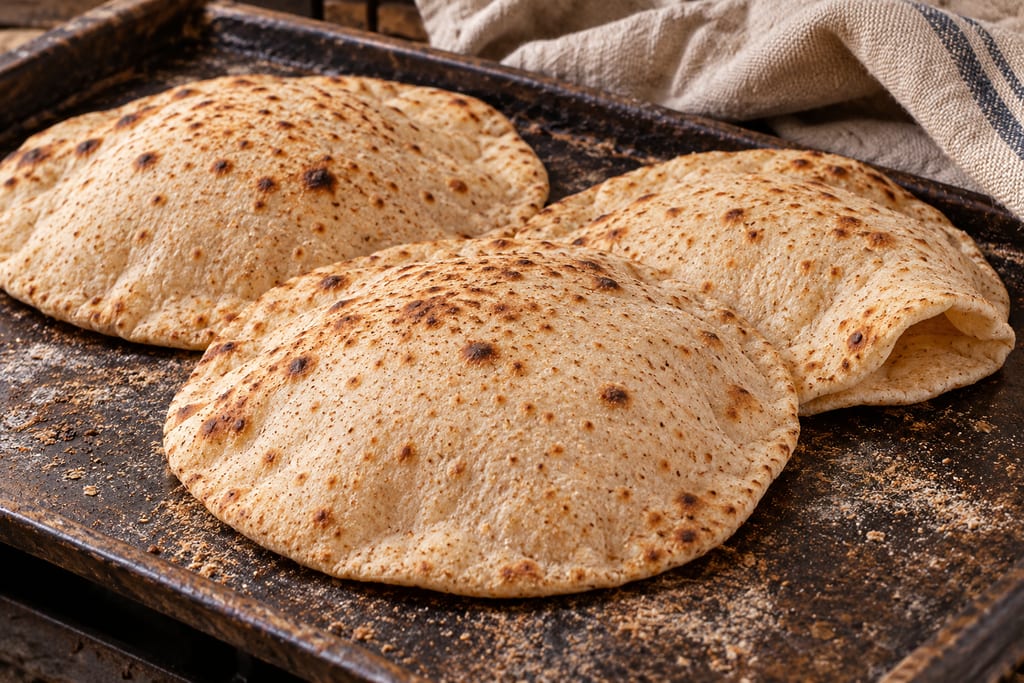
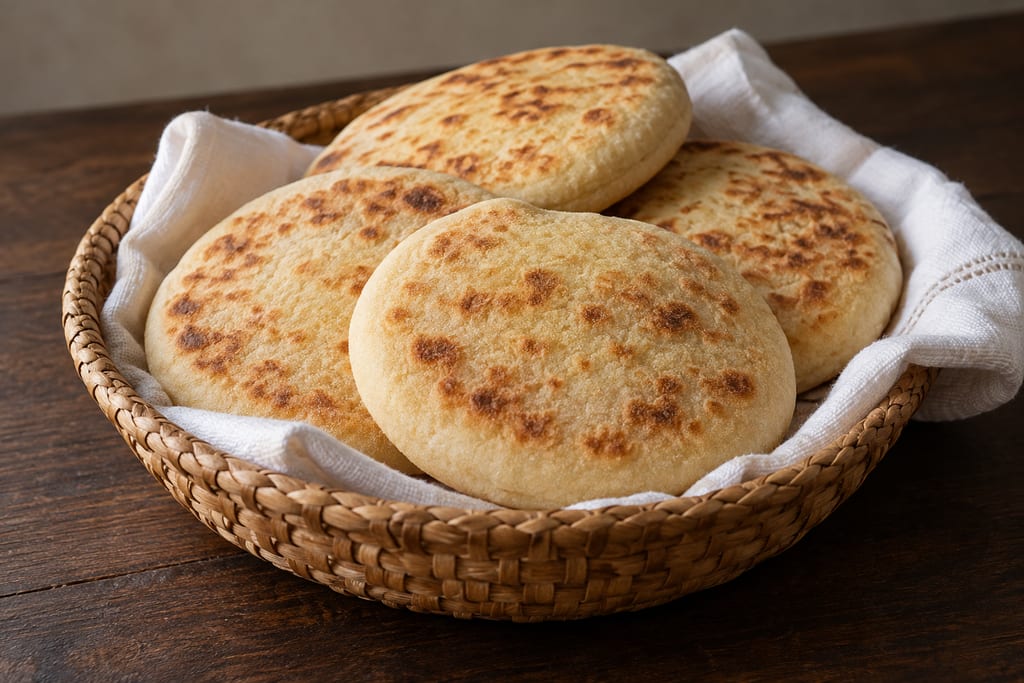
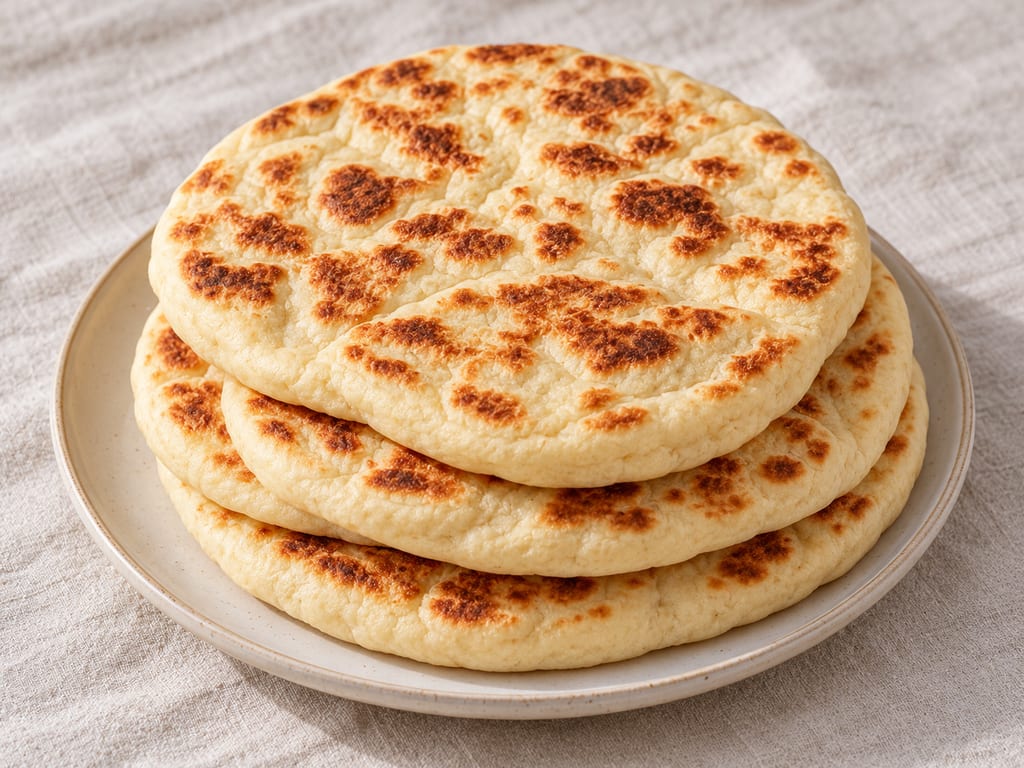
The 1991 Yemen Household Energy Strategy Study lists malloog separately from tameez among the breads used in the former northern Yemen Arab Republic. It describes a shared basic group made from flour, yeast and water, then distinguishes breads by scale and additions: malloog is much larger than the other listed breads and has a thin coating of helbah on its exterior. The report describes the breads as flat and baked against the wall of a vertical, conical clay tannur. It supplies no measured formula.
The existing Yemeni malawah entry follows a different source: its dough is unleavened, layered with butter or ghee and baked on a stone. Malooga is yeast-raised in the modern sources inspected here. Tamees is another separate bread name in the 1991 typology; that report directly contrasts it with malloog by size and helbah coating. This record therefore preserves a separate measured home variation, without treating shared flatbread or tannur features as proof that the preparations are interchangeable.
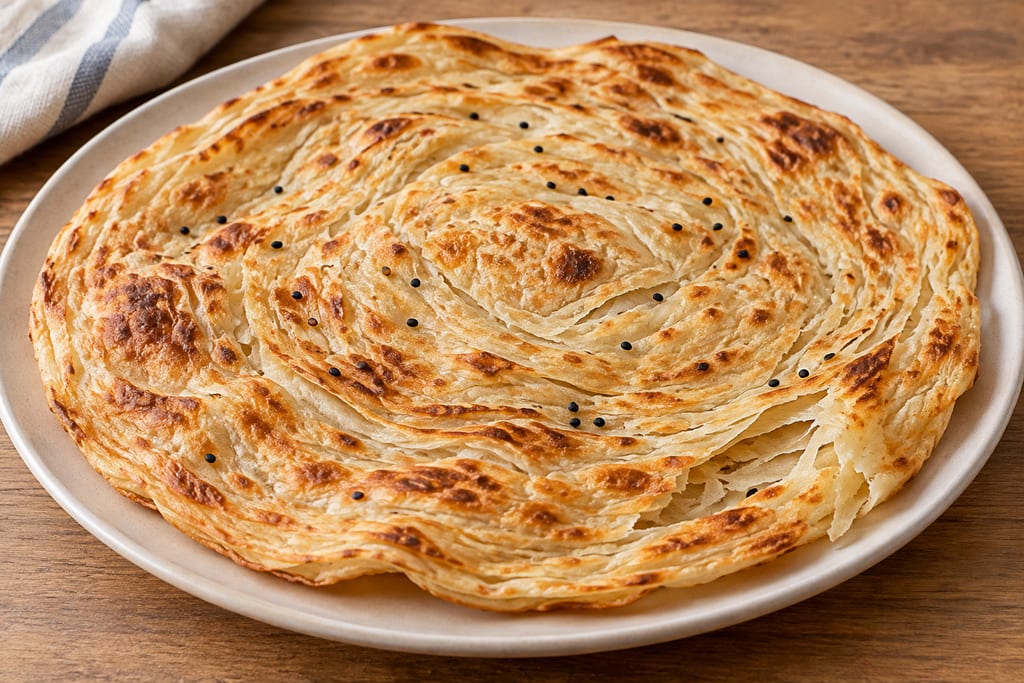
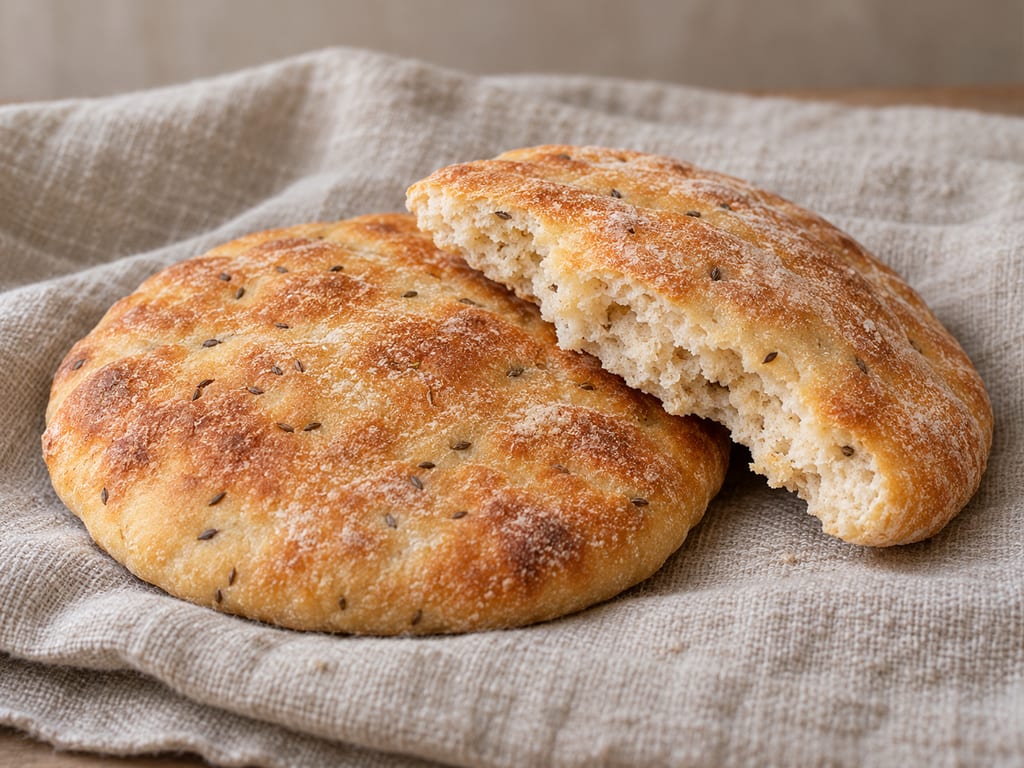
A 2008 US home recipe calls its bread Malooga and lists 2 cups warm water, 2½ teaspoons yeast, 5–6 cups flour, 2 teaspoons salt, ⅓ cup warmed semn and 2 tablespoons vegetable oil. The author dissolves the yeast in part of the water, mixes in flour and salt, adds more flour to make a stiff dough and kneads it for at least 10 minutes until smooth, non-sticky and pliable. The covered dough rises for 1 hour or until risen.
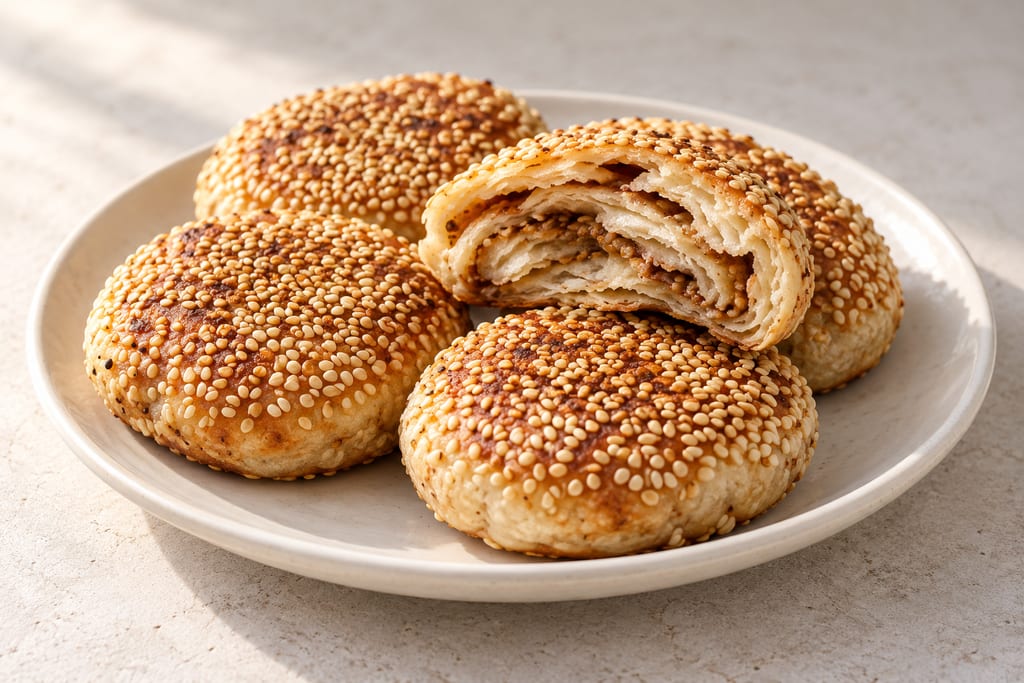
The dough is divided into large-pizza-sized pieces, rested briefly and stretched to a sheet roughly 20 × 15 inches and ½ inch thick. The cook brushes the sheet with semn-oil and folds it repeatedly, brushing between folds, then pinches the corners into a ball. After resting while the remaining pieces are prepared, each ball is pressed into a large round. The source preheats a home oven to 550°F and bakes the rounds on a greased sheet with an egg-and-milk wash or buttermilk until the underside browns and brown spots appear on top. The author explains that a taboon and Yemeni makhbaza are the traditional equipment, and describes pizza-style baking as the home workaround.
This method is one documented US home variation, not a standardized Yemeni bakery specification. It uses semn lamination but does not add helbah. The available sources do not establish whether either detail is universal, and the home source gives no bake duration.
EEINA describes a separate Malooj formula for a thin, puffed Yemeni tandoor bread. Its ingredient list gives 400 g flour, 1 teaspoon yeast, 1 teaspoon salt and warm water as needed; the water is not measured. It offers a very hot griddle or the oven's highest setting as a home substitution. Those instructions are comparison evidence only and have not been combined with the measured semn-layered recipe.
CDC warns that raw flour and raw eggs can carry harmful germs. Do not taste the dough before baking; keep raw flour and egg away from ready-to-eat food, and wash hands, bowls, utensils and counters after handling them. Follow the recipe's oven method. Its browning cues are not presented here as a validated safety limit.
The 2008 recipe author describes Malooga as a common Yemeni yeasted flatbread eaten with eggs, buttermilk and bean dishes and used in shafuta. A 1991 World Bank/UNDP ESMAP report lists malloog separately from tameez, describing larger diameter and a thin exterior layer of helbah; it does not give a formula. This home recipe uses semn folds, omits helbah and substitutes a US oven for taboon wall-baking, so it is one documented variation rather than a universal method.
Ingredients
Scaling: source batch only
Warm waterUse 1/2 cup to dissolve the yeast; add the remainder to the dough.
473 mL2 cup as recorded
YeastDissolve in 1/2 cup of the warm water.
12 mL2½ tsp as recorded
The source does not specify yeast type.
FlourMix 4 cups in initially, then add more while mixing to form a stiff dough.
Optional with the egg wash; the source alternatively says buttermilk without stating an amount.
Method
Risks and precautions
Raw flour and dough
Uncooked flour can contain germs that cause food poisoning; egg in the optional wash may also carry Salmonella.
Hazard source
Very hot oven and baking sheet
The source preheats the oven to 550°F; take care when loading and removing the greased sheet.
Hazard source
Do not taste raw dough; keep raw flour and egg separate from ready-to-eat food, wash hands, bowls, utensils and work surfaces after handling, and bake the dough before eating.
Control source
Do not taste raw dough. The optional wash contains egg and milk unless using the source's buttermilk alternative.
The 2008 source gives visual browning cues but no bake duration.
Dissolve the yeast in 1/2 cup of the warm water. Add the rest of the water, 4 cups flour and the salt. Mix by hand, adding more of the listed flour until the dough is stiff. Knead for at least 10 minutes, until smooth, non-sticky and pliable.
Cover the dough and leave it in a draft-free place for 1 hour or until risen.
On a floured surface, divide the dough into portions the size used for large pizzas. Let each rest for 5 minutes. Preheat the oven to 550°F. Mix the warmed semn and oil in a small bowl.
Stretch a portion into a rectangle about 20 × 15 inches and 1/2 inch thick. A rolling pin may be used with extra flour to prevent sticking. Brush the surface with semn-oil, fold it in half toward you, brush again, and repeat the folds toward you and sideways, brushing between folds. Brush once more, pinch the corners together to form a ball, and place it on a floured pan. Repeat with the other portions.
By the time the last piece is layered, the first piece will have rested while you worked. Press it into a large round about the size of a thick large pizza and place it on a greased baking sheet. Brush the top with an egg beaten with 2 tablespoons milk, or use buttermilk instead.
Bake in the 550°F oven until the bottom is brown and brown spots appear on top. The source gives no bake duration. The source's home-oven version serves as a workaround for baking on a hot taboon with a Yemeni makhbaza.
Conditions
Temperature288°C
Places
Yemen
Documented preparation · Country evidence
The author identifies the leavened flatbread as Yemeni but does not place this home method in a city or region. This US home-oven method is not a claim to reproduce tannur-wall baking.
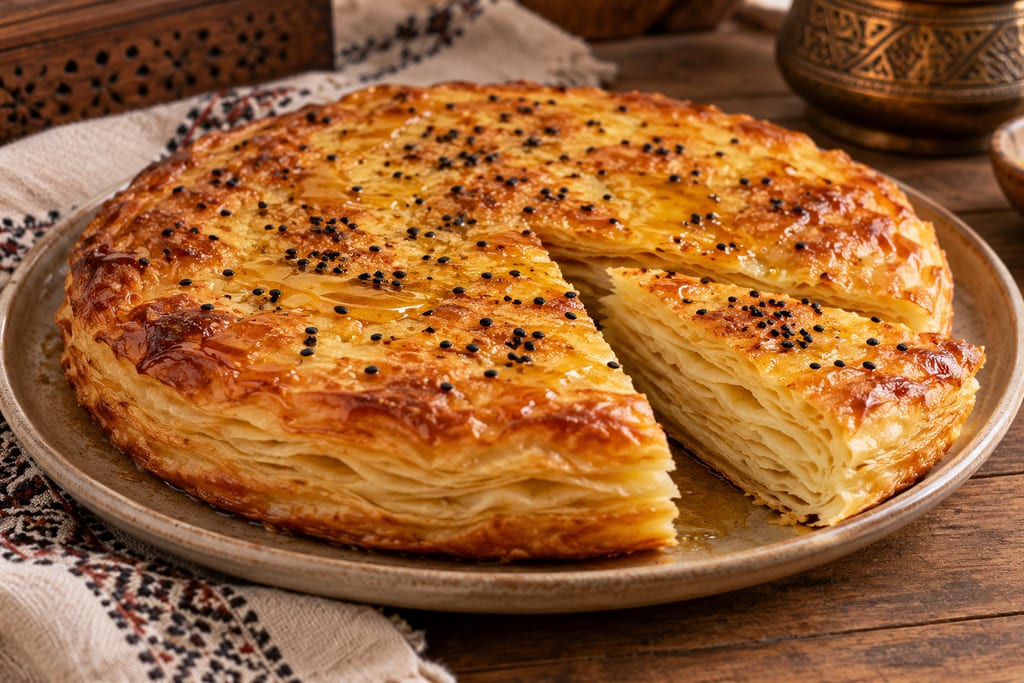
Bint al-sahn is a Yemeni celebration and home bread built from thin, egg-rich yeast dough layers brushed with ghee or butter. This source-specific version makes one round cake, baked until golden and served warm with honey.
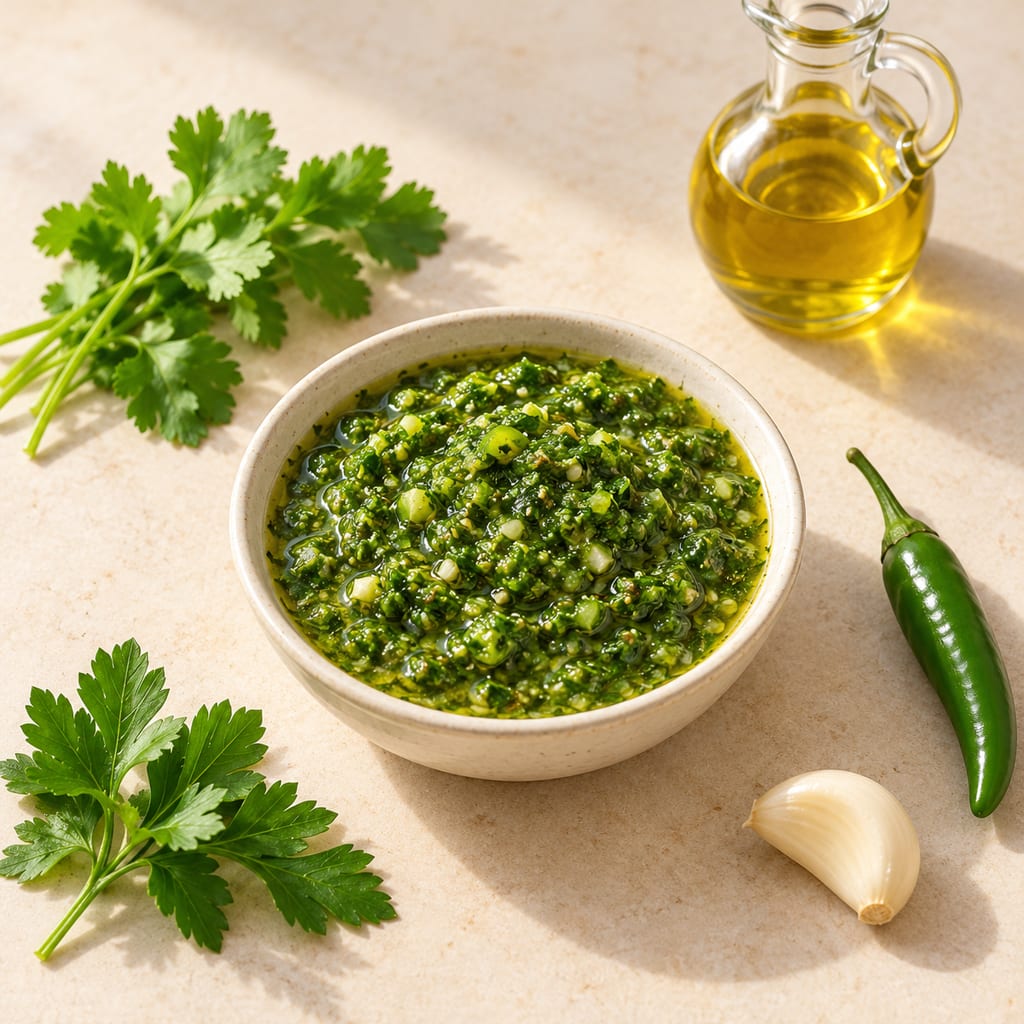
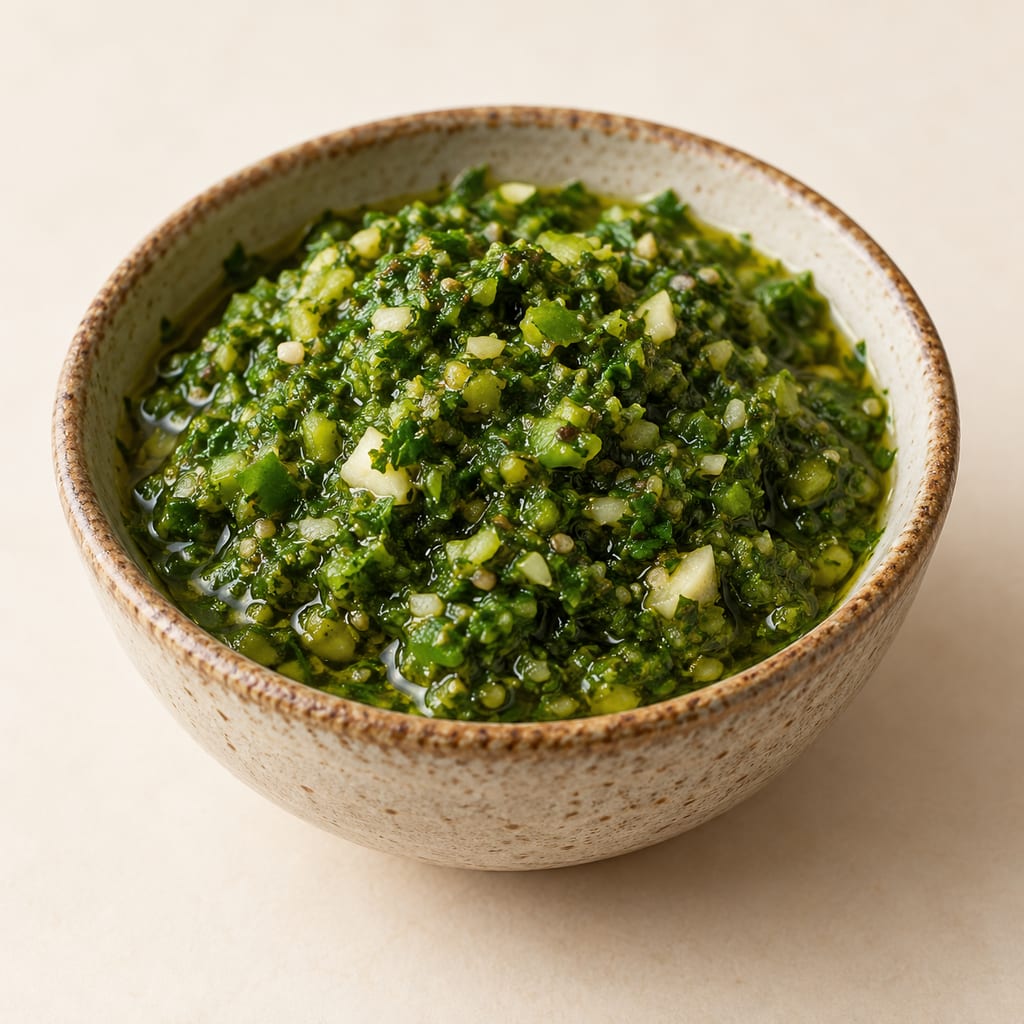
Yemeni zhug inspires this fresh sauce of coriander, parsley and green chilli. Its weighed mild-chilli formula is one contemporary variation, not a canonical household recipe.
A Yemeni hot sauce of fresh chilli, coriander and garlic bound with olive oil, the base of sahawiq and a common condiment in Israel. It is made by crushing, not cooking, and keeps only briefly in the refrigerator.
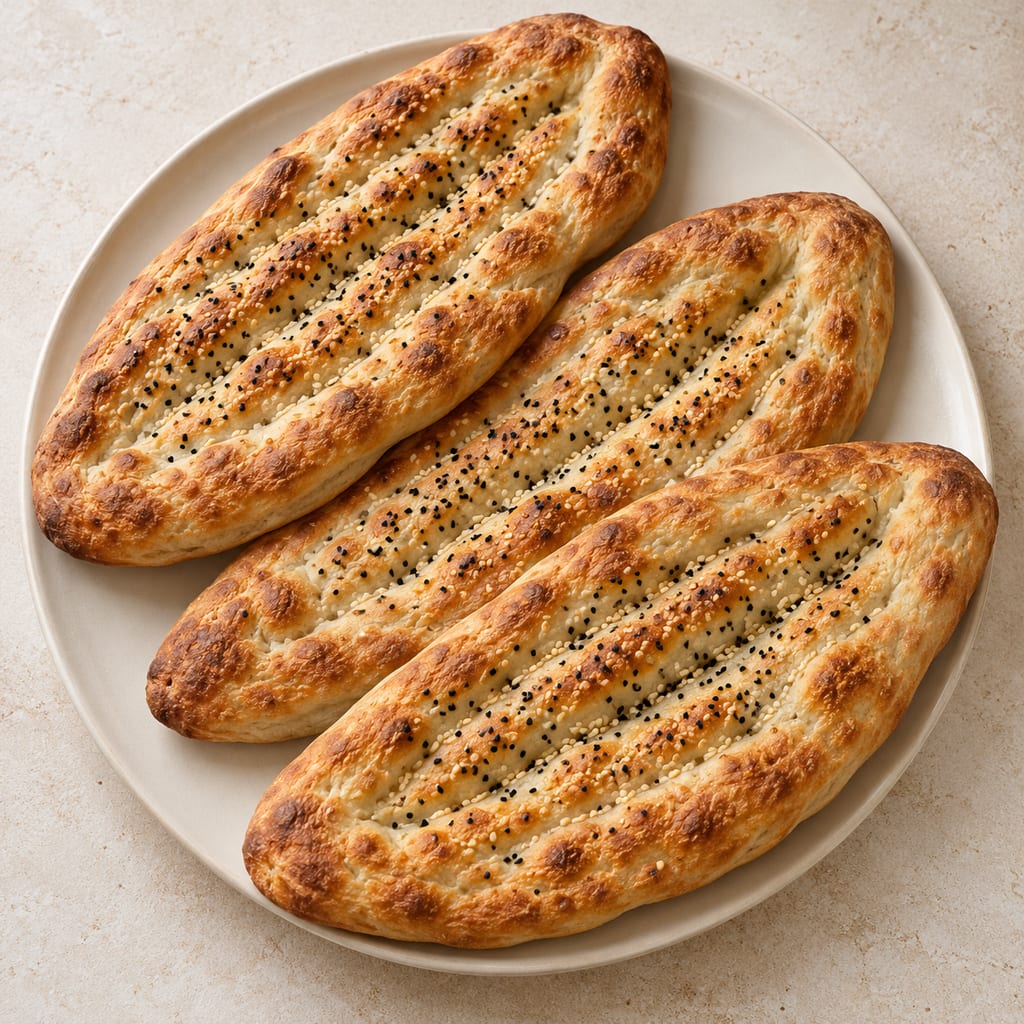
This home adaptation of Egyptian aish baladi uses a refrigerated yeast biga, whole-wheat dough, bran dusting and a very hot baking surface to make 16 pocketed rounds.
A measured, yeast-raised Ayacucho chapla home method shared by Thermomix Peru presenter Roxanna Salaverry. It makes thin, anise-scented rounds baked at 240°C; the historic qunchu-leavened form is documented separately.
This Shaanxi-associated yeast flatbread uses a simple water dough, coiled shaping and a skillet bake. It is the bread used in roujiamo, not the filled meat dish.
This Turkish bazlama uses yeast, plain yogurt and olive oil for a soft dough cooked in a skillet. Shape it into twelve small or six larger rounds, flip as bubbles appear, and wrap the breads to keep them soft.
Annex 6, lines 3871–3881: lists malloog separately from tameez; says the breads share flour, yeast and water; says malloog is much larger than other breads and its exterior is coated with a thin layer of helbah; describes the breads as baked on the wall of a vertical conical clay tannur.
The report concerns the former northern Yemen Arab Republic and is a descriptive energy/equipment study, not a measured malloog recipe.
Cited in: How the sources distinguish the bread
Accessed 2026-10-29
Tried and True EatsMeasured home adaptation · Method · Identity
Lists 2 cups warm water, 2½ tsp yeast, 5–6 cups flour, 2 tsp salt, ⅓ cup semn and 2 tbsp vegetable oil; dough rises for 1 hour.
The method kneads a stiff dough at least 10 minutes, cuts it into large-pizza-sized pieces, rests 5 minutes, stretches each to about 20 × 15 inches and ½ inch thick, repeatedly folds with semn-oil, pinches into balls, rests, then shapes into large rounds.
The home adaptation preheats the oven to 550°F, uses an egg-and-milk wash or buttermilk, and bakes on a greased sheet until the bottom browns and brown spots show on top. The page contrasts the home method with taboon wall baking and does not state bake duration or include helbah.
Cited in: How the sources distinguish the bread; A semn-folded home variation
Identifies a leavened Yemeni wheat bread baked against a tandoor wall and describes a hot-griddle or highest-oven home alternative.
Lists 400 g flour, 1 tsp yeast, 1 tsp salt and warm water as needed; this separate formula does not specify water quantity and is not merged into the selected 2008 method.
Cited in: Handling and comparison
Accessed 2026-10-29
Centers for Disease Control and PreventionFood safety
Uncooked flour and raw eggs can contain harmful germs; do not taste raw dough, bake it before eating, keep raw foods away from ready-to-eat food and wash hands and food-contact surfaces after handling.