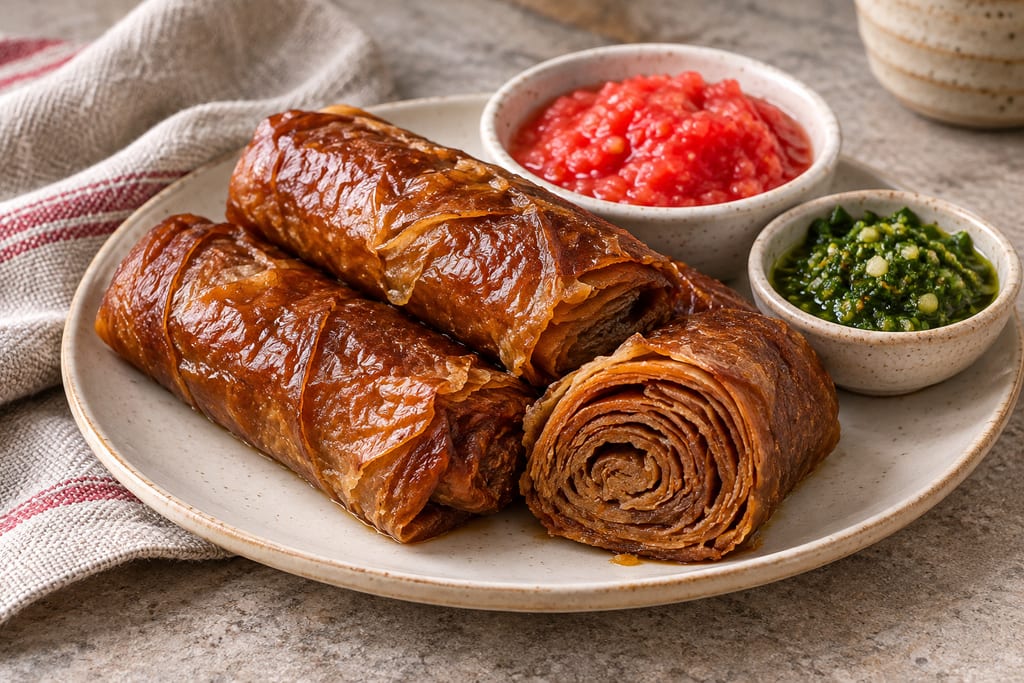
Jachnun (Yemenite Jewish overnight pastry)
Jachnun is a rolled, butter-layered wheat pastry baked covered for hours at very low oven heat and served warm, often with grated tomato and schug.
 FermenteaWhere food goes to change
A Yemeni layered wheat bread made by stretching an unleavened dough thin, folding butter or ghee through it, and baking it on a very hot stone.
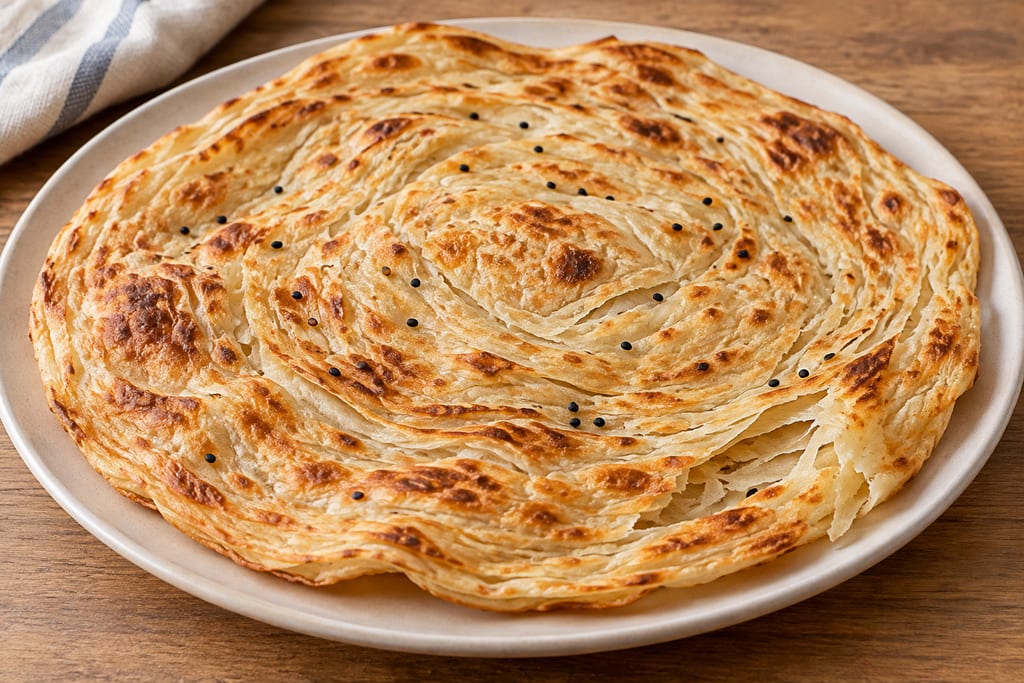
Sheba Yemeni Food describes malawah as a layered bread eaten in Yemen, especially at restaurants in Sana'a, Aden, Hodeidah and elsewhere. The author notes that her home version is smaller than the restaurant bread and uses a pizza stone instead of a tanur. It is an unleavened wheat dough folded around butter or ghee, then baked at high heat until thin areas crisp and thicker areas remain chewy.
The recipe lists black seeds but gives no amount or timing for them. They are optional here and their use is identified as an editorial completion. The flour-to-water ratio may need a small adjustment for local flour and climate, but the source gives no quantity, so none is prescribed.
Yemenite Jewish malawach is a related layered bread, but JIMENA’s recipe is pan-fried and belongs to Yemenite Jewish foodways. This entry preserves Sheba Yemeni Food’s Yemeni oven-baked formula rather than combining the two methods.
Somali malawah is different again: My Somali Food’s recipe is a pourable wheat batter with egg, milk, water and cardamom, spread thinly in a pan and cooked on both sides. It is a crepe, not the butter-layered Yemeni dough described here.
Sheba Yemeni Food describes malawah as one of the breads eaten in Yemen and presents a smaller home-oven interpretation of restaurant bread. The 2013 recipe page does not establish the bread’s first date.
Yield 2 malawah breads, about 30–38 cm (12–15 inches) each · Scaling: source batch only
Uncooked flour may carry harmful germs; do not taste the dough before baking.
Hazard sourceThe source uses a 260°C oven and hot stone, creating burn risk during loading and removal.
Hazard sourceBake the dough before eating and wash hands, utensils and work surfaces after handling raw flour or dough.
Control sourceUse an oven mitt and a suitable pizza peel when loading and removing bread from the hot stone.
Control sourceDo not taste raw dough. Use an oven mitt and keep hands away from the 260°C stone and oven interior.
Sheba Yemeni Food describes malawah as eaten across Yemen and served in restaurants in Sana'a, Aden, Hodeidah and elsewhere. The recipe does not establish a birthplace.
Jachnun is a rolled, butter-layered wheat pastry baked covered for hours at very low oven heat and served warm, often with grated tomato and schug.
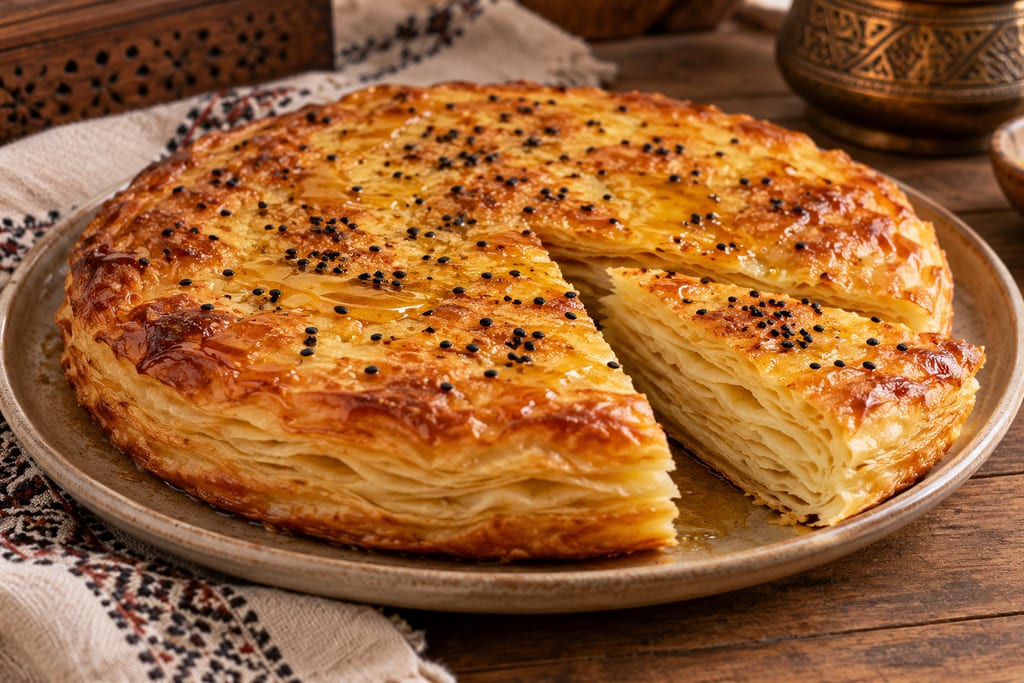
Bint al-sahn is a Yemeni celebration and home bread built from thin, egg-rich yeast dough layers brushed with ghee or butter. This source-specific version makes one round cake, baked until golden and served warm with honey.
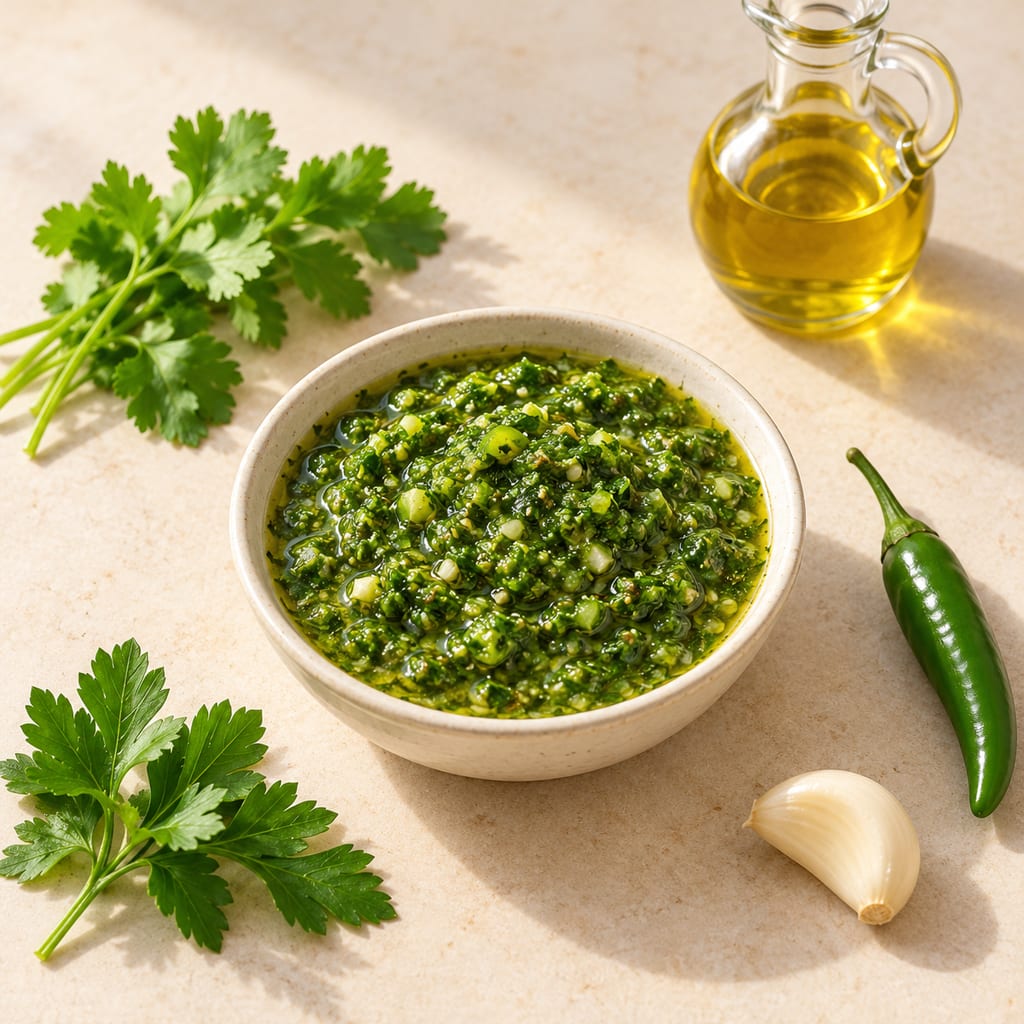
Yemeni zhug inspires this fresh sauce of coriander, parsley and green chilli. Its weighed mild-chilli formula is one contemporary variation, not a canonical household recipe.
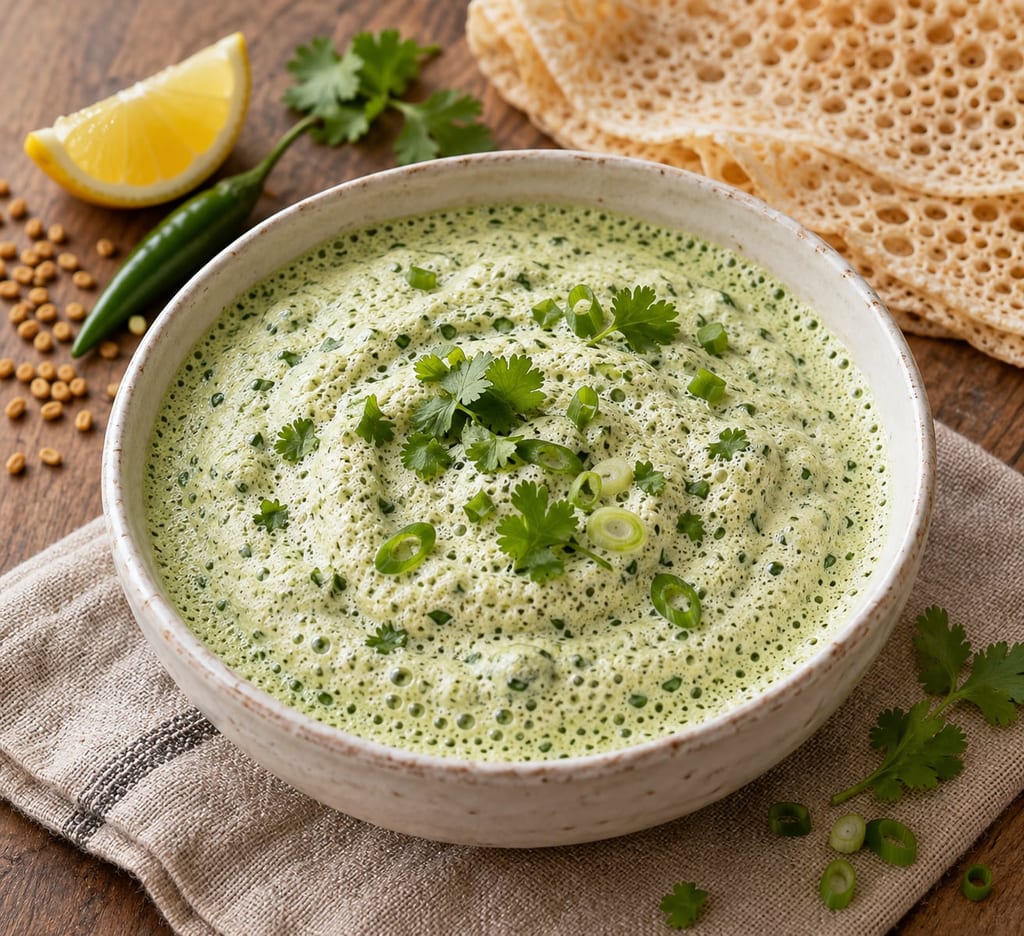
A whipped condiment of soaked ground fenugreek seed, aerated until foamy and finished with herbs, chilli and lemon. It comes from Yemen.
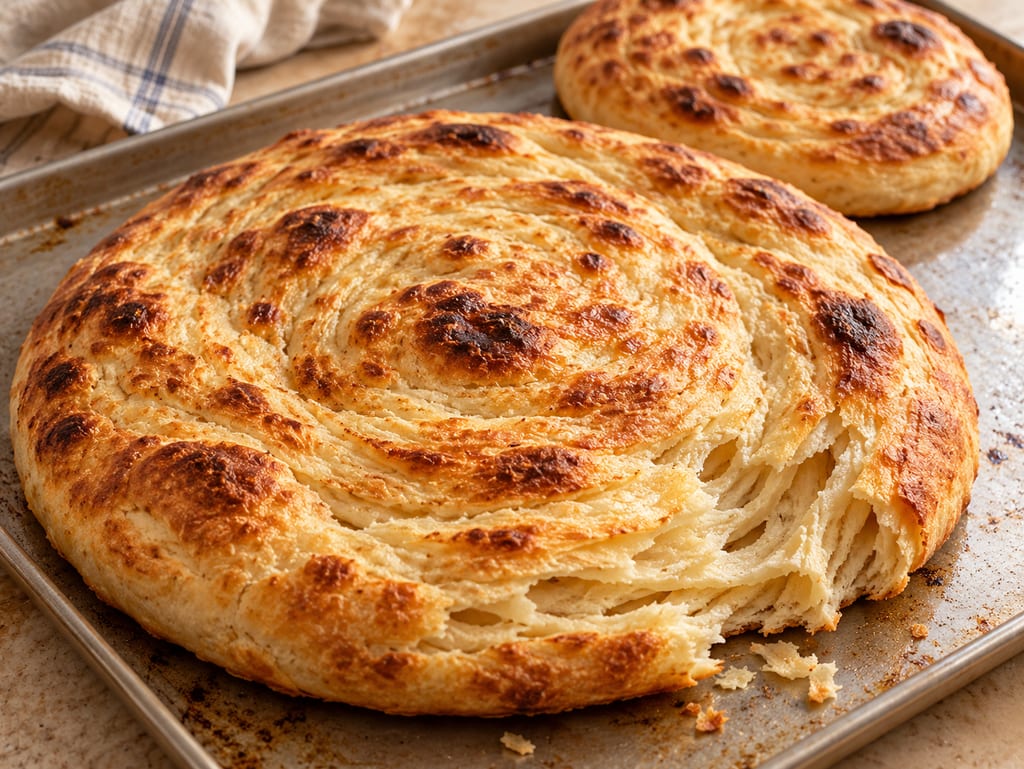
This Yemeni home-oven variation uses a yeast-raised wheat dough, folds it repeatedly with semn and oil, then bakes it as large rounds.
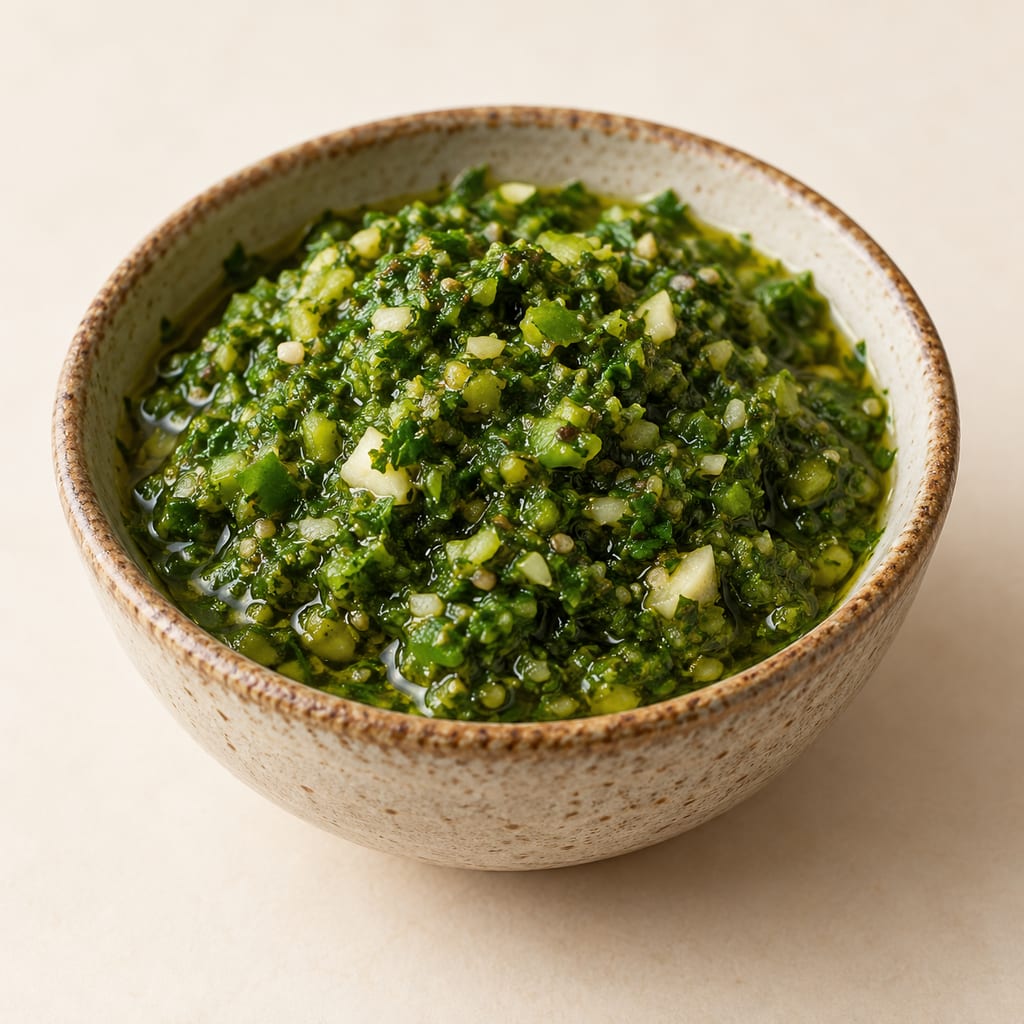
A Yemeni hot sauce of fresh chilli, coriander and garlic bound with olive oil, the base of sahawiq and a common condiment in Israel. It is made by crushing, not cooking, and keeps only briefly in the refrigerator.
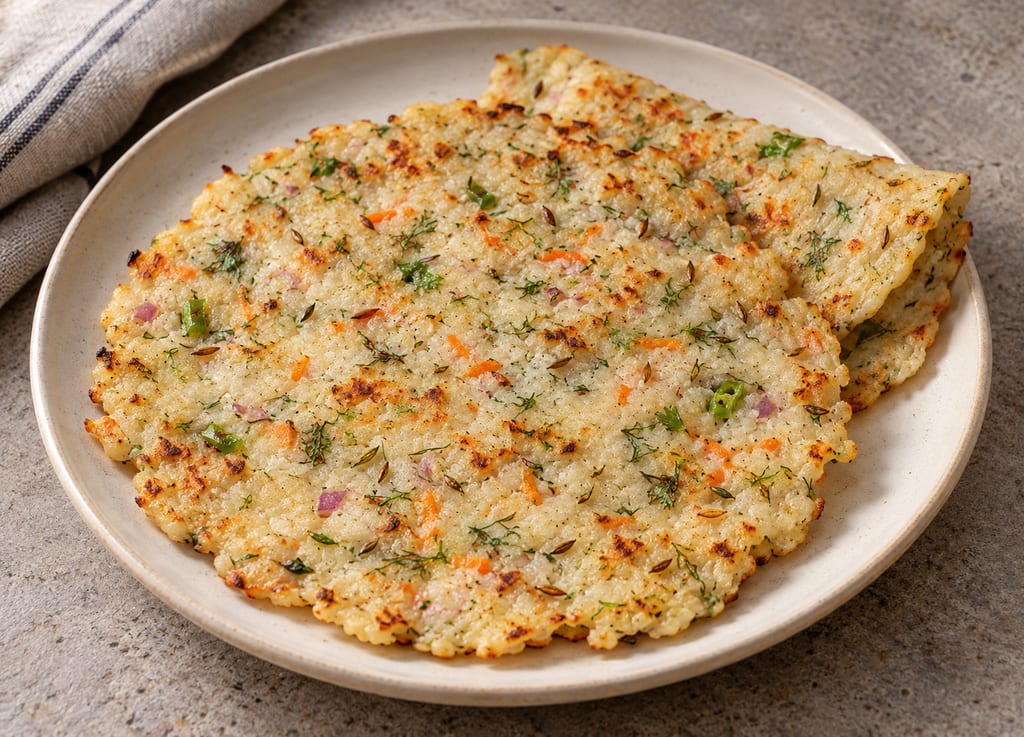
This Karnataka-style akki rotti mixes fine rice flour with vegetables, coconut, herbs and spices, then hand-pats and griddle-cooks the dough.
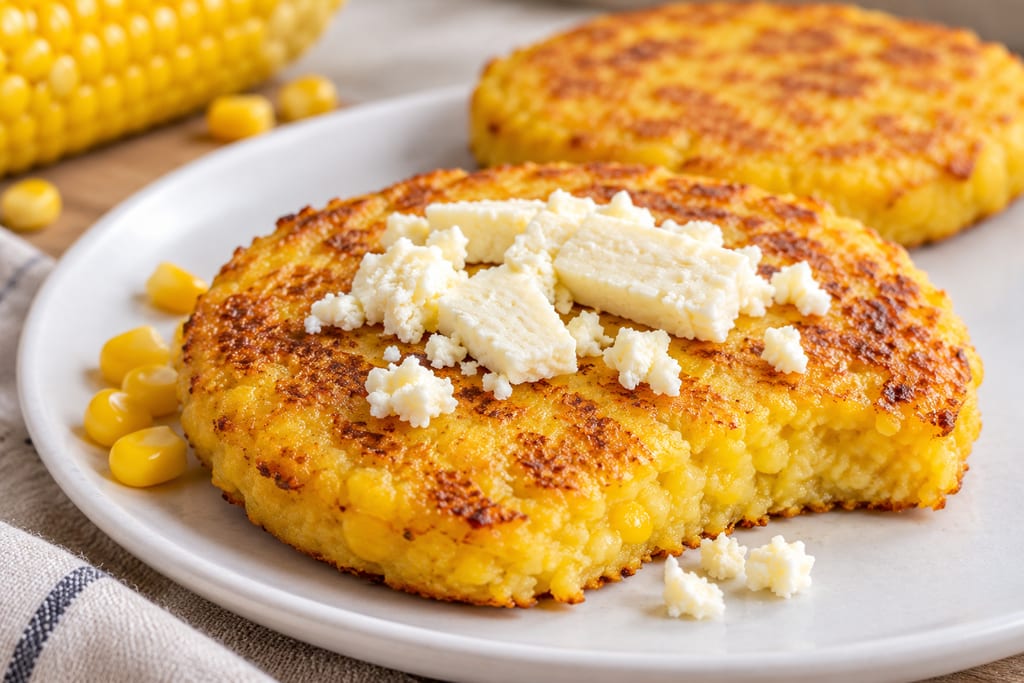
A Colombian Andean griddle cake made from fresh sweet-corn batter, cooked in butter and served with white cheese.
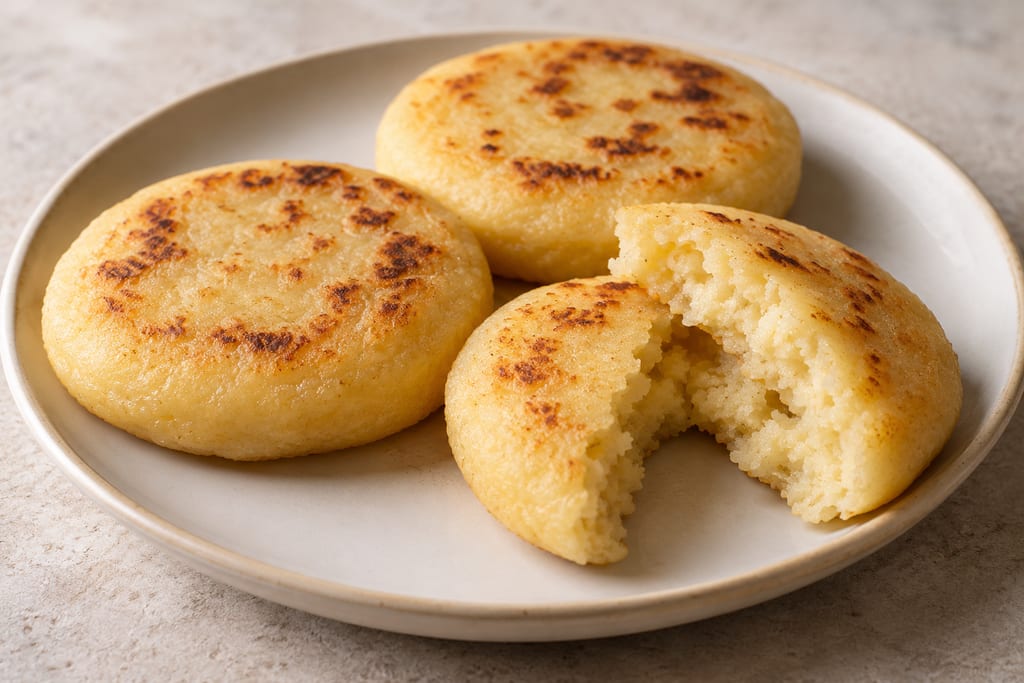
This household version combines precooked corn flour, warm water and salt, then cooks thick rounds on a lightly oiled skillet or griddle. It is one source-specific arepa method, not a universal Colombian or Venezuelan formula.
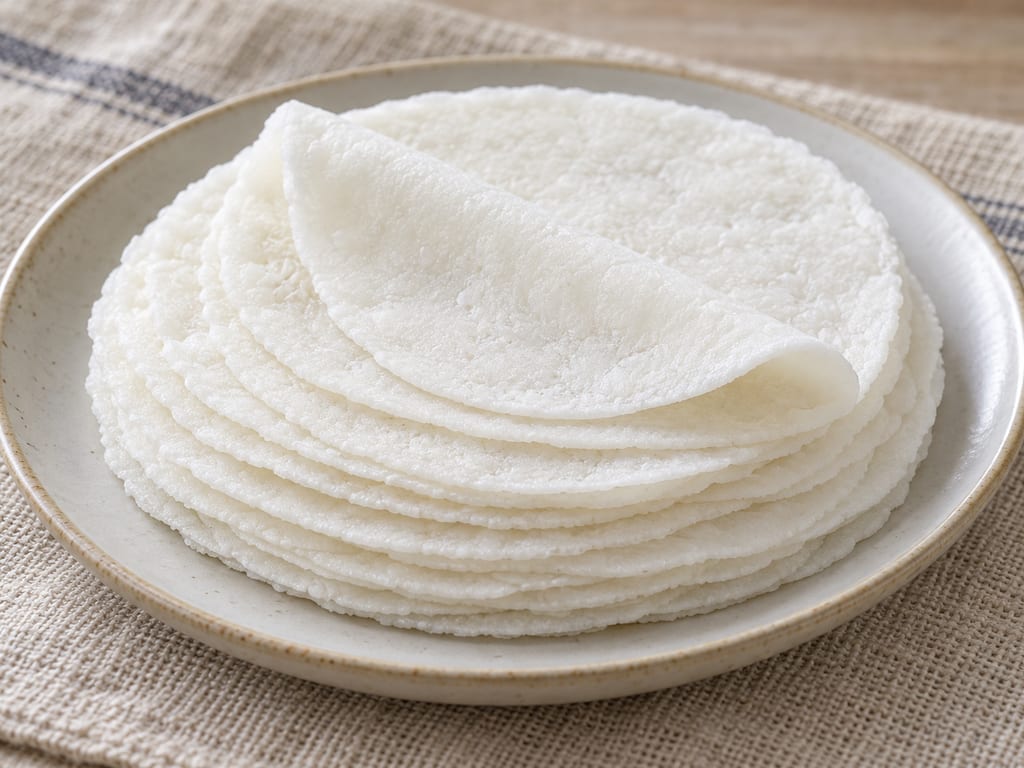
Thin Malabar rice-flour rounds made from roasted rice flour cooked into salted boiling water, kneaded after cooling, and rolled to about 1 mm. They cook on a hot griddle without taking on colour.
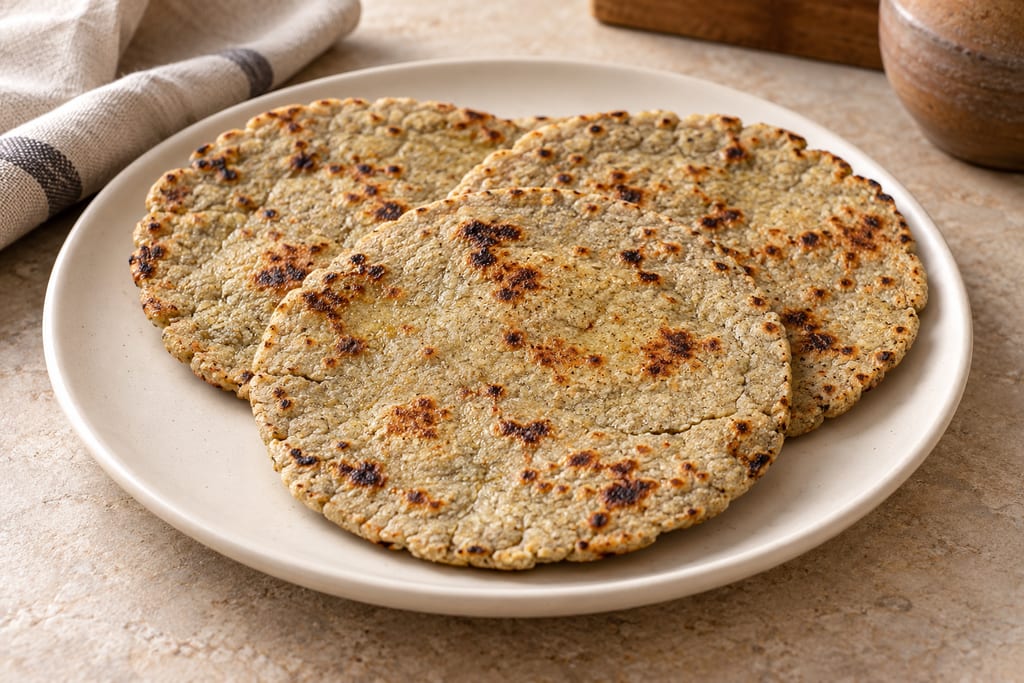
A pearl-millet flatbread shaped between sheets and cooked on a hot tawa. This home batch makes eight.
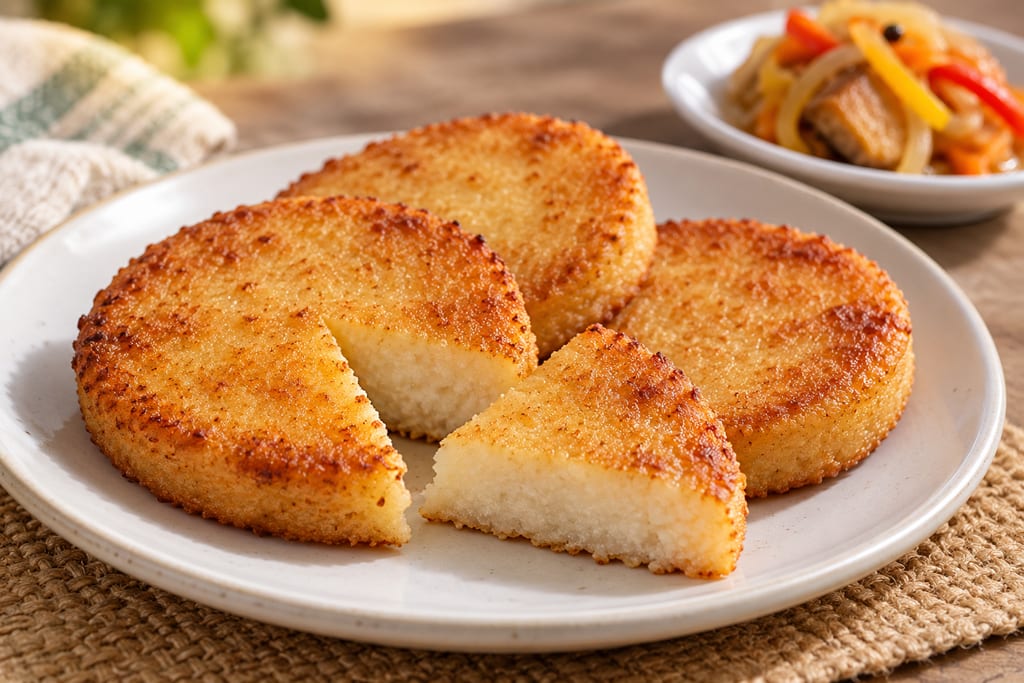
A serving method for approved, prepared bammy rounds: soak them in coconut milk and refry until golden. It does not process raw cassava.
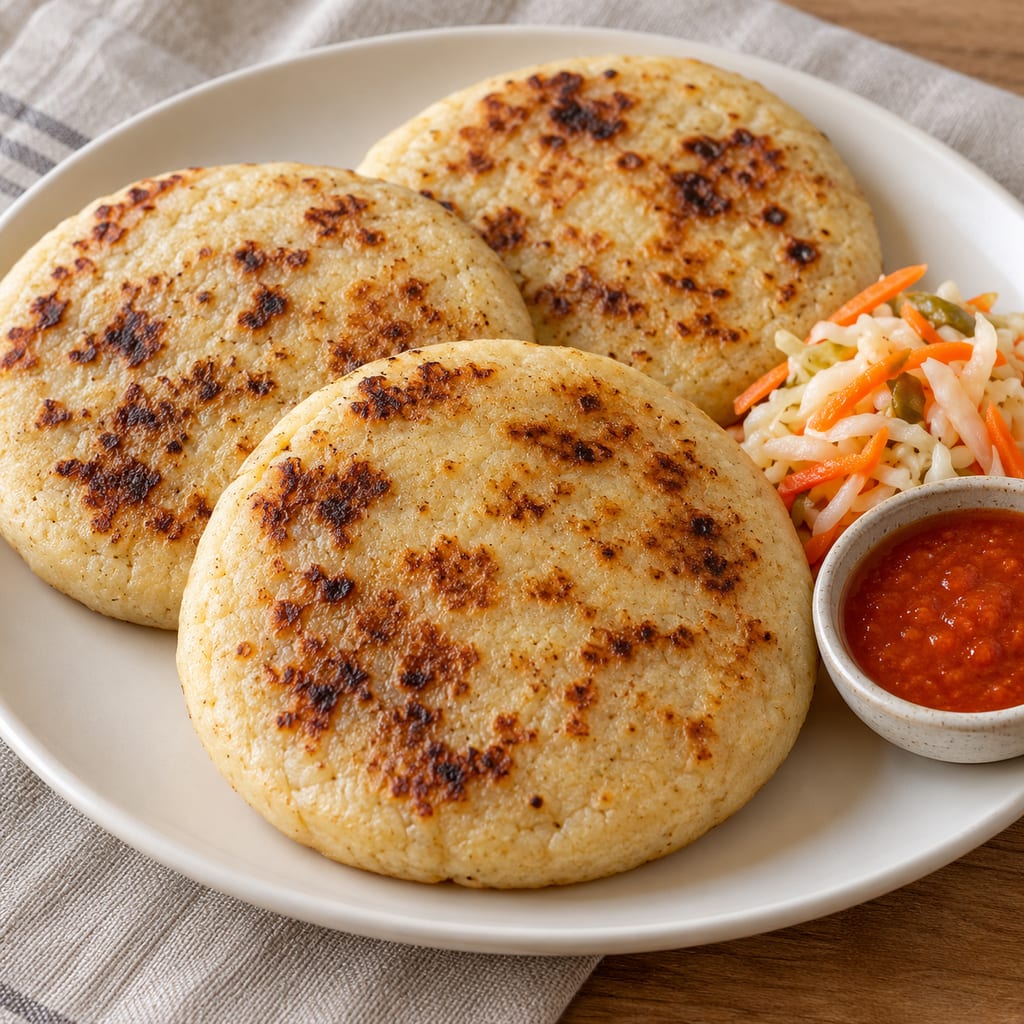
Salvadoran-style masa harina cakes filled with refried beans and cheese, sealed and cooked on an oiled skillet.
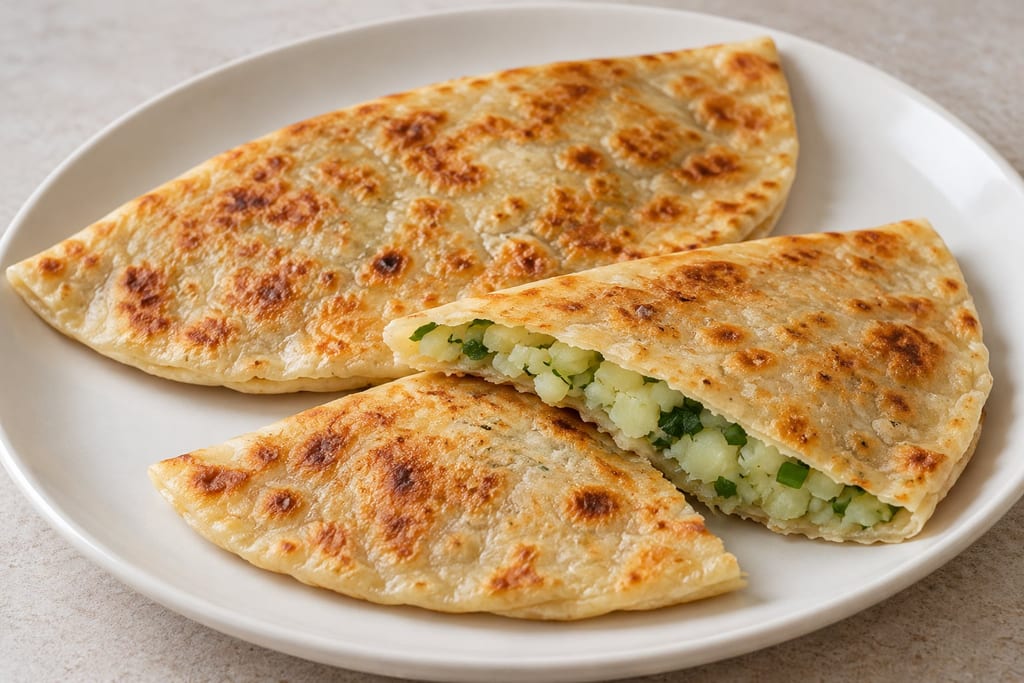
A thin, unleavened Afghan flatbread filled with mashed potato, scallion and cilantro, folded and pan-browned. This version uses a dough made from scratch.
No community contributions have been published for this entry yet.
Sign in to contribute. Published comments and photos are free to read.
Sheba Yemeni FoodInspiration · History · Geography
Yemeni Malawah BreadYemeni bread context, smaller home interpretation, formula, kneading, two rests, butter lamination, 500°F stone preheat, 12–15-inch shaping and 4–5-minute bake.
JIMENAHistory
MalawachYemenite Jewish malawach is described as a fried breakfast pastry; its recipe is cooked in a skillet. Used to distinguish the related Jewish form from this specific Yemeni home-oven method.
My Somali FoodHistory
Malawah: Somali CrepesThe Somali preparation is a thin batter containing egg and milk, rested briefly and cooked on both sides in a pan; it is distinct from this laminated dough.
Centers for Disease Control and PreventionSafety
Raw Flour and DoughRaw flour may carry harmful germs; do not eat raw dough and clean after handling flour.