
Ayran
Ayran is Turkey’s cold, savoury yogurt drink: plain yogurt is loosened with water and lightly salted, then whisked smooth or aerated into a soft cap of foam.
 FermenteaWhere food goes to change
Sivas Pezik Turşusu · Sivas Pezik Dal Turşusu · Sivas beet-stalk pickle
A preserve of pezik and other non-sugar beet stalks from Sivas Province, blanched, salted and acidified with lemon juice and vinegar, then held for one to three weeks as the registered specification directs.

Sivas pezik turşusu is a pickle made from the stalks of beet plants rather than from the roots. The name combines the local word pezik, which the registered specification uses for the stalked beet, with turşu, the Turkish word for pickle. The product is protected as a geographical indication under the names Sivas Pezik Turşusu and Sivas Pezik Dal Turşusu, and the protected boundary is Sivas Province in central-eastern Anatolia.
The stalks are the defining material. The specification says pezik and other stalked beet types may be used, but sugar beet is excluded. Because the text does not name a botanical species or a local cultivar, this account does not identify the stalks as chard or leaf beet. The local taxon is not established by the sources reviewed.
The specification begins with the stalks themselves. The leaves are removed, and the stalks are cut near the root and boiled for one to three minutes. They are then plunged into cold water for five to seven minutes. The specification says the cold-water step prevents darkening, which is a colour and quality reason. It is not a safety control, and the text does not present it as one.
The stalks are then packed with garlic, pepper, optional spices and crumbled rock salt. The quantities are given for a 5 kg product: 8 to 10 heads of garlic, 80 to 100 g of pepper, 100 to 110 g of crumbled rock salt, enough water to cover, the juice of three to five lemons or an equivalent acid, and about one glass or cup of vinegar. The specification's words are 'for a 5 kg product', and that phrase should be read as the specification's own basis. It does not say how much the stalks weigh or what the finished jar yields.
Lemon juice and vinegar are added acids. Their presence lowers the acidity of the liquid around the stalks, which is the factual effect of the added ingredients. The specification then calls for one to three weeks of maturation in a tightly closed vessel, using the word mayalanma.
The sources do not say which organisms, if any, take part in that maturation, and they do not quantify the acidity reached. For that reason this page does not describe the preserve as a verified microbial fermentation. It is classed as non-fermented in the record only because the source does not establish a fermentation, and the maturation is not tied to a named culture. A cook who wants a microbial process needs a different, sourced method.
The registered text describes the preserve as a food of the household kitchen and the cauldron, but the reviewed sources do not describe how it is served, with which dishes or on which occasions. No local ethnographic account of its use was found, so this page does not invent a serving tradition.
The same limit applies to the product's place in the wider Sivas food culture. The specification establishes the product, its boundary and its method, not its customary service.
The sources do not give the water volume, the vinegar volume standard, the maturation temperature, the vessel material or capacity, the finished yield, or a microbial or acidity endpoint. They do not give a storage period after maturation. The sources also do not date the practice, so the earliest attestation is unknown.
Until a source gives those controls, the recipe is a source-documented method with its gaps left open, not a tested household procedure.
The registered specification describes the preserve and says household cooking took place in large cauldrons outside homes, in an undated narrative. The protection date of 6 March 2018 and the registration date of 12 March 2020 record legal status, not the origin of the practice.
Scaling: source batch only
The specification gives no endpoint, vessel, storage condition or validated process. Acid addition and blanching are not shown to control pathogens.
Hazard sourceKeep the stalks covered as the specification directs, and use clean vessels. The specification sets no critical limit for acidity, salt, time or temperature.
Control sourceThe specification's closing phrase that the preserve is ready for consumption is not a validated safety endpoint.
Blanching and cooling are preparation steps, not validated preservation controls.
Smell, taste, bubbles and appearance alone do not establish safety.
The vessel, water volume, vinegar standard, temperature and storage period are unspecified and must not be filled in from other recipes.
The protected boundary is Sivas Province; the specification does not date the practice.
Ayran is Turkey’s cold, savoury yogurt drink: plain yogurt is loosened with water and lightly salted, then whisked smooth or aerated into a soft cap of foam.
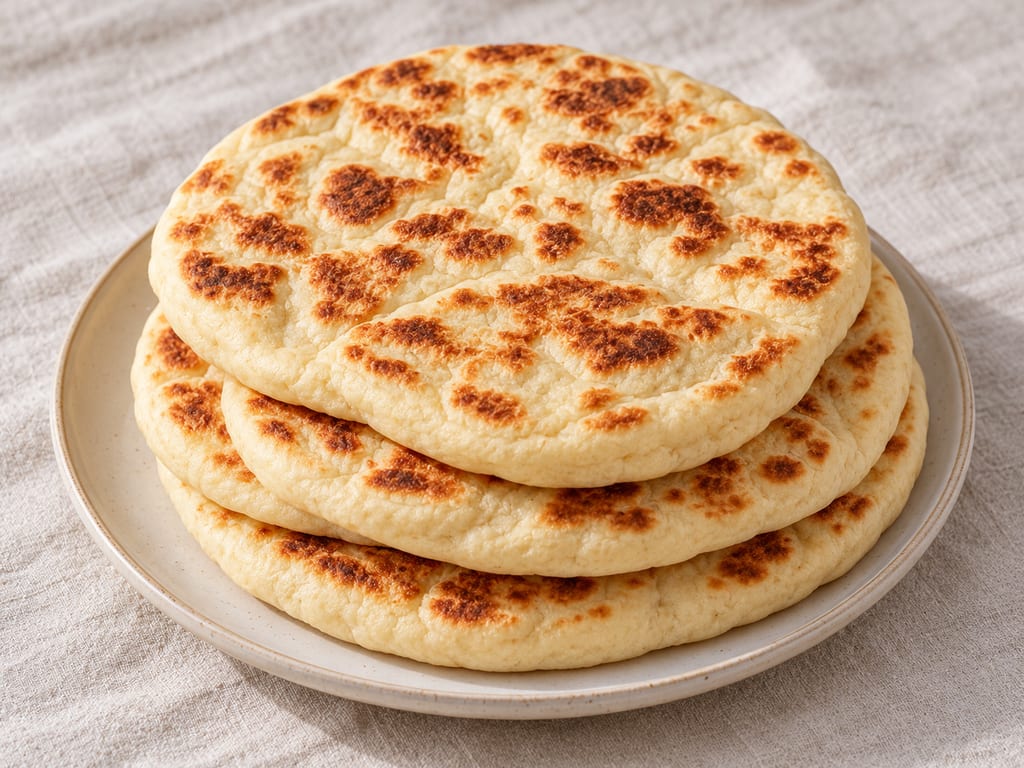
This Turkish bazlama uses yeast, plain yogurt and olive oil for a soft dough cooked in a skillet. Shape it into twelve small or six larger rounds, flip as bubbles appear, and wrap the breads to keep them soft.

Beyaz peynir is a Turkish white cheese matured in brine. Sheep milk, alone or mixed with other milks, gives a close-textured cheese cut into blocks and packed in cans.
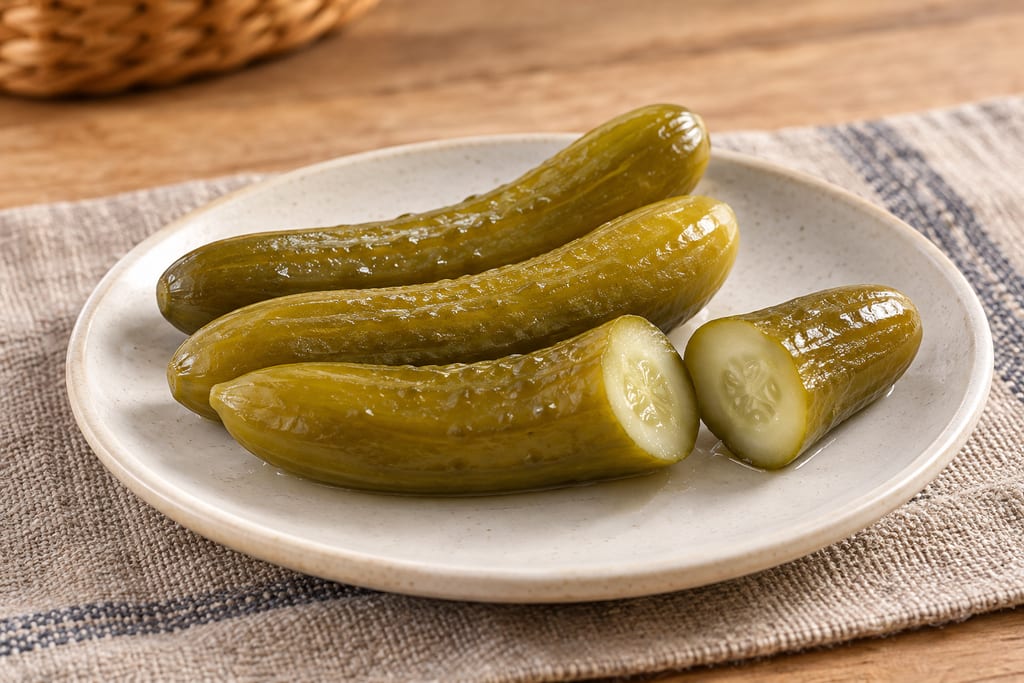
Çubuk turşusu is a registered pickle from Çubuk district in Ankara. Its cucumber variant is sold as Salatalık Turşusu, and a commercial specification sets its brine and room-temperature period.
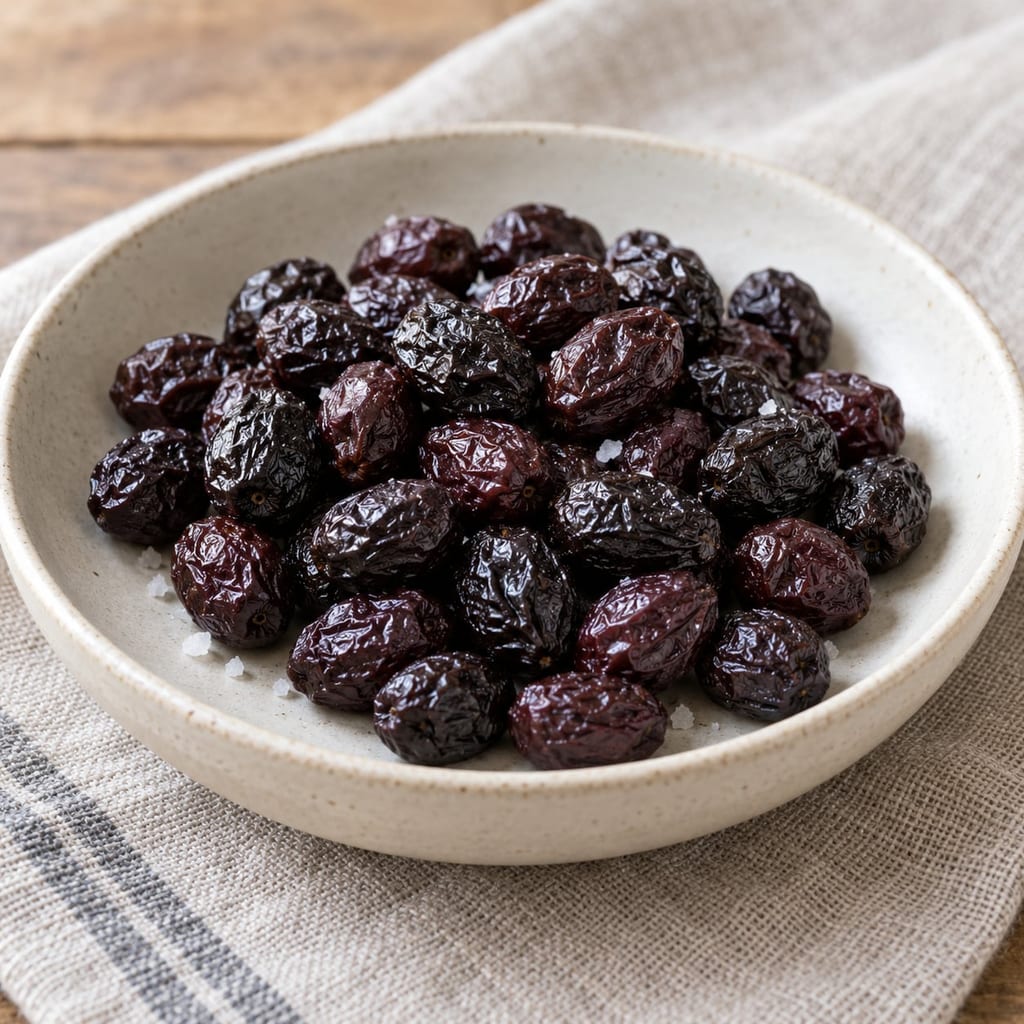
Fully ripe dark olives are mixed with salt and turned weekly as salt draws out moisture. Distinct from existing brine-fermented and lye-treated olives.
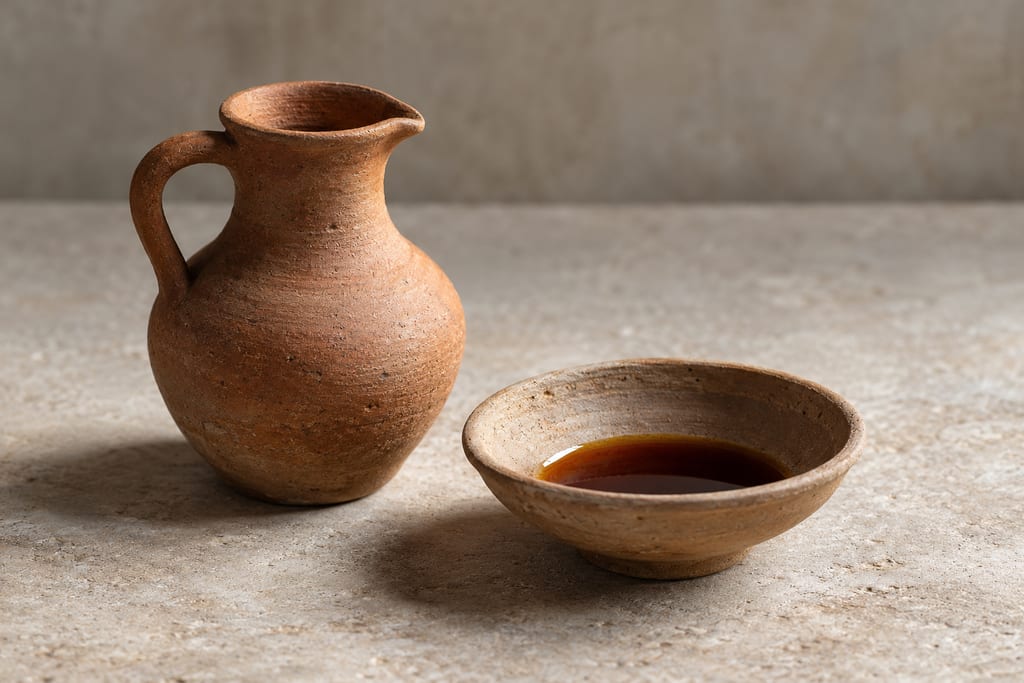
Garum, Greek garos and Latin liquamen, was the fish sauce of the ancient Mediterranean: fish and viscera salted and left in the sun, then drained off as a savoury liquid.
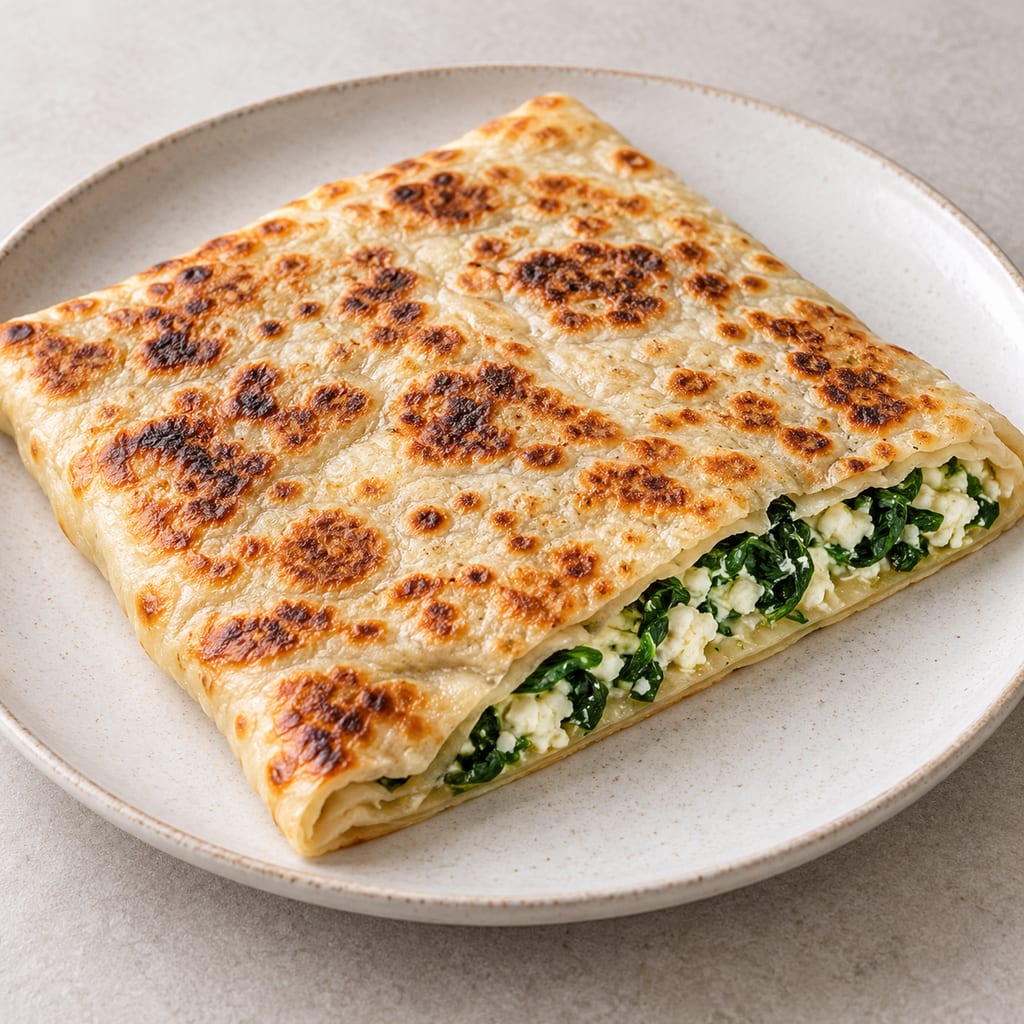
A yeast-and-yogurt dough is rolled into a large thin sheet, filled with spinach, onion and feta, folded closed, then cooked on an oiled griddle. This is Özlem Warren’s spinach-and-cheese family-style version.
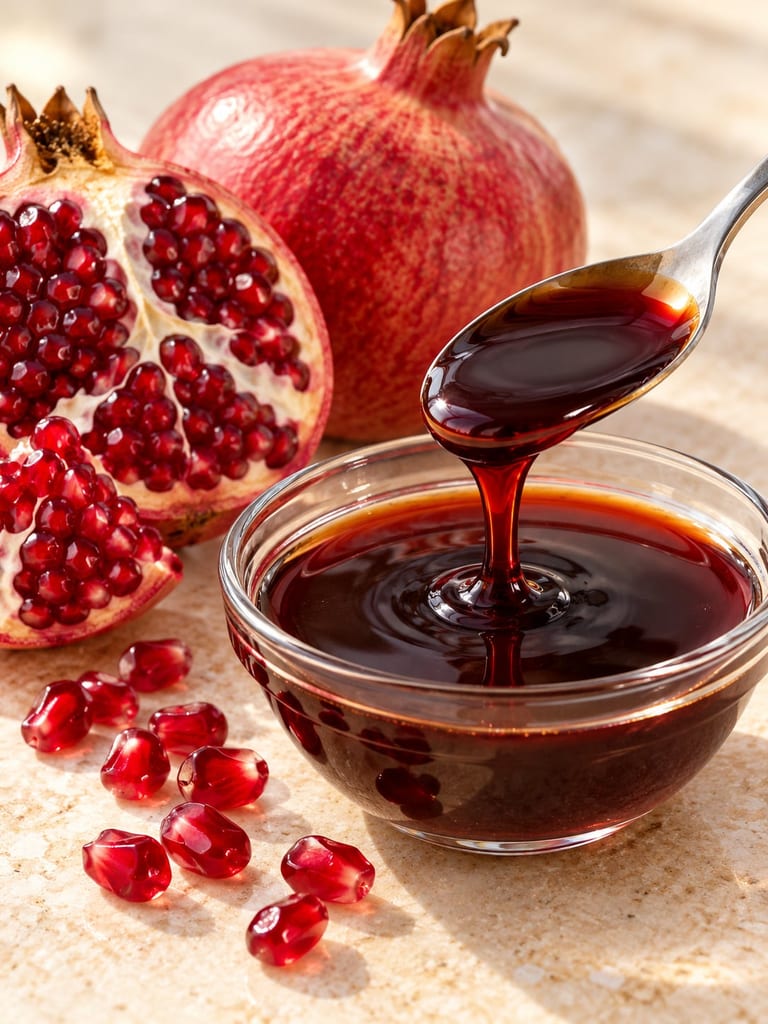
The registered Hatay method presses pomegranate arils and slowly concentrates the strained juice. Its 100 kg source batch and experienced-producer endpoint are retained; no home-scale time or shelf-life is inferred.
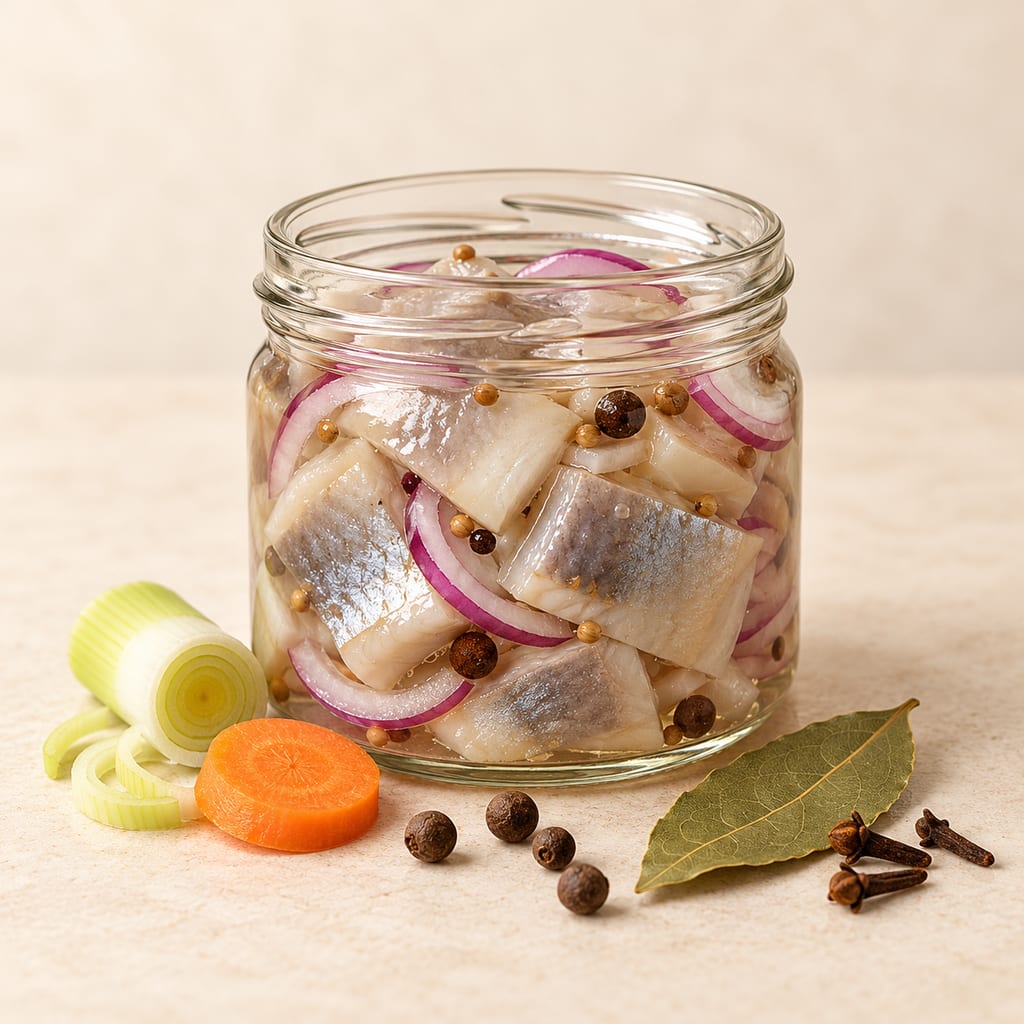
A Swedish ready-to-dress herring preparation: add the classic sliced aromatics and spices to already prepared herring, then serve or chill for fuller flavour.

Achcharu is a family of Sri Lankan vinegar pickles made with mixed vegetables or seasonal fruit and a piquant spice dressing. This version is a quick, refrigerated, non-fermented mixed-vegetable pickle.
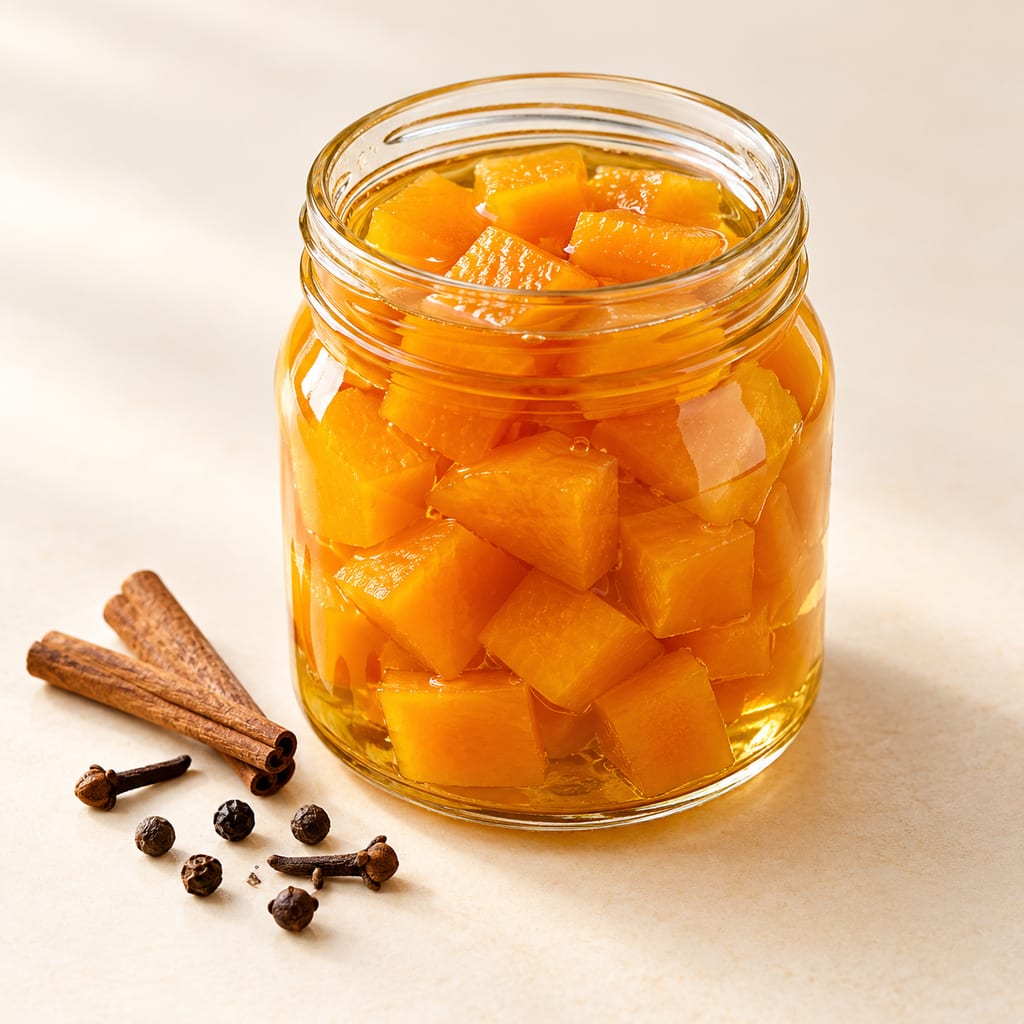
Ball sweet pumpkin pickles: Cupboard: exact published Ball formulation and water-bath process.
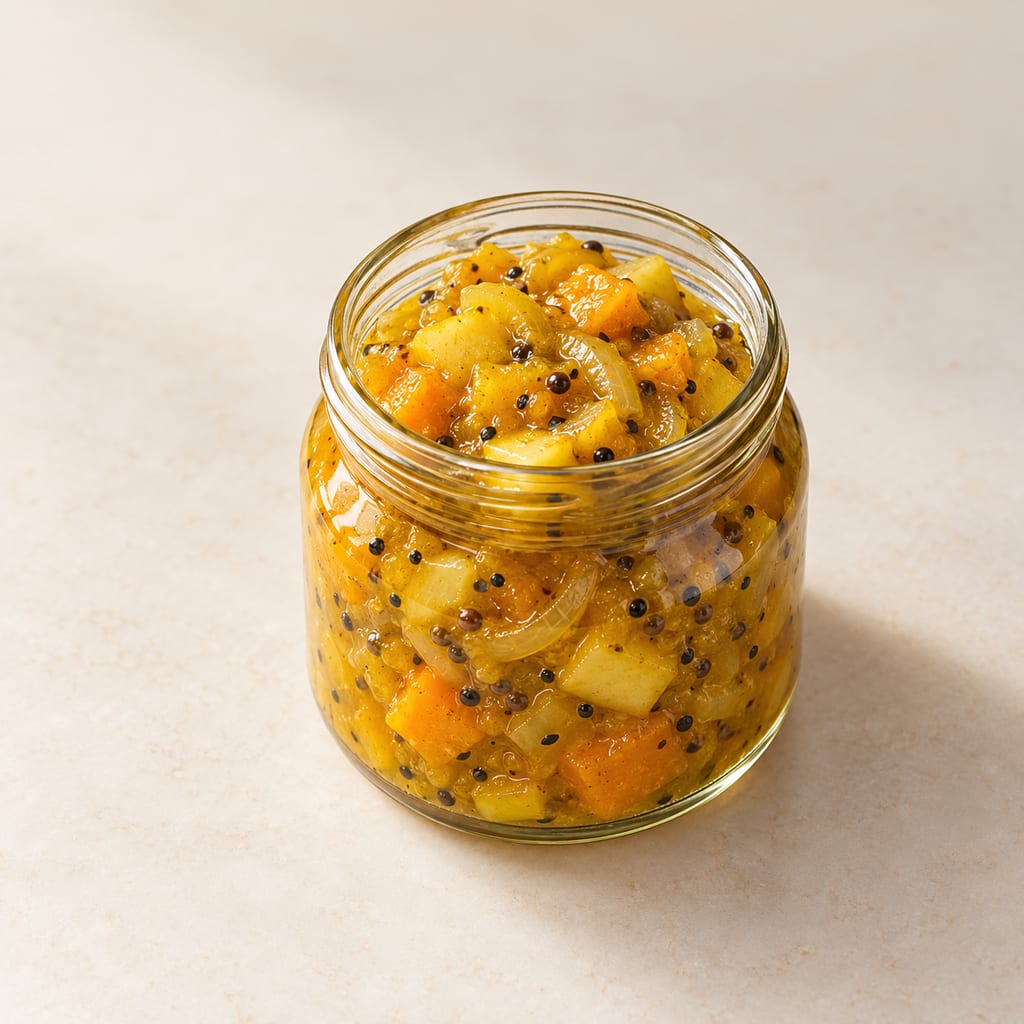
British pumpkin, apple and mustard pickle: Freeze for winter; small fresh portion refrigerated up to 48 hours.
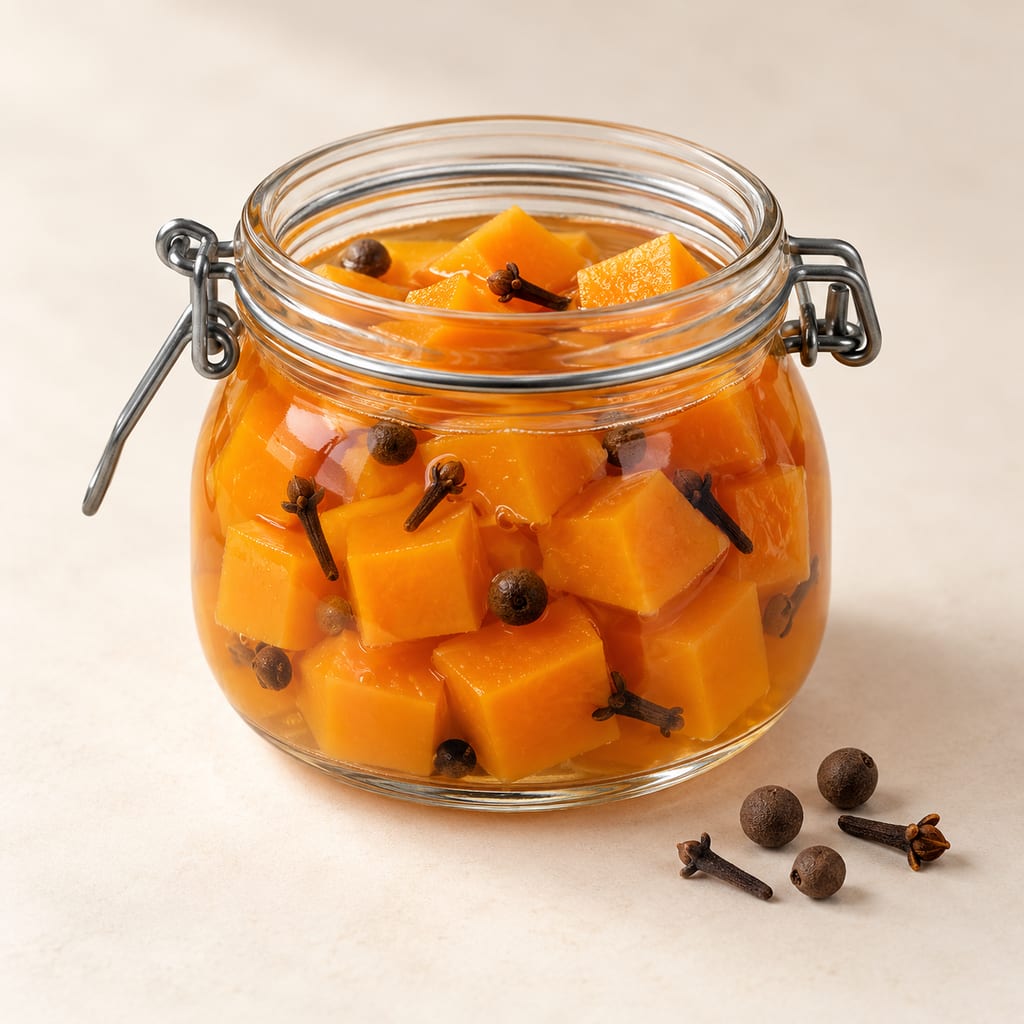
Dynia marynowana: Freeze for winter; small fresh portion refrigerated up to 48 hours.
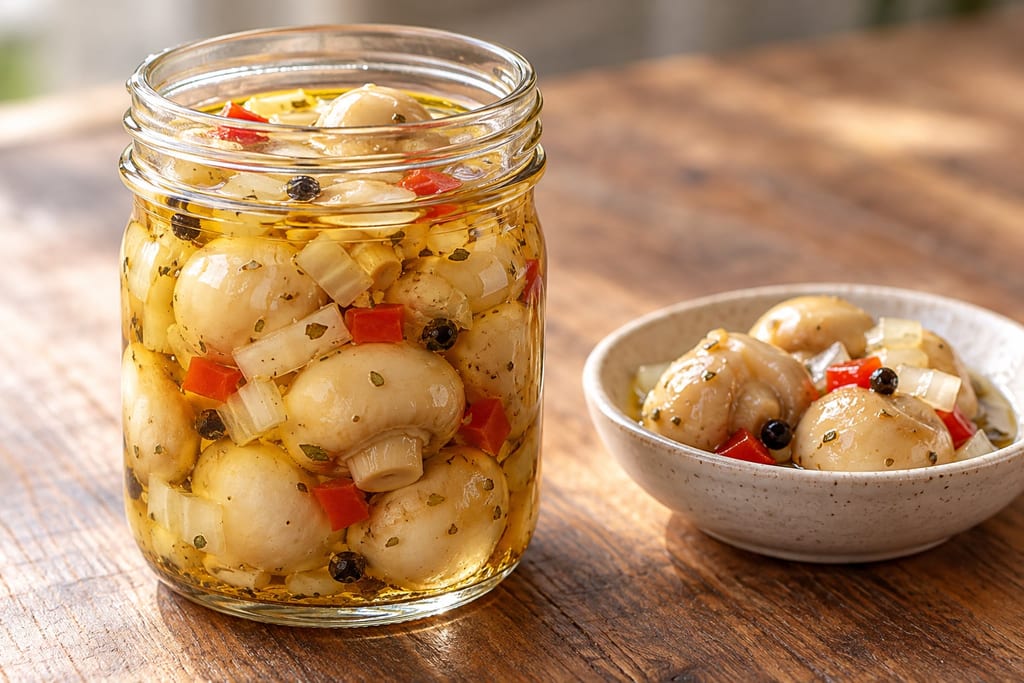
Small edible mushrooms are briefly cooked and packed in a seasoned vinegar marinade, a sweet-sour preserve served cold in Poland and neighbouring cuisines.

Fried or cooked food covered in a vinegar-based preparation, the heat and the externally supplied acid working together; a family of methods whose early form is a Roman instruction for treating fried fish with hot vinegar.
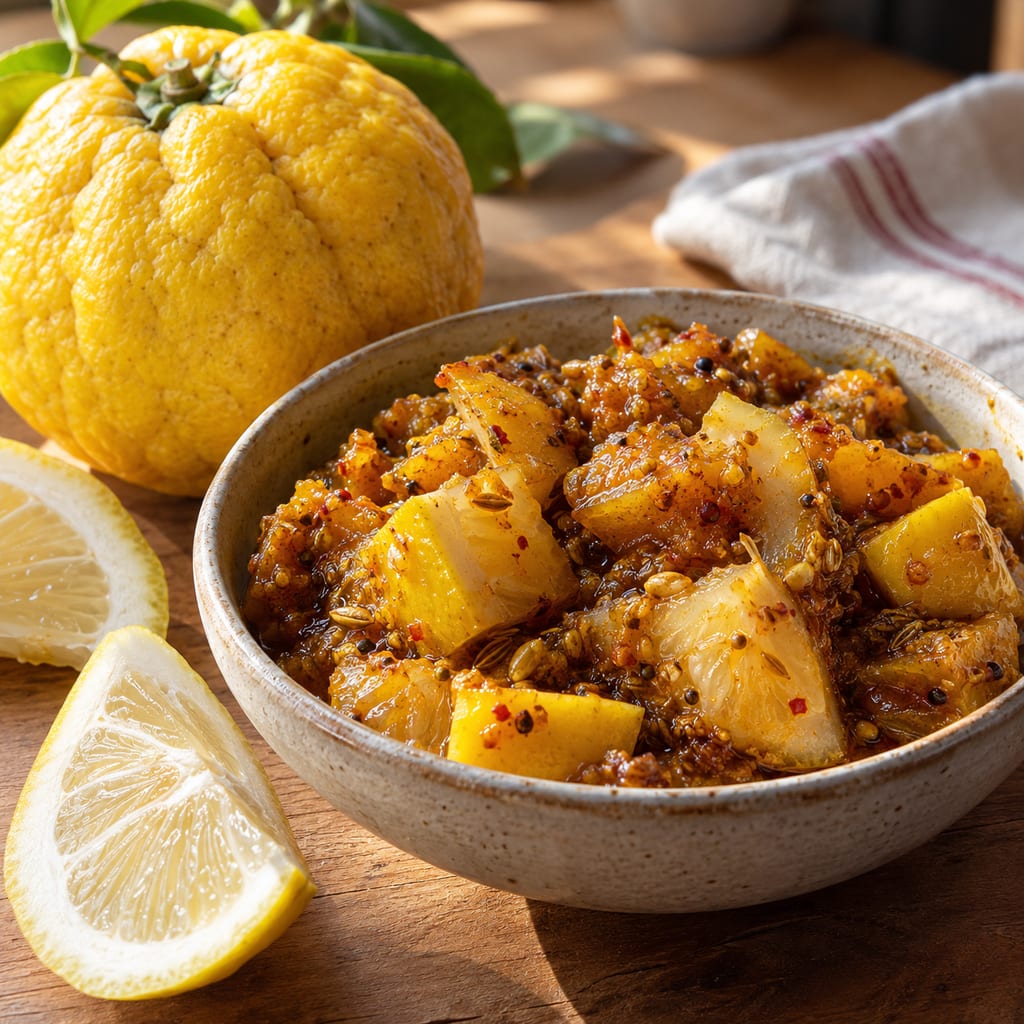
Ripe Himalayan galgal is boiled, sun-dried and cooked with mustard oil, spices and jaggery before a further rest in a ceramic jar.
No community contributions have been published for this entry yet.
Sign in to contribute. Published comments and photos are free to read.
TÜRKPATENT, Turkish Patent and Trademark OfficeMethod · History · Safety
Sivas Pezik Turşusu geographical indication specificationProtected names Sivas Pezik Turşusu and Sivas Pezik Dal Turşusu; boundary Sivas Province; pezik and other stalked beet types, sugar beet excluded.
Preparation: leaf removal, boiling for one to three minutes, cold-water cooling for five to seven minutes to prevent darkening.
Quantities for a 5 kg product: garlic, pepper, crumbled rock salt, water, lemon juice, vinegar, herbs; closed vessel and one to three weeks of mayalanma.
Undated cauldron narrative; protection and registration dates are legal records, not origin dates.
Cited in: A beet-stalk preserve from Sivas; How the stalks are prepared and packed; What the acid and the maturation do; Serving and use; What is still unknown
TÜRKPATENT, Turkish Patent and Trademark OfficeHistory
Sivas Pezik Turşusu geographical indication recordOfficial record page for the registered geographical indication; its image was not inspected for this page.