
Bagna cauda
A warm dip of garlic, anchovy and olive oil, often enriched with butter, that Piedmont serves over a flame with raw and cooked vegetables and bread.
 FermenteaWhere food goes to change
Sauce hollandaise · Hollandaise · Dutch sauce · Bearnaise (derivative) · Sauce Isigny
Hollandaise is a warm emulsion of egg yolk and butter finished with lemon juice, one of the French mother sauces, and the base for Bearnaise and other derived sauces.
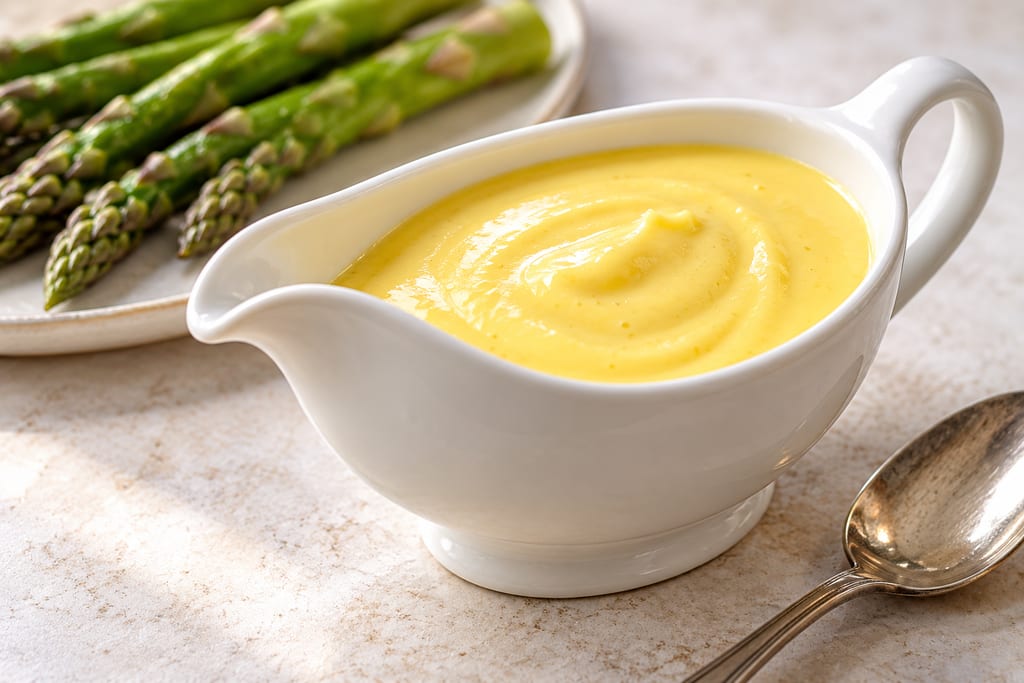
Hollandaise is a warm emulsion of beaten egg yolk and butter, finished with lemon juice. Escoffier listed it among the mother sauces. It is the base for bearnaise and many other derived sauces.
The lecithin in the yolk is the emulsifier, so the sauce does not set like a custard. It thickens because the yolk and butter are held together gently, and it can be broken by too much heat.
The first documented recipe is in La Varenne's 1651 book, in a dish of asparagus with a fragrant sauce. The name is said to mean Dutch sauce, from the Franco-Dutch War, but the article gives this without full certainty.
Prosper Montagne suggested a reduction of wine or vinegar to improve the flavour. A later name, sauce Isigny, points to the butter of Isigny-sur-Mer.
Beaten egg yolks are combined with butter, lemon juice, salt and water, then heated gently over a double boiler while whisked. Methods vary: melted butter may be poured into warm yolks, unmelted butter may be heated with the yolks, or a blender or food processor may be used. The yolks in this version are only gently heated to form and warm the emulsion; no pathogen-reduction endpoint is specified. Use pasteurized eggs or pasteurized egg products for this low-heat preparation.
Some cooks reduce vinegar, water and cracked peppercorns until nearly dry and add the strained reduction. Temperature control is the main risk: the article says excessive heat can curdle the sauce, and it gives no rescue method.
Bearnaise is the most common derivative. Its name comes from the province of Bearn. According to a common explanation, the chef Jean-Louis-Francois Collinet invented it by accident and served it at the 1836 opening of Le Pavillon Henri IV at Saint-Germain-en-Laye. The article presents this as a common explanation, not a confirmed fact.
Bearnaise is finished with a reduction of wine or vinegar, shallot, chervil, tarragon and crushed peppercorns, strained and whisked into yolk and clarified butter at about 66 C (150 F) over a bain-marie. Choron adds tomato puree, Foyot adds meat glaze, Colbert adds reduced white wine, and paloise uses mint. Maltaise uses orange, mousseline folds in whipped cream, and noisette uses browned butter.
The article states only that hollandaise can be frozen. It gives no holding times, no reheating advice and no food-safety statement beyond the temperature control needed during preparation.
USDA FSIS identifies hollandaise among foods that can contain raw or undercooked eggs and advises against unpasteurized eggs. FDA guidance recommends pasteurized eggs or egg products for hollandaise. This page's gentle heating is for texture, not a measured safety step. No validated warm-holding or storage time is established here.
The name is said to mean Dutch sauce and to date from the Franco-Dutch War; the article cites this without full certainty. La Varenne may have invented the sauce, a claim the article presents with hedged wording. A later name, sauce Isigny, refers to Isigny-sur-Mer, known for its butter.
Scaling: source batch only
Hollandaise may contain undercooked egg. USDA FSIS specifically lists hollandaise among foods containing raw or undercooked eggs and advises against unpasteurized eggs.
Hazard sourceUse pasteurized shell eggs or pasteurized egg products for hollandaise. The gentle heating described here is for texture and has no documented time-and-temperature pathogen-reduction limit.
Control sourceThis low-heat method does not establish a pathogen-kill endpoint. Use pasteurized eggs or pasteurized egg products; USDA FSIS advises against eating hollandaise made with unpasteurized eggs.
No validated warm-holding or storage duration is provided here. Serve promptly and use a tested method for holding or storage.
The first documented recipe is in La Varenne's 1651 cookbook; the name's Dutch link is uncertain.
A warm dip of garlic, anchovy and olive oil, often enriched with butter, that Piedmont serves over a flame with raw and cooked vegetables and bread.

Bechamel is a white sauce of milk thickened with a butter and flour roux, one of the French mother sauces, and the base from which Mornay and other cheese and cream sauces are made.
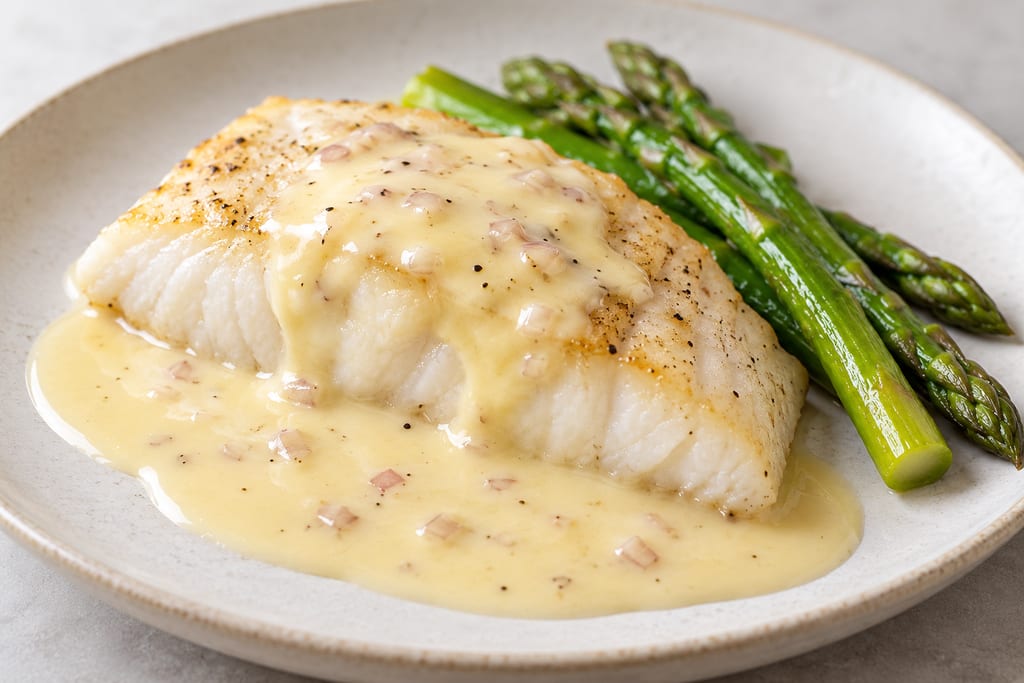
Beurre blanc is a warm emulsion of cold butter whisked into a reduction of white wine, vinegar or lemon juice and shallot, a sauce from the Loire Valley and its red-wine version, beurre rouge.
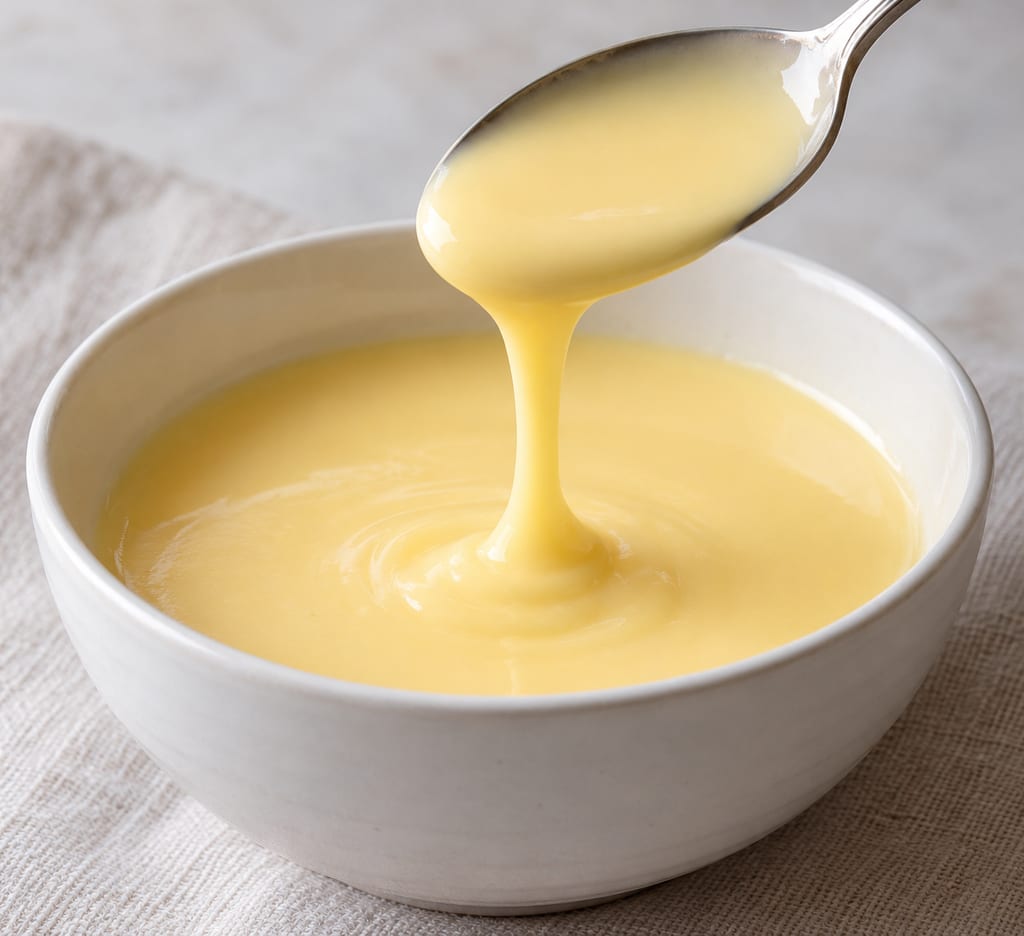
A thin, pourable custard sauce of egg yolks, sugar and hot milk or cream, cooked gently until it coats a spoon and no further.
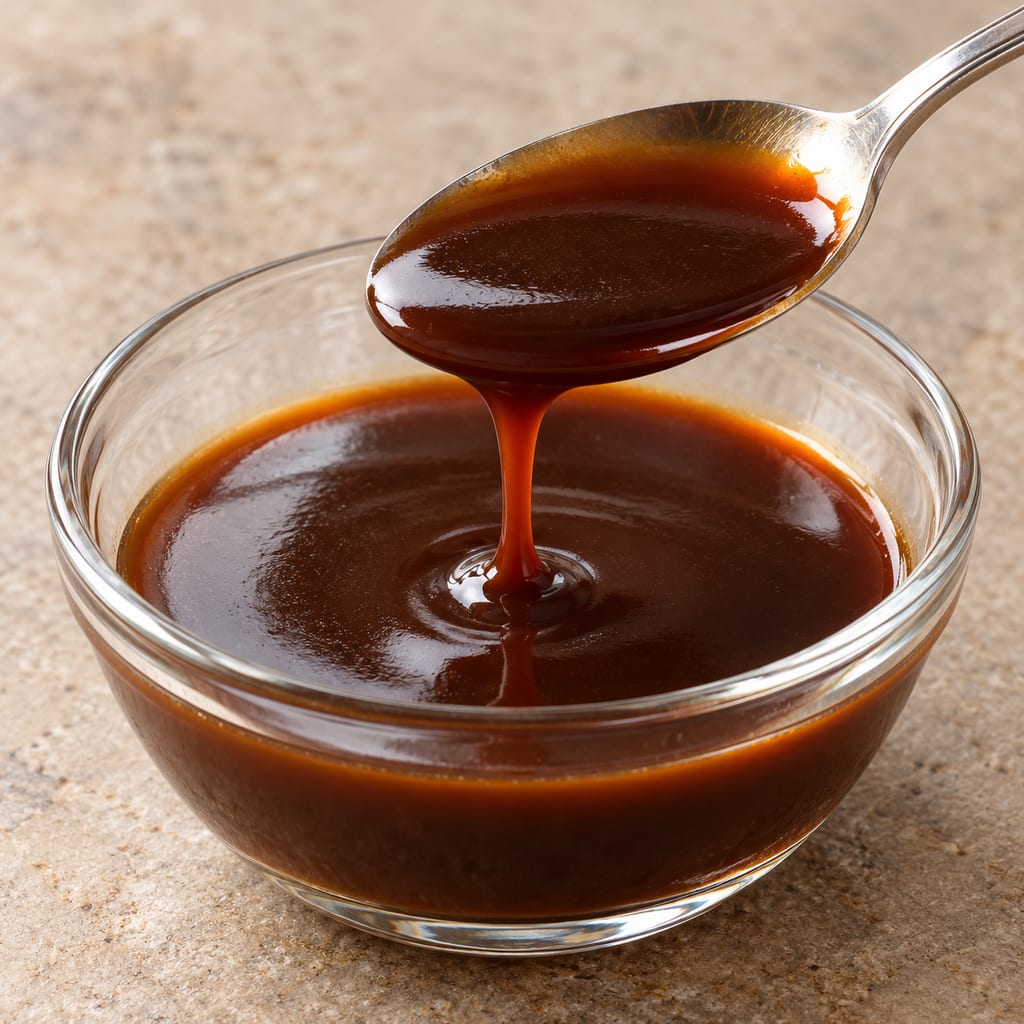
Demi-glace is a rich brown sauce of French cookery, classically made by reducing equal parts espagnole sauce and brown stock by half. It is used on its own or as a base for other sauces.
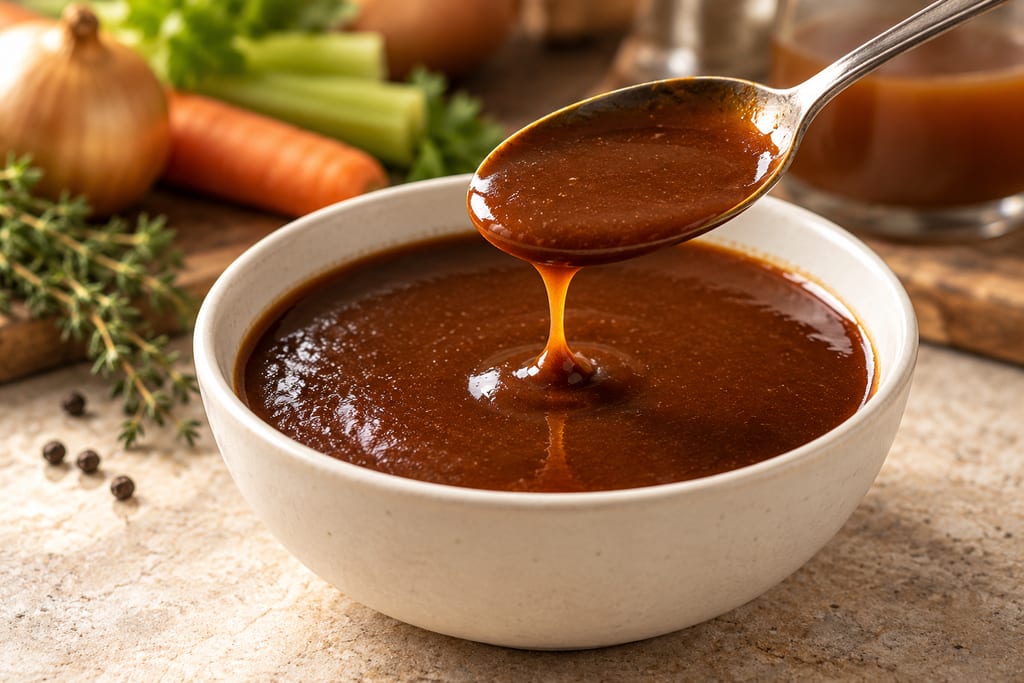
Espagnole is a brown mother sauce built on a dark roux, brown veal or beef stock and tomato, the base from which demi-glace and many brown sauces are made.
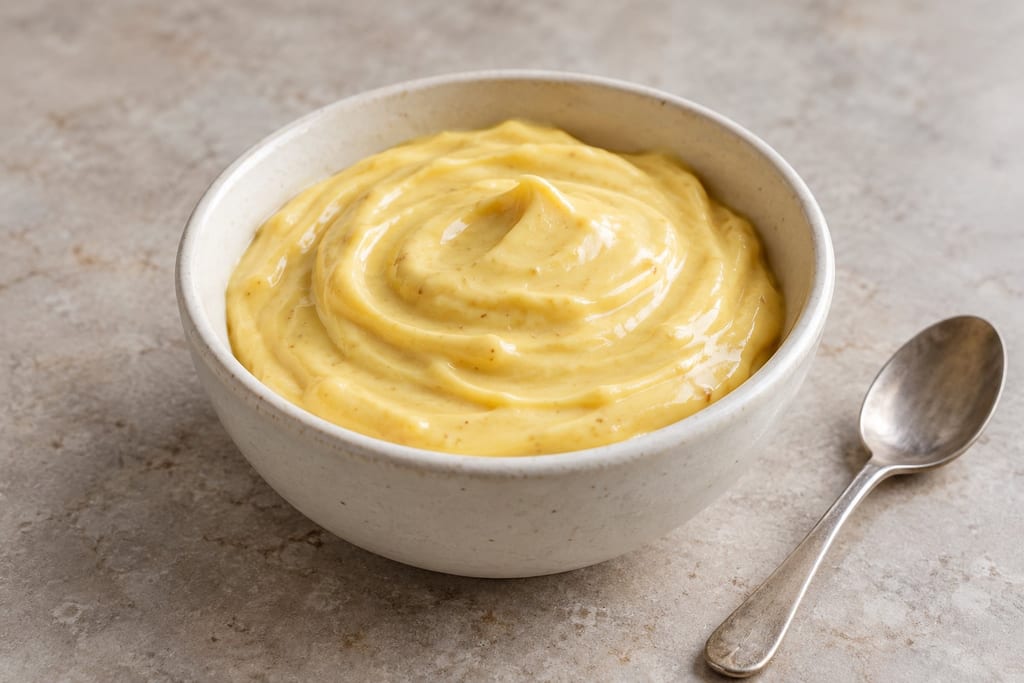
An untested home mayonnaise development formula with more Dijon mustard and no added sugar. A current French-market Dijon mayonnaise informs its flavor direction; this is not that product’s formula.
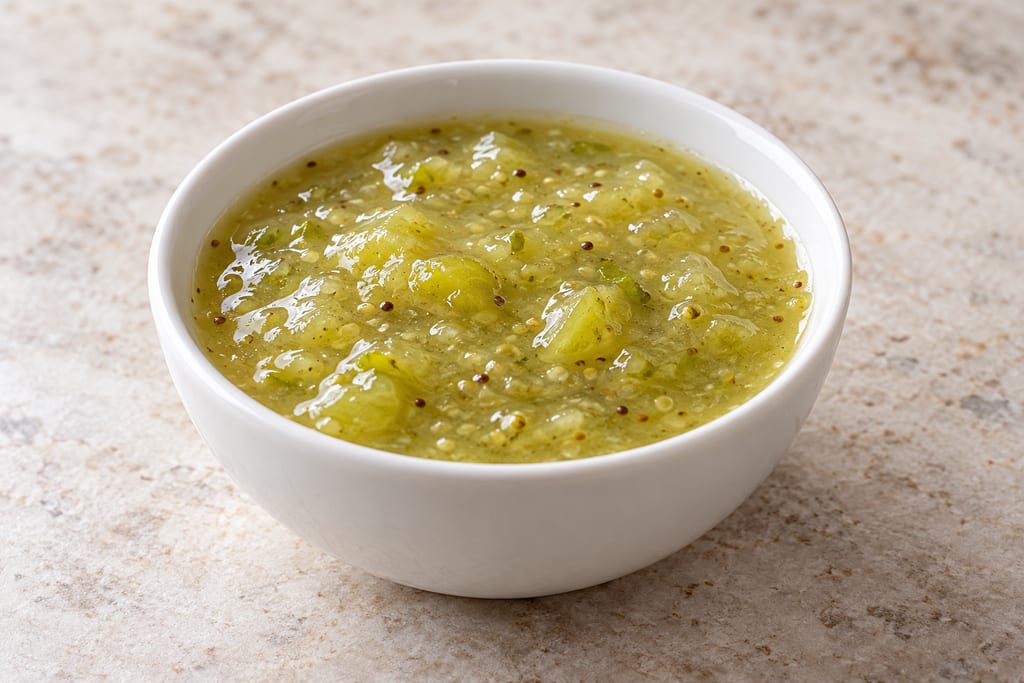
Gooseberry sauce is a soft, tart sauce of cooked green gooseberries, sharpened with wine or vinegar and lightly sweetened, traditionally served with mackerel.
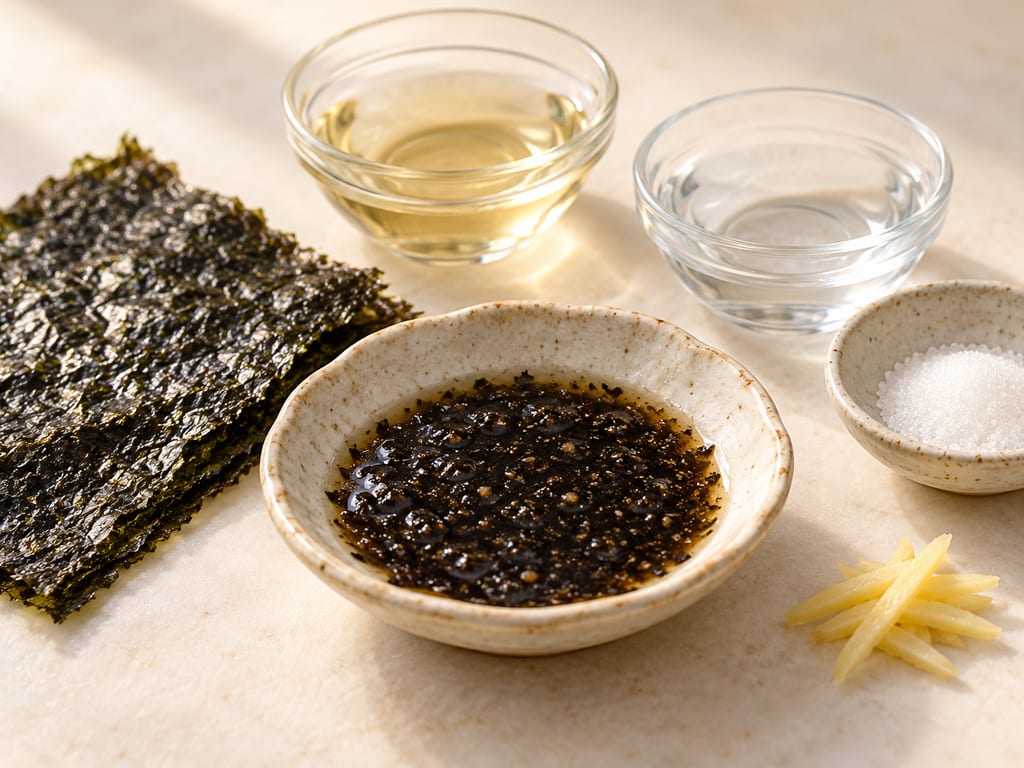
A fresh condiment in which crumbled nori softens in lightly sweetened vinegar and water. It is not vinegar fermented from seaweed.
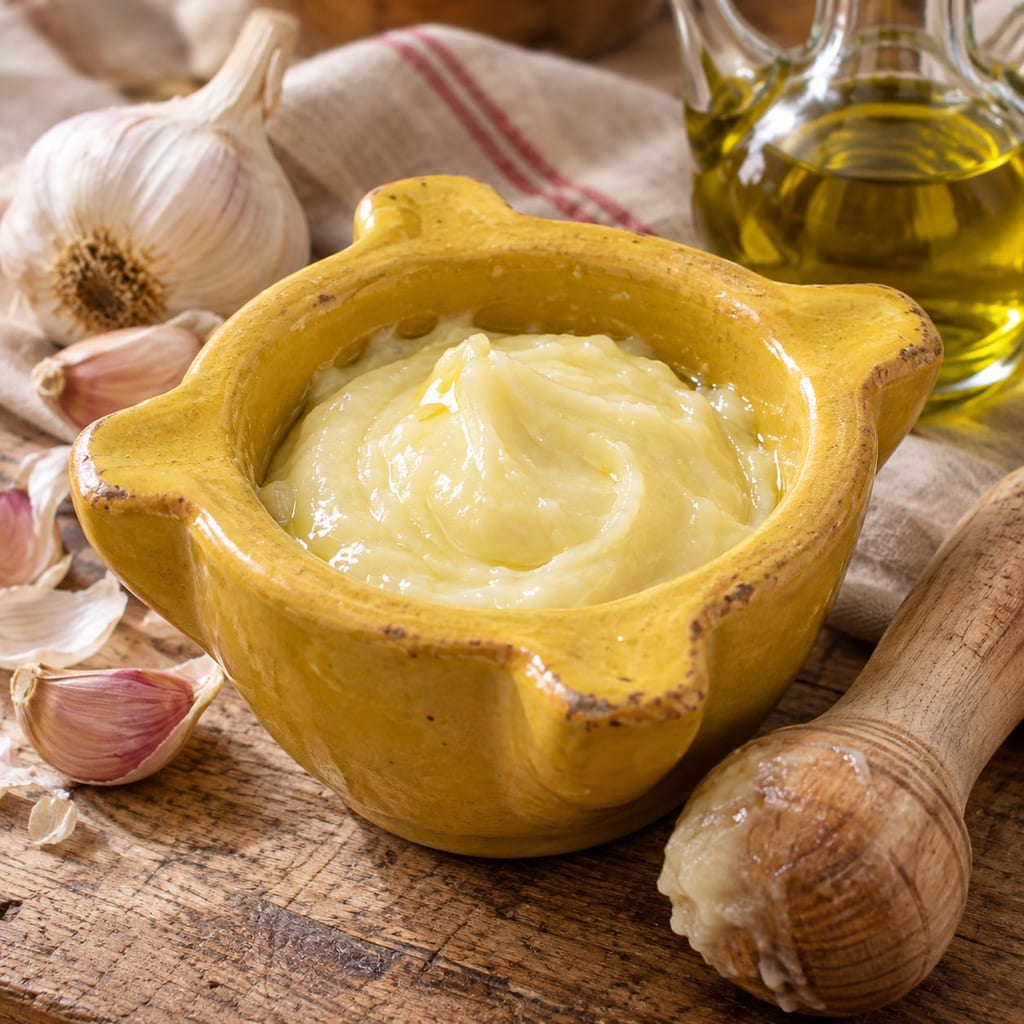
Traditional Catalan allioli is a dense emulsion of garlic, olive oil and salt made slowly in a mortar. This measured Barcelona-style version keeps egg-based garlic mayonnaise distinct.
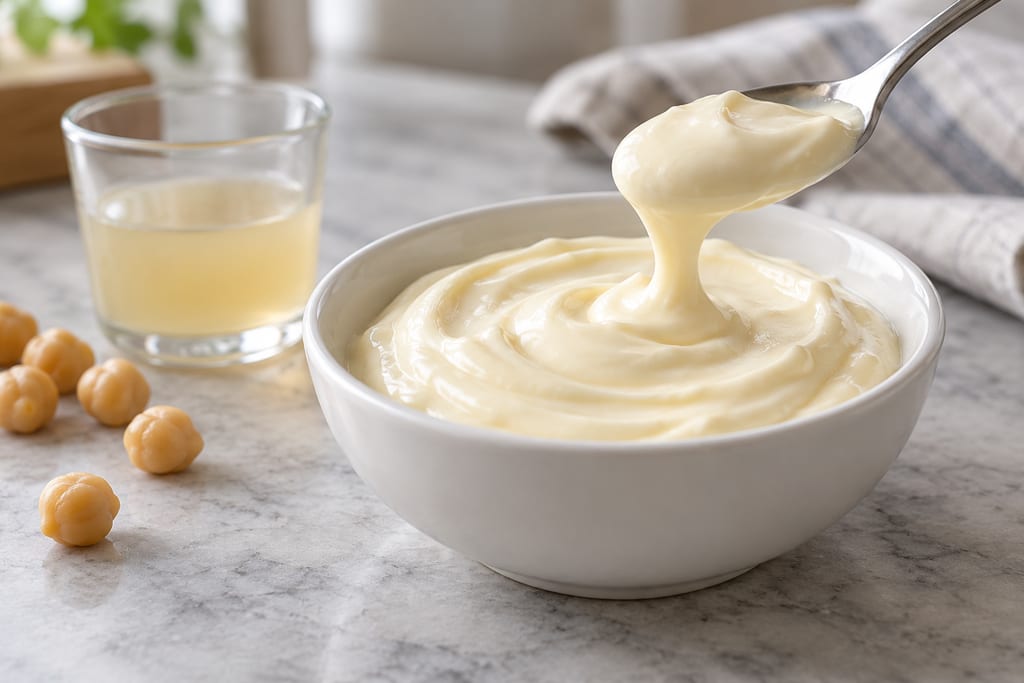
An eggless, untested emulsion made with canned chickpea liquid. Nominal yield 255 g.
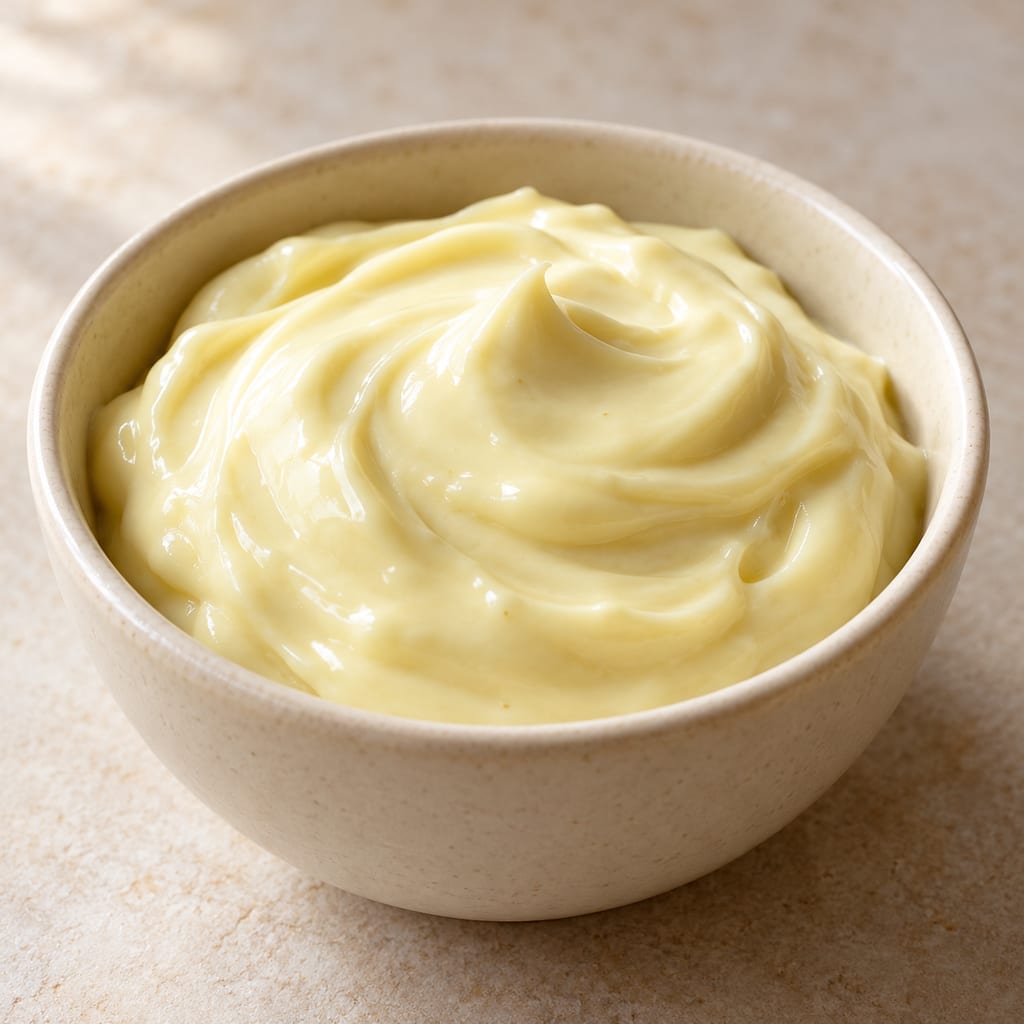
Avocado-oil mayonnaise is an ordinary egg-and-oil emulsion in which avocado oil supplies the oil phase. The oil changes flavour and colour, and it does not preserve the sauce.
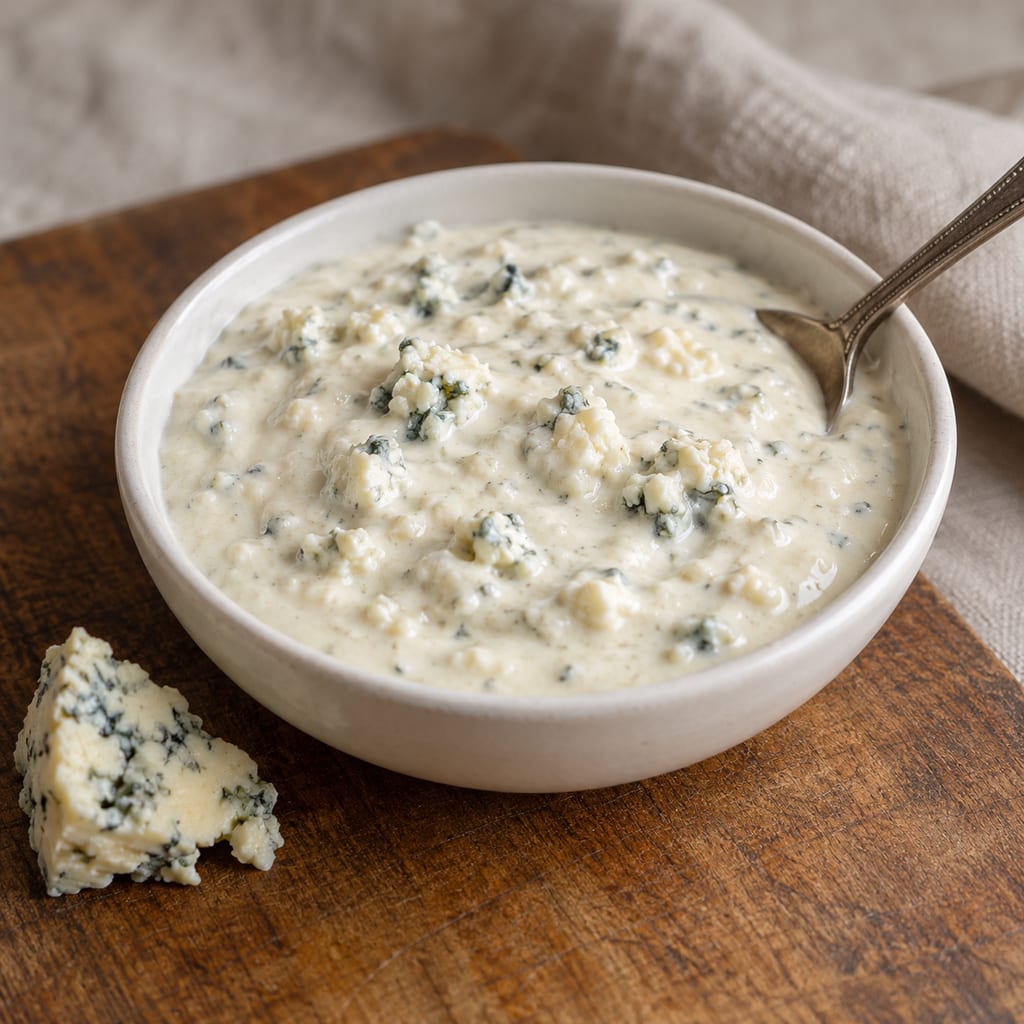
Blue cheese dressing is a creamy dressing built on crumbled blue cheese mashed into buttermilk, with sour cream, mayonnaise, vinegar and seasoning, and kept cold for up to two weeks.
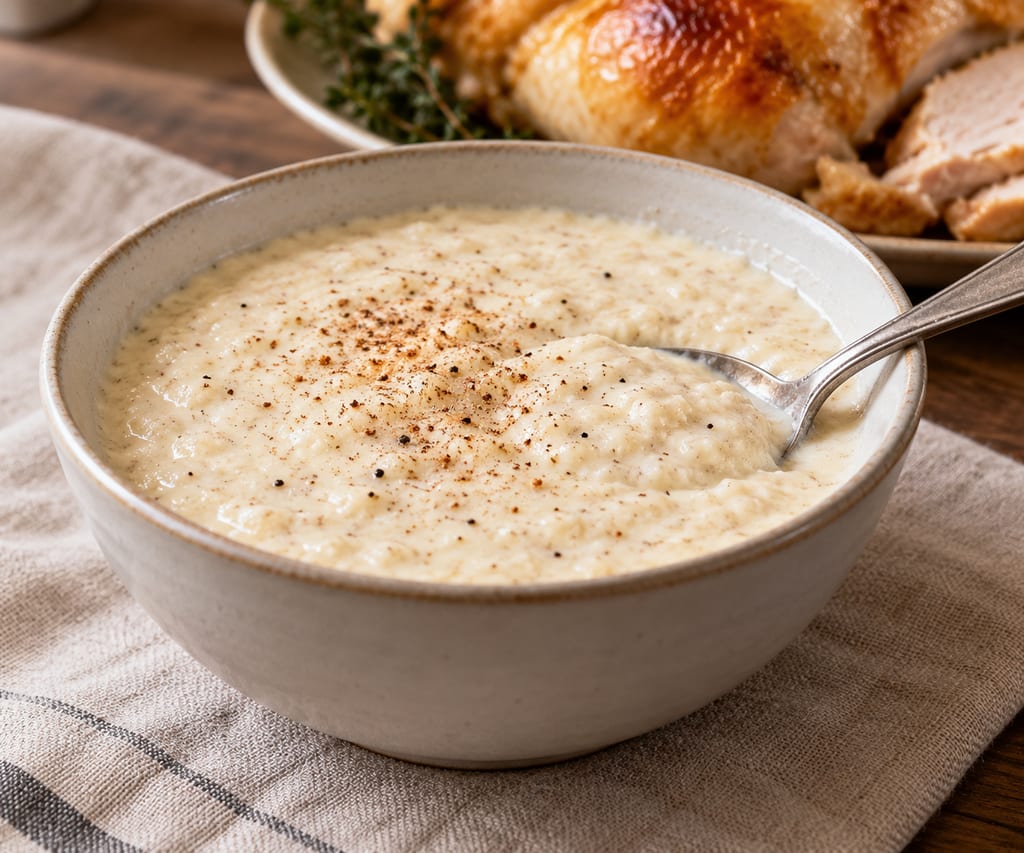
Bread sauce is a British sauce of milk infused with onion, clove and bay, thickened with stale breadcrumbs and finished with butter, served with roast chicken or turkey.
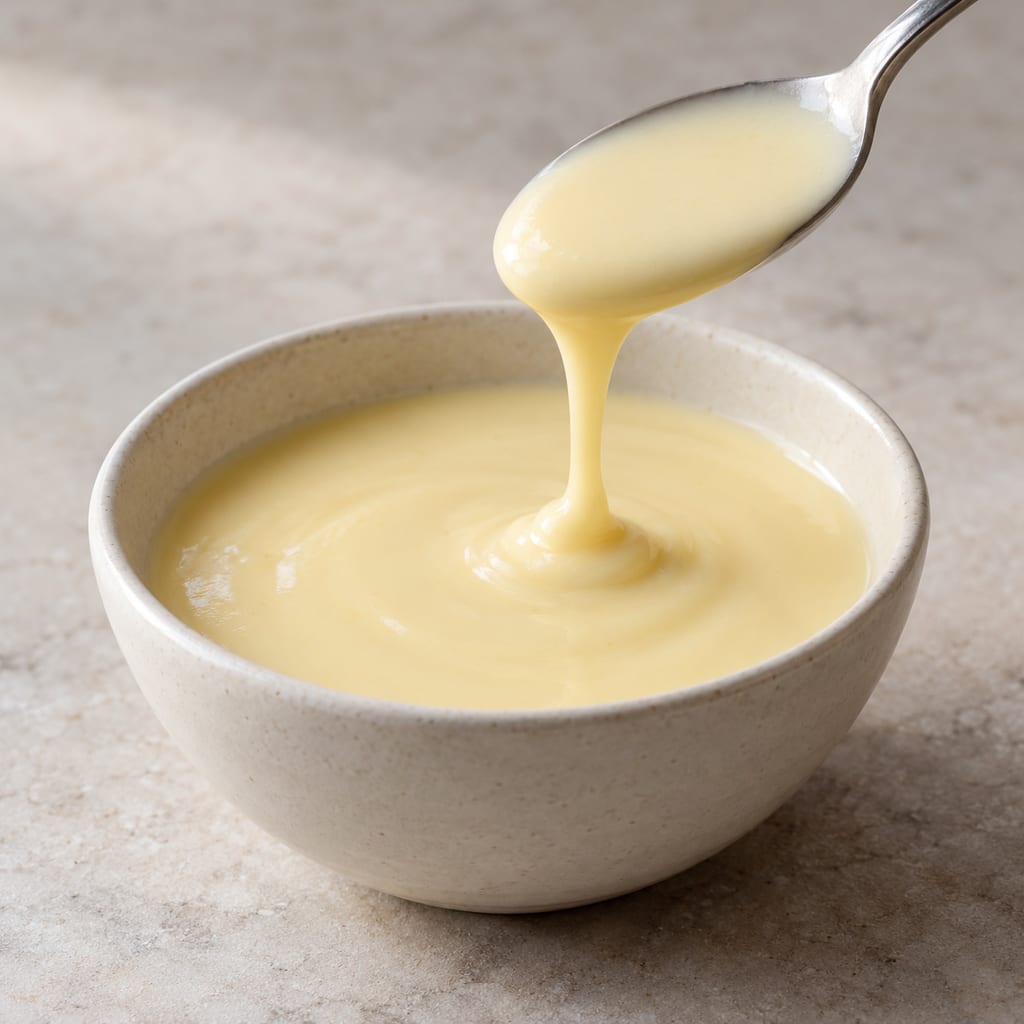
Starch-thickened salad-cream prototype with pasteurised yolk added after cooling; not a Heinz copy. Approximate yield 300 g.
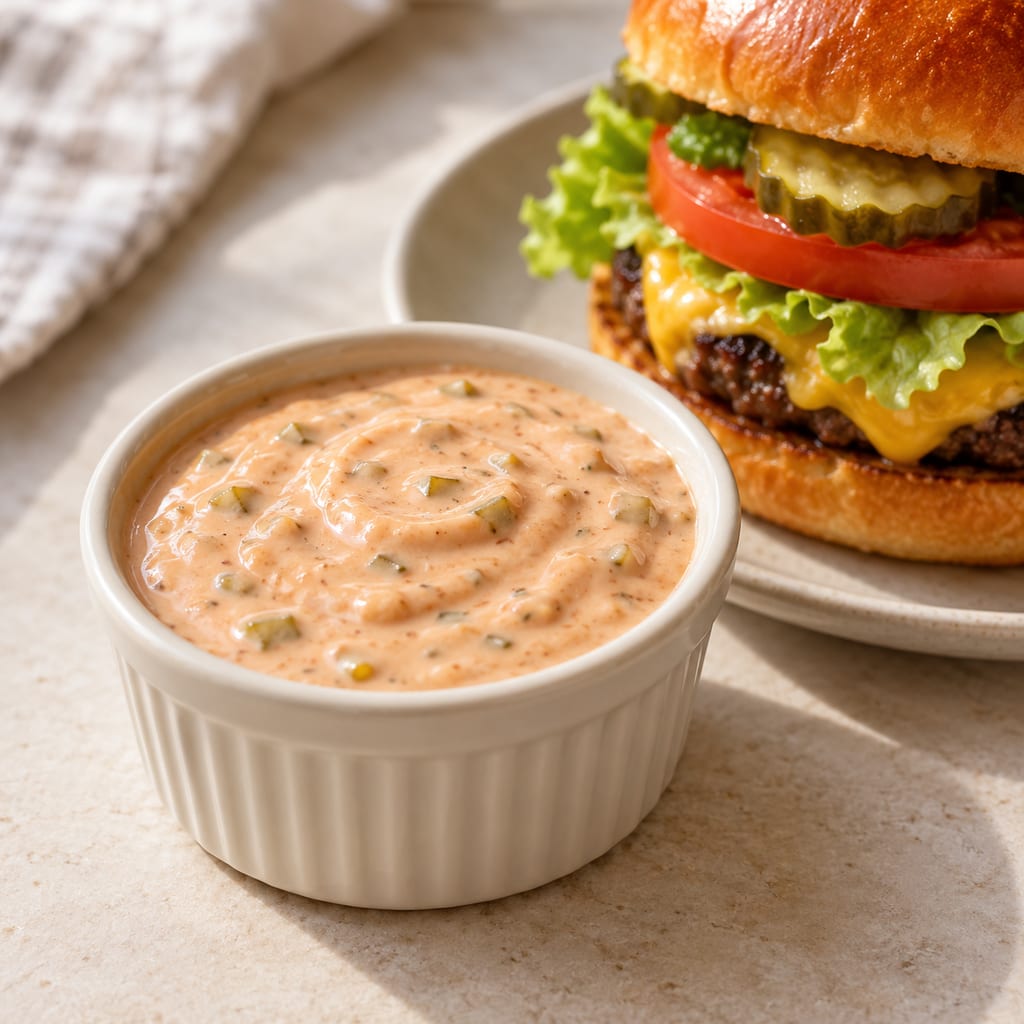
Mayonnaise mixed with ketchup, drained pickle relish and yellow mustard makes a tangy, pickle-flecked sauce for burgers; these proportions are an untested starting point.

A gelling polysaccharide extracted from red seaweeds, sold as kanten strips or powder; it sets firm at a low concentration and stays solid until about 85 °C.

A Dominican table and seasoning condiment of sour orange juice, mixed with lime and salt and bottled raw; garlic, oregano or a hot pepper may be added for meat or a spicier bottle.

Cicerbita alpina is an alpine perennial whose tender shoots and leaves have been eaten raw or cooked. Sámi milk preparations and modern Carnian dishes are distinct uses, with serious identification and preservation limits.

Japanese skipjack tuna cooked, then repeatedly smoked and dried over a wood fire by the hand-fired tebiyama method into a hard block for shaving into dashi: the first stage of katsuobushi.

A Swedish-style spirit vinegar made by fermenting neutral alcohol with live vinegar bacteria, with a separate guide to commercial ättika strengths.

A yeast-raised wheat ring shaped from a firm dough, briefly boiled and baked. This source-batch formula gives a gently malted crust and a chewy crumb.
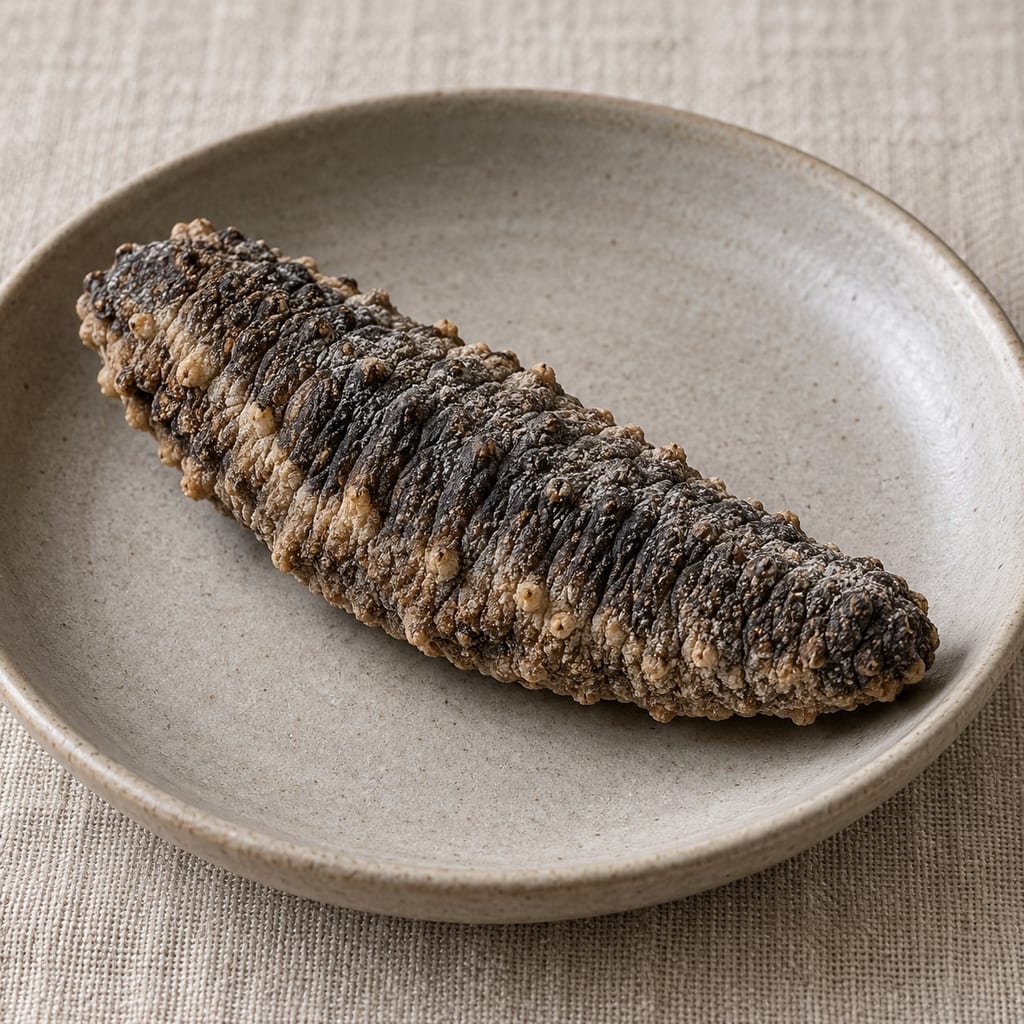
Sea cucumber cleaned, boiled and dried, sometimes with smoke, into a long-keeping trade product; Makassan processing in Arnhem Land is documented from at least the eighteenth century.
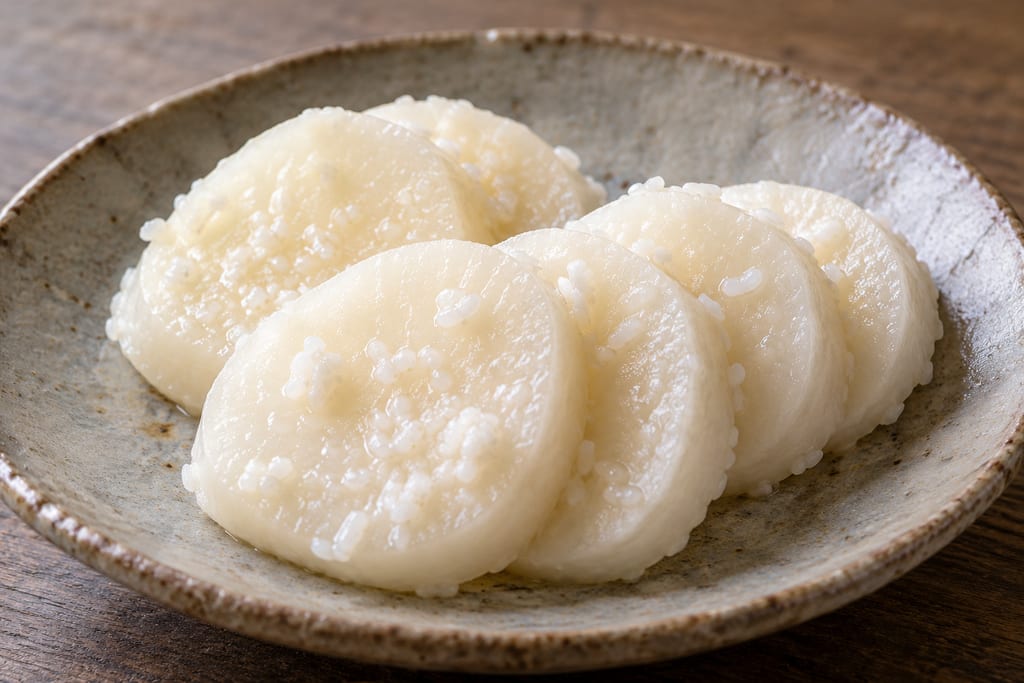
A sweet, crisp Japanese daikon pickle from Tokyo's Nihonbashi district, made by salting fresh radish and dressing it in rice koji, sugar or koji amazake without the heavy drying used for takuan.
No community contributions have been published for this entry yet.
Sign in to contribute. Published comments and photos are free to read.
WikipediaHistory · Method
Hollandaise sauceLa Varenne 1651; Dutch-sauce name uncertain; Isigny; Escoffier; double boiler; curdling; derivatives; freezing only
Cited in: An egg-yolk emulsion; Origins and the name; Making the emulsion; Bearnaise and the derived sauces; Holding and freezing
WikipediaHistory · Method · Variants
Bearnaise sauceCollinet 1836 common explanation; Bearn name; Escoffier method; 66 C bain-marie; Choron, Foyot, Colbert, paloise; no storage advice
Cited in: Bearnaise and the derived sauces
United States Department of Agriculture, Food Safety and Inspection ServiceSafety
Who is at risk for eating raw or undercooked eggs?FSIS specifically lists hollandaise sauce among foods that may contain raw or undercooked eggs and advises against eating unpasteurized eggs.
FSIS says pasteurized in-shell eggs may be used safely without cooking.
Cited in: Making the emulsion; Holding and freezing
U.S. Food and Drug AdministrationSafety
Assuring the Safety of Eggs and Menu and Deli Items Made From Raw, Shell EggsFDA recommends substituting pasteurized eggs or egg products for raw shell eggs in hollandaise and béarnaise sauce.
This recipe's gentle warming method does not state a measured time-and-temperature safety endpoint.
Cited in: Making the emulsion; Holding and freezing