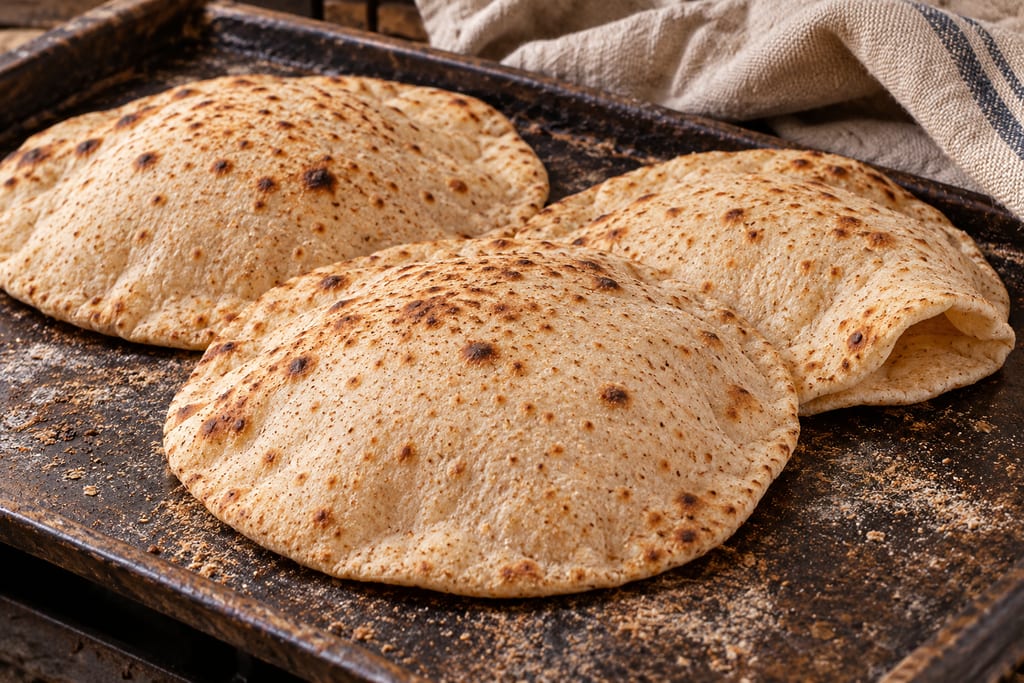
Aish baladi (Egyptian whole-wheat pita)
This home adaptation of Egyptian aish baladi uses a refrigerated yeast biga, whole-wheat dough, bran dusting and a very hot baking surface to make 16 pocketed rounds.
 FermenteaWhere food goes to change
ṭaraṭor · Tarator · Taratour · Tehina sauce
A Levantine sesame sauce of tahini thinned with water and brightened with lemon and garlic, the base of tarator served with falafel and shawarma, with Egyptian and Iraqi variants.
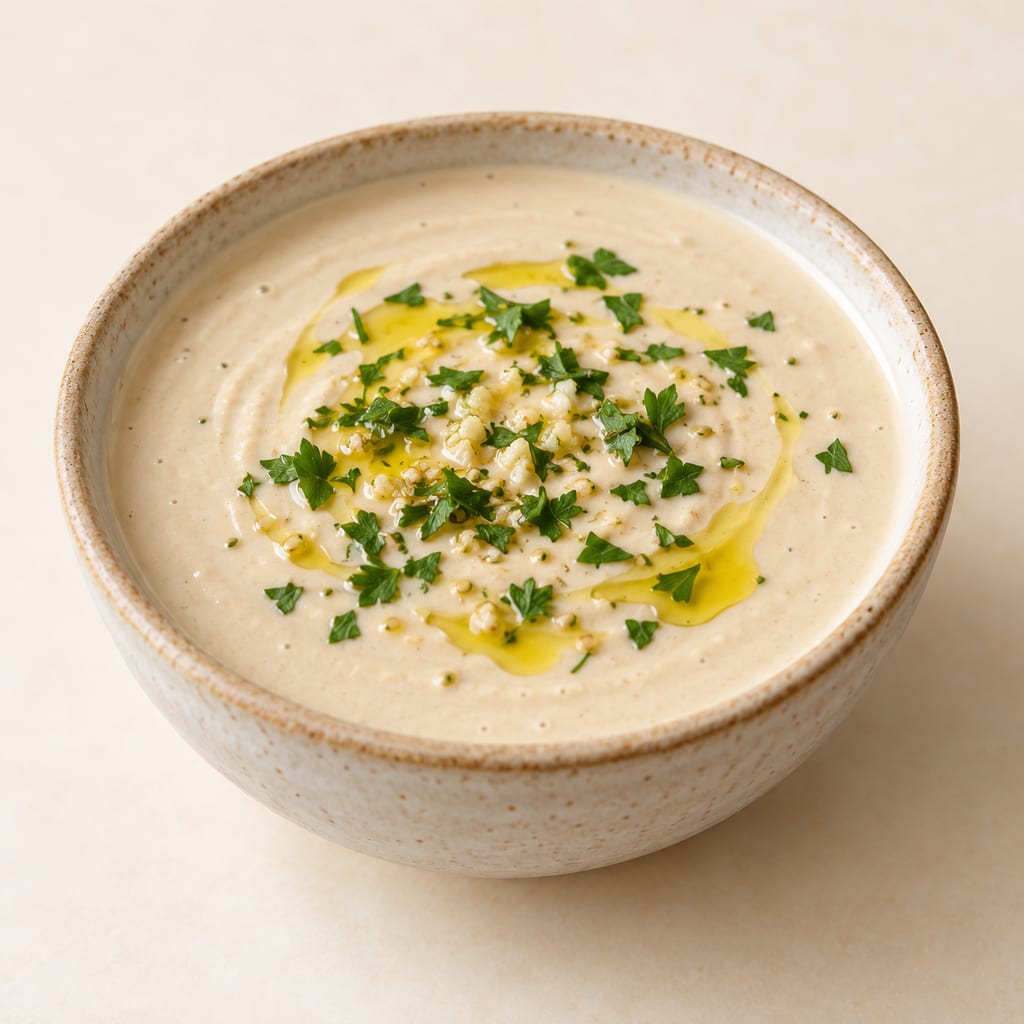
Tahini is the ground sesame paste of the eastern Mediterranean. In the Levant it becomes a sauce when it is thinned with water and sharpened with lemon and garlic. The sauce is usually called tarator, the name the Levant gives to the tahini sauce served with falafel and shawarma.
The paste itself is old. A 10th-century Arabic cookbook, Kitab al-Tabikh, includes a recipe for ground sesame used as a condiment, and a 14th-century writer describes Middle Eastern people grinding sesame and mixing it with date honey. The word comes from Arabic, from a Levantine pronunciation of tahina, related to the verb meaning to grind. The sources reviewed give no dated first recipe for the lemon and garlic sauce itself.
Tahini is made from sesame seeds that are usually hulled and roasted, then ground into an oily paste. Unhulled seeds make a slightly bitter product that is more nutritious. Because the paste separates in the jar, it is stirred before use, and the oil is part of its character.
The sauce depends on how the paste is handled. Mixed with lemon and garlic it thickens first and then loosens as water is added, so the cook adds water slowly and stops when the sauce reaches the right texture. The sources give no fixed ratio of sesame paste to water.
In the Levant, tahini is the main ingredient of tarator, served with falafel and shawarma. Middle Eastern tahini sauces usually include lemon juice, salt and garlic, thinned with water. In Egypt, tehina is often blended with lemon juice, garlic and water, then seasoned with salt and cumin.
In Iraq a sweet form, rashi, is made by mixing tahini with date syrup, and it is eaten as a dessert. That is a different use of the same paste and is not the savoury sauce described here.
Whisk the tahini with lemon juice and crushed garlic. Add cold water a little at a time until the sauce is smooth and pourable, then salt it to taste. Add cumin for the Egyptian style. The sauce is served at once or kept covered in the refrigerator.
The sources give no validated shelf life for this sauce. Garlic in an emulsion at room temperature is a food-safety concern, so keep the sauce cold and do not leave it out.
The word tahini is Arabic, from a Levantine pronunciation of tahina, related to the verb meaning to grind. A 10th-century Arabic cookbook includes a recipe for ground sesame used as a condiment, a 13th-century anonymous cookbook lists tahini in hummus kasa, and a 14th-century writer describes making tahini with date honey. The sauce of tahini with lemon and garlic is documented more recently in the Levant; the sources give no dated first recipe for it.
Scaling: not stated
Garlic in oil at room temperature is a botulism concern. Keep the sauce refrigerated and do not store it at room temperature.
Hazard sourceRefrigerate promptly and keep cold.
Control sourceSesame is a common allergen.
Wikipedia says tahini is the main ingredient of tarator in the Levant, served with falafel and shawarma. The article does not give the tarator recipe, and this row does not place a single origin.
Egyptian tehina is often blended with lemon juice, garlic and water, then seasoned with salt and cumin, as the Wikipedia article states.
This home adaptation of Egyptian aish baladi uses a refrigerated yeast biga, whole-wheat dough, bran dusting and a very hot baking surface to make 16 pocketed rounds.

Amira Ibrahim’s Egyptian bosomat are yeast-raised wheat sticks scented with optional fennel and anise, topped with sesame and baked until dry and crisp.
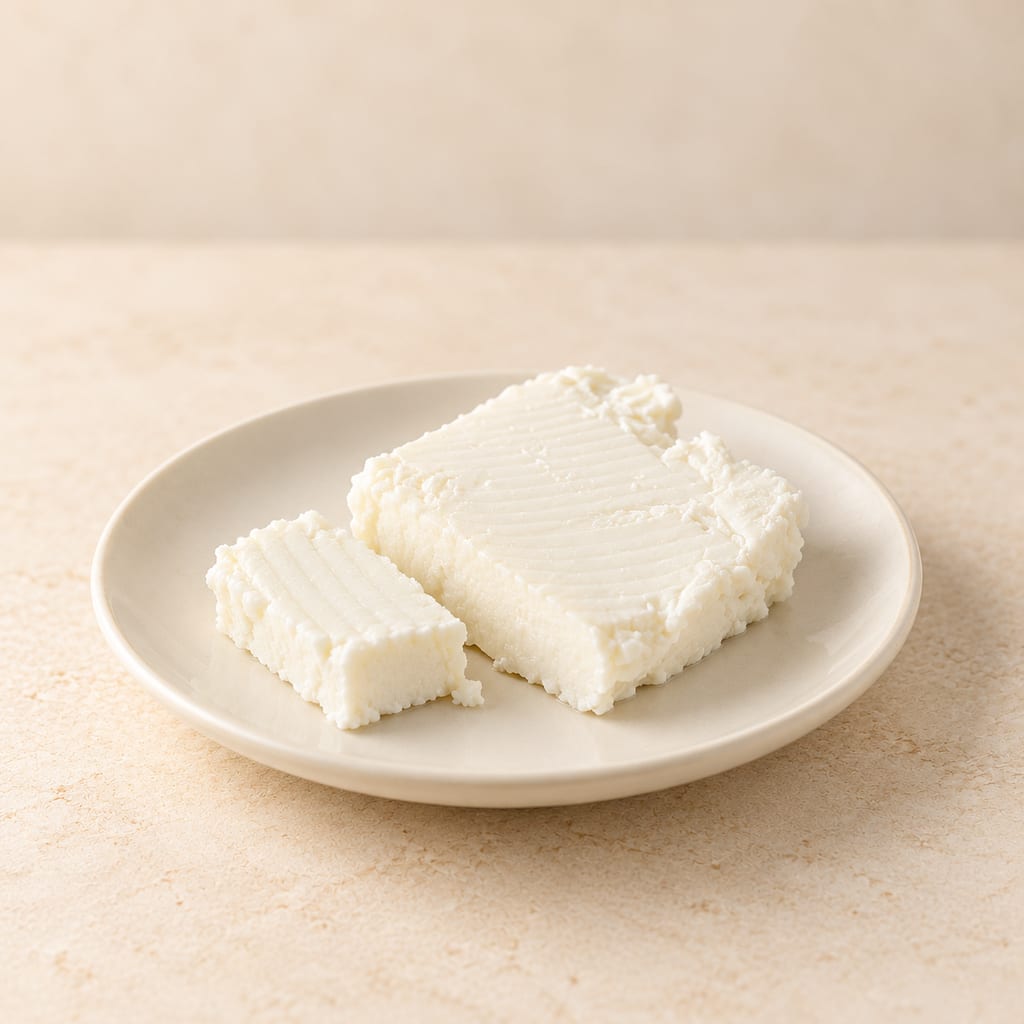
Domiati is a soft Egyptian white cheese made by salting milk before renneting. It is eaten fresh or ripened in brine, with cow and buffalo milk used in varying proportions.
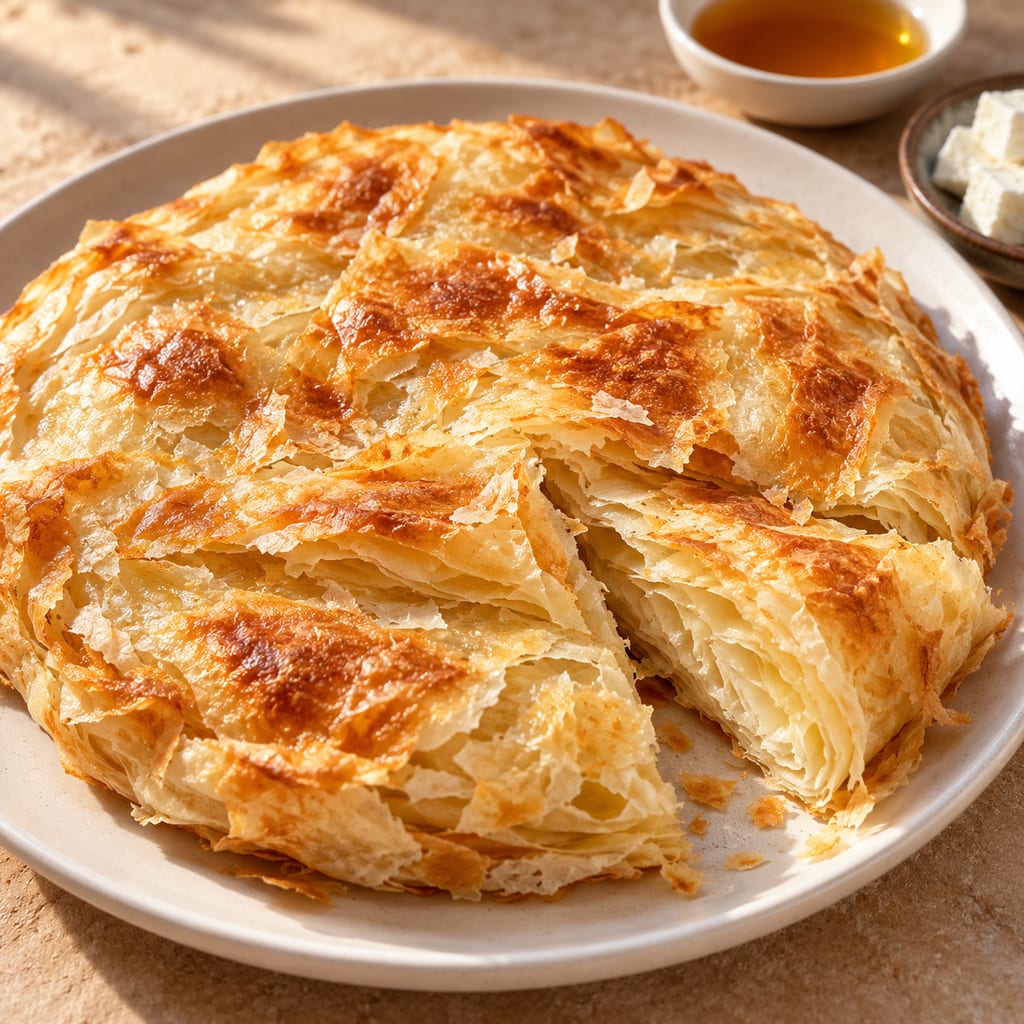
Egyptian layered pastry made from a soft wheat dough stretched thin, folded with ghee, and baked until crisp and golden. Serve plain with sweet or salty accompaniments.

Egyptian sweet wheat rolls shaped into coils or braids, enriched with milk, egg and fat and eaten at breakfast, with tea or milk, and at family celebrations.
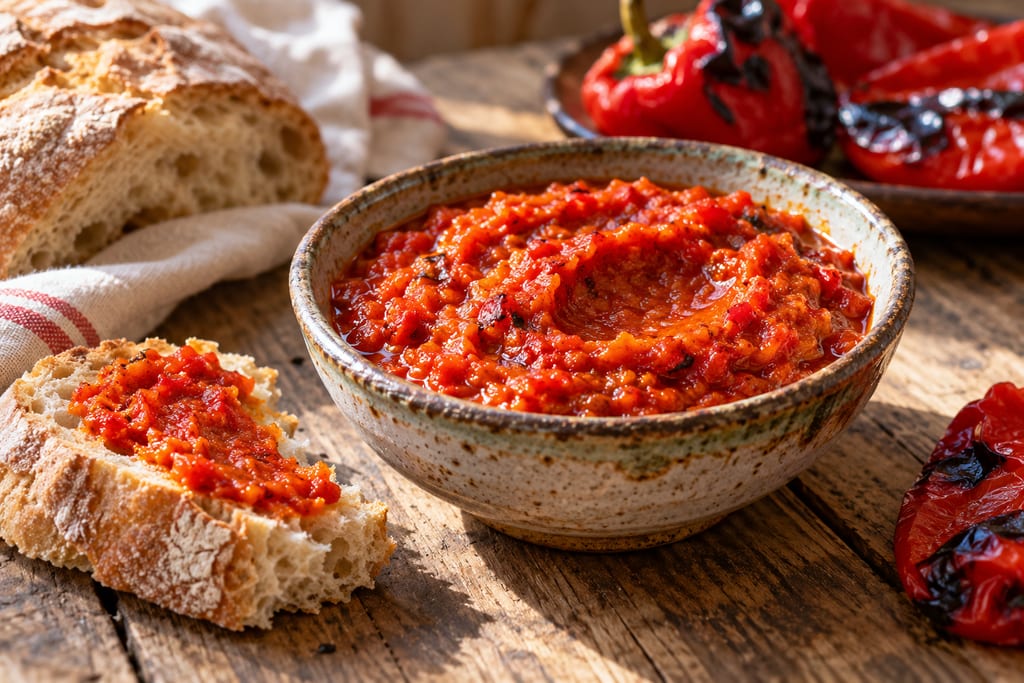
Ajvar is a cooked Balkan pepper preserve built around roasted red peppers, peeled, drained, ground and slowly fried with oil and seasoning. Leskovac’s protected version is a pepper specialty; regional versions vary.
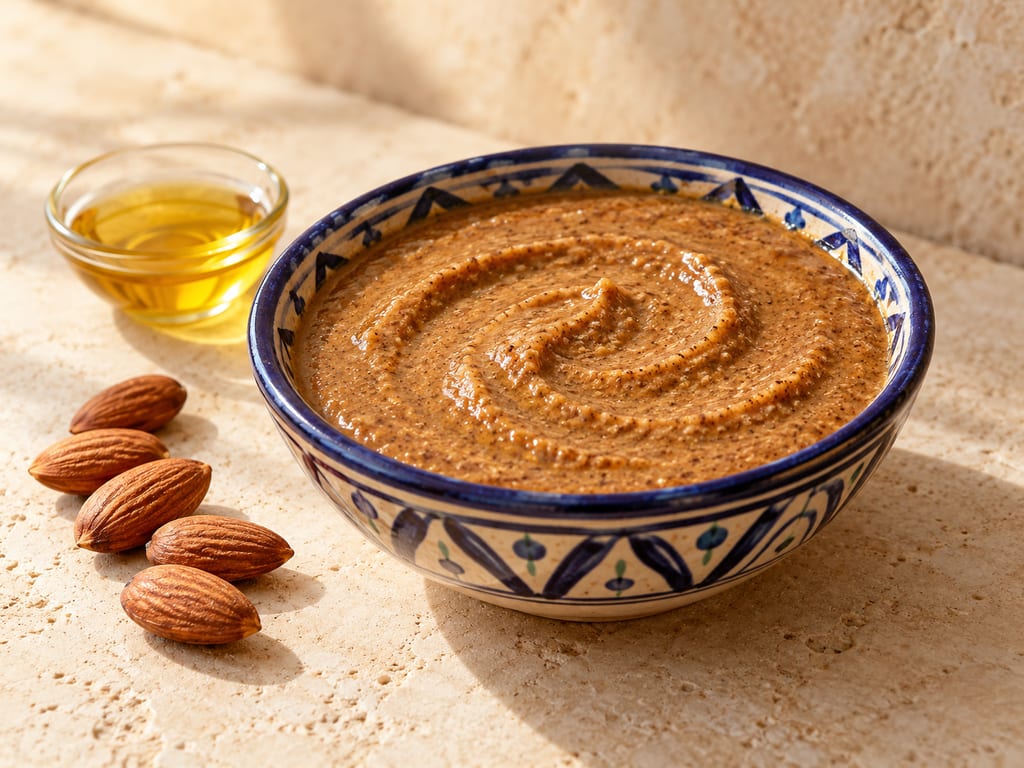
Amlou is a nutty, lightly sweet Moroccan spread of roasted almonds, culinary argan oil and honey. The almonds are ground first, then loosened with oil and sweetened; the balance can range from a thick spread to a dip.
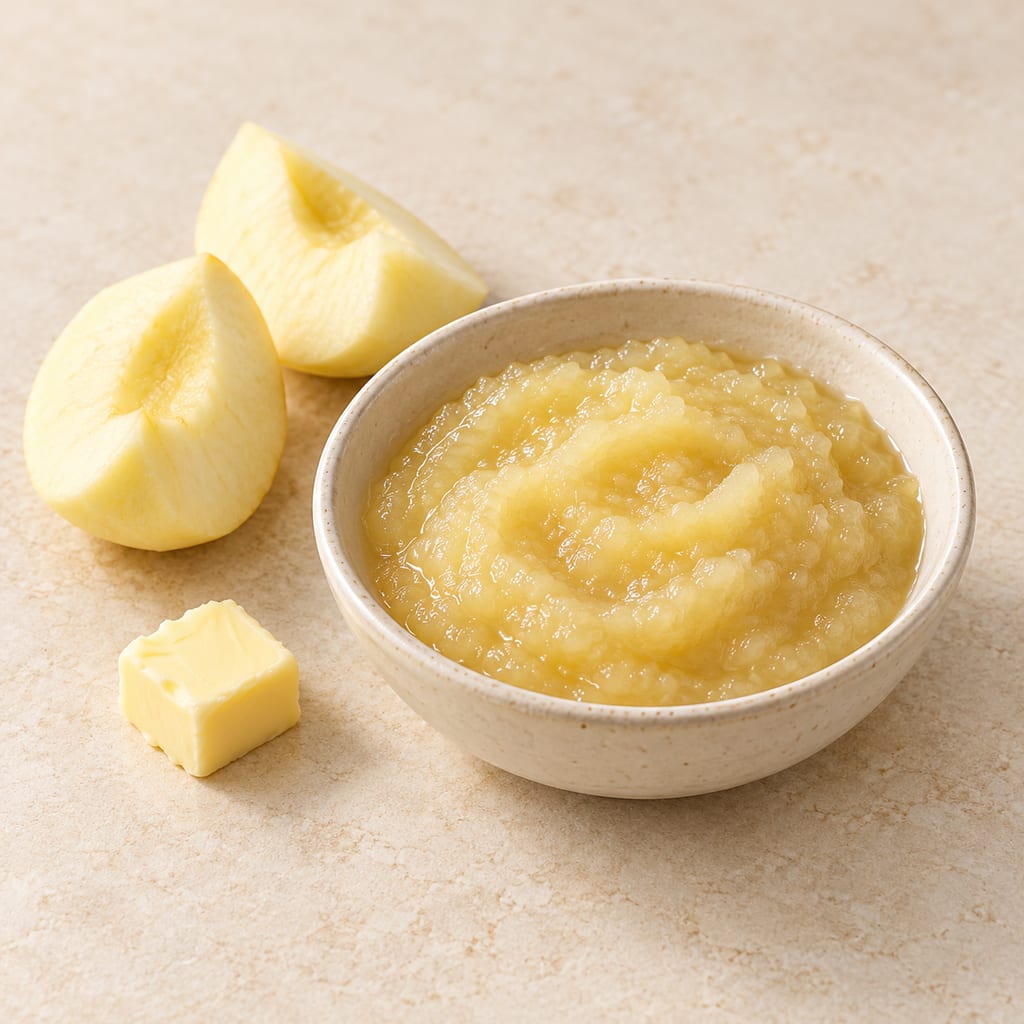
Apple sauce for goose and pork is a plain English accompaniment: cooked apples pulped with water, then sweetened with sugar and finished with a little butter.

A warm dip of garlic, anchovy and olive oil, often enriched with butter, that Piedmont serves over a flame with raw and cooked vegetables and bread.
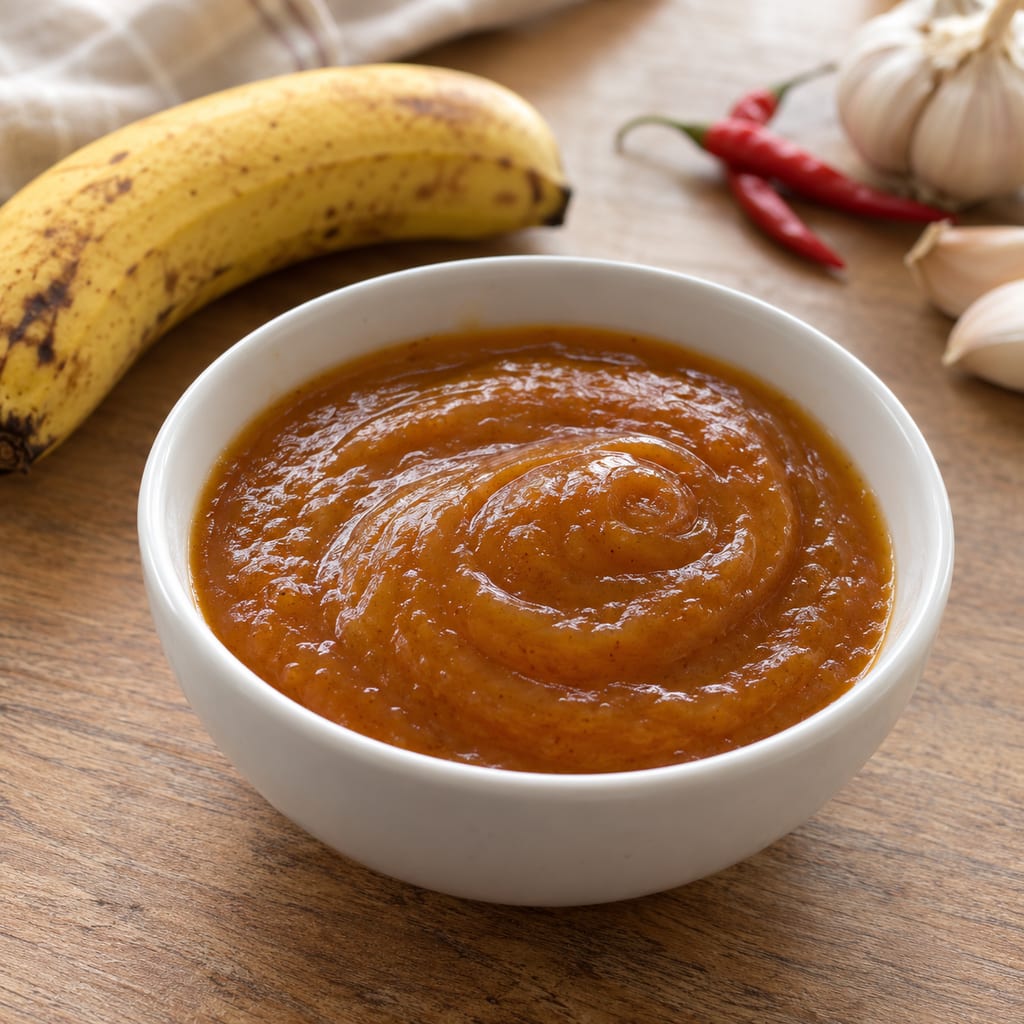
A sweet-hot table sauce of ripe banana simmered with vinegar, sugar, onion, garlic and fresh chilli, in the manner of Philippine banana ketchup. An untested development batch of about 500 g.
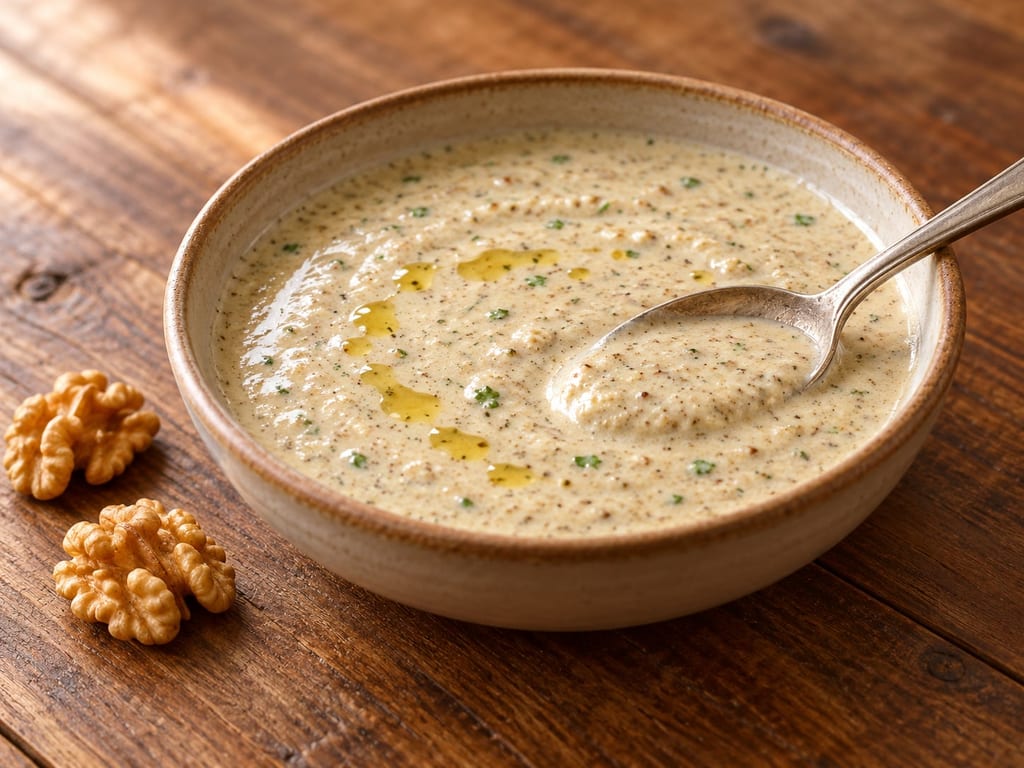
A Georgian walnut sauce of ground walnuts, garlic, vinegar and spices, thinned with water or broth. It is served with poultry, vegetables and bread, and is the sauce of the dish satsivi.
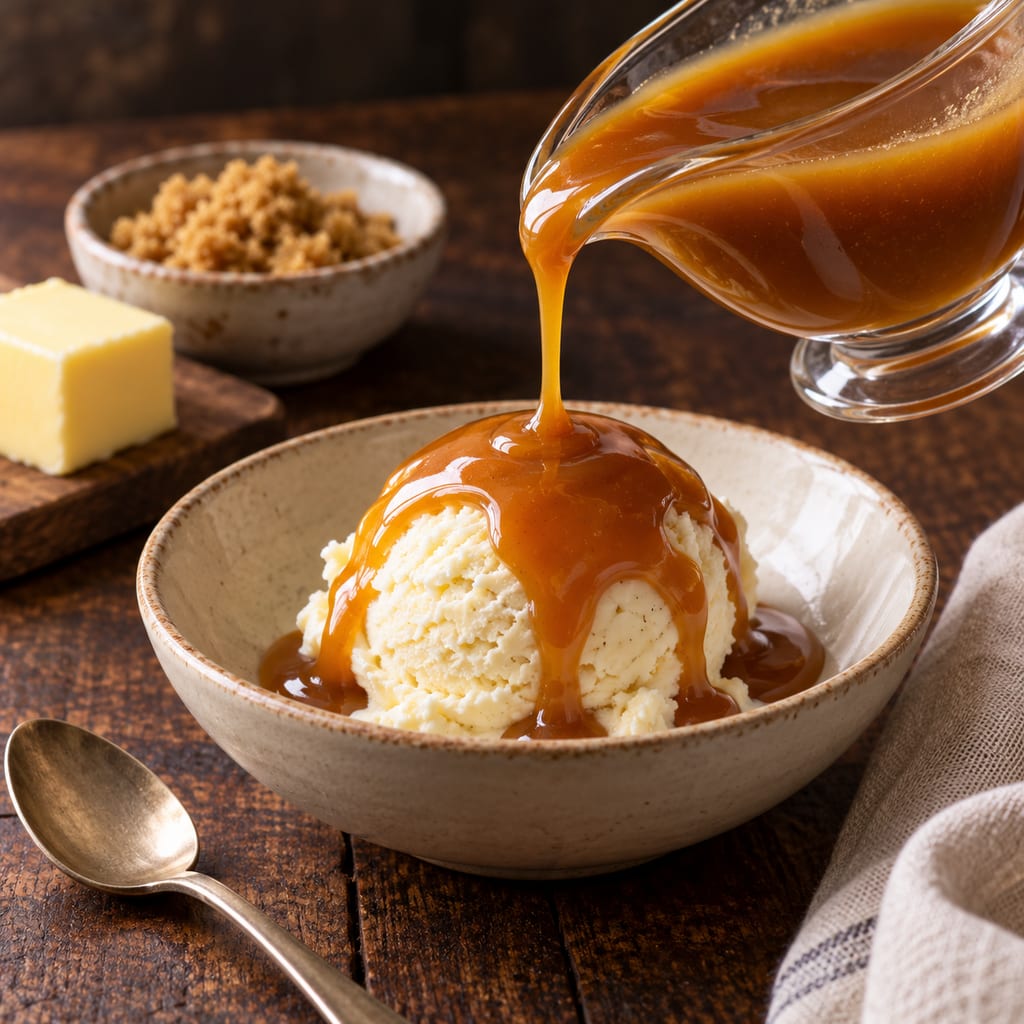
A pourable dessert sauce of brown sugar, butter and cream, with a little corn syrup and salt. It is the sauce form of the butterscotch confection and is made without water, unlike caramel.
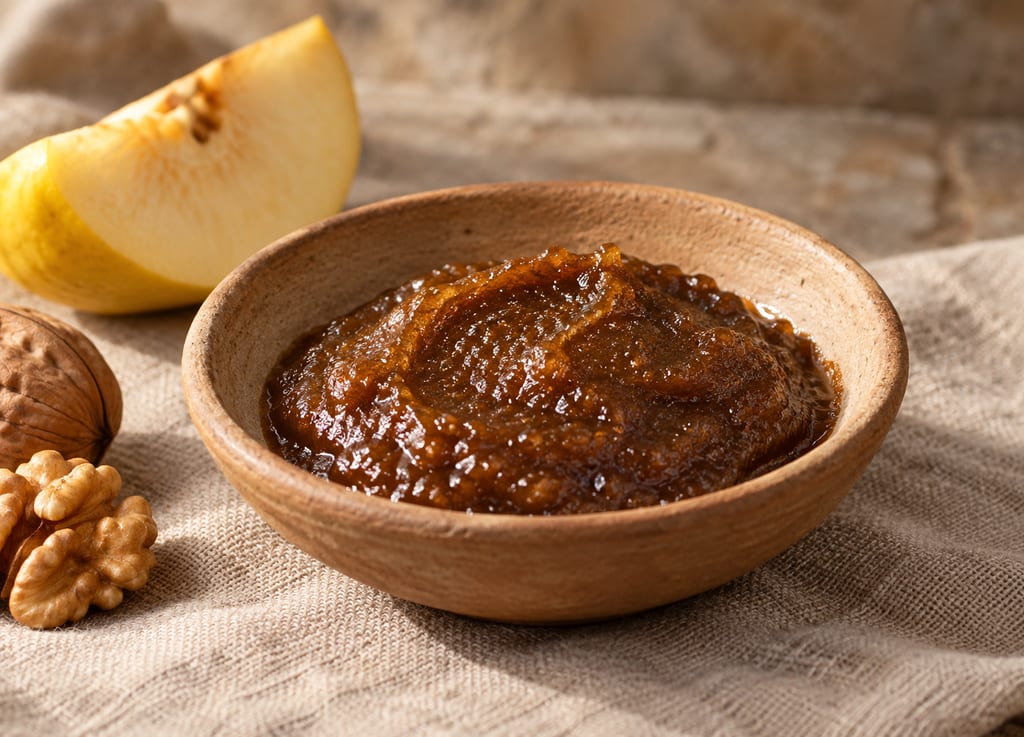
Byzantine murrī is a cooked imitation of murrī from the medieval Arabic repertoire, made from scorched honey, toasted bread, walnuts, quince, carob and spices rather than from a long grain fermentation.

Protected Italian vinegar made only from cooked grape must, fermented and aged in a battery of wooden barrels for at least 12 years: sweet, sharp and syrupy.
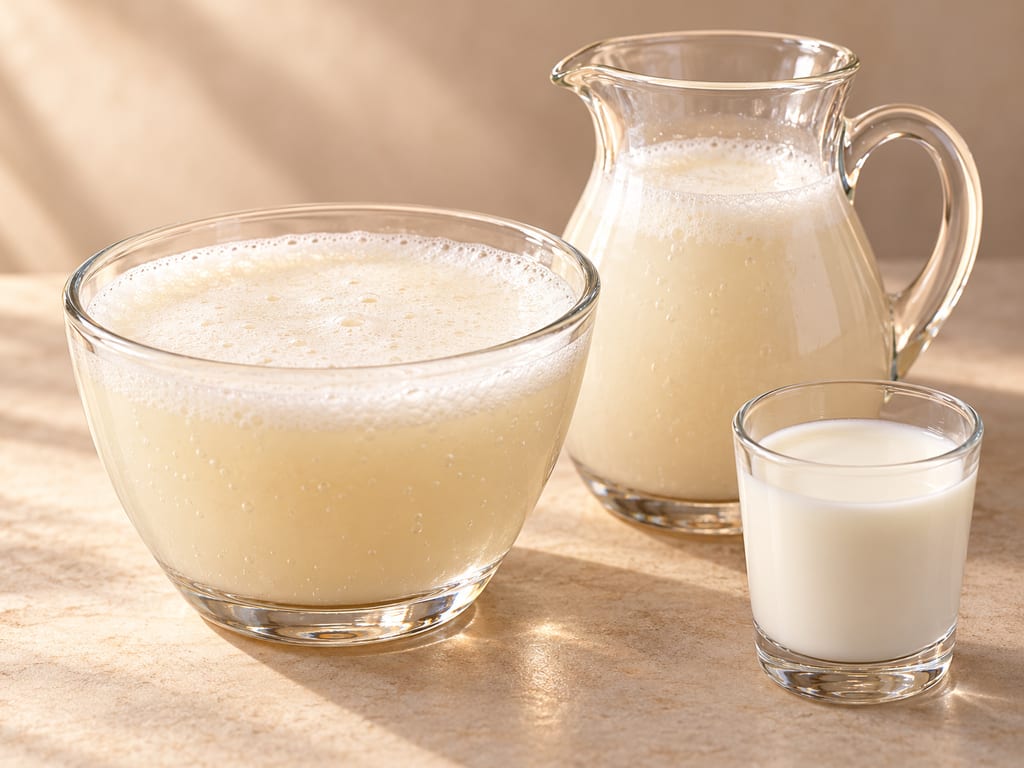
Airag is Mongolia’s fermented mare’s-milk drink, traditionally churned with saved starter in a reusable cowhide khokhuur.

Appam, or hoppers, are South Indian and Sri Lankan rice pancakes made from a fermented coconut-and-rice batter and cooked in a curved pan to a crisp lacy rim and a soft, spongy centre.
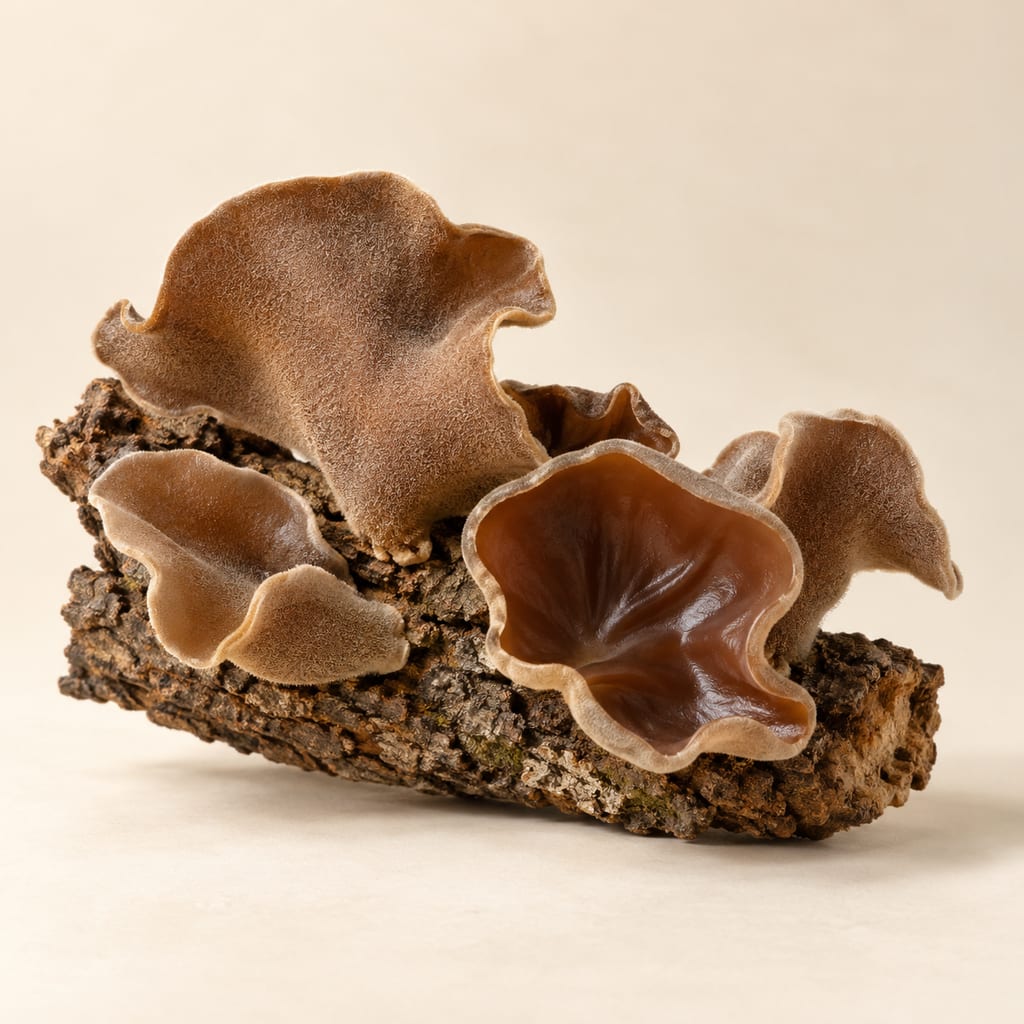
Auricularia tremellosa is a wood ear fungus of the genus that supplies most dried wood ear sold in China; its own food record is thin, and the culinary practice described here comes from the closely related wood ear species.

Ayran is Turkey’s cold, savoury yogurt drink: plain yogurt is loosened with water and lightly salted, then whisked smooth or aerated into a soft cap of foam.
A thin stone griddle used over an open hearth. Norwegian archaeology documents the established tradition from the early Middle Ages; a Viking-period origin is only a cautious suggestion linked to Shetland.

Crushed or milled barley cooked in water until the starch softens and the mixture thickens, the plainest way a northern household turned stored grain into a meal, here with apple and hazelnut.
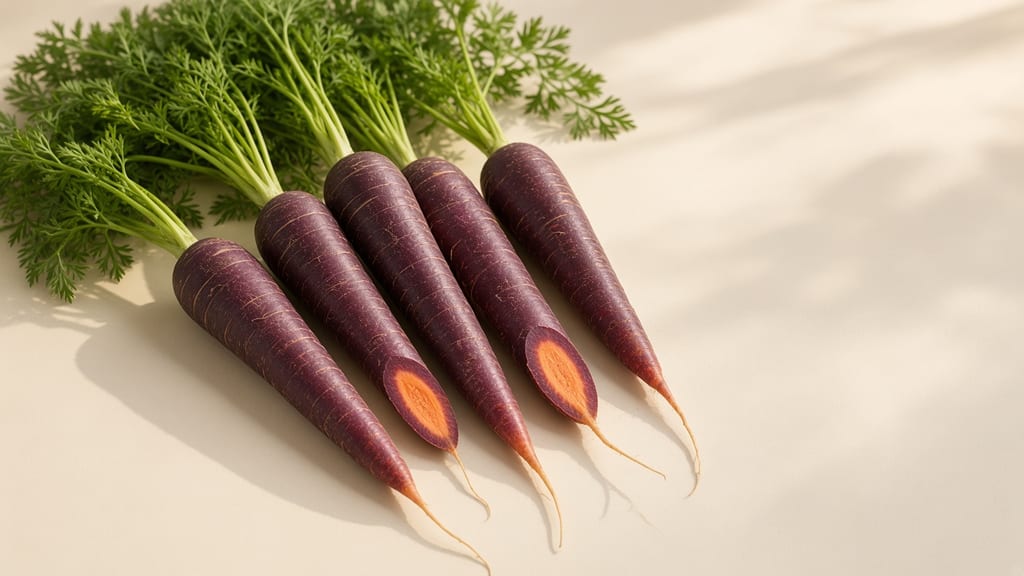
Black carrot is the anthocyanin-pigmented Eastern carrot (Daucus carota var. atrorubens), the purple root that preceded orange types and still colours kanji and şalgam.
No community contributions have been published for this entry yet.
Sign in to contribute. Published comments and photos are free to read.
WikipediaHistory · Method · Regional use · Ingredients
TahiniEtymology from Levantine tahina, to grind
10th-century Kitab al-Tabikh, 13th-century hummus kasa, 14th-century date honey account
Tarator as the Levant tahini sauce served with falafel and shawarma
Lemon, salt and garlic in Middle Eastern tahini sauces; Egyptian cumin variant
Rashi, date syrup dessert in Iraq
Cited in: A sesame paste that becomes a sauce; What the paste is; Regional sauces; Making and keeping it
FoodSafety.govSafety
4 Steps to Food SafetyGeneral refrigeration guidance; does not validate a recipe-specific shelf life
Cited in: Making and keeping it