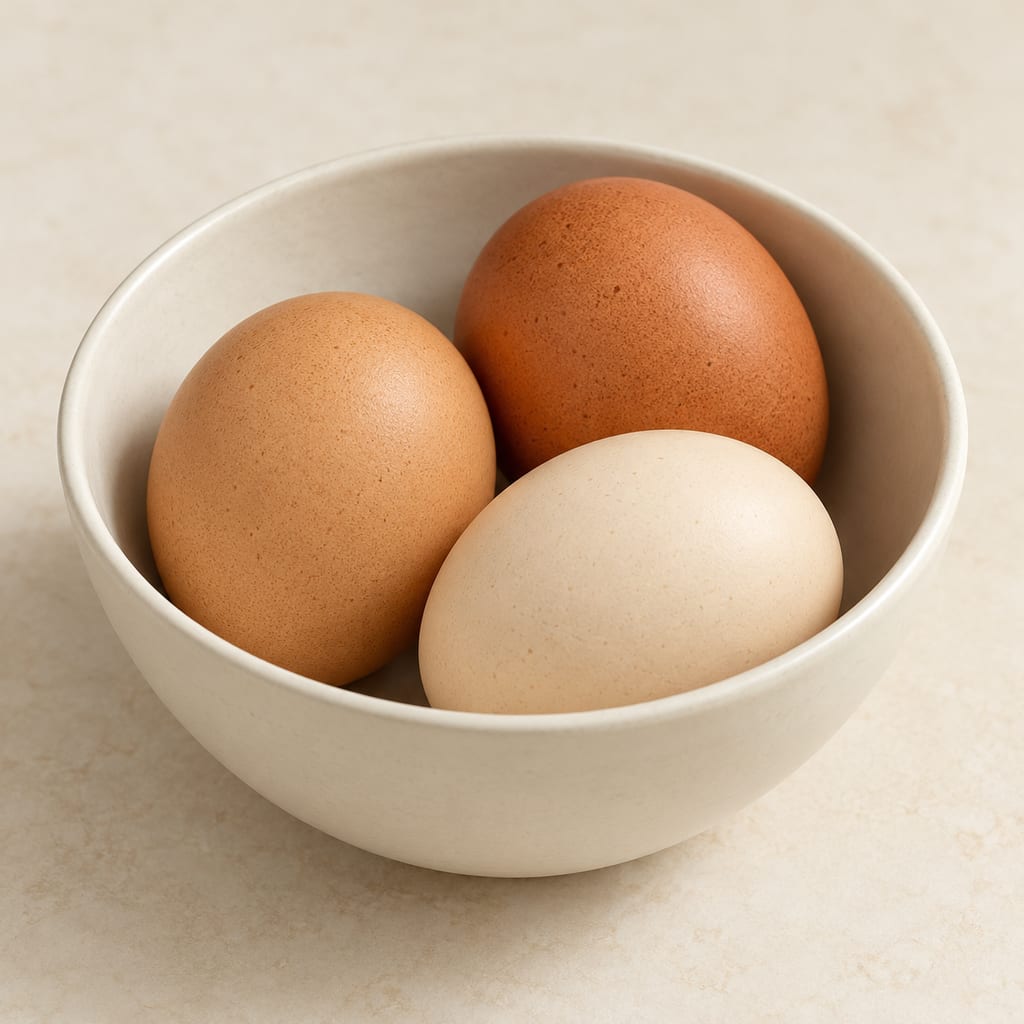
Chicken egg
Chicken eggs supply proteins and yolk fats that set and emulsify. Atlas breads use them in enriched doughs, surface washes and a sourdough pancake batter mixed after fermentation.
 FermenteaWhere food goes to change
Traditional method
Egyptian sweet wheat rolls shaped into coils or braids, enriched with milk, egg and fat and eaten at breakfast, with tea or milk, and at family celebrations.
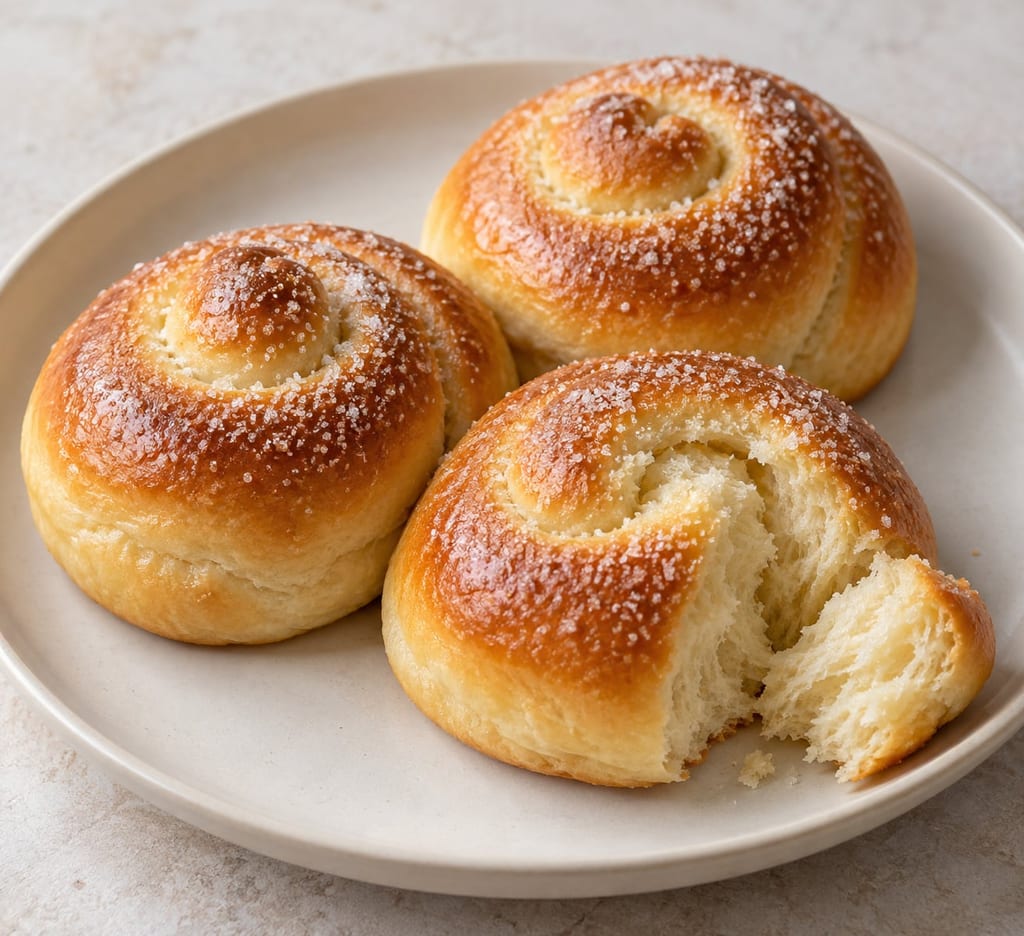
Shoreek is a small, sweetened wheat roll shaped as a coil or braid. The spiral makes it look more ornamental than a plain dinner roll, but its appeal is everyday rather than elaborate: a golden exterior, a soft, airy inside, and a restrained sweetness that can be finished with granulated or brown sugar. Amira Ibrahim describes it as a familiar Egyptian bakery and pastry-shop bread, made at home as a family recipe; Mary Fawzy’s separate account likewise places shoreek in Egyptian bakeries and home kitchens. Together those accounts describe a bread that moves easily between shop purchase, family baking, breakfast and snack.
The name here follows the English transliteration used by both writers. Their recipes are not the same formula. Ibrahim’s family version combines yeast with baking powder and allows the dough two rises before it is coiled. Fawzy’s celebratory version uses butter, brown sugar and cake flour, then brushes the finished rolls with milk and adds sugar and optional sesame. Those are useful views of a shared roll family, not instructions to combine into one batch. This page follows Ibrahim’s measured 12-roll recipe and explains Fawzy’s Coptic Easter context separately.
Bread has a deep and well-documented place in Egyptian food history. Archaeological research on New Kingdom loaves shows that breadmaking involved grain preparation, milling, shaping and baking in forms that varied by context. Delwen Samuel’s study finds emmer in most of the ancient loaves she examined and documents several ways that grain was processed before baking. Research and experimental reconstruction at the Institute for the Study of Ancient Cultures describes bakery installations and bread supplied to pyramid workers. These records show how central bread was, and how varied its technologies could be.
They do not establish that Shoreek is an ancient survival. Neither source names Shoreek, and the modern recipes available here provide no dated chain connecting their enriched spiral rolls to those ancient loaves. The sound historical statement is narrower: Shoreek belongs to a contemporary Egyptian bread-and-pastry culture built in a country with an exceptionally long bread history. Similarity between a modern roll and an old loaf would not, by itself, prove continuity. The earliest dated evidence in this recipe file is the home recipe page, first published in 2014; that is a date for this written account, not a claim about when Egyptians began making the food.
Shoreek carries more than one kind of memory in the accounts that survive online. Ibrahim recalls eating the sweet rolls with warm milk during winter, as a child and later as a mother; she also notes tea, coffee, brunch and pastry-shop buying. Fawzy writes from a Coptic Egyptian family experience: after the Lenten fast and the midnight Easter Saturday feast, her mother baked buttery shoreek for Sunday. The account is specific to her family and describes Orthodox Easter as one important setting, rather than a rule for every Egyptian household.
That distinction matters because the roll is not limited to one religious occasion. Fawzy says it is eaten year-round and by Egyptians beyond the Christian community; Ibrahim describes it as a widely available Egyptian pastry-shop roll and a home favorite. The holiday association therefore adds one layer to a broader food life. A family may bake shoreek for Easter, serve it at breakfast, or simply remember it as a sweet roll to eat with milk. Its adaptable spiral shape also makes a tray easy to portion and share, while keeping each roll recognizable as its own piece.
The source batch begins with all-purpose flour, milk, sugar, egg, oil or melted butter, vanilla, salt, instant yeast and baking powder. Flour supplies the framework: once hydrated and kneaded, its proteins form an elastic network that can retain the gas produced during proofing. Milk provides the dough’s liquid and gives it a richer character than a water-only dough; Ibrahim explicitly notes that water makes a fluffier roll but removes some richness. The fat is a choice between neutral oil, which she identifies as traditional in her family’s method, and melted butter, which brings its own flavor. The source does not quantify butter by weight, so the recipe preserves the 60 mL measure for oil and describes butter only as an alternative.
Sugar sweetens the crumb and provides readily available food for yeast, while the final sprinkle creates a crisp, sweet surface. Ibrahim warns against simply increasing the dough sugar: a sweeter dough becomes sticky, so her advice is to add sweetness outside the dough or use fillings such as raisins or chocolate chips. Egg adds richness and helps the dough bind; vanilla lends a warm aroma. Salt balances sweetness. These ingredients are not interchangeable in function: omitting fat changes tenderness and flavor, replacing milk with water changes richness, and adding much more sugar changes handling as well as taste.
This method uses both instant yeast and baking powder. Yeast is a living leavener: it metabolizes sugars in the dough and releases carbon dioxide, which gathers in gas cells held by the developing flour network. During proofing those cells expand, making the dough lighter and more extensible. Yeast fermentation also produces alcohol and other flavor compounds; most alcohol evaporates during baking. This is ordinary bread fermentation, not a separate souring stage, and Ibrahim gives no sourdough starter or fermentation culture.
Baking powder raises dough through a chemical reaction when its ingredients meet moisture and heat. It does not ferment, and it does not replace the yeast’s proofing contribution. The recipe combines the two because that is the author’s documented family formula; the available sources do not explain why the household adopted both, so assigning a precise historical or scientific intention to that choice would go too far. For the baker, the practical point is to keep both measured ingredients in the mix and allow the yeast its rise. A chemical leavener cannot repair inactive yeast or substitute for the source’s proofing stages.
Mixing distributes the dry ingredients before the liquids and fat go in. The egg is first beaten with vanilla, then added with the oil; warm milk is incorporated gradually so the baker can stop when the dough is soft without being excessively sticky. Kneading develops the wheat dough until it is consistent and workable. The source’s guidance to add milk gradually is useful because flour absorption varies: the reader should use the stated quantity as the batch reference while judging the dough’s texture, not correct every sticky moment by adding unmeasured flour.
The first rise lets yeast-generated gas expand inside the dough. Ibrahim’s current card gives one to one and a half hours, or until doubled; her notes also preserve an older family rhythm of longer rises with periodic punching. Those are alternate schedules, not a single timing to stack together. After the first rise, divide the dough into 12 portions of about 85 g. Roll each into a rope about 40 cm long, coil it into a spiral and tuck the end underneath. Covering the shaped rolls protects their surface from drying while they proof again for 30–45 minutes. This second rest gives the shaped pieces time to become puffy before the oven fixes their form.
The finishing choices change the surface more than the identity of the roll. Ibrahim’s main option is beaten egg with a little water or milk; she also gives a milk-and-vanilla wash for bakers who do not want to use an egg wash. Granulated sugar goes over the glaze. Cinnamon sugar is an option, and a small amount of vanilla may be added to the milk wash. The outside sugar melts and browns in the oven, making a thin sweet layer around the soft crumb. Fawzy’s brown sugar and optional sesame seeds belong to her distinct formula, so they are best understood as a documented variation rather than silent additions to this ingredient list.
The oven is heated to 350°F. In Ibrahim’s instructions the rolls bake first on the middle rack, then move to the upper third for the final minutes until golden. Heat expands the gases already held in the dough; then starch and proteins set, turning a pliable coil into a tender bread roll. Browning forms on the surface where heat and sugars meet. Watch the color and use the stated interval as guidance: the source’s two-stage bake is about 18–20 minutes in total, but it does not establish a universal time for every oven, pan material or roll size. Lift the rolls using the parchment overhang and cool them on a rack so steam can escape.
Shoreek varies at the level of dough enrichment, surface finish and shape. Ibrahim’s recipe accepts all oil or a blend of oil and melted butter; she also mentions shaping ropes as braids rather than spirals, smaller rolls, cinnamon sugar, raisins or chocolate chips. Fawzy’s version is butter-rich, uses brown sugar and cake flour, and may include sesame. She recalls a braided nest with a dyed egg in the center as a playful family Easter presentation. These variations show how a recognizable roll can shift toward a plain breakfast bread or a more decorative holiday bake. They do not justify combining ingredient amounts from the separate recipes.
Serve shoreek warm with milk, tea or coffee, as both family accounts describe. Butter with honey or jam turns the mildly sweet roll into a more substantial breakfast; Ibrahim also suggests cinnamon or honey butter. It can sit in a bread basket beside savory dishes, but its coil, glaze and sugar make it satisfying without a filling. For an Easter table, a braided or nest-shaped arrangement follows the family memory Fawzy recounts. For an ordinary morning, the simple spiral is enough. The same dough can therefore be shaped for a personal snack or arranged as a tray to share.
The dough should be soft and cohesive rather than dry or stiff. Add the milk gradually and knead until it becomes a consistent mass; if it sticks, first give the flour time to hydrate and keep the remaining dough covered while shaping. The author’s dough is enriched and therefore softer than a lean flour-and-water dough. The shaping rope should be long enough to make a visible coil, but not pulled so tightly that the center is compact. Tucking the tail underneath helps the roll stay closed as it rises. Spacing the portions on lined trays gives the coils room to expand.
Use the proofing descriptions—doubled for the first rise, puffy after shaping—alongside the listed times because room conditions vary and the recipe does not specify a fermentation temperature. The warmed milk is described as around 110°F; the source does not provide a controlled dough temperature. The author says cooled rolls keep in an airtight container or bread bag at room temperature for up to two days, or longer frozen. Treat that as the recipe author’s household guidance, not as a tested shelf-life study. Let the rolls cool before storing so trapped steam does not soften the crust. When reheating, warm only what will be eaten and avoid assuming the texture remains identical to a freshly baked roll.
Contemporary Egyptian family accounts describe Shoreek as a bakery roll eaten year-round and in one Coptic Egyptian family at Easter. Ancient Egyptian bread evidence is contextual and does not attest Shoreek.
Yield 12 rolls · Scaling: source batch only
Uncooked flour and raw eggs can carry germs. The formula includes flour in dough and egg in the dough and egg wash.
Hazard sourceDo not taste raw dough or wash. Bake the rolls following the recipe; clean hands, bowls, utensils and counters after handling flour, eggs or dough.
Control sourceContains wheat, egg and milk; the butter alternative also contains milk.
The recipe accounts identify Shoreek with Egypt and Egyptian bakeries; they do not establish a narrower place of origin.
Chicken eggs supply proteins and yolk fats that set and emulsify. Atlas breads use them in enriched doughs, surface washes and a sourdough pancake batter mixed after fermentation.
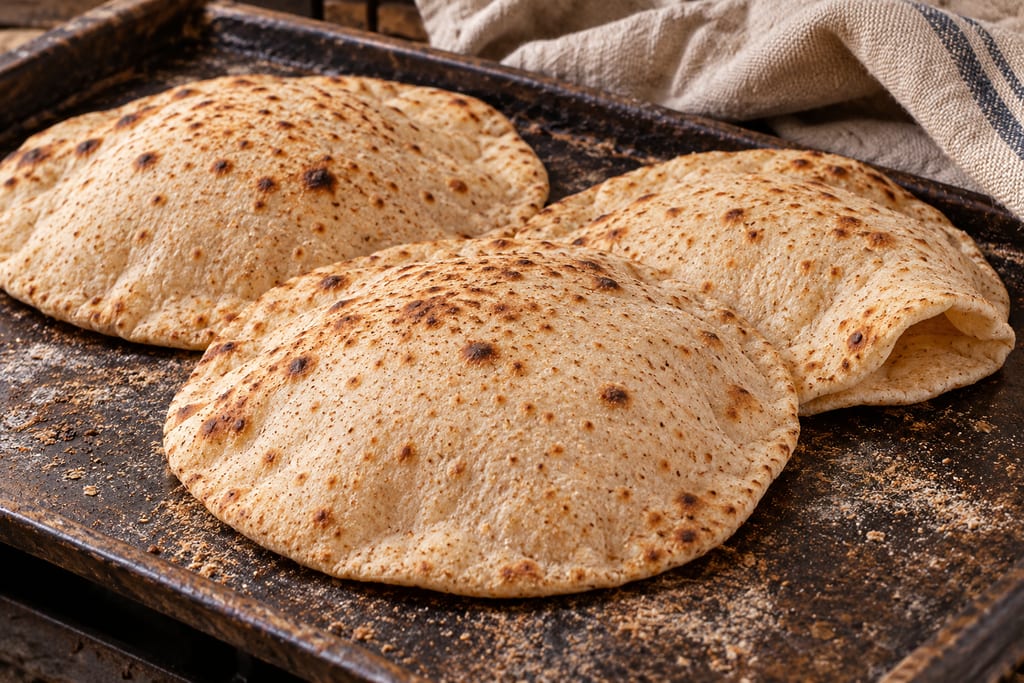
This home adaptation of Egyptian aish baladi uses a refrigerated yeast biga, whole-wheat dough, bran dusting and a very hot baking surface to make 16 pocketed rounds.
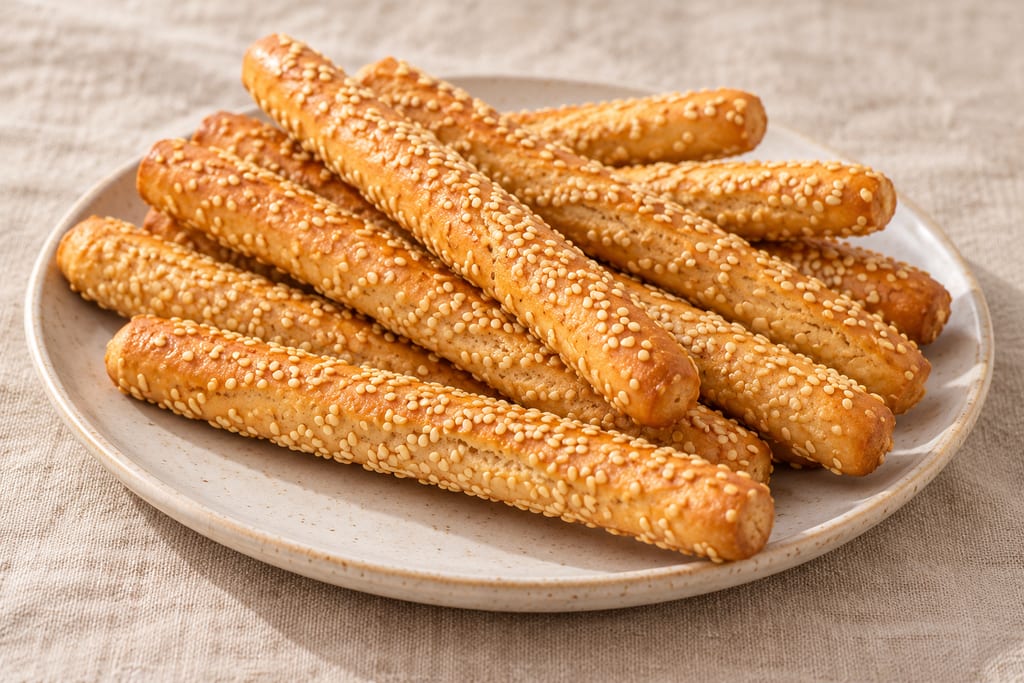
Amira Ibrahim’s Egyptian bosomat are yeast-raised wheat sticks scented with optional fennel and anise, topped with sesame and baked until dry and crisp.
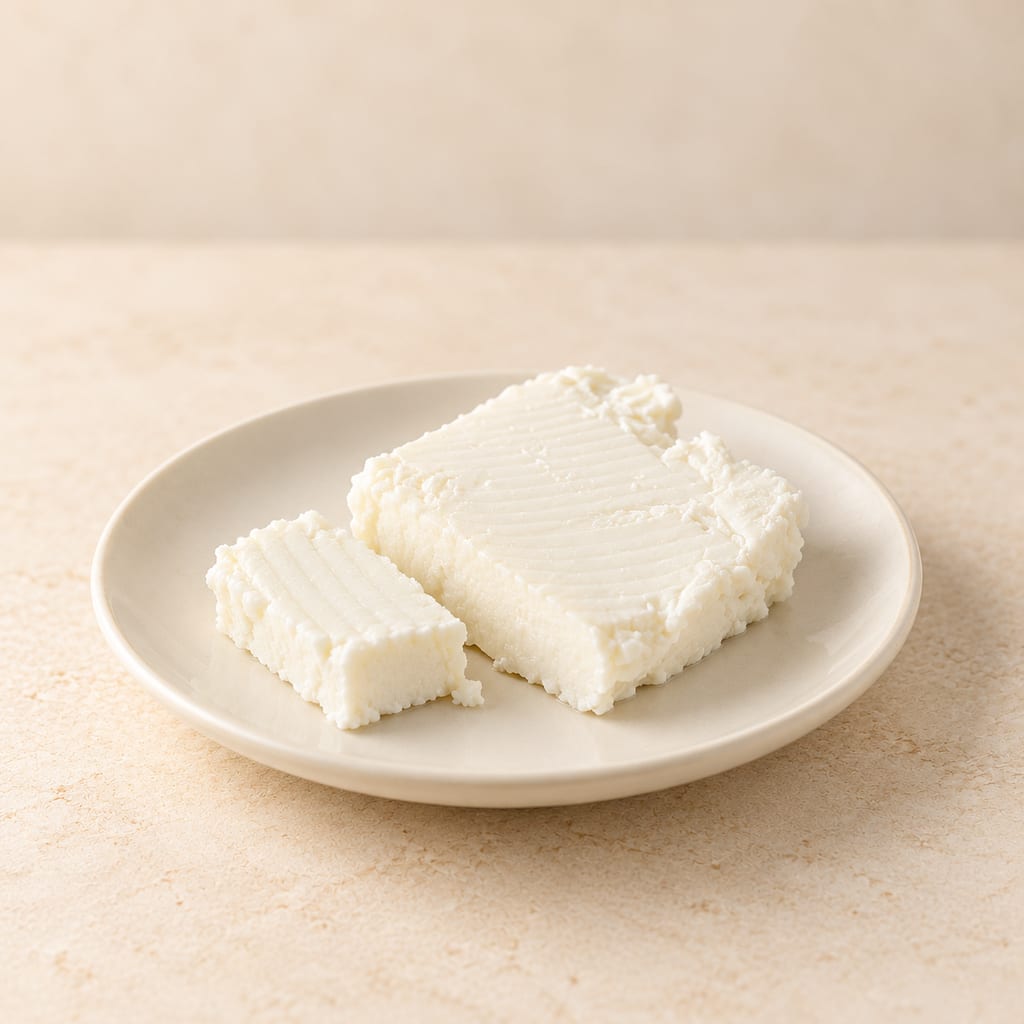
Domiati is a soft Egyptian white cheese made by salting milk before renneting. It is eaten fresh or ripened in brine, with cow and buffalo milk used in varying proportions.
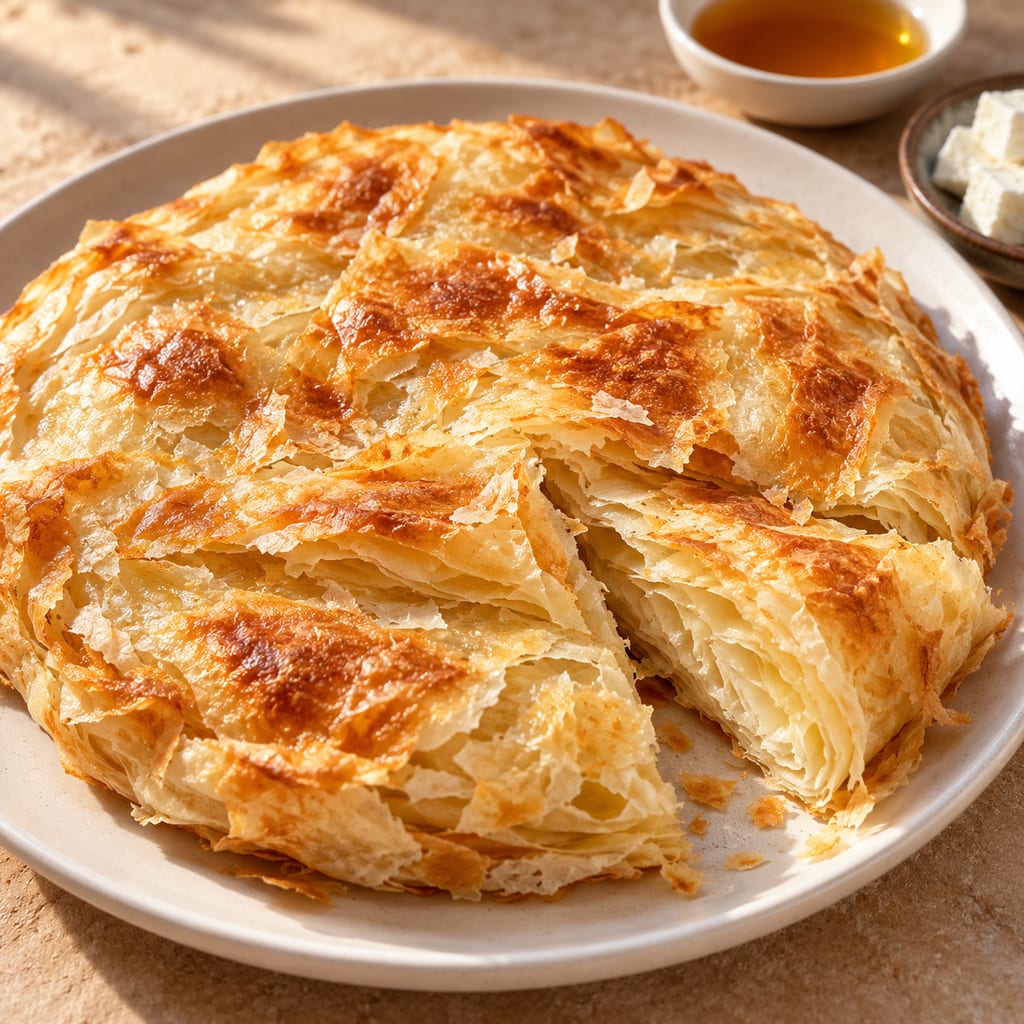
Egyptian layered pastry made from a soft wheat dough stretched thin, folded with ghee, and baked until crisp and golden. Serve plain with sweet or salty accompaniments.
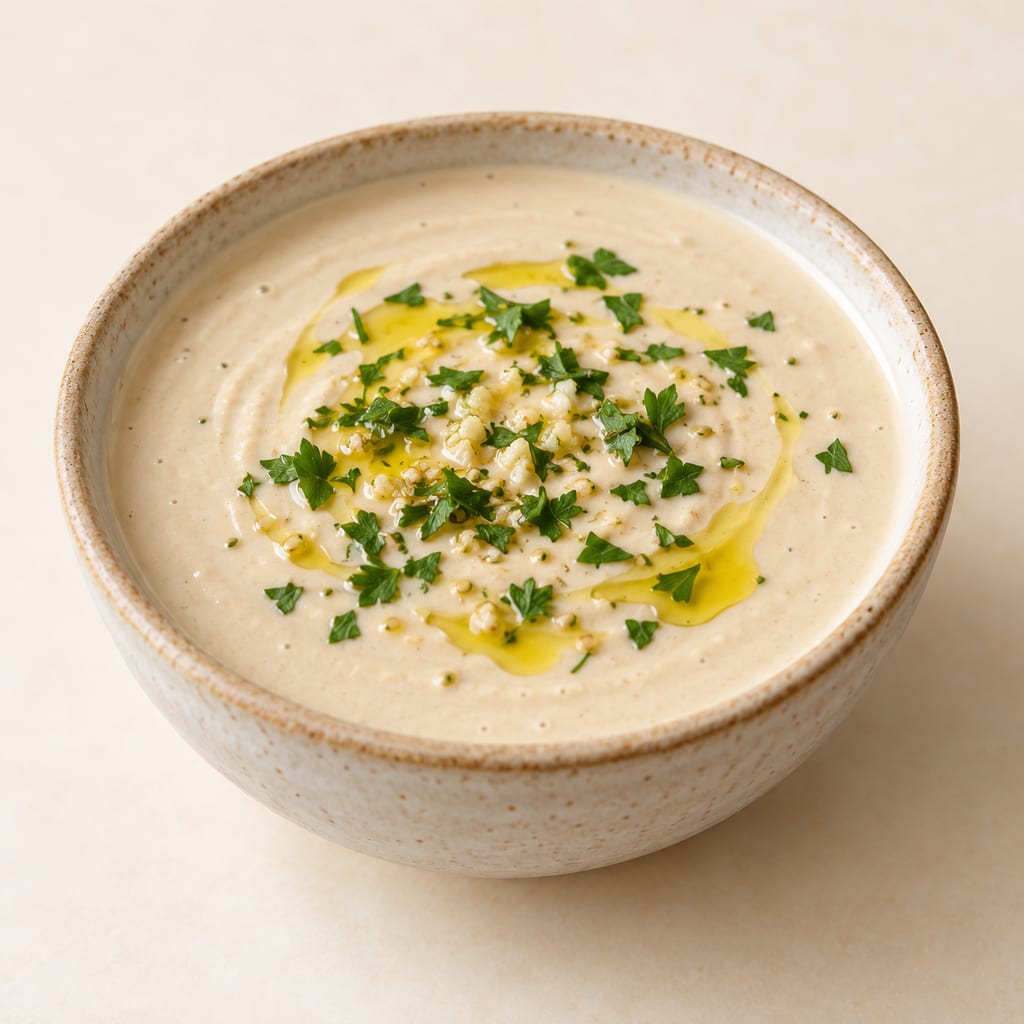
A Levantine sesame sauce of tahini thinned with water and brightened with lemon and garlic, the base of tarator served with falafel and shawarma, with Egyptian and Iraqi variants.
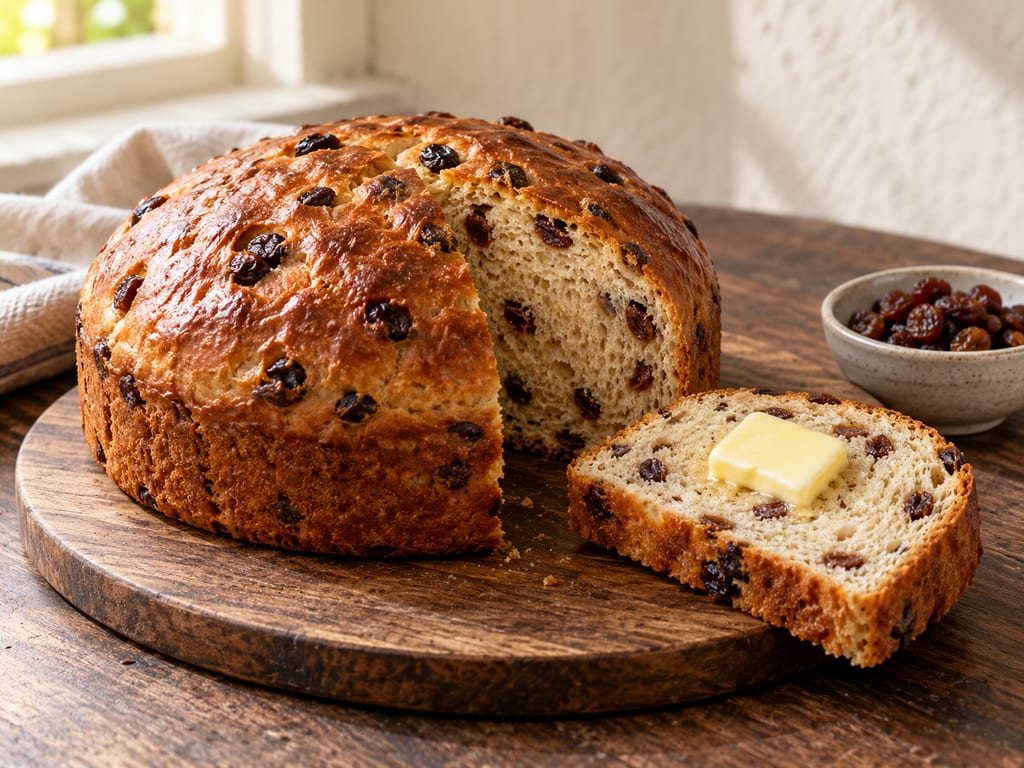
An Irish fruit-studded yeast loaf, associated in a contemporary cultural account with Halloween and often served fresh or toasted with butter.
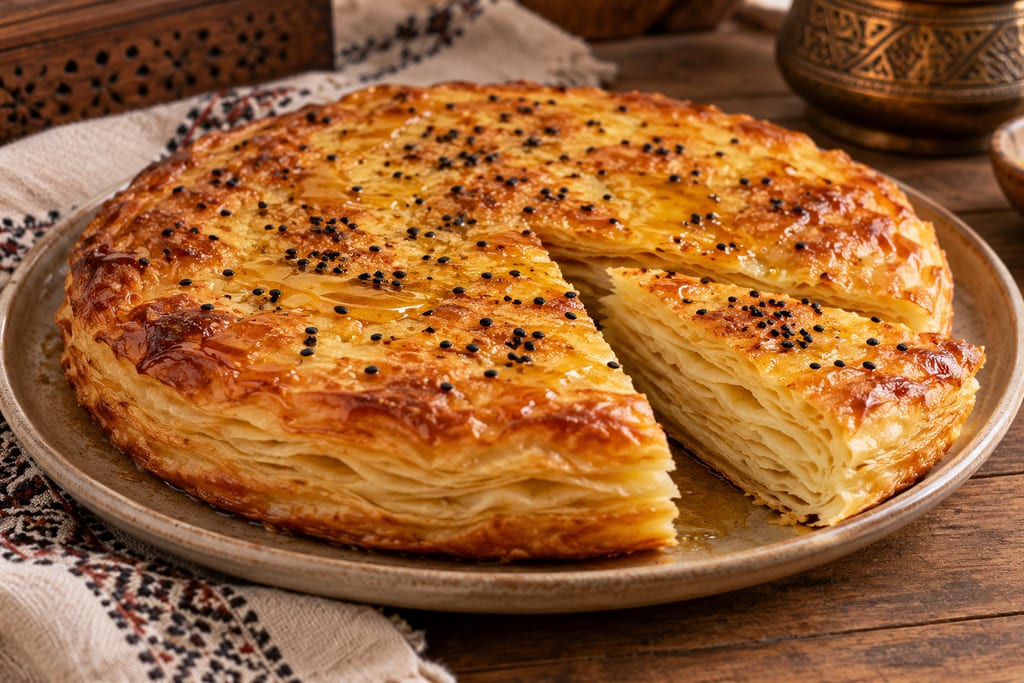
Bint al-sahn is a Yemeni celebration and home bread built from thin, egg-rich yeast dough layers brushed with ghee or butter. This source-specific version makes one round cake, baked until golden and served warm with honey.
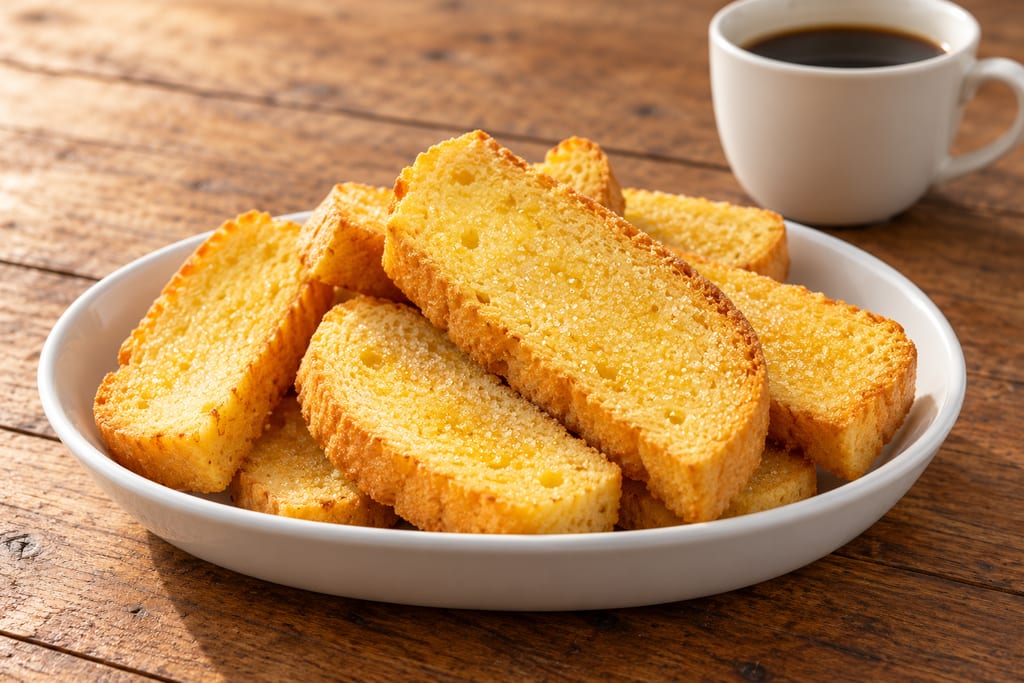
PagkainPinoy’s 24–30 piece version twice-bakes day-old soft bread with a thin butter-and-sugar coating.
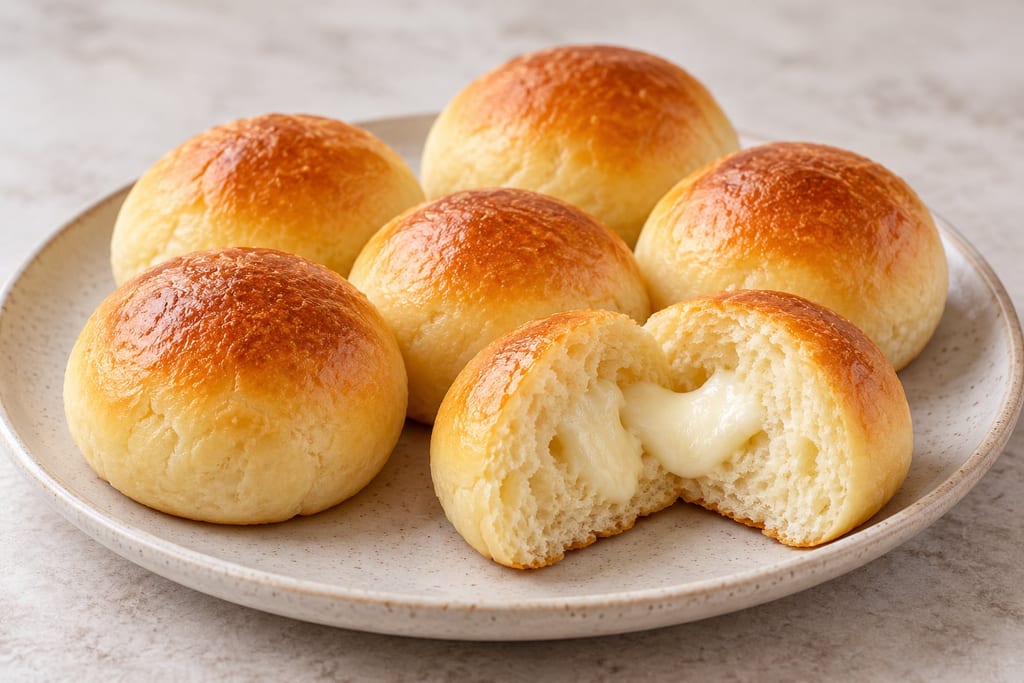
Soft Brazilian yeast rolls use cooked mashed potato in an enriched dough, with mozzarella cubes enclosed before baking.
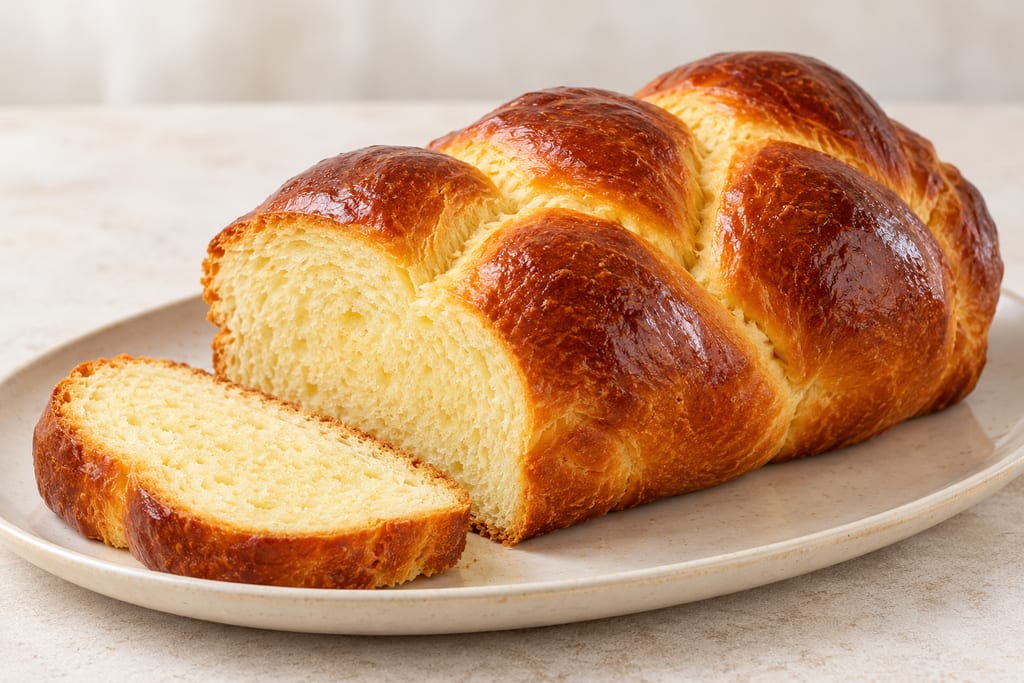
An egg-and-butter-rich yeast dough shaped as one round loaf, two loaves or twelve small brioches, with baking paths that vary by shape.
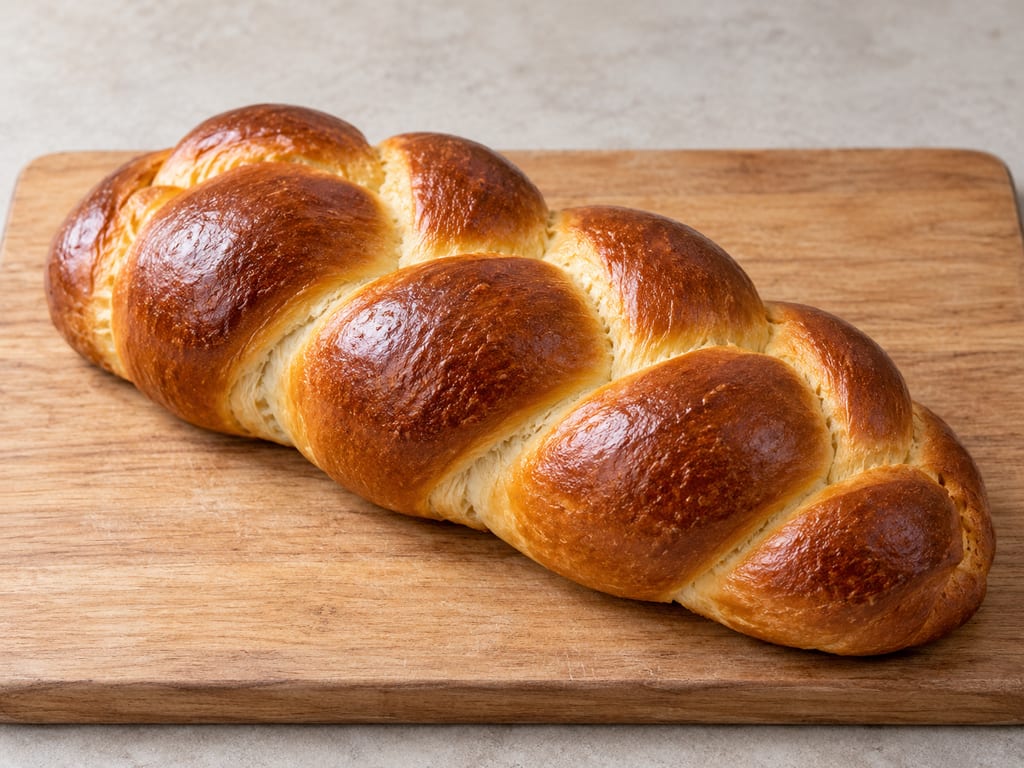
A three-strand yeast-raised challah with flour, salt, yeast, water, neutral oil, honey and egg, based on a Jewish Museum Vienna home recipe.
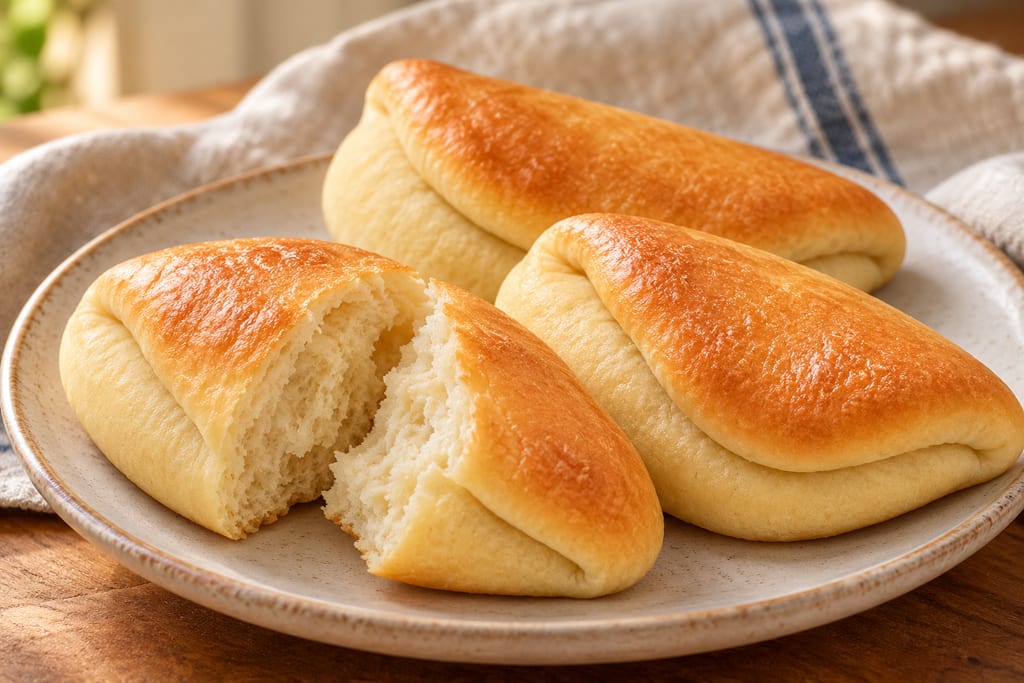
Jamaican-style folded rolls made from sweet coconut-milk yeast dough and brushed with butter.
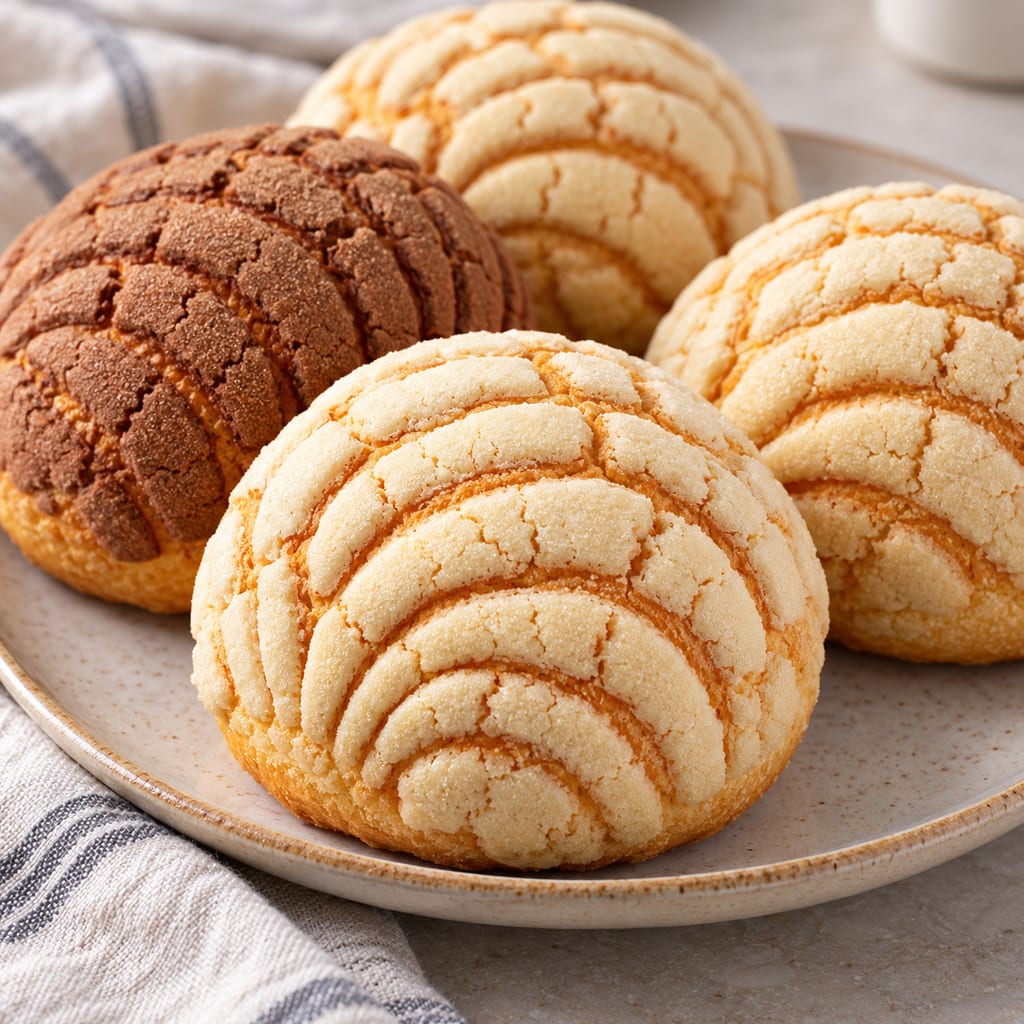
Mexican sweet rolls with a soft enriched yeast dough and a separate scored sugar-flour topping shaped like a shell. This version makes 15 rolls and uses a chilled dough rest before final proofing.

Soft, spreadable Calabrian pork sausage made with a great deal of red chilli and fatty pork, stuffed into natural casings, sometimes smoked and matured while staying soft.

A way to add independent temperature logging to an existing food dehydrator without changing its built-in controls or protections. It is a monitoring method, not a rewiring plan.

Pleurotus cystidiosus is the abalone mushroom, a cultivated oyster-type fungus with dark brown caps that grows more slowly and is more demanding than other Pleurotus species.

A dark, balanced vinegar from Emilia-Romagna made by combining cooked or concentrated grape must with wine vinegar, then acetifying and refining it in wood under a protected specification.

A living dairy inoculum that starts controlled cream fermentation, developing acidity and aroma before sour cream or cultured butter is finished.

A small electric incubator holds jars at a selected temperature for yogurt and other documented warm food preparations. Controls, capacity and vessel arrangement vary by model.

Adygean salt is a seasoned table salt associated with Adygea and the wider North Caucasian culinary tradition. Salt is blended with garlic and a variable selection of herbs and spices; the exact mix depends on the named style and maker.

The African Caesar-group mushroom, Amanita masasiensis, is a wild ectomycorrhizal species of central and southern African woodlands, eaten locally. The genus contains deadly poisonous species, so identification needs care.
No community contributions have been published for this entry yet.
Sign in to contribute. Published comments and photos are free to read.
Amira's PantryMethod · History · Uses · Variations
Sweet Bread Rolls (Shoreek)Egyptian sweet rolls sold in pastry shops; author recalls them with warm milk.
Exact 12-roll ingredients, shaping, two rises, baking, alternatives, and storage guidance.
Cited in: A sweet coil in Egypt’s bread shops; Egypt’s bread history, and what it cannot prove; Family memory and the Easter table; Why the dough is enriched; Two leaveners, two kinds of gas; Mix, rise, coil, rise again; The glaze, sugar and bake; Variations and serving; Reading the source recipe in a home kitchen
The KitchnHistory · Uses · Variations
Shoreek (Egyptian Sugared Rolls) RecipeMary Fawzy's Coptic Egyptian family account associates buttery shoreek with Easter after Lent and describes year-round bakery, breakfast and tea or coffee use.
Separate butter-rich, brown-sugar and optional-sesame formula, not combined with Amira Ibrahim's batch.
Cited in: A sweet coil in Egypt’s bread shops; Family memory and the Easter table; Variations and serving
BakeInfo New Zealand / Baking Industry Research TrustScience · Method
Breadmaking 1 - The Science of BreadmakingExplains gluten structure, yeast carbon dioxide, proofing, oven spring, starch setting and browning in breadmaking.
Cited in: Why the dough is enriched; Two leaveners, two kinds of gas; Mix, rise, coil, rise again; The glaze, sugar and bake; Reading the source recipe in a home kitchen
University of Cambridge Apollo RepositoryHistory
An archaeological study of baking and bread in New Kingdom EgyptDelwen Samuel's archaeological study documents New Kingdom grain processing, emmer loaves and multiple breadmaking pathways; it does not identify Shoreek.
Cited in: Egypt’s bread history, and what it cannot prove
Institute for the Study of Ancient Cultures, University of ChicagoHistory
Our Work: Modern Jobs – Ancient OriginsDescribes ancient Egyptian bakeries, bread supplied as wages, emmer and barley, and experimental reconstruction; this is background to Egyptian bread history, not an attestation of Shoreek.
Cited in: Egypt’s bread history, and what it cannot prove
Centers for Disease Control and PreventionSafety
Raw Flour and DoughUncooked flour and raw eggs can contain germs; do not taste raw dough, follow recipe baking directions, and clean hands, bowls, utensils and counters after handling.