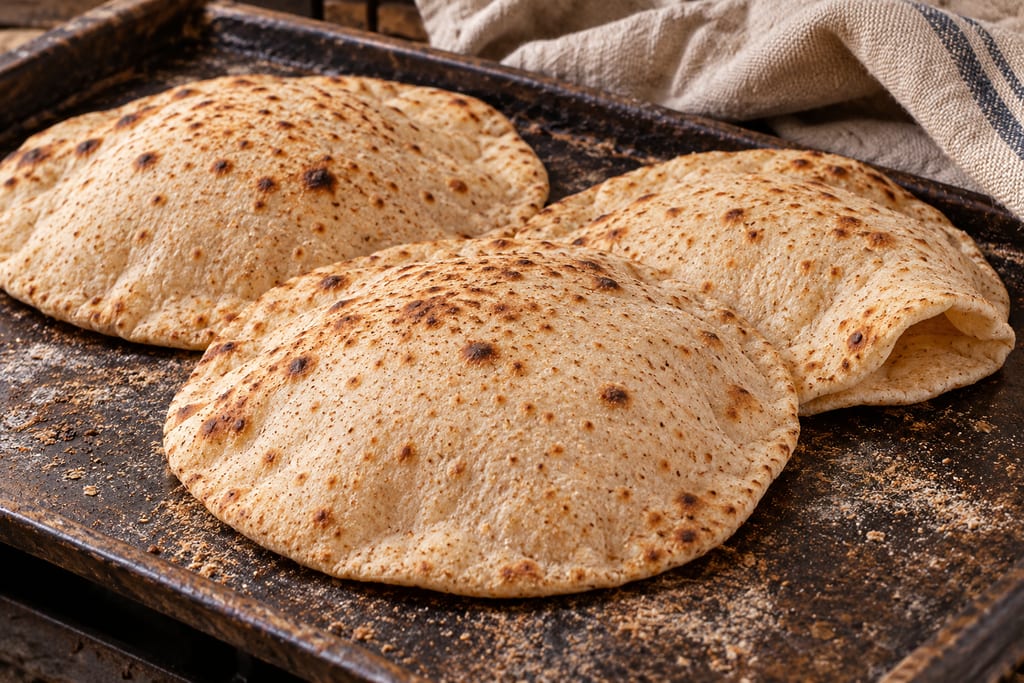
Aish baladi (Egyptian whole-wheat pita)
This home adaptation of Egyptian aish baladi uses a refrigerated yeast biga, whole-wheat dough, bran dusting and a very hot baking surface to make 16 pocketed rounds.
 FermenteaWhere food goes to change
Traditional method
Fteer meshaltet
Egyptian layered pastry made from a soft wheat dough stretched thin, folded with ghee, and baked until crisp and golden. Serve plain with sweet or salty accompaniments.
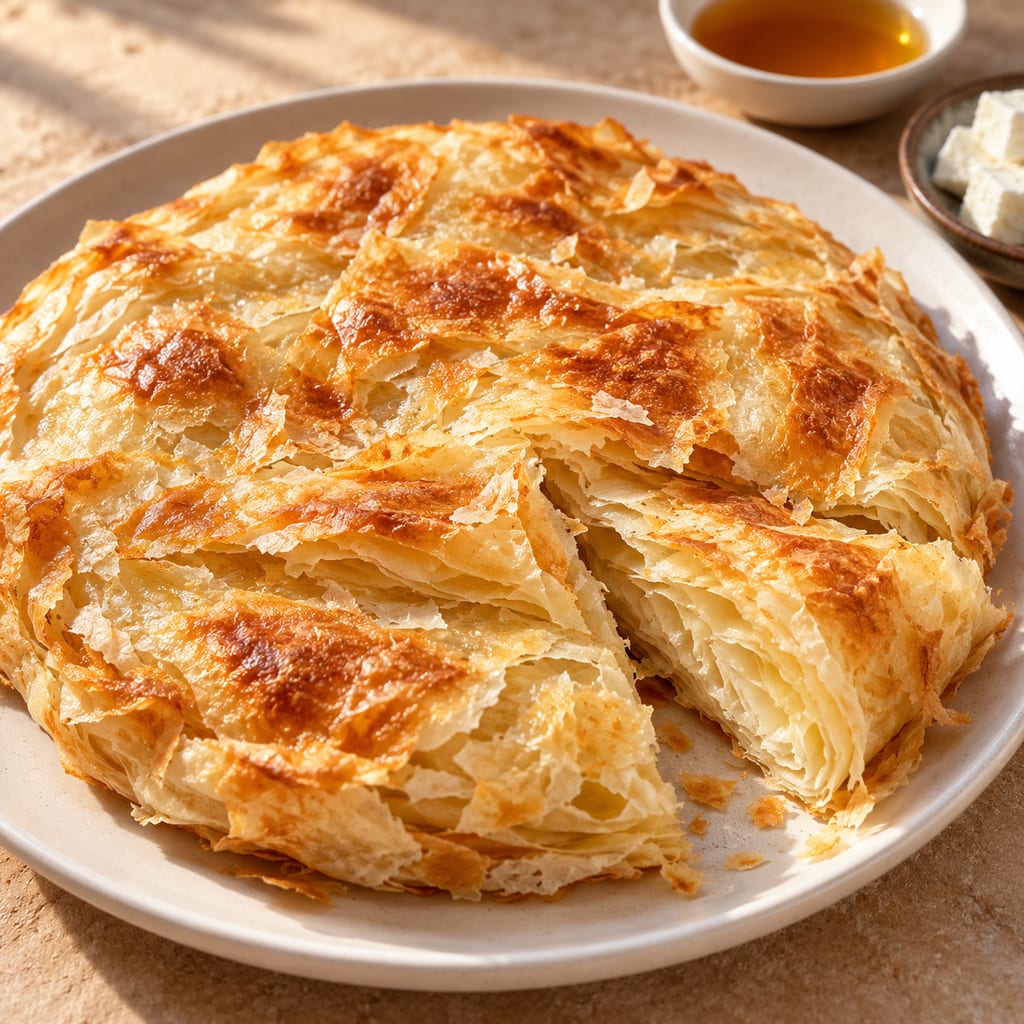
This plain feteer meshaltet uses soft wheat dough stretched by hand into a thin sheet, folded repeatedly with ghee, rested in a pan, then baked and browned under a broiler. Filled versions place a filling between pastry layers; this preparation remains plain. Serve it with sweet or salty accompaniments.
The dough is meant to be soft and sticky so it can stretch. A clean, broad work surface helps; marble is suggested, but no special oven or commercial equipment is required. Stretch slowly and gently. If the dough tears, continue folding it into the layered square rather than trying to gather and re-knead it.
The recipe source identifies feteer meshaltet as an Egyptian specialty but gives no reliable dated evidence for its earliest attestation. Claims about ancient Egyptian origins are not used here.
Yield 4 plain feteer pastries · Scaling: source batch only
Uncooked flour can carry germs; the dough is handled before baking.
Hazard sourceDo not taste or serve the raw dough; bake the pastry before eating and wash hands, utensils, bowls, and work surfaces after handling flour or dough.
Control sourceThe recipe gives no fixed bake time; watch for puffing and a golden bottom, then closely watch the broiler until the top is golden.
Use care with the hot oven, broiler, baking pans, and melted ghee.
The author identifies feteer meshaltet as an Egyptian specialty. The source does not identify a more precise place.
This home adaptation of Egyptian aish baladi uses a refrigerated yeast biga, whole-wheat dough, bran dusting and a very hot baking surface to make 16 pocketed rounds.
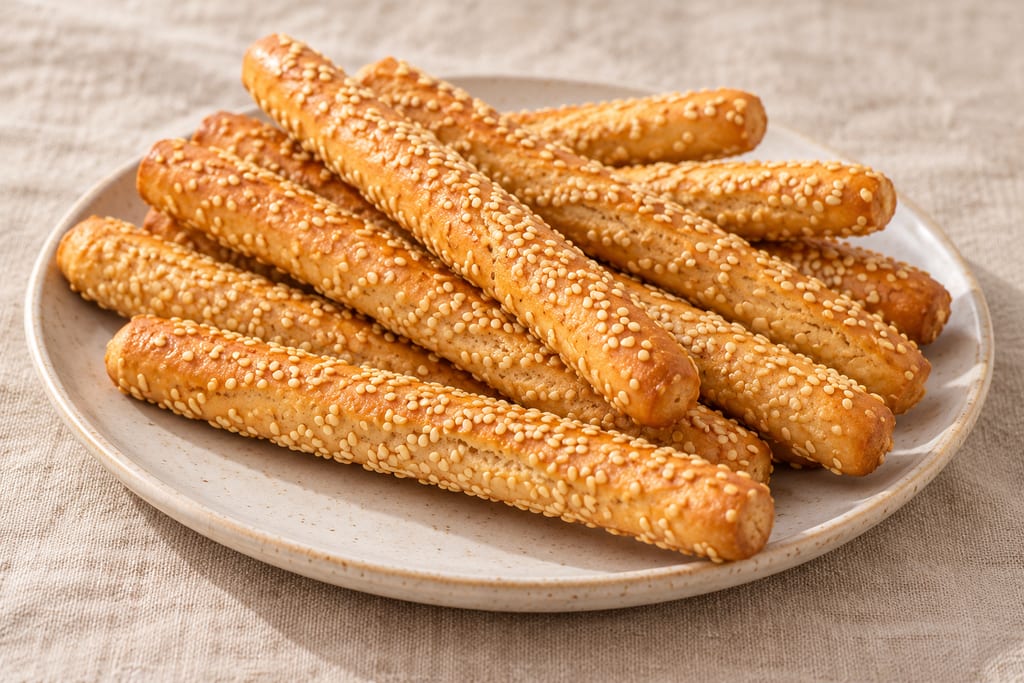
Amira Ibrahim’s Egyptian bosomat are yeast-raised wheat sticks scented with optional fennel and anise, topped with sesame and baked until dry and crisp.
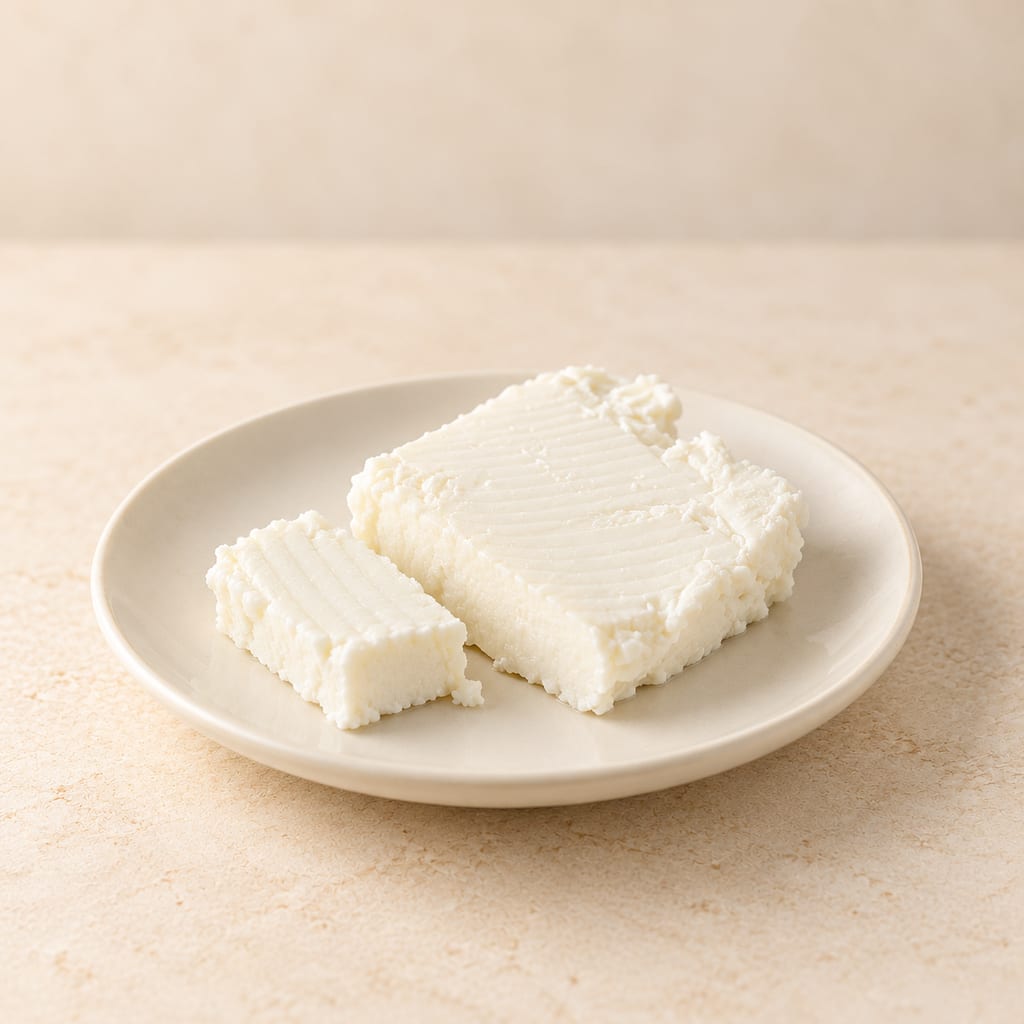
Domiati is a soft Egyptian white cheese made by salting milk before renneting. It is eaten fresh or ripened in brine, with cow and buffalo milk used in varying proportions.
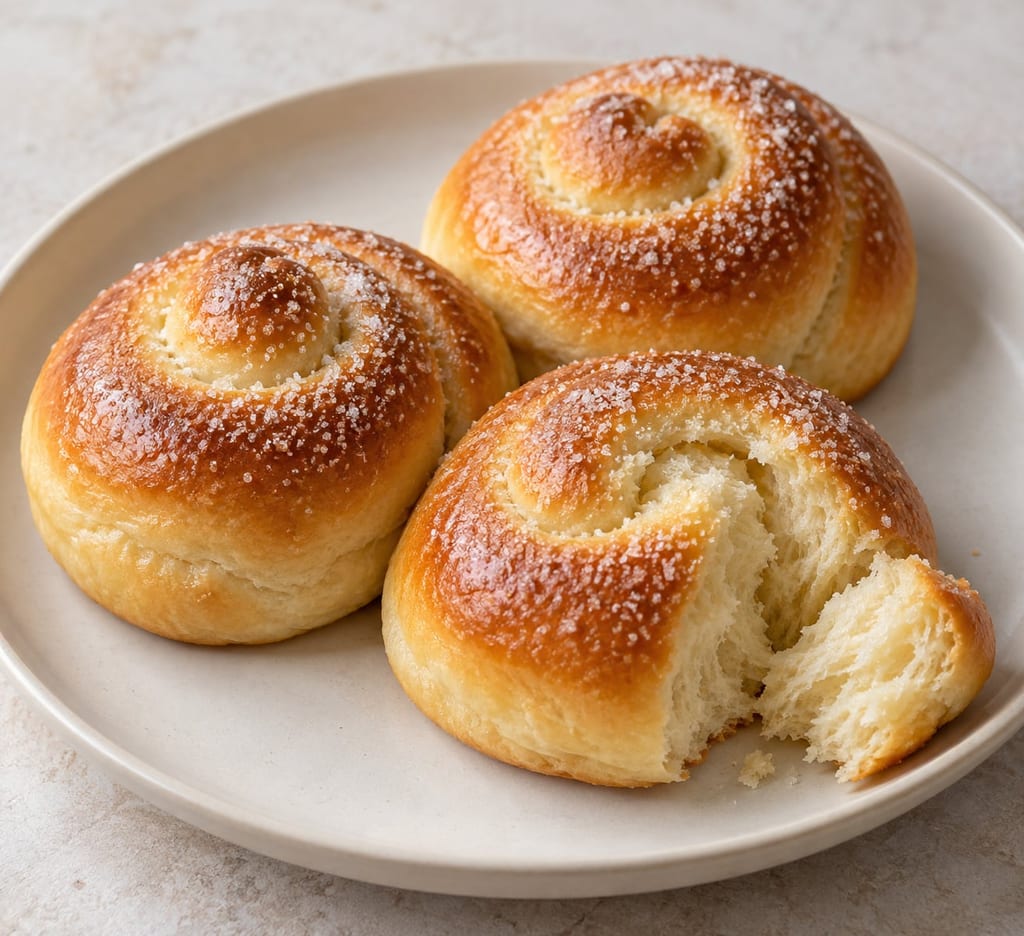
Egyptian sweet wheat rolls shaped into coils or braids, enriched with milk, egg and fat and eaten at breakfast, with tea or milk, and at family celebrations.
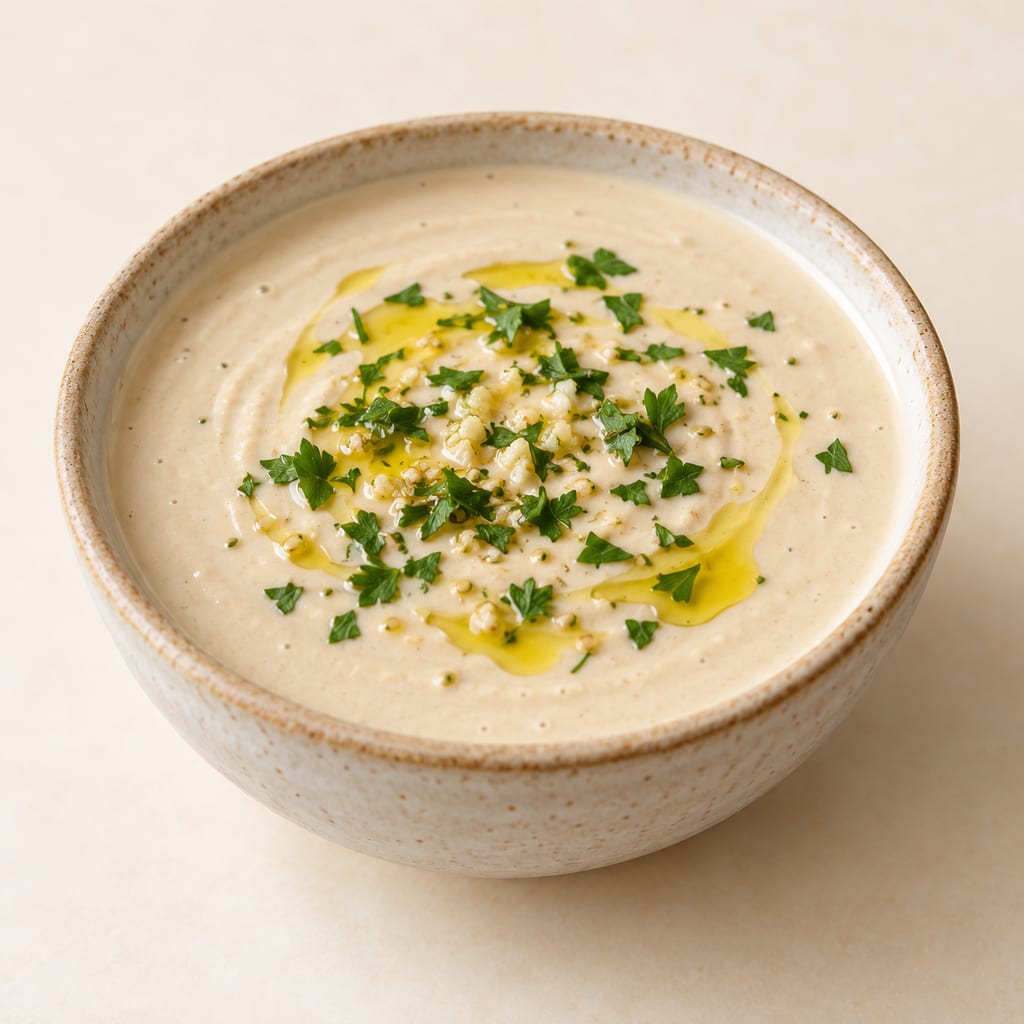
A Levantine sesame sauce of tahini thinned with water and brightened with lemon and garlic, the base of tarator served with falafel and shawarma, with Egyptian and Iraqi variants.
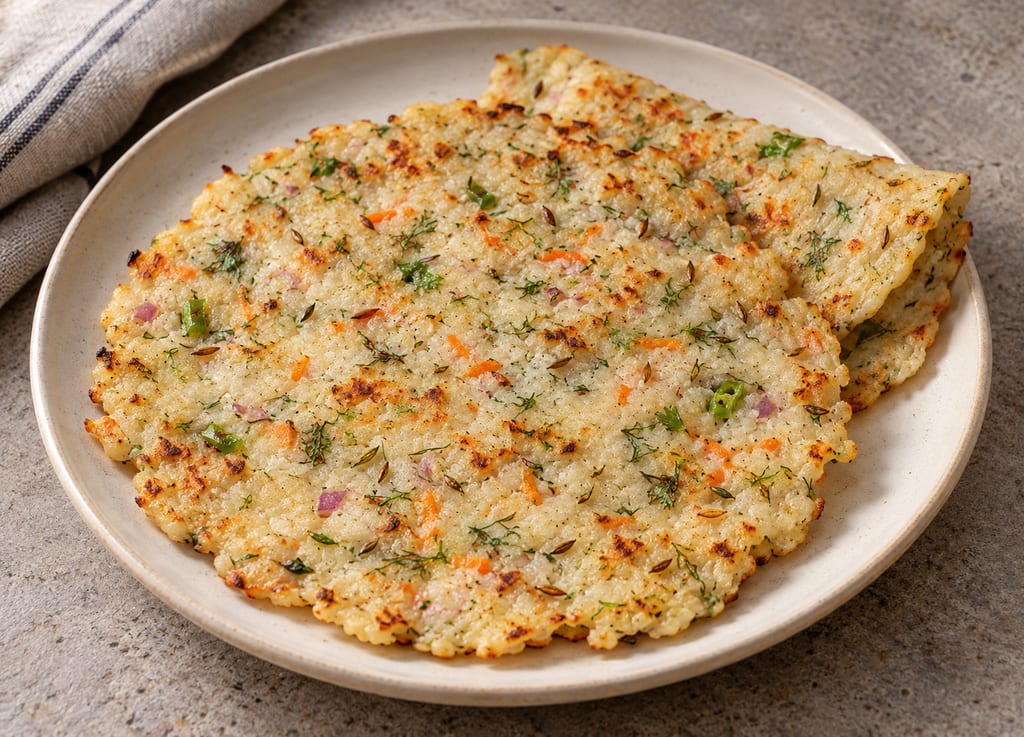
This Karnataka-style akki rotti mixes fine rice flour with vegetables, coconut, herbs and spices, then hand-pats and griddle-cooks the dough.
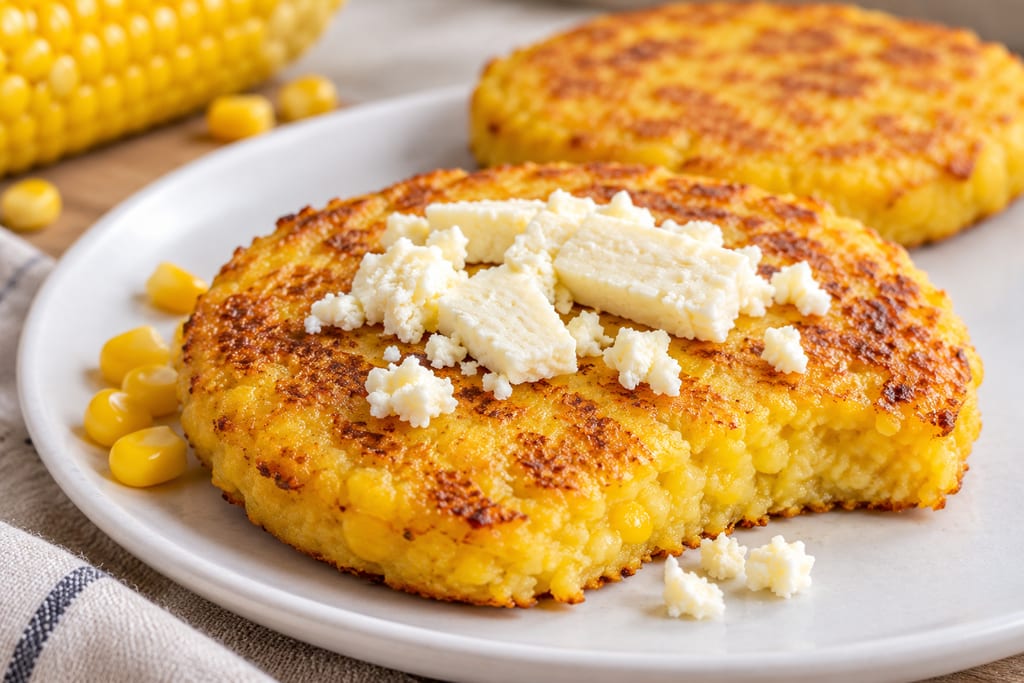
A Colombian Andean griddle cake made from fresh sweet-corn batter, cooked in butter and served with white cheese.
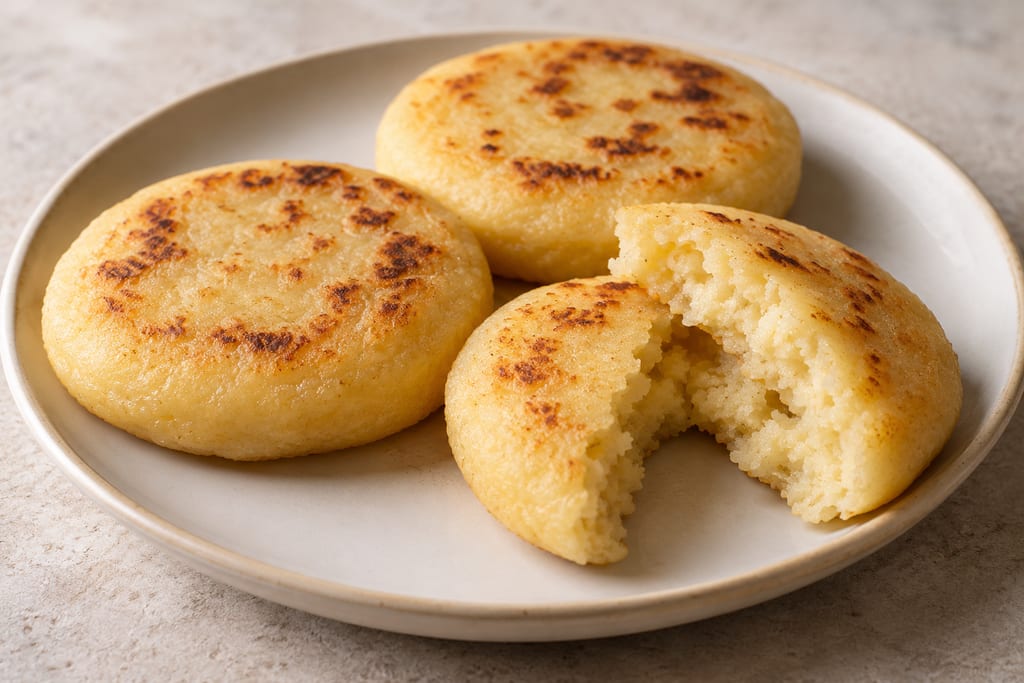
This household version combines precooked corn flour, warm water and salt, then cooks thick rounds on a lightly oiled skillet or griddle. It is one source-specific arepa method, not a universal Colombian or Venezuelan formula.
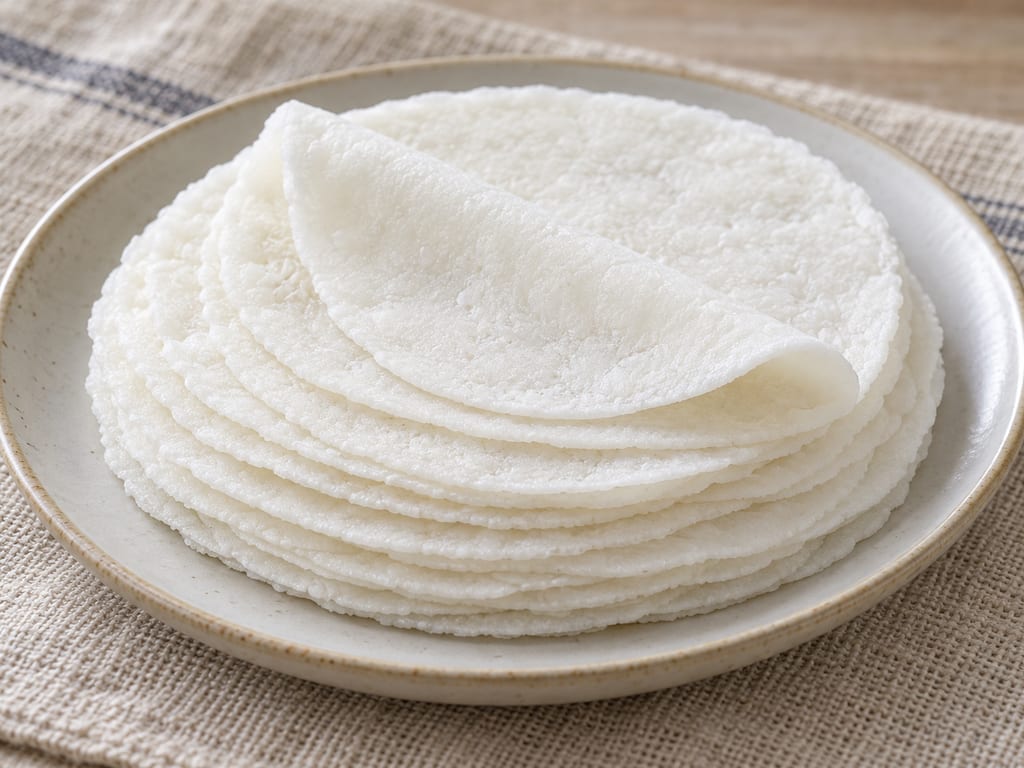
Thin Malabar rice-flour rounds made from roasted rice flour cooked into salted boiling water, kneaded after cooling, and rolled to about 1 mm. They cook on a hot griddle without taking on colour.
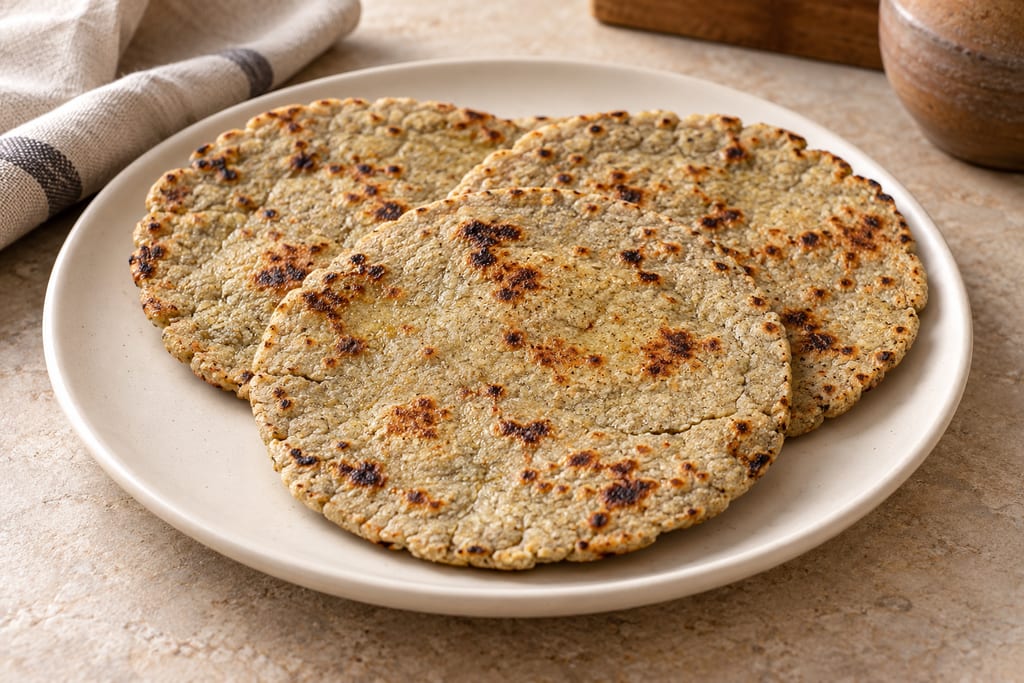
A pearl-millet flatbread shaped between sheets and cooked on a hot tawa. This home batch makes eight.
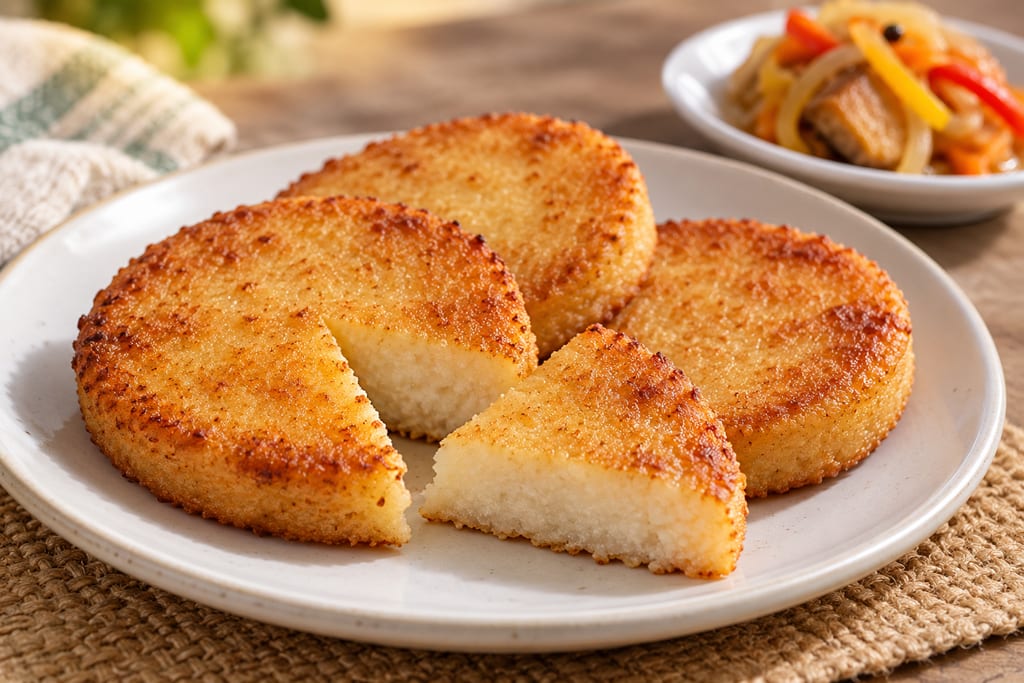
A serving method for approved, prepared bammy rounds: soak them in coconut milk and refry until golden. It does not process raw cassava.
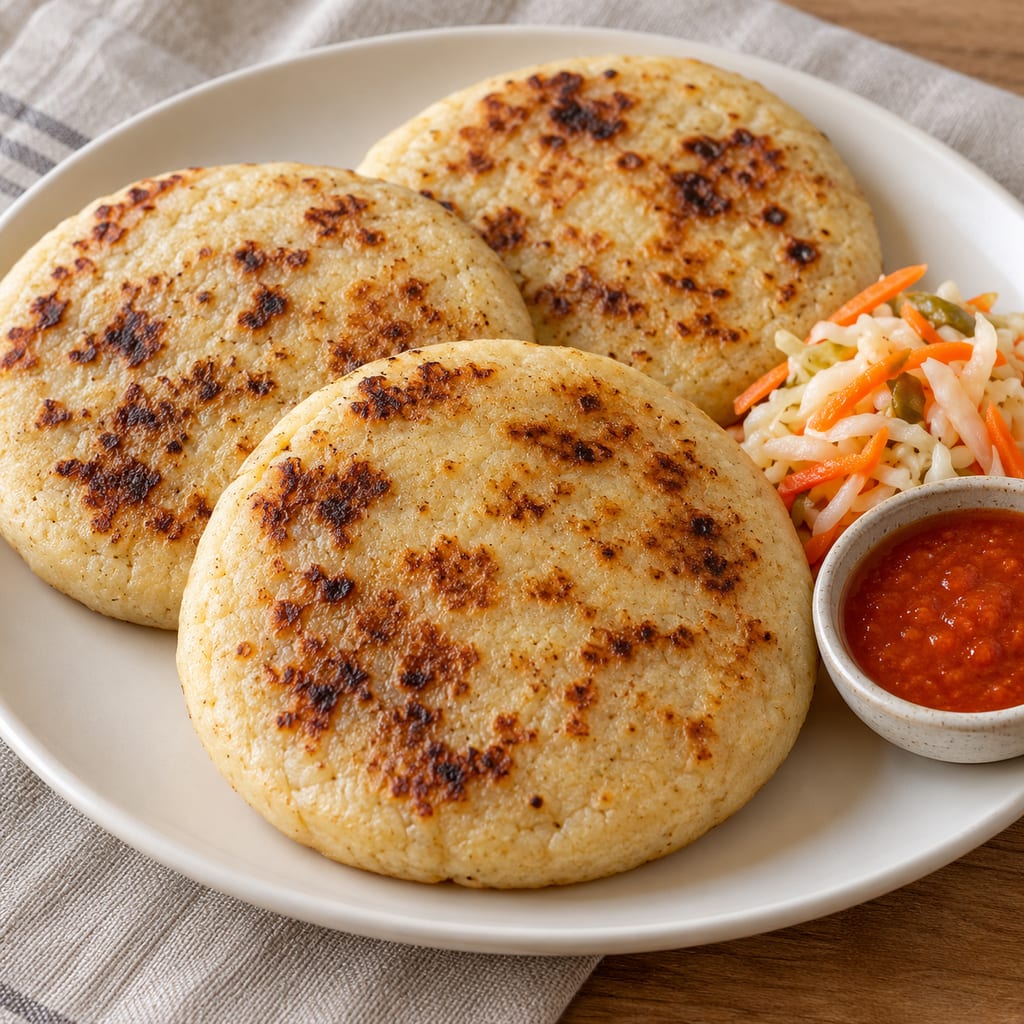
Salvadoran-style masa harina cakes filled with refried beans and cheese, sealed and cooked on an oiled skillet.
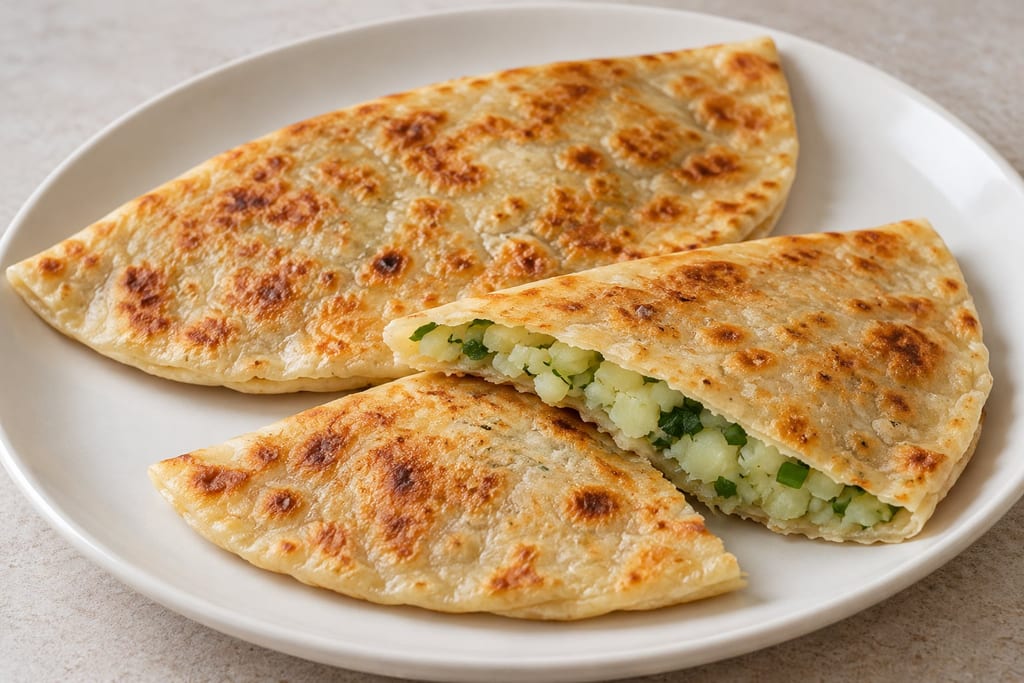
A thin, unleavened Afghan flatbread filled with mashed potato, scallion and cilantro, folded and pan-browned. This version uses a dough made from scratch.
No community contributions have been published for this entry yet.
Sign in to contribute. Published comments and photos are free to read.
Chef in disguiseMethod · Geography
Feteer meshaltet “Egyptian layered pastry”The author identifies feteer meshaltet as an Egyptian specialty and says a family recipe was shared for the Arabic flavor challenge.
The plain recipe gives ingredient quantities, dough consistency, kneading, resting, thin stretching, ghee layering, pan rest, oven baking, broiler browning, and accompaniments.
Cited in: A plain layered pastry
Centers for Disease Control and PreventionSafety
Raw Flour and DoughRaw flour can carry germs; do not eat raw dough; bake according to recipe directions and wash hands, utensils, bowls, and countertops after handling raw flour or dough.