
Bagna cauda
A warm dip of garlic, anchovy and olive oil, often enriched with butter, that Piedmont serves over a flame with raw and cooked vegetables and bread.
 FermenteaWhere food goes to change
Virgin sauce · Vierge sauce
A raw French sauce of olive oil, lemon, chopped tomato and basil, with the herbs infused in the oil, served with fish, shellfish and vegetables.
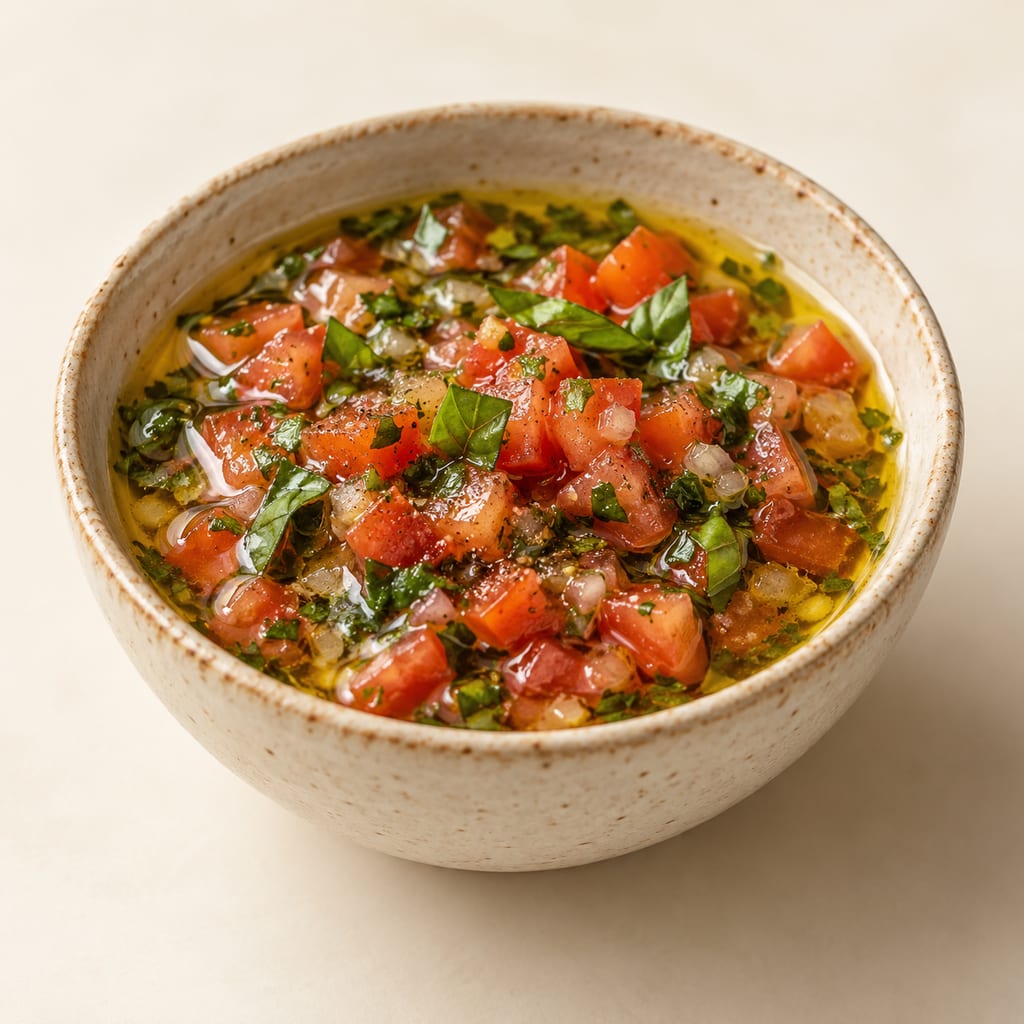
Sauce vierge is a light, uncooked French sauce of olive oil, lemon juice, chopped tomato and basil. It is served over fish and shellfish, and over vegetables. Its appeal is freshness and texture: the tomato and herbs stay raw, and the oil carries their aroma. It belongs to the family of fresh oil and herb dressings rather than to the long-matured sauces of this database.
The sauce is a useful counterexample to the fermented and cured products on the site. Its life is short, and the reader's concern is cold storage and service, not maturation.
The name means virgin sauce and refers to the raw, unheated character of the mixture. Wikipedia lists France as the place of origin and credits its popularisation in the 1980s to the chef Michel Guérard of Eugénie-les-Bains in south-western France. It calls the sauce a modern classic. In its original form, it was a Mediterranean preparation with a good deal of garlic.
Some search results tie the sauce to the south of France and to Guérard's nouvelle cuisine, with a date of 1976. Wikipedia's only cited source for the modern history is a 2007 trade article, so the dates should be treated as uncertain.
Olive oil carries the flavour of the herbs and makes the sauce pourable. Lemon juice gives the acid that brightens the tomato and balances the oil. Chopped tomato contributes fresh juice and texture, and basil gives the sweet herbal note. Coriander seed, crushed, is added frequently. Garlic, shallot, capers, olives and pine nuts appear in some Provencal versions.
Proportions vary between sources and no ratio is given in the Wikipedia entry. Cooks adjust the oil and lemon to the fish and the tomato.
The ingredients are combined and left to infuse. Without heat, the herbs and garlic flavour the oil over time. The original form warms them gently so the aromatics come out more quickly, and the sauce can be served hot or cold. Cold service keeps the tomato raw; warm service makes the sauce closer to a hot herb oil.
The Masterclass recipe suggests making the sauce up to a day ahead and refrigerating it. It advises bringing the sauce back to room temperature before service so that the olive oil is liquid and the flavours open up.
Sauce vierge is most often served with shellfish and with delicately flavoured white fish such as cod and sole. It is also spooned over vegetables and sometimes tossed with pasta. Wikipedia's photo caption shows a red snapper with the sauce and vegetables.
The sauce is short-lived. Make it close to service where possible. For a make-ahead batch, the Masterclass recipe says a day is acceptable with refrigeration. That is a recipe guideline, not a validated shelf life, and no time is set for holding the sauce at room temperature.
A fresh tomato and herb mixture in oil with garlic has low acidity, so keeping it warm or at room temperature for long periods is a concern. Published accounts here establish no safe time for that.
Proportions, the exact date of popularisation, and any Gardianne or Camargue link are not established by published accounts read here. A French food-history source would be the next research step.
Sauce vierge is a modern French preparation. The Wikipedia account describes its original form as a Mediterranean preparation with a lot of garlic, with herbs infused in the oil and served hot or cold. Its popularisation is credited to Michel Guérard. The earliest date of the sauce is not established.
Scaling: source batch only
A fresh, low-acid oil mixture with tomato and garlic is a food-safety concern if it is kept warm or at room temperature. Published accounts set no holding time.
Hazard sourceRefrigerated storage for make-ahead batches
Control sourceMake close to service. Keep make-ahead batches refrigerated.
The sauce is a French preparation. Its Provencal character is described in some recipes; published accounts do not give a precise origin place.
A warm dip of garlic, anchovy and olive oil, often enriched with butter, that Piedmont serves over a flame with raw and cooked vegetables and bread.

Bechamel is a white sauce of milk thickened with a butter and flour roux, one of the French mother sauces, and the base from which Mornay and other cheese and cream sauces are made.
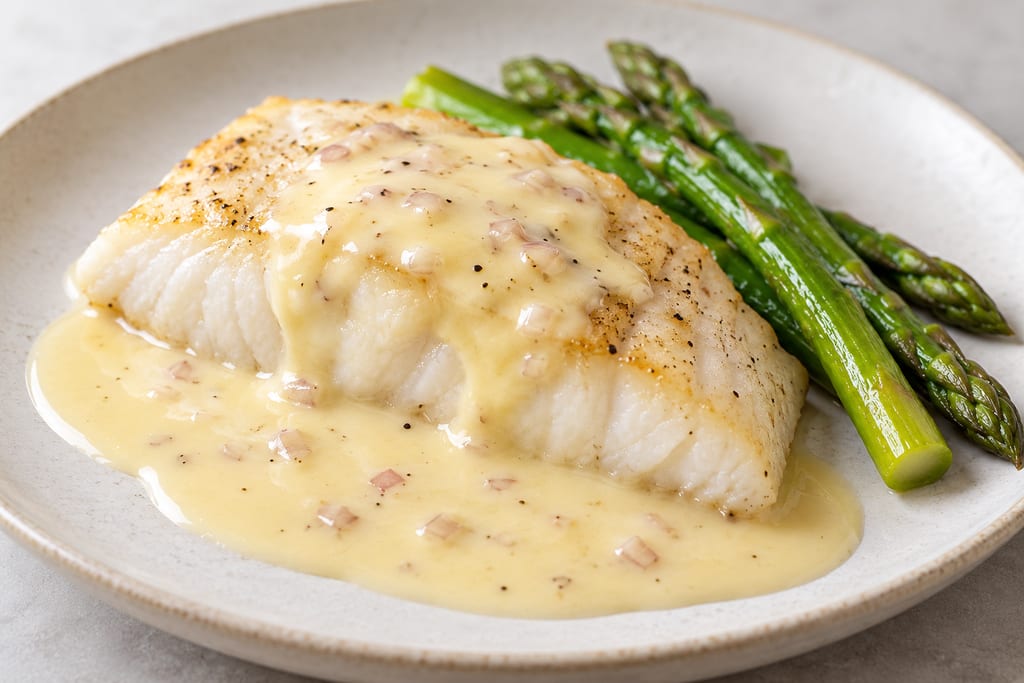
Beurre blanc is a warm emulsion of cold butter whisked into a reduction of white wine, vinegar or lemon juice and shallot, a sauce from the Loire Valley and its red-wine version, beurre rouge.

A thin, pourable custard sauce of egg yolks, sugar and hot milk or cream, cooked gently until it coats a spoon and no further.
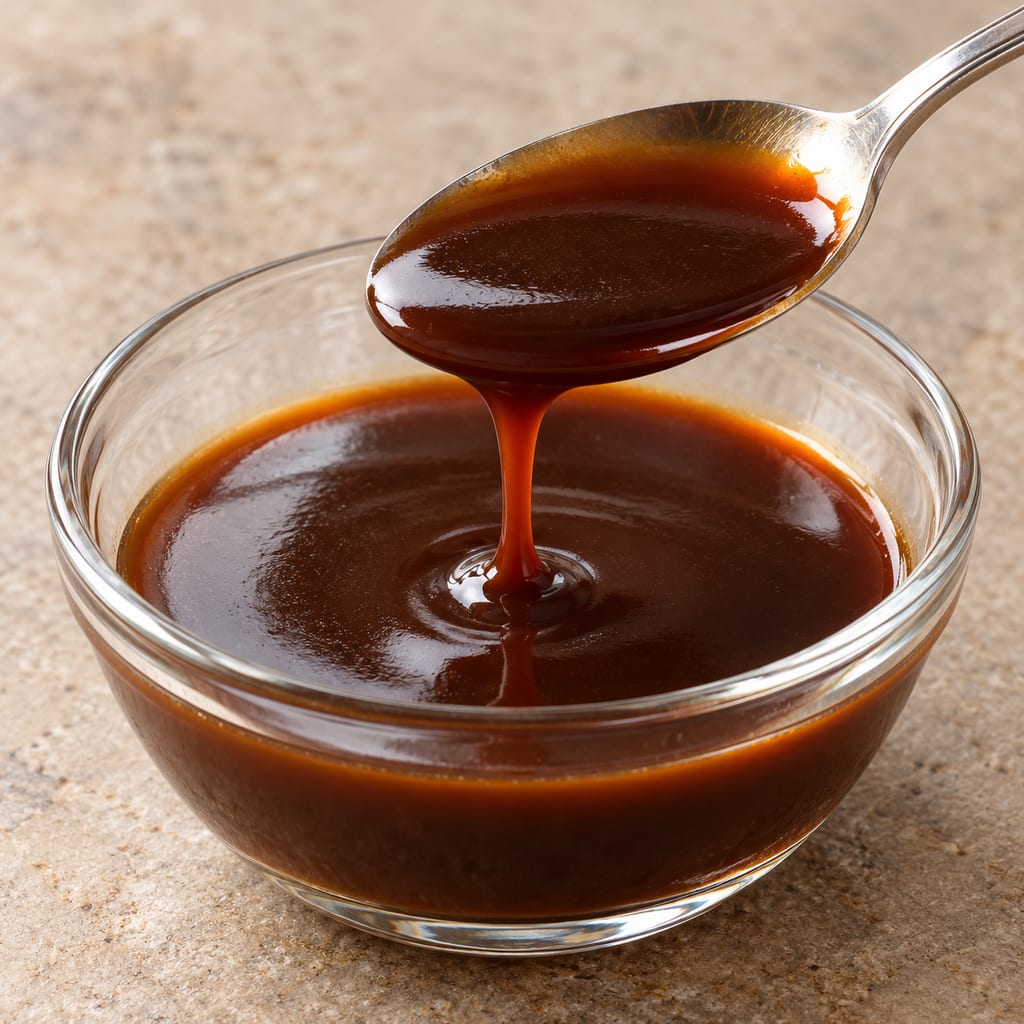
Demi-glace is a rich brown sauce of French cookery, classically made by reducing equal parts espagnole sauce and brown stock by half. It is used on its own or as a base for other sauces.
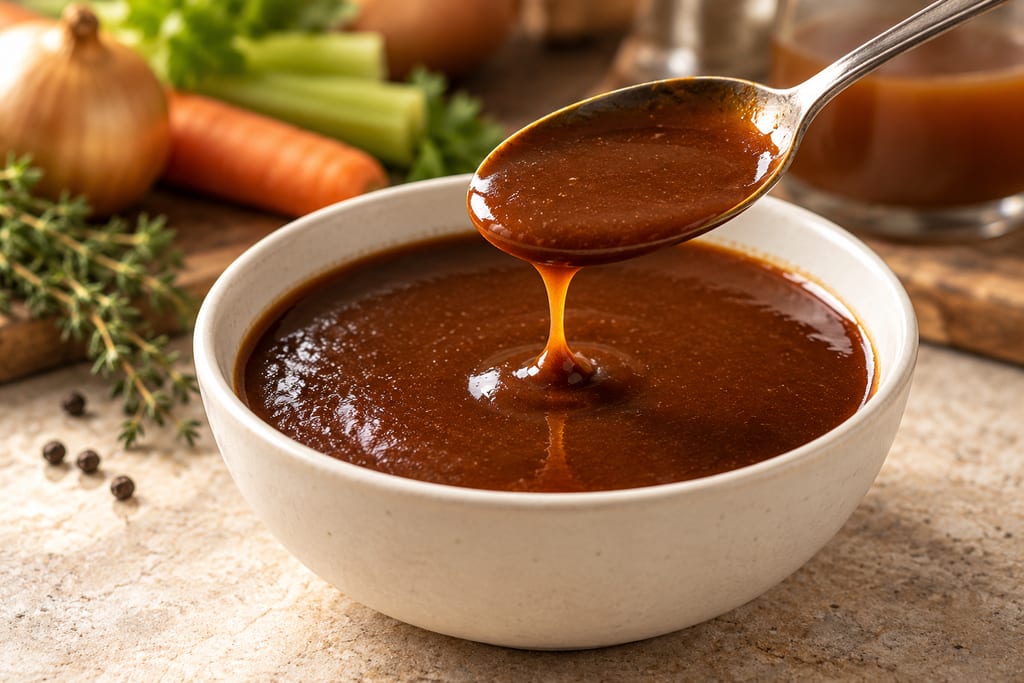
Espagnole is a brown mother sauce built on a dark roux, brown veal or beef stock and tomato, the base from which demi-glace and many brown sauces are made.
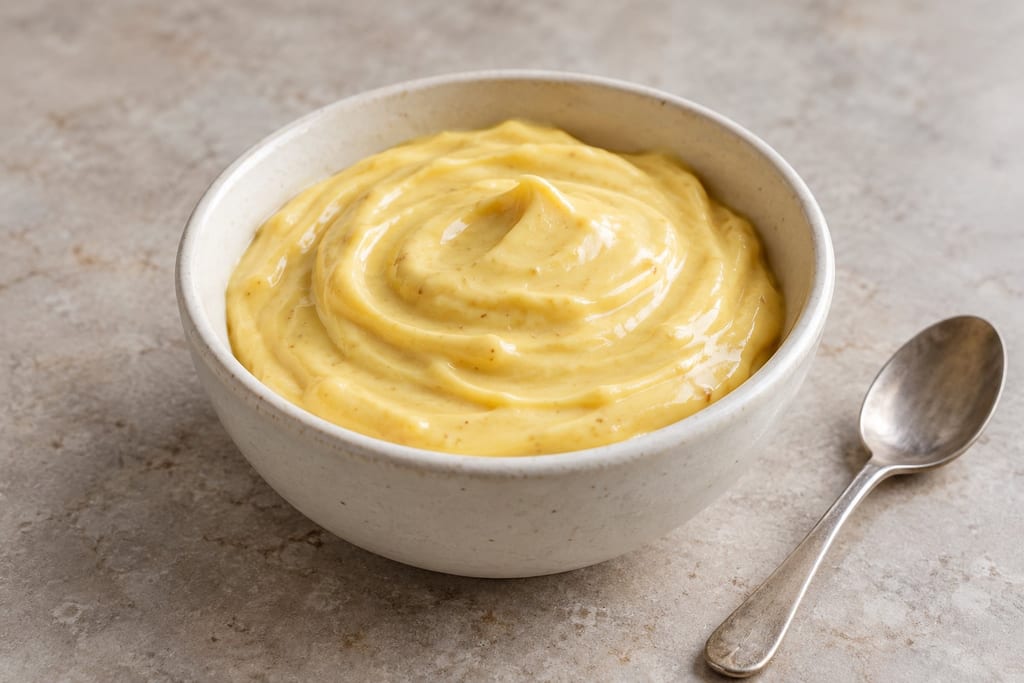
An untested home mayonnaise development formula with more Dijon mustard and no added sugar. A current French-market Dijon mayonnaise informs its flavor direction; this is not that product’s formula.
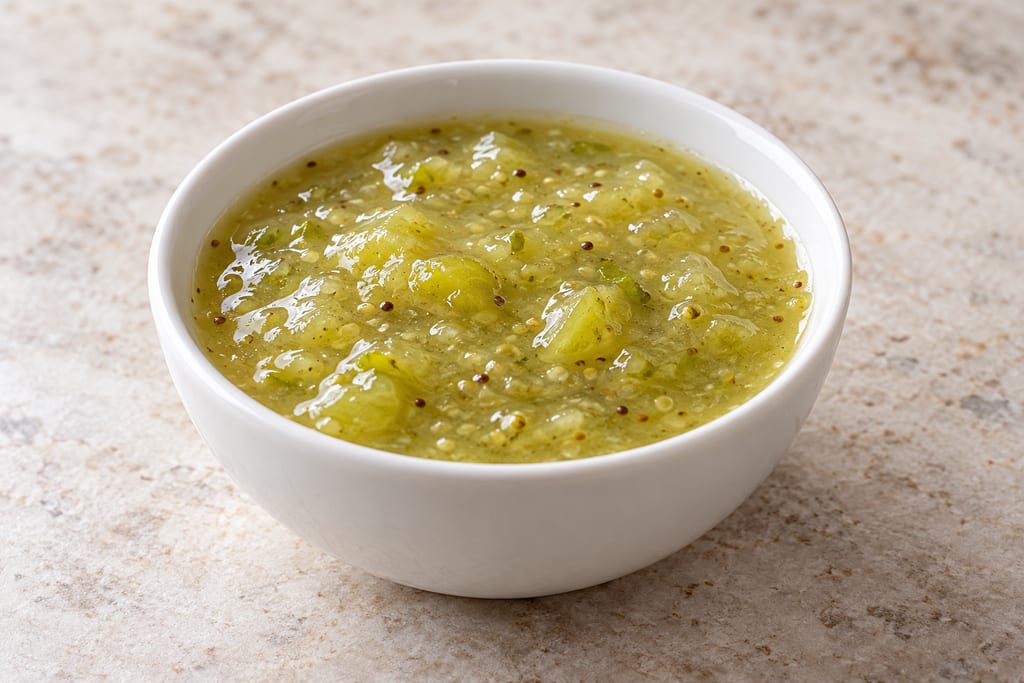
Gooseberry sauce is a soft, tart sauce of cooked green gooseberries, sharpened with wine or vinegar and lightly sweetened, traditionally served with mackerel.
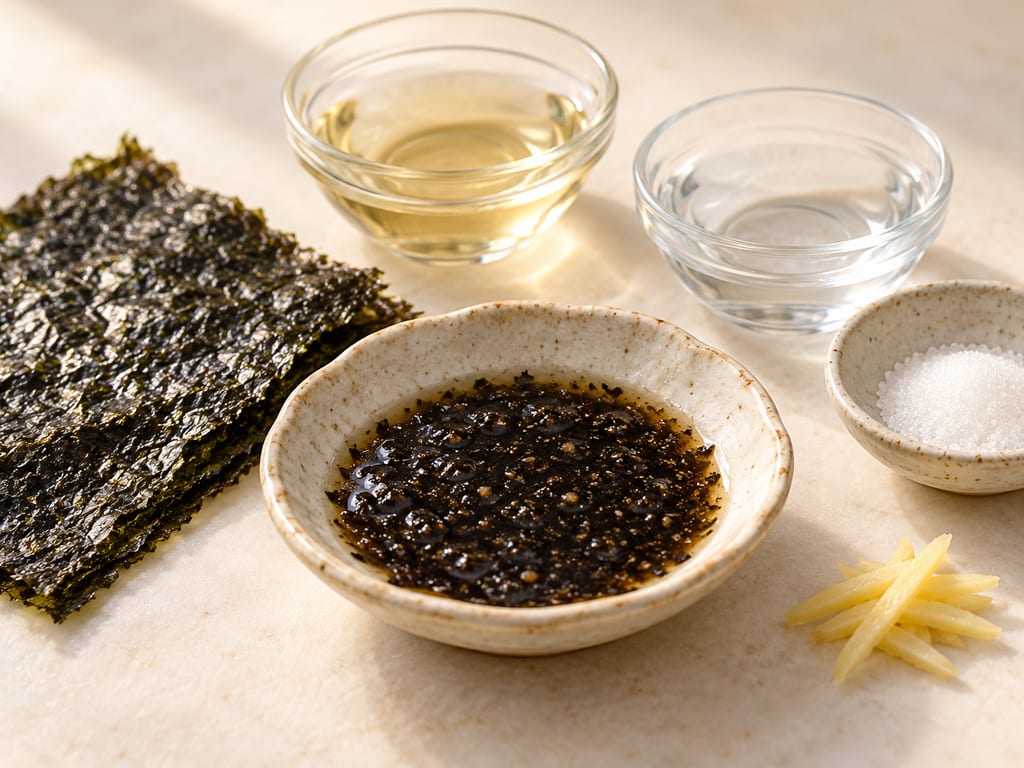
A fresh condiment in which crumbled nori softens in lightly sweetened vinegar and water. It is not vinegar fermented from seaweed.
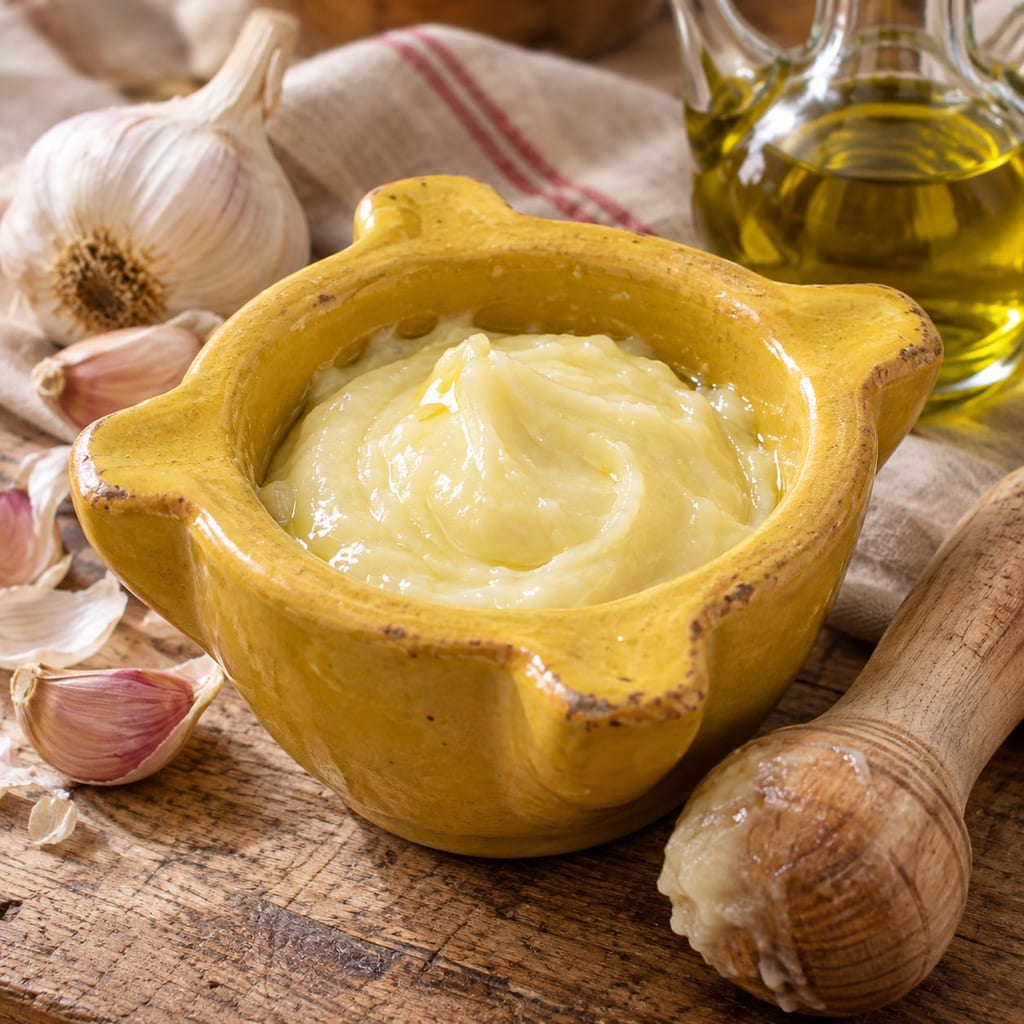
Traditional Catalan allioli is a dense emulsion of garlic, olive oil and salt made slowly in a mortar. This measured Barcelona-style version keeps egg-based garlic mayonnaise distinct.
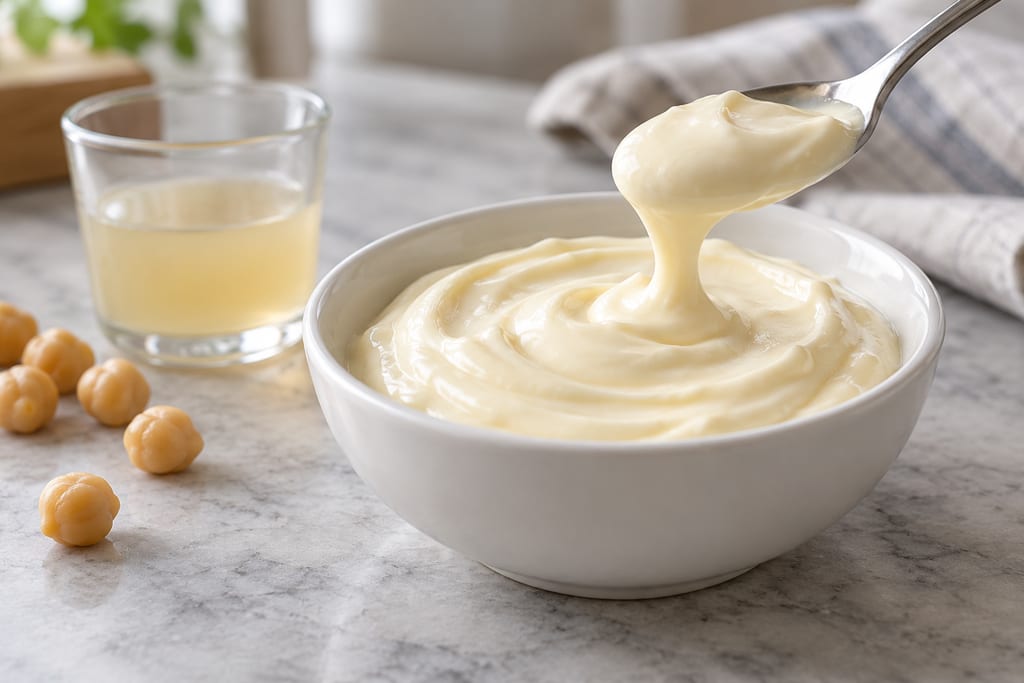
An eggless, untested emulsion made with canned chickpea liquid. Nominal yield 255 g.
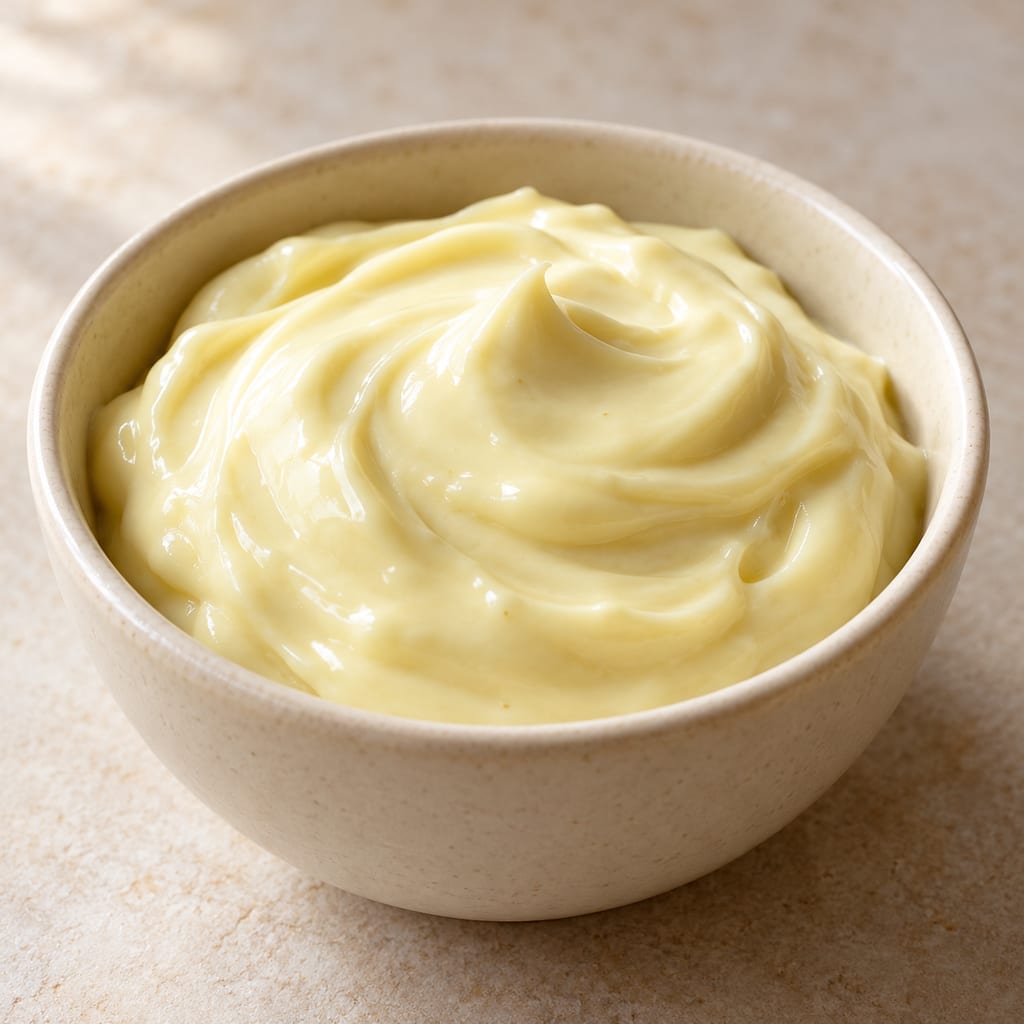
Avocado-oil mayonnaise is an ordinary egg-and-oil emulsion in which avocado oil supplies the oil phase. The oil changes flavour and colour, and it does not preserve the sauce.
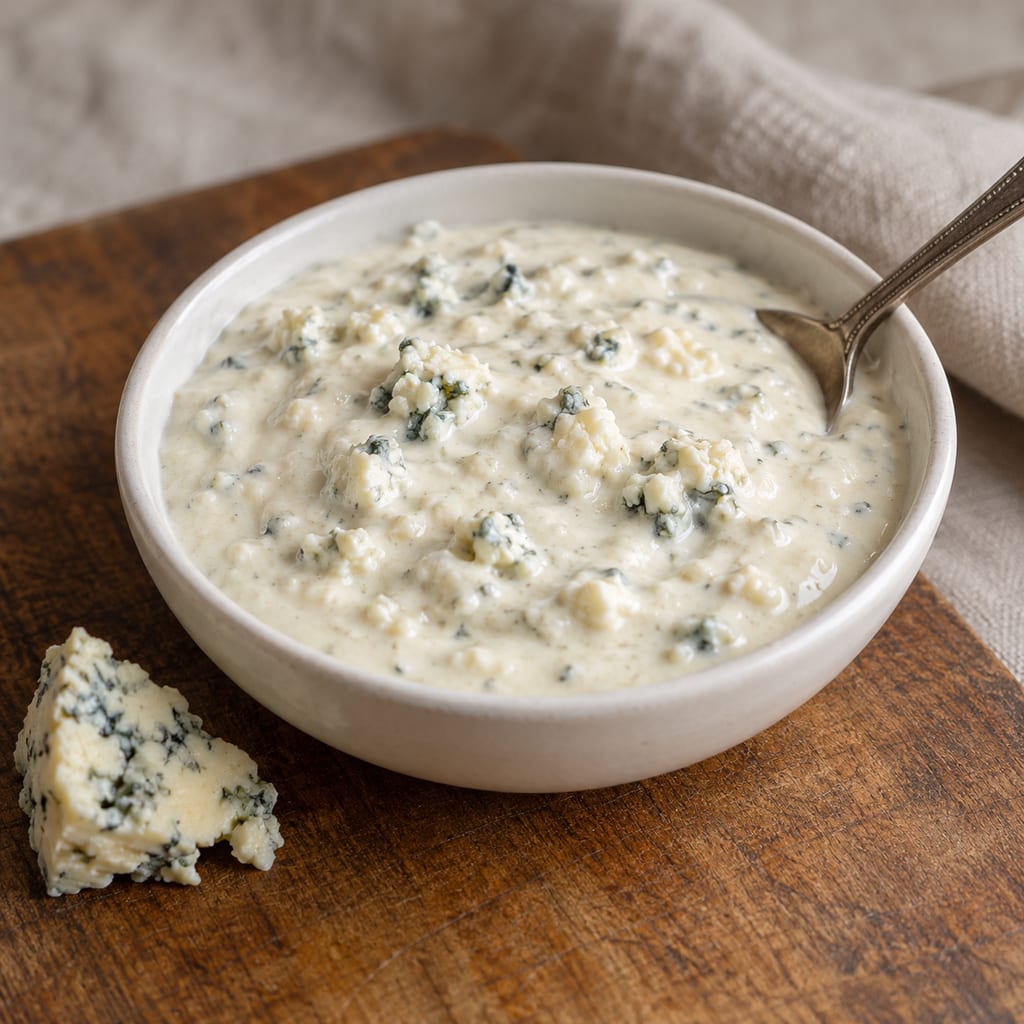
Blue cheese dressing is a creamy dressing built on crumbled blue cheese mashed into buttermilk, with sour cream, mayonnaise, vinegar and seasoning, and kept cold for up to two weeks.
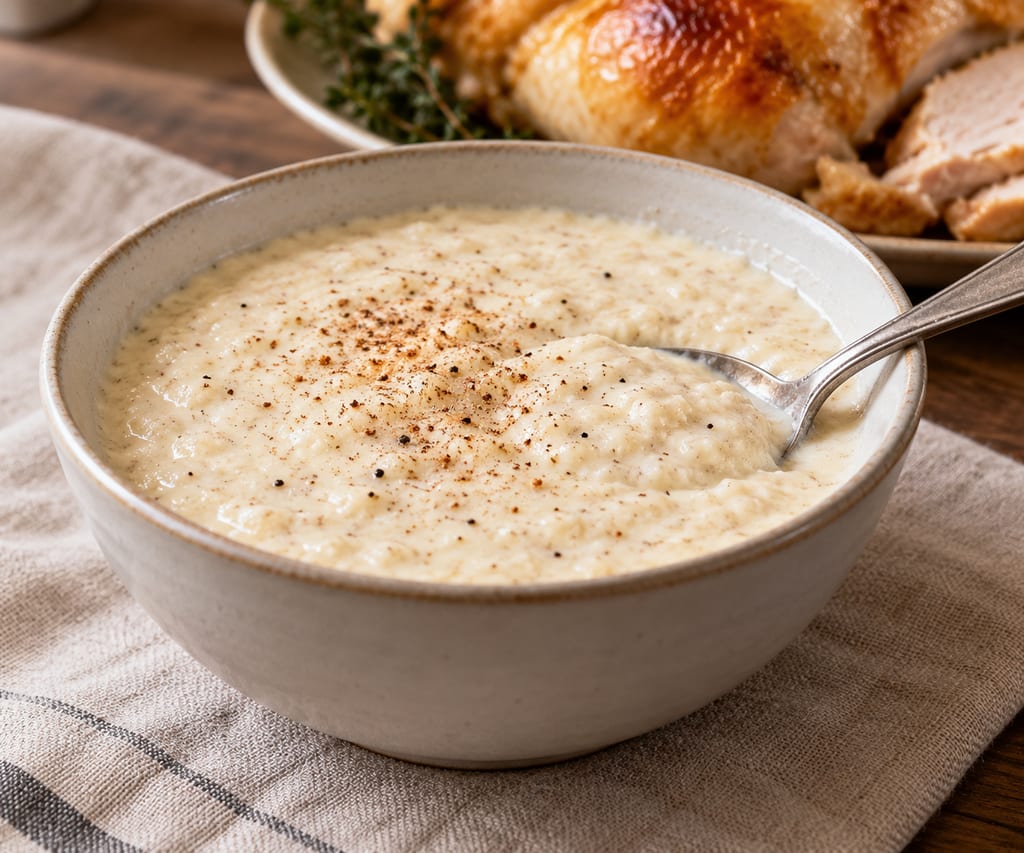
Bread sauce is a British sauce of milk infused with onion, clove and bay, thickened with stale breadcrumbs and finished with butter, served with roast chicken or turkey.
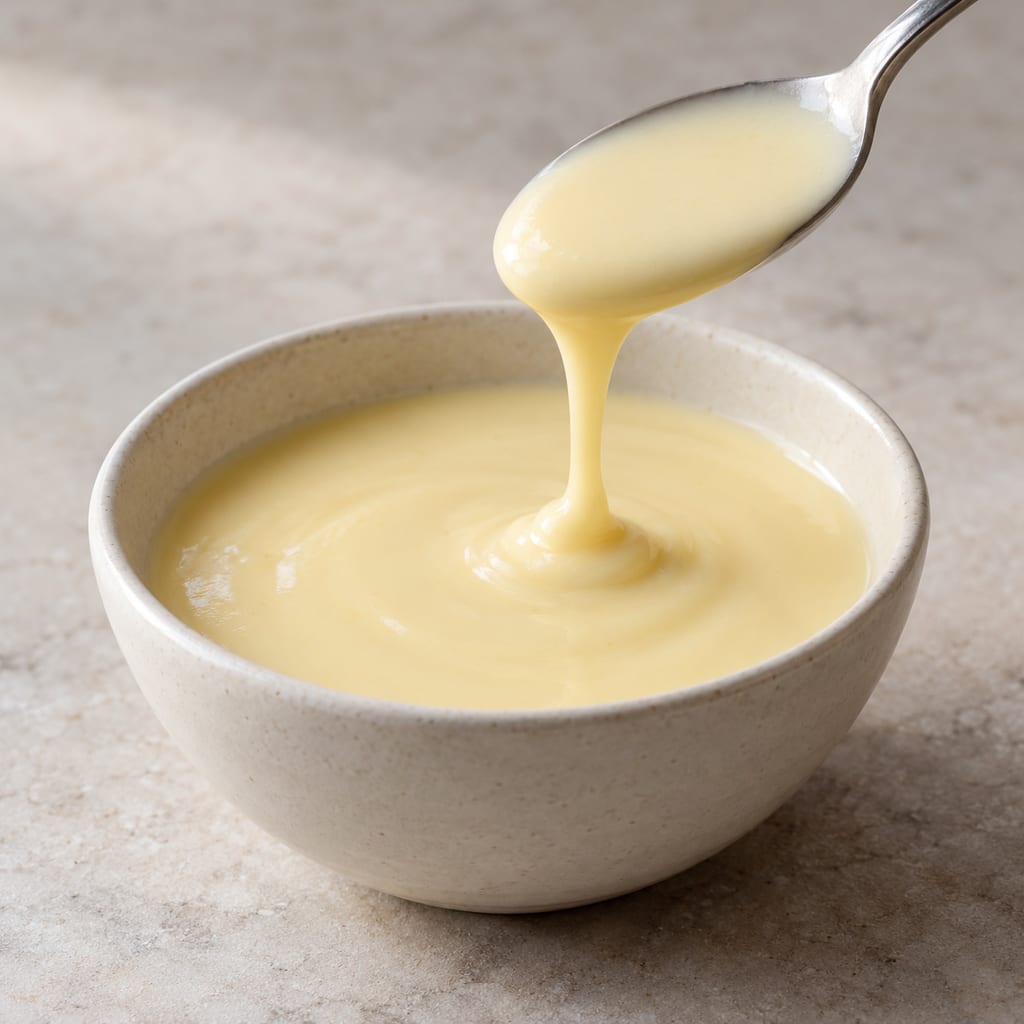
Starch-thickened salad-cream prototype with pasteurised yolk added after cooling; not a Heinz copy. Approximate yield 300 g.
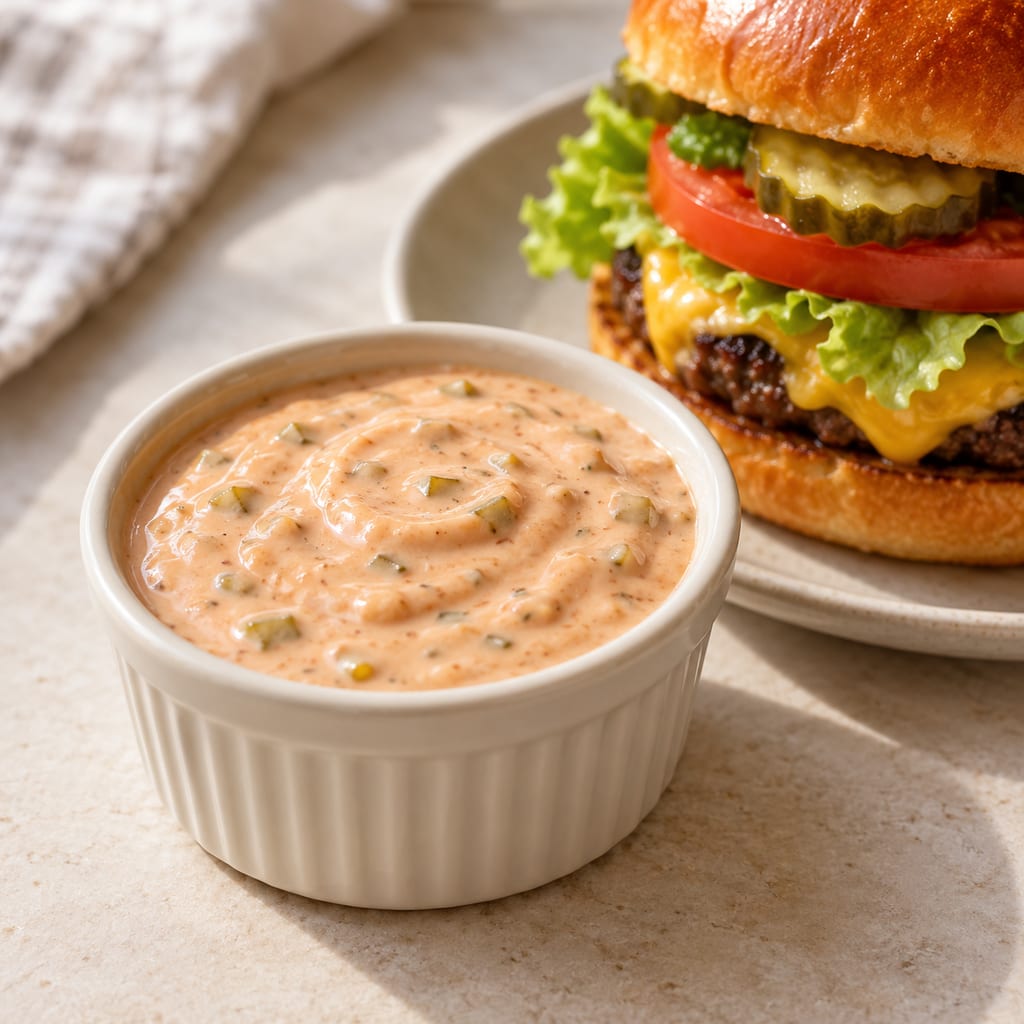
Mayonnaise mixed with ketchup, drained pickle relish and yellow mustard makes a tangy, pickle-flecked sauce for burgers; these proportions are an untested starting point.

Soft, spreadable Calabrian pork sausage made with a great deal of red chilli and fatty pork, stuffed into natural casings, sometimes smoked and matured while staying soft.

A way to add independent temperature logging to an existing food dehydrator without changing its built-in controls or protections. It is a monitoring method, not a rewiring plan.

Pleurotus cystidiosus is the abalone mushroom, a cultivated oyster-type fungus with dark brown caps that grows more slowly and is more demanding than other Pleurotus species.

A dark, balanced vinegar from Emilia-Romagna made by combining cooked or concentrated grape must with wine vinegar, then acetifying and refining it in wood under a protected specification.

A living dairy inoculum that starts controlled cream fermentation, developing acidity and aroma before sour cream or cultured butter is finished.

A small electric incubator holds jars at a selected temperature for yogurt and other documented warm food preparations. Controls, capacity and vessel arrangement vary by model.

Adygean salt is a seasoned table salt associated with Adygea and the wider North Caucasian culinary tradition. Salt is blended with garlic and a variable selection of herbs and spices; the exact mix depends on the named style and maker.

The African Caesar-group mushroom, Amanita masasiensis, is a wild ectomycorrhizal species of central and southern African woodlands, eaten locally. The genus contains deadly poisonous species, so identification needs care.
No community contributions have been published for this entry yet.
Sign in to contribute. Published comments and photos are free to read.
WikipediaHistory · Method · Serving
Sauce viergeFrance as place of origin; popularised in the 1980s by Michel Guerard; modern classic; cites a 2007 trade article
Olive oil, lemon juice, chopped tomato, chopped basil; crushed coriander seed frequently added; herbs infused in the oil; served hot or cold
Served with shellfish and white fish such as cod and sole, sometimes over pasta
Cited in: Overview; Name and history; Ingredients and their roles; Method; Serving; Storage and safety; Unknowns
MasterClassMethod · Storage
Chef Thomas Keller's sauce vierge recipeCan be prepared up to a day ahead and refrigerated
Bring to room temperature before serving so the olive oil is not congealed
Cited in: Overview; Method; Storage and safety