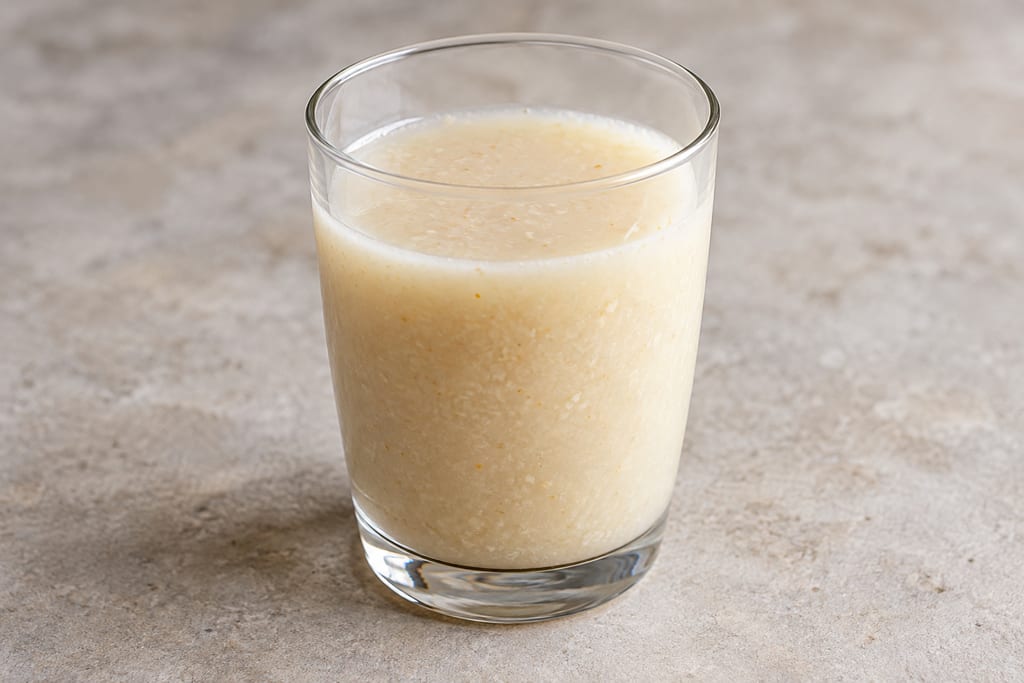
Zambian chibwantu from maize grits and munkoyo root
A Zambian cereal drink built on coarse maize grits rather than meal, saccharified with an extract of wild munkoyo roots and then left to ferment spontaneously.
 FermenteaWhere food goes to change
piri piri · Piri piri · Piri-piri · Pili pili · Peri-peri
A chilli sauce built on the African bird's eye chilli, the cultivar called piri piri, with garlic, citrus and an oily or acidic base; its origin is uncertain and linked to Portuguese trade in southern Africa.
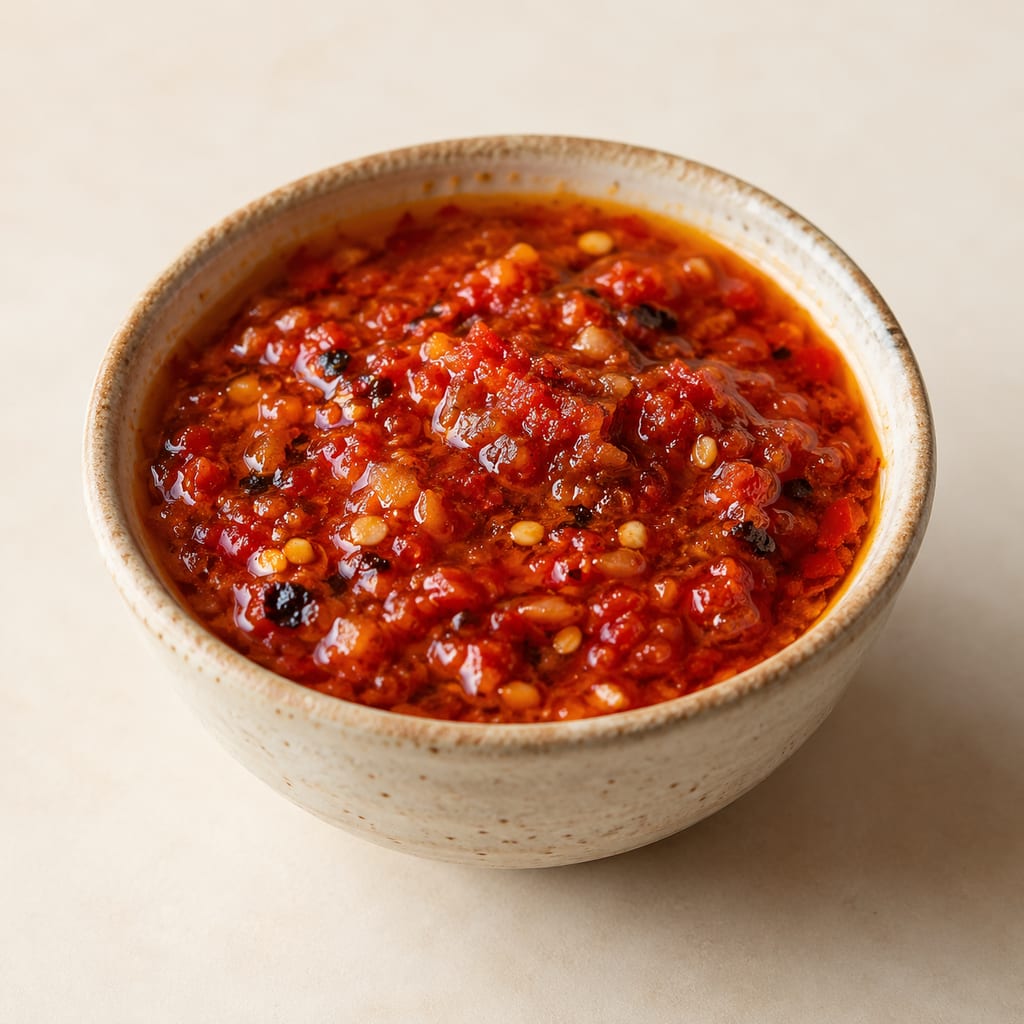
Peri peri and piri piri are two spellings of one sauce, and both refer to one chilli. The chilli is a cultivar of Capsicum frutescens, usually called the African bird's eye chilli, and Wikipedia treats it as derived from the malagueta pepper. The word is traced to the Ronga word for pepper in southern Mozambique, and the spelling pili pili echoes the Swahili pilipili, also meaning pepper. Peri peri is the common English form, partly through its use in South Africa.
The chilli is small and bushy, and it is hot: Wikipedia gives the cultivar a heat of 50,000 to 175,000 Scoville heat units. The fruit ripens from green to bright red or purple.
The sauce belongs to the Portuguese presence in southern Africa. Wikipedia says the cultivar was produced by Portuguese explorers in Portugal's former southern African territories and spread to other Portuguese colonies. Wild chilli grew in Africa for centuries before that.
The origin is uncertain. The sources do not establish that the sauce was made in Mozambique, and it may have begun anywhere in the Portuguese empire. Some online accounts date it to the fifteenth century, but the chilli reached Africa only after contact with the Americas, so that date is not supported by the sources reviewed here.
Recipes are consistent in their core: chilli, garlic, an acid such as lemon juice or vinegar, and salt. Many add an oily base, usually olive oil, and some add smoked paprika or sweet red pepper for body. Herbs such as oregano, basil or tarragon, and citrus peel, appear in some versions. There is no single fixed formula, and the balance changes with region and use, as a table condiment or a marinade.
The sources give no fixed proportions, so the method above is a pattern rather than a measured recipe. Crush the chilli with garlic and salt, add the acid and oil, and adjust by taste.
Peri peri is used as a seasoning, a marinade and a table sauce, and it is the basis of the chicken dishes often linked with it. Its heat is the point of the sauce, so the cook chooses the chilli and the amount to suit the eater.
Keep the sauce refrigerated. The sources reviewed give no validated shelf life. Garlic in oil needs cold storage, and no room-temperature preservation method is established here.
Wikipedia says the piri piri cultivar was produced by Portuguese explorers in Portugal's former southern African territories and that the Oxford Dictionary traces the word to the word for pepper in the Ronga language of southern Mozambique. The sauce's origin is uncertain, and the article gives no specific dates. Several websites date the sauce to the fifteenth century, but no reliable source supports that date and it conflicts with the New World origin of chillies.
Scaling: not stated
Capsaicin on hands and eyes causes burning; wear gloves when chopping large amounts.
Hazard sourceGarlic in oil is a botulism risk when stored without acidity or refrigeration. Keep the sauce refrigerated.
Hazard sourceRefrigerate promptly and keep cold.
Control sourceHeat varies widely; the Wikipedia article gives the cultivar 50,000 to 175,000 SHU.
Wikipedia says the cultivar was produced by Portuguese explorers in Portugal's former southern African territories and that the sauce may have been made in any part of the Portuguese empire; no reliable source places it in Mozambique specifically.
Commercial cultivation of the chilli is listed for Zambia, Uganda, Malawi, Zimbabwe and Rwanda; this row records a growing area, not a sauce origin.
A Zambian cereal drink built on coarse maize grits rather than meal, saccharified with an extract of wild munkoyo roots and then left to ferment spontaneously.
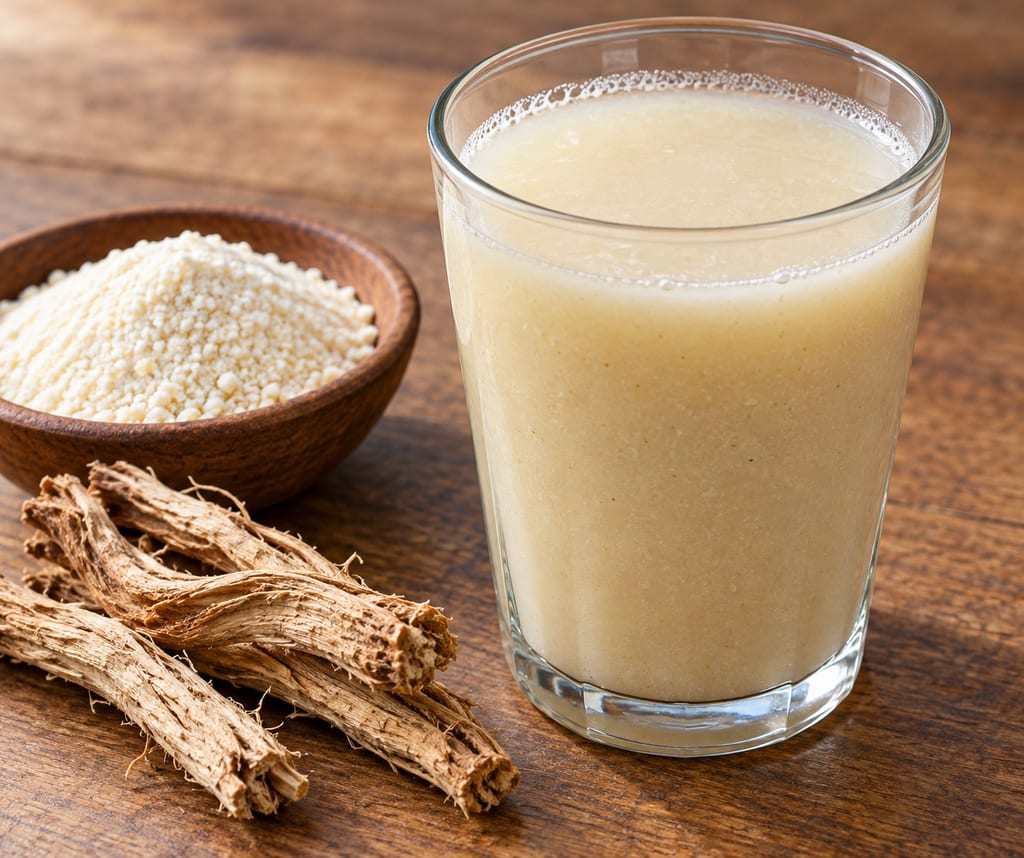
A creamy, mildly sour Zambian cereal drink in which the dug roots of wild legumes supply both the enzymes that break the cooked starch down and the microorganisms that then ferment it.
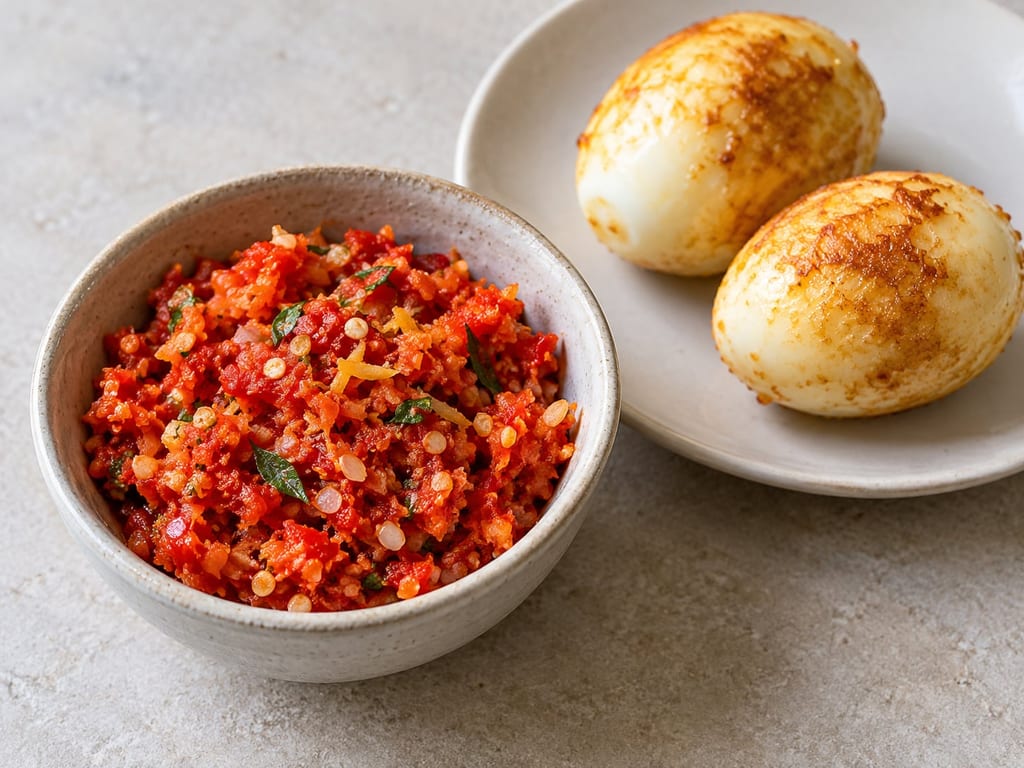
Ai-manas is described as a very hot chilli paste served with Timorese meals. One published version blends fresh chillies, shallots, garlic, Thai basil, ginger, lemon and salt, and serves it with eggs. Sources do not establish a standard formula, precise birthplace or earliest date.
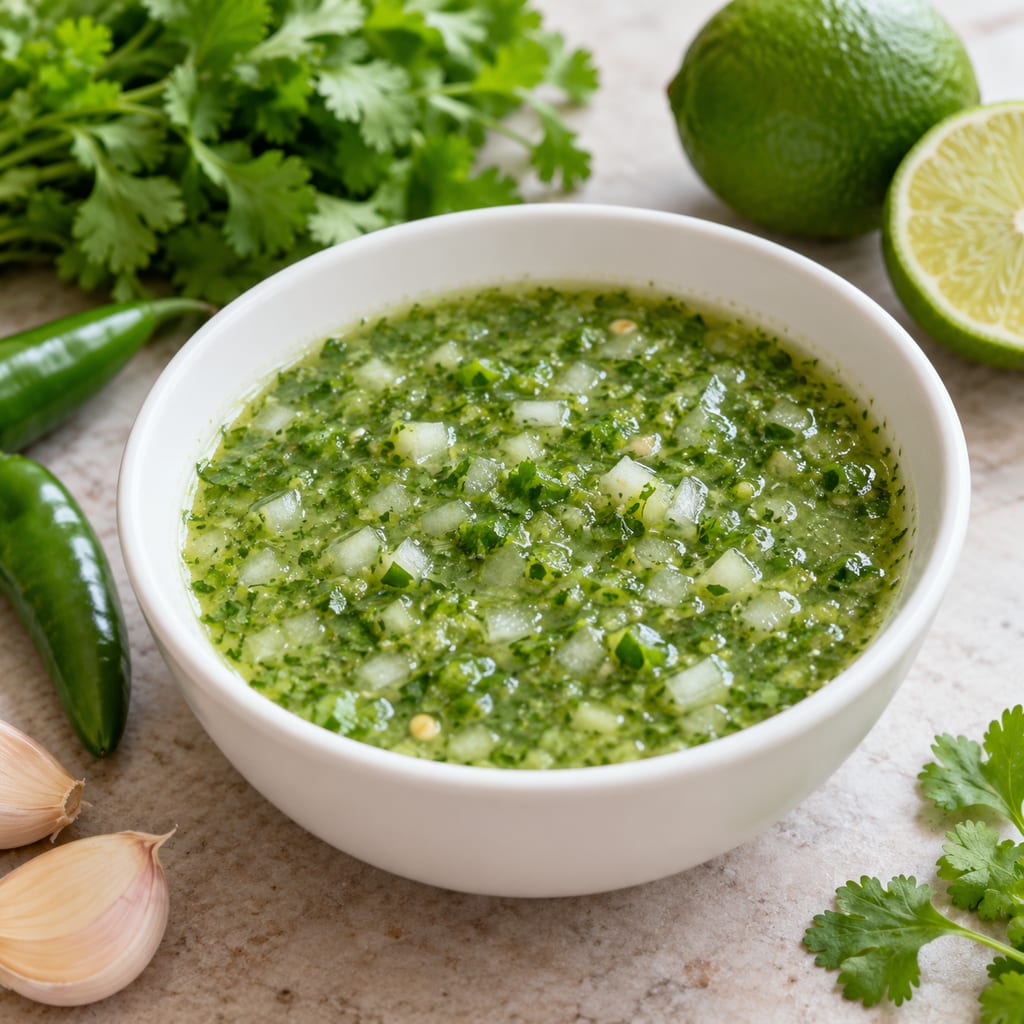
A fresh, uncooked Ecuadorian table sauce of hot pepper, cilantro, garlic and lime, served with most everyday dishes.
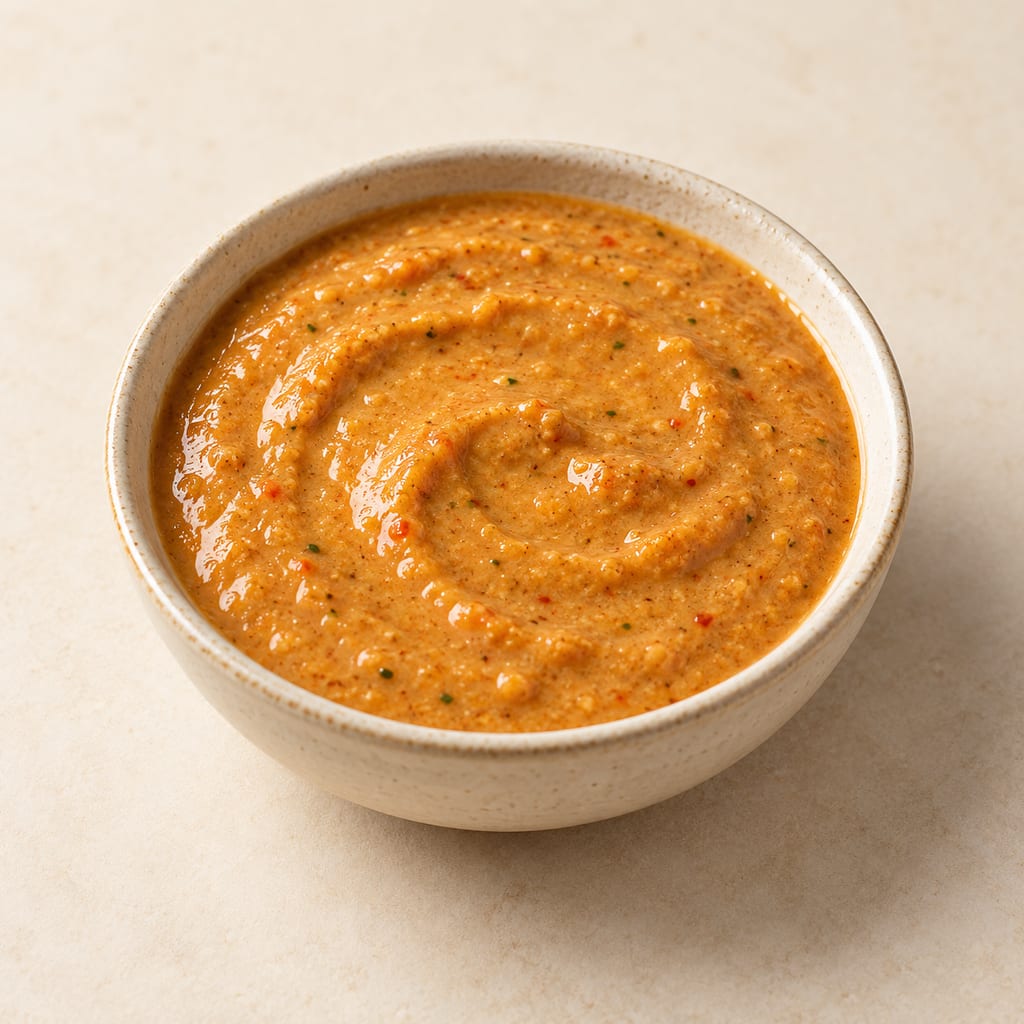
A spicy peanut hot sauce from the Popayán and Cauca region of Colombia, traditionally served with pipián empanadas and tamales.
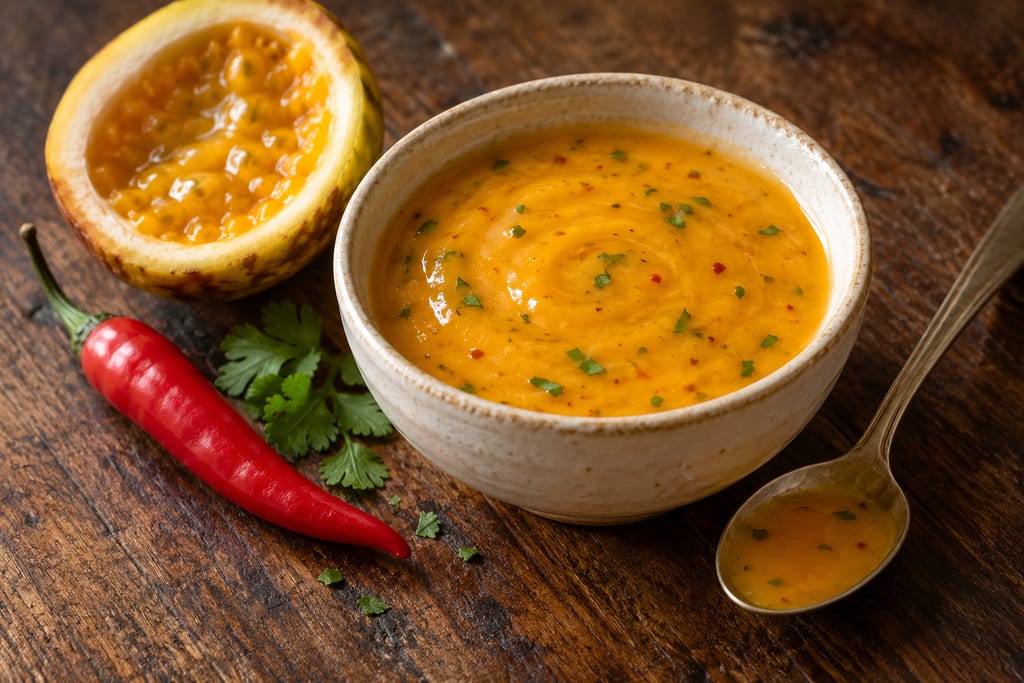
A contemporary Ecuadorian hot sauce that pairs passion fruit juice with boiled chile peppers, oil and lime.
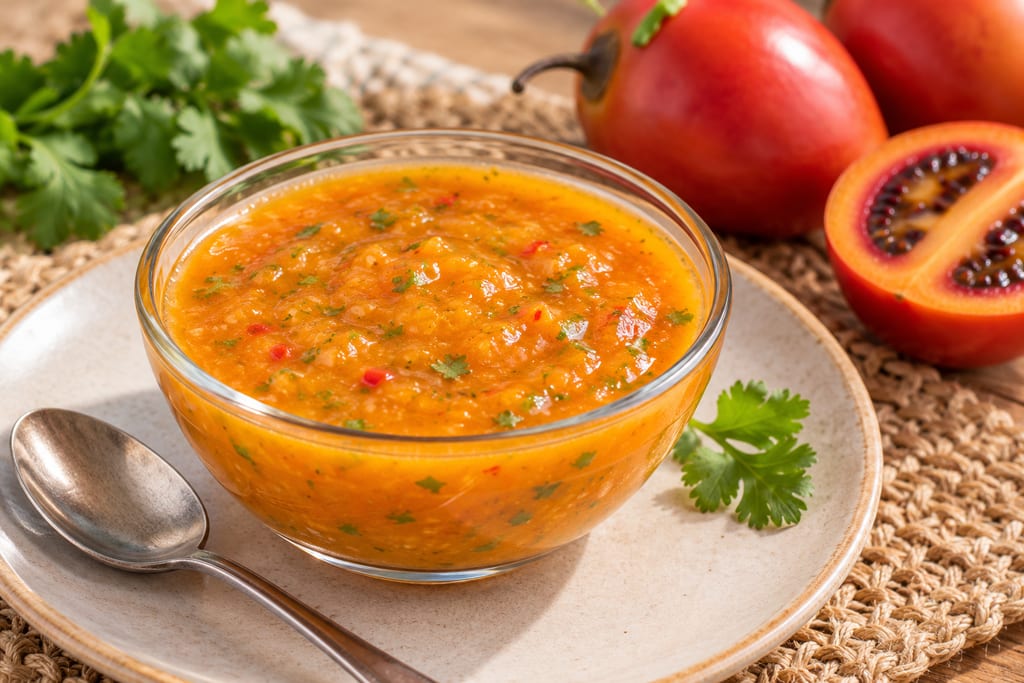
An Ecuadorian hot sauce built on tamarillo, a tart fruit that gives a sharper, fleshier base than ordinary tomato salsa.
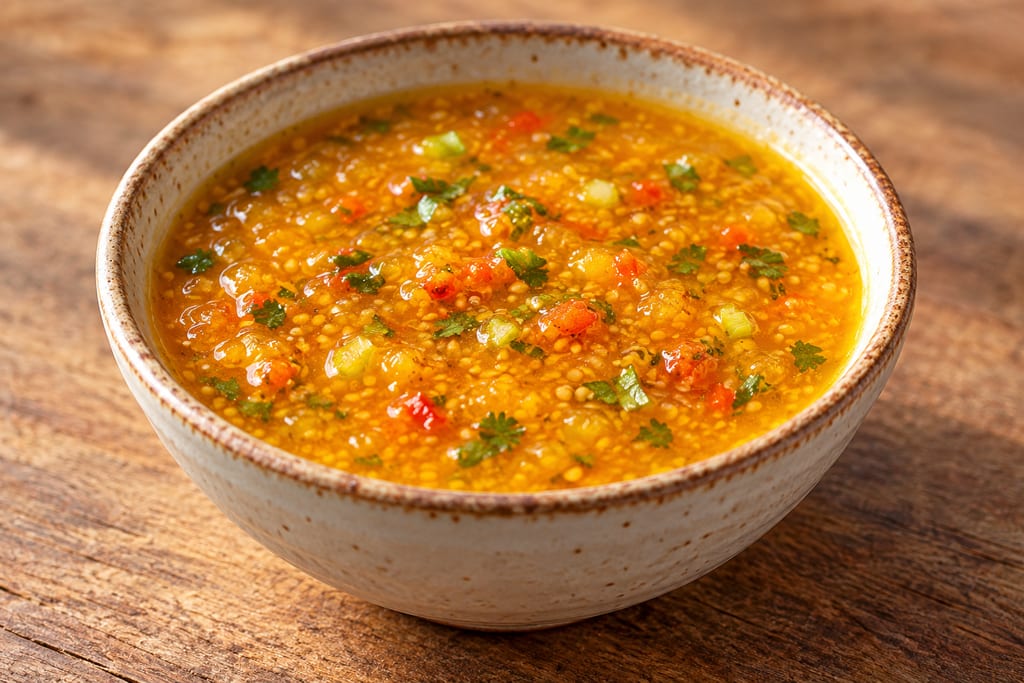
A sweet, tart and spicy Colombian sauce of uchuva, the yellow physalis fruit, with hot pepper, scallion, cilantro and lime.
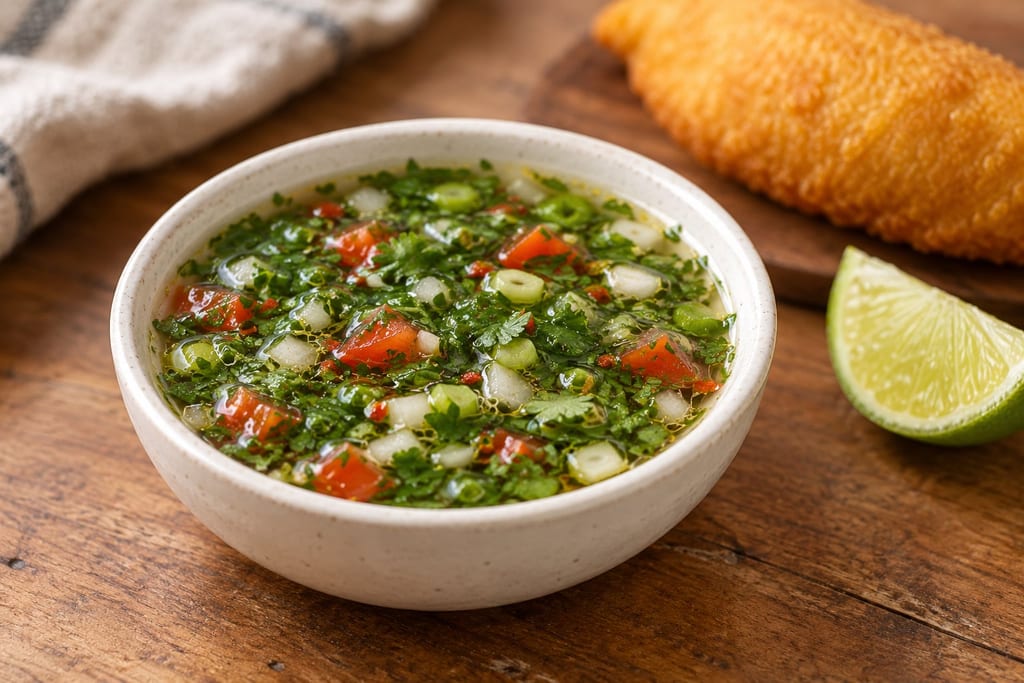
A fresh Colombian table condiment of chopped herbs, scallion and tomato in a vinegar and chile base, served beside fried and filled dishes.
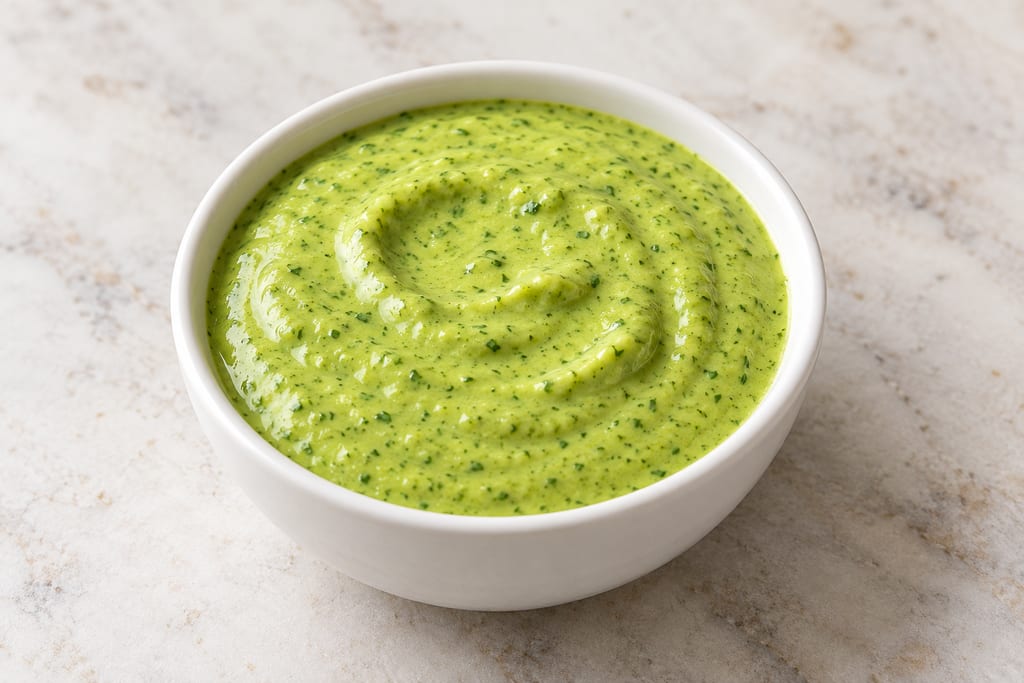
Ají verde is a Peruvian green sauce of coriander, chilli, onion and garlic in a mayonnaise or cheese base. It is best known through Peruvian restaurant cooking abroad.
No community contributions have been published for this entry yet.
Sign in to contribute. Published comments and photos are free to read.
WikipediaHistory · Method · Ingredients · Plant
Piri piriCultivar of Capsicum frutescens, derived from malagueta; Portuguese production in former southern African territories
Oxford Dictionary etymology from Ronga
Ingredient list: chilli, garlic, lemon, salt, spirits, citrus peel, onion, pepper, bay, paprika, basil, oregano, tarragon
Heat 50,000-175,000 SHU; growing areas
Cited in: A chilli and its name; Where the sauce came from; How it is made; Using it and keeping it
FoodSafety.govSafety
4 Steps to Food SafetyGeneral refrigeration guidance; does not validate a recipe-specific shelf life
Cited in: Using it and keeping it