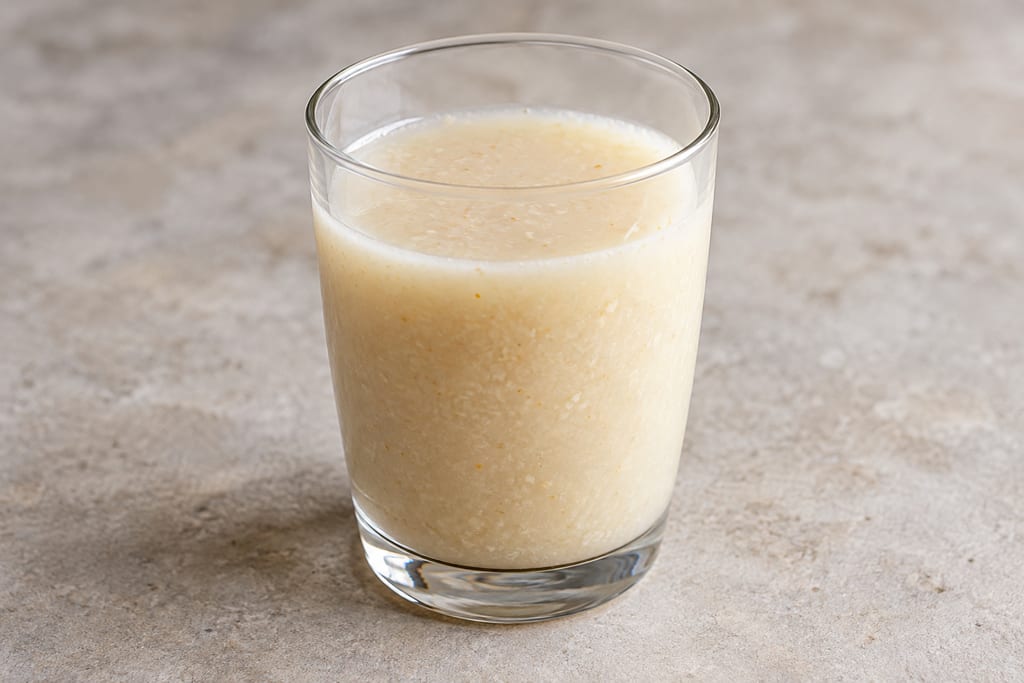
Zambian chibwantu from maize grits and munkoyo root
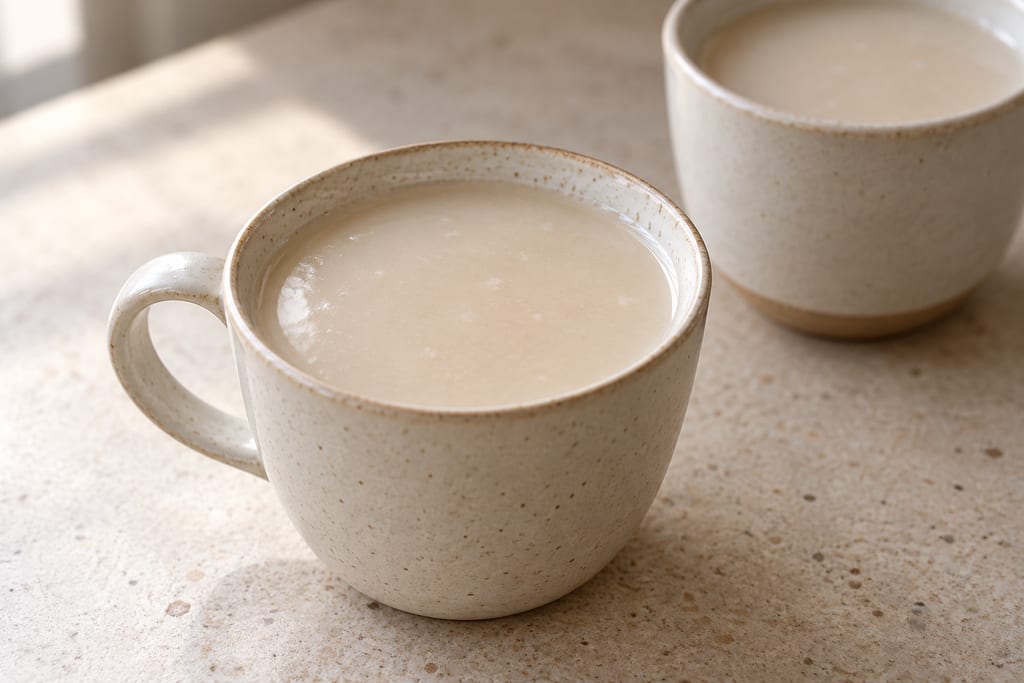
A Zambian cereal drink built on coarse maize grits rather than meal, saccharified with an extract of wild munkoyo roots and then left to ferment spontaneously.
 FermenteaWhere food goes to change
Traditional method
Munkoyo · Munkoyo · Chibwantu
A creamy, mildly sour Zambian cereal drink in which the dug roots of wild legumes supply both the enzymes that break the cooked starch down and the microorganisms that then ferment it.
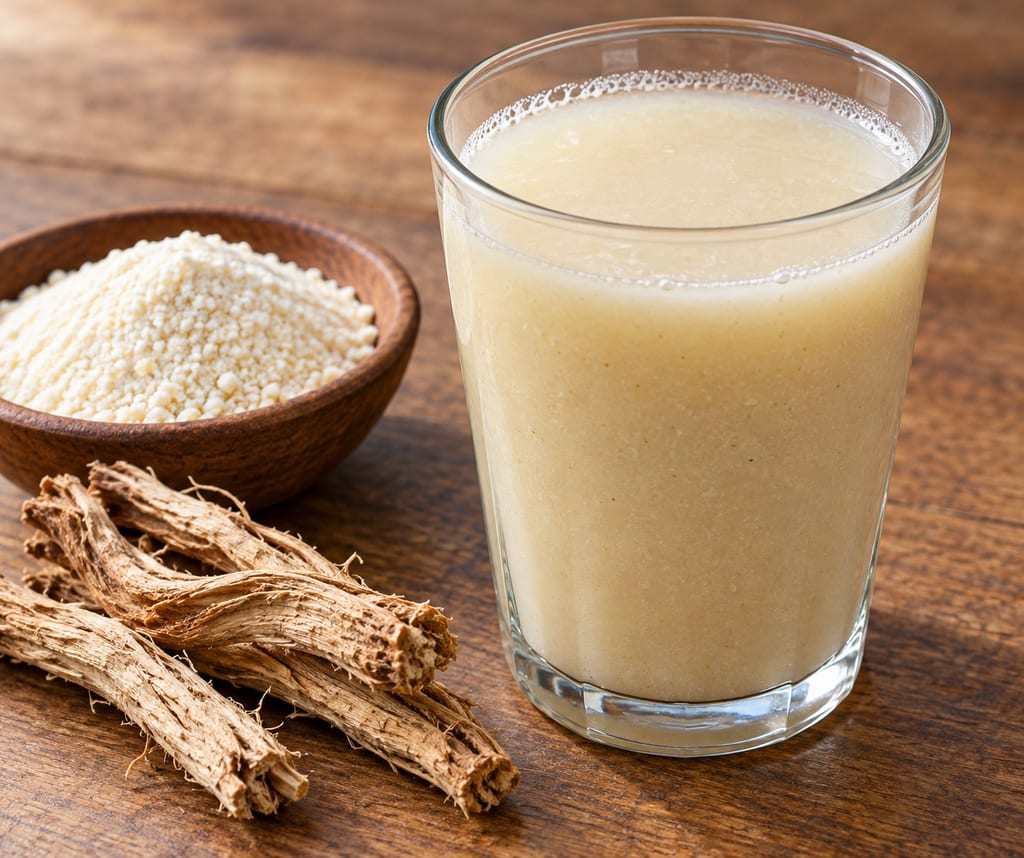
Munkoyo is a traditional cereal-based beverage produced in Zambia and neighbouring parts of central Africa, particularly the Democratic Republic of the Congo.
It is made by cooking cereals into a porridge, then introducing the roots of selected wild plants. The roots contain starch-degrading enzymes and carry microorganisms capable of contributing to fermentation.
The resulting beverage is usually creamy or cloudy, mildly sour and associated with fresh, non-intoxicating consumption.
The word munkoyo identifies both the drink and a group of plants whose roots are used to prepare it. This dual meaning is important: the special ingredient is not a commercial yeast, a grain malt or an ordinary herbal flavouring.
It is a biological source of enzymes and microorganisms.
Maize, Zea mays, is now a common cereal substrate. Sorghum, Sorghum bicolor, and millet are also documented.
The root plants belong principally to selected members of the legume family, Fabaceae.
A 2025 Zambian botanical investigation identified three commonly used species:
- Rhynchosia insignis - Rhynchosia heterophylla - Eminia holubii
Older literature also mentions some Vigna species.
These are botanical identifications, not interchangeable names for one plant.
The modern Zambian name is ordinarily written munkoyo in the Latin alphabet. Its spelling and pronunciation can vary locally.
Closely related drinks include chibwantu, particularly associated with central and southern Zambia. The geographical boundary is not absolute, and some studies describe chibwantu as a regional processing variation within the same wider family.
Munkoyo production is particularly associated with Zambia's northern and Copperbelt regions.
The beverage is prepared for household consumption and for gatherings such as weddings, funerals, church meetings and traditional ceremonies.
Brewing is frequently undertaken by women, who maintain practical knowledge of cereal selection, root identification, suitable cooking consistency and fermentation.
Because the beverage is generally regarded as nonalcoholic when fresh, it has also been consumed by children.
That customary classification does not mean that every batch is analytically free of ethanol.
Some reports describe munkoyo being offered as a weaning drink, but a traditional record of such use is not evidence that uncontrolled fermentation is suitable for modern infant feeding. For infants, contamination risk and variable nutritional composition require particular caution.
The precise antiquity of the beverage is uncertain.
Sorghum and millet have longstanding agricultural histories in Africa, while maize arrived after transatlantic contact.
Modern maize-based preparations therefore represent historical adaptation within an existing regional knowledge system.
It would be misleading to present an unchanged maize-root recipe as an ancient precontact beverage.
What is distinctive is the use of wild roots to transform cooked starch into a fermentable substrate.
That technique places munkoyo in a broader global history of plant-assisted saccharification, alongside cereal malting and the use of microbial amylases in other fermentation traditions.
The plants used for munkoyo are not cultivated cereals. They are traditionally gathered from wild vegetation, including the understorey of miombo woodland.
Their roots can be relatively thick and fibrous.
Collectors dig up suitable roots, remove external material, beat or split them into strands and dry them before storage or use.
The identification of the correct species requires local botanical knowledge.
The 2025 Zambian investigation compared root plants collected in several districts and confirmed their identities using DNA barcoding.
The study found that the roots of Rhynchosia insignis and R. heterophylla were generally yellowish, while those of Eminia holubii were whitish.
Colour alone, however, is not a sufficient identification method.
The plants also differed in habitat preferences.
Rhynchosia insignis and Eminia holubii were associated particularly with sandy soils, whereas R. heterophylla occurred in areas with comparatively lower sand content.
This helps explain why regional producers may use different root species.
Root identity affects more than availability.
Different plants carry different enzymes and microbial communities, so substituting one authentic munkoyo root species for another can alter acidification, flavour and the final microbial population.
The roots are therefore a source of regional variation comparable, in some respects, to differences between cereal malt varieties or traditional starter cultures.
Cereal grains store energy mainly as starch.
Starch is composed of chains of glucose units, principally amylose and amylopectin.
Most fermentation yeasts and many lactic acid bacteria cannot directly use intact starch at the same rate that they use soluble sugars.
Before the cereal can support substantial fermentation, part of the starch must be hydrolysed.
Munkoyo roots contain amylolytic enzymes that perform this conversion.
An earlier chemical description of the hydrolysis products reported approximately 80% maltose, 17% maltotriose and 3% glucose in the resulting sugar mixture.
Those proportions characterise the reported hydrolysis system; they are not a fixed composition for every beverage.
Maltose contains two glucose units, maltotriose contains three, and glucose is a monosaccharide.
Different microorganisms can use these carbohydrates at different rates.
The root also carries microorganisms inhabiting or adhering to the plant tissue.
When introduced into the warm cereal preparation, those organisms can contribute to a mixed fermentation.
This is why the roots are sometimes called an inoculum even though their enzymatic role is equally important.
Production begins with maize meal, maize grits or another suitable cereal.
The cereal is combined with water and cooked.
Cooking is not merely a sanitation step. It makes starch more accessible to the root enzymes.
As starch granules absorb water and heat, they swell and gelatinise.
Gelatinised starch is much more vulnerable to enzymatic hydrolysis.
A field study comparing production in Choma, Nyimba and Kitwe found that preparations commonly used maize material mixed with 10 litres of water, followed by at least 45 minutes of cooking.
The quantity of maize varied, so these figures do not supply a complete universal recipe.
Different districts use different cooking practices.
A documented method from Nyimba heats water to approximately 60°C before maize meal is added.
The porridge is cooked for about 45 minutes, then cooled to 40–45°C.
Prepared munkoyo roots are placed in the porridge and left overnight before further fermentation.
The cooling stage matters because excessively hot porridge can inactivate enzymes and kill the microorganisms introduced by the roots.
A documented Kitwe method heats water to approximately 55°C before adding maize meal.
The meal may be cooked initially for one hour with limited stirring, allowing material to caramelise or brown.
It is then stirred and cooked for a further two hours.
After cooling to approximately 40–45°C, fresh roots are introduced for a documented four-hour contact period.
The roots and coarse burned material are subsequently removed.
This produces a different flavour from a shorter-cooked porridge because heating and browning generate additional aroma compounds.
Such compounds include products of Maillard reactions, in which reducing sugars interact with amino-containing compounds during heating.
A Choma process uses maize grits rather than the finer maize meal common elsewhere.
The grits are added to boiling water and cooked for approximately one hour.
In the documented sequence, the porridge is cooled to about 70°C, while the root material is soaked separately in water for 20 minutes.
The resulting extract is added to the porridge.
The precise temperature of the mixture after addition is not provided by that abbreviated process description, so the 70°C value must not be treated as the recommended temperature for all root enzymes or microorganisms.
This process is also associated with the regional name chibwantu.
The roots may be peeled, beaten, shredded or otherwise exposed before addition.
Increasing surface area helps release enzymes and microbial material into the cereal slurry.
Some producers immerse the roots directly.
Others soak them separately and add the resulting liquid.
The root contact stage may last for several hours or overnight, depending on locality.
During this period, enzymatic hydrolysis makes soluble carbohydrates available.
The mixture can become less viscous as long starch chains are broken into shorter molecules.
This thinning is one of the most observable technological effects of successful saccharification.
A thick porridge may become easier to pour even before substantial acidity develops.
The roots are often removed before the final beverage is served.
They are not generally intended to be eaten as a major solid ingredient.
After saccharification, microbial fermentation becomes increasingly important.
Lactic acid bacteria metabolise available sugars and produce lactic acid.
This lowers the pH and gives munkoyo its refreshing sourness.
Yeasts may also be present and can produce ethanol and carbon dioxide.
The result is a mixed fermentation rather than a completely alcohol-free chemical reaction.
Traditional production is often described as involving 24–48 hours of fermentation, with some field observations recording periods of up to three days.
The drink may be consumed while some residual sweetness remains.
If fermentation continues, the balance of carbohydrates, organic acids and ethanol can change.
The commonly used description nonalcoholic therefore refers to customary fresh consumption rather than guaranteed analytical zero-alcohol content.
A study of Congolese munkoyo documented starch hydrolysis at temperatures above 43°C and measured the subsequent progress of fermentation.
It found progressive acidification as fermentation continued.
The final composition depended on the precise process conditions.
A later Zambian investigation demonstrated that root identity and geographical origin are major determinants of microbial and chemical variation.
In experiments published in 2026, beverages made using different root species reached final pH values between approximately 3.5 and 4.5 after 72 hours.
Rhynchosia insignis produced the lowest final pH in the tested comparison, while Eminia holubii supported faster acidification.
Root collection location also affected aroma compounds and microbial community structure.
The result is important: two producers can follow broadly similar handling steps yet obtain different fermentation trajectories because they use roots from different species or habitats.
The same study found that substituting sorghum for maize changed microbial and metabolic characteristics without necessarily producing a comparably large difference in final pH.
This suggests that the starter-root ecology can be at least as important as the grain choice in determining the finished beverage.
One 2026 experimental protocol described the following laboratory procedure:
The researchers prepared root extract by soaking 5 g of dried root material in 300 mL of previously boiled water at 40–45°C for two hours.
Separately, 2,700 g of cereal meal was added to approximately 20 litres of water initially heated to 60°C.
The resulting porridge was cooked for two hours, then cooled to 40–45°C.
For each experimental fermentation, 200 mL of porridge was combined with 300 mL of root extract and associated roots.
The preparations were incubated at 28°C for 72 hours.
This is a precisely documented research formulation designed for comparative microbiological analysis.
It should not be confused with a universal household recipe, and it does not by itself establish commercial food safety.
The most important variations concern cereal grain, degree of cooking, root species, direct-root versus root-extract addition, fermentation time and final straining.
Munkoyo produced from browned or caramelised maize develops different roasted notes from a shorter-cooked version.
Maize-grit preparations can retain more coarse suspended material.
Sorghum changes the flavour and nutrient composition.
Fresh and dried roots may introduce different initial microbial populations, depending on storage and handling.
The distinction between munkoyo and chibwantu is therefore partly regional and partly technological.
They belong to a shared root-assisted fermentation tradition but are not necessarily identical beverages.
Munkoyo is commonly served fresh and cool as a refreshing drink.
It can be consumed with meals or offered at communal gatherings.
Its combination of carbohydrate, acidity and suspended cereal material makes it more substantial than plain water or a clear soft drink.
It is also prepared for celebrations and social events.
The beverage is generally valued for its sweet-sour taste and familiar cereal aroma.
No single obligatory food pairing is established by the research.
A typical finished munkoyo should show some degree of acidification, a creamy or cloudy appearance and a flavour consistent with the chosen cereal and roots.
Reduced viscosity during root contact can indicate enzymatic activity.
Fermentation can produce mild gas formation and aromatic changes.
An absence of expected acidification may indicate inactive enzymes, unsuitable root material or failure of the fermentation community.
Visible mould, putrefactive odours, contamination by insects or inappropriate chemical smells are reasons to reject a batch.
Appearance alone cannot establish microbial safety.
The greatest practical risks arise from incorrect plant identification, contaminated roots, poor cereal handling and uncontrolled fermentation.
Only correctly identified traditional root species should be used.
The use of arbitrary roots from other Fabaceae plants is unsafe because related species can have very different chemical properties.
The tradition also depends on wild plant populations.
Harvesting roots can kill or severely damage the plant, making sustainable collection and botanical conservation important.
For food production, particularly commercial manufacture, root material should be authenticated and its microbiological quality assessed.
Cereal ingredients must be free from visible mould and appropriately stored.
The drink should not be assumed ethanol-free, particularly after extended fermentation.
For infant feeding, uncontrolled traditional fermentation is not an adequate substitute for age-appropriate, hygienically prepared nutrition.
There is no universal validated shelf life, alcohol limit or pH endpoint for all traditional munkoyo methods.
Munkoyo is prepared for household consumption and for gatherings such as weddings, funerals, church meetings and traditional ceremonies, and brewing is frequently undertaken by women who hold the practical knowledge of cereal selection, root identification, suitable cooking consistency and fermentation. Because the beverage is generally regarded as nonalcoholic when fresh, it has also been given to children, and some reports describe it offered as a weaning drink. What is technologically distinctive is the use of wild roots to turn cooked starch into a fermentable substrate, which places munkoyo in a broader global history of plant-assisted saccharification alongside cereal malting and the use of microbial amylases in other traditions. The word itself names both the drink and the group of plants whose roots make it, so the special ingredient is neither a commercial yeast nor a grain malt nor an ordinary flavouring, but a biological source of enzymes and microorganisms.
Scaling: source batch only
Only correctly identified traditional root species should be used: arbitrary roots from other Fabaceae plants are unsafe because related species can have very different chemical properties, and root colour alone is not a sufficient identification method.
Hazard sourceYeasts may be present and produce ethanol, so the customary description nonalcoholic refers to fresh consumption rather than a guaranteed analytical zero, particularly after extended fermentation.
Hazard sourceA traditional record of such use is not evidence that uncontrolled fermentation suits modern infant feeding: contamination risk and variable nutritional composition require particular caution.
Hazard sourceContaminated roots, poor cereal handling and uncontrolled fermentation are the main practical risks, and cereal ingredients must be free from visible mould and appropriately stored.
Hazard sourceUse authenticated root material of a correctly identified traditional species and assess its microbiological quality for food production
Control sourceCool the porridge before the roots are introduced so the enzymes and microorganisms survive
Control sourceUse cereal free from visible mould and store it appropriately
Control sourceThere is no universal validated shelf life, alcohol limit or pH endpoint for traditional munkoyo: the 2026 experiments reached pH between approximately 3.5 and 4.5 after 72 hours depending on the root species, which describes those comparisons rather than setting a target.
The 70°C cooling point in the Choma sequence applies to that process before a separately soaked extract is added; it is not a recommended temperature for root enzymes or microorganisms.
The drink should not be assumed ethanol-free, and for infant feeding uncontrolled traditional fermentation is not a substitute for age-appropriate, hygienically prepared nutrition.
Visible mould, putrefactive odours, insect contamination or inappropriate chemical smells are reasons to reject a batch, and appearance alone cannot establish microbial safety.
The tradition depends on wild plant populations and harvesting roots can kill or severely damage the plant, so sustainable collection and botanical conservation matter.
A regional association with Zambia's northern and Copperbelt regions, where production is particularly documented and brewing is frequently undertaken by women. Chibwantu is particularly associated with central and southern Zambia, and the geographical boundary between the two is not absolute.
A country-level association from the Congolese study that documented the enzymatic hydrolysis and acidification. No locality is claimed.
A Zambian cereal drink built on coarse maize grits rather than meal, saccharified with an extract of wild munkoyo roots and then left to ferment spontaneously.

From sour breads and milk to savoury seeds, cassava staples and living beers, African fermentation follows the crop, the community and the work of transformation.
A chilli sauce built on the African bird's eye chilli, the cultivar called piri piri, with garlic, citrus and an oily or acidic base; its origin is uncertain and linked to Portuguese trade in southern Africa.
A thick, faintly fizzy Ethiopian cereal drink in which a wheat dough is fermented, roasted dark, then fermented a second time with barley malt into a drinkable slurry.

Hi-ire is the Japanese heat treatment of finished sake, about 65 °C, used to stop re-fermentation and souring. Brewers applied it from the Muromachi era.
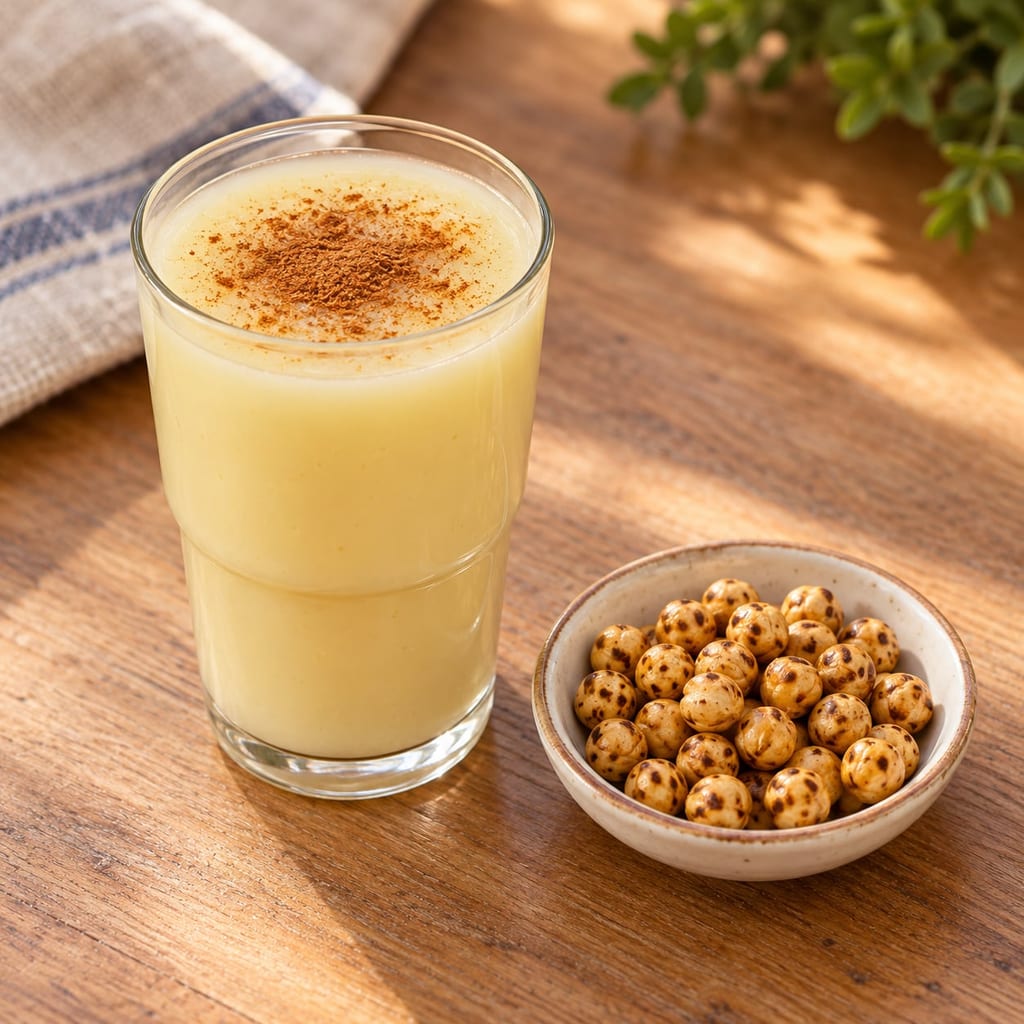
A thick, pale Turkish winter drink of bulgur and rice cooked to a soft cereal base, sweetened with grape molasses and fermented for two days.
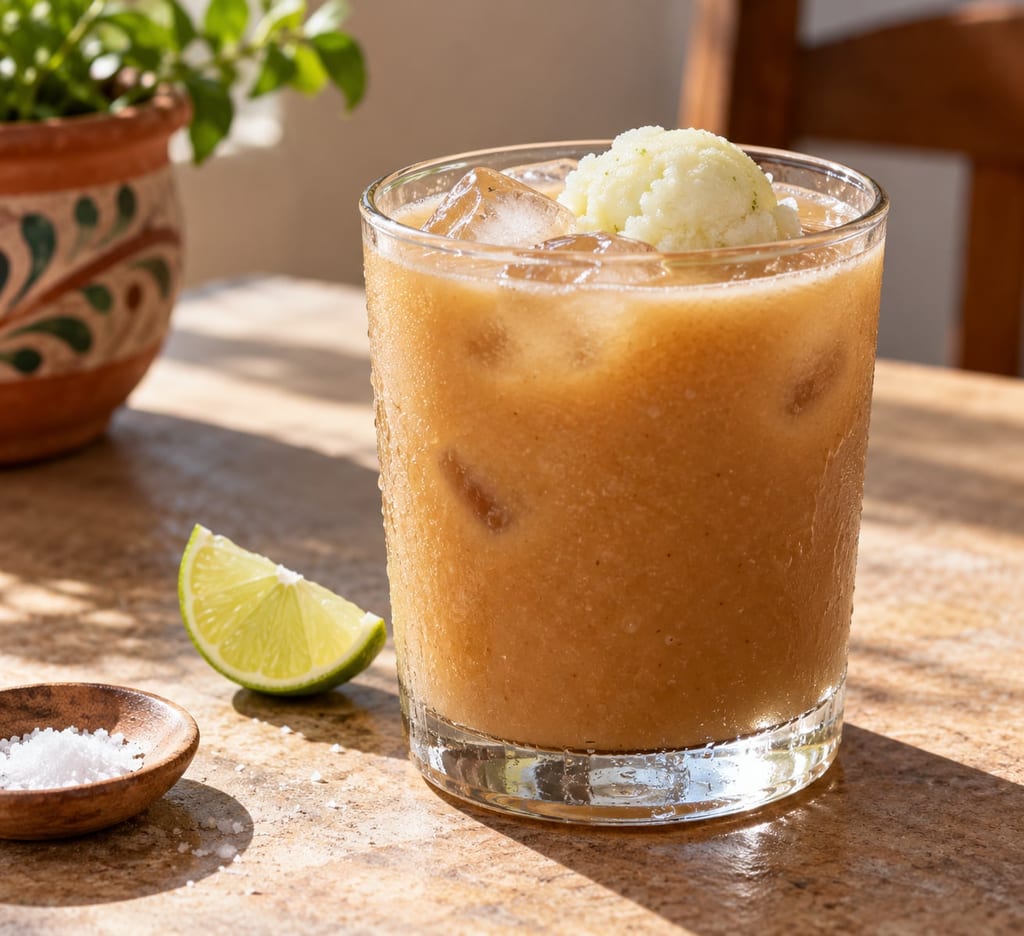
A tart, lightly fermented drink of Jalisco: nixtamalized maize masa cooked with piloncillo and limed, then diluted over ice and salted at serving.
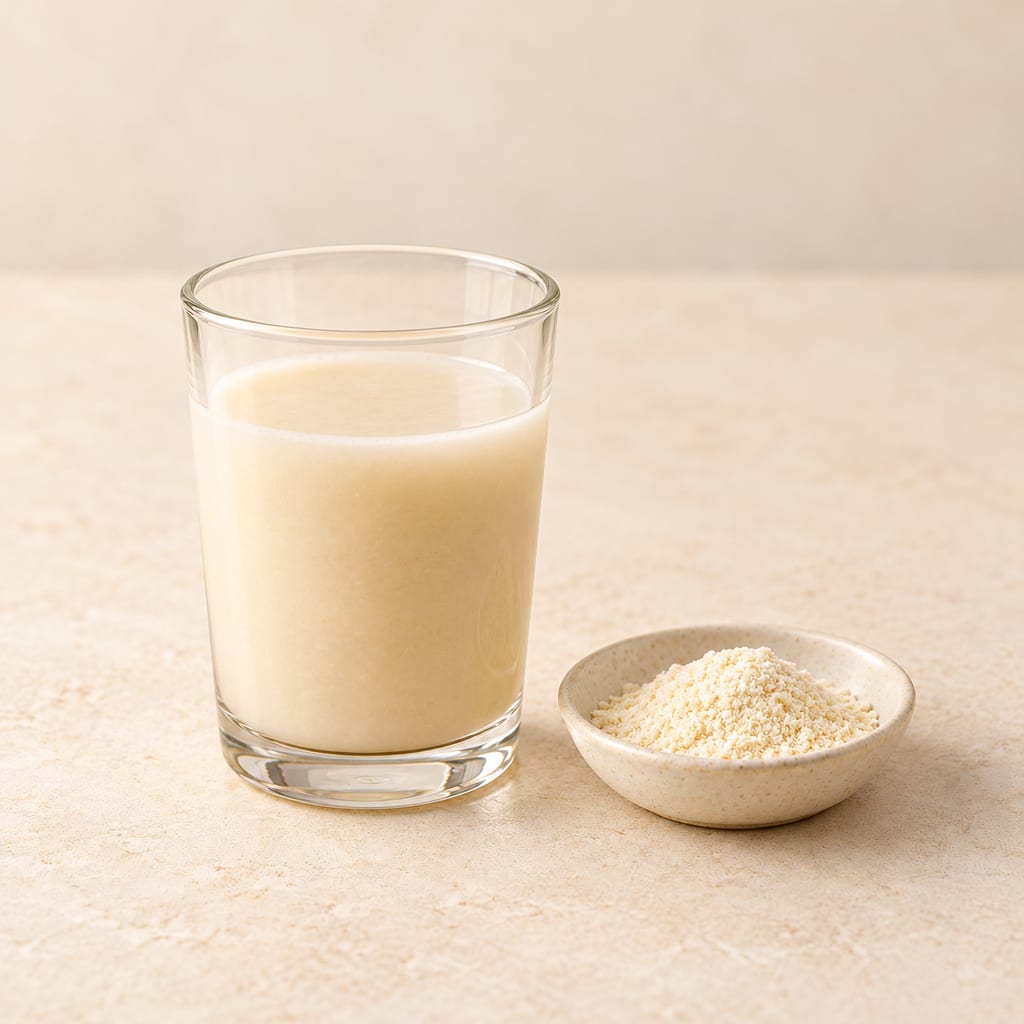
A Ugandan maize drink remade with a defined two-strain starter: roasted maize dough boiled to porridge, cooled and fermented under controlled conditions.
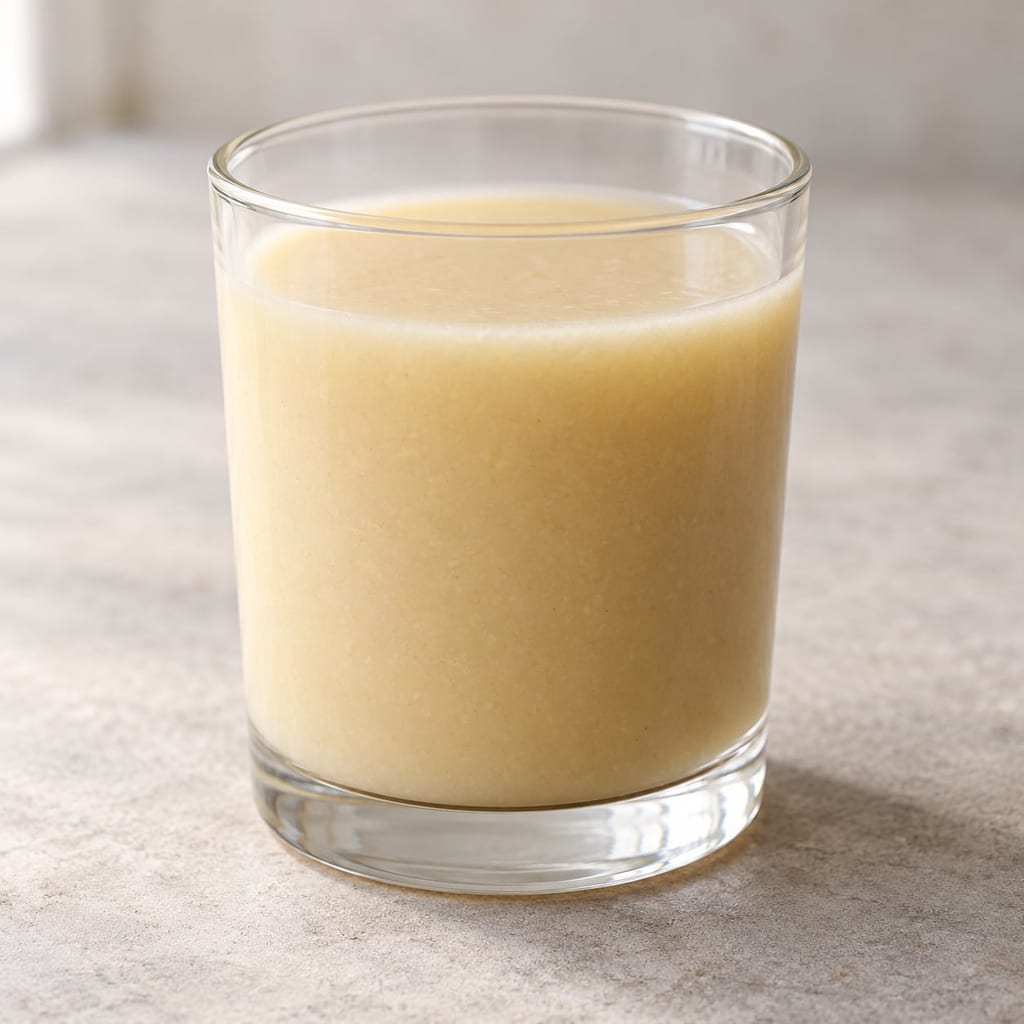
Kyrgyz Bozo is a mixed-fermented cereal drink made with ground grits, sprouted-wheat ugut and carried-over starter. This registry preparation leaves cereal selection, water and starter allocation unresolved.

A documentary entry on Latvian rye-bread kvass, preserved from a modern Latvian rye collection. It records a food tradition, not a home-fermentation method.
A documentary account of Zimbabwean mahewu and one producer's formula. Its quantities exceed the stated vessels, and research does not validate it as a safe home method.
No community contributions have been published for this entry yet.
Sign in to contribute. Published comments and photos are free to read.
BMC Plant BiologyScience
Characterization and DNA barcoding of Zambian plants used in Munkoyo fermentationA 2025 Zambian investigation identified three commonly used root species by DNA barcoding: Rhynchosia insignis, Rhynchosia heterophylla and Eminia holubii, with older literature also mentioning some Vigna species.
The roots of Rhynchosia insignis and R. heterophylla were generally yellowish while those of Eminia holubii were whitish, though colour alone is not a sufficient identification method. Rhynchosia insignis and Eminia holubii were associated particularly with sandy soils, whereas R. heterophylla occurred where sand content was lower.
Cited in: The root plants and their ecology; Why the roots are essential; Safety and sustainability
PLOS ONEScience
Microbial Community Structure of Mabisi, Chibwantu and MunkoyoMicrobial community structure of mabisi, chibwantu and munkoyo, 2013: regional production and microbial ecology, with chibwantu described as a regional processing variation within the same wider family.
Cited in: Cultural and historical background; Fermentation and chemical changes; Regional and product variations
Wageningen UniversityMethod
Fermented cereal-based Munkoyo beverage: processing practices, microbial diversity and aroma compoundsA field comparison of production in Choma, Nyimba and Kitwe, 2020: preparations commonly used maize material mixed with 10 litres of water followed by at least 45 minutes of cooking, with the quantity of maize varying between producers.
Nyimba: water heated to approximately 60°C before the maize meal is added, cooked about 45 minutes, cooled to 40-45°C, then prepared roots placed in the porridge and left overnight.
Kitwe: water heated to approximately 55°C before the meal is added, cooked initially for one hour with limited stirring so material caramelises or browns, then stirred and cooked a further two hours, cooled to approximately 40-45°C, and fresh roots introduced for a documented four-hour contact period before the roots and coarse burned material are removed.
Choma: maize grits rather than finer meal added to boiling water and cooked approximately one hour, the porridge cooled to about 70°C while the root material is soaked separately in water for 20 minutes, and the resulting extract added. The temperature of the mixture after addition is not given.
Traditional production often involves 24-48 hours of fermentation, with some field observations recording up to three days.
Cited in: What is munkoyo?; Cultural and historical background; Preparing the cereal porridge; Nyimba method; Kitwe method; Choma and chibwantu-related methods; Root treatment and saccharification; Regional and product variations; How munkoyo is consumed; Quality and problems
Food ControlScience
Study of physicochemical parameters and spontaneous fermentation during traditional munkoyo production in DR CongoA study of traditional munkoyo production in the Democratic Republic of the Congo, 2012: starch hydrolysis documented at temperatures above 43°C, with progressive acidification as fermentation continued and a final composition depending on the precise process conditions.
An earlier chemical description of the hydrolysis products reported approximately 80% maltose, 17% maltotriose and 3% glucose in the resulting sugar mixture.
Cited in: Why the roots are essential; Fermentation and chemical changes; What scientific measurements show
Sustainable MicrobiologyScience · Method
How plant species origin, identity, and cereal type shape MunkoyoExperiments published in 2026: beverages made with different root species reached final pH values between approximately 3.5 and 4.5 after 72 hours, with Rhynchosia insignis producing the lowest final pH and Eminia holubii supporting faster acidification. Root collection location also affected aroma compounds and microbial community structure, and substituting sorghum for maize changed microbial and metabolic characteristics without producing a comparably large difference in final pH.
The laboratory protocol: root extract from 5 g of dried root material soaked in 300 mL of previously boiled water at 40-45°C for two hours; separately 2,700 g of cereal meal added to approximately 20 litres of water initially heated to 60°C, cooked two hours and cooled to 40-45°C; then 200 mL of porridge combined with 300 mL of root extract and its roots, and incubated at 28°C for 72 hours.
Cited in: What scientific measurements show; A measured research formulation; Safety and sustainability
4TU.ResearchDataScience
Associated research datasetThe research dataset behind the root-species acidification results.
Cited in: What scientific measurements show