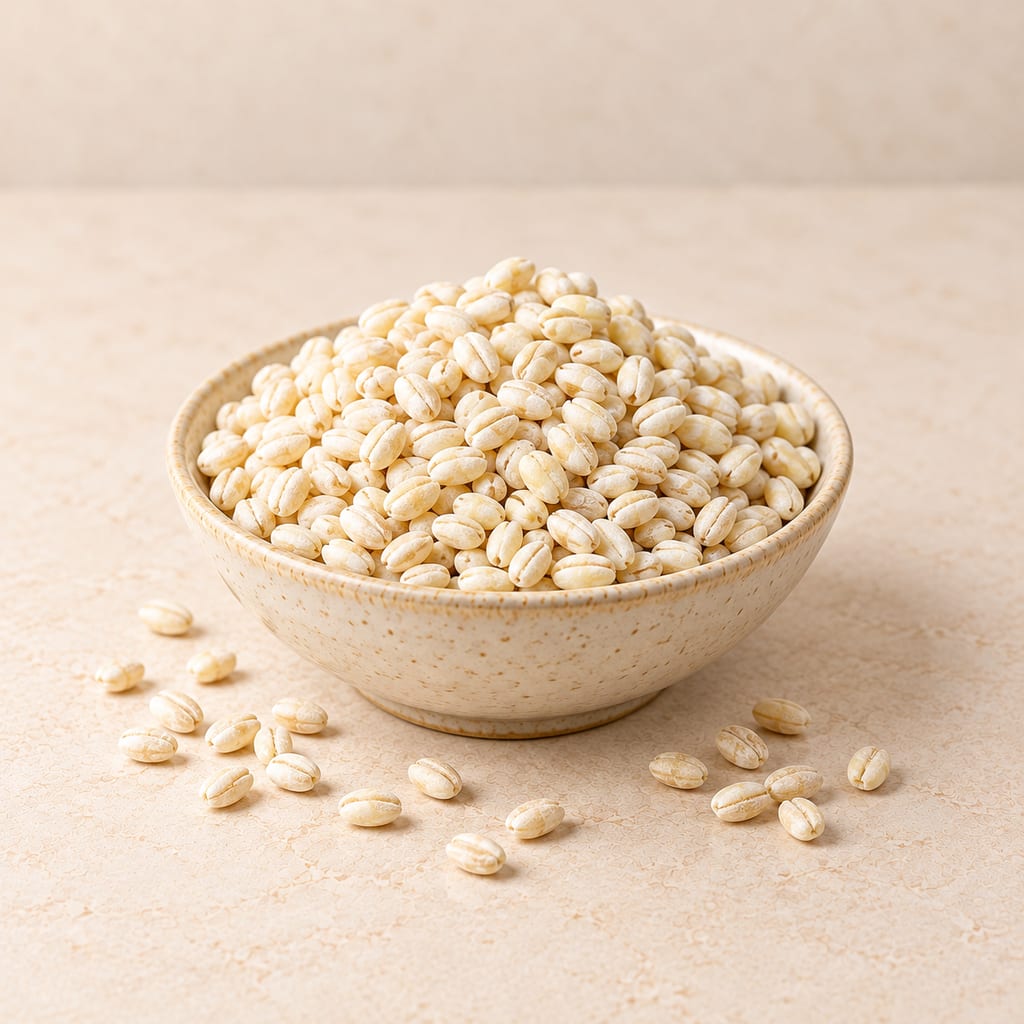
Barley
Barley is a hardy cereal, domesticated in the Middle East over 10,000 years ago, eaten whole, pearled or milled, malted for brewing, and grown with koji mold for barley miso.
 FermenteaWhere food goes to change
Modern method
Paximadi kritiko · paximadia · Cretan barley rusks · dakos rusk
Elena Paravantes gives a modern 50/50 whole-grain barley and wheat rusk recipe, shaped as one scored loaf, baked, separated into slices and dried in a low oven. The second rise has no stated duration.
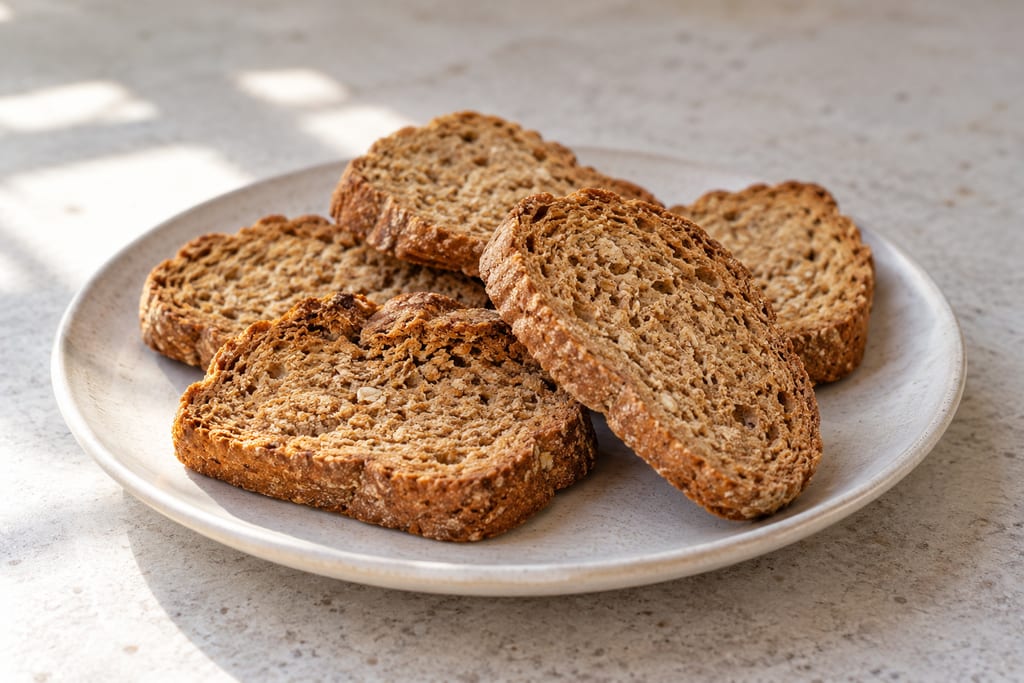
Rusk is a twice-baked bread: a loaf is baked, cut or scored into portions, then returned to the oven to dry. The Region of Crete's account places bread and rusks within Cretan food culture. It reports simple barley bread among finds on Crete associated with the Minoan period, but does not name the find, date it, or connect it to this recipe. That is regional context, not evidence that this modern formula has remained unchanged since antiquity.
Elena Paravantes presents this preparation as a Cretan barley rusk. Her formula uses equal weights of whole-grain barley and wheat flour, fresh yeast, water, salt and a little sugar. It makes a long narrow loaf, scored into slices before the first bake. The slices are separated and dried at a lower oven setting. This is one modern household recipe, not a definitive formula for all paximadia or all Cretan rusks.
Paravantes distinguishes the rusk from the way it is eaten. Thick slices called dakos may be lightly moistened and topped with tomato, cheese, olives, capers, oil or herbs. Those toppings are not part of this dough recipe. Paravantes notes that rusks are made elsewhere in Greece too; this place association records a Cretan preparation without claiming every Greek rusk comes from Crete.
The recipe specifies 25 g fresh yeast, with 2½ teaspoons dry yeast as an alternative. The yeast is mixed with about half a cup of lukewarm water and a pinch of sugar, then left about 10 minutes until bubbles appear. If using dry yeast, Paravantes says to follow the package directions. Bubbles are the recipe's cue that the yeast mixture is active; they are not a food-safety test.
The dough uses ½ pound each of whole-grain barley flour and whole-grain wheat flour, ½ teaspoon salt, ½ teaspoon sugar and about 1½ cups lukewarm water. The source also lists a pinch of salt but does not assign it to a stage. The prose keeps that ambiguity visible rather than silently adding it to a measured quantity. The author's recipe lists no oil ingredient; oil is used only to grease the bowl.
After kneading, the dough should be soft and no longer stick to the fingers. The source allows a little extra water, added gradually if the dough seems too dry, but gives no upper amount. The dough rises covered in a warm place for about an hour, is shaped to a loaf about 3 cm wide and scored without cutting through. It rises again, but the source gives no duration or endpoint for that second rise. That omission leaves total rise time open.
The source estimates preparation at 1 hour 25 minutes, cooking at 3 hours, and 4 hours 25 minutes total for 20 servings. These are the page's estimates. They include a first rise of about an hour, but the second rise is not timed; kitchen conditions and dough activity can change elapsed time.
Shape the risen dough into a narrow long loaf. Cut crosswise into slices while leaving the base connected, then cover it for the second rise. Bake at 350°F (180°C) for about one hour. The source does not specify a pan size, loaf length, preheat lead time or doneness measurement for this bake. Treat these figures as the author's directions, not validated critical limits.
Lower the oven to 210°F (100°C) after the first bake. Once the loaf is cool enough to handle, separate the slices with a knife, spread them on a pan and bake for two hours until described as completely dry. Cool fully and store airtight, as directed. The page gives no measured moisture endpoint, so dryness by touch or appearance cannot establish a safe shelf life. It gives no storage duration.
Equal flour weights do not mean the grains behave alike. Wheat contributes gluten-forming proteins that help a kneaded dough stretch and hold gas. Barley flour brings its own flavor and grain character but does not make the same wheat gluten network. The recipe's instructions to knead until soft and non-sticky, then form a narrow loaf, belong to this 50/50 mixture; they should not be assumed to work unchanged for barley-only dough.
The European Food Masters description of protected Cretan rusks notes that recipes differ by area and raw materials, and describes barley round rusks with Cretan olive oil. One producer's current package formula also contains barley and wheat flour, plus sourdough, yeast, salt and other ingredients. Those commercial formulations document variety, not substitutions for Paravantes's measured household batch.
This formula is not gluten-free: it includes wheat flour, and barley contains gluten proteins. The recipe does not discuss allergen management or cross-contact. People avoiding gluten for medical reasons need a separately developed and appropriately labelled product, not a simple flour swap.
The Region of Crete's booklet says that simple barley bread occurs among Minoan finds and calls the ancient rusk form dipiritis artos. The passage is a modern institutional summary. It does not identify an archaeological site, object, excavation report or date, so it cannot support a precise earliest century or a claim that today's formula reproduces an ancient preparation.
The same booklet says that Cretan dakos has Protected Geographical Indication status. European Food Masters describes the protected product as having several local forms, with ingredients and recipes varying between production areas. This supports a Cretan geographic and cultural association for the food category while leaving the history of this yeast formula unresolved.
Paravantes says families made rusks where bread could not be baked often and describes them as travel-friendly. This is the author's explanation of the tradition and use. It does not establish how common a particular baking schedule was, when the practice began or that rusks kept safely for a particular length of time.
Paravantes describes lightly wetting a rusk before eating it, then adding olive oil, tomato, cheese, olives or capers according to the dish. Dakos is a serving preparation built on the finished rusk; it is not another name for the dough stages above. The regional account also connects Cretan rusks with koukouvagia, a rusk, tomato and soft-cheese salad.
The recipe makes about 20 servings but does not specify final mass, slice count, loaf length or portion size. Portions will vary with shaping and slicing. Do not scale every ingredient by changing the number of slices without considering loaf geometry, rise and drying; the source supplies no tested scale-up.
Flour is a raw food ingredient and uncooked dough should not be tasted. The Centers for Disease Control and Prevention warns raw flour can carry germs and recommends baking dough according to the recipe and cleaning hands and surfaces after handling it. Yeast activity, bubbling, smell and taste do not establish that raw dough is safe.
The sources do not validate this process's time and temperature as critical limits. They also establish no water-activity target, packaging specification or home-batch shelf life. Follow the source's cooling and airtight-storage direction as a description of its method, but do not infer that the product is shelf-stable for any particular period. Sensory checks do not prove safety.
The recipe uses baker's yeast, not a sourdough starter. Paravantes first disperses fresh yeast in lukewarm water with a pinch of sugar and waits for surface bubbles. Her directions say to follow the packet directions when using dry yeast, so the fresh-yeast activation step should not be applied automatically to every dry product. The page does not name a yeast strain or provide a fermentation temperature.
The first proof is described as a warm-place rise lasting about an hour. The second proof follows shaping and scoring, but Paravantes gives no clock time, dough expansion target or other stopping cue for it. A reader can identify that the dough is meant to rise again, but cannot reconstruct a timed second proof from this page. Room temperature, flour and yeast condition may affect the pace; the source does not quantify those effects.
For this reason, the listed preparation and total times are estimates rather than a promise that every batch will finish on schedule. The dough's rise should be observed, but the article's method does not define how high the second loaf should become. No specific proofing temperature or maximum time should be invented to fill that gap.
The written method names a large measuring cup or bowl for the yeast, a large mixing bowl, a work surface or mixer with dough hook, a greased bowl for the first rise, a knife and a pan for the separated slices. It does not give pan dimensions or a mixer speed beyond low speed. The loaf shape is described only as long and about 3 cm wide, so its length depends on how the dough is handled.
The recipe's batch is the 20-serving formula as printed. It gives flour weights in pounds, yeast in grams and dry-yeast alternative teaspoons, while the water is approximate cup measures. The instructions allow extra water gradually but do not specify the total amount. That flexible phrase is not a measured hydration target. The source supplies no dough mass, flour absorption data or baker's percentage from which a larger batch could be safely calculated.
A larger loaf or several loaves would change their cross-section and may change the first bake and drying time. The page does not test those changes. Keep the published amounts and narrow loaf form together when following this recipe, and regard any scaling or different shape as an adaptation without a tested source batch.
The defining sequence is two bakes with slicing between them. The first bake sets the loaf; the second exposes the newly cut surfaces to a lower oven setting while moisture is driven off. The Region of Crete booklet describes rusks in the same broad way: bread-like loaves are sliced and baked again to dry. That description supports the category's double-baked identity, but it does not supply the household times for this recipe.
Paravantes's method leaves the slices attached at their base during the first bake. The baker then uses a knife to separate them after the loaf has cooled enough to handle. This makes the first loaf a connected row of slices rather than a collection of separate rolls. The recipe does not say how thick to cut each slice, so final rusk thickness and count are not fixed.
The drying stage is written as two hours at 210°F (100°C) until completely dry. There is no instruction to turn the pieces, no moisture reading and no post-bake conditioning period. The method description is useful for reproducing the author's batch, but it is not evidence that every thickness or oven produces the same result in exactly two hours.
Paximadi is a broad Greek name used for rusks, while the page calls its formula Paximadi Kritiko and describes it as Cretan. Paravantes also names two shapes in her introduction: a ring form called kouloura and thick slices called dakos. Her recipe below uses a narrow loaf that is cut partway through before baking; it does not give a ring-shaping method. The name and serving traditions therefore should not cause a reader to substitute another shape without changing the record.
Regional and producer sources show why one formula cannot stand for all Cretan rusks. The Region's booklet discusses barley bread and rusks at a cultural level. European Food Masters says the protected Cretan product appears in several types and varies in ingredients by area. Kriton Artos gives one current package with 48 percent wholemeal barley flour and wheat flours, olive oil, sourdough, yeast and salt. Those sources describe related products, but none changes the household ingredient list recorded here.
The distinctions matter when comparing ingredient labels or reproducing the recipe. A barley-only product, a ring-shaped barley rusk, a sourdough producer formula and Paravantes's equal-weight barley-wheat yeast loaf are not interchangeable batches. Each has its own ratio, shape and process evidence. This page retains just the household method for which the source gives quantities and ordered steps.
Elena Paravantes describes Cretan rusks as a traditional twice-baked bread used where bread was not baked often, but gives no dated earliest attestation. This 50/50 whole-grain household formula is her modern version.
Yield 20 rusks · Scaling: source batch only
Flour is a raw agricultural product; uncooked dough should not be tasted.
Hazard sourceRaw flour can carry germs; unbaked dough is not ready to eat.
Hazard sourceDo not taste raw dough; bake the flour-containing preparation before eating.
Control sourceDo not taste uncooked dough; bake it according to the recipe and wash hands, bowls, utensils and work surfaces that contacted raw flour or dough.
Control sourceThe source gives no measured moisture or water-activity endpoint or validated storage duration. Dryness by touch does not establish shelf stability.
The second rise has no stated duration or endpoint. Watch the dough; do not treat a fixed time as source-supported.
This modern home recipe has not been independently validated as a food-safety process.
The modern recipe page identifies the preparation as Cretan barley rusk; it does not establish the formula as a historic or canonical Cretan batch.
Barley is a hardy cereal, domesticated in the Middle East over 10,000 years ago, eaten whole, pearled or milled, malted for brewing, and grown with koji mold for barley miso.
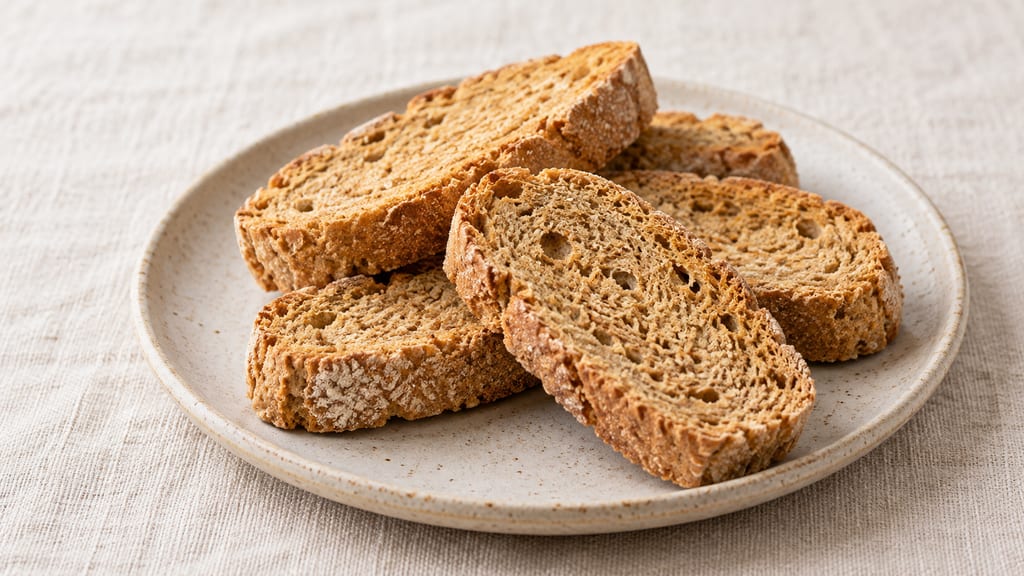
Cretan paximadi is a twice-baked rusk. This barley-wheat version is raised with yeast, baked as a loaf, sliced, and dried slowly until it keeps.
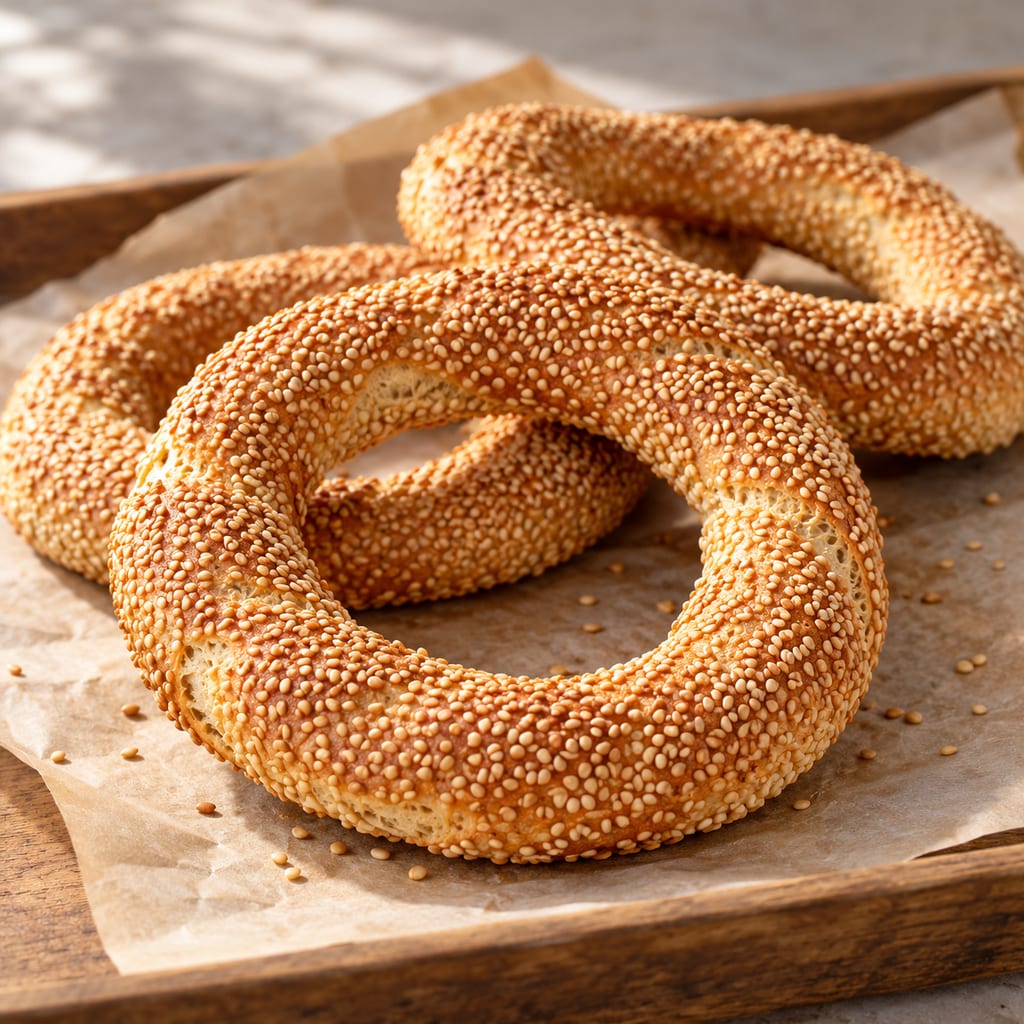
The Thessaloniki City of Gastronomy page gives a 15–18-ring yeast dough, dipped in sweetened water and sesame before baking. Its fresh yeast is listed as one dice without a mass, which remains unresolved.
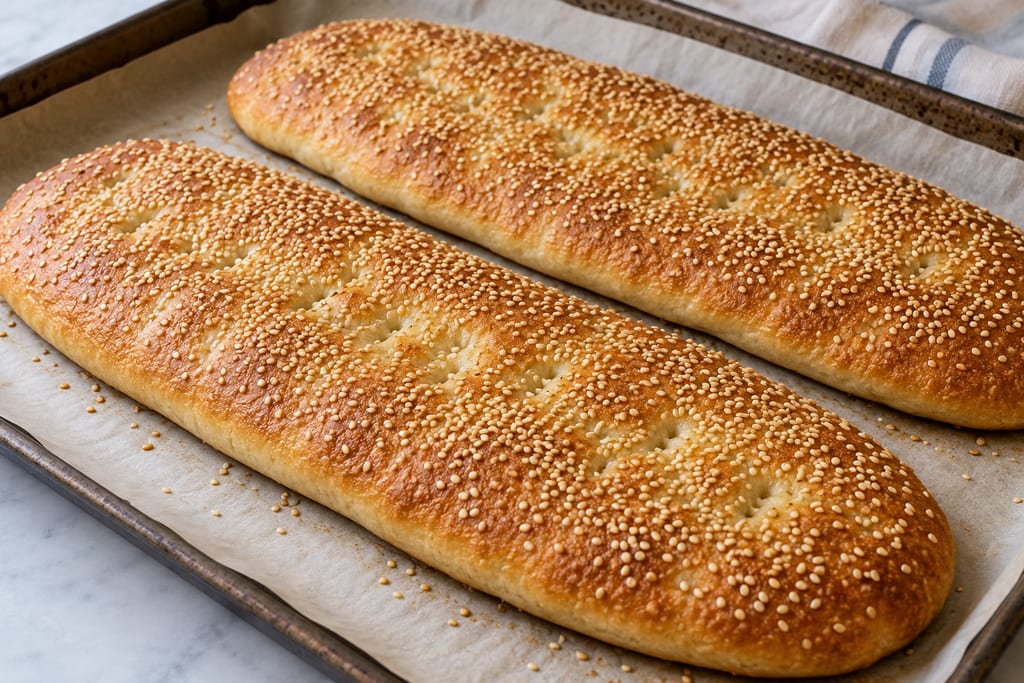
Diane Kochilas’s yeast-raised Lagana makes two wide, sesame-topped loaves for Clean Monday. Her Athens-neighborhood version is distinct from the unleavened Lagana also described in the recipe’s cultural context.
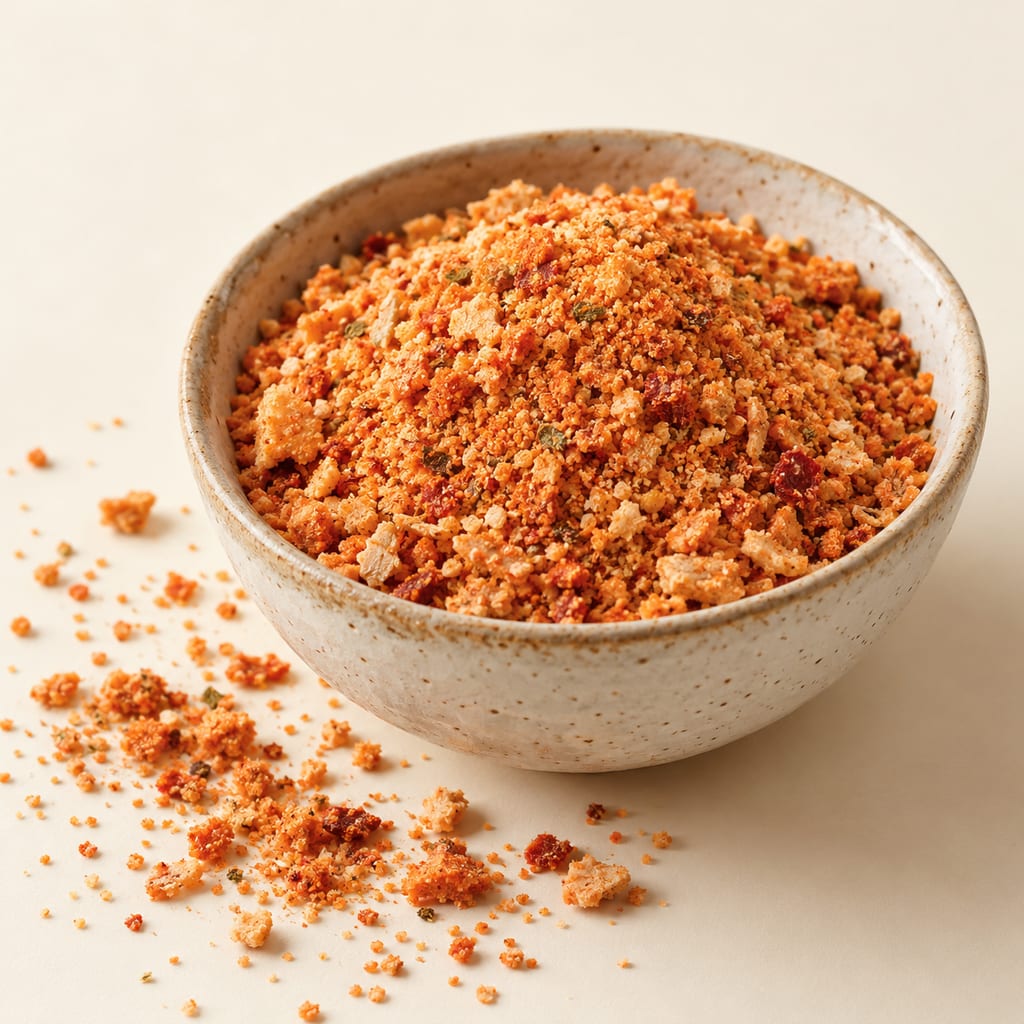
Tarhana is a Turkish soup base: yoghurt, flour or semolina and usually onion, tomato and red pepper, fermented as a dough for days, rubbed into grains and dried.
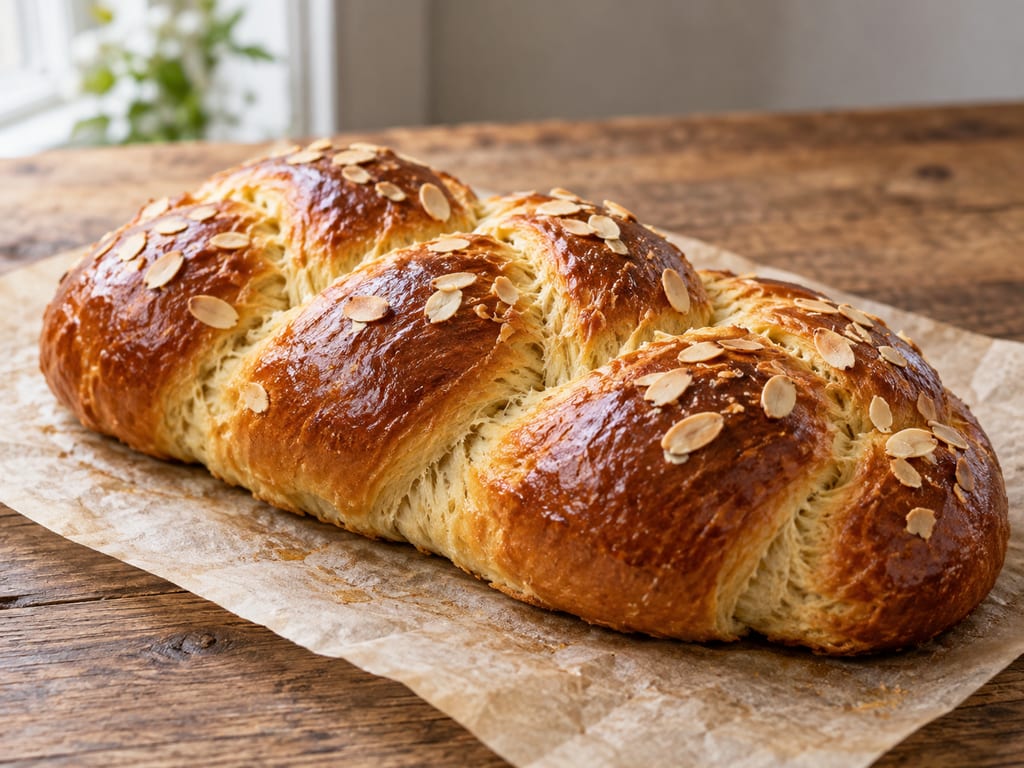
Eli K. Giannopoulos’s recipe makes two braided tsourekia with mastic, mahleb and orange, followed by an optional syrup. It is one modern Greek Easter-bread formula, not a universal regional standard.
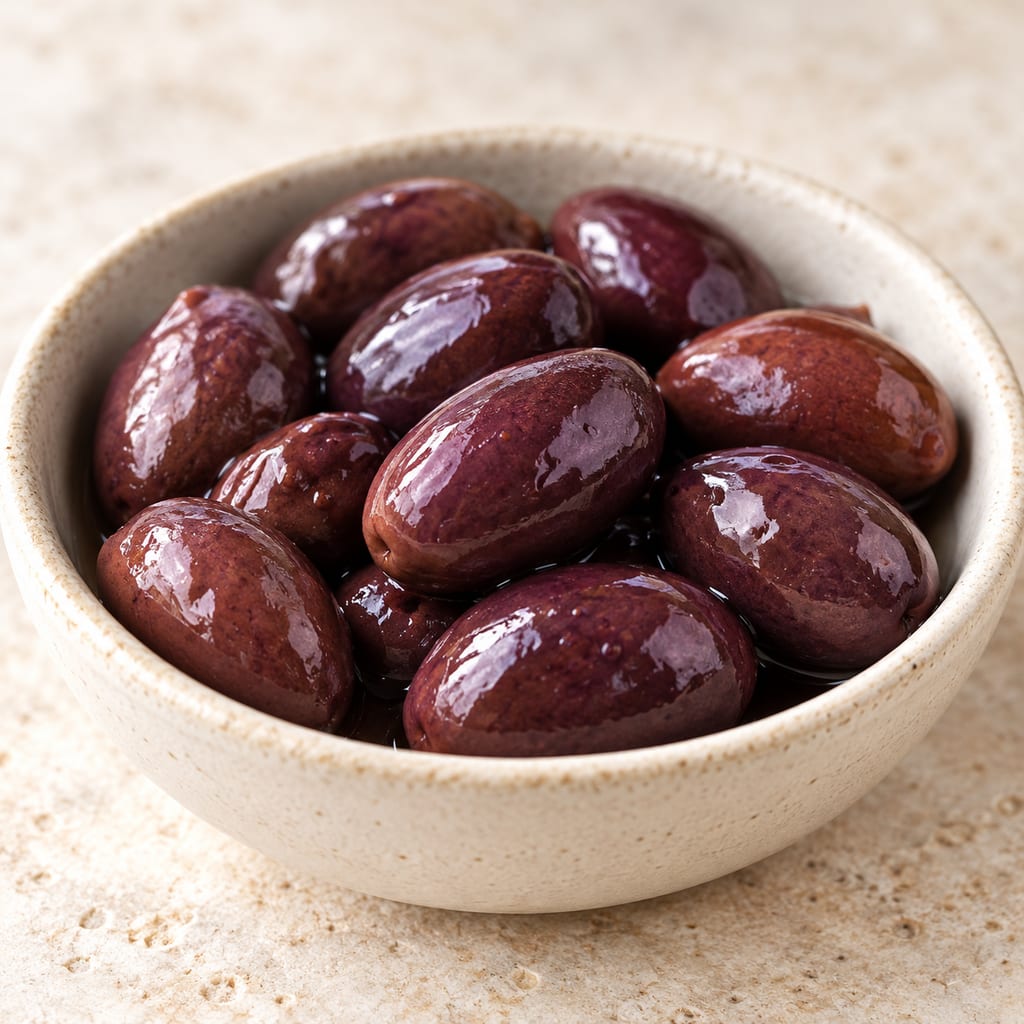
Elia Kalamatas is a Messinia table olive of the Kalamon variety, picked before full ripeness and fermented in brine for six to nine months; it is a PDO product, not a generic black olive.
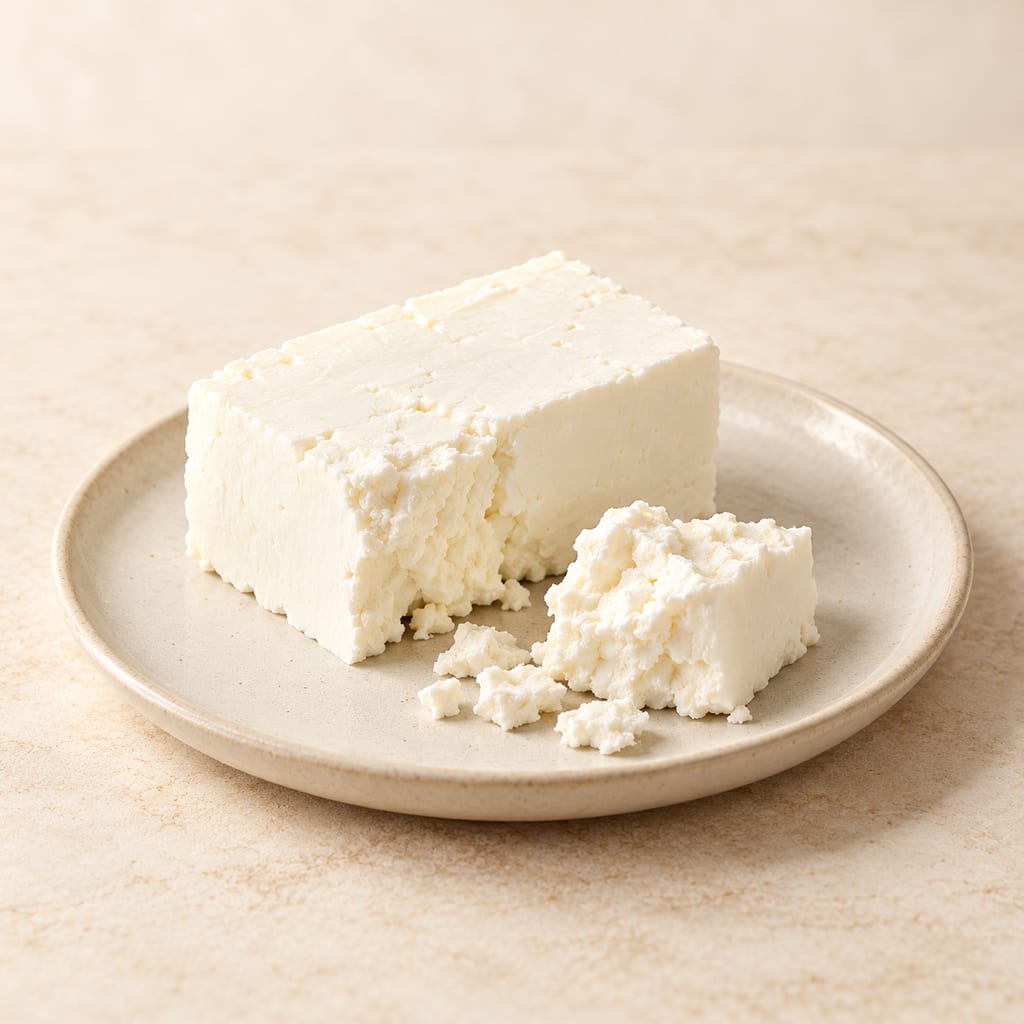
White cheese made with a lactic starter and rennet, drained without pressing, dry-salted and covered in brine. This home adaptation allows whole milk from different dairy animals.
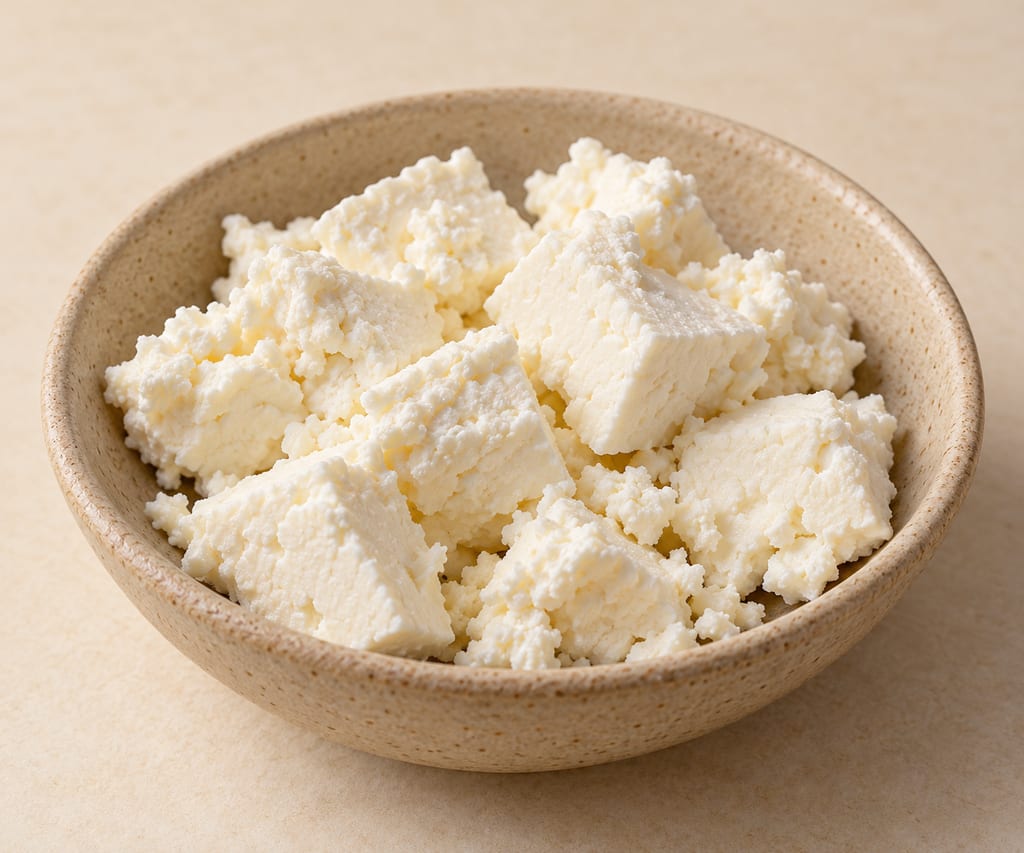
Whole milk set with a mesophilic starter and rennet makes a fresh, crumbly feta-style cheese. Its curds pass through hot salted whey before molding.
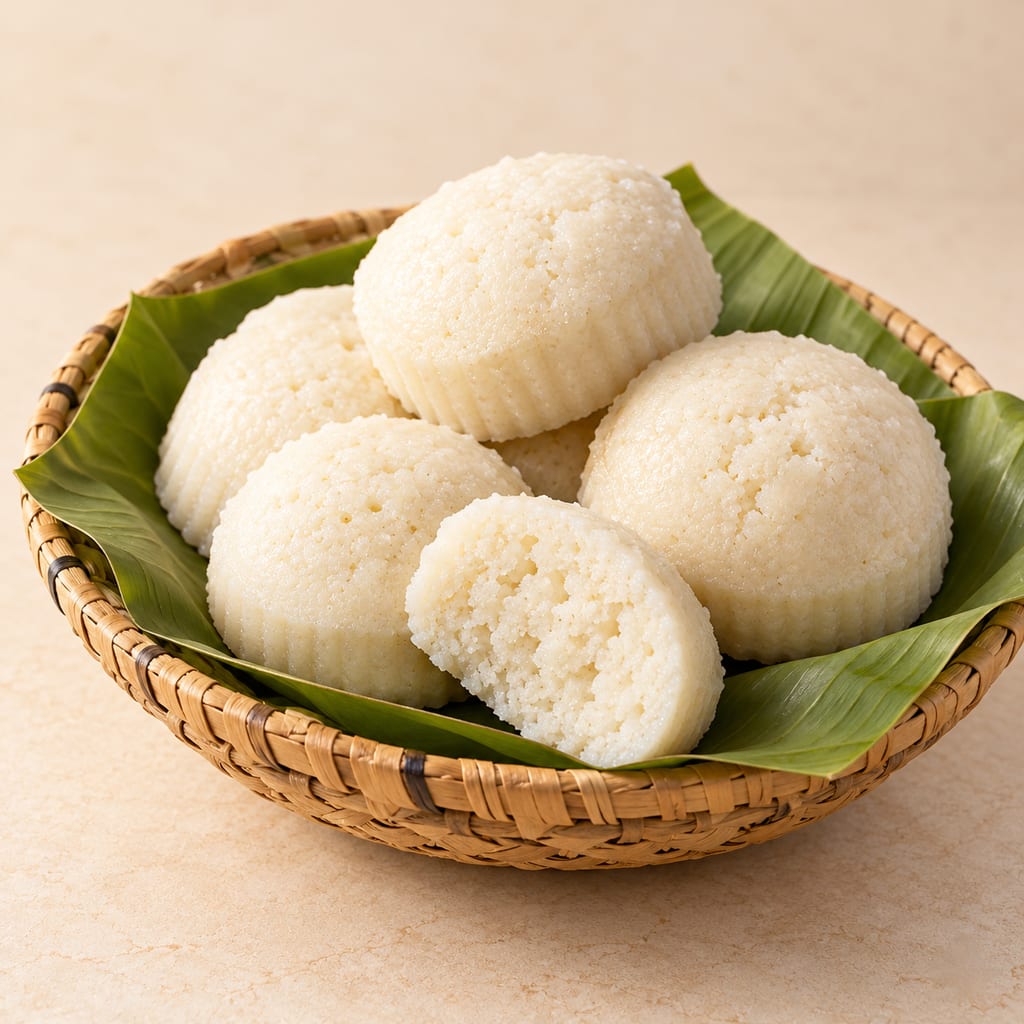
Soft, lightly tangy steamed cereal bread documented across Benin and Togo. This page gives one measured rice-flour research method; maize-based Ablo and mixed-grain versions remain distinct traditions.
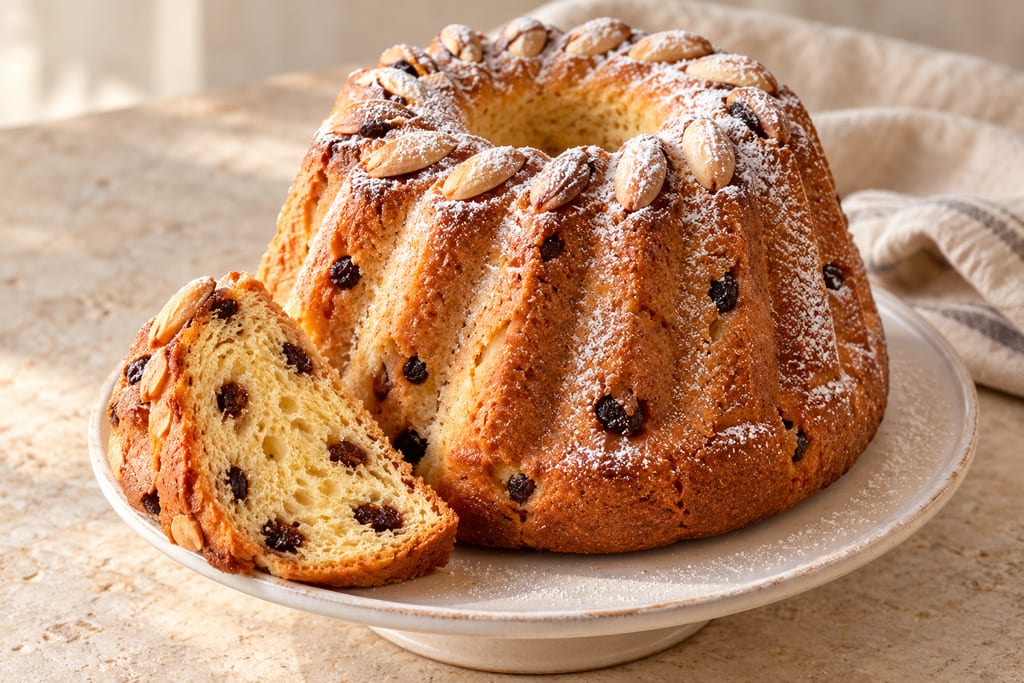
An enriched Alsatian yeast ring with raisins and almonds, kneaded with butter, proofed in a fluted mould and baked until browned.
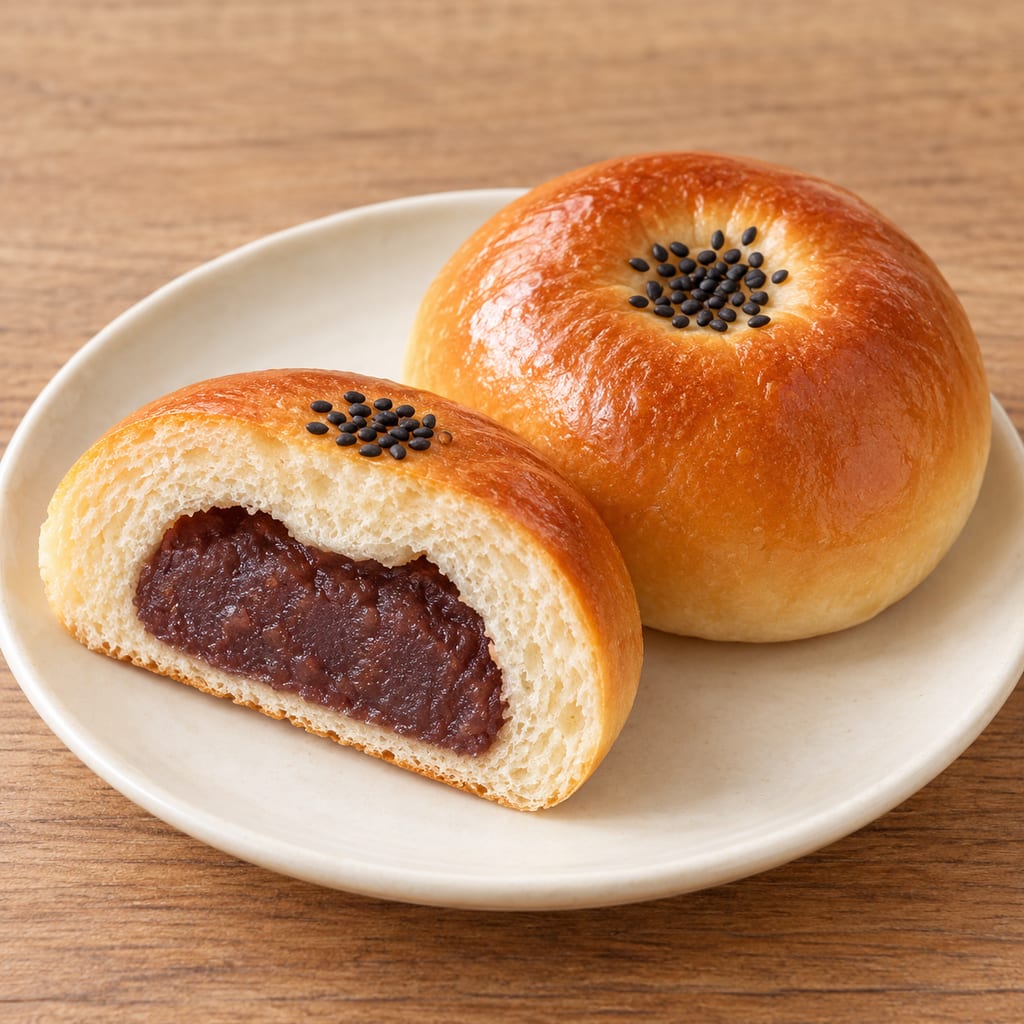
Anpan is a soft wheat bun filled with sweet red-bean paste and finished with egg wash and black sesame. This dough rises with commercial instant yeast.
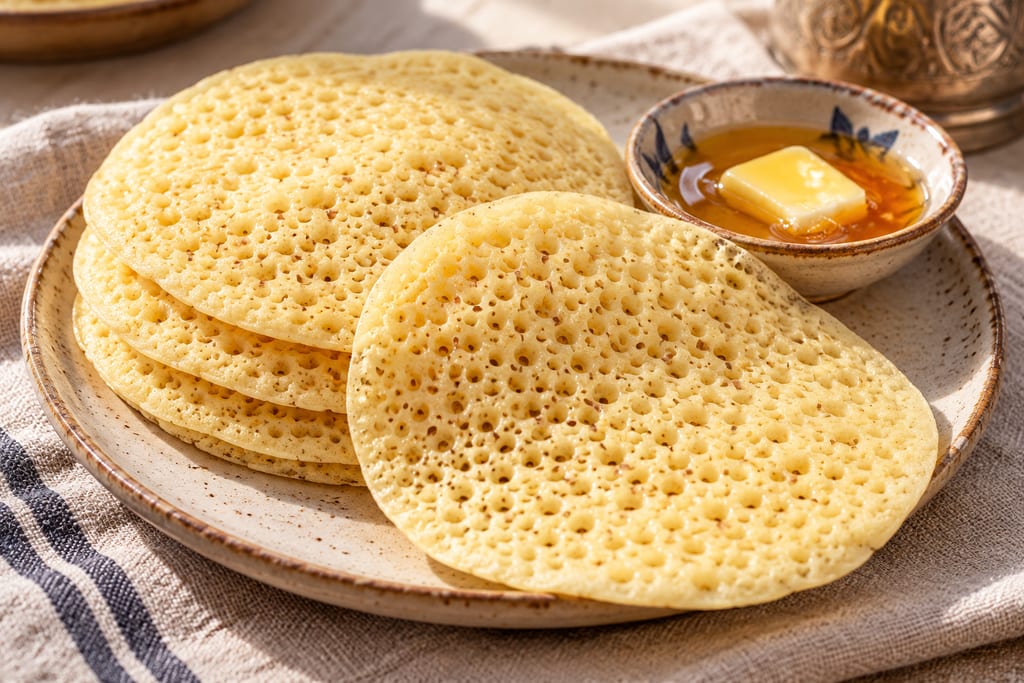
Moroccan semolina pancakes made from a thin yeast batter, rested until foamy and cooked on one side until the surface sets with a honeycomb of holes. This source-specific batch makes sixteen 5-inch pancakes.
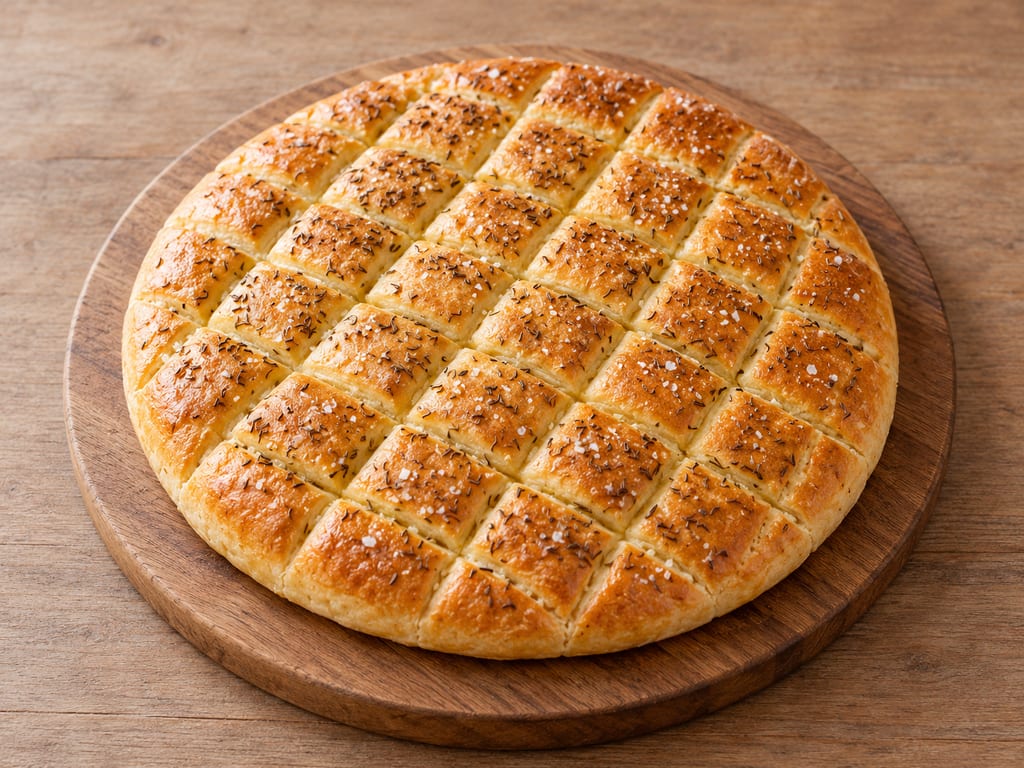
A round Slovenian flatbread scored in a grid and topped with caraway and coarse salt.
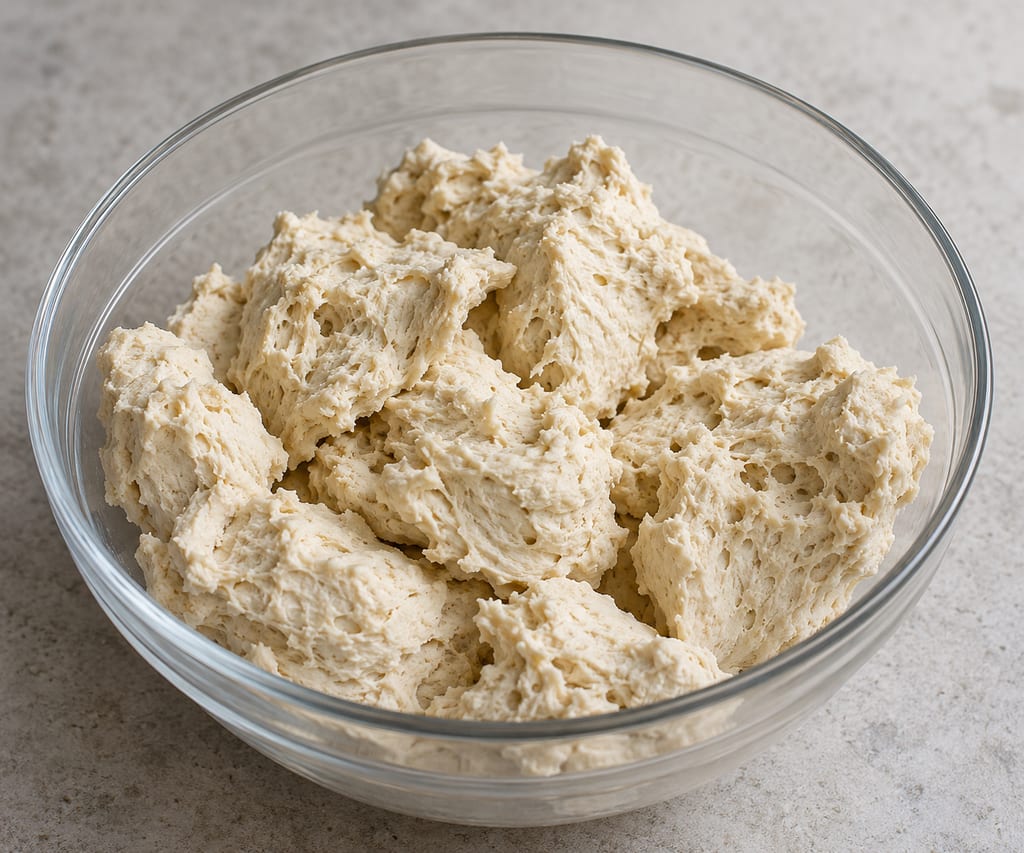
Biga is an Italian bread preferment of flour, water and a little yeast, usually a stiff unsalted mass of about 45 per cent water, fermented ahead and then mixed into the final dough.
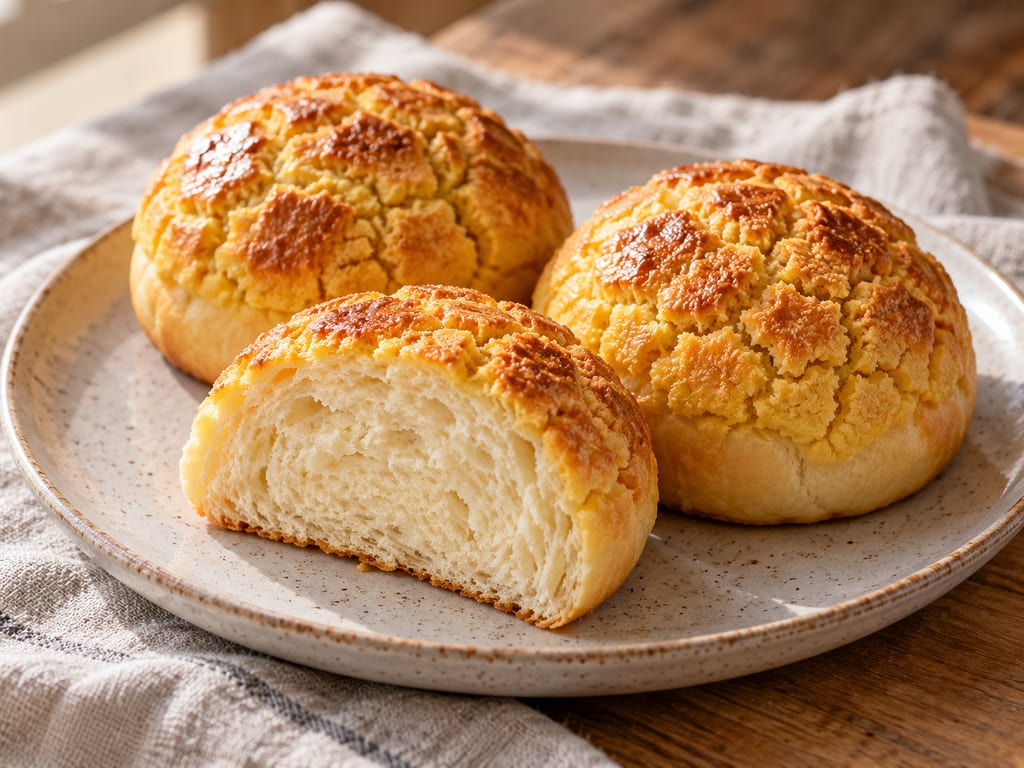
Hong Kong-style pineapple buns have soft yeast dough beneath a crisp, sweet pastry topping.
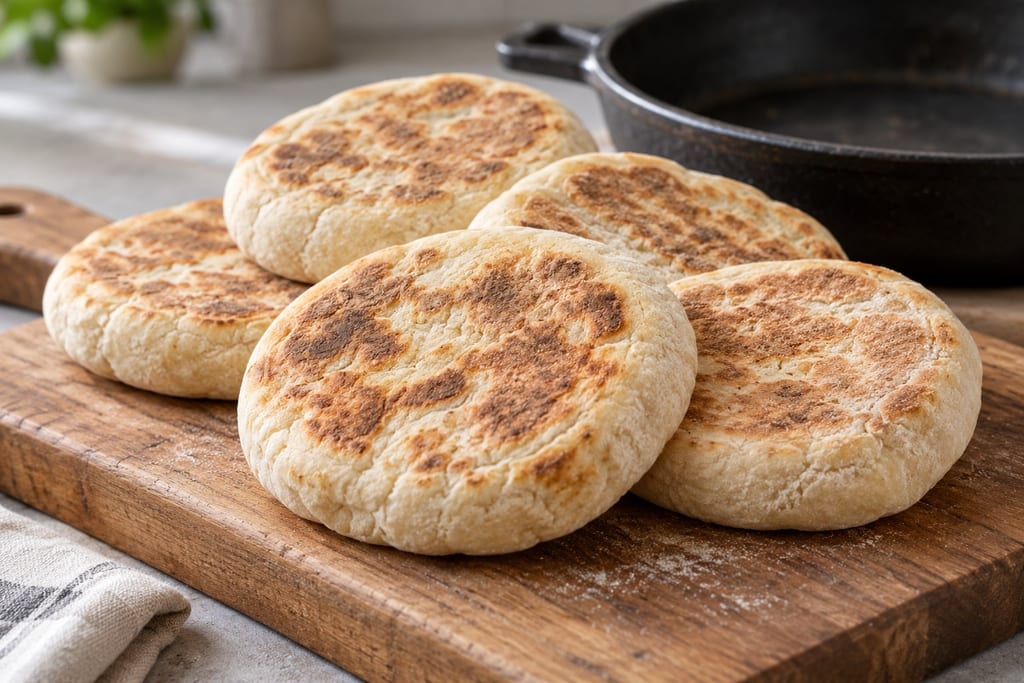
Sweet-potato wheat breads with fresh yeast, browned in a pan and finished in the oven. This is the bread component of Teleculinária's scrambled-egg dish.
No community contributions have been published for this entry yet.
Sign in to contribute. Published comments and photos are free to read.
OliveTomato, Elena ParavantesInspiration · Recipe · Historical context · Geographic context
Authentic Greek Barley Rusks – Paximadi Kritiko50/50 whole-grain flour formula, yeast alternatives, mixing and rise stages, scored loaf, two bake stages, 20-serving yield, Cretan context and storage direction
Cited in: A Cretan rusk and one modern formula; The source batch; Shaping, baking and drying; Barley and wheat in the dough; Historical context and its limits; Serving the finished rusk; Food handling and storage; Yeast and the two rises; Equipment and batch limits; How the double bake changes the bread; Separating this recipe from other rusks
Region of CreteHistorical context · Geographic context
The Cretan DietThe booklet describes Cretan bread and rusks, reports simple barley bread among Minoan finds without identifying a find or date, explains the second bake, and says dakos has PGI status.
Cited in: A Cretan rusk and one modern formula; Historical context and its limits; Serving the finished rusk; How the double bake changes the bread; Separating this recipe from other rusks
European Food MastersGeographic context · Variation
PGI Rusk from CreteThe page describes Cretan PGI rusks, a barley round rusk, and variation in ingredients and recipes by production area.
Cited in: Barley and wheat in the dough; Historical context and its limits; Separating this recipe from other rusks
Kriton ArtosDocumented variation
Cretan Barley Rusks P.G.I.One current producer's barley-wheat formula includes oil, sourdough, yeast and salt; it is distinct from the household recipe.
Cited in: Barley and wheat in the dough; Separating this recipe from other rusks
Centers for Disease Control and PreventionFood safety guidance
Raw Flour and DoughRaw flour may carry germs; do not taste uncooked dough and clean hands and surfaces after handling it.
Cited in: Food handling and storage
U.S. Food and Drug AdministrationFood safety guidance
Handling Flour Safely: What You Need to KnowFlour is a raw agricultural product and uncooked dough should not be eaten.