
Set yogurt
Set yogurt keeps the milk’s cultured gel intact in its final container. This Canadian home method follows the same heating and inoculation as stirred yogurt, without the final stirring.
 FermenteaWhere food goes to change
tarhana · tarhana · trahanas · tarhanası
Tarhana is a Turkish soup base: yoghurt, flour or semolina and usually onion, tomato and red pepper, fermented as a dough for days, rubbed into grains and dried.
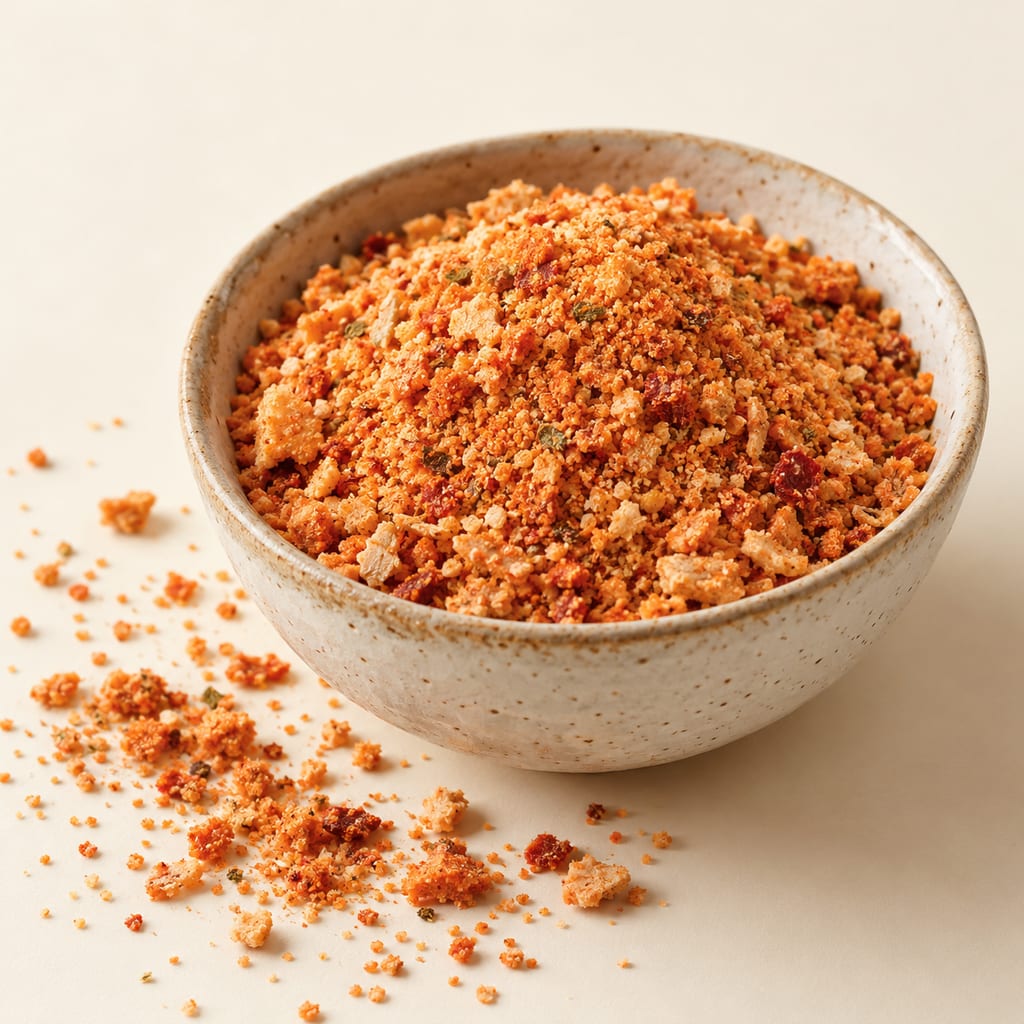
Tarhana is a Turkish soup ingredient made by fermenting a dough of yoghurt and cereal, then drying it and rubbing it into small grains. The Ministry of Culture and Tourism describes it as generally made from yoghurt and cereals, or from yoghurt, cereals and vegetables, with aromatic herbs optional. The cereal can be wheat flour, semolina or both, and the usual vegetables are onions, tomatoes and fresh red peppers. A household cook who publishes her mother's method reckons there are more than a hundred kinds of tarhana, made with chickpeas, cranberries, tomatoes and other ingredients.
The finished product is dry, so it keeps and travels as a base for soup. Colour tells something of the recipe: the household author says orange comes from red pepper, and white from flour, which is increased when watery ingredients such as yoghurt and tomato are used.
The Ministry's example starts with vegetables. Five onions, four tomatoes and five red peppers are cut into 3 cm cubes and cooked for 40 to 45 minutes in 400 g of salted boiling water, until very tender, then cooled and blended or sieved. A well is made in 880 g flour and 860 g semolina, and 1,100 g yoghurt and the vegetable purée go in. The dough is kneaded for 7 to 8 minutes, covered and left for 3 days at room temperature, being kneaded three times a day.
After that the dough is divided into egg-sized pieces on a clean cloth and dried in an airy, shaded place, kept slightly humid. Each piece is rubbed between the palms into small grains and dried again, then the grains are sieved and the drying repeated. The page does not give drying times, temperatures or how long the tarhana keeps, and it says the fermented mixture can alternatively be dried in a low-heat oven.
A separate household method makes a different tarhana and is not a variant of the Ministry quantities. It cooks 2 kg of red peppers until tender, adds chopped onions, two spoonfuls of plain yoghurt, 2 tablespoons of tarhana or 2 teaspoons of dry yeast, and 2 tablespoons of salt, and works in flour until the dough is elastic and no longer sticky. It ferments for ten days, with a handful of flour and 5 to 10 minutes of kneading each day. The pieces are then dried on a towel, cut smaller, ground finely in a food processor, dried for 2 to 3 more days, and stored in a glass jar.
The author gives rules of thumb: maximum sourness comes in 8 to 9 days, with 10 to 12 days ideal for a slightly sour, aromatic result, and tarhana kept about 21 days turns sweet rather than sour. A dough that has stopped rising has peaked. The author advises against drying in a hot oven because heat, she says, destroys the probiotics. That is her claim and the sources do not test it. No flour amount, fermentation temperature or drying temperature is given.
Yoghurt brings lactic-acid bacteria into the dough, and the cooked vegetables and cereals supply the sugars and starch they work on, but the sources do not establish which organisms do the work. A comparison of home-made and commercial tarhana found different lactic-acid-bacteria profiles in the two groups, and a 2024 Turkish thesis analysed samples associated with five provinces and noted recipe variation. Those results are bounded by their samples and do not describe a single community for every batch.
The household recipe offers either tarhana or dry yeast as an inoculum for its dough, which shows a cook using tarhana to seed the next ferment. The sources do not test whether dried tarhana reliably restarts fermentation.
The Ministry describes a related yarma or göce variety made with cracked wheat cooked with yoghurt, shaped into small pieces or flat patties and dried; these are soaked before cooking. Greek and Cypriot trahanas are a separate tradition, which may be made with fermented ewe or goat milk and wheat. Kishk is commonly described as a fermented dairy and cracked-wheat food. The name is useful for comparison, but the sources do not show that these share one formula or one microbial community.
A summer-production description in the microbiology literature refers to Greek and Cypriot trahanas and cannot establish a season for Turkish tarhana or kishk.
Tarhana is a ready-made soup ingredient. The Ministry's soup variations add small cubes of beet and boiled chickpeas. The household author says extra vegetables or chicken are better added when the soup is made than put into the dough, and roasts ground pepper first for her pepper-style soup. She calls it her favourite winter soup, learned from her mother's recipe.
A 2023 review repeats an account of tarhana arriving in Anatolia with migration, but cites secondary works, and a primary attestation was not found. The sources give no firm origin or season for tarhana, no safe storage period for the dried product, no drying endpoint and no way to revive fermentation from the dried grains. The page records documented practice, not a validated process.
A 2023 review of Anatolian fermented foods repeats a migration-linked account of tarhana's arrival in Anatolia, citing secondary works. A primary attestation was not found for this page.
Scaling: source batch only
The dough ferments for days at room temperature and is dried slowly while kept slightly humid. The sources give no acidity target, drying endpoint or storage limit.
Hazard sourceNo validated safety control is given in the sources. Do not rely on smell, taste or appearance as a safety test.
Control sourceThe preparations here are documented practice, not a validated home process. Ferment time alone does not establish safety.
The Turkish Ministry of Culture and Tourism publishes a preparation, and a review of Anatolian fermented foods covers tarhana; neither names a birthplace.
The related trahanas, which may be made with fermented ewe or goat milk and wheat; a different preparation, listed here for comparison.
The related trahanas of Cyprus, covered by the same microbiology review; a different preparation, listed here for comparison.
Set yogurt keeps the milk’s cultured gel intact in its final container. This Canadian home method follows the same heating and inoculation as stirred yogurt, without the final stirring.
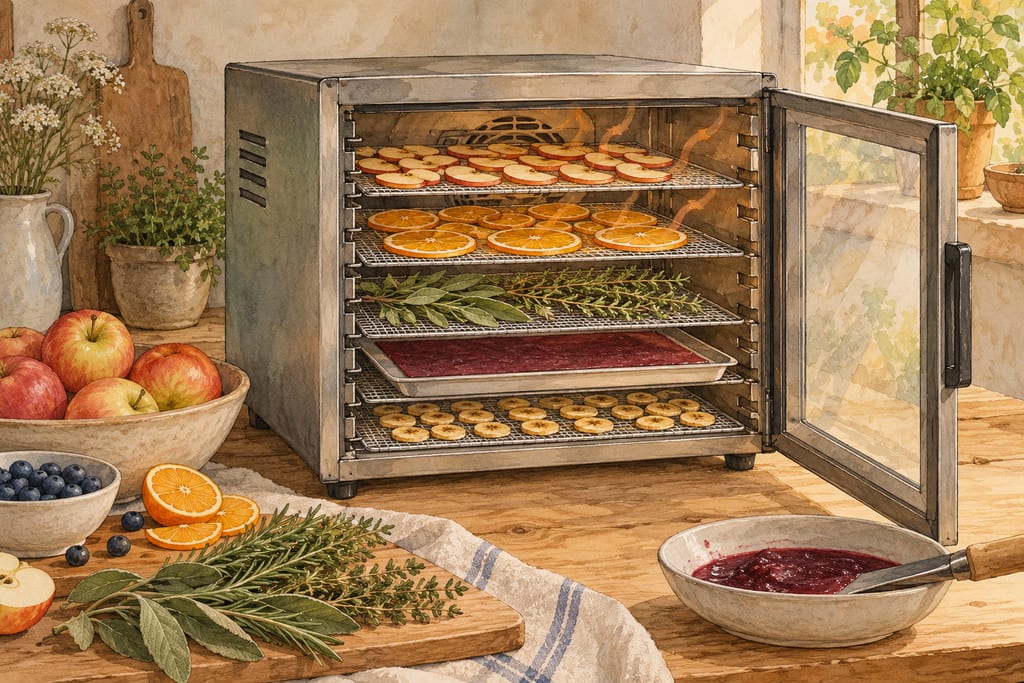
A dehydrator or drying box set up with mesh trays for slices and herbs and solid liners for purées, drying by warm moving air to a recipe's own endpoint.
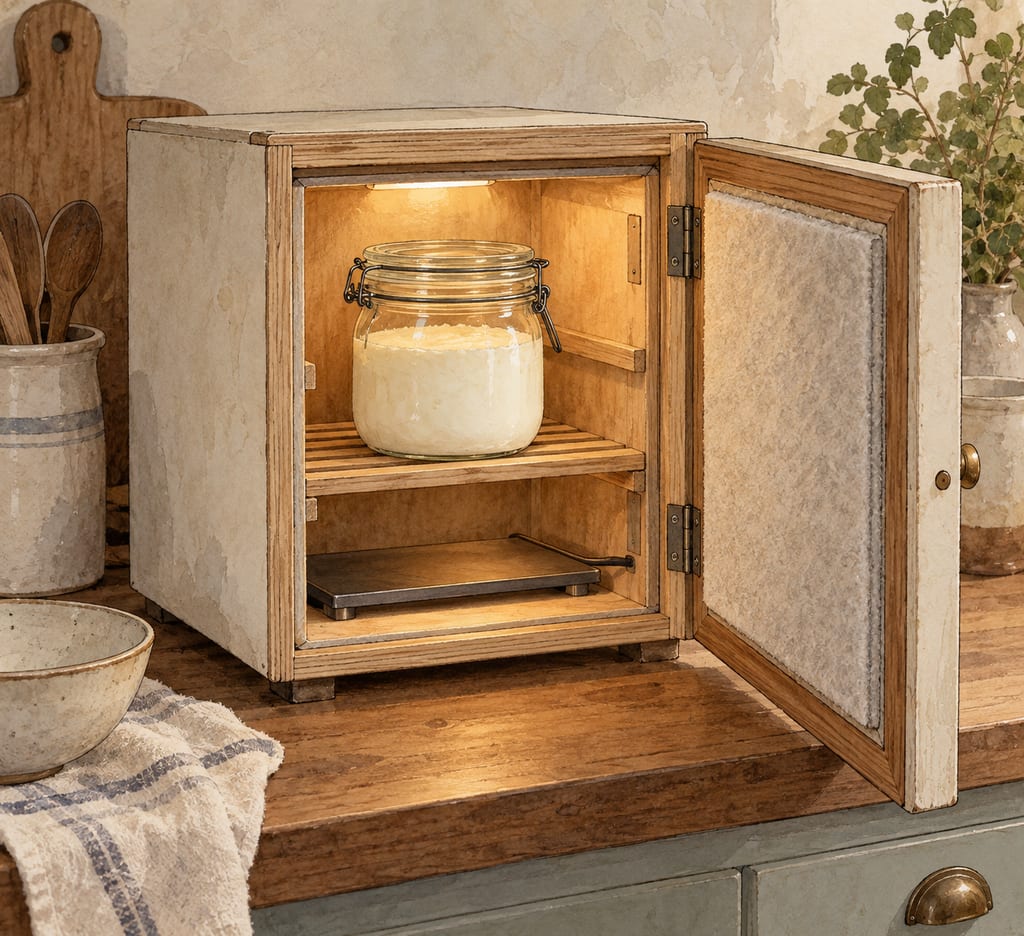
Any warm box, proofer, dehydrator cabinet or adapted fridge whose conditions reach the food through a separate container chosen for that culture.
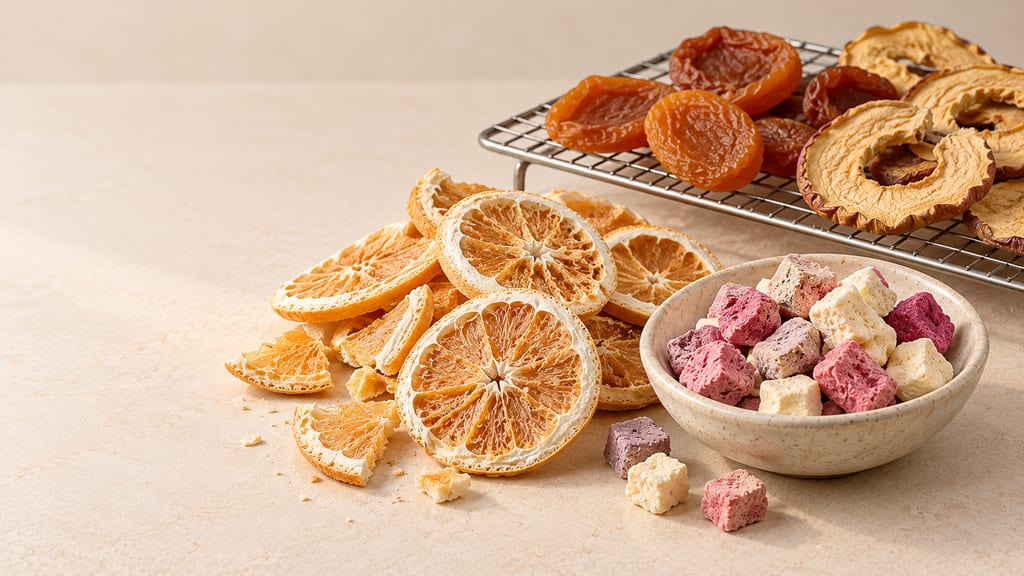
A dehydrator turns fruit purée into leather and steamed sweet potato into hoshiimo without sun or wind; a freeze dryer works differently. Both stop microbes growing by removing water, and neither replaces a step that kills them.
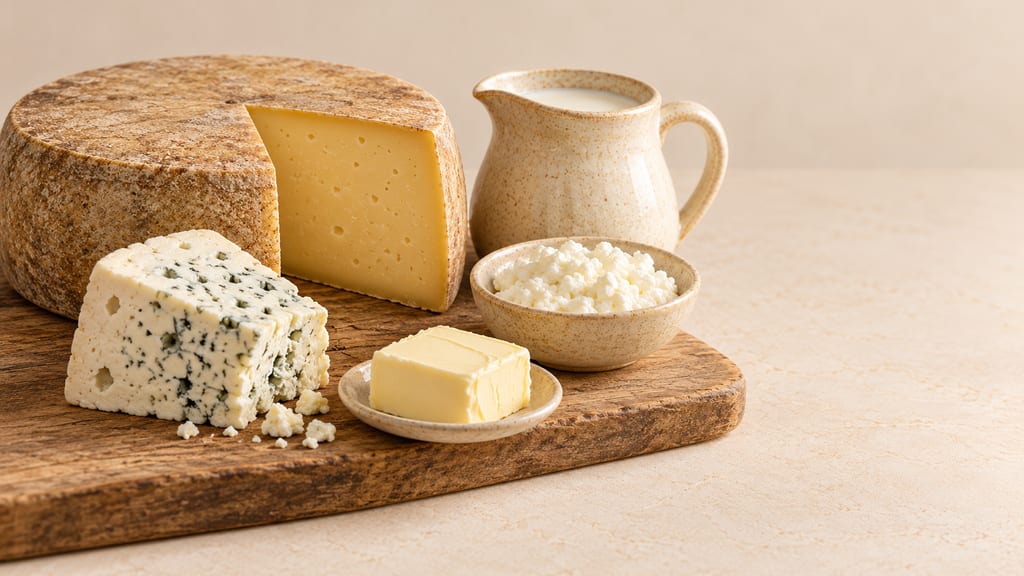
Follow milk into cheese, cultured drinks, butter, dried curds and sweets: a journey through the animals, seasons and household decisions behind the world's dairy foods.
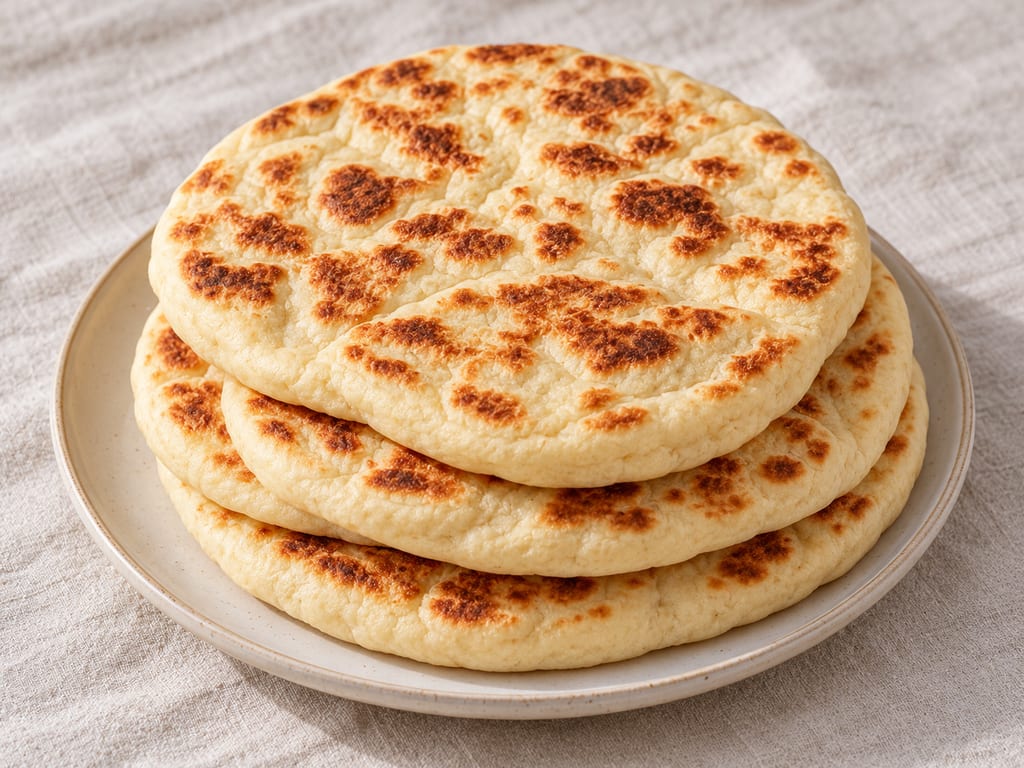
This Turkish bazlama uses yeast, plain yogurt and olive oil for a soft dough cooked in a skillet. Shape it into twelve small or six larger rounds, flip as bubbles appear, and wrap the breads to keep them soft.
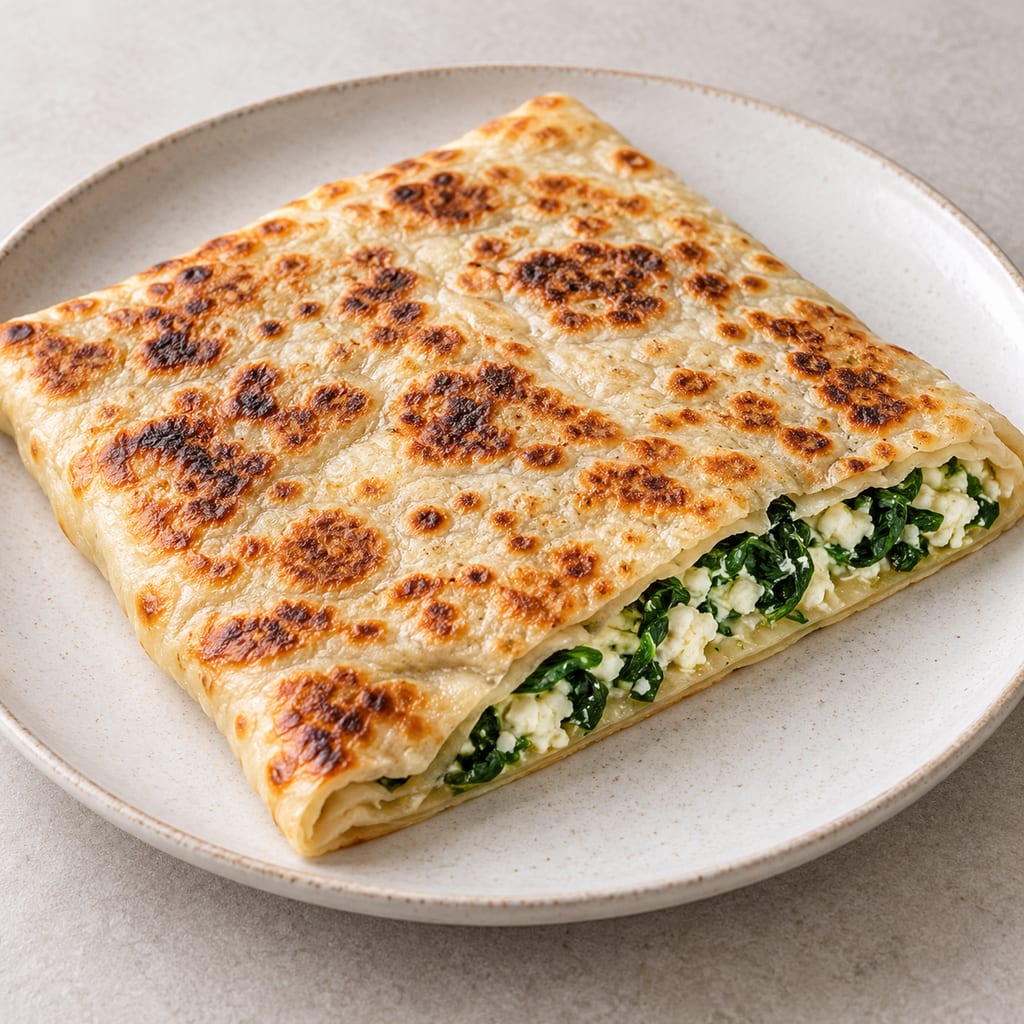
A yeast-and-yogurt dough is rolled into a large thin sheet, filled with spinach, onion and feta, folded closed, then cooked on an oiled griddle. This is Özlem Warren’s spinach-and-cheese family-style version.
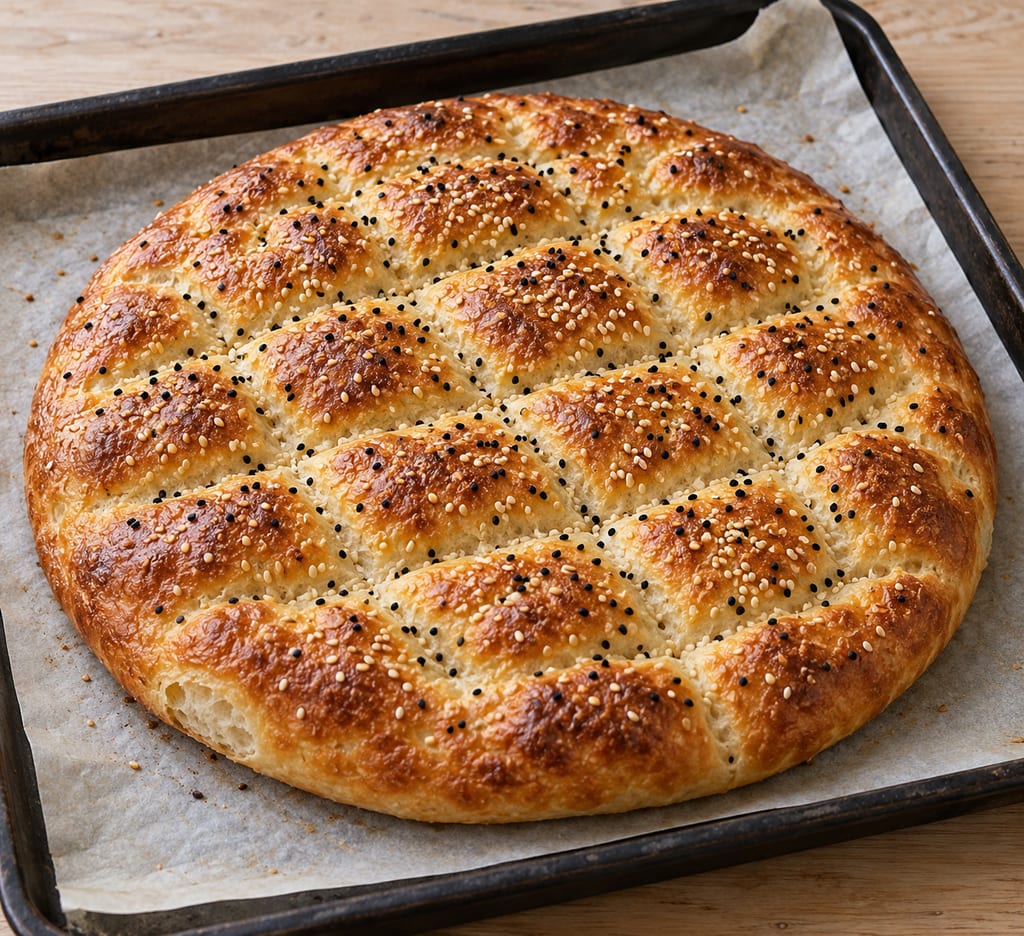
This Ramadan pide is a large Turkish yeast bread patterned with a shallow lattice, brushed with egg and yogurt, and topped with sesame and nigella. This home method makes one 28–30 cm loaf and bakes it in a hot oven.
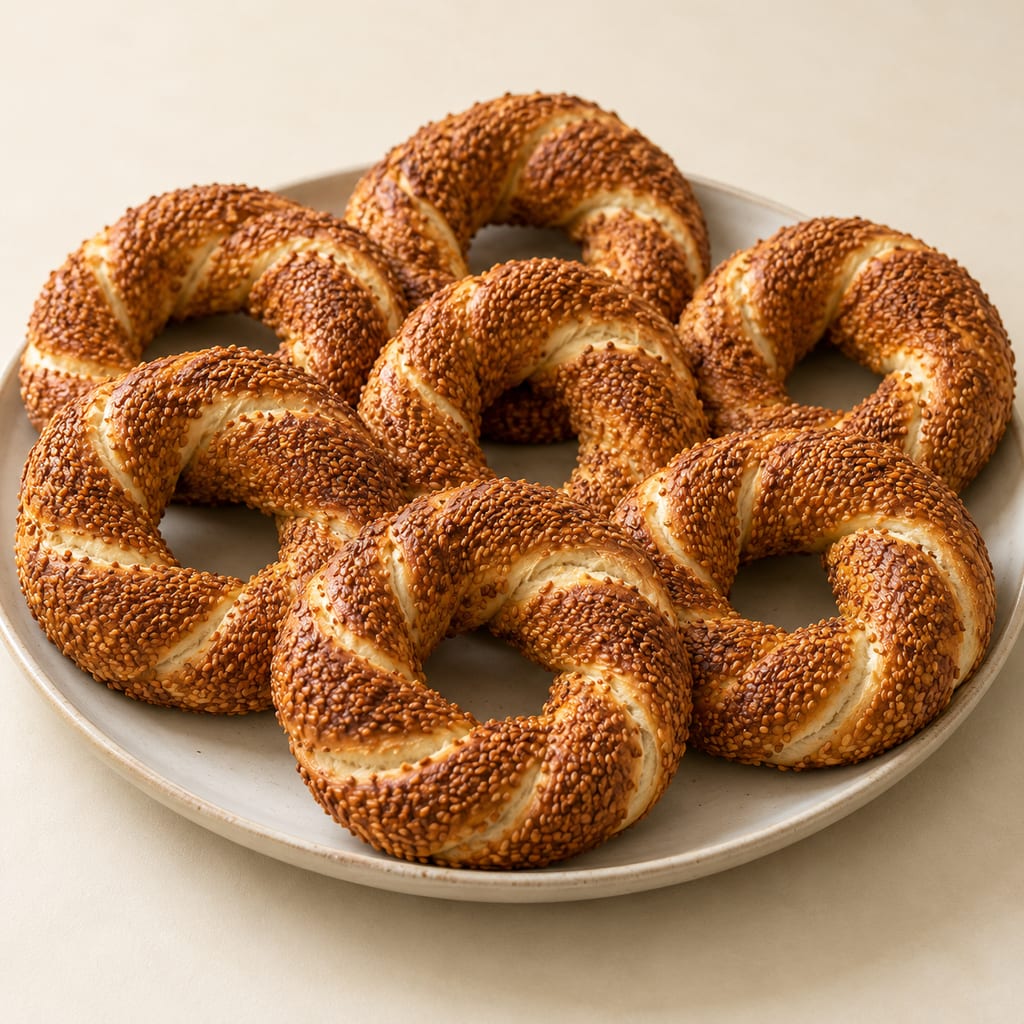
This Turkish street-food bread is shaped from twisted yeast dough into rings, dipped in a diluted molasses sauce and sesame, then baked. This home recipe makes seven rings and includes a clear sesame-allergen warning.
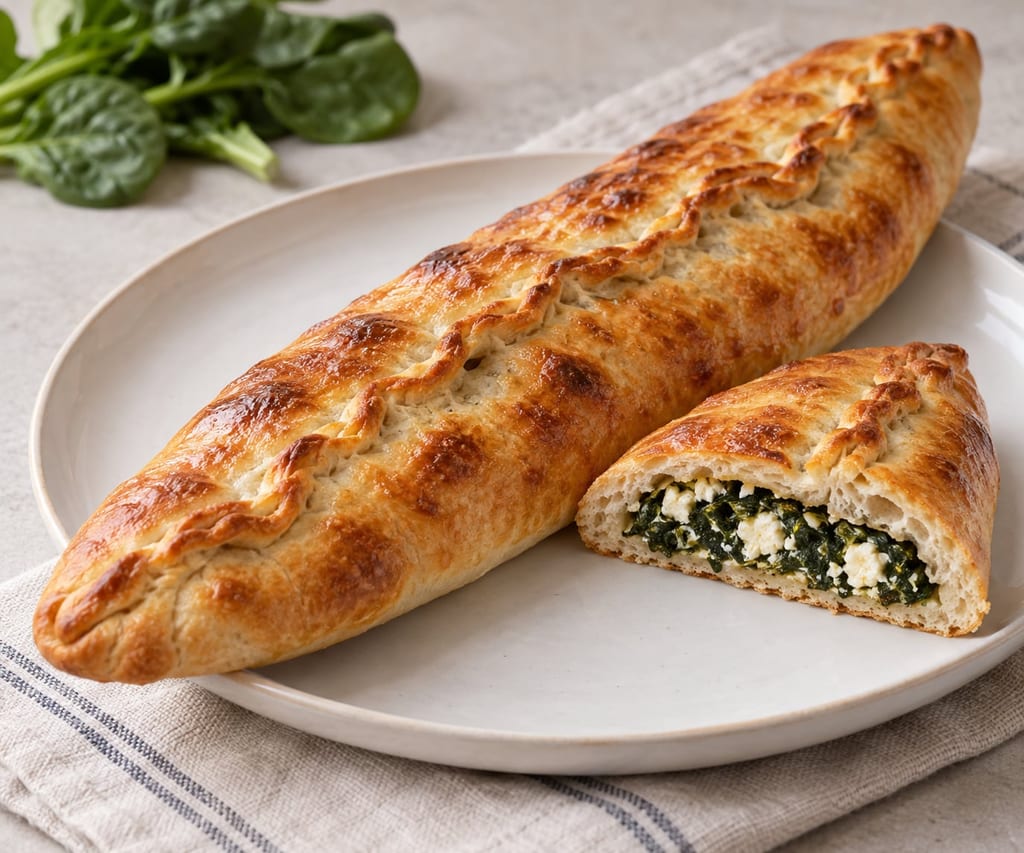
Turkish home-style yeast dough is shaped into closed boats around spinach and cheese, then baked hot until the crust is golden.

Ayran is Turkey’s cold, savoury yogurt drink: plain yogurt is loosened with water and lightly salted, then whisked smooth or aerated into a soft cap of foam.
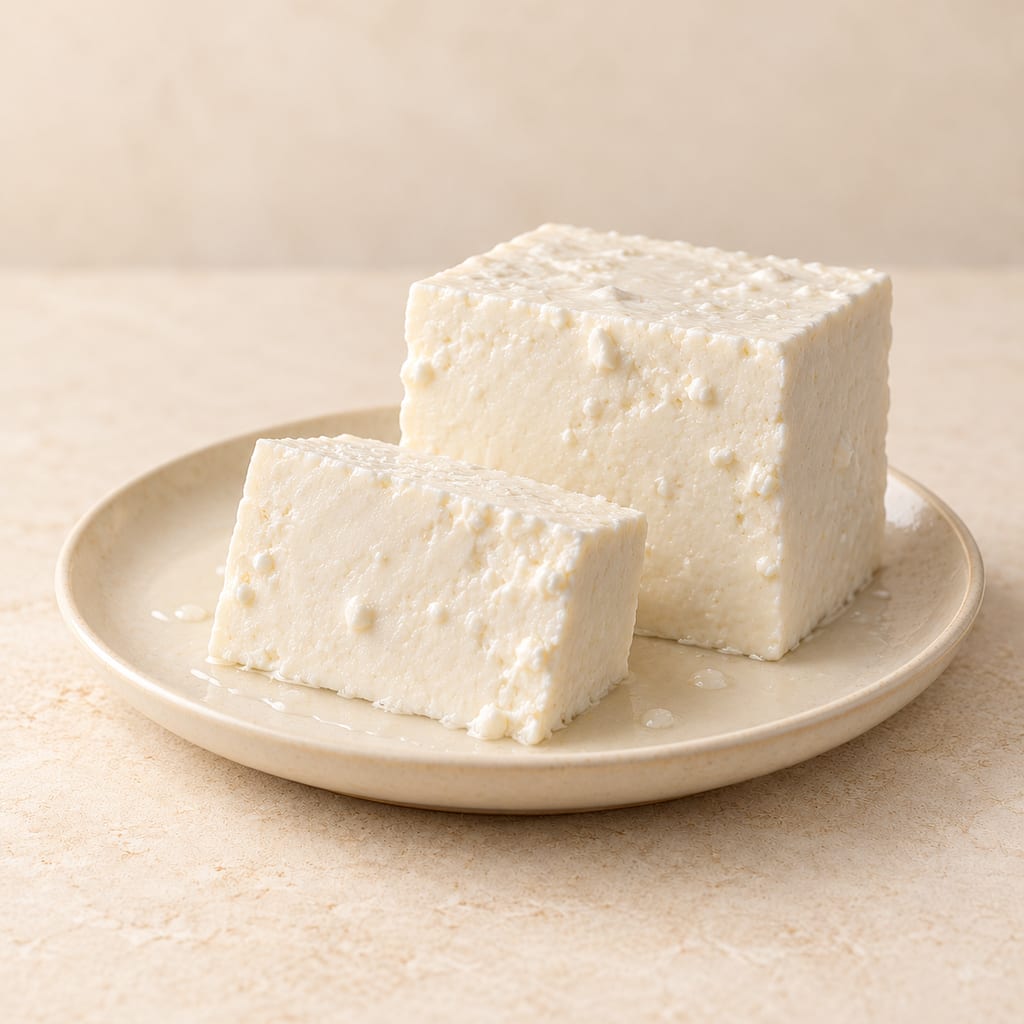
Beyaz peynir is a Turkish white cheese matured in brine. Sheep milk, alone or mixed with other milks, gives a close-textured cheese cut into blocks and packed in cans.
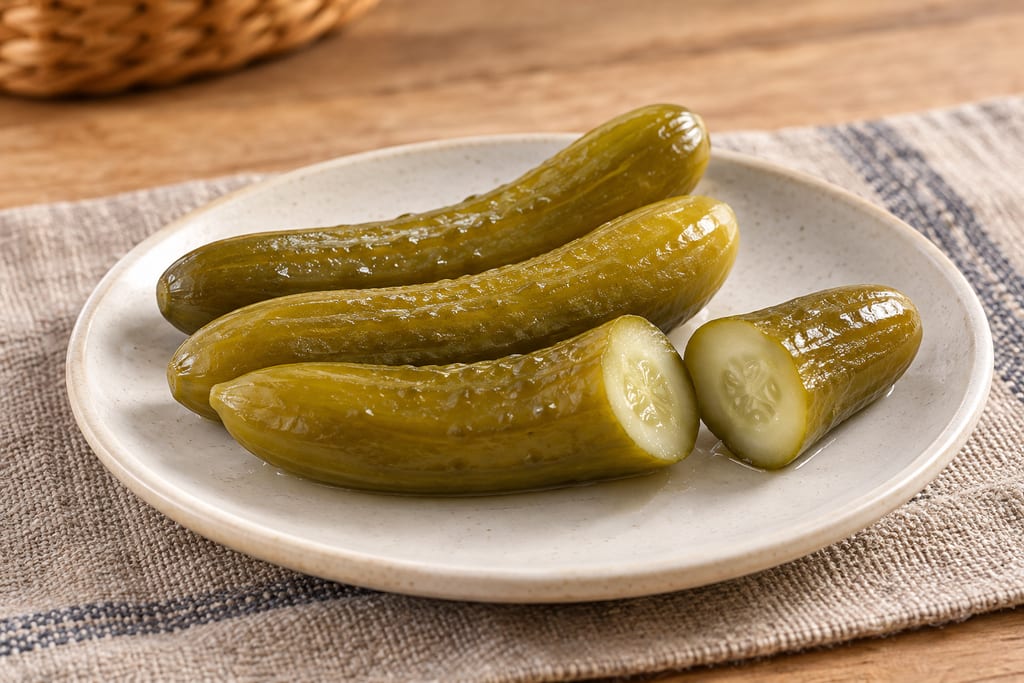
Çubuk turşusu is a registered pickle from Çubuk district in Ankara. Its cucumber variant is sold as Salatalık Turşusu, and a commercial specification sets its brine and room-temperature period.
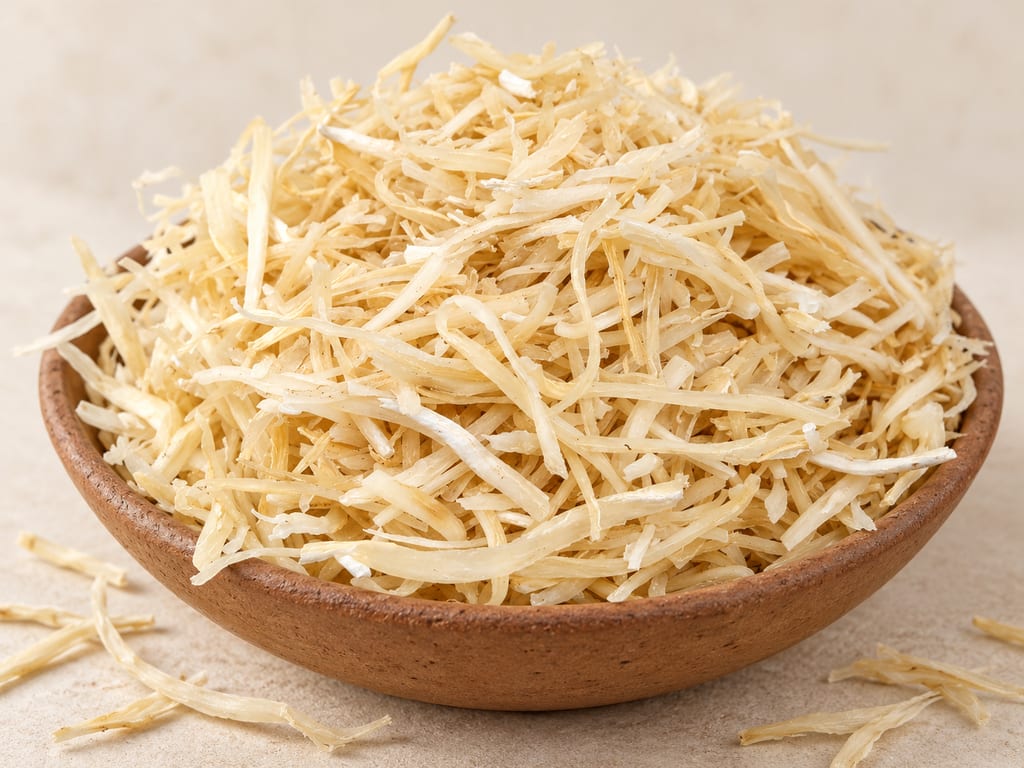
Abacha is a fermented cassava-strip preparation from southeastern Nigeria, sold wet or dried and later rehydrated for meals such as African salad.
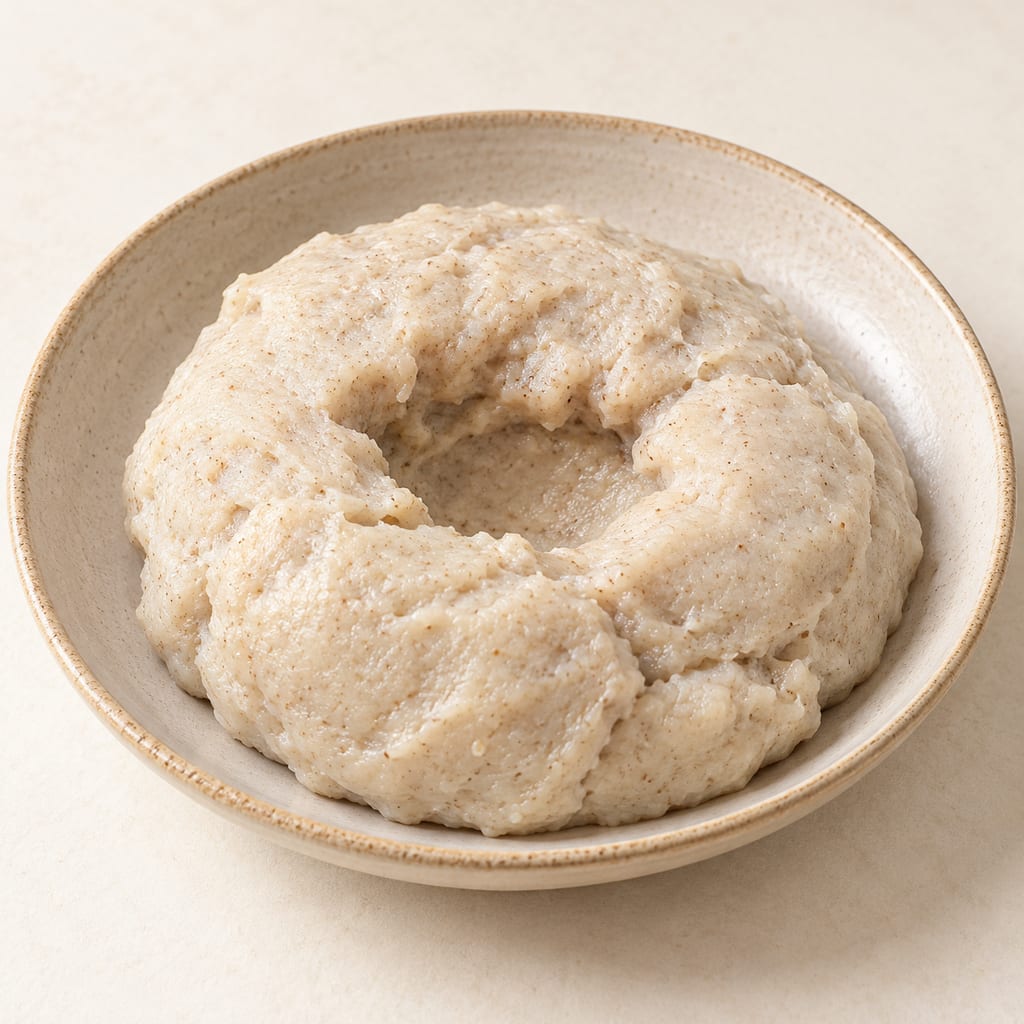
Aceda is Sudan’s firm cereal porridge, commonly made from sorghum and shaped into a smooth mound. Some versions use fermented dough; fermentation is not universal.
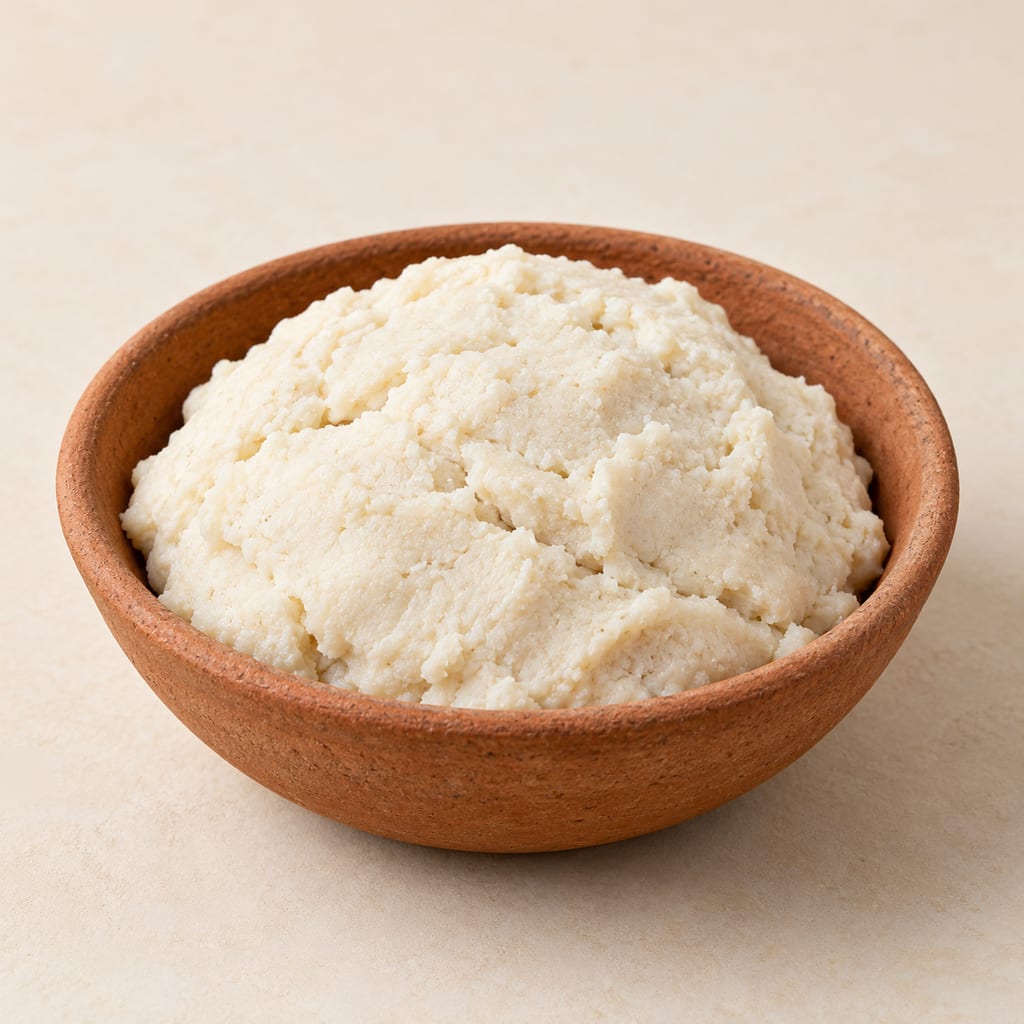
Ghanaian sour cassava dough fermented with traditional inoculum and drained during fermentation. It is used as a base for cooked foods such as banku and akple; process variants and safety outcomes differ.

Appam, or hoppers, are South Indian and Sri Lankan rice pancakes made from a fermented coconut-and-rice batter and cooked in a curved pan to a crisp lacy rim and a soft, spongy centre.
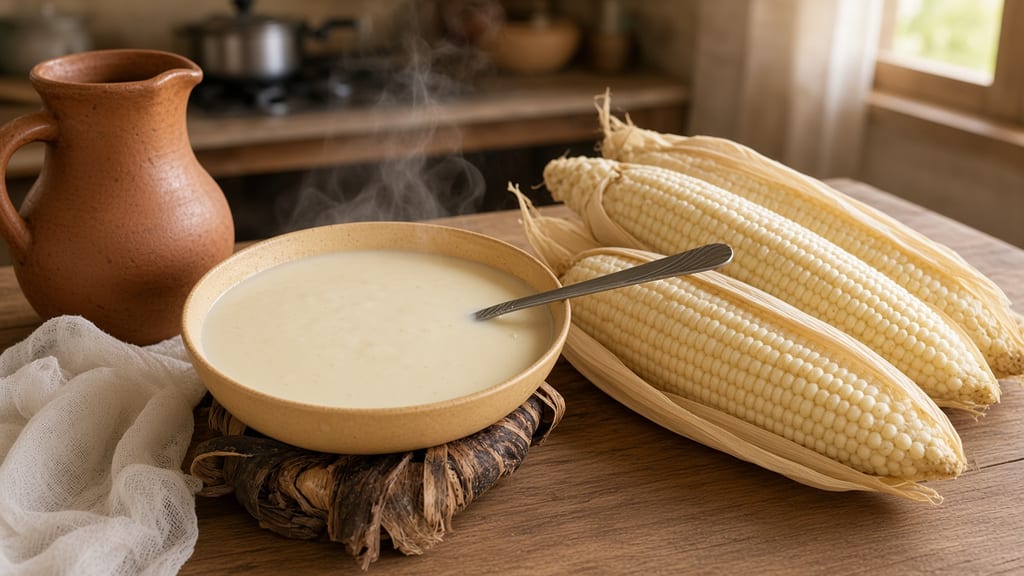
A hot, sour maize drink from Tabasco made from maize that is not lime-cooked. The ground grain sours for half a day, then makers strain it and boil it until thick.
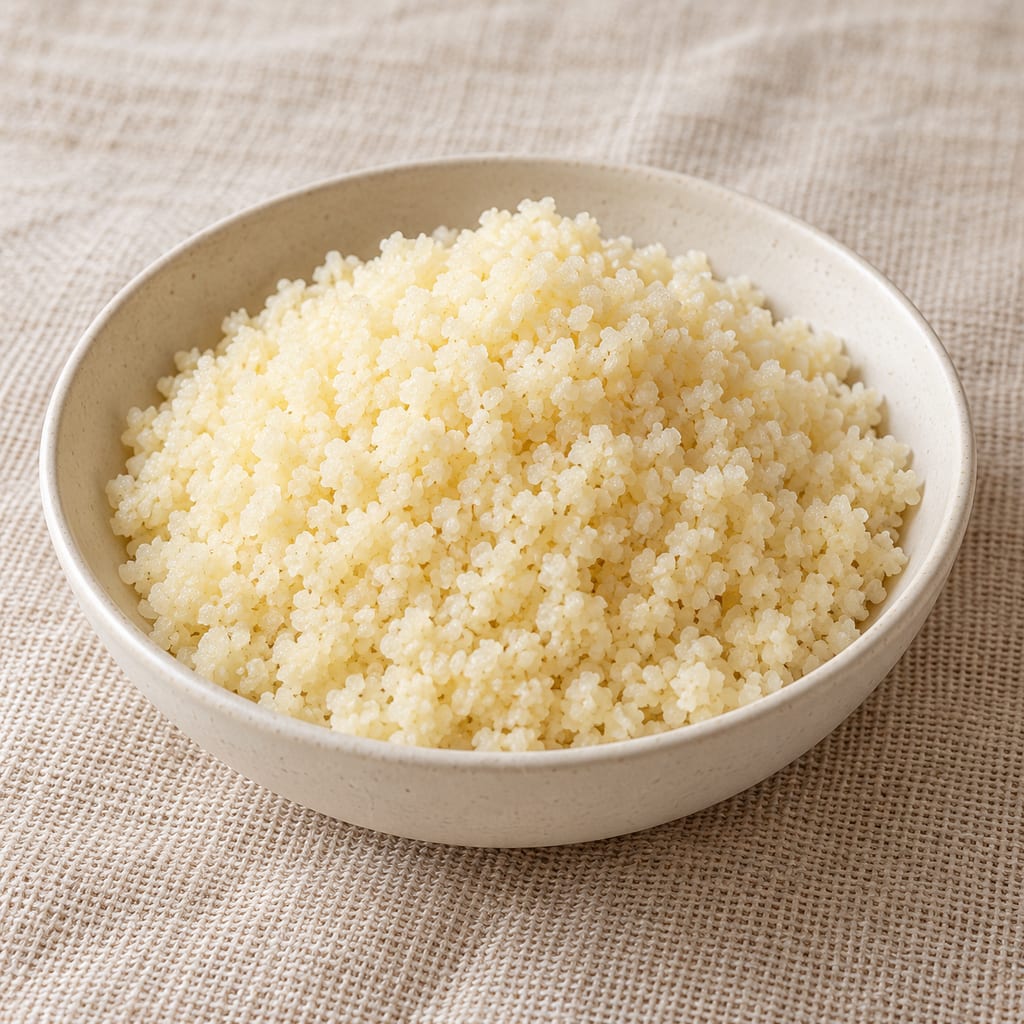
Ivorian cassava semolina: grated cassava is fermented overnight with a traditional inoculum, pressed, sieved into granules, dried and steamed. Documented in a 2006 field study; no sole original process is established.
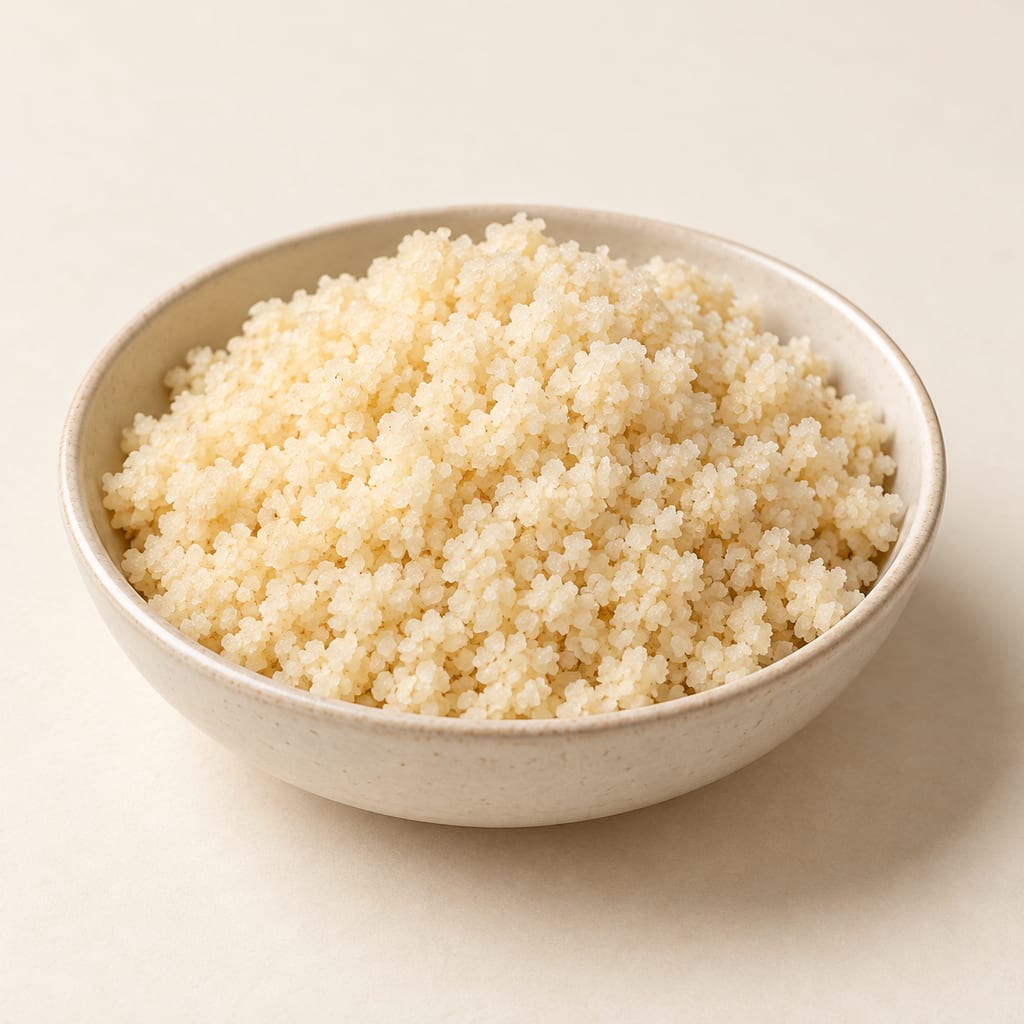
Attiéké is an Ivorian staple of grated cassava fermented with a traditional inoculum, then pressed, sieved, granulated, dried and steamed into fine couscous-like grains.

Crushed or milled barley cooked in water until the starch softens and the mixture thickens, the plainest way a northern household turned stored grain into a meal, here with apple and hazelnut.
No community contributions have been published for this entry yet.
Sign in to contribute. Published comments and photos are free to read.
Republic of Türkiye Ministry of Culture and TourismMethod · Use
Preparing Dried TarhanaIngredient quantities and the ten-step preparation; generally made from yoghurt and cereals, with or without vegetables and aromatic herbs; low-heat oven drying; the yarma or göce cracked-wheat variety; soup variations with beet cubes and boiled chickpeas.
Cited in: A fermented dough, dried into a soup base; The Ministry method; Relatives that share the name; In the soup pot
Turkish Style CookingMethod · Use
Tarhana Dough RecipeA household method with red peppers, onions, yoghurt, tarhana or dry yeast, salt and flour; ten days of fermentation with daily flour and kneading; drying and storage in a glass jar; the author's remarks on sourness, colour and regional variety.
Cited in: A fermented dough, dried into a soup base; A longer household method; What is known of the fermentation; In the soup pot
Acta Scientiarum Polonorum Technologia AlimentariaHistory · Geography
Traditional fermented foods in AnatoliaTarhana as a fermented cereal food, dried and commonly used in soup, local cracked-wheat formulations; a migration-linked claim about its arrival in Anatolia resting on secondary works.
Cited in: History and what is not established
Food Science and Applied BiotechnologyMicrobiology · Variants
The microbiology of Greek/Cyprus Trahanas and of Turkish Tarhana: A reviewGreek and Cypriot trahanas may be made with fermented ewe or goat milk and wheat; summer production described for trahanas only.
Cited in: Relatives that share the name
Food Science & Nutrition; PubMed CentralVariants
Development of a dehydrated fortified food base from fermented milk and parboiled wheat, and comparison of its composition and reconstitution behavior with those of commercial dried dairy-cereal blendsKishk described as a fermented dairy and cracked-wheat food, distinct from tarhana.
Cited in: Relatives that share the name
Food Science and Biotechnology; SpringerMicrobiology
Comparison of lactic acid bacteria diversity during the fermentation of Tarhana produced at home and on a commercial scaleLactic-acid-bacteria profiles differed between home-made and commercial tarhana samples (abstract).
Cited in: What is known of the fermentation
Hacettepe UniversityMicrobiology
Bütünleşik Omik Yaklaşımı ile Geleneksel Tarhana Fermantasyonu Mikrobiyomunun AraştırılmasıA 2024 thesis analysing tarhana samples associated with five Turkish provinces and noting recipe variation (abstract).
Cited in: What is known of the fermentation