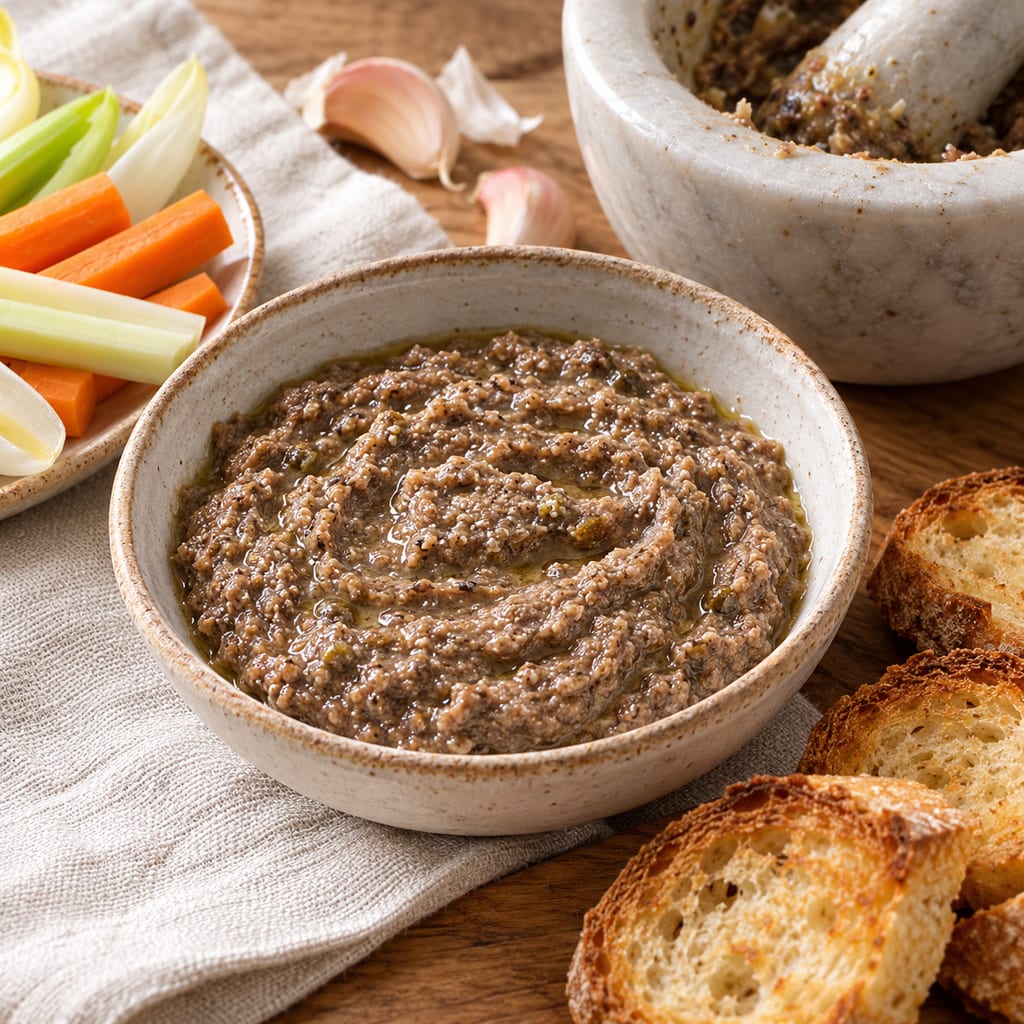
Anchoiade
A Provencal dip of anchovies, garlic, capers and olive oil, pounded or blended to a creamy paste and served with raw vegetables, bread and eggs.
 FermenteaWhere food goes to change
Pissala · Pissalat de Nice · Pissalat niçois
A salted, fermented paste of small fish from Nice, pounded with olive oil, spices and herbs and spread on bread. Unlike a clear fish sauce, it keeps the solids in the finished condiment.
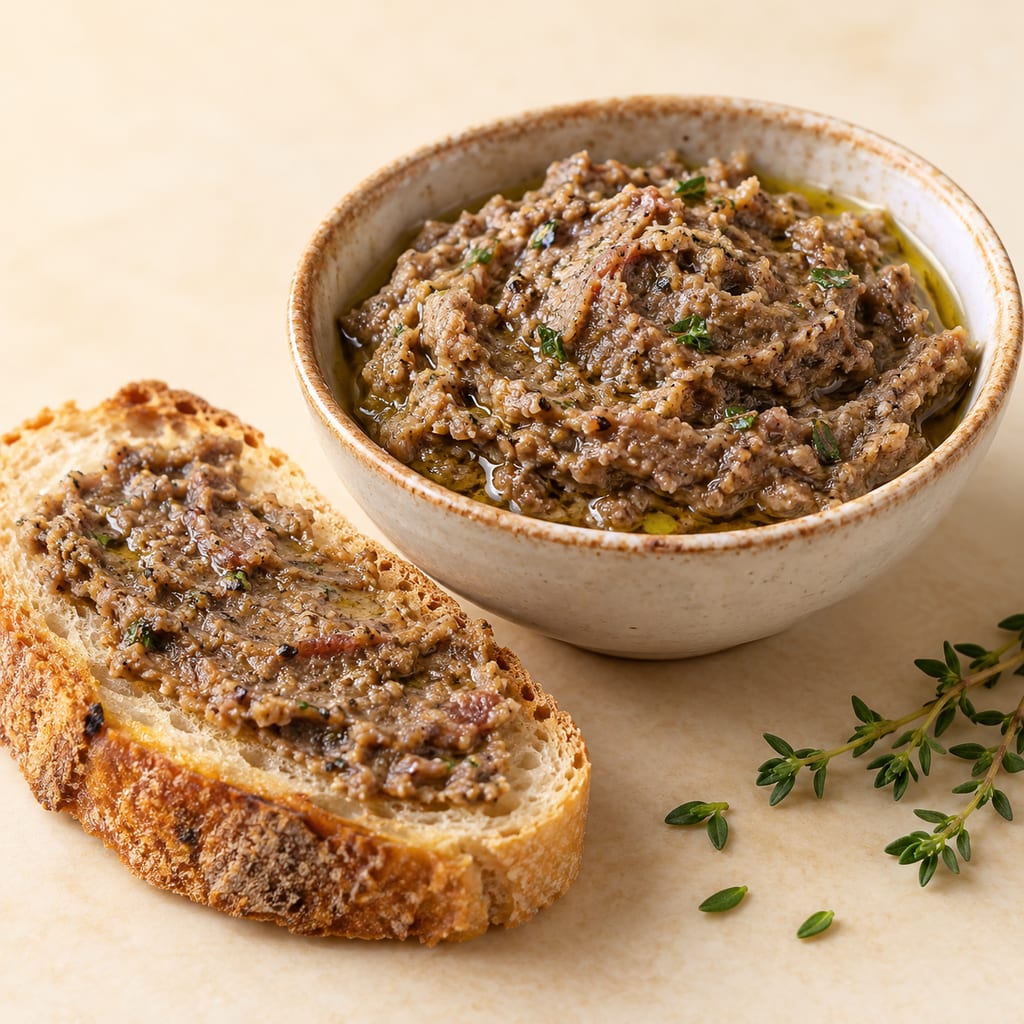
Pissalat is a strongly flavoured paste of salted, fermented small fish, traditionally from the Nice region of southeastern France. It is not a clear fish sauce. The solids of the fish stay in the finished paste, which is spread on bread or used to season hors d'oeuvres, fish, cold meat and the local dish pissaladiere.
The name comes from the Nicard words peis salat, meaning salted fish, which is also the sense of the Old Provencal word the page gives for it.
The encyclopedia entry compares pissalat with the Mesopotamian siqqu, a salted fish preparation it dates to about 1700 BC, and with the Roman garum, a fish sauce made by macerating fish and aromatics in salt. Those comparisons describe a family of salted fish products. They do not show that pissalat descends from either.
The Trésor de la langue française informatisé reports the earliest Niçois attestation in 1539 as “il pisalat de Nizza,” citing Jean Badat’s chronicle in Romania 25, page 63. E. Cais de Pierlas’s 1896 edition describes Badat’s chronicle as a contemporary account covering 1516–1567; its entry for 1538 also mentions salted fish from Nice being made into a sauce. These sources document the word and a related salted-fish condiment, not the beginning of the preparation or evidence for the modern formula or its safety.
Salting sardines and anchovies in the Nice region was a centuries-old local trade. At the start of the nineteenth century it employed about a dozen families. Louis Roubaudi praised the paste in his 1843 book Nice et ses environs, recommending it with olive oil, vinegar and salted olives as a stimulant to appetite.
The trade largely disappeared from commerce during the Second World War. Small artisanal and family producers keep the paste going, and in many kitchens salted anchovies or anchovy puree stand in for it, especially in pissaladiere.
The fish is pounded in a mortar and brined with salt, pepper, olive oil and herbs and spices. The mixture is kept in a large terracotta terrine in a cool place and macerated and fermented for several months.
During that time it is stirred daily to form a paste and the rising oil is skimmed once a week. After about a month the paste is passed through a fine sieve, and it is then stored in glass jars covered with olive oil. The source gives no temperature, salt ratio or endpoint for the fermentation.
The source gives no quantities, no salt level and no temperature for the fermentation, so the proportions and the finished product's safety cannot be set from it. Producer specifications and a documented analysis of the paste would be needed before the method could be treated as reliable. Sources on the origin of the name and of pissaladiere differ, and the page's claims about them are not confirmed here.
Pissalat was a commercial salted-fish industry in the Nice region, which the encyclopedia places among older Mediterranean relatives of fish sauce. It is a paste rather than a clear liquid, so it stands apart from garum-type fish sauces and from colatura. Its commercial sale largely ended during the Second World War, and it now survives in small family production. Its etymology from Niçard peis salat, salted fish, is given on the same page.
Scaling: source batch only
The source gives a cool place and several months but no temperature, salt ratio or endpoint, so the product cannot be shown to be safe from this description.
Hazard sourceFermented fish preparation with no validated salt level, temperature or endpoint. Do not make it from this page as a food-safety procedure.
Contains fish. Label allergens.
The page places pissalat in the Nice-Cote d'Azur region as a centuries-old local industry; artisanal production survives in small family batches.
A Provencal dip of anchovies, garlic, capers and olive oil, pounded or blended to a creamy paste and served with raw vegetables, bread and eggs.
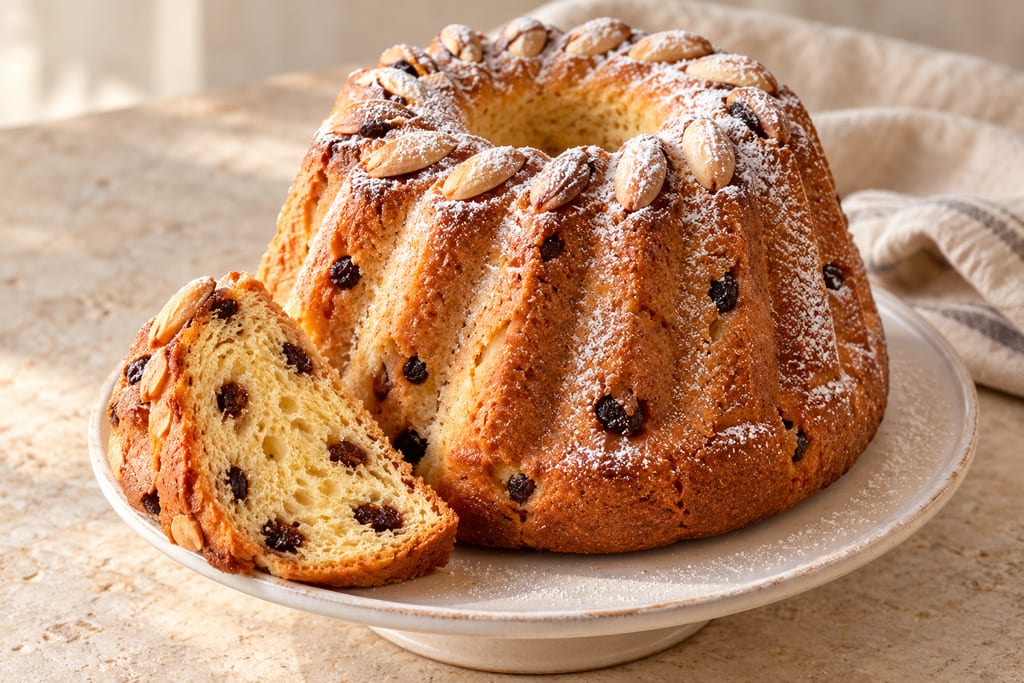
An enriched Alsatian yeast ring with raisins and almonds, kneaded with butter, proofed in a fluted mould and baked until browned.

A warm dip of garlic, anchovy and olive oil, often enriched with butter, that Piedmont serves over a flame with raw and cooked vegetables and bread.
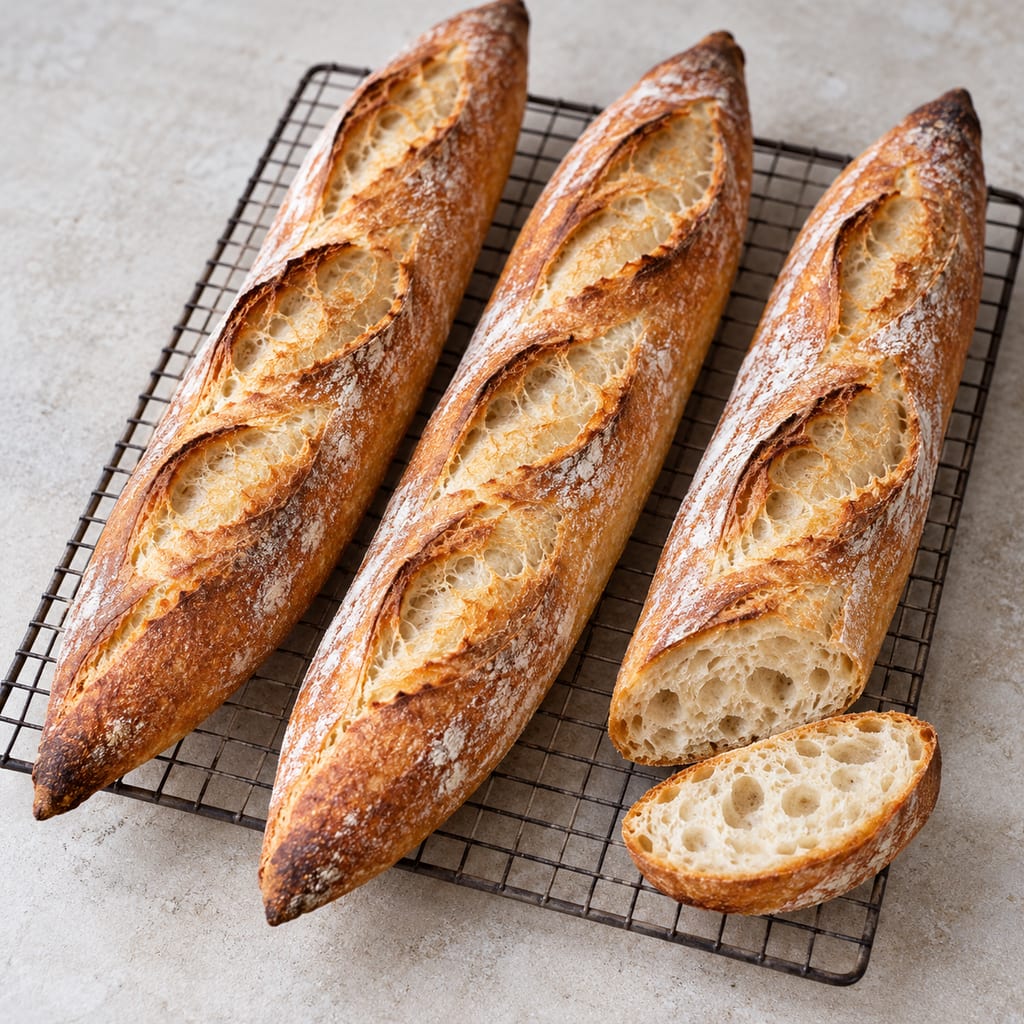
Three long, crusty wheat loaves made with an overnight yeast poolish, shaped by hand and baked with steam for a crisp crust.

Bechamel is a white sauce of milk thickened with a butter and flour roux, one of the French mother sauces, and the base from which Mornay and other cheese and cream sauces are made.
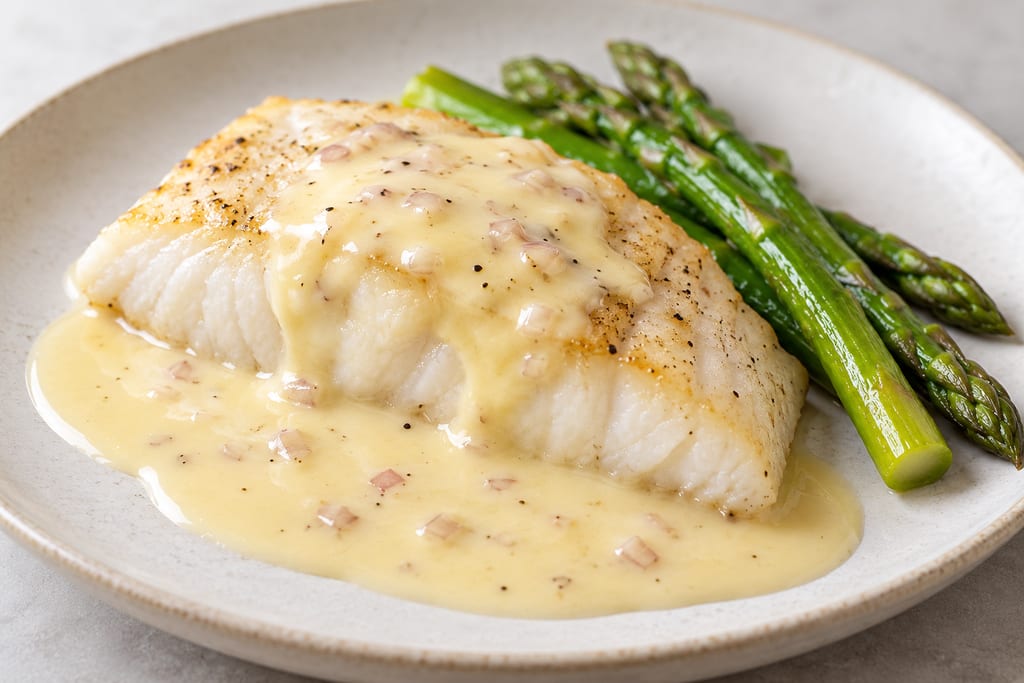
Beurre blanc is a warm emulsion of cold butter whisked into a reduction of white wine, vinegar or lemon juice and shallot, a sauce from the Loire Valley and its red-wine version, beurre rouge.
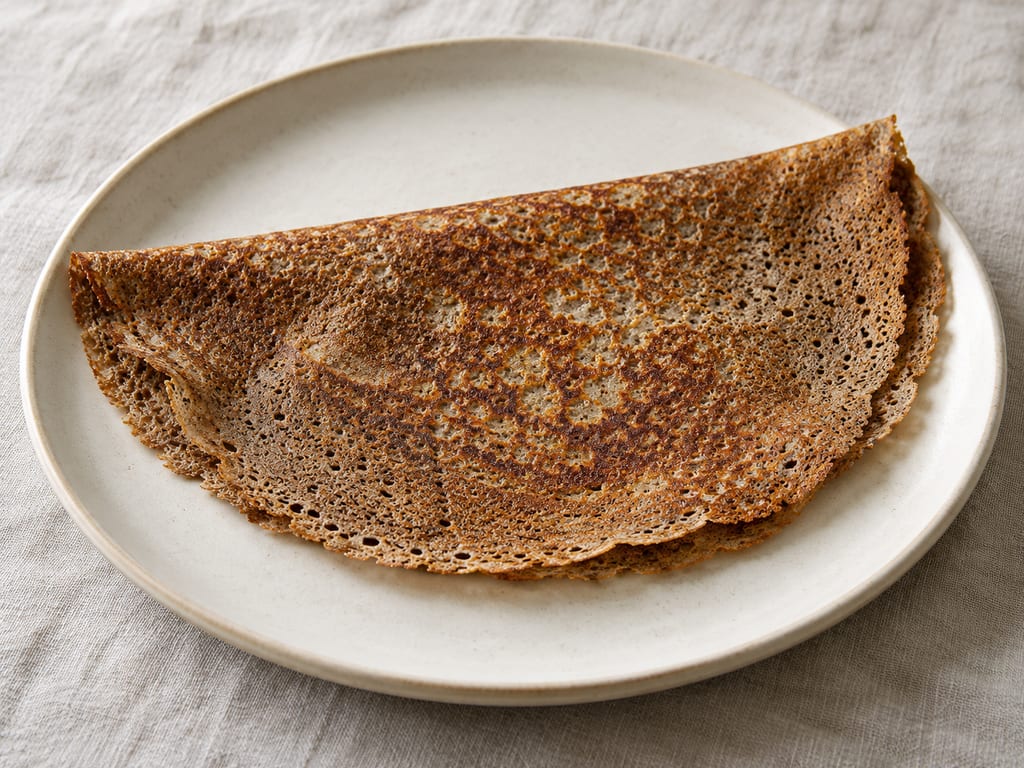
A thin Brittany galette made from buckwheat flour, water and Guérande salt. This Atelier de la Crêpe method rests the batter in a refrigerator before cooking it on a hot crêpière.
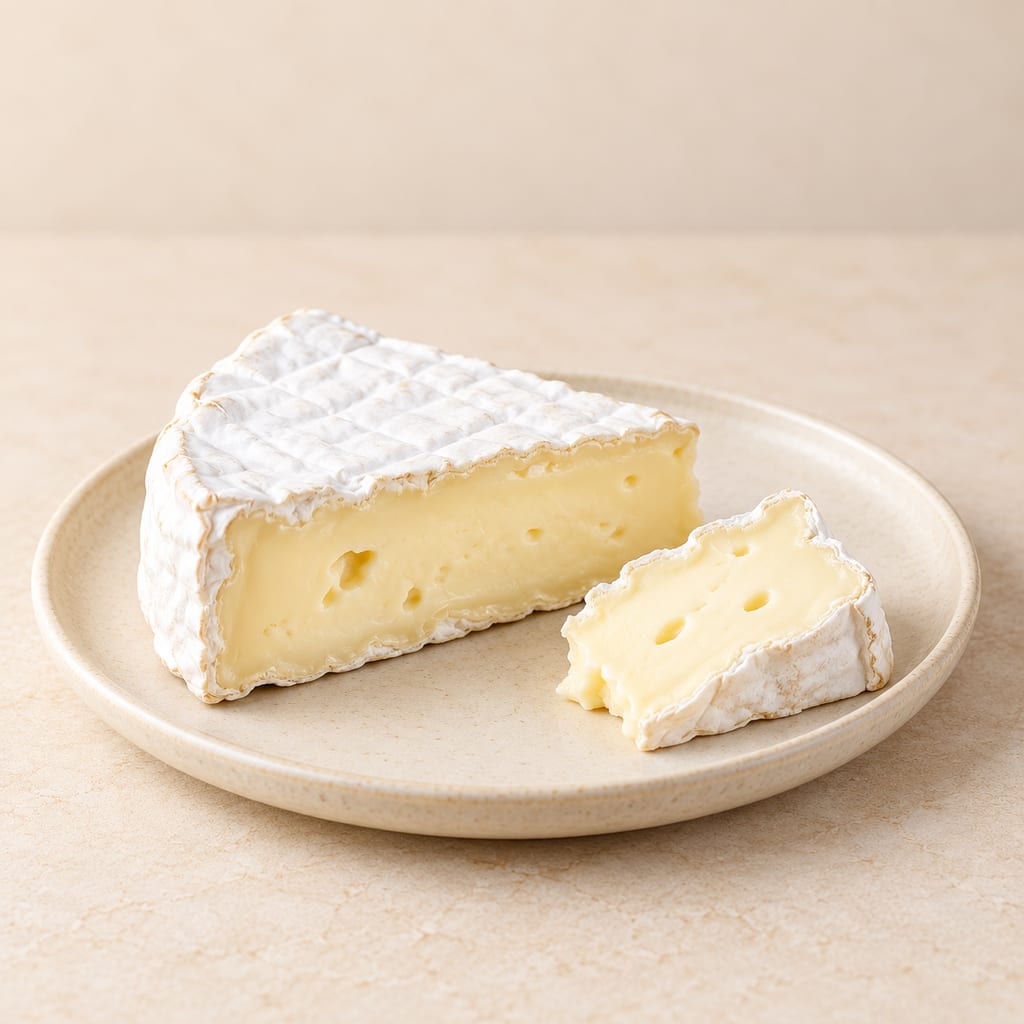
A cream-enriched Brie with a white bloomy rind and a softening center, made from pasteurized milk with lactic and surface cultures.
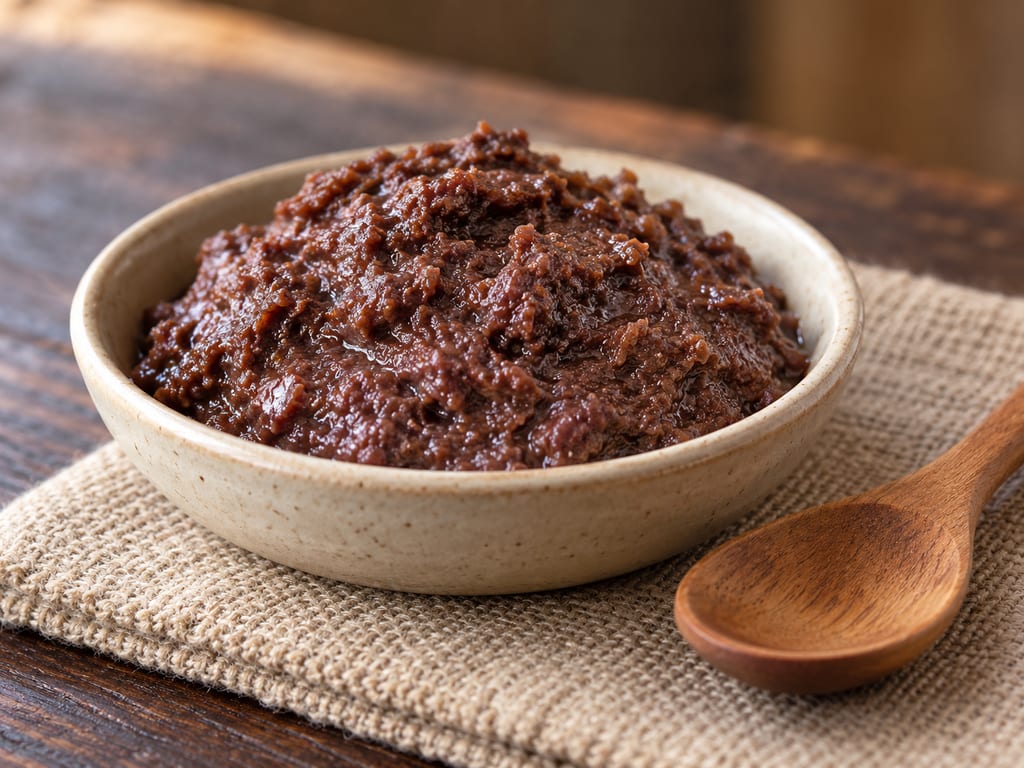
Bagoong isda is a Philippine fish paste: whole small fish salted and left to ferment for a month or more in earthen jars. It is the fish counterpart of bagoong alamang.
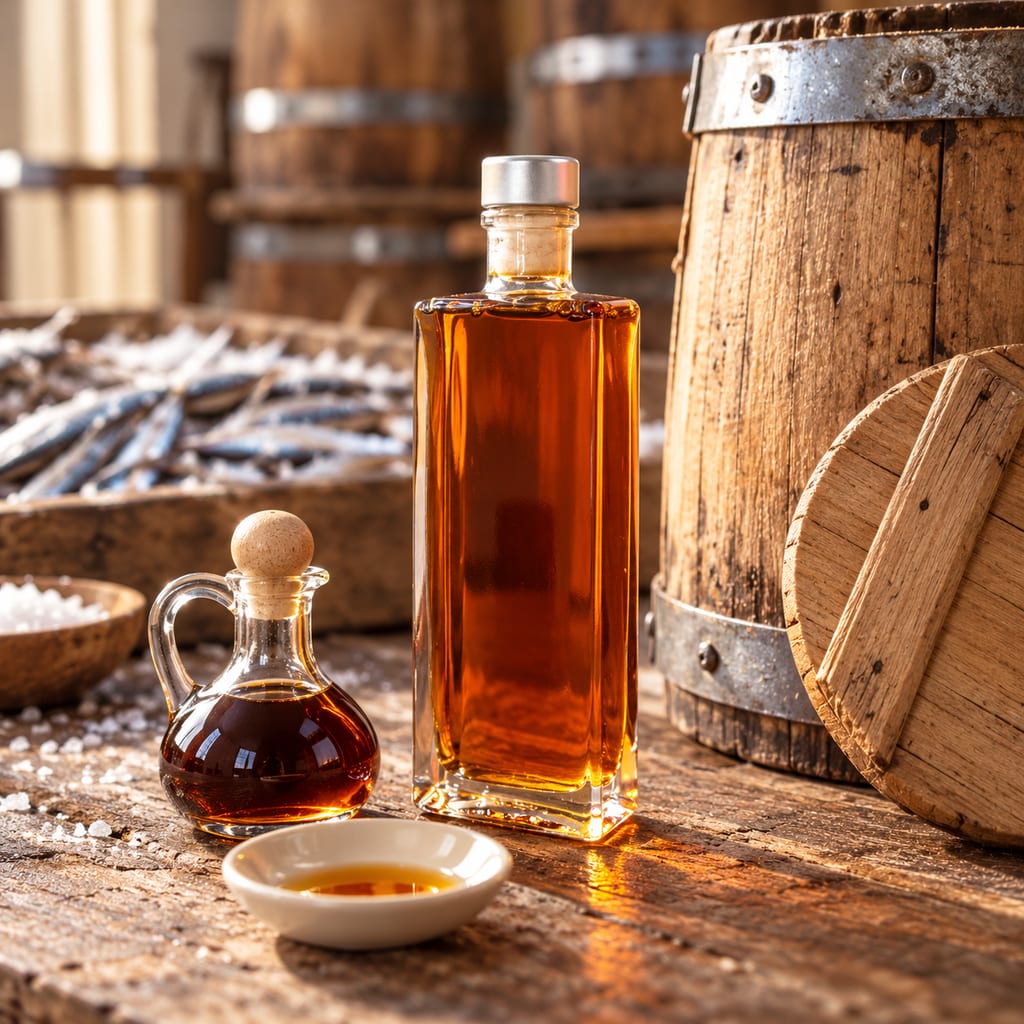
Colatura di alici is the amber liquid drained from salted anchovies matured in wooden containers in Cetara, on the Amalfi coast of Campania, and sold under a protected designation of origin.
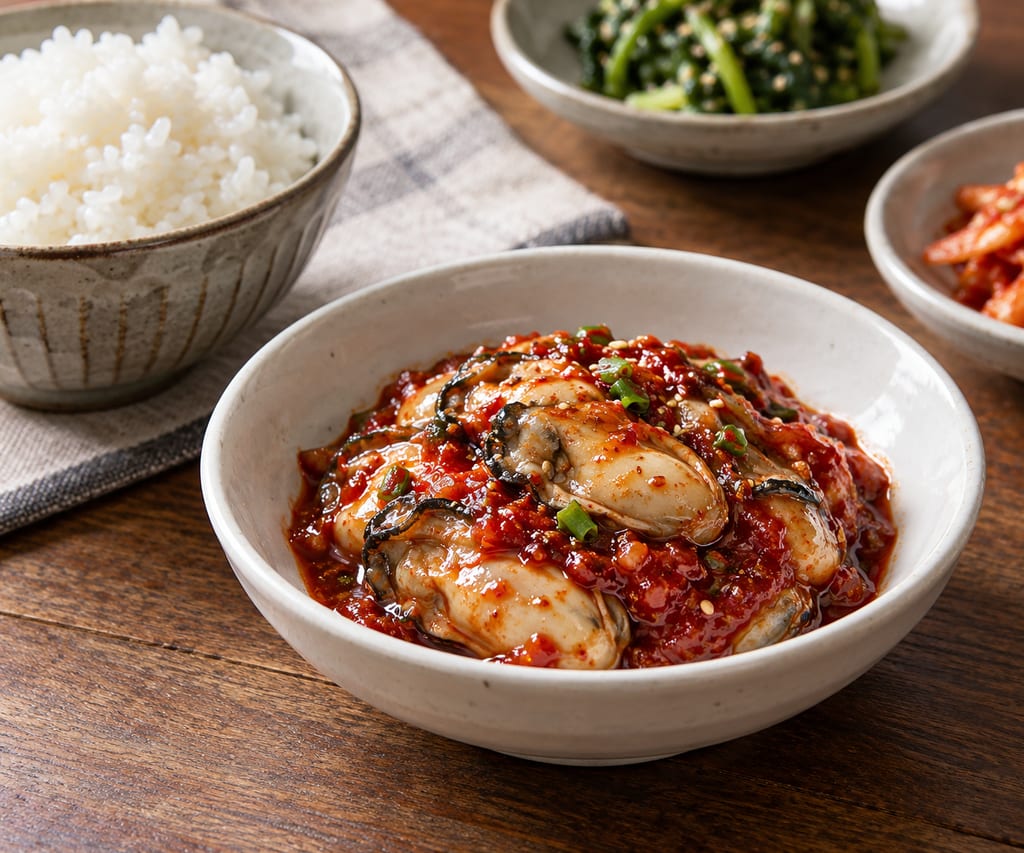
A Korean salted-oyster jeotgal seasoned with chili, associated especially with Seosan and Ganwoldo. This page records its food culture, not a household preparation method.
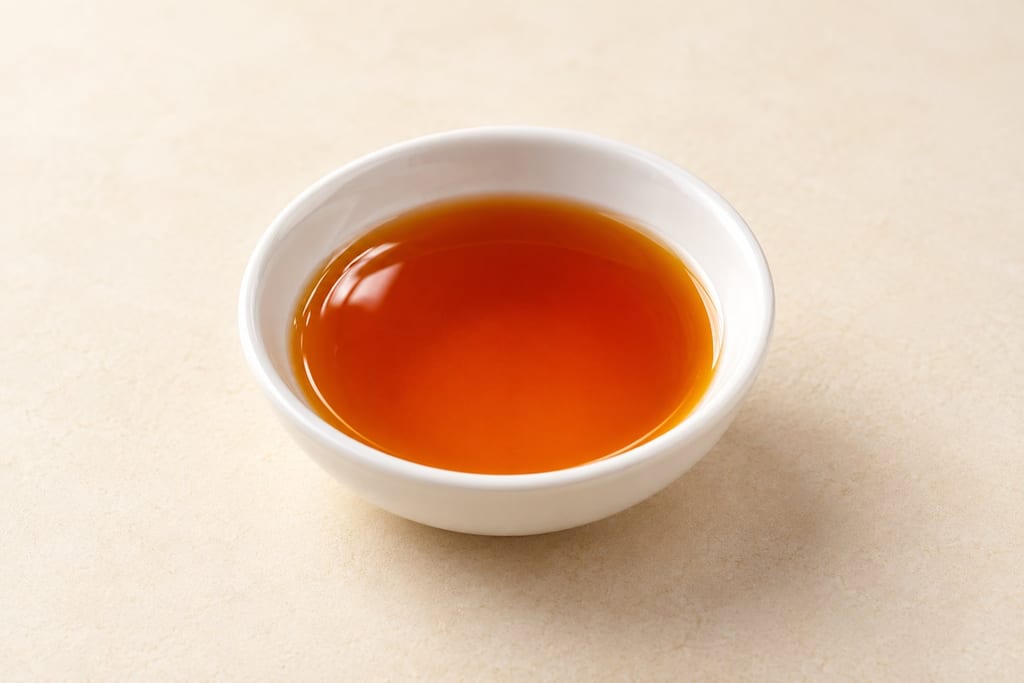
Fish sauce is a clear, salty seasoning made by maturing fish with salt and drawing off the liquid. The broad family includes distinct regional sauces rather than one interchangeable method.
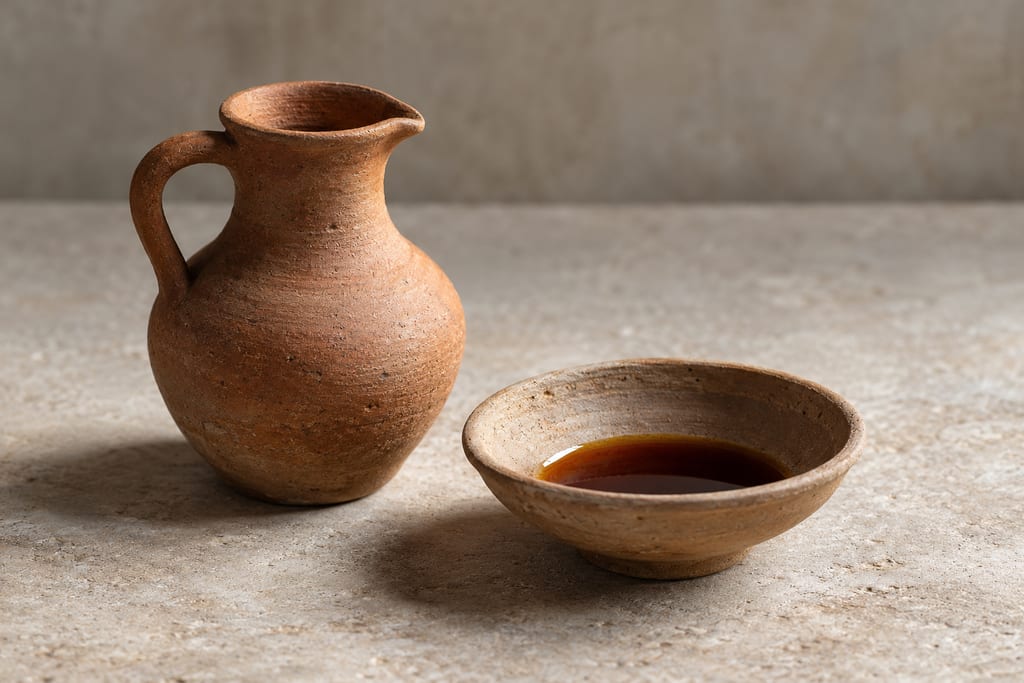
Garum, Greek garos and Latin liquamen, was the fish sauce of the ancient Mediterranean: fish and viscera salted and left in the sun, then drained off as a savoury liquid.
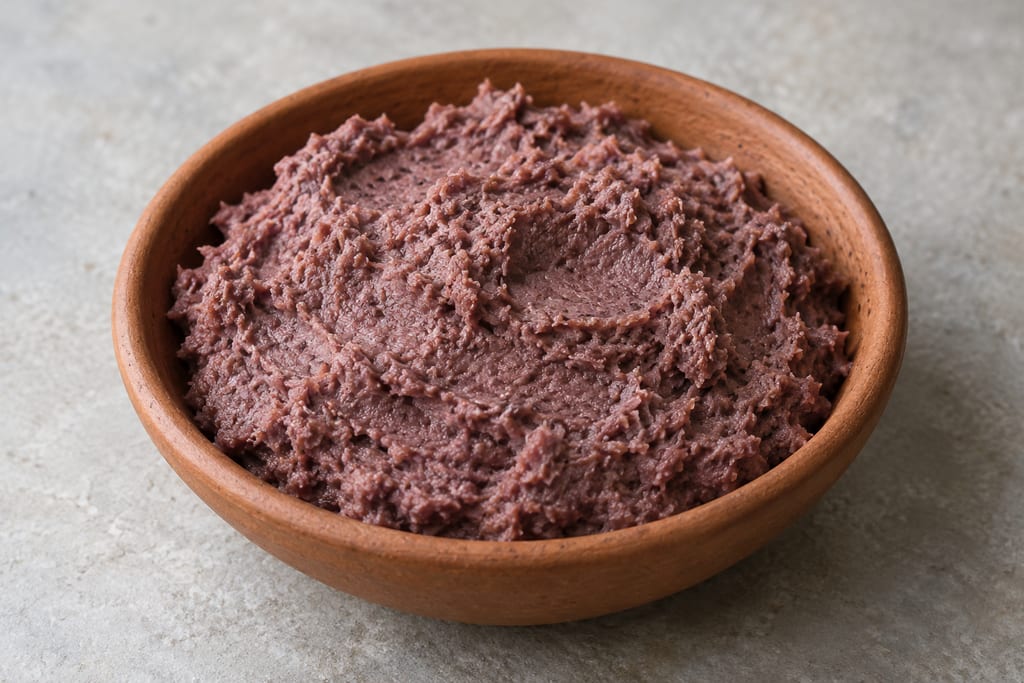
Guinamos is a shrimp paste made on Guimaras in the Philippines: small shrimp salted by hand, sun-dried and trodden by foot until it turns smooth.
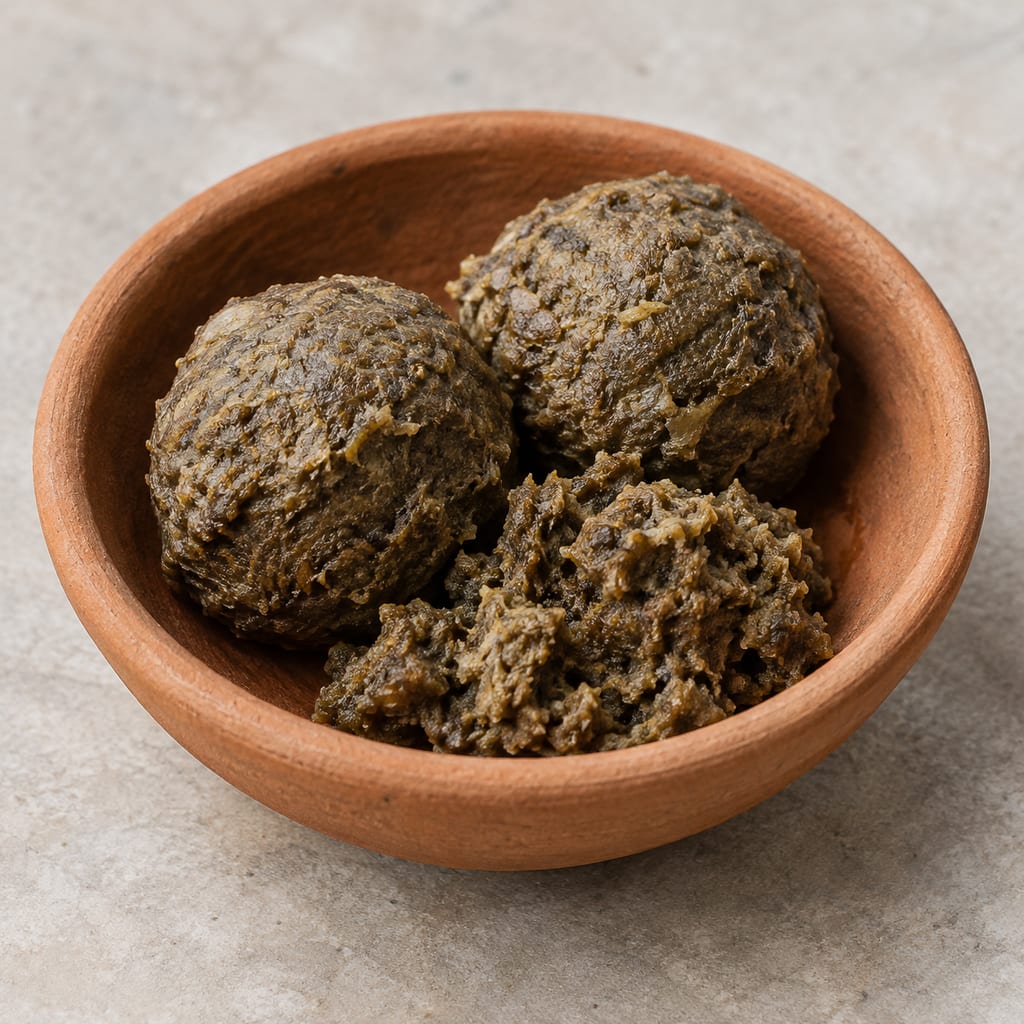
Manipuri fermented fish-and-aroid paste, formed into balls or kept in an earthen pot, used to season Manipuri dishes. Its method is documented in outline only.
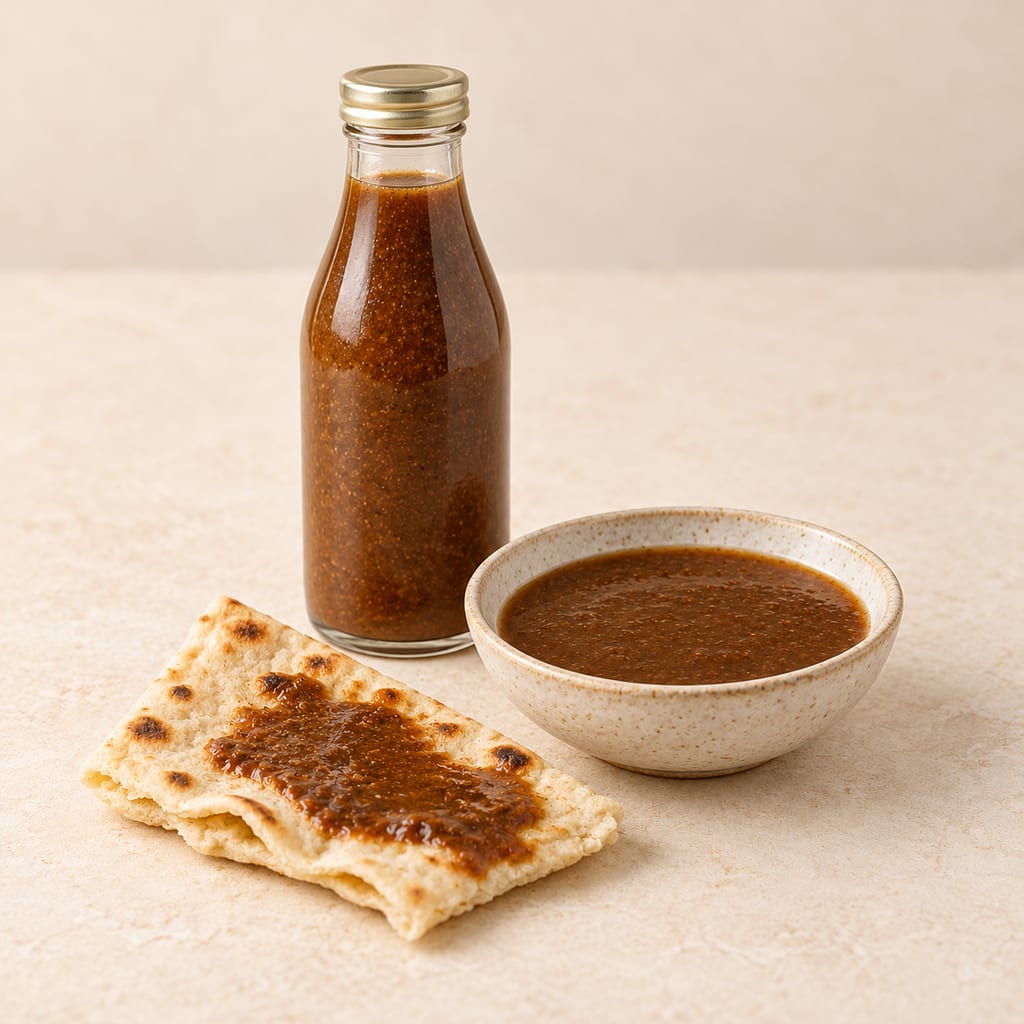
Mahyawa, also written mahyaveh, is a traditional fish sauce from southern Iran, made by salting small sardines or anchovies in water, maturing them in jars and seasoning the filtered liquid with mustard and spices.

A Cap-Pelé boucanière is an Acadian herring-smoking building. The documented Willie Niles example is a one-storey wood-frame structure with a ridge smoke vent and interior bays for hanging fish-bearing cannes.

Achcharu is a family of Sri Lankan vinegar pickles made with mixed vegetables or seasonal fruit and a piquant spice dressing. This version is a quick, refrigerated, non-fermented mixed-vegetable pickle.

The acocote is a long, hollowed and dried gourd used to draw aguamiel from a mature maguey. It is a harvesting tool: the sap is transferred to a separate vessel before it ferments into pulque.

Adrak murabba preserves young ginger in sugar syrup, a sweet South Asian preparation recorded in Indian cookery and food-processing sources.

Parkia biglobosa seeds are fermented into regional West African seasonings, including nététou, iru, dawadawa and soumbala. The yellow fruit pulp is a separate food, and names and methods vary by place.

Japanese reddish-brown vinegar from sake lees matured about three years, turned to vinegar by acetic bacteria; the vinegar of Handa and Edomae sushi rice.

A refined common-wheat flour blended for a broad range of baking; its protein and behavior vary with wheat, milling and market.

The almond mushroom, Agaricus subrufescens, was cultivated in eastern North America in the 1800s, lost its market, and returned as a cultivated mushroom from Brazil, where it is grown under several names.
No community contributions have been published for this entry yet.
Sign in to contribute. Published comments and photos are free to read.
WikipediaHistory · Method · Ingredients
PissalatAnchovy, sardine or poutine pounded and brined with salt, pepper, olive oil, spices and herbs
Terracotta terrine, several months, stirred daily, oil skimmed weekly, sieved after a month, jars under olive oil
Louis Roubaudi 1843 Nice et ses environs
Trade employed about a dozen families at start of 19th century; largely gone during WWII
CNRTL / ATILFHistory · Etymology
Pissala(t), Trésor de la langue française informatiséReports a Niçois attestation from 1539, “il pisalat de Nizza,” citing Jean Badat’s chronicle in Romania 25, page 63.
E. Cais de Pierlas, Romania 25 no. 97, 1896, pp. 33–79; PerséeHistory
Chronique niçoise de Jean Badat (1516–1567)The editor describes the chronicle as a contemporary account covering 1516–1567 (pp. 33–34).
The 1538 entry mentions salted fish from Nice being made into a sauce (p. 63).
The CNRTL cites the same edition, page 63, for the reported 1539 word attestation.