
Bagna cauda
A warm dip of garlic, anchovy and olive oil, often enriched with butter, that Piedmont serves over a flame with raw and cooked vegetables and bread.
 FermenteaWhere food goes to change
Velouté · Velouté · velvety sauce
Veloute is a light stock sauce thickened with a blond roux, one of the French mother sauces, and the base for named sauces built on chicken, fish or veal stock.
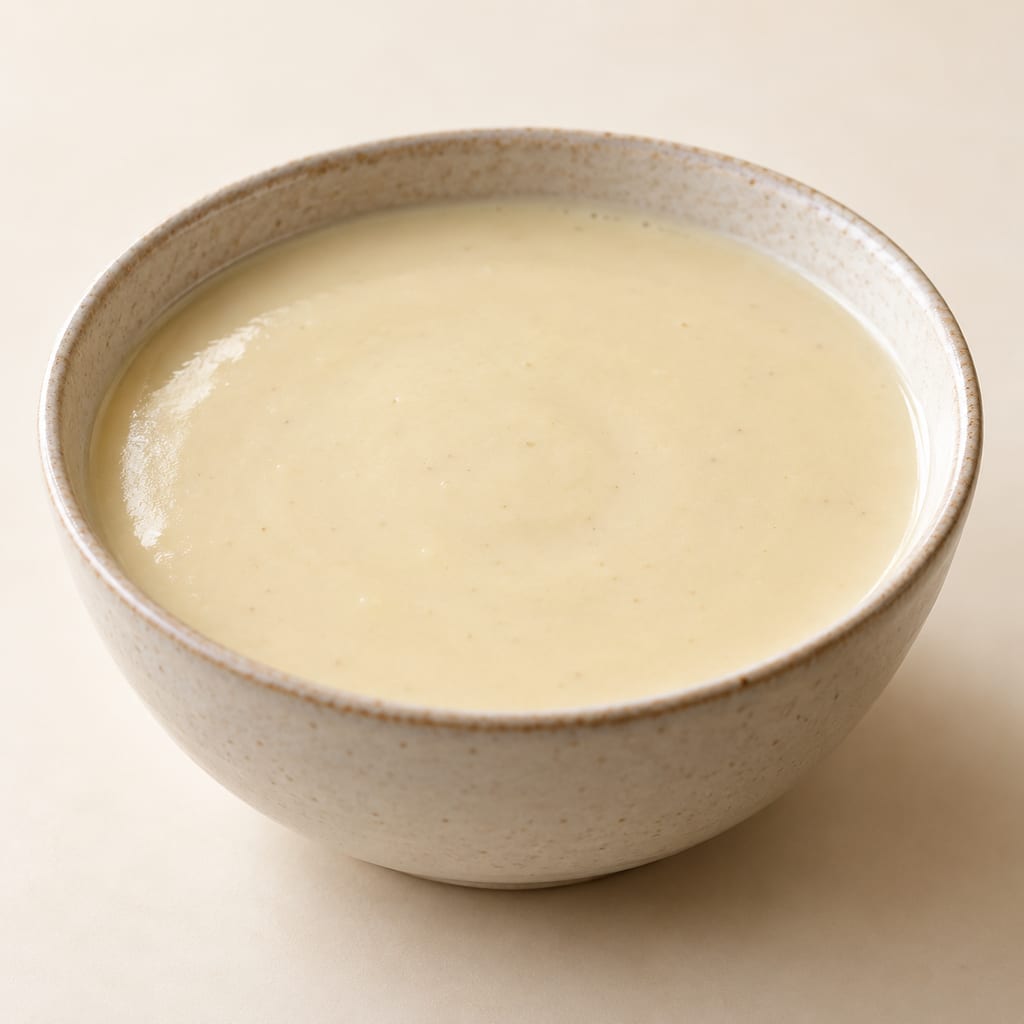
Veloute is a French sauce made from a roux and a light stock. Its name means velvety, and the sauce is smooth, lightly coloured and mild. It is one of the French mother sauces and the base for many named sauces.
Escoffier listed it among the mother sauces in the early twentieth century. The sources read do not say who first made it or when, so its origin stays uncertain.
The stock must be a light one, made from bones that were not roasted first. Veal, chicken or fish stock is used, and the sauce is named after its stock, such as chicken or fish veloute. The article does not mention vegetable stock.
The stock is thickened with a blond roux, which is butter and flour cooked gently without browning. Le Cordon Bleu describes the same method: a roux and stock, giving a lightly coloured, smooth result. The sources read give no ratio of stock to roux and no cooking time.
Velouté is the base for a long list of named sauces. Allemande is finished with lemon juice, egg yolks and cream. Aurore has tomato puree. Bercy is a fish velouté with shallots, white wine, lemon juice and parsley. Normande adds cream, butter and egg yolk to a fish velouté. Poulette has mushrooms, parsley and lemon juice. Ravigote is finished with lemon or vinegar, onion and shallot.
Other derivatives include Albufera, which adds meat glaze, Hungarian, with onion, paprika and white wine, Polish-style, with horseradish and sour cream, vin blanc, with fish trim and egg yolk, suprême, a chicken velouté with mushroom reduction and cream, and Venetian, with tarragon, shallots and chervil.
Velouté is served with poultry or seafood dishes and is the base for other sauces. The sources read give no advice on storage, holding or cooling, so a batch that will be kept needs a tested method that this page does not supply.
Because derivatives add dairy and egg, they need the same care as other finished sauces.
The name means velvety in French. The sauce is French, and the article does not say who created it or when, so its origin is uncertain.
Scaling: source batch only
A sauce built on meat, poultry or fish stock with dairy or egg finishes supports bacterial growth if it is held warm or cooled slowly.
Hazard sourceUse a tested cooling and reheating method for any batch that will be stored
Control sourceThe sources give no holding, storage or reheating advice for velouté. Do not treat this page as a storage method.
The article gives France as the place of origin and does not date its creation.
A warm dip of garlic, anchovy and olive oil, often enriched with butter, that Piedmont serves over a flame with raw and cooked vegetables and bread.

Bechamel is a white sauce of milk thickened with a butter and flour roux, one of the French mother sauces, and the base from which Mornay and other cheese and cream sauces are made.
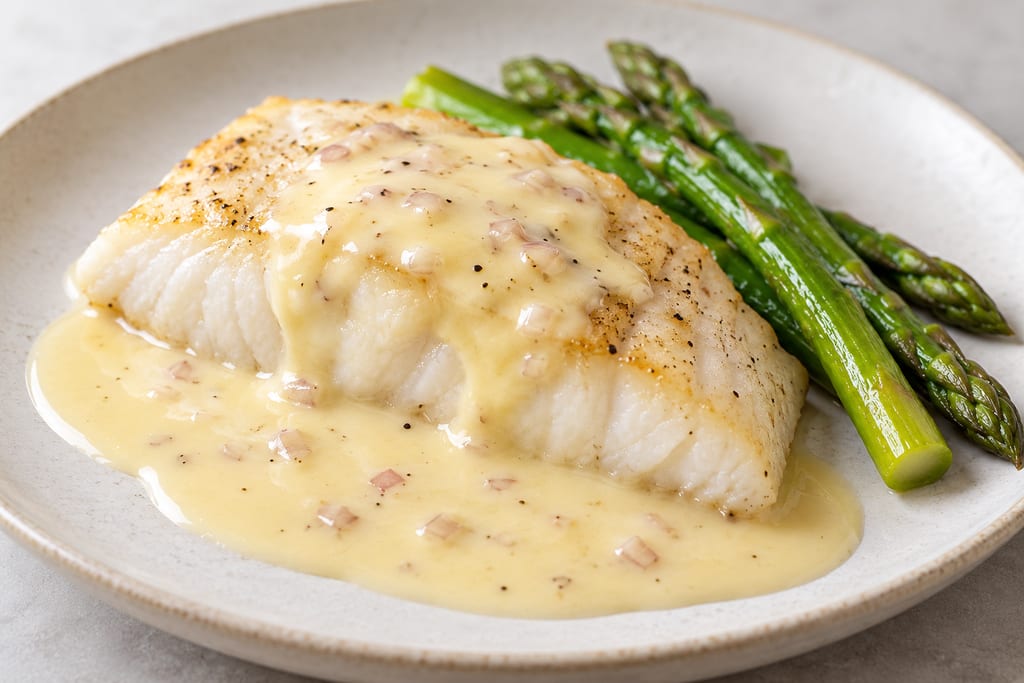
Beurre blanc is a warm emulsion of cold butter whisked into a reduction of white wine, vinegar or lemon juice and shallot, a sauce from the Loire Valley and its red-wine version, beurre rouge.

A thin, pourable custard sauce of egg yolks, sugar and hot milk or cream, cooked gently until it coats a spoon and no further.
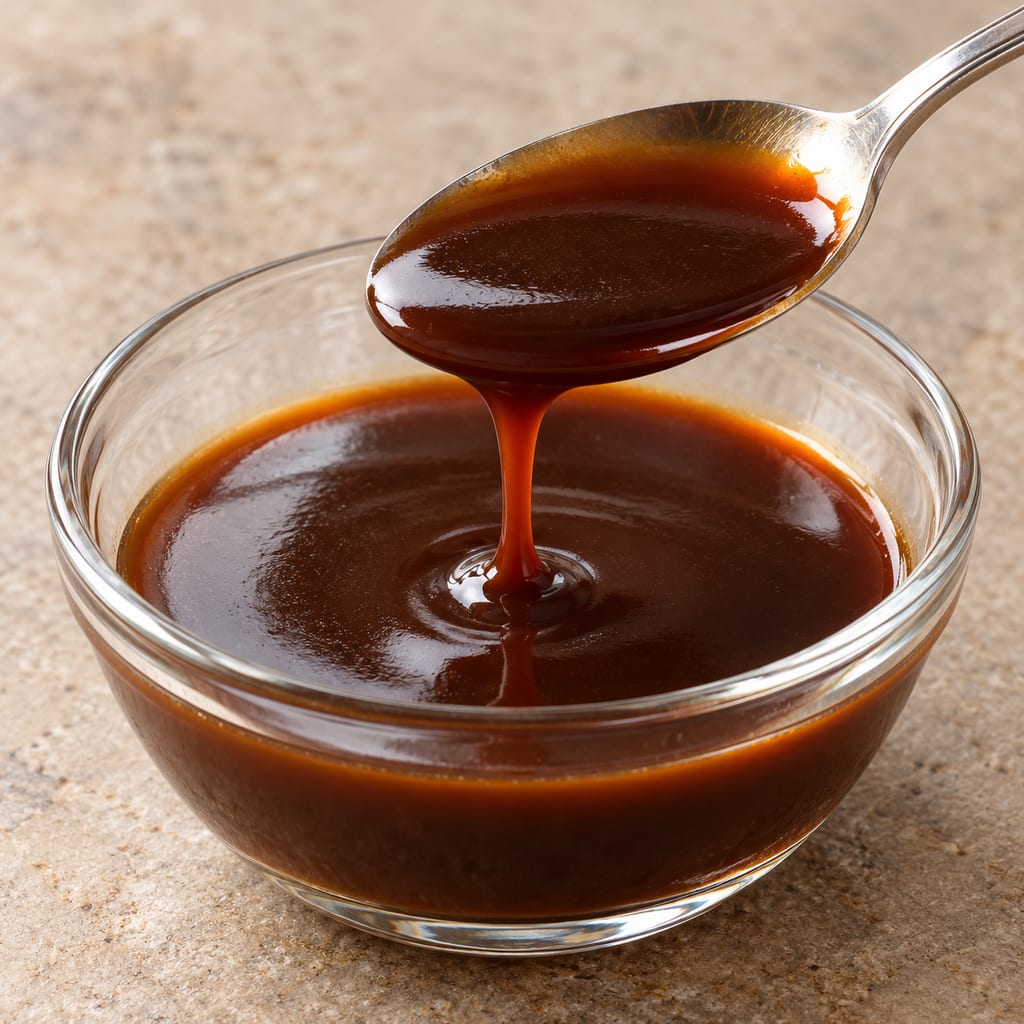
Demi-glace is a rich brown sauce of French cookery, classically made by reducing equal parts espagnole sauce and brown stock by half. It is used on its own or as a base for other sauces.
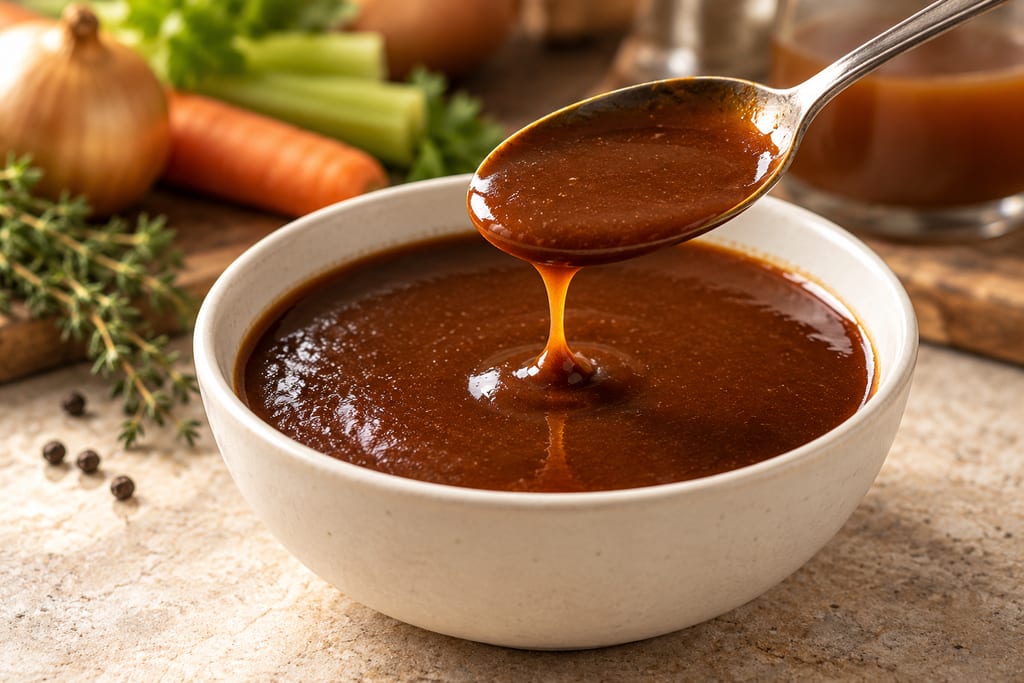
Espagnole is a brown mother sauce built on a dark roux, brown veal or beef stock and tomato, the base from which demi-glace and many brown sauces are made.
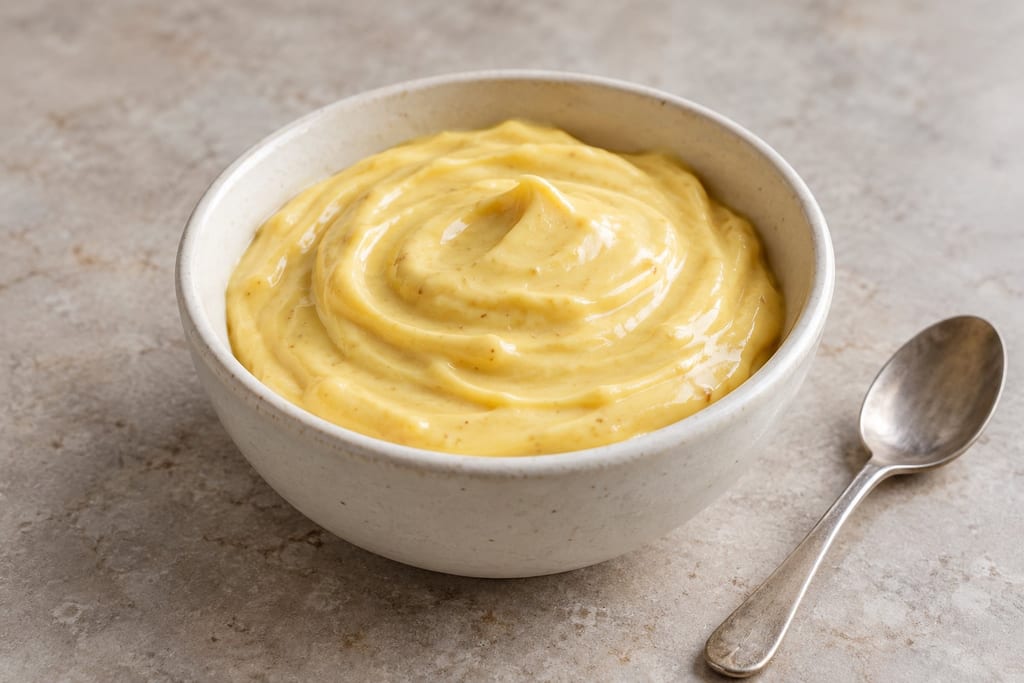
An untested home mayonnaise development formula with more Dijon mustard and no added sugar. A current French-market Dijon mayonnaise informs its flavor direction; this is not that product’s formula.
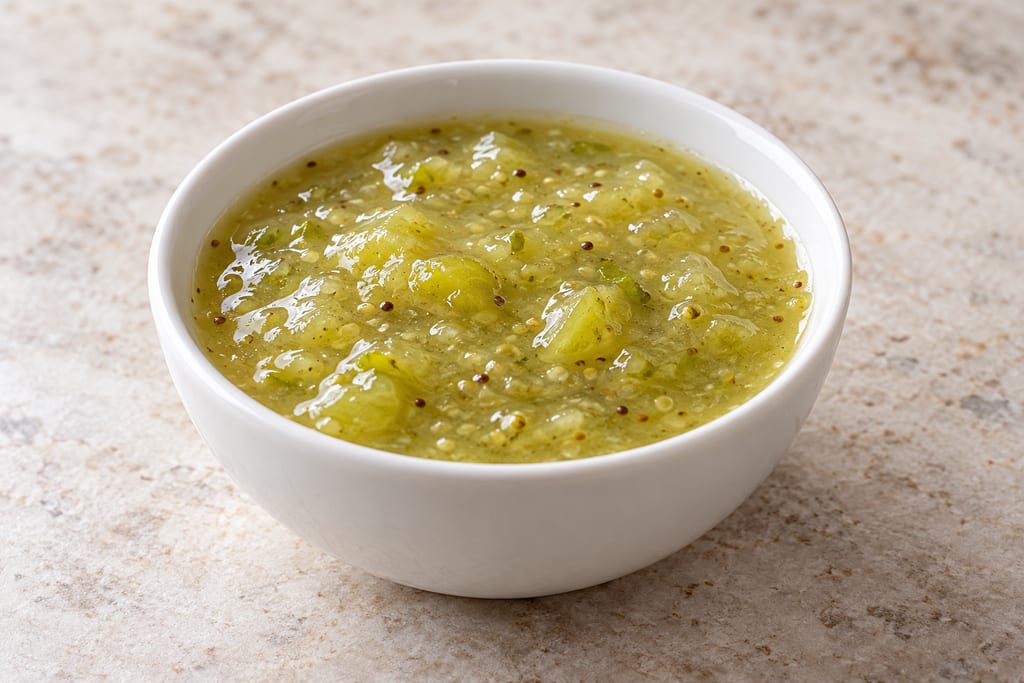
Gooseberry sauce is a soft, tart sauce of cooked green gooseberries, sharpened with wine or vinegar and lightly sweetened, traditionally served with mackerel.
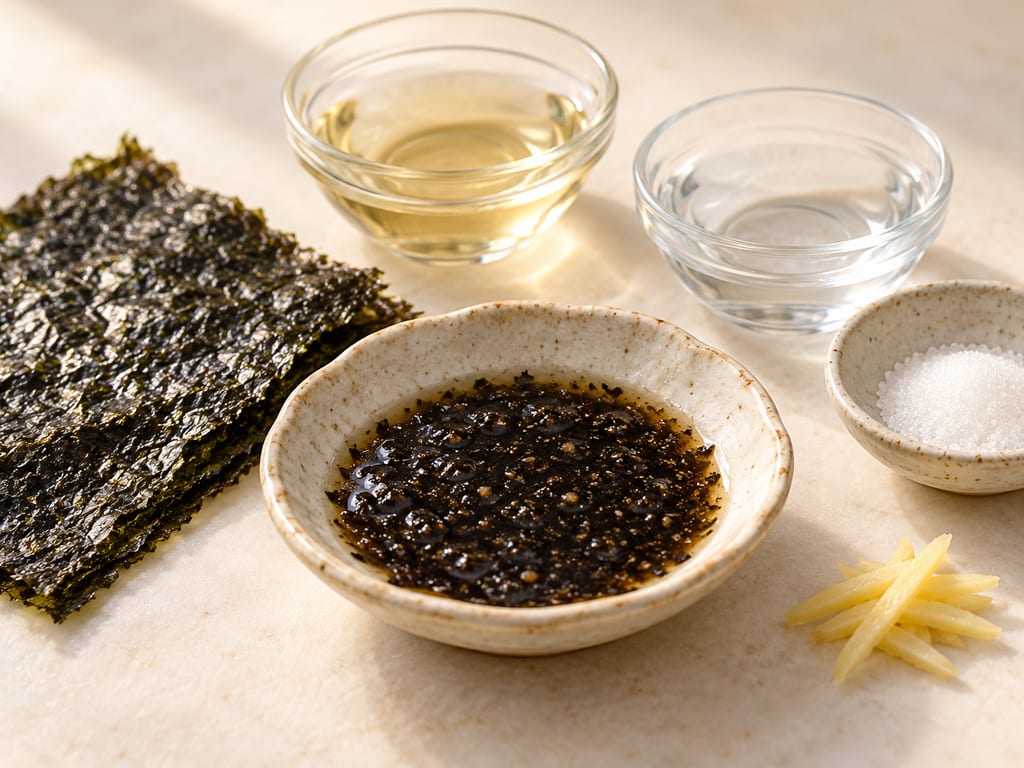
A fresh condiment in which crumbled nori softens in lightly sweetened vinegar and water. It is not vinegar fermented from seaweed.
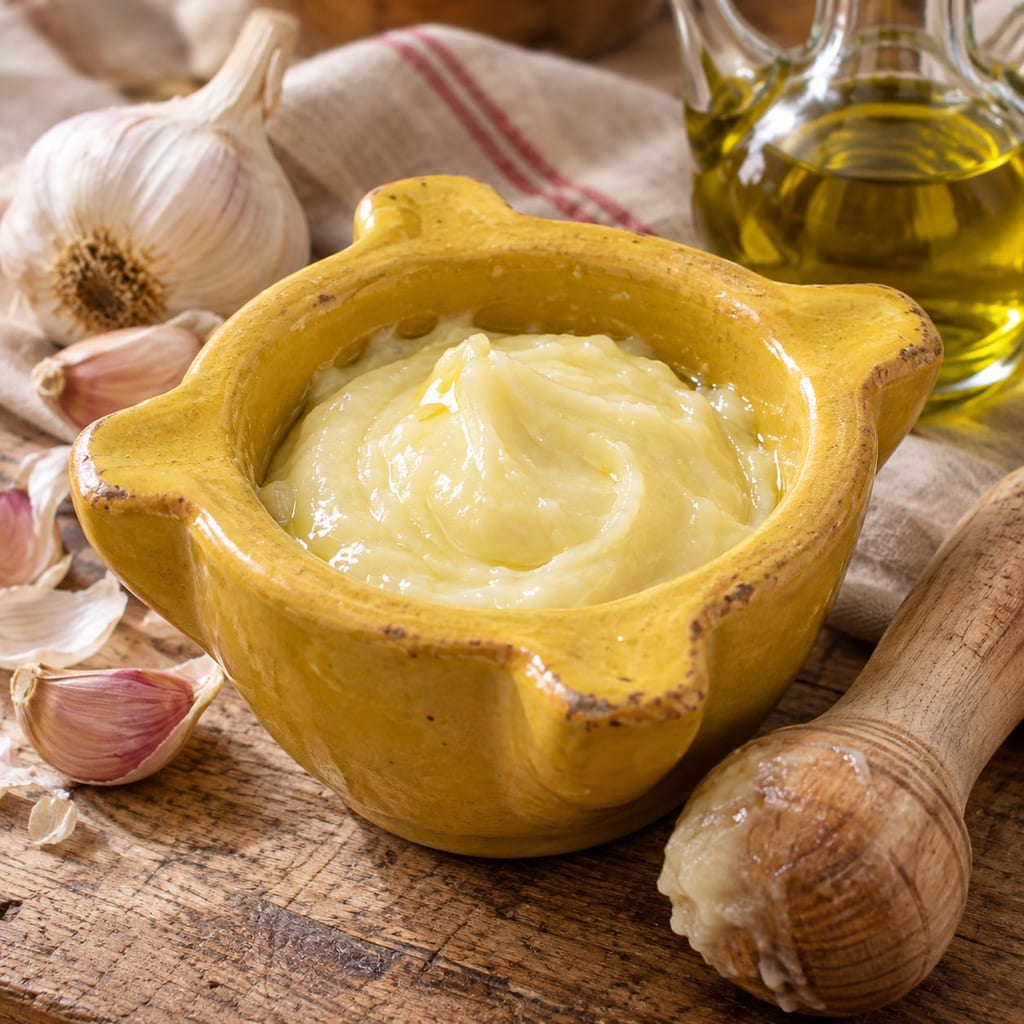
Traditional Catalan allioli is a dense emulsion of garlic, olive oil and salt made slowly in a mortar. This measured Barcelona-style version keeps egg-based garlic mayonnaise distinct.
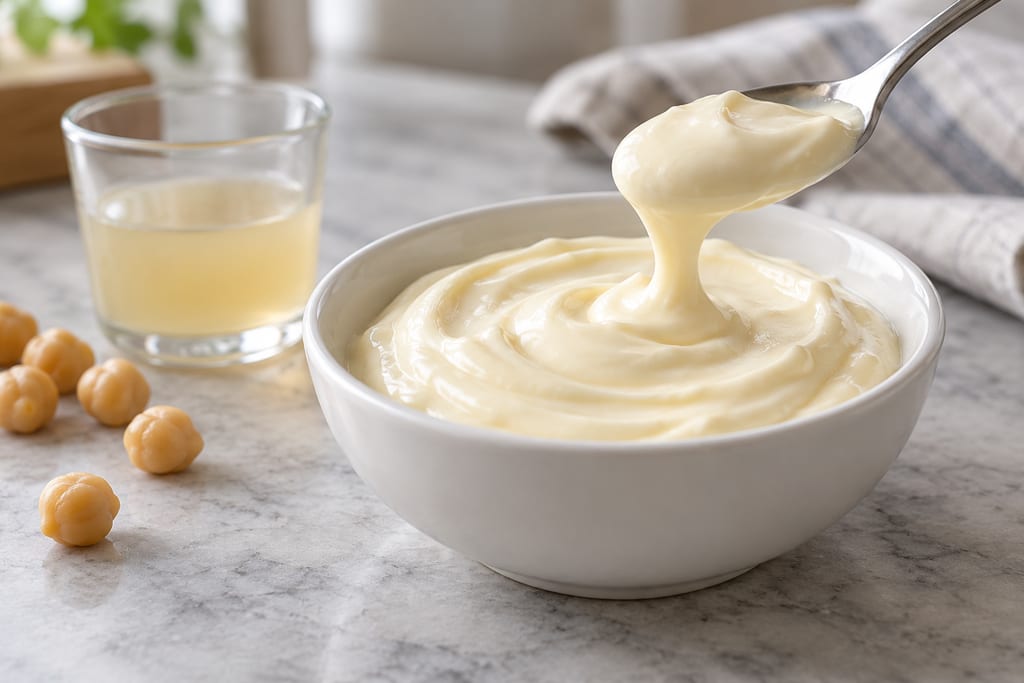
An eggless, untested emulsion made with canned chickpea liquid. Nominal yield 255 g.
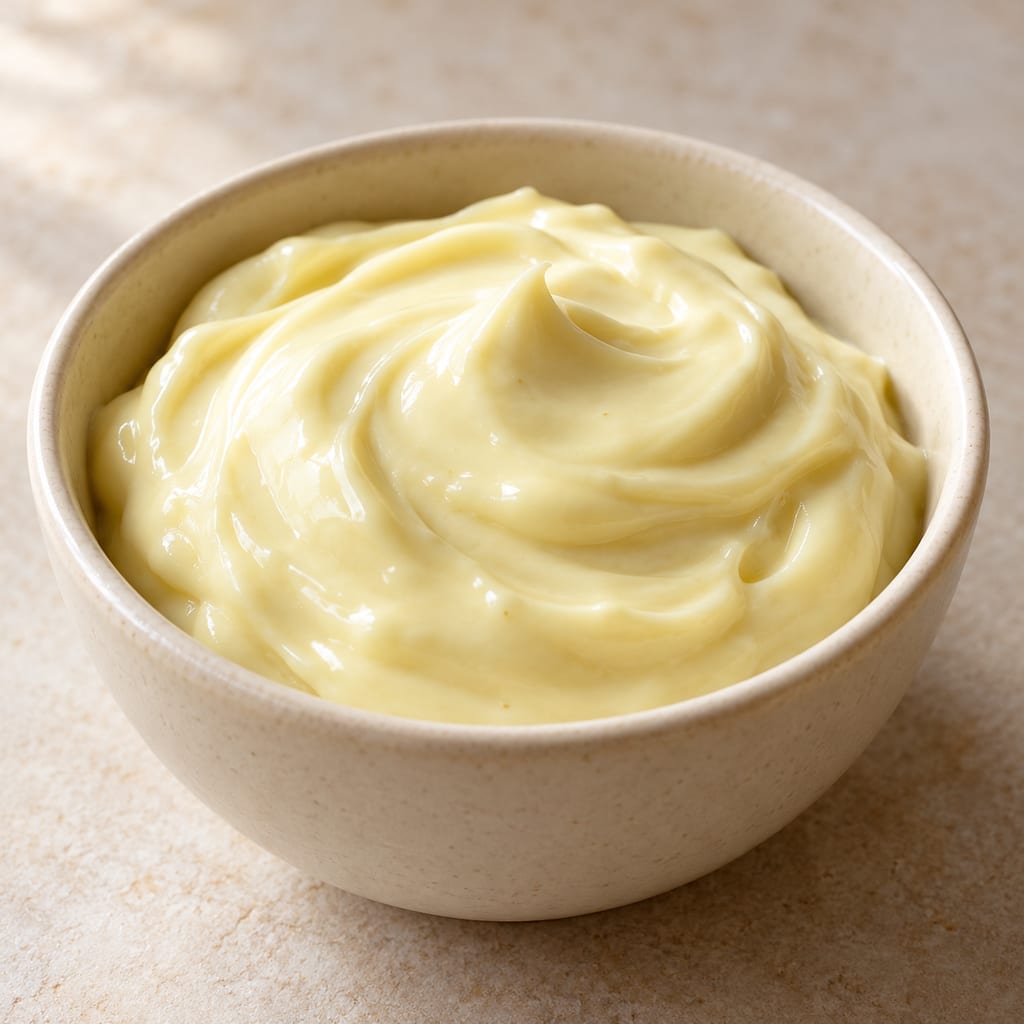
Avocado-oil mayonnaise is an ordinary egg-and-oil emulsion in which avocado oil supplies the oil phase. The oil changes flavour and colour, and it does not preserve the sauce.
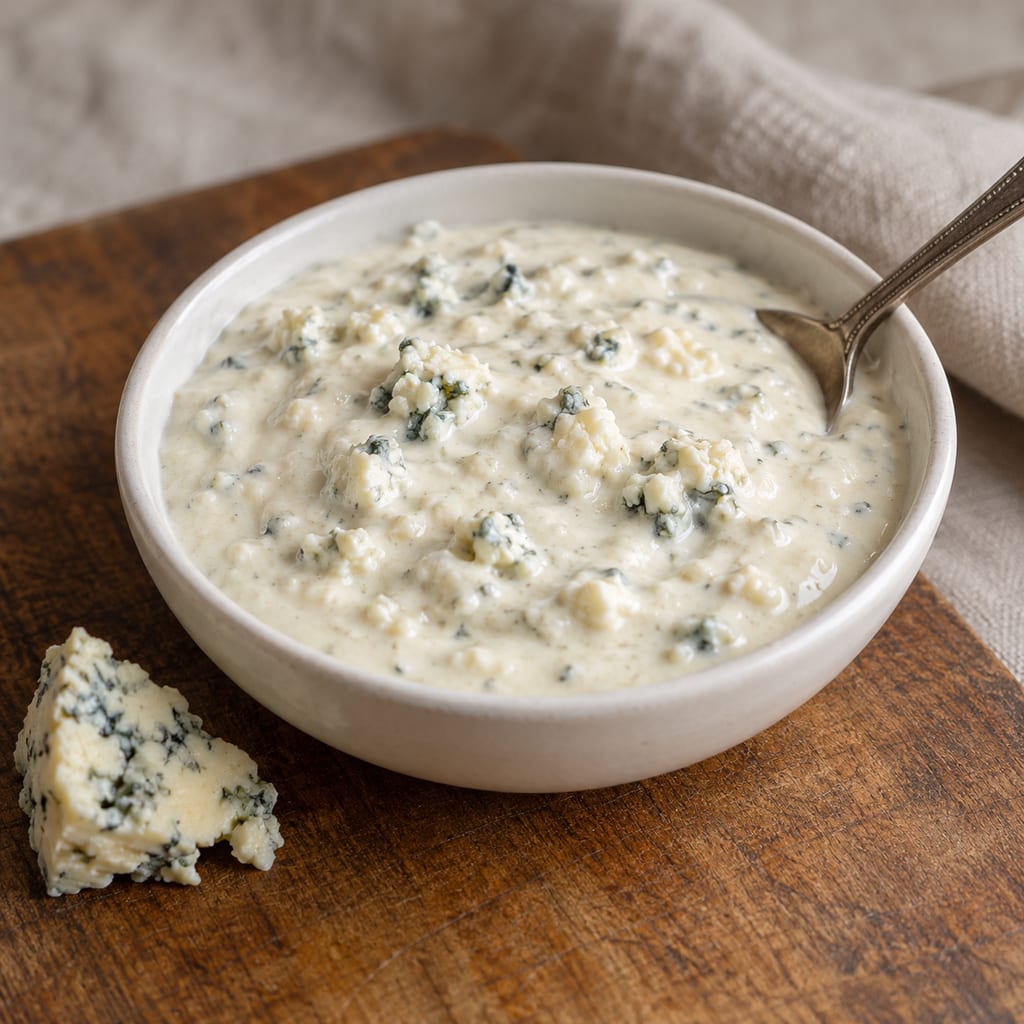
Blue cheese dressing is a creamy dressing built on crumbled blue cheese mashed into buttermilk, with sour cream, mayonnaise, vinegar and seasoning, and kept cold for up to two weeks.
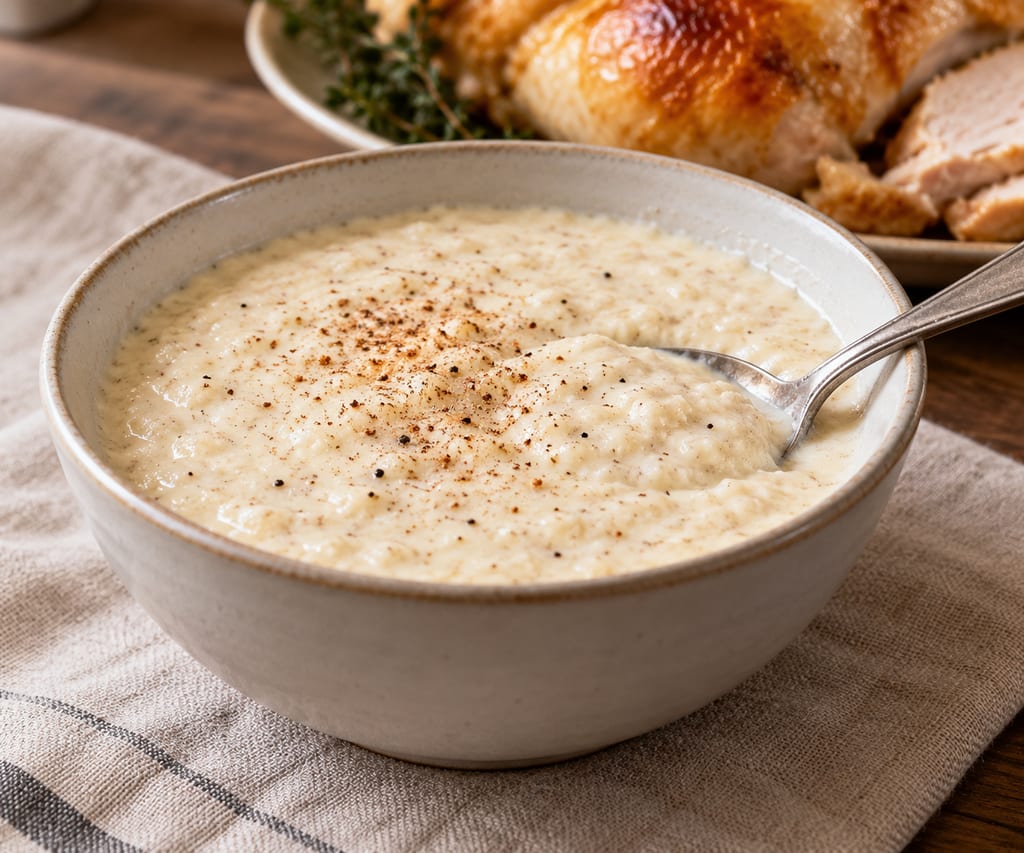
Bread sauce is a British sauce of milk infused with onion, clove and bay, thickened with stale breadcrumbs and finished with butter, served with roast chicken or turkey.
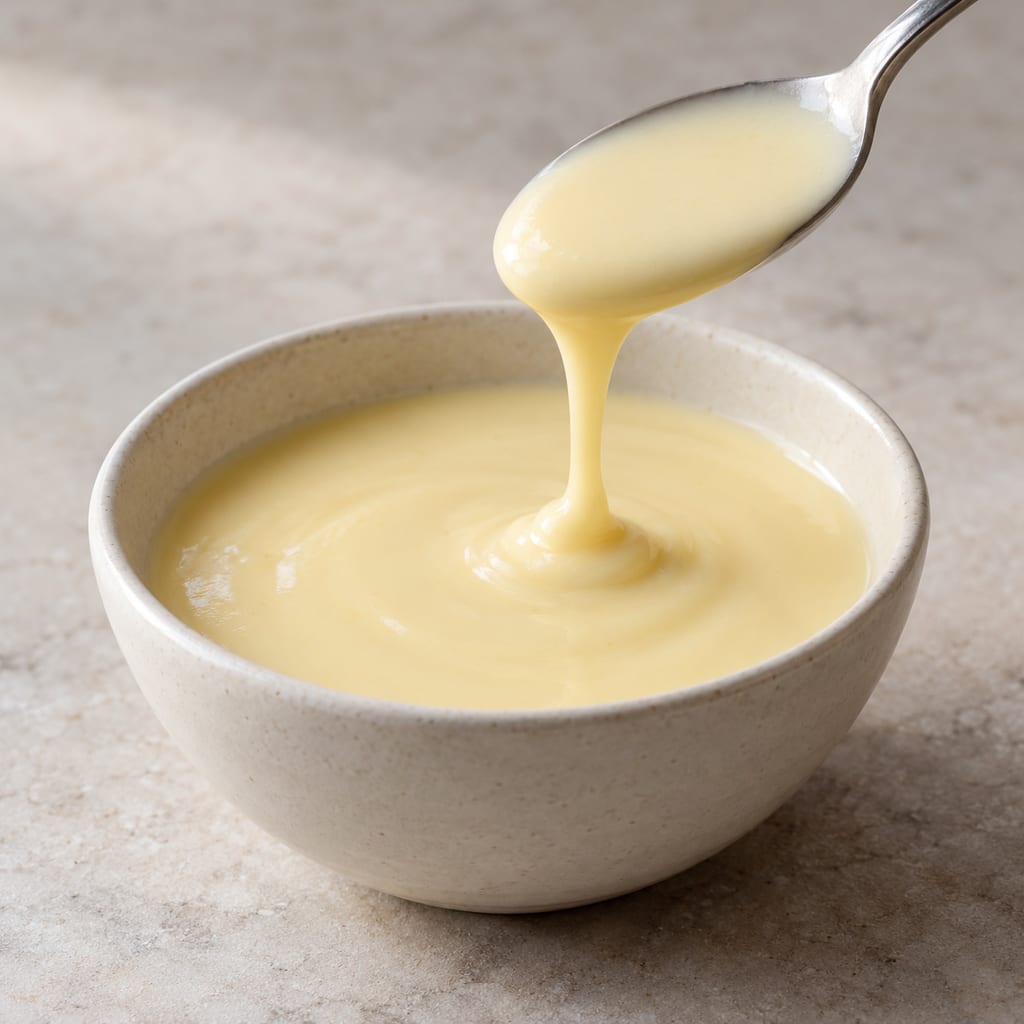
Starch-thickened salad-cream prototype with pasteurised yolk added after cooling; not a Heinz copy. Approximate yield 300 g.
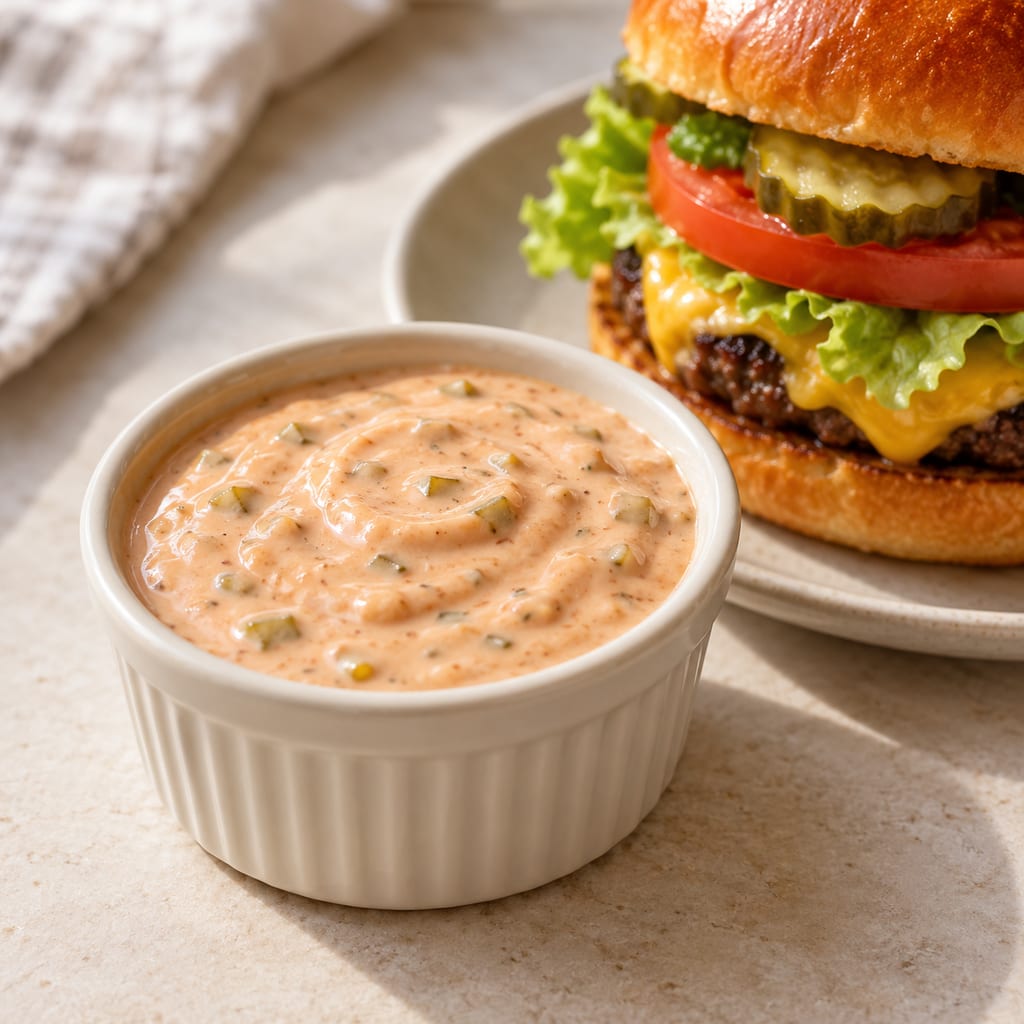
Mayonnaise mixed with ketchup, drained pickle relish and yellow mustard makes a tangy, pickle-flecked sauce for burgers; these proportions are an untested starting point.

Soft, spreadable Calabrian pork sausage made with a great deal of red chilli and fatty pork, stuffed into natural casings, sometimes smoked and matured while staying soft.

A way to add independent temperature logging to an existing food dehydrator without changing its built-in controls or protections. It is a monitoring method, not a rewiring plan.

Pleurotus cystidiosus is the abalone mushroom, a cultivated oyster-type fungus with dark brown caps that grows more slowly and is more demanding than other Pleurotus species.

A dark, balanced vinegar from Emilia-Romagna made by combining cooked or concentrated grape must with wine vinegar, then acetifying and refining it in wood under a protected specification.

A living dairy inoculum that starts controlled cream fermentation, developing acidity and aroma before sour cream or cultured butter is finished.

A small electric incubator holds jars at a selected temperature for yogurt and other documented warm food preparations. Controls, capacity and vessel arrangement vary by model.

Adygean salt is a seasoned table salt associated with Adygea and the wider North Caucasian culinary tradition. Salt is blended with garlic and a variable selection of herbs and spices; the exact mix depends on the named style and maker.

The African Caesar-group mushroom, Amanita masasiensis, is a wild ectomycorrhizal species of central and southern African woodlands, eaten locally. The genus contains deadly poisonous species, so identification needs care.
No community contributions have been published for this entry yet.
Sign in to contribute. Published comments and photos are free to read.
WikipediaHistory · Method · Variants
Veloute sauceFrench origin; mother sauce; light stock; blond roux; stock types; named derivatives; uses; no storage or ratio advice
Cited in: A velvety light sauce; Stock and roux; Derived sauces; Uses and holding
Le Cordon BleuMethod · Context
What are the mother sauces of French cooking?Roux and stock method; lightly coloured smooth result
Cited in: A velvety light sauce; Stock and roux