← Recipes

Traditional method

Cuñapé (Santa Cruz baked cheese bread)

Cuñapé · Cuñapé cruceño

Loading ratings…

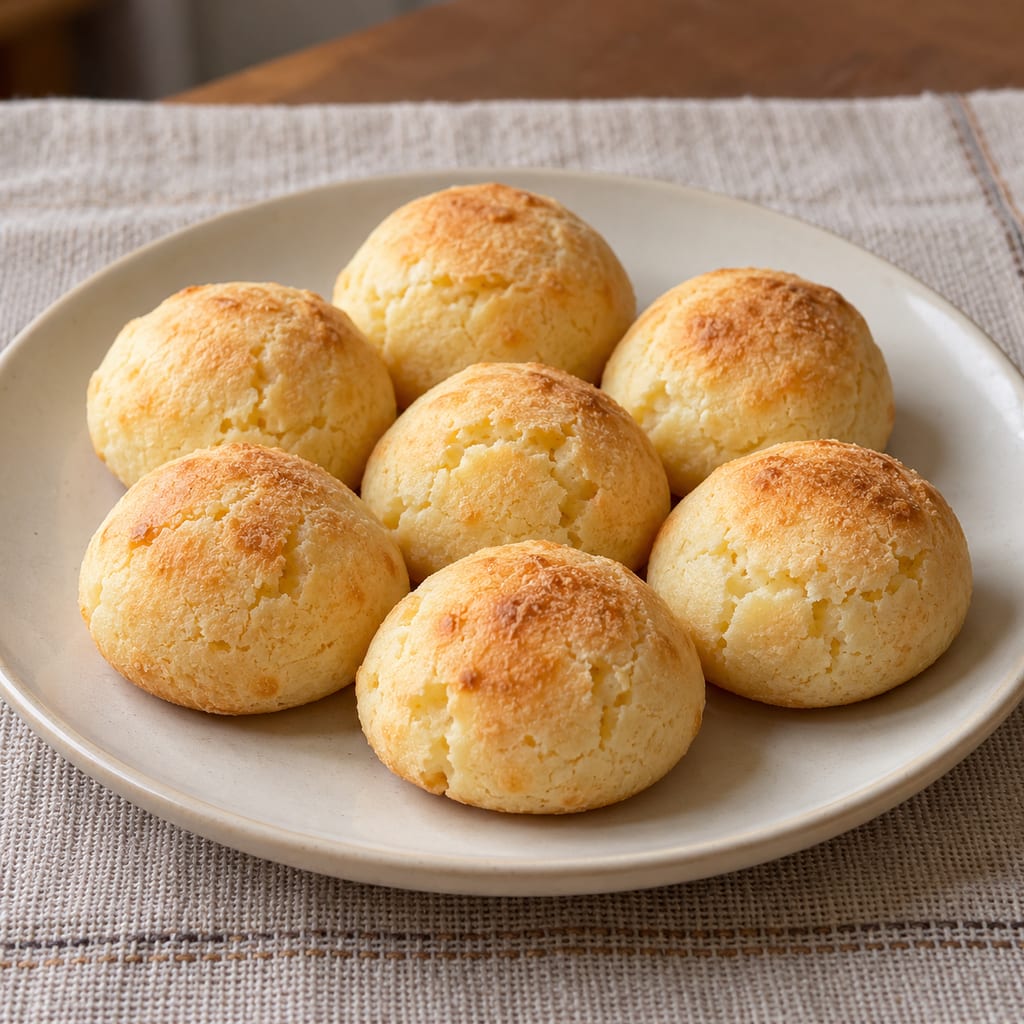
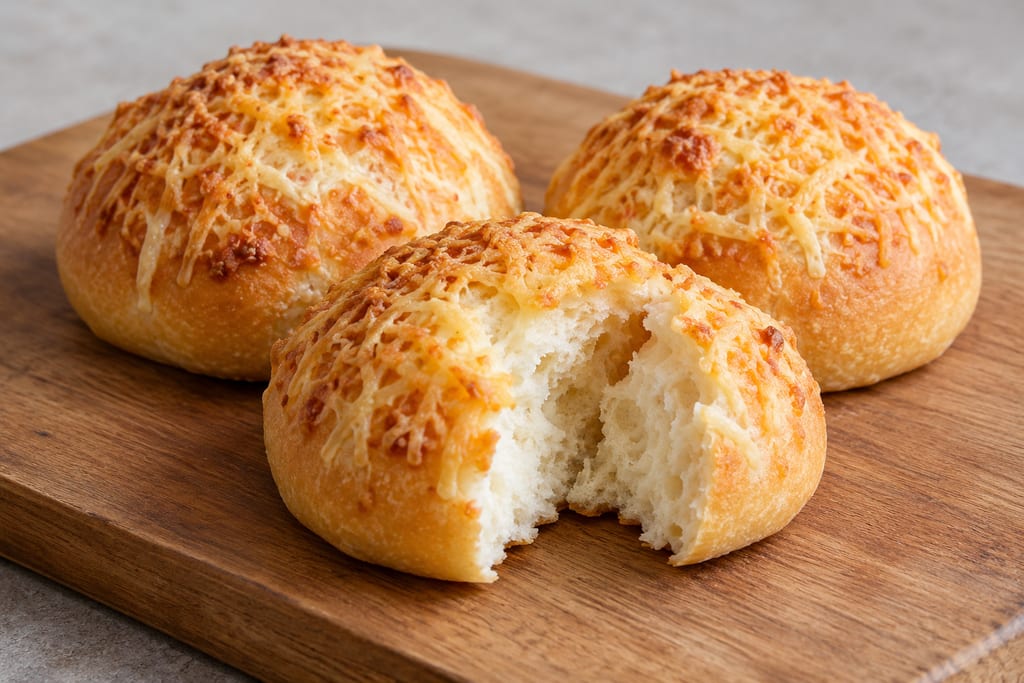
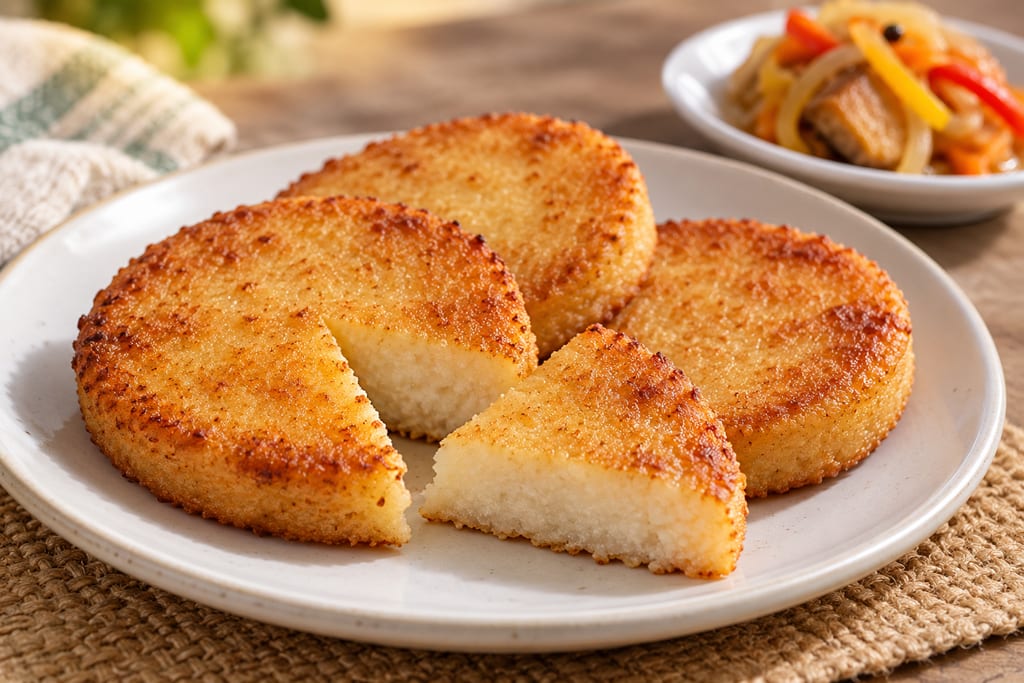
A Santa Cruz cheese-and-starch bread made with grated cheese, eggs, butter and milk as needed; optional cooked yuca makes the dough. This municipal formula bakes small balls on a tray.

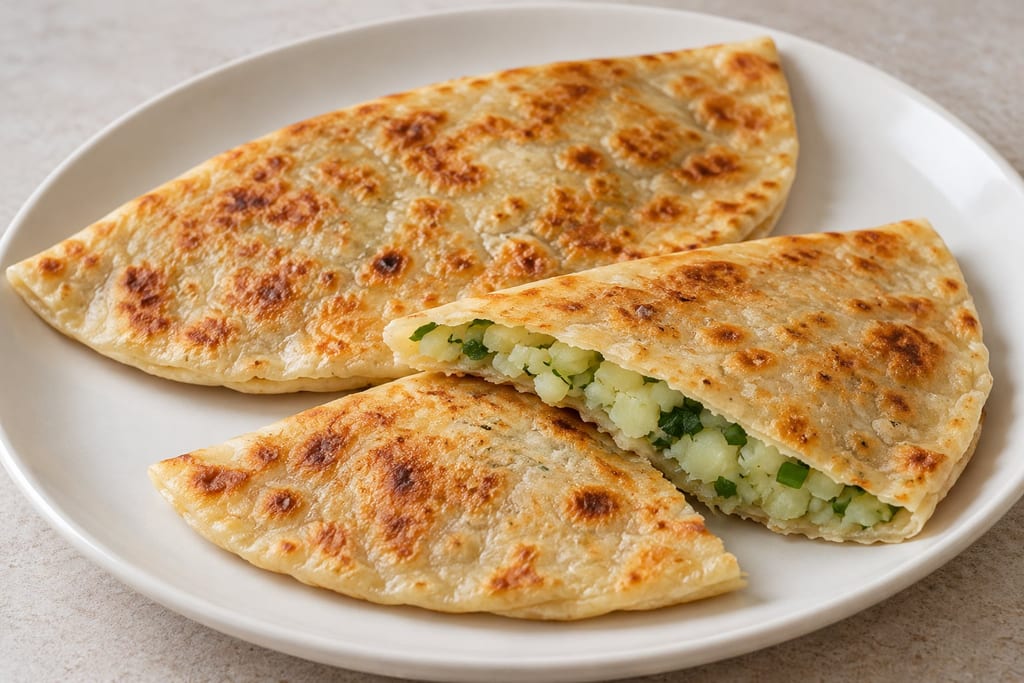
Small golden, lightly cracked cuñapé rolls on a plain ceramic plate

One Santa Cruz oven formula

This recipe records the Santa Cruz municipal culture and tourism office's starch-and-cheese dough, with optional cooked yuca. It uses a texture cue for milk and no measured oven temperature or piece count, so those details remain open rather than being filled with guesses.

Sources for this section

Keep the variants separate

The municipal page describes abizcochado cuñapé as baked a second time for a crisp texture suited to long journeys, but it does not provide a second-bake schedule. It also records a fried cuñapé called habanete. Neither is part of this single-bake recipe. Pão de queijo and other cheese breads are separate preparations, not substitutions for this Santa Cruz formula.

Sources for this section

A food made and sold across generations

In September 2021, Red Uno introduced Santa Cruz cook Dalcy Acuña through her cuñapé preparation. She had sold the bread for five years at the Tiluchi cabaña by the Piraí River, while her experience making it went back to childhood. The report places a named cook and her work behind the broad description of a regional food.

It also situates cuñapé among the baked foods associated with Santa Cruz’s September anniversary celebrations. This is evidence of a living practice and a particular seller’s experience, rather than a date for the bread’s invention. It does not establish that her formula matches the municipal recipe on this page.

Sources for this section

Food in public cultural life

In September 2026, Santa Cruz’s municipal culture director announced an artisan-fair programme at Manzana 1. The opening theme, Saó y Cuñapé, paired the bread with regional craftwork and opportunities to learn about its preparation. Unitel’s report describes a planned public gathering in which food, artisans and traditional games shared a space.

The event shows cuñapé’s role in contemporary presentations of cruceño identity. Its announcement is not evidence that the programme occurred exactly as planned, and a cultural fair does not establish a single definitive recipe. The municipal oven formula remains the preparation recorded here.

Sources for this section

History

The Santa Cruz municipal page labels Santa Cruz as the origin and describes cuñapé as a local cheese-and-starch bake. The page also describes abizcochado cuñapé as a twice-baked crisp form for long journeys and mentions a fried form historically called habanete. Those variants are not additional stages in this recipe; the page gives no exact first-attestation date.

Ingredients

Scaling: source batch only

473 mL2 cup as recorded
the municipal page says almidón; this entry follows the archive's cassava-starch identification
Grated cheeseGrate.
473 mL2 cup as recorded
The municipal source does not name a cheese variety.
Cooked cassava (optional)Cook before adding.
237 mL1 cup as recorded
yuca; optional
59 mL¼ cup as recorded
for dough and greasing the baking tray
Amount not stated
Add as needed until the dough is homogeneous and firm.

Method

Risks and precautions · Standard risk
Raw egg dough

The dough contains raw eggs before baking.

Hazard source
Unpasteurized dairy

The cheese and milk are not specified as pasteurized by the recipe source.

Hazard source

Do not taste raw dough; wash hands, utensils and work surfaces before and after contact with raw eggs, then bake the breads fully.

Control source

Choose pasteurized cheese and milk.

Control source

Do not taste raw dough. Use pasteurized milk and cheese and bake the dough through as directed. The source gives no oven temperature or measured internal endpoint.

  1. In a deep bowl, combine the starch, grated cheese, eggs, optional cooked yuca and butter.
  2. Add milk gradually, mixing until a homogeneous, firm dough forms. The source gives no measured milk amount.
  3. Knead the dough firmly for about 10 minutes.
  4. Butter a baking tray. Shape the dough into balls of the size you want and set them on the tray.
  5. Bake at medium heat for about 25–30 minutes, until the cuñapés take on color and grow to nearly twice their original size. The source does not give an oven temperature or number of pieces.
  6. Serve with coffee or another hot or cold drink. Use pasteurized dairy; do not taste the raw egg dough.

Places

Santa Cruz

Traditional preparation · Region evidence

The municipal page labels Santa Cruz as the origin of cuñapé; this is a regional association, not a more precise birthplace.

Related

Community

No community contributions have been published for this entry yet.

Share what you made

Sign in to contribute. Published comments and photos are free to read.

Sources