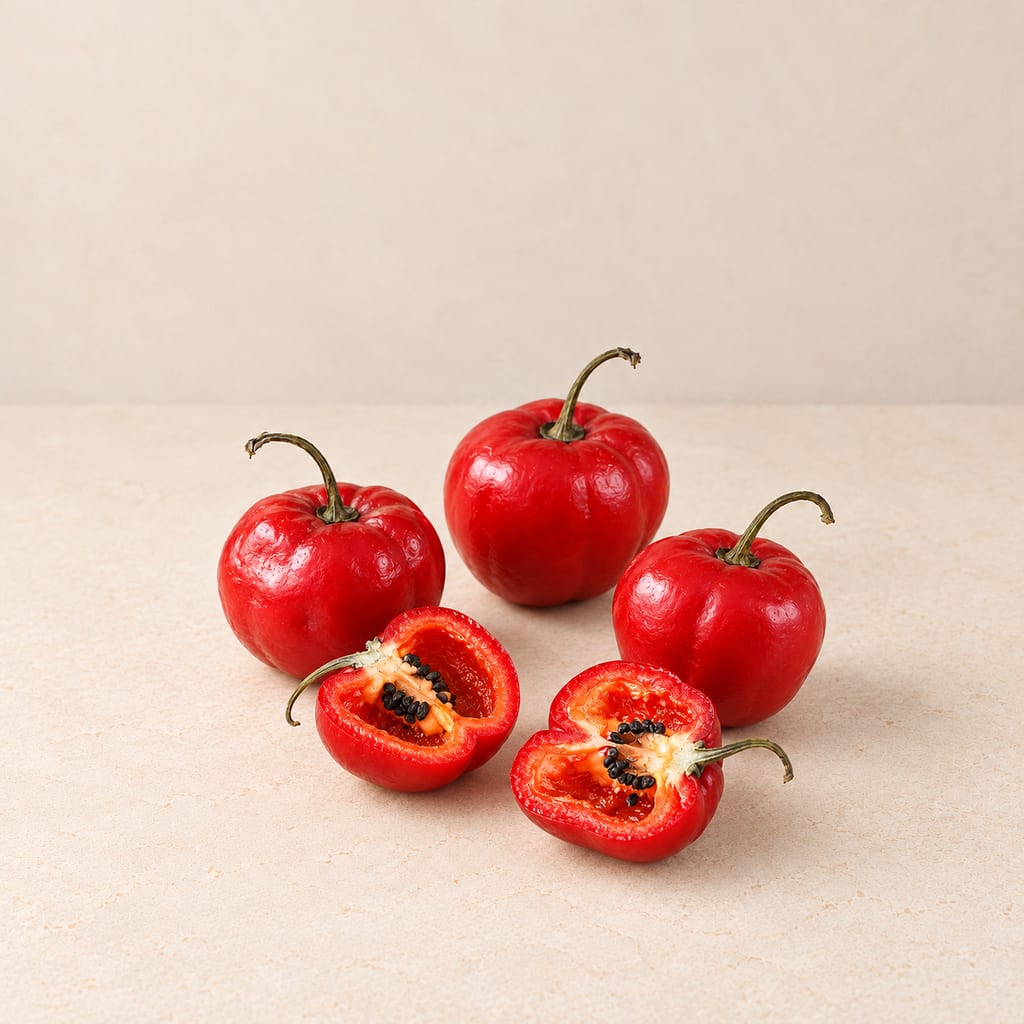
Locoto chilli
Locoto is the Bolivian name for Capsicum pubescens, an Andean chilli with thick-walled fruit, distinctive dark seeds and heat that varies between plants and harvests.
 FermenteaWhere food goes to change
Llajwa · llajwa · llajwua
A fresh Bolivian table sauce of tomato, locoto chilli and herbs, following the La Paz municipal formula. Regional preparations vary.
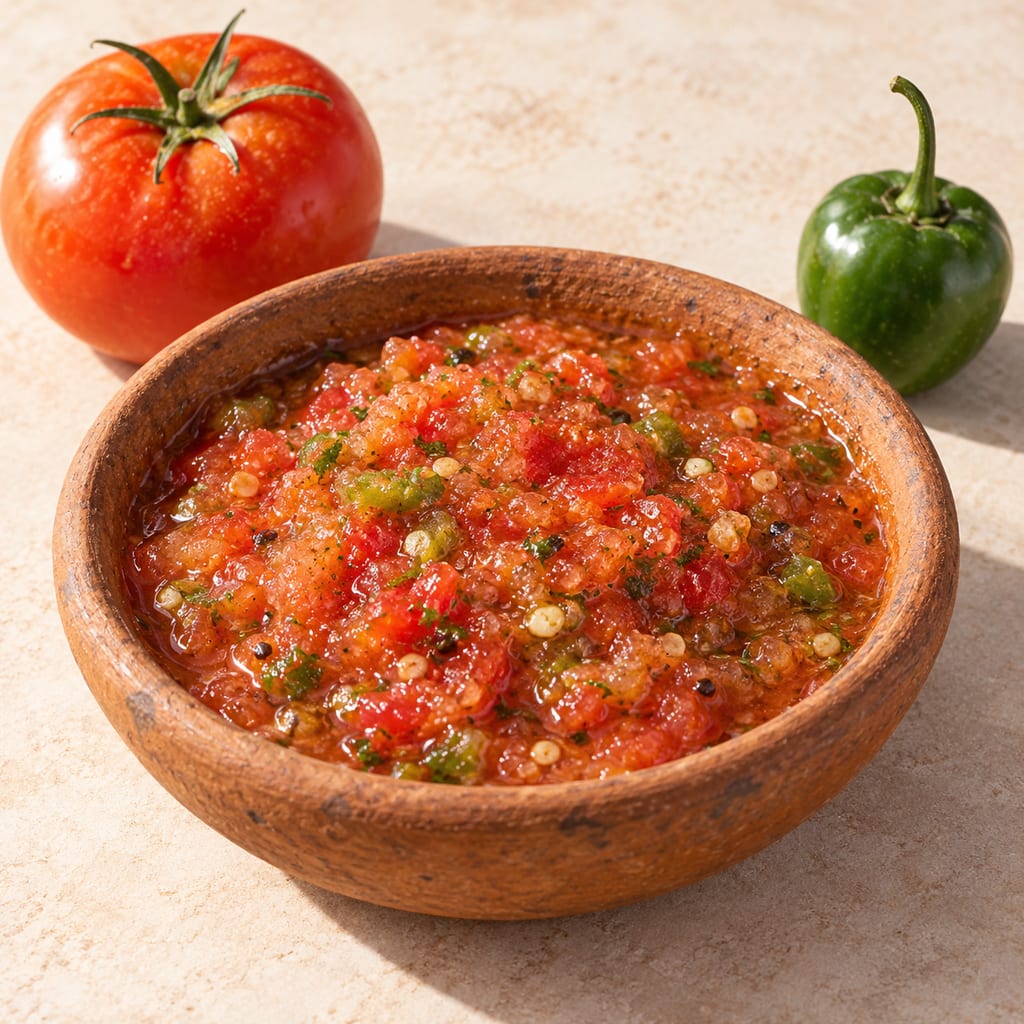
Llajua, also written llajwa, is a Bolivian chilli sauce. Its Spanish pronunciation is [ˈʎaxwa]. Bolivia's government granted trademark protection for the name in 2008, although it is a traditional recipe name.
The base is locoto chilli (Capsicum pubescens) and tomato, with onion sometimes added. The herb varies by region: quirquiña, a Bolivian coriander, is used in Cochabamba, and wakataya in the Altiplano and other valleys. The Wikipedia article does not mention muña.
The traditional method grinds the ingredients on a batán, the stone grinder common in households in Cochabamba and the Altiplano. A blender can substitute. The sauce is eaten across Bolivia as a dip for plain boiled potatoes or bread, or stirred into soup before the main course. Food carts often offer it, and takeaway orders may include a small bag of it.
The article notes that the sauce is also made and eaten in north-west Argentina, near the Bolivian border.
Altiplano and Cochabamba-valley origin accounts conflict; exact origin is unknown.
Scaling: source batch only
The sauce is not cooked.
Hazard sourceLocoto may irritate skin and eyes.
Hazard sourceWash produce under running water.
Control sourceWear gloves and avoid touching eyes.
Control sourceNot tested for canning or shelf stability.
Refrigerate leftovers promptly; no llajua-specific storage life is established.
La Paz municipal tourism describes llajwa as served across Bolivia and reports competing origin accounts.
MIGA's regional heritage book records preparations from this locality; this does not claim origin.
Locoto is the Bolivian name for Capsicum pubescens, an Andean chilli with thick-walled fruit, distinctive dark seeds and heat that varies between plants and harvests.
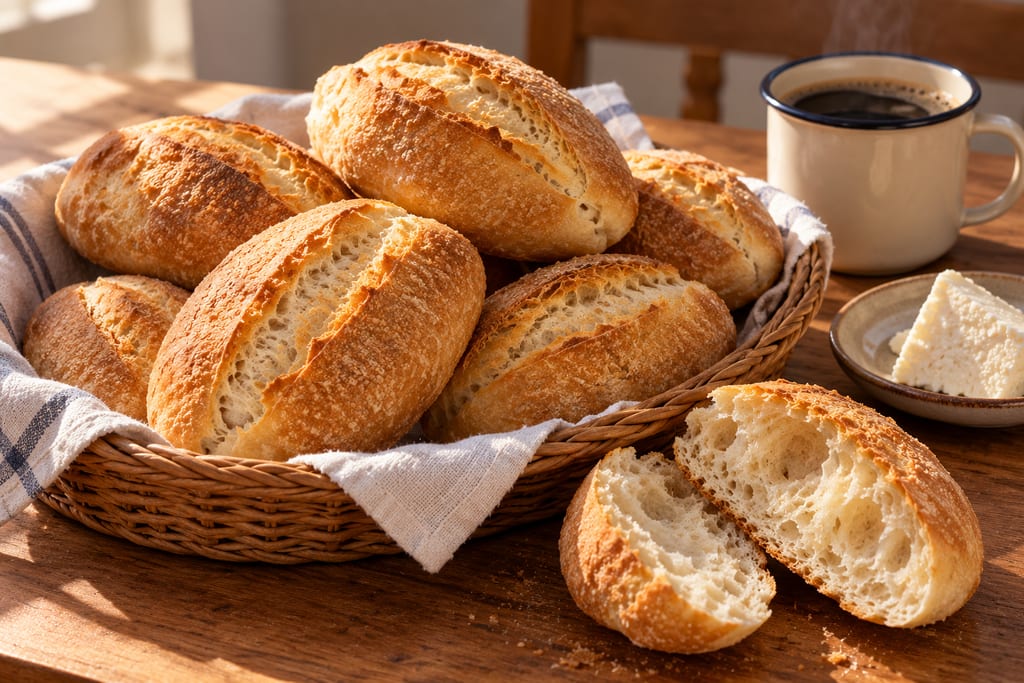
A Bolivian wheat roll shaped with a central slash, proofed twice, and baked with steam for a crisp crust; this measured version is identified as paceño style.
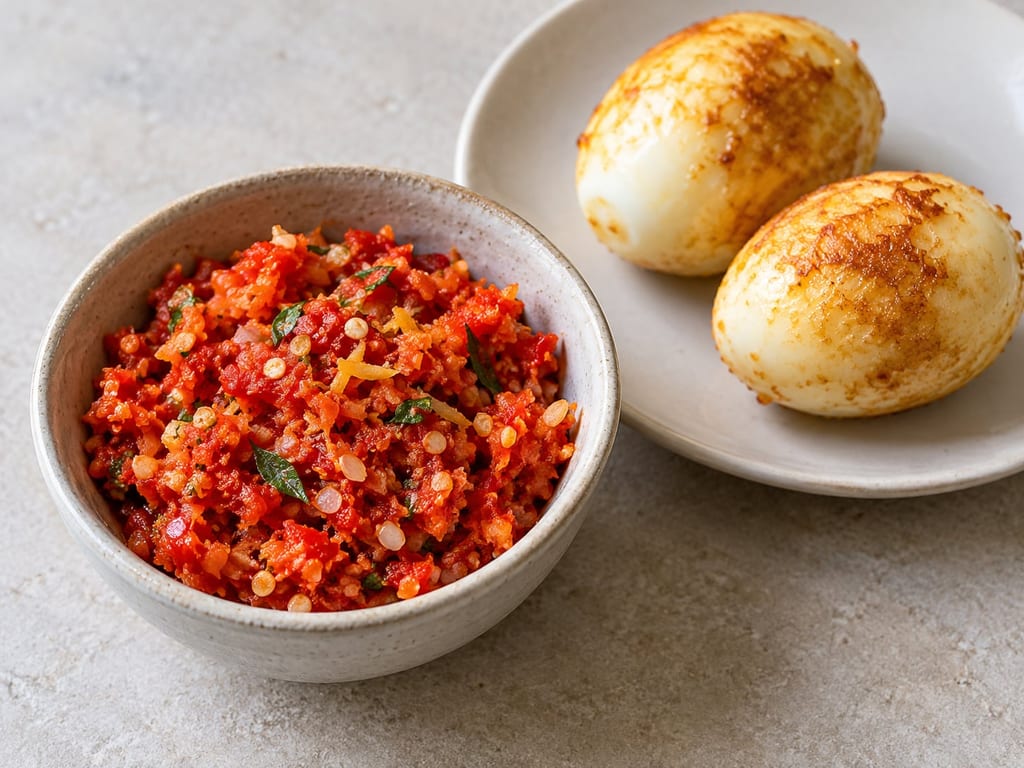
Ai-manas is described as a very hot chilli paste served with Timorese meals. One published version blends fresh chillies, shallots, garlic, Thai basil, ginger, lemon and salt, and serves it with eggs. Sources do not establish a standard formula, precise birthplace or earliest date.
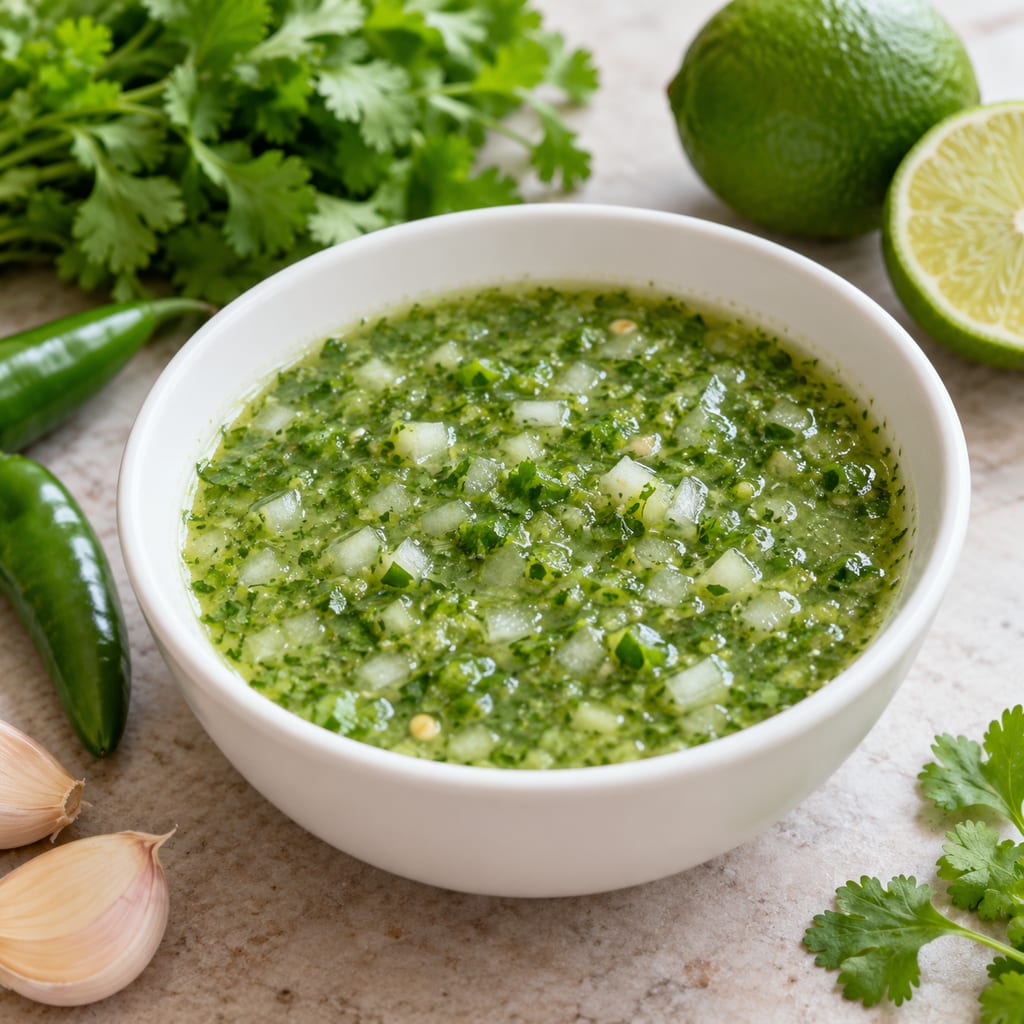
A fresh, uncooked Ecuadorian table sauce of hot pepper, cilantro, garlic and lime, served with most everyday dishes.
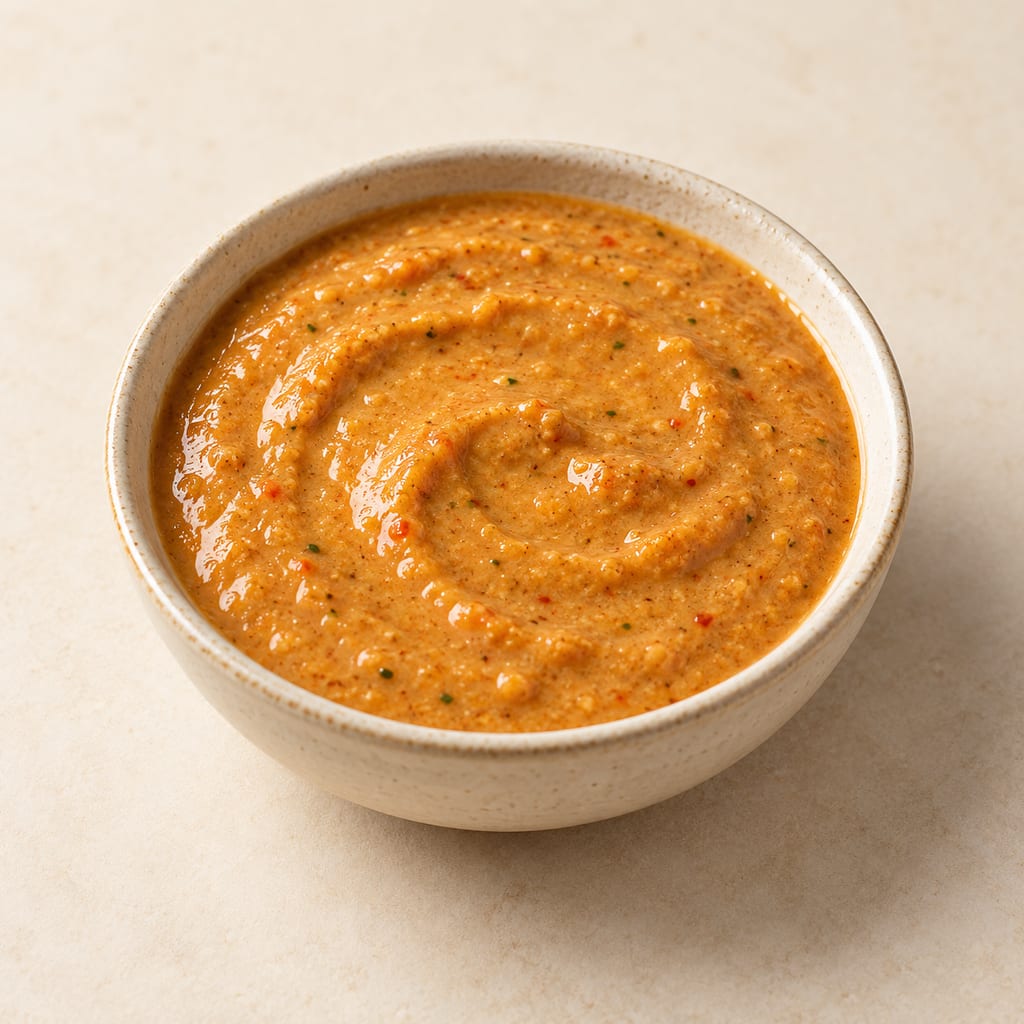
A spicy peanut hot sauce from the Popayán and Cauca region of Colombia, traditionally served with pipián empanadas and tamales.
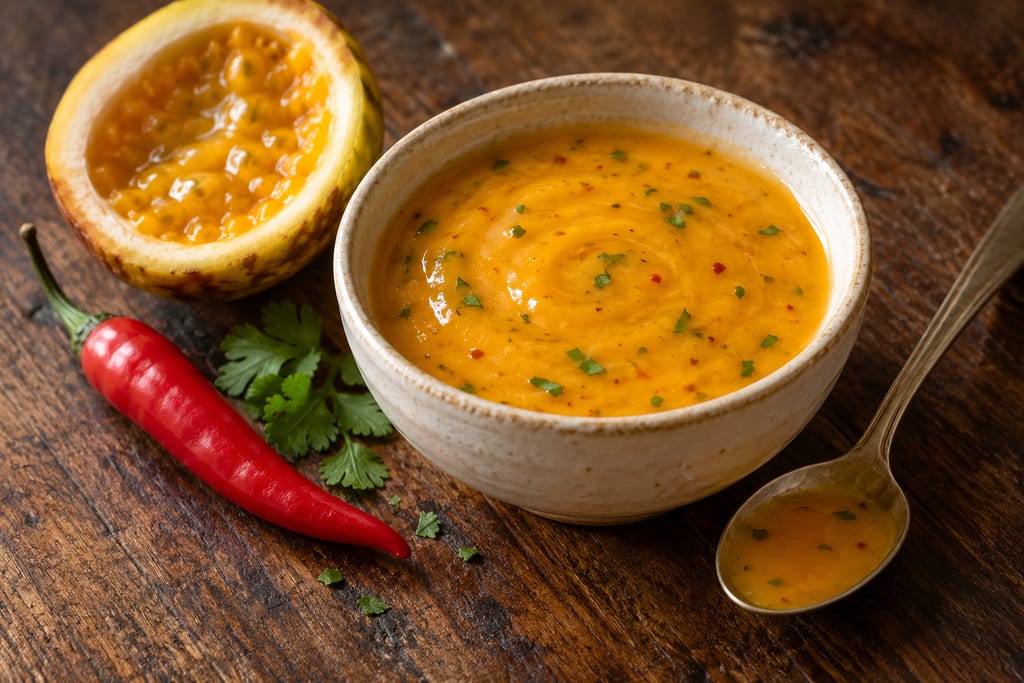
A contemporary Ecuadorian hot sauce that pairs passion fruit juice with boiled chile peppers, oil and lime.
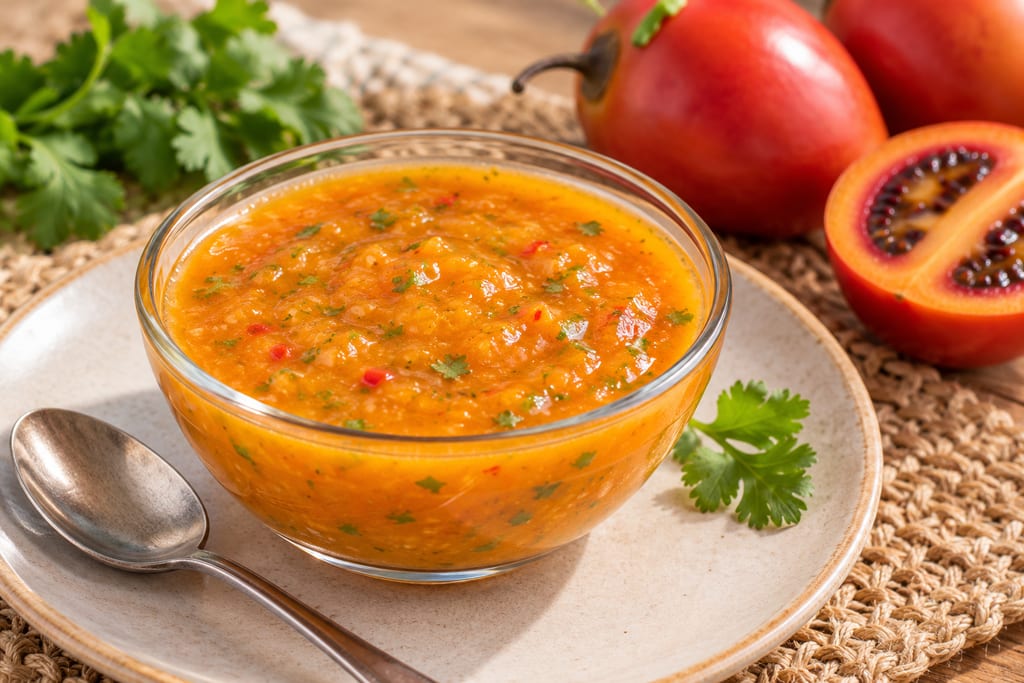
An Ecuadorian hot sauce built on tamarillo, a tart fruit that gives a sharper, fleshier base than ordinary tomato salsa.
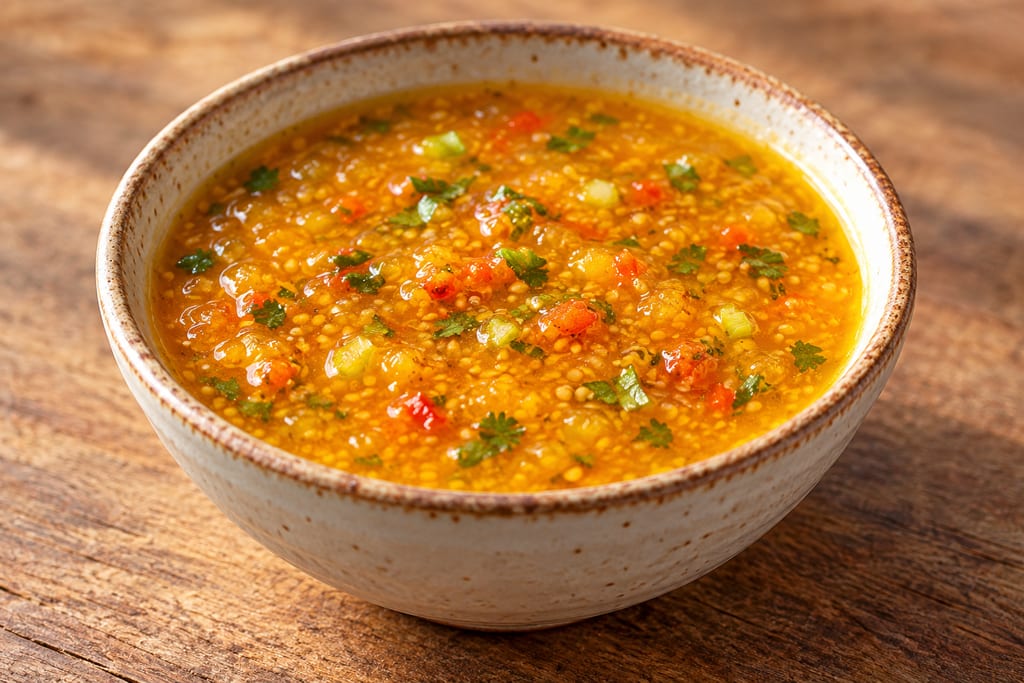
A sweet, tart and spicy Colombian sauce of uchuva, the yellow physalis fruit, with hot pepper, scallion, cilantro and lime.
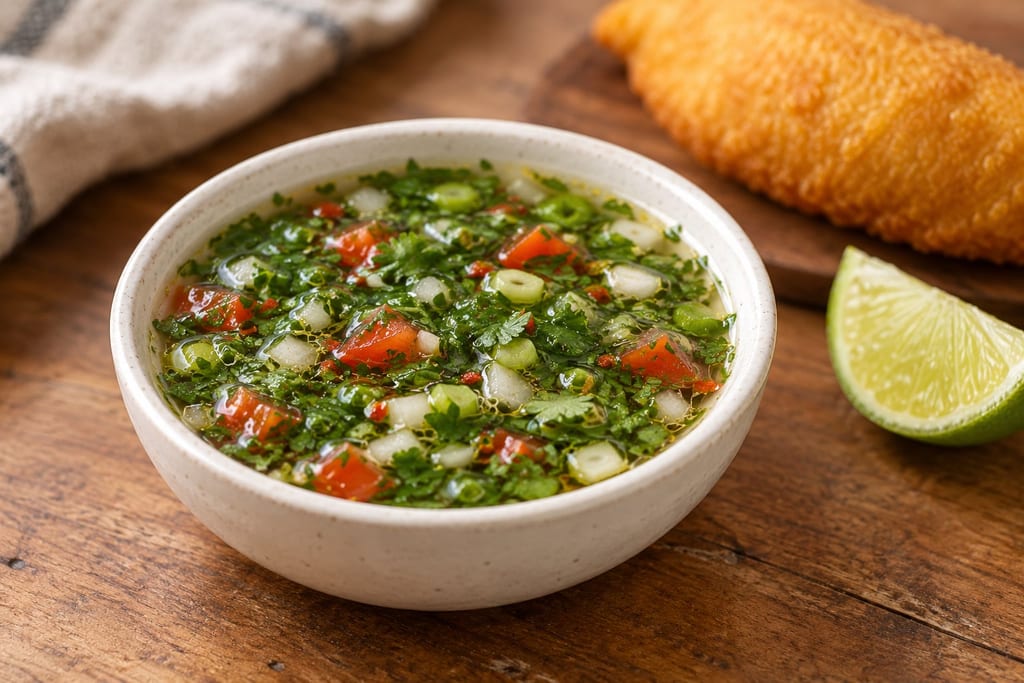
A fresh Colombian table condiment of chopped herbs, scallion and tomato in a vinegar and chile base, served beside fried and filled dishes.
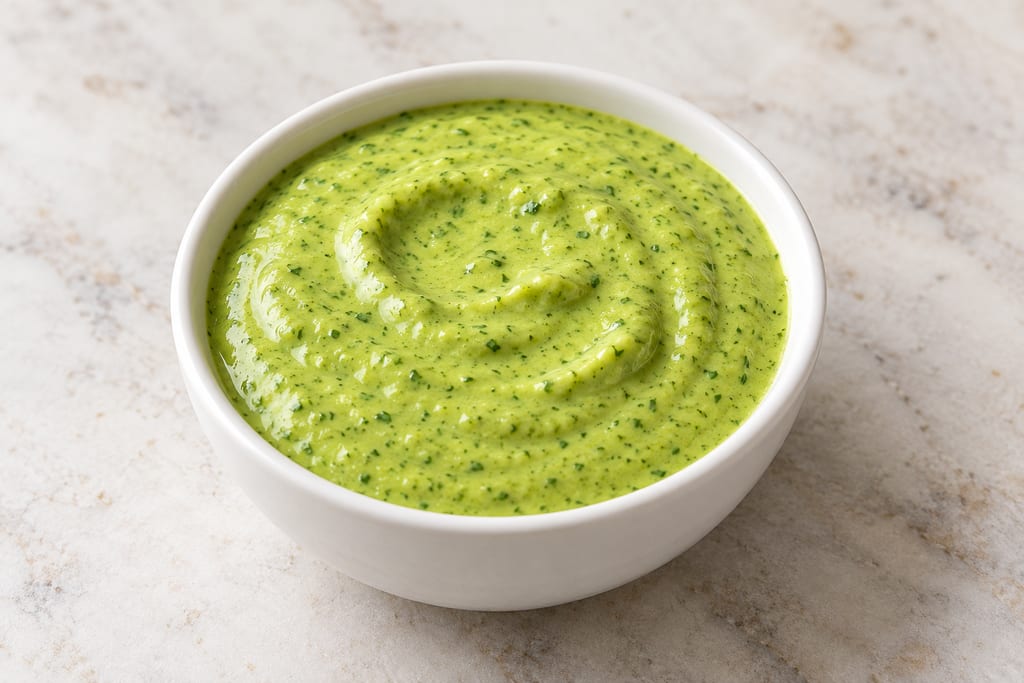
Ají verde is a Peruvian green sauce of coriander, chilli, onion and garlic in a mayonnaise or cheese base. It is best known through Peruvian restaurant cooking abroad.
No community contributions have been published for this entry yet.
Sign in to contribute. Published comments and photos are free to read.
Gobierno Autónomo Municipal de La PazInspiration · History
LlajwaFormula: two medium tomatoes, one green locoto, one herb sprig, salt, optional oil; broad Bolivian use and disputed origin.
MIGAHistory · Method
Registro del patrimonio alimentario regional de TiwanakuRegional recipes and batán method; indexed excerpt mentions a 1612 reference; direct PDF returned HTTP 502.
Bolivian ExpressMethod · Flavour
LlajuaHerb and method variants; locoto amount changes heat; origin claim conflicts with other evidence.
FDASafety
Selecting and Serving Produce SafelyWash produce under running water; this reduces, but does not eliminate, contamination.
Utah State University ExtensionSafety
How to Preserve ChilesChilli can burn skin and eyes; gloves are advised.
FoodSafety.govSafety
4 Steps to Food SafetyGeneral perishable-food advice to refrigerate within two hours; not recipe validation.
WikipediaIdentity · Name · Ingredients · Method · Serving
LlajuaLlajua (llajwa) is a Bolivian chilli sauce; trademark protection for the name granted in 2008.
Base of locoto and tomato with optional onion; quirquiña in Cochabamba, wakataya in the Altiplano and other valleys.
Traditionally ground on a batán; eaten as a dip for boiled potatoes or bread, or stirred into soup; also made in north-west Argentina.
Cited in: Name and base; Grinding and eating