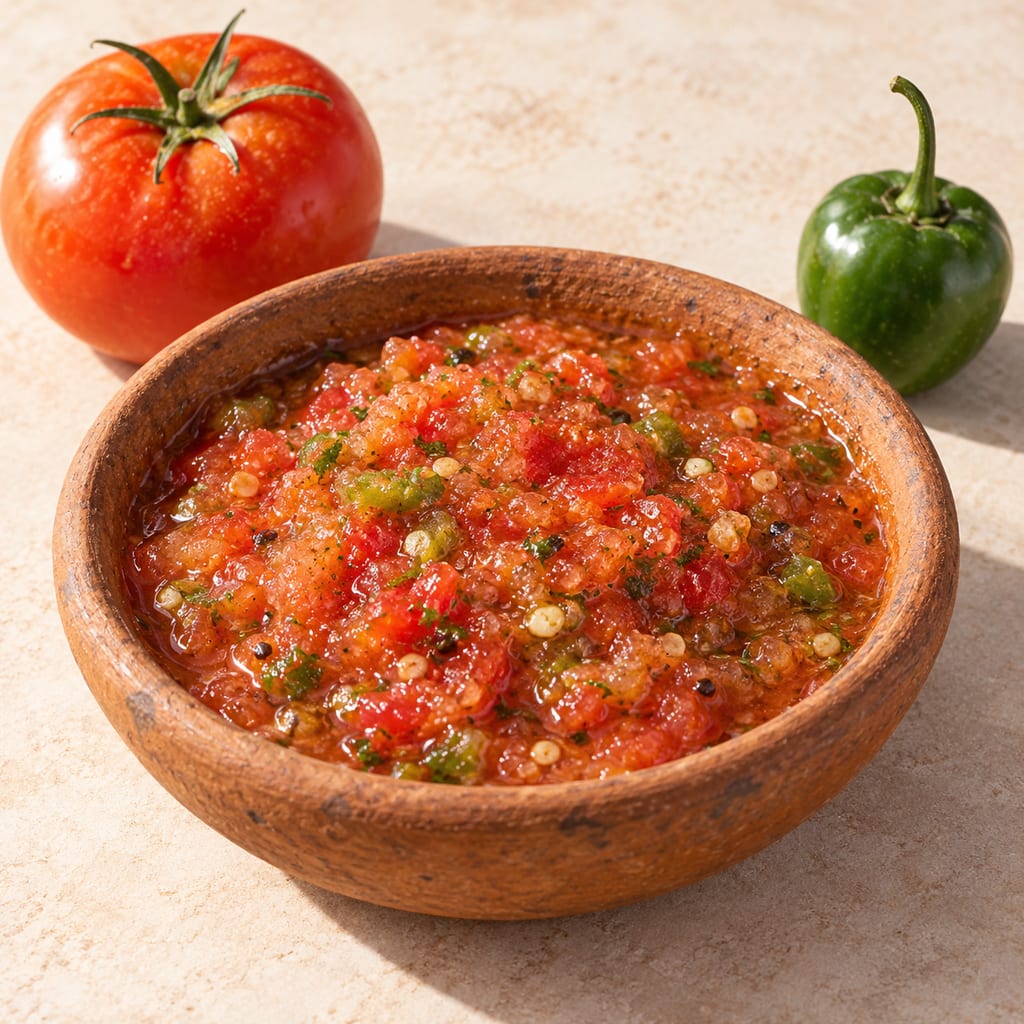
Llajua (Bolivian Tomato and Locoto Sauce)
A fresh Bolivian table sauce of tomato, locoto chilli and herbs, following the La Paz municipal formula. Regional preparations vary.
 FermenteaWhere food goes to change
Modern adaptation
Marraqueta estilo paceño · pan de batalla
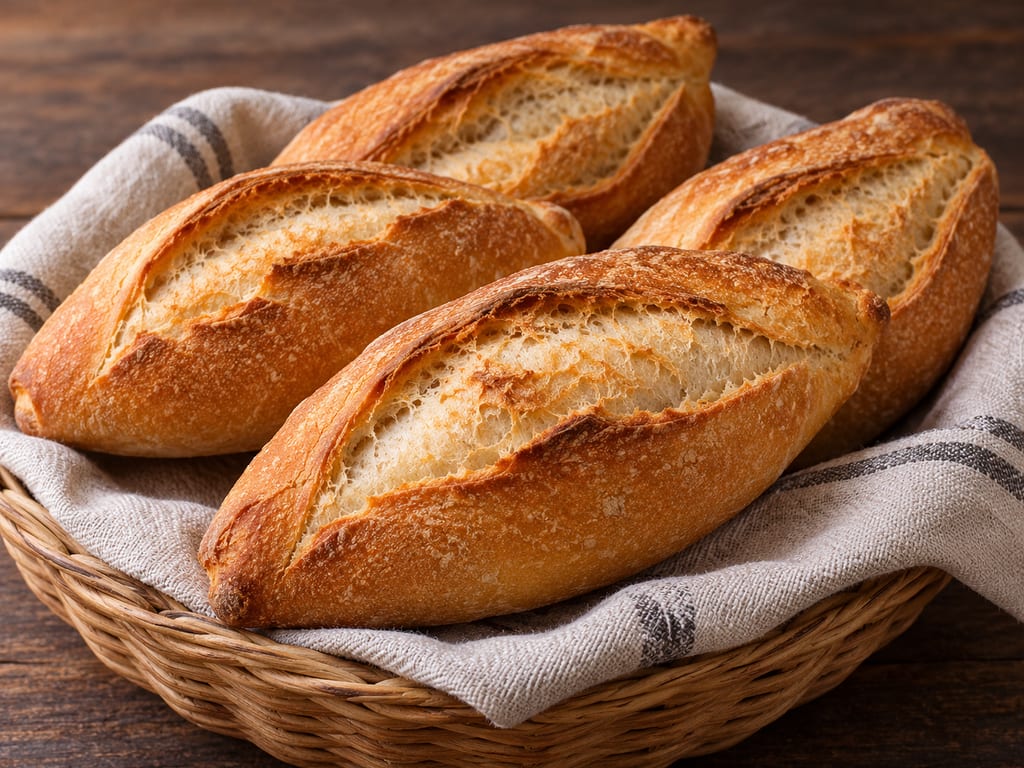
A Bolivian wheat roll shaped with a central slash, proofed twice, and baked with steam for a crisp crust; this measured version is identified as paceño style.
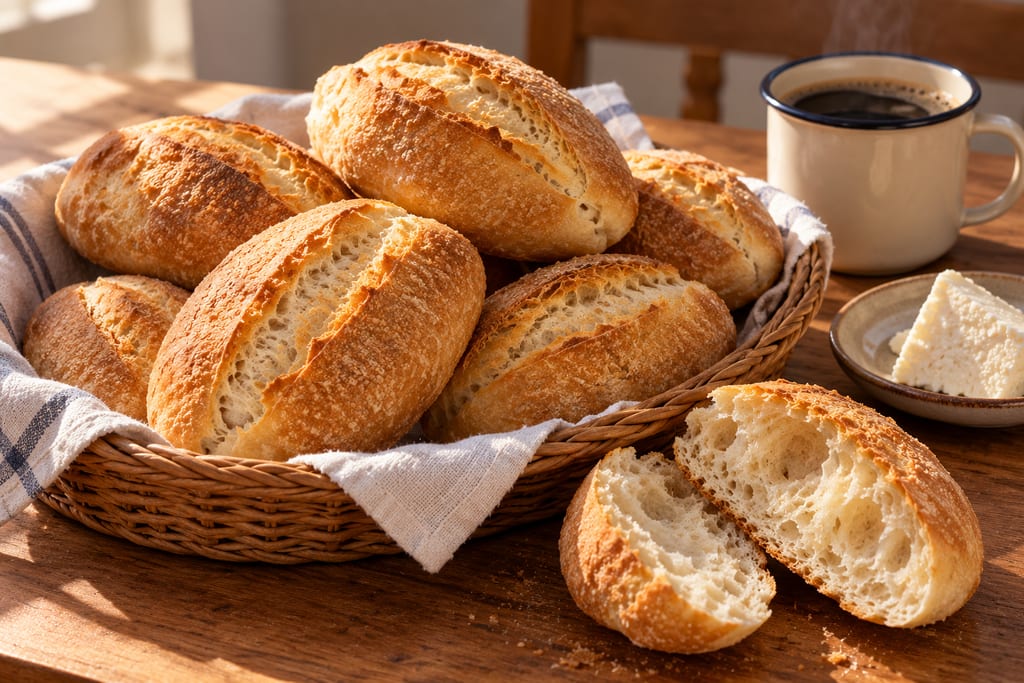
A 2017 Bolivian training and recipe guide includes a measured marraqueta titled “Marraqueta estilo paceño.” It gives a kilogram of flour, a choice of dry or fresh yeast, sugar and salt measured by spoon, and approximately 600 millilitres of warm water. It describes two one-hour rises and an oven at 220°C with a pan of hot water for steam. The guide does not define the spoon size or give a room-temperature target for proofing.
The guide was prepared for a nutrition training connected to CETHA Caracollo. Its recipe is a documented home formula, not a claim that every paceño baker uses the same ingredient balance. A 2023 El Deber report describes marraqueta paceña as common in La Paz and El Alto and records a local baker’s different low-yeast account and the use of vaulted brick-and-clay ovens. These accounts preserve local practice without merging it with the Chilean recipe, whose shaping and baking method are separately documented.
The 2017 training guide records a measured recipe titled “Marraqueta estilo paceño.” El Deber reports the paceña bread as a La Paz and El Alto tradition, with local baker Dandy Mallea describing its production and vaulted brick-and-clay ovens. The sources do not establish a first attestation. The guide’s measured formula includes sugar and salt, while the local baker’s account in El Deber describes a minimal-yeast formula with fewer ingredients; this record follows the guide and does not claim one formula represents every baker.
Yield 17 pieces · Scaling: source batch only
Flour can carry harmful bacteria, and this method handles dough before baking.
Hazard sourceBake the loaves as directed; do not taste raw flour or dough, and clean hands, utensils and work surfaces after handling it.
Control sourceDo not taste raw flour or dough. Take care when adding or handling hot water for the steam pan.
A paceño-style recipe in the 2017 guide and a locally documented bread of La Paz and El Alto. This does not claim an exact birthplace or describe the Chilean marraqueta.
A fresh Bolivian table sauce of tomato, locoto chilli and herbs, following the La Paz municipal formula. Regional preparations vary.
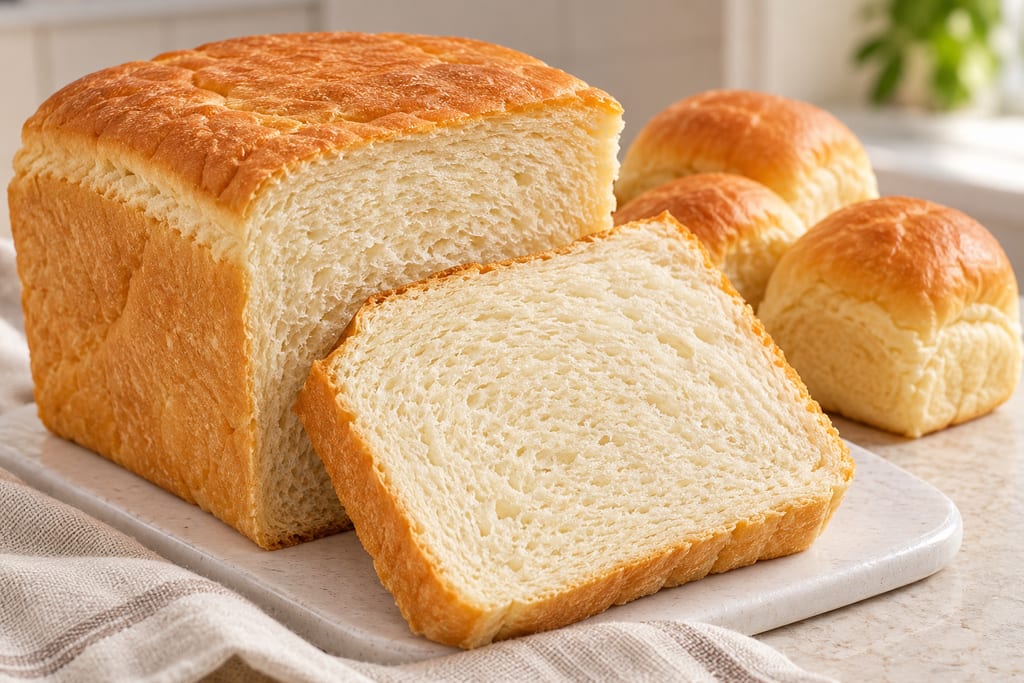
This softer home-style Agege bread uses a scalded flour paste, an enriched yeast dough and a 9×5-inch loaf pan, with rolls from the extra dough.
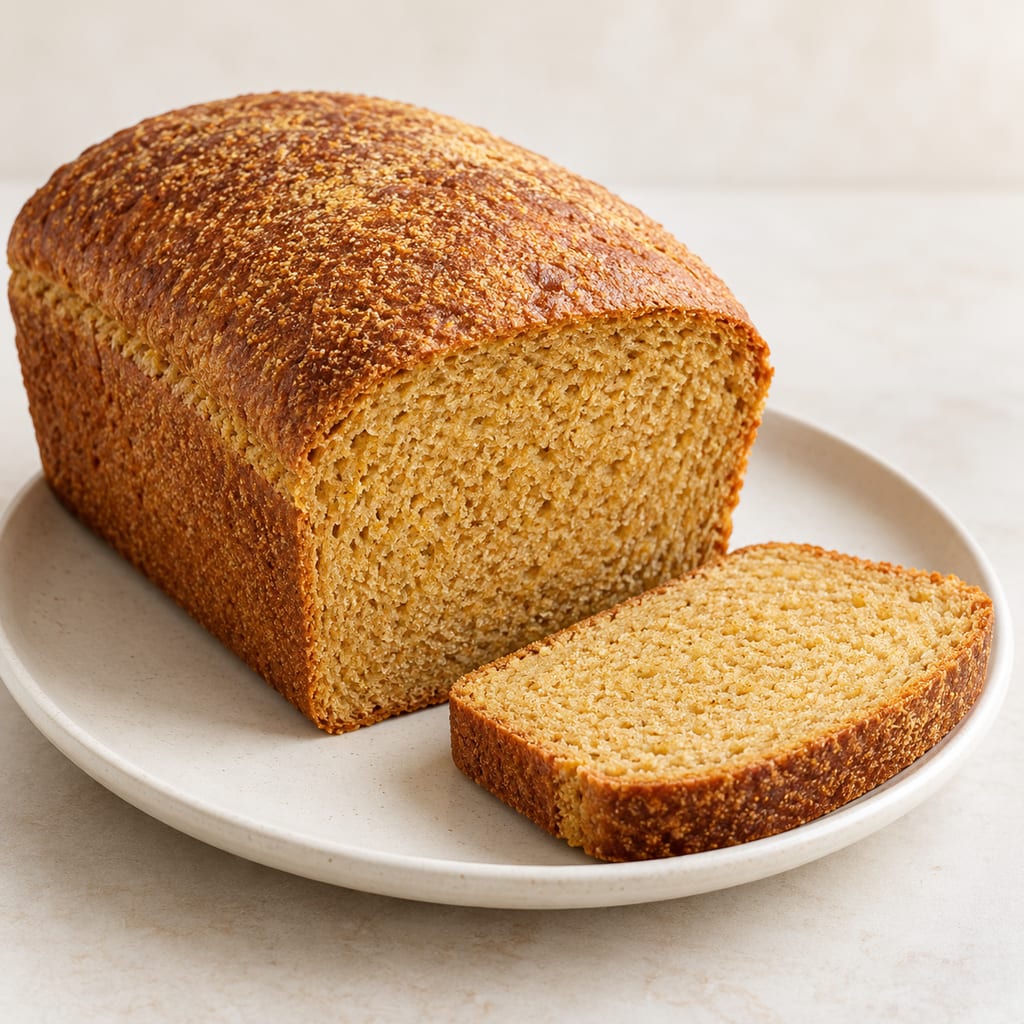
Anadama is a New England yeast loaf made with wheat flour, cornmeal and molasses. Scalded cornmeal enriches the dough, while molasses lends sweetness and a dark crust; it is especially good toasted or beside soup and baked beans.

A yeast-raised wheat ring shaped from a firm dough, briefly boiled and baked. This source-batch formula gives a gently malted crust and a chewy crumb.
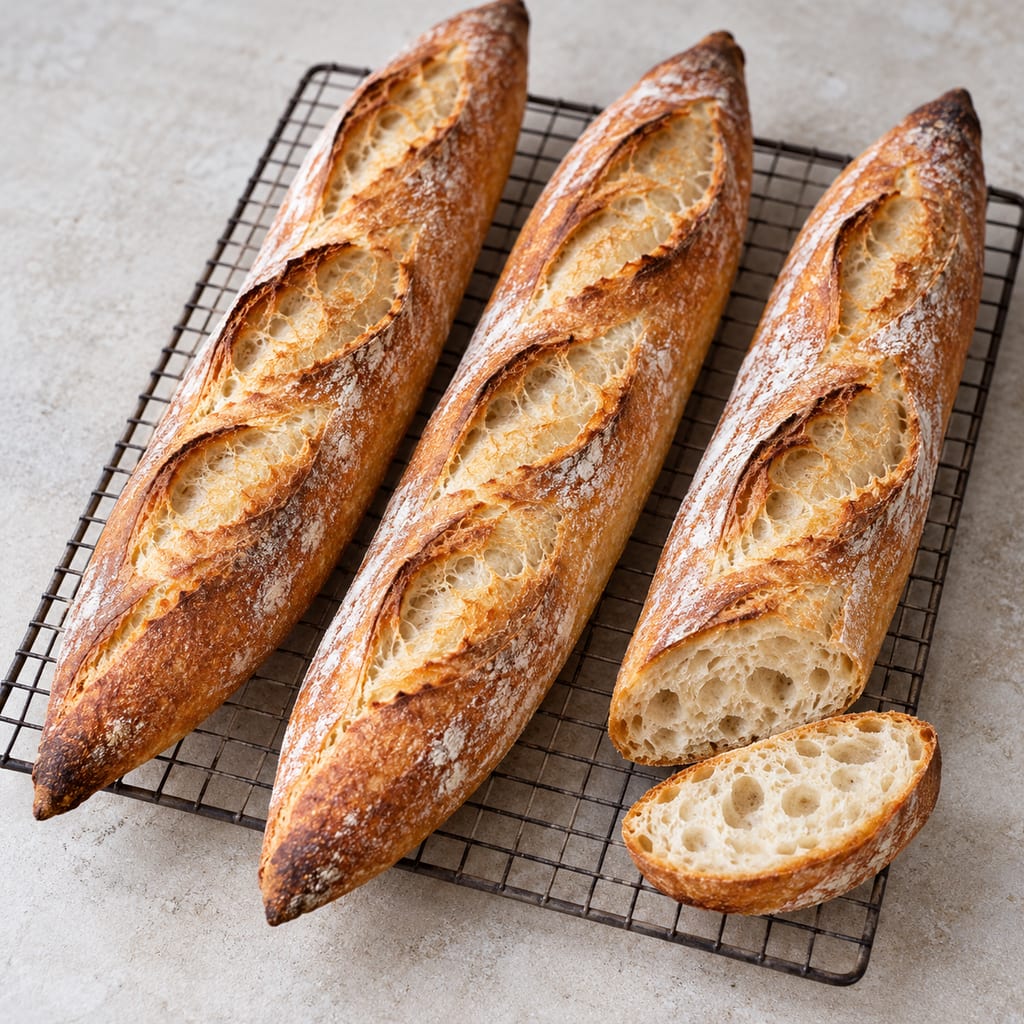
Three long, crusty wheat loaves made with an overnight yeast poolish, shaped by hand and baked with steam for a crisp crust.
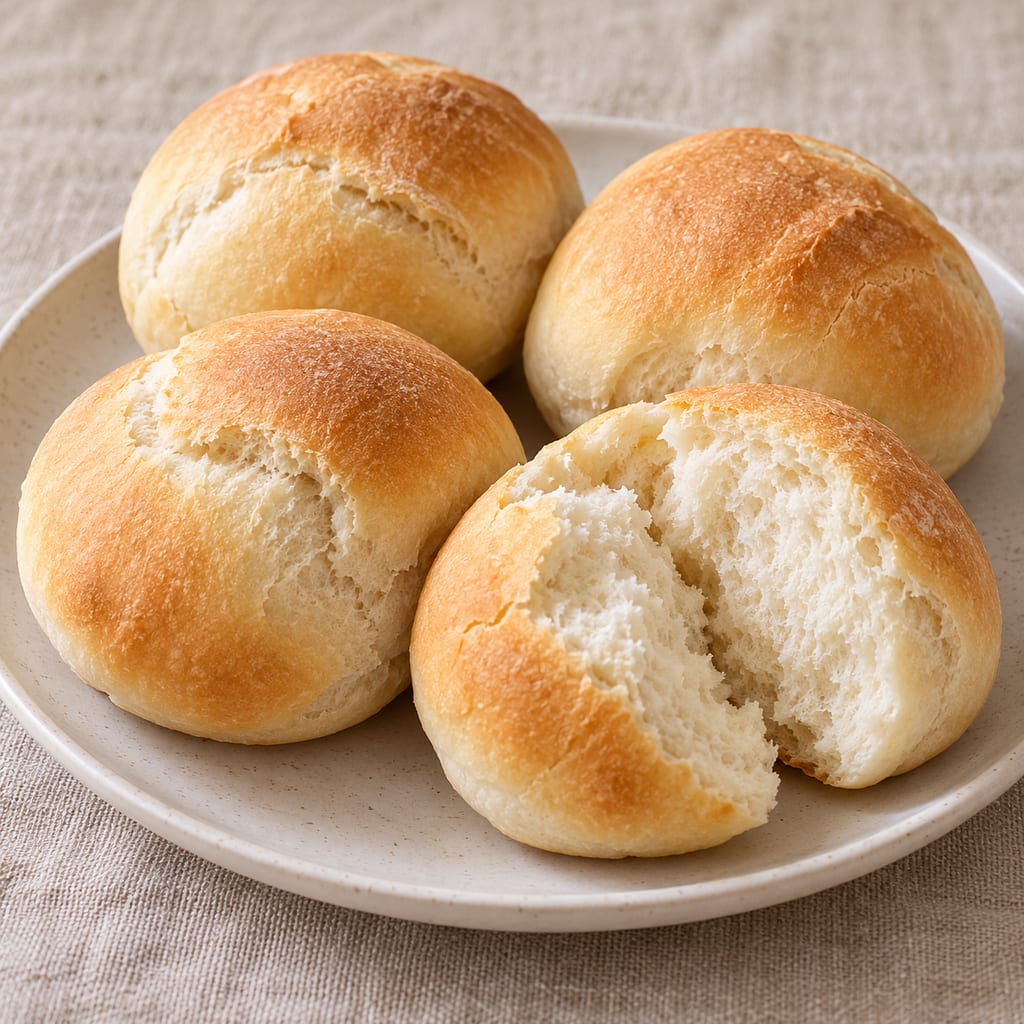
A lightly salted, yeast-raised Barbadian roll, baked in a dozen-roll home batch and often split for cutters.
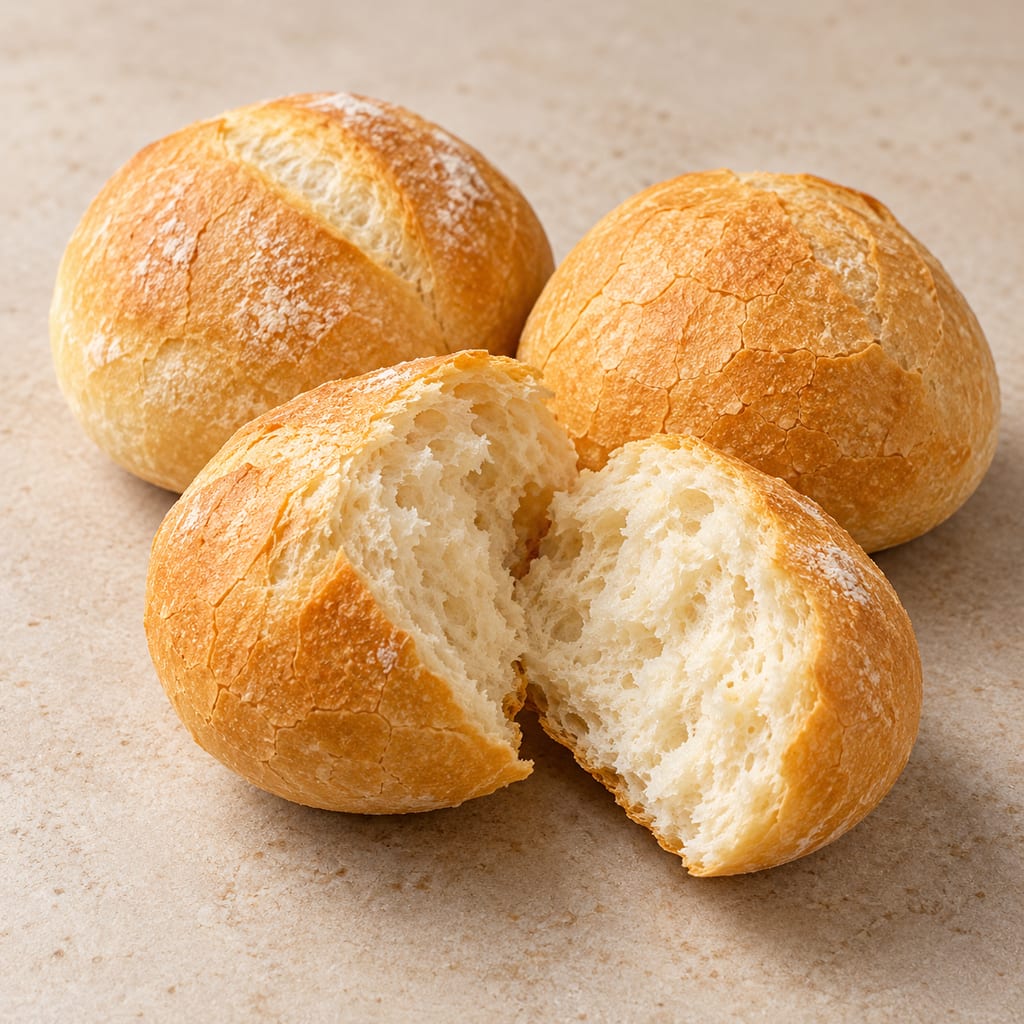
A crisp Belgian roll made from a supplier’s Croc-flour dough, mixed by hand or machine, proofed in rounds and baked with steam.
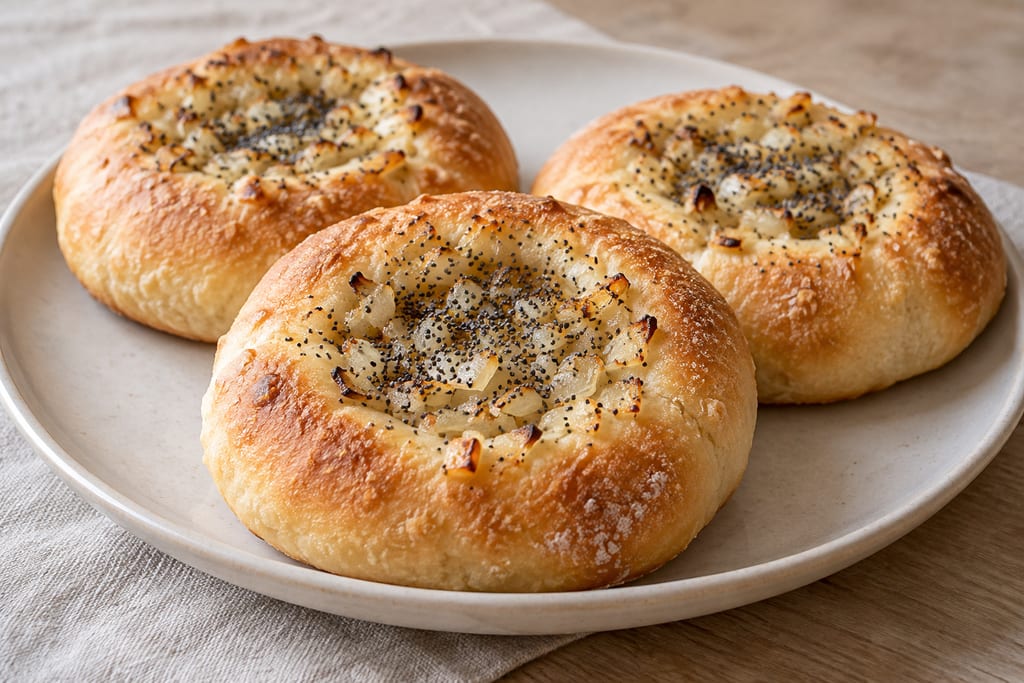
Bialys are soft, yeasted wheat rolls baked without boiling, each shaped with an onion-filled central depression instead of a hole.
A measured, commercial-yeast home method for Guadalajara-style birote salado, with a six-hour preferment, shaped rolls and a two-temperature steam bake. This formula contains no egg.
No community contributions have been published for this entry yet.
Sign in to contribute. Published comments and photos are free to read.
Consorcio PROCOSI/CEMSEMethod · Geography · History
Guía de capacitación en nutrición: Nutrición y recetarioA 2017 guide for the CETHA Caracollo training records a recipe titled Marraqueta estilo paceño: 1 kg flour, 18 g dry or 50 g fresh yeast, 2½ spoons sugar, 1 spoon salt and approximately 600 ml warm water.
The guide specifies kneading until non-sticky, one-hour covered rise, about 17 balls of 90–100 g, another one-hour rise, central scoring, water brushing, a 220°C oven, a hot-water pan and about 22 minutes baking.
Cited in: A paceño-style formula
El DeberGeography · History
La marraqueta paceña tiene sus secretos, un experto dice cuáles sonThe report locates the paceña bread in La Paz and El Alto and describes its daily use, local baker testimony, low-yeast account, shaping, vaulted brick-and-clay ovens and baking practice.
Its account of the baker's minimal-ingredient formula differs from the 2017 guide's sugar-and-salt formula; this recipe follows the guide and does not treat either as universal.
Cited in: A paceño-style formula
U.S. Food and Drug AdministrationSafety
Handling Flour Safely: What You Need to KnowRaw flour can carry harmful bacteria; do not eat or taste raw flour, dough or batter; wash hands, utensils and surfaces after handling.