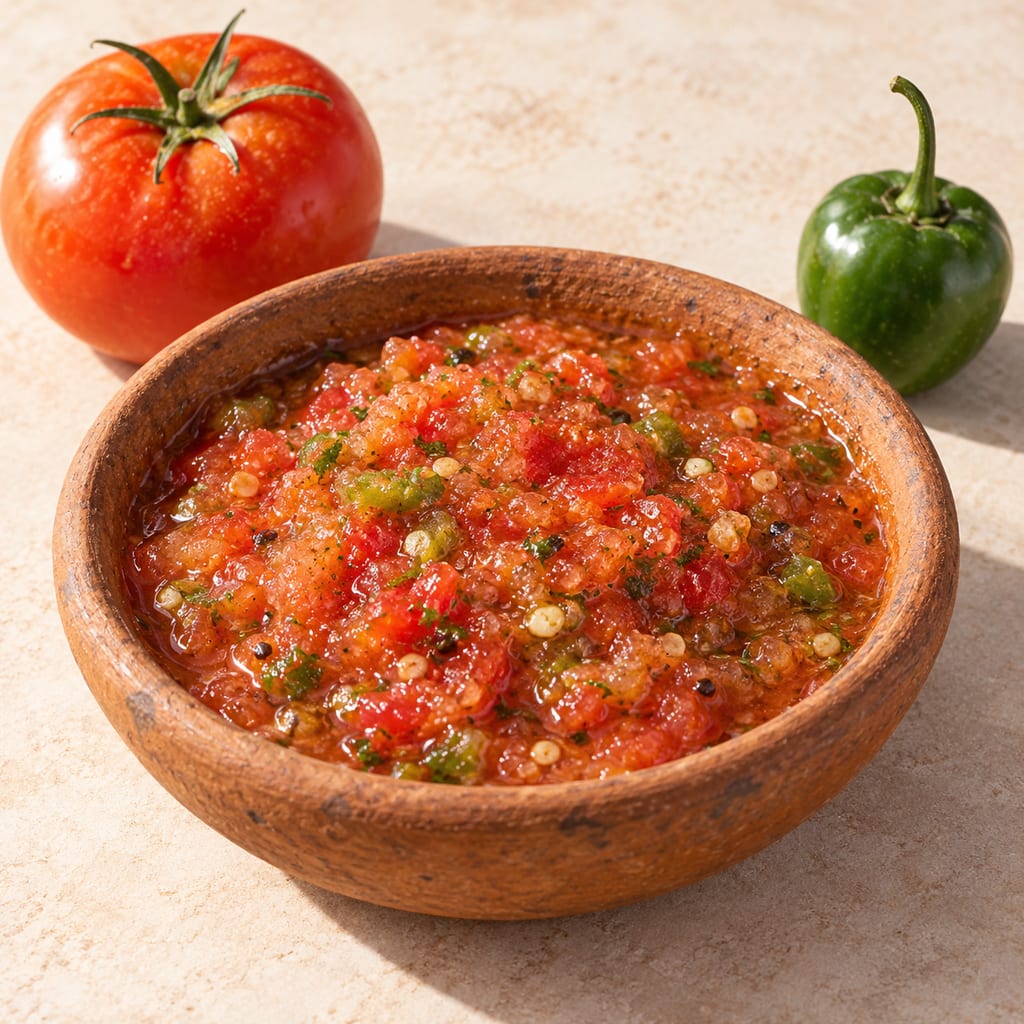
Llajua (Bolivian Tomato and Locoto Sauce)
A fresh Bolivian table sauce of tomato, locoto chilli and herbs, following the La Paz municipal formula. Regional preparations vary.
 FermenteaWhere food goes to change
Spices and aromatics
Locoto is the Bolivian name for Capsicum pubescens, an Andean chilli with thick-walled fruit, distinctive dark seeds and heat that varies between plants and harvests.
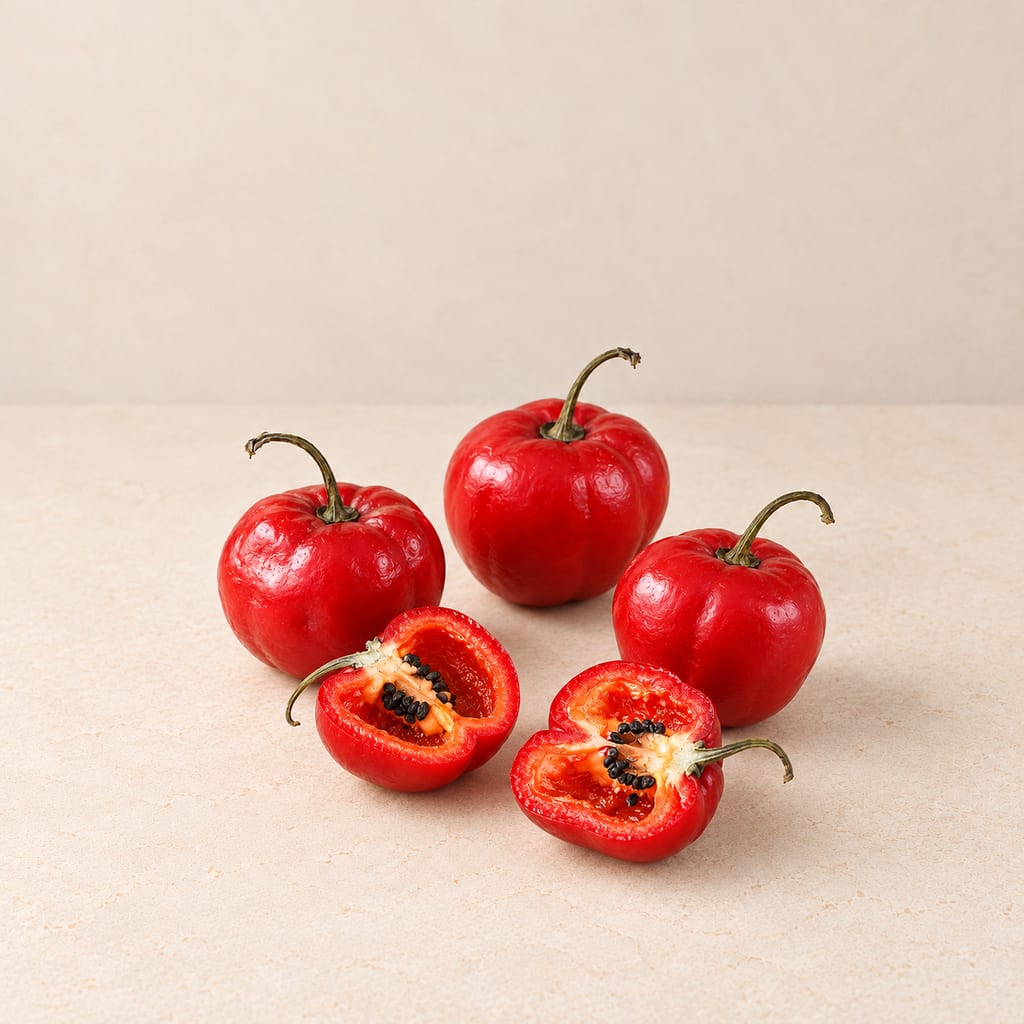
Locoto is a common name for Capsicum pubescens Ruiz & Pav., a domesticated Andean chilli. Locoto is used in Bolivia; rocoto is widely used in Peru. The fruit is often round and thick-walled, and mature seeds are dark. Plant hairs and purple flowers are other identifying traits. Fruit colour varies with maturity and type, so colour alone does not establish species or heat.
The species is associated with the mid-highlands of South-Central America. Researchers have proposed the central Bolivian highlands as an origin area, but a 2024 study says the exact origin remains unknown and no ancestral wild population has been confirmed. Archaeobotanical reports describe ancient Capsicum seed finds on Peru's coast; these do not prove locoto was first domesticated there.
Bolivian agricultural research evaluated ecotypes sourced from La Paz and Cochabamba. In Bolivia, locoto is a defining chilli in llajwa, a fresh table sauce eaten across the country. La Paz's municipal page records regional variation and disagreement over whether llajwa began in the Altiplano or Cochabamba valleys.
A sensory study of selected C. pubescens accessions found green and vegetable-like aromas, earthy or pea-like notes, and a distinct cucumber-like note. It also found differences between accessions, so the profile is not a promise about every fruit. Measured pungency varied; in that study, the Andean peppers had lower capsaicinoid levels than the C. chinense comparison. Growing conditions and fruit selection affect heat. Colour is not a reliable heat scale.
In llajwa, locoto is ground with tomato and local herbs such as quirquiña or huacataya; regional recipes differ. Peru also uses rocoto in dishes such as rocoto relleno. Locoto is not a fermentation by itself, and llajwa is documented here as a fresh sauce rather than a fermented preparation.
Choose firm fruit with intact skin and a fresh stem. Handle cut chillies carefully because capsaicin can irritate skin and eyes. Avoid touching the face and wash hands and tools after cutting. Heat varies, so add a small amount first when adapting a sauce. Jalapeño changes the flavour and is not a heat-equivalent substitute.
Central Andes are a proposed origin area; available research does not establish a precise birthplace.
Agricultural research records local ecotypes, and La Paz's municipal page documents locoto in llajwa; neither establishes a species birthplace.
World Flora Online records the native range as Peru to Bolivia; research describes cultivation in the South-Central American mid-highlands.
A fresh Bolivian table sauce of tomato, locoto chilli and herbs, following the La Paz municipal formula. Regional preparations vary.

Ají amarillo is the orange-yellow Peruvian chilli cultivar group of Capsicum baccatum, used to colour and season huancaína sauce and ají de gallina. Published heat estimates do not establish one range for the named cultivar.
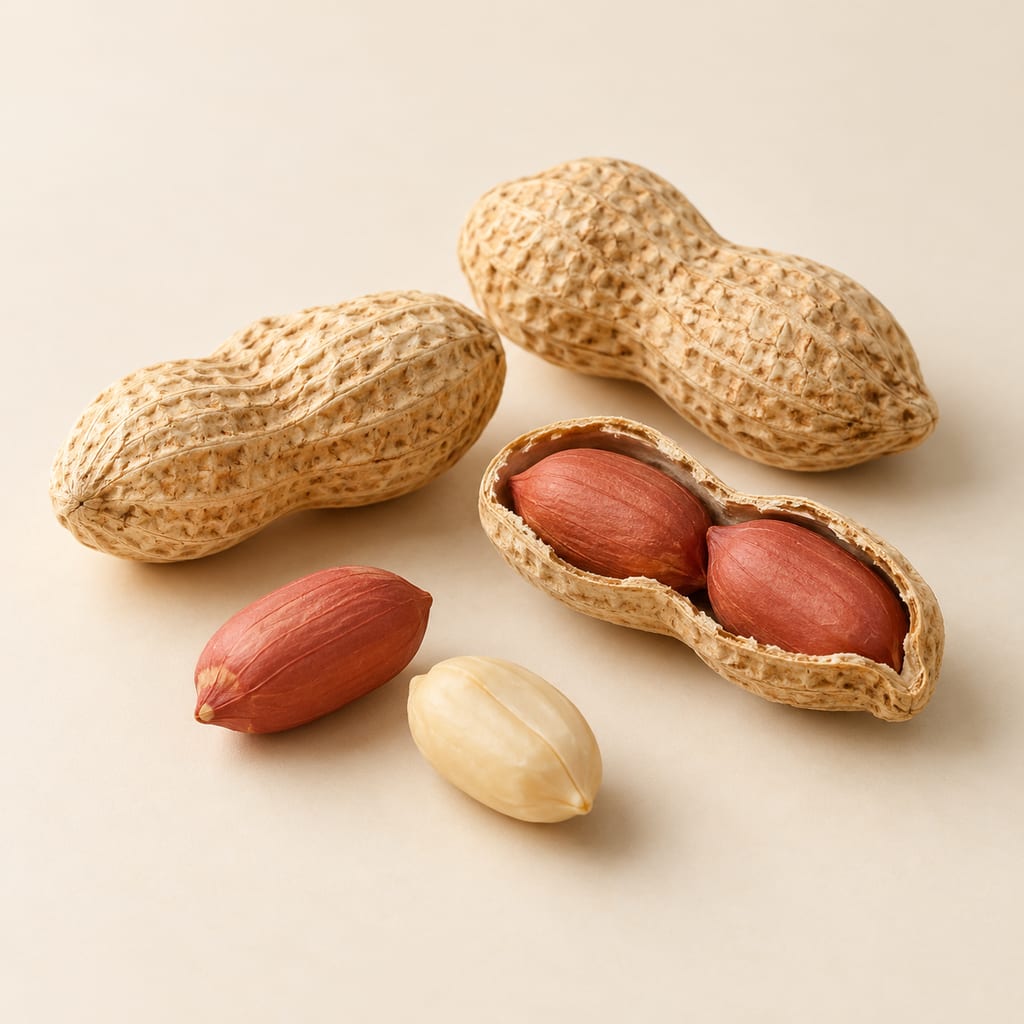
Peanuts are the edible seeds of Arachis hypogaea, a cultivated legume. They are eaten whole, roasted and ground, and peanut oil-press cake is a separate byproduct used in some fermentations.

At North Abydos in Egypt, a fixed early Dynastic brewery comprised parallel semi-subterranean installations with rows of ceramic mash vats; excavation reports revise their number, scale and estimated batch capacity.

Toasted almonds are whole sweet almond kernels dry-roasted until golden to brown. Heat replaces their marzipan note with a roasted, nutty one; they thicken and flavour romesco.

Kodiak salmon, halibut and cod cut as seg'aq and hung on an initaq rack to become tamuuq, with kac'amaasaq and kupcuunaq named as different results.

Aniseed is the dried ripe fruit of Pimpinella anisum, an aromatic Apiaceae spice commonly called a seed. It adds a sweet, warm aroma to breads such as Moroccan krachel and South African mosbolletjies, and is distinct from star anise.

A fixed Late Chalcolithic installation in Areni-1 cave combined a shallow clay pressing basin with a large jar set into the cave floor and storage vessels nearby.

Ripe avocado flesh is the soft, buttery, fat-rich pulp of Persea americana, eaten raw. It is low in acid, so it is a fresh ingredient that needs care in chilled dishes.

A portable dome and pan used over a hearth, with embers on the lid and heat from below. Regional peka and saç forms share this principle while differing in materials, pan shape and how the food is cooked.
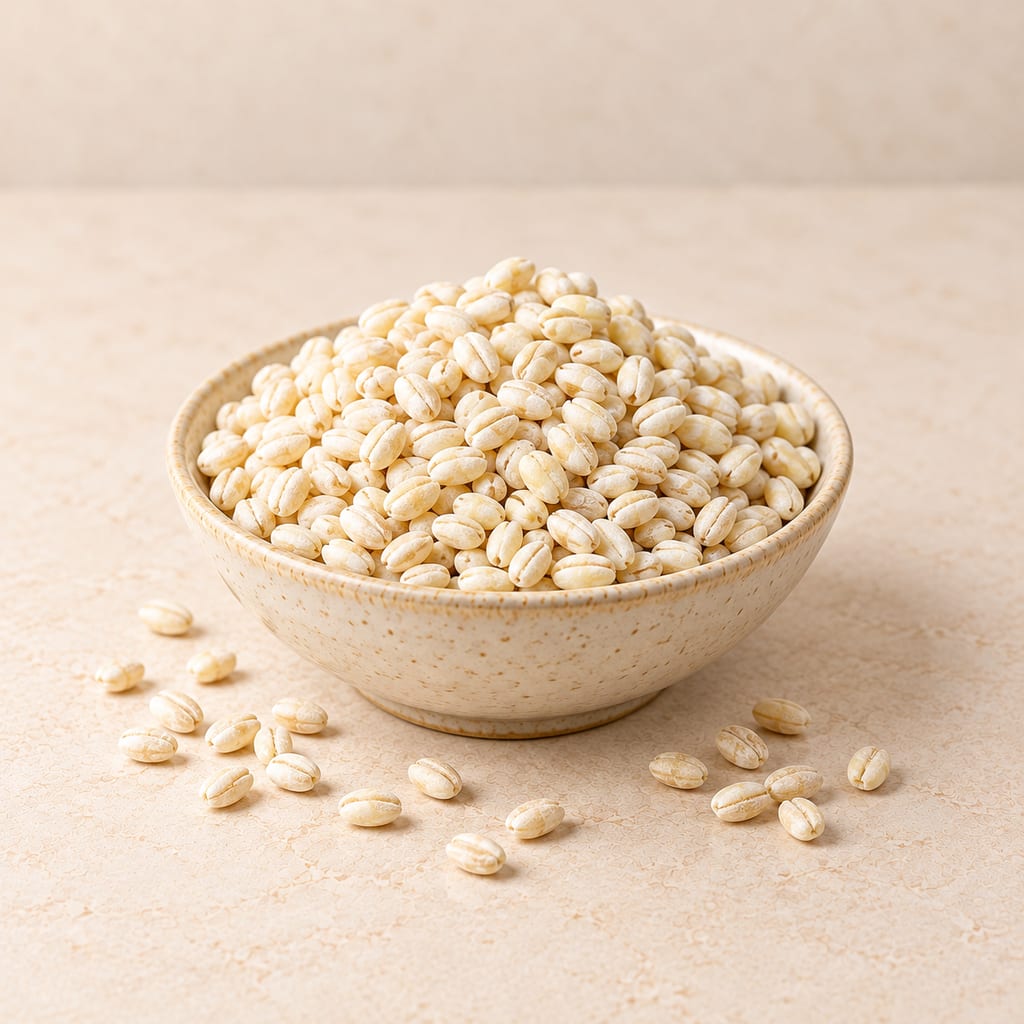
Barley is a hardy cereal, domesticated in the Middle East over 10,000 years ago, eaten whole, pearled or milled, malted for brewing, and grown with koji mold for barley miso.
No community contributions have been published for this entry yet.
Sign in to contribute. Published comments and photos are free to read.
World Flora OnlineIdentity · Names · Geography
Capsicum pubescens Ruiz & Pav.Accepted name is Capsicum pubescens Ruiz & Pav.
Native range is Peru to Bolivia.
Cited in: Identity and names
Frontiers in Plant Science / PubMed CentralIdentity · History · Geography
Evolutionary relationships, hybridization and diversification under domestication of the locoto chile (Capsicum pubescens) and its wild relativesCrop occurs mainly in South-Central American mid-highlands.
No ancestral wild population has been identified and exact origin remains unknown.
Bolivia/Peru domestication hypothesis around 6,000 years ago is not a firm date.
Cited in: Identity and names; Andean history and geography
University of California, Berkeley Archaeobotany LaboratoryHistory
Capsicum spp. at the Preceramic Sites of Huaca Prieta and Paredones, Chicama Valley, Peru (UCB Archaeobotany Laboratory Report 74)Discusses species-level identifications of Capsicum seeds at Preceramic coastal Peru sites.
Treats eastern Bolivian highlands as a purported origin, not a demonstrated birthplace.
Cited in: Andean history and geography
Instituto Nacional de Innovación Agropecuaria y ForestalGrowing · Geography · Heat
Caracterización y evaluación de 16 ecotipos de locoto (Capsicum pubescens L.) en el Valle Bajo de CochabambaBolivian study evaluated 16 locoto ecotypes sourced from La Paz and Cochabamba.
Documents cultivation and fruit variation in Bolivia.
Cited in: Identity and names; Andean history and geography; Flavour and heat
Gobierno Autónomo Municipal de La PazUse · Geography · History
LlajwaLlajwa is eaten across Bolivia with regional variations.
The page records debate over Altiplano or Cochabamba valley origins of the sauce.
Its example combines locoto, tomato and quirquiña or huacataya.
Cited in: Andean history and geography; Uses; Choosing and handling
Journal of the Science of Food and AgricultureTaste · Heat
Volatile and capsaicinoid composition of ají (Capsicum baccatum) and rocoto (Capsicum pubescens), two Andean species of chile peppersTested C. pubescens accessions had green/vegetable, earthy/pea and cucumber-like aroma notes.
Capsaicinoid levels varied across accessions and were lower than the C. chinense control in this study.
Cited in: Flavour and heat; Choosing and handling
PromPerúUse
Learn about the history of the exquisite Rocoto RellenoPromPerú describes rocoto relleno as an Arequipa preparation.
Cited in: Uses