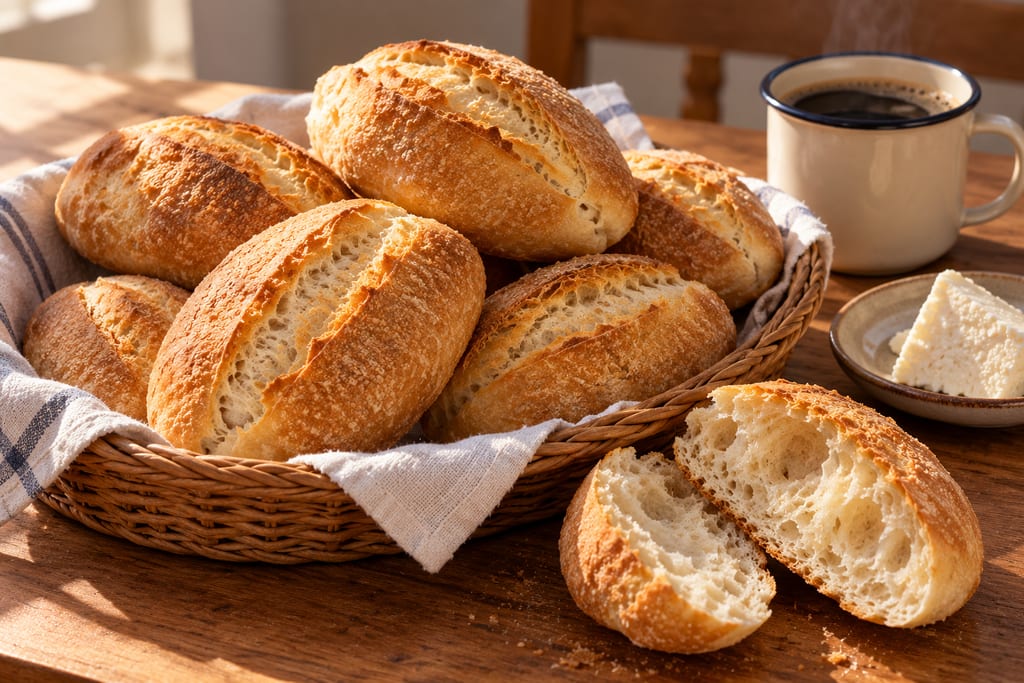
Marraqueta paceña
A Bolivian wheat roll shaped with a central slash, proofed twice, and baked with steam for a crisp crust; this measured version is identified as paceño style.
 FermenteaWhere food goes to change
Modern adaptation
Pan sarnita · Sarnita
A Potosí yeast bread made with a soft wheat dough and a grated-cheese topping bound with egg yolk and milk.
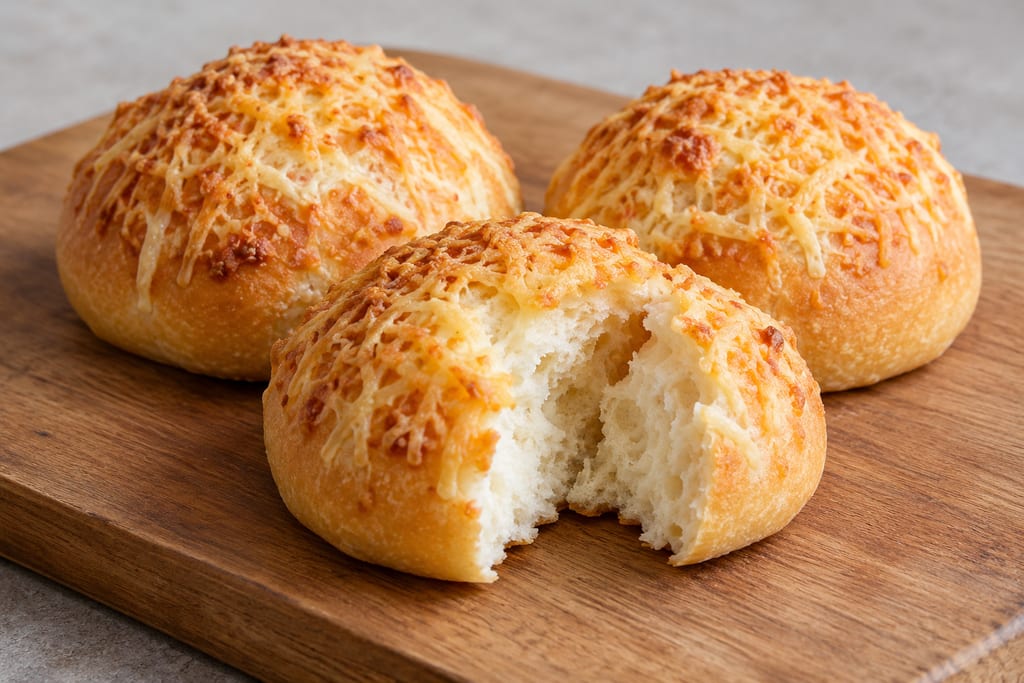
Grupo Venado publishes this measured Pan Sarnita under Potosí. Its dough is enriched with an egg and manteca, and the buns receive a topping of grated cheese mixed with egg yolk and milk. The page does not say whether its manteca is animal or vegetable fat, name a cheese type, or state the bun count and size; those details remain open rather than filled by guesswork.
The source gives a short 30-minute rise followed by a further 20-minute rise after dividing the dough. It directs a 12-minute bake in a 180°C oven. Because the egg appears in the dough and topping and the buns have no stated size, the recipe adds an independently sourced egg-safety check: the egg-containing portion should reach 71.1°C (160°F). If it has not, continue baking. This check does not change the source's ingredient quantities or regional identification.
A 2024 Los Tiempos feature places sarnita in Bolivian street eating, describing a small, soft bread that can hold varied fillings. This supplies a serving context beyond the Grupo Venado recipe's Potosí category; it does not move the recipe's documented association to a different birthplace.
The selected method keeps its grated-cheese surface bound with egg yolk and milk. Sandwich fillings from a broader food account are not added to the dough or topping. The bread's size, count, cheese type and kind of manteca remain unstated rather than inferred from a street-food description.
Grupo Venado publishes this sarnita recipe under Potosí. It is a documented regional recipe, not an origin claim. The source's 2020 publication date does not establish when the bread first appeared.
Scaling: source batch only
Flour can carry harmful bacteria and is handled before baking.
Hazard sourceRaw eggs can carry Salmonella; both the dough and topping are baked.
Hazard sourceDo not taste raw flour or dough; wash hands, tools and work surfaces after handling.
Control sourceBake until the egg-containing portion reaches 71.1°C (160°F), checking with a clean food thermometer; continue baking if the source time is not enough.
Control sourceDo not taste raw flour or dough. The source's 12-minute bake is a starting time; verify the egg-containing portion reaches 71.1°C (160°F) and bake longer if necessary.
The source categorizes its pan sarnita under Potosí; it does not identify a specific town or claim a birthplace.
A Bolivian wheat roll shaped with a central slash, proofed twice, and baked with steam for a crisp crust; this measured version is identified as paceño style.
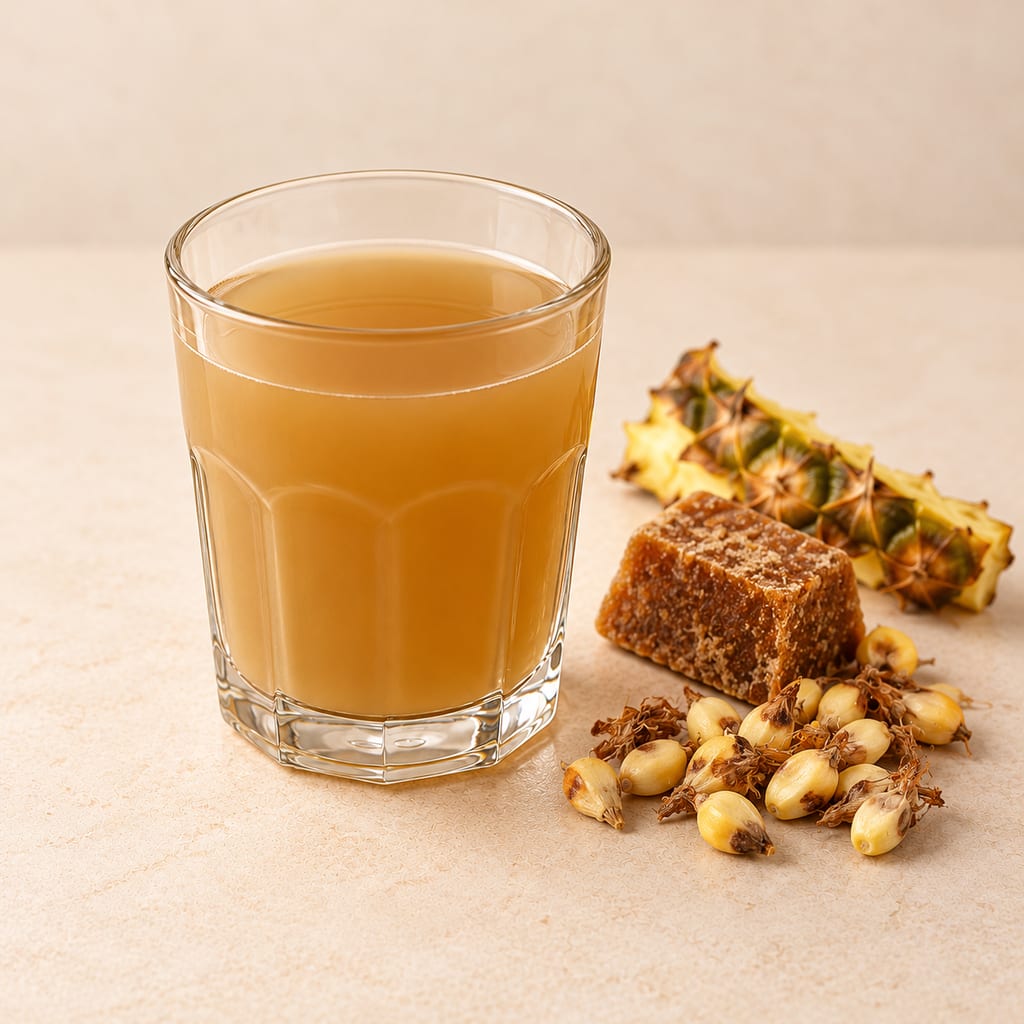
A contemporary Ecuadorian recipe simmers jora flour with spices, then adds panela and pineapple peel before a short spontaneous ferment. Its particular aromatics and measurements belong to this published adaptation.
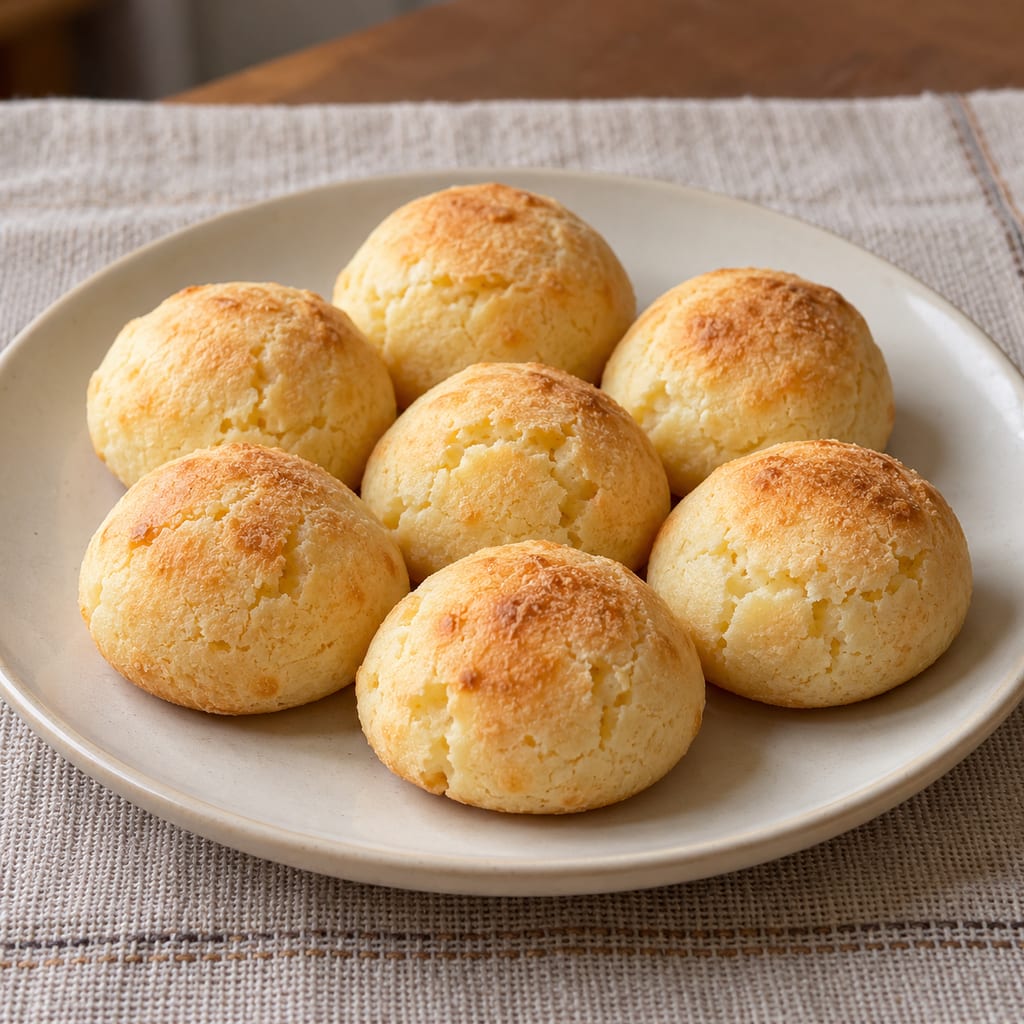
A Santa Cruz cheese-and-starch bread made with grated cheese, eggs, butter and milk as needed; optional cooked yuca makes the dough. This municipal formula bakes small balls on a tray.
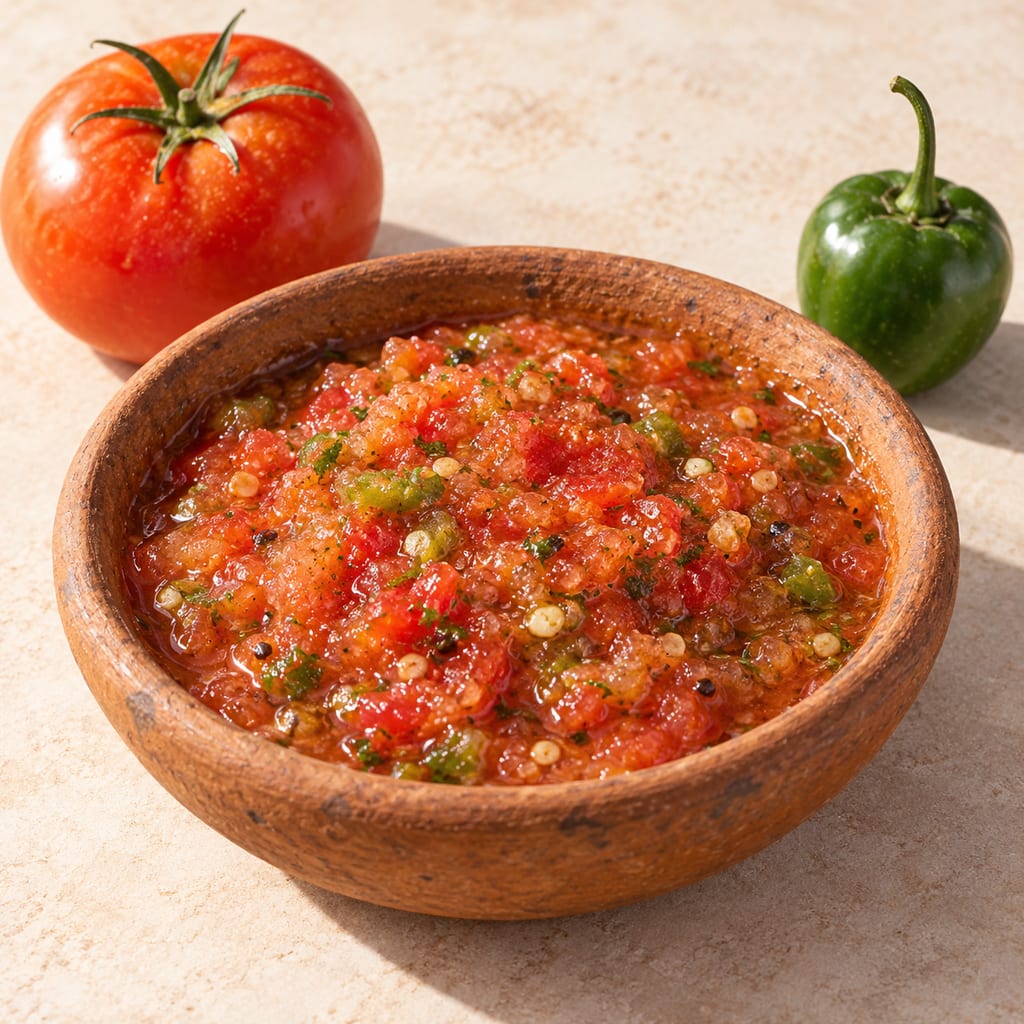
A fresh Bolivian table sauce of tomato, locoto chilli and herbs, following the La Paz municipal formula. Regional preparations vary.
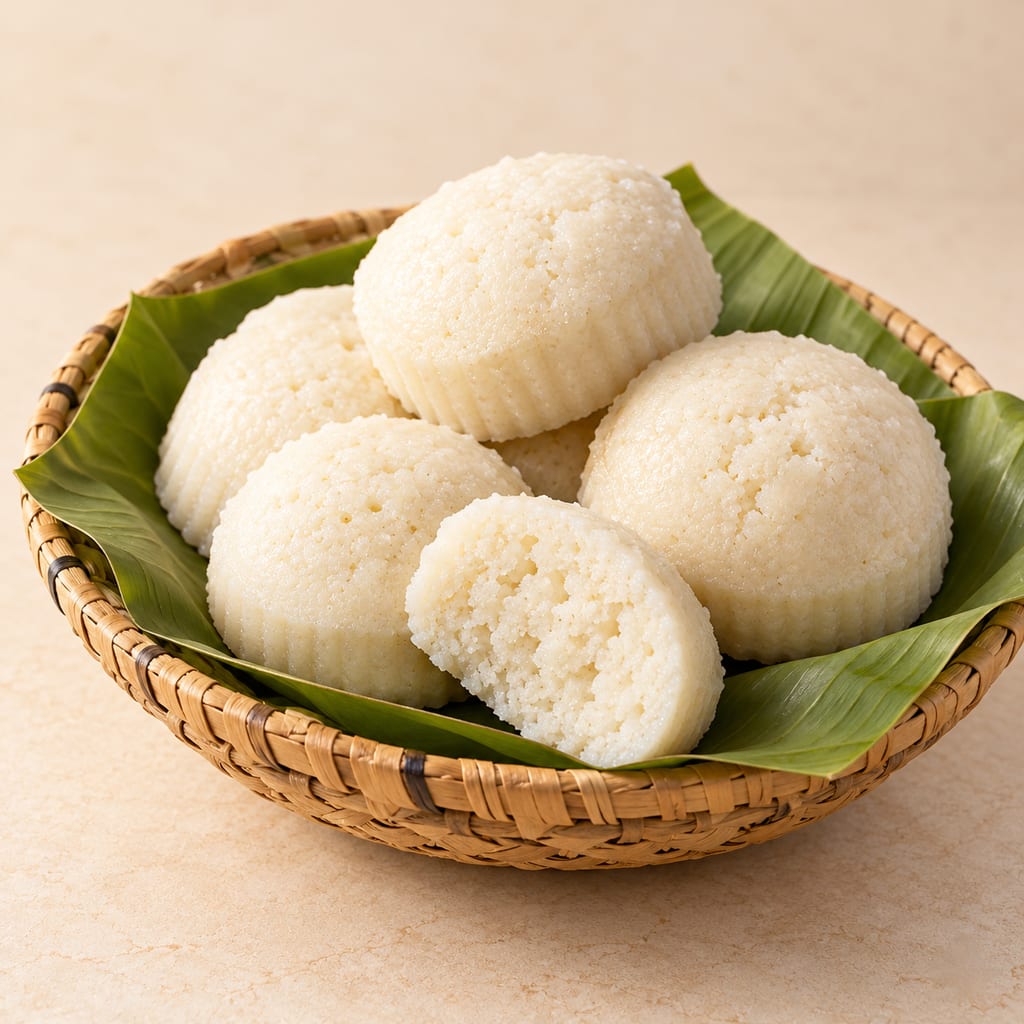
Soft, lightly tangy steamed cereal bread documented across Benin and Togo. This page gives one measured rice-flour research method; maize-based Ablo and mixed-grain versions remain distinct traditions.
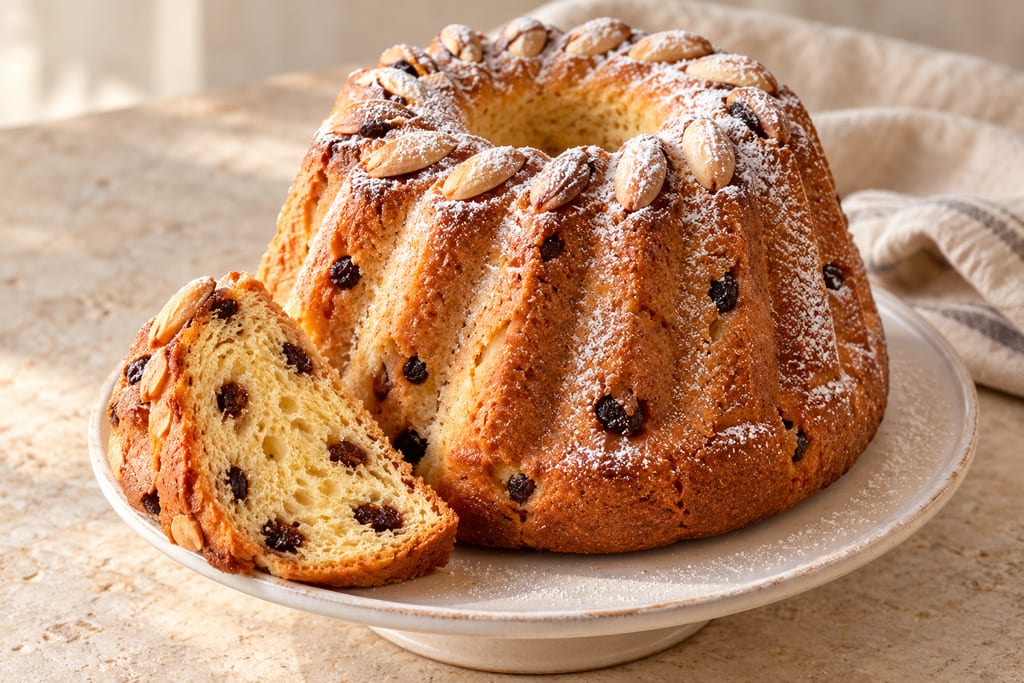
An enriched Alsatian yeast ring with raisins and almonds, kneaded with butter, proofed in a fluted mould and baked until browned.
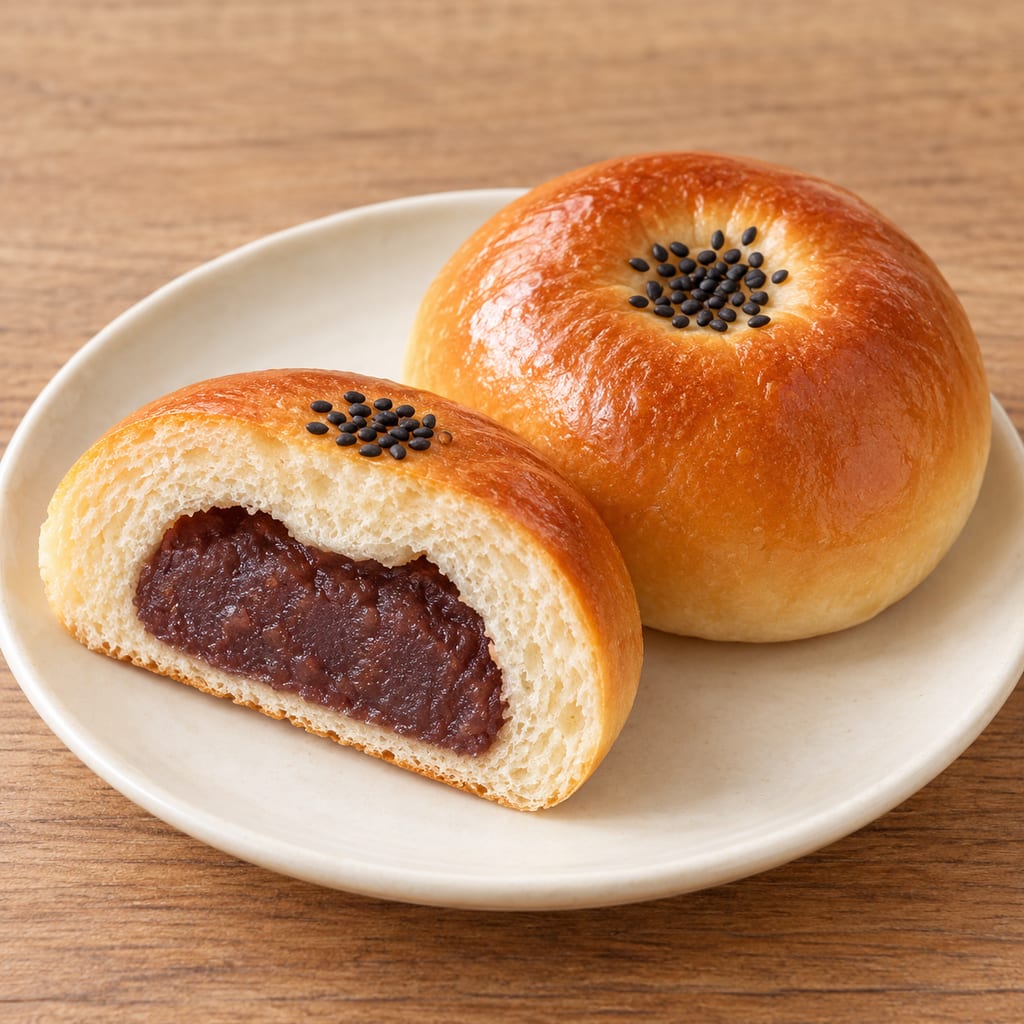
Anpan is a soft wheat bun filled with sweet red-bean paste and finished with egg wash and black sesame. This dough rises with commercial instant yeast.
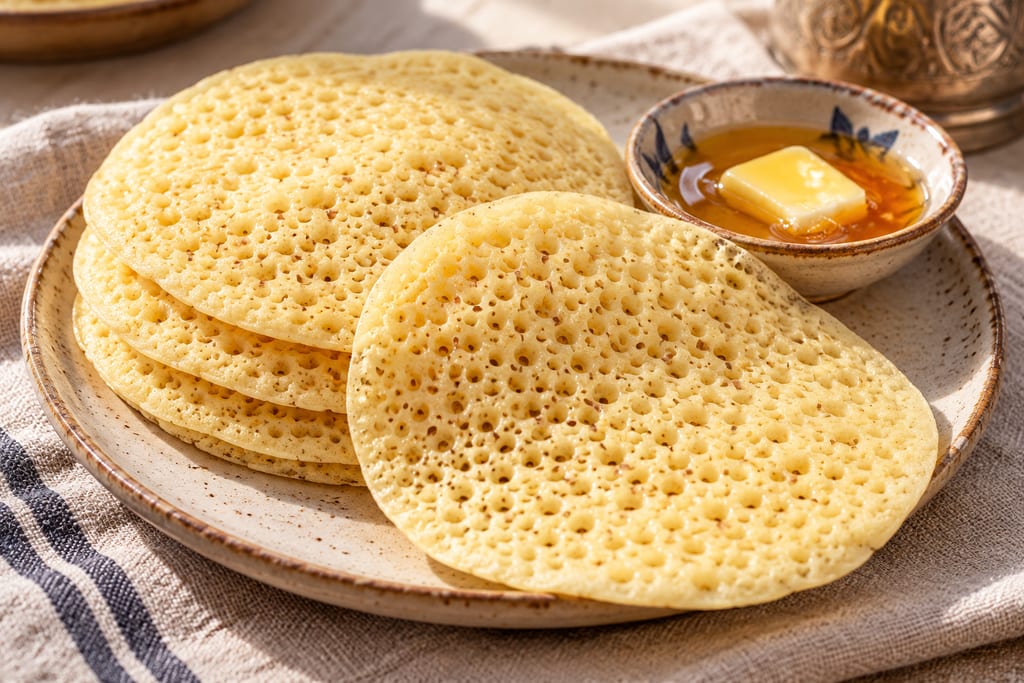
Moroccan semolina pancakes made from a thin yeast batter, rested until foamy and cooked on one side until the surface sets with a honeycomb of holes. This source-specific batch makes sixteen 5-inch pancakes.
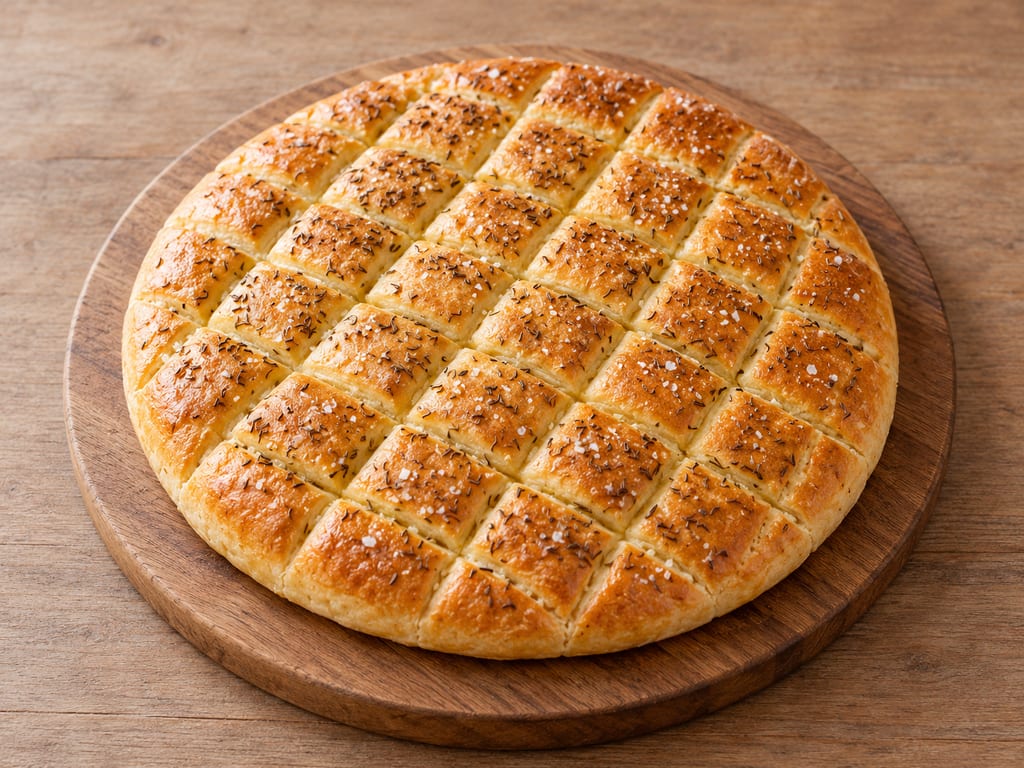
A round Slovenian flatbread scored in a grid and topped with caraway and coarse salt.
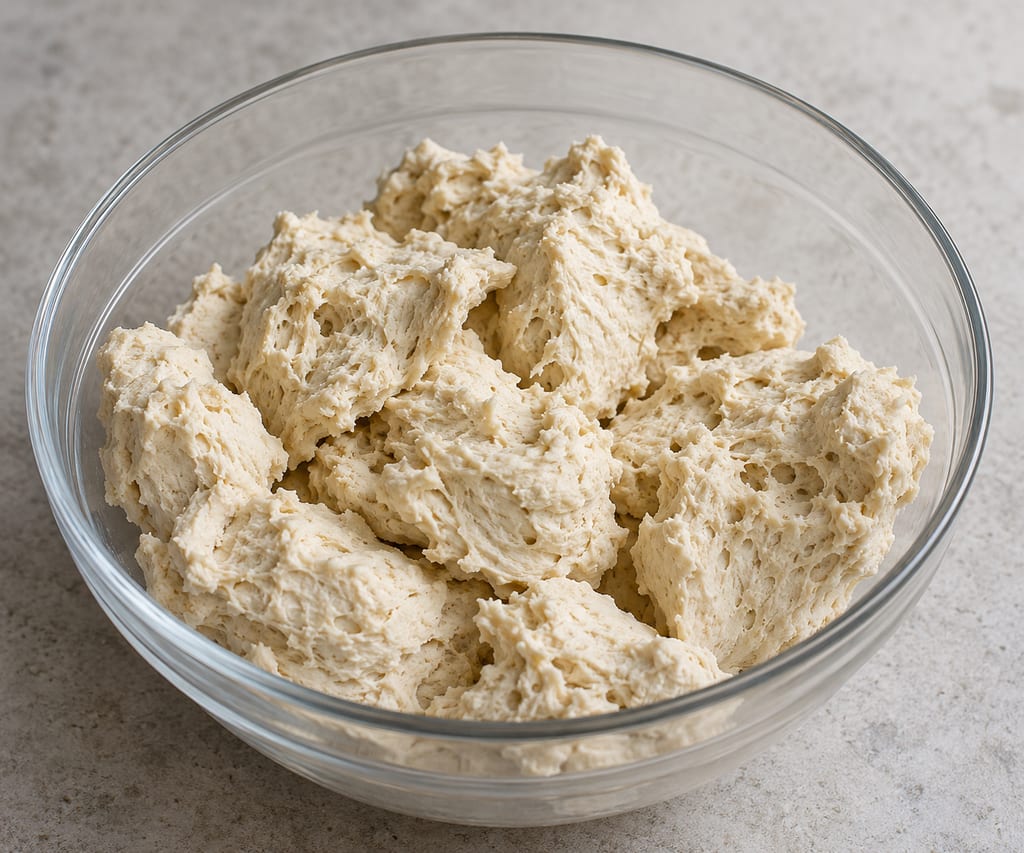
Biga is an Italian bread preferment of flour, water and a little yeast, usually a stiff unsalted mass of about 45 per cent water, fermented ahead and then mixed into the final dough.
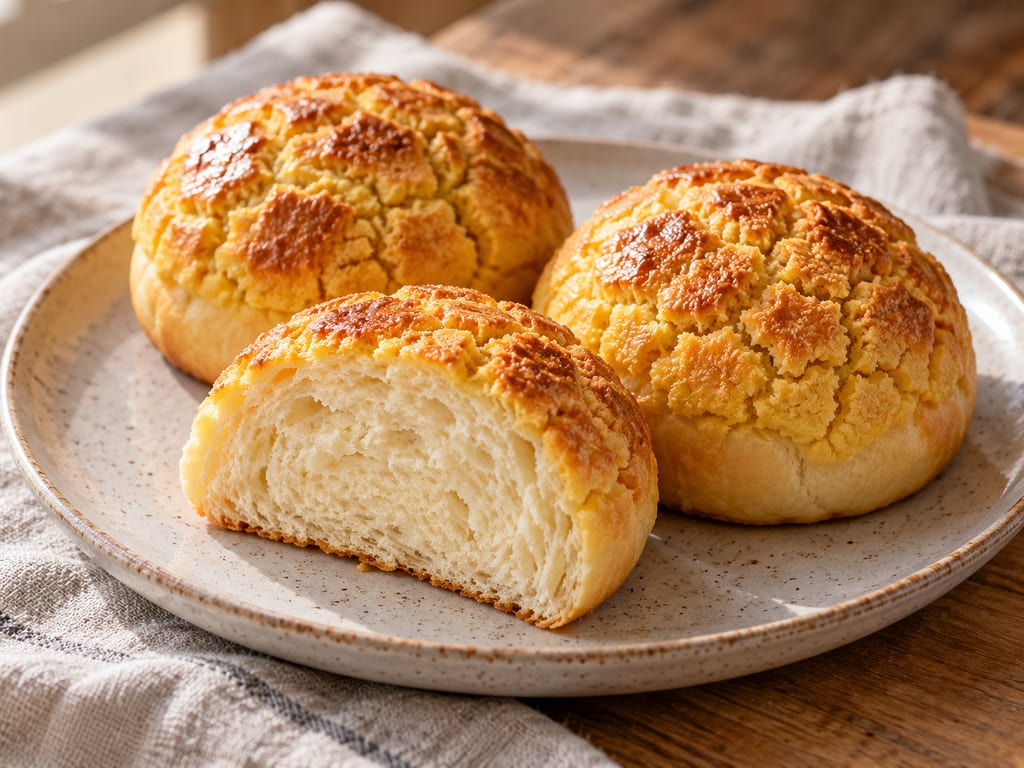
Hong Kong-style pineapple buns have soft yeast dough beneath a crisp, sweet pastry topping.
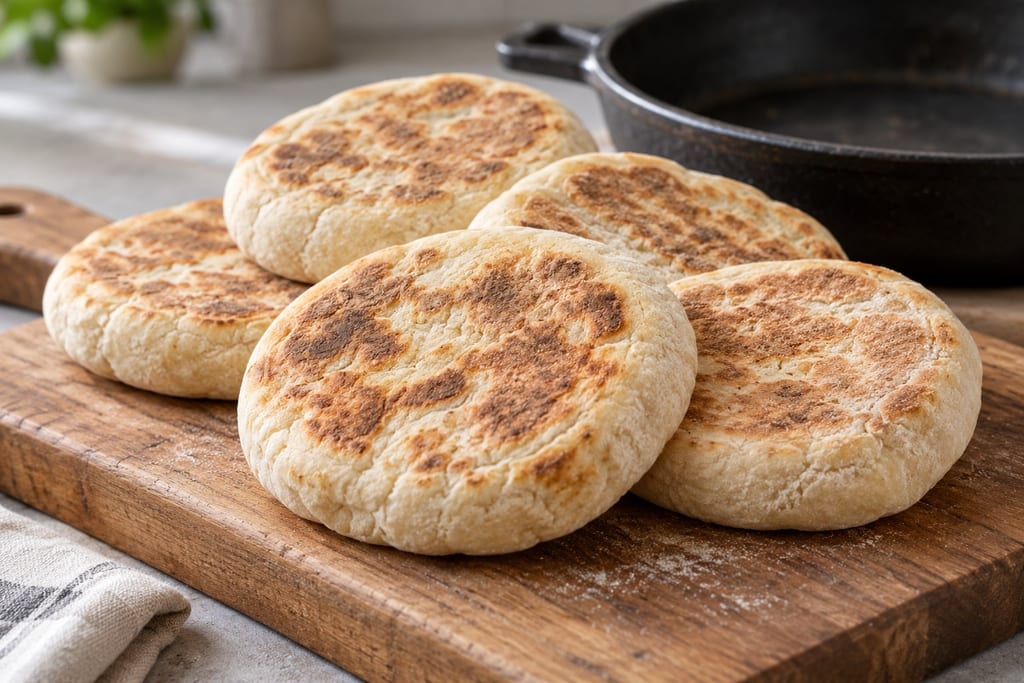
Sweet-potato wheat breads with fresh yeast, browned in a pan and finished in the oven. This is the bread component of Teleculinária's scrambled-egg dish.
No community contributions have been published for this entry yet.
Sign in to contribute. Published comments and photos are free to read.
Grupo VenadoMethod · Geography
Pan sarnitaThe page names Pan Sarnita and Potosí; it gives quantities for flour, manteca, fresh yeast, sugar, salt, egg, water, egg yolk, milk and grated cheese.
The method specifies 7–15 minutes kneading, a 30-minute rise, dividing into buns, a further 20-minute rise, cheese-and-egg topping, and a 180°C oven for 12 minutes. It does not state bun count or size.
Cited in: Potosí cheese-topped sarnita; A bread in everyday street eating
U.S. Food and Drug AdministrationSafety
Handling Flour Safely: What You Need to KnowRaw flour can carry harmful bacteria; do not eat or taste raw flour, dough or batter; wash hands, utensils and surfaces after handling.
U.S. Food and Drug AdministrationSafety
What You Need to Know About Egg SafetyThe FDA recommends cooking egg dishes to 160°F (71.1°C) measured with a food thermometer and washing hands, utensils, equipment and surfaces before and after contact with raw eggs.
Cited in: Potosí cheese-topped sarnita
Los Tiempos / OH!Context
Panes de Bolivia: Un viaje a través del sabor y la tradición20 October 2024 feature describes sarnita as a small soft street bread used for filled snacks; contextual use, not a recipe or origin proof.
Cited in: A bread in everyday street eating
Wikimedia Commons / CarlillasaImage reference
Pan sarnita boliviano.jpgSeptember 2023 own-work Bolivian sarnita photograph. Individually checked CC BY-SA 4.0; excluded from PD/CC0 reference count.