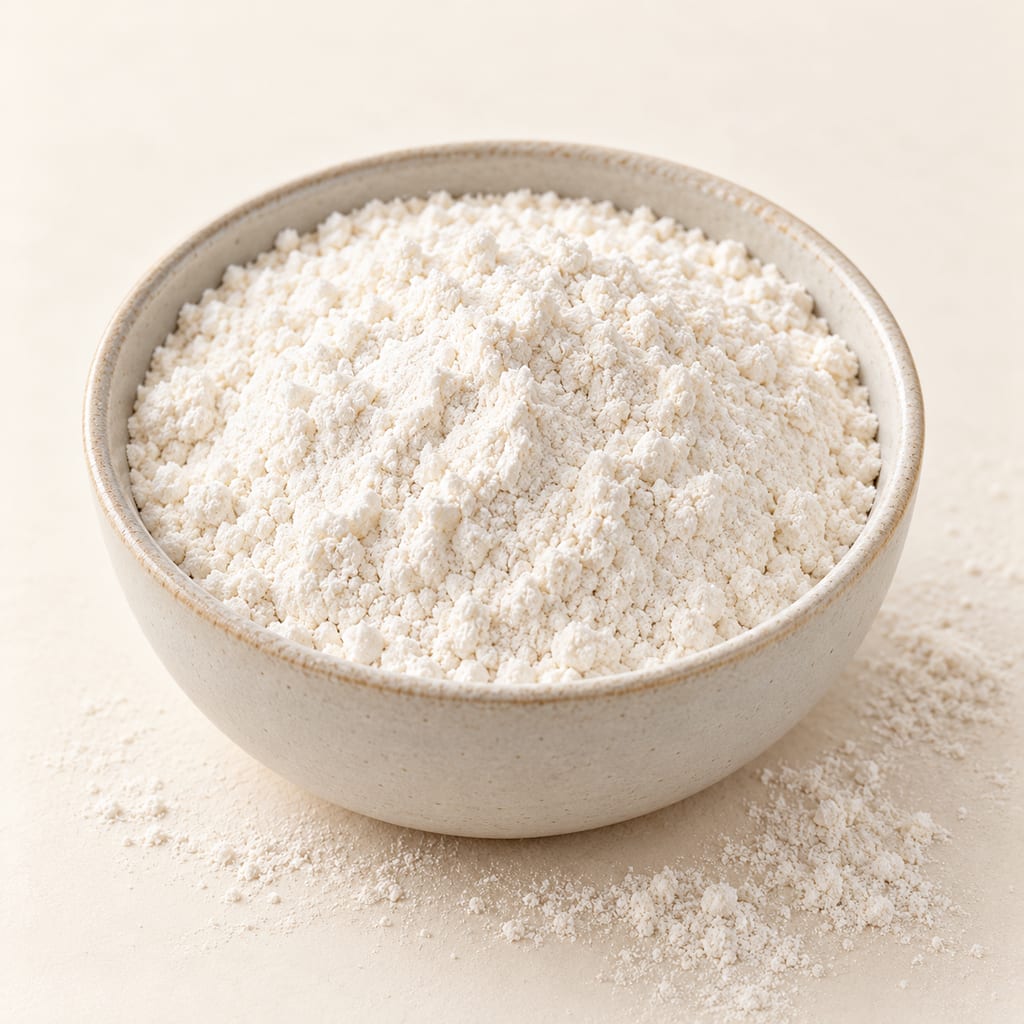
Bread flour
Bread flour is wheat flour chosen for dough strength and gas retention. Its protein level and baking performance vary by wheat, mill and product.
 FermenteaWhere food goes to change
Modern method
Soboro Ppang · soboro ppang · Korean streusel bread
Ten soft, sweet yeast buns with a crisp, peanut butter streusel topping, shaped by hand and baked until golden.
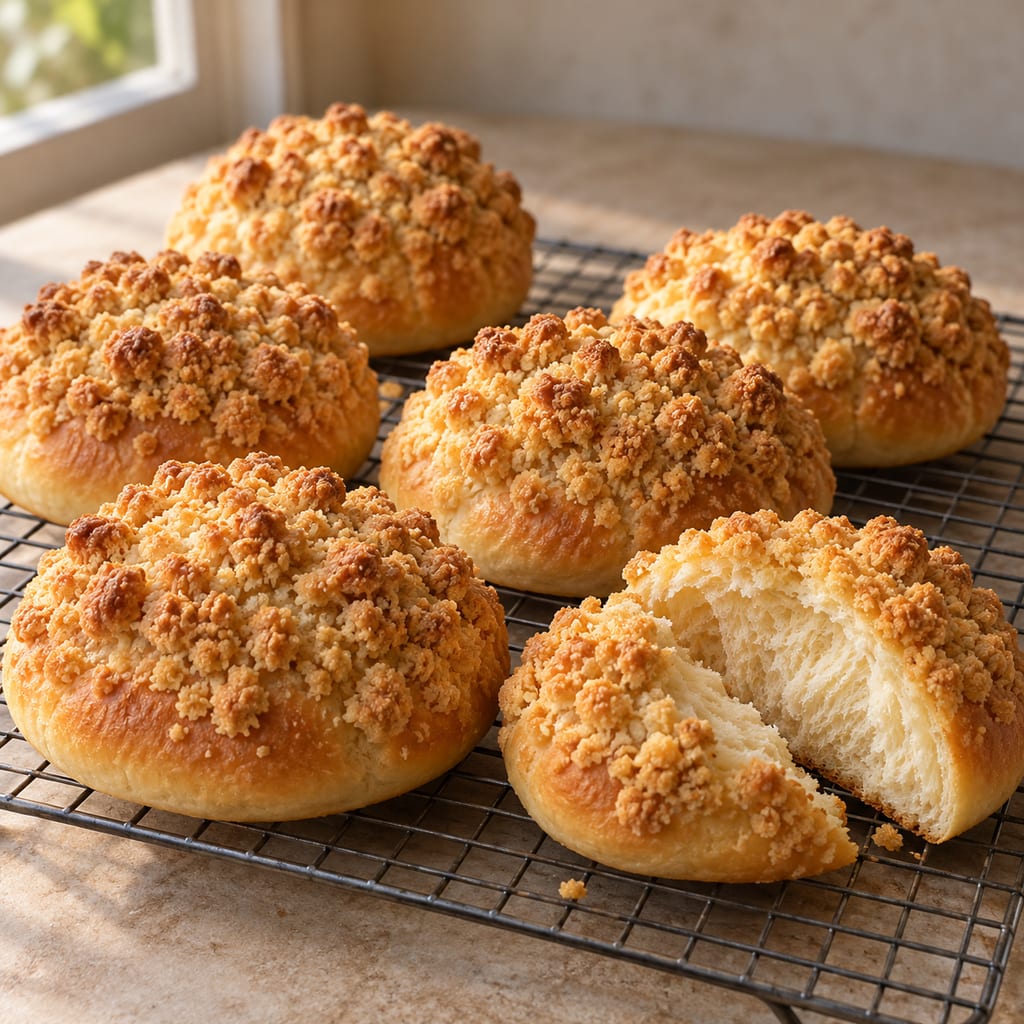
Soboro-ppang pairs a soft, sweet yeast bun with a rough crumble baked over its surface. Jennifer’s ten-bun formula uses a bread-flour dough enriched with milk, egg and butter, then adds a peanut-butter streusel made with flour, sugar, butter, yolk and leavening. The topping is part of this version’s identity, not a garnish that can be omitted without changing the source recipe.
The recipe author identifies the bread with Korean bakeries and explains “soboro” as the crumble topping and “ppang” as bread. Her page documents a present-day home formula; it does not date the earliest appearance of the bread or establish a precise birthplace. The ingredient list includes peanut butter, wheat flour, milk and egg, all of which must remain visible to readers with allergies.
The yeast, salt and sugar first meet the sifted bread flour and milk powder. Milk, water and beaten egg hydrate the dough before butter is worked in. The dough starts sticky, then becomes smooth and pulls from the mixer bowl after about eleven to sixteen minutes with the butter. That kneading develops the elastic structure needed to hold gas and expand into a soft bun. Hand kneading is also described, although the page gives no exact hand-kneading time.
During the first one-hour proof, the streusel can be mixed separately. Creaming the two butters with sugar, syrup and yolk creates the moist base; sifting the dry flour, starch, milk powder and chemical leaveners over it keeps the topping crumbly. Stop mixing when the ingredients form loose crumbs rather than a smooth paste. The topping can dry while it waits, so avoid overworking it when returning to the buns.
Both mixtures contain raw flour and egg before baking. CDC warns against tasting raw dough and recommends baking flour-containing dough according to the recipe, with clean hands, tools and surfaces after handling. No separate time or temperature limit is added here.
After the first rise, divide the dough into ten pieces, round them and cover them for a fifteen-minute rest. Spread the crumble in a broad layer. Reround each dough ball, wet its top with water or leftover egg white, and press that side into the topping. The source also places about a tablespoon of crumble underneath, then turns the bun so the more heavily coated side faces up. This gives the distinctive pebbled cap while leaving a little topping at the base.
A forty-minute second proof lets the shaped buns rise before baking; some crumble may loosen as they expand. Bake at 180°C for about fifteen minutes until golden brown, then cool briefly. The source gives no internal-temperature measurement or storage instructions, so the bake time and colour remain its recipe cues rather than validated safety limits.
Jennifer describes soboro ppang as a Korean bakery sweet bun and explains the name as streusel topping over bread. The page is a modern home recipe, not a historical account, so it does not establish when or where the bread first appeared.
Yield 10 buns · Scaling: source batch only
The dough and streusel contain raw flour and egg before baking. Do not taste the unbaked mixtures.
Hazard sourceThe streusel contains 20 g peanut butter. Peanut is one of the major food allergens.
Hazard sourceBake the flour- and egg-containing buns as directed; do not eat raw dough or streusel.
Control sourceIdentify the peanut butter clearly in the ingredient list and warn readers that the recipe contains peanut.
Control sourceContains peanut, wheat, milk and egg. The peanut butter is an intentional part of the streusel; it is not an optional garnish.
Do not taste the raw dough or streusel. The recipe contains uncooked flour and egg before baking.
The source gives appearance and time guidance but no measured internal temperature or storage instructions.
The recipe identifies the bread as Korean and describes it as a bakery sweet bun. This records the recipe's Korean context, not a precise birthplace or a claim about its earliest history.
Bread flour is wheat flour chosen for dough strength and gas retention. Its protein level and baking performance vary by wheat, mill and product.
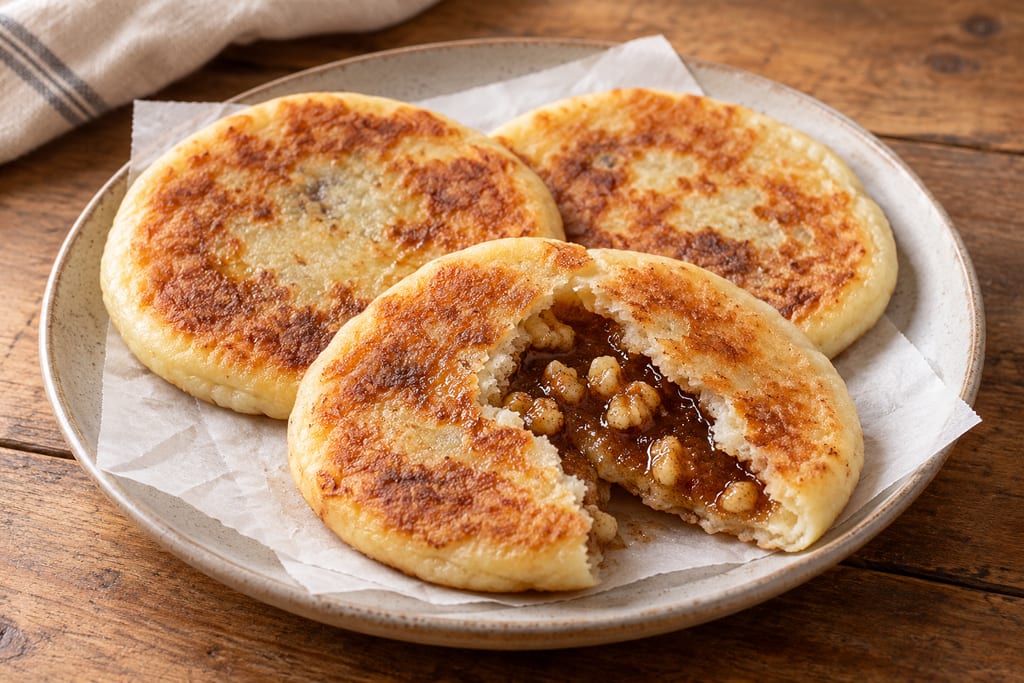
Maangchi’s eight-piece hotteok wraps a brown-sugar, cinnamon and walnut filling in yeast dough, then fries and presses the parcels in a pan.
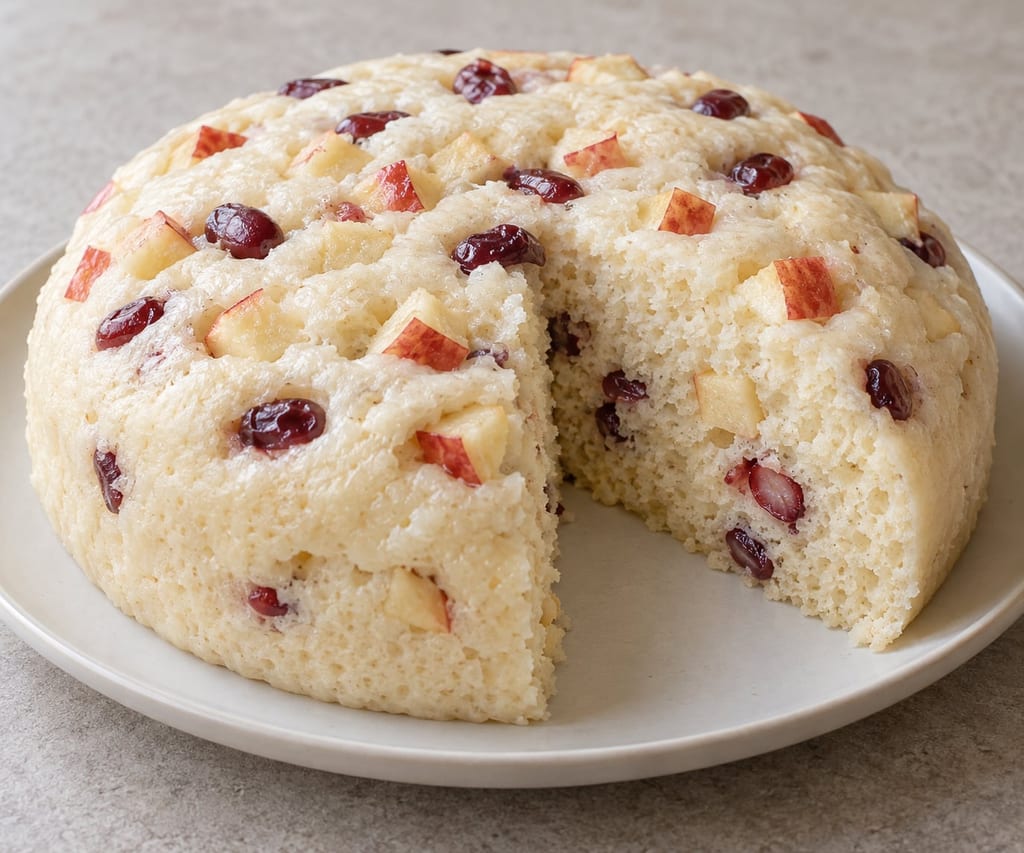
A soft Korean steamed wheat bread leavened with dry yeast and raw makgeolli, with apple pieces and fresh beans folded through the surface.
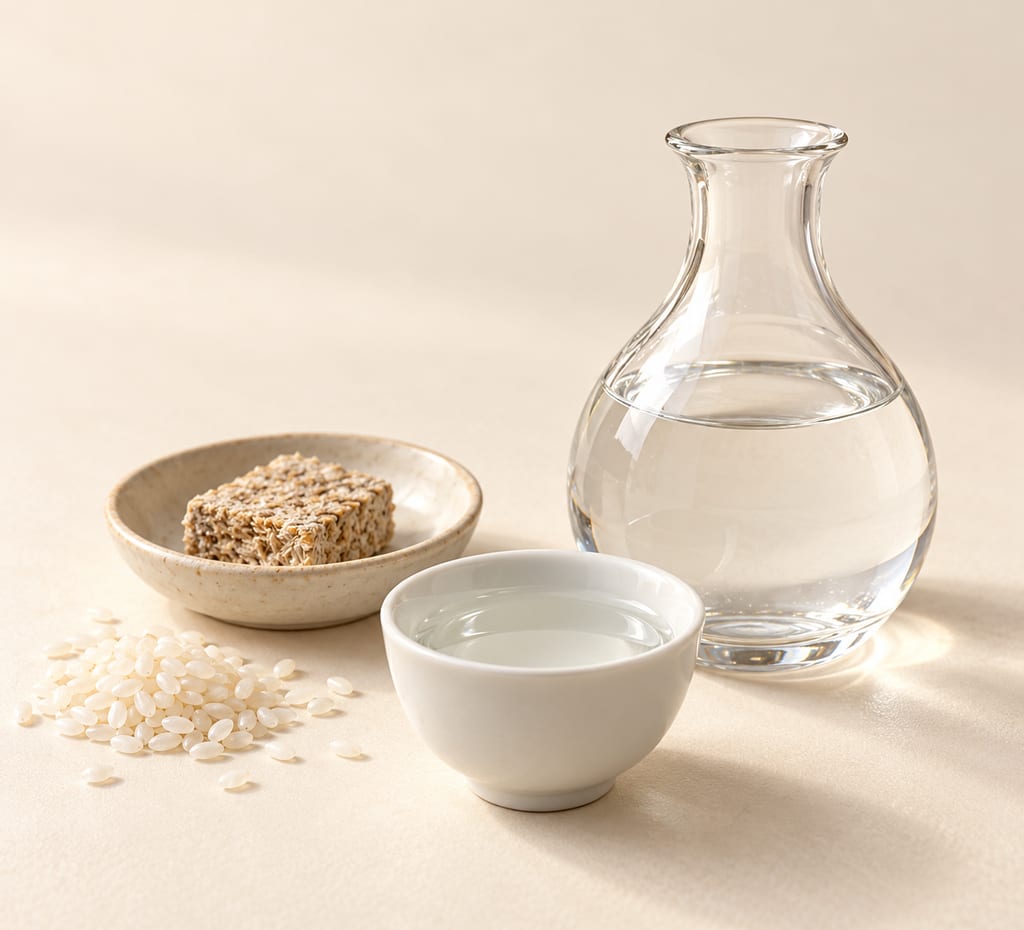
Andong soju is a rice spirit from North Gyeongsang, distilled from steamed rice and wheat nuruk. This method makes the starter before fermenting the rice mash in a jar.
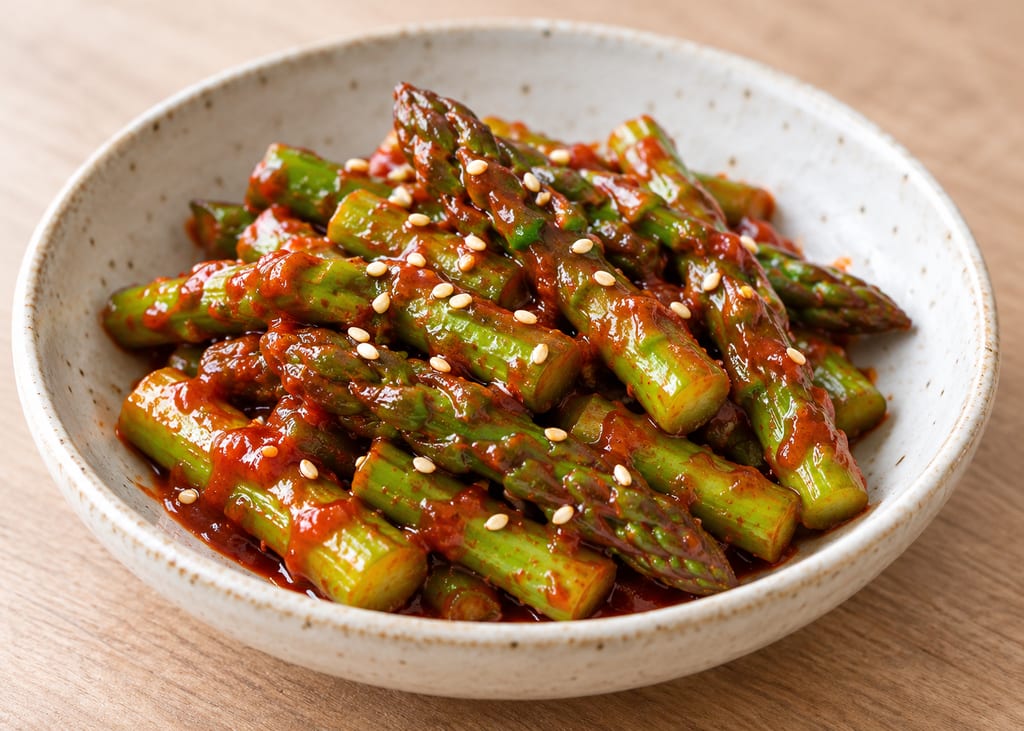
A Korean banchan of blanched asparagus dressed with a sweet-sour cho-gochujang sauce; Hyosun's version cools the spears in ice water before tossing.
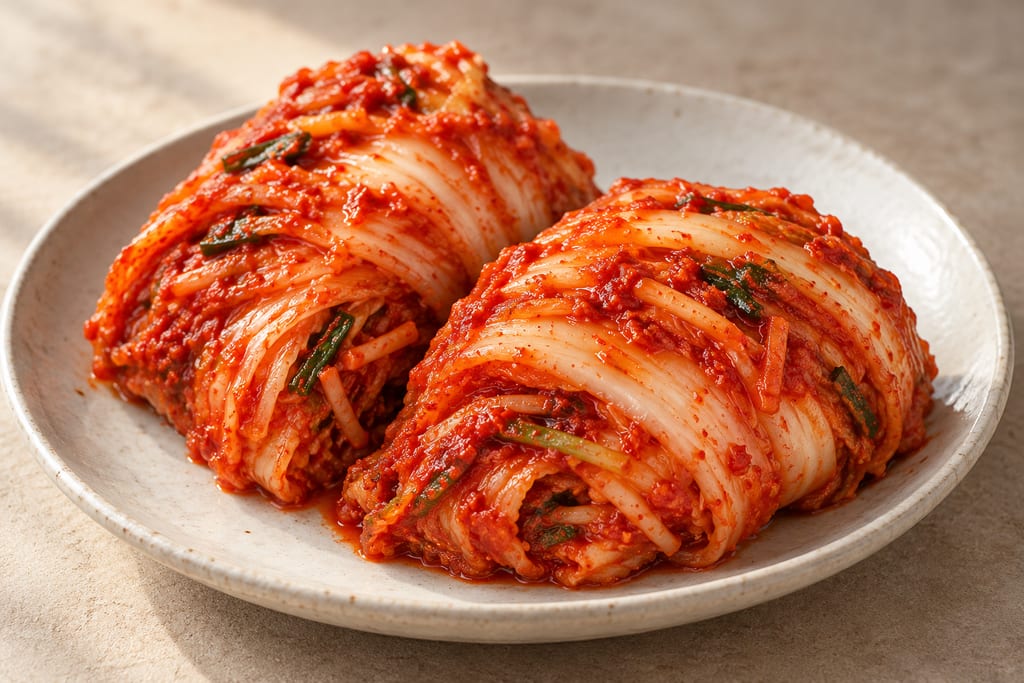
Napa cabbage salted, seasoned with a paste of gochugaru, garlic, ginger and salted seafood, and left to sour through lactic fermentation; Korea's everyday winter preserve.
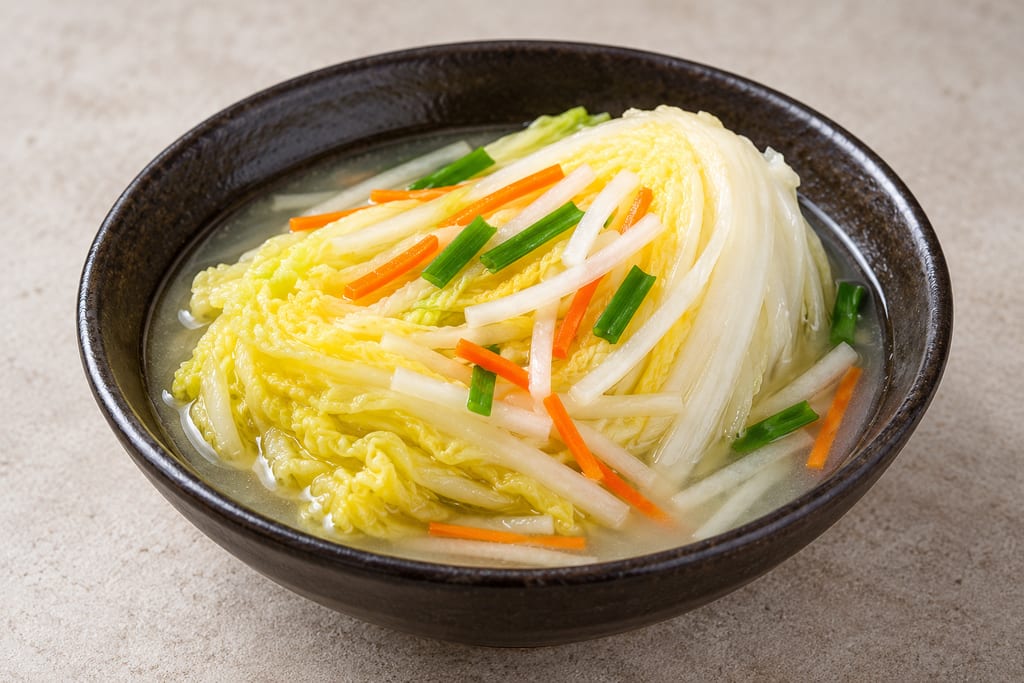
Napa cabbage is brined and filled with pear, radish, alliums, chives and fruit; this Korean kimchi omits red pepper flakes.
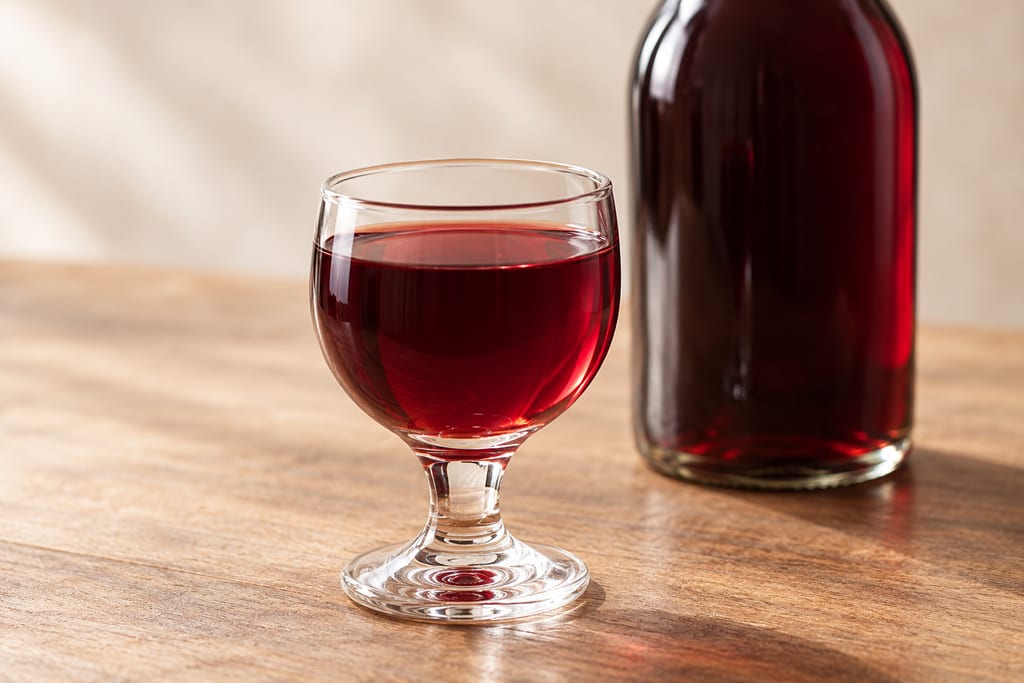
Korean black raspberry wine: crushed bokbunja berries with their seeds, sweetened to 20 °Brix, fermented 15 days at 25 °C with wine yeast, filtered and matured three months.
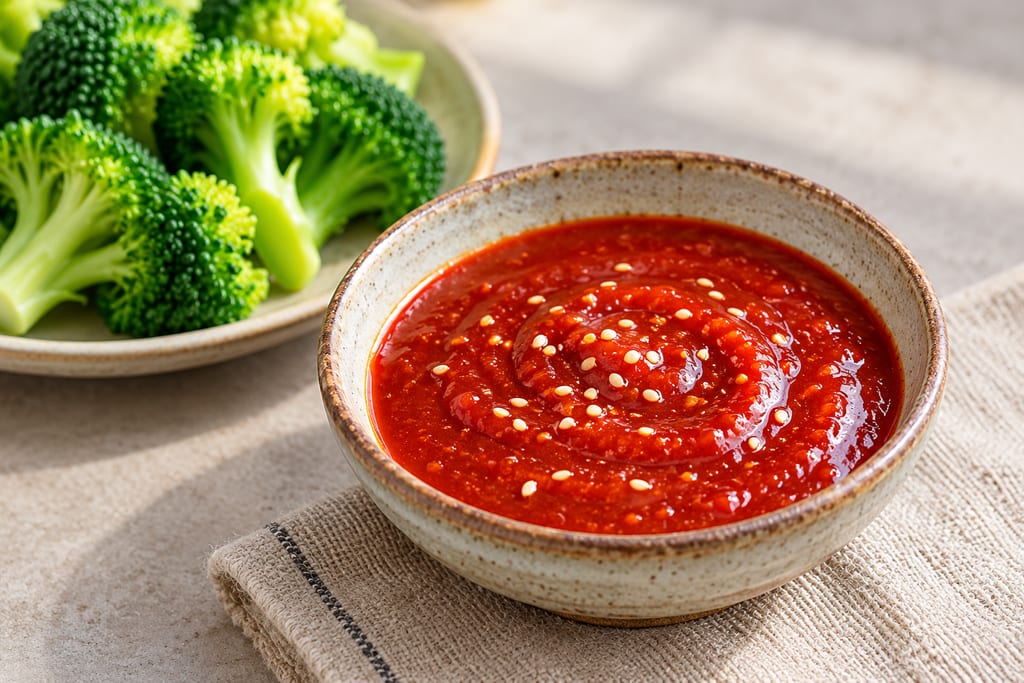
Chogochujang is a Korean sweet-sour sauce made by seasoning gochujang with vinegar and sugar. This development batch adds water and toasted sesame seeds, with optional garlic for the portion being served.
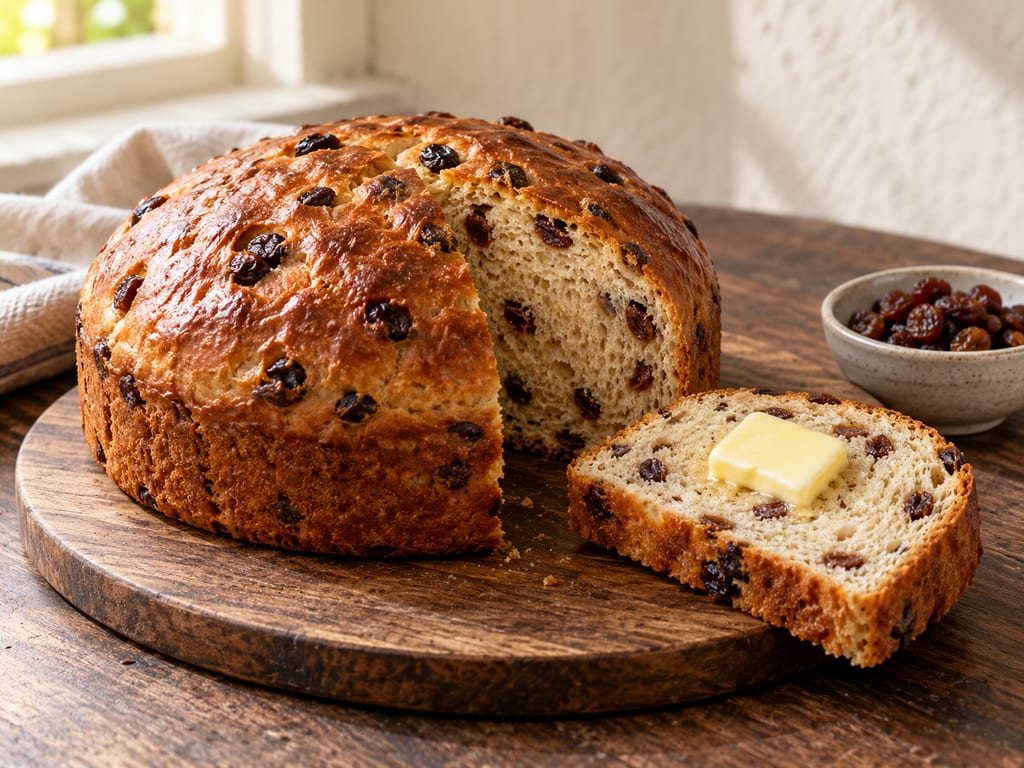
An Irish fruit-studded yeast loaf, associated in a contemporary cultural account with Halloween and often served fresh or toasted with butter.
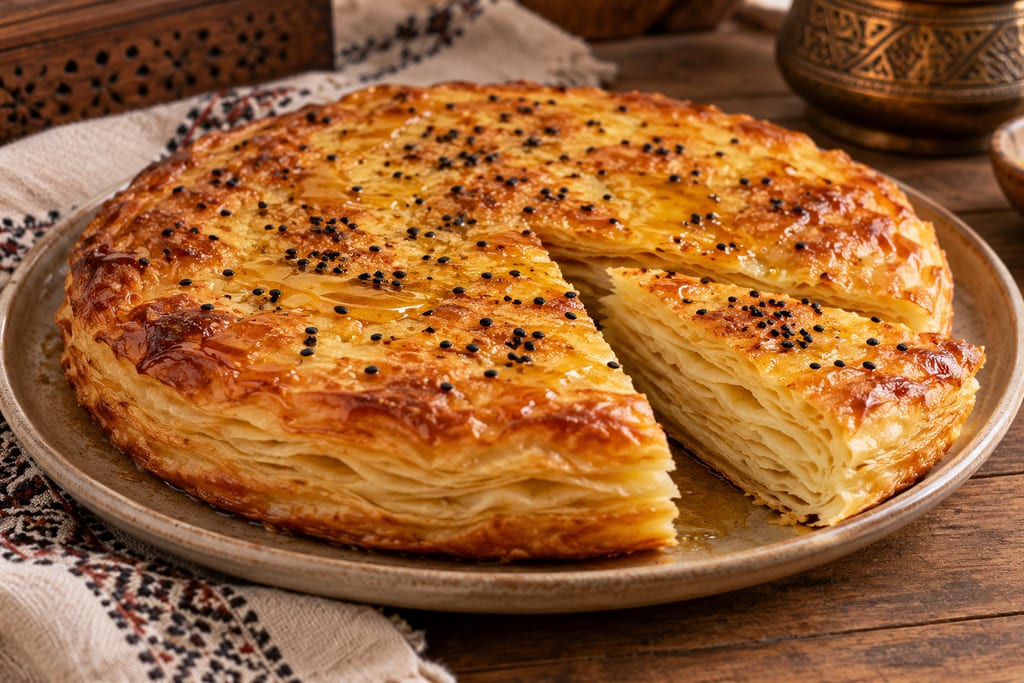
Bint al-sahn is a Yemeni celebration and home bread built from thin, egg-rich yeast dough layers brushed with ghee or butter. This source-specific version makes one round cake, baked until golden and served warm with honey.
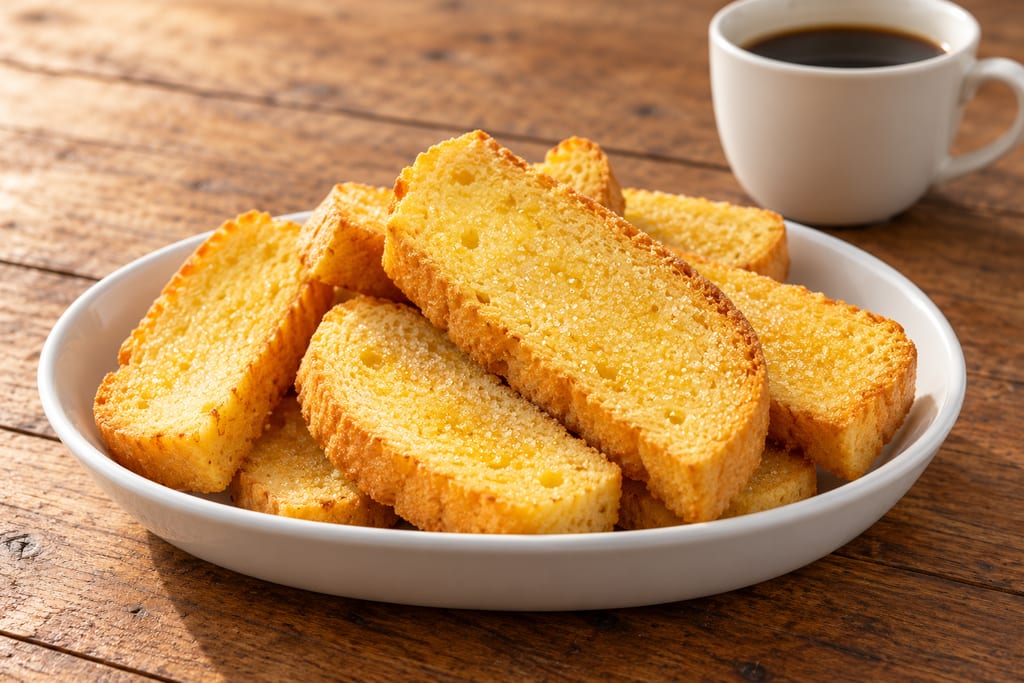
PagkainPinoy’s 24–30 piece version twice-bakes day-old soft bread with a thin butter-and-sugar coating.
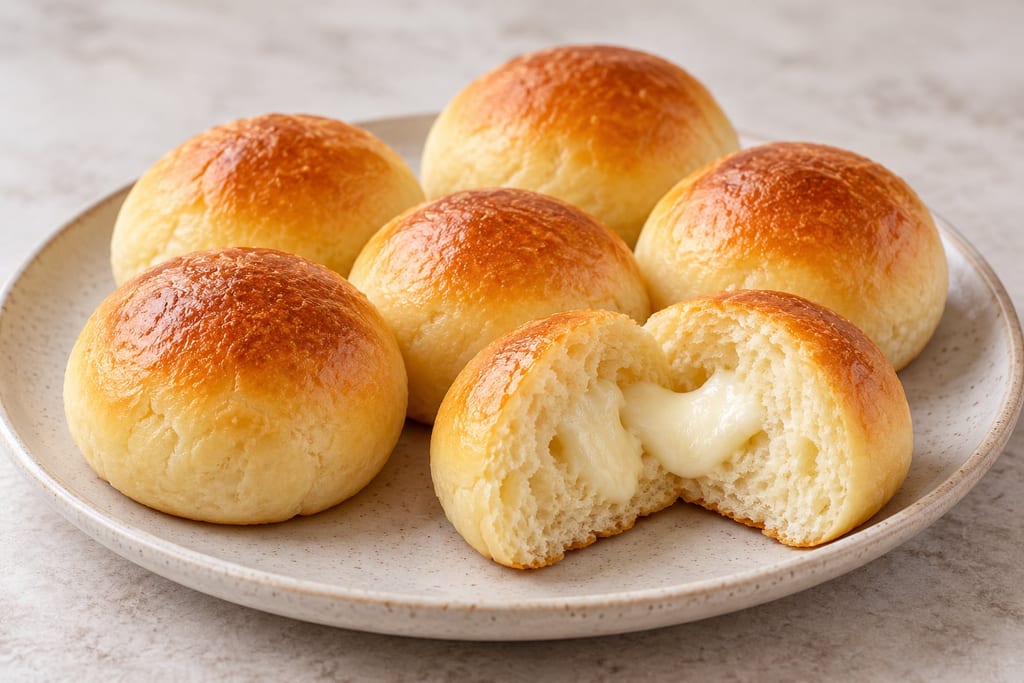
Soft Brazilian yeast rolls use cooked mashed potato in an enriched dough, with mozzarella cubes enclosed before baking.
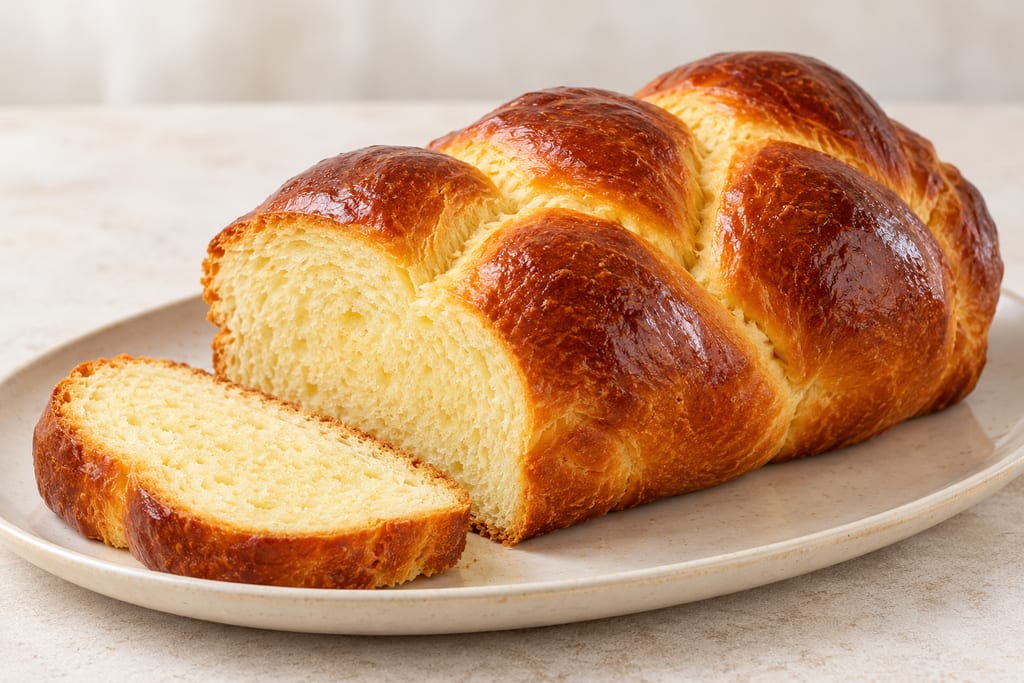
An egg-and-butter-rich yeast dough shaped as one round loaf, two loaves or twelve small brioches, with baking paths that vary by shape.
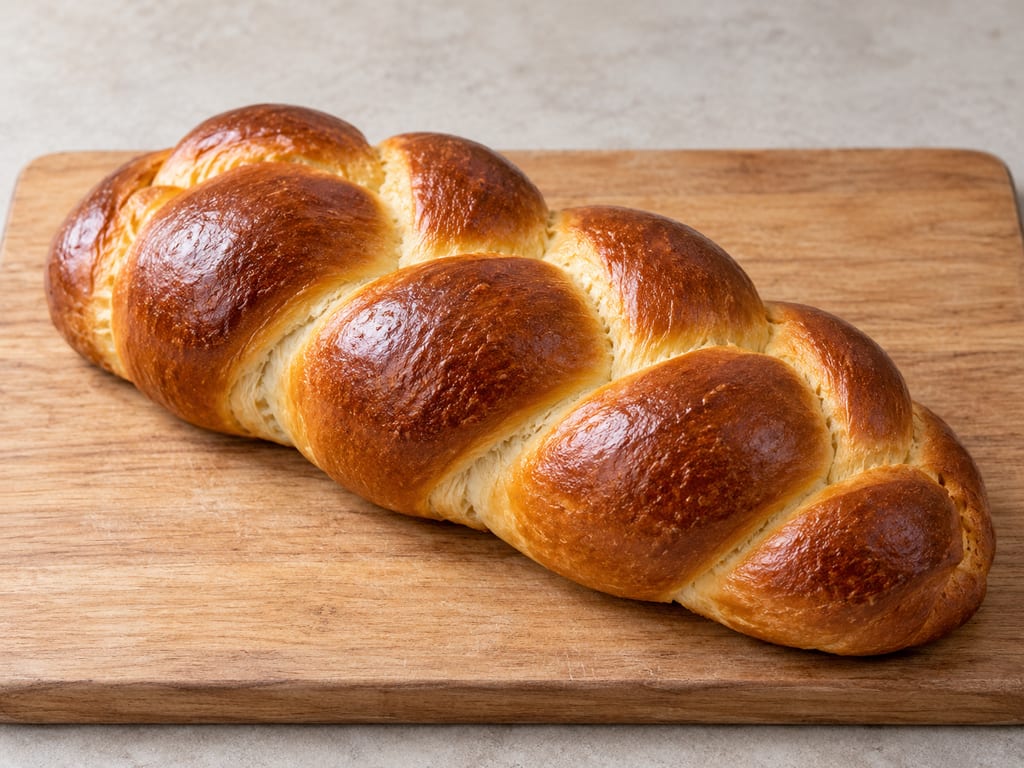
A three-strand yeast-raised challah with flour, salt, yeast, water, neutral oil, honey and egg, based on a Jewish Museum Vienna home recipe.
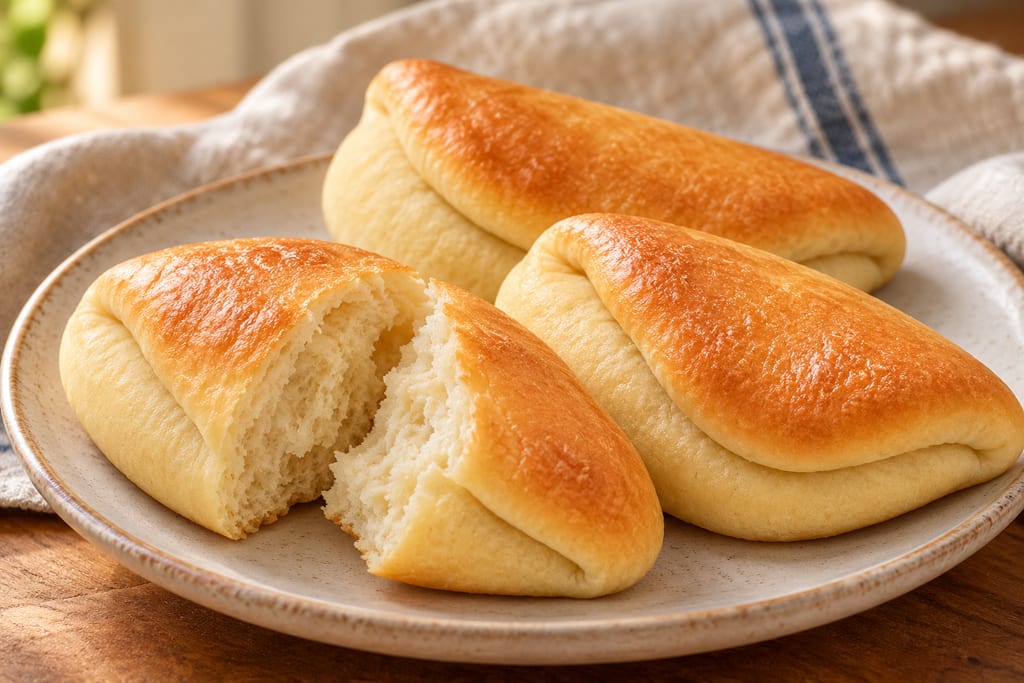
Jamaican-style folded rolls made from sweet coconut-milk yeast dough and brushed with butter.
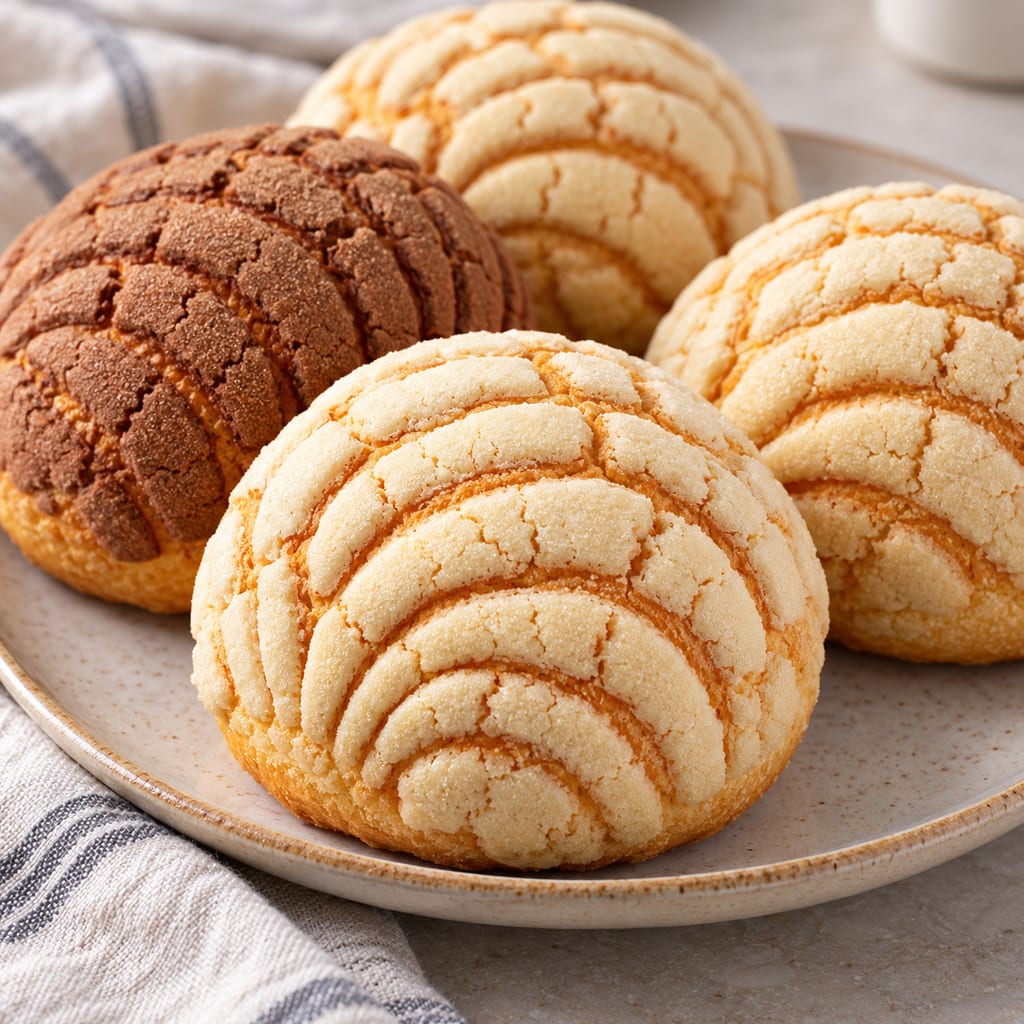
Mexican sweet rolls with a soft enriched yeast dough and a separate scored sugar-flour topping shaped like a shell. This version makes 15 rolls and uses a chilled dough rest before final proofing.
No community contributions have been published for this entry yet.
Sign in to contribute. Published comments and photos are free to read.
Chopsticks and FlourRecipe · Geographic context
Soboro Ppang (Korean streusel bread)The recipe makes ten buns. Bun dough: 250 g bread flour, 10 g powdered milk, 5 g instant dry yeast, 2 g salt, 45 g sugar, 75 mL milk, 25 mL water, one beaten egg and 37 g butter.
Streusel: 50 g butter, 20 g peanut butter, 75 g sugar, 1 tsp corn syrup, one egg yolk, 100 g all-purpose flour, 27 g cornstarch, 13 g milk powder, 2 g baking powder and 1 g baking soda; water or leftover egg white can moisten the bun before coating.
Dough mixes, kneads, proofs for about one hour, rests 15 minutes after dividing, receives streusel, proofs 40 minutes and bakes about 15 minutes at 355°F (180°C) until golden brown.
The author identifies this as Korean bakery bread and explains soboro as the crumb topping, including peanut butter.
Cited in: A Korean bakery bun with peanut streusel; Build the dough and crumb; Shape, coat and bake
Centers for Disease Control and PreventionFood safety guidance
Raw Flour and DoughUncooked flour and raw eggs can carry germs; do not eat raw dough or batter; bake flour-containing dough according to recipe directions; clean hands, bowls, utensils and surfaces after handling raw flour or eggs.
Cited in: Build the dough and crumb
U.S. Food and Drug AdministrationAllergen guidance
Food AllergiesPeanuts, wheat, milk and eggs are major food allergens; people with food allergies should read ingredient information and avoid foods containing their allergens.
Cited in: A Korean bakery bun with peanut streusel