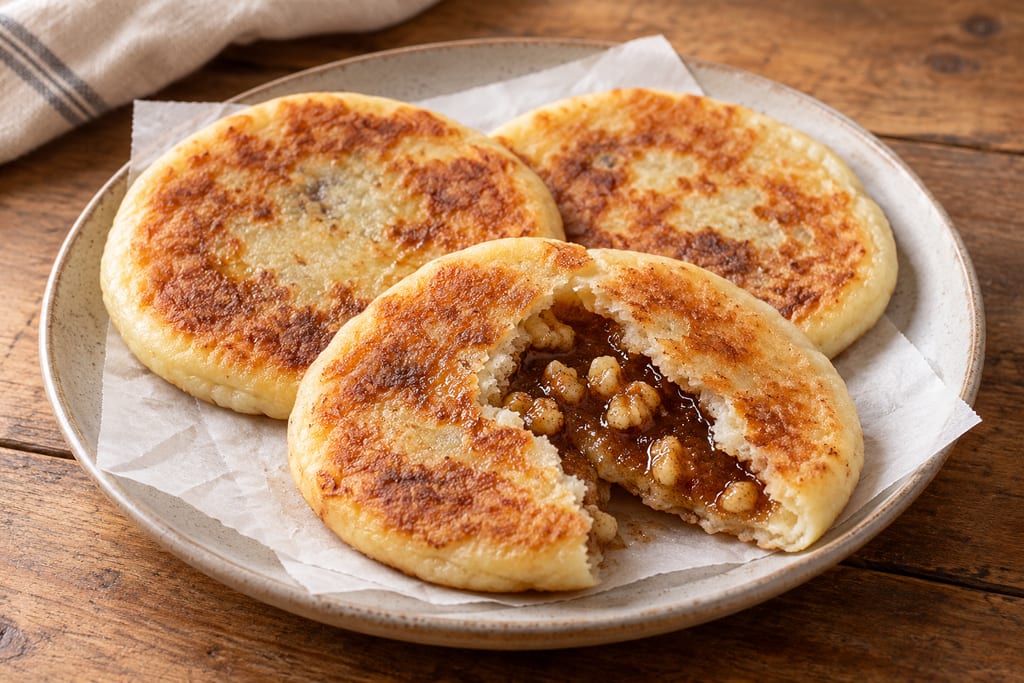
Hotteok
Maangchi’s eight-piece hotteok wraps a brown-sugar, cinnamon and walnut filling in yeast dough, then fries and presses the parcels in a pan.
 FermenteaWhere food goes to change
술빵 · Makgeolli bread · Soolbbang · Sulbbang · Soolppang
A soft Korean steamed wheat bread leavened with dry yeast and raw makgeolli, with apple pieces and fresh beans folded through the surface.
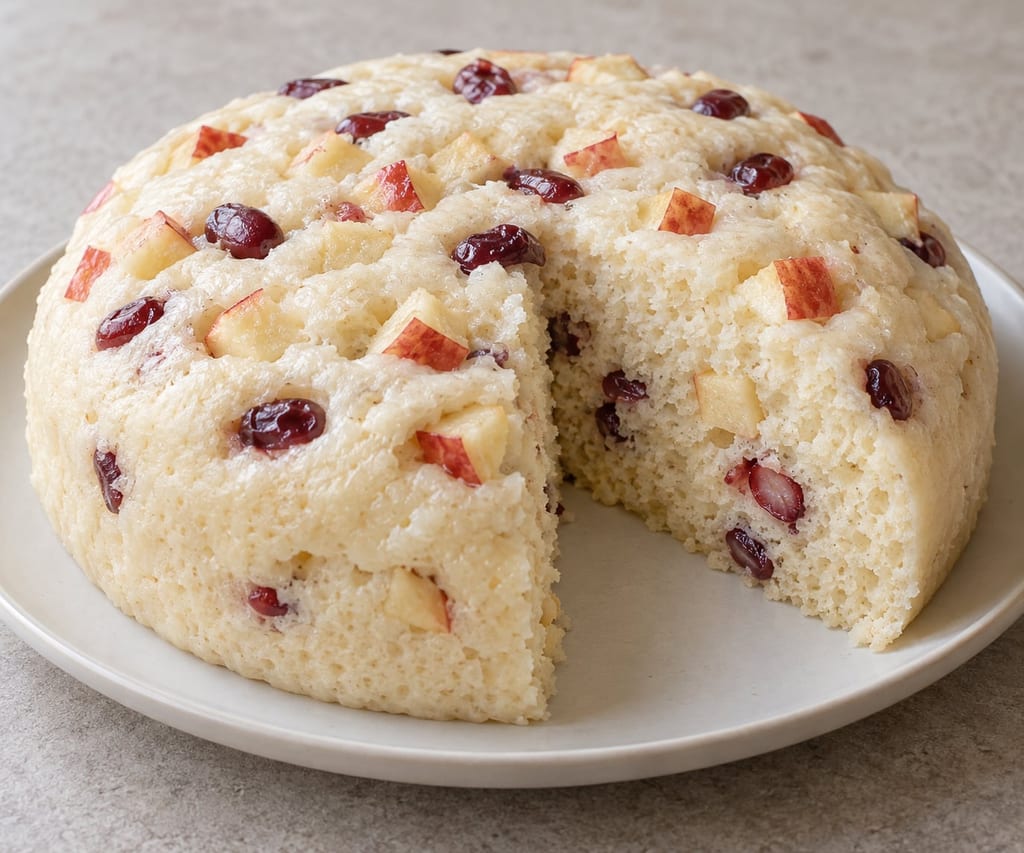
Maangchi’s version uses both makgeolli and added active dry yeast. She specifies raw makgeolli marked 생 (saeng), since heat-treated bottled makgeolli may no longer supply active enzymes. The added yeast makes the batter rise faster in her tests. This recipe does not work on the assumption that any bottle of makgeolli will leaven flour by itself.
The first rise is about two hours at an unspecified room temperature and is checked for many small bubbles at the surface; Maangchi says to wait longer if they have not appeared. The source does not give a maximum wait or exact ambient temperature, so neither is invented here.
Sulppang is a soft, steamed wheat bread with makgeolli’s tangy aroma. Maangchi describes it as a filling snack sold in Korean markets and highway rest stops. Her modern home formula adds apple and fresh cranberry beans. It is made with wheat flour, not rice flour; makgeolli is the fermented rice drink in the dough.
Maangchi says the alcohol evaporates during steaming, but gives no measured residual-alcohol result. This recipe therefore does not promise that the finished bread is alcohol-free.
Maangchi identifies sulppang as Korean steamed makgeolli bread and describes its sale as a snack in markets and highway rest stops in Korea. The source documents a current home method, not a first date or origin locality.
Yield 4 servings · Scaling: source batch only
Uncooked flour may carry harmful germs; the batter must be steamed before eating.
Hazard sourceThis recipe uses alcoholic rice drink; the source’s claim that steaming removes all alcohol is not established by a measured endpoint.
Hazard sourceDo not taste the raw batter. Steam it as directed and wash hands, utensils, bowls and work surfaces after handling raw flour or batter.
Control sourceThis recipe contains makgeolli. Do not rely on steaming to remove all alcohol; choose another recipe if avoiding alcohol. Keep the cloth liner away from the flame or heating element, and open the steamer lid away from your face.
Maangchi describes sulppang as a snack sold at markets and highway rest stops in Korea; this records documented use, not a precise origin.
Maangchi’s eight-piece hotteok wraps a brown-sugar, cinnamon and walnut filling in yeast dough, then fries and presses the parcels in a pan.
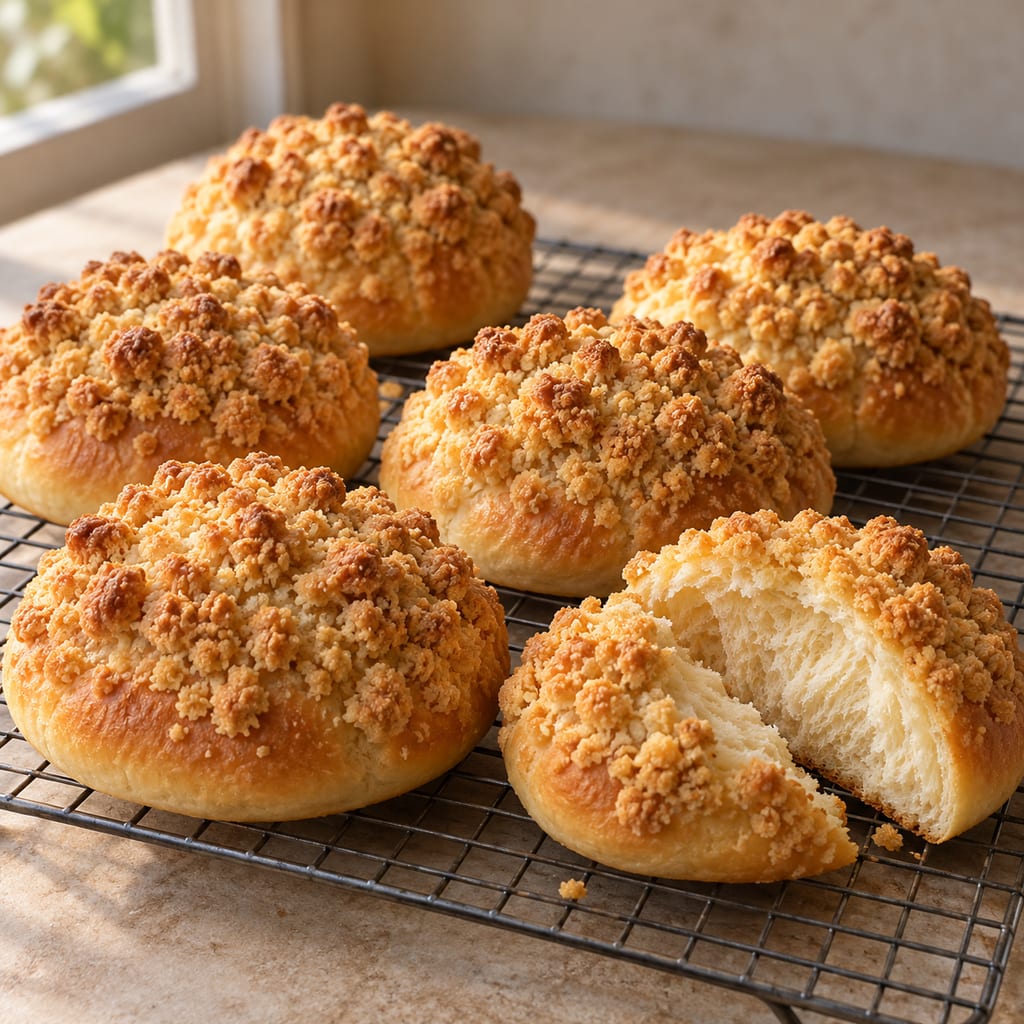
Ten soft, sweet yeast buns with a crisp, peanut butter streusel topping, shaped by hand and baked until golden.
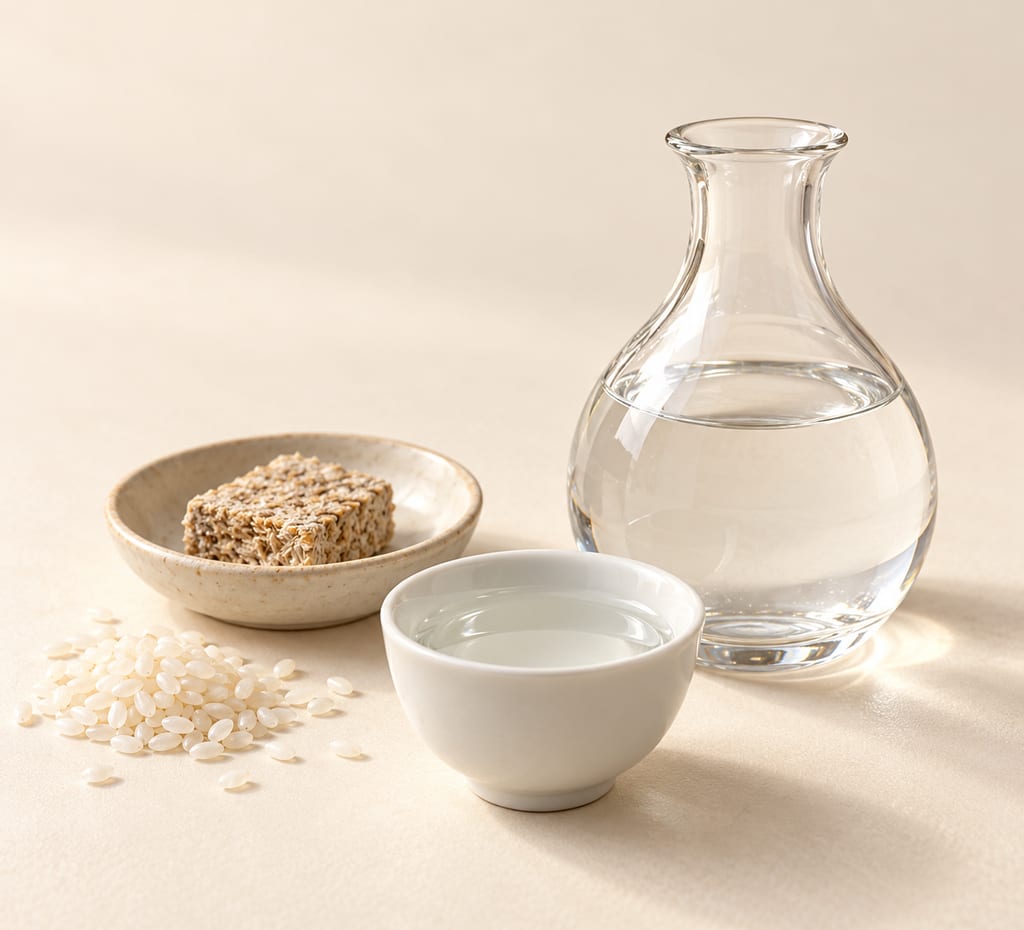
Andong soju is a rice spirit from North Gyeongsang, distilled from steamed rice and wheat nuruk. This method makes the starter before fermenting the rice mash in a jar.
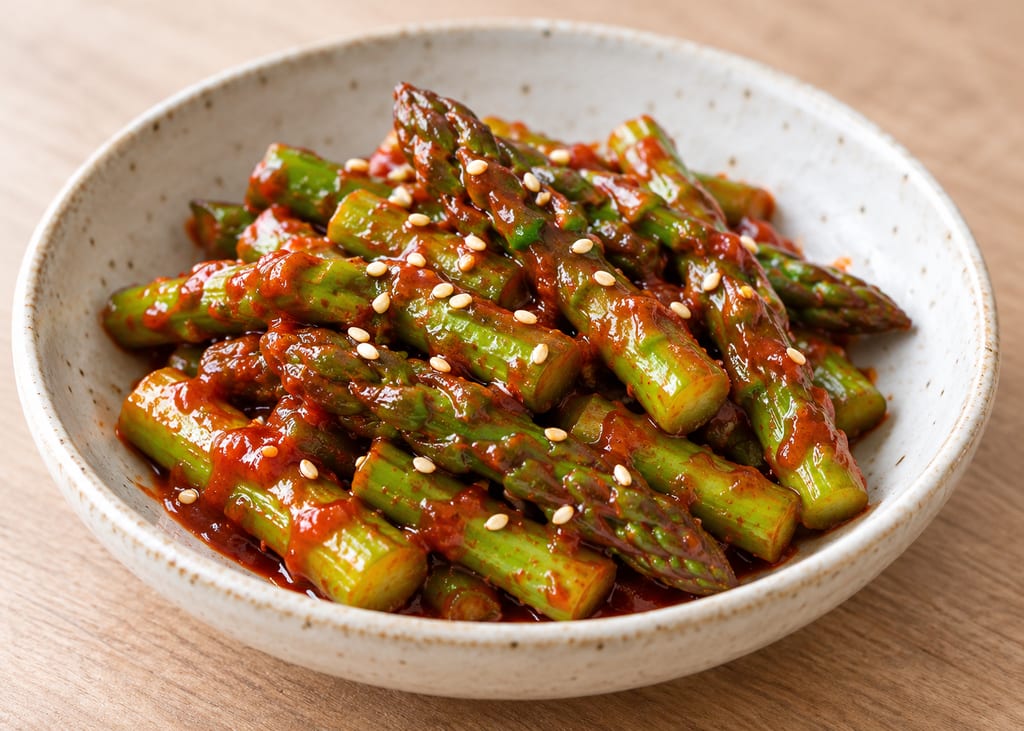
A Korean banchan of blanched asparagus dressed with a sweet-sour cho-gochujang sauce; Hyosun's version cools the spears in ice water before tossing.
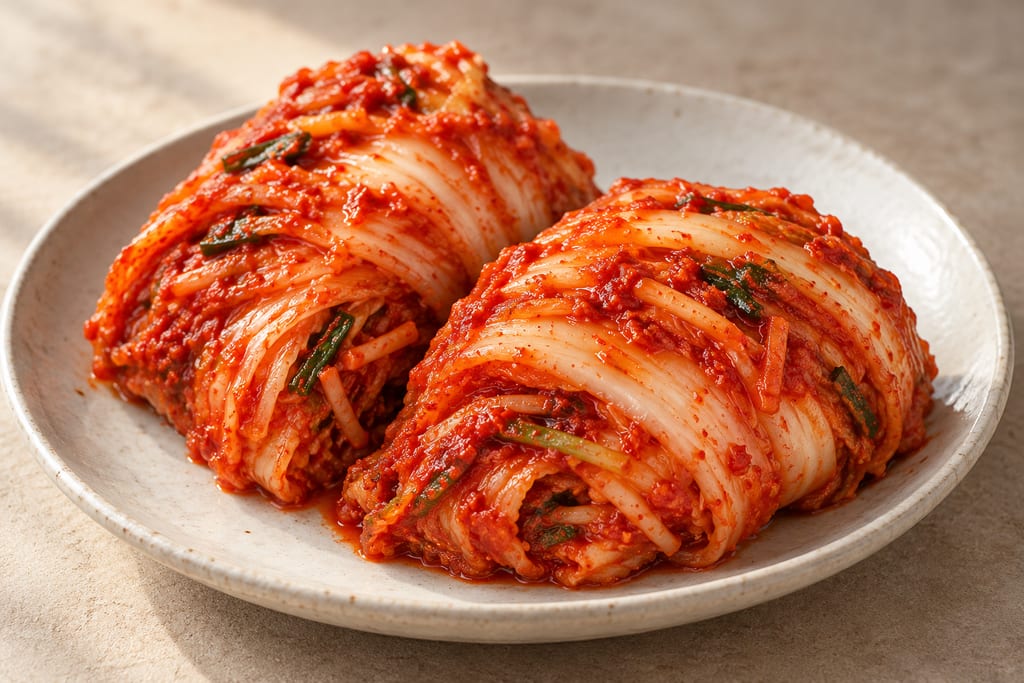
Napa cabbage salted, seasoned with a paste of gochugaru, garlic, ginger and salted seafood, and left to sour through lactic fermentation; Korea's everyday winter preserve.
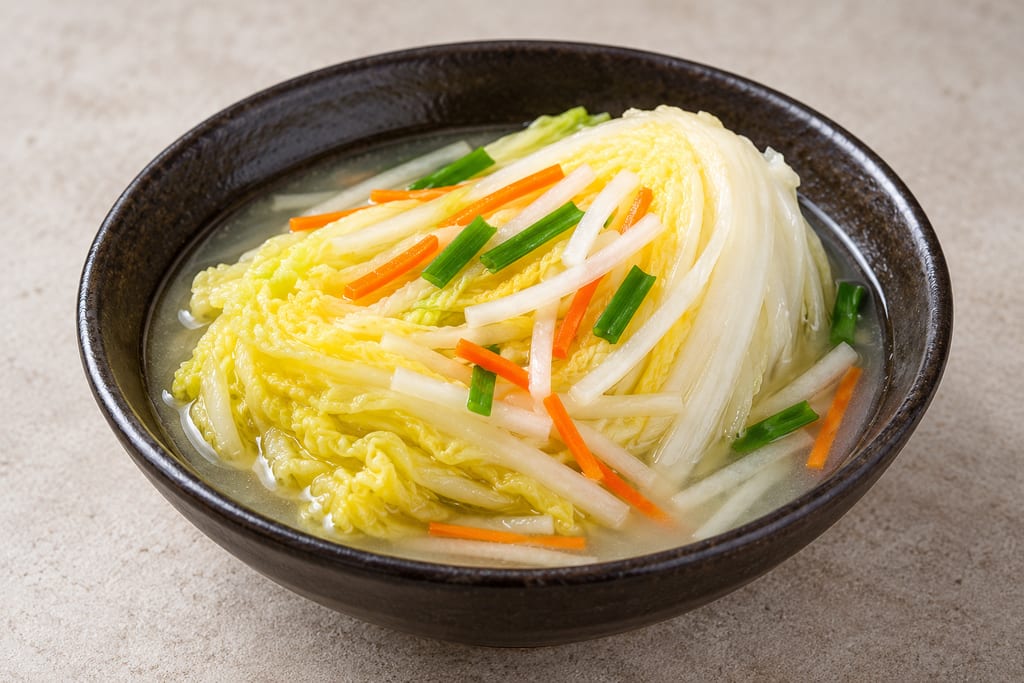
Napa cabbage is brined and filled with pear, radish, alliums, chives and fruit; this Korean kimchi omits red pepper flakes.
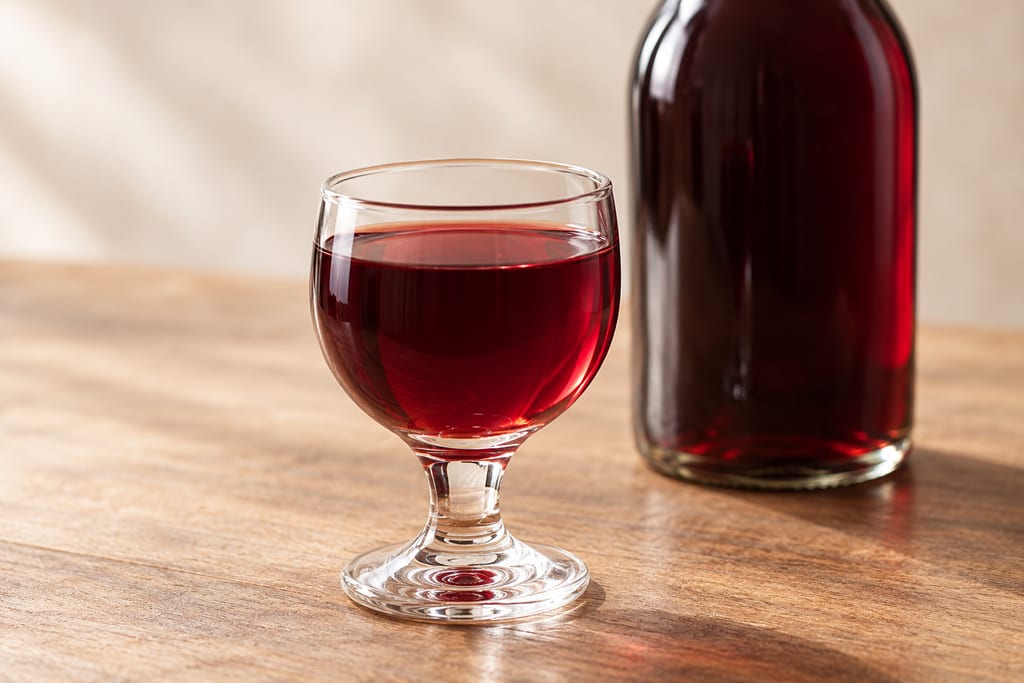
Korean black raspberry wine: crushed bokbunja berries with their seeds, sweetened to 20 °Brix, fermented 15 days at 25 °C with wine yeast, filtered and matured three months.
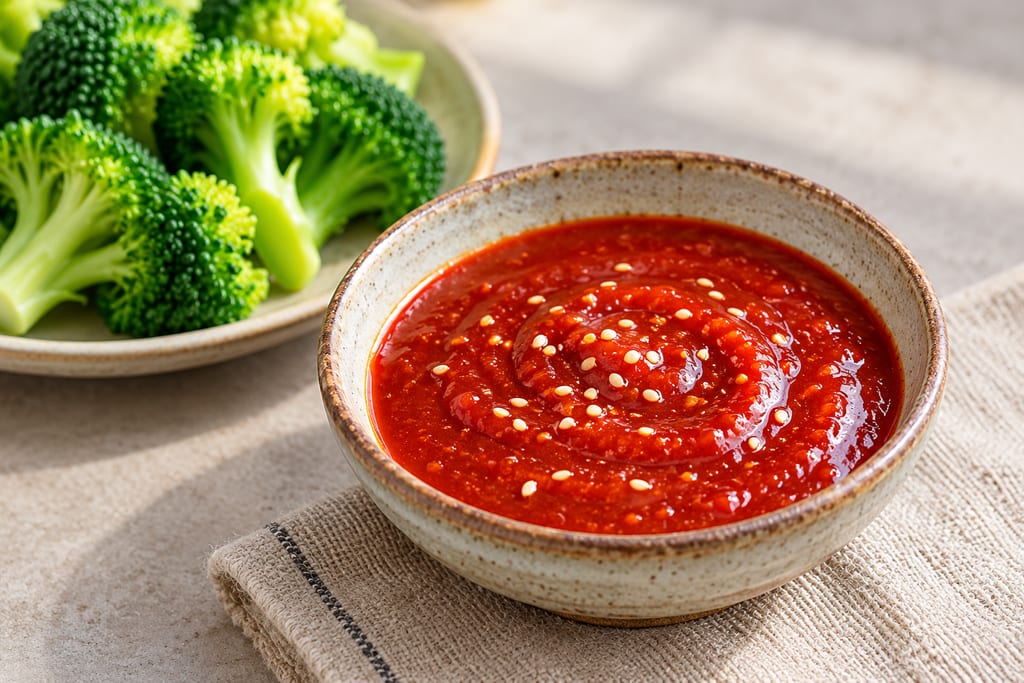
Chogochujang is a Korean sweet-sour sauce made by seasoning gochujang with vinegar and sugar. This development batch adds water and toasted sesame seeds, with optional garlic for the portion being served.
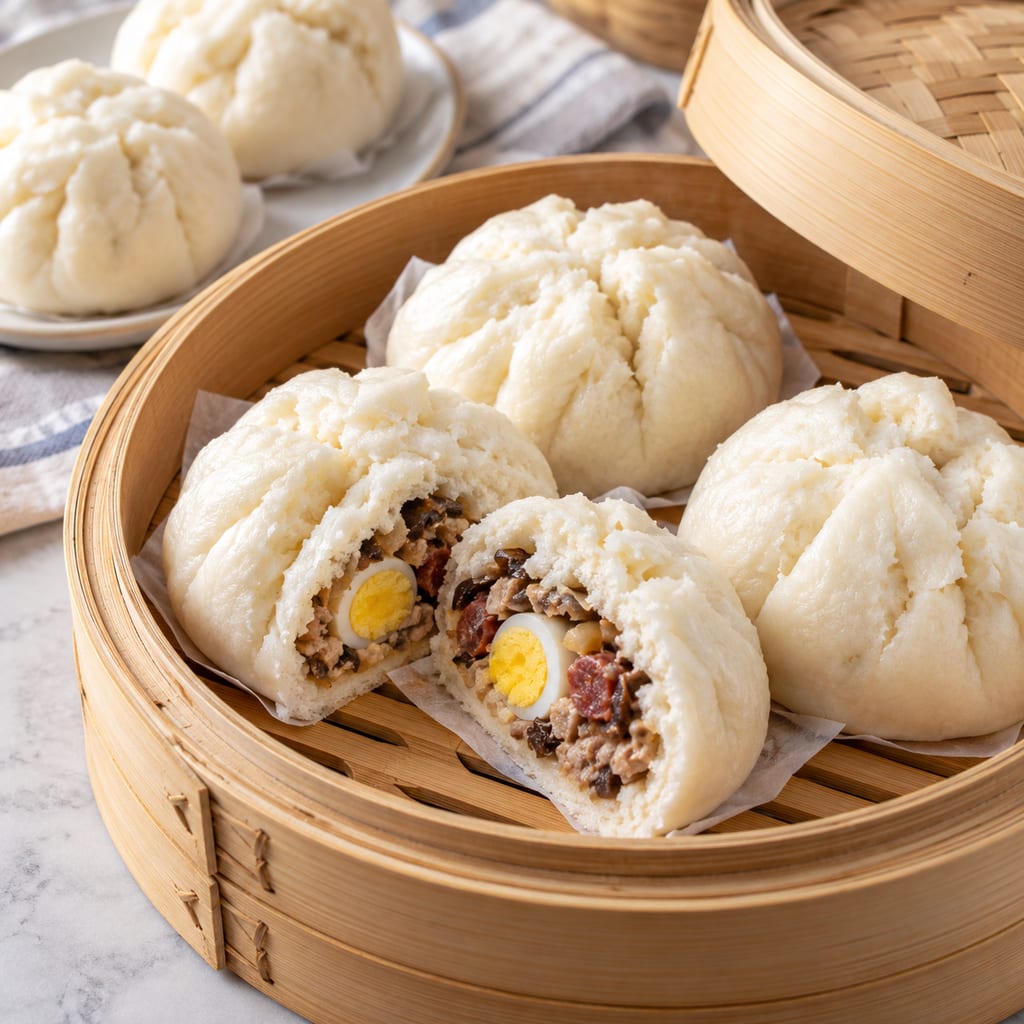
Vietnamese steamed wheat buns wrapped around seasoned pork, mushrooms, Chinese sausage and hard-boiled quail eggs. This from-scratch version uses yeast and self-rising flour.
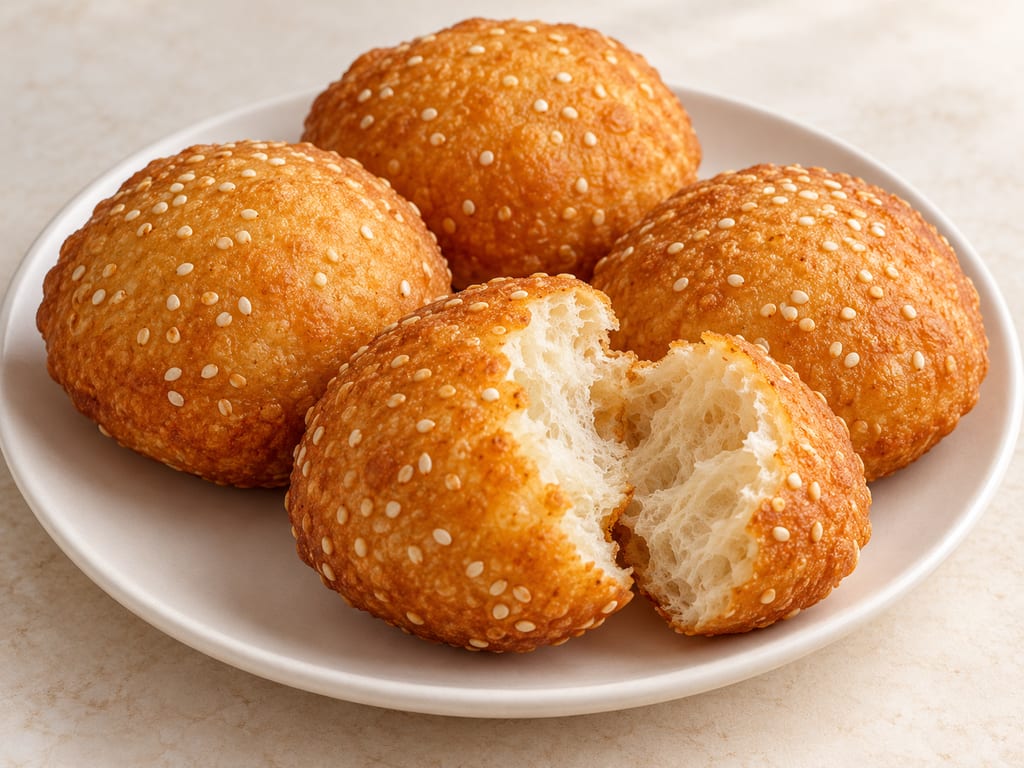
Bánh tiêu is a lightly sweet Vietnamese fried bread coated with sesame. A yeast-raised dough with baking powder is rolled into small rounds and fried until puffed and golden.
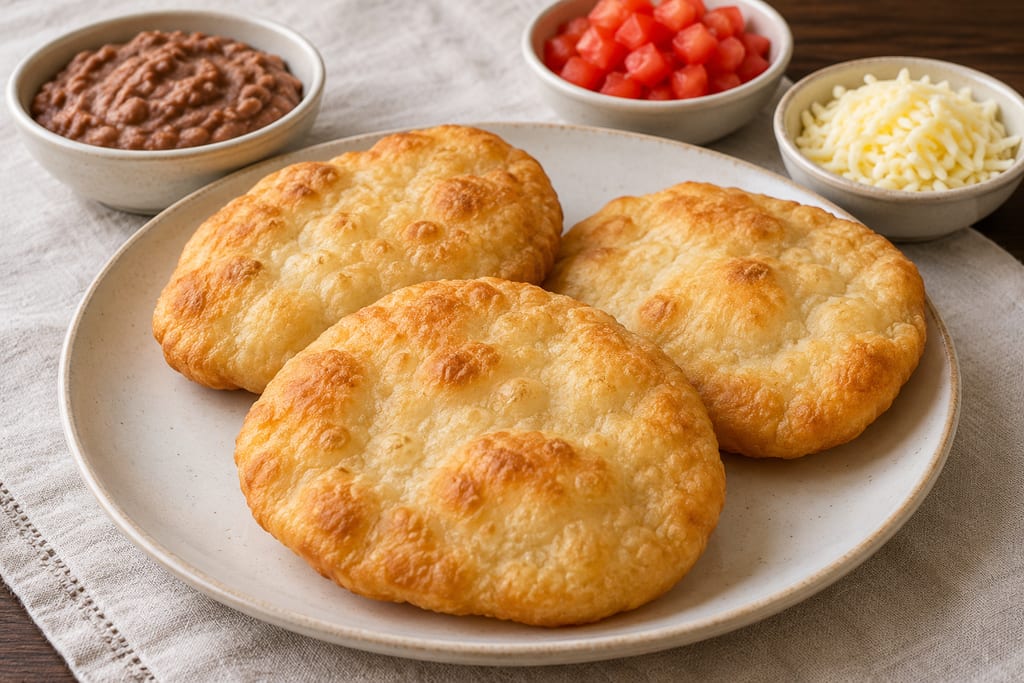
A Belizean fried breakfast bread made from baking-powder dough with evaporated milk, shaped into rounds and fried until golden.
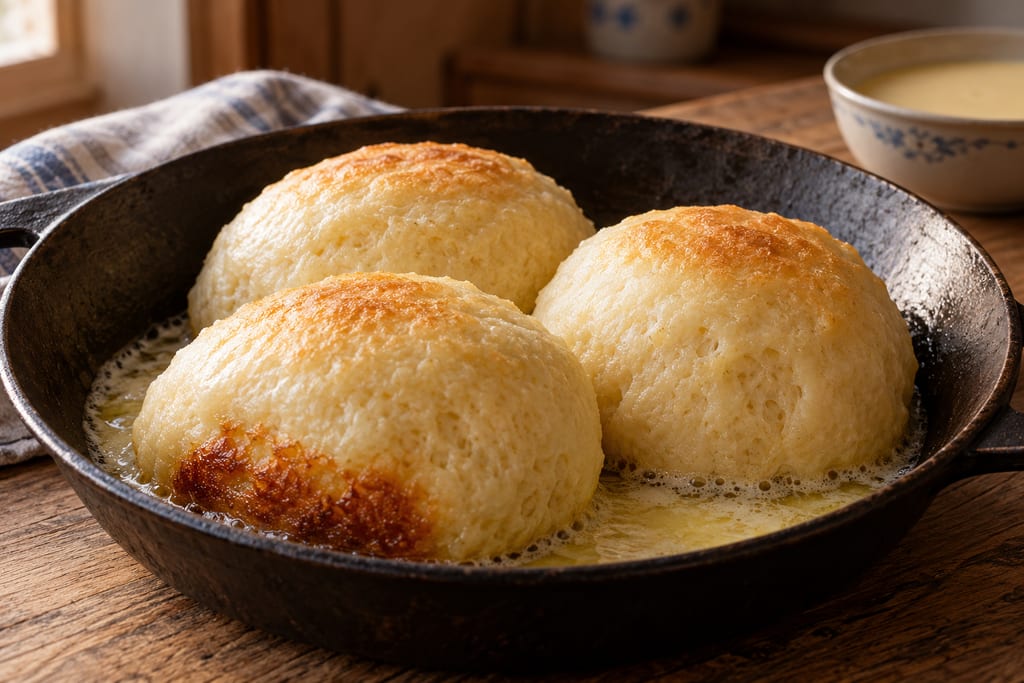
Allgäu Dampfnudeln are enriched wheat buns proofed in a covered casserole and cooked in milk and butter until the liquid nearly cooks away.
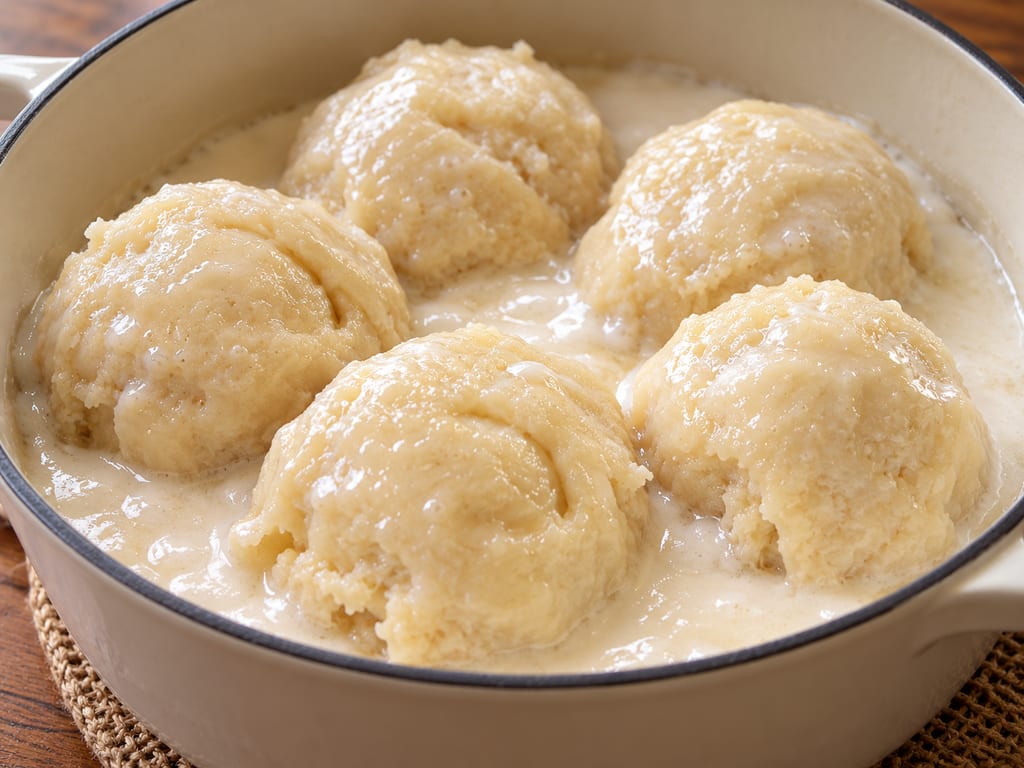
Soft yeast buns shaped by hand and simmered covered in coconut cream diluted with water in a deep pot. This Fijian home version uses a clean knife or fork inserted into the center as its doneness cue.
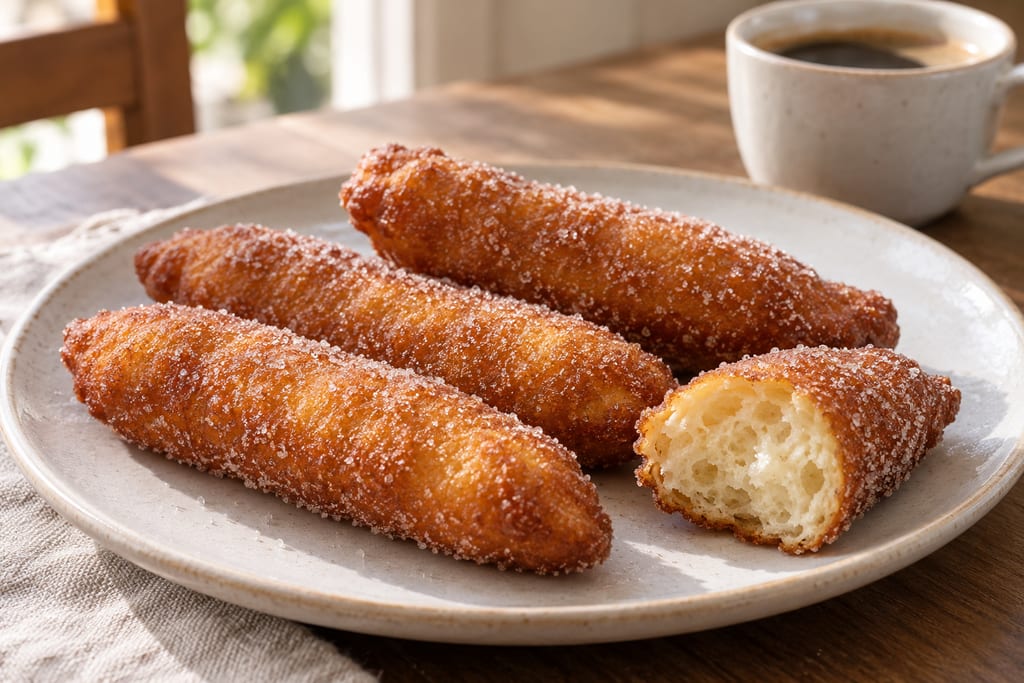
Firi firi is a yeast-raised coconut doughnut piped into long pieces and deep-fried at 170°C, traditionally eaten for breakfast or dessert in Tahiti.
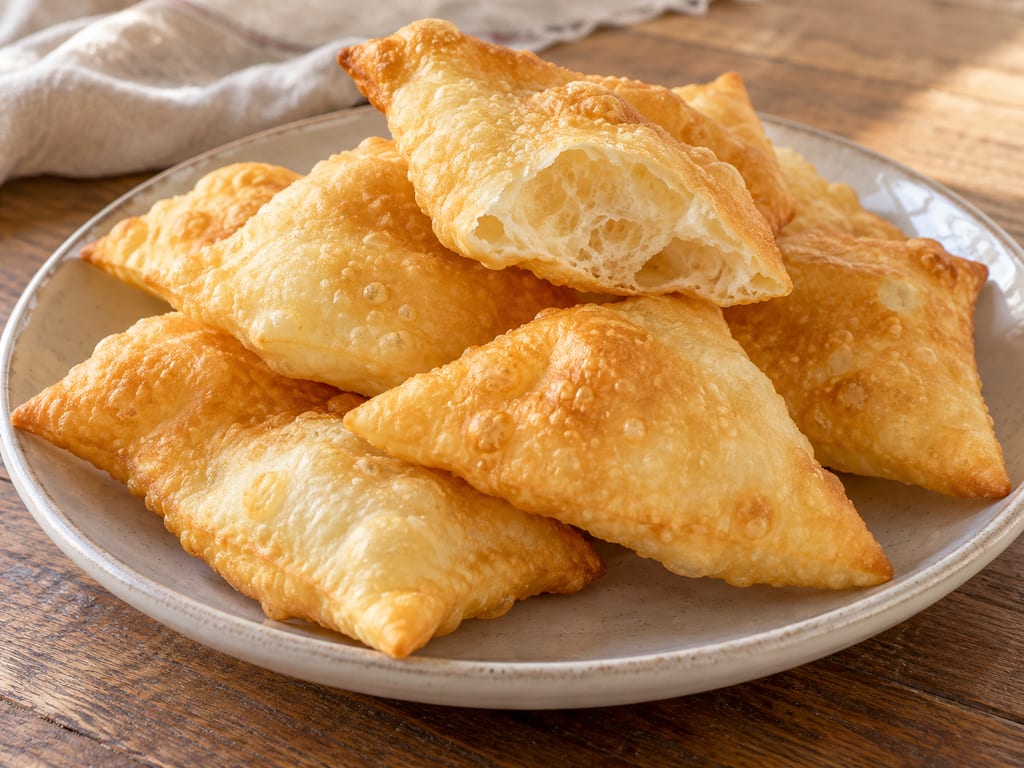
This Emilia-Romagna home version uses a measured flour-and-milk dough with yeast, shapes it into small diamonds or squares, and fries them in peanut oil.
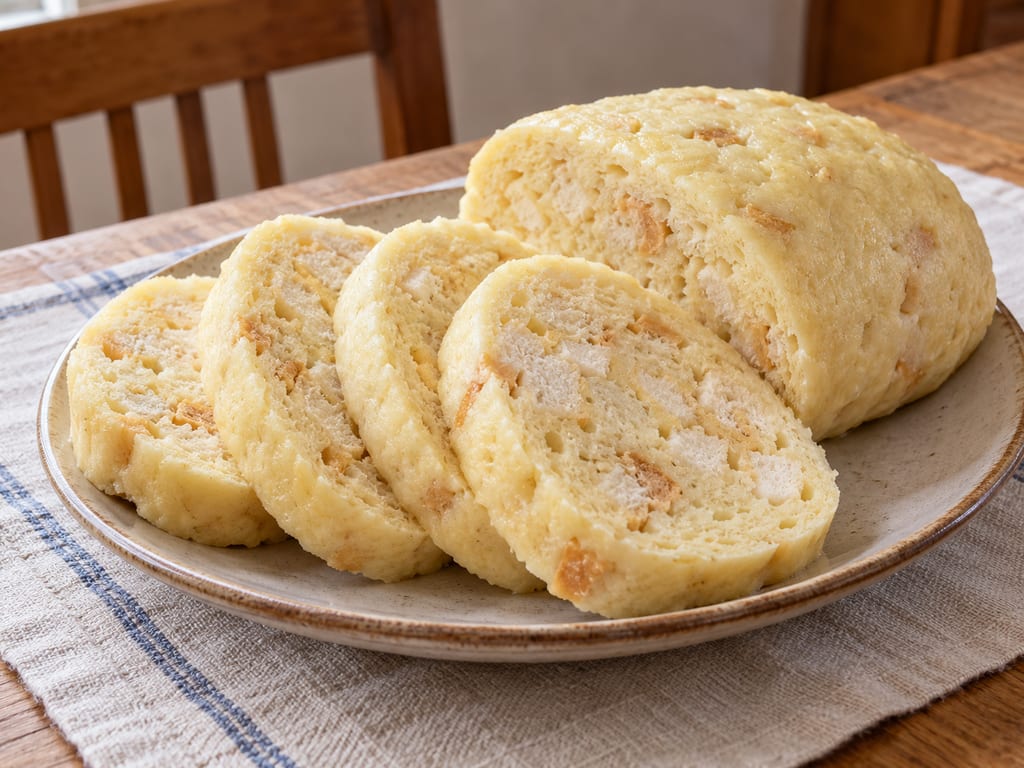
Czech houskové knedlíky are yeast-raised flour dumplings studded with stale white roll cubes, shaped as logs and steamed until tender for serving with sauce.
No community contributions have been published for this entry yet.
Sign in to contribute. Published comments and photos are free to read.
MaangchiInspiration · History · Geography
Makgeolli bread (Sulppang: 술빵)Ingredient amounts, use of raw 생 makgeolli plus active dry yeast, warming to about 40°C, two-hour bubbly first rise, 30-minute second rise, fresh beans and apple, steamer setup and 35-minute steam; Korean snack and market context.
Centers for Disease Control and PreventionSafety
Raw Flour and DoughRaw flour can carry harmful germs; do not eat raw dough and clean surfaces after handling flour or batter.