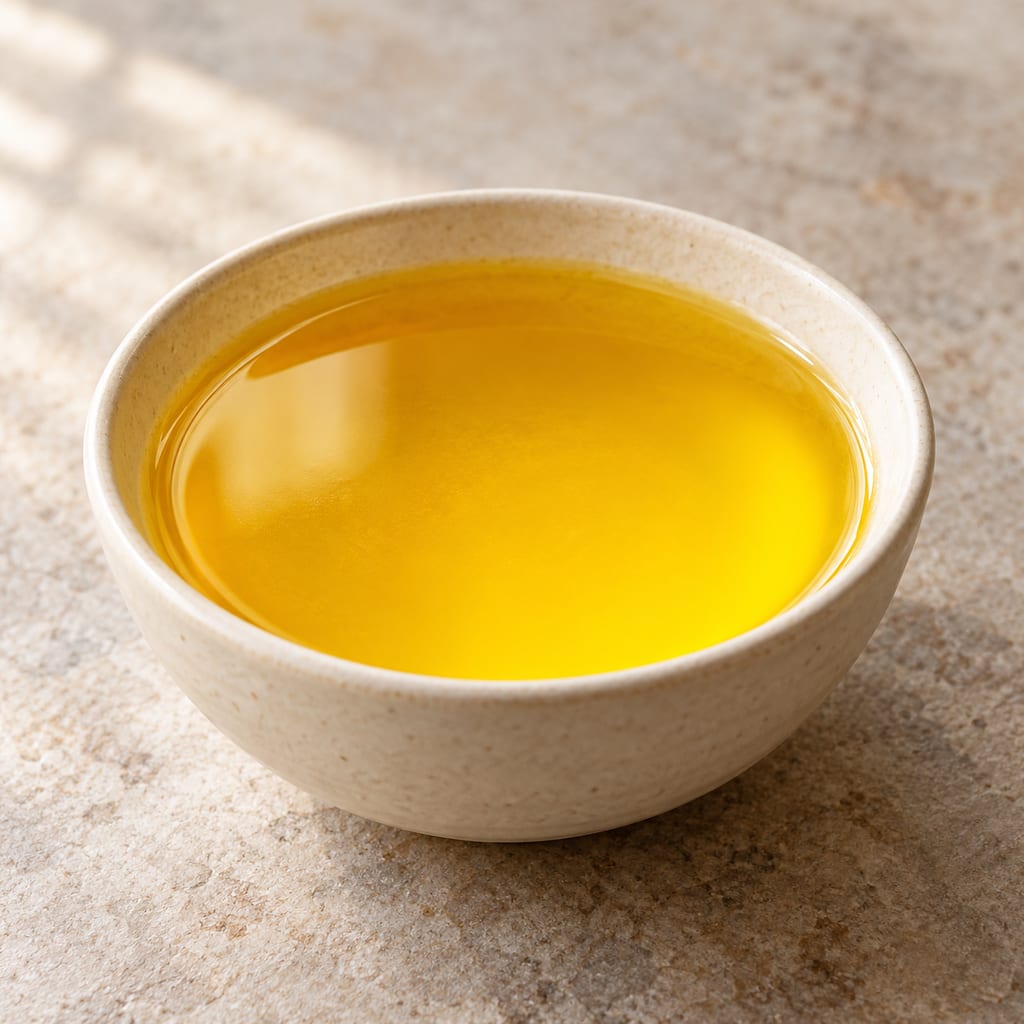
Ghee, clarified butter and rendered fats
Butter heated until most water leaves and the milk solids separate, giving a fat that keeps far longer than butter. Rendering applies the same heat to animal tissue to make lard and tallow.
 FermenteaWhere food goes to change
Sheermal · Shirmal · sheer mal · milk-rubbed bread
Dassana Amit’s measured sheermal makes eight mildly sweet, saffron-brushed flatbreads without a leavener. Milk, cardamom and a large quantity of ghee enrich the dough, which can be cooked on a covered skillet or baked.
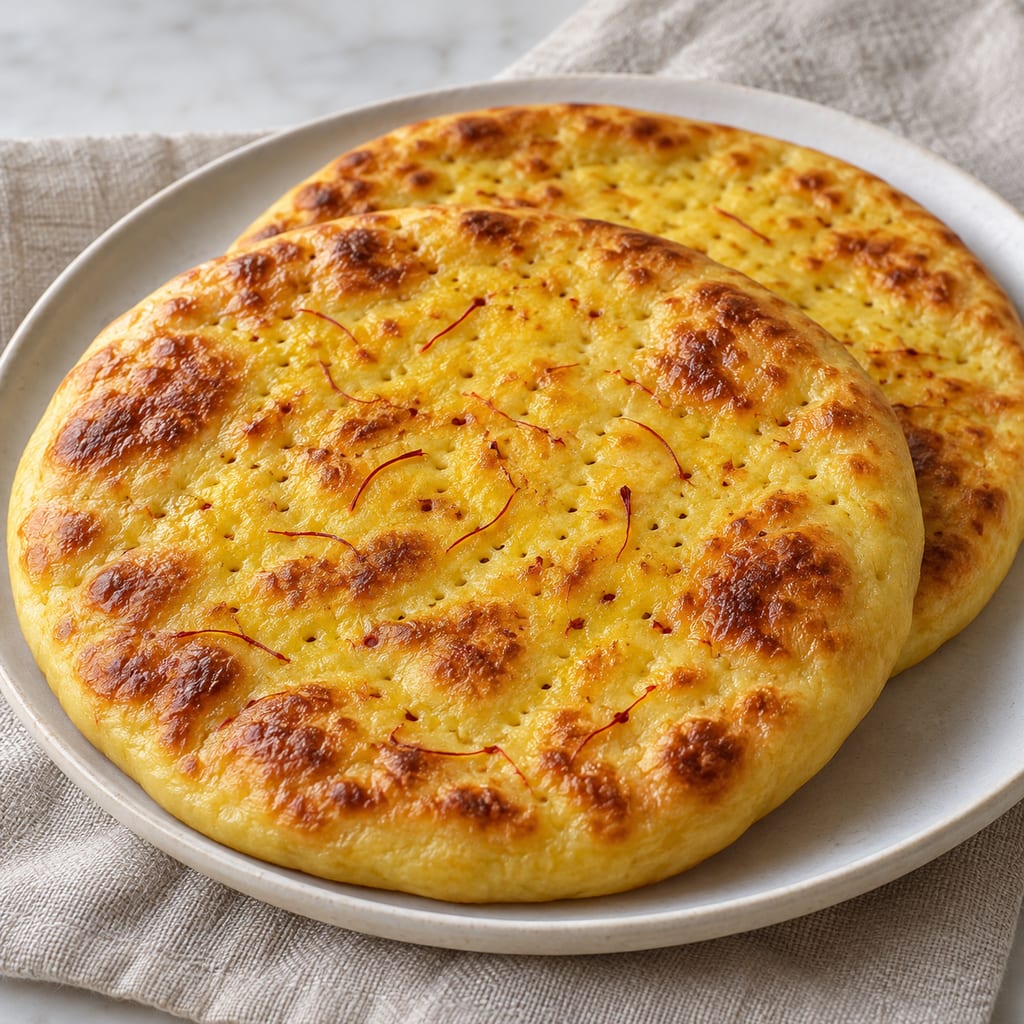
Sheermal, also written shirmal, is an enriched flatbread whose name and ingredients point to milk, but there is no single recipe that represents every version. Dassana Amit describes both leavened and unleavened doughs, sweet and less-sweet versions, and several cooking methods. The measured method recorded here is her unleavened version: flour, milk, ghee, a little sugar, cardamom and a saffron wash. Baking powder is listed only as an optional variation. The formula does not include yeast, and its rests are not called fermentation by the source.
The recipe writer places sheermal in Awadhi and Mughlai food contexts and names Lucknow, Hyderabad and Kashmir among places where it is made. The selected formula remains one contemporary home method, rather than a claim that every sheermal in those places has the same ingredients, shape or cooking schedule.
The batch uses 281 g all-purpose flour, ¼ teaspoon salt and ½ teaspoon ground green cardamom, followed by 1 teaspoon sugar dissolved in warm milk. The recipe lists 1 cup of milk but directs the cook to add it gradually and stop when the dough becomes soft and pliable; flour absorption varies. A further 3 tablespoons of warm milk is used for the saffron wash. The source does not give a temperature range for the milk, only that it should be warm rather than hot.
The defining handling challenge in this version is its 100 g melted ghee. The author adds it to the dough in several small portions, kneading each addition until absorbed before adding more. The finished dough is very soft and smooth. This technique is quite different from simply mixing all ingredients together, and it explains why the dough is rested before and after the fat is worked in.
The skillet route cooks each fork-pricked disc under a lid over medium-low or medium heat, then uncovered on the other side. The first side is checked after 1½–2 minutes for golden blisters; the author says to cook the second side until golden and to press the edges so they cook through. The recipe does not specify an exact skillet temperature or a fixed finish time for every disc, so the surface cues and the cook’s attention matter.
The same source gives an oven option: preheat to 230°C (445°F) for 20 minutes and bake the discs for about 12–15 minutes, until their edges are golden, with an optional turn halfway. Both routes finish with a light brush of saffron milk and melted ghee. They are alternatives within this one recipe, not evidence that all historical or shop-made sheermal uses a household oven or skillet.
A separate GOYA photo essay documents the Ali Hussain Sheermal shop in Lucknow and its present family ownership. It describes a process involving extensive kneading, ghee resting on the dough, hand-weighed portions, docking and baking on the wall of an iron tandoor. Those details describe the shop observed by the writer; they should not be substituted into Dassana Amit’s household formula.
The same essay reports an 1830 connection through a history written by Abdul Halim Sharar, but the book itself was not inspected for this entry. The account is therefore preserved as a reported historical claim, not a settled invention date or proof that the contemporary formula descends unchanged from the shop’s method. The named sources establish a regional association and a modern measured preparation; they leave the earliest attestation uncertain.
Dassana Amit suggests serving sheermal warm with tea, curry or kebabs. She advises covering the breads with a damp cotton cloth during preparation and serving, and refrigerating leftovers in a cotton napkin inside an airtight container. The source gives these household directions but does not state a storage duration; this entry does not add one.
Treat the dough as raw flour: do not taste it before cooking, and wash hands, utensils and work surfaces after handling. Warm milk, melted ghee, hot skillet surfaces and oven trays can burn, so handle them carefully. A golden surface is a cooking cue from this recipe, not a measured food-safety endpoint.
Sheermal is described in modern sources as an enriched milk bread associated with Awadhi and Mughlai contexts and with Persian influence. GOYA reports that a Lucknow shop's history traces back to 1830 through a book by Abdul Halim Sharar; that historical book was not independently consulted, so the date is reported as a secondary account rather than a verified origin. The measured recipe here is a contemporary unleavened home method and is not presented as the shop's formula.
Yield 8 flatbreads · Scaling: source batch only
Flour can carry pathogens before the bread is cooked.
Hazard sourceWarming milk and melting ghee, followed by a hot skillet or oven, can cause burns.
Hazard sourceDo not eat raw dough. Wash hands, utensils and work surfaces after handling flour and dough.
Control sourceHandle the warm milk and ghee carefully and use suitable protection around a hot skillet, baking tray or oven.
Control sourceRaw flour can carry harmful germs; do not taste the uncooked dough.
Hot ghee, pans and baking trays can burn.
Dassana Amit associates sheermal with Awadhi cuisine and identifies this as her contemporary unleavened household version, not a canonical formula.
GOYA documents one long-running local sheermal shop and reports an 1830 connection through a cited history that was not independently consulted; this does not establish the measured recipe's origin.
Butter heated until most water leaves and the milk solids separate, giving a fat that keeps far longer than butter. Rendering applies the same heat to animal tissue to make lard and tallow.
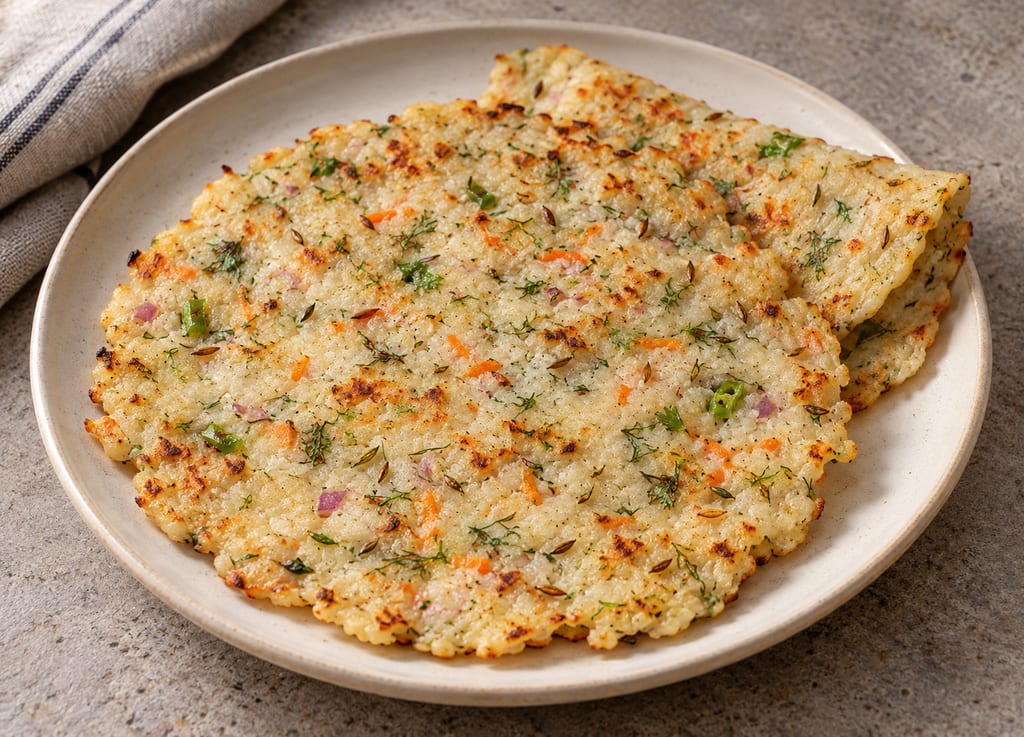
This Karnataka-style akki rotti mixes fine rice flour with vegetables, coconut, herbs and spices, then hand-pats and griddle-cooks the dough.
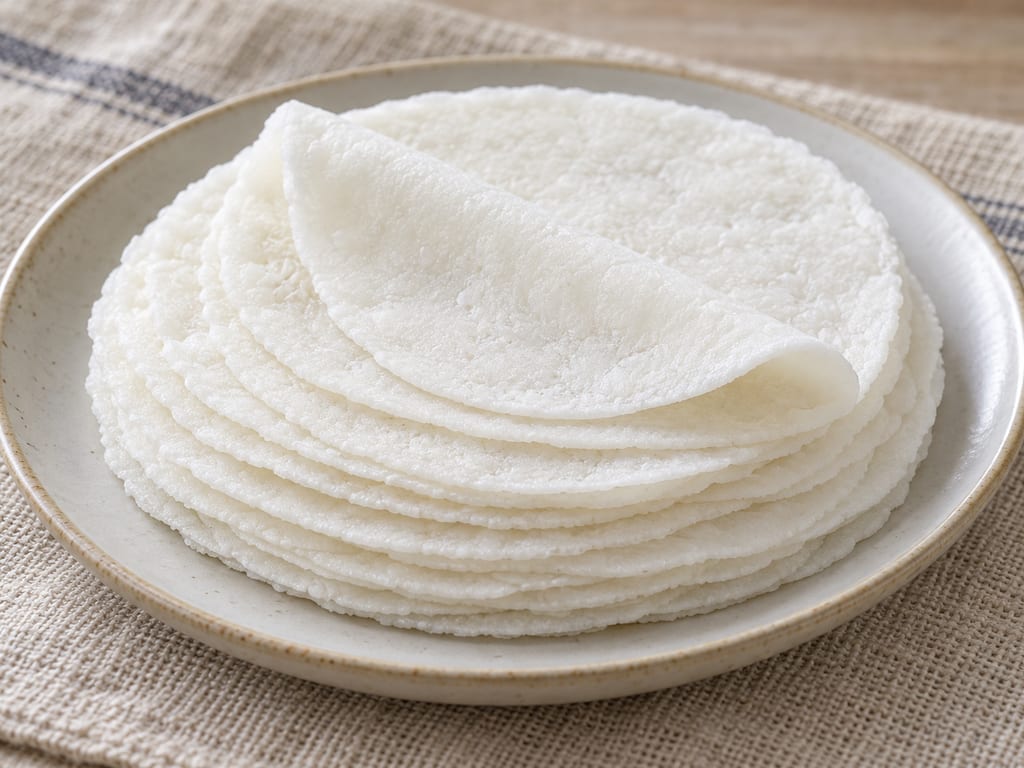
Thin Malabar rice-flour rounds made from roasted rice flour cooked into salted boiling water, kneaded after cooling, and rolled to about 1 mm. They cook on a hot griddle without taking on colour.
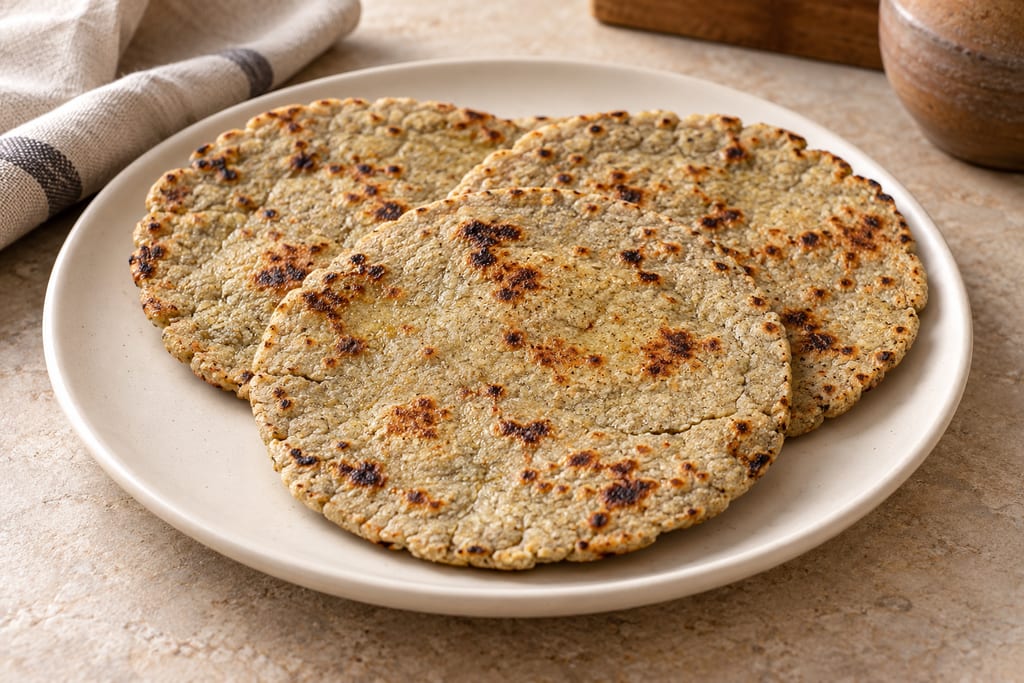
A pearl-millet flatbread shaped between sheets and cooked on a hot tawa. This home batch makes eight.
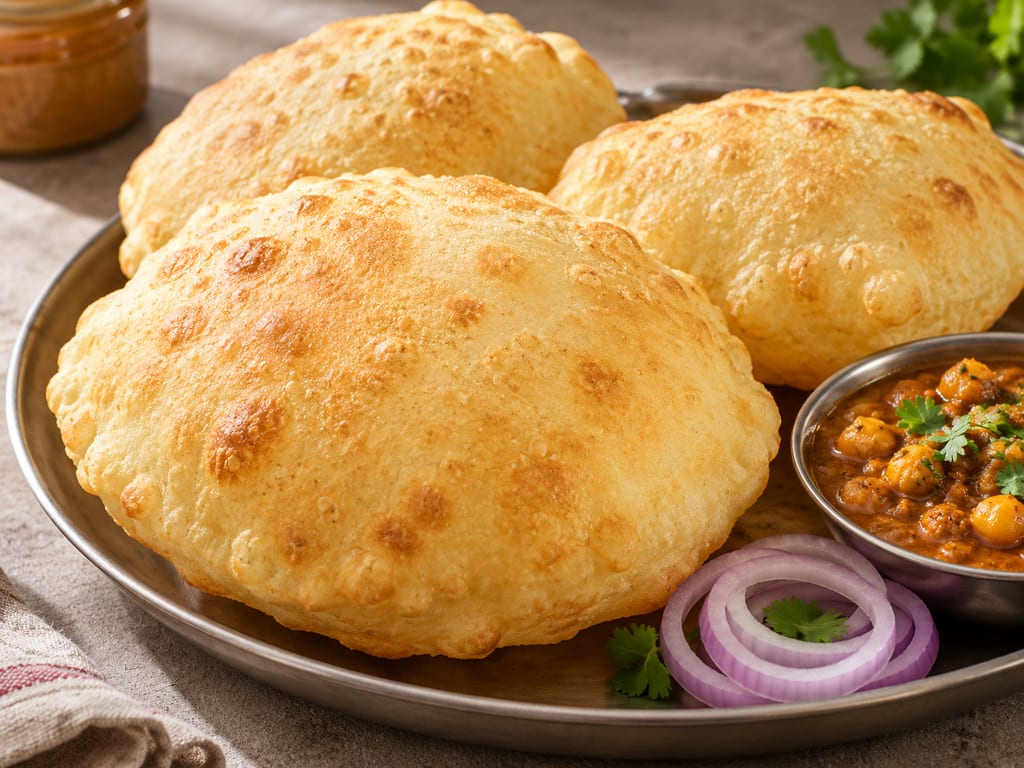
A North Indian fried bread made with yogurt, wheat flour and chemical leaveners. This source batch makes eight.
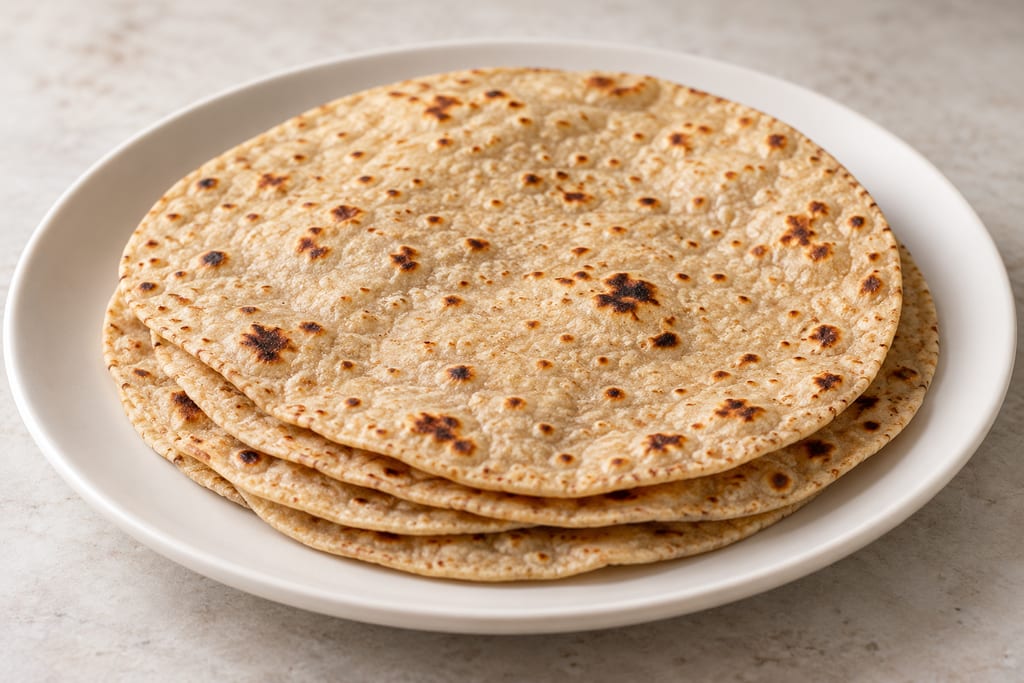
This measured chapati uses whole-wheat atta and water, with salt and oil or ghee optional. Rest the dough, roll it thin and cook through on a hot tawa; it is distinct from the partly cooked, puffed phulka route.
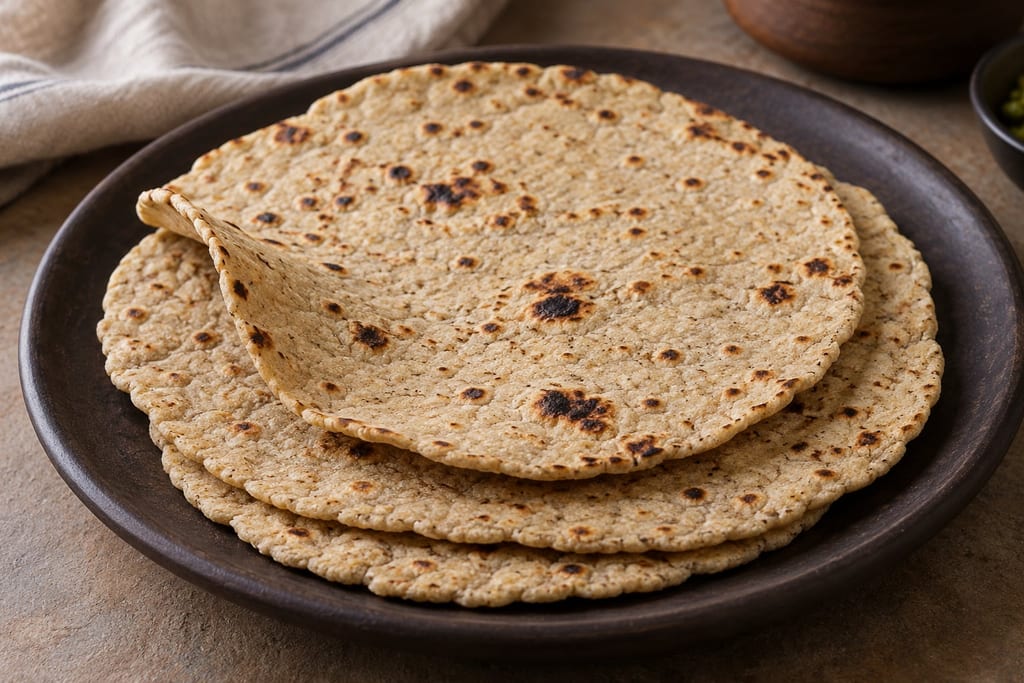
Jowar bhakri is an unleavened sorghum flatbread, hand-patted or gently rolled and griddle-cooked across parts of Maharashtra and Karnataka.
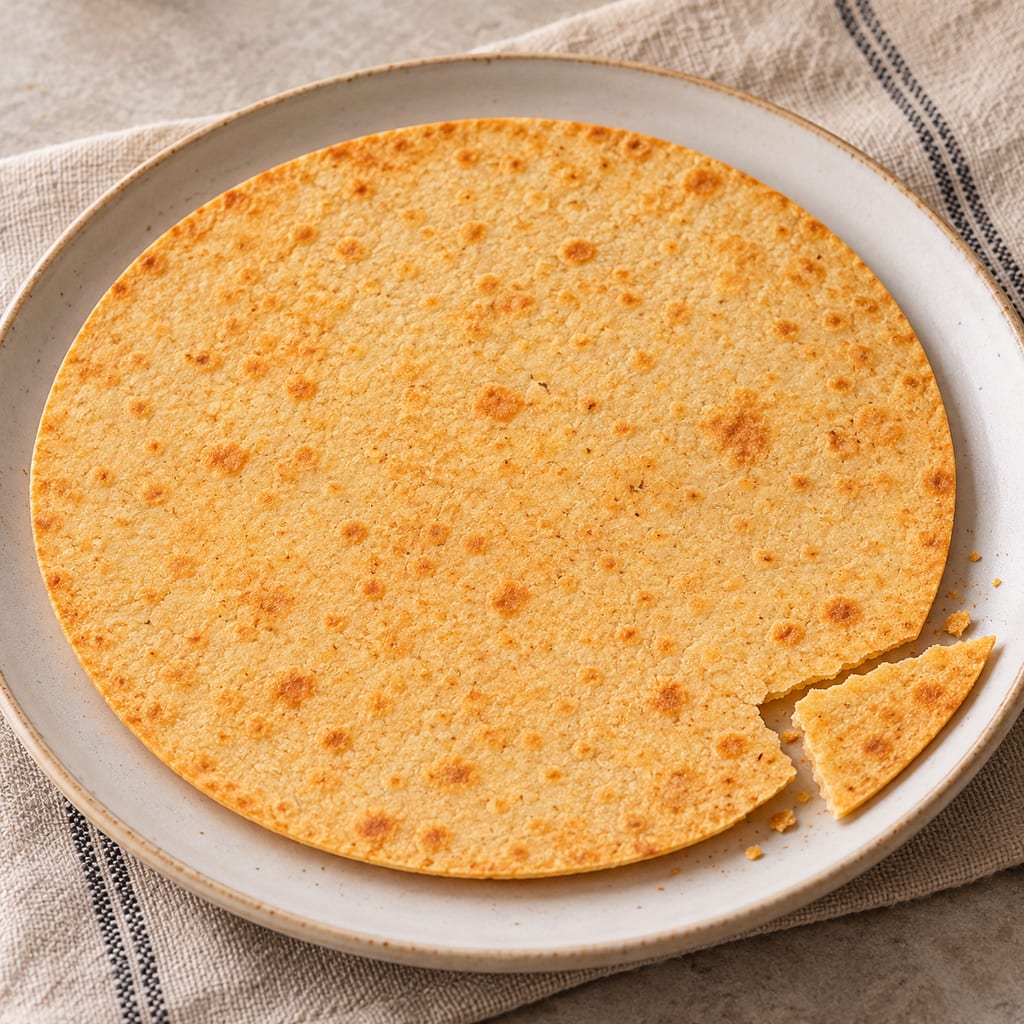
A thin Gujarati wheat flatbread, pressed and roasted over low heat until crisp and lightly browned.
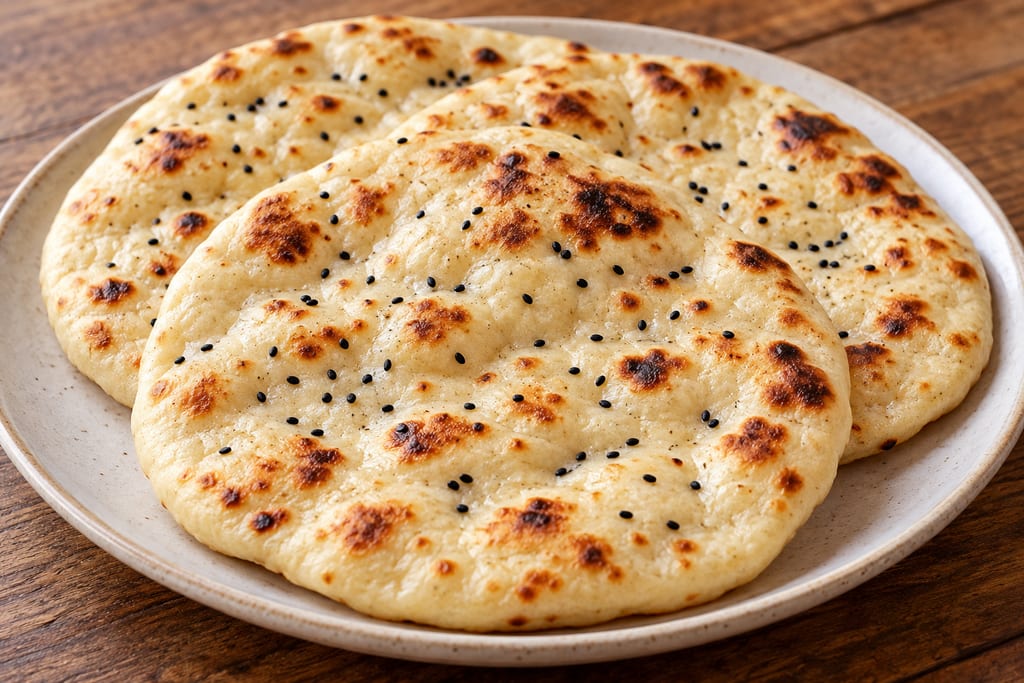
A plain North Indian kulcha uses an all-purpose wheat dough with yogurt, baking powder and soda, then rests and cooks on a hot tawa; optional seeds and roasting fat finish it.
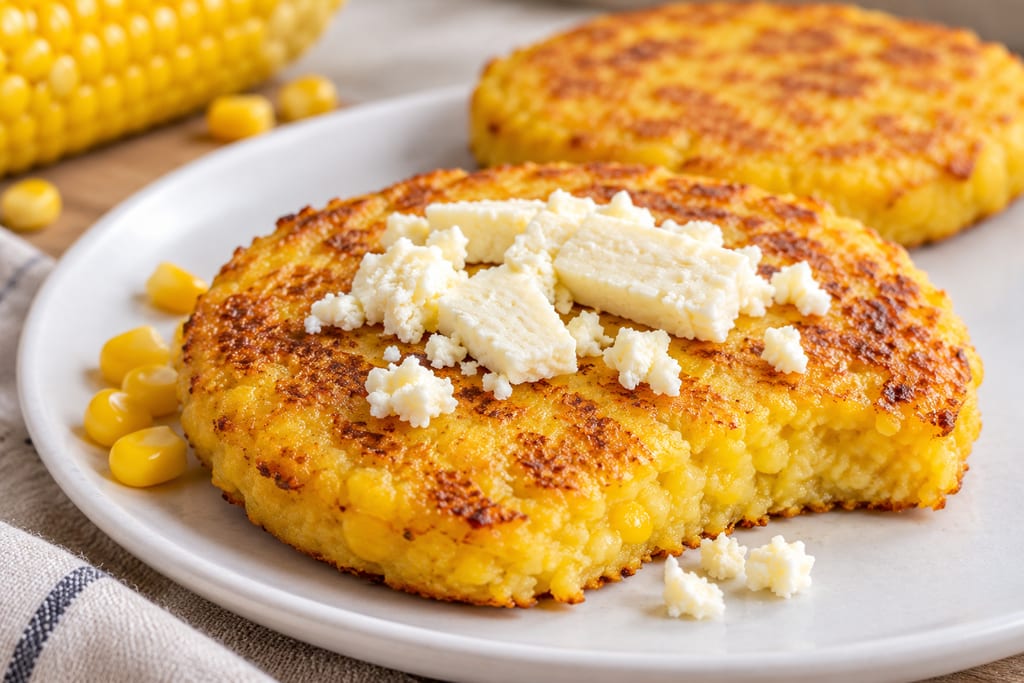
A Colombian Andean griddle cake made from fresh sweet-corn batter, cooked in butter and served with white cheese.
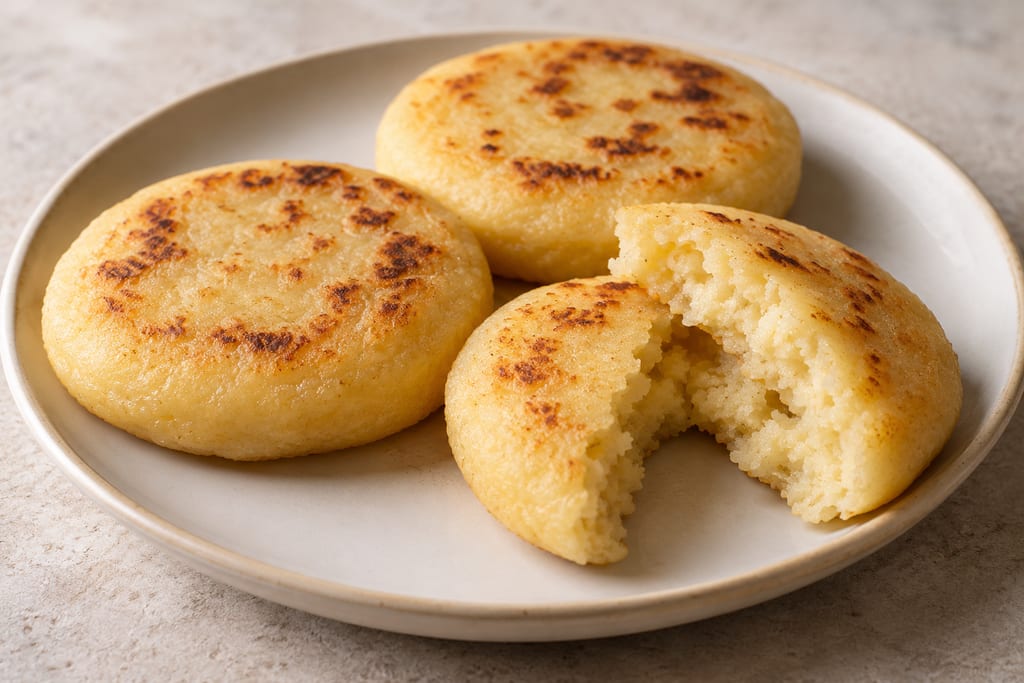
This household version combines precooked corn flour, warm water and salt, then cooks thick rounds on a lightly oiled skillet or griddle. It is one source-specific arepa method, not a universal Colombian or Venezuelan formula.
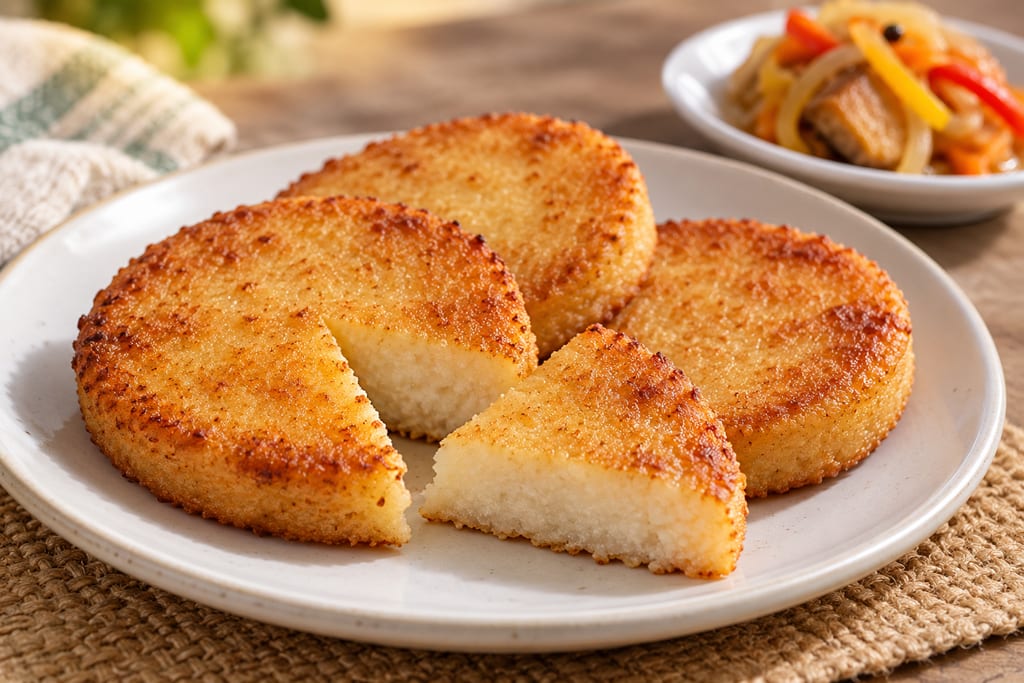
A serving method for approved, prepared bammy rounds: soak them in coconut milk and refry until golden. It does not process raw cassava.
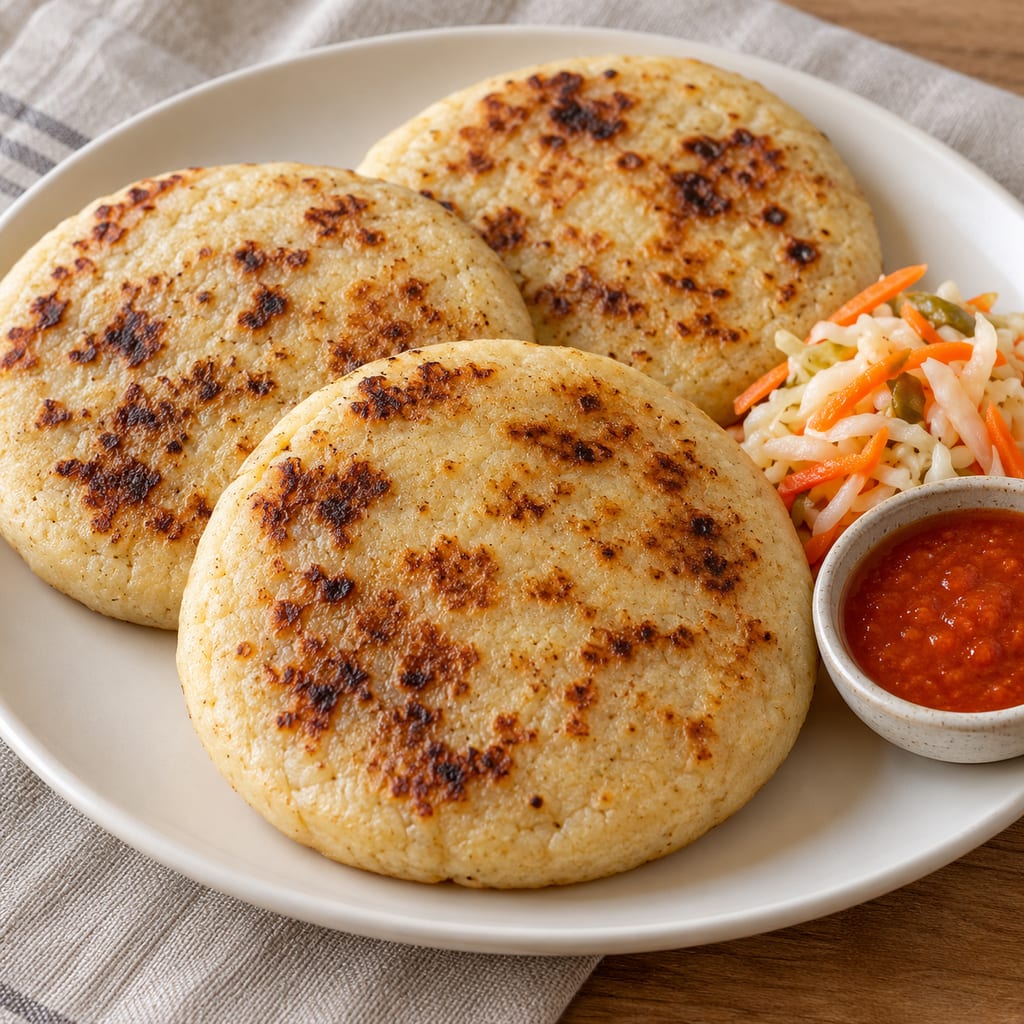
Salvadoran-style masa harina cakes filled with refried beans and cheese, sealed and cooked on an oiled skillet.
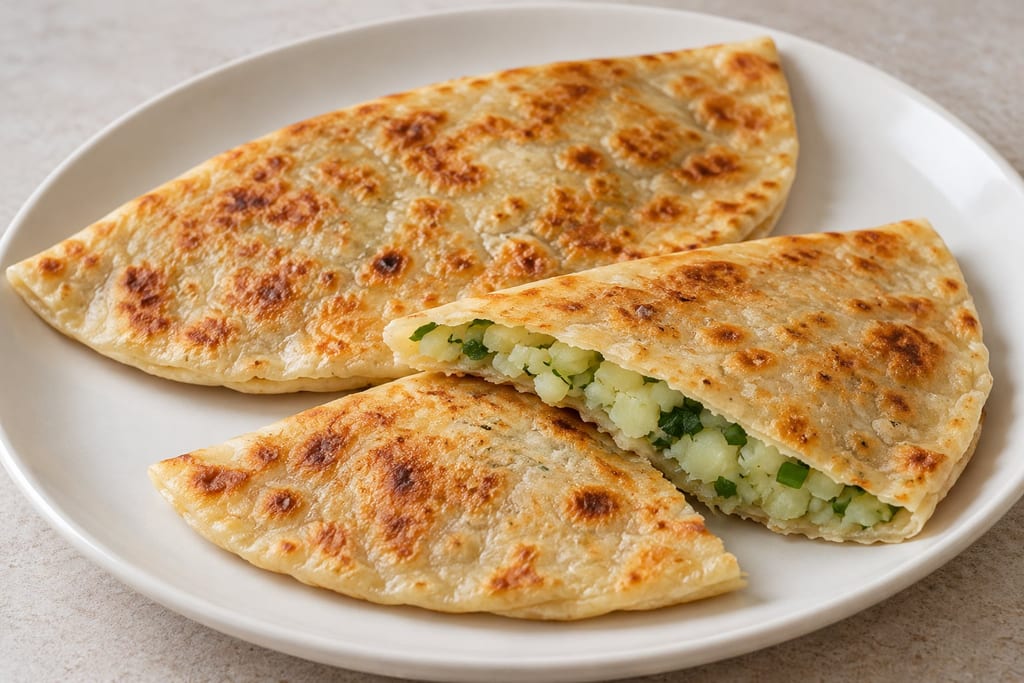
A thin, unleavened Afghan flatbread filled with mashed potato, scallion and cilantro, folded and pan-browned. This version uses a dough made from scratch.
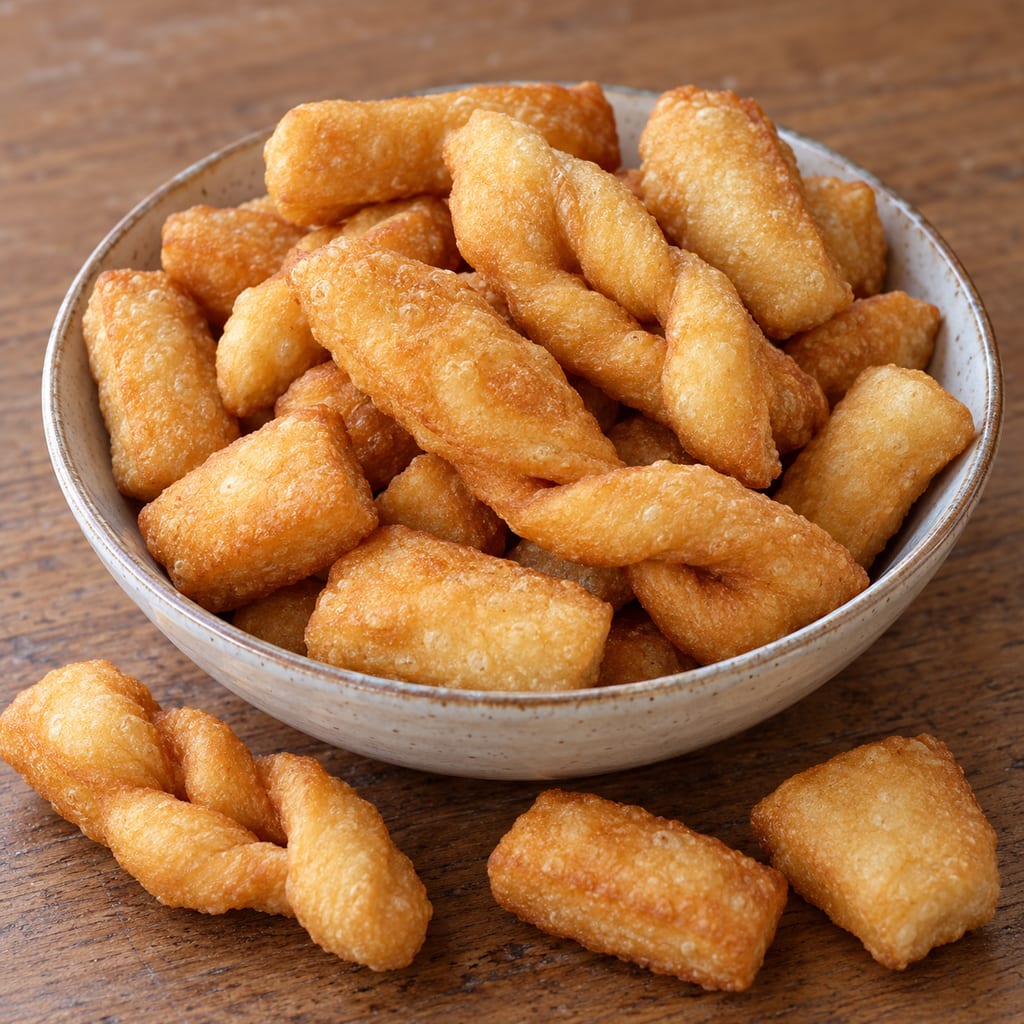
Firm Mongolian fried pastries made from an unyeasted wheat dough enriched with butter and sweetened with sugar; the dense dough is rested, cut or knotted, and fried until golden.
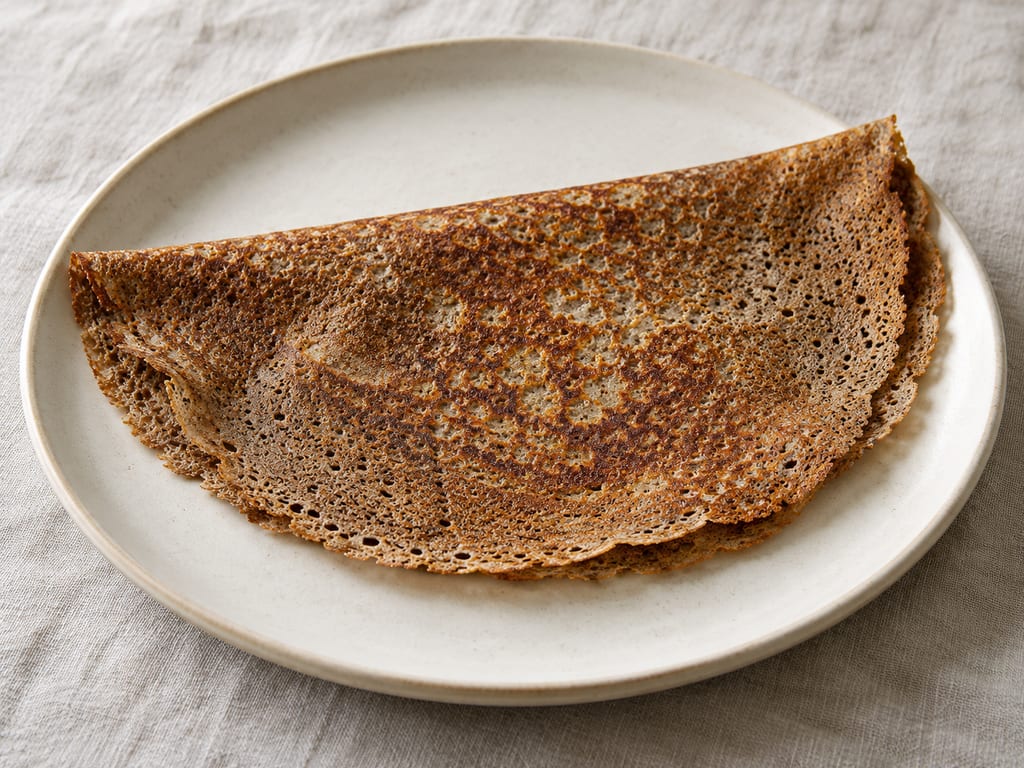
A thin Brittany galette made from buckwheat flour, water and Guérande salt. This Atelier de la Crêpe method rests the batter in a refrigerator before cooking it on a hot crêpière.
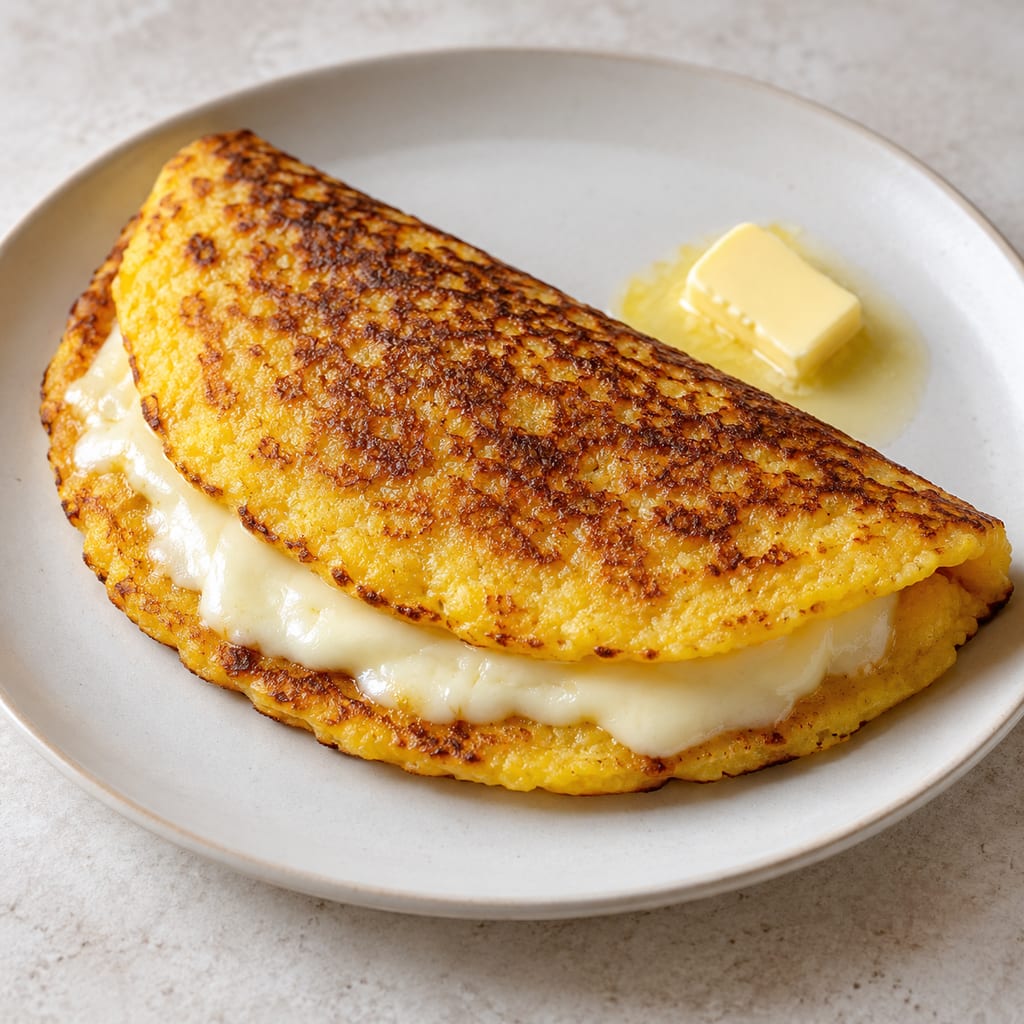
Two thick, tender Venezuelan griddle cakes made from fresh corn batter with milk, egg, cornstarch and sugar, then folded around white cheese and butter.
No community contributions have been published for this entry yet.
Sign in to contribute. Published comments and photos are free to read.
Dassana’s Veg RecipesInspiration · Ingredients · Method · Yield · History · Geography
Sheermal Recipe (Baked & Stovetop Shirmal Roti)Measured flour, salt, cardamom, sugar, milk, saffron, ghee and kewra quantities; optional baking powder; eight-disc yield; rest periods; tawa and oven methods; serving and storage directions.
The author describes sheermal's Awadhi associations and multiple regional variants, and distinguishes this no-leavener recipe from other leavened variants.
Cited in: One sheermal formula, among several; The measured dough and its handling; Two household cooking routes; Lucknow context and limits of the history; Serving and safe handling
GOYAHistory · Geography · Traditional preparation · Variation
Inside Lucknow’s 190-year-old Sheermal ShopA photo essay documents an ongoing sheermal shop in Lucknow, its reported family history, the traditional ingredient context and steps observed at the shop; the cited historical book is reported second-hand and was not independently inspected.
Cited in: Lucknow context and limits of the history
Centers for Disease Control and PreventionSafety
Say No to Raw DoughRaw flour and uncooked dough can carry harmful germs; do not eat raw dough and clean hands and surfaces after handling.
Cited in: Serving and safe handling