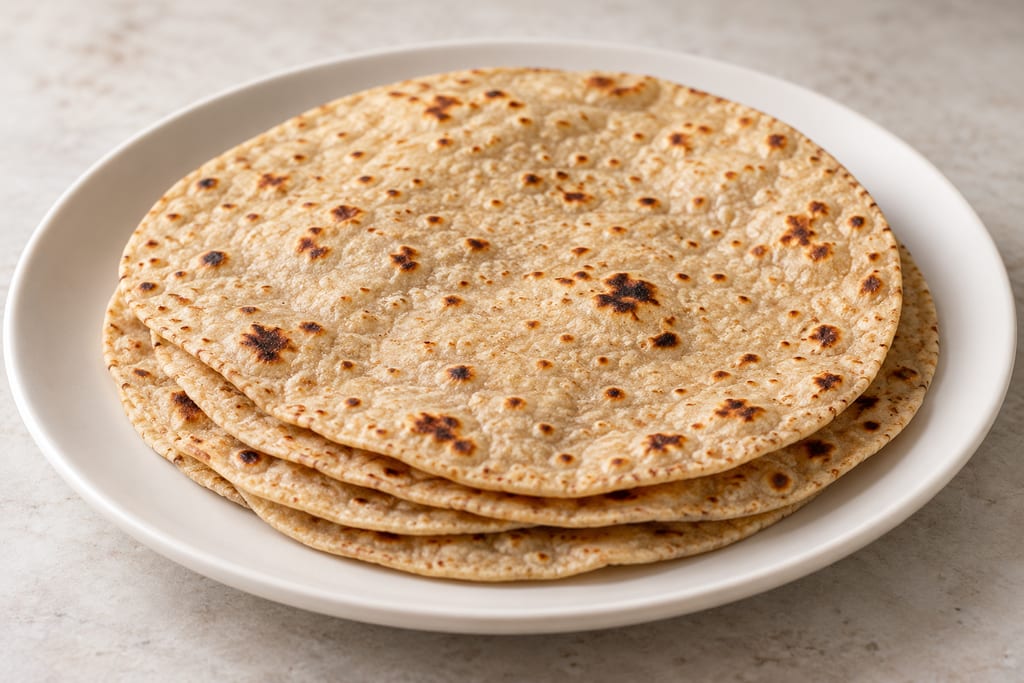
Chapati
This measured chapati uses whole-wheat atta and water, with salt and oil or ghee optional. Rest the dough, roll it thin and cook through on a hot tawa; it is distinct from the partly cooked, puffed phulka route.
 FermenteaWhere food goes to change
Kulcha bread
A plain North Indian kulcha uses an all-purpose wheat dough with yogurt, baking powder and soda, then rests and cooks on a hot tawa; optional seeds and roasting fat finish it.
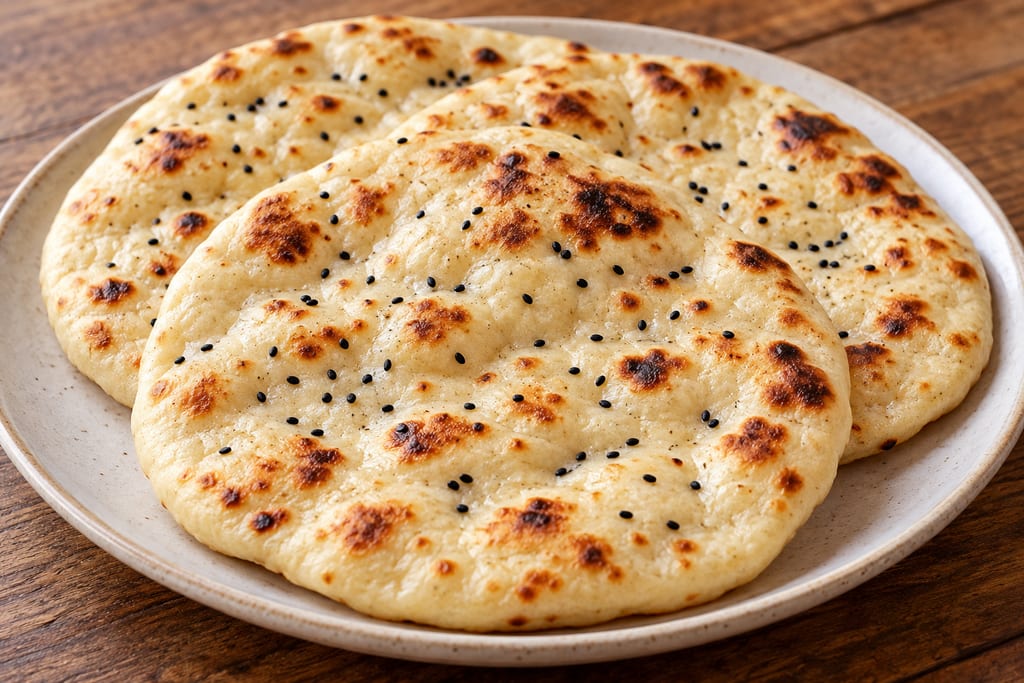
Here the name refers to one specific plain, chemical-leavened kulcha from Dassana Amit’s North Indian recipe page. The measured dough uses all-purpose flour, yogurt, oil or ghee, baking powder and baking soda. It is rested while covered, shaped into medium-thick rounds, and cooked on a hot flat skillet or tawa. The page also mentions tandoor and oven cooking, but the tawa route is the complete method recorded here.
The author associates kulcha especially with Punjab and describes it as a bread served across nearby North Indian states. Kulcha is not a single fixed formula: the page distinguishes plain from stuffed forms, mentions Amritsari and Delhi-style matar kulcha, and describes other milk-enriched or filled regional versions. Those are related traditions, not extra steps in this plain dough.
Yogurt contributes moisture and acidity to this dough. Baking soda is sodium bicarbonate; with an acidic ingredient such as yogurt it can release carbon dioxide. Baking powder contains its own acid and base, so the formula uses both while keeping the stated small amount of soda. These are chemical leaveners, not a yeast culture. Although the recipe calls its two-hour covered interval leavening, it does not specify a microbial starter or fermentation stage; this record treats the interval as a dough rest.
Flour and water form the dough body. The source directs the cook to add approximately three-quarters of a cup of water and more only if needed, since flour absorption can vary. The endpoint is a smooth, soft, supple dough. Oil or ghee enriches the mix, while salt and sugar season it. The source gives a range for sugar and leaves salt to taste; both are preserved as written rather than narrowed to an invented exact dose.
The source offers a yogurt-and-milk alternative and permits whole-wheat flour as a variation. Those substitutions change the specified formula and may change how much water the dough needs, so they are not combined with the plain all-purpose-flour batch below.
After resting, the dough is kneaded lightly again, divided into small pieces and flattened. The page does not give a weight or exact diameter for each piece. It says to keep the kulcha medium in thickness, similar to a paratha or a little thicker; the recipe’s yield is ten. Dust the board lightly enough to prevent sticking, then keep the shaped pieces covered while the rest are rolled.
The tawa or flat skillet should be very hot, set at medium-high to high. The recipe describes doneness in stages: partly cook the first side, turn when it is about one-quarter done, then cook the other side until about half done. Apply oil or ghee on both faces if desired, and continue turning until the bread shows golden patches and is evenly cooked. No exact surface temperature or per-bread cooking time is supplied, so stay with those visual cues rather than assigning a timer.
Finished kulcha can be stacked in a covered roti basket to stay warm. Serve them hot or warm with chickpea curry, chana masala, other curries, pickle or yogurt. Nigella or sesame seeds are optional toppings, and the source permits roasting without added fat.
The recipe page’s blog archive says this version was first published in June 2013. That establishes a date for the web recipe, not the first historical record of kulcha. The page’s regional description supports a Punjab and North India association; it does not settle an origin date or a unique birthplace. Historical claims beyond that remain open.
Flour is raw and may carry harmful bacteria. Do not taste the uncooked dough. Cook each bread through as described, wash hands after handling the dough, and clean bowls, utensils and surfaces that contacted it. Use care around the very hot skillet or tawa. The source’s refrigerator and freezer suggestions are its own storage advice; this record does not treat them as a validated shelf-life study.
Dassana Amit describes kulcha as a North Indian flatbread associated especially with Punjab and discusses tandoor, tawa and oven preparations. The recipe page says its blog-archive version was first published in June 2013; that date does not establish kulcha's earliest attestation or a single origin.
Yield 10 kulcha · Scaling: source batch only
Uncooked flour and dough can carry harmful bacteria.
Hazard sourceCook the kulcha until evenly done as directed; wash hands and clean bowls, utensils and work surfaces that touched raw dough.
Control sourceDo not taste raw flour or dough. Take care when placing and turning bread on the very hot skillet or tawa.
The recipe author calls kulcha a North Indian flatbread popular in Punjab; this is a regional association, not a claim of exact birthplace.
This measured chapati uses whole-wheat atta and water, with salt and oil or ghee optional. Rest the dough, roll it thin and cook through on a hot tawa; it is distinct from the partly cooked, puffed phulka route.
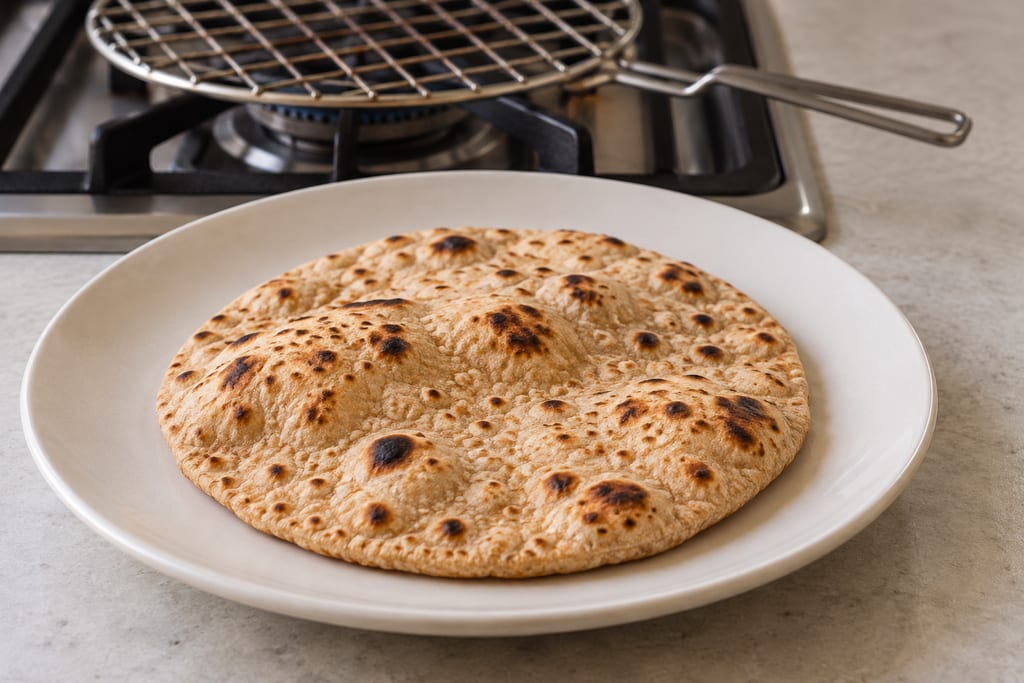
This unleavened North Indian tandoori roti uses atta, salt and water, then cooks on a handled wire rack over a low-to-medium flame. It makes 13 medium breads with tandoor-style browning.
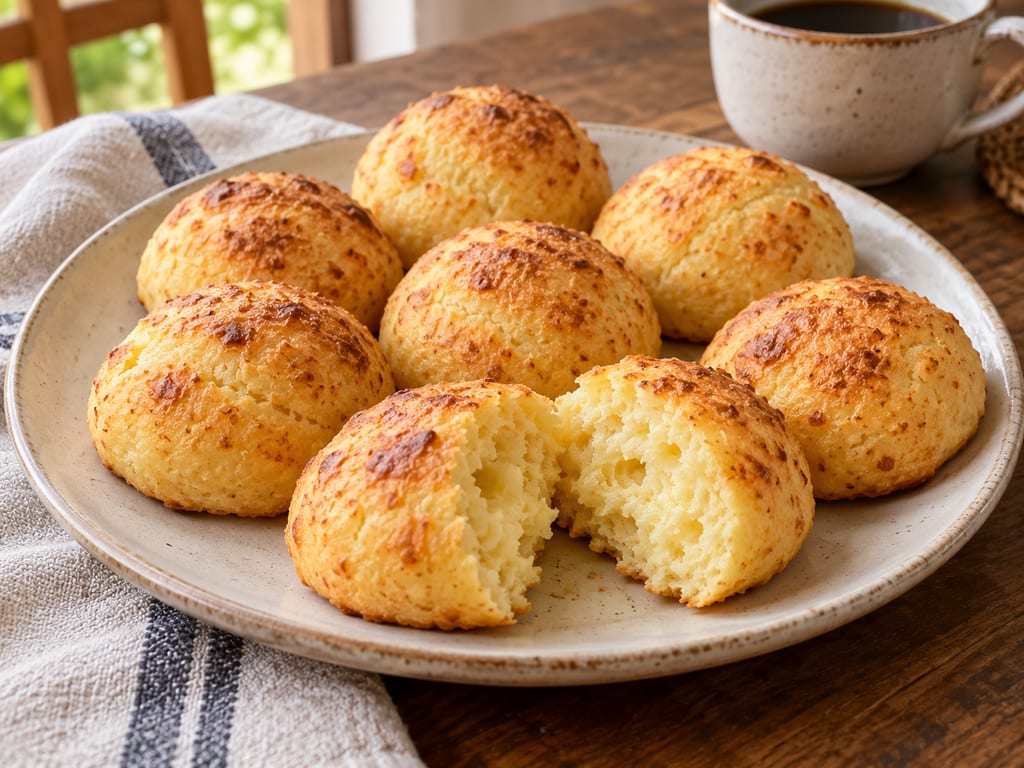
Small Colombian cheese breads made with precooked corn flour, queso fresco, mozzarella, eggs, milk and baking powder. This documented home version makes eight breads and is served warm.
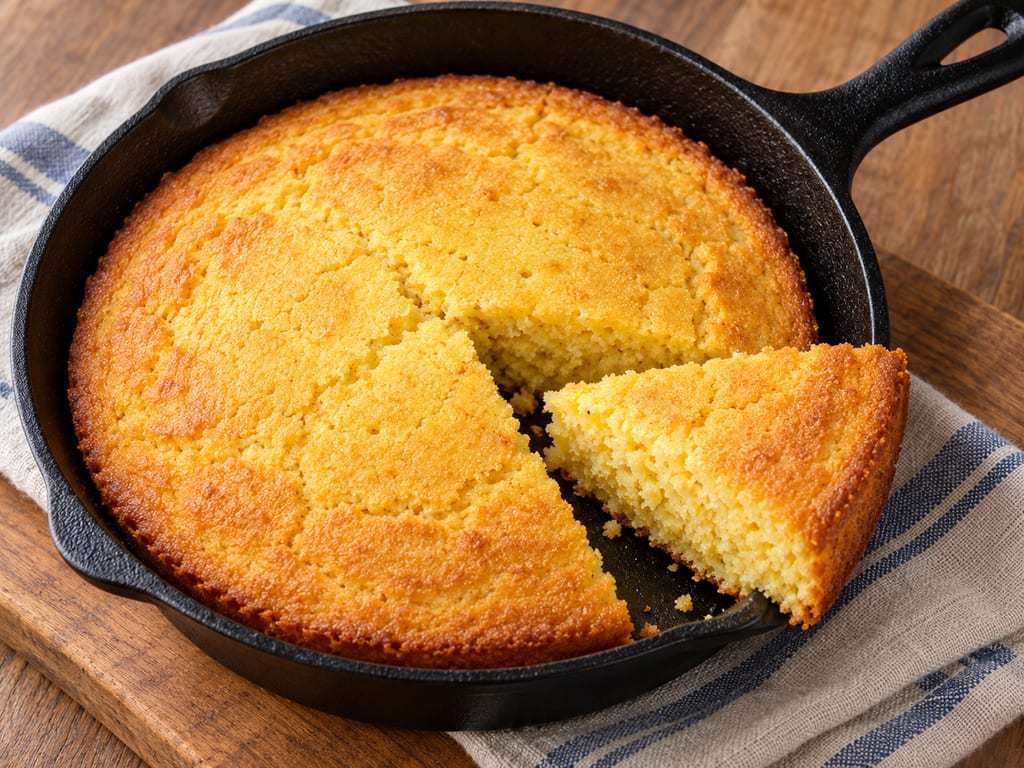
A modern cornmeal-and-wheat cornbread that King Arthur Baking describes as a compromise between Northern and Southern styles. The batter is baked in a pan or as muffins and served warm.
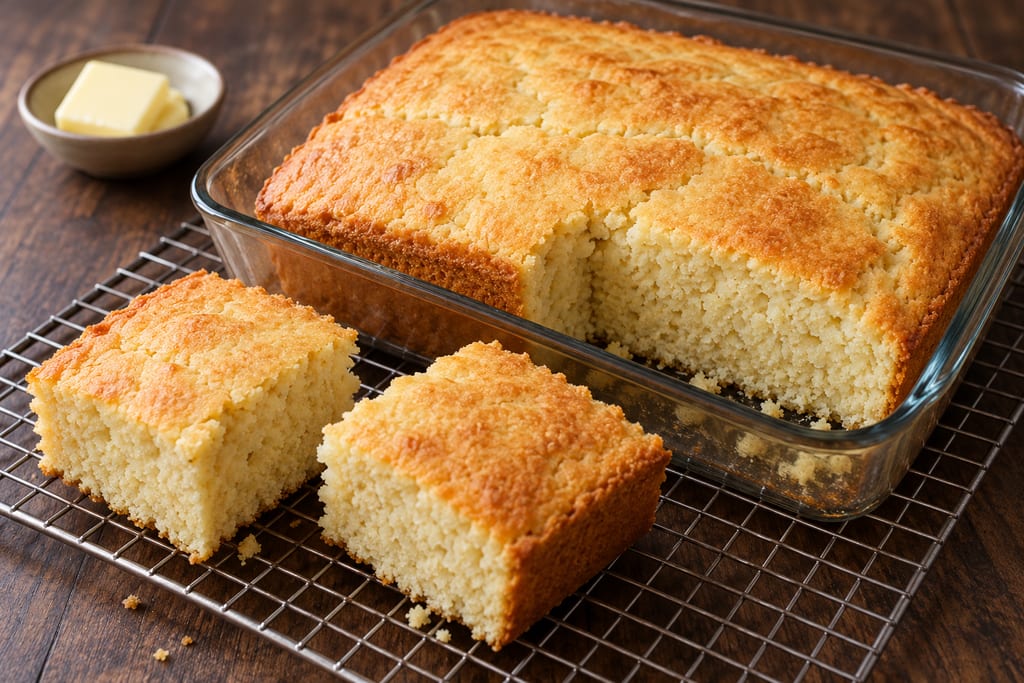
A soft, butter-rich Bahamian-style baked johnnycake made from flour, baking powder, sugar, butter and milk. The dough rests briefly in a square pan before baking.
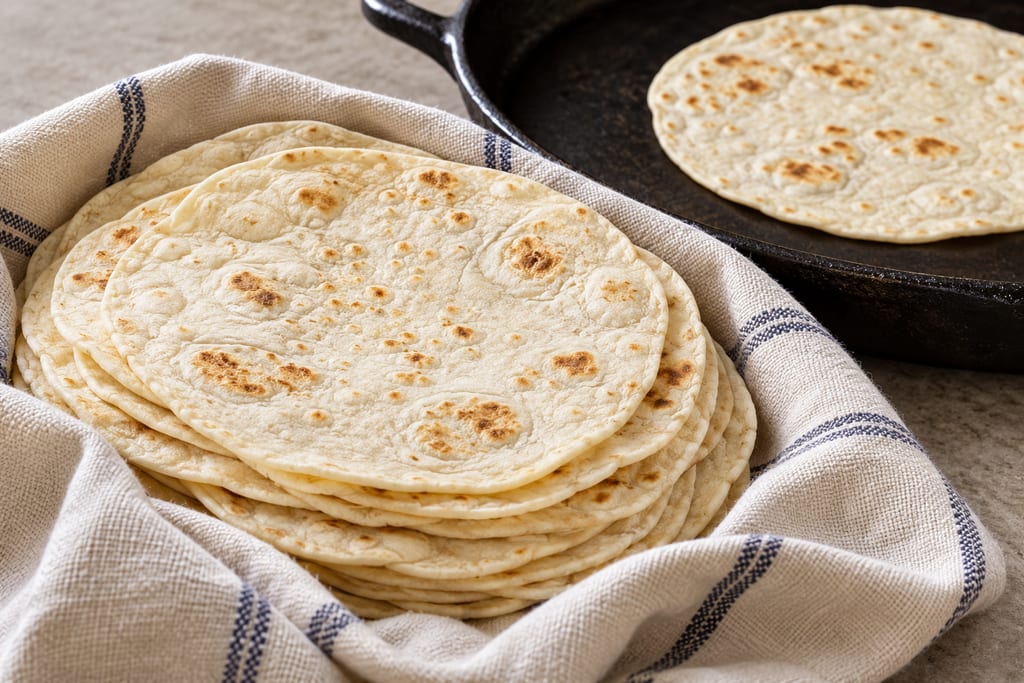
Soft wheat-flour rounds from an INCAP Honduran baleada recipe are rolled thin and cooked on a dry skillet; this record covers tortillas, not the filled dish.
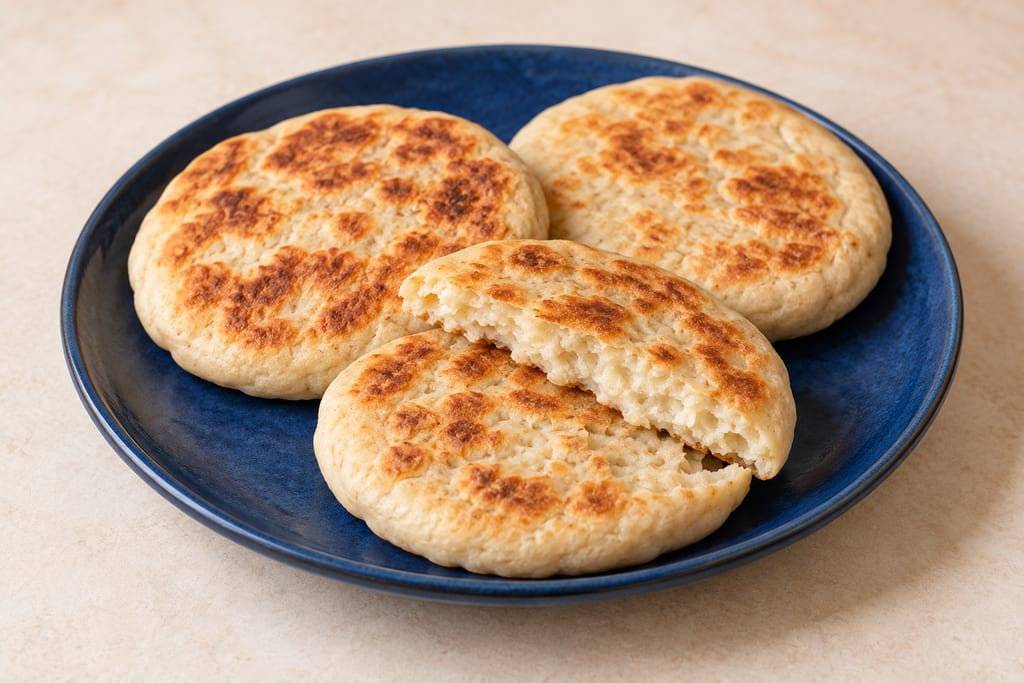
A Central Tibetan style pan bread made from flour, water and baking powder. Four dough balls are rested, rolled into rounds and cooked covered in a skillet, turning them several times.
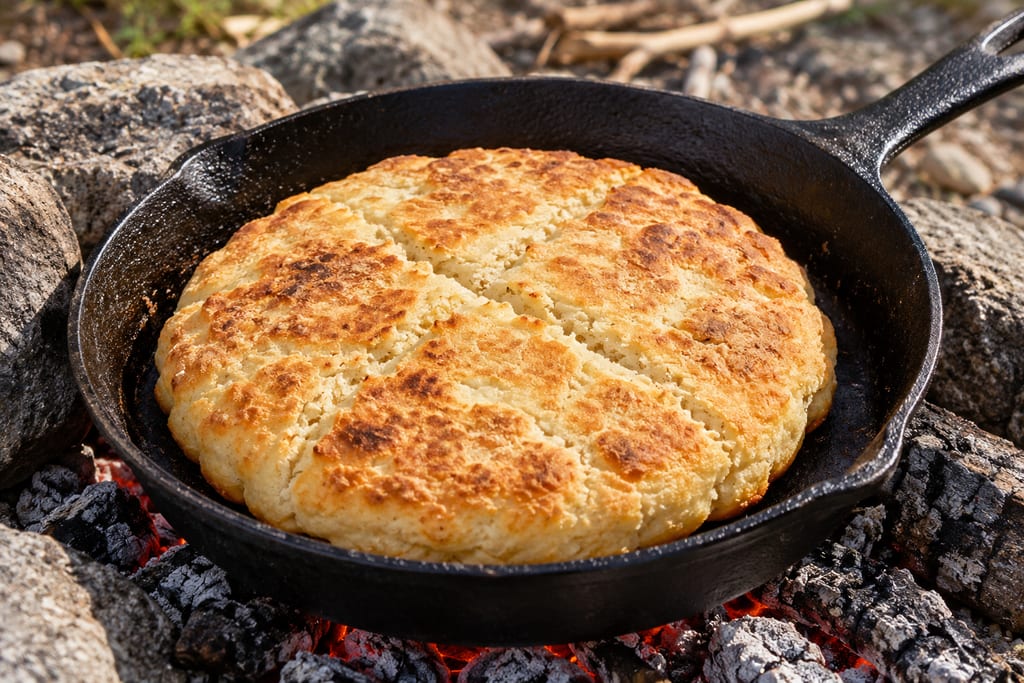
This flour, baking-powder and oil dough is Parks Canada’s contemporary Métis-interpreter version prepared at Rocky Mountain House; its specific recipe origin is unknown.
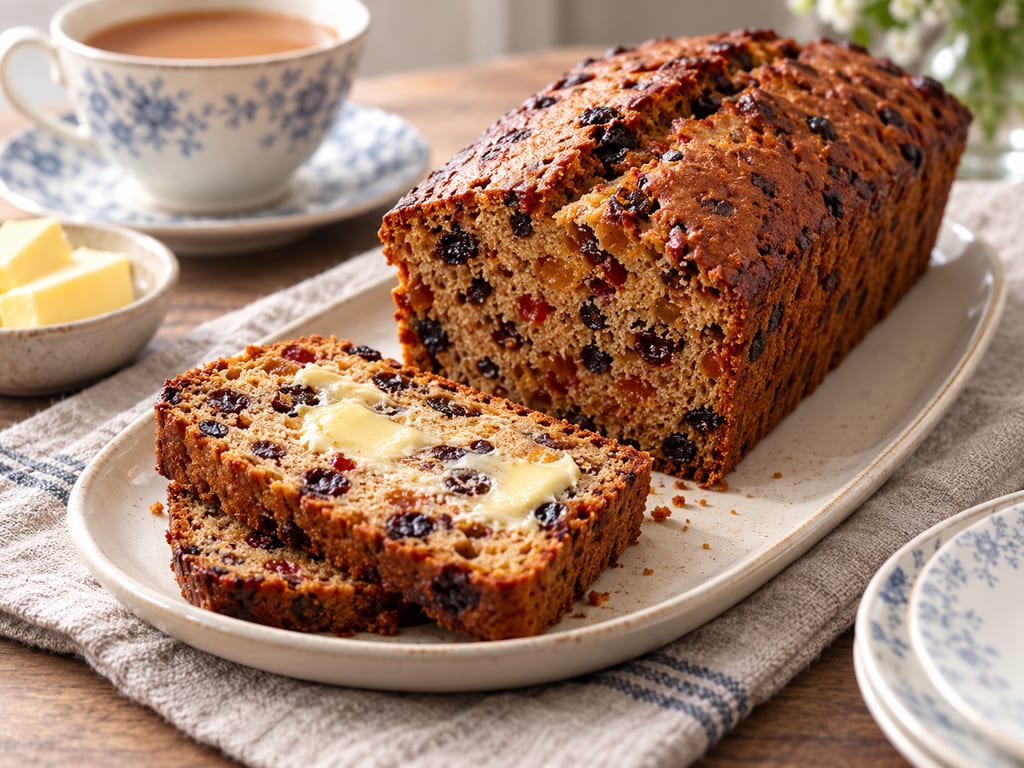
Bara brith is Wales’s speckled fruit loaf, made in both yeasted bread forms and the widely served modern tea-loaf style. This version soaks dried fruit in strong tea before mixing it with self-raising flour, spice, sugar and egg.
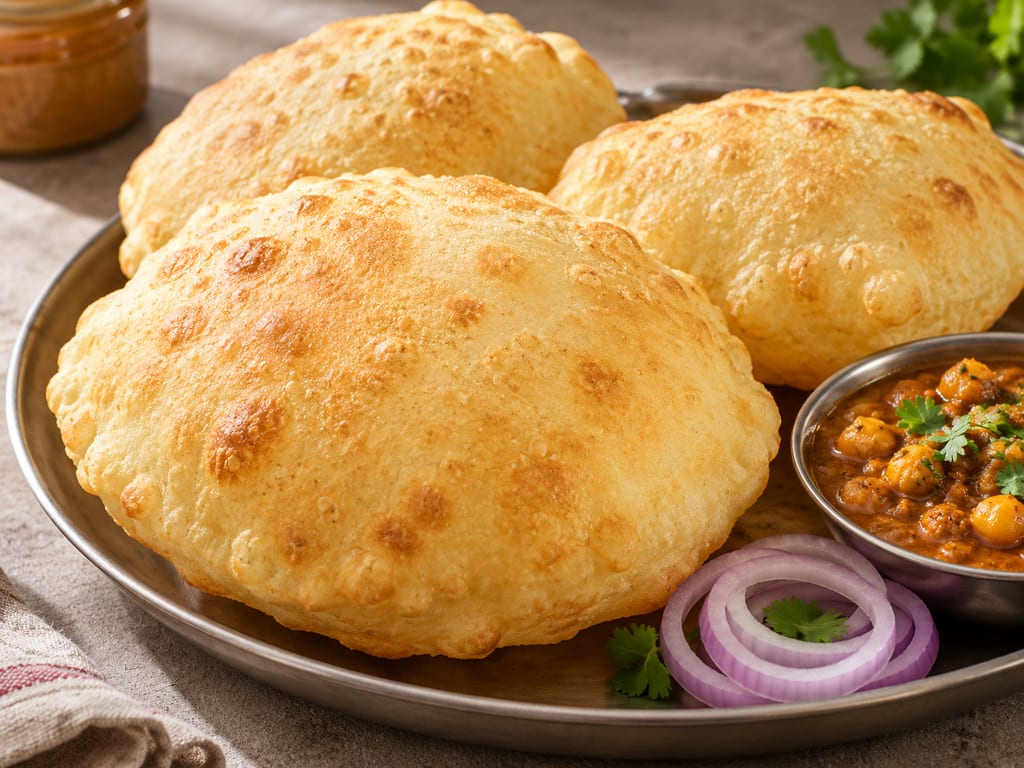
A North Indian fried bread made with yogurt, wheat flour and chemical leaveners. This source batch makes eight.
No community contributions have been published for this entry yet.
Sign in to contribute. Published comments and photos are free to read.
Dassana’s Veg RecipesInspiration
Kulcha Recipe | Kulcha BreadIngredient amounts, 10-kulcha yield, two-hour covered rest, plain dough, tawa method, serving suggestions, regional associations and stated recipe-page history.
Cited in: A plain tawa kulcha; Why this dough rests; Portioning and cooking on a tawa; Scope, history and safe handling
King Arthur BakingTechnique
What’s the difference between baking soda and baking powder?Baking soda reacts with an acidic ingredient such as yogurt to release carbon dioxide; baking powder supplies its own acid-base components and can react during mixing and heating.
Cited in: Why this dough rests
U.S. Food and Drug AdministrationSafety
Handling Flour Safely: What You Need to KnowRaw flour and dough may contain harmful bacteria; do not taste them and clean hands, equipment and work surfaces.
Cited in: Scope, history and safe handling