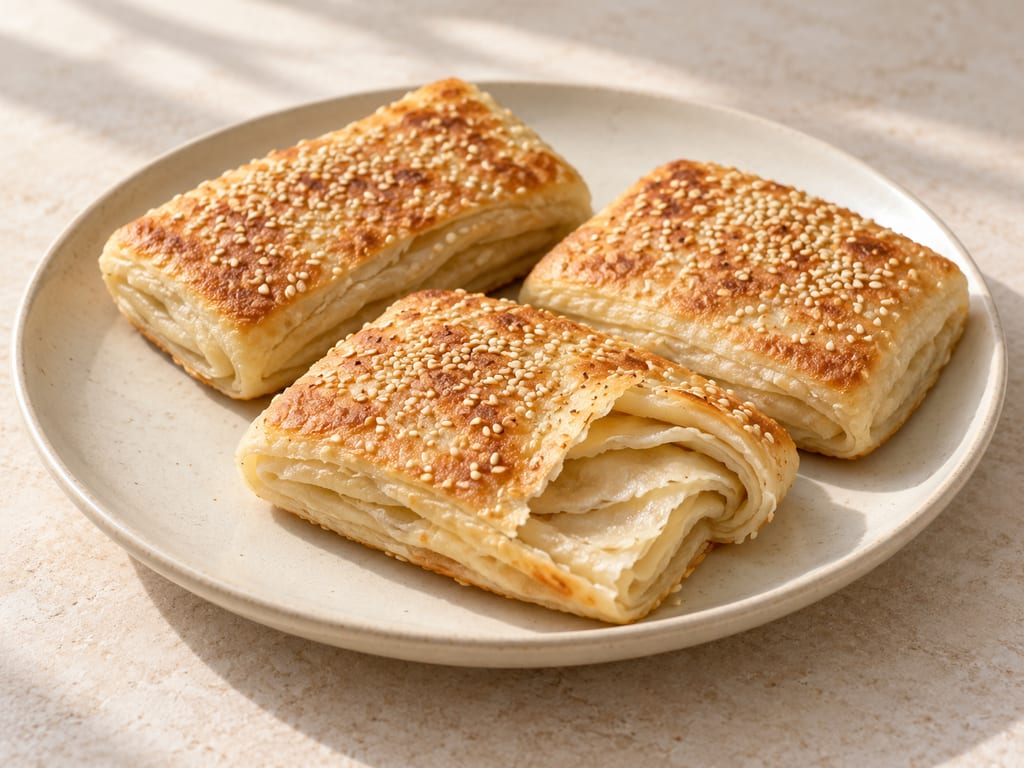
Taiwanese Sesame Shao Bing
A Taichung family recipe uses a hot-and-cool water dough, vegetable-oil roux, repeated folds and sesame seeds for crisp, layered shaobing.
 FermenteaWhere food goes to change
Modern method
油条 (yóutiáo) · Chinese fried dough · Chinese crullers
Youtiao are Chinese breakfast crullers made from soft baking-powder dough, chilled overnight, stretched into paired strips and fried until light golden.
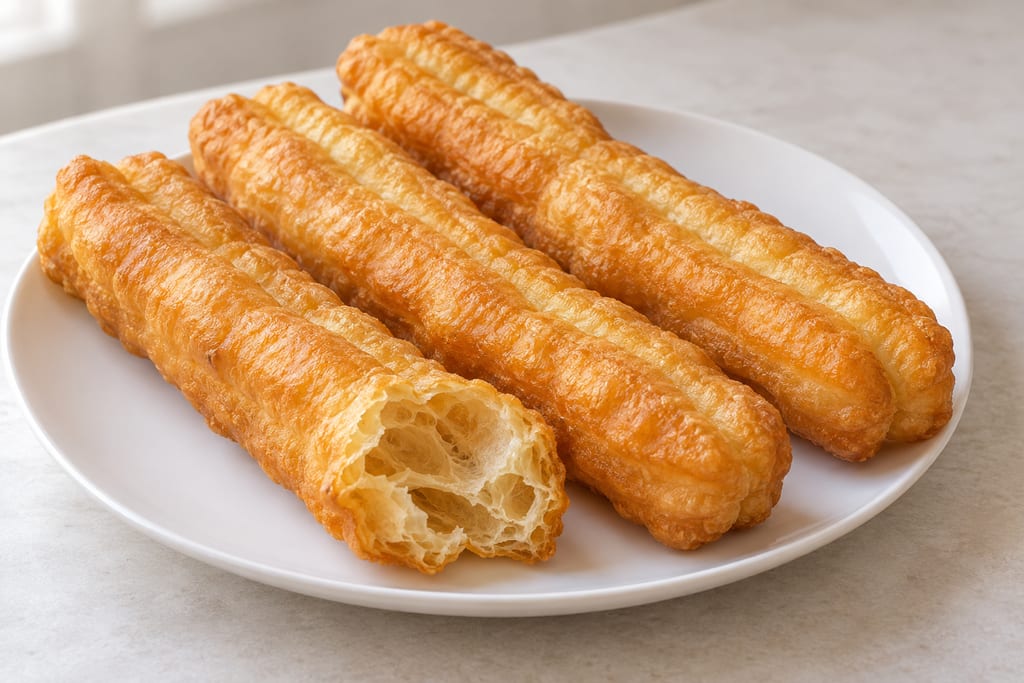
Youtiao are long fried dough sticks often eaten at breakfast in China. Judy Leung's home formula uses baking powder rather than the older leavening systems used in other versions. It is a distinct recipe: a soft dough with egg, milk and butter rests briefly, chills overnight, then returns to room temperature before it is stretched and fried. This page does not describe yeast fermentation or substitute historic additive formulas.
The recipe card lists about one-third cup of water, while its accompanying notes allow one-third to one-half cup because measuring and kitchen humidity change how much the flour absorbs. Add it gradually and use the dough cue—very soft but not sticking to the bowl—rather than treating one amount as exact. The card says it serves ten, while its notes give eight to ten pieces.
After kneading for fifteen minutes in a mixer, cover the dough for a thirty-minute rest. Roll it into a uniform slab about one-quarter inch thick and four inches wide, wrap it completely in plastic, and refrigerate it overnight. The next day, let the wrapped slab warm until it is at room temperature and very soft; Leung's instructions allow one to three hours or longer in a cool kitchen.
This dough contains egg and milk. A one-to-three-hour or longer counter rest can exceed FDA guidance for perishable foods: no more than two hours at room temperature, or one hour if the air is above 90°F (32°C). This version keeps the wrapped overnight chill and caps the counter rest at those limits. If the dough has not reached the soft, room-temperature cue by then, do not leave it out longer; no safe alternative is established here. CDC advises against tasting raw dough and recommends cleaning hands, bowls and surfaces after handling raw flour or eggs.
Use a deep wok or a deep pan and a thermometer to follow the narrow frying range. Leung's method heats oil slowly over medium heat to 400–425°F (205–220°C), without going above that oil's smoke point. The recipe does not specify oil type or volume; use an oil whose smoke point is higher than the target. Health Canada recommends adding oil with the burner off, heating it slowly, watching the pan, and never leaving it unattended.
Cut the slab into an even number of one-inch strips. Stack them in pairs, press each pair lengthwise with a chopstick, and stretch gently to about nine inches. Do not twist the strips. Lower one or two at a time into the oil and keep rolling them with chopsticks or tongs for about a minute until light golden. Avoid over-frying. Keep people clear of splashes and a metal lid or kitchen fire extinguisher close; never use water on an oil fire. The recipe suggests freezing cooked leftovers and warming them in an oven or toaster oven.
The Woks of Life describes youtiao (油条) as a Chinese breakfast food served with foods such as congee and soy milk. It also records a Cantonese name, yàuhjagwái, but does not assign this baking-powder formula to a specific region or date the bread's earliest history.
Yield 10 pieces · Scaling: source batch only
Uncooked flour and raw egg can carry germs before the dough is cooked.
Hazard sourceThe recipe heats oil to 205–220°C; hot oil can splatter, cause severe burns or start a cooking fire.
Hazard sourceThe source dough contains egg and milk and instructs a 1–3 hour or longer counter rest; the FDA room-temperature limit for perishable foods can be exceeded.
Hazard sourceDo not taste raw dough. Cook it according to the recipe and wash hands, bowls, utensils and counters after handling flour, egg or dough.
Control sourceKeep the wrapped dough refrigerated at or below 40°F (4°C) overnight; limit total room-temperature time to 2 hours, or 1 hour if the room is above 90°F (32°C). If the source texture cue is not reached within that limit, do not extend the counter rest.
Control sourceFor stovetop frying, add oil while the burner is off, heat it slowly and monitor it with a cooking thermometer. Stay with the pan, keep people away from splashes and keep a metal lid or kitchen fire extinguisher nearby; never use water on an oil fire.
Control sourceThe recipe's original 1–3 hour or longer return-to-room-temperature instruction can exceed FDA's room-temperature limit for perishable foods. This version applies the two-hour limit, shortened to one hour above 90°F (32°C); if the dough is still too cool or firm, the source provides no safe workaround.
Use oil whose smoke point is above the recipe's 205–220°C (400–425°F) frying range; the source does not name an oil type.
The source gives a one-minute fry and a light-golden visual cue, but no measured internal-cooking endpoint.
The recipe page describes youtiao as a breakfast favorite in China. It does not assign the home formula to a specific Chinese region.
A Taichung family recipe uses a hot-and-cool water dough, vegetable-oil roux, repeated folds and sesame seeds for crisp, layered shaobing.
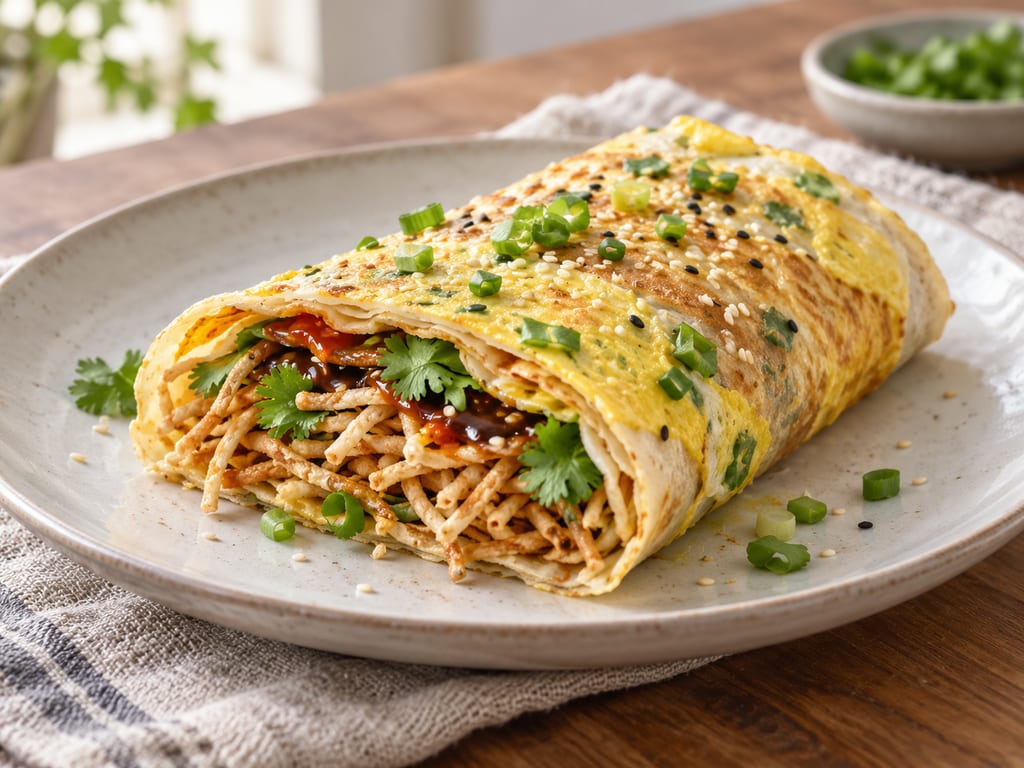
A four-serving home adaptation of jianbing: thin wheat batter cooked with egg, spring onion and sesame, then folded around crisp fried noodles and sauce.
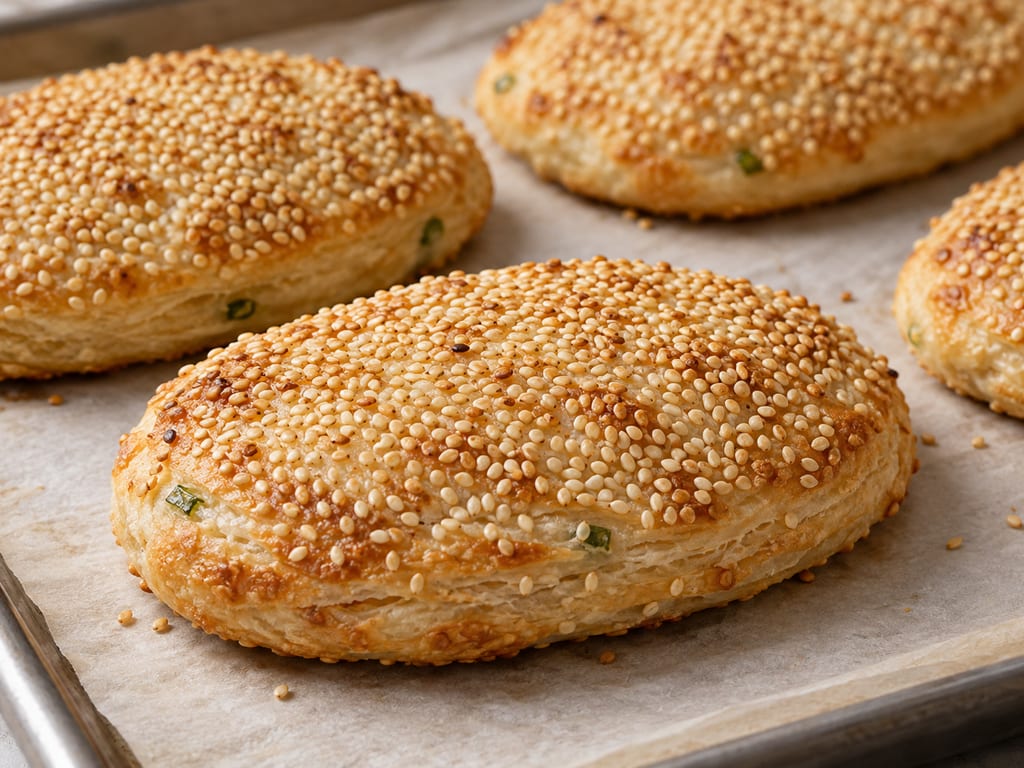
Shanghai breakfast flatbreads layered with butter, scallion and pepper, then topped with sesame and baked.
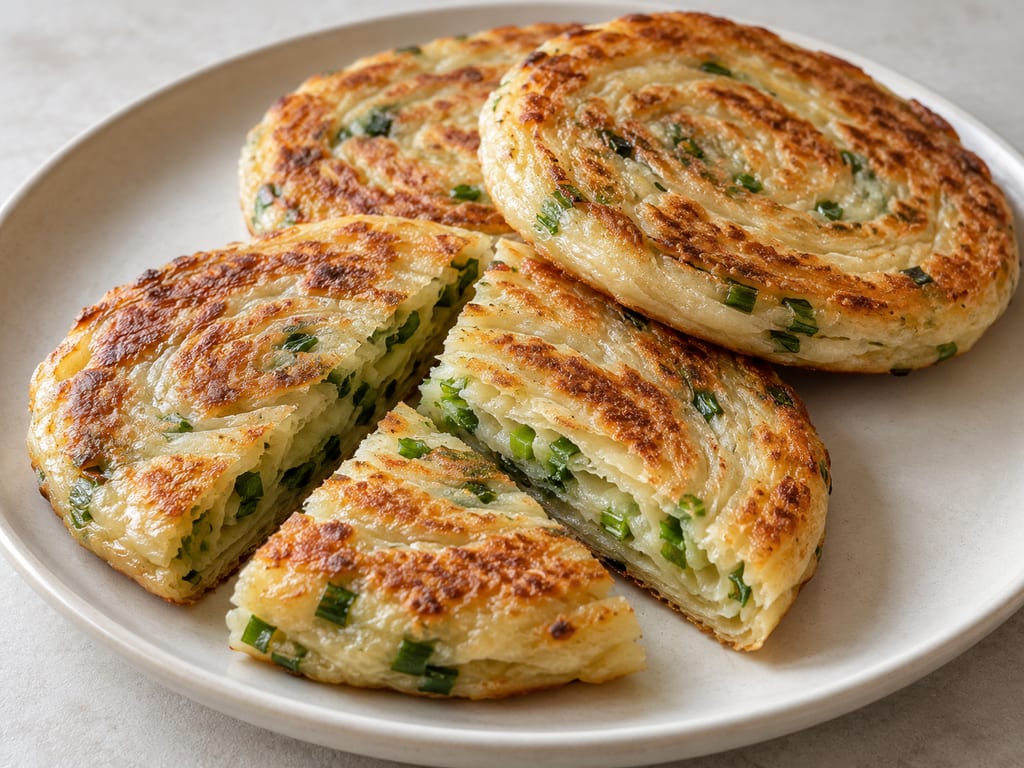
Bill Leung’s Shanghai-style scallion pancakes layer soft wheat dough with scallions and an oil-flour paste, then fry and finish in the oven.
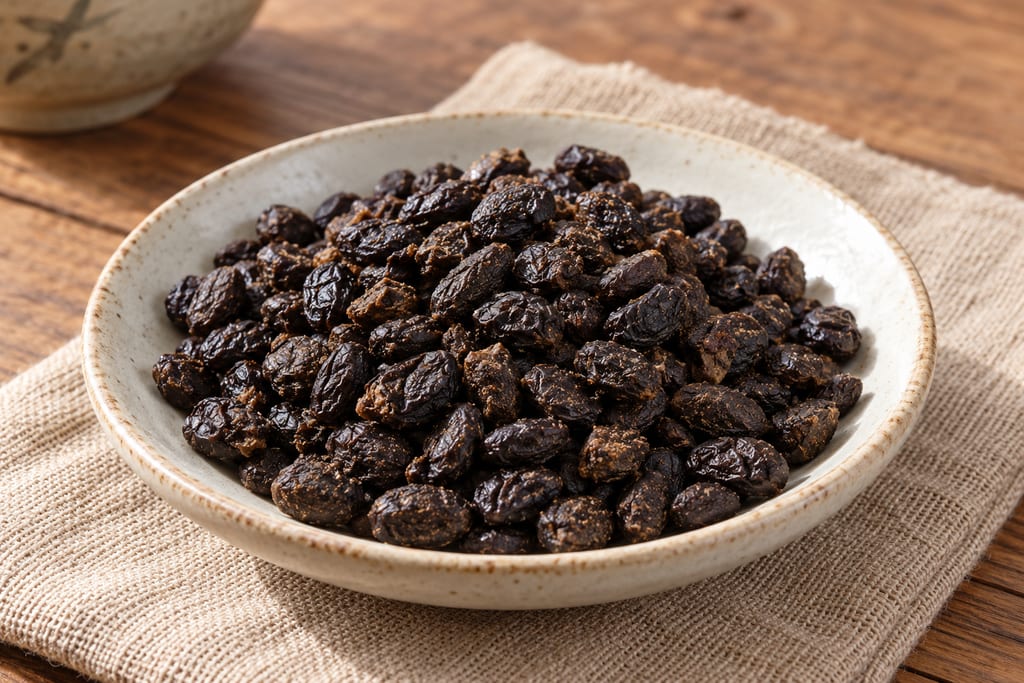
A Chinese fermented soybean condiment in which Bacillus-led bacteria, not moulds, drive the fermentation. Documented in Zunyi, Guizhou, and kept separate from mould-led douchi.
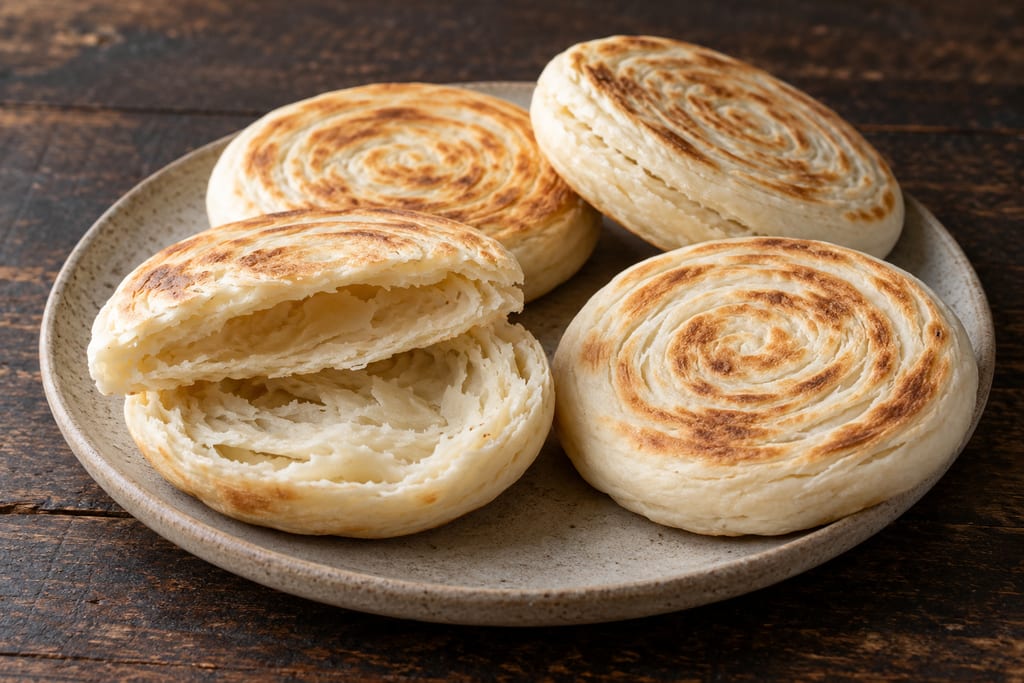
This Shaanxi-associated yeast flatbread uses a simple water dough, coiled shaping and a skillet bake. It is the bread used in roujiamo, not the filled meat dish.
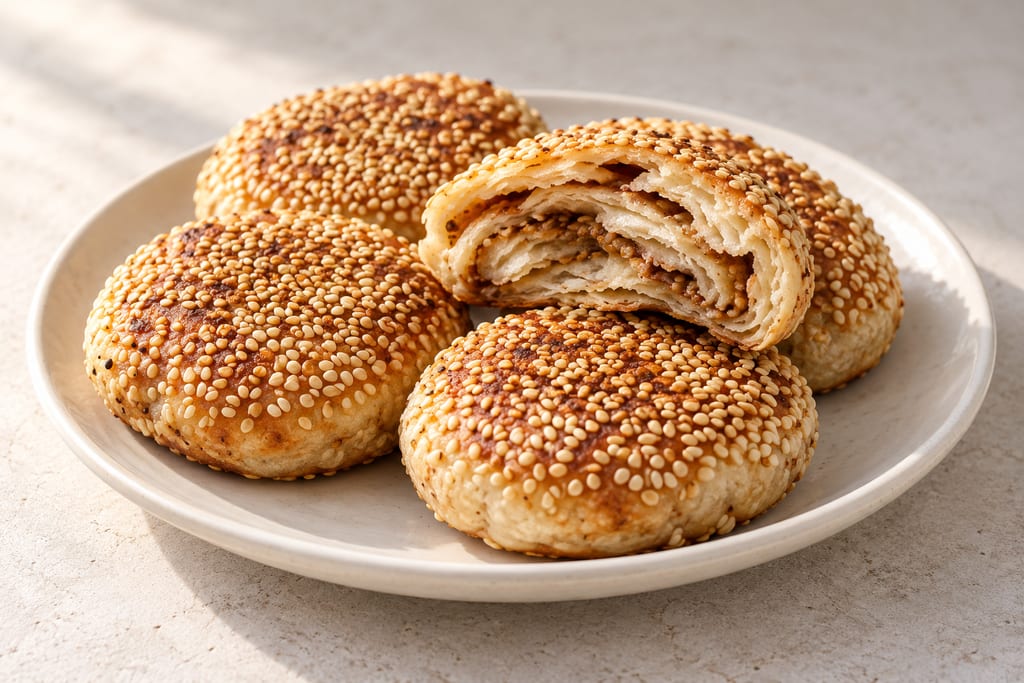
A Beijing-style yeast dough is layered with seasoned sesame paste, sealed into small buns, briefly pan-fried, seeded, and baked.
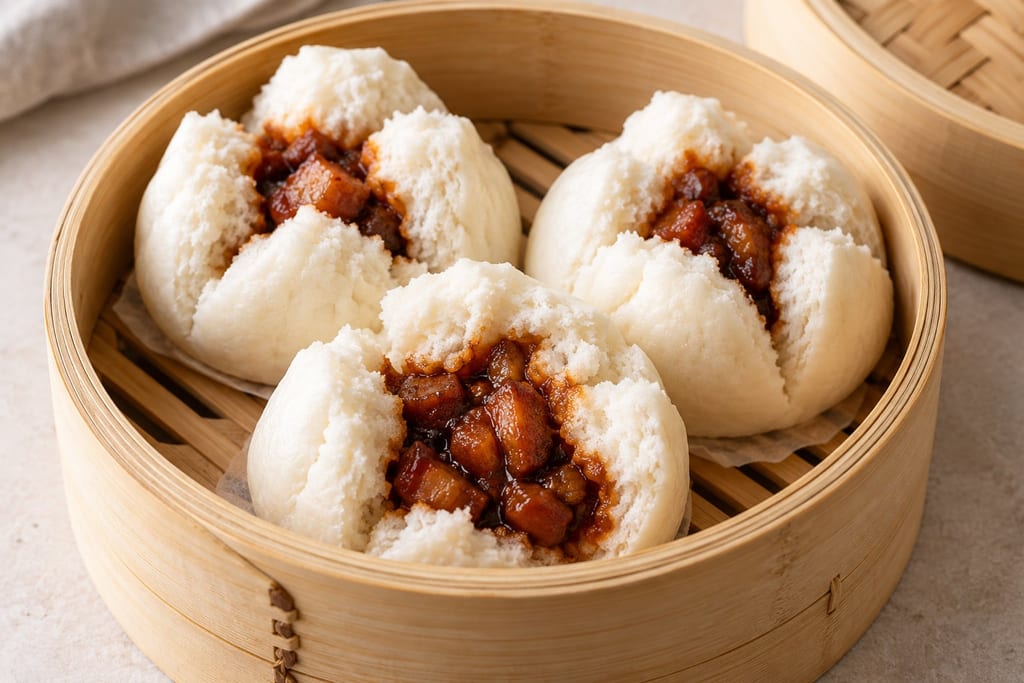
Fourteen fluffy steamed buns filled with cooked char siu and a thickened oyster-soy sauce.
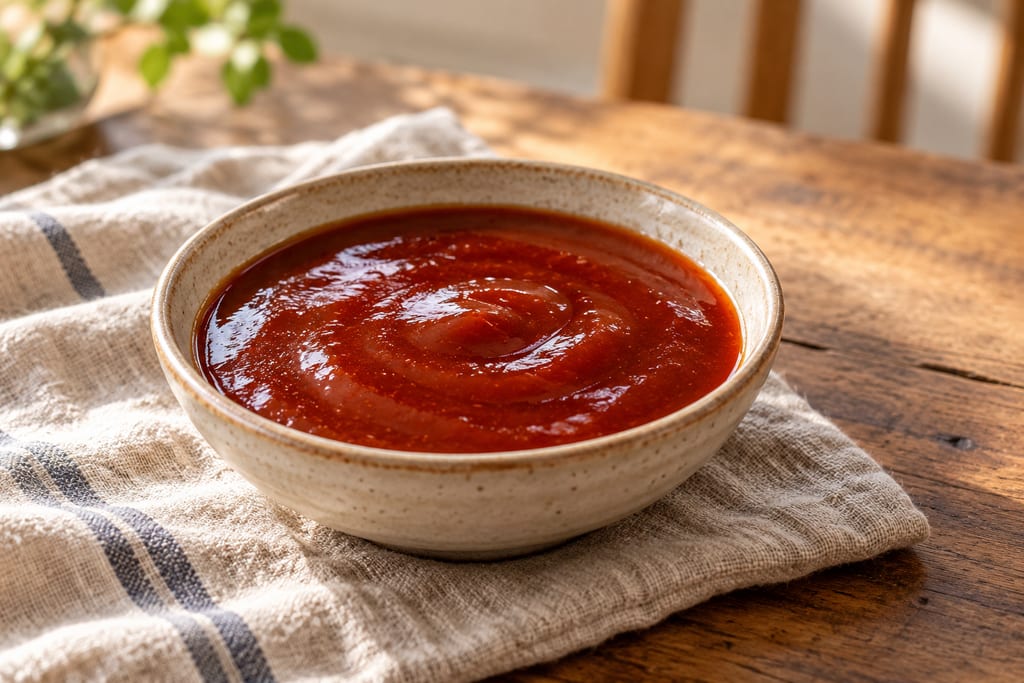
A smooth, tomato-based sweet-and-sour sauce of sugar, vinegar, tomato paste and soy sauce, thickened with starch for dipping or coating; it is not the sauce on Hangzhou's sweet-and-sour ribs.
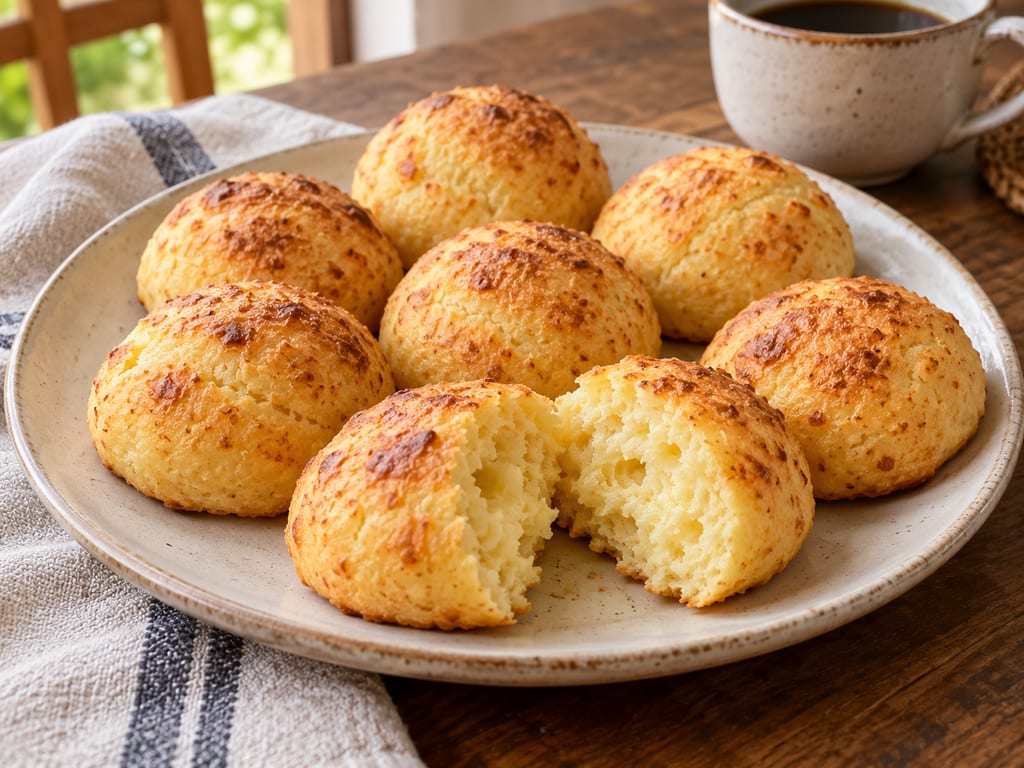
Small Colombian cheese breads made with precooked corn flour, queso fresco, mozzarella, eggs, milk and baking powder. This documented home version makes eight breads and is served warm.
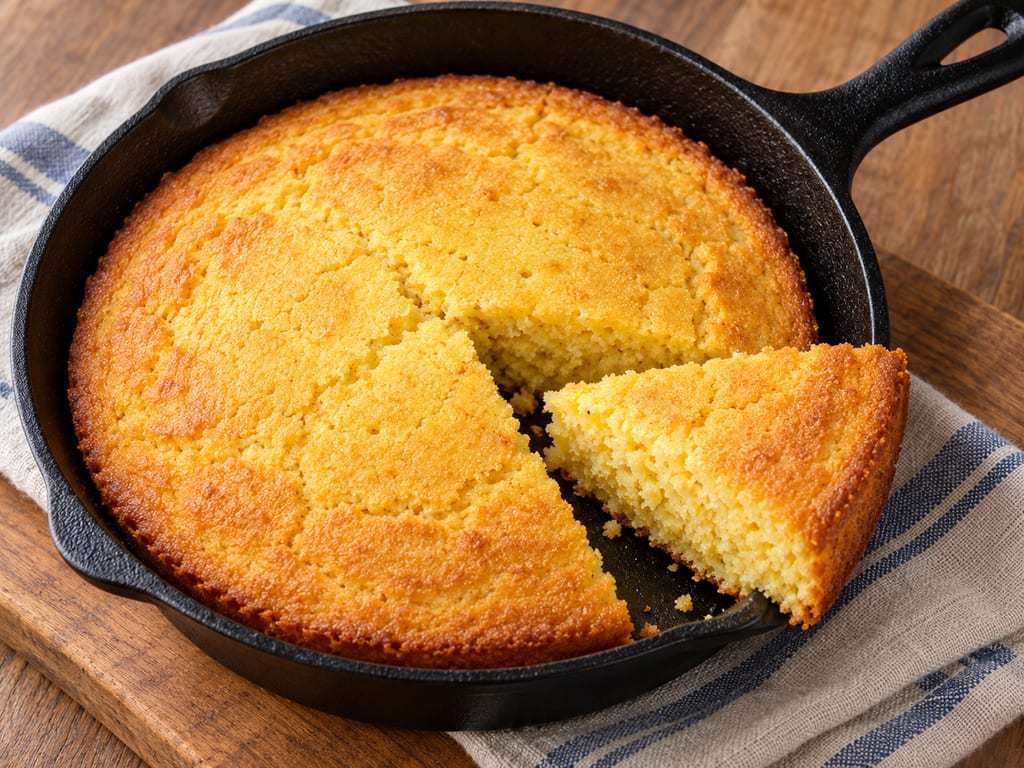
A modern cornmeal-and-wheat cornbread that King Arthur Baking describes as a compromise between Northern and Southern styles. The batter is baked in a pan or as muffins and served warm.
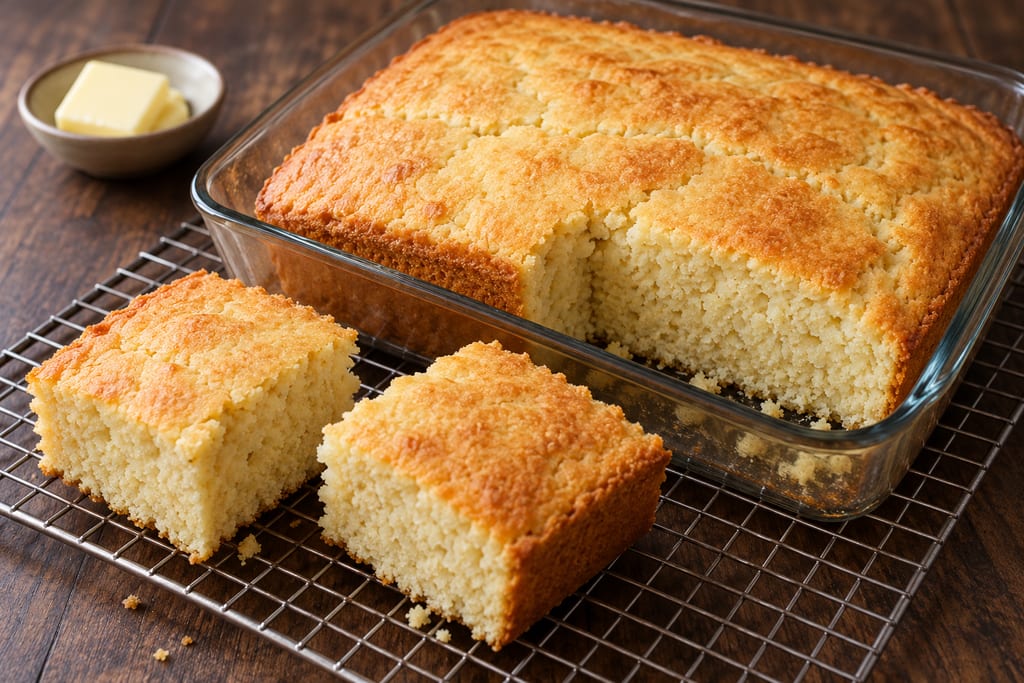
A soft, butter-rich Bahamian-style baked johnnycake made from flour, baking powder, sugar, butter and milk. The dough rests briefly in a square pan before baking.
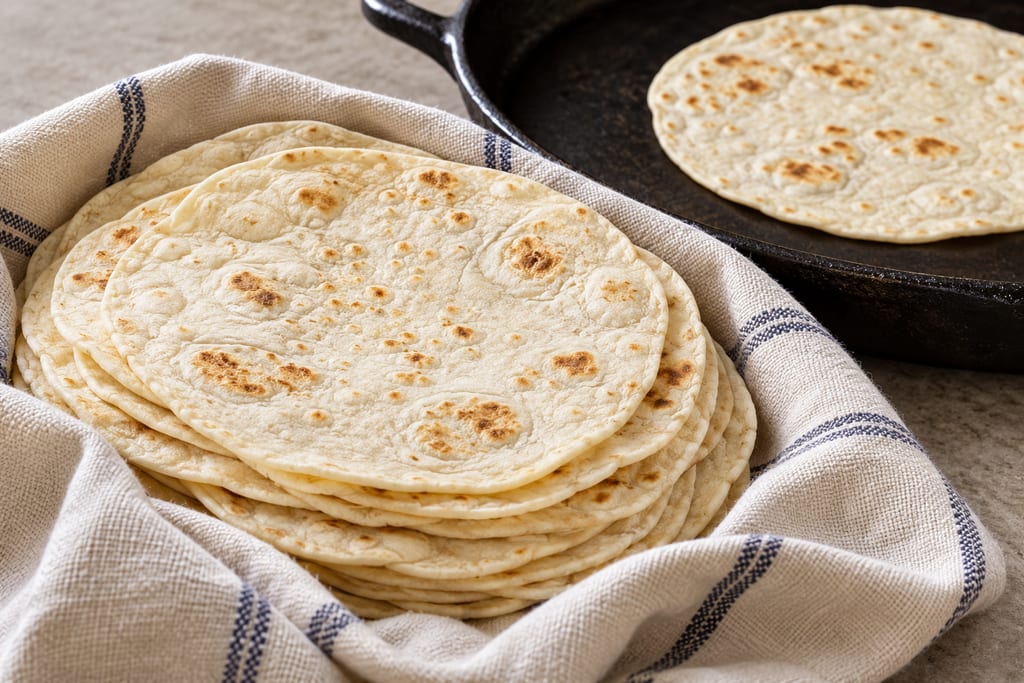
Soft wheat-flour rounds from an INCAP Honduran baleada recipe are rolled thin and cooked on a dry skillet; this record covers tortillas, not the filled dish.
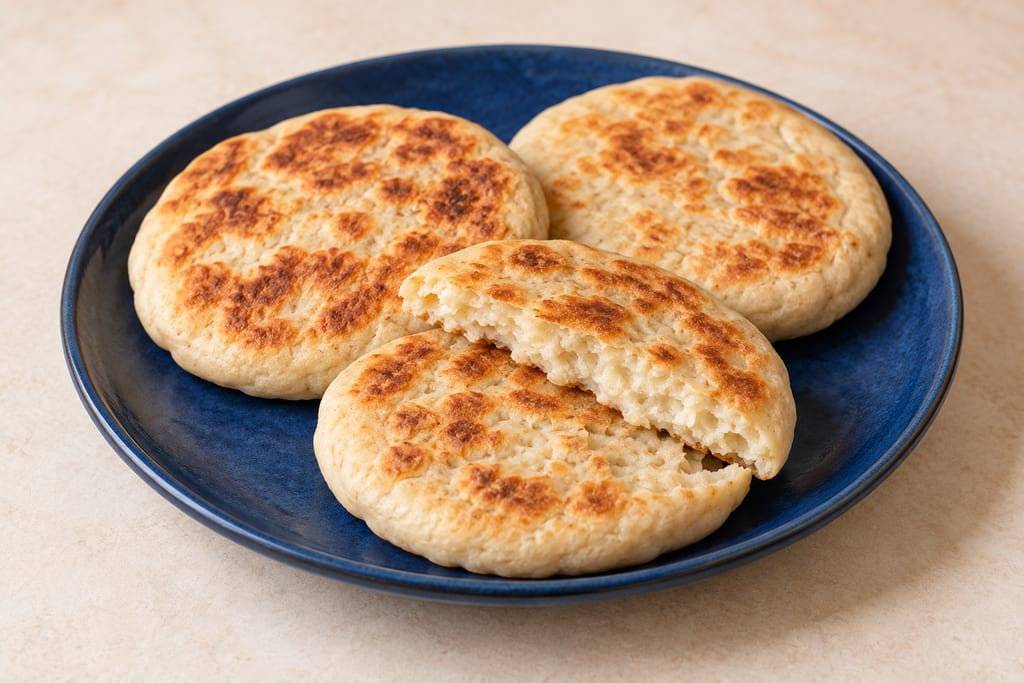
A Central Tibetan style pan bread made from flour, water and baking powder. Four dough balls are rested, rolled into rounds and cooked covered in a skillet, turning them several times.
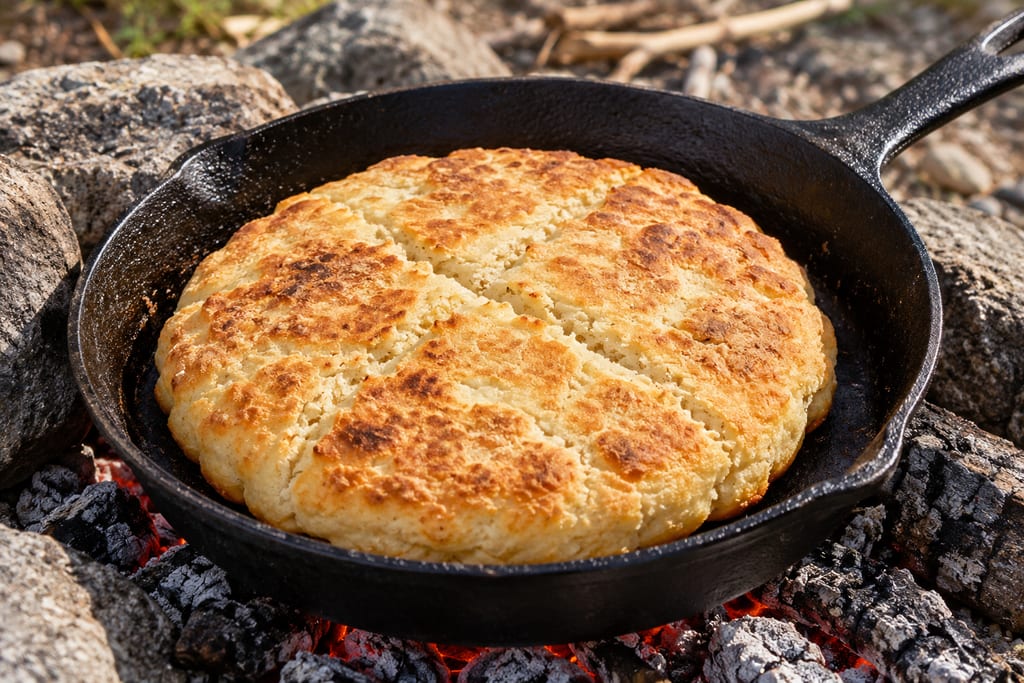
This flour, baking-powder and oil dough is Parks Canada’s contemporary Métis-interpreter version prepared at Rocky Mountain House; its specific recipe origin is unknown.
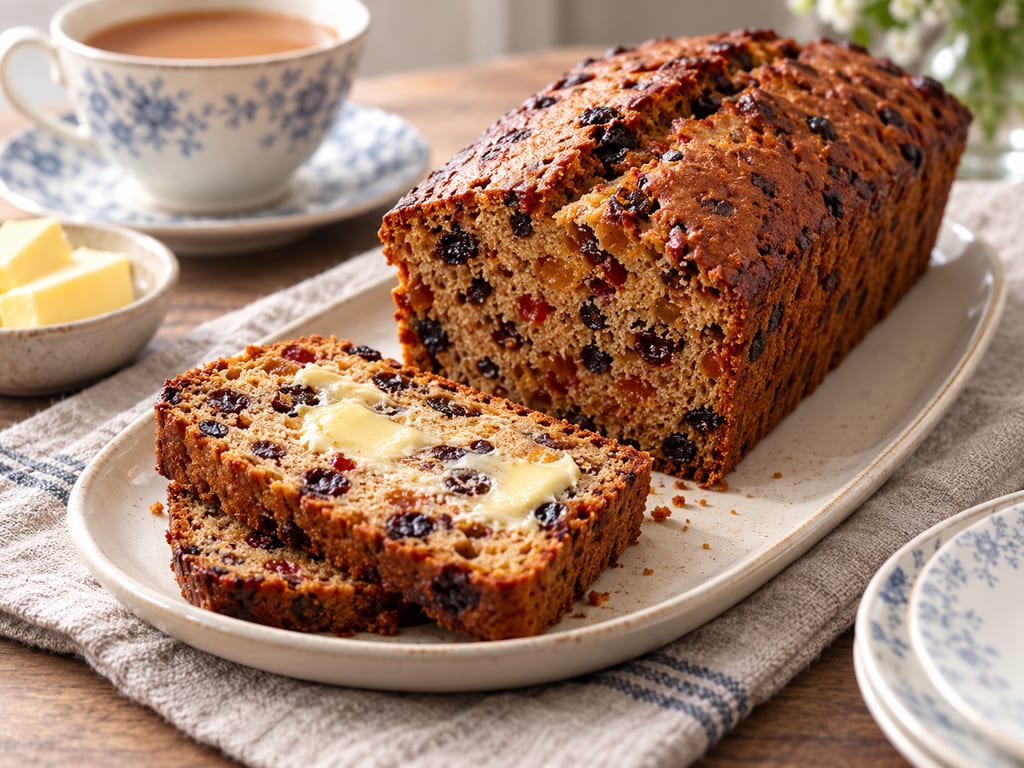
Bara brith is Wales’s speckled fruit loaf, made in both yeasted bread forms and the widely served modern tea-loaf style. This version soaks dried fruit in strong tea before mixing it with self-raising flour, spice, sugar and egg.
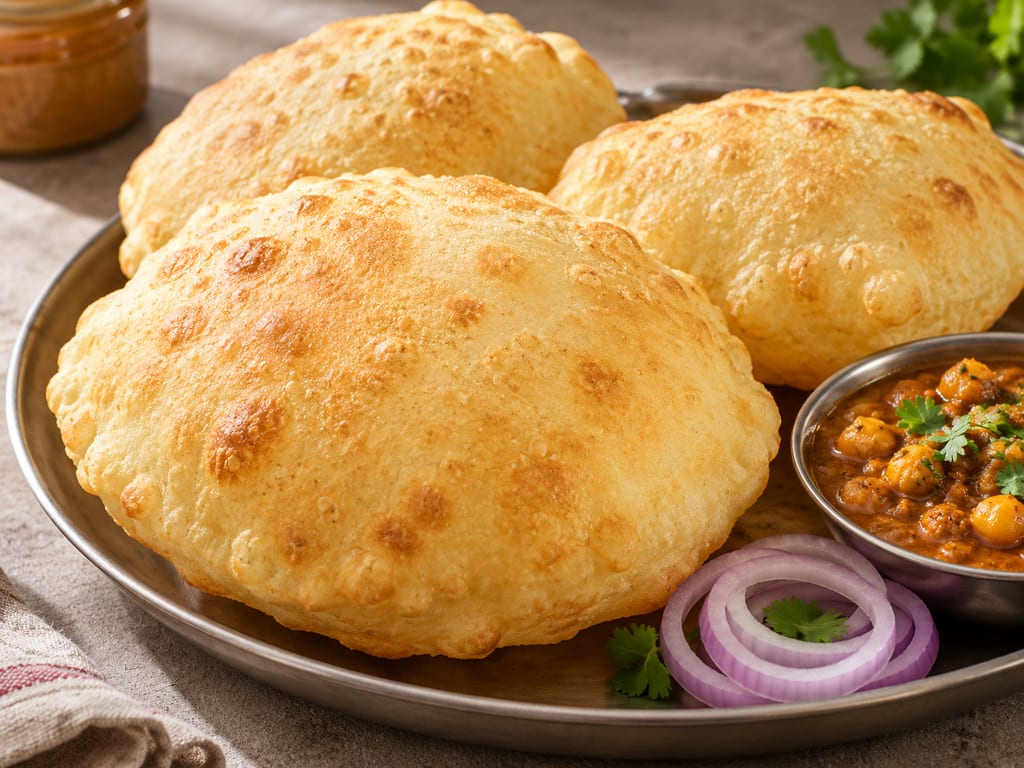
A North Indian fried bread made with yogurt, wheat flour and chemical leaveners. This source batch makes eight.
No community contributions have been published for this entry yet.
Sign in to contribute. Published comments and photos are free to read.
The Woks of LifeHousehold recipe · Geographic context
Youtiao Recipe (Chinese Fried Dough)The recipe card lists 2 cups all-purpose flour, 1 egg, 1/2 teaspoon salt, 1 1/2 teaspoons baking powder, 1 tablespoon milk, 2 tablespoons softened unsalted butter, water and frying oil.
The page gives a water range of 1/3–1/2 cup (80–120 ml) and says it varies with kitchen humidity; it describes a soft dough that does not stick to the bowl.
The method mixes and kneads for 15 minutes, rests for 30 minutes, shapes a 1/4-inch by 4-inch slab, wraps and refrigerates overnight, then warms wrapped dough for 1–3 hours or longer until room temperature and very soft.
The recipe fries paired 1-inch strips stretched to 9 inches at 400–425°F (205–220°C), below the oil's variable smoke point, rolling them for about a minute and limiting batches to one or two at a time.
The card says it serves 10; notes say 8–10 pieces. It suggests freezing fried leftovers and reheating in an oven or toaster oven. The page describes youtiao as a Chinese breakfast food and mentions a Cantonese name without assigning a region to this recipe.
Cited in: A baking-powder household formula; Chill, then bring the dough back carefully; Pair, stretch and fry at a measured heat
Centers for Disease Control and PreventionFood safety guidance
Raw Flour and DoughRaw flour and eggs can contain germs; do not eat or taste raw dough; cook flour-containing dough according to recipe directions; clean hands, bowls, utensils and counters after handling.
Cited in: Chill, then bring the dough back carefully
U.S. Food and Drug AdministrationFood safety guidance
Are You Storing Food Safely?The FDA advises keeping the refrigerator at or below 40°F (4°C) and keeping perishable foods at room temperature no more than 2 hours, or 1 hour when the air temperature is above 90°F.
Cited in: Chill, then bring the dough back carefully
Health CanadaDeep frying safety guidance
Cooking safetyHealth Canada says a controlled electric deep fryer is safer than stovetop frying; in a pot or pan, add oil with the element off and monitor with a cooking thermometer.
It advises heating oil slowly, watching it while heating and cooking, keeping people away from hot oil, and never leaving a fryer unattended.
For an oil fire, use a kitchen fire extinguisher or cover the fryer with a metal lid; never use water.
Cited in: Pair, stretch and fry at a measured heat