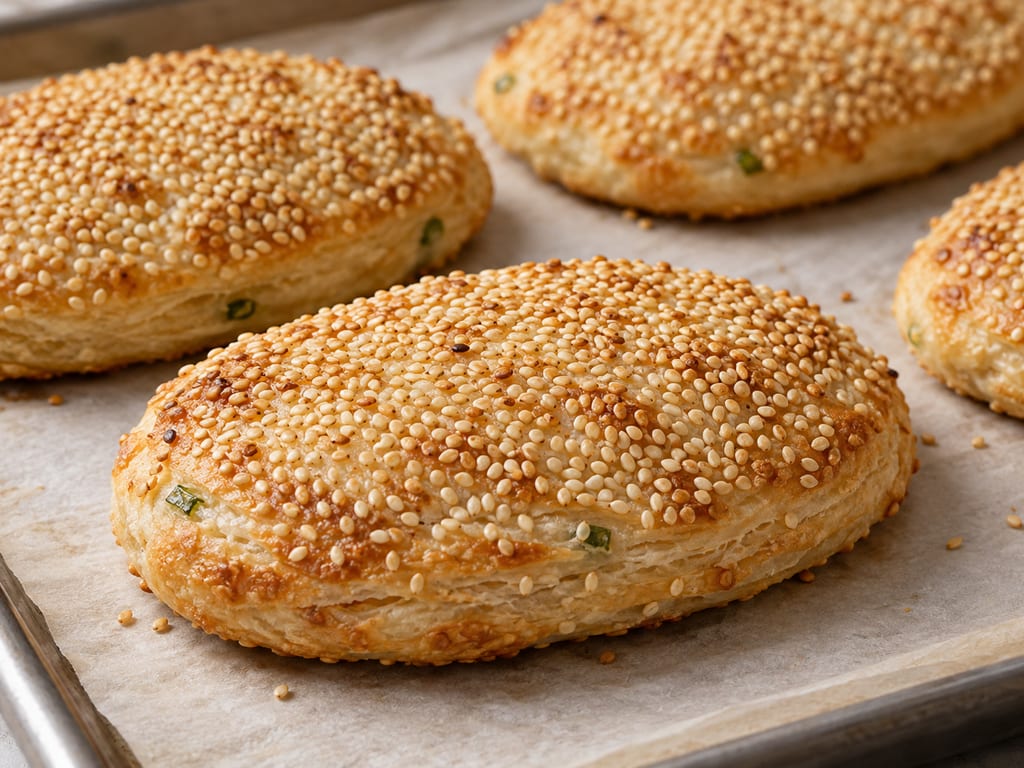
Shanghai da bing
Shanghai breakfast flatbreads layered with butter, scallion and pepper, then topped with sesame and baked.
 FermenteaWhere food goes to change
Modern adaptation
Jianbing · jianbing guozi
A four-serving home adaptation of jianbing: thin wheat batter cooked with egg, spring onion and sesame, then folded around crisp fried noodles and sauce.
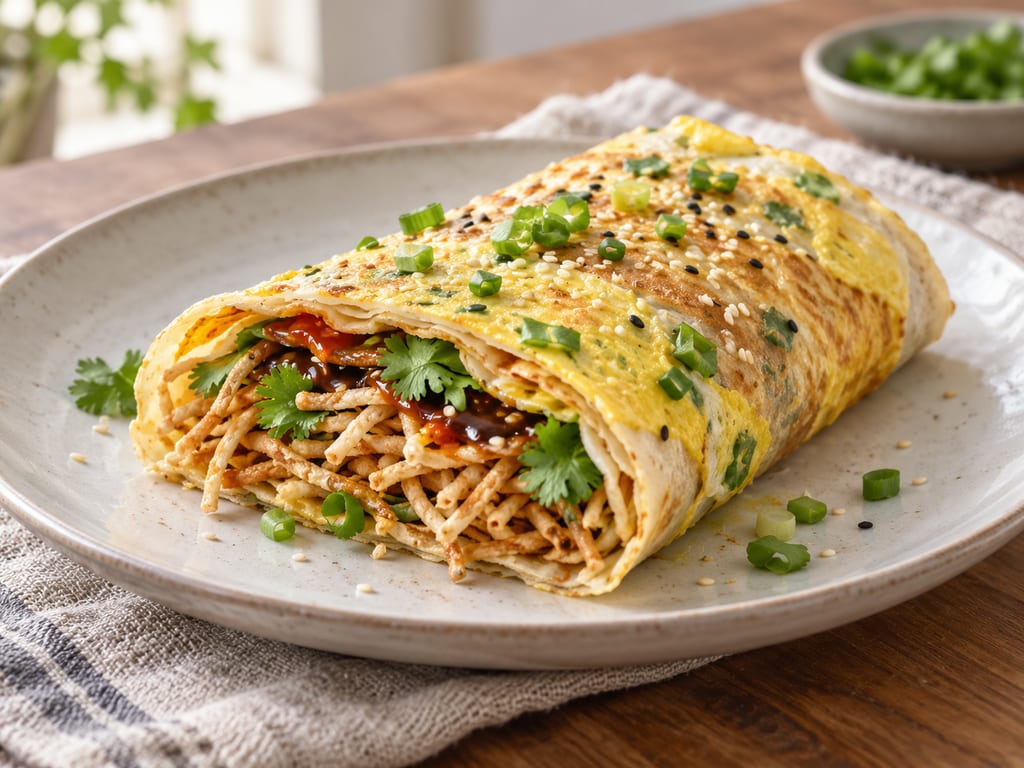
This recipe follows the four-serving wheat-batter method published by Australian Eggs. Its source calls jianbing a popular morning street food associated with Tianjin, but describes its own batter as a flexible wheat version. It is a household adaptation, not a complete account of the many regional batters and fillings used for jianbing.
Tianjin jianbing guozi has a strong local breakfast identity. A 2017 report says the food was listed in Tianjin's intangible cultural heritage catalogue and describes mung-bean flour, egg, scallion, fried dough, fermented-flour sweet sauce and chili. A Tianjin government news page also lists jianbing guozi among everyday local breakfasts. Those sources support the place association but do not make this Australian wheat formula the heritage method.
Accounts of earlier history differ. A Shanghai municipal information-office article describes the food as having Shandong roots and becoming popular in Tianjin, while another account says it originated in Tianjin. Neither establishes a dated first attestation, so this record leaves origin unknown.
The finished crepe combines a thin wrapper with egg, sauce and a crisp centre. Here, packaged crunchy fried noodles supply the crisp layer without a separate frying step. The source also offers wonton wrappers, but the ready-fried alternative is selected for this batch.
Whisk 2 cups plain flour with 2 cups water and 1 teaspoon salt in a large jug until smooth. Let it stand as you prepare the other ingredients, or give it the optional 5-minute rest in the source. No yeast or baking powder is used. Keep the mixture pourable so it can be spread thinly over the pan.
Finely chop 4 spring onions and pick the leaves from a small bunch of coriander. Set out 4 teaspoons toasted sesame seeds, 4 tablespoons hoisin sauce, chili sauce to taste and 100 g crunchy fried noodles. Portioning the toppings before cooking makes it easier to work while the egg is setting.
Use noodles sold ready-fried and follow the package directions. The Australian Eggs page includes neutral oil for frying wonton wrappers, but also offers packaged crunchy noodles as an alternative. This version chooses the latter; a little neutral oil is used only to coat the pan.
Heat a large non-stick frying pan over medium heat and lightly oil the surface. Pour in a thin layer of batter and use a spatula to spread it into gaps. The source gives no pan diameter or exact ladle measure, so aim for a thin, even crepe rather than forcing a fixed amount into every pan.
When the batter has set enough to handle, crack one egg into the centre and spread it thinly. Add a portion of spring onion and 1 teaspoon sesame seeds. Cook for about 2 to 3 minutes as the recipe directs, then continue as needed until the egg is firm throughout.
Turn the crepe so the egg side faces down only after it has set. FDA advises cooking whole eggs until the white and yolk are firm. Treat the source's time as an estimate because the pan, burner and thickness affect cooking; do not serve a wet or runny egg layer.
Spread about 1 tablespoon hoisin sauce and chili sauce to taste across the cooked egg side. Break the crisp noodles into pieces and place them in a line through the centre. Leave two opposite edges free so they can fold over the filling.
Fold those edges toward the centre, then fold the crepe lengthwise to enclose the noodles. Lift it out with a broad spatula and serve hot. Repeat with the remaining three eggs and toppings. The batch yields four crepes, with some batter possibly left over because spreading a thin crepe takes practice.
The measured sauce amount is 4 tablespoons hoisin for the full batch, or about one per crepe. Chili sauce is to taste, so no fixed heat level is implied. The source names example brands but does not require them.
Do not taste the uncooked batter. CDC explains that flour is usually raw and may carry germs, and that raw eggs can carry Salmonella. Wash hands, jug, whisk, spatula, counter and any serving surface after contact with raw batter or shell egg. Keep the uncooked ingredients apart from ready-to-eat noodles and serving plates.
Cook each whole egg until the white and yolk are firm. The Australian Eggs recipe's 2-to-3-minute direction describes its method; it is not a validated safety endpoint. Continue cooking if the egg remains soft. People at higher risk from foodborne illness should avoid undercooked eggs.
This recipe contains wheat, egg and sesame. Hoisin sauce can contain wheat or soy; check the actual label and tell diners which product is used. Chili sauce and packaged noodles have brand-specific ingredient and cross-contact statements, so check those labels as well.
The chosen filling is ready-fried noodles, so the method does not require a pot of hot oil. Keep the pan stable and turn the hot crepe carefully. Frying wrappers is an alternative mentioned by the source, but it is outside this selected formula.
A large non-stick frying pan, jug, whisk, measuring cups and spoons, and a broad spatula are enough. A street vendor's large griddle or wooden spreader is not required. A smaller pan can make smaller crepes, but the source gives no tested per-pan batter measure or scale-up.
The source lists 20 minutes of preparation, an optional 5-minute batter rest and about 2 to 3 minutes for the egg to set. It gives no separate cook time, pan surface temperature, storage life or holding directions. Firm egg remains the endpoint; a fixed time alone cannot account for differences in pan heat and crepe thickness.
If a crepe tears, the batter may have been spread too thick or turned before it set. Pour a thinner layer and allow it to firm before adding egg. If the crisp filling softens, assemble and serve each crepe promptly rather than stacking completed portions.
The 2-cup flour and 2-cup water amounts belong to this source's four-serving batch. Some batter may remain because spreading a thin crepe takes practice; that is not a direction to alter the formula until it reaches a guessed consistency.
A 2017 report describes jianbing guozi among Tianjin's intangible cultural heritage foods; a Tianjin government news page names it among local breakfasts. A Shanghai municipal information-office account attributes earlier roots to Shandong while describing later popularity in Tianjin. This entry makes no origin claim and uses a modern Australian Eggs wheat-batter home method, not a reconstruction of the heritage technique.
Yield 4 crepes · Scaling: source batch only
Uncooked flour can carry germs, so the batter must not be tasted before it is cooked.
Hazard sourceRaw and lightly cooked eggs may carry Salmonella; the recipe's 'just set' cue needs a firm-cooked finish.
Hazard sourceDo not taste the raw batter. Cook each crepe fully and wash hands, bowls, utensils and counters after handling flour or raw egg.
Control sourceCook whole egg until both white and yolk are firm throughout; continue past the source's 2–3-minute estimate if needed.
Control sourceContains wheat, egg and sesame. Hoisin may contain wheat or soy; check its label. Check the fried noodles and chili sauce for additional allergens.
Use a stable pan and turn the hot crepe carefully. This version uses ready-fried noodles and avoids deep-frying wrappers at home.
The report documents Tianjin jianbing guozi in the municipal intangible heritage catalogue and a local government news page lists it among familiar breakfasts. This does not claim origin or identify the wheat-batter home adaptation as the registered method.
Shanghai breakfast flatbreads layered with butter, scallion and pepper, then topped with sesame and baked.

Bill Leung’s Shanghai-style scallion pancakes layer soft wheat dough with scallions and an oil-flour paste, then fry and finish in the oven.

Youtiao are Chinese breakfast crullers made from soft baking-powder dough, chilled overnight, stretched into paired strips and fried until light golden.
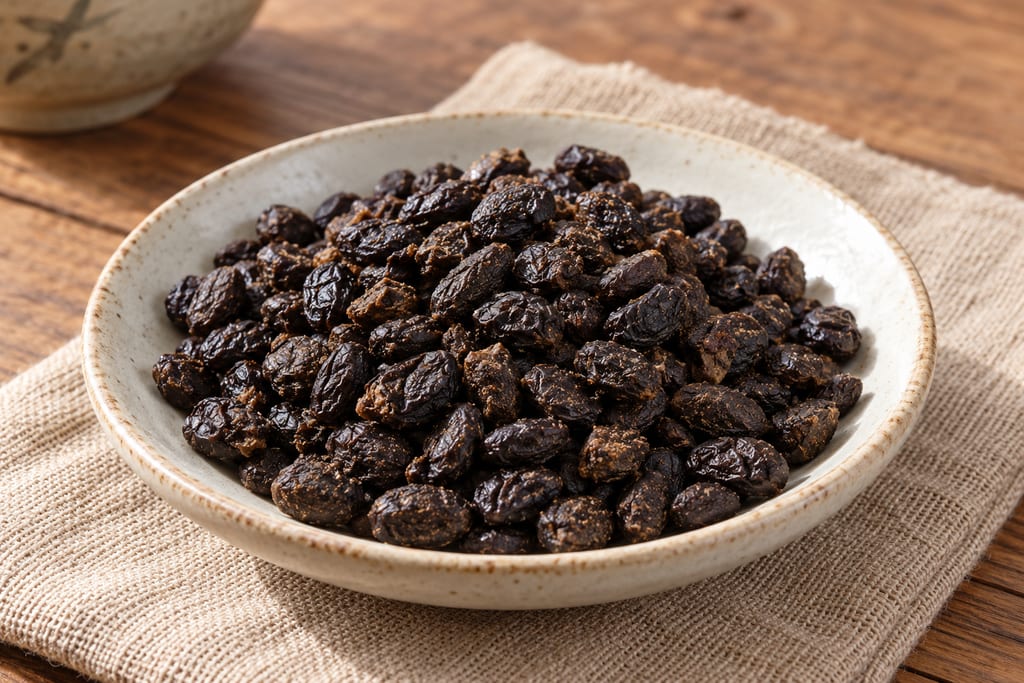
A Chinese fermented soybean condiment in which Bacillus-led bacteria, not moulds, drive the fermentation. Documented in Zunyi, Guizhou, and kept separate from mould-led douchi.
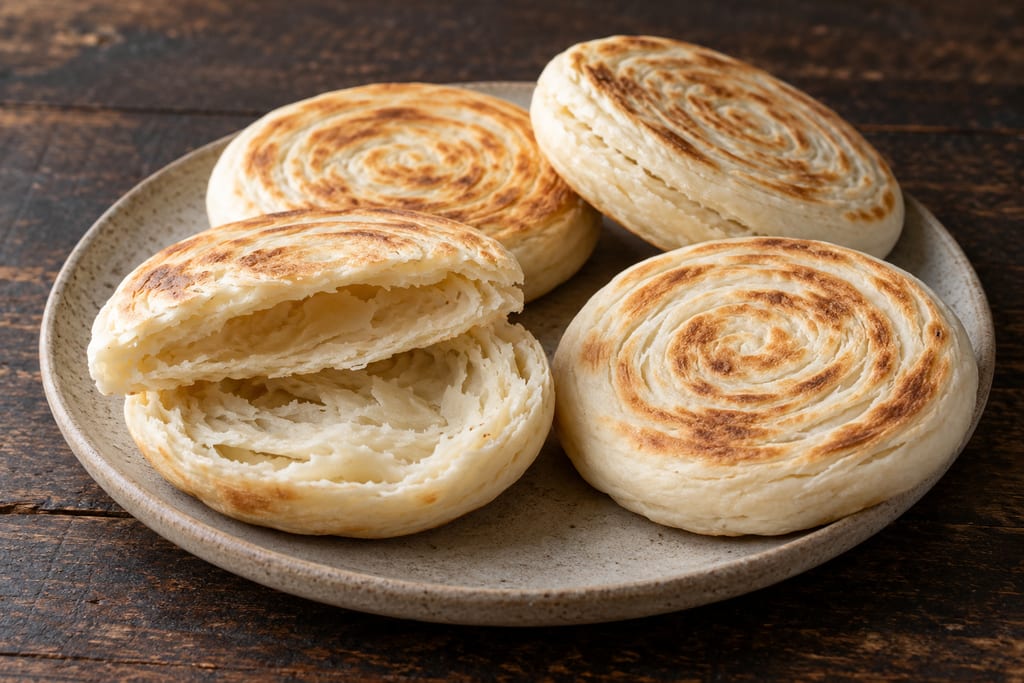
This Shaanxi-associated yeast flatbread uses a simple water dough, coiled shaping and a skillet bake. It is the bread used in roujiamo, not the filled meat dish.
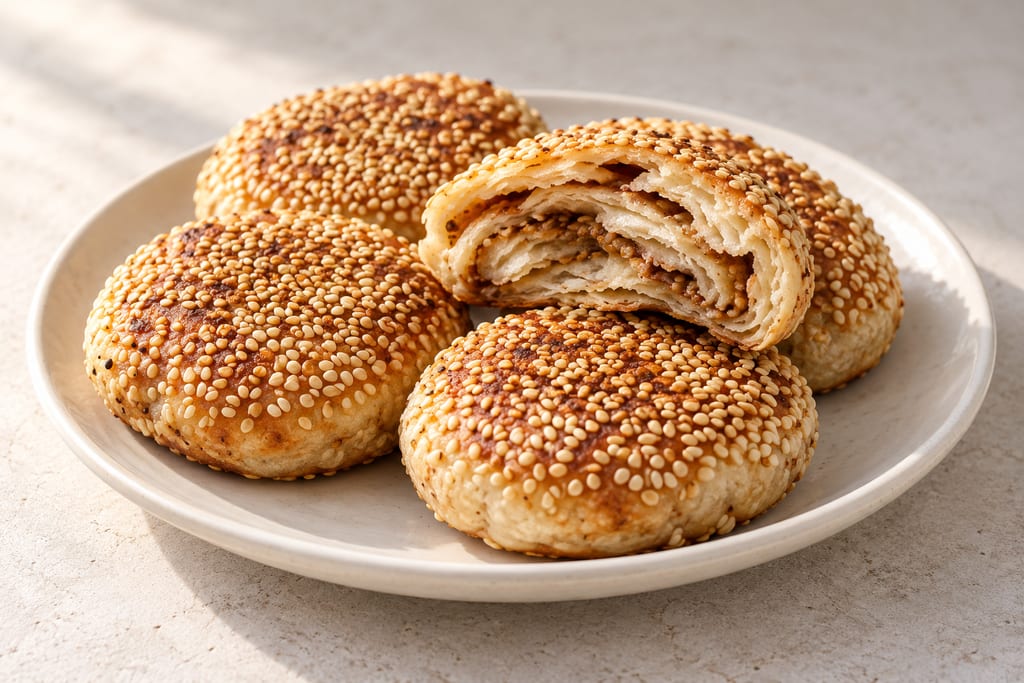
A Beijing-style yeast dough is layered with seasoned sesame paste, sealed into small buns, briefly pan-fried, seeded, and baked.
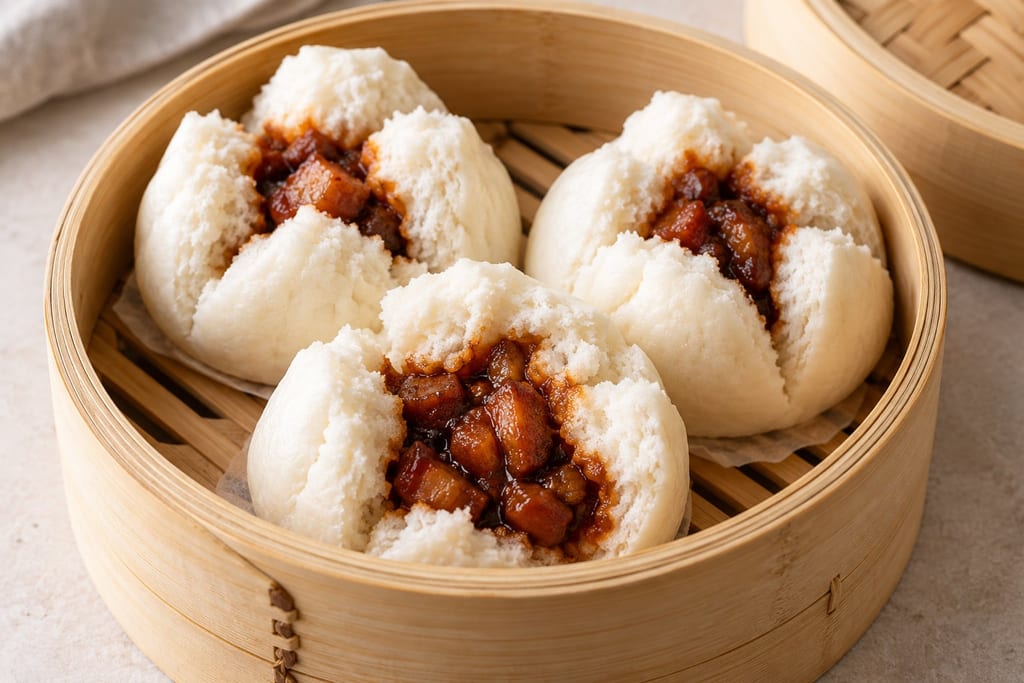
Fourteen fluffy steamed buns filled with cooked char siu and a thickened oyster-soy sauce.
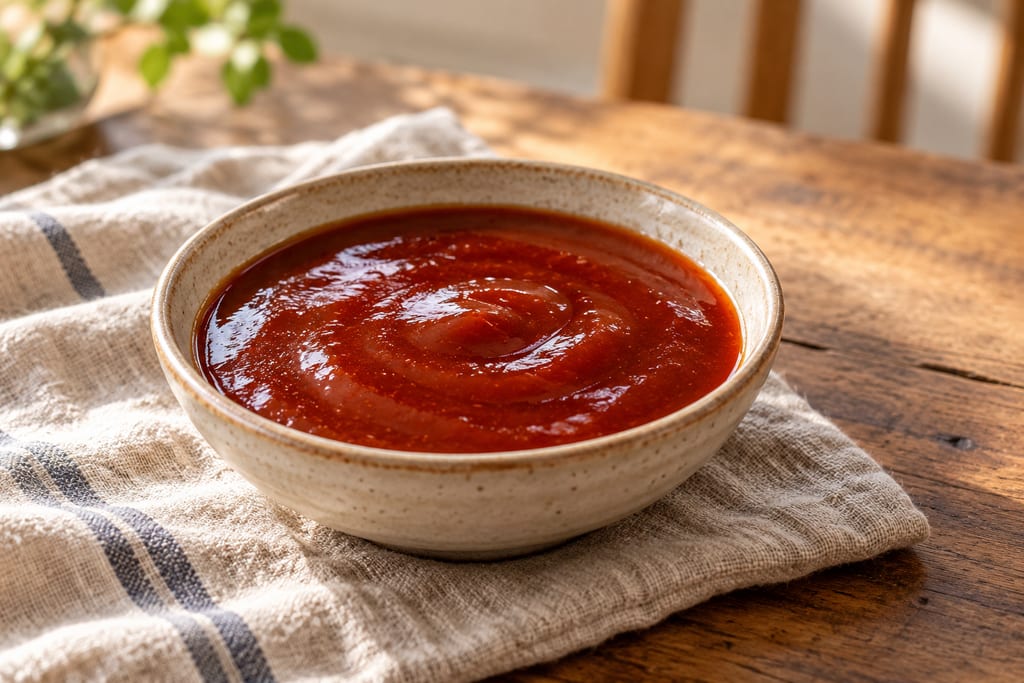
A smooth, tomato-based sweet-and-sour sauce of sugar, vinegar, tomato paste and soy sauce, thickened with starch for dipping or coating; it is not the sauce on Hangzhou's sweet-and-sour ribs.
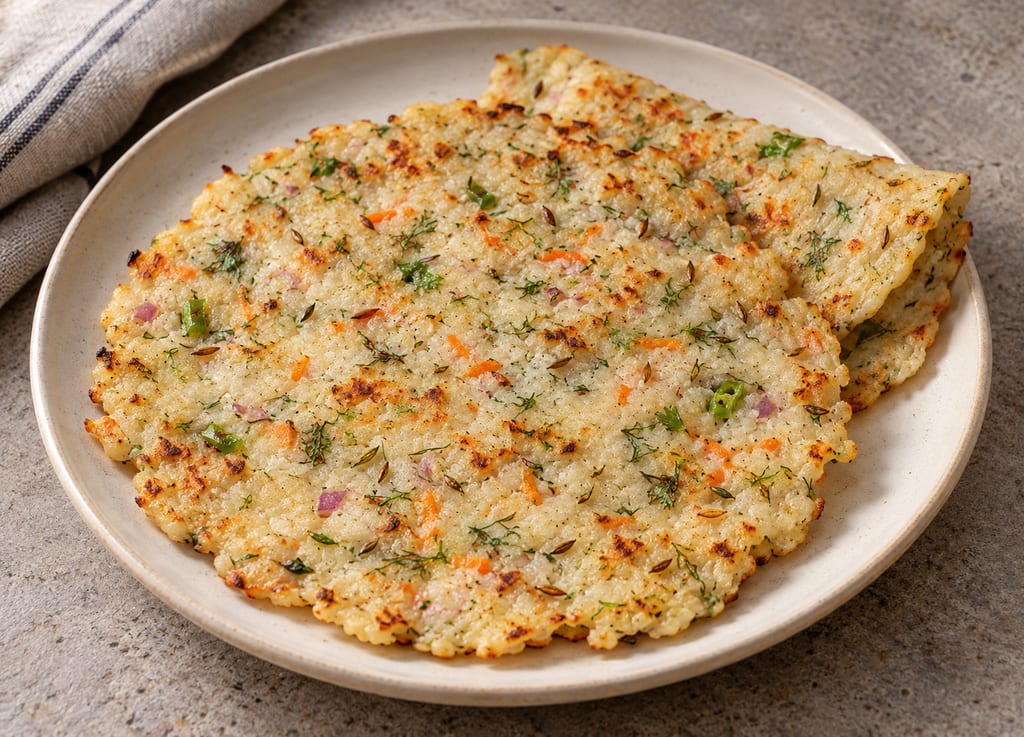
This Karnataka-style akki rotti mixes fine rice flour with vegetables, coconut, herbs and spices, then hand-pats and griddle-cooks the dough.

A Colombian Andean griddle cake made from fresh sweet-corn batter, cooked in butter and served with white cheese.
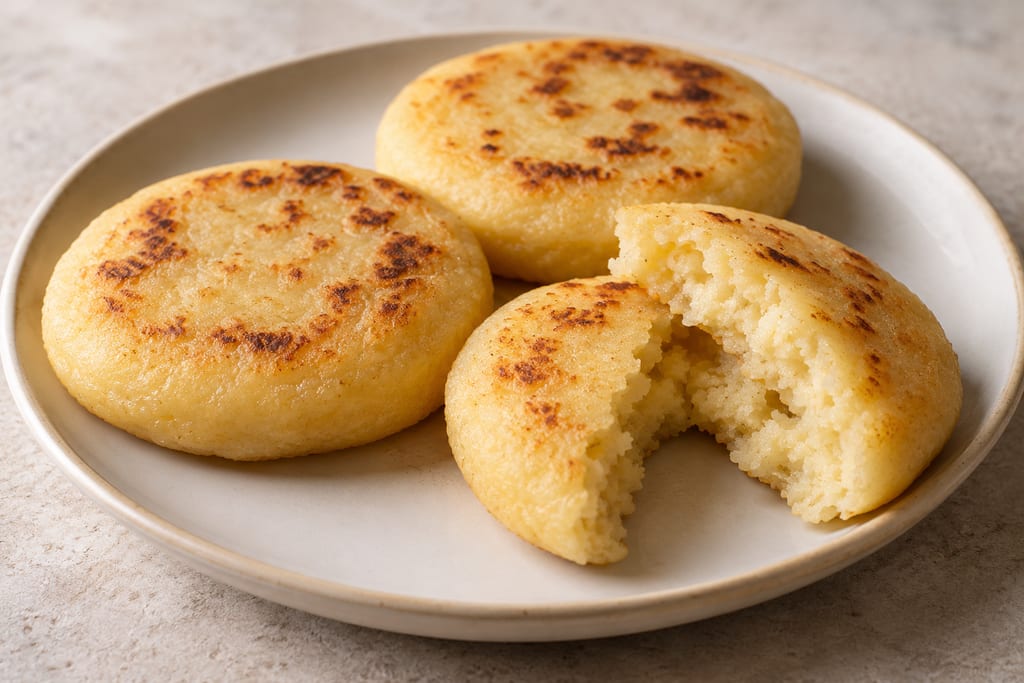
This household version combines precooked corn flour, warm water and salt, then cooks thick rounds on a lightly oiled skillet or griddle. It is one source-specific arepa method, not a universal Colombian or Venezuelan formula.
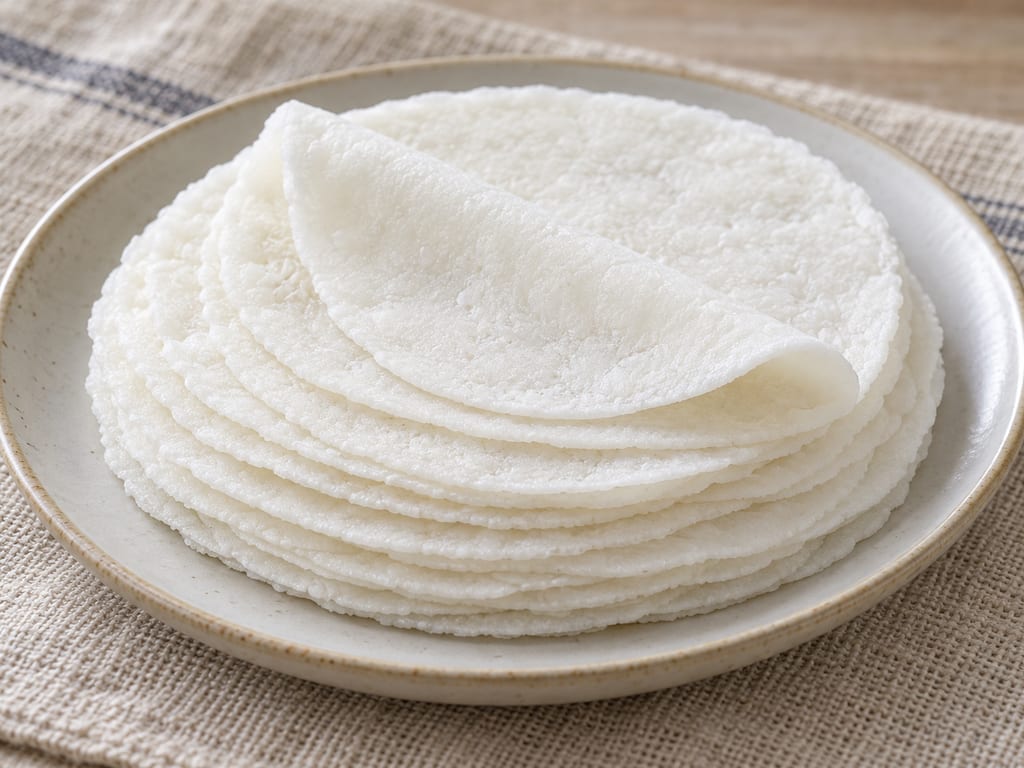
Thin Malabar rice-flour rounds made from roasted rice flour cooked into salted boiling water, kneaded after cooling, and rolled to about 1 mm. They cook on a hot griddle without taking on colour.
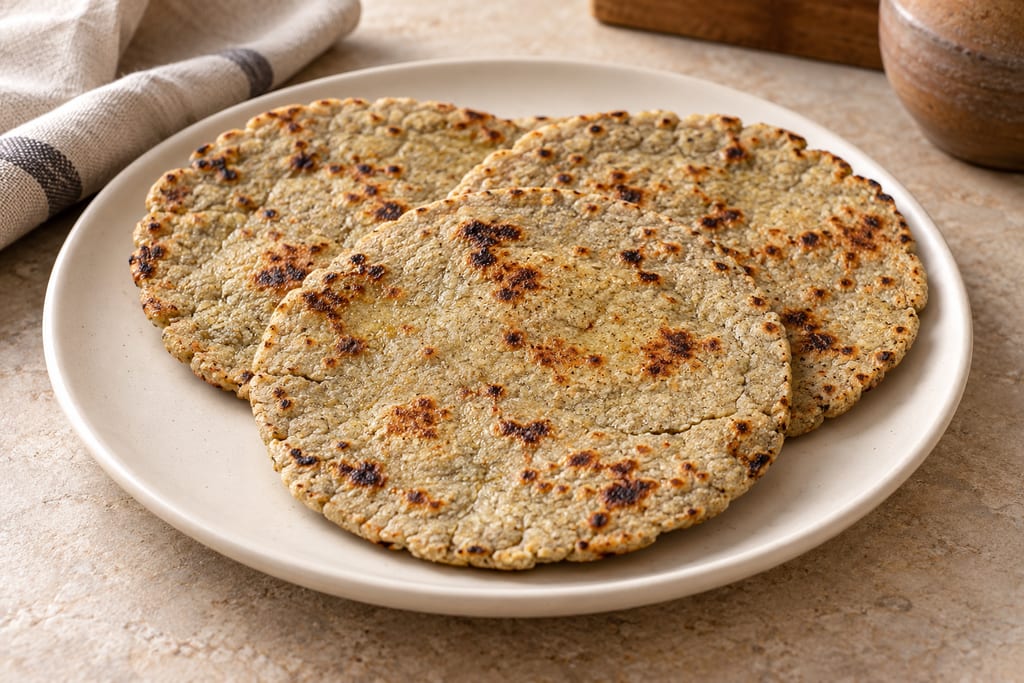
A pearl-millet flatbread shaped between sheets and cooked on a hot tawa. This home batch makes eight.
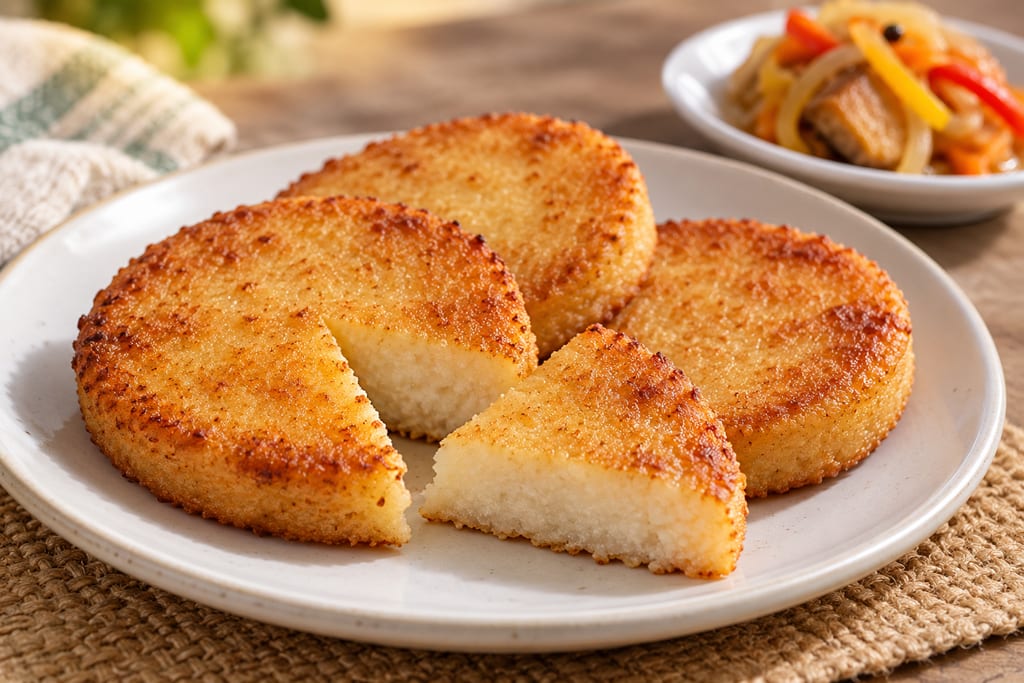
A serving method for approved, prepared bammy rounds: soak them in coconut milk and refry until golden. It does not process raw cassava.
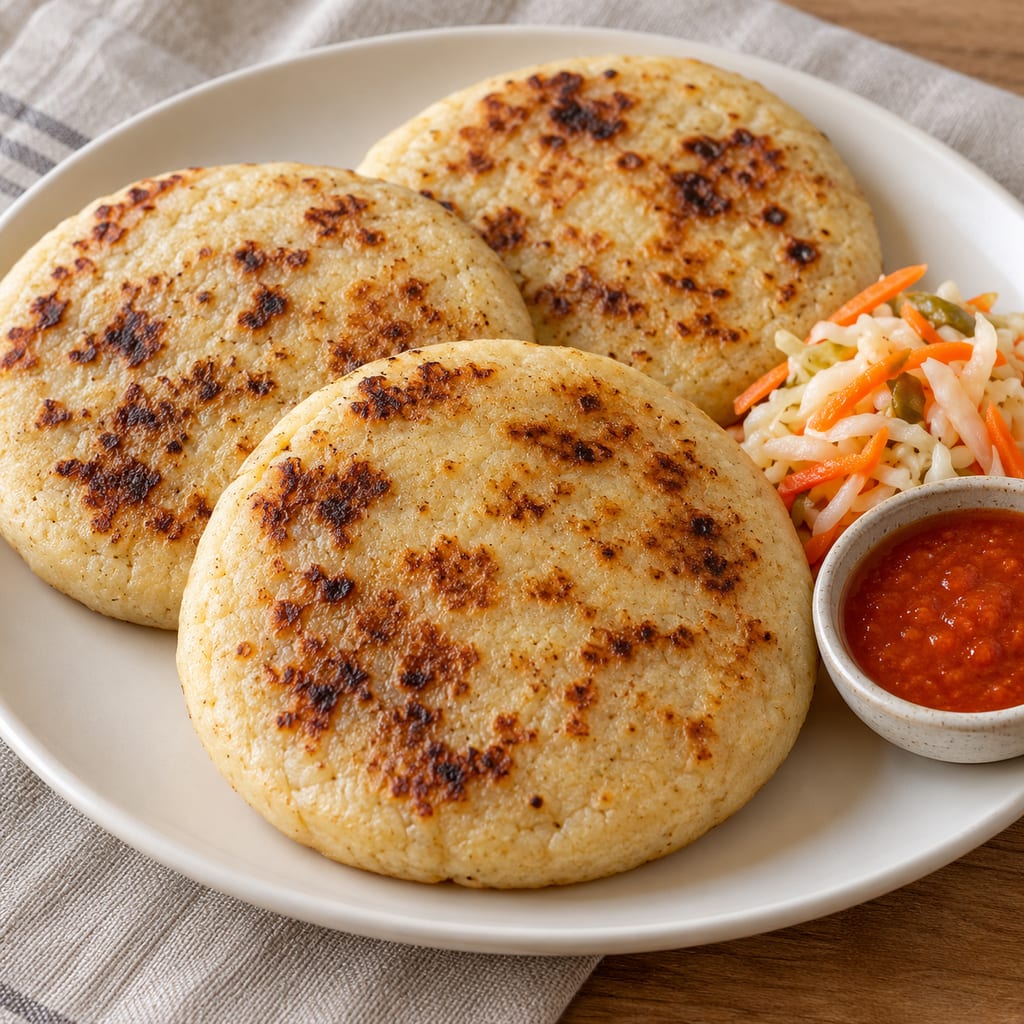
Salvadoran-style masa harina cakes filled with refried beans and cheese, sealed and cooked on an oiled skillet.
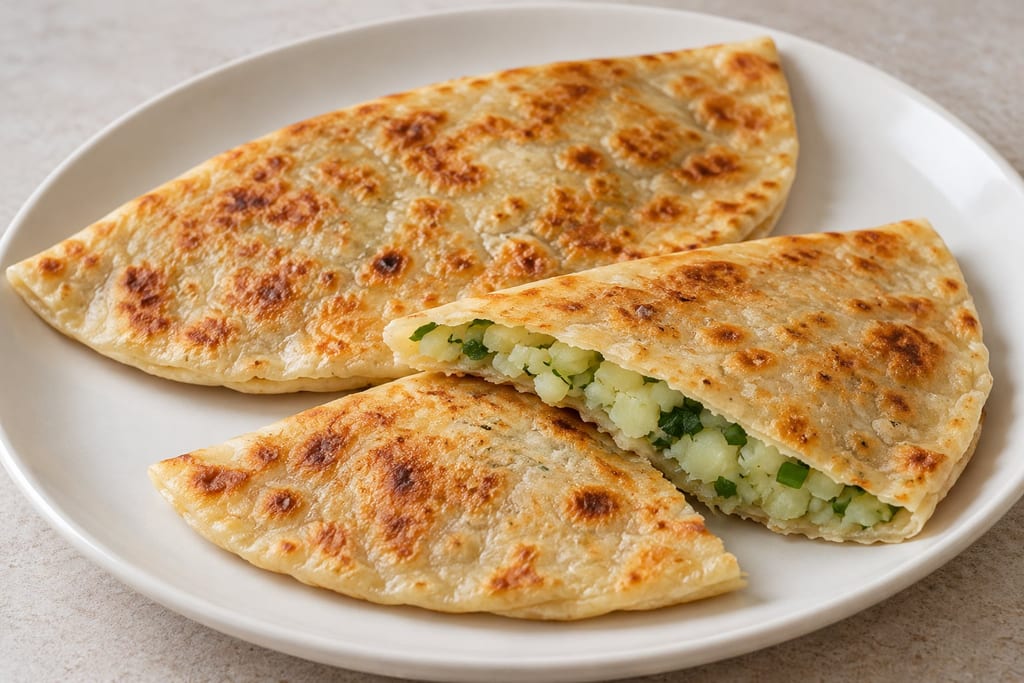
A thin, unleavened Afghan flatbread filled with mashed potato, scallion and cilantro, folded and pan-browned. This version uses a dough made from scratch.
No community contributions have been published for this entry yet.
Sign in to contribute. Published comments and photos are free to read.
Australian EggsRecipe · Method
JianbingThe source calls this a wheat-batter home version and associates jianbing with Tianjin breakfast food.
Four servings use 2 cups flour, 2 cups water, salt, eggs, spring onions, sesame, hoisin, chili sauce and coriander; either wonton wrappers or 100 g crunchy fried noodles supply the crisp filling.
The method spreads thin batter in an oiled pan, adds egg, scallion and sesame, cooks and flips, adds sauces and crisp filling, then folds.
Cited in: Scope and regional context; Mix the batter and set up the fillings; Cook the crepe and egg; Sauce, fold and serve; Food safety and allergens; Equipment, timing and limits
Promotional Centre of Beijing Municipal Bureau of Culture and Tourism; republished China DailyRegional identity · Foodways
Tianjin Jianbingguozi listed into ICH catalogueThe report says Tianjin jianbingguozi was listed in the city's 2017 intangible cultural heritage batch and describes mung bean flour, egg, scallions, fried dough, fermented-flour sweet sauce and chili as local components.
Cited in: Scope and regional context
Tianjin Government portal, quoting Tianjin DailyRegional identity · Foodways
早点里面有文化 碳水之中有传承The report identifies jianbing guozi among everyday Tianjin breakfast foods.
Cited in: Scope and regional context
Shanghai Municipal Information Office, Touch ShanghaiHistorical context
Starving man’s creation proves popular with city’s snack loversThe account attributes earlier roots to Shandong and says the dish became popular in Tianjin; it also repeats a legend, which is not treated as established history.
Cited in: Scope and regional context
Centers for Disease Control and PreventionFood safety guidance
Raw Flour and DoughCDC says raw flour and eggs can carry germs, batter should be cooked before eating, and hands, bowls, utensils and counters should be washed after handling them.
Cited in: Food safety and allergens
U.S. Food and Drug AdministrationFood safety guidance
Safe Food HandlingFDA says eggs should be cooked until yolk and white are firm and warns that color and texture alone are unreliable general indicators of safety.
Cited in: Cook the crepe and egg; Food safety and allergens