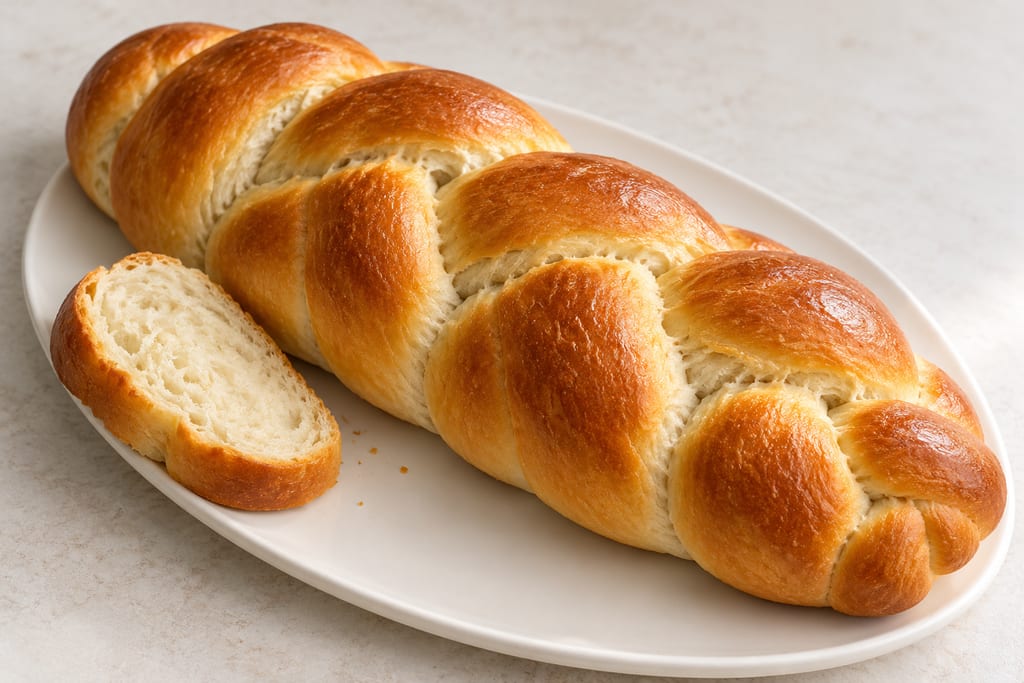
Guyanese Plait Bread
A soft, butter-enriched, eggless Guyanese loaf, shaped into a three-strand plait and baked for Christmas breakfast or everyday meals.
 FermenteaWhere food goes to change
Guyanese tennis roll · tennis roll and cheese
Guyanese tennis rolls are small, round, sweet yeasted breads flavoured with lemon and vanilla. They are often split and eaten with cheddar; this recipe is separate from Guyanese plait bread.
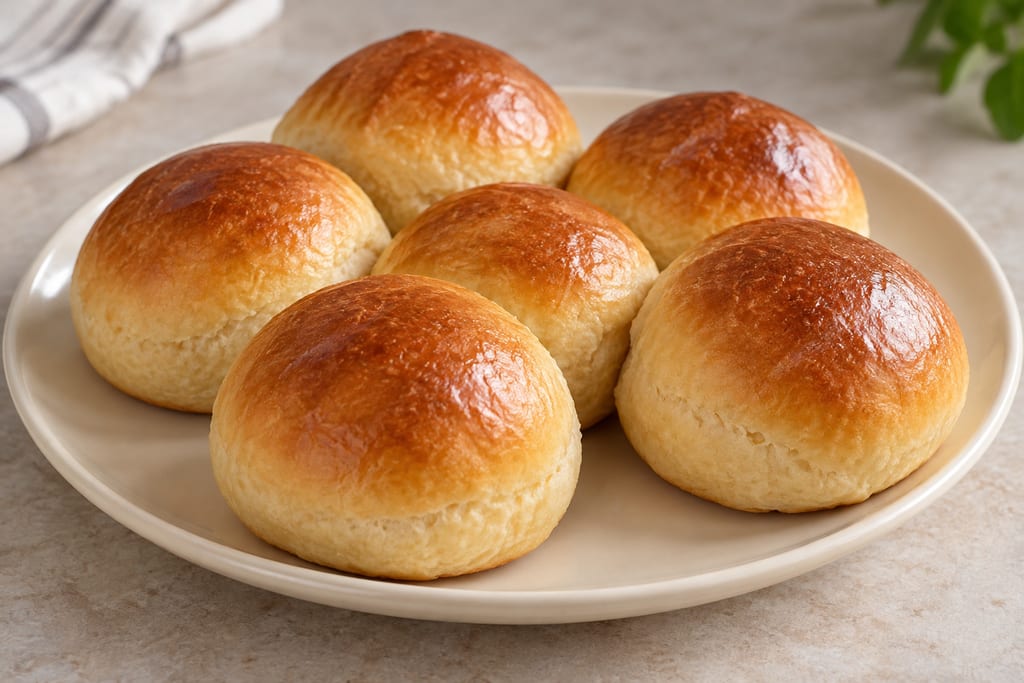
Tennis rolls are a Guyanese sweet, round bakery bread. In a 2010 Tastes Like Home column, Cynthia Nelson describes tennis rolls as Guyana's signature bread roll and recalls eating them split with cheddar cheese and cream soda mixed with milk after school. Her accompanying home version is explicitly presented as close but not identical to bakery rolls. A 2011 Stabroek News profile documents a Guyanese family bakery selling tennis rolls and reports the family bakery tradition began in the 1960s; it does not date the bread itself. The name's origin is not established here. Round tennis rolls are distinct in shape from braided Guyanese plait bread.
Yield 8 large rolls · Scaling: source batch only
Raw flour may carry harmful bacteria. Do not taste uncooked dough; bake the rolls before eating and clean hands, tools and work surfaces after handling.
Hazard sourceThe wash contains raw egg before baking. Avoid tasting it and wash hands and utensils after contact.
Hazard sourceDo not taste raw dough or egg wash. Bake the rolls before eating and clean hands, utensils, bowls and surfaces after contact with flour, dough or raw egg.
Control sourceWash hands and equipment after handling the raw egg wash.
Control sourceNo internal temperature or separately validated safety endpoint is established by the recipe source; the 350°F oven setting and 25-minute bake are source guidance, not measured limits.
Use oven mitts for hot trays and allow the rolls to cool before handling.
Althea Brown's Guyanese recipe and Stabroek News reporting on bakeries document tennis rolls in Guyana. No local birthplace is claimed.
A soft, butter-enriched, eggless Guyanese loaf, shaped into a three-strand plait and baked for Christmas breakfast or everyday meals.
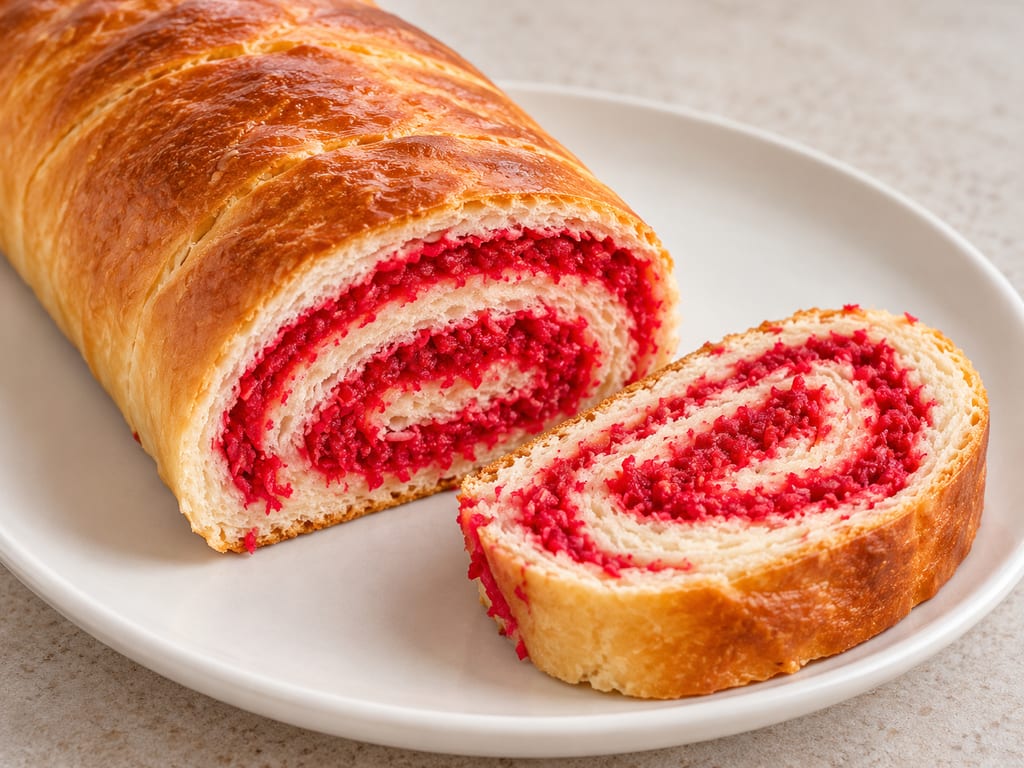
Salara is a Guyanese sweet bread rolled around red coconut, baked as two loaves and sliced for breakfast, tea or a snack.
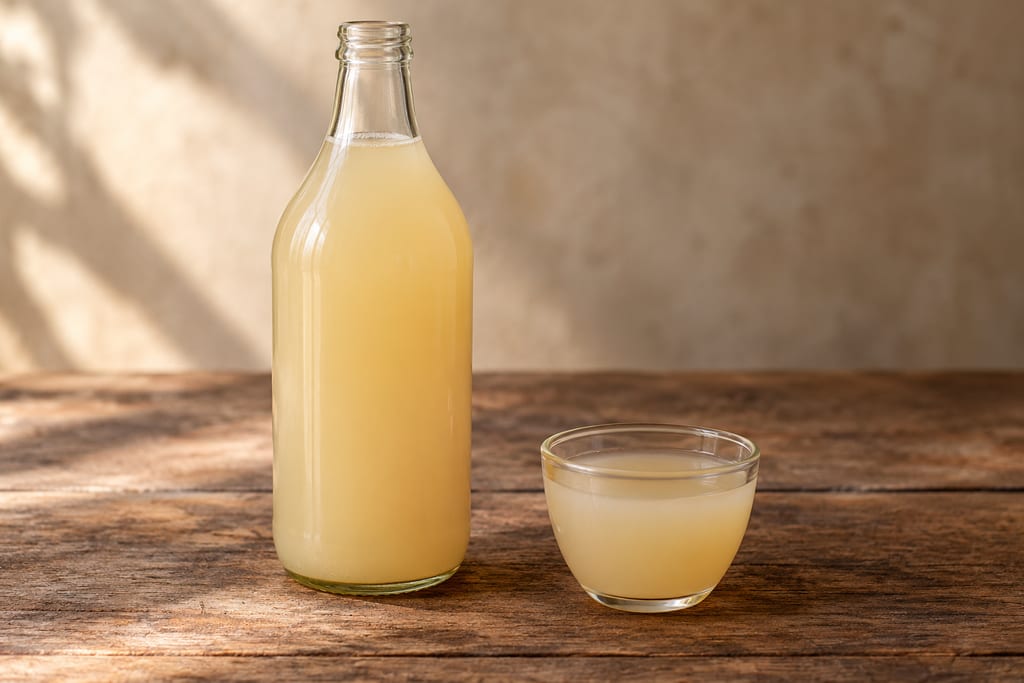
A source-bounded account of Wapishana Parakari in Aishalton, Guyana. It preserves observations of a Rhizopus stage followed by yeast fermentation; it is not a household recipe or cassava detoxification guide.
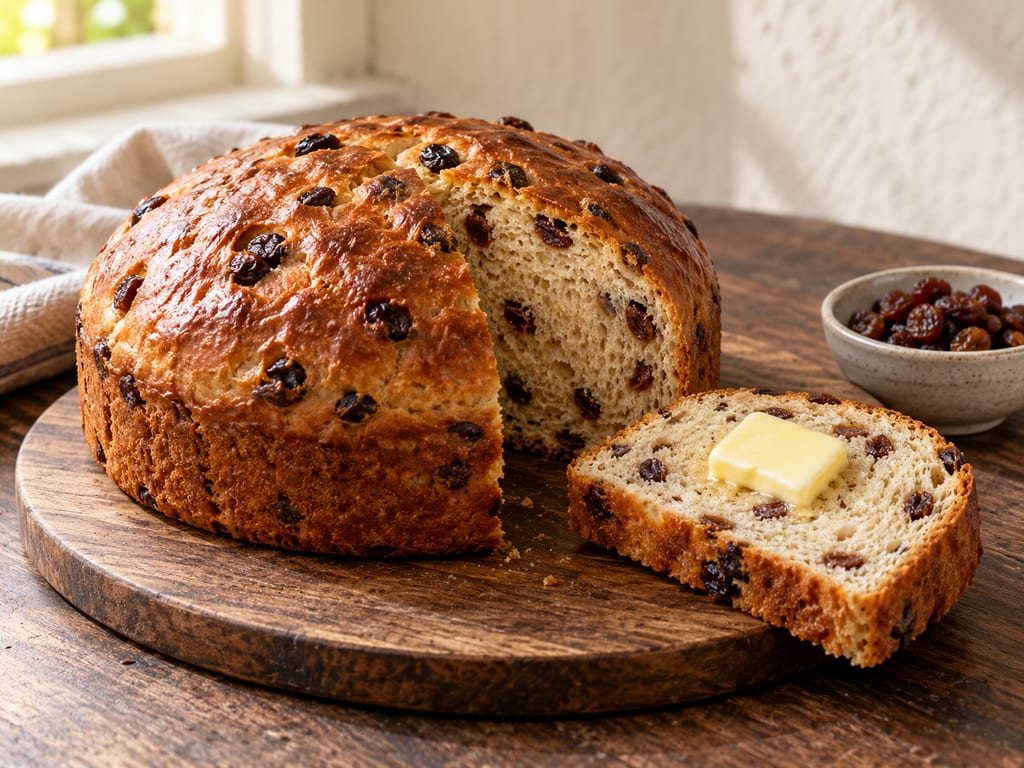
An Irish fruit-studded yeast loaf, associated in a contemporary cultural account with Halloween and often served fresh or toasted with butter.
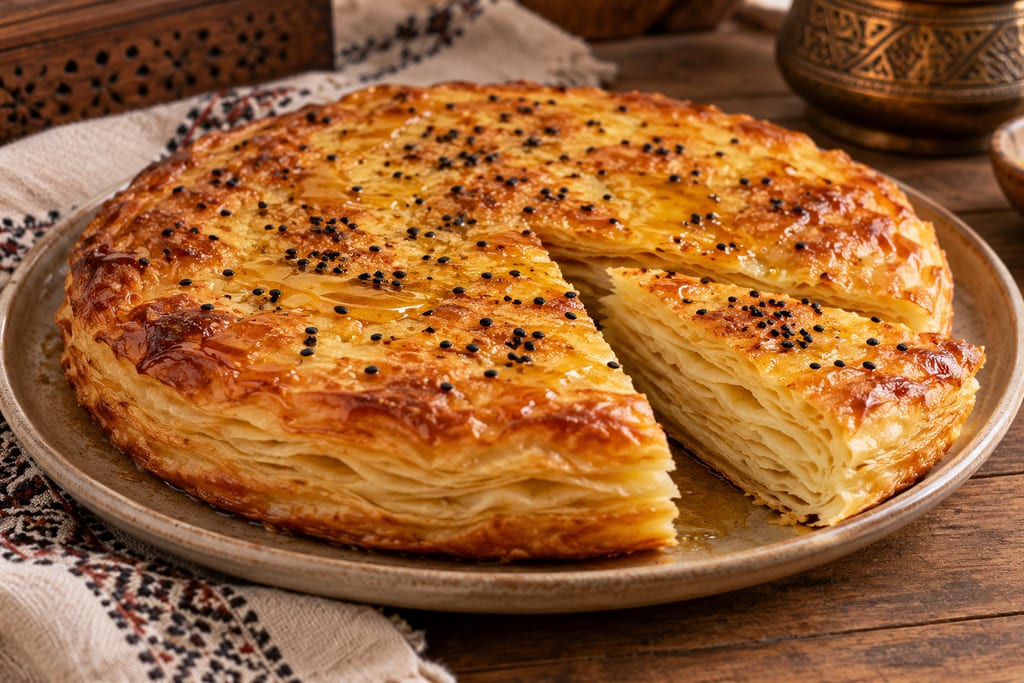
Bint al-sahn is a Yemeni celebration and home bread built from thin, egg-rich yeast dough layers brushed with ghee or butter. This source-specific version makes one round cake, baked until golden and served warm with honey.
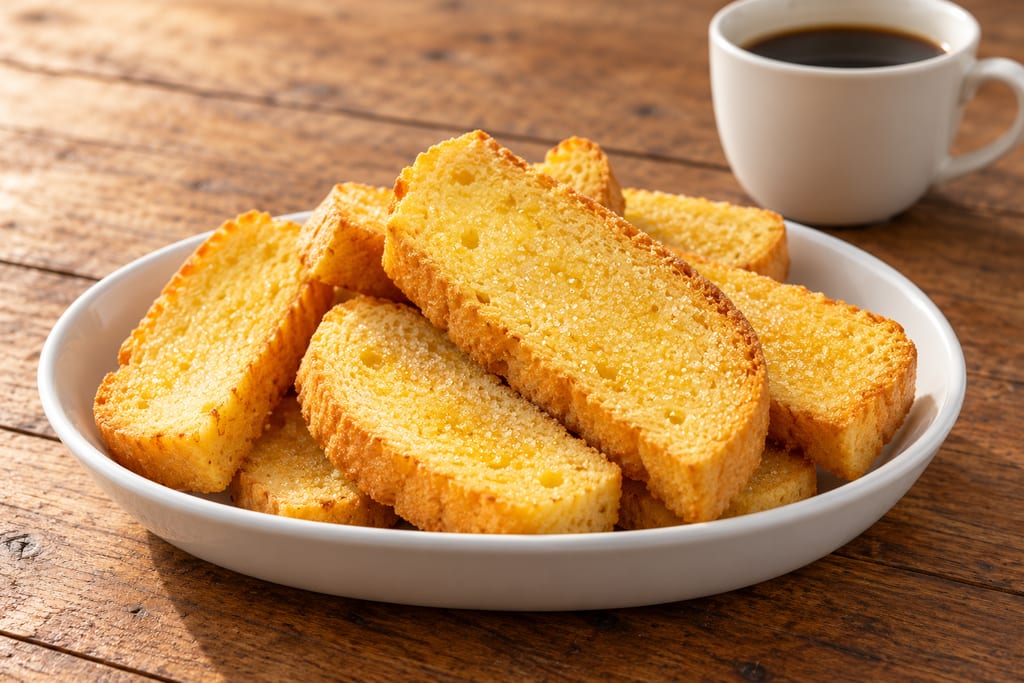
PagkainPinoy’s 24–30 piece version twice-bakes day-old soft bread with a thin butter-and-sugar coating.
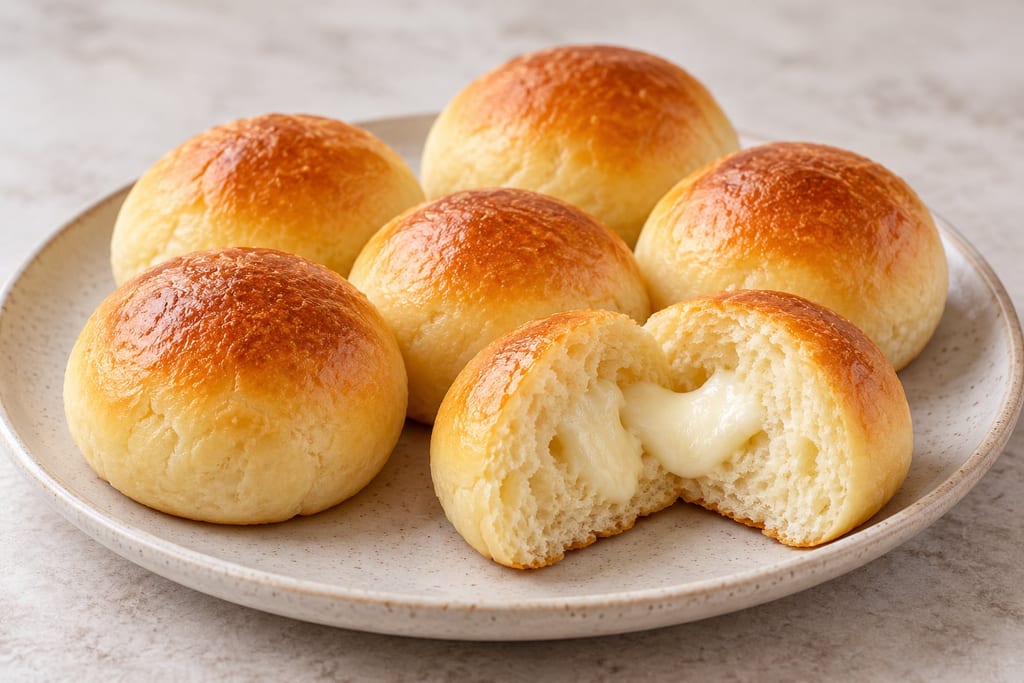
Soft Brazilian yeast rolls use cooked mashed potato in an enriched dough, with mozzarella cubes enclosed before baking.
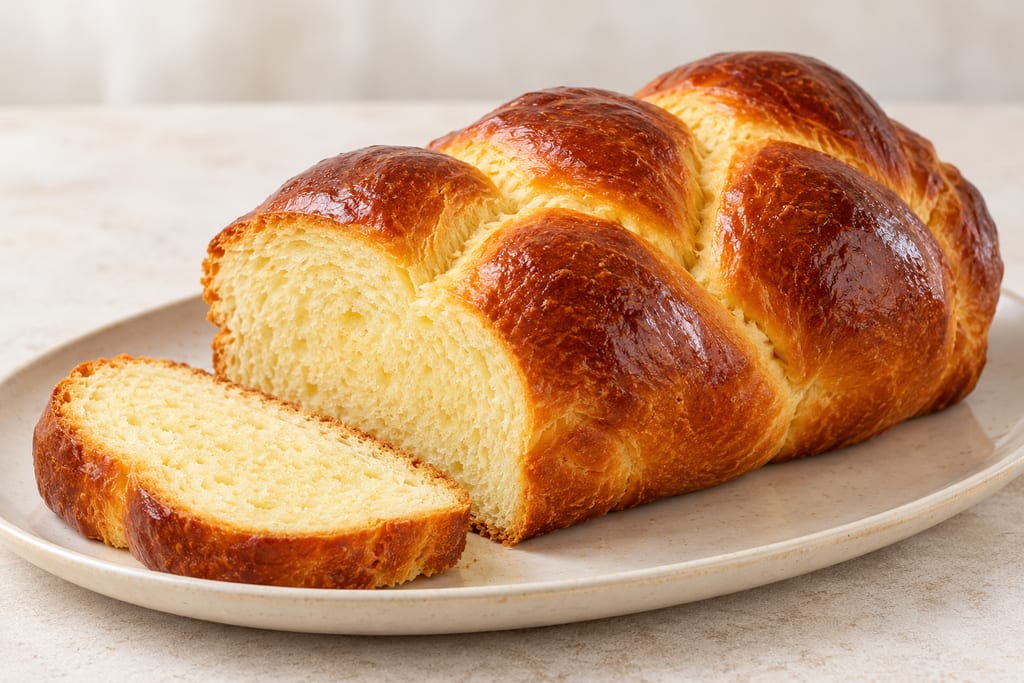
An egg-and-butter-rich yeast dough shaped as one round loaf, two loaves or twelve small brioches, with baking paths that vary by shape.
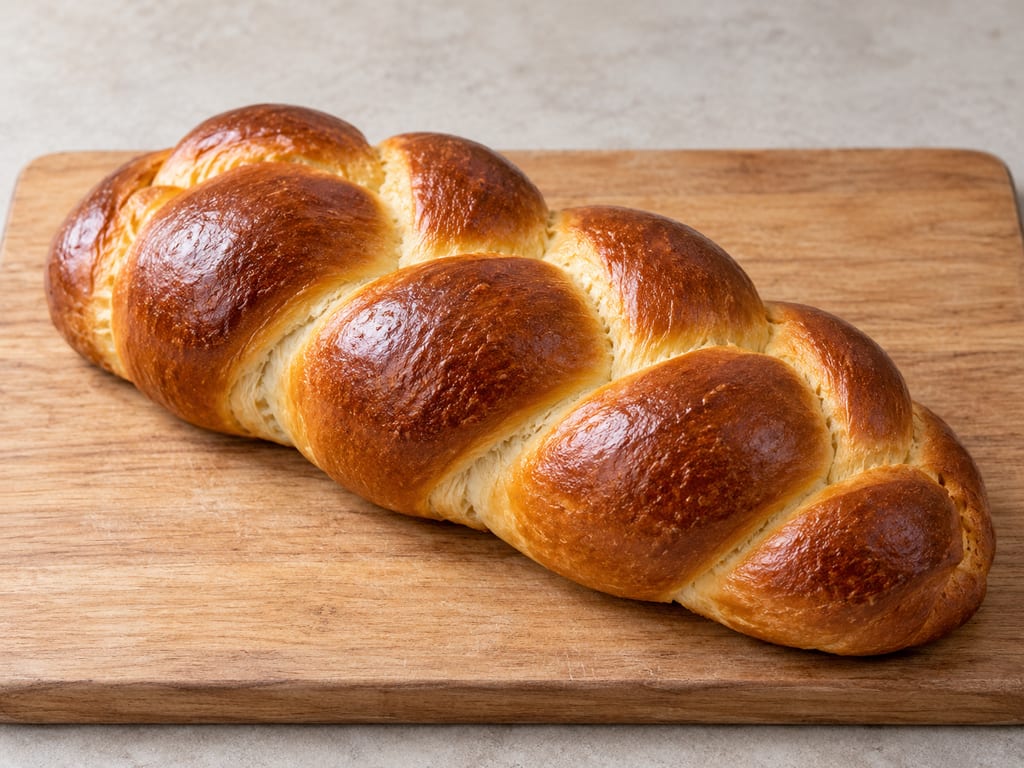
A three-strand yeast-raised challah with flour, salt, yeast, water, neutral oil, honey and egg, based on a Jewish Museum Vienna home recipe.
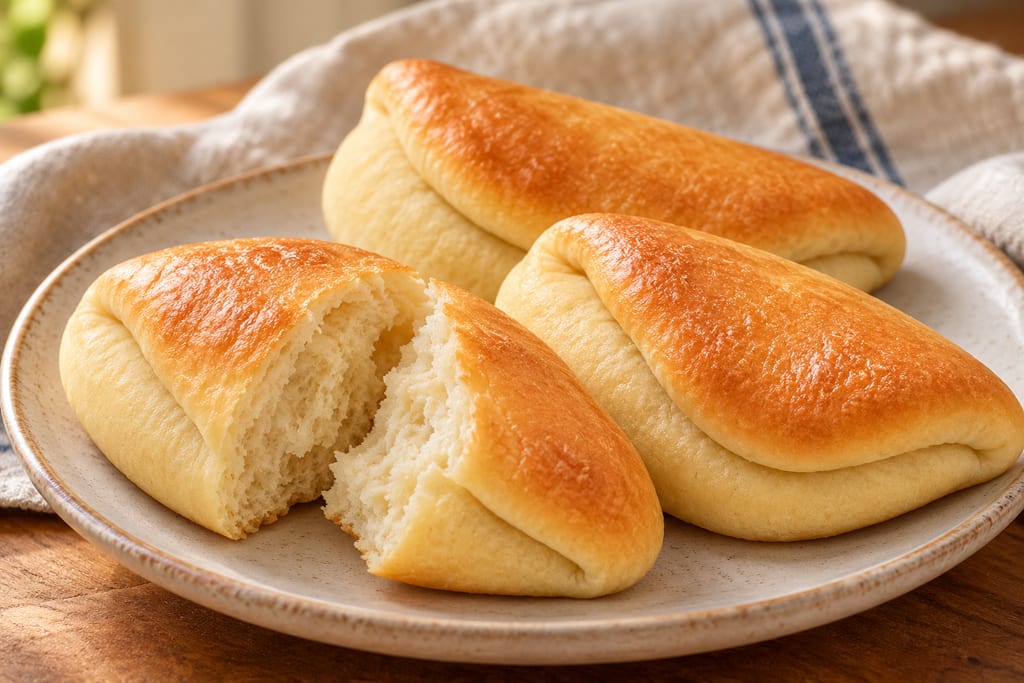
Jamaican-style folded rolls made from sweet coconut-milk yeast dough and brushed with butter.
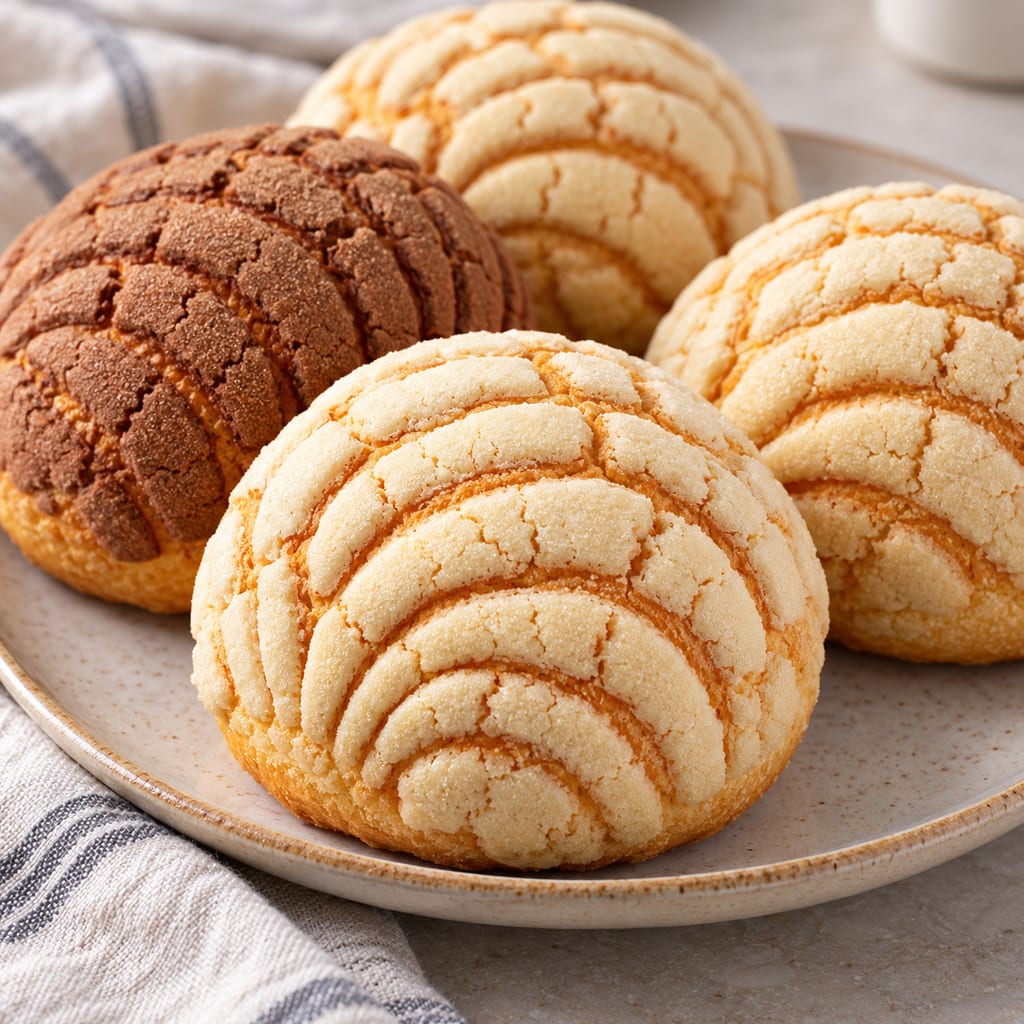
Mexican sweet rolls with a soft enriched yeast dough and a separate scored sugar-flour topping shaped like a shell. This version makes 15 rolls and uses a chilled dough rest before final proofing.
No community contributions have been published for this entry yet.
Sign in to contribute. Published comments and photos are free to read.
MetemgeeMethod · Inspiration · History
Tennis RollsThe author identifies tennis rolls as Guyanese round, sweet breads with a tender, compact crumb, commonly paired with sharp cheddar; she notes other ways of eating them too.
The eight-roll recipe lists water, brown sugar, active dry yeast, butter, evaporated or regular milk, flour, salt, lemon zest, lemon extract and vanilla; an egg-white wash is used.
The method activates yeast in sweetened water, mixes a soft dough, kneads about ten minutes, lets it rise until doubled, shapes and proofs the rolls, then bakes at 350°F for 25 minutes and brushes with butter.
The page reports two days at room temperature in an airtight container; no validated home storage study is cited, so no storage claim is included here.
Stabroek NewsHistory
So close, but yet so far …Elusive Tennis RollsNelson distinguishes the round Guyanese tennis roll from other Caribbean signature breads and describes its shape, sweet lemon or orange zest aroma and association with cheddar and cream soda mixed with milk.
Her tested home attempt uses a borrowed recipe but she says its airy crumb differs from bakery tennis rolls; it is not treated as a definitive commercial formula.
Stabroek NewsHistory
Harry Bajjan’s village bakeryThe profile reports that a family bakery tradition began in the 1960s and describes later production and delivery of tennis rolls in Guyana.
It does not establish the first date or birthplace of tennis rolls.
U.S. Food and Drug AdministrationSafety
Handling Flour Safely: What You Need to KnowRaw flour may carry harmful bacteria; raw dough should not be tasted and must be cooked.
Wash hands, utensils, bowls and surfaces after handling raw flour and dough.
U.S. Food and Drug AdministrationSafety
What You Need to Know About Egg SafetyRaw egg can carry Salmonella; wash hands and utensils after contact with uncooked egg and cook egg-containing foods thoroughly.
U.S. Food and Drug AdministrationSafety
What You Need to Know About Egg SafetyRaw eggs may carry Salmonella; wash hands, tools and surfaces after contact with raw eggs.
Cook egg-containing foods thoroughly.