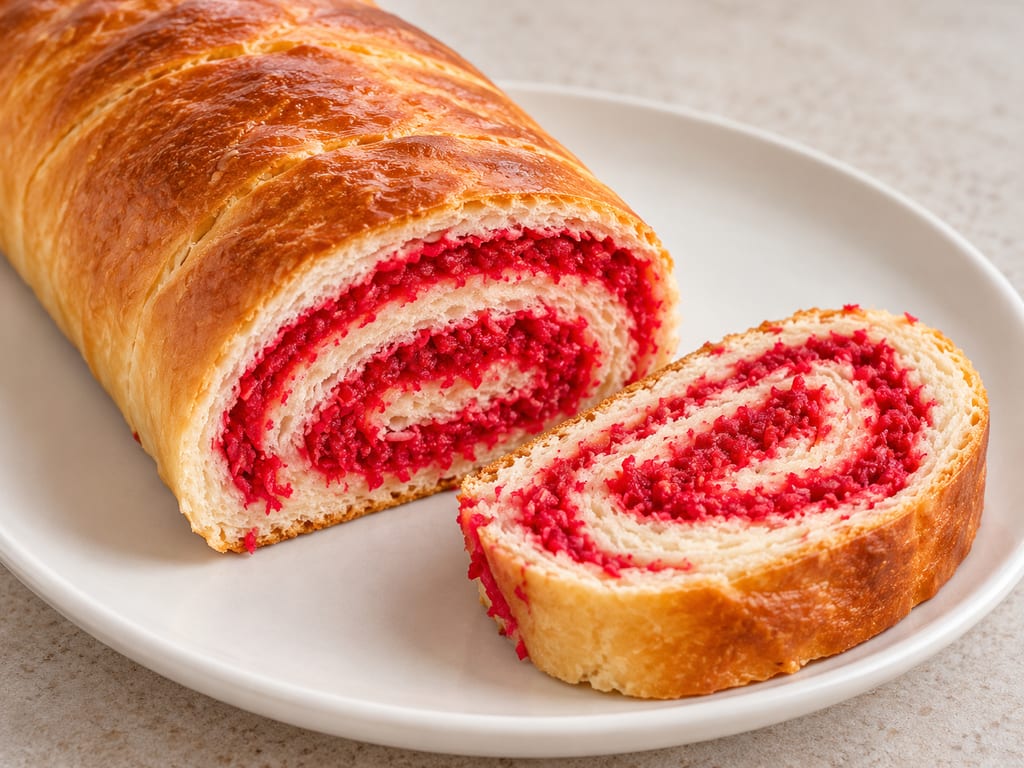
Salara
Salara is a Guyanese sweet bread rolled around red coconut, baked as two loaves and sliced for breakfast, tea or a snack.
 FermenteaWhere food goes to change
Modern adaptation
Plait bread · Guyanese braided bread · Guyanese plait bread
A soft, butter-enriched, eggless Guyanese loaf, shaped into a three-strand plait and baked for Christmas breakfast or everyday meals.
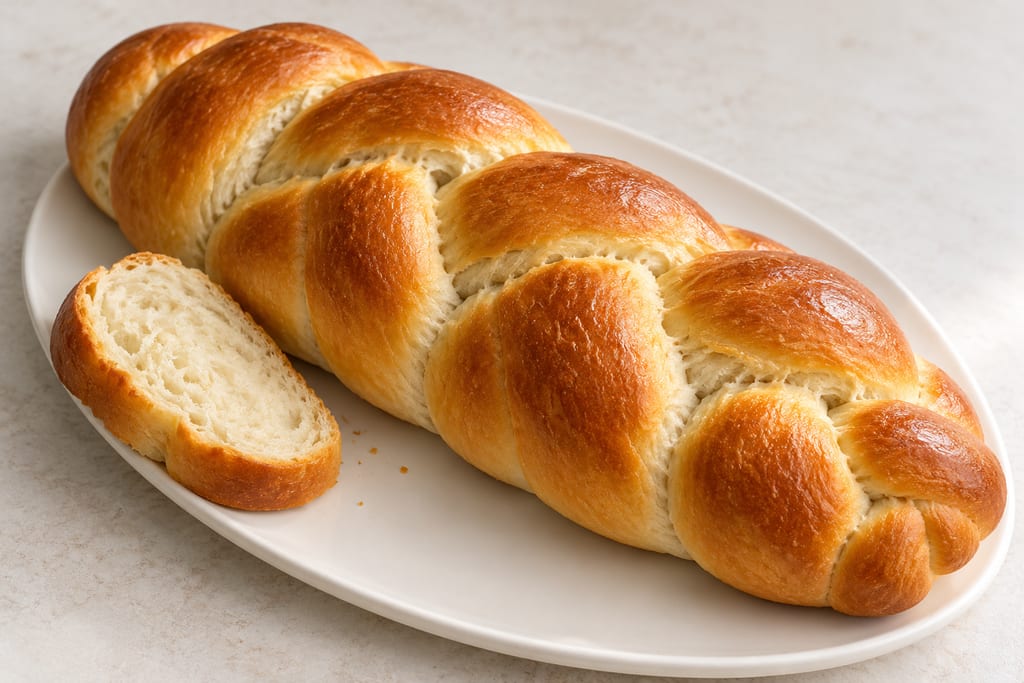
This recipe follows Althea Brown's Guyanese plait bread, a three-strand loaf dedicated to her grandmother Inez Glen. Brown says her grandmother lived in West Ruimveldt Housing Scheme, Georgetown, and baked homemade bread each Saturday. That family account gives this method a clear Guyanese household context without claiming that one family formula defines every plait loaf.
Brown and Guyana Times connect plait bread with pepperpot at Christmas. Alica's Pepperpot also recalls Guyanese bakery bread in Queens and describes eating it for breakfast with spreads, dipping it in tea, and serving it alongside pepperpot. The loaf is also made outside the holiday; its family associations are not a limit on when it can be baked.
The three-strand shape can resemble challah, but appearance alone does not make the breads the same recipe. Alica notes that plait bread is commonly made without eggs, while Althea's measured batch uses water and contains no egg. The dough here is enriched with butter, so the recipe states its own ingredients instead of making a blanket claim about every family's bread.
Measure 1¼ cups warm water at about 110°F and dissolve ¼ cup brown sugar in it. Stir in 1 tablespoon dry active yeast, cover the bowl and leave it in a warm place for about 10 minutes, until foam appears. The recipe uses this one water-and-sugar mixture to bloom the yeast; the full water and sugar amounts are accounted for here.
In a large bowl, combine 3½ cups all-purpose flour with ¼ teaspoon salt. Work ¼ cup room-temperature butter into the flour with a fork or your fingertips until the mixture looks crumbly. The recipe does not add another sugar measure to the dry flour mixture; the ¼ cup brown sugar is dissolved in the yeast water.
Make a well in the middle of the flour and butter mixture and pour in the bloomed yeast. Whisk the centre until it looks like a loose batter, then draw the surrounding flour inward with a rubber spatula or your hand. Bring everything together into a soft dough and turn it onto a lightly floured surface.
Knead for about 5 minutes, until the dough is smooth and springs back when pressed. If it sticks to the worktop, add flour sparingly. Brown emphasizes a soft, hydrated dough; adding a lot of flour to make it dry and easy to handle would change the texture of this batch.
Put the dough in a greased bowl, cover it and let it rise until doubled, about 45 minutes to an hour. The source sometimes uses a turned-off warm oven for this first rise, but the recipe card only requires a covered bowl and a doubled dough. Use the size cue rather than treating the clock as exact.
Press the risen dough down and knead it again into a smooth ball. Divide it into three equal portions. If a kitchen scale is available, weighing the portions helps keep the braid even; otherwise divide by eye. Roll each piece into a long rope about 12–15 inches long. The source gives no special thicker-middle shaping instruction.
Lay the ropes side by side. Start near the middle and cross the outside right rope into the centre, then cross the outside left rope into the centre. Continue alternating to one end and tuck it underneath. Turn the loaf and repeat the same sequence toward the other end, then tuck the strands underneath so the loaf has a neat finish.
Brown notes that some families add a narrow strand along the top and others leave the loaf with three strands. That optional decoration uses a small piece of dough taken before dividing; the measured base batch needs no additional ingredient. The three-strand braid alone is complete.
Transfer the braid to a greased baking sheet, cover it and leave it at room temperature for at least an hour. The longer second proof gives the joined strands time to expand. The source warns that forcing this proof in a warm oven can make the braid tear; no exact ambient temperature is stated.
Preheat the oven to 350°F (about 177°C). Place the tray on the middle rack and bake for 25 minutes or until the loaf is golden brown. The recipe gives no internal crumb temperature, and this page does not add one. Let the bake time and the source's colour cue guide this one loaf.
Brush the hot loaf with 1 tablespoon melted butter as soon as it leaves the oven. Move it to a cooling rack and cover it loosely with a clean towel while it cools. Wait until it has cooled fully before slicing so the soft crumb can settle.
Brown suggests storing the cooled loaf in a bread bag or wrapping it in a clean towel to keep it soft. Her page says a cool, dry place for 2–3 days; this is the source's home storage advice, not a tested preservation process. This recipe does not make a claim about extended storage.
Alica's Pepperpot describes plait bread as a Guyanese bread often eaten with spreads or tea and as a Christmas companion to pepperpot. Her recipe card is a separate formula: it includes milk or water as alternatives and offers several fats. The current method does not combine those quantities with Althea Brown's batch.
Alica's prose says plait bread differs from challah because it usually has no eggs, but her recipe card allows milk or water. That is one reason to describe the exact batch: this version uses warm water, butter and no egg. A braid may be shared across bread traditions while the dough, household history and service context remain distinct.
The published batch has a preparation estimate of 2 hours, a 25-minute bake and eight servings from one large loaf. It includes two rises: about 45–60 minutes for the first and at least an hour for the second. Kneading and braiding times are not separately listed, so hands-on time remains unknown. Room temperature and yeast activity affect elapsed time.
The method is for one loaf only. Brown notes that larger batches are more reliable as separate batches because doubling or tripling yeast directly can make the bread taste too yeasty. No scaled ingredient formula is recorded here. A longer rope, a tighter braid or a different pan can also change the shape and bake; keep those as adjustments, not tested equivalents.
Do not taste the dough before it is baked. CDC warns that uncooked flour may carry germs and recommends cooking flour-containing foods according to the recipe, then washing hands, utensils and work surfaces after handling raw flour. This formula has no egg in its dough, but raw flour still needs careful handling.
The loaf contains wheat and butter, so it contains gluten and dairy. The butter is used in the dough and brushed over the loaf after baking. If serving someone with an allergy, check ingredient labels for the flour and butter and avoid cross-contact on the work surface.
The baking sheet and oven are hot when the loaf is removed. Use a dry oven mitt, transfer the bread to a stable rack and keep the towel away from heating elements. Let the loaf cool before slicing.
Guyana’s Department of Public Information interviewed shoppers about their Christmas plans in December 2019. Karen Kennedy described making pepperpot with Pomeroon cassareep and baking local bread for her Jamaican husband’s first Christmas in Guyana. The report records a named person’s planned home meal, rather than a single menu followed by every household.
This independent account supports the wider pairing of homemade bread and pepperpot at Christmas. It does not identify the bread’s exact dough or prove that every loaf served with pepperpot is plait bread. The specific recipe on this page remains Althea Brown’s.
In a reminiscence published in 2012, Ron Persaud recalls buying bread from Jack's, also named Dictator Bakery, on James Street in Albuoystown. He remembers a dedicated family bread basket and customers coming from Kitty. His account places bread in ordinary shopping routines beyond the Christmas table.
Persaud distinguishes pan-bread from plait-bread while recalling sweet, salt and aniseed varieties. These are one writer's remembered bakery terms, not a fixed classification or a formula for this loaf. The recollection does not supply dates for the practices or establish when Guyanese plait bread began.
Althea Brown dedicates her family recipe to her grandmother Inez Glen, from West Ruimveldt Housing Scheme in Georgetown, who baked Guyanese bread weekly. Brown and Guyana Times document plait bread with Guyanese pepperpot at Christmas. The sources establish family practice and foodways, not a first maker or origin date.
Yield 8 servings · Scaling: source batch only
Uncooked flour may carry germs; this dough must not be tasted before baking.
Hazard sourceDo not taste the unbaked dough. Bake the loaf following the source method, then wash hands, bowls, utensils and work surfaces after handling flour and dough.
Control sourceContains wheat and dairy. This measured batch has no egg; recipes and family preferences can vary.
The named recipe and Guyana Times document plait bread in Guyanese foodways, including a Christmas pepperpot pairing; neither dates an origin.
Brown locates her grandmother in West Ruimveldt Housing Scheme, Georgetown, and says she baked homemade Guyanese bread weekly. This is a family-practice association, not a birthplace claim.
Salara is a Guyanese sweet bread rolled around red coconut, baked as two loaves and sliced for breakfast, tea or a snack.
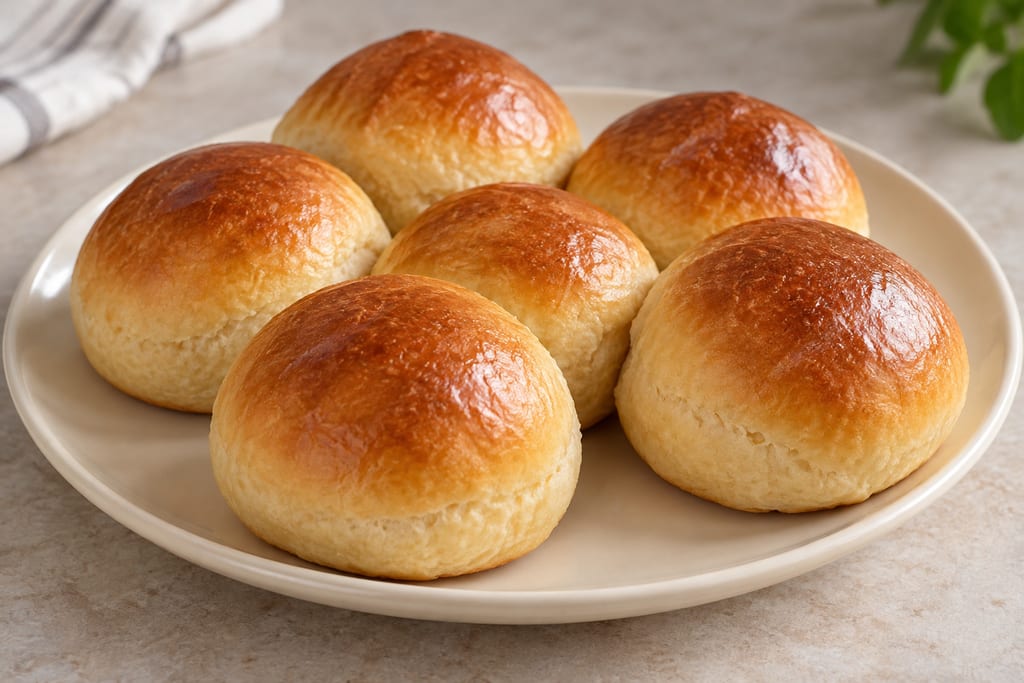
Guyanese tennis rolls are small, round, sweet yeasted breads flavoured with lemon and vanilla. They are often split and eaten with cheddar; this recipe is separate from Guyanese plait bread.
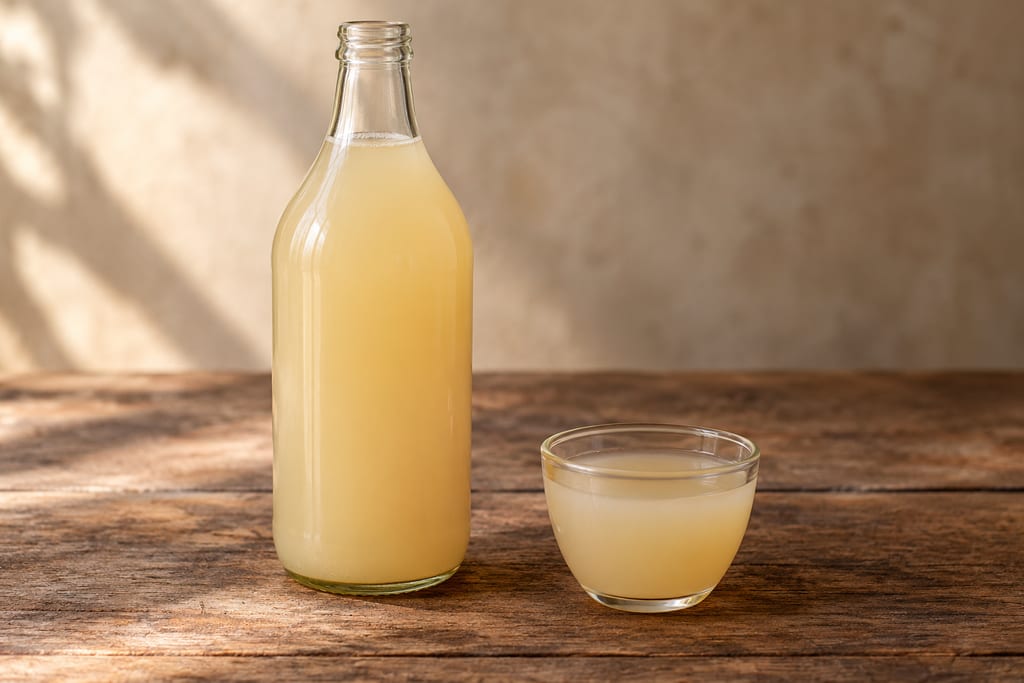
A source-bounded account of Wapishana Parakari in Aishalton, Guyana. It preserves observations of a Rhizopus stage followed by yeast fermentation; it is not a household recipe or cassava detoxification guide.
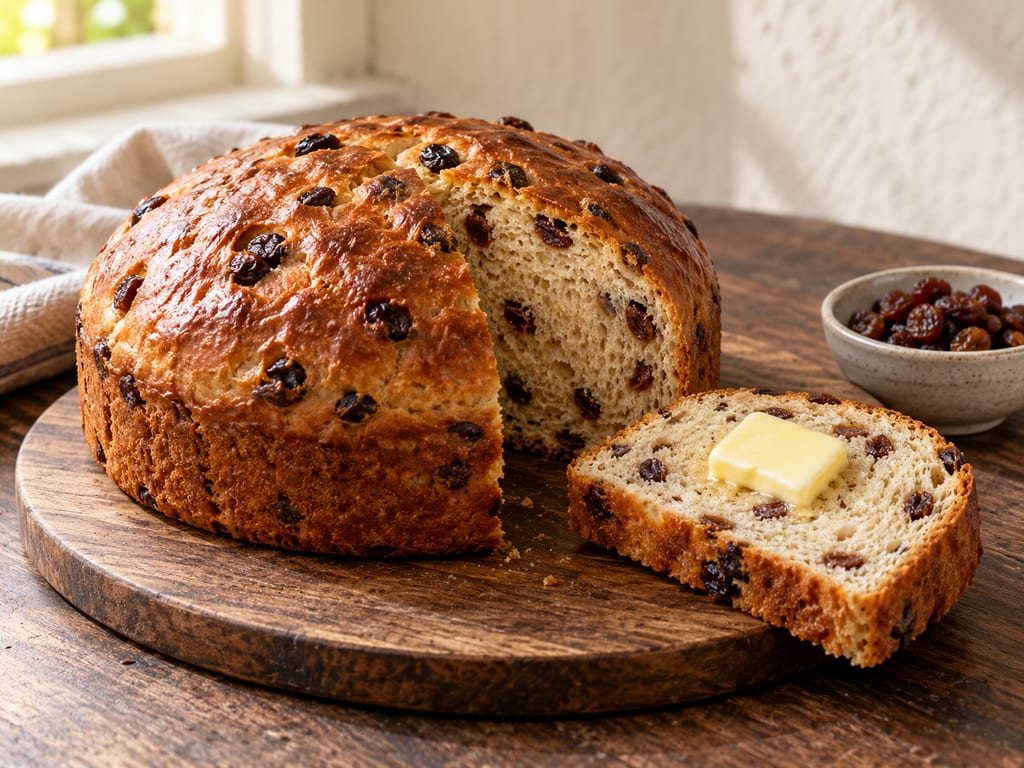
An Irish fruit-studded yeast loaf, associated in a contemporary cultural account with Halloween and often served fresh or toasted with butter.
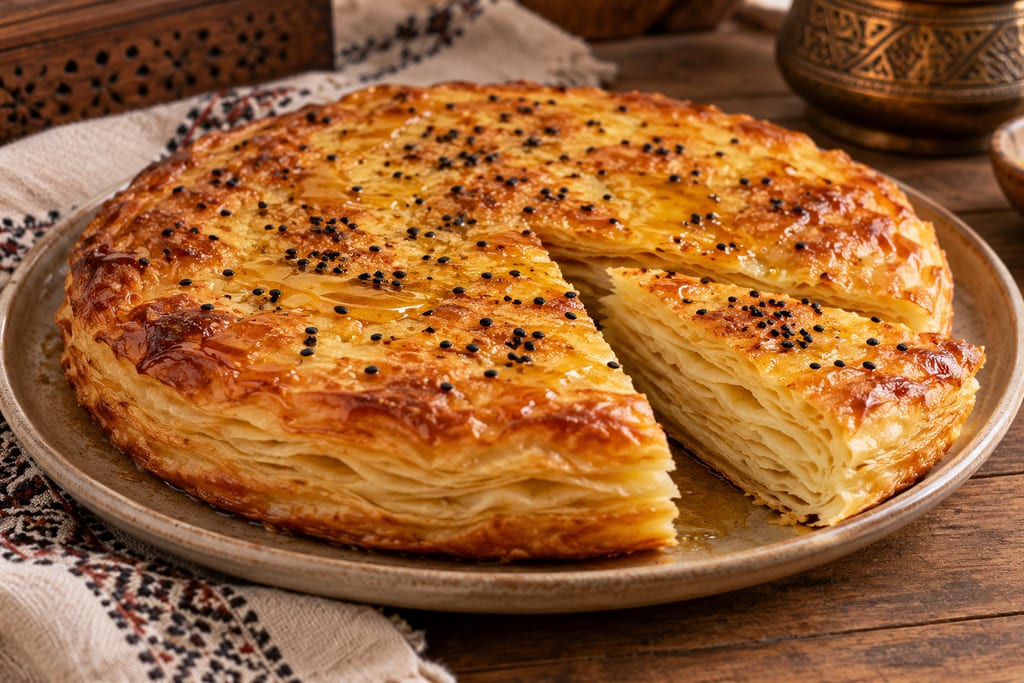
Bint al-sahn is a Yemeni celebration and home bread built from thin, egg-rich yeast dough layers brushed with ghee or butter. This source-specific version makes one round cake, baked until golden and served warm with honey.
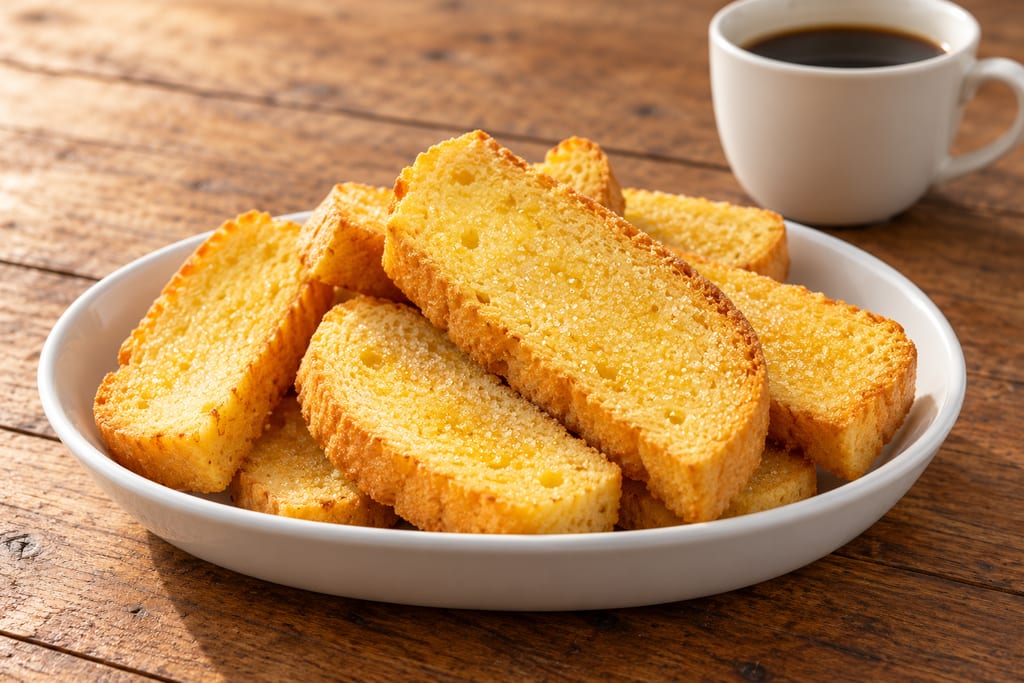
PagkainPinoy’s 24–30 piece version twice-bakes day-old soft bread with a thin butter-and-sugar coating.
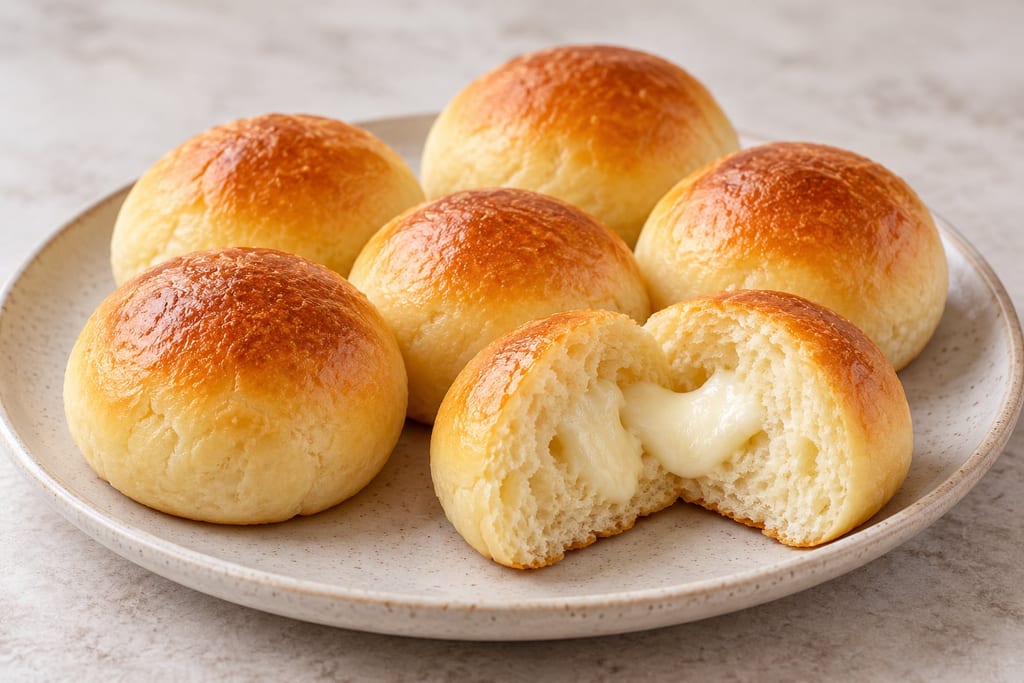
Soft Brazilian yeast rolls use cooked mashed potato in an enriched dough, with mozzarella cubes enclosed before baking.
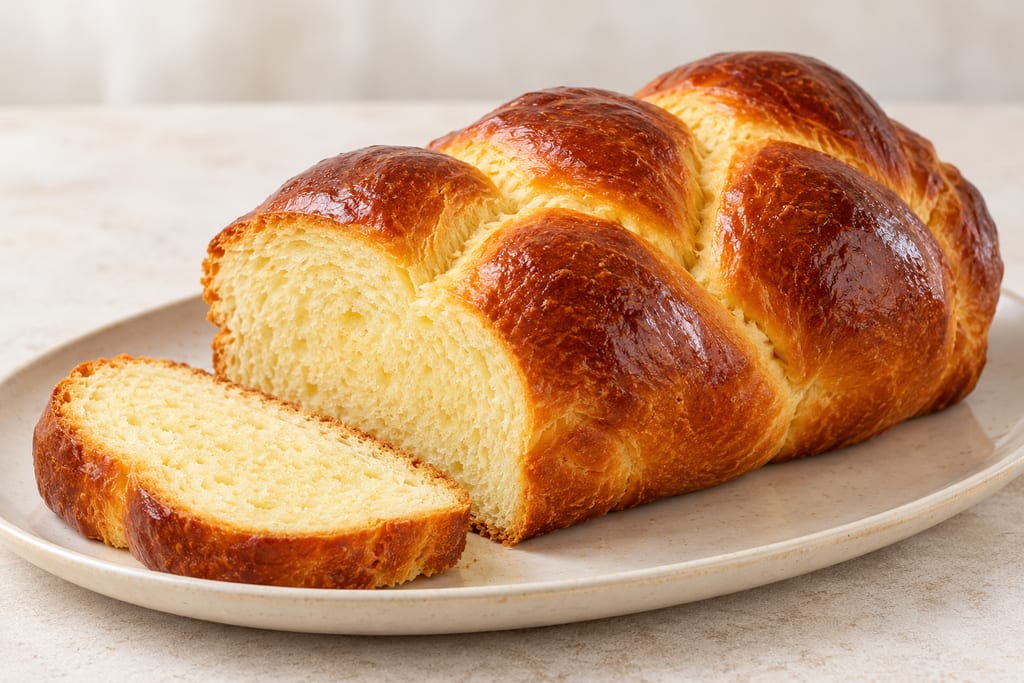
An egg-and-butter-rich yeast dough shaped as one round loaf, two loaves or twelve small brioches, with baking paths that vary by shape.
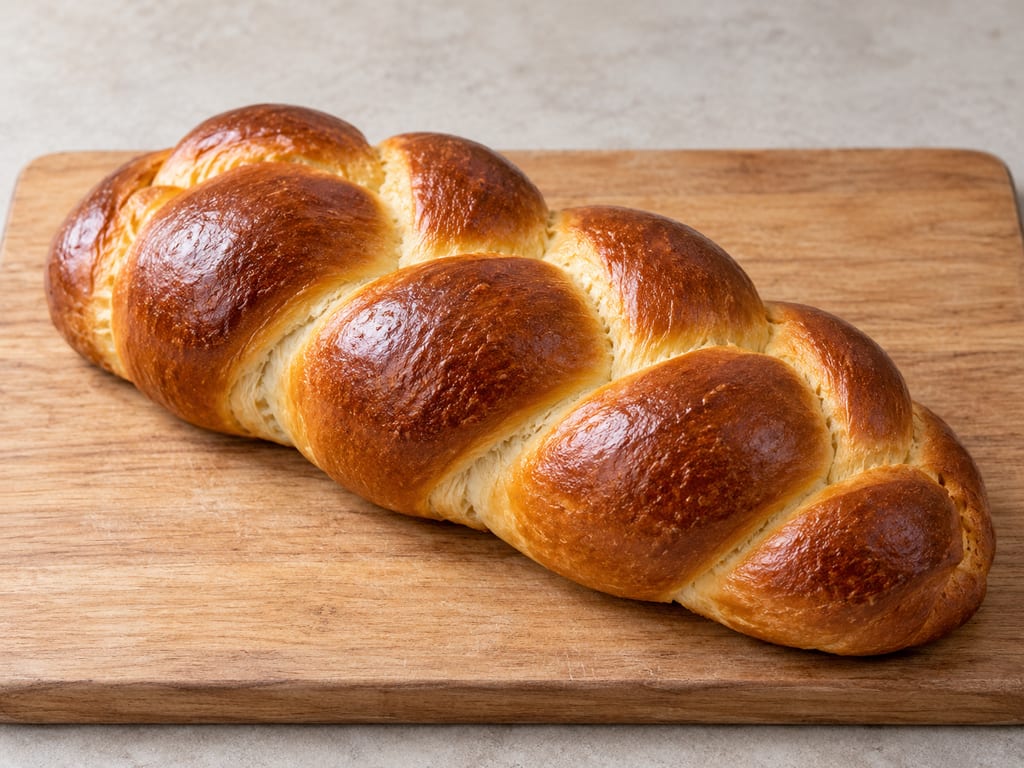
A three-strand yeast-raised challah with flour, salt, yeast, water, neutral oil, honey and egg, based on a Jewish Museum Vienna home recipe.
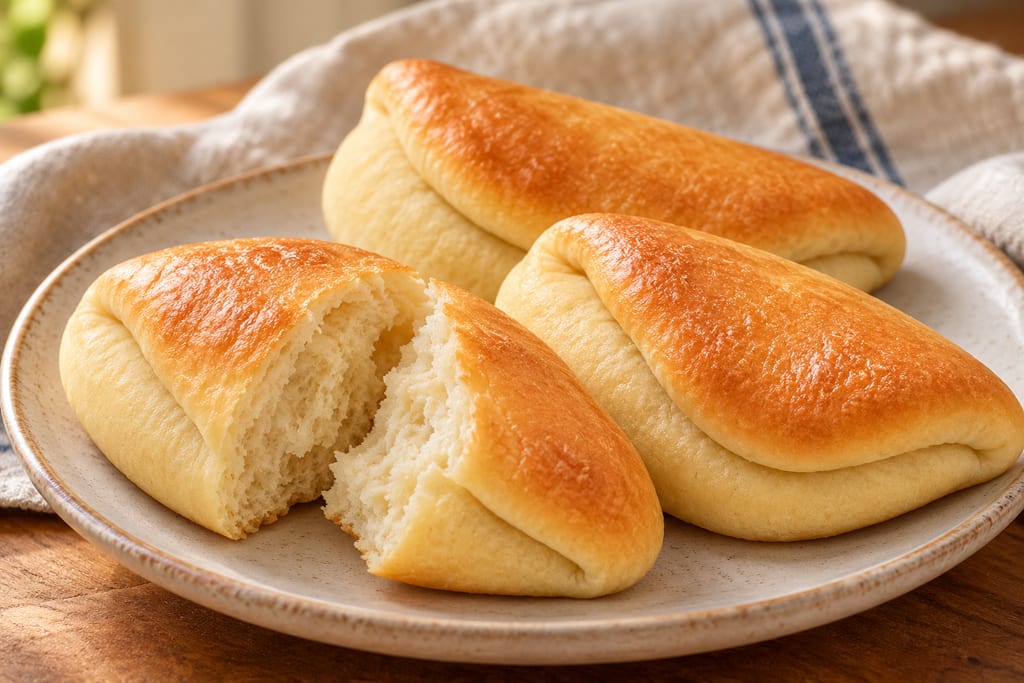
Jamaican-style folded rolls made from sweet coconut-milk yeast dough and brushed with butter.
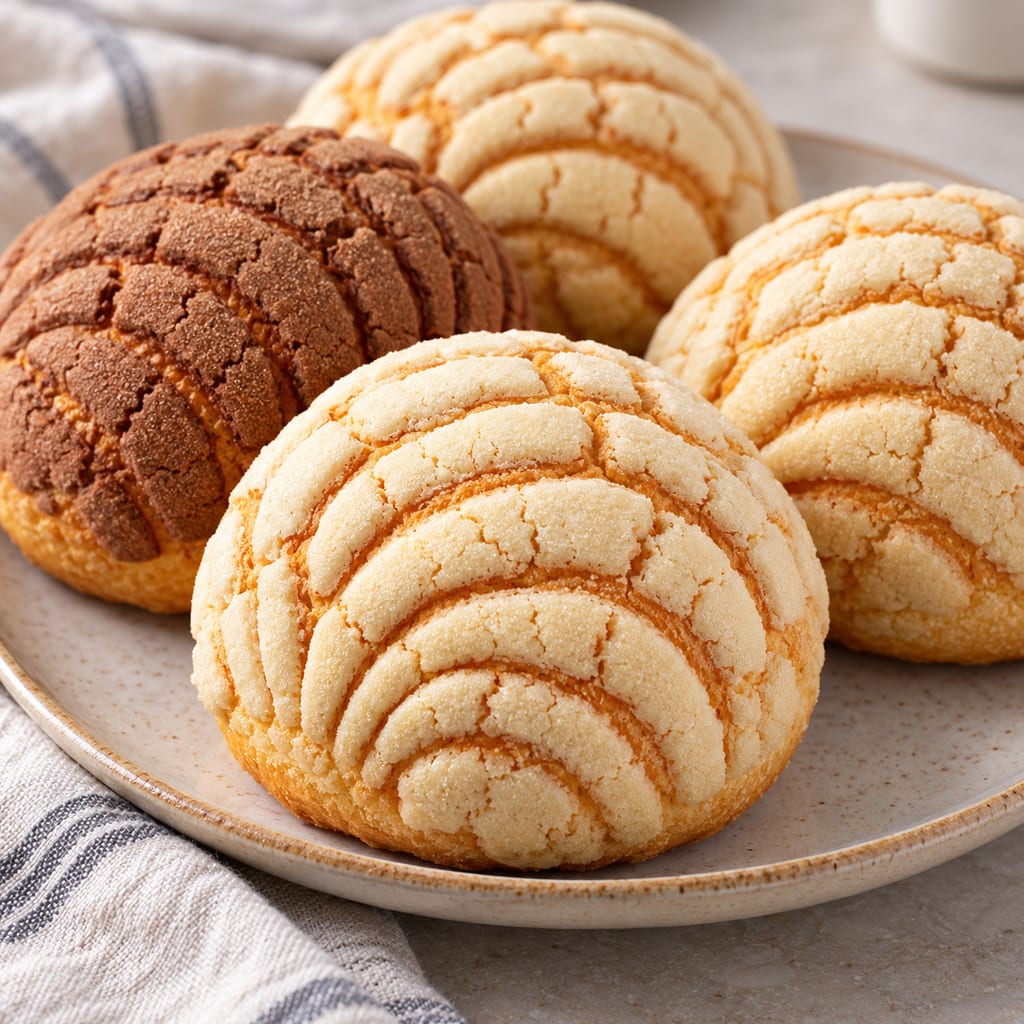
Mexican sweet rolls with a soft enriched yeast dough and a separate scored sugar-flour topping shaped like a shell. This version makes 15 rolls and uses a chilled dough rest before final proofing.
No community contributions have been published for this entry yet.
Sign in to contribute. Published comments and photos are free to read.
MetemgeeRecipe · Method · Family history
Guyanese Plait BreadBrown dedicates the recipe to her grandmother Inez Glen, from West Ruimveldt Housing Scheme in Georgetown, who baked homemade bread each Saturday.
The current recipe card lists one batch of 1¼ cups warm water at about 110°F, ¼ cup brown sugar, 1 tablespoon dry active yeast, 3½ cups all-purpose flour, ¼ teaspoon salt, ¼ cup room-temperature butter, and 1 tablespoon butter for basting; it makes one large loaf with eight servings.
The current instructions dissolve the brown sugar in the warm water, add yeast and bloom it; flour and salt are mixed separately and the butter is worked into them before adding the bloomed yeast.
The method kneads the dough for 5 minutes, rises until doubled, divides and braids three strands, proofs at room temperature for at least an hour, then bakes at 350°F for 25 minutes and brushes with butter.
Brown's recipe and introduction describe Guyanese plait bread with pepperpot on Christmas morning and give no eggs in this batch.
After the loaf has cooled completely, Brown recommends a plastic bread bag or clean towel in a cool, dry place for 2–3 days; she says refrigeration can stale it prematurely. This is her home freshness advice, not a tested safety limit.
Cited in: A Georgetown family bread, not a braided name for every loaf; Bloom the yeast and mix a soft dough; Knead, rise and divide evenly; Form the plait and allow the second proof; Bake, finish and store; Source boundaries, timing and variation; Raw dough and ingredient labels
Alica's PepperpotRegional identity · Regional distinction
Guyanese Plait Bread (Braided Bread)Alica recalls Guyanese bakery bread in Queens and describes breakfast with spreads or tea and Christmas pepperpot service.
Alica distinguishes the braid from challah by its customary egg-free formula; her own recipe card allows warm milk or water, showing that formulations can vary.
Cited in: A Georgetown family bread, not a braided name for every loaf; Source boundaries, timing and variation
Guyana TimesFoodways
Pepperpot and bread: The quintessential Guyanese Christmas breakfastThe feature describes fresh bread with Guyanese pepperpot as part of Christmas practice and quotes a diaspora cook who associates the pairing with her Christmas.
Cited in: A Georgetown family bread, not a braided name for every loaf
Centers for Disease Control and PreventionFood safety guidance
Raw Flour and DoughCDC says raw flour can carry germs, dough should not be tasted before baking, and hands, bowls, utensils and surfaces should be washed after handling it.
Cited in: Raw dough and ingredient labels
Department of Public Information, GuyanaContext
What’s on your Christmas menu?December 2019 interviews describing home-baked local bread with Christmas pepperpot; bread form not specified.
Cited in: A Christmas meal described in Guyana
Guyanese OnlineCultural context · Personal recollection
Story: BREAD by Ron PersaudFirst-person reminiscence published 26 August 2012 recalls Jack's/Dictator Bakery on James Street, Albuoystown, customers travelling from Kitty, and a household basket reserved for buying bread.
Persaud distinguishes pan-bread and plait-bread within a remembered broader bakery vocabulary, alongside salt/sweet and aniseed distinctions. His comic taxonomy is personal memory, not a formal classification, recipe or dated earliest attestation.
Cited in: Bread buying in a Georgetown recollection
