
Akazu (red sake-lees vinegar)
Japanese reddish-brown vinegar from sake lees matured about three years, turned to vinegar by acetic bacteria; the vinegar of Handa and Edomae sushi rice.
 FermenteaWhere food goes to change
Modern method
蒸しパン
Mushi-pan are Japanese steamed quick cakes made from a lightly sweetened wheat batter raised with baking powder. This four-cake version is cooked in paper-lined ramekins set in a shallow pan of boiling water.
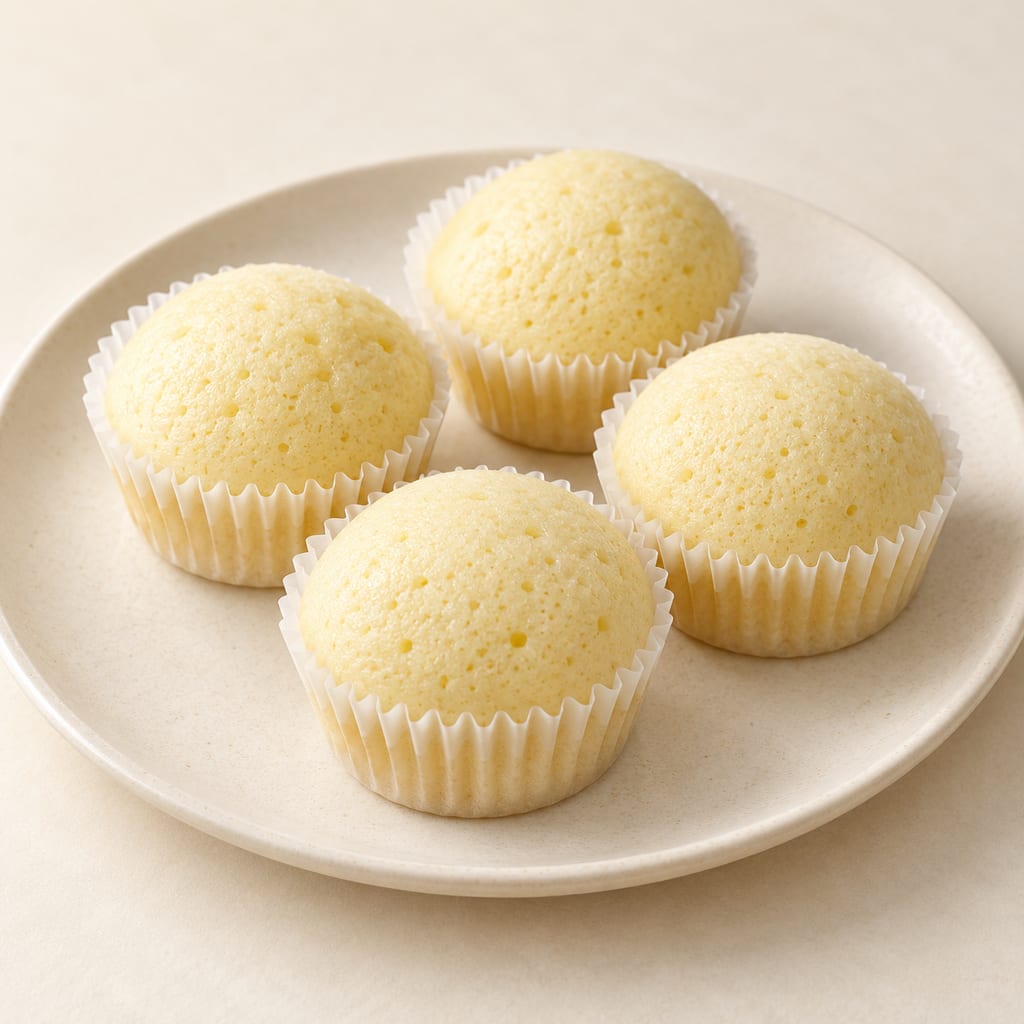
Mushi-pan means steamed bread or steamed cake, but this version is a quick batter rather than a yeast dough. Namiko Hirasawa Chen describes the Japanese cakes as wheat flour, baking powder, egg, milk, sugar and neutral oil, cooked in individual cups. The baking powder leavens the mixture; it has no yeast rise or proofing stage.
The source places the cakes in the setting of Japanese home cooking and describes them as breakfast or after-school snacks. It also discusses sweet-potato, cheese-and-corn, chocolate and matcha versions. This record follows the plain four-cake formula and does not fold those additions into its ingredient list.
The shallow water bath and covered pan make the cooking method accessible without a dedicated steamer. The source specifies water about 1/2 inch deep in a large frying pan, with a kitchen towel over the lid to catch condensation. The towel needs to be secured clear of the heat source. Ramekins sit in the boiling water, each with a paper liner; the cakes steam covered over the lowest heat.
Whisking the flour and baking powder distributes the raising agent. The wet ingredients are combined separately, then stirred into the flour only until smooth and just combined. Overmixing is unnecessary. Each liner is filled with batter, and the source steams the ramekins for 8 minutes after placing them in boiling water. A clean centre skewer is the source's check; the card estimates 10 minutes of cooking overall, allowing for heating and setup.
Kazuko Hosomi's 2022 paper surveys newspaper references to steamed bread in Japan. Its abstract identifies a 1906 reference and says baking powder was used as a raising agent from around 1911. These findings place the broader steamed-bread category in a documented modern history; they do not establish when this exact light, sweet, single-serving formula first appeared.
The ingredient and method here come from a contemporary recipe page. It should be read as one home preparation of mushi-pan, not as a canonical historical formula or as evidence that every regional or household version uses these quantities.
Flour is a raw food, and eggs may also carry harmful bacteria. Do not taste the batter. Keep raw ingredients and utensils separate from ready-to-eat food, clean hands and equipment after mixing, and cook the cakes through. The source's skewer check tests whether wet batter remains; it is not a measured safety temperature.
Boiling water, ramekins and steam can scald. Open the lid away from the face and handle the cups with protection. Chen says the cakes may be refrigerated or frozen and reheated by microwave or re-steaming; those are the source's storage and quality directions, not a validated safety schedule. Serve warm or at room temperature.
This body is a contemporary recipe adaptation, not a reconstruction of a historical formula. Kazuko Hosomi's 2022 study of Japanese newspaper archives reports a steamed-bread reference in 1906 and baking-powder use around 1911; those dates concern the broader category and do not establish the invention date of this recipe.
Yield 4 steamed cakes · Scaling: source batch only
Flour is raw and egg may carry harmful bacteria; uncooked batter should not be tasted.
Hazard sourceHot water and steam can scald when the lid or ramekins are moved.
Hazard sourceKeep raw batter and utensils away from ready-to-eat food, wash hands and equipment after handling, and cook the cakes through. The source uses a clean skewer check; no measured safe temperature is specified.
Control sourceLift the lid away from the face and use protection when handling hot ramekins. Secure the lid towel clear of the burner or heating element.
Control sourceContains wheat, egg and milk.
A clean skewer is a texture cue, not a measured food-safety limit.
Country-level association only; no specific region or locality is claimed.
Japanese reddish-brown vinegar from sake lees matured about three years, turned to vinegar by acetic bacteria; the vinegar of Handa and Edomae sushi rice.

A thick, naturally sweet rice-and-koji preparation used to add body and sweetness to marinades, dressings and sauces. This method follows a published Marukome home recipe and is an enzyme-conversion hold, not a way to grow koji mould.
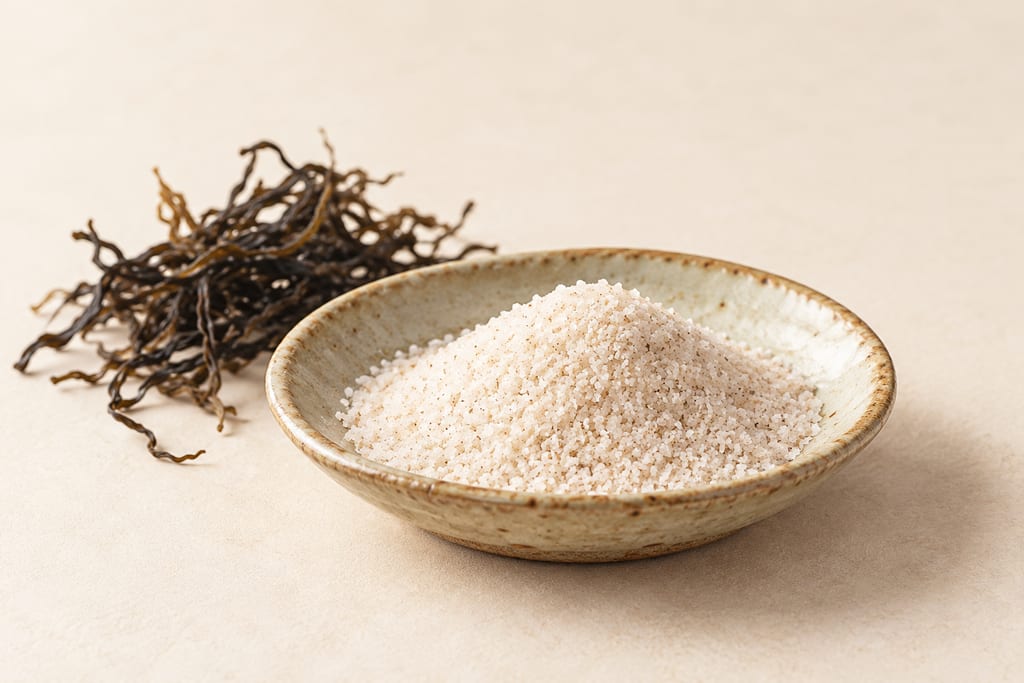
Amabito no Moshio is a modern, pale beige Japanese seaweed salt made from Seto Inland Sea water and hondawara seaweed. Its documented factory method concentrates filtered brine in kettles, then separates and dries the salt.
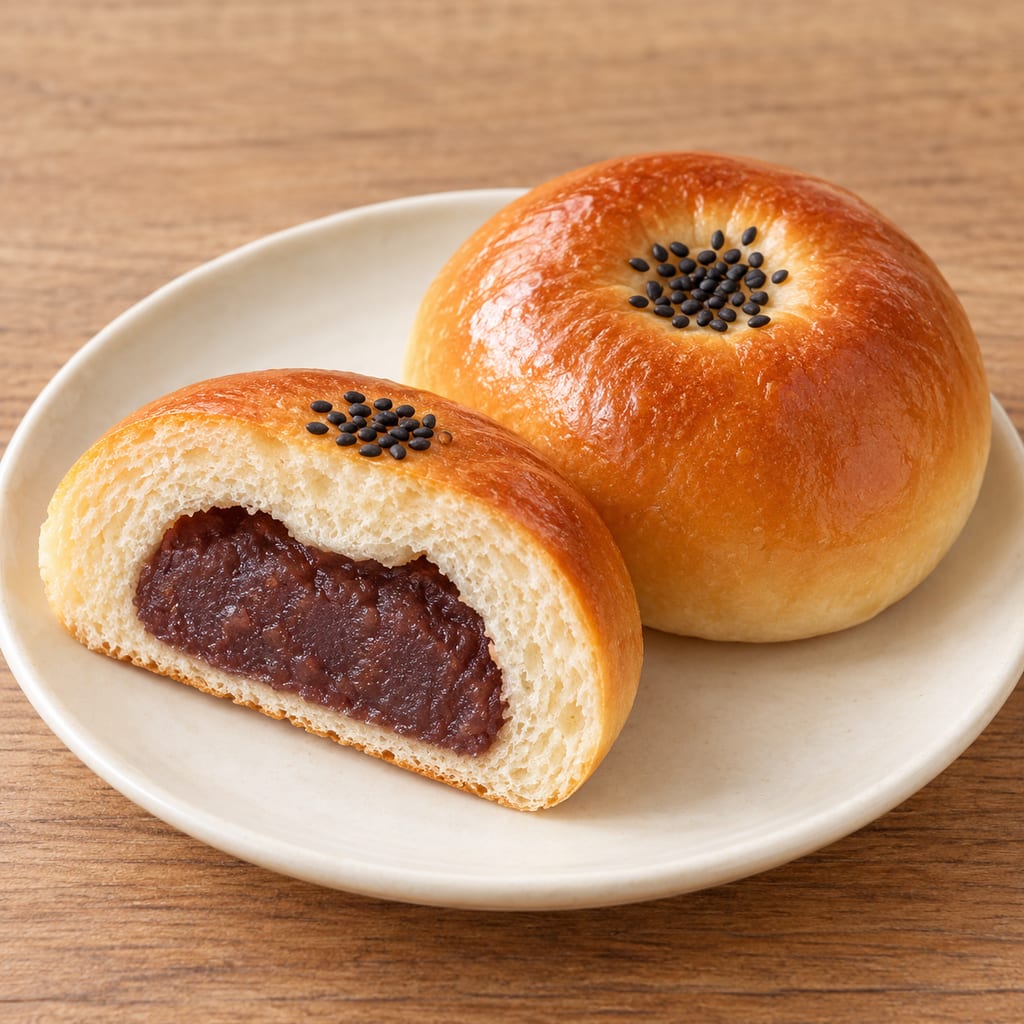
Anpan is a soft wheat bun filled with sweet red-bean paste and finished with egg wash and black sesame. This dough rises with commercial instant yeast.

Japanese skipjack tuna cooked, then repeatedly smoked and dried over a wood fire by the hand-fired tebiyama method into a hard block for shaving into dashi: the first stage of katsuobushi.
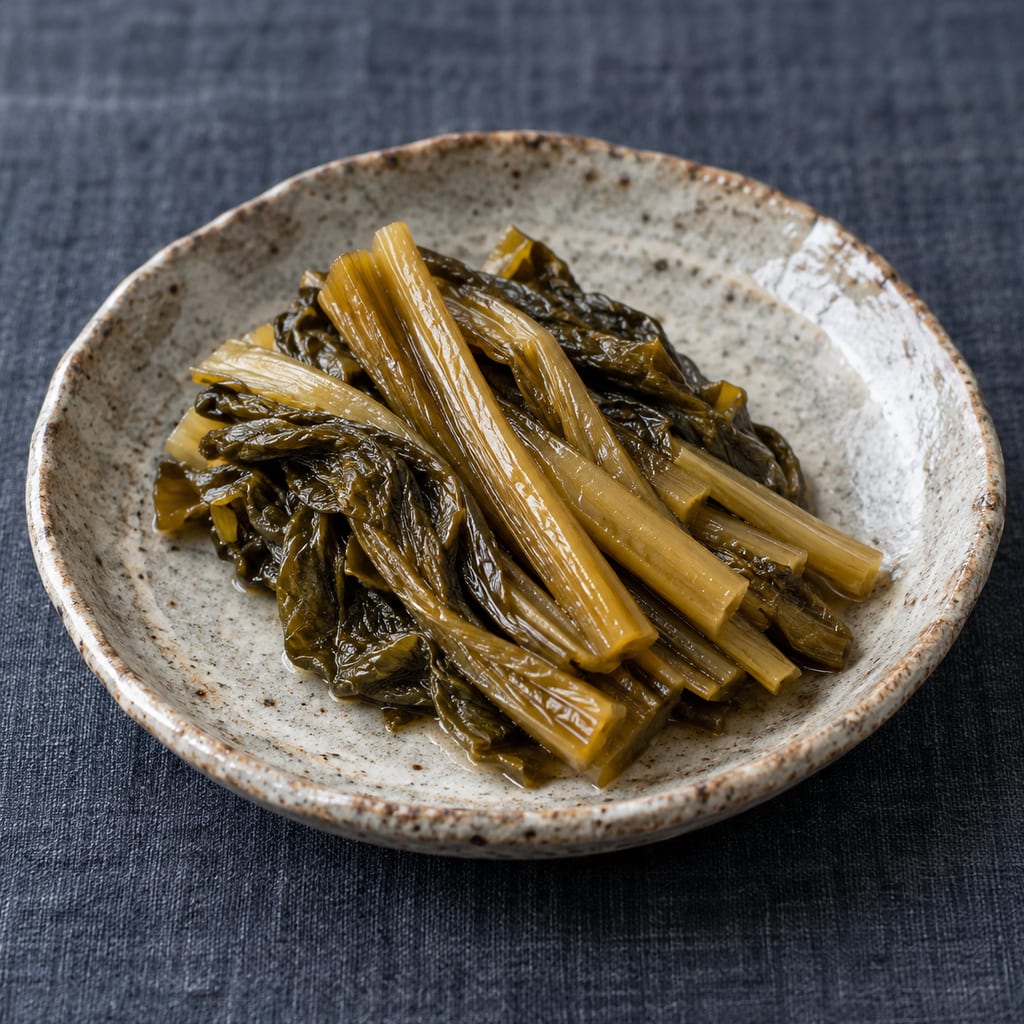
Takana mustard greens from Aso in Kumamoto are salted and pressed into a fresh spring pickle, or aged into a sour furuzuke that is fried and mixed into takana rice.
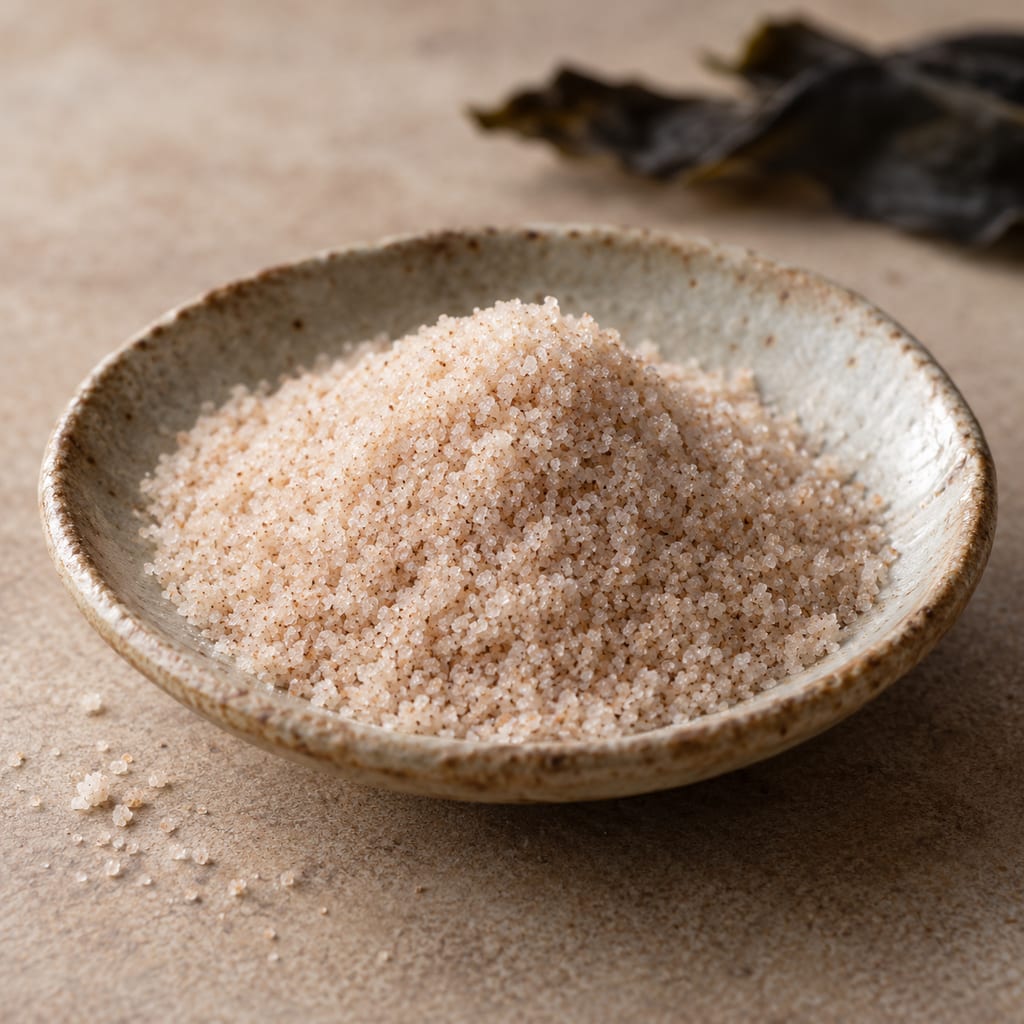
Awaji moshio is a modern Japanese seaweed salt made by TaDa PHILOSOPHY from Awaji Island seawater and seaweed. Its premium process concentrates brine, extracts seaweed flavor, then crystallizes, separates, dries and grades the salt.
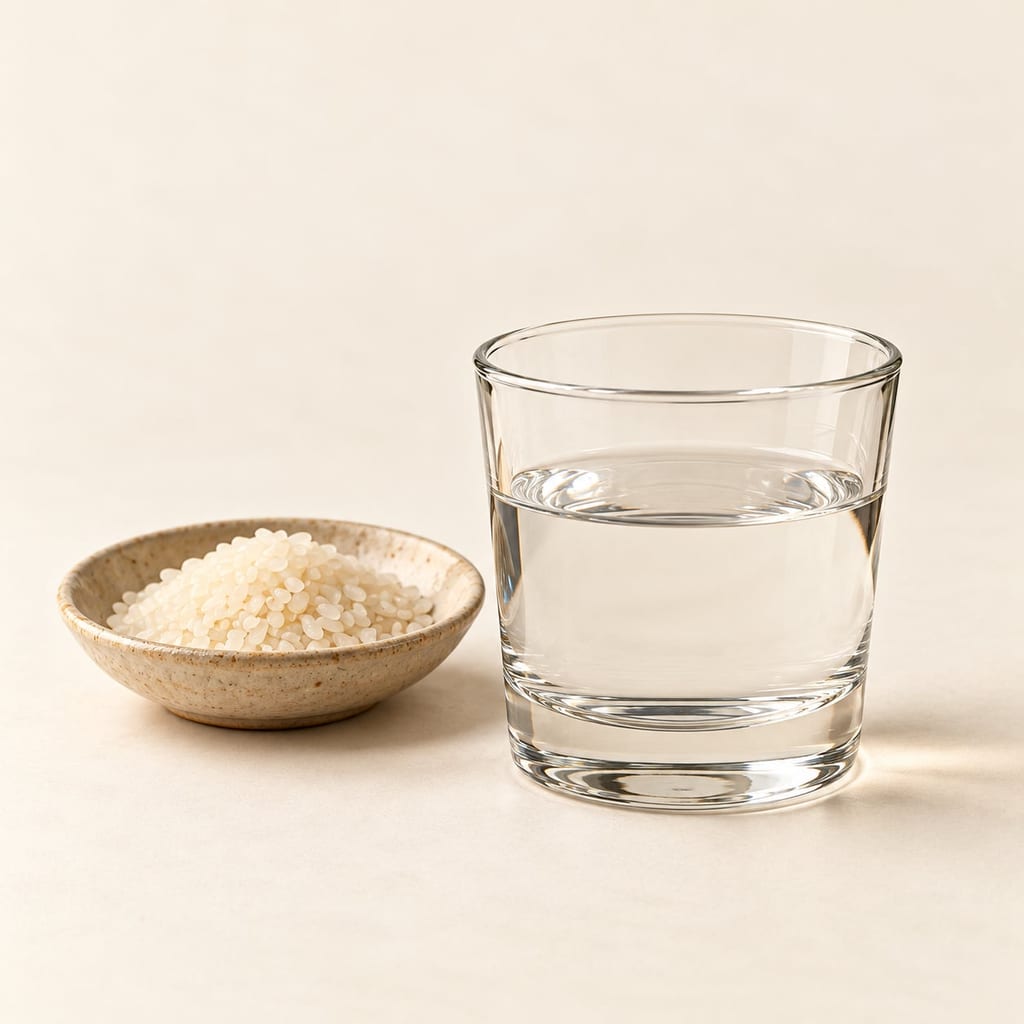
An Okinawan rice spirit made by turning all the rice into black koji, fermenting it with water and yeast, then pot-distilling and maturing the spirit.
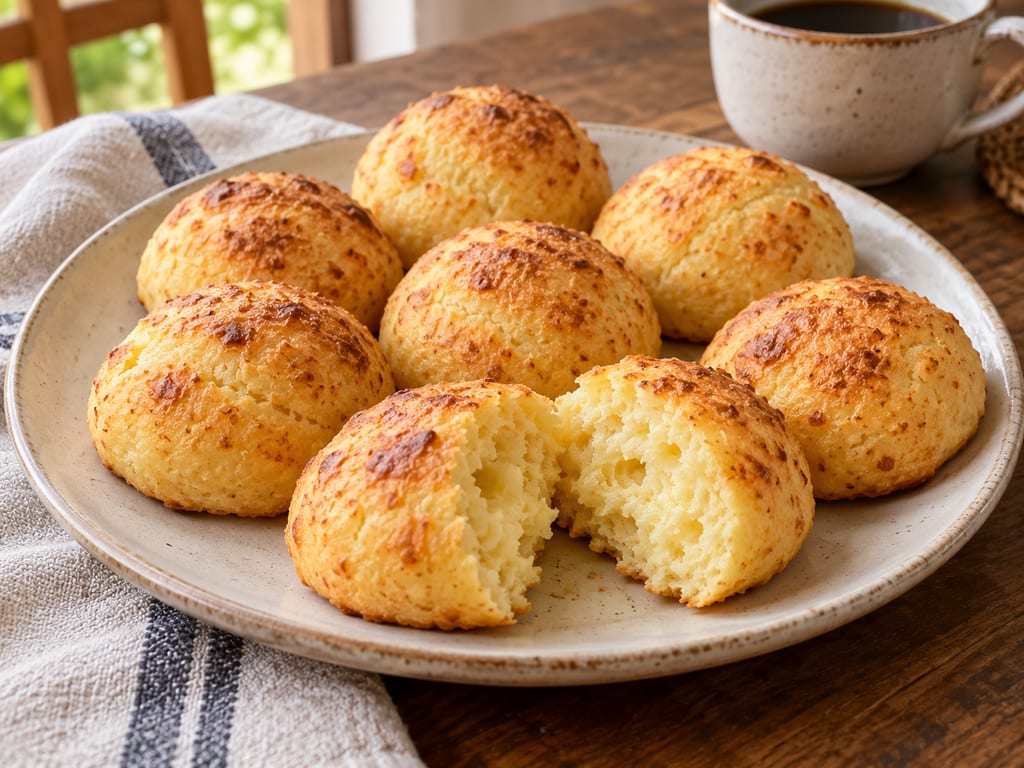
Small Colombian cheese breads made with precooked corn flour, queso fresco, mozzarella, eggs, milk and baking powder. This documented home version makes eight breads and is served warm.
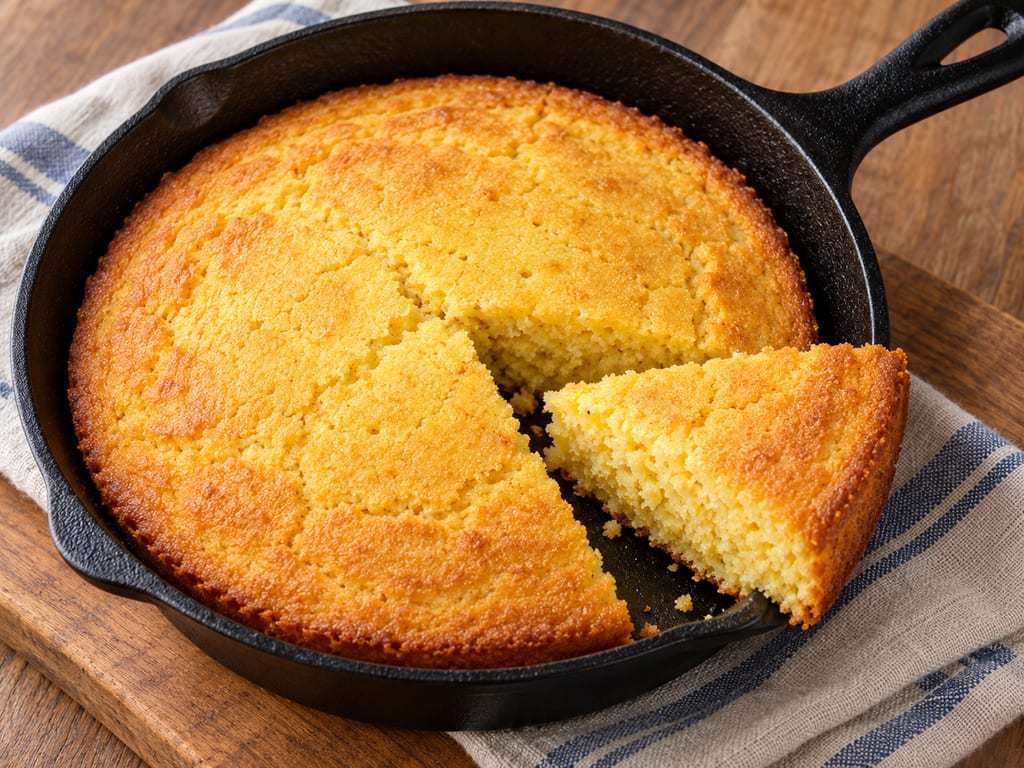
A modern cornmeal-and-wheat cornbread that King Arthur Baking describes as a compromise between Northern and Southern styles. The batter is baked in a pan or as muffins and served warm.
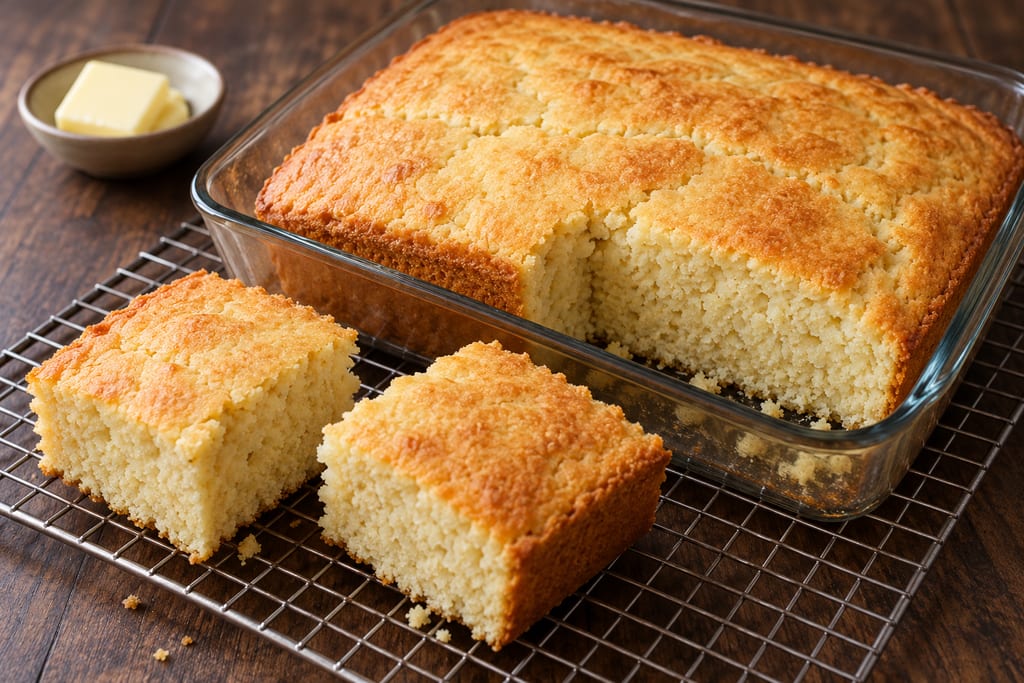
A soft, butter-rich Bahamian-style baked johnnycake made from flour, baking powder, sugar, butter and milk. The dough rests briefly in a square pan before baking.
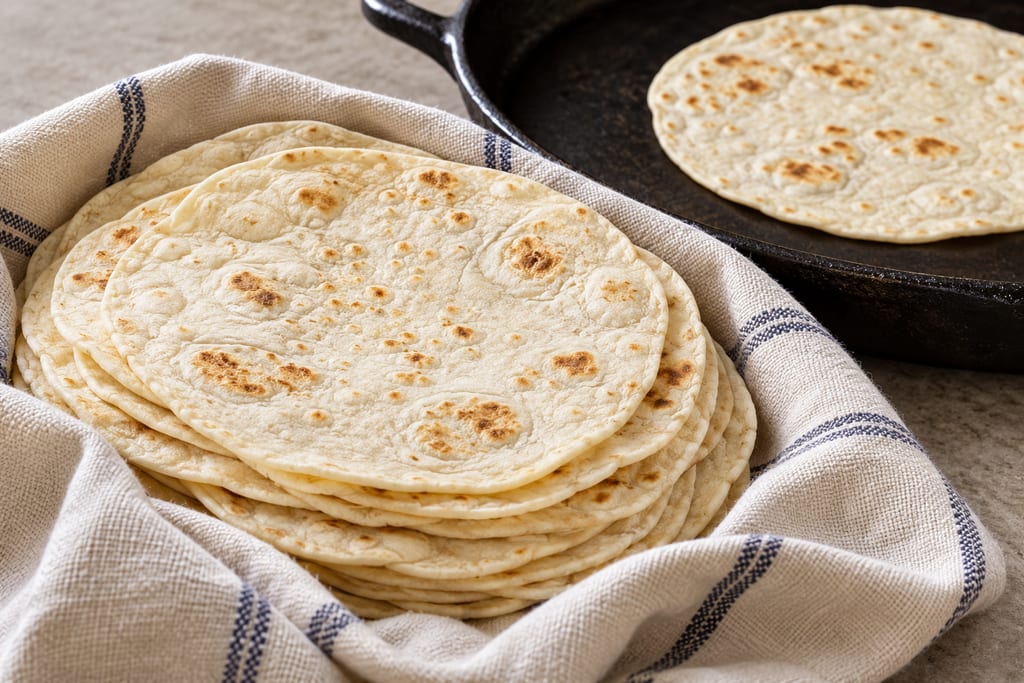
Soft wheat-flour rounds from an INCAP Honduran baleada recipe are rolled thin and cooked on a dry skillet; this record covers tortillas, not the filled dish.
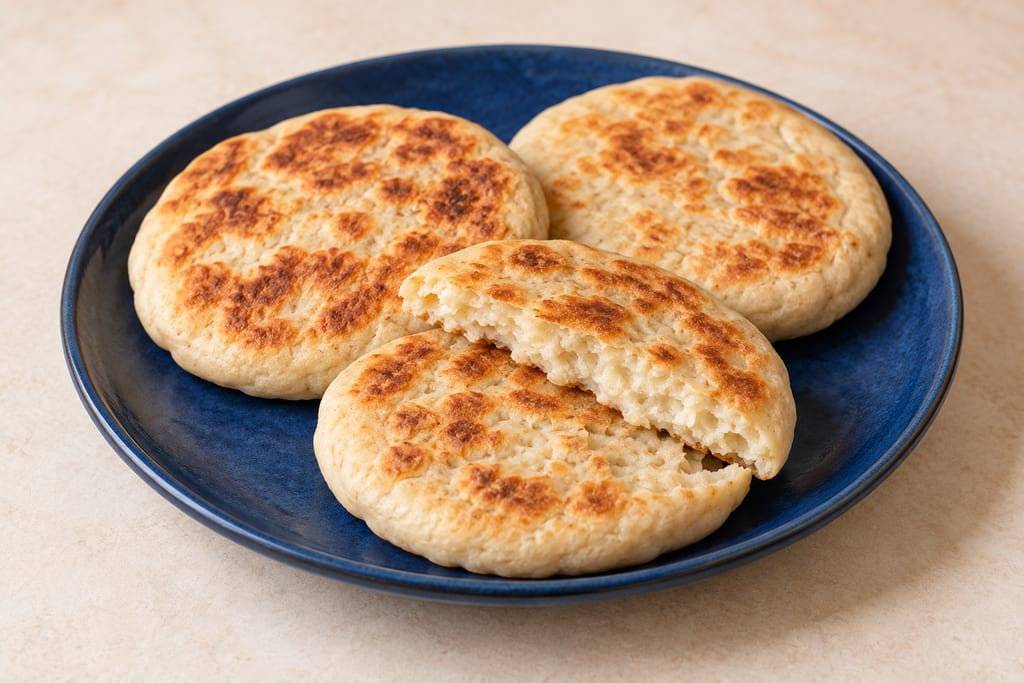
A Central Tibetan style pan bread made from flour, water and baking powder. Four dough balls are rested, rolled into rounds and cooked covered in a skillet, turning them several times.
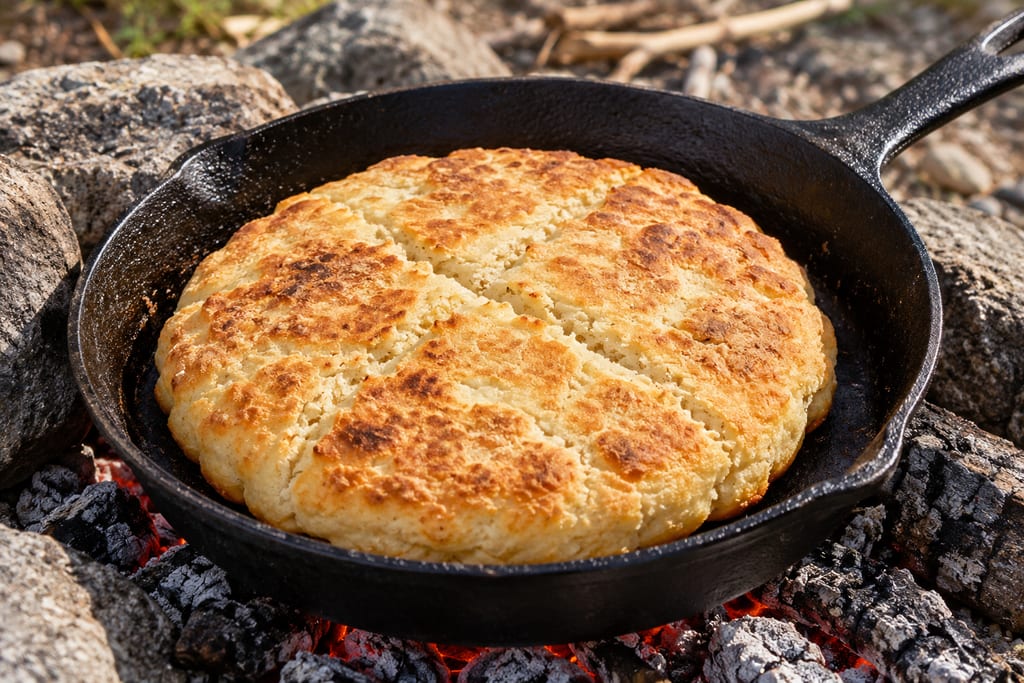
This flour, baking-powder and oil dough is Parks Canada’s contemporary Métis-interpreter version prepared at Rocky Mountain House; its specific recipe origin is unknown.
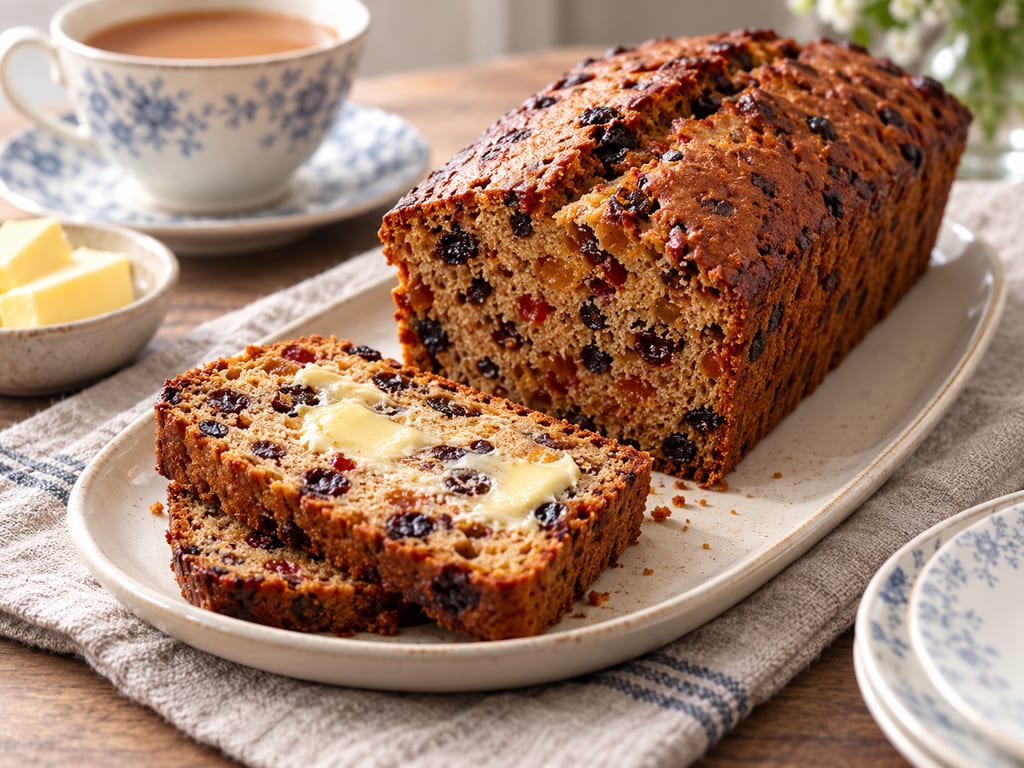
Bara brith is Wales’s speckled fruit loaf, made in both yeasted bread forms and the widely served modern tea-loaf style. This version soaks dried fruit in strong tea before mixing it with self-raising flour, spice, sugar and egg.
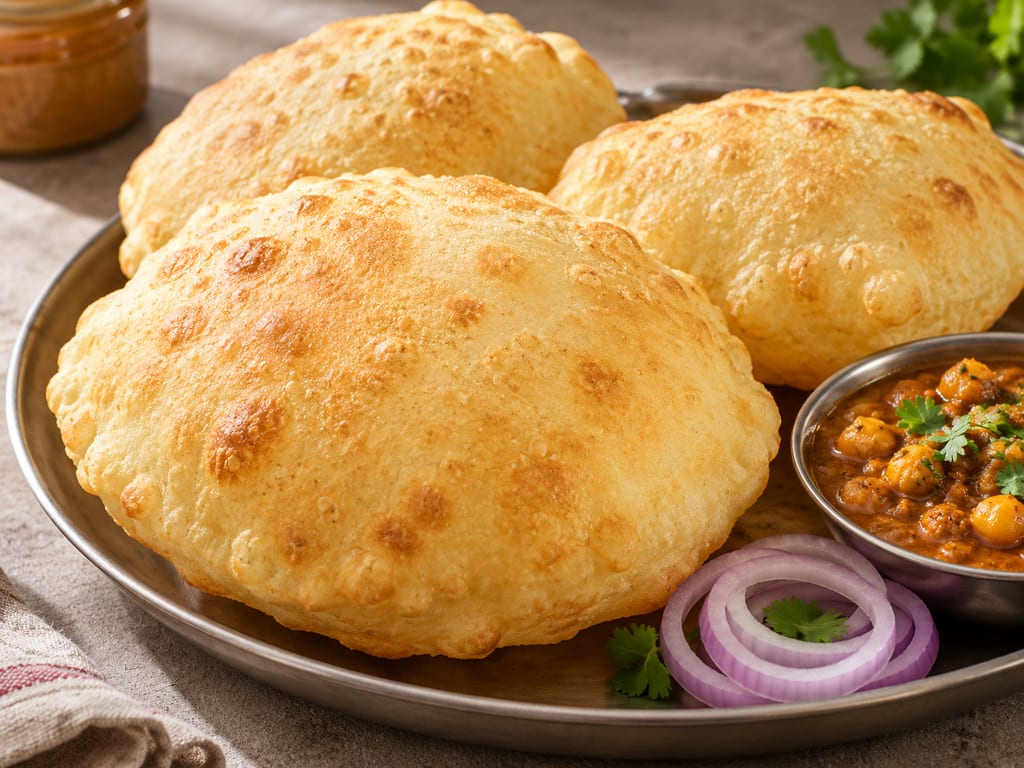
A North Indian fried bread made with yogurt, wheat flour and chemical leaveners. This source batch makes eight.

Soft, spreadable Calabrian pork sausage made with a great deal of red chilli and fatty pork, stuffed into natural casings, sometimes smoked and matured while staying soft.

A way to add independent temperature logging to an existing food dehydrator without changing its built-in controls or protections. It is a monitoring method, not a rewiring plan.

Pleurotus cystidiosus is the abalone mushroom, a cultivated oyster-type fungus with dark brown caps that grows more slowly and is more demanding than other Pleurotus species.

A dark, balanced vinegar from Emilia-Romagna made by combining cooked or concentrated grape must with wine vinegar, then acetifying and refining it in wood under a protected specification.

A living dairy inoculum that starts controlled cream fermentation, developing acidity and aroma before sour cream or cultured butter is finished.

A small electric incubator holds jars at a selected temperature for yogurt and other documented warm food preparations. Controls, capacity and vessel arrangement vary by model.

Adygean salt is a seasoned table salt associated with Adygea and the wider North Caucasian culinary tradition. Salt is blended with garlic and a variable selection of herbs and spices; the exact mix depends on the named style and maker.

The African Caesar-group mushroom, Amanita masasiensis, is a wild ectomycorrhizal species of central and southern African woodlands, eaten locally. The genus contains deadly poisonous species, so identification needs care.
No community contributions have been published for this entry yet.
Sign in to contribute. Published comments and photos are free to read.
Just One CookbookJapanese identification and context · Complete four cake recipe and method
Steamed Cake (Mushi-pan) 蒸しパンThe author identifies mushi-pan as Japanese cakes cooked by steaming and distinguishes their baking-powder leavening from yeast-raised mantou.
The basic recipe yields four cakes from 1/2 cup all-purpose flour, 1 tsp baking powder, 1 large egg (50 g without shell), 2 tbsp milk, 2 tbsp sugar and 1 tbsp neutral oil.
The method lines four 6-ounce ramekins, heats water 1/2 inch deep in a covered frying pan whose lid is wrapped with a kitchen towel, combines dry and wet ingredients separately, fills the liners and steams covered over the lowest heat for 8 minutes; a clean skewer signals the source's doneness check.
The recipe card lists 10 minutes prep, 10 minutes cooking and 20 minutes total. It reports refrigerated and frozen storage guidance and re-steaming for reheating; no independent safety validation is claimed.
Cited in: A Japanese steamed quick cake; Mixing and steaming; What the historical evidence can say; Handling and serving
Kobe Women's Junior College / CiNii ResearchHistorical context
The Popularity of Steamed Bread in Japan: Regarding the Origin and Changes in Steamed BreadThe 2022 abstract reports its newspaper survey's earliest steamed-bread reference in 1906 and baking-powder use around 1911.
These dates attest to the broad steamed-bread category and do not date the specific contemporary mushi-pan recipe.
Cited in: What the historical evidence can say
Institute of Food Science & TechnologyChemical leavening context
Raising agents: chemicalMoisture and heat activate chemical raising agents that produce carbon dioxide.
Cited in: Mixing and steaming
U.S. Food and Drug AdministrationRaw flour and egg safety
Handling Flour Safely: What You Need to KnowFlour is raw, raw eggs may carry harmful bacteria, and raw dough or batter should not be tasted; cooking is needed to make foods containing flour and raw eggs safe.
Cited in: Handling and serving
National Health ServiceHot water and steam scald hazard
Burns and scaldsHot liquids and steam cause scalds.
Cited in: Handling and serving