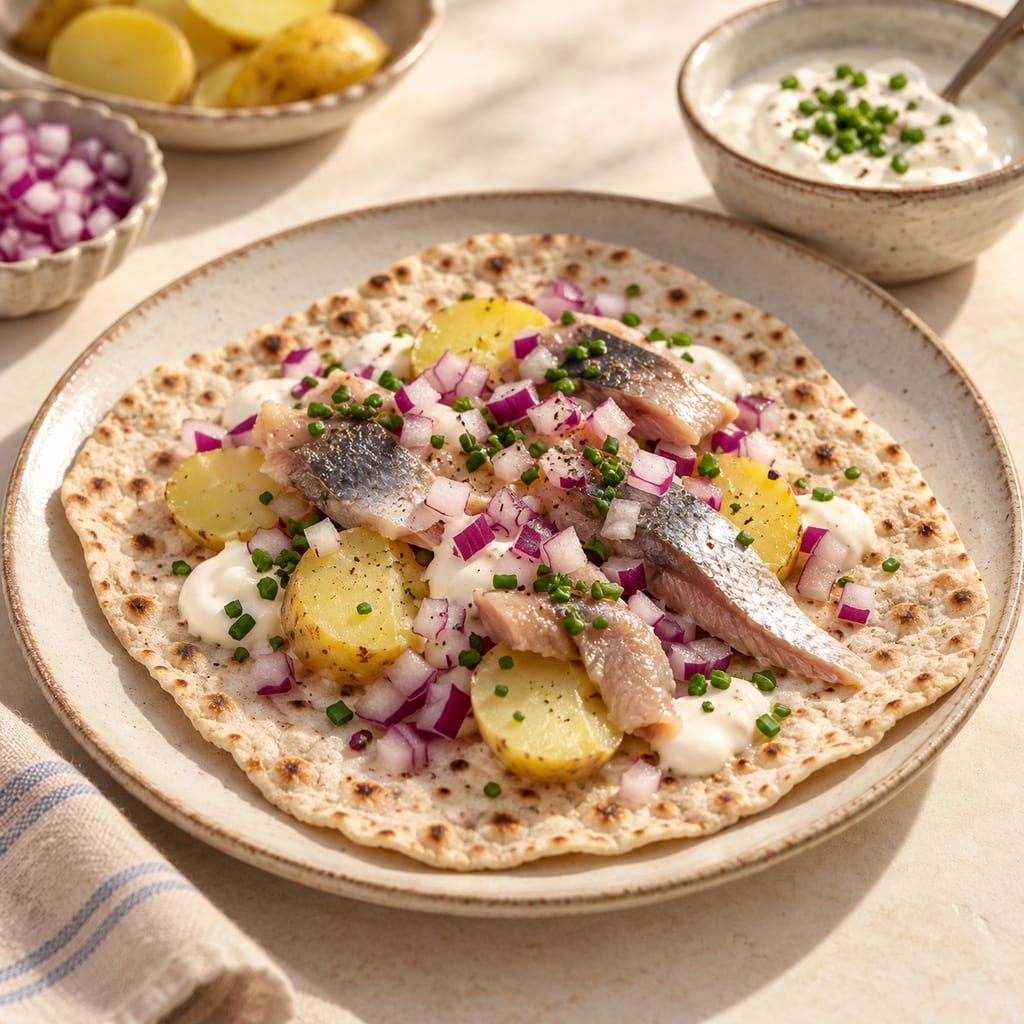
A surströmming meal
A Swedish late-summer meal of commercially prepared surströmming, tunnbröd, potatoes, onion and cultured cream. This is a serving preparation; the specialist fish fermentation is not made at home here.
 FermenteaWhere food goes to change
mjukt tunnbröd · mjuka tunnbröd
Tunnbröd is Sweden’s family of thin, docked flatbreads, baked soft for immediate meals or dried crisp for the pantry. This home recipe follows a northern Swedish soft rye-and-wheat version scented with anise and fennel.
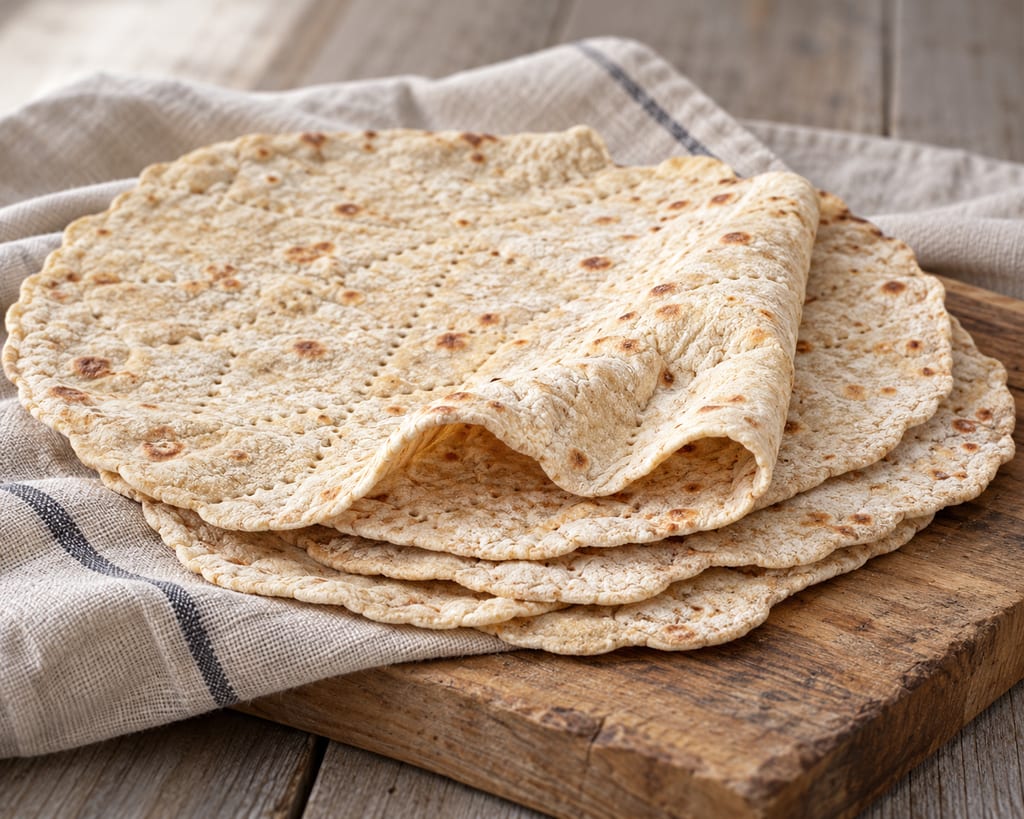
Tunnbröd means “thin bread,” and in Sweden it names a family rather than one fixed dough. The defining work is to roll the dough thin, prick or dock it, and bake it quickly on a hot surface. The result can be soft and foldable, half-dry and chewy, or crisp enough to keep as pantry bread. Its colour is usually pale gold with scattered browned spots; the surface may bubble where it was not fully docked. Flavour follows the grain and dough: barley has a rustic, slightly sweet cereal note, rye gives earthiness, and wheat makes a softer, more extensible round.
This recipe is a modern home version of mjukt tunnbröd, the soft form associated with northern Sweden. It uses wheat and rye, milk, butter, yeast, a little sugar, and the paired aromatics anise and fennel. The dough rises briefly and is rolled to about 1.5 millimetres. It is designed to stay pliable under a cloth after baking, rather than dry hard for months. These distinctions matter: “tunnbröd” alone does not promise yeast, milk, spice, potato, or even a soft finish.
In English-language kitchens the closest comparison may be a thin flatbread, but tunnbröd is not simply a Swedish version of tortilla, naan or crispbread. Its texture and purpose change with flour, hydration, leavening, thickness and how long it is baked or dried. The recipe here follows one contemporary soft style and keeps the historical hard barley breads as a related branch.
The strongest tunnbröd tradition lies in Norrland and northern Svealand, though the bread is now eaten throughout Sweden and has related western Swedish and Norwegian thin-bread traditions. In much of northern and western Sweden, barley and oats mattered because they could be grown where wheat and rye were less dependable. Heritage accounts describe tunnbröd as a staple baked in large quantities, not merely a novelty bread. A thin, thoroughly dried cake packed away in a dry store could outlast a soft loaf and bridge the weeks between baking days.
Skansen’s account describes large farm bakehouses set apart from the main buildings partly because of fire risk. The oven could take days to heat; families baked in spring and autumn, around the time small water-powered mills could grind grain. The timing joined milling and preservation: flour was processed into thin, hard rounds while the oven was hot, then bread was dried and stored. Several people might share the work, with one kneading, another rolling, and another tending the oven. It was skilled household work, communal and sometimes paid work by a specialist baker.
The word and practice have a written record. The Swedish Academy’s historical dictionary cites an Ångermanland court record from 1636 that calls the bread “tun brödh”; a 1762 description notes Norrland bread pricked with crow feathers. The Swedish heritage inventory says tunnbröd has been baked at least since the sixteenth century and probably earlier. Early written evidence is not proof of the invention date. It does not establish one origin village, one inventor, or one unchanged recipe.
Old forms were often unleavened barley or oat dough, rolled thin, pricked and baked dry. In a 1901 record from Grisbacka near Umeå, Anna Forsman’s formula is barley flour, water and salt; the rounds are rolled thin as leaves, docked on both sides, baked pale, folded while warm and dried on shelves. She says the bread was commonly eaten with filmjölk, cultured sour milk, and that many homes baked no other bread. A 1912 Nederluleå record likewise describes hard barley dough, feather docking, warm folding and use as blöta, bread softened in broth or cooked milk, or as sandwich bread. These are local records, not interchangeable instructions for this modern soft bread.
That twice-yearly rhythm was tied to water and work as much as taste. A small stream mill could grind grain when spring melt or autumn rain brought flowing water; turning fresh flour into very dry cakes made it easier to preserve the harvest. Skansen describes the oven as a large communal tool that was difficult to heat and worth using for a substantial bake. The dough could be prepared in more than one batch through the day, but bakers tried not to let it swell too much before shaping. Families often divided the labour, and a trained woman called a bakstra could be hired in northern Sweden. The old method therefore joined agricultural timing, milling technology, fuel, household storage and skilled coordination. Tunnbröd is not only a way of making a thin bread; it is part of a seasonal food system.
The names and textures are local. Hårt tunnbröd is thin and crisp after baking and drying; mjukt tunnbröd remains flexible. A semi-hard version lands between them. Across the family, cooks may use barley, rye, oats or wheat, and liquids can include water, milk, whey or, in documented regional breads, blood. The Swedish heritage inventory also lists pea and bark flour among less common additions. These variations reflect what households grew, bought or had to stretch, and what texture they wanted to store or eat fresh.
Potato became especially important to some Dalarna breads. Kavelgris and tuttul are soft regional forms with potato and, in some recipes, spices; potato is cooked and mashed into dough, giving a moister, yielding cake than lean barley-and-water rounds. Norrbotten’s klådda is small and soft to half-chewy, while Västerbotten’s ljusugnsbröd is hard bread baked after the oven roof has cleared of soot. Ångermanland’s sladdkaka is thicker and uses cultured milk and bicarbonate. These names describe different preparations, so they should not be collapsed into one master formula.
Gáhkku, also called glödkaka in Swedish descriptions, is a related soft Sámi flatbread. It is cooked over or beside an open fire, on a griddle or stone, and its dough and technique belong to particular Sámi traditions. It is not simply another name for the milk-and-yeast recipe here. Contemporary soft tunnbröd has also become shop bread across Sweden, while home and community bakehouses preserve older skills. The same word thus spans practical stored bread, regional fresh bread, a living craft and industrial production.
The modern shop loaf has its own production story. The heritage inventory notes that many packaged Swedish tunnbröd are square because they are stamped from broad dough sheets and baked in tunnel ovens; large producers are concentrated from Medelpad northward. That regular factory shape contrasts with the hand-rolled round made in a bakehouse, but it does not erase the family name. Retail soft breads support quick lunches and school trips, while some small bakeries and associations keep the communal oven day alive. These settings produce different scales and shapes, yet the common idea remains a thin dough baked fast. A square packaged round and a large home-rolled cake are not necessarily different traditions; they may be different production forms within the same broad category.
Strong wheat flour supplies most of the dough’s stretch, while rye adds flavour and a denser, less elastic character. The dough is not kneaded like a tall wheat loaf: the published method says it needs little kneading, only enough to combine the ingredients and work in butter. Milk hydrates the flour and contributes dairy flavour; softened butter enriches the dough and helps it feel supple. A little sugar feeds the yeast and rounds the taste, while salt seasons it. Anise and fennel are crushed to release aroma; they are a choice in some contemporary breads, not universal tunnbröd seasoning.
Yeast produces carbon dioxide as it consumes sugars, loosening the dough during its one-hour rise. This recipe calls for only a modest rise: a large airy crumb is not the aim. Rolling to 1.5 millimetres creates a quick-baking sheet that stays flexible if removed as soon as it colours lightly. A fork or kruskavel marks the surface so it does not balloon into one large pocket. Docking is a shaping and texture control here, not a fermentation step.
A preheated stone stores heat and transfers it quickly to each round, while the dry-pan option offers a practical home alternative. The high heat and short bake give small blisters and faint colour before thin dough dries out. Turning the dough as it is rolled helps prevent sticking and keeps thickness more even; irregular edges are normal. A cloth over cooling breads traps some moisture and slows drying, helping this soft style fold without cracking. Hard tunnbröd needs extended drying or a different formula and storage method; that is not what this recipe instructs.
Crush the fennel and anise seeds. In a large bowl combine them with strong white flour, sifted rye flour, dried yeast and sugar; stir in the salt. Add the cold milk and mix to an even dough. Knead in the softened butter gradually, then knead for one more minute. Cover and leave the dough for an hour to rise.
Put a baking stone on the middle shelf and heat the oven to 250°C for at least 30 minutes. If you do not have a stone, a very hot dry frying pan is a documented alternative. Divide the dough into portions of about 110 grams and shape into balls. On a generously floured board, roll each piece, turning it often, until roughly 15 centimetres across; continue to about 1.5 millimetres thick. The rounds need not be perfectly circular.
Prick the top with a kruskavel or a fork. Slide the dough onto the heated stone and bake for about three minutes, until the top is lightly coloured. In a very hot dry pan, cook about two minutes on each side. Exact timing depends on the heat and thickness, so watch the first bread closely and use the source’s light-colour cue. Move each bread to a rack and cover with a clean cloth as it cools. Repeat.
The formula makes roughly eight pieces at the stated 110-gram portions. Once fully cool, seal them in a bag and use within three days, or freeze. Do not store them as if they were old hard, dried pantry breads: the moisture and ingredients differ. The published method does not give a room-temperature shelf life beyond those three days.
Soft tunnbröd is a carrier for savoury fillings because it folds without shattering. A renklämma is a northern wrap made with smoked reindeer, cream cheese or crème fraîche and horseradish; lettuce and red onion are optional additions in the cited home-baking account. The bread also works as a hot-dog roll or with smoked fish, sausage, aged cheese and vegetables. Cut wraps diagonally just before serving, or slice them into smaller rolls. The older Umeå record describes a different everyday pairing: cultured filmjölk and a plain bread with no aromatic seeds.
Hard tunnbröd has another job. Once dry, it becomes crisp store bread; it can be broken into pieces or softened in hot broth or milk for blöta. It was made in batches for long keeping, and its dryness was part of the design. Soft modern breads can be frozen, a contemporary way to preserve them without claiming they share the same storage properties as fully dried historical bread.
A thin bread browns quickly. If it comes out brittle, check thickness, pan or stone heat, and whether it stayed covered while cooling; these affect moisture loss and doneness. If a round balloons dramatically, it may not have been docked enough or evenly. These are practical baking observations, not defects in the wider tunnbröd family: a crisp round may be exactly right when the aim is hard bread, while this recipe is meant to remain supple.
A Swedish court record cited by the Academy dictionary attests tunnbröd in 1636; heritage accounts document the wider baking tradition earlier.
Yield 8 flatbreads · Scaling: scaled source
Baking surfaces and peel become very hot during the brief bake.
Hazard sourceUse a dry oven mitt and suitable peel or spatula; keep hands clear of the hot stone or pan.
Control sourceContains wheat and rye (gluten) and milk (dairy).
Do not infer safe room-temperature storage from historical dry-bread traditions; this soft recipe's source says to use within three days or freeze.
The 250°C value is a baking setting, not a preservation control.
The sources describe a broad family used across Sweden and a strong northern tradition; they do not pin this formula to one locality.
A Swedish late-summer meal of commercially prepared surströmming, tunnbröd, potatoes, onion and cultured cream. This is a serving preparation; the specialist fish fermentation is not made at home here.
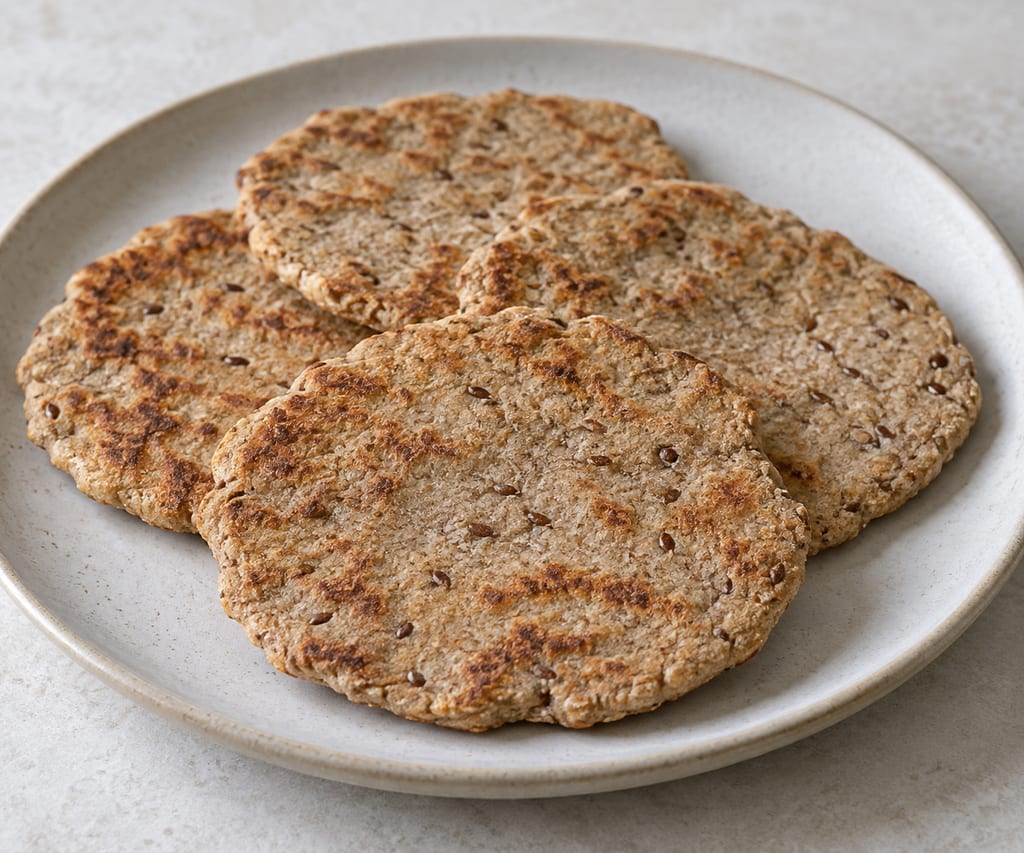
A small, dense cake of ground barley mixed with liquid and cooked against a hot surface, the form a low-gluten northern cereal takes when a household turns stored grain into bread.
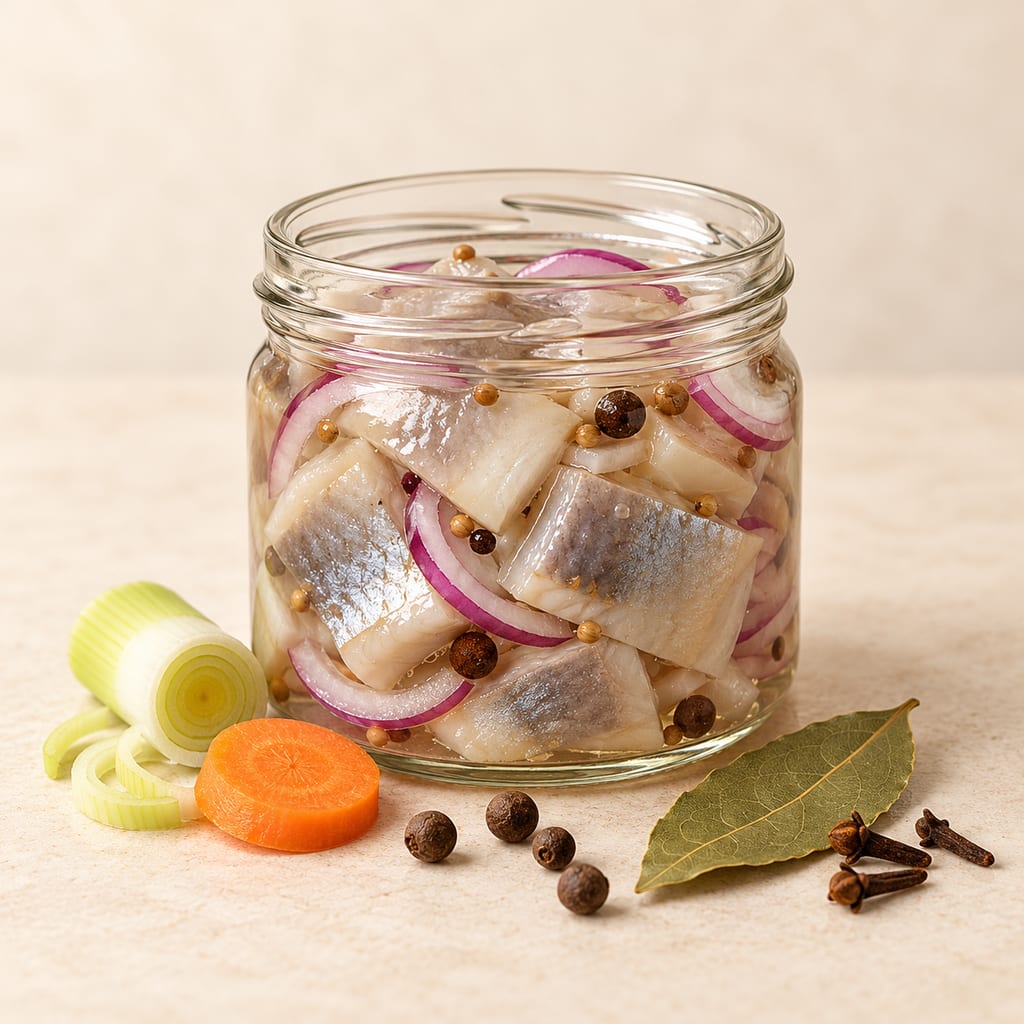
A Swedish ready-to-dress herring preparation: add the classic sliced aromatics and spices to already prepared herring, then serve or chill for fuller flavour.

A Swedish-style spirit vinegar made by fermenting neutral alcohol with live vinegar bacteria, with a separate guide to commercial ättika strengths.

Crushed or milled barley cooked in water until the starch softens and the mixture thickens, the plainest way a northern household turned stored grain into a meal, here with apple and hazelnut.
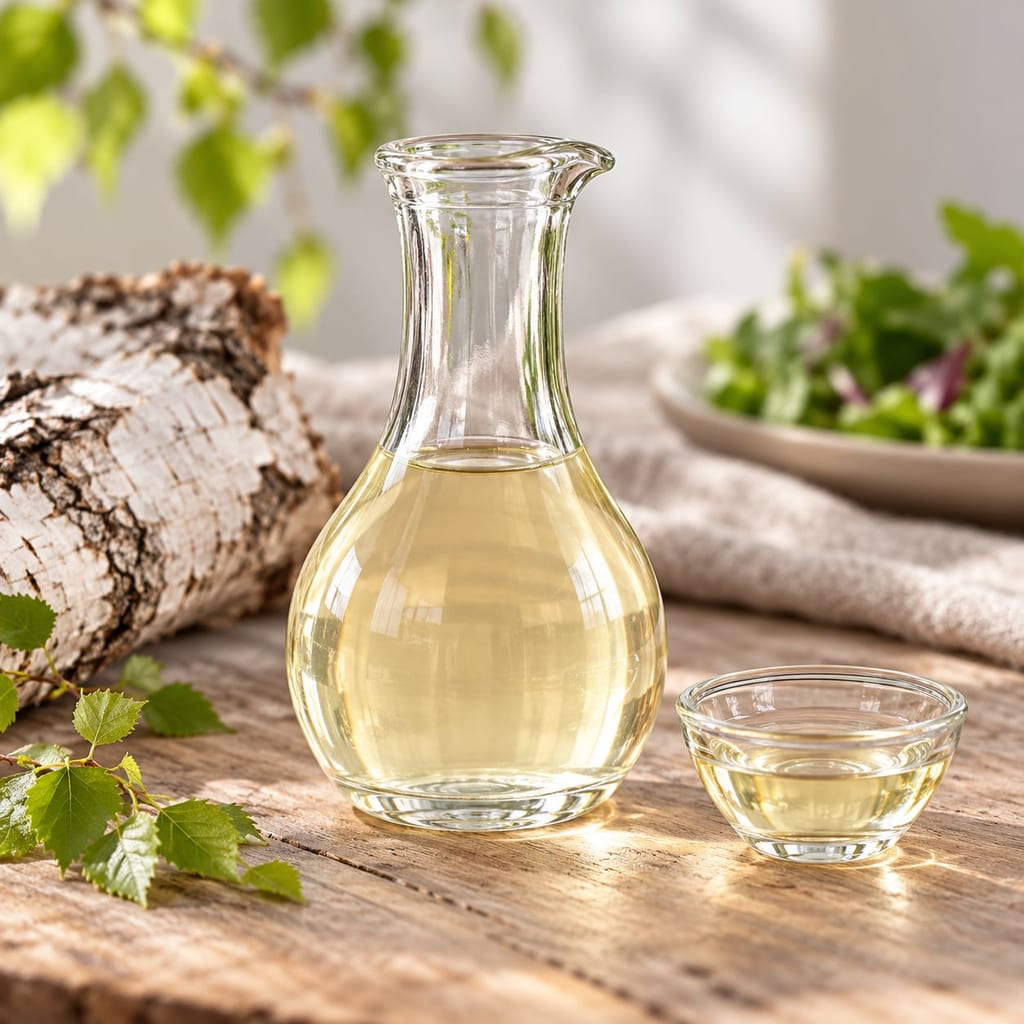
Vinegar from spring birch sap fermented to alcohol and then acetic acid, usually with added sugar or honey because the sap is so dilute; made in Sweden and described in older eastern European accounts.
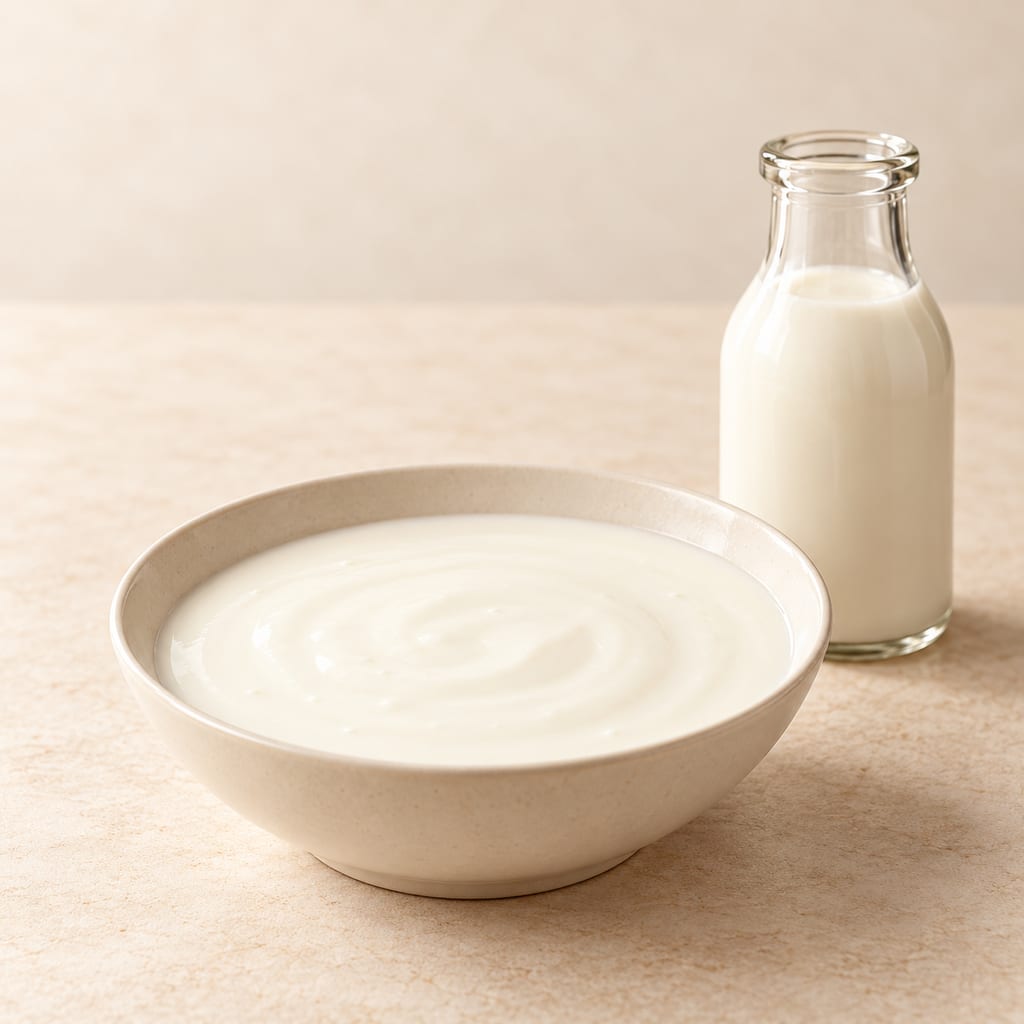
Filmjölk is a Swedish cultured milk with mild acidity and a spoonable body. This recurring batch uses filmjölk from the previous batch to culture fresh milk.
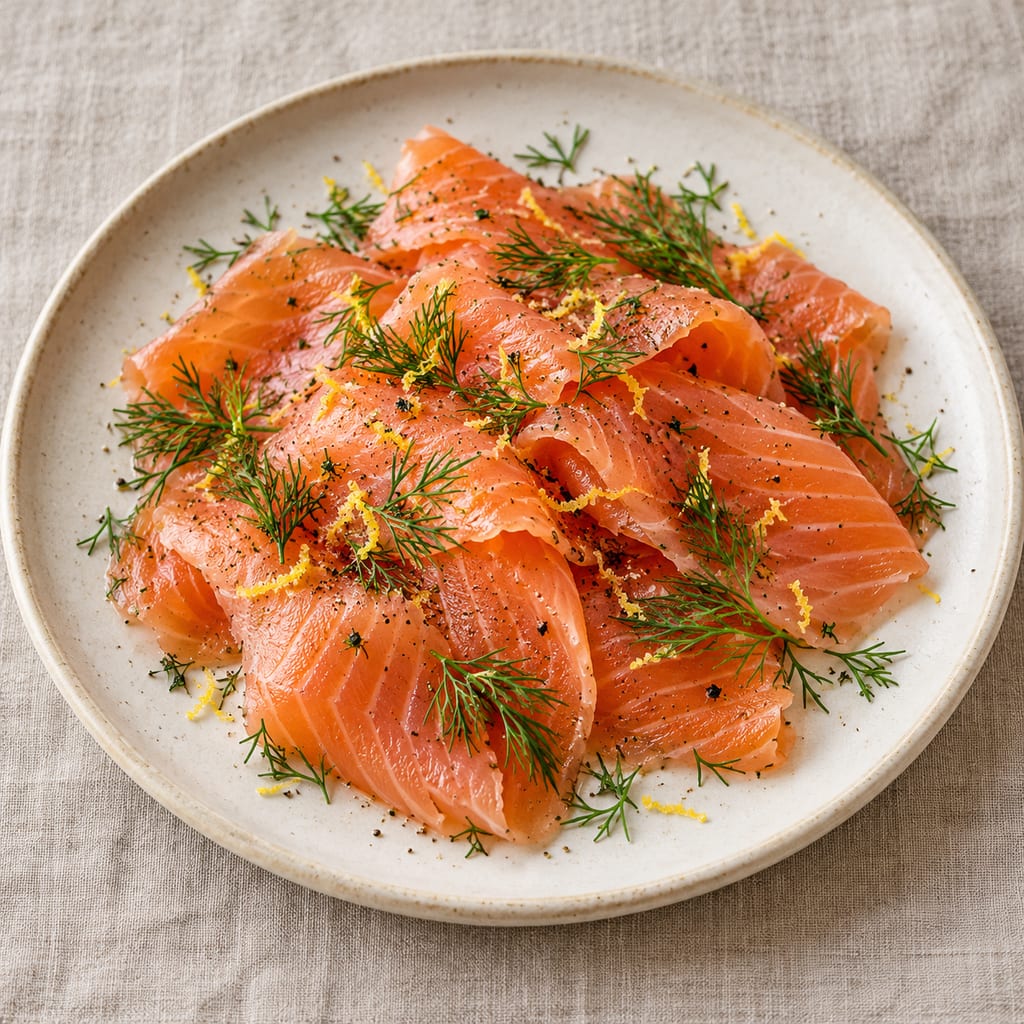
Salmon is cured with salt, sugar, pepper, dill and lemon zest under refrigeration.
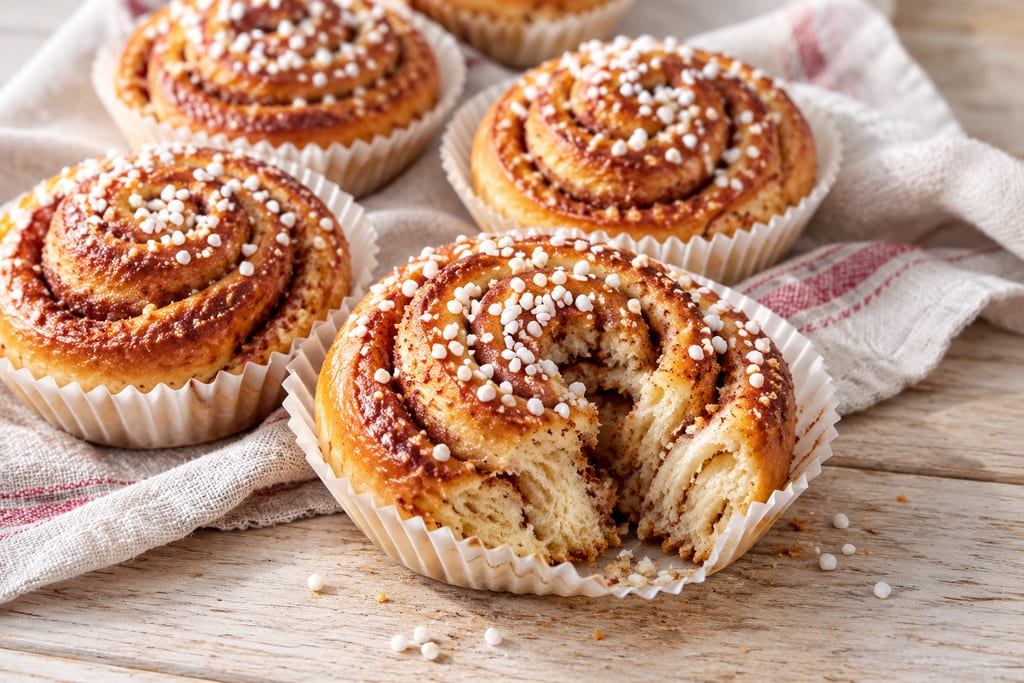
Soft Swedish wheat buns filled with butter, sugar and cinnamon. This 20-bun home batch uses fresh yeast, two short proofs and pearl sugar.
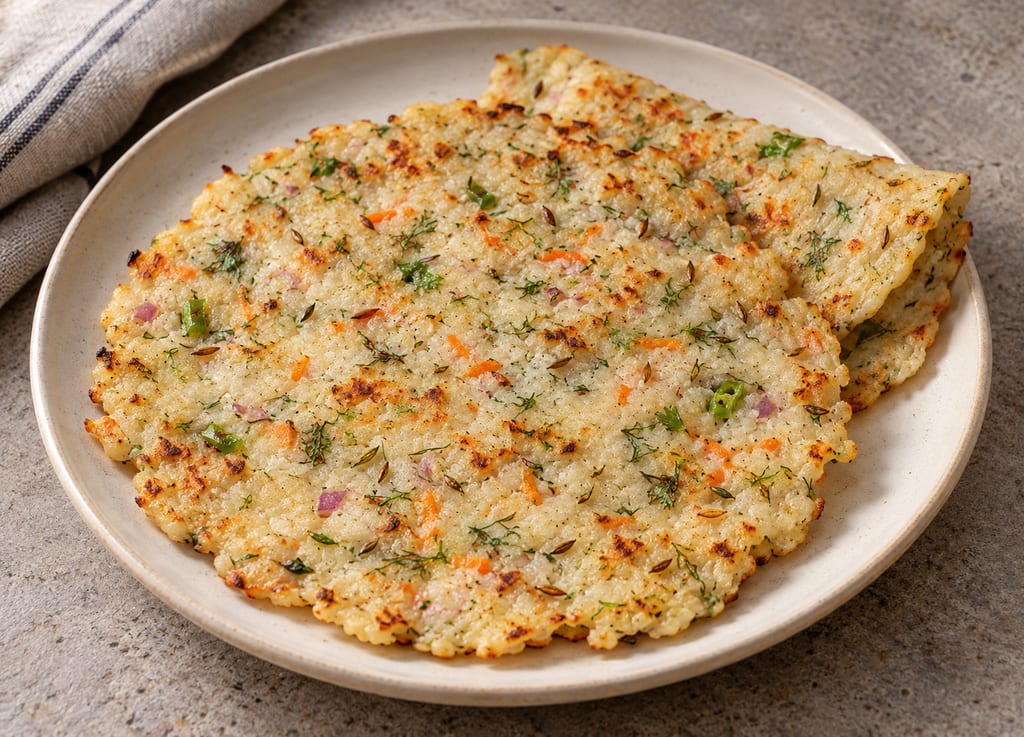
This Karnataka-style akki rotti mixes fine rice flour with vegetables, coconut, herbs and spices, then hand-pats and griddle-cooks the dough.
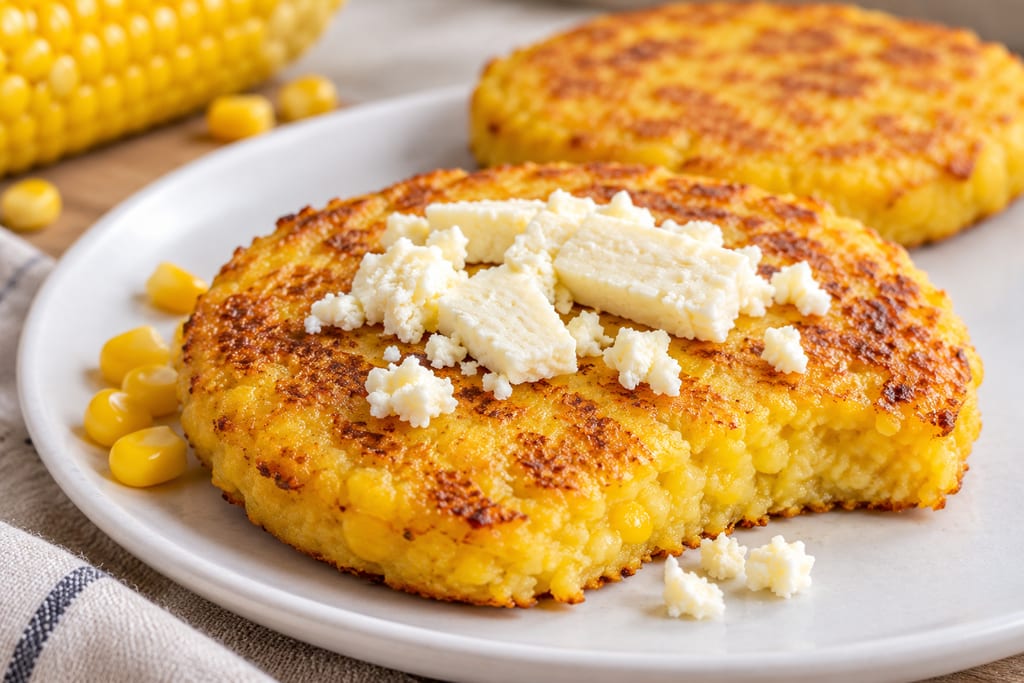
A Colombian Andean griddle cake made from fresh sweet-corn batter, cooked in butter and served with white cheese.
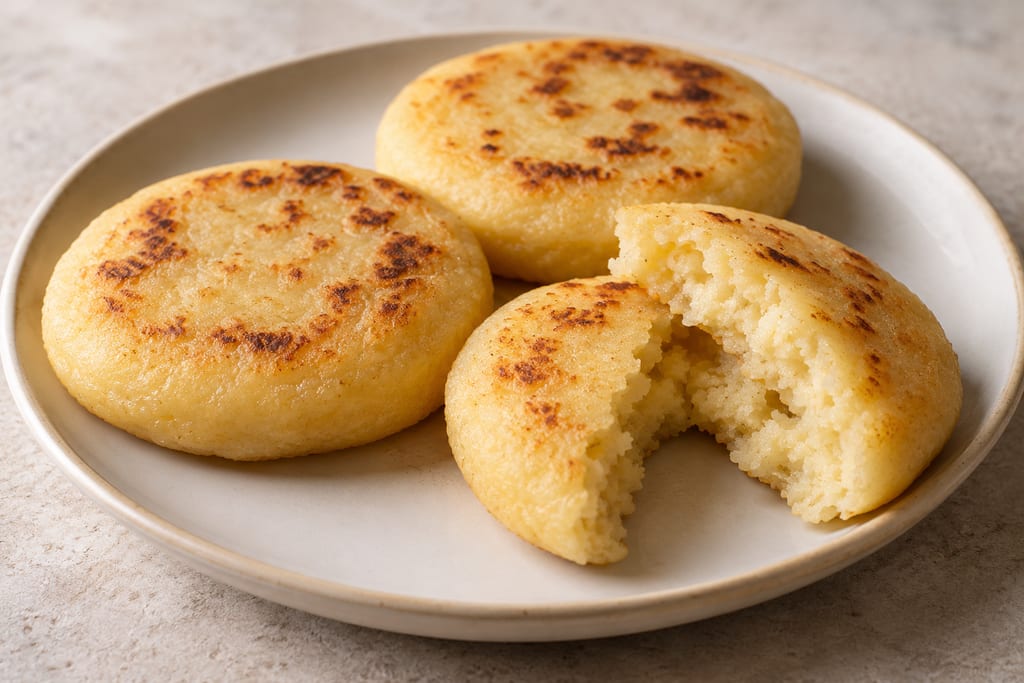
This household version combines precooked corn flour, warm water and salt, then cooks thick rounds on a lightly oiled skillet or griddle. It is one source-specific arepa method, not a universal Colombian or Venezuelan formula.
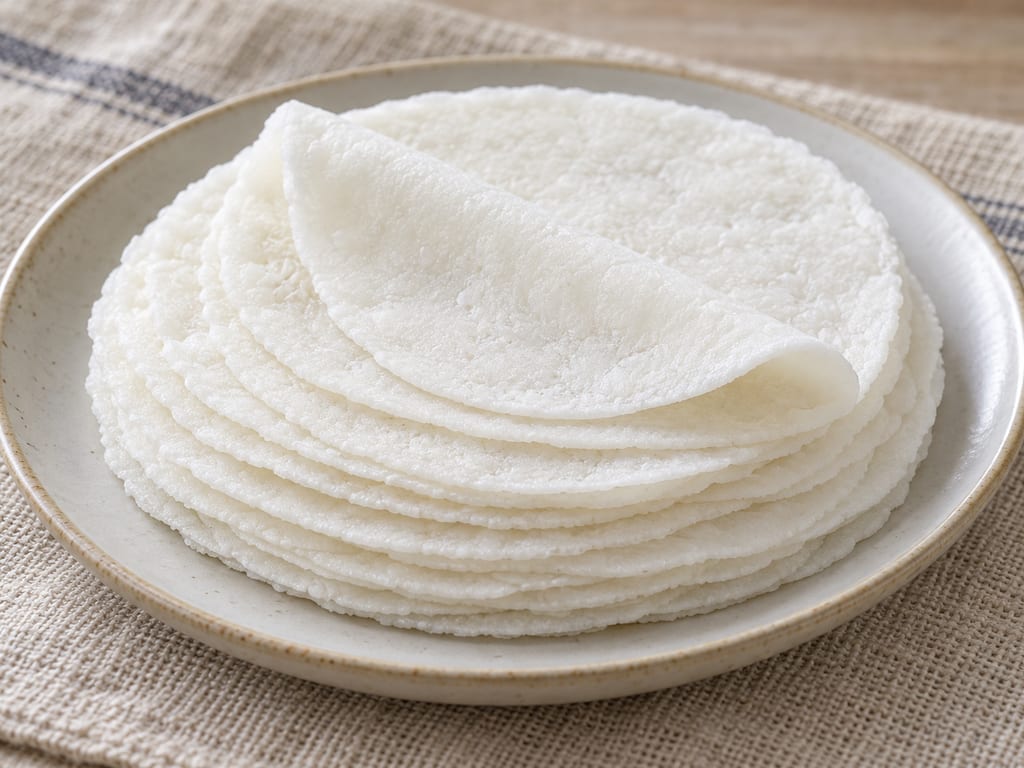
Thin Malabar rice-flour rounds made from roasted rice flour cooked into salted boiling water, kneaded after cooling, and rolled to about 1 mm. They cook on a hot griddle without taking on colour.
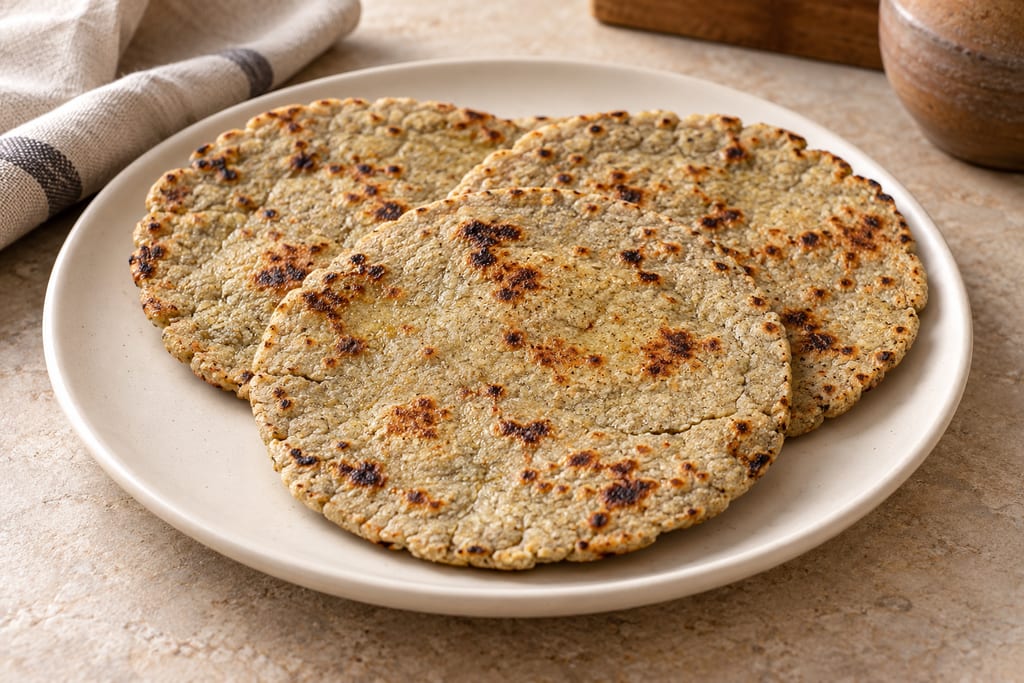
A pearl-millet flatbread shaped between sheets and cooked on a hot tawa. This home batch makes eight.
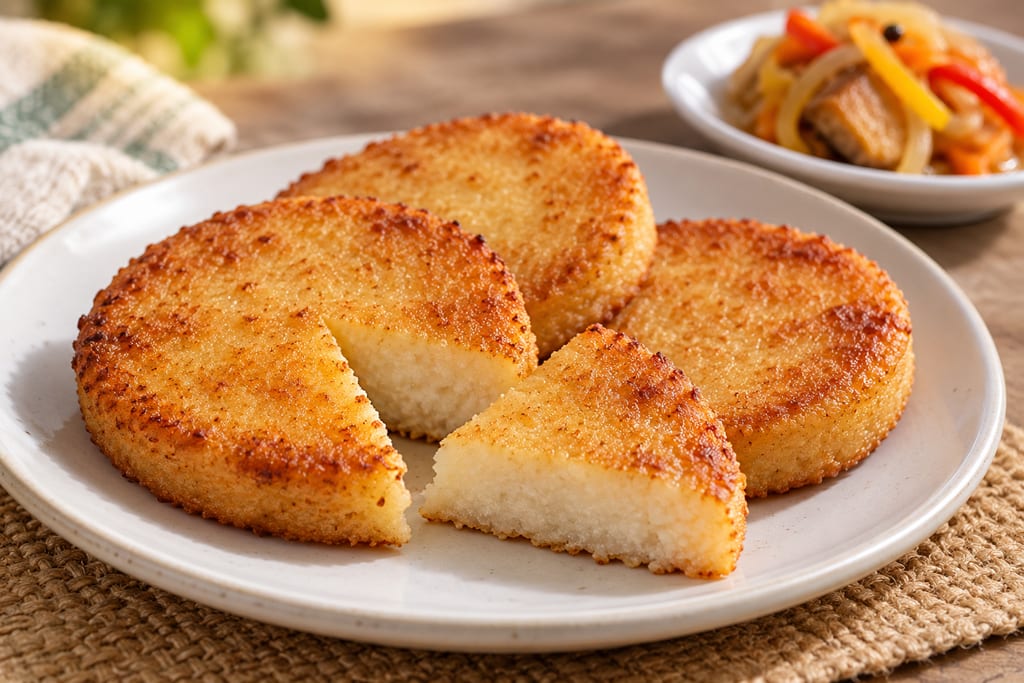
A serving method for approved, prepared bammy rounds: soak them in coconut milk and refry until golden. It does not process raw cassava.
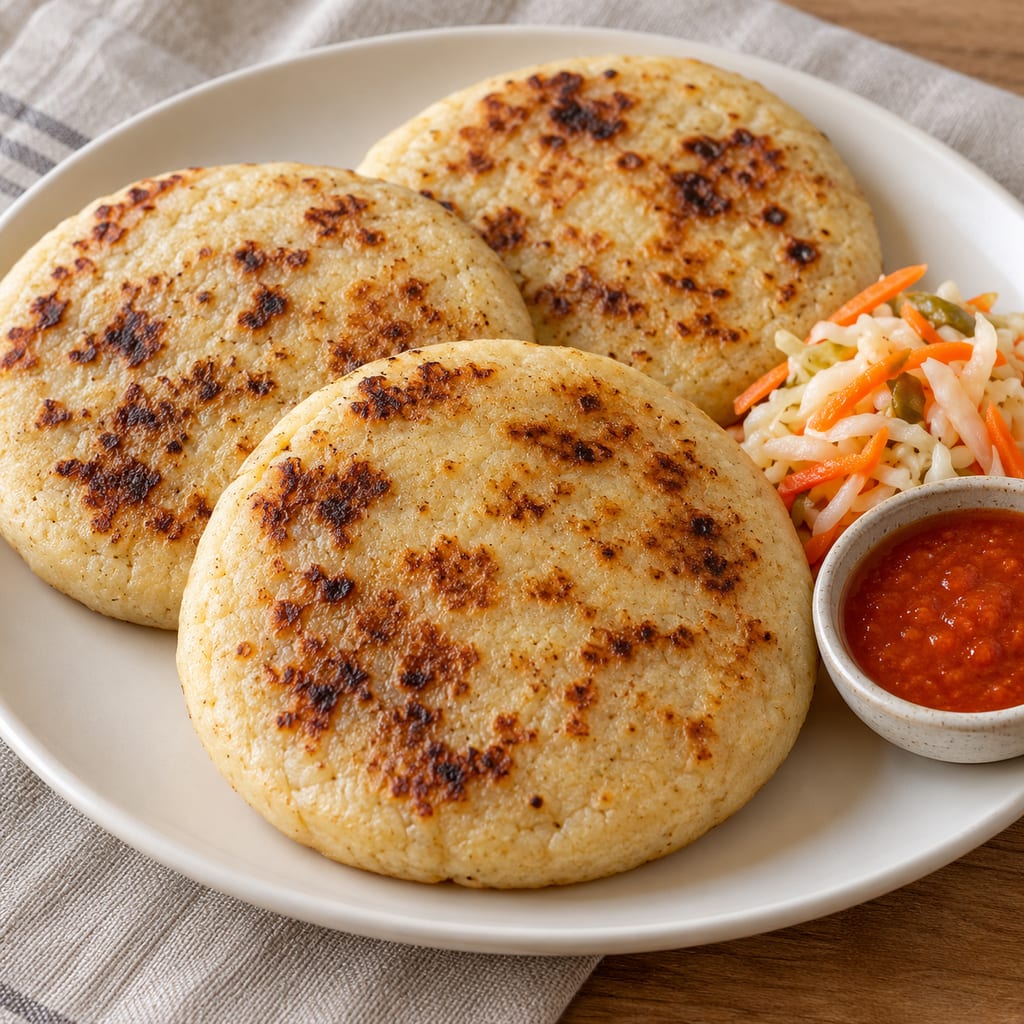
Salvadoran-style masa harina cakes filled with refried beans and cheese, sealed and cooked on an oiled skillet.
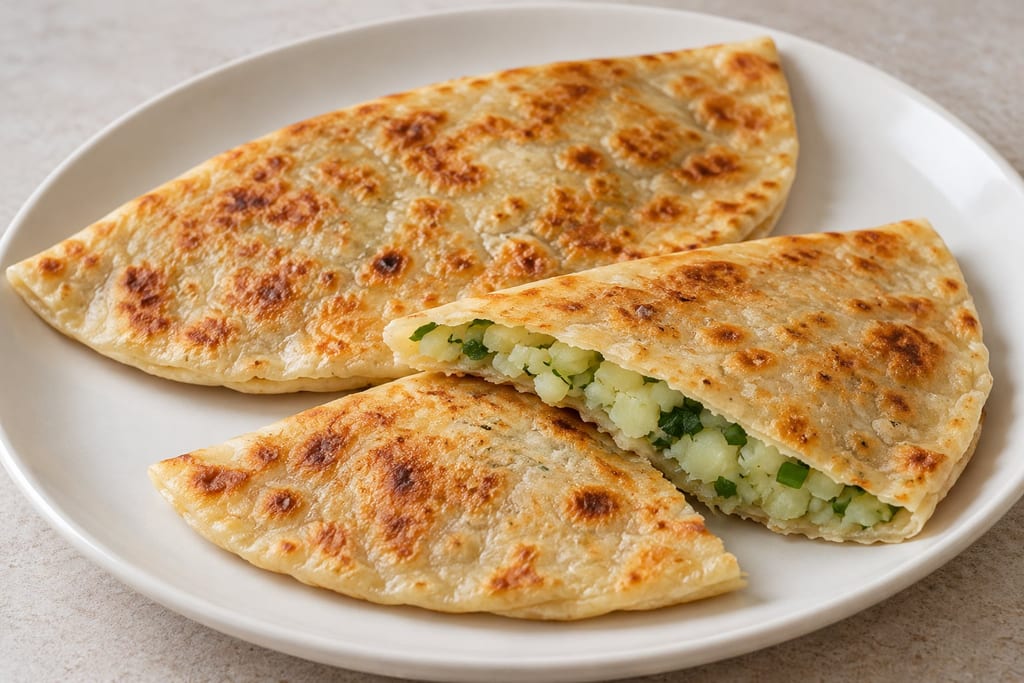
A thin, unleavened Afghan flatbread filled with mashed potato, scallion and cilantro, folded and pan-browned. This version uses a dough made from scratch.

A gelling polysaccharide extracted from red seaweeds, sold as kanten strips or powder; it sets firm at a low concentration and stays solid until about 85 °C.

A Dominican table and seasoning condiment of sour orange juice, mixed with lime and salt and bottled raw; garlic, oregano or a hot pepper may be added for meat or a spicier bottle.

Cicerbita alpina is an alpine perennial whose tender shoots and leaves have been eaten raw or cooked. Sámi milk preparations and modern Carnian dishes are distinct uses, with serious identification and preservation limits.

Japanese skipjack tuna cooked, then repeatedly smoked and dried over a wood fire by the hand-fired tebiyama method into a hard block for shaving into dashi: the first stage of katsuobushi.

A yeast-raised wheat ring shaped from a firm dough, briefly boiled and baked. This source-batch formula gives a gently malted crust and a chewy crumb.

A warm dip of garlic, anchovy and olive oil, often enriched with butter, that Piedmont serves over a flame with raw and cooked vegetables and bread.

Bechamel is a white sauce of milk thickened with a butter and flour roux, one of the French mother sauces, and the base from which Mornay and other cheese and cream sauces are made.
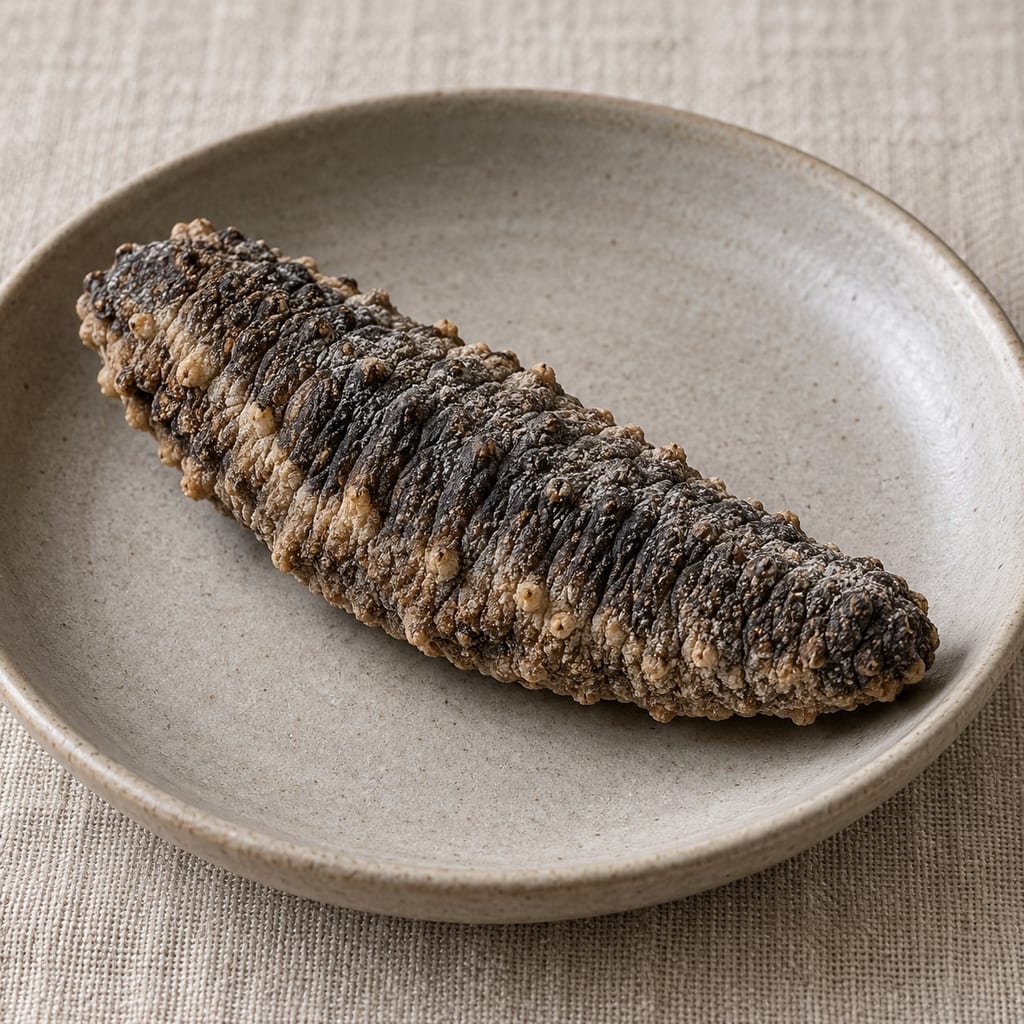
Sea cucumber cleaned, boiled and dried, sometimes with smoke, into a long-keeping trade product; Makassan processing in Arnhem Land is documented from at least the eighteenth century.
No community contributions have been published for this entry yet.
Sign in to contribute. Published comments and photos are free to read.
Swedish Food; John DuxburyMethod · Ingredients · Modern use
Soft flatbread (Mjukt tunnbröd)Measured wheat-rye formula, anise and fennel, one-hour rise, 250°C stone bake, dry-pan alternative, docking, cloth-covered cooling, storage, and reindeer wrap.
Cited in: A name for a family of breads; Soft bread, hard bread and regional branches; Why the dough is mixed, rested and rolled thin; How to bake mjukt tunnbröd at home; Serving, storage and practical differences
Levande kulturarv; Institutet för språk och folkminnenHistory · Geography · Technique · Variation
TunnbrödsbakningSwedish tunnbröd family, northern regions, pantry bread, grain and liquid variation, high-heat baking stages and regional forms.
Cited in: A name for a family of breads; Northern grain, seasonal baking and a long record; Soft bread, hard bread and regional branches; Why the dough is mixed, rested and rolled thin
Matkult; Institutet för språk och folkminnenHistorical recipe · Use
Tunnbröd från UmeåA 1901 Umeå field record: barley meal, water and salt; rolled thin, docked, baked pale, folded warm and dried; eaten with filmjölk.
Cited in: Northern grain, seasonal baking and a long record; Serving, storage and practical differences
Matkult; Institutet för språk och folkminnenHistorical recipe · Use
Tunnbröd från NederluleåA 1912 Norrbotten record: barley flour and water dough, feather docking, thin rolling, warm folding, and serving as blöta or sandwich bread.
Cited in: Northern grain, seasonal baking and a long record; Serving, storage and practical differences
SkansenHistory · Technique · Storage
BagarstuganNorthern barley, salt and water bread; seasonal spring and autumn baking; bakehouse use; docked, turned and dried breads for keeping.
Cited in: Northern grain, seasonal baking and a long record; Serving, storage and practical differences
Svenska Akademiens ordböckerHistory · Terminology
Tunn — Swedish Academy Dictionary entry1636 Ångermanland attestation and 1762 description of docking in Norrland.
Cited in: Northern grain, seasonal baking and a long record
BrödinstitutetHistory · Geography
TunnbrödRegional grain differences and the distinction between unleavened barley-water breads and later variants.
Cited in: Soft bread, hard bread and regional branches
Slow Food FoundationRegional variation
Sámi Ember Flat BreadGáhkku is a distinct Sámi ember-baked flatbread, including fire, pan or stone methods and documented grain variations.
Cited in: Soft bread, hard bread and regional branches