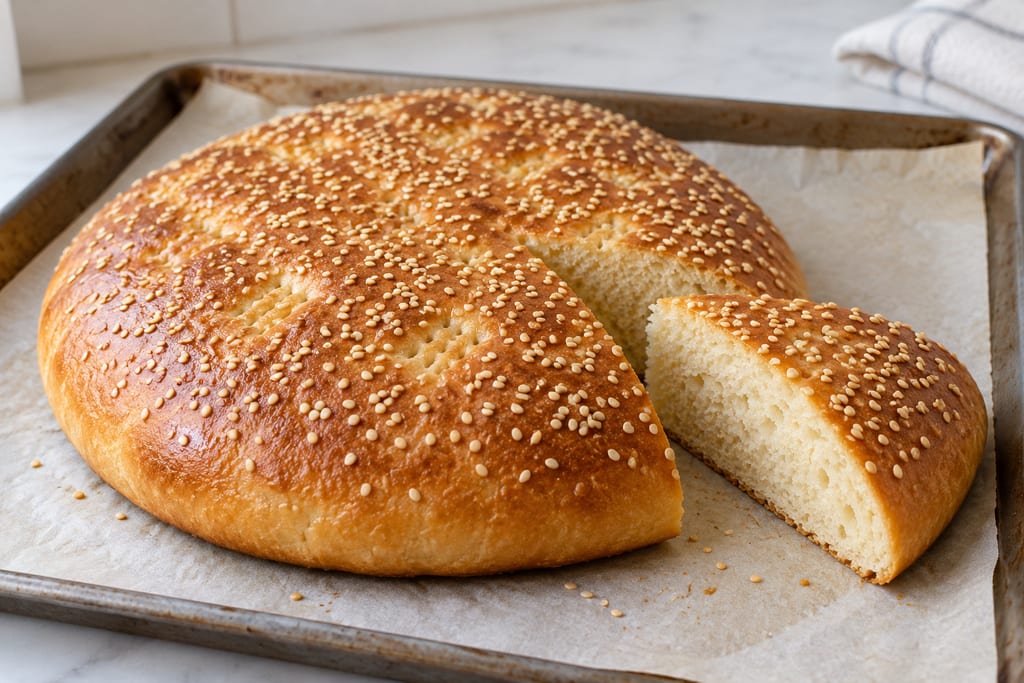
Khobz el dar
An Algerian round loaf made with semolina, wheat flour, milk, egg and sesame; this source version uses an overnight-free yeast method with three rests and an egg glaze.
 FermenteaWhere food goes to change
Algerian semolina bread
This Algerian semolina and wheat flatbread rises with yeast, browns in an oiled skillet and finishes crisp in the oven. It is the author's leavened adaptation, not the unleavened semolina baseline.
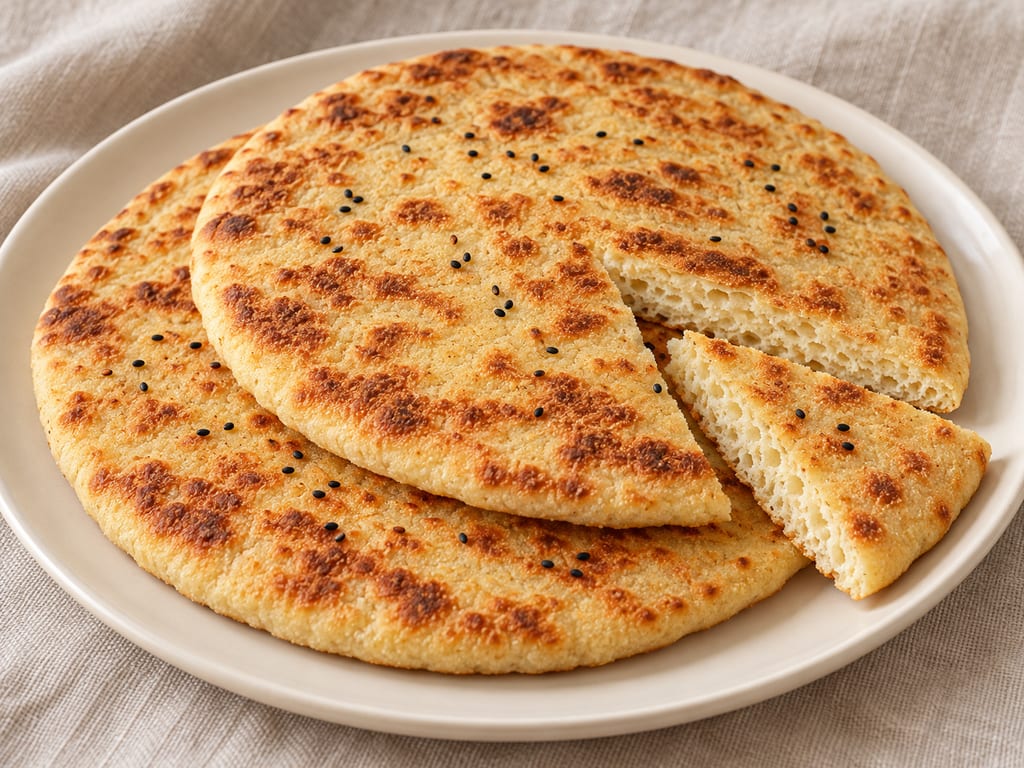
Jess Eats and Travels describes a traditional baseline of semolina, oil, salt and water, but the measured recipe on the page adds bread flour, yeast and sugar. This record follows that measured adaptation. It does not combine the two formulas or present the leavened version as the only kesra preparation.
The author uses two roughly 8-inch rounds, browns them in an oiled cast-iron skillet and then finishes them in the oven. That thin shape and oven finish differ from the thicker Matlou that rises twice and cooks entirely on a griddle. The names and methods are kept separate from batbout as well.
Fine semolina and strong bread flour make equal parts of the dry base. Salt, quick yeast and caster sugar are mixed in before olive oil is rubbed through the flour to a crumbly texture. Add water gradually and stop when a soft dough comes together; the original recipe gives a way to correct excess water but no fixed hydration percentage.
After a brief covered rest, knead the dough for five minutes and divide it into two balls. A one-hour rise follows under a damp towel. Roll each ball into an approximately 8-inch round, dusting with semolina to limit sticking. Nigella seeds are an optional topping.
The source lists 170°C conventional or 150°C fan. It also prints gas mark 2 in that instruction, a conflicting cue, so this record retains the metric pair and omits the gas mark. Lightly oil a cast-iron skillet and heat it on high. Brown each round for one to two minutes on each side, then bake both on a tray for about ten minutes until crisp and golden. The skillet temperature is not measured in the source, so watch the surface during browning.
The recipe page lists 20 minutes of preparation, 17 minutes of cooking and one hour of proving, and says the batch serves eight. It provides no validated scaling method or storage guidance.
Treat the semolina and bread flour as raw flour. Do not taste the uncooked dough; keep it apart from ready-to-eat foods and wash hands, utensils and the work surface after mixing. Use care when turning the rounds in the hot skillet and transferring the tray to the oven.
The recipe author describes a semolina, oil, salt and water baseline, then presents this yeast-and-wheat-flour version as an adaptation. The article offers no dated first attestation, and its broader naming claims are not treated as settled history. This thinner pan-and-oven preparation is distinct from the thick, yeast-risen matlou recipe and from batbout.
Yield 2 rounds (about 8 servings) · Scaling: source batch only
Uncooked flour may carry harmful bacteria.
Hazard sourceThe rounds are turned in a hot oiled pan and transferred to a hot oven.
Hazard sourceDo not taste raw dough. Keep flour and dough away from ready-to-eat foods, then wash hands, utensils and work surfaces after handling.
Control sourceUse care when turning the bread in hot oil and when moving the tray into and out of the oven.
Control sourceDo not taste uncooked dough. Use care with the hot skillet and baking tray.
The author presents the measured yeast-and-wheat-flour adaptation as Algerian kesra. This country-level association does not make it the sole or original form.
An Algerian round loaf made with semolina, wheat flour, milk, egg and sesame; this source version uses an overnight-free yeast method with three rests and an egg glaze.
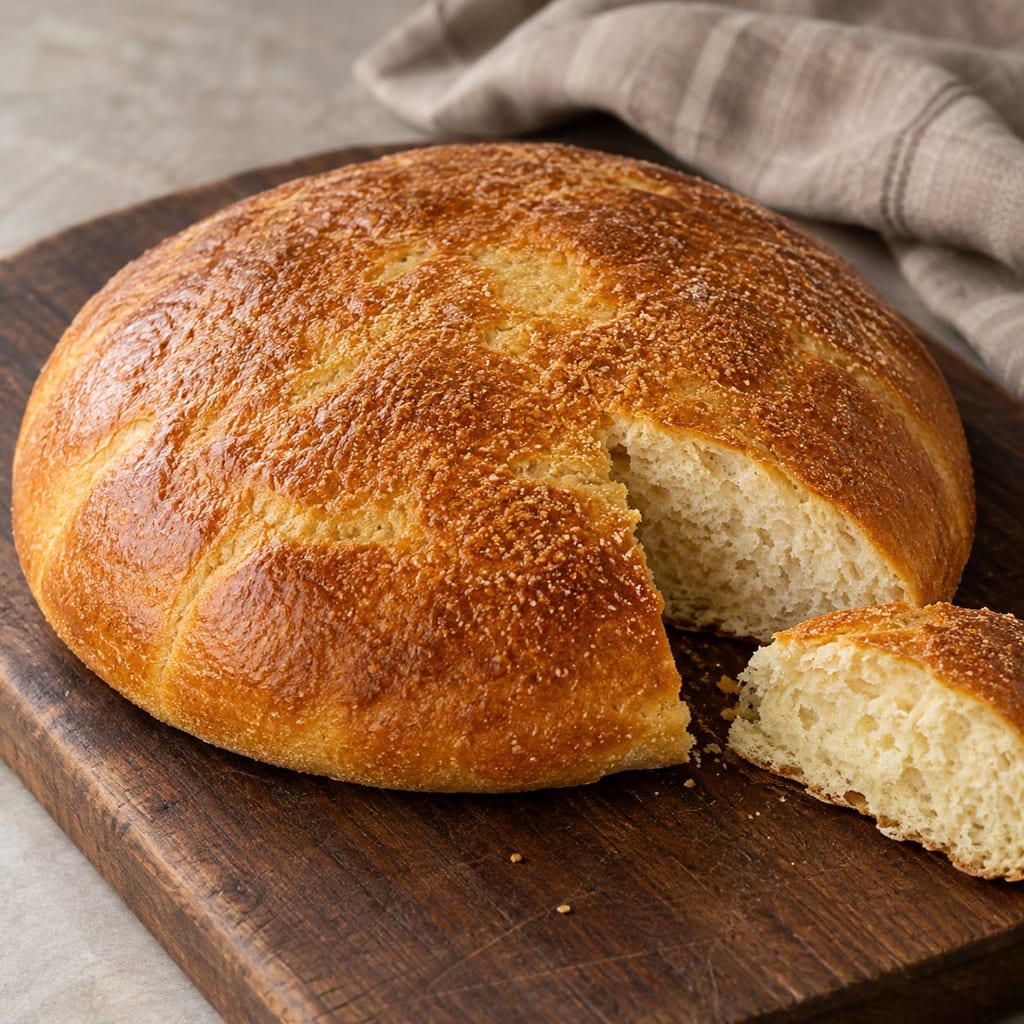
A dairy-free Algerian semolina bread made with yeast, shaped as one round loaf, brushed with egg yolk and baked in a 400°F oven.
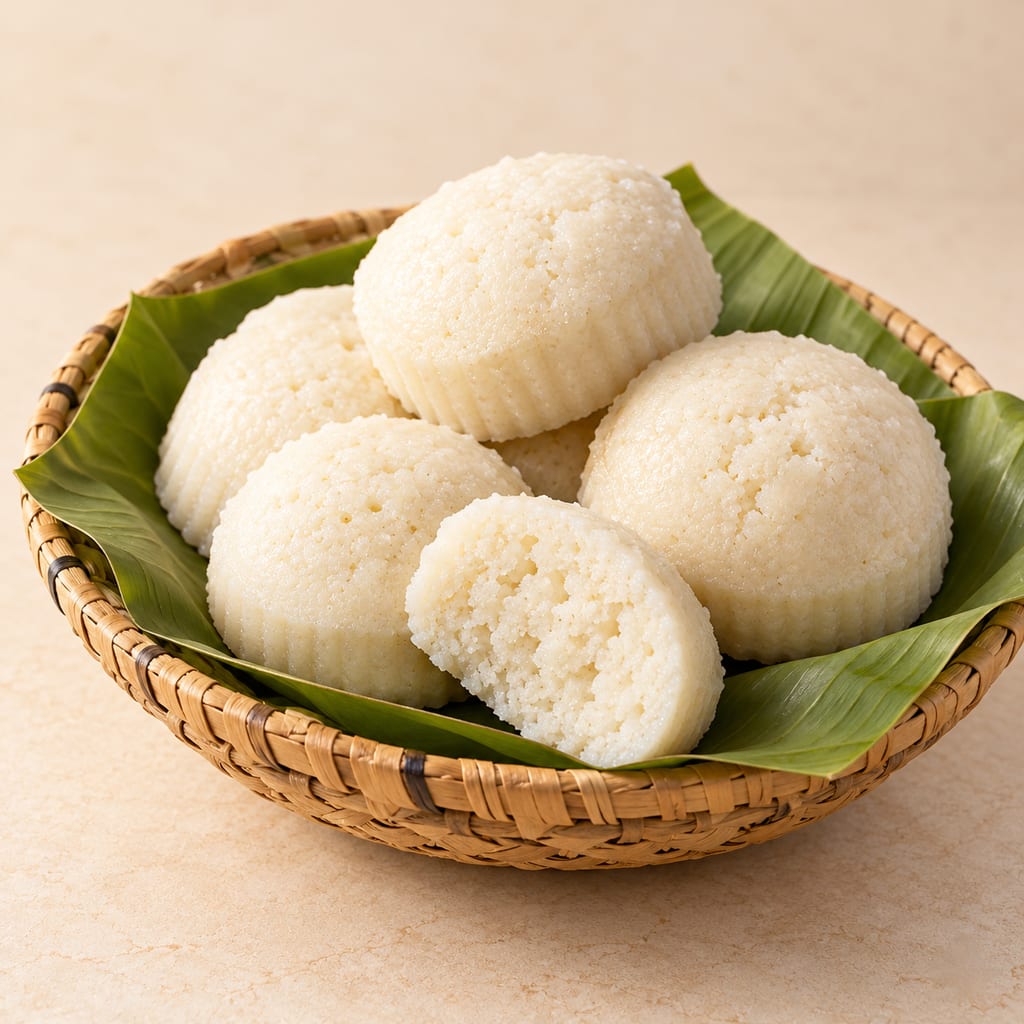
Soft, lightly tangy steamed cereal bread documented across Benin and Togo. This page gives one measured rice-flour research method; maize-based Ablo and mixed-grain versions remain distinct traditions.
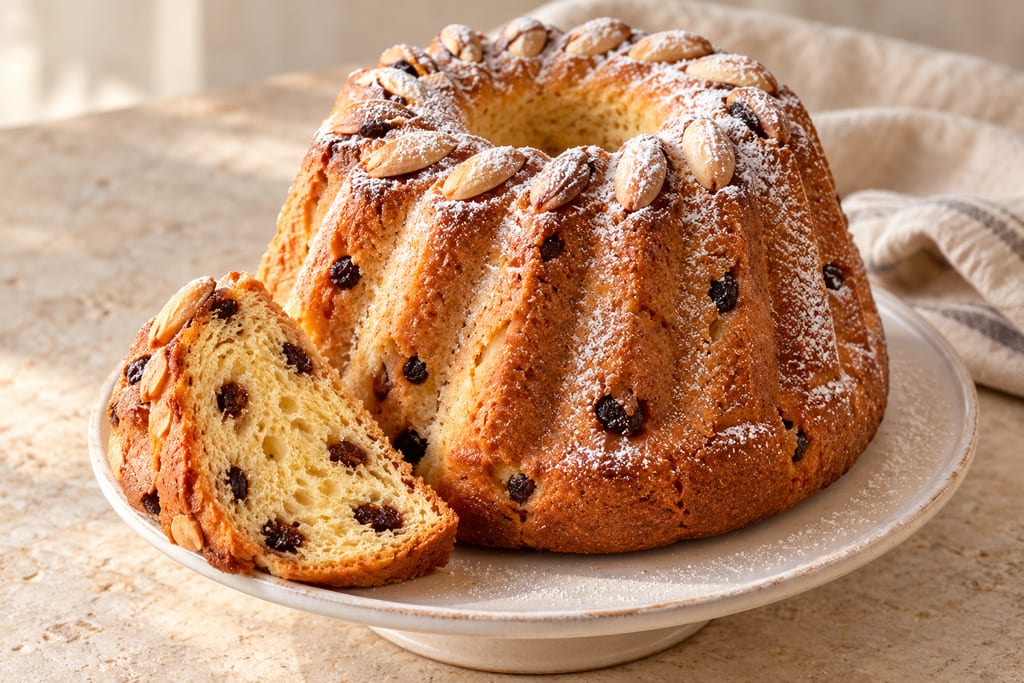
An enriched Alsatian yeast ring with raisins and almonds, kneaded with butter, proofed in a fluted mould and baked until browned.
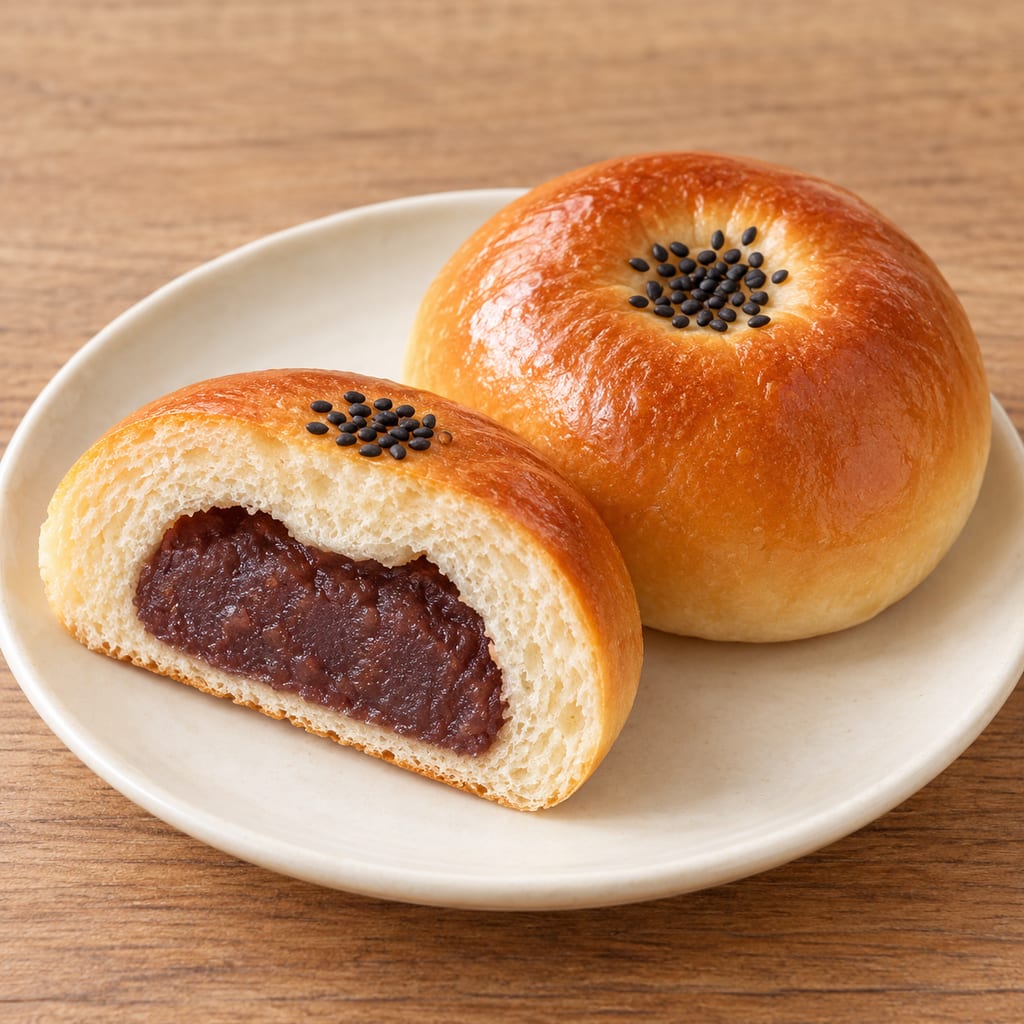
Anpan is a soft wheat bun filled with sweet red-bean paste and finished with egg wash and black sesame. This dough rises with commercial instant yeast.
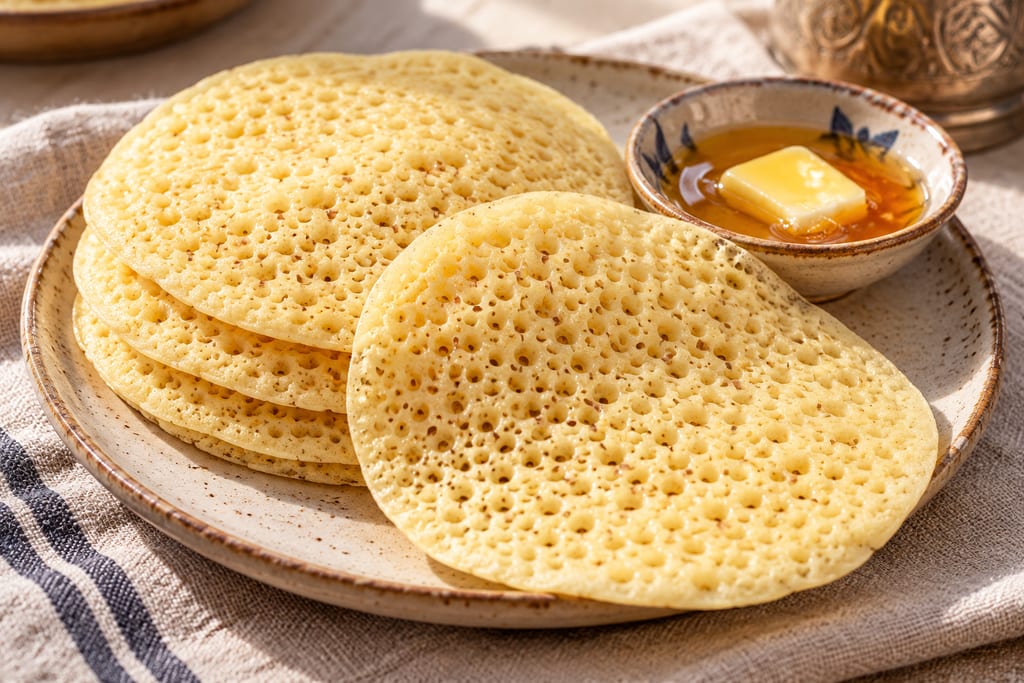
Moroccan semolina pancakes made from a thin yeast batter, rested until foamy and cooked on one side until the surface sets with a honeycomb of holes. This source-specific batch makes sixteen 5-inch pancakes.
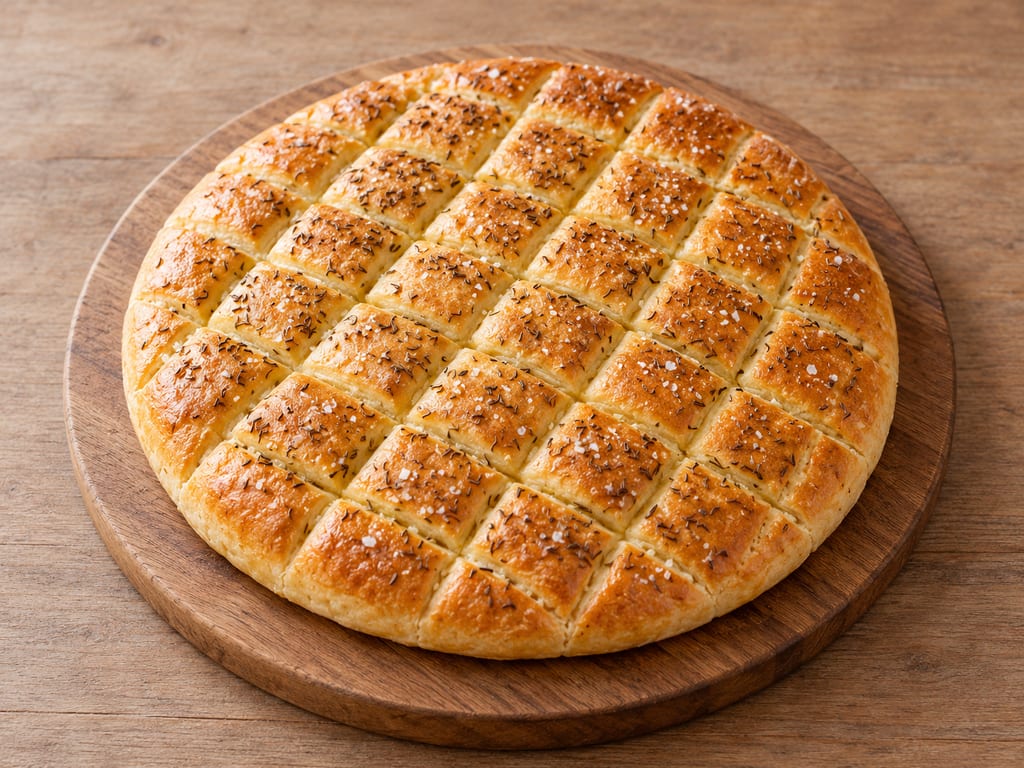
A round Slovenian flatbread scored in a grid and topped with caraway and coarse salt.
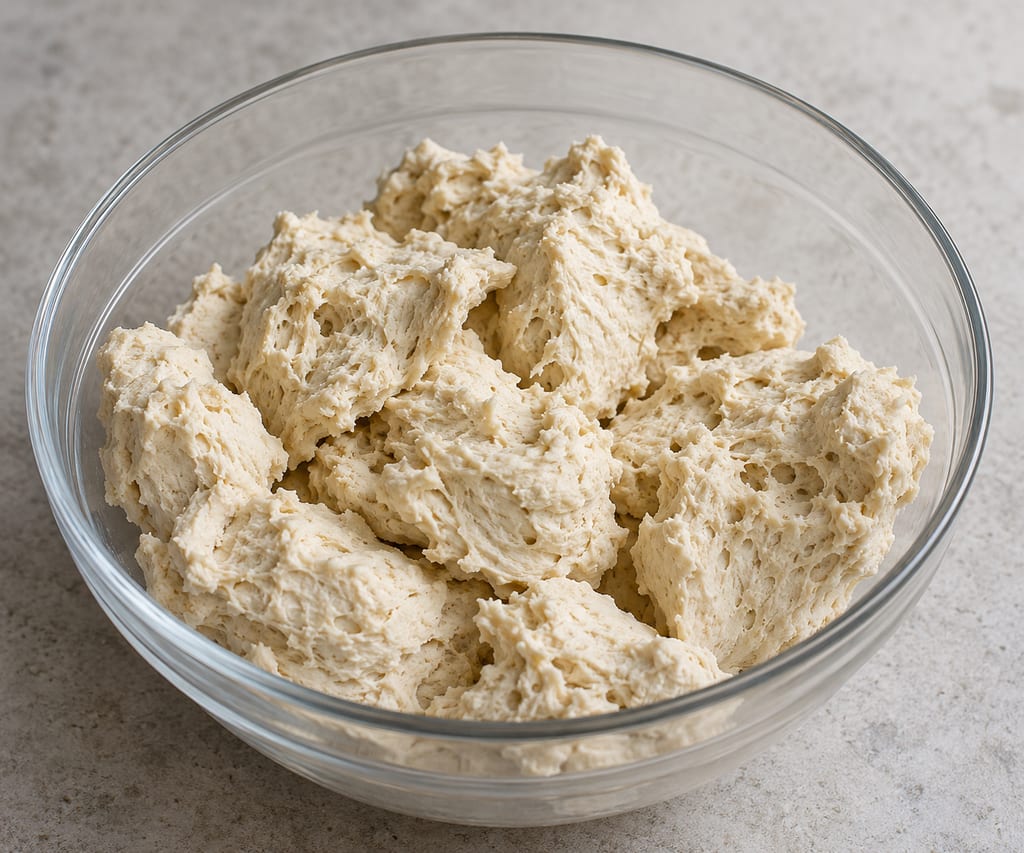
Biga is an Italian bread preferment of flour, water and a little yeast, usually a stiff unsalted mass of about 45 per cent water, fermented ahead and then mixed into the final dough.
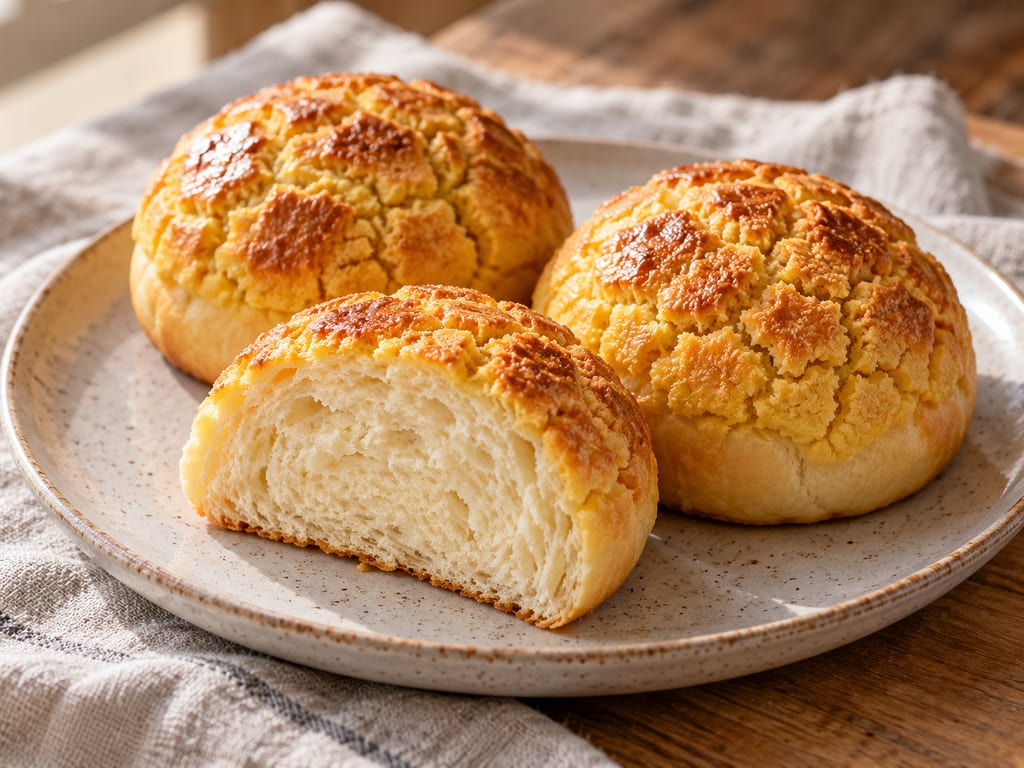
Hong Kong-style pineapple buns have soft yeast dough beneath a crisp, sweet pastry topping.
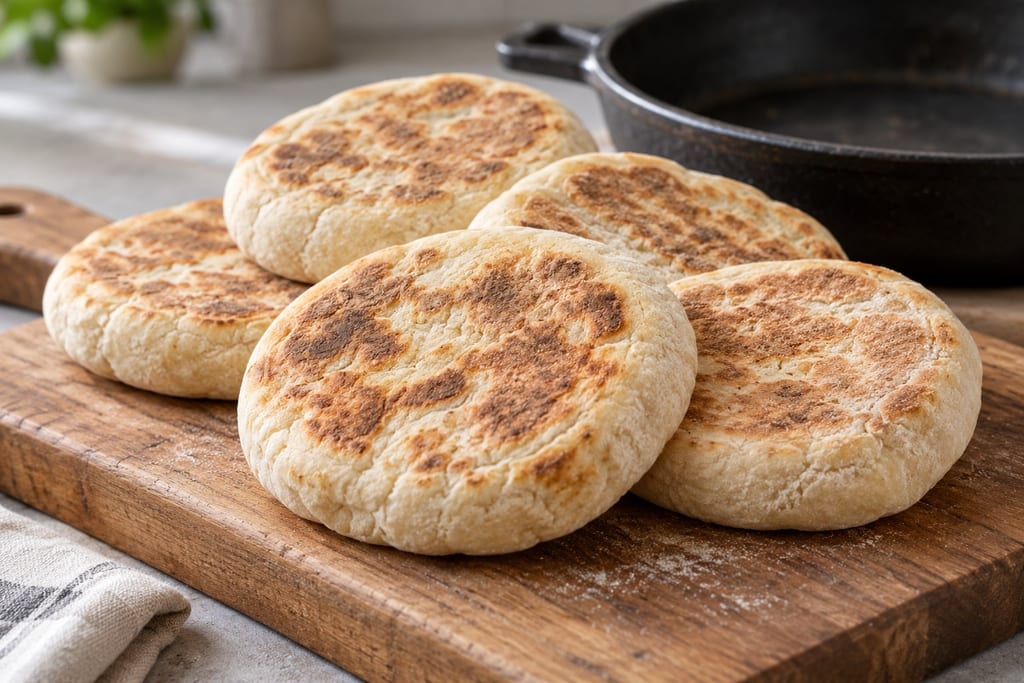
Sweet-potato wheat breads with fresh yeast, browned in a pan and finished in the oven. This is the bread component of Teleculinária's scrambled-egg dish.
No community contributions have been published for this entry yet.
Sign in to contribute. Published comments and photos are free to read.
Jess Eats and TravelsInspiration · Method · Geography
Kesra – Traditional Algerian Semolina Bread RecipeThe author distinguishes a semolina, oil, salt and water traditional baseline from the yeast-and-bread-flour adaptation given in the recipe. The measured version uses two 8-inch rounds, one hour of rising, skillet browning and a brief oven finish. The page presents it as Algerian and suggests serving it with stews.
Cited in: A leavened adaptation of Algerian kesra; Mixing, rising and shaping; Skillet and oven finish; Handling flour safely
U.S. Food and Drug AdministrationSafety
Handling Flour Safely: What You Need to KnowRaw flour may carry harmful bacteria; do not taste raw flour or dough; keep it away from ready-to-eat foods and clean hands and surfaces after handling.
Cited in: Handling flour safely