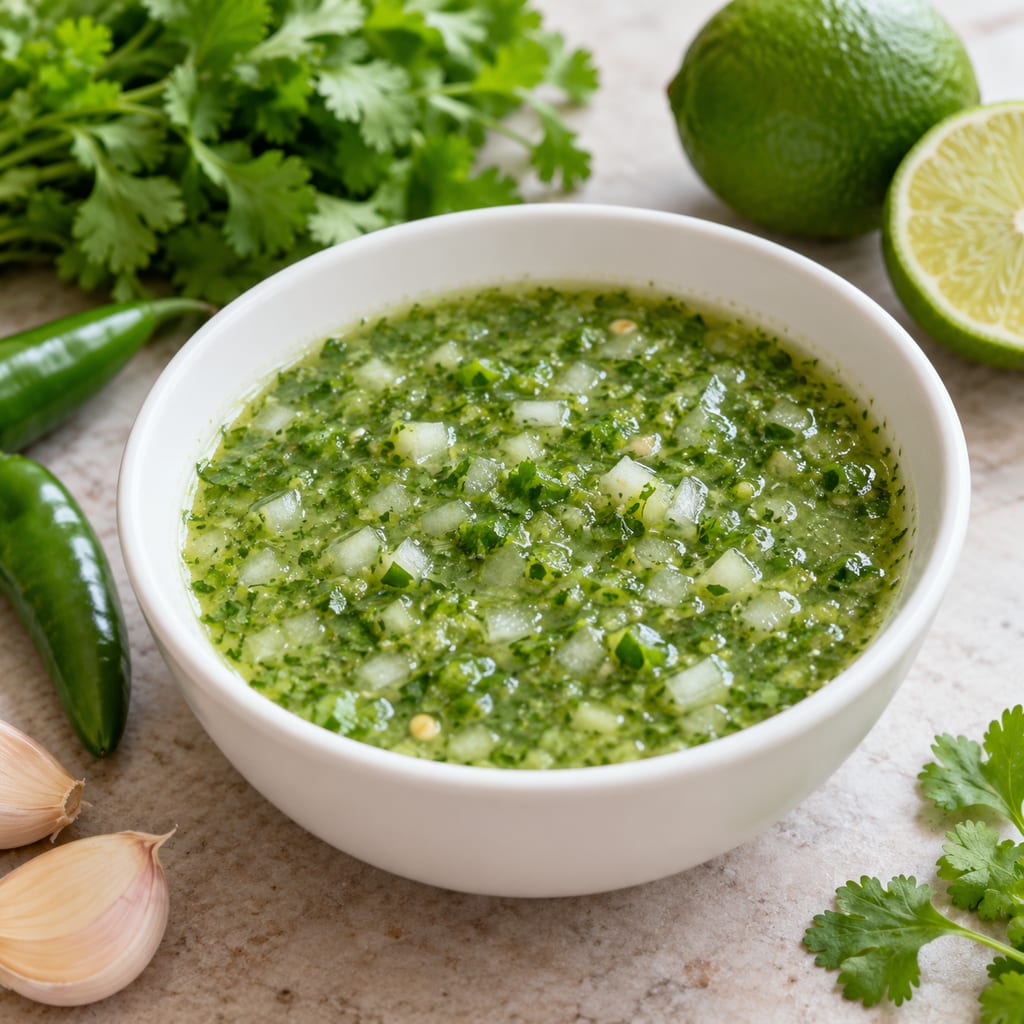
Ají criollo
A fresh, uncooked Ecuadorian table sauce of hot pepper, cilantro, garlic and lime, served with most everyday dishes.
 FermenteaWhere food goes to change
Modern method
Pan de yuca · Yuca cheese bread
Small cassava-starch cheese breads mixed in a processor, chilled, baked and briefly browned under a broiler. This is Laylita's Ecuadorian-style formula.
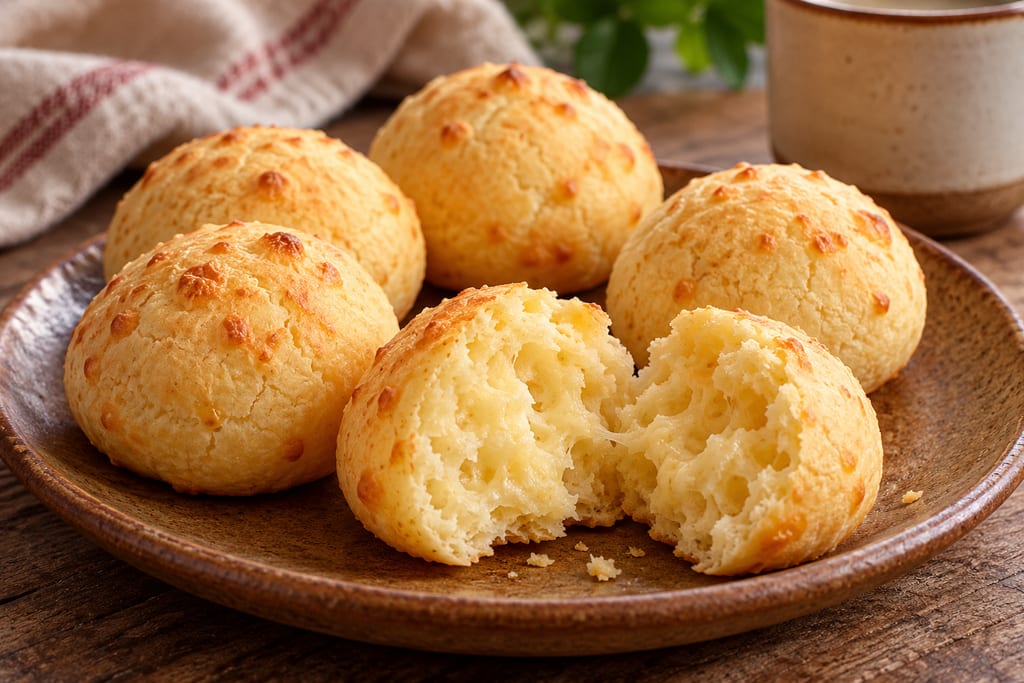
Pan de yuca is often eaten while the bread is still warm, with fruit yogurt alongside it. In Guayaquil, that pairing has included very cold yogurt blended with naranjilla, strawberries, blackberries or peaches. The contrast belongs to the way the snack is served: a freshly baked, cheese-rich bread and a cold drink, rather than a fermented bread dough.
Small shops and afternoon trips form part of its modern food history. A first-person account recalls buying warm bread in the south of Guayaquil, later joining queues in Urdesa, and stopping for it on Sunday journeys back from the beach. These are memories of particular businesses and habits, not evidence of the bread's invention or a rule that it must only be eaten in the afternoon.
Pan de almidón is another name used for the bread in Manabí. Starch is central to the name and preparation, but the cheese and dairy can vary. Manabí is a documented regional association; it does not make every pan de yuca formula identical.
An Ecuadorian chefs' association version uses queso manaba with mozzarella or another mature cheese, cream and egg yolk. Its small portions bake at 180°C for twenty minutes and can keep a pale upper surface while the bases turn golden. That is a separate formula. Its cream, cheese balance, portion size and cooking schedule should not be transferred into the butter-and-whole-egg recipe here.
A connection with Paraguayan Guaraní and Creole traditions has been proposed, but the account presents it tentatively. It does not establish a dated birthplace for this Ecuadorian formula. Related cheese breads can share starch and still have distinct local names, shapes and methods.
Cheese supplies more than a flavour label. Fresh cheeses and mozzarella can bring different amounts of moisture, and baking time also changes the finished texture. A dough made with one cheese may therefore behave differently from a dough made with another, even when both carry the same bread name.
Dry or hard results and flattened breads need to be considered in the context of the particular formula. Too much moisture can make a dough spread; a cheese with too little moisture can give a harder result. Those observations do not justify adding an unlimited amount of milk or starch. Keep the small liquid adjustments and the cheese form specified by the chosen method, and change one variable at a time when comparing batches.
This dough uses cassava starch, cheese, butter and eggs without a fermentation stage. A refrigerator rest helps the small rounds retain their shape.
Related South American cheese breads have different proportions and methods. This Ecuadorian version remains separate from chipa rings, scalded pão de queijo and fresh-maize chipa guazú.
The practical directions keep the Spanish recipe's measured starch and cheese, greased tray, chilled rest and bake-then-broil sequence together. The English page gives a different broiler sequence. Combining the two would create a third, untested schedule. The tray must suit both the oven setting and the broiler; ordinary baking parchment with a no-broiler instruction does not belong in that finish.
Layla Pujol's Ecuadorian household formula, first published January 2008. That publication date is not the bread's origin.
Scaling: source batch only
Uncooked eggs may contain harmful bacteria.
Hazard sourceOrdinary baking parchment may not be suitable for broiling.
Hazard sourceDo not taste raw dough. Keep flour away from ready-to-eat foods and clean hands, utensils and surfaces after handling.
Control sourceUse a greased tray approved for the oven and broiler; follow its instructions and do not use broiler-prohibited parchment.
Control sourceUse the Spanish method's greased tray with cookware rated for broiling; do not place ordinary parchment under the broiler. No numerical tray or broiler limit is invented. Browning is not proof of safety; the household timing is not a validated internal-temperature endpoint. No validated storage limit is established.
Country-level association; not a precise birthplace or universal Colombian formula.
Documented regional association of the bread family, not a claim that Laylita's exact mozzarella formula was first made there.
First-person account of buying and eating pan de yuca with fruit yogurt, including the city's southern area and Urdesa; no origin claim.
A fresh, uncooked Ecuadorian table sauce of hot pepper, cilantro, garlic and lime, served with most everyday dishes.
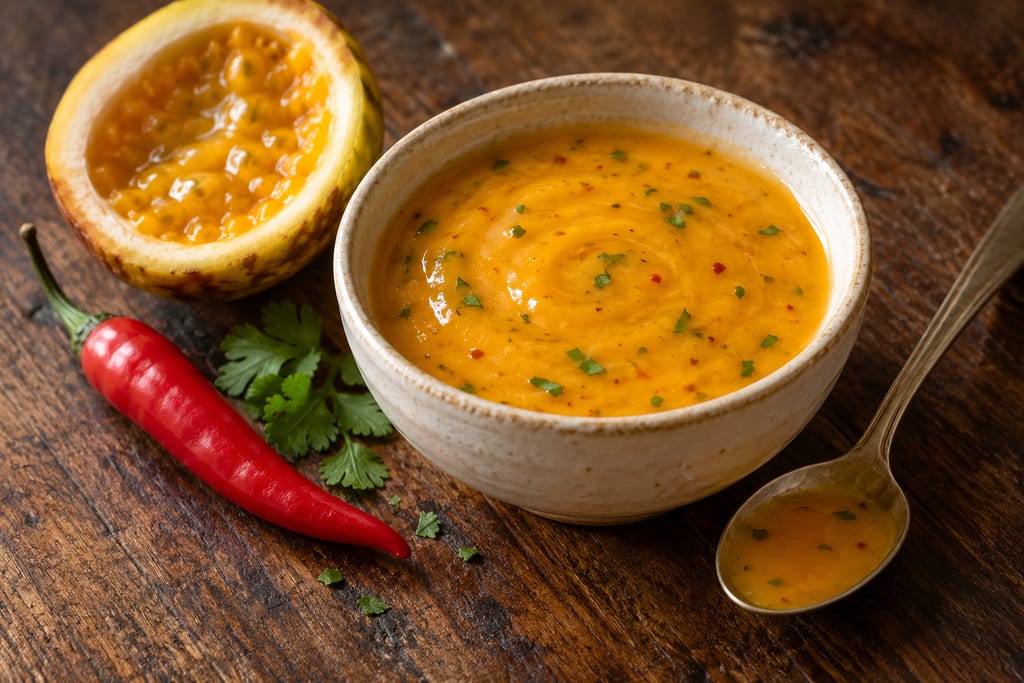
A contemporary Ecuadorian hot sauce that pairs passion fruit juice with boiled chile peppers, oil and lime.
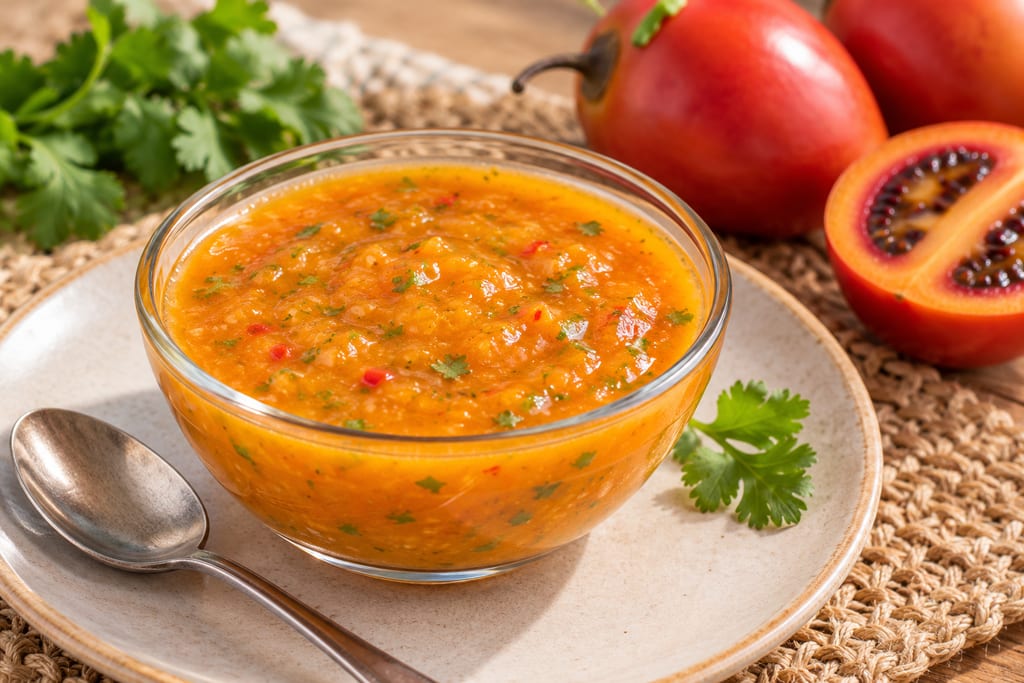
An Ecuadorian hot sauce built on tamarillo, a tart fruit that gives a sharper, fleshier base than ordinary tomato salsa.
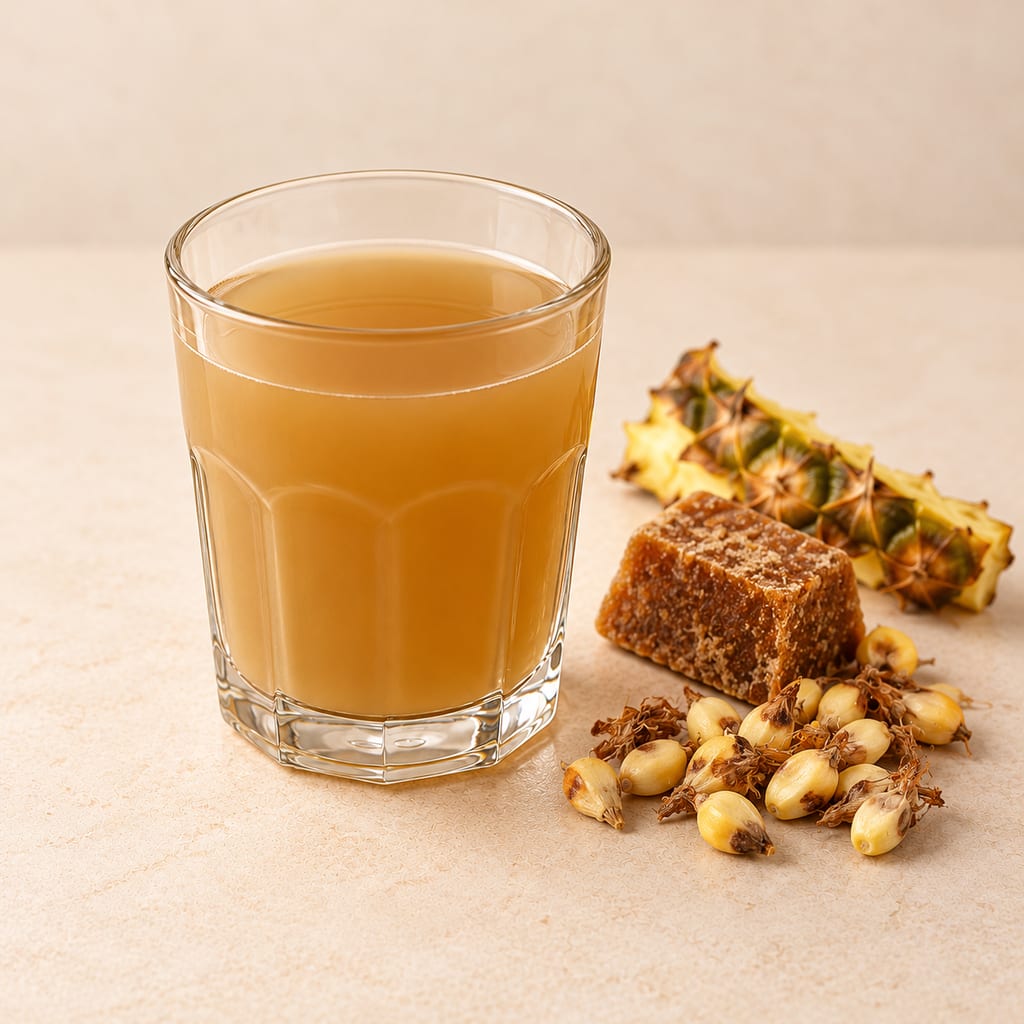
A contemporary Ecuadorian recipe simmers jora flour with spices, then adds panela and pineapple peel before a short spontaneous ferment. Its particular aromatics and measurements belong to this published adaptation.
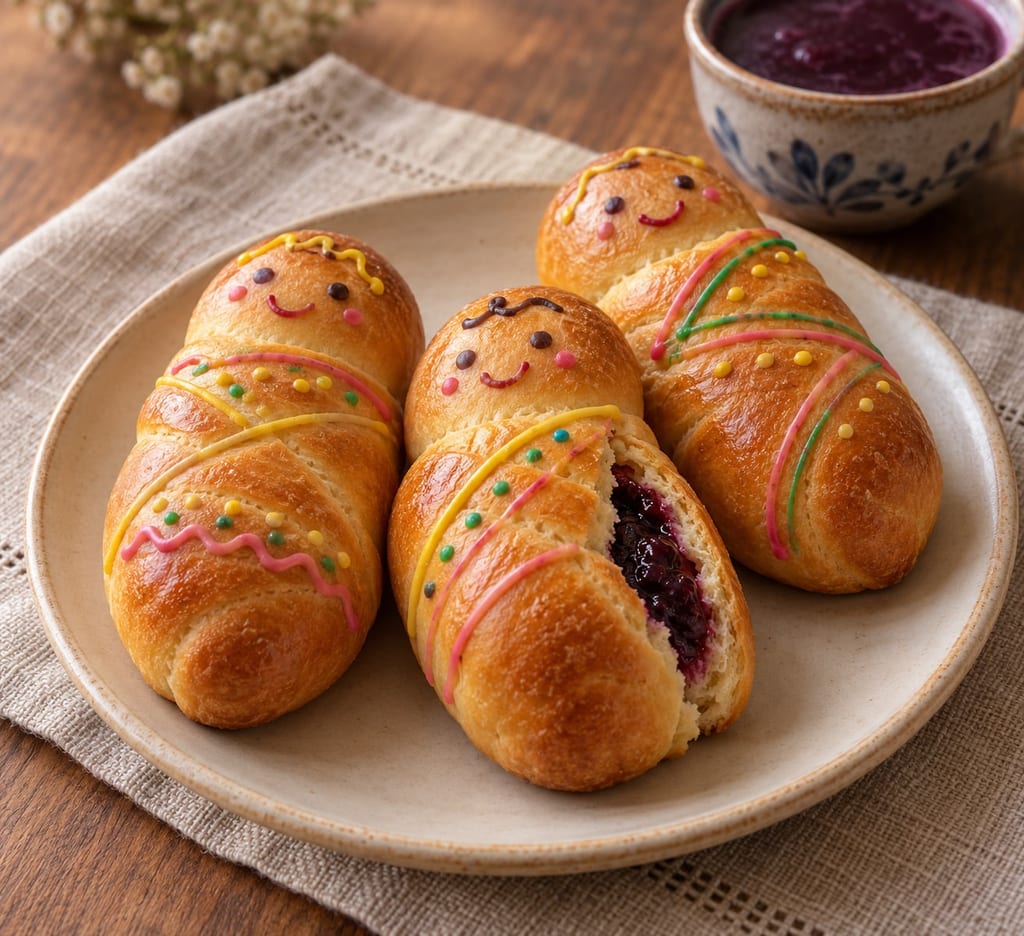
Ecuadorian filled sweet bread figures with a rounded head and wrapped body, made from an enriched yeast dough. This home method shapes small filled ovals, proofs them on trays and serves them with colada morada.
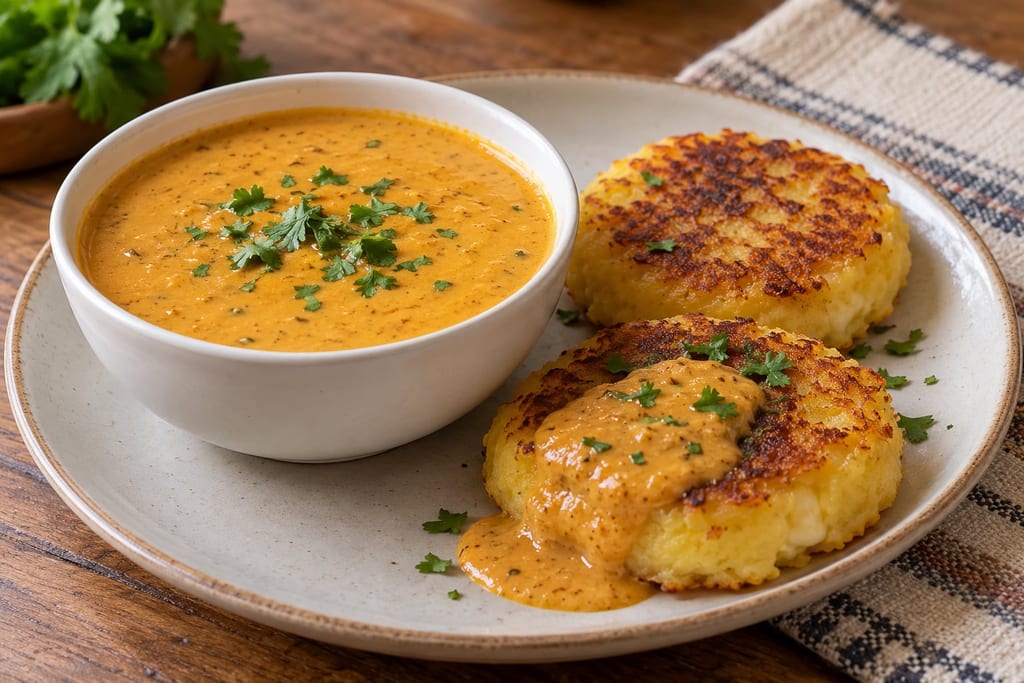
A warm, creamy peanut sauce thickened with milk and seasoned with onion, cumin and achiote, served over potatoes and llapingachos in Ecuador.
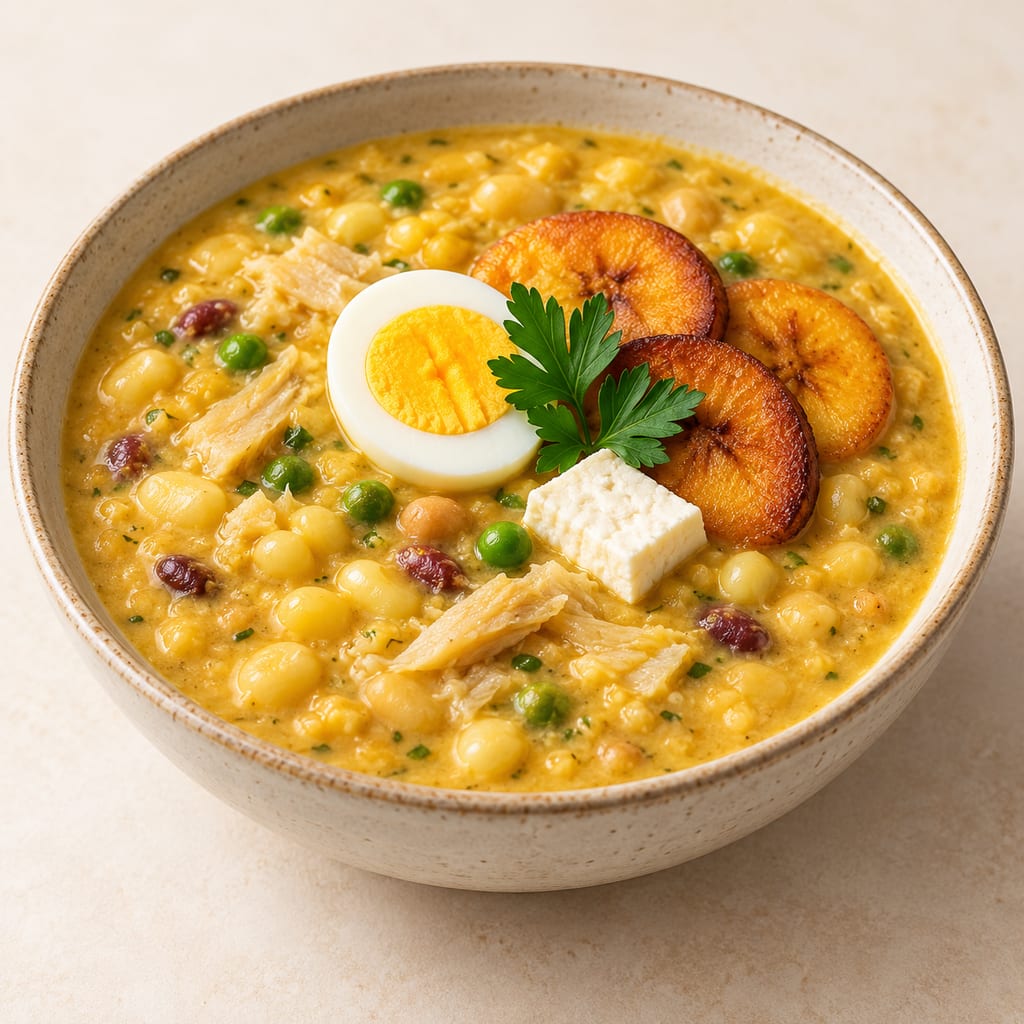
Ecuadorian Holy Week soup of tender grains and pulses, squash, milk and salted fish, thickened with peanut paste and served with contrasting garnishes.
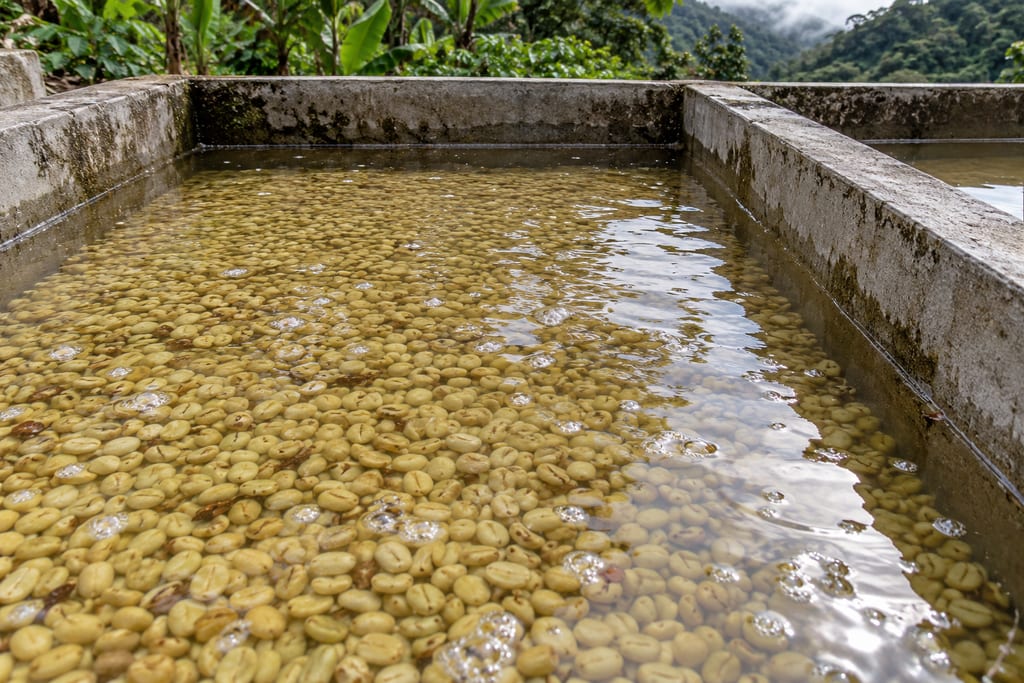
Washed Arabica coffee from Nanegal in Ecuador: depulped beans held under water while microbes and enzymes strip the mucilage, then washed, soaked and sun-dried to green coffee.
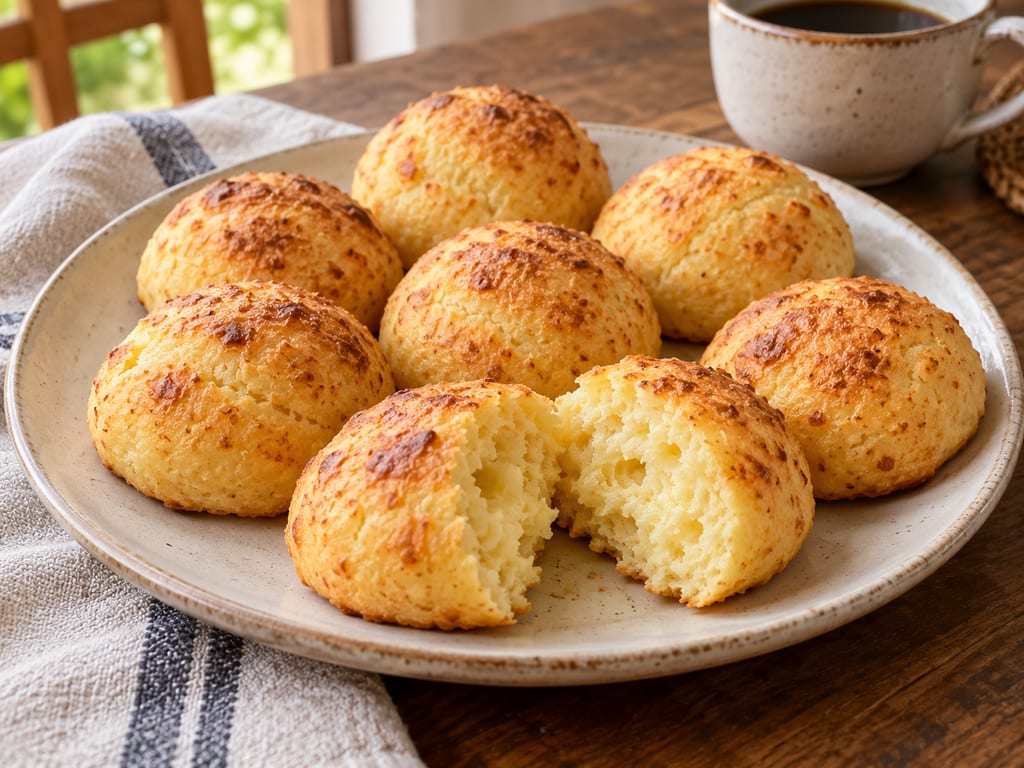
Small Colombian cheese breads made with precooked corn flour, queso fresco, mozzarella, eggs, milk and baking powder. This documented home version makes eight breads and is served warm.
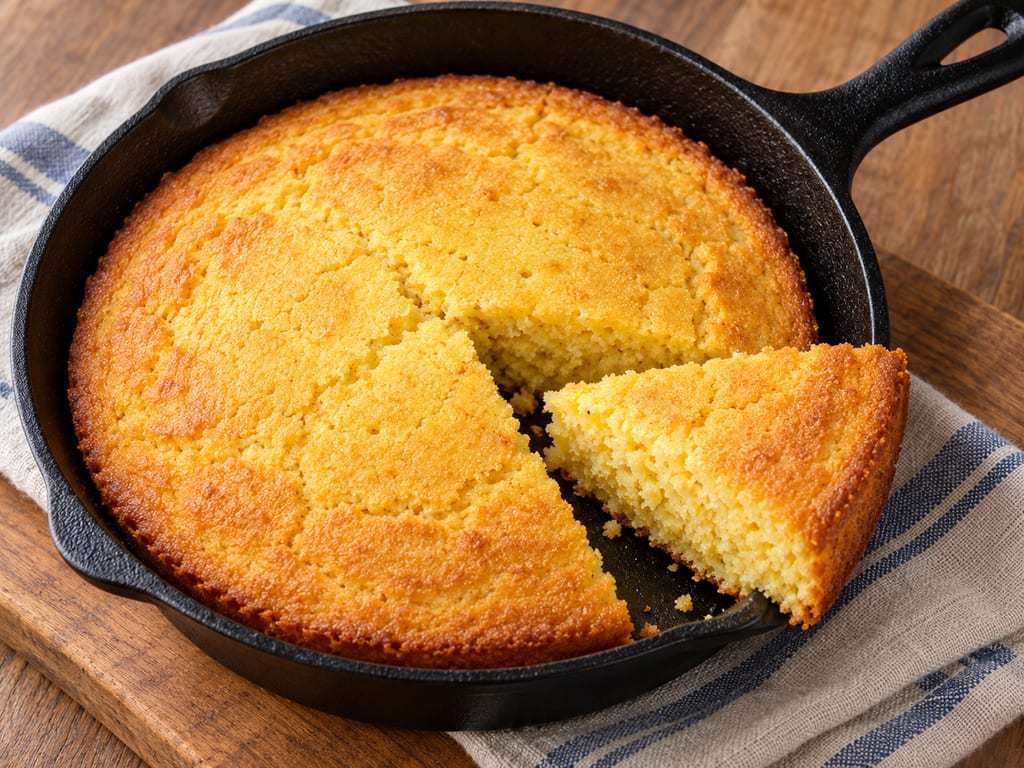
A modern cornmeal-and-wheat cornbread that King Arthur Baking describes as a compromise between Northern and Southern styles. The batter is baked in a pan or as muffins and served warm.
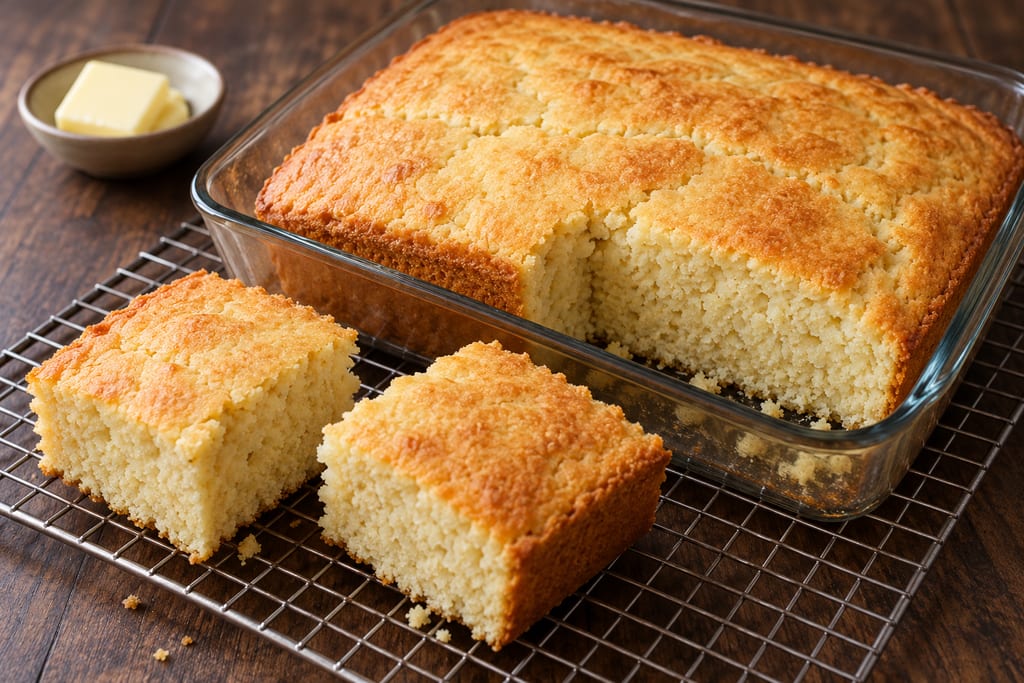
A soft, butter-rich Bahamian-style baked johnnycake made from flour, baking powder, sugar, butter and milk. The dough rests briefly in a square pan before baking.
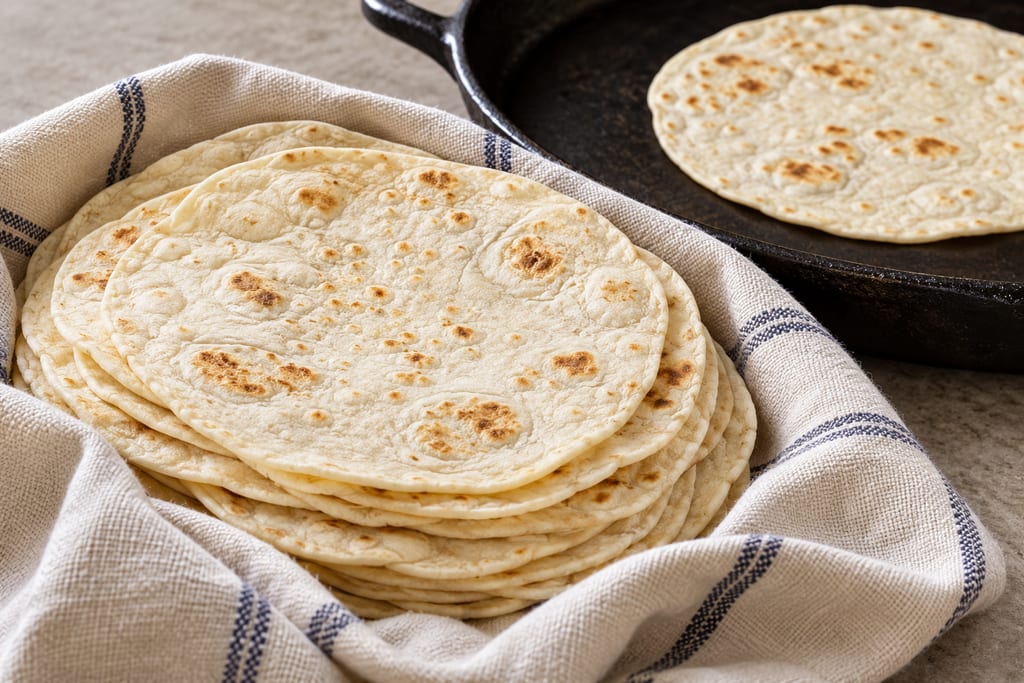
Soft wheat-flour rounds from an INCAP Honduran baleada recipe are rolled thin and cooked on a dry skillet; this record covers tortillas, not the filled dish.
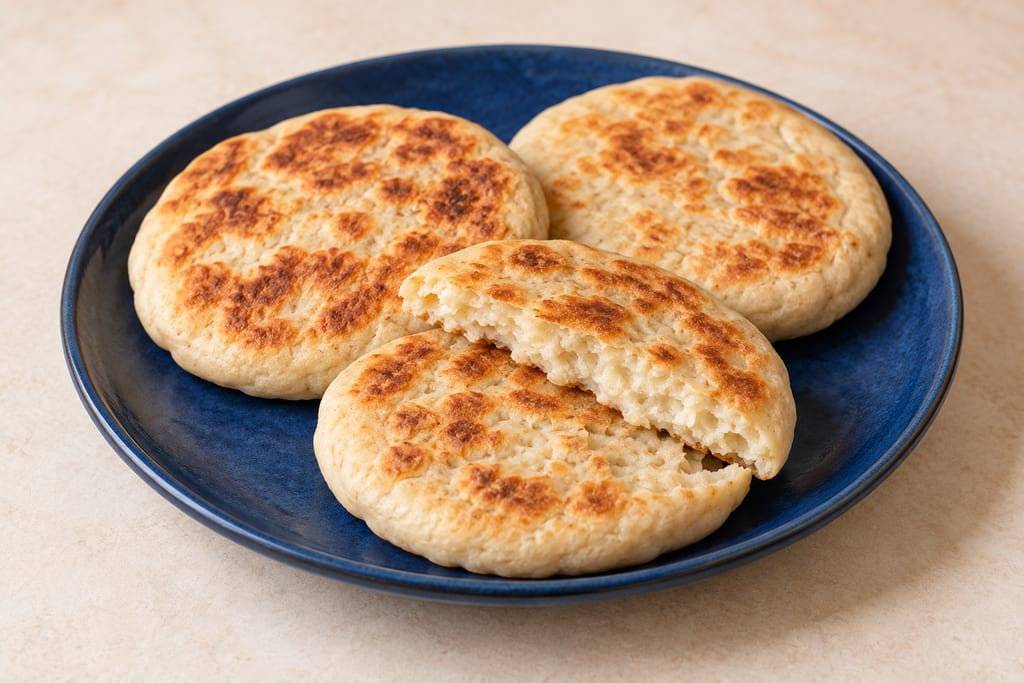
A Central Tibetan style pan bread made from flour, water and baking powder. Four dough balls are rested, rolled into rounds and cooked covered in a skillet, turning them several times.
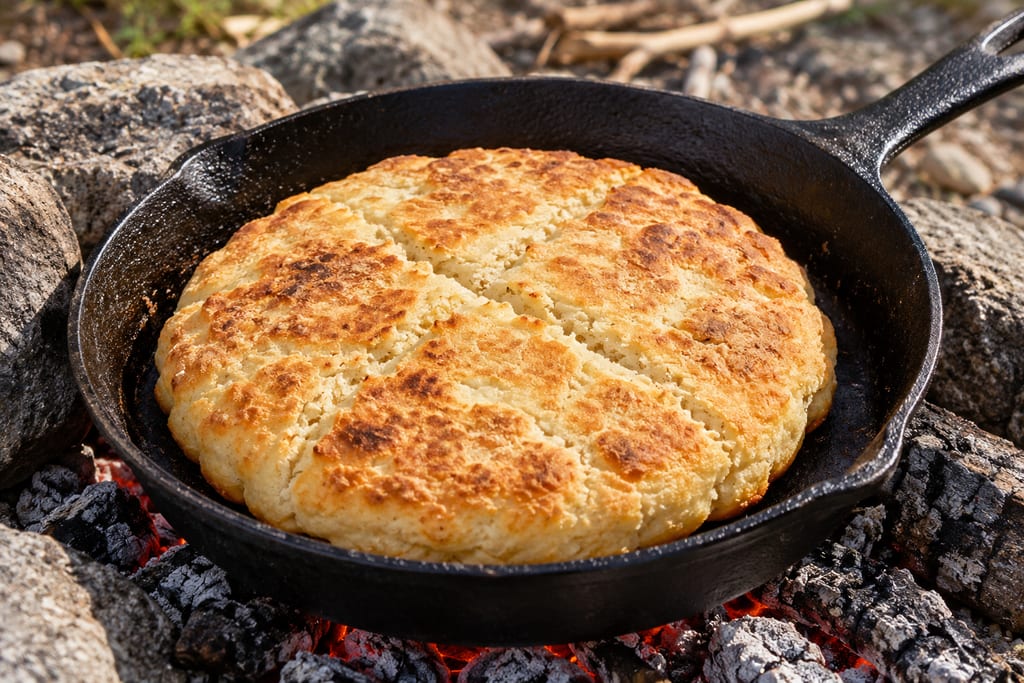
This flour, baking-powder and oil dough is Parks Canada’s contemporary Métis-interpreter version prepared at Rocky Mountain House; its specific recipe origin is unknown.
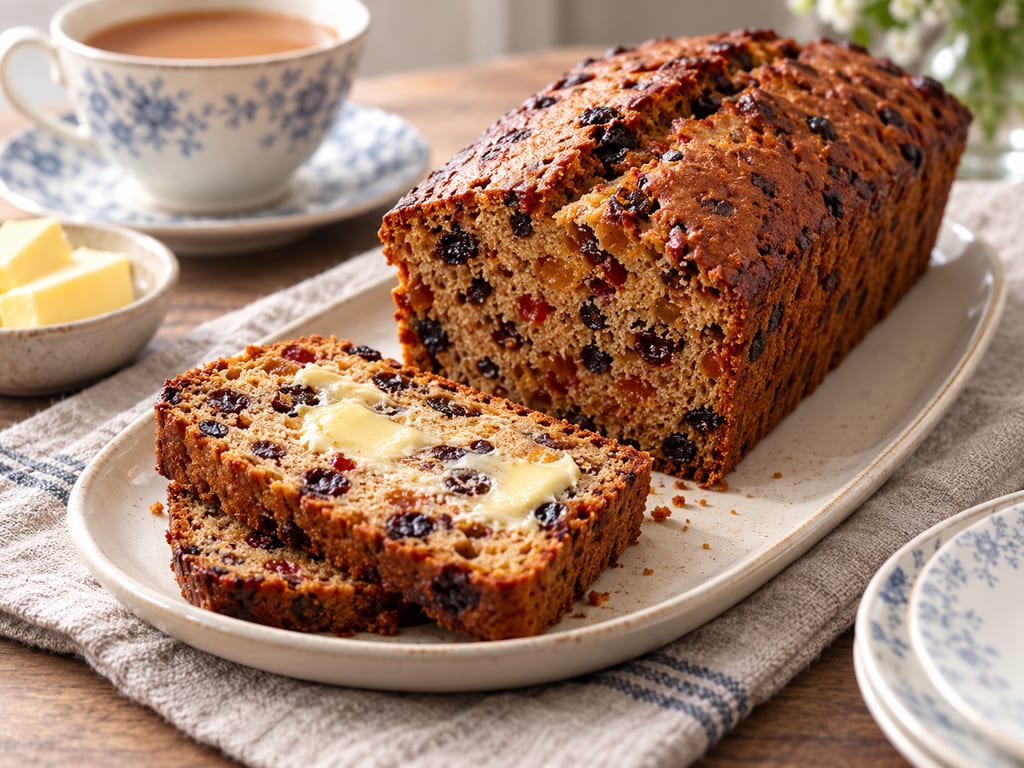
Bara brith is Wales’s speckled fruit loaf, made in both yeasted bread forms and the widely served modern tea-loaf style. This version soaks dried fruit in strong tea before mixing it with self-raising flour, spice, sugar and egg.
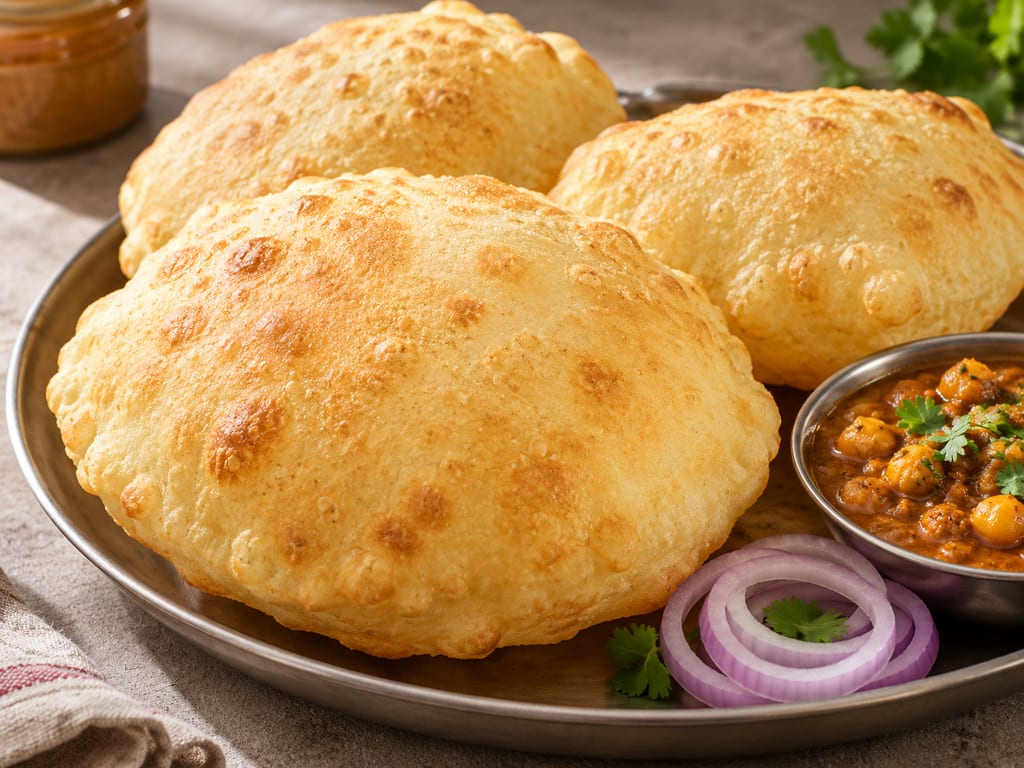
A North Indian fried bread made with yogurt, wheat flour and chemical leaveners. This source batch makes eight.
No community contributions have been published for this entry yet.
Sign in to contribute. Published comments and photos are free to read.
Recetas de LaylitaRecipe · Identity · Geography
Pan de yucaMetric weights, full mixing/chilling procedure, greased tray and seven-minute bake followed by broiling.
Cited in: Choosing cheese changes the result; One cheese-bread formula; The method on this page
Laylita's RecipesMethod comparison · Ingredient
Pan de yuca or cassava cheese breadEcuadorian identity, dry grated mozzarella and related regional variations; English broiler sequence differs from Spanish and was not blended.
Cited in: One cheese-bread formula; The method on this page
U.S. Food and Drug AdministrationSafety
Handling Flour Safely: What You Need to KnowRaw flour hazards and handling.
Reynolds BrandsEquipment safety
Non-Stick Parchment Paper Rolls — Product FAQsManufacturer excludes broiler use for its parchment.
Cited in: The method on this page
Asociación de Chefs del EcuadorGeography · Regional variation
Pan de YucaManabí association; separate queso-manaba, cream and yolk formula with 20 g portions and a 180°C bake; origin claim is explicitly tentative.
Cited in: Manabí and the breadth of the name
Confieso que CocinoCultural use · Ingredient behaviour · Regional variation
Pan de YucaFirst-person Guayaquil/Urdesa food memories, fruit-yogurt accompaniment, Manabí name pan de almidón, cheese moisture and texture differences; separate fresh-cheese/milk formula.
Cited in: A warm bread with a cold drink; Manabí and the breadth of the name; Choosing cheese changes the result