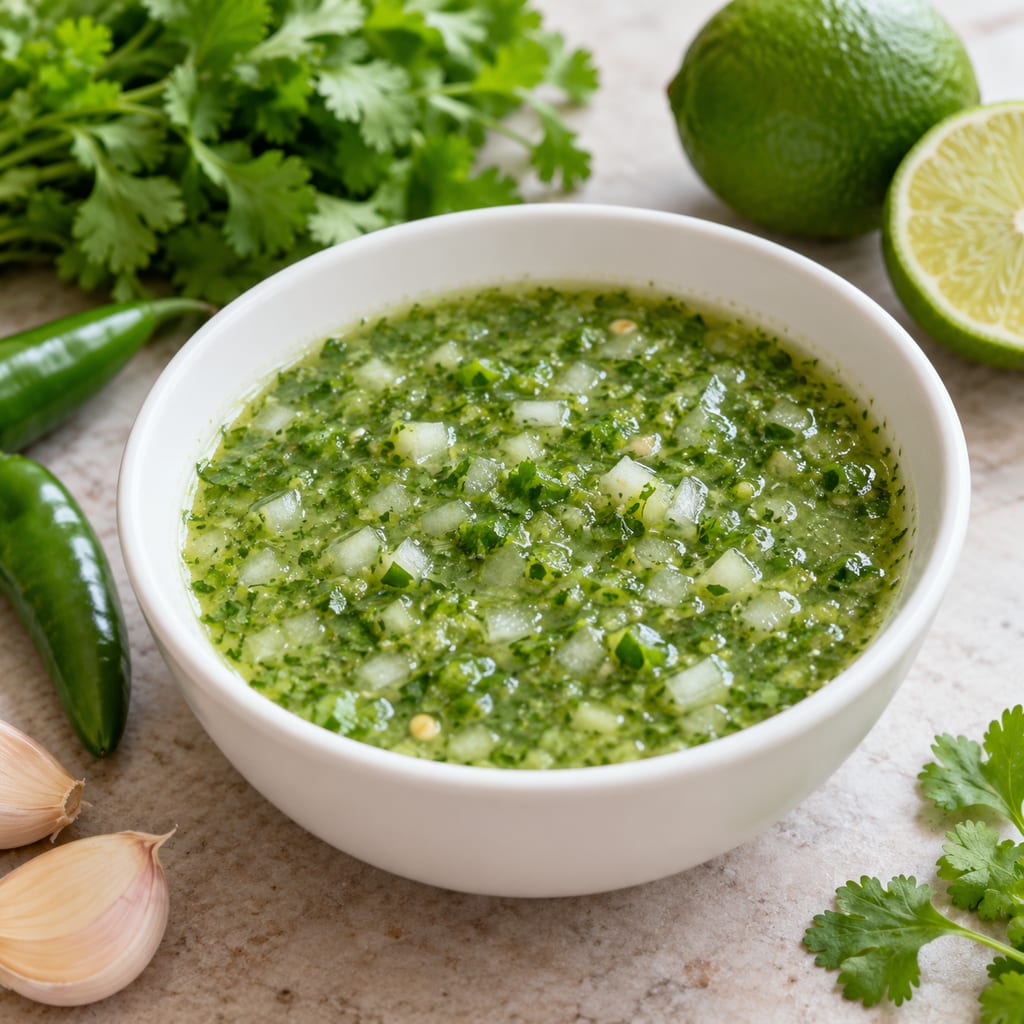
Ají criollo
A fresh, uncooked Ecuadorian table sauce of hot pepper, cilantro, garlic and lime, served with most everyday dishes.
 FermenteaWhere food goes to change
Guagua de pan · Guaguas de pan · Bread babies
Ecuadorian filled sweet bread figures with a rounded head and wrapped body, made from an enriched yeast dough. This home method shapes small filled ovals, proofs them on trays and serves them with colada morada.
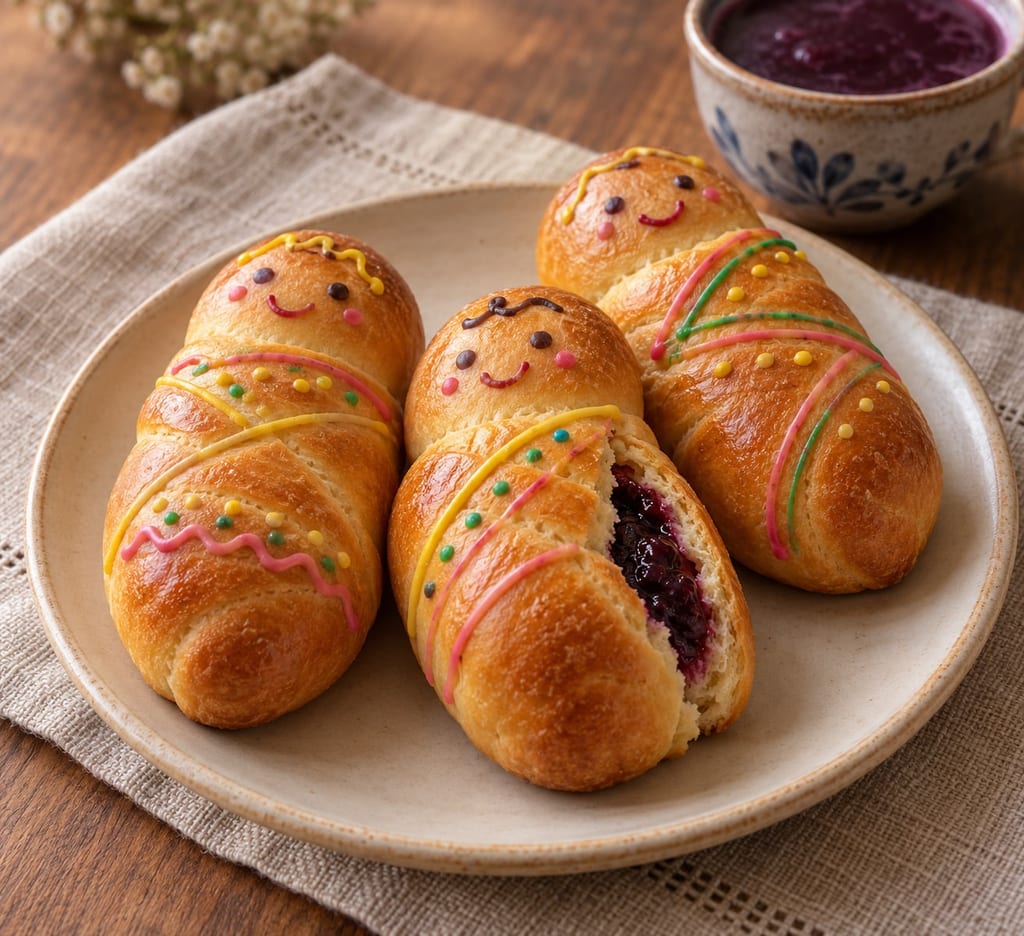
Guaguas de pan are shaped bread figures associated in Ecuador with colada morada and the November observance of the dead. The Ecuadorian Chefs Association describes figures with a rounded or wrapped body and notes that families decorate and fill them in different ways. The WPSU World Kitchen recipe provides one home method in English: filled oval dough is wrapped into a figure, proofed on a baking sheet and baked. It gives a specific yeast-raised formula and should be read as one Ecuadorian household-style version, not as a universal Andean pattern.
This record keeps the Ecuadorian guagua de pan distinct from Peruvian t’anta wawa and Bolivian bread figures. The atlas groups those related traditions as an entry point, while the sources show that names, shapes, fillings and associated customs vary. The method below follows only the WPSU recipe’s sponge, enriched dough and filled figure shape. The source does not report a total yield, so the dough is portioned by its stated weight rather than by an invented count.
The dough begins with a yeast sponge made from warm milk and half a cup of flour. Its rise-and-fall cue takes about an hour in a warm place. The remaining flour, eggs, sugar, cinnamon, vanilla and salt are mixed in before the butter is worked through. Kneading continues until the dough feels smooth and elastic. Flour or milk adjustments are made only if the dough is too sticky or dry; the recipe gives no amount for these additions, so start with small additions and stop when the stated texture is reached.
Cover the dough for its bulk rise and wait until it has doubled, which the source estimates at about two hours. The time is an estimate rather than a fixed temperature-controlled fermentation schedule. The recipe names baker’s yeast, so this Ecuadorian version is yeast-leavened; it should not be classified as a non-fermented bread. After dividing and shaping, the figures get a shorter tray proof until they are about half again as large.
Each piece weighs about 3.5 ounces before shaping. Roll it into a ball and then into a flat oval. Put a spoonful of filling near the top end. Fold that end over the filling as if beginning an empanada, then roll the rest of the dough around it. Press and twist the outside edges where there is no filling; this creates a rounded head above a wrapped lower body. Small scraps can make eyes, lips, hair, arms or a neck. These shaping details come from the same source as the dough, so the filled form and formula stay together.
The source lists chocolate fudge, dulce de leche, blackberry jam and chocolate-hazelnut spread as filling choices. It does not weigh the spoonfuls. Jam and dulce de leche may escape while baking, so leave enough dough at the edges to close the figure and avoid overfilling. The source also mentions colored icing after cooling but does not provide an icing formula; it is not part of this measured bread method.
Set the shaped figures on a greased or parchment-lined pan and proof for about 15–20 minutes, until they are visibly fuller. Heat a conventional oven to 350°F (177°C), brush the figures with whisked egg yolk, and bake for about 15–20 minutes, until golden on top. Cool completely. The source suggests covering them in a towel-lined basket to keep the bread soft, and serving them with colada morada.
Flour and eggs are raw ingredients before baking. The U.S. Food and Drug Administration advises against tasting raw dough and recommends keeping flour and dough away from ready-to-eat foods and cleaning hands, utensils and surfaces after handling them. Bake the figures before serving. This dough contains wheat, milk and eggs; the hazelnut spread option adds tree nuts. Check filling labels and avoid cross-contact for anyone who needs to avoid those foods.
The Ecuadorian Chefs Association describes guaguas de pan served with colada morada and decorated as bread figures, and the WPSU World Kitchen recipe gives one filled home version. This entry records the Ecuadorian form and does not collapse Ecuadorian guaguas, Peruvian t'anta wawas and Bolivian bread figures into one method.
Scaling: source batch only
Uncooked flour and eggs can carry harmful bacteria; the dough and egg wash must be baked before eating.
Hazard sourceThe dough contains wheat, milk and eggs; the optional chocolate-hazelnut filling adds hazelnut.
Hazard sourceDo not taste raw dough. Keep flour and raw dough separate from ready-to-eat foods, wash hands and equipment after handling them, and bake the figures as directed.
Control sourceIdentify wheat/gluten, milk and egg; identify hazelnut when the optional hazelnut filling is used, and avoid cross-contact for readers with allergies.
Control sourceContains wheat (gluten), milk and eggs. The chocolate-hazelnut filling also contains tree nuts.
Do not taste the raw dough; bake the bread figures before serving.
These sources document Ecuadorian guaguas de pan and their association with colada morada; they do not establish an exclusive origin for the wider Andean bread-figure family.
A fresh, uncooked Ecuadorian table sauce of hot pepper, cilantro, garlic and lime, served with most everyday dishes.
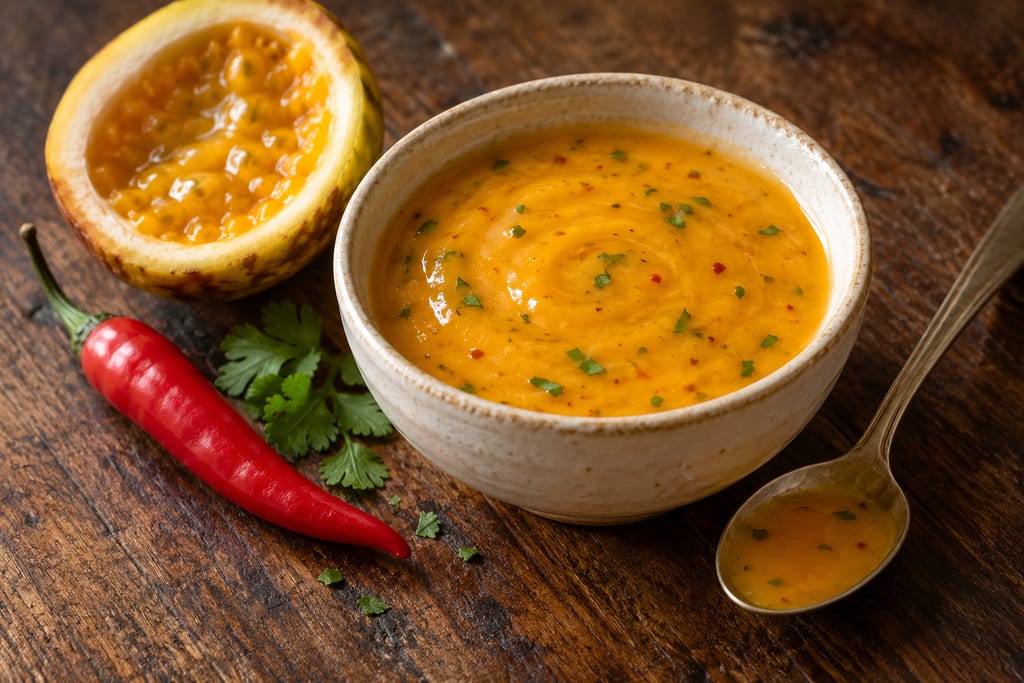
A contemporary Ecuadorian hot sauce that pairs passion fruit juice with boiled chile peppers, oil and lime.
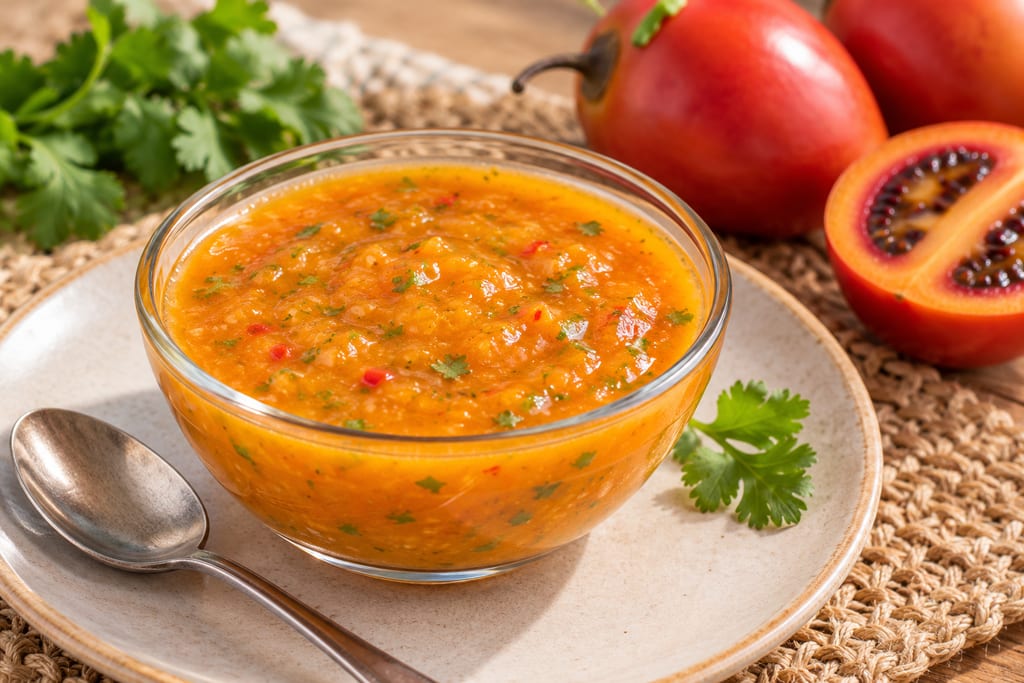
An Ecuadorian hot sauce built on tamarillo, a tart fruit that gives a sharper, fleshier base than ordinary tomato salsa.
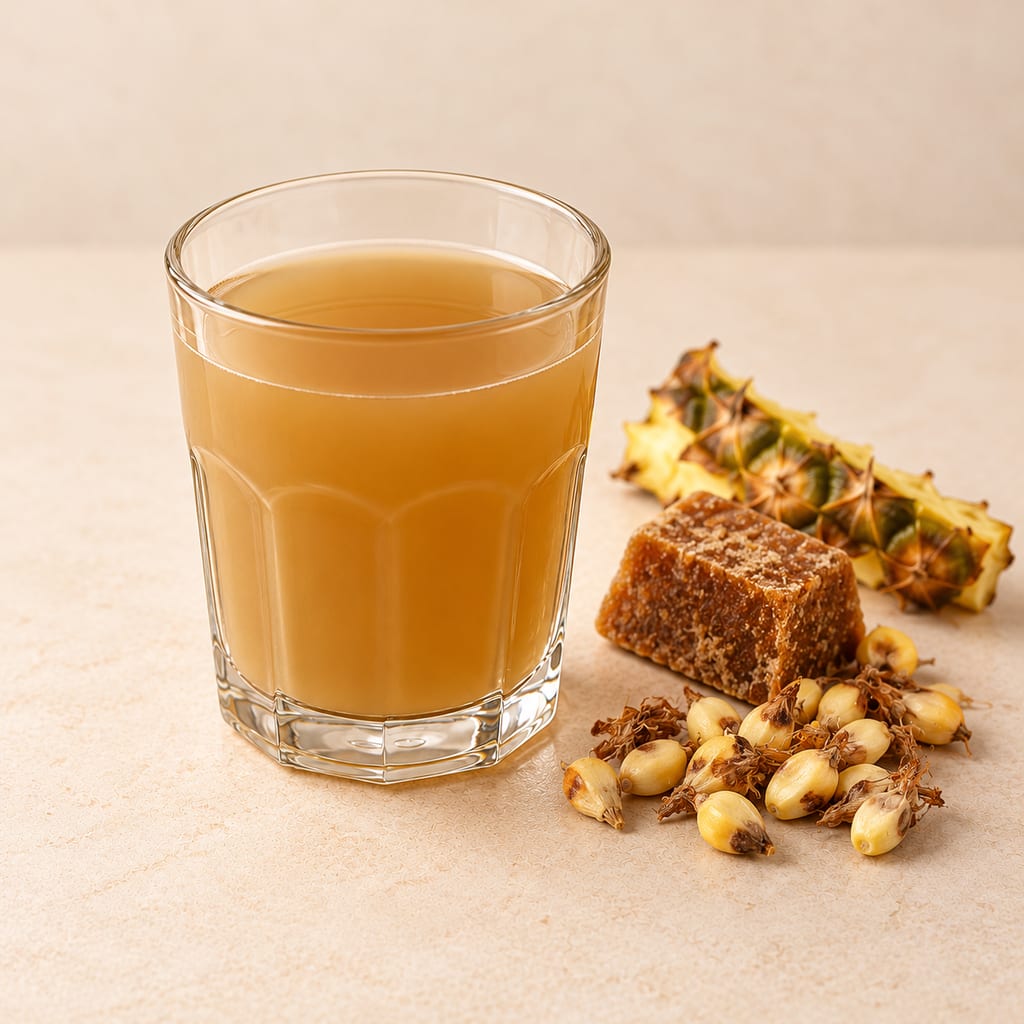
A contemporary Ecuadorian recipe simmers jora flour with spices, then adds panela and pineapple peel before a short spontaneous ferment. Its particular aromatics and measurements belong to this published adaptation.
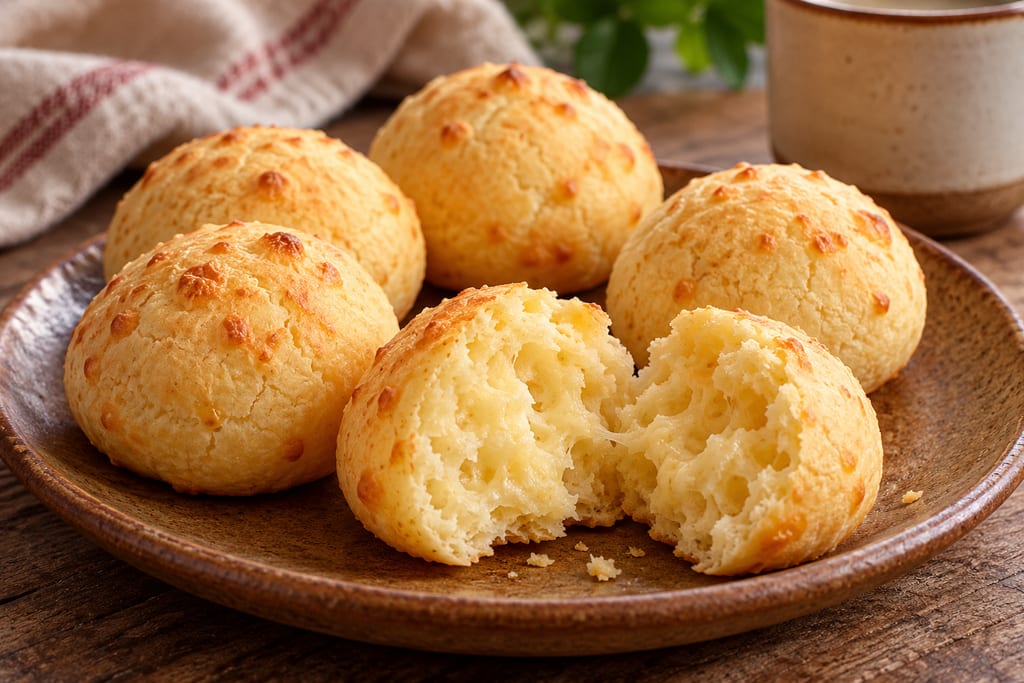
Small cassava-starch cheese breads mixed in a processor, chilled, baked and briefly browned under a broiler. This is Laylita's Ecuadorian-style formula.
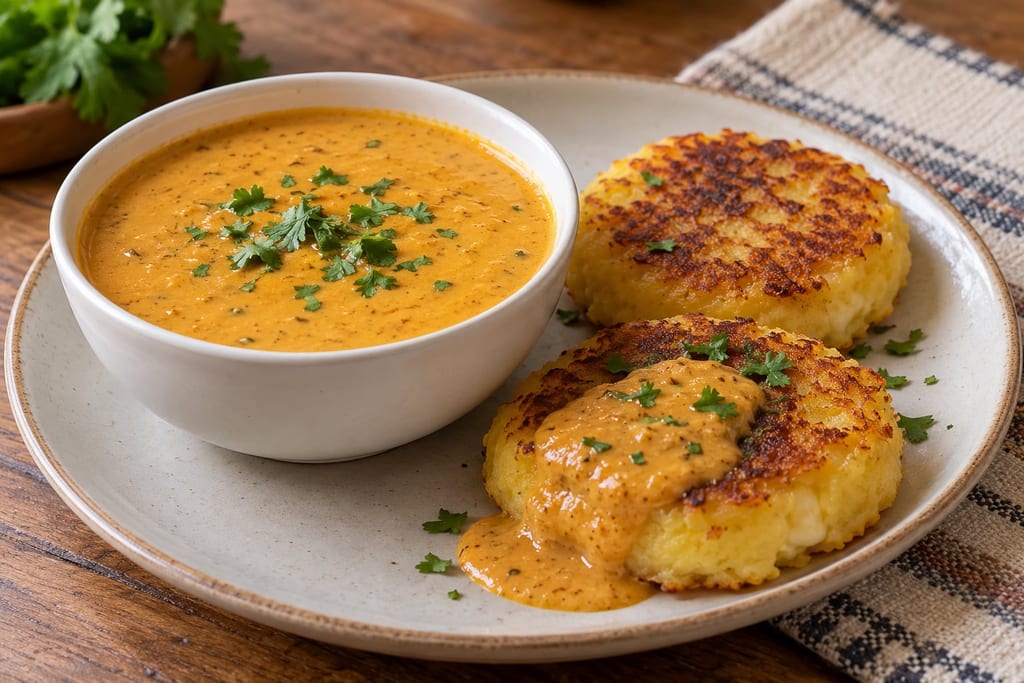
A warm, creamy peanut sauce thickened with milk and seasoned with onion, cumin and achiote, served over potatoes and llapingachos in Ecuador.
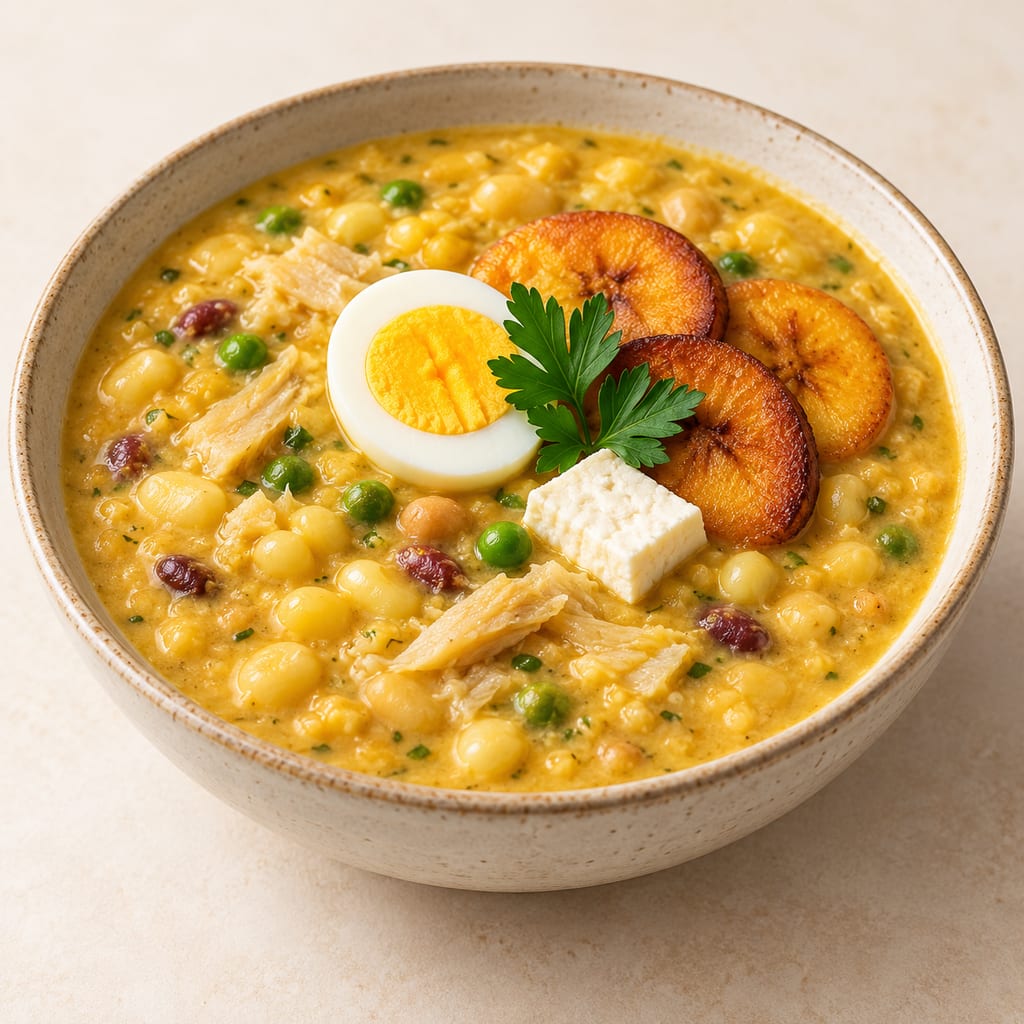
Ecuadorian Holy Week soup of tender grains and pulses, squash, milk and salted fish, thickened with peanut paste and served with contrasting garnishes.
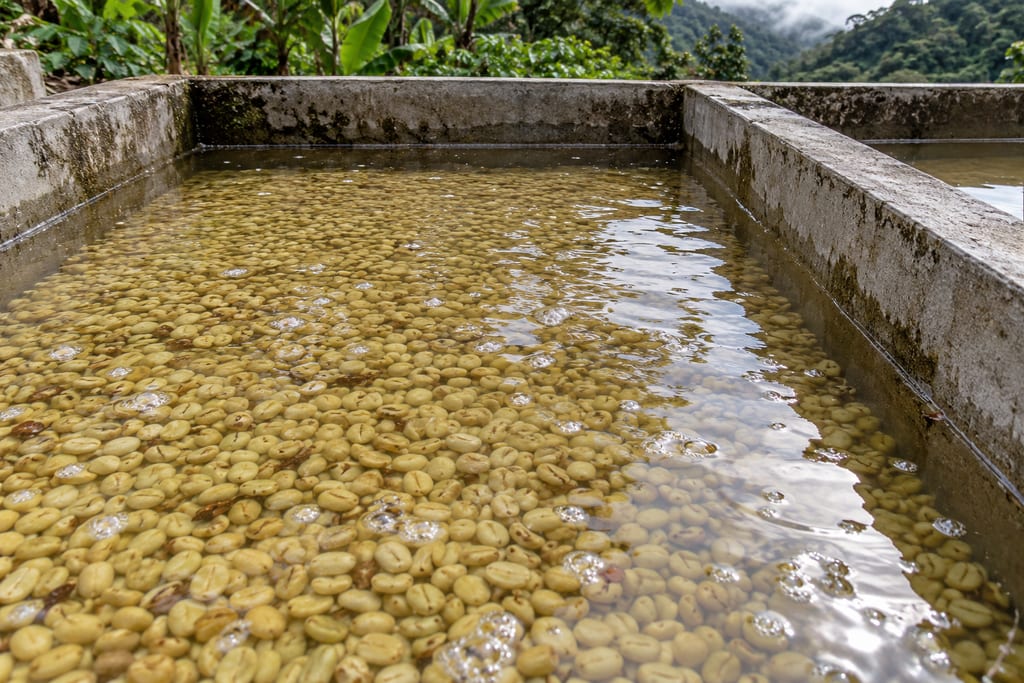
Washed Arabica coffee from Nanegal in Ecuador: depulped beans held under water while microbes and enzymes strip the mucilage, then washed, soaked and sun-dried to green coffee.
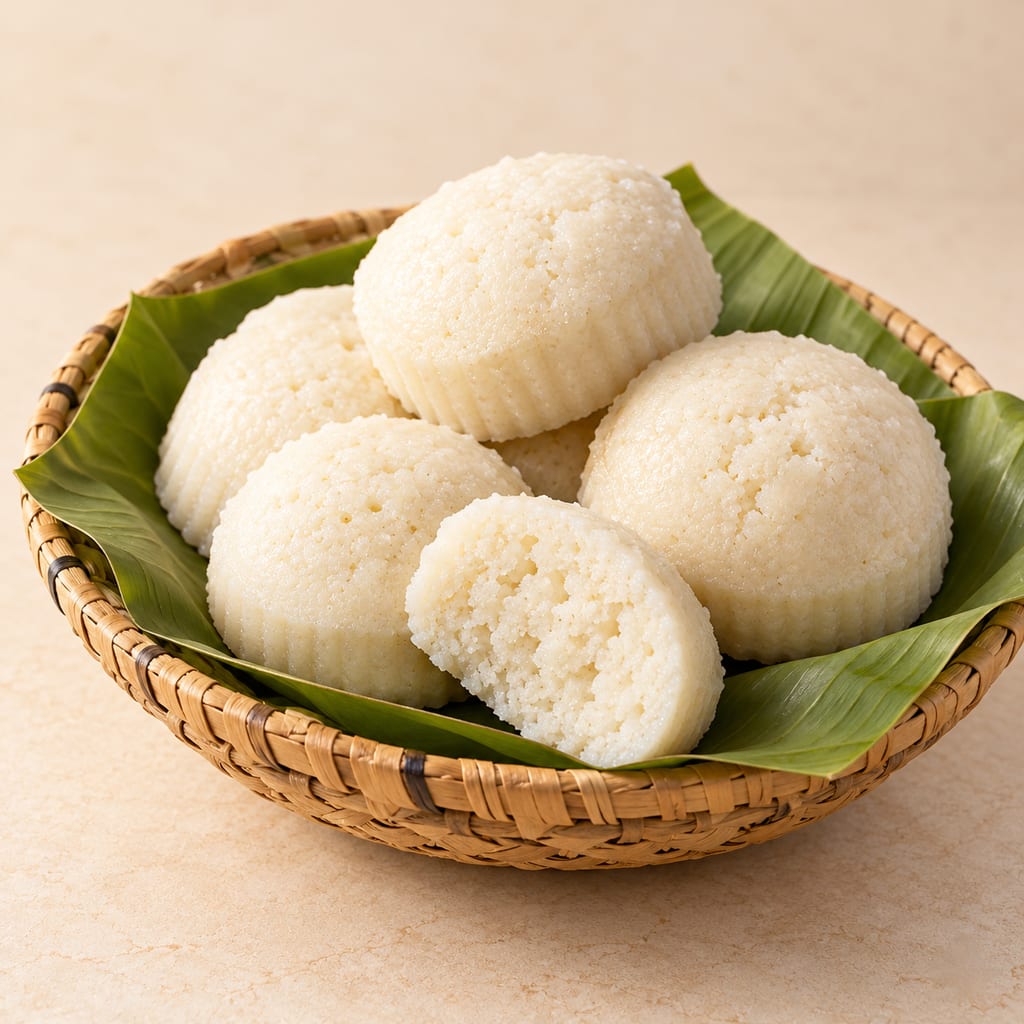
Soft, lightly tangy steamed cereal bread documented across Benin and Togo. This page gives one measured rice-flour research method; maize-based Ablo and mixed-grain versions remain distinct traditions.
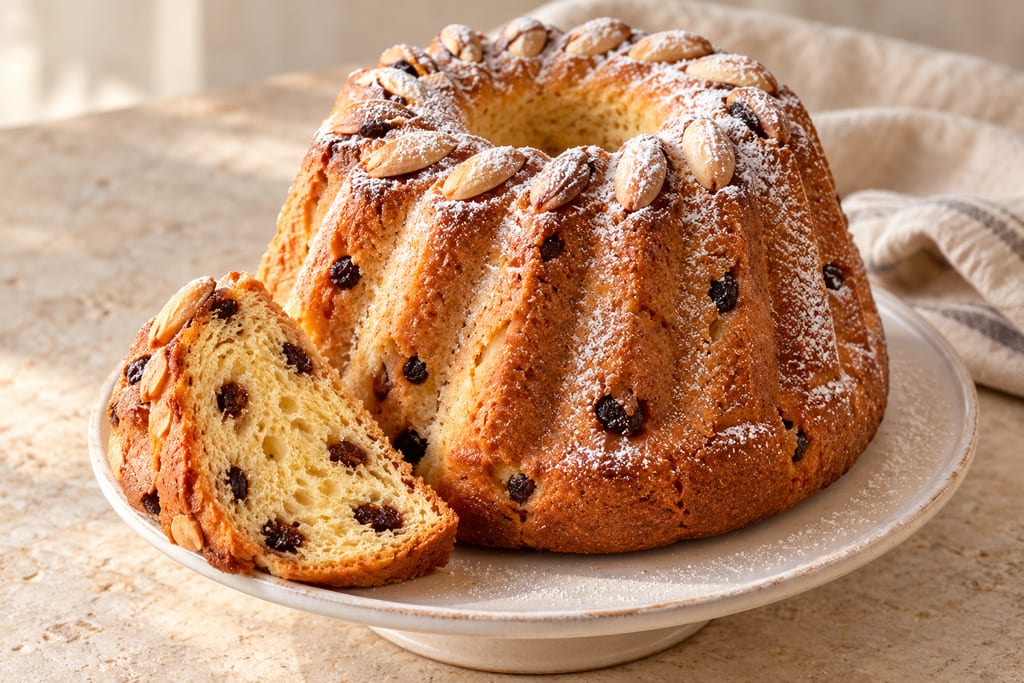
An enriched Alsatian yeast ring with raisins and almonds, kneaded with butter, proofed in a fluted mould and baked until browned.
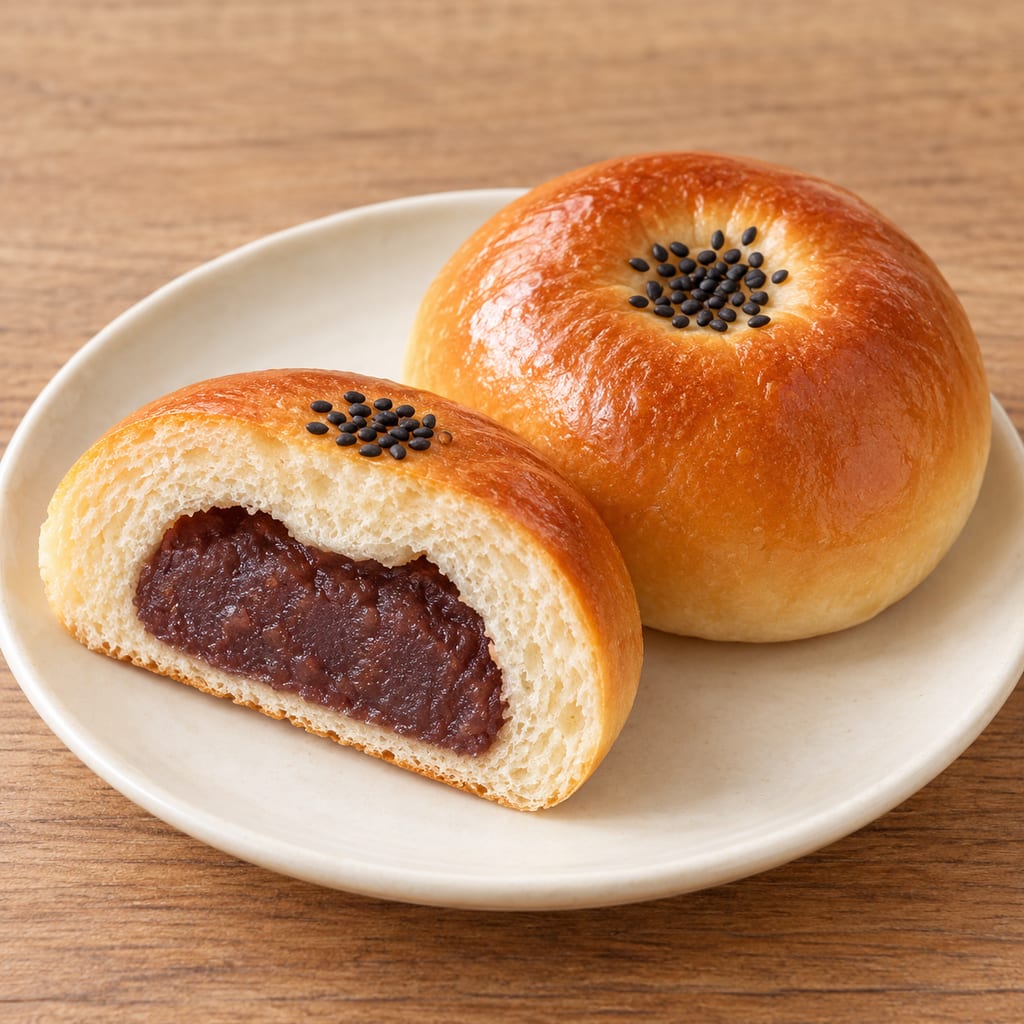
Anpan is a soft wheat bun filled with sweet red-bean paste and finished with egg wash and black sesame. This dough rises with commercial instant yeast.
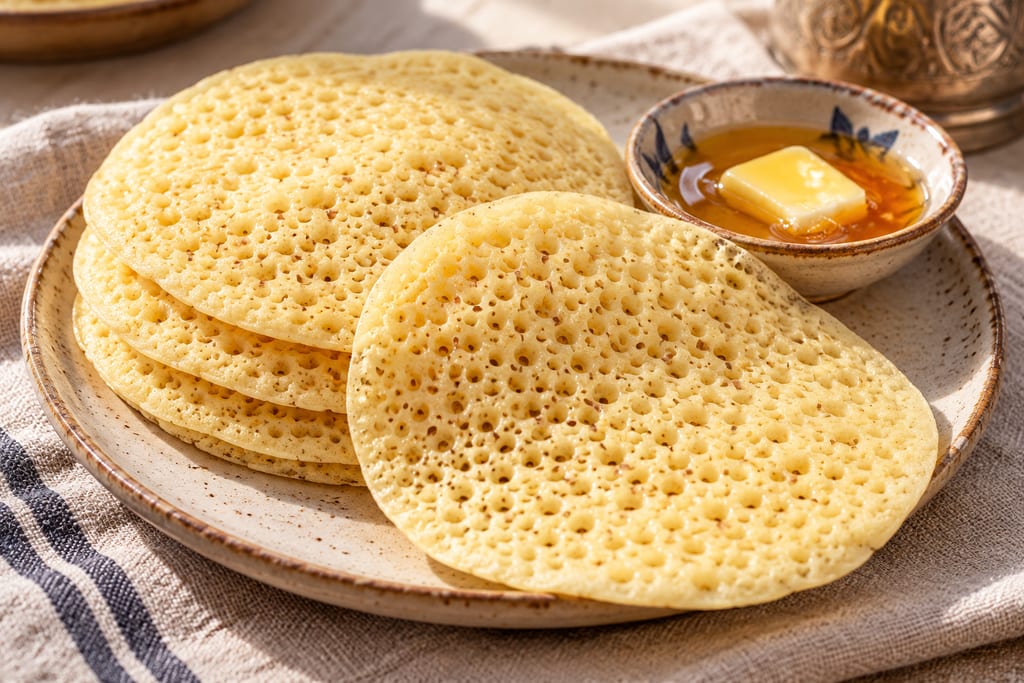
Moroccan semolina pancakes made from a thin yeast batter, rested until foamy and cooked on one side until the surface sets with a honeycomb of holes. This source-specific batch makes sixteen 5-inch pancakes.
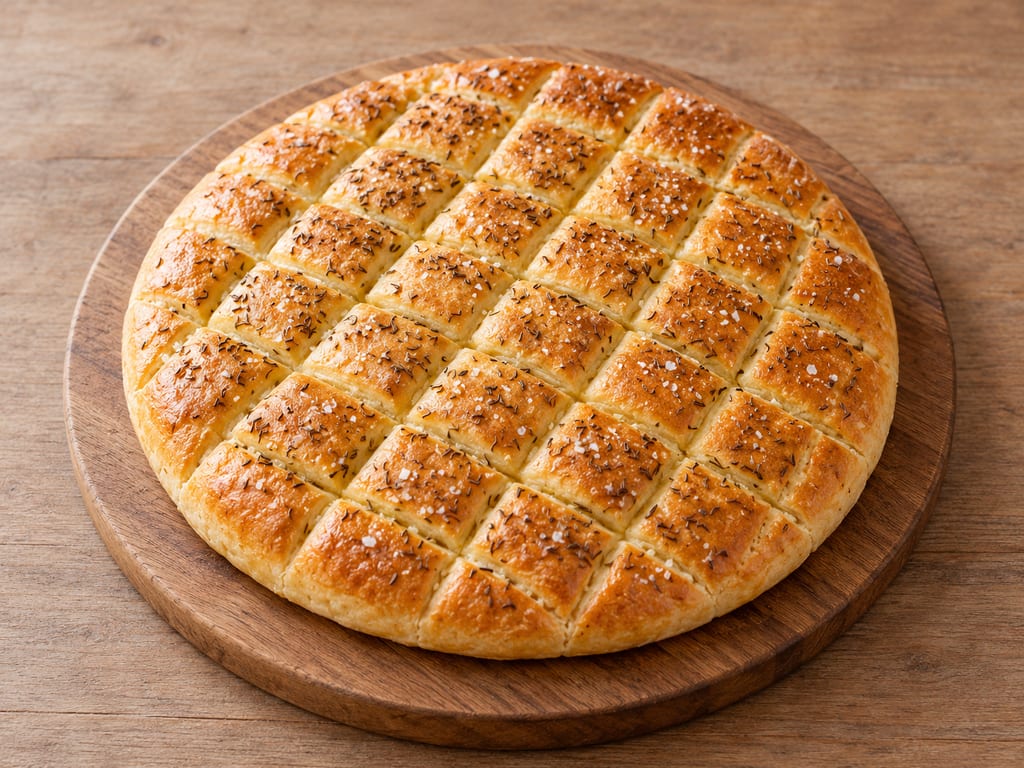
A round Slovenian flatbread scored in a grid and topped with caraway and coarse salt.
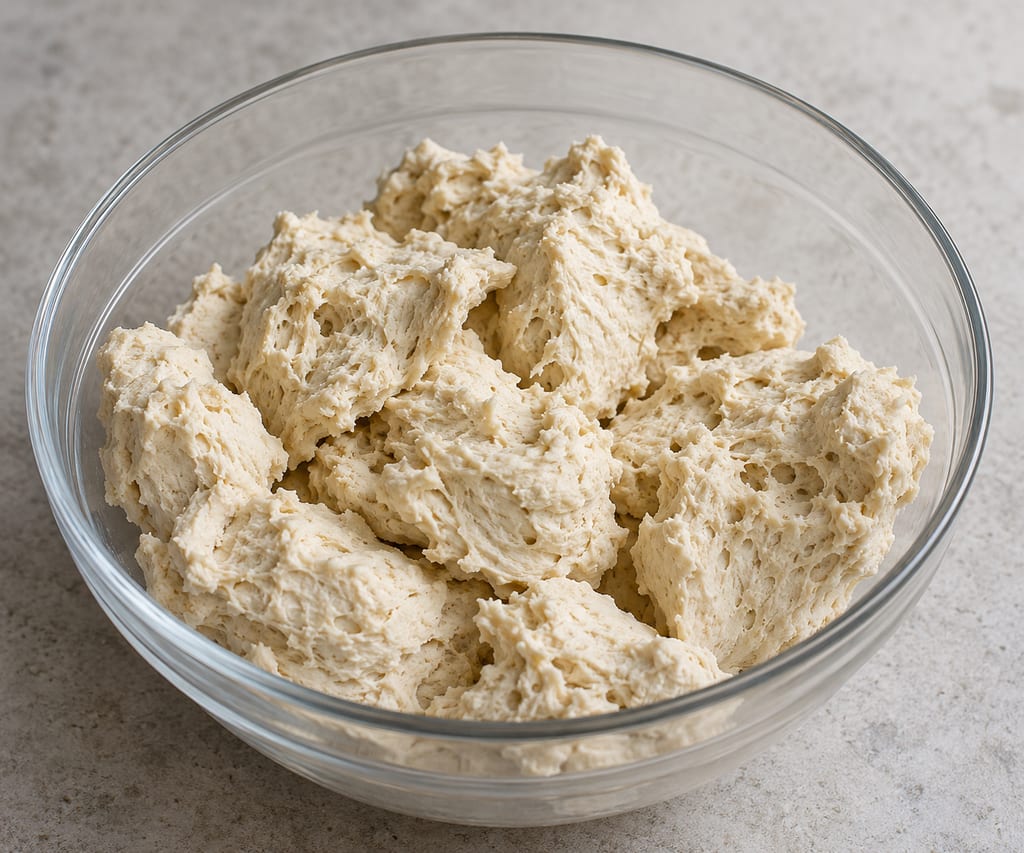
Biga is an Italian bread preferment of flour, water and a little yeast, usually a stiff unsalted mass of about 45 per cent water, fermented ahead and then mixed into the final dough.
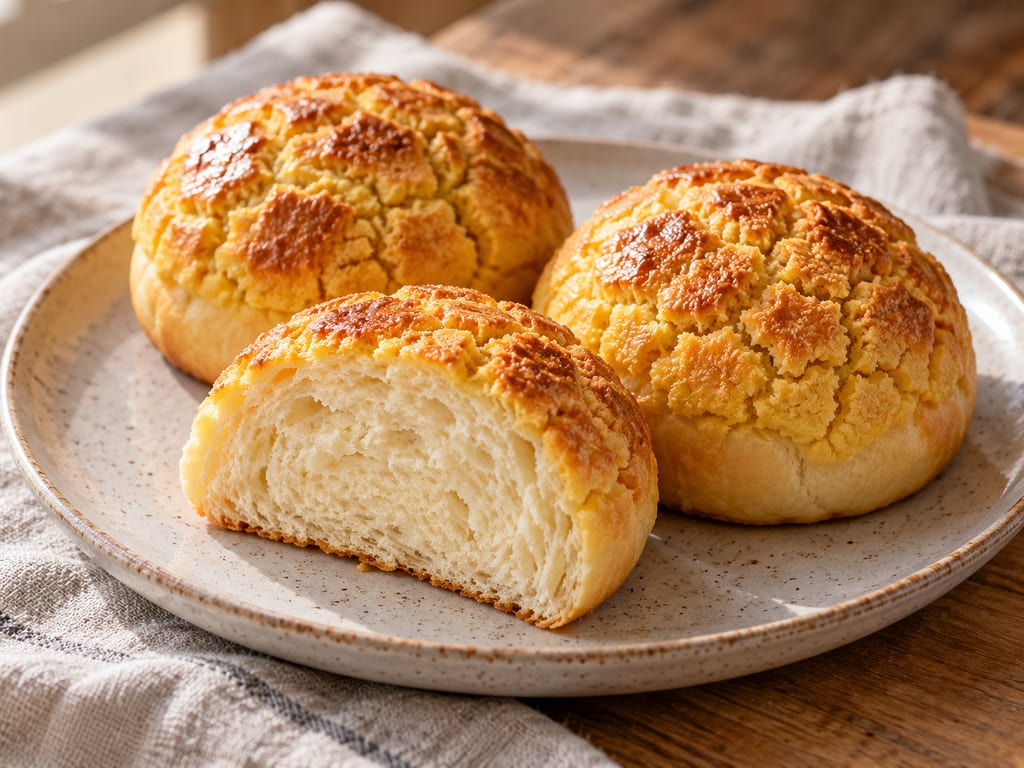
Hong Kong-style pineapple buns have soft yeast dough beneath a crisp, sweet pastry topping.
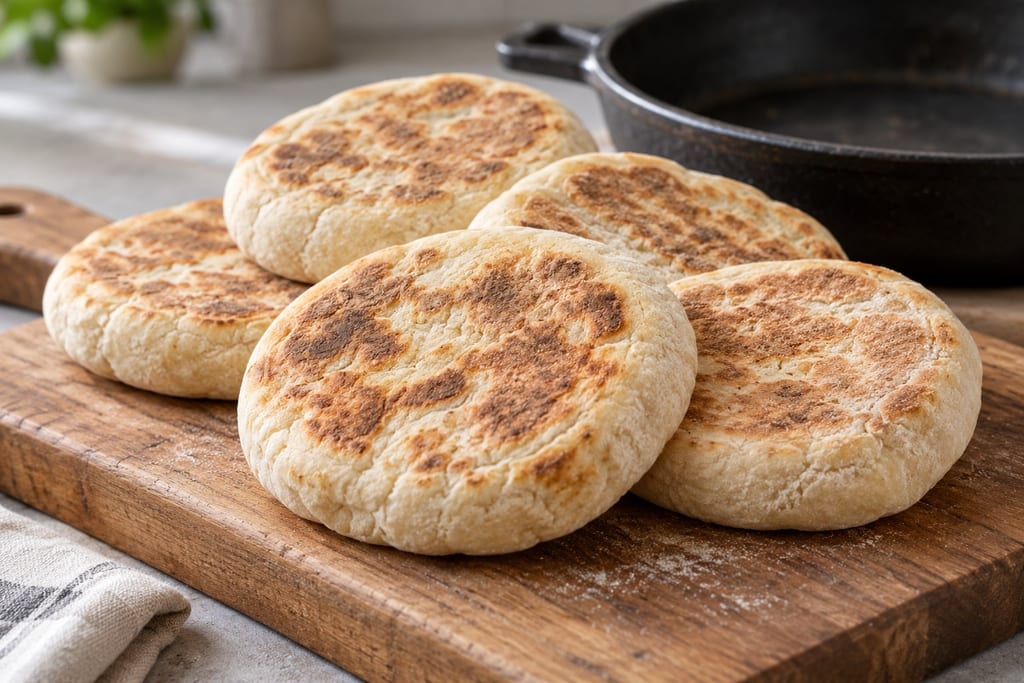
Sweet-potato wheat breads with fresh yeast, browned in a pan and finished in the oven. This is the bread component of Teleculinária's scrambled-egg dish.
No community contributions have been published for this entry yet.
Sign in to contribute. Published comments and photos are free to read.
WPSU World KitchenMethod · Ingredients · Home preparation
Recipes.EcuadorA complete English-language home recipe for Ecuadorian guaguas de pan: active-dry-yeast sponge; enriched dough; rise cues; 3.5 oz portions; filled wrapped-figure shaping; final proof; 350°F bake; cooling and serving.
The recipe describes serving the bread figures with colada morada and gives optional fillings; it does not state a total yield or quantify the filling per figure.
Cited in: The Ecuadorian form; Dough and fermentation; Filling and figure shaping; Baking, serving and safe handling
Asociación de Chefs del EcuadorHistory · Geography · Cultural association
Historia y tradiciones de la Colada morada y Guagua de panThe association describes guaguas de pan in Ecuadorian traditions and their pairing with colada morada.
The article describes several bread-figure shapes and optional filling and icing traditions; this recipe does not infer a single origin date from its historical account.
Cited in: The Ecuadorian form
U.S. Food and Drug AdministrationSafety
Handling Flour Safely: What You Need to KnowRaw flour and raw eggs may carry harmful bacteria; do not taste raw dough and clean hands, tools and surfaces after handling flour or raw dough.
Cited in: Baking, serving and safe handling