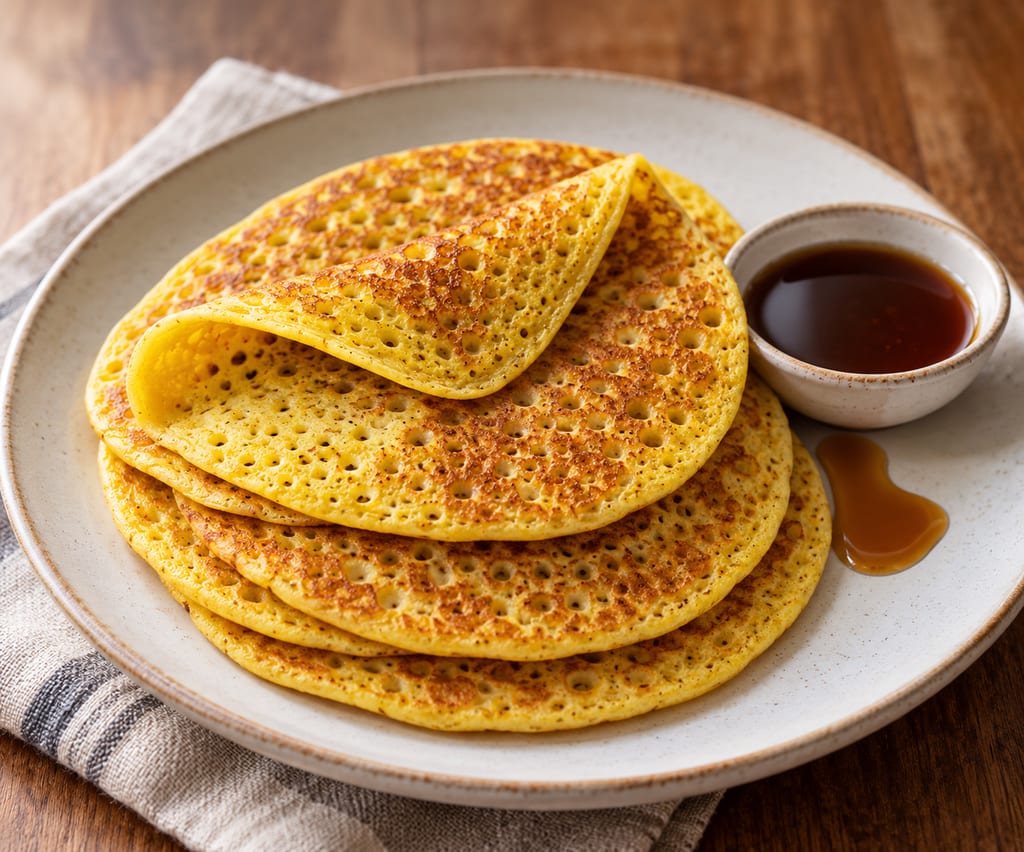
Chbaab
Emirati saffron-and-cardamom pancakes made from a short-rested yeast batter and cooked on both sides.
 FermenteaWhere food goes to change
Modern adaptation
khamir · khubz al-khameer
A source-specific Emirati yeast-and-baking-powder bread: soft dough enriched with dry milk is rolled into four rounds and baked briefly in a 550°F oven until it puffs.
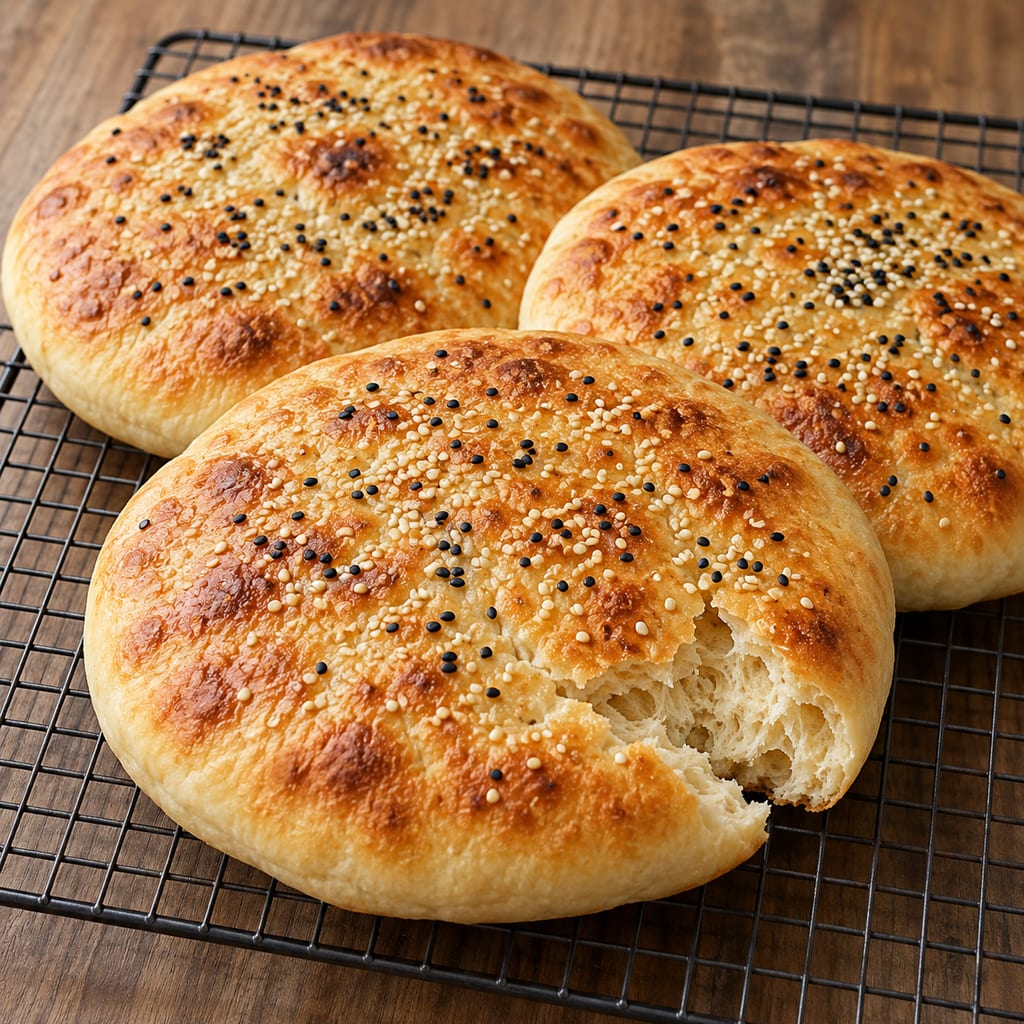
The UAE government describes khameer as Emirati bread made with yeast, flour, and powdered milk, usually sprinkled with sesame and served with cheese or honey. This entry follows one specific home formula from Amira Ibrahim, who says an Emirati friend shared this simple form with her. It uses bread flour, dry milk, sugar, yeast, baking powder, salt, oil, and water. Cardamom, saffron, or dates appear in other recipes, but they are not part of this formula.
The dough is divided into four, rolled into thick rounds, brushed with optional egg, topped with sesame or za’atar, and baked at a very high temperature until each round puffs. The author calls these pitas, but this is the named khameer version and the method remains separate from pan-fried khameera and other regional forms.
Combine the first six ingredients: flour, dry milk, sugar, dry yeast, baking powder, and salt. Add the oil and mix while adding warm water gradually. Begin with half a cup and add up to three-quarters of a cup, stopping when the dough is soft and consistent. Knead for at least ten minutes. The formula includes both yeast and baking powder; allow the dough to rise until doubled, about an hour in the author's kitchen conditions.
Lightly oil the bowl and the outside of the dough, cover it, and let it rise. The recipe card's 1 hour 10 minute resting time includes the first rise and the later 10-minute rest for the divided balls. The warm-water temperature is not measured in the source, so do not heat it to an invented set point.
Divide the risen dough into four equal pieces, make each into a ball, cover, and rest ten minutes. Roll each into a circle no thicker than a quarter inch. Keep rolled rounds covered while working through the batch. For the optional topping, brush beaten egg across the surface and scatter sesame seeds or za’atar; the author advises against za’atar when using sweet fillings.
The seed line is an alternative, not an instruction to use both toppings. The recipe also lists the egg as optional. If the egg wash is omitted, bake the plain dough rounds by the same method.
Preheat to 550°F (about 288°C), the setting used in this recipe. The author says an older oven may need almost an hour to reach its highest setting. This method does not establish a lower-temperature substitute, so do not exceed the rating on the appliance. Use an oven-safe rack or place the bread directly on the oven rack; an ordinary cooling rack may not be made for oven heat.
With the oven hot, keep your face back from the opening and use oven mitts when moving the rack. Bake each round for about two to three minutes until it puffs and the top is lightly browned. Watch the surface closely. The source suggests a 20–30 second broil to brown the top, or another minute in the oven; watch continuously if using either finish. Allow two to three minutes for the oven to recover between rounds. Cool on a rack and serve warm with cheese, honey, date paste, or another accompaniment.
Flour and unbaked dough must not be tasted. If you use the optional egg wash, apply it before baking and let the bread bake through as directed. Wash hands, bowls, utensils, and work surfaces after they touch raw flour, dough, or egg. The recipe describes storage in a sealed bag after cooling but does not establish a validated storage duration; this entry makes no shelf-life claim.
The UAE government identifies khameer as an Emirati bread made with yeast, flour, and powdered milk. The chosen modern home method is presented by Amira Ibrahim as a simple version shared by an Emirati friend. No earliest date is established.
Yield 4 round loaves · Scaling: source batch only
Uncooked flour and dough may carry harmful germs; the dough must be baked and should not be tasted raw.
Hazard sourceThe method uses a 550°F oven and moves bread near a hot oven opening; contact or leaning into the oven can cause burns.
Hazard sourceThe optional beaten egg wash is uncooked before it is brushed onto the dough and must be baked with the bread.
Hazard sourceDo not taste raw dough. Wash hands, bowls, utensils, and counters after handling raw flour or egg; bake the dough as directed.
Control sourceUse only an oven-safe rack or the oven rack itself, wear oven mitts, keep your face back when opening the hot oven, and do not exceed the oven's rated temperature.
Control sourceIf using egg wash, apply it before baking and bake until the bread has puffed and the top is lightly browned; do not add raw egg after baking.
Control sourceThis exact home method calls for a very hot 550°F (288°C) oven and does not give an alternate temperature for a lower-rated oven; do not exceed the appliance rating.
The short bake and optional broiler require continuous attention because the top can brown quickly.
The dough contains raw flour and the optional egg wash is raw before baking; do not taste the unbaked dough.
The author identifies this as an Emirati friend's home version; the government describes khameer as Emirati bread. Neither source pins this version to an emirate or a birthplace.
Emirati saffron-and-cardamom pancakes made from a short-rested yeast batter and cooked on both sides.
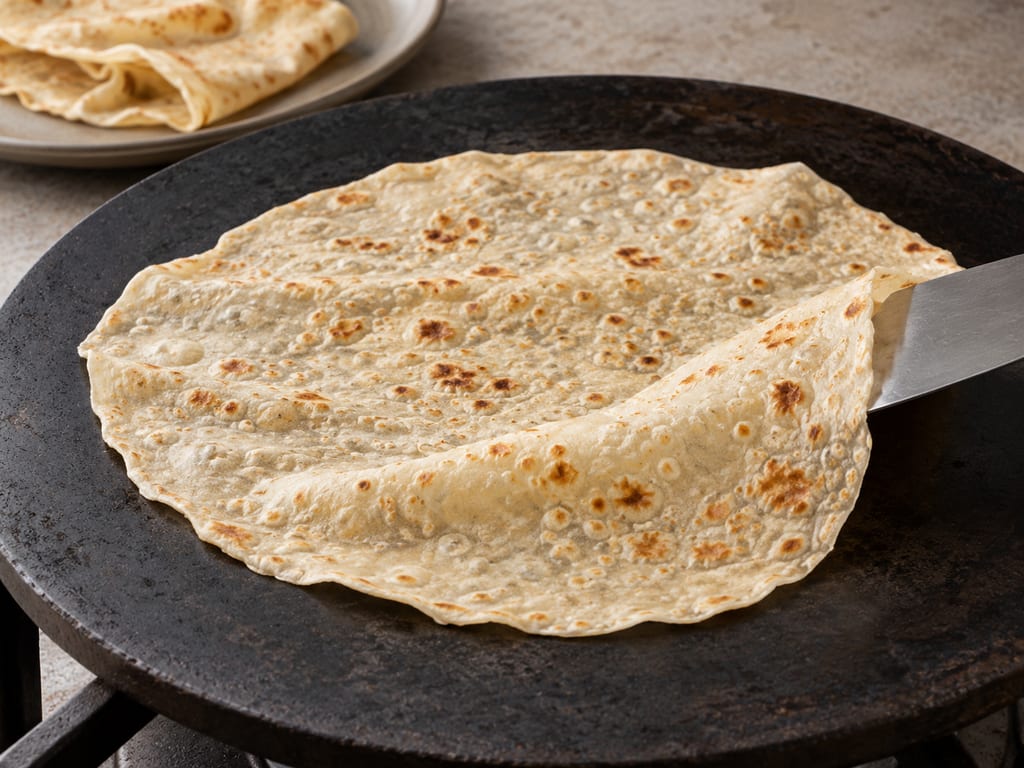
Regag is a thin Emirati wheat bread cooked on an ungreased pan. This measured home method uses a soft dough that rests covered, then gets spread thin with a palette knife or bench scraper.
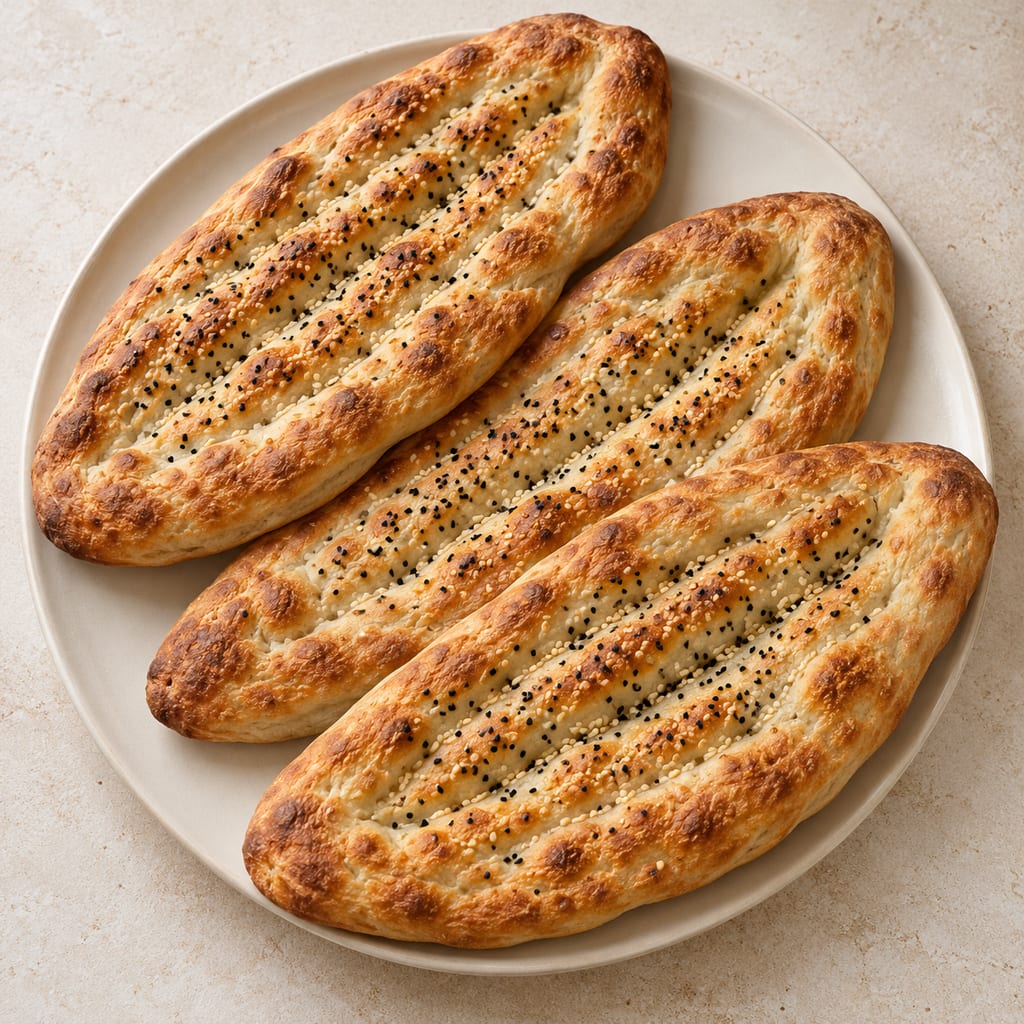
A long oval Afghan wheat bread, leavened with yeast, grooved along its length and baked until crisp outside and chewy within.
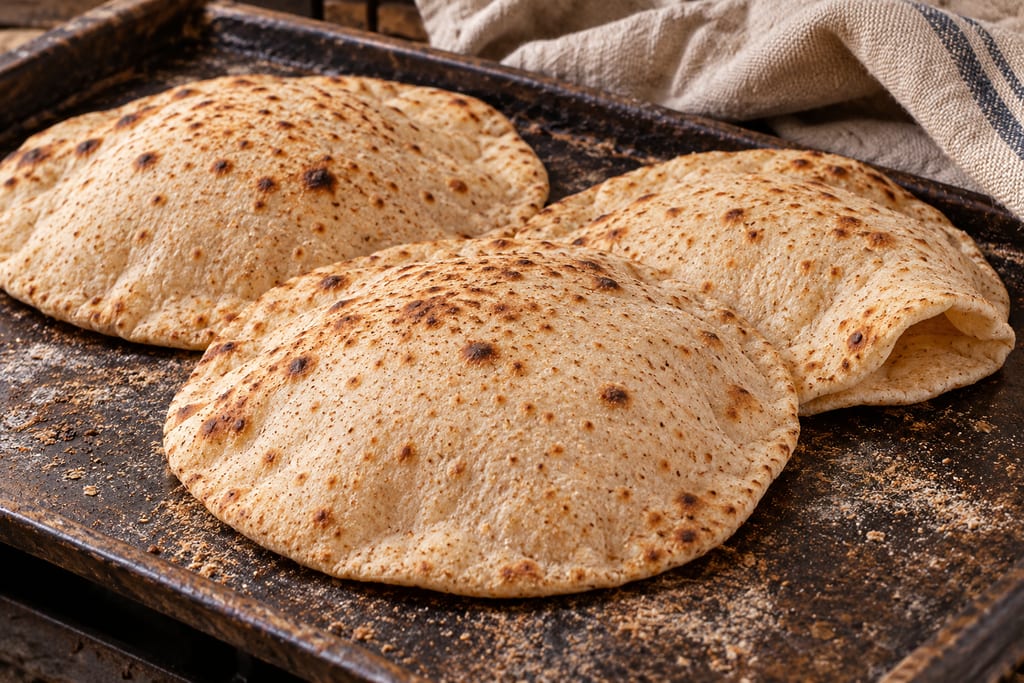
This home adaptation of Egyptian aish baladi uses a refrigerated yeast biga, whole-wheat dough, bran dusting and a very hot baking surface to make 16 pocketed rounds.
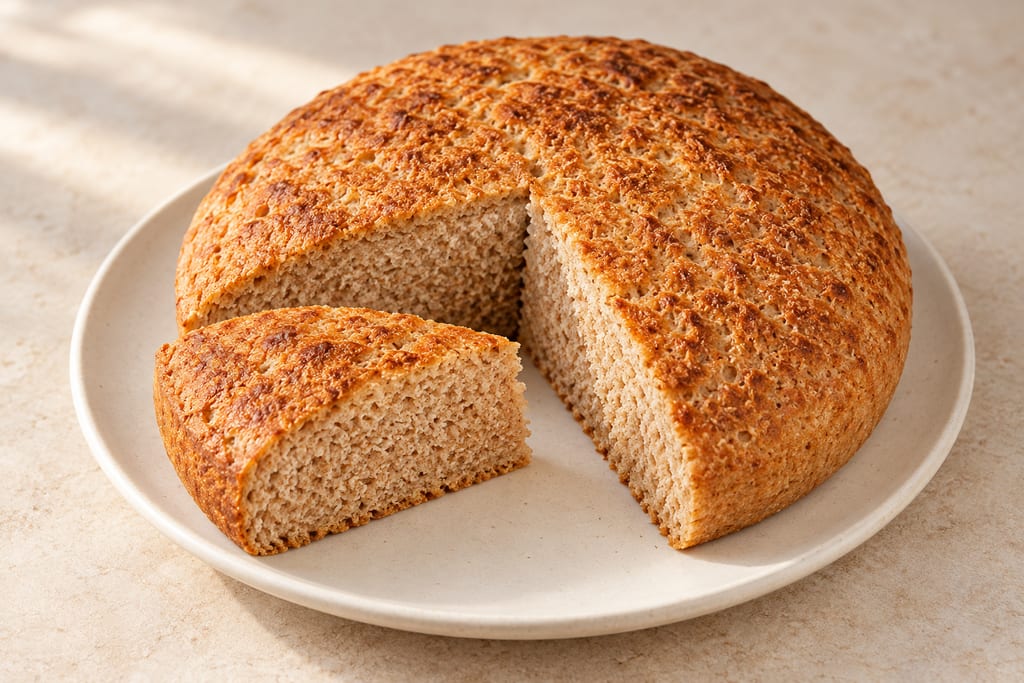
This oven-baked Amdo balep uses yeast, whole-wheat and white flour, a long covered rise and a two-sided bake in a heavy oven-safe pot.
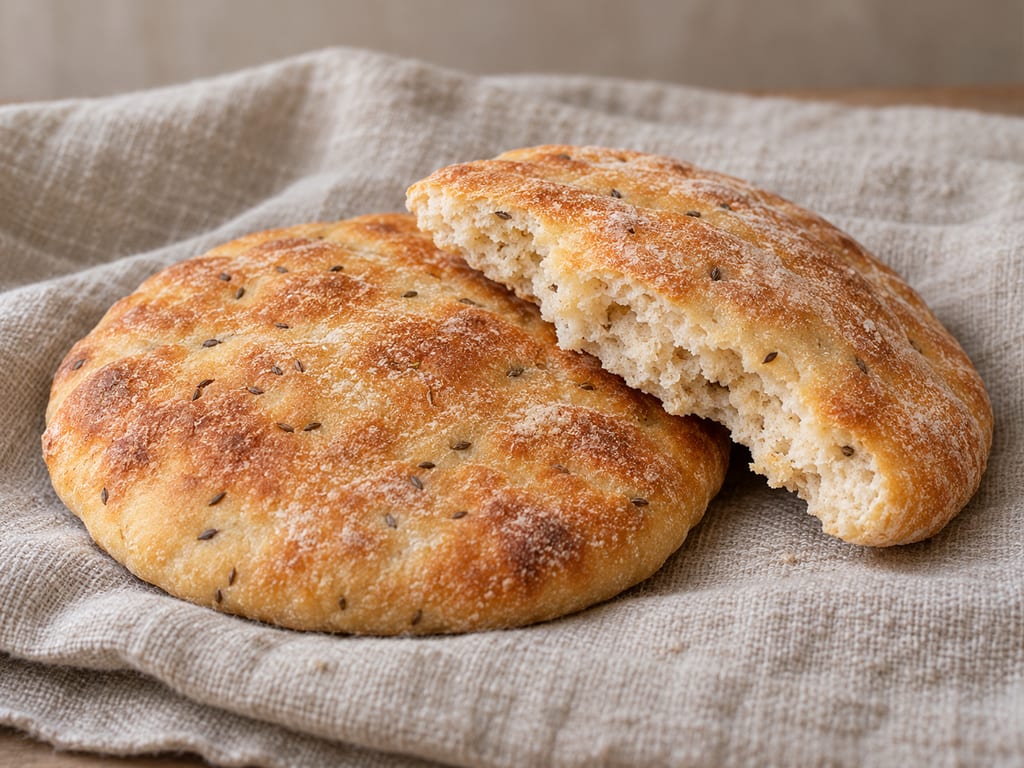
A measured, yeast-raised Ayacucho chapla home method shared by Thermomix Peru presenter Roxanna Salaverry. It makes thin, anise-scented rounds baked at 240°C; the historic qunchu-leavened form is documented separately.
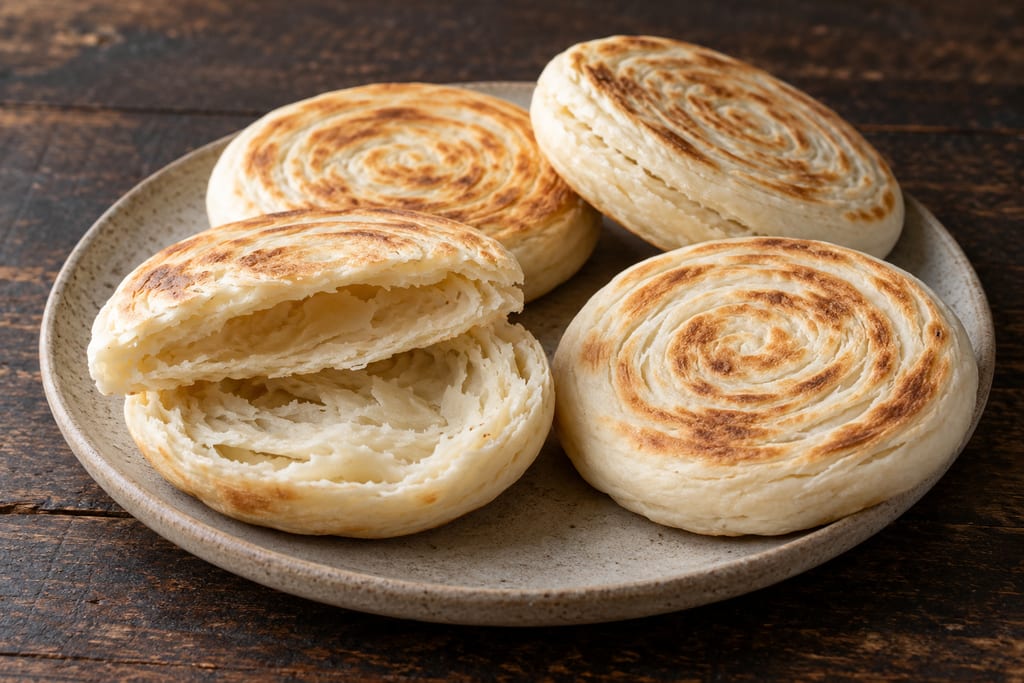
This Shaanxi-associated yeast flatbread uses a simple water dough, coiled shaping and a skillet bake. It is the bread used in roujiamo, not the filled meat dish.
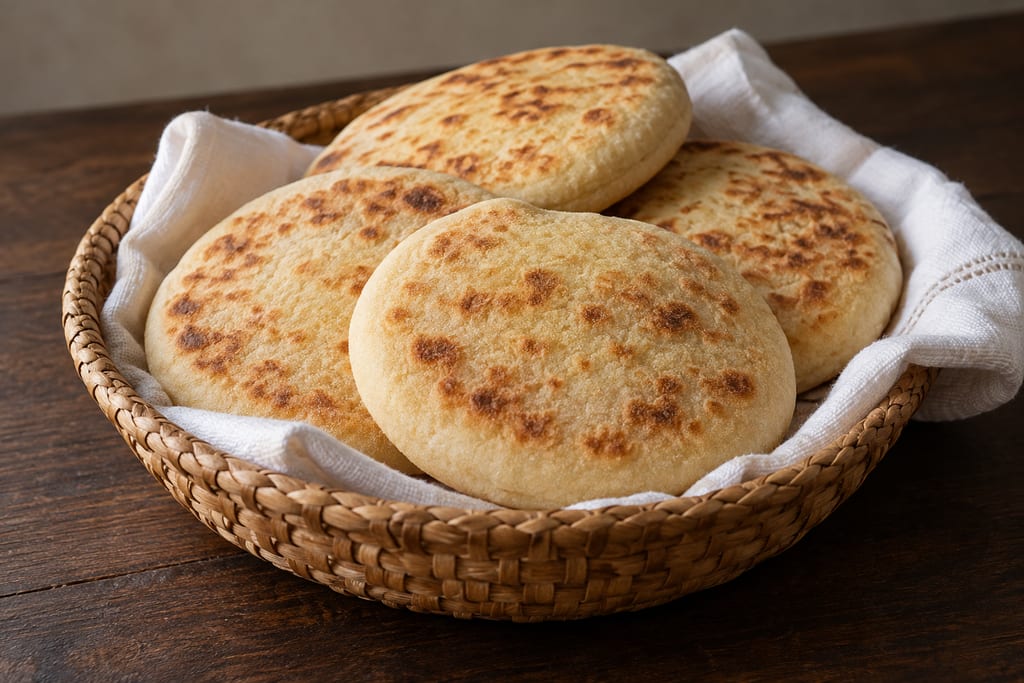
A Moroccan yeast-raised semolina pocket bread cooked on a dry pan or griddle; this measured batch makes about twenty 4-inch rounds.
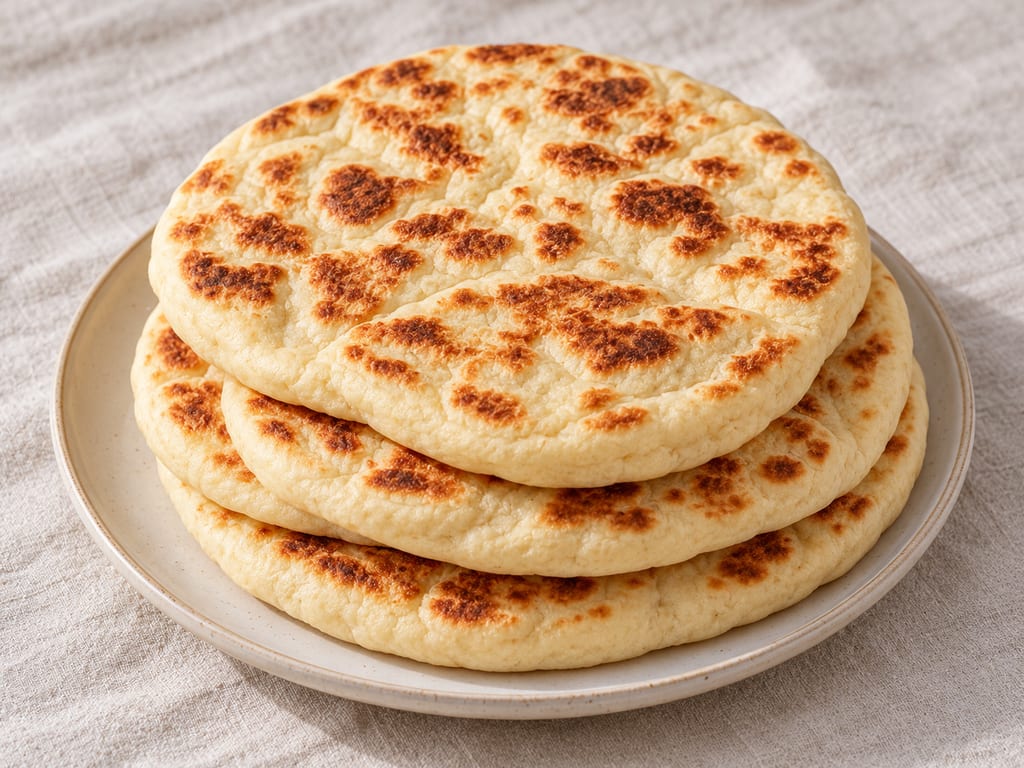
This Turkish bazlama uses yeast, plain yogurt and olive oil for a soft dough cooked in a skillet. Shape it into twelve small or six larger rounds, flip as bubbles appear, and wrap the breads to keep them soft.
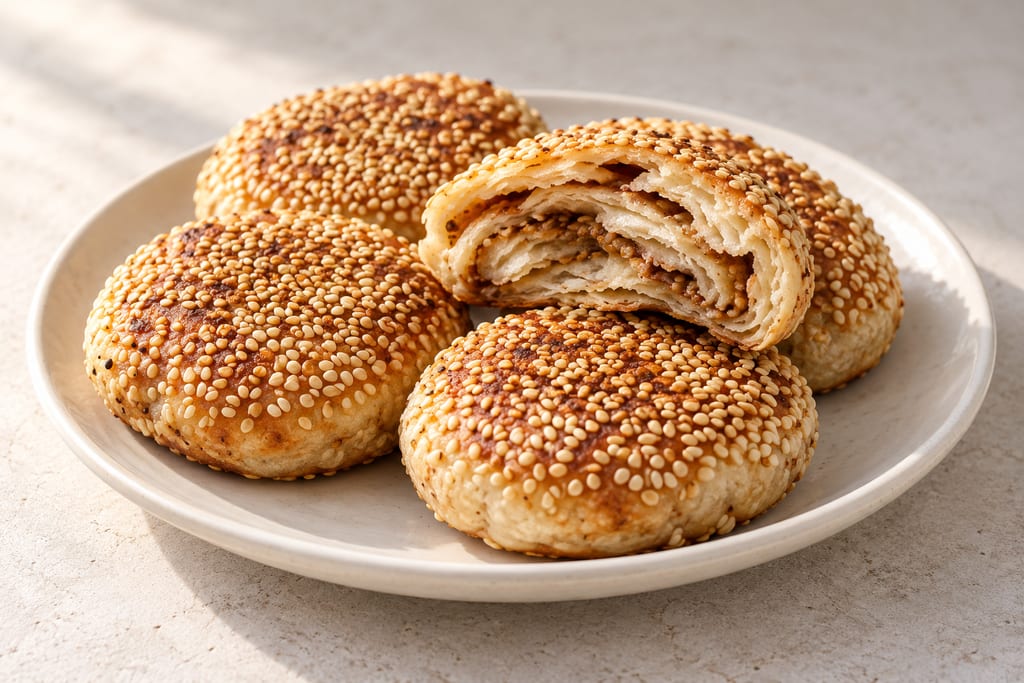
A Beijing-style yeast dough is layered with seasoned sesame paste, sealed into small buns, briefly pan-fried, seeded, and baked.
No community contributions have been published for this entry yet.
Sign in to contribute. Published comments and photos are free to read.
Amira's PantryRecipe · Method · Geography
How To Make Khameer Bread at HomeMeasured four-loaf formula with bread flour, dry milk, sugar, yeast, baking powder, salt, oil, a range of warm water, optional egg wash and seed or za’atar topping; ten-minute knead, rise until doubled, portion rest, 550°F oven bake, optional brief broiler finish and oven-handling cautions. The author identifies it as a simple Emirati friend's version.
Cited in: An Emirati khameer home method; Mix and proof; Shape and top four rounds; Bake quickly and handle the oven carefully; Raw-flour and egg handling
The Official Platform of the UAE GovernmentIdentity · Geography · Historical context
FoodDescribes Khameer as Emirati bread made with yeast, flour and powdered milk, sprinkled with sesame and served with cheese or honey; provides no specific recipe or first-attestation date.
Cited in: An Emirati khameer home method
Centers for Disease Control and PreventionFood safety
Raw Flour and DoughUncooked flour and raw eggs may contain germs; do not taste raw dough; follow the recipe's baking directions; wash hands, bowls, utensils and counters after handling raw flour, eggs or dough.
Cited in: Raw-flour and egg handling