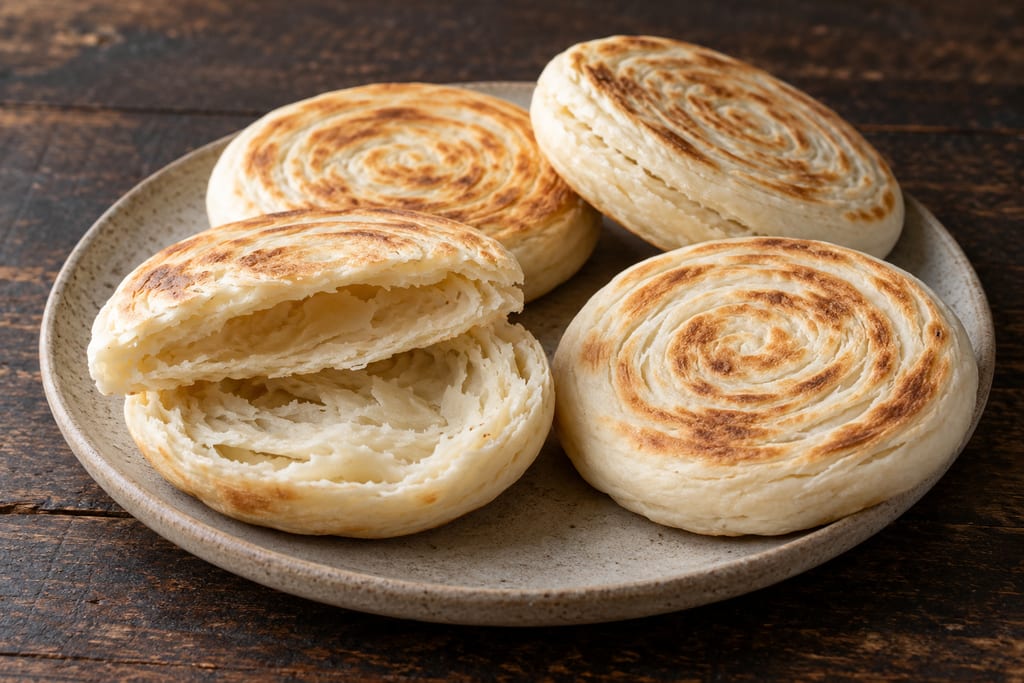
Baiji mo (Bai ji mo)
This Shaanxi-associated yeast flatbread uses a simple water dough, coiled shaping and a skillet bake. It is the bread used in roujiamo, not the filled meat dish.
 FermenteaWhere food goes to change
Modern method
folded buns used for gua bao · steamed lotus leaf buns
These twelve Chinese lotus-leaf buns are folded wheat-dough pockets steamed empty for filling after cooking. The recipe uses yeast, a little baking soda and cornstarch; it does not include the assembled gua bao sandwich or its fillings.
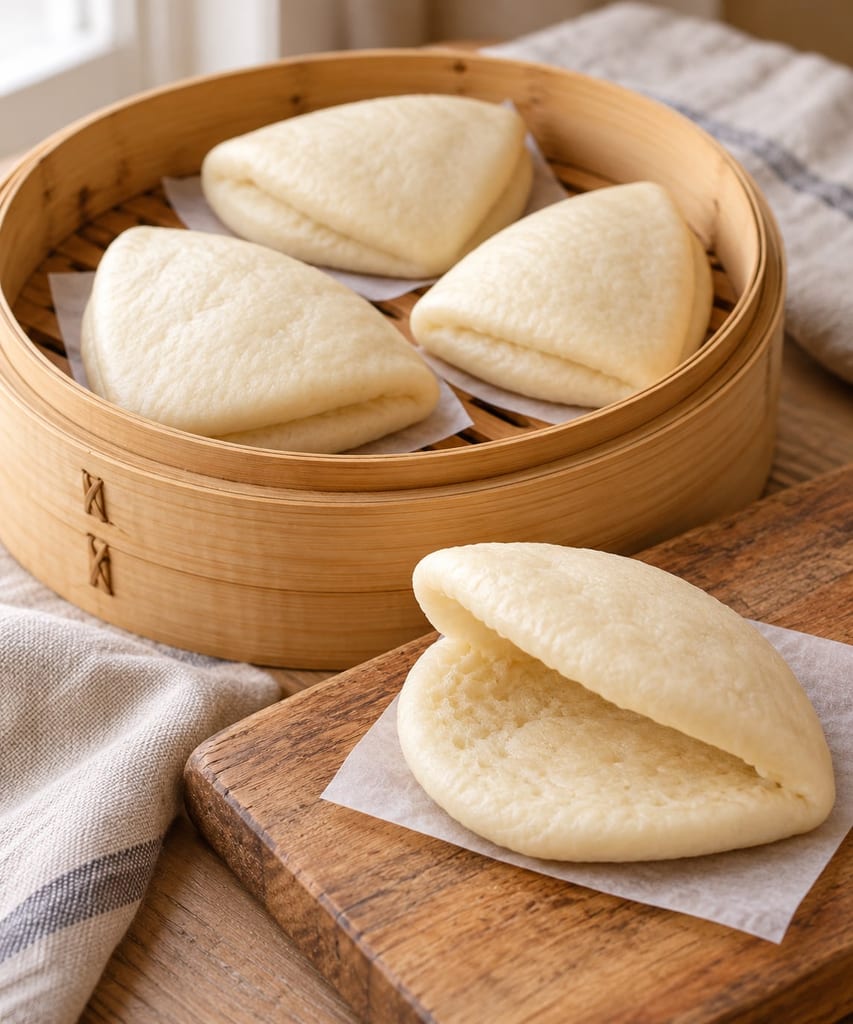
The Woks of Life describes lotus-leaf buns as Chinese wheat-flour bread rolled into an oval and folded in half to make a pocket. The twelve buns are steamed without a filling; diners open and fill them separately. That dough preparation is distinct from an assembled gua bao sandwich, which adds cooked meat, vegetables or other fillings after the bun is made.
The recipe uses yeast, cornstarch and a small amount of baking soda. Parchment between the folded sides keeps the pocket from sealing, while a second piece lines the bottom during steaming. The source gives a 15-minute yeast activation, a first rise to doubled size, a 20-minute final proof and a 10-minute steam, followed by a five-minute covered rest. It identifies no specific Chinese region or Taiwanese origin for this formula.
The steamer starts on high heat and is reduced to medium once steam appears. The source specifies at least 2 inches between the water and rack so the water does not touch the buns. It gives the buns a covered five-minute rest after steaming; lifting the lid immediately can make them collapse.
The author recommends freezing cooled buns but supplies no storage duration. This recipe adds no freezer life or other storage period. Flour and uncooked dough are not ready to eat, and the steamer releases hot vapor when opened.
The Woks of Life describes lotus-leaf buns as Chinese wheat-flour-based bread folded in half and intended to be filled. The site notes their contemporary visibility in US menus and mentions Northern China in broad context, but does not establish the earliest date or a specific regional origin for this recipe.
Yield 12 folded buns · Scaling: source batch only
Flour is a raw food; do not taste the uncooked dough.
Hazard sourceSteam and hot water can scald when the steamer is opened or moved.
Hazard sourceDo not taste the raw dough. Steam the buns for the source's full 10-minute period before serving.
Control sourceKeep hands and face clear of escaping steam when lifting the lid and use care around hot steamer water.
Control sourceContains wheat.
The recipe gives a 10-minute steaming time but no measured internal temperature or validated storage duration.
The author identifies the wheat-flour bread as Chinese and mentions Northern China in broad context, but does not locate this recipe in a specific region or locality.
This Shaanxi-associated yeast flatbread uses a simple water dough, coiled shaping and a skillet bake. It is the bread used in roujiamo, not the filled meat dish.
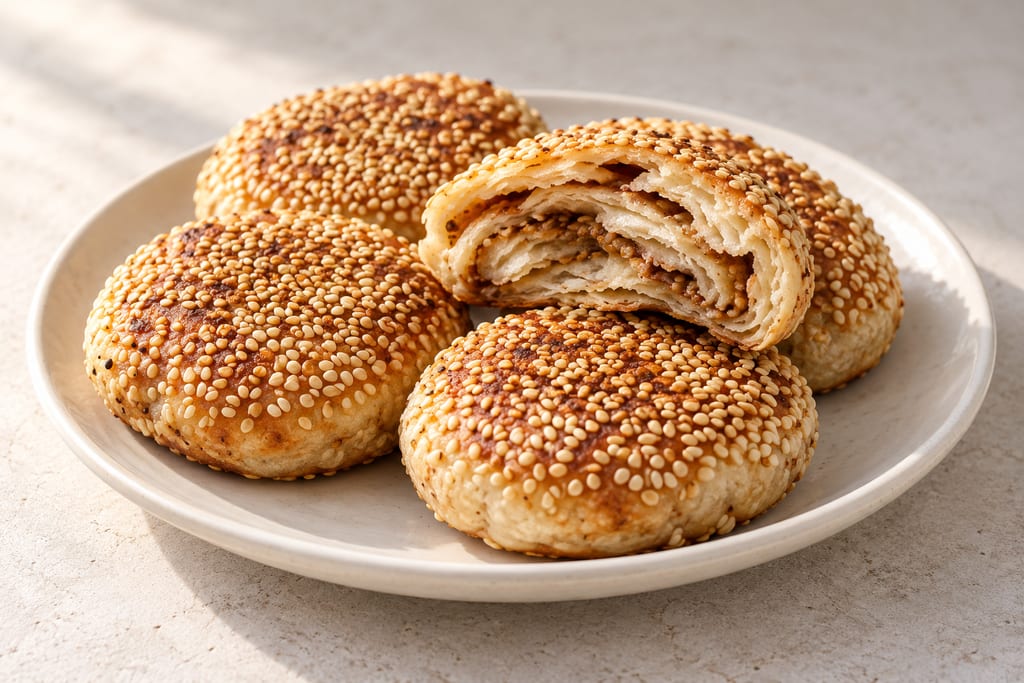
A Beijing-style yeast dough is layered with seasoned sesame paste, sealed into small buns, briefly pan-fried, seeded, and baked.
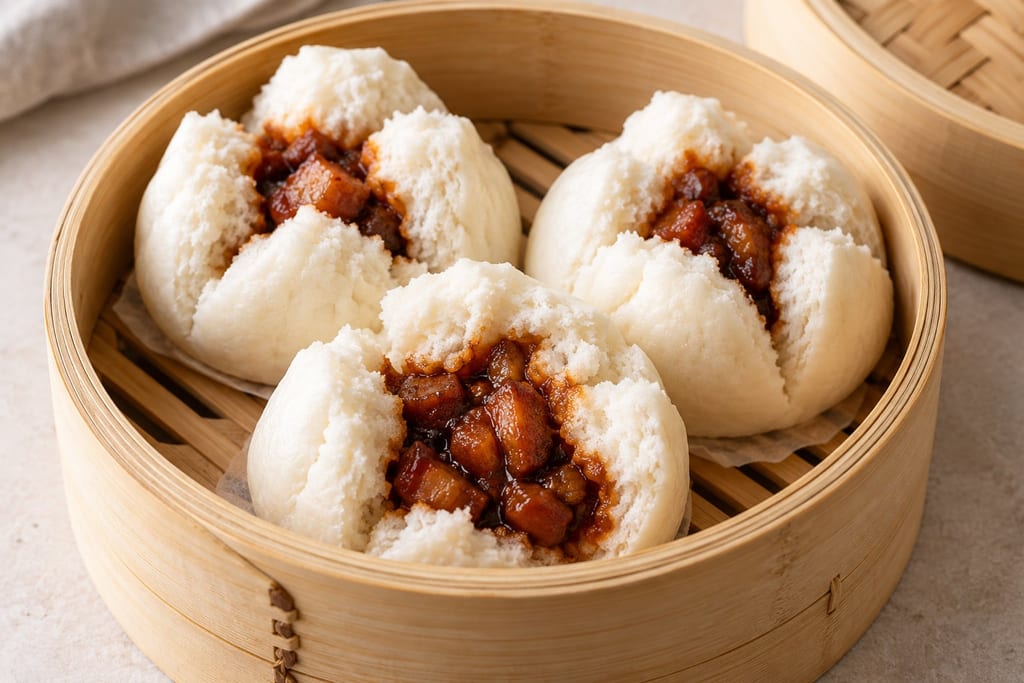
Fourteen fluffy steamed buns filled with cooked char siu and a thickened oyster-soy sauce.
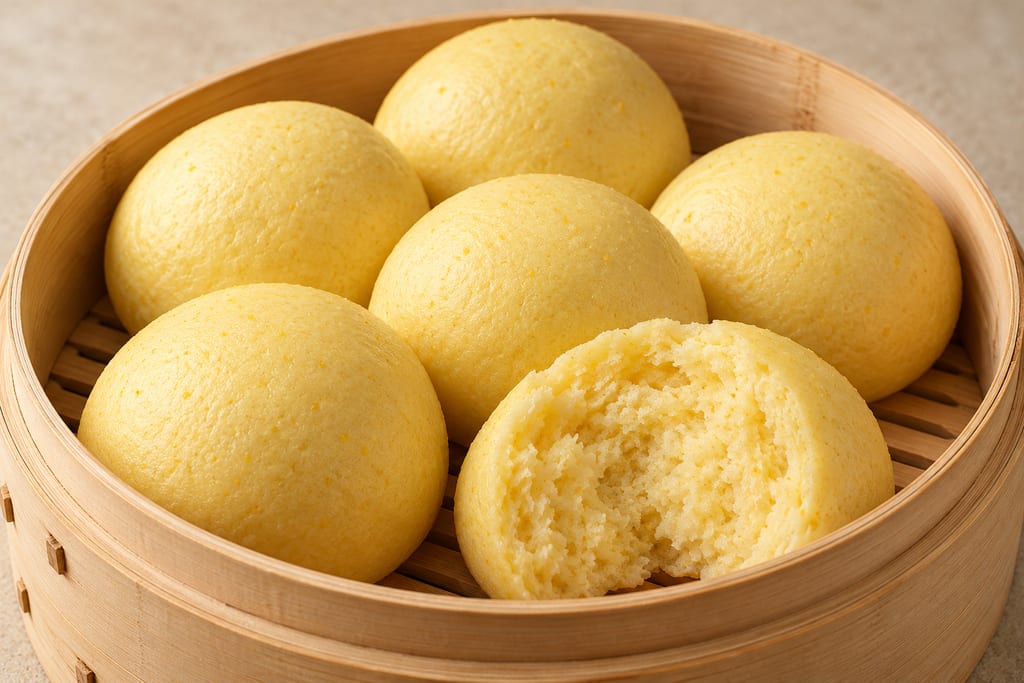
A Chinese cornmeal mantou made with wheat flour, cornmeal, water and yeast. The dough rises until doubled, is shaped into ten rounds, proofed briefly and steamed.
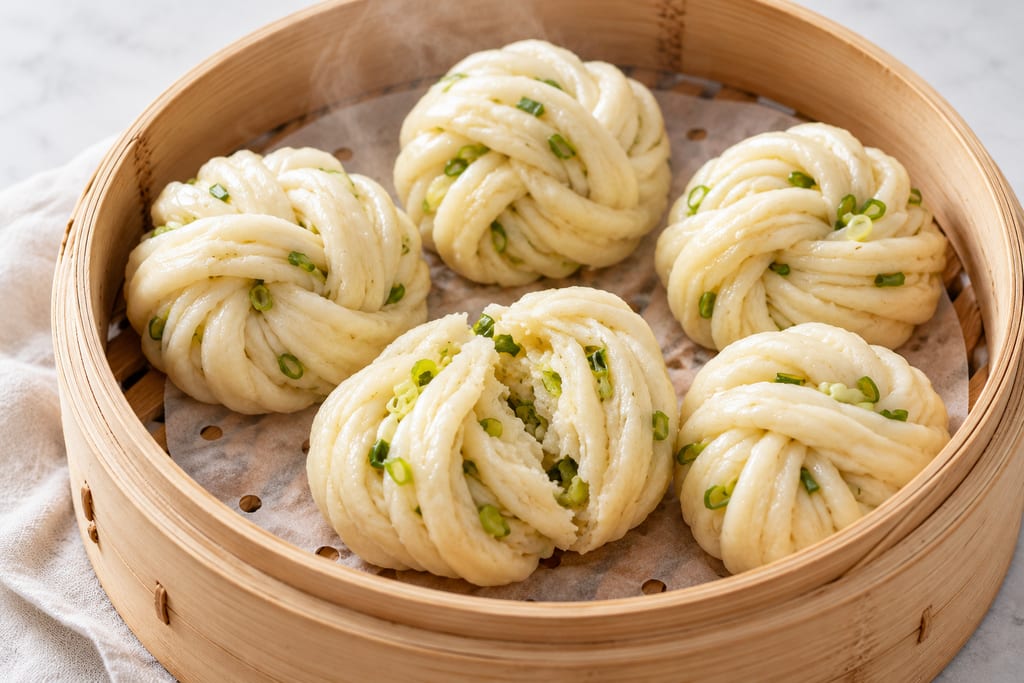
Hua juan are layered wheat rolls shaped into knots and steamed. This version folds scallions and five-spice between the dough layers and makes eight savory buns.
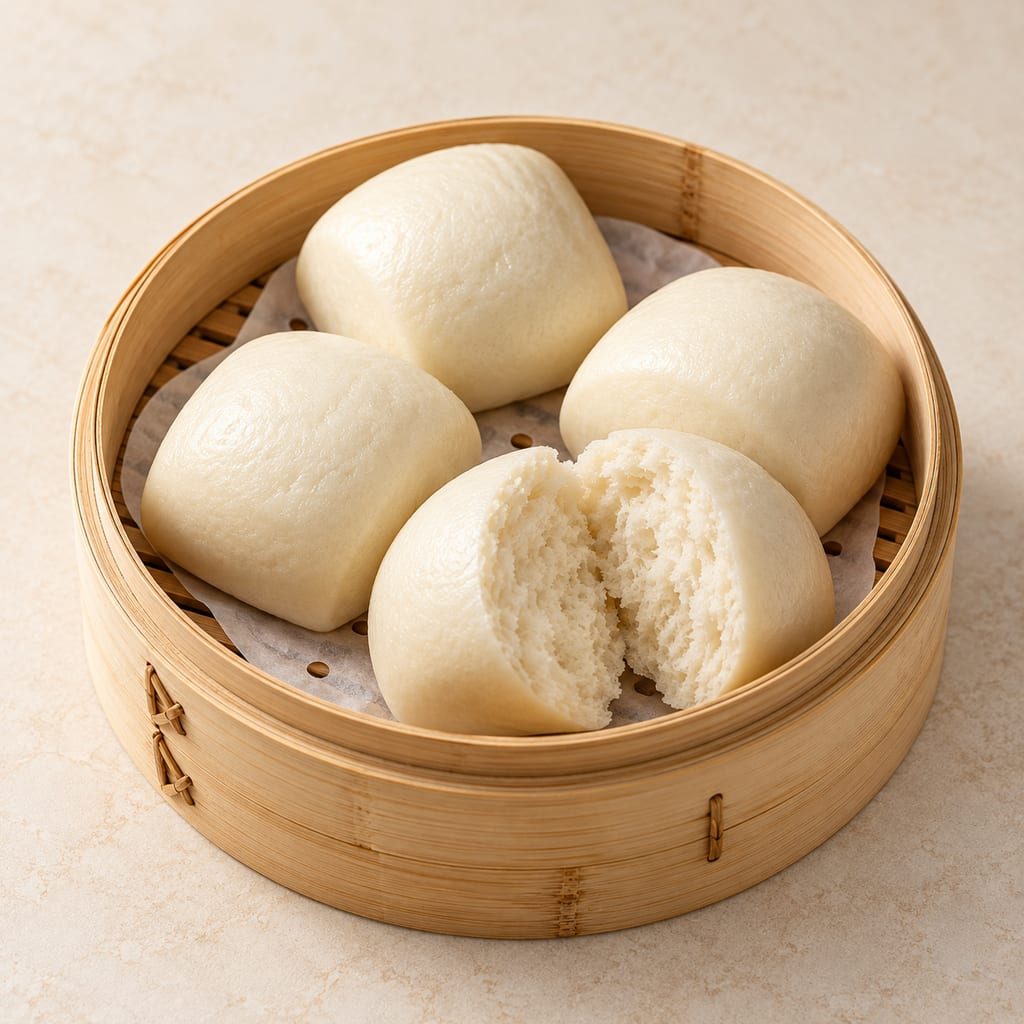
Plain wheat mantou made with yeast and baking powder, then proofed and steamed in a lined basket.
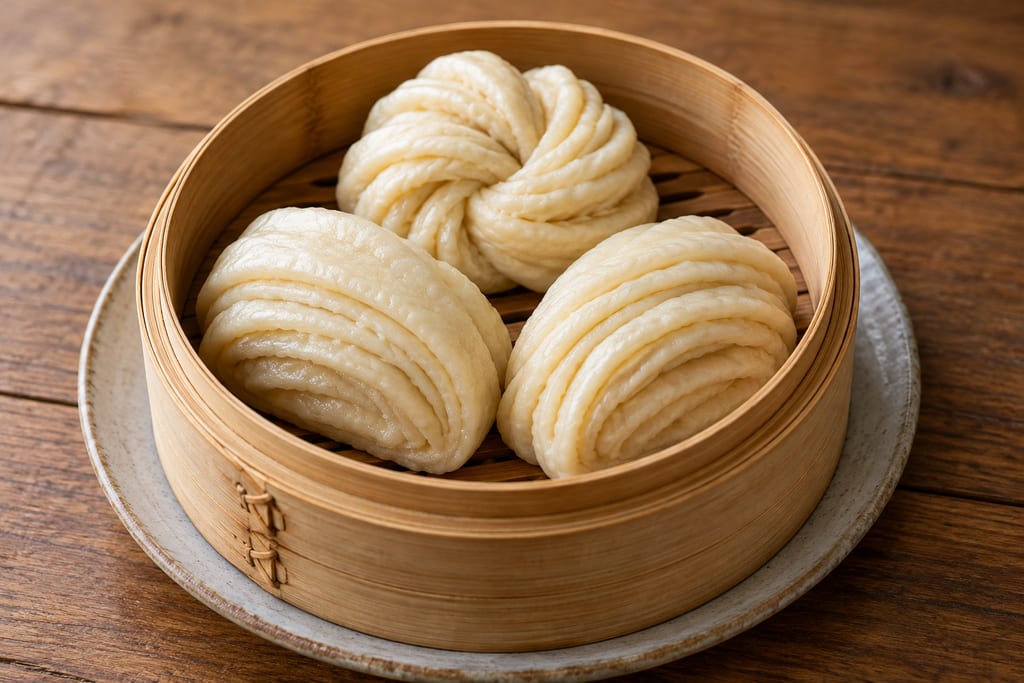
A Tibetan steamed bread made from rolled layers of yeast dough. This egg-free version follows the Taste Tibet method.
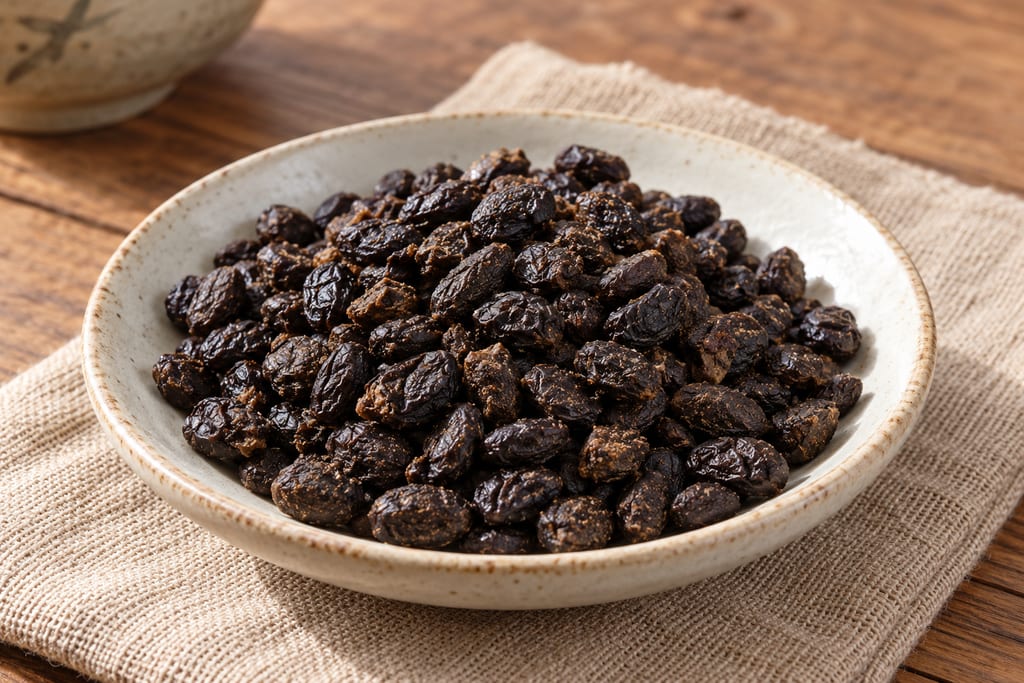
A Chinese fermented soybean condiment in which Bacillus-led bacteria, not moulds, drive the fermentation. Documented in Zunyi, Guizhou, and kept separate from mould-led douchi.
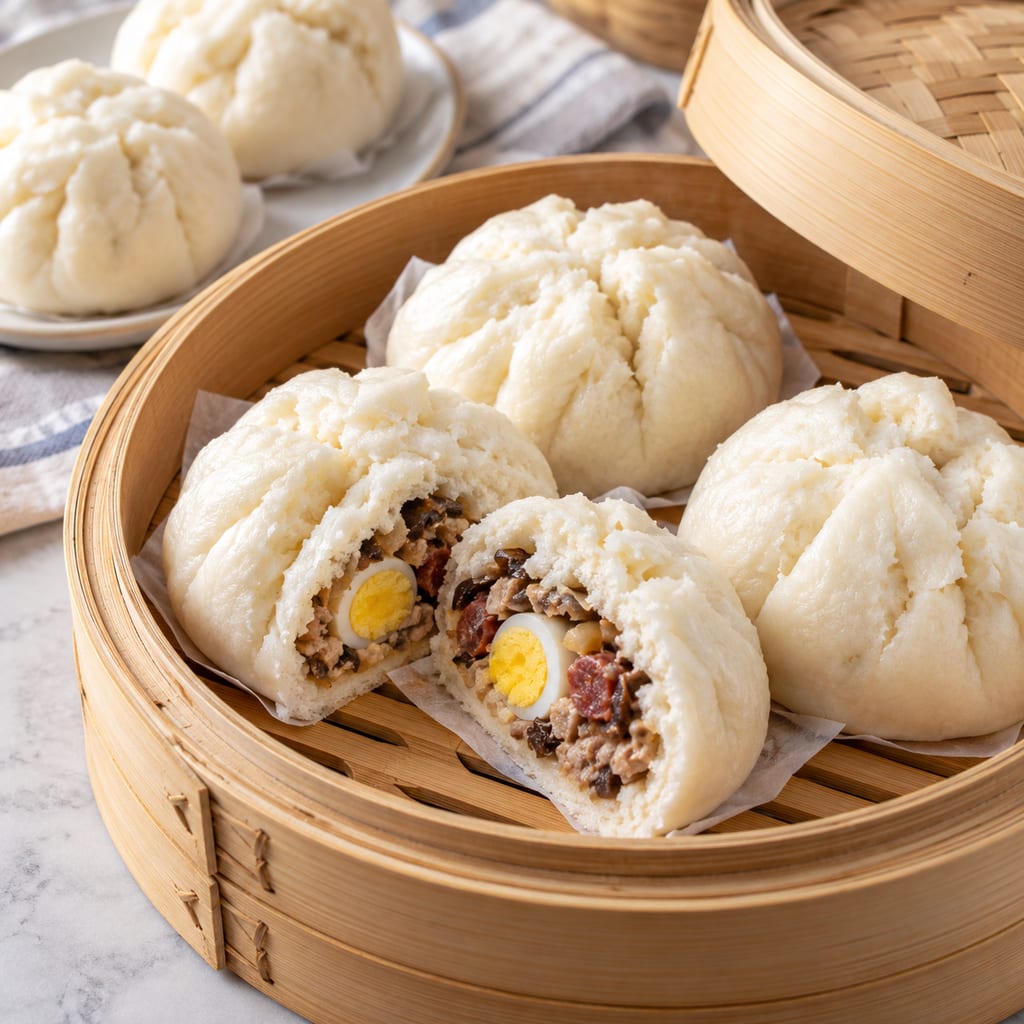
Vietnamese steamed wheat buns wrapped around seasoned pork, mushrooms, Chinese sausage and hard-boiled quail eggs. This from-scratch version uses yeast and self-rising flour.
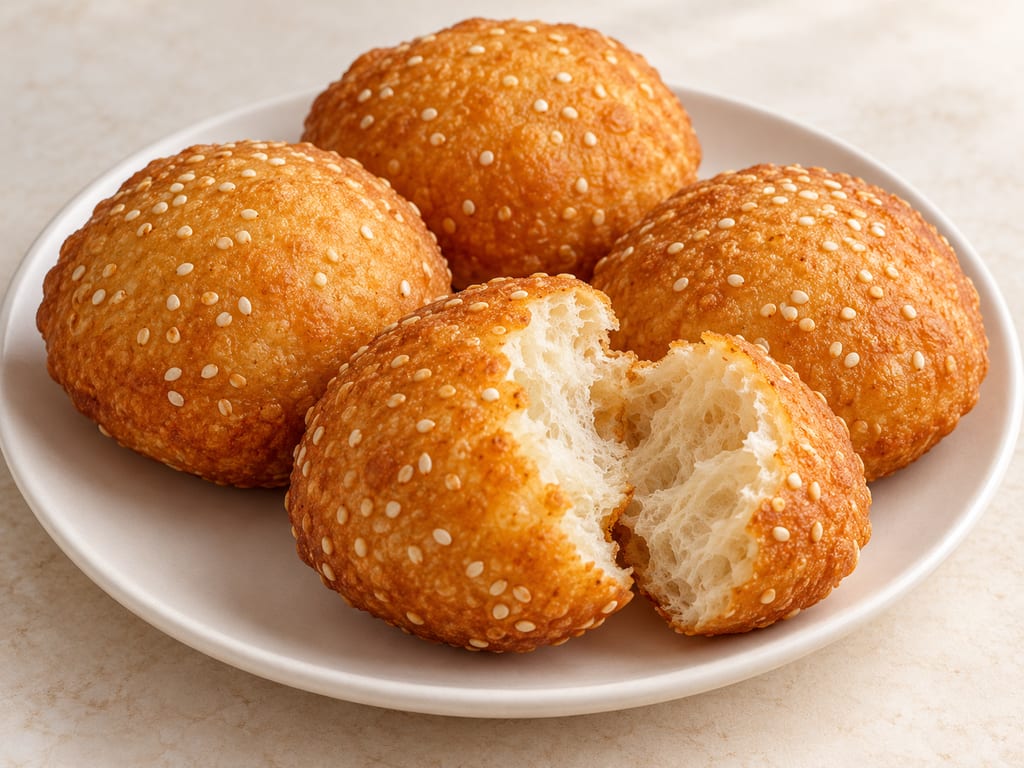
Bánh tiêu is a lightly sweet Vietnamese fried bread coated with sesame. A yeast-raised dough with baking powder is rolled into small rounds and fried until puffed and golden.
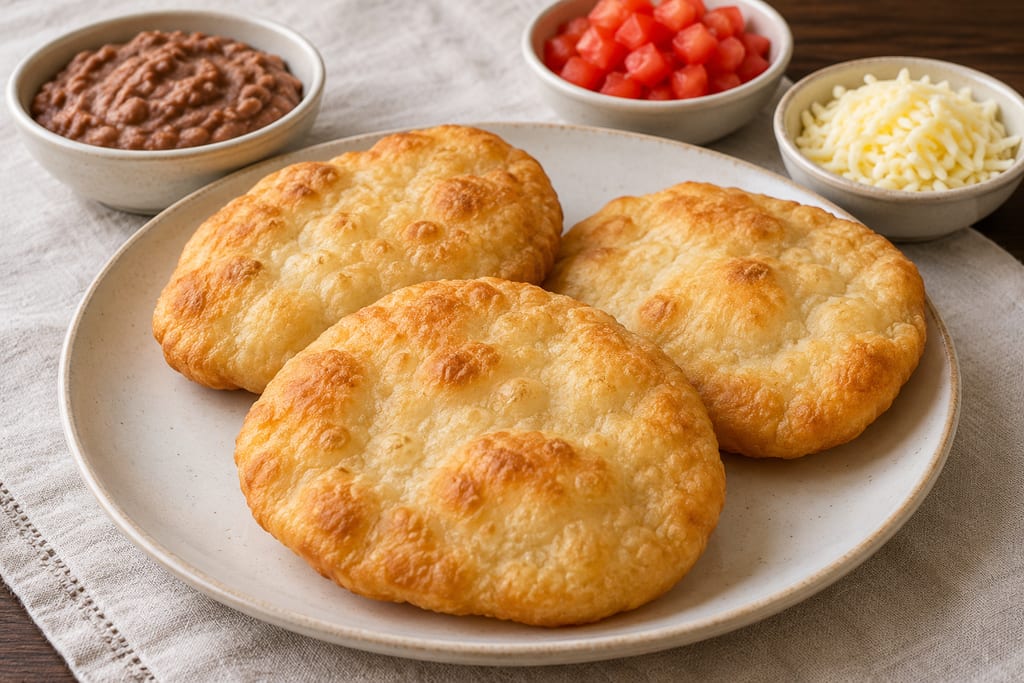
A Belizean fried breakfast bread made from baking-powder dough with evaporated milk, shaped into rounds and fried until golden.
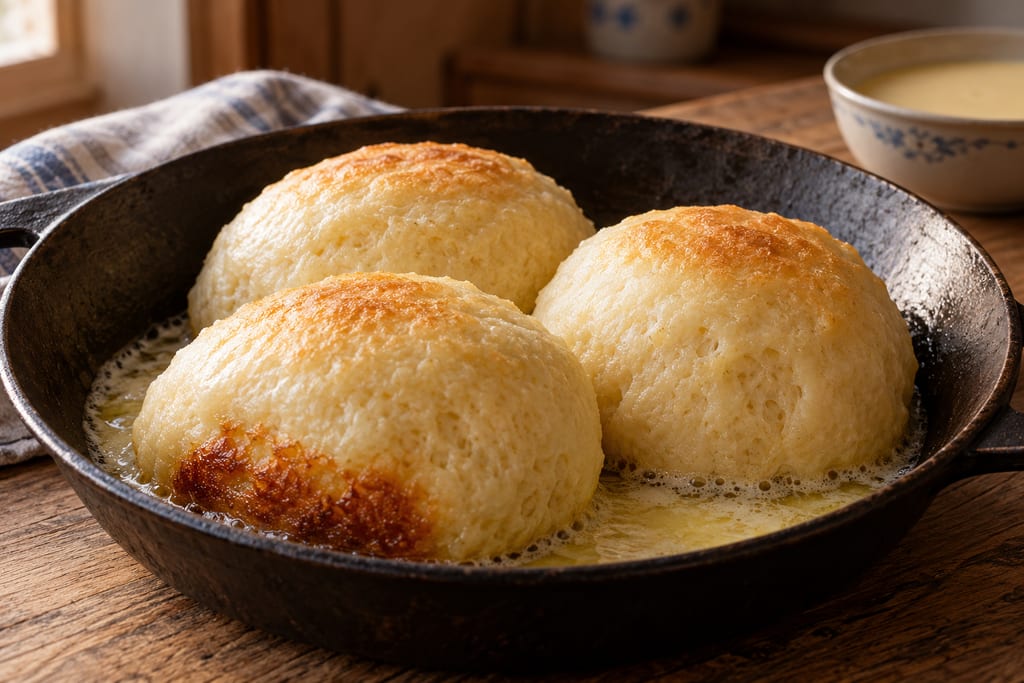
Allgäu Dampfnudeln are enriched wheat buns proofed in a covered casserole and cooked in milk and butter until the liquid nearly cooks away.
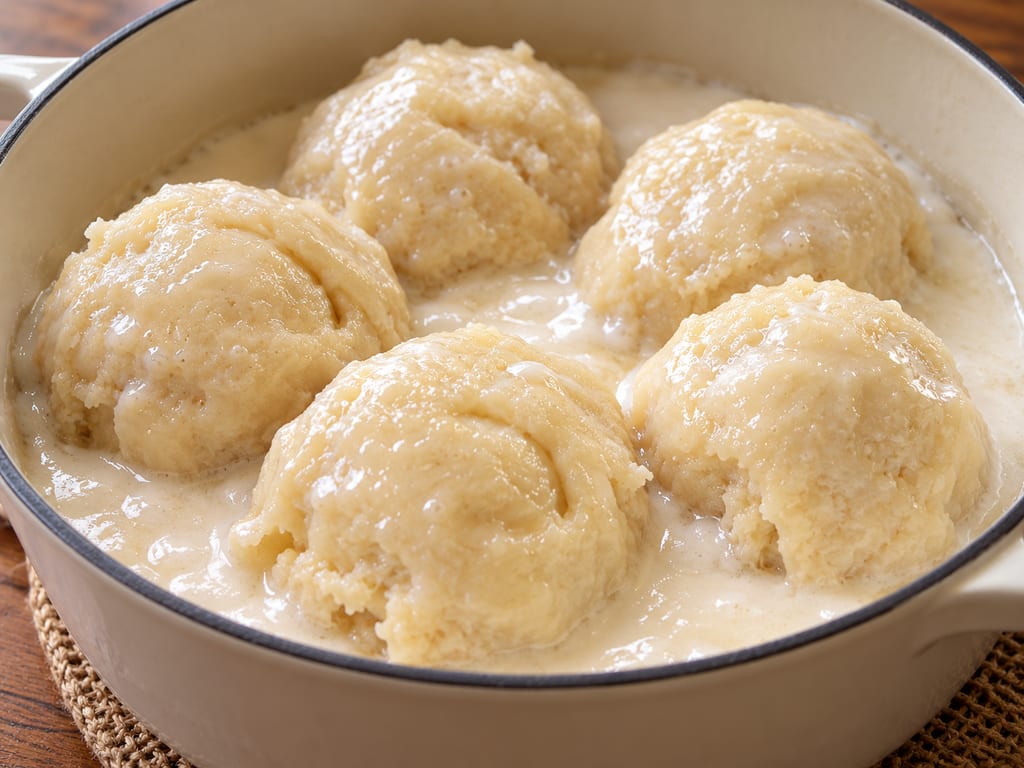
Soft yeast buns shaped by hand and simmered covered in coconut cream diluted with water in a deep pot. This Fijian home version uses a clean knife or fork inserted into the center as its doneness cue.

Firi firi is a yeast-raised coconut doughnut piped into long pieces and deep-fried at 170°C, traditionally eaten for breakfast or dessert in Tahiti.

This Emilia-Romagna home version uses a measured flour-and-milk dough with yeast, shapes it into small diamonds or squares, and fries them in peanut oil.
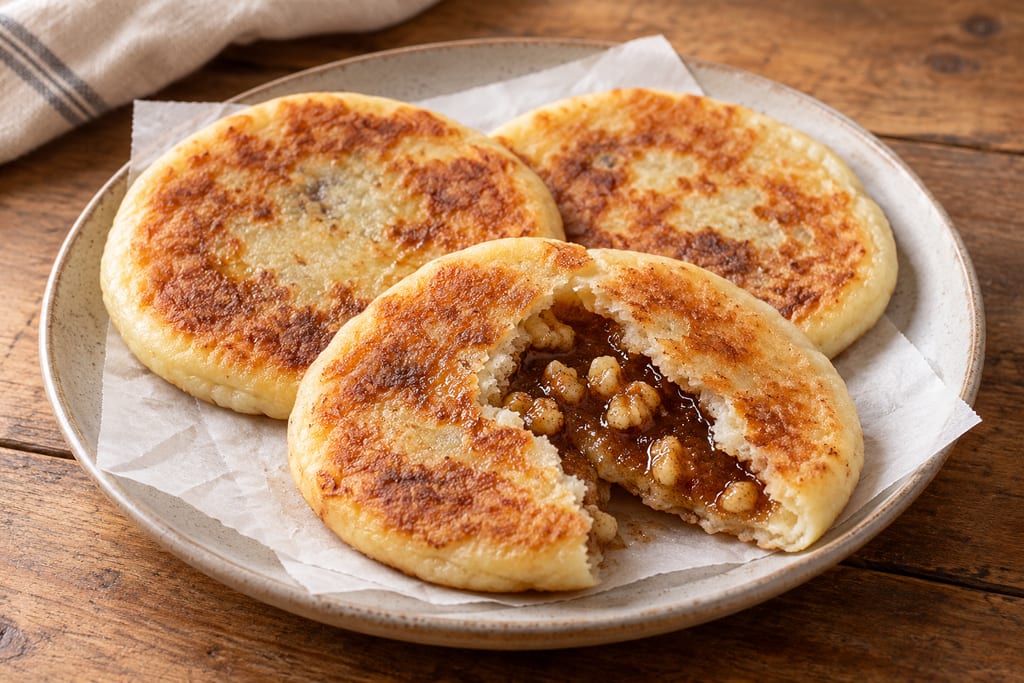
Maangchi’s eight-piece hotteok wraps a brown-sugar, cinnamon and walnut filling in yeast dough, then fries and presses the parcels in a pan.
No community contributions have been published for this entry yet.
Sign in to contribute. Published comments and photos are free to read.
The Woks of LifeChinese identity and form · Complete recipe, quantities and process · Equipment and batch yield
Lotus Leaf Buns: Steamed Chinese Buns for FillingThe author calls a lotus-leaf bun a Chinese wheat-flour-based bread, flattened and folded in half, intended to be opened and filled; this recipe cooks the buns empty.
The card serves 12 and lists 3/4 cup warm water; 1 tsp instant yeast (3 g); 1 tbsp granulated sugar (12 g); 1 tbsp plus 1 tsp canola oil; 2 cups all-purpose flour (290 g); 2 tbsp cornstarch (20 g); 1/4 tsp salt (3 g); 1/8 tsp baking soda (1 g); and 24 parchment rectangles measuring 3 × 4 inches.
The method activates yeast for 15 minutes; mixes and kneads the dough until smooth and pliable; oils and covers it for a room-temperature rise until doubled, about 1 hour; divides it into 12 balls; rolls 4 × 7 inch ovals; oils and folds them with parchment between; proofs under a steamer lid for 20 minutes; steams 10 minutes after steam appears; and rests covered for 5 minutes before uncovering.
The source says leave at least 2 inches between the water and steamer rack so water does not touch the buns. It also suggests freezing after cooling but gives no storage duration.
Cited in: A folded steamed bun, cooked empty; Steaming and storage limits
U.S. Food and Drug AdministrationRaw flour safety
Handling Flour Safely: What You Need to KnowFlour is raw and raw dough should not be tasted.
Cited in: Steaming and storage limits
National Health ServiceSteam and hot water scald hazard
Burns and scaldsHot liquids and steam can cause scalds.
Cited in: Steaming and storage limits