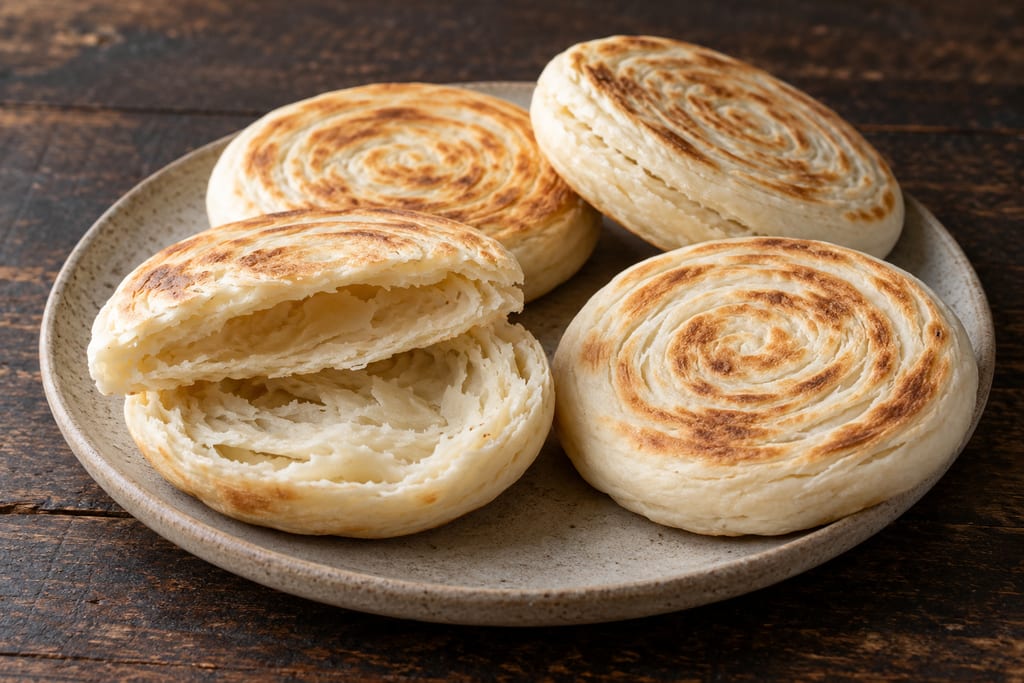
Baiji mo (Bai ji mo)
This Shaanxi-associated yeast flatbread uses a simple water dough, coiled shaping and a skillet bake. It is the bread used in roujiamo, not the filled meat dish.
 FermenteaWhere food goes to change
Modern adaptation
A Tibetan steamed bread made from rolled layers of yeast dough. This egg-free version follows the Taste Tibet method.
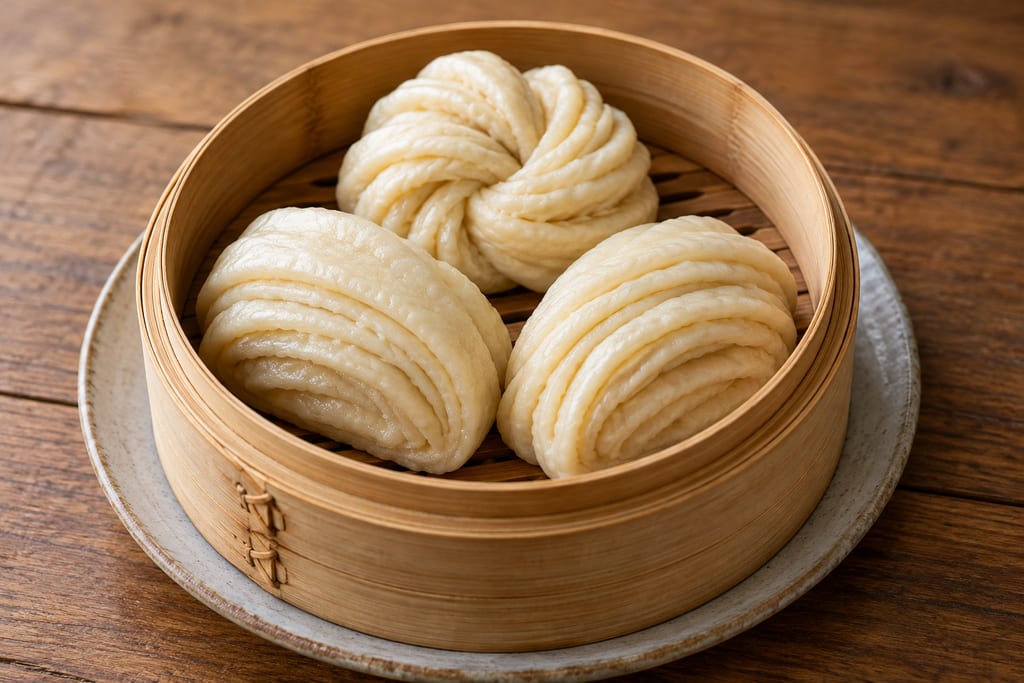
Tingmo is a Tibetan steamed bread whose rolled layers absorb accompanying sauces. This Taste Tibet home method uses yeast and self-raising flour; it offers eggs as an option. The version here follows the source's egg-free water alternative.
Tingmo is a bread to eat with other dishes. YoWangdu’s Tibetan food guide describes a distinction between meals inside Tibet, where tingmo often accompanies rice porridge at breakfast, and meals in exile, where it is more often paired with hot sauce at lunch or dinner. These are patterns described by Tibetan food writers, rather than a rule for every family.
The guide also distinguishes tingmo from logo momo, another Tibetan bread that combines frying and steaming. Similar names do not make the cooking methods interchangeable. This page follows a fully steamed, rolled bread; it does not add a frying stage.
Writing in 2021, Kyikyi recalls eating tingmo with glass-noodle and meat dishes or using it to take up stir-fry gravy. Her childhood breakfast memory is of sliced, pan-fried leftover buns with sweet milk tea and occasional jam. She connects newer turmeric and cilantro versions with the ingredients available to Tibetans growing up outside Tibet. This is a personal account of adaptation, rather than a claim that every Tibetan household uses those additions.
A 2009 study of traditional Ladakhi foods records timok as a steamed bread twist associated especially with eastern Ladakh’s Changthang area. The authors describe it as Tibetan in origin and recommend it with vegetables or dal. This provides a documented regional association for a related named bread, without establishing when or along which route it arrived.
A serving description is also different from a formula. The Ladakhi account does not make the olive oil, self-raising flour or egg-free water substitution in this page’s Taste Tibet method universal ingredients. The recipe remains one contemporary household preparation.
Julie Kleeman and Yeshi Jampa’s Taste Tibet describes tingmo as a staple in Yeshi’s village and recalls his learning to make it as a child in the mountains. The account places bread-making within a lived family practice. It does not provide the first written mention of tingmo or a date for its invention.
The version here keeps the book’s egg-free option: water replaces the optional eggs. Its yeast and self-raising flour remain together, and the covered rest and rolled layers follow that source. These details identify this method; they do not establish that earlier Tibetan breads used the same raising agents or equipment.
Tingmo is documented in Tibetan family food practice; its earliest date and precise origin are not established.
Scaling: source batch only
Contains wheat.
Steam can cause burns; open the steamer carefully and keep hands clear of escaping steam.
Cook the dough through; do not taste raw flour.
The authors describe Tibetan family practice; this does not establish a precise birthplace.
This Shaanxi-associated yeast flatbread uses a simple water dough, coiled shaping and a skillet bake. It is the bread used in roujiamo, not the filled meat dish.
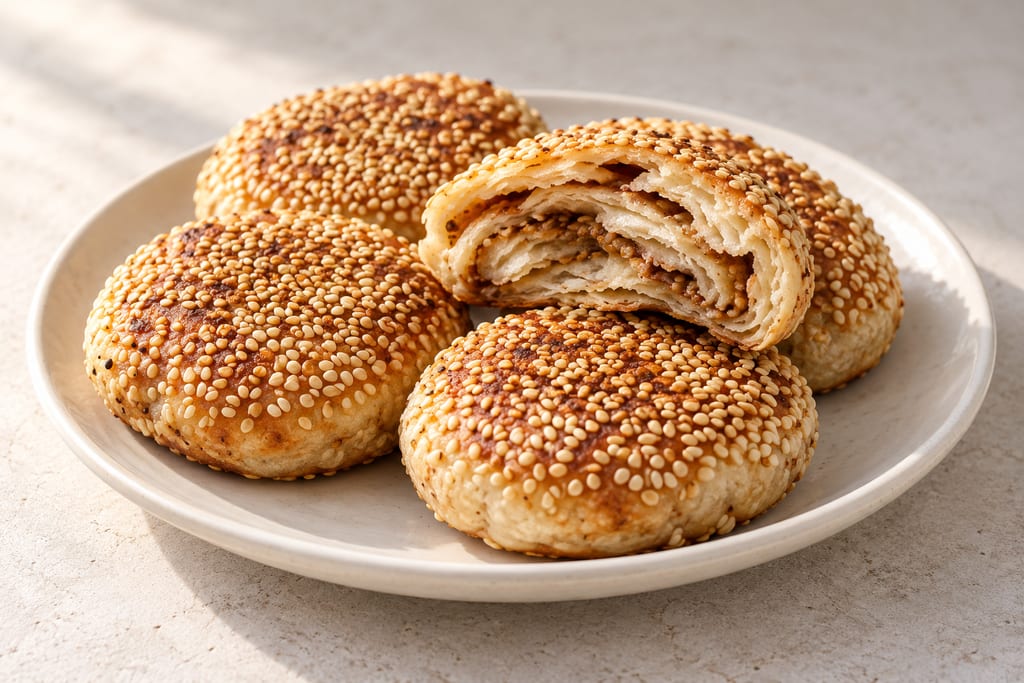
A Beijing-style yeast dough is layered with seasoned sesame paste, sealed into small buns, briefly pan-fried, seeded, and baked.
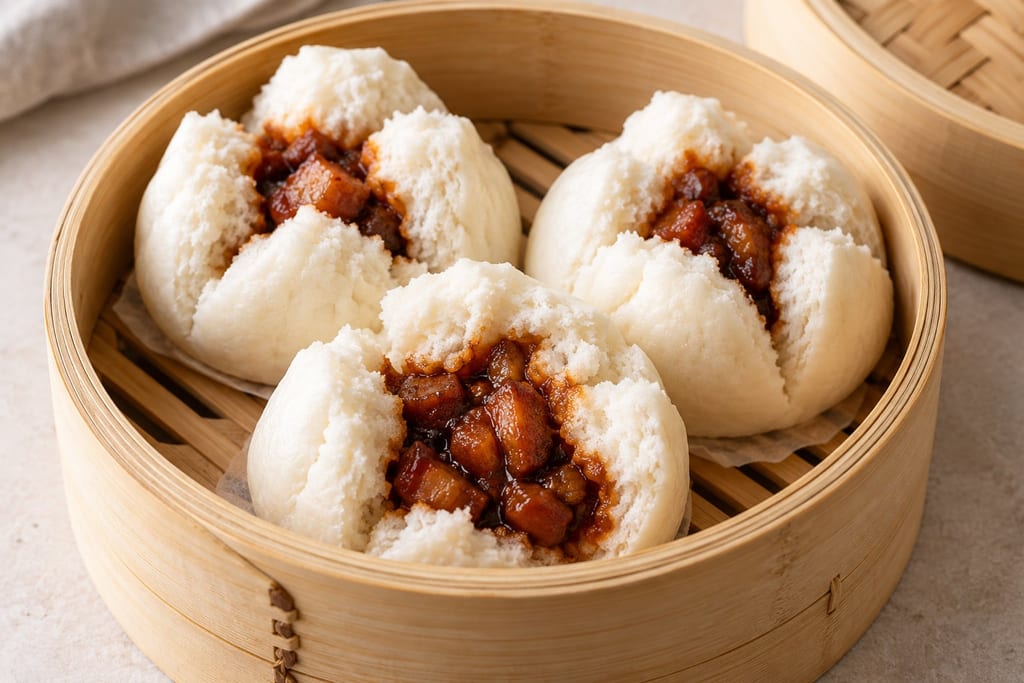
Fourteen fluffy steamed buns filled with cooked char siu and a thickened oyster-soy sauce.
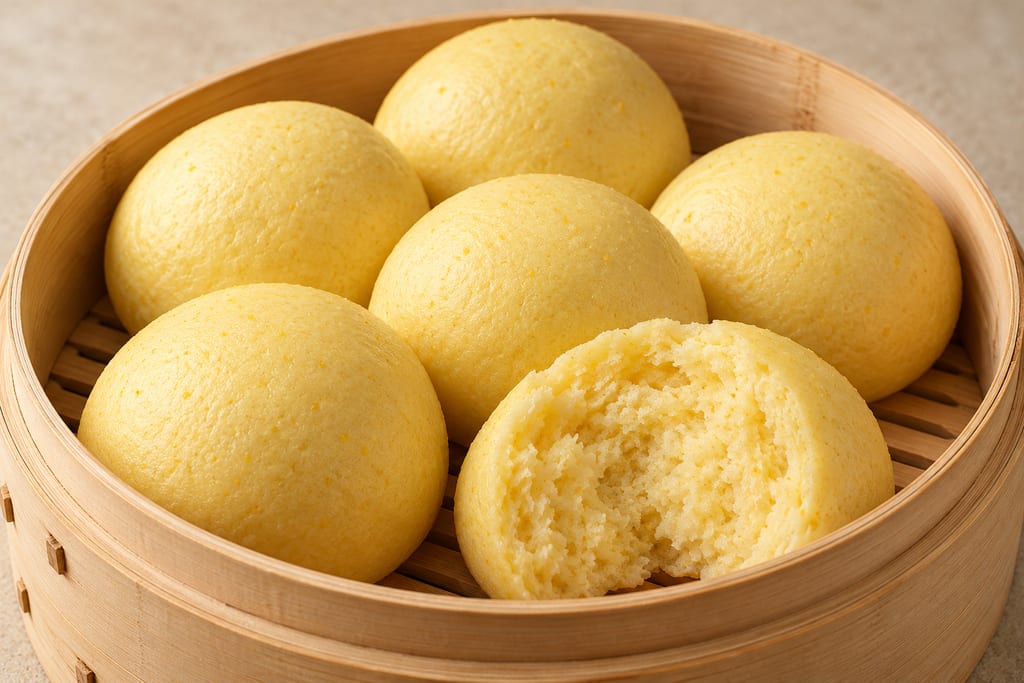
A Chinese cornmeal mantou made with wheat flour, cornmeal, water and yeast. The dough rises until doubled, is shaped into ten rounds, proofed briefly and steamed.
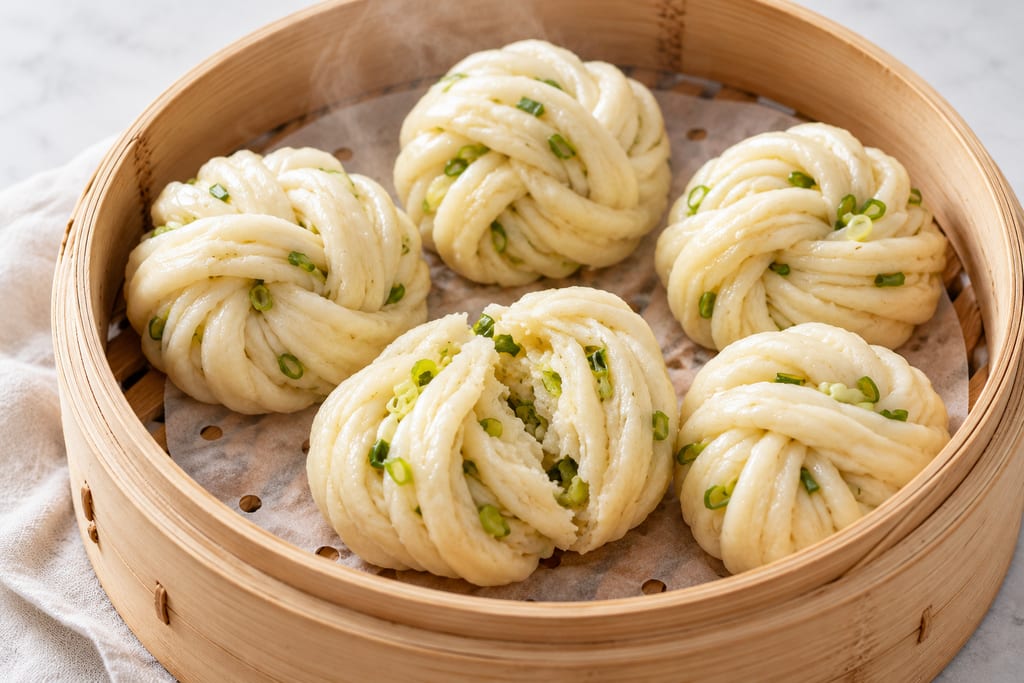
Hua juan are layered wheat rolls shaped into knots and steamed. This version folds scallions and five-spice between the dough layers and makes eight savory buns.
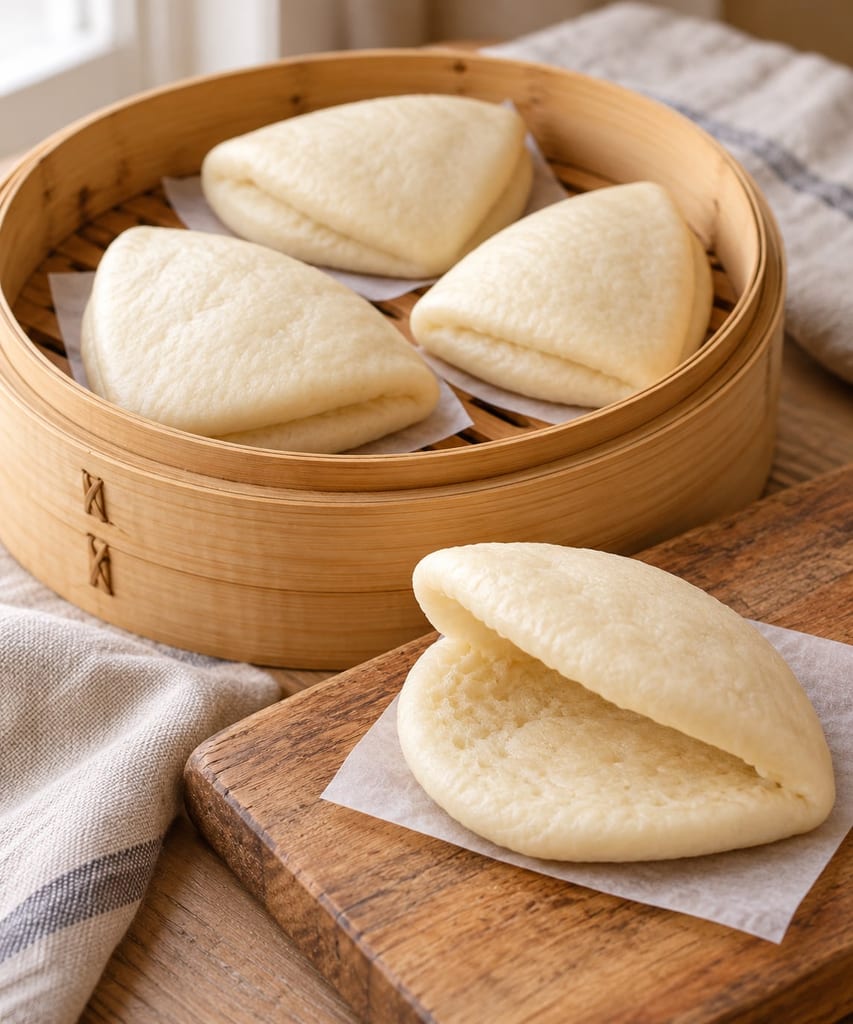
These twelve Chinese lotus-leaf buns are folded wheat-dough pockets steamed empty for filling after cooking. The recipe uses yeast, a little baking soda and cornstarch; it does not include the assembled gua bao sandwich or its fillings.
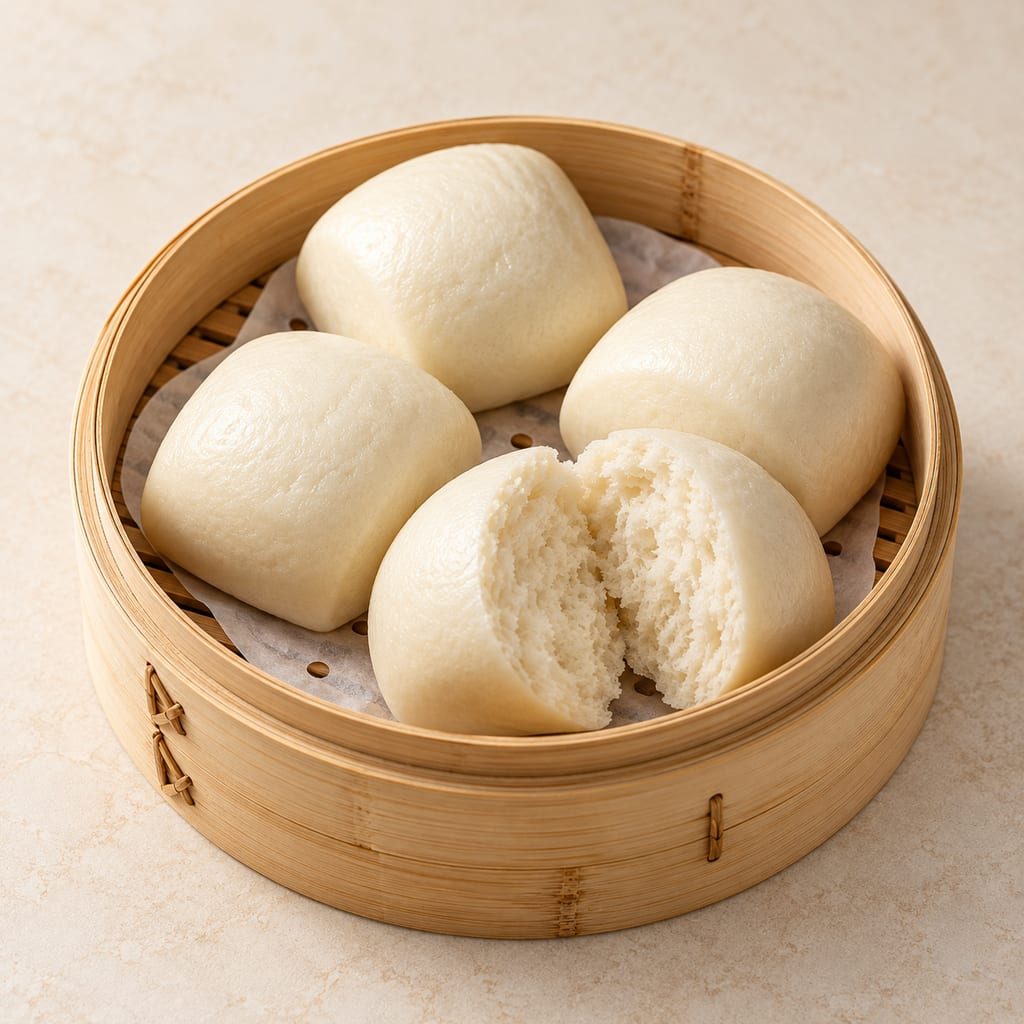
Plain wheat mantou made with yeast and baking powder, then proofed and steamed in a lined basket.
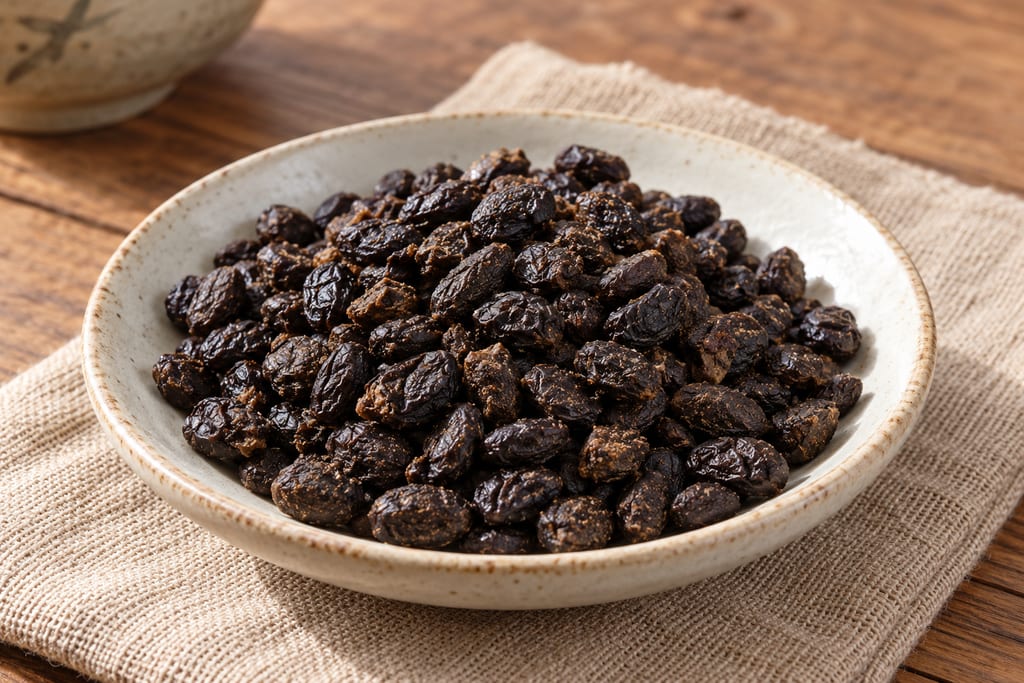
A Chinese fermented soybean condiment in which Bacillus-led bacteria, not moulds, drive the fermentation. Documented in Zunyi, Guizhou, and kept separate from mould-led douchi.
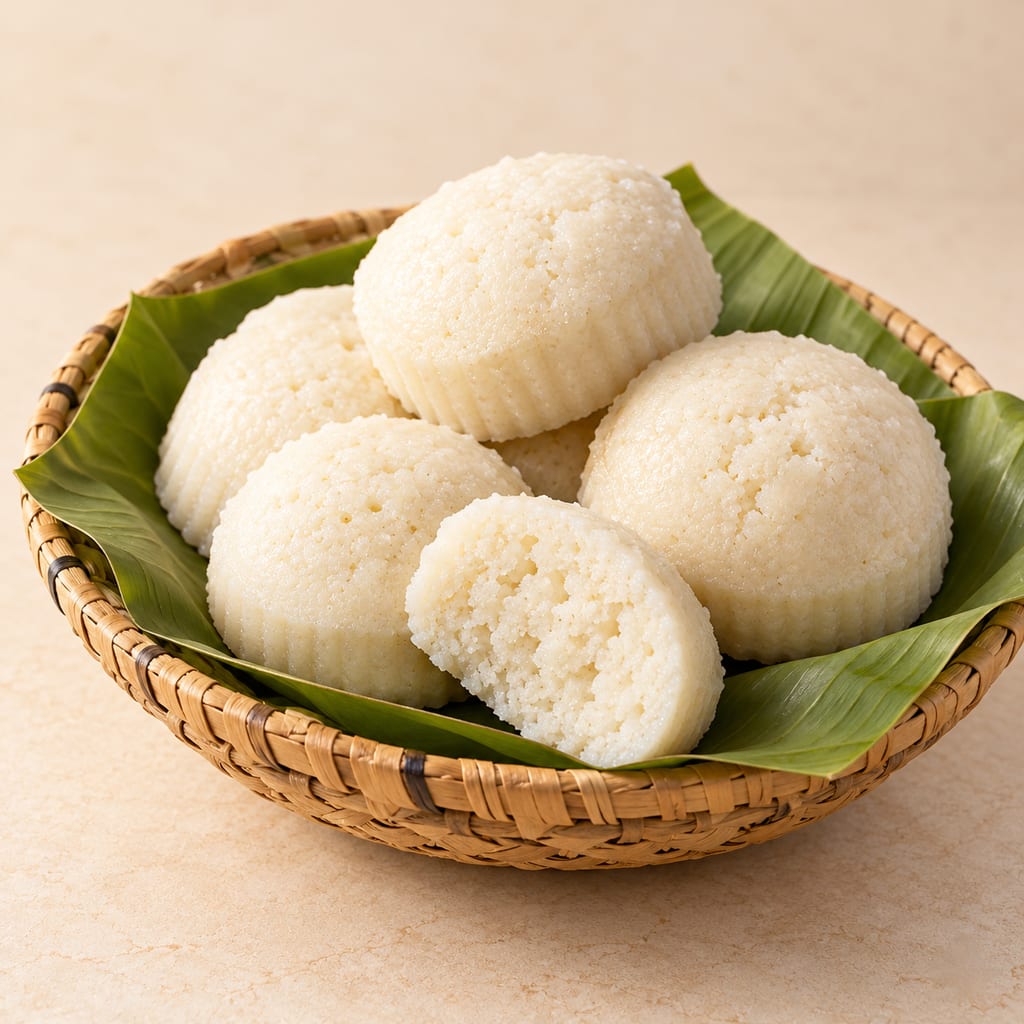
Soft, lightly tangy steamed cereal bread documented across Benin and Togo. This page gives one measured rice-flour research method; maize-based Ablo and mixed-grain versions remain distinct traditions.
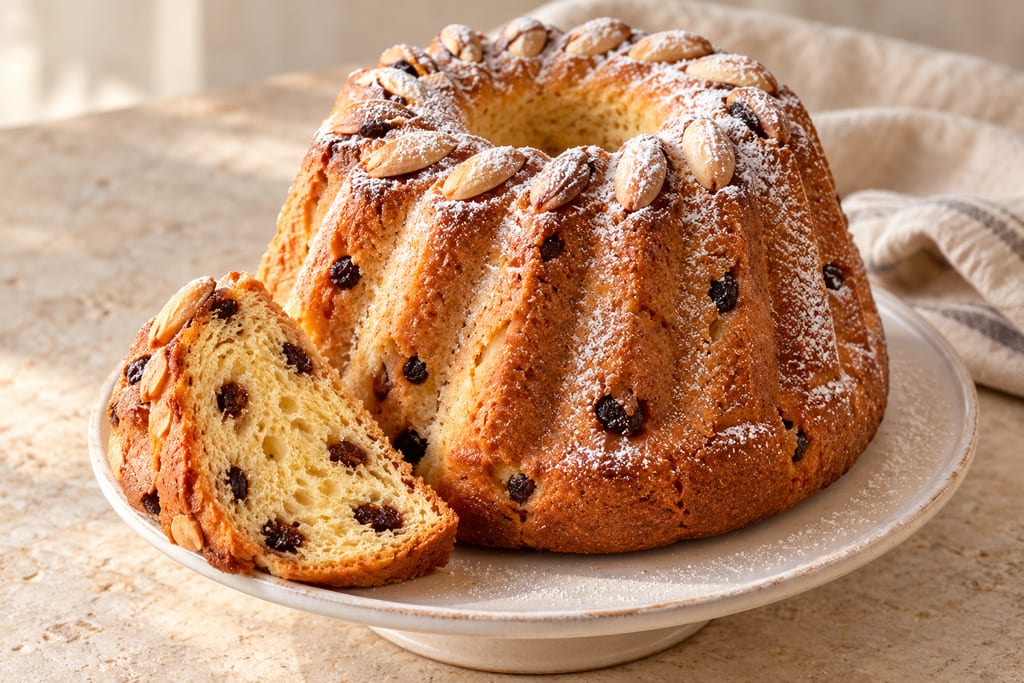
An enriched Alsatian yeast ring with raisins and almonds, kneaded with butter, proofed in a fluted mould and baked until browned.

Anpan is a soft wheat bun filled with sweet red-bean paste and finished with egg wash and black sesame. This dough rises with commercial instant yeast.
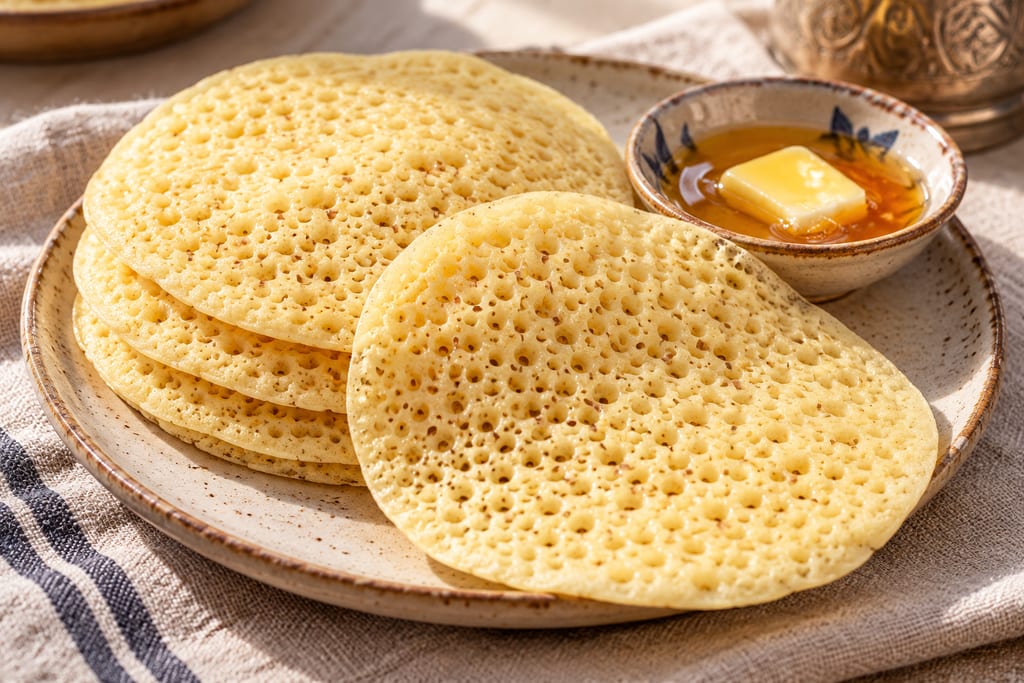
Moroccan semolina pancakes made from a thin yeast batter, rested until foamy and cooked on one side until the surface sets with a honeycomb of holes. This source-specific batch makes sixteen 5-inch pancakes.
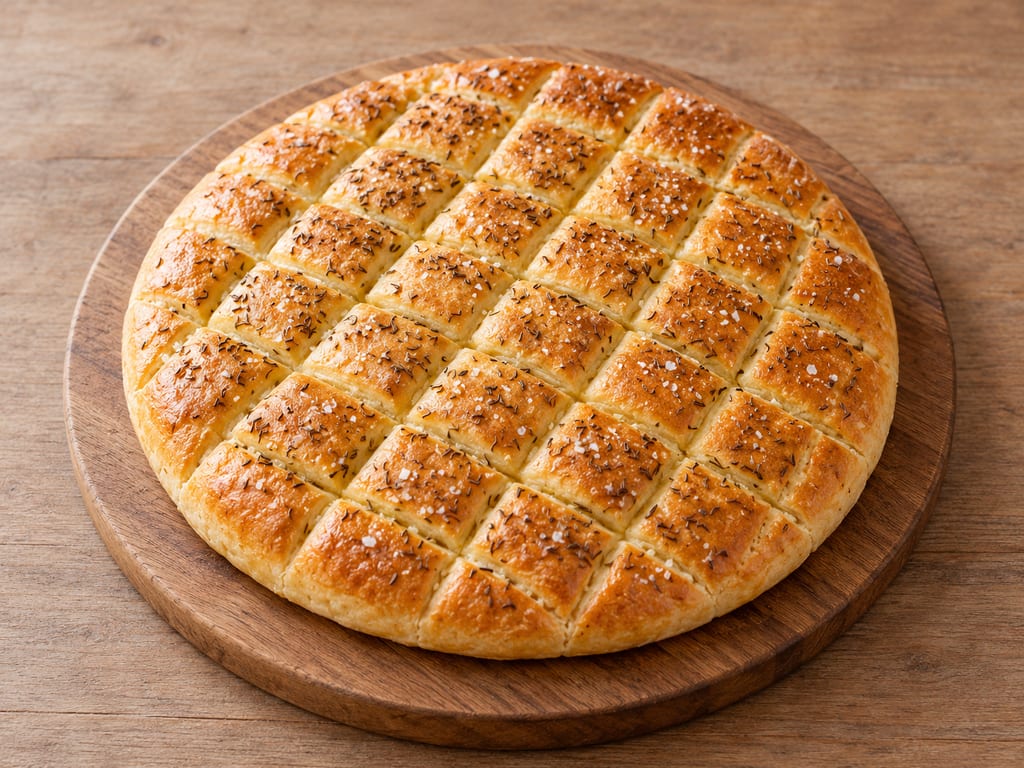
A round Slovenian flatbread scored in a grid and topped with caraway and coarse salt.
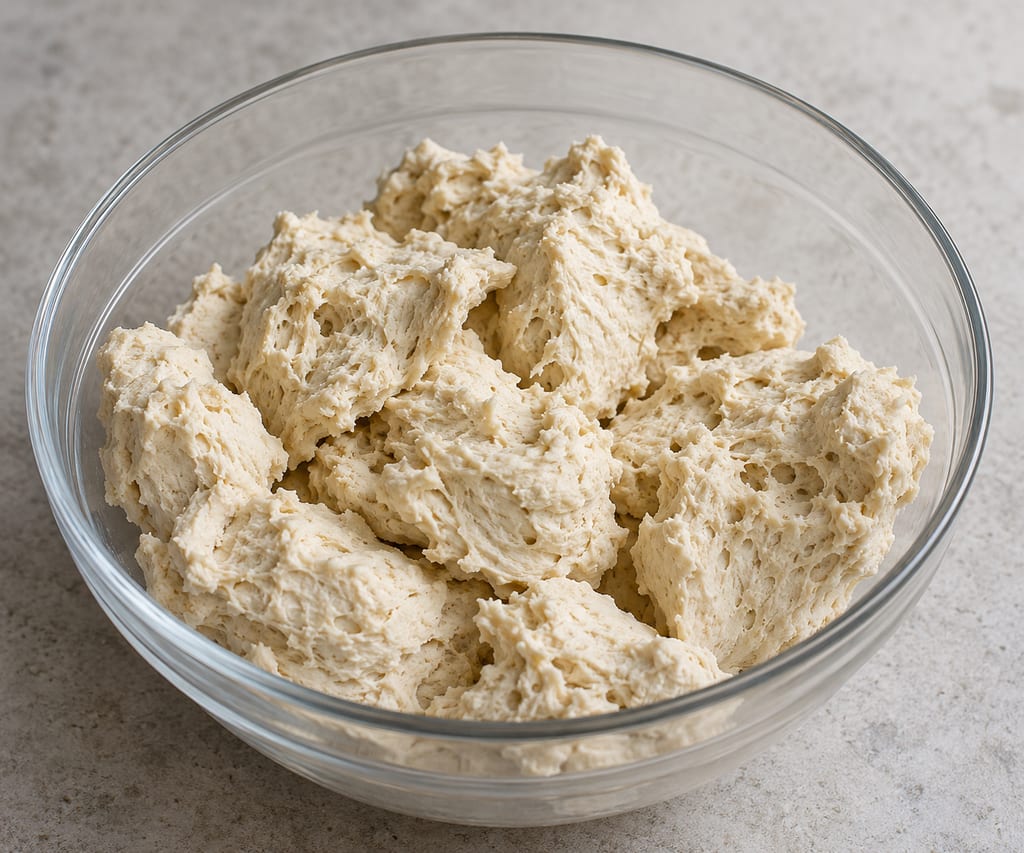
Biga is an Italian bread preferment of flour, water and a little yeast, usually a stiff unsalted mass of about 45 per cent water, fermented ahead and then mixed into the final dough.
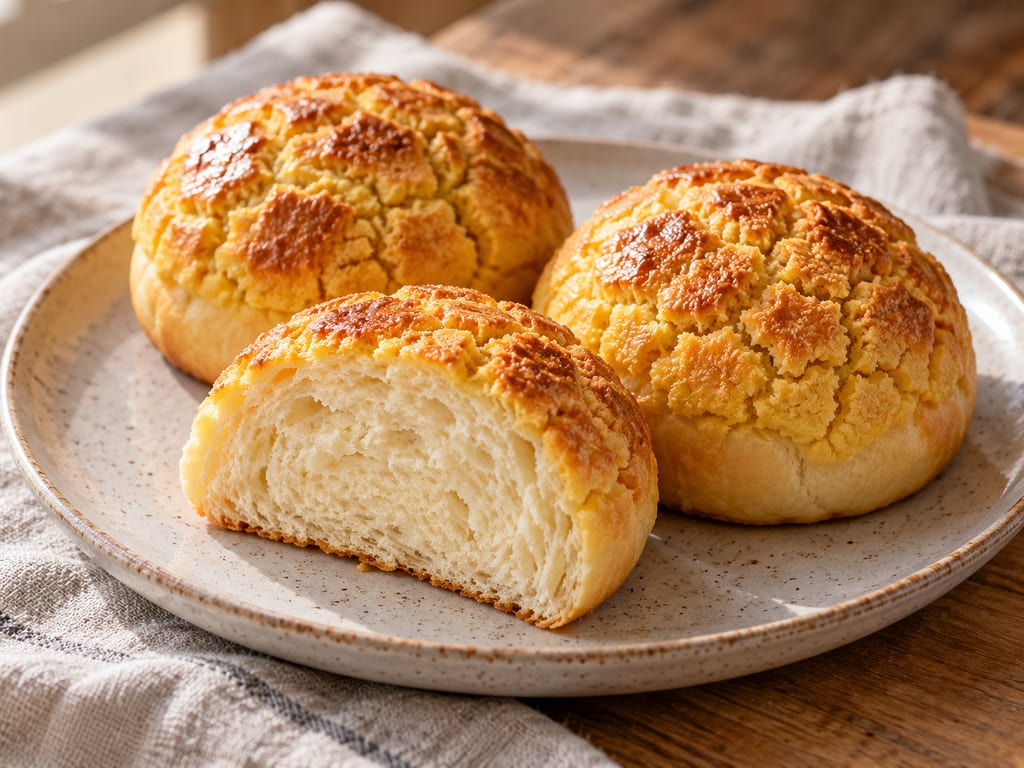
Hong Kong-style pineapple buns have soft yeast dough beneath a crisp, sweet pastry topping.
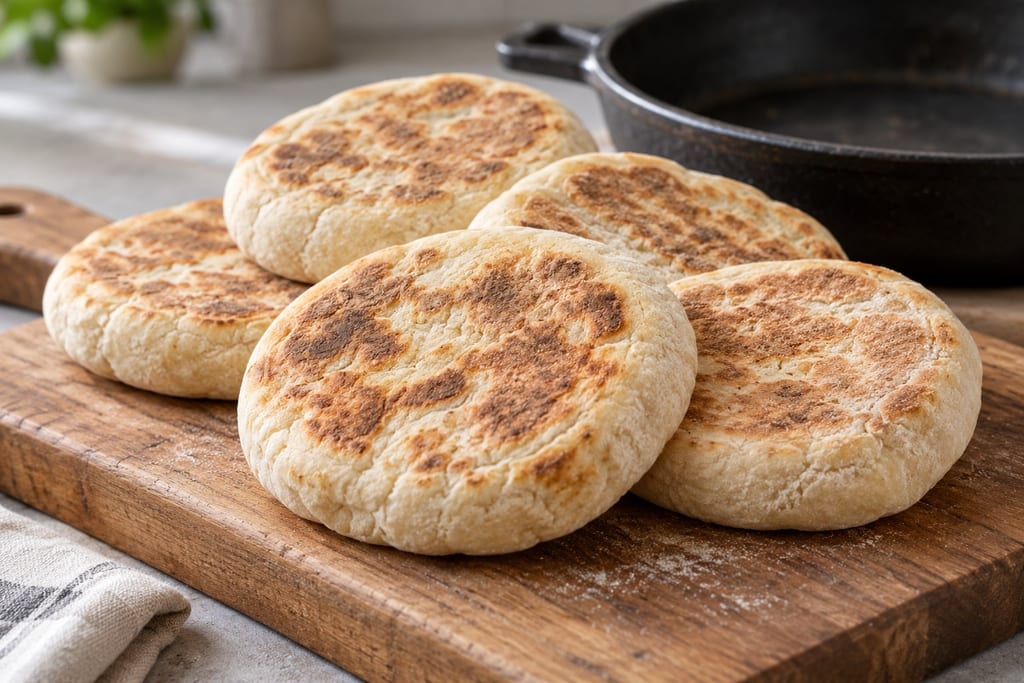
Sweet-potato wheat breads with fresh yeast, browned in a pan and finished in the oven. This is the bread component of Teleculinária's scrambled-egg dish.
No community contributions have been published for this entry yet.
Sign in to contribute. Published comments and photos are free to read.
Tara's Multicultural TableInspiration · Method · Geography
Tingmo (Steamed Bread) and Taste TibetTaste Tibet's self-raising flour and yeast dough, egg-free water alternative, rolling and steaming method.
Cited in: Layers in the steamer; A family method with limited historical dates
Taste Tibet via ckbkContext · Geography
TingmoAuthors Julie Kleeman and Yeshi Jampa describe tingmo in a Tibetan family context.
Cited in: Layers in the steamer; A family method with limited historical dates
YoWangduContext
Tibetan Food: A Visual GuideTingmo meal associations inside Tibet and in exile; distinct logo momo preparation.
Cited in: Bread at different meals
EaterContext
Tingmomo Is a Tibetan Treat You Should Know. Here’s How to Make It.Kyikyi's first-person diaspora food memories and changes in seasonings.
Cited in: A Tibetan cook’s diaspora memory
Indian Journal of Traditional Knowledge 8(4), 551–558Context
Traditional foods and beverages of LadakhTimok in eastern Ladakh/Changthang; vegetables and dal accompaniments.
Cited in: A related Ladakhi tradition