
Fermented meat around the world
Dry salami, sour pork with rice, matured sheep and aged blubber follow different paths from animal to food. Their stories connect microbes with climate, slaughter, migration and the meals people share.
 FermenteaWhere food goes to change
A small, schooling herring of the brackish Baltic Sea, sold under regional names including Finnish silakka and Swedish strömming. It is the raw fish behind several regional preparations, including Sweden’s fermented surströmming.
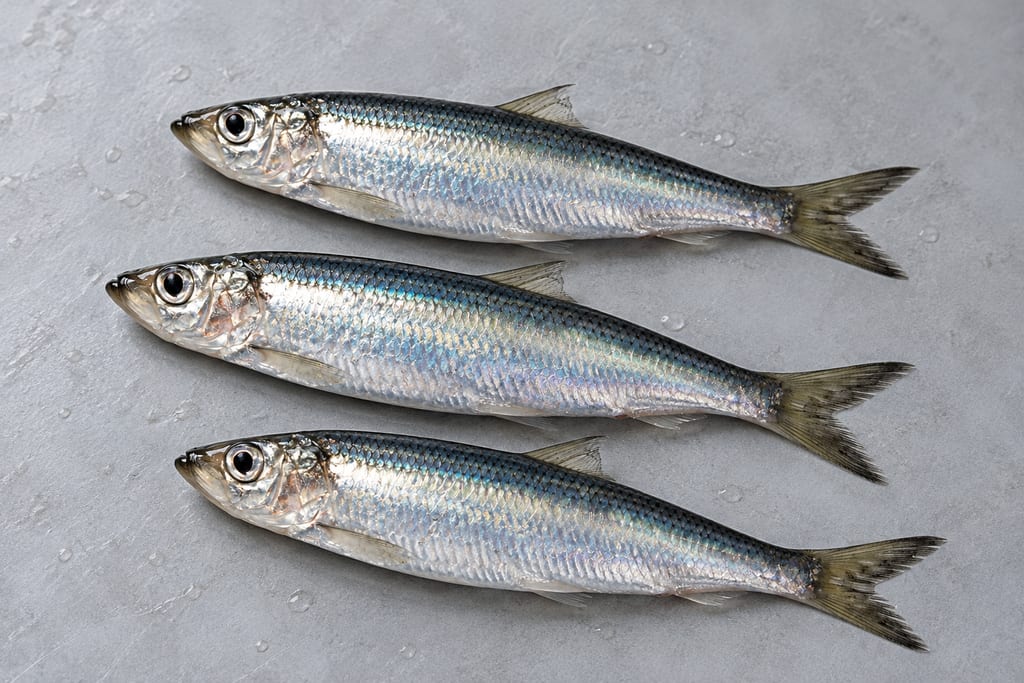
Baltic herring belongs to the herring species Clupea harengus, a schooling pelagic fish in the family Clupeidae. Some current taxonomic references recognize the Baltic population as the subspecies Clupea harengus membras; other Swedish natural-history sources treat sill and strömming as one species and emphasize the gradual changes in fish from one part of the Baltic to another. These descriptions are compatible with a species whose populations adapt to sharply different salinity and ecological conditions. A label that says Baltic herring therefore tells the reader about its sea and fishery as well as its close relation to Atlantic herring; it does not mean that every regional stock is identical.
The Baltic is a brackish sea, and its herring tend to be smaller than herring from more saline Atlantic waters. The Finnish biodiversity record describes the fish as slender, with bright silver sides, a greenish back and scales that loosen easily. It gives 50–200 grams as a common weight in Finnish waters, while noting that fast-growing large individuals can be much heavier. In Swedish waters, the Museum of Natural History describes changes in proportions, including relative head size, as herring are caught farther into the Baltic, and lower fat content than in the western sea. These are regional patterns, not a visual test for identifying a single catch.
HELCOM describes herring across all Baltic sub-basins. They feed in open water, mainly on zooplankton, and are important prey for other fish and marine mammals as well as an important commercial species. Their adaptation to low salinity and local differences in spawning behavior help explain why fisheries assessments distinguish several stocks within this one sea. A fish bought under a broad market name may have come from a particular population and catch area, details that matter more to ecological accounting than to a single kitchen name.
Names for herring change across languages and coastlines. Finnish speakers call this fish silakka; Swedish uses strömming for herring caught in much of the Baltic, while sill is used farther west and south. Sweden’s Agency for Marine and Water Management places the strömming name north of Kalmar. The Swedish Museum of Natural History likewise explains that strömming is a geographic name for herring from the Baltic, not a separate species from sill. In scientific and fisheries language both are usually recorded under Clupea harengus, though some authorities distinguish a Baltic subspecies.
Silakka is also a Finnish commercial name rather than a guarantee that a fish came from a particular part of the sea. The Finnish biodiversity information entry notes a national marketing convention that reserves the term sill for herring above a stated fat-content threshold, with leaner fish sold as silakka even when not caught in the Baltic. This makes the relationship between biological identity, catch location and trade name worth stating carefully. It is safer to retain the supplier’s exact label and origin than to infer either one from the size or appearance of an individual.
Surströmming is a fermented preparation made from herring, and the term strömming connects it to Swedish names for fish from the Baltic. The museum account places the custom especially in northern Sweden while noting that people eat it elsewhere in the country too. This page is about the raw fish ingredient. Surströmming, salted herring, pickled herring and smoked herring are separate made foods with their own methods and histories; their names should not be used as aliases for the fresh fish.
Herring gather in large schools and migrate between feeding, wintering and spawning areas. In Swedish waters, spring- and autumn-spawning forms both occur. The Swedish marine agency describes eggs that sink and collect on the bottom after spawning over sand, gravel or stone. The Baltic populations differ in the timing and location of spawning, and HELCOM’s habitat account describes distinct population structure and several management units. A label such as “spring herring” is therefore more informative than a generic seasonal claim when the source gives it.
Commercial fishing matters across the entire Baltic, but catches and population trends vary by basin. HELCOM describes herring as one of the most abundant pelagic fish in the sea and of major commercial significance. The Finnish Biodiversity Information Facility calls it the country’s most important catch by volume. That importance reflects not only sale as food but also a dense network of small-boat fisheries, processing plants and seasonal markets around a sea shared by many countries. A single page cannot stand in for each community’s practice or each management stock.
In Sweden, the spring catch for surströmming is associated with herring nearing spawning. That account concerns a specific use of fish and should not be mistaken for the entire Baltic fishing calendar. The food history of herring also reaches far beyond fermentation: it has been salted, smoked, marinated, dried, fried, baked and sold fresh. Those paths use the same species in different conditions and often involve different fish sizes, fat levels and preservation needs.
Salted herring helped feed northern Europe for centuries. The Swedish Museum of Natural History describes herring as an important food and a major Hanseatic trading commodity. The story of surströmming belongs within this wider economy of preserving a seasonal catch. Sweden’s Institute for Language and Folklore reports an early written record of surfisk in 1572 and the word surströmming in 1732. It describes fermentation as a cheaper way to preserve fish at a time when salt was expensive. These word attestations date the surviving written evidence, not the invention of fermented herring.
Nordiska museet describes surströmming as herring that has fermented, rather than rotten fish. The preparation shifted over time from practical preserved food toward a regional celebration. Improved containers helped it move farther south: older accounts mention wooden barrels and pottery, while modern products are commonly packed in cans. During the nineteenth century the dish spread across social groups and was increasingly treated as festive food. A strong smell became part of its reputation, but it does not explain the food’s history by itself.
The modern annual premiere on the third Thursday of August dates to 1940. The museum explains that competition and growing demand had led to unfinished product being sold, so a set start date was introduced. The Swedish Institute for Language and Folklore also documents the premiere as a seasonal event. This fixed date marks commercial release and public ritual, not a universal fermentation endpoint or a food-safety test. The fish, the fermentation and the festival have related but distinct histories.
In a fermented herring preparation, the fish supplies water, muscle protein, natural fat and the microorganisms that arrive with a catch and its handling environment. The relative amount of fat can vary by season, size, population and location; the Swedish natural-history account notes lower fat levels in Baltic herring than in western-sea sill. Those differences affect texture, richness and the character of the finished food, but they do not by themselves predict how a batch will ferment. The source record does not support a single fat percentage, catch size or species mix for every producer.
Surströmming makes clear that a raw fish ingredient and a fermented fish product are not interchangeable. Nordiska museet documents a sequence involving cleaned herring, brine, barrel fermentation and later canning. Those details belong to the museum’s account of a Swedish preparation and are not instructions for home production. Fermentation depends on the food, salt, vessel, temperature and local practice together; substituting a different fish, container or timing because it looks similar would be an unsupported process change.
Herring also appears in preserved foods that are not fermented. Salted herring uses salt as a preservation treatment; pickled herring is prepared in an acidic marinade; smoked herring is exposed to smoke and often drying; fresh herring has none of those transformations. The distinctions are practical as well as linguistic. A raw Baltic herring page should explain the fish before preservation and link readers to the particular preparations that use it, rather than borrowing their ingredients, salt levels or safety claims.
Buy fish through a supplier that can identify its species, catch or production area, and handling history. The term herring alone may cover Atlantic or Baltic catch, while strömming and silakka carry regional and market meanings that vary by language. Check the product label and keep any species and origin details with the purchase. Freshness cues cannot establish that a fish is safe or that it is suitable for fermentation.
Herring is fish, one of the major food-allergen categories identified in U.S. labeling law. People with fish allergy should avoid it and check labels on packaged fish products and prepared foods; fermentation, salting, smoking or marinating does not make it suitable for someone with a fish allergy. Label rules differ across countries, so readers should follow the rules where they live.
Raw fish can carry parasites. The Finnish Food Authority identifies herring among fish that can transmit Anisakis simplex, while noting that the parasite is common in North Sea fish and very rare in Finnish waters. Its consumer guidance says fish should be cleaned promptly after capture and that marinating herring requires freezing first; it also says commercially prepared products are subject to freezing requirements. This is Finnish guidance for the uses and regulations it describes, not a validation of fermentation or a substitute for local rules.
The Finnish Food Authority also warns that Baltic-caught herring can contain higher-than-normal amounts of dioxins, PCBs and PFAS. Its current advice includes specific consumption limits for large Baltic herring for children and people of reproductive age, with the exact advice depending on the person and fish. Readers should consult the authority’s current guidance rather than treating a traditional dish or ordinary serving as exempt. The caution concerns contaminants accumulated in fish from some waters, not a defect visible on the fish.
Fermented herring has its own hazards. CDC warnings for Alaska Native fermented fish do not automatically describe Swedish surströmming, but they do show why one region’s fermentation cannot be certified by analogy with another. Likewise, neither strong odor nor a familiar appearance can prove a product safe. Use a documented, validated process from an authoritative source and the food-safety rules that apply locally; this ingredient page supplies no home fermentation parameters.
Across the Baltic and northern Europe, herring has moved between everyday meals, trade goods and seasonal celebrations. Swedish accounts connect it with centuries of salting and long-distance exchange; Finnish sources describe a catch that remains central to the country’s fisheries. In Sweden, fermented herring came to stand for both national identity and a more specific northern regional identity. The North is not its sole home, however: museum research emphasizes that people eat surströmming elsewhere in Sweden as well, and that traditions change as people, packaging and markets change.
The fish is sold and prepared in forms that range from whole fresh catch to fillets, roe, salted fish, smoked products and fermented preparations. Size and fat content vary across the sea and between seasonal populations. Herring roe and milt are related seafood materials but are not the same ingredient as the fish body; likewise, surströmming is a made product rather than a synonym for Baltic herring. These distinctions help a reader move between ingredient pages and preparation pages without erasing the choices that define each product.
Current source material documents biology, regional names, commercial importance and the Swedish history of surströmming well. It does not establish one origin date for eating Baltic herring, one uniform regional recipe, or a single catch profile across the whole sea. Those unknowns should remain open as further local fishery and food histories are added.
The source documents the fish across Baltic sub-basins and its regional commercial importance; this is not a claim of a single point of origin.
The national biodiversity facility records Finnish uses of the name silakka and the species’ importance in the Finnish catch; no locality or birthplace is implied.
Swedish sources associate fermented herring and the name strömming with northern Sweden; the fish is eaten more widely, and this is not an origin claim.
Dry salami, sour pork with rice, matured sheep and aged blubber follow different paths from animal to food. Their stories connect microbes with climate, slaughter, migration and the meals people share.
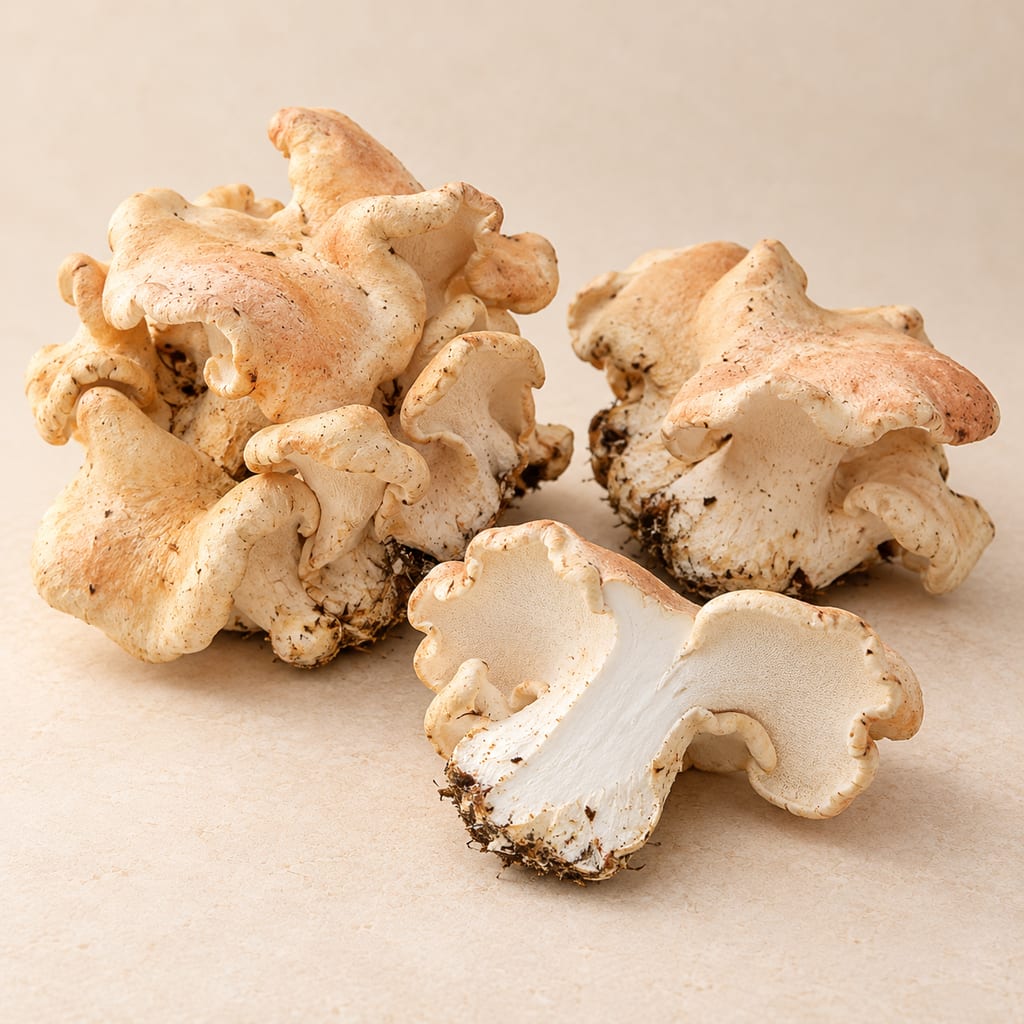
Albatrellus confluens is a ground-growing polypore with fused buff-orange caps. Sources document Chinese market use and regional edibility, but others reject it as too bitter; taxonomy also varies between Albatrellus and Albatrellopsis.
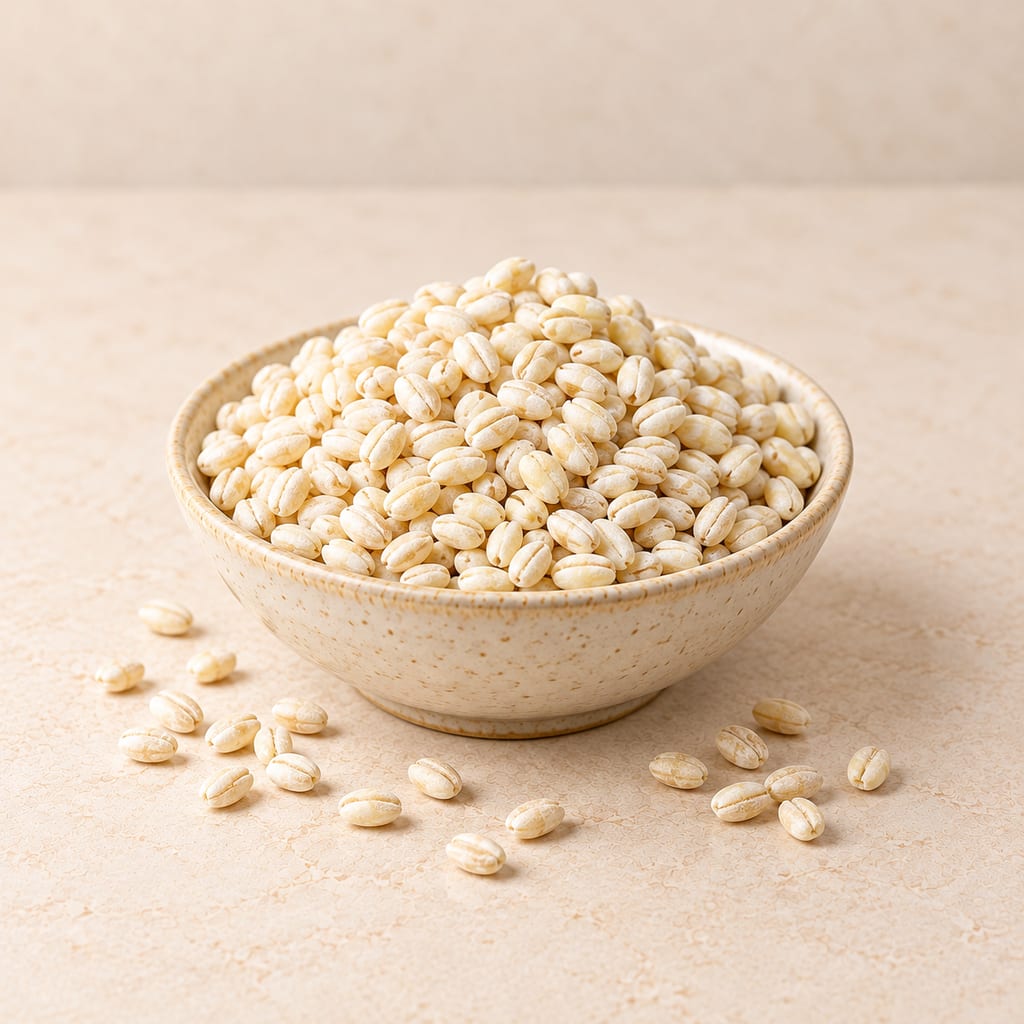
Barley is a hardy cereal, domesticated in the Middle East over 10,000 years ago, eaten whole, pearled or milled, malted for brewing, and grown with koji mold for barley miso.
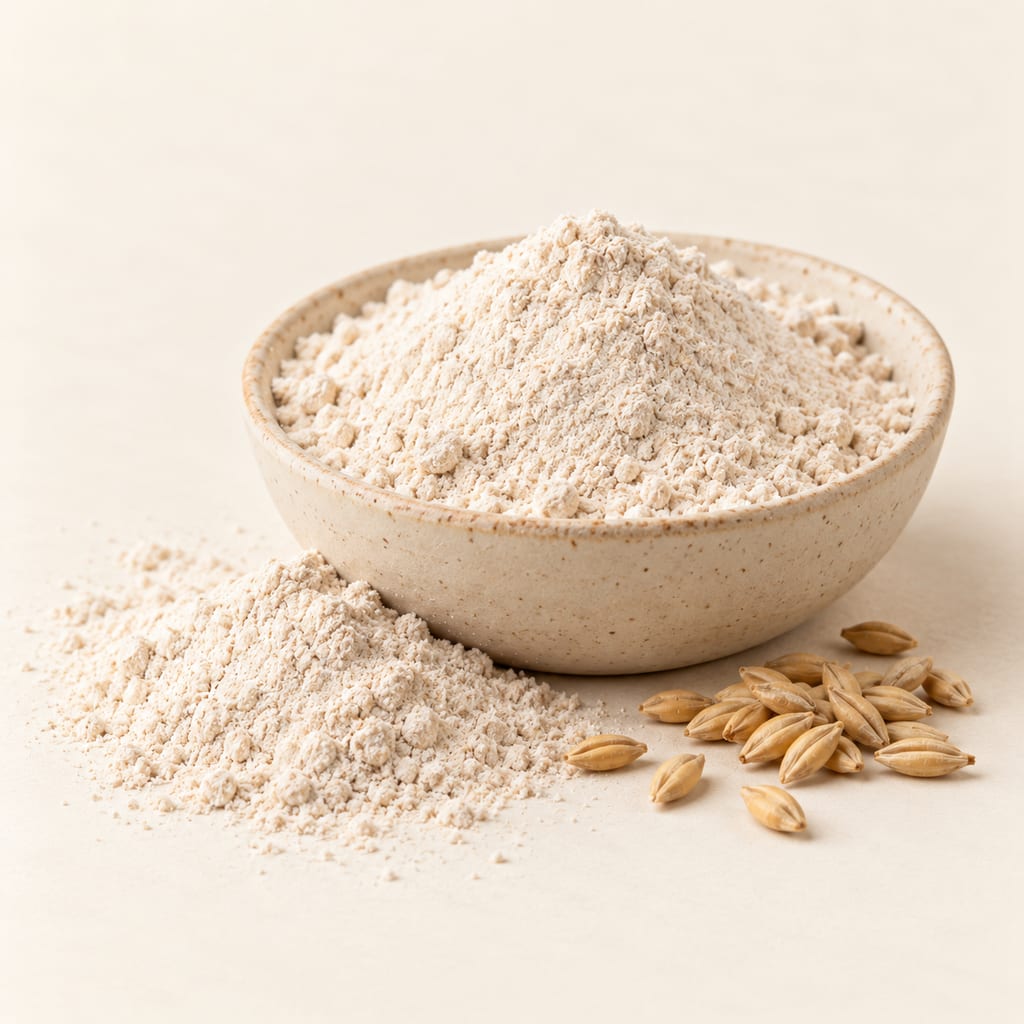
Barley flour is ground barley grain; whether it comes from pearled or hulless kernels, its milling and limited wheat-like gluten-forming ability shape the doughs and foods it can make.
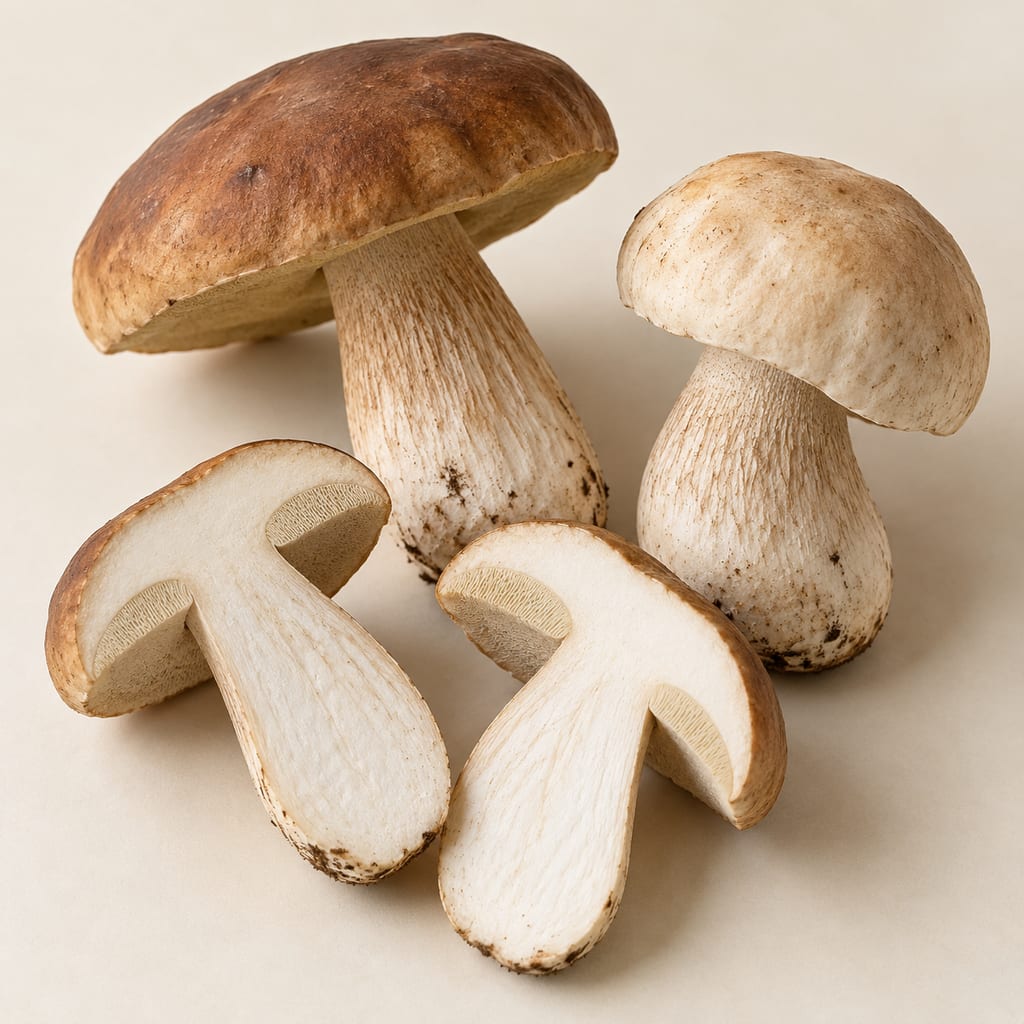
Boletus betulicola is a slender, birch-associated bolete of the penny bun group, kept as its own species by Finnish mycologists and treated by others as a form of Boletus edulis.
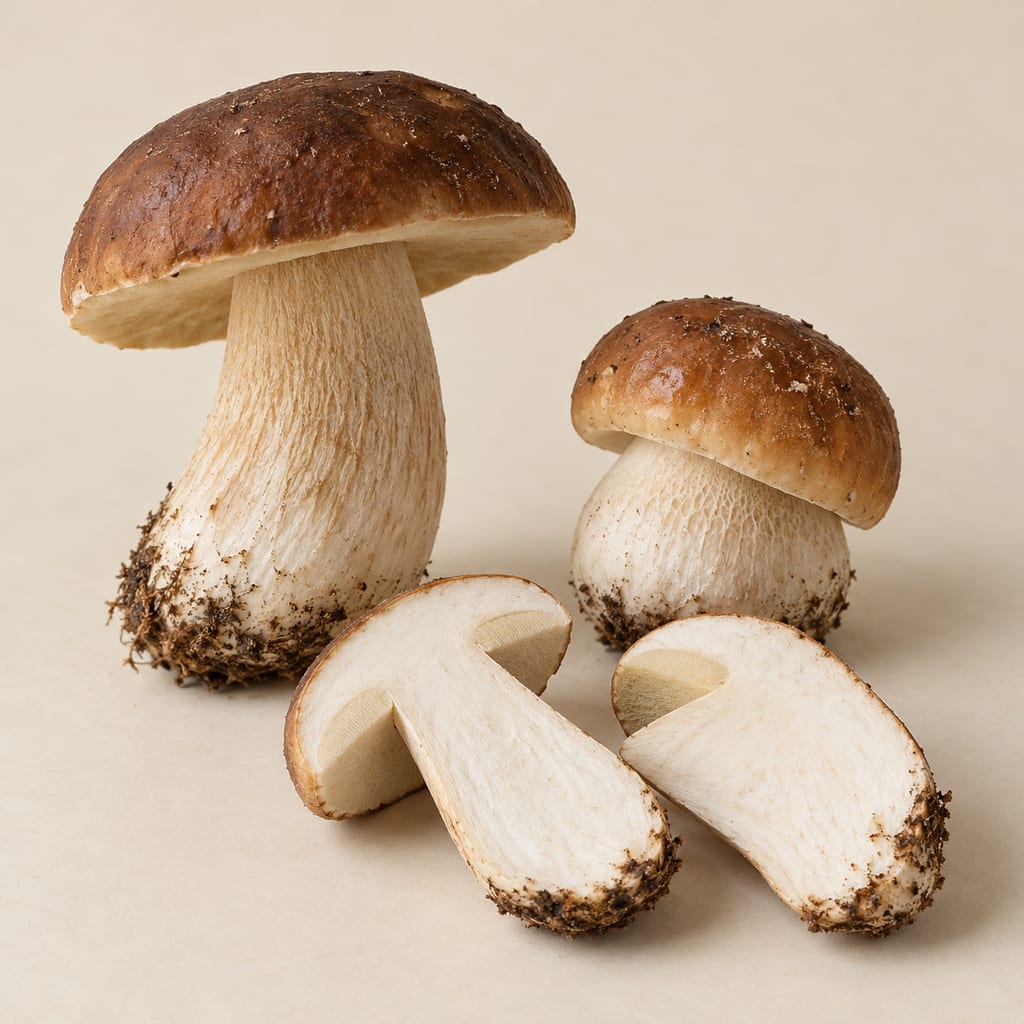
Boletus pinetorum is a greyish-brown penny bun relative that grows with Scots pine on dry sandy heaths in Fennoscandia and Estonia, described as a new species in 2009.
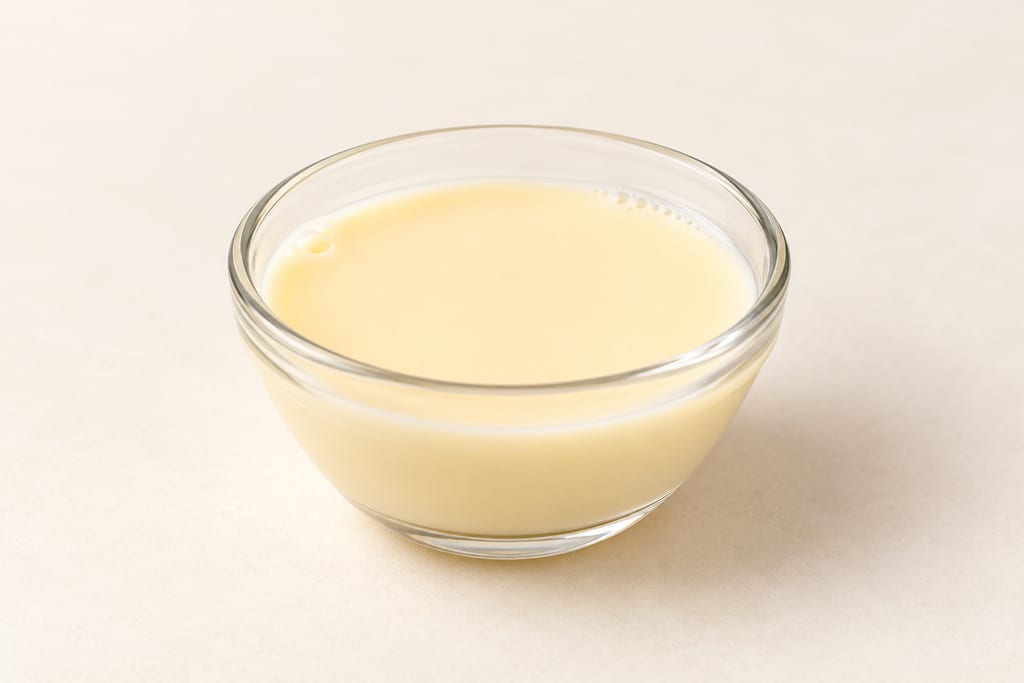
Bovine colostrum is the changing first secretion around calving, concentrated in proteins and maternal immune components; it feeds newborn calves and appears in seasonal foods and processed products.
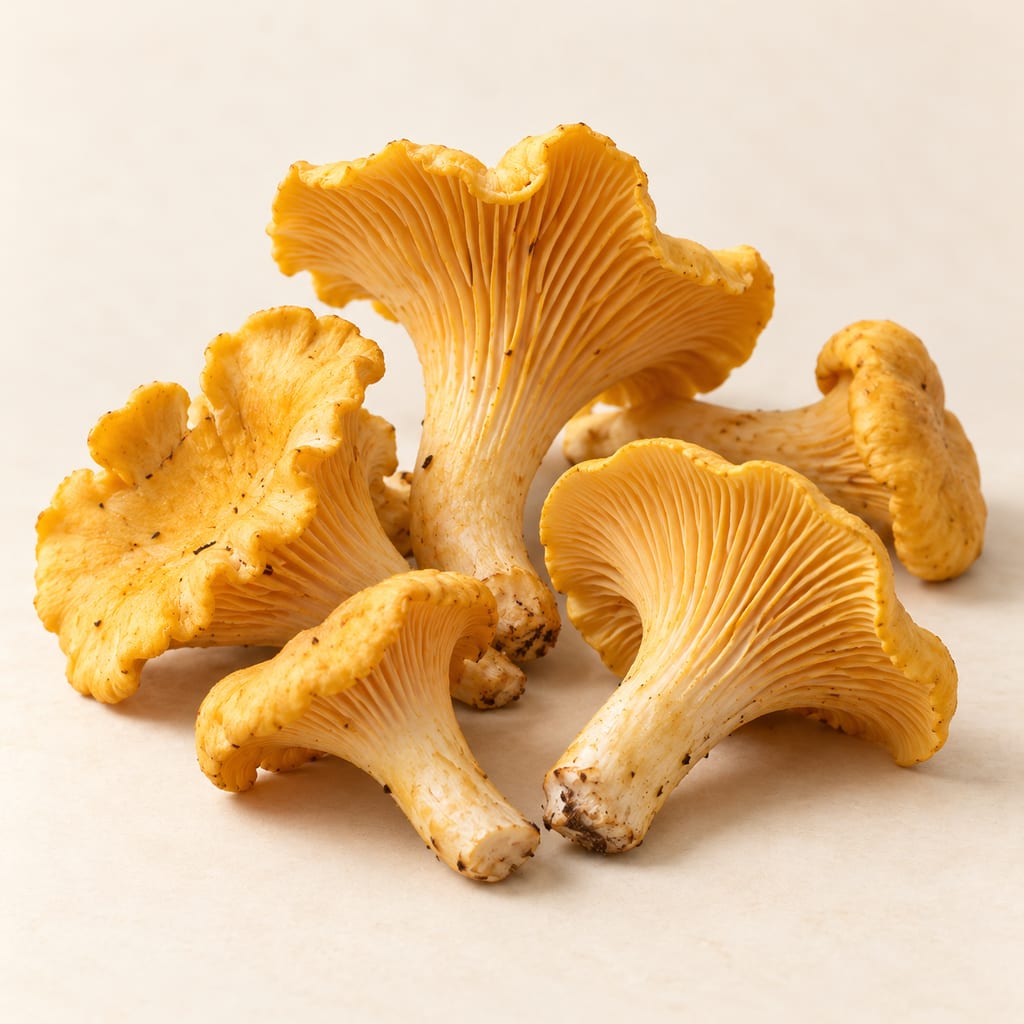
Chanterelles are wild, tree-associated edible mushrooms, particularly the European golden chanterelle Cantharellus cibarius, prized for their firm flesh, fruity aroma and use fresh, frozen, dried or pickled.
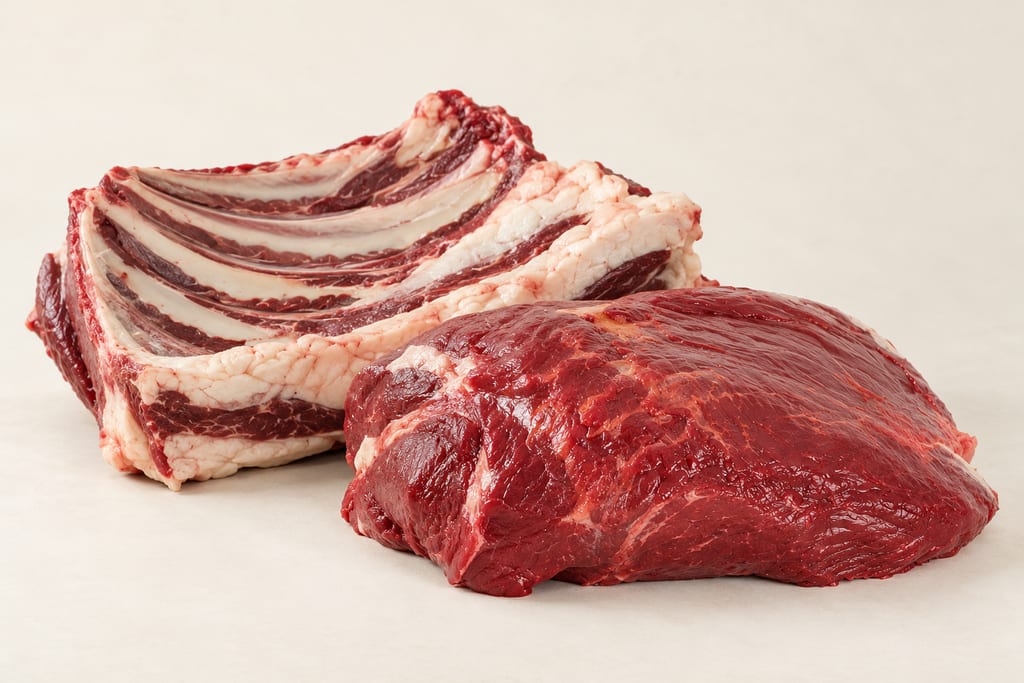
Horse meat is raw equine muscle and fat used fresh or in regionally distinct cooked and preserved foods; cuts and processes vary, and no single culinary origin is established.
No community contributions have been published for this entry yet.
Sign in to contribute. Published comments and photos are free to read.
Finnish Biodiversity Information FacilityIdentity · Biology · Geography
Clupea harengus membras | OverviewLists Clupea harengus membras as a subspecies and gives Finnish and Swedish names silakka and strömming; reports it lives in the Baltic Sea and is Finland's leading catch by volume.
Describes the fish as slender and silvery, commonly 50–200 g in Finland, with larger fast-growing individuals also occurring; its text notes the commercial naming convention for silakka and sill.
Cited in: A small fish shaped by a large sea; Silakka, strömming and sill; Seasonal fish and regional populations; Many ways to eat one fish
Swedish Museum of Natural HistoryIdentity · Biology · History
Sill eller strömmingExplains that sill/strömming are regarded as one species, Clupea harengus, and that strömming is the name used for herring caught in the Baltic north of Kalmar.
Describes morphological and fat-content gradients from the North Sea into the lower-salinity Baltic and herring's long importance as food and Hanseatic trade.
Cited in: A small fish shaped by a large sea; Silakka, strömming and sill; A preservation history with many branches; What herring contributes to fermentation; Many ways to eat one fish
Swedish Agency for Marine and Water ManagementBiology · Geography
Sill/StrömmingDescribes Swedish herring distribution, the regional sill/strömming naming boundary, spawning and migrations, and typical size differences between Baltic and western-sea herring.
Cited in: Silakka, strömming and sill; Seasonal fish and regional populations
HELCOMBiology · Geography · Ecology
Essential fish habitats in the Baltic SeaDescribes herring as widespread across Baltic sub-basins, adapted to low salinity, feeding mainly on zooplankton, commercially important and structured into local populations and management stocks.
Cited in: A small fish shaped by a large sea; Seasonal fish and regional populations
Nordiska museetUse · History · Culture
SurströmmingDocuments fermented herring as surströmming, the spring fishery, the broad historical sequence of preparation and canning, the 1940 third-Thursday-in-August premiere, and Swedish social and regional history from at least the 16th century.
Cited in: Silakka, strömming and sill; Seasonal fish and regional populations; A preservation history with many branches; What herring contributes to fermentation; Buying and handling the raw fish; Many ways to eat one fish
Institute for Language and Folklore (Sweden)History · Culture · Language
SurströmmingspremiärReports the word surströmming attested in 1732 and surfisk in 1572, and describes fermentation as a lower-salt preservation alternative when salt was expensive; the modern seasonal premiere is tied to the third Thursday in August.
Cited in: A preservation history with many branches; Many ways to eat one fish
Finnish Food AuthoritySafety · Dietary context
Safe use of fishWarns that fish from the Baltic, including herring, can expose consumers to higher than usual PFAS and dioxins; gives specific consumption advice for large Baltic herring for children and people of reproductive age.
Cited in: Buying and handling the raw fish
Finnish Food AuthoritySafety
Anisakis simplexDescribes anisakiasis from infected fish, commonly including herring, and gives Finnish guidance on cleaning fish after catch and freezing herring before marinating; Anisakis is common in North Sea fish but very rare in Finnish waters.
Cited in: Buying and handling the raw fish
U.S. Food and Drug AdministrationDietary context
What is a “major food allergen”?FDA identifies fish as one of the major food-allergen categories in U.S. food labeling.
Cited in: Buying and handling the raw fish