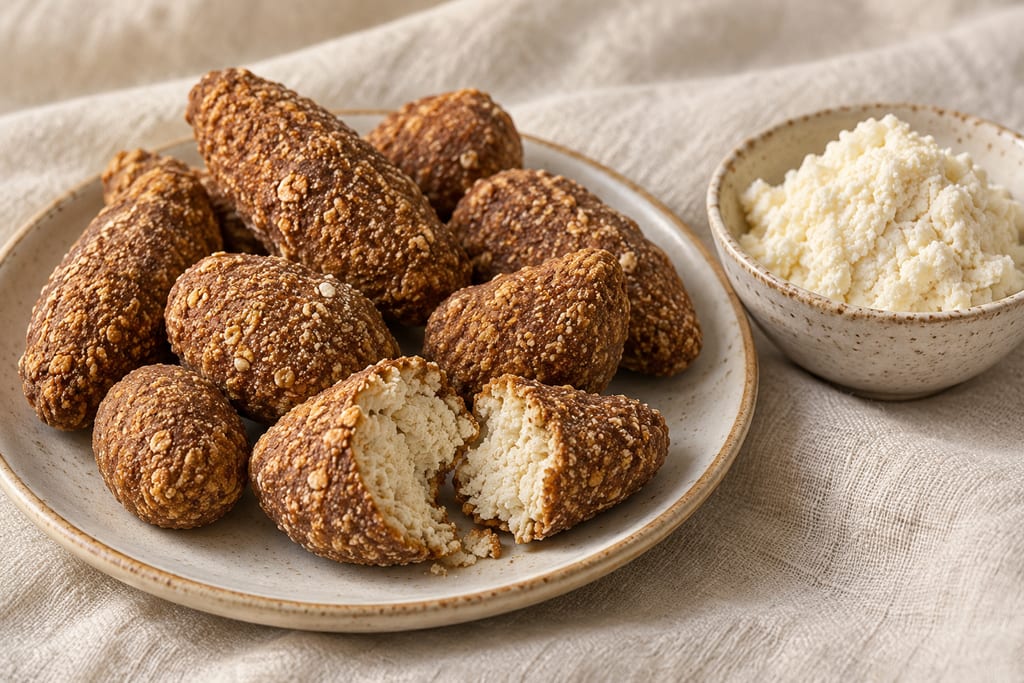
Aarchi and kurut (Altai dried curd)
A two-stage Altai dairy preparation: sour chegen is heated into soft aarchi, then portions are drained, pressed and traditionally smoked into firm kurut.
 FermenteaWhere food goes to change
Мочёные яблоки · Mochenye yabloki · Soaked apples · Russian soaked apples
Mochenye yabloki are whole apples held under prepared liquid for several weeks. Russian sources from 1892 and 1959 describe the method. It is not the same as vinegar pickling.

Mochenye yabloki are whole apples kept under a prepared liquid until they soften and sour. The Russian name describes the soaking, not vinegar. English phrases such as pickled apples suggest vinegar pickles, which are a separate preservation step, so the term soaked apples is used here.
The earliest dated source is a Moscow household cookbook printed in 1892. It reprints preserving recipes from 1815 to 1819 and mentions soaked apples in a salad and as an accompaniment to a fish dish. A 1936 study by A. A. Kulik describes the method as long established, and a 1959 Soviet household manual gives two liquid formulas and a cover and top-up schedule. None of these is an origin date.
The 1959 manual layers Antonovka apples with blackcurrant or cherry leaves, or with finely cut oat straw. The liquid is either a strained rye-flour wort or sweetened water. The 1892 recipes record similar whole-apple liquid and herb variants, with incomplete quantities in period units. The sources do not give a modern standard for these variants.
Kulik’s study used conditioned Antonovka-kamenichka apples and plain water in two 500-kilogram oak vats, with 250 kilograms of apples and 250 litres of water. The authors report early lactic bacteria and yeasts. The sources do not name the organisms or give a predictable sequence of microbes, and the batch was not a household recipe.
The 1959 manual calls for a tub, a wooden disk and a washed stone to hold the fruit under the liquid. The trial used oak vats with covers and weights. No modern vessel size, cleaning protocol or build is established, and no custom apparatus is supported by these sources.
The historical household texts and the 1936 study do not establish a validated safety endpoint, a pathogen assessment or a storage life. The 1936 article reports small amounts of alcohol, so the product should not be described as alcohol-free. Sensory changes are not safety tests, and the general pickling guidance in the sources does not validate this product.
A Moscow household cookbook printed soaked-apple recipes in 1892, with the preserving recipes dated 1815 to 1819 and a salad cross-reference. A 1936 study by A. A. Kulik calls the method long established. A 1959 manual describes a layered method with leaves or oat straw. The 1892 date is an attestation, not an origin date.
Scaling: source batch only
The 1892 and 1959 texts are household descriptions. The 1936 study reports fermentation chemistry in a large batch, not a household safety test.
Hazard sourceUse a separately validated fermentation method for salt rate, endpoint and storage. Smell, taste and appearance do not establish safety.
Control sourceSensory change does not establish safety.
The 1936 article reports small amounts of alcohol in its liquid, so zero ethanol cannot be claimed for this product.
Russian-language cookbook and manual sources. No locality is established.
A two-stage Altai dairy preparation: sour chegen is heated into soft aarchi, then portions are drained, pressed and traditionally smoked into firm kurut.

Adygean salt is a seasoned table salt associated with Adygea and the wider North Caucasian culinary tradition. Salt is blended with garlic and a variable selection of herbs and spices; the exact mix depends on the named style and maker.
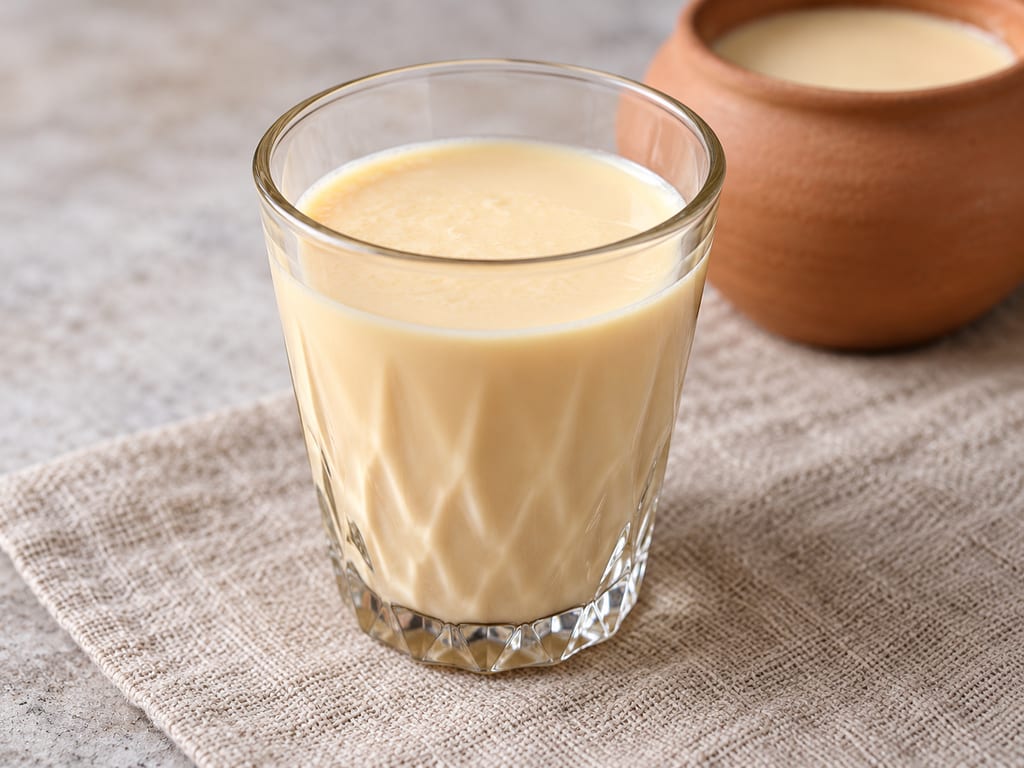
Baked milk is an Eastern European preparation of milk held at high heat for hours until it turns cream-coloured with a cooked, mildly sweet flavour, without any fermentation.
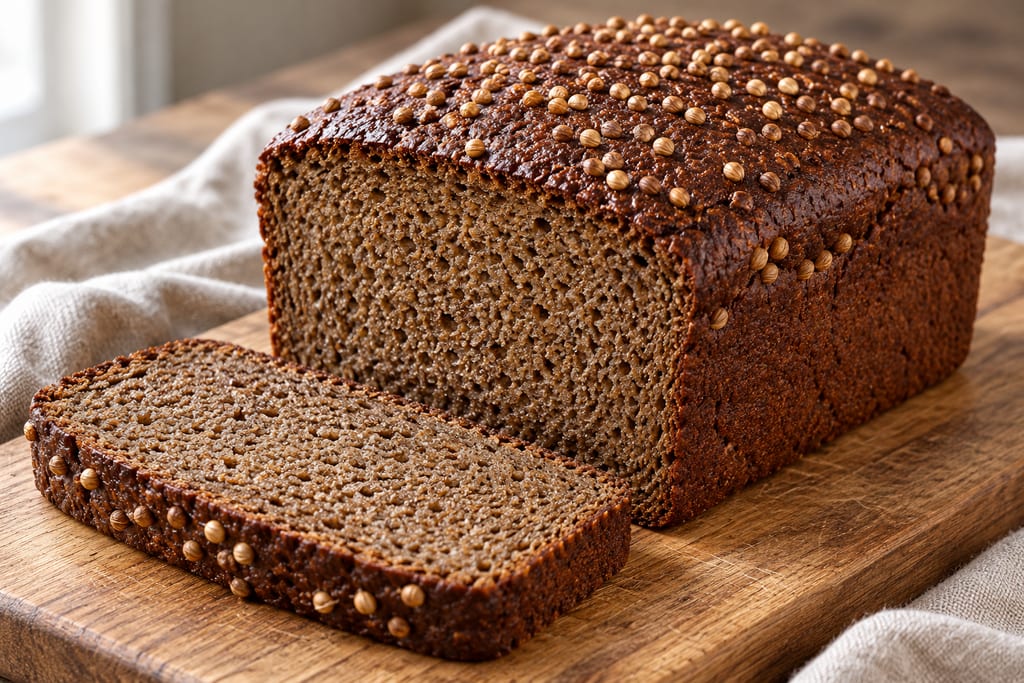
A dark rye sourdough with coriander and roasted barley-malt scald, based on Lily McCann's measured Borodinsk-ish home formula.
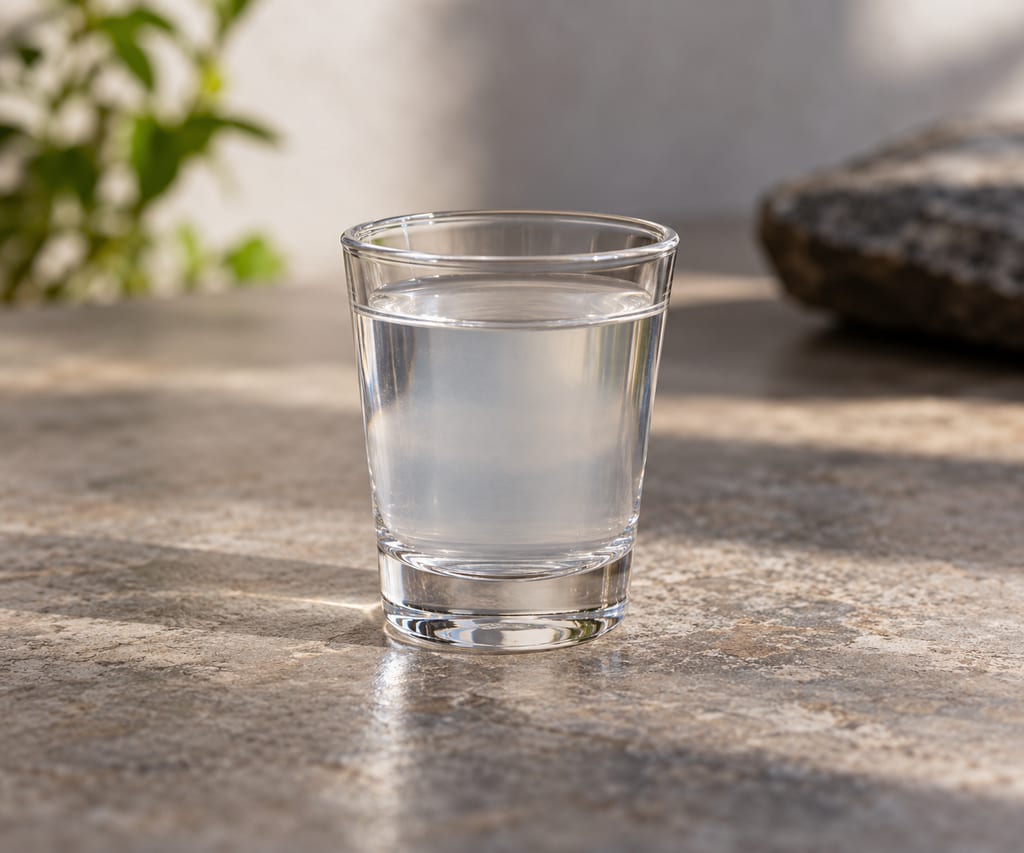
A Buryat milk spirit distilled from khurenge, the backslopped sour dairy ferment, in a cauldron still: a distillate that keeps milky and cheese-like aromas from the dairy it came from.
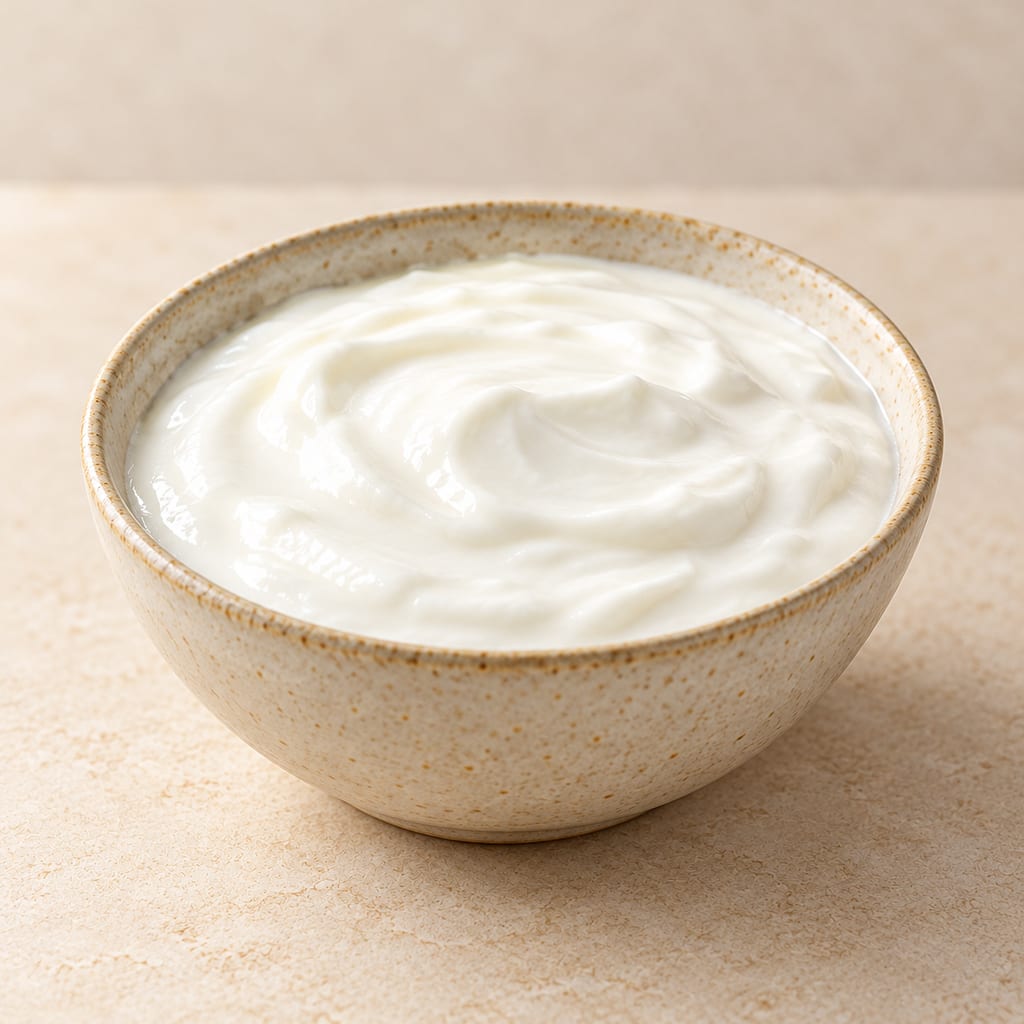
Katyk is a traditional fermented milk of Turkic-speaking peoples, made by souring heated milk with lactic bacteria, often with a spoonful of the last batch, into a thick, sour curd.
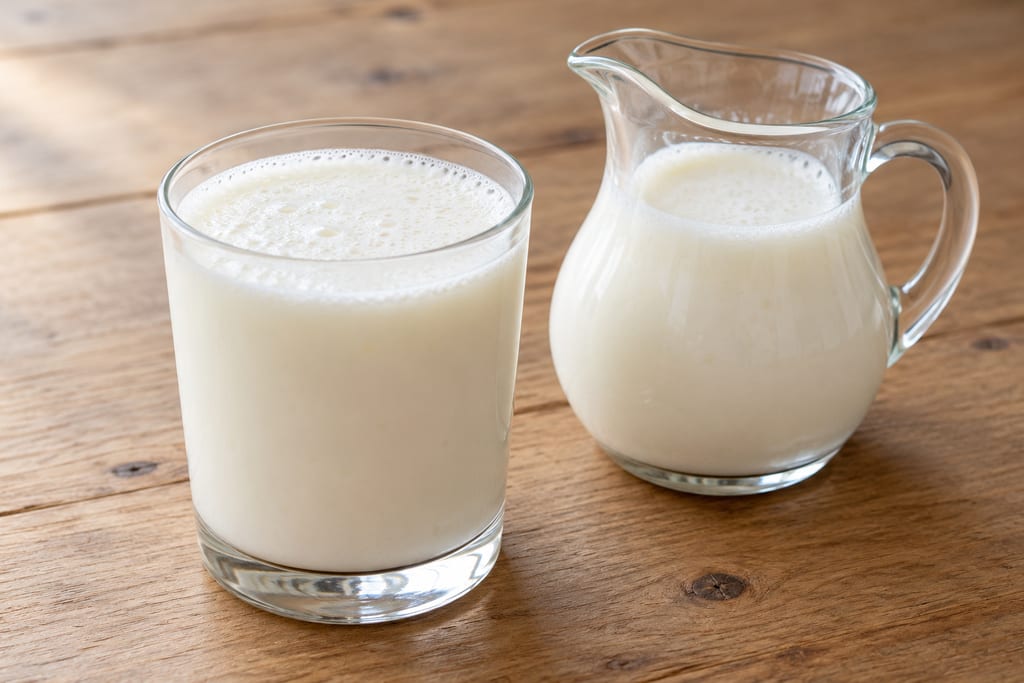
Khurunga is a traditional Buryat fermented milk made with a kept mixed bacteria-and-yeast starter, giving a sour, lightly alcoholic and often fizzy drink that is also the base for milk spirit and curds.
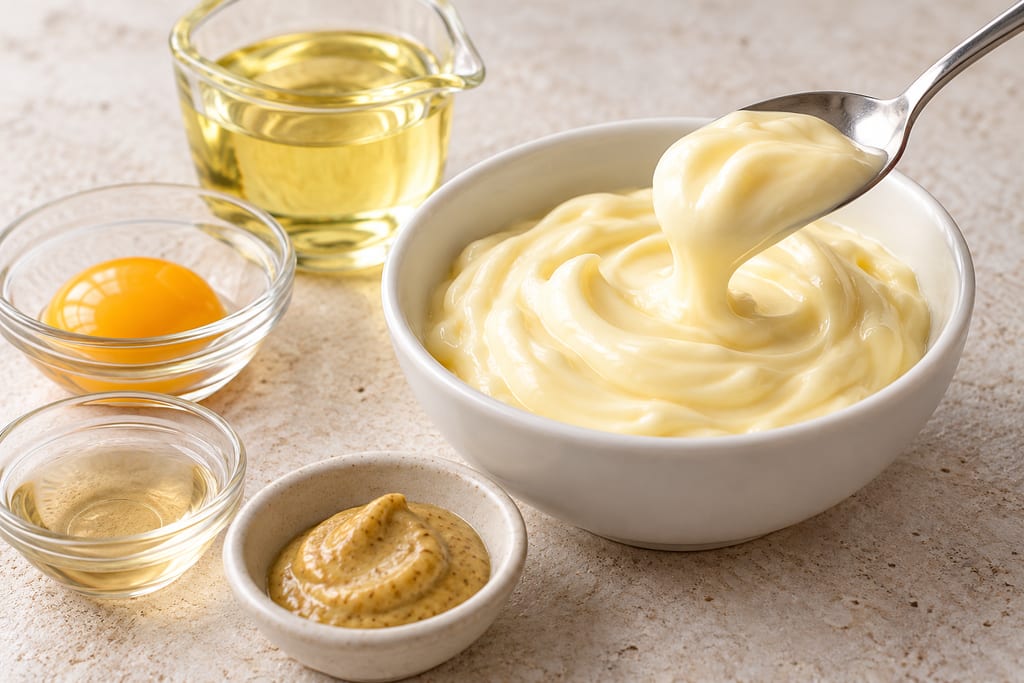
A plain mayonnaise of 200 g refined neutral oil emulsified into pasteurised yolk, vinegar, water and a little Dijon mustard: a clean base for tasting, comparing and flavouring.
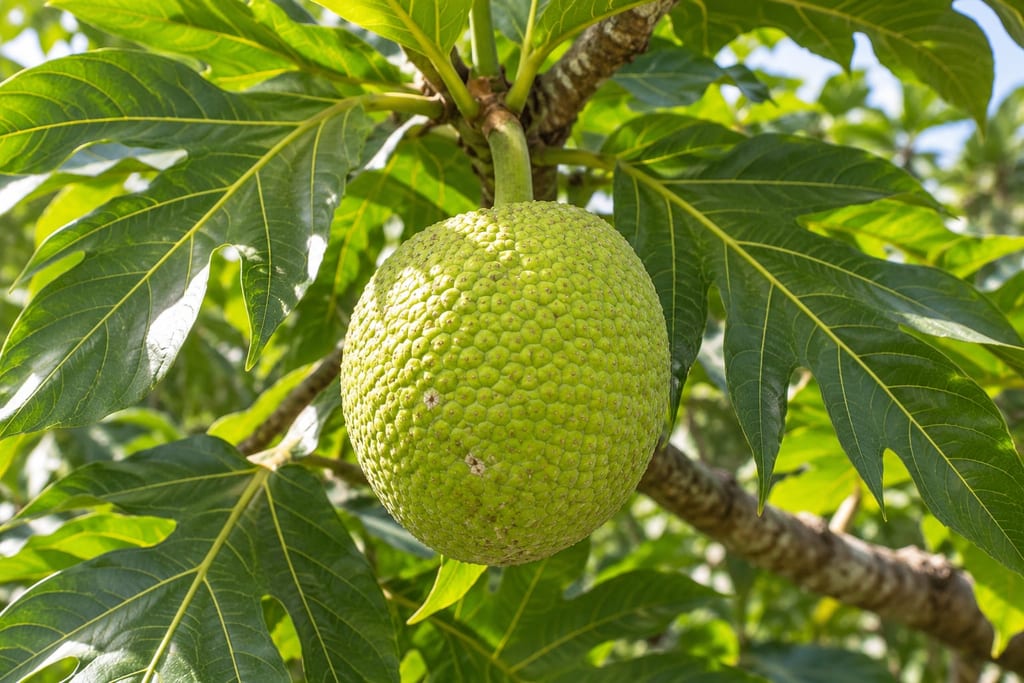
Kosraean preserved breadfruit called furo in a 1919 ethnographic monograph. Two historical pit methods are recorded; the sources give no validated household process.
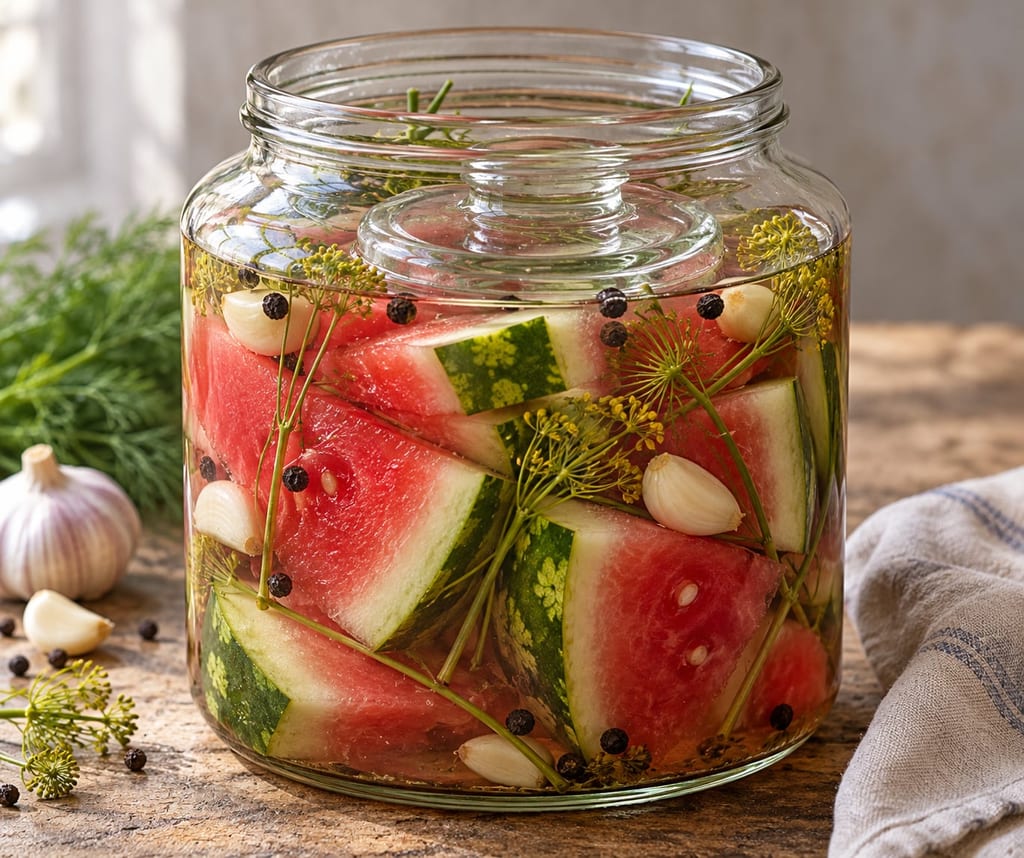
Watermelon pieces with rind ferment in a dill, garlic and pepper brine in a family preparation linked to Kishinev, Moldova.
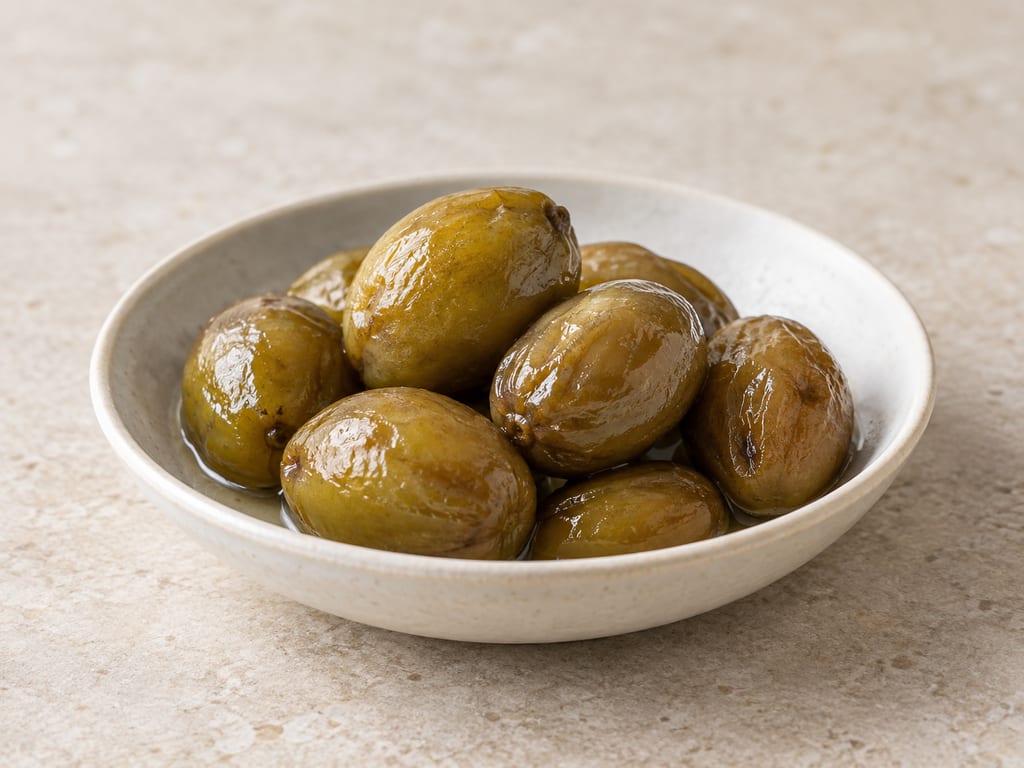
Mature Spanish plums are covered with a 20% volume salt solution and fermented under shade for ten days.
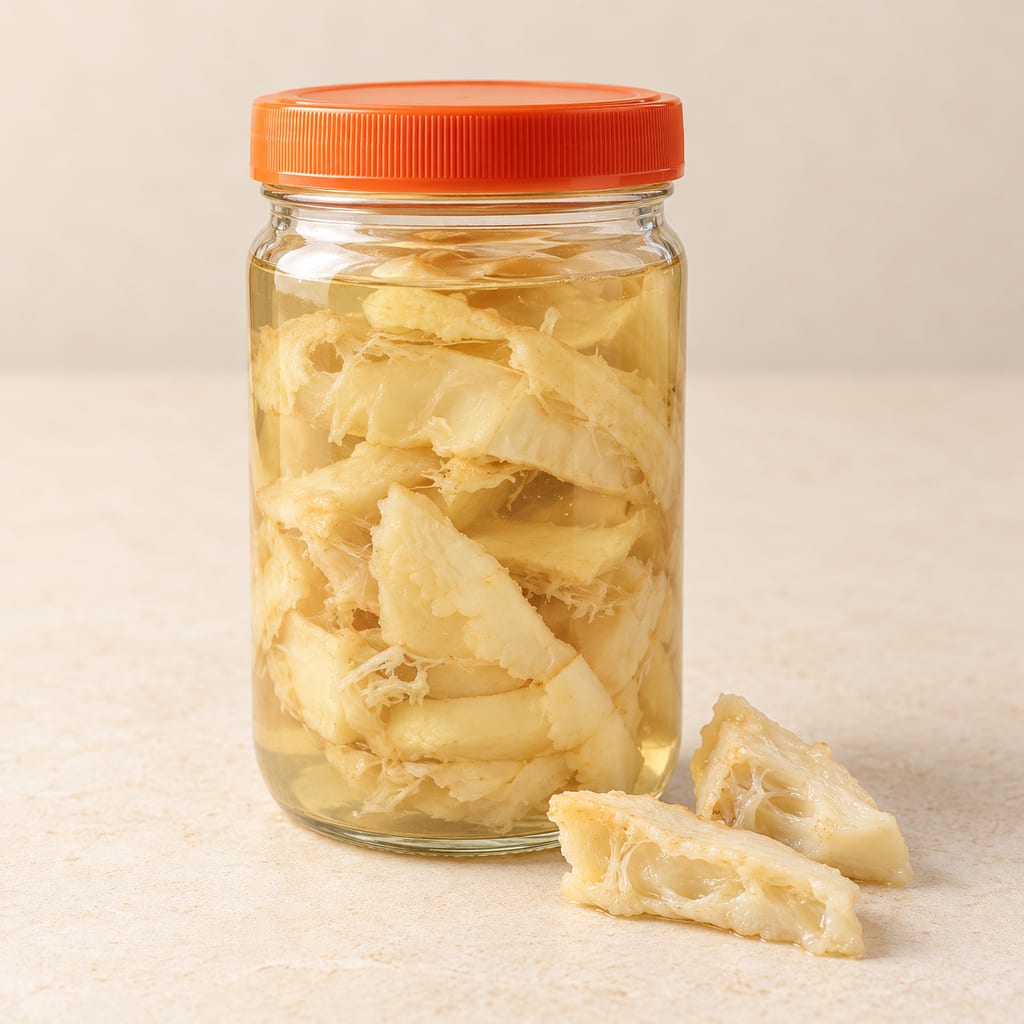
Cempedak inner rind is cut, salted and submerged in water for a short spontaneous fermentation used in Kalimantan home cooking.
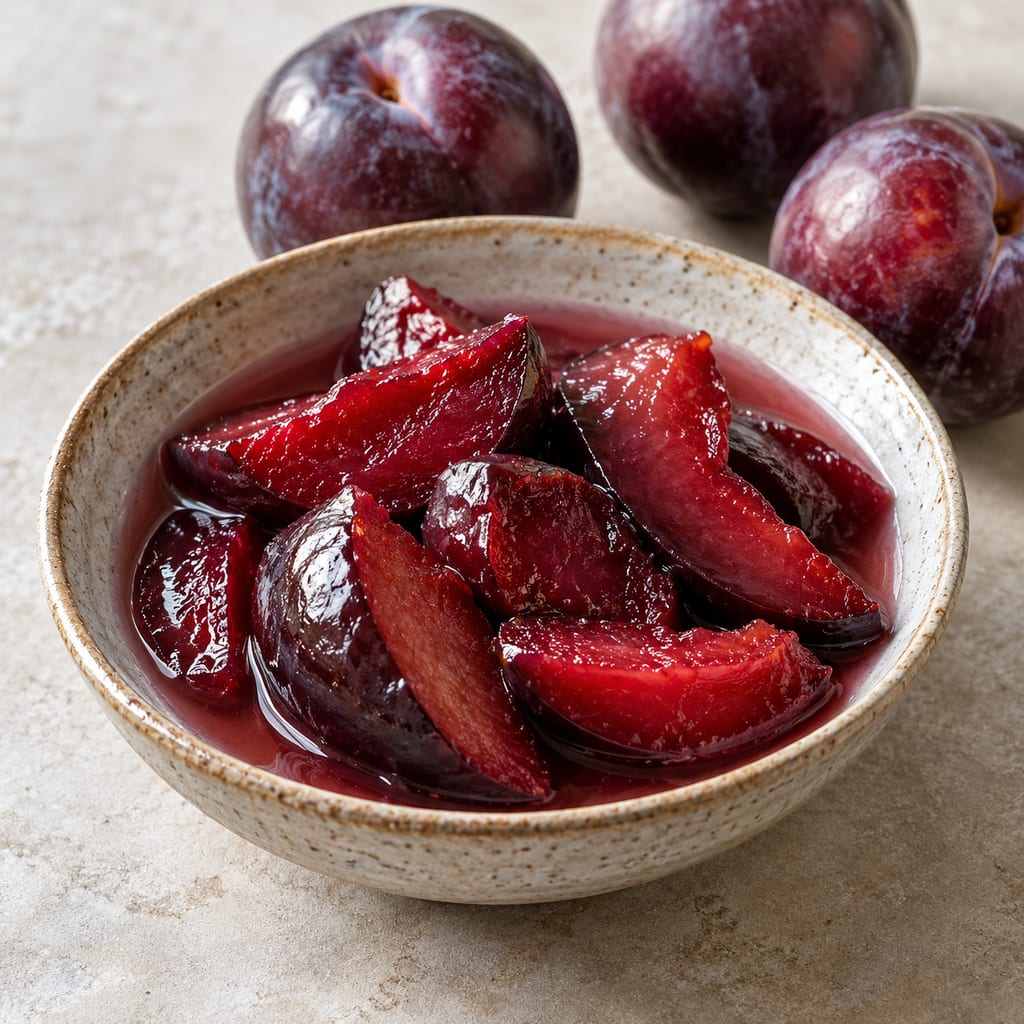
Pitted ripe plums release their own juice under a 2% salt cure, then ferment while weighted below the liquid.
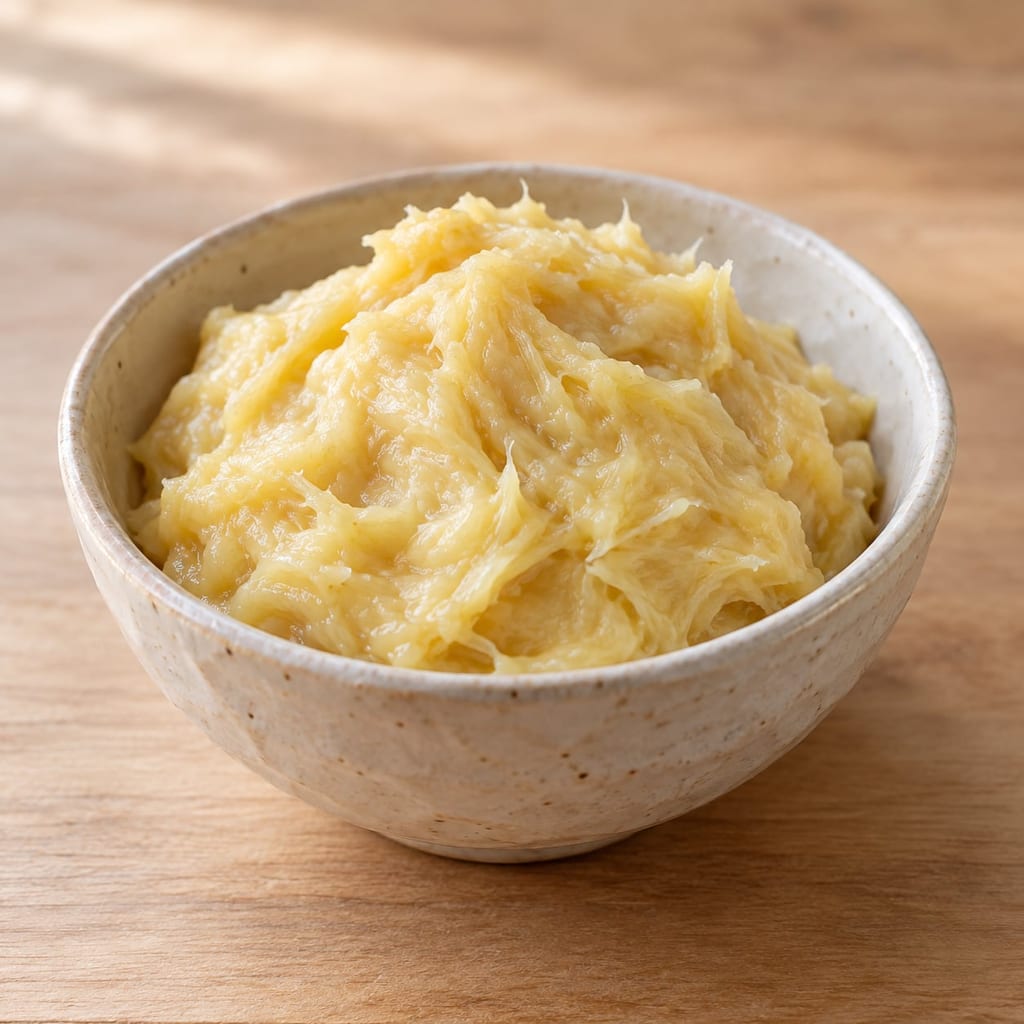
Durian flesh is mashed with salt and fermented in a covered container as a Malay condiment or cooking ingredient.

A gelling polysaccharide extracted from red seaweeds, sold as kanten strips or powder; it sets firm at a low concentration and stays solid until about 85 °C.

A Dominican table and seasoning condiment of sour orange juice, mixed with lime and salt and bottled raw; garlic, oregano or a hot pepper may be added for meat or a spicier bottle.

Cicerbita alpina is an alpine perennial whose tender shoots and leaves have been eaten raw or cooked. Sámi milk preparations and modern Carnian dishes are distinct uses, with serious identification and preservation limits.

Japanese skipjack tuna cooked, then repeatedly smoked and dried over a wood fire by the hand-fired tebiyama method into a hard block for shaving into dashi: the first stage of katsuobushi.

A Swedish-style spirit vinegar made by fermenting neutral alcohol with live vinegar bacteria, with a separate guide to commercial ättika strengths.

A yeast-raised wheat ring shaped from a firm dough, briefly boiled and baked. This source-batch formula gives a gently malted crust and a chewy crumb.

A warm dip of garlic, anchovy and olive oil, often enriched with butter, that Piedmont serves over a flame with raw and cooked vegetables and bread.

Bechamel is a white sauce of milk thickened with a butter and flour roux, one of the French mother sauces, and the base from which Mornay and other cheese and cream sauces are made.
No community contributions have been published for this entry yet.
Sign in to contribute. Published comments and photos are free to read.
Digitised volume of a Soviet food-industry journal, University of Illinois (1936 volume)Method · History · Safety
Izmenenie khimicheskogo sostava yablok Antonovka pri khranenii i v protsesse moecheniyaAntonovka-kamenichka trial with plain water in large oak vats
Early lactic bacteria and yeasts in the trial; no taxa named
Small amount of alcohol reported in the liquid
National Center for Home Food Preservation, University of GeorgiaSafety
General Information on PicklingFermented and fresh-pack pickles are separate categories; general guidance only