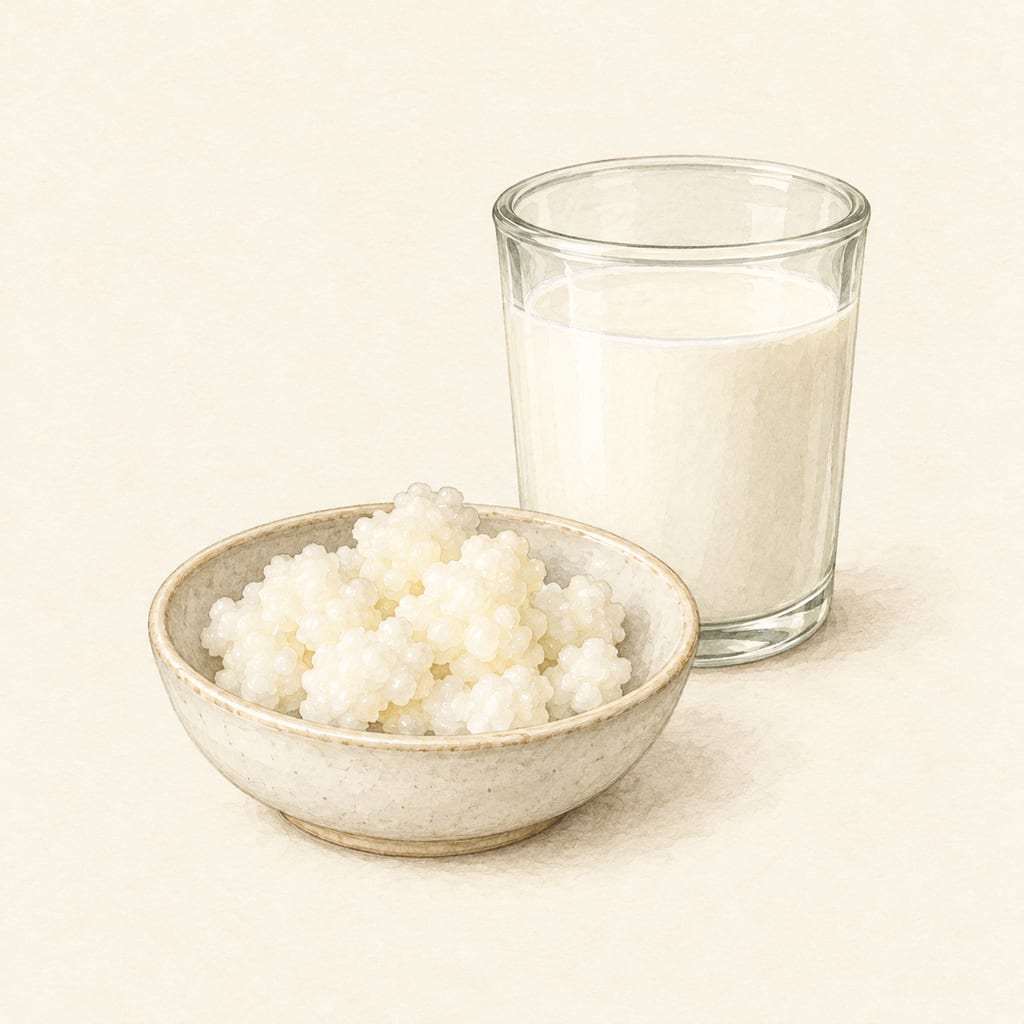
Milk kefir grains
Milk kefir grains are a reusable mixed culture that ferments milk. The grains are a living bacterial and yeast community held in a polysaccharide matrix, distinct from cereal grains and water-kefir cultures.
 FermenteaWhere food goes to change
Traditional method
Kefir
Milk kefir is a tangy fermented drink made with reusable grains of bacteria and yeasts. Grain fermentation can give the milk a light fizz and some alcohol.
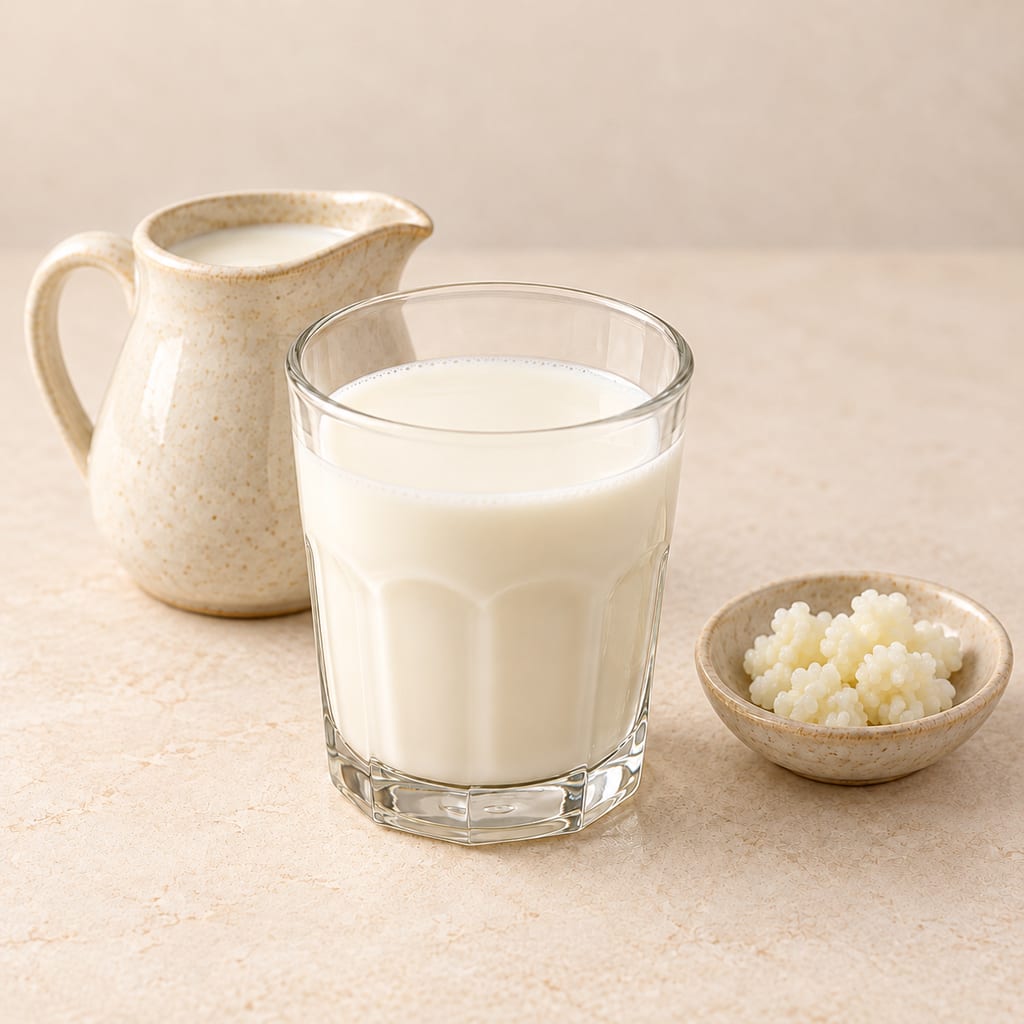
Milk kefir is a pourable fermented milk made by placing kefir grains in milk, allowing the culture to act, and straining the grains back out for another batch. The finished drink is usually pale and opaque, tart rather than sweet, and can be lightly effervescent. Its body ranges from fluid to spoonable according to the milk, grain community, time, temperature and agitation. Kefir grains are not cereal grains: they are soft, irregular clusters of bacteria and yeasts embedded in a hydrated matrix of polysaccharides and proteins. Their resemblance to small cauliflower florets is a useful visual description, not a measure of activity or safety.
That reusable grain culture distinguishes traditional milk kefir from a drink inoculated only with a packaged starter. Commercial producers may use prepared starter cultures or a grain-derived mother culture to achieve more repeatable manufacturing. These are related products, but they do not have identical microbial histories. The mix in the grains also differs from the mix of organisms in the liquid kefir they make; organisms detach and grow at different rates. A household batch therefore carries the character of its own maintained culture and conditions. A recipe can describe a repeatable practice, but it cannot promise a laboratory-standard species count or identical flavour in every kitchen.
Kefir is strongly associated with the North Caucasus, where milk fermentation offered a way to use a perishable food and maintain a culture across batches. Regional accounts connect the grains to pastoral households and to the vessels used for milk. Stories of grains forming in the folds of a skin container are important traditions, but they are not a settled scientific explanation for how the first kefir grains arose. Historical writing about the drink also describes differing names and practices across communities. The evidence supports a long-standing relationship between kefir and the Caucasus; it does not identify one inventor, one village, or a securely dated first batch.
Traditional descriptions place grains in milk in skin or clay vessels. A vessel might be hung or positioned where it was regularly moved, so that movement mixed the contents and exposed the culture to a changing environment. Those practices help explain how people handled a living starter before modern refrigeration and glass jars. They are historical context, not a home instruction to ferment in an animal skin or expose dairy to sunlight. Accounts of the grain’s origin remain incomplete and sometimes conflicting.
Kefir travelled beyond its regional homes through trade, migration, and later dairy manufacture. As it became a commercial drink, standardized milk, selected cultures, controlled equipment, and cold distribution made kefir familiar in markets far from the Caucasus. This history created several related but distinct practices: household maintenance of grains, manufacture from grain-derived starter, and direct inoculation with defined commercial cultures. The name now spans a broad range of products. A bottle labelled kefir may be made by a different process from the grain-fermented home drink described here, even when both are sour fermented milk.
Milk supplies water, lactose, proteins, fat, minerals and its own buffering capacity. Within kefir grains, lactic acid bacteria use lactose and produce lactic acid; this lowers the milk's pH and changes the way milk proteins behave. Casein micelles, which remain dispersed in fresh milk, lose some of that stability as the environment becomes more acidic. The resulting network thickens the milk and may produce a soft curd, especially when the batch is left undisturbed. The change is acidification and coagulation, not simply a mysterious thickening caused by a starter.
Yeasts in the grain community contribute additional changes. Depending on the culture and conditions, they produce carbon dioxide, small quantities of ethanol, and aroma compounds alongside bacterial products. Acetic acid bacteria may also occur in the community and contribute to the overall flavour. The proportions vary, so the exact level of fizz, acidity, yeast aroma, and alcohol cannot be inferred from the word kefir alone. A lightly sparkling batch and a still, tart batch may both be ordinary outcomes of different cultures and handling. This biological complexity is why a single named bacterium should not be presented as the kefir organism.
The visible grains and the liquid are related parts of the process but not interchangeable measures. The grains are a structured community that can be strained and reused; the liquid contains cells and fermentation products released into the milk. Their populations are not identical. Grain size, the amount used, milk composition, time, temperature, and movement all affect the pace and character of acidification. A change in acidity can also alter aroma and texture, while milk fat influences richness and mouthfeel. These effects arise together, rather than from a single ingredient acting alone.
Milk is both food and fermentation substrate. Its lactose feeds the culture, while casein and whey proteins supply the material whose texture changes as acidity rises. Fat contributes creaminess and carries some aroma compounds. Whole, lower-fat, and non-cow milks can produce noticeably different bodies and flavours; however, a culture maintained in one milk may respond differently when the substrate changes. This recipe's specified milk should be treated as part of its formula rather than an arbitrary choice. Any adaptation to goat, sheep, or plant milk is a separate test, not a guaranteed one-for-one substitution.
Kefir grains are the inoculum and the continuing culture. They should be recognizably milk kefir grains, not water-kefir crystals, sourdough, or an unidentified gelatinous material. Their appearance alone cannot establish microbial composition or safety. A vigorous culture may thicken milk more quickly than a newly acquired or stressed one, and the balance of sourness and aroma may shift during maintenance. The grain-to-milk proportion matters because it changes how much active culture begins in the batch; the recipe's quantities are therefore coupled, not independent.
Use pasteurized milk and clean equipment. Fresh fermented milk can still carry pathogens if contamination occurs before, during, or after fermentation, and acidification does not guarantee that every pathogen has been eliminated. People with milk allergy must avoid it; people who are sensitive to lactose may tolerate some fermented dairy differently, but this recipe should not be represented as lactose-free. Kefir can contain small amounts of alcohol formed by yeasts, with the amount varying by process. These qualifications matter for children, pregnancy, medication, religious practice, and anyone who needs to avoid alcohol or dairy.
The recipe begins with milk and active grains. Clean handling reduces the chance that unrelated organisms enter the batch. Once the grains are mixed into milk, the culture needs time to acidify it. Fermentation is a biological stage: microorganisms consume available substrates and produce acids and flavour compounds. The vessel and surrounding conditions influence the pace. A longer or warmer ferment is not automatically better; it may simply produce a more sour or separated result. Follow the quantities and timing recorded in the structured method, and do not use smell, taste, bubbles, or visible grain growth as proof that a batch is safe.
Straining separates the reusable culture from the drink. A non-reactive sieve and clean utensil make this a physical separation rather than another fermentation step. The strained grains can then be transferred into fresh milk according to the recipe's maintenance instructions. Leaving grains in the finished kefir continues their contact with the liquid and can change its acidity and texture, so separating them defines the end of this batch. The liquid may be gently mixed if it has separated; that restores a more even drink but does not reverse the fermentation.
Refrigeration slows microbial activity and is part of the handling of a fresh dairy food. It does not sterilize kefir or repair poor sanitation. Extension guidance calls for pasteurized milk, appropriate grain quality, and cold storage; the recipe's note on refrigeration should be followed without inventing a shelf life for a home batch. The grains are living culture, so their care follows the method's instructions rather than a claim that they can be stored indefinitely without feeding. If the grains' history is unknown or the batch has been mishandled, do not rely on a pleasant aroma or an attractive appearance to decide that it is safe.
Traditional grain fermentation and industrial kefir production share a family resemblance but differ in how the starter is prepared and controlled. In a household grain method, the grains themselves go into milk and are strained for reuse. A producer may instead cultivate grains in milk to make a mother culture, then use that liquid inoculum for a larger batch. Manufacturers can also use selected freeze-dried cultures. These routes can yield different microbial profiles and sensory results. A direct-set product is not evidence that a home grain culture will behave identically, and a grain recipe should not be rewritten using a commercial starter unless that starter's instructions support the change.
Milk species and treatment add further variation. Cow's milk is common in commercial kefir, while regional and household practice has used other ruminant milks. Fat level affects richness; heat treatment and homogenization change the milk's proteins and texture before fermentation begins. The North Caucasus review also records historical handling in skin vessels and clay pots, but those vessel traditions belong to particular contexts. Glass jars and food-safe modern utensils are convenient contemporary equipment, not proof that older methods were identical.
Other fermented milks can look or taste similar without being kefir. Yogurt commonly depends on a different starter culture and often has a firmer set; cultured buttermilk follows another culture and milk formulation. Water kefir uses a sugar-water substrate and a different kind of grain, so its crystals should never be substituted here. Packaged kefir may be stirred, thick, drinkable, flavoured, or made from a defined culture. The recipe's identity comes from milk fermented by milk kefir grains, not merely from sourness or a label.
Kefir can be poured as a drink, served with breakfast, or used where a tangy cultured dairy note is wanted. The plain drink is a useful way to notice its balance of acidity, milk richness, yeast-derived aroma, and any light carbonation. A separate household recipe from public broadcaster NDR strains the grains and serves the resulting drink plain or with fruit. That is a documented serving variation, not a direction to add fruit during the fermentation in this recipe. Adding fruit after straining keeps the culture and flavouring stages distinct and lets the drink be served at the desired sweetness.
In cooking, kefir can lend acidity and moisture to batters, dressings, cold soups, and marinades, but heat changes its texture and live microbial content. When heated, acidic dairy can thin, split, or form curds depending on the dish and the other ingredients; it should not be treated as a direct substitute for cream, yogurt, or buttermilk in every formula. A cooking application is best judged by the role required: liquid, fat, tang, tenderness, or a live culture. The grains are not an edible garnish in ordinary service; they are the reusable starter to strain away before the drink is served.
A change in thickness, a clearer layer of whey, sharper acidity, or more yeast aroma can reflect differences in milk, culture activity, temperature, agitation, and fermentation duration. Whey separation is a physical result of the milk protein network tightening; it is not, on its own, evidence of failure. A batch that is more sour than expected may have fermented longer or warmer, but a sensory explanation does not establish microbiological safety. For future batches, change one variable at a time and record the milk, grain amount, elapsed time, and conditions rather than attempting to correct texture by guessing at extra ingredients.
Discard a batch when its history is uncertain or when contamination is suspected. A rotten, putrid, or otherwise unexpected odor is a reason to stop, but the absence of an off odor cannot prove safety. Do not taste a questionable batch to test it. Use pasteurized milk, clean tools and surfaces, and refrigeration for the finished drink. People at greater risk from foodborne illness should rely on public-health advice and commercially controlled products rather than experimental household fermentation. The recipe describes a traditional living culture through a modern household method; it is not a microbial test or a guarantee of pathogen destruction.
Good kefir is best understood as the result of a maintained culture acting on a particular milk under particular conditions. The recipe gives a starting practice, while the grains and environment account for some natural variation. Respecting that variation makes the drink easier to interpret: sourness, thickness and aroma describe the product, while clean handling and cold storage are separate controls. Neither a successful set nor an appealing flavour replaces those controls.
Kefir belongs to the fermented-milk traditions of the Caucasus and Eastern Europe. Its reusable grains contain communities of bacteria and yeasts, unlike the bacterial starter used for yogurt. The grains are strained out of each batch and used again. The resulting milk is acidic and can be lightly alcoholic and effervescent. A Canadian home-dairy manual printed this grain method in the late twentieth century.
Scaling: source batch only
Escherichia coli, Listeria and Salmonella can survive in acidified kefir.
Hazard sourceMilk kefir contains milk and fermentation may produce alcohol.
Hazard sourceUse pasteurized milk and quality kefir grains; refrigerate after fermentation at 41°F (5°C) or below.
Control sourceUse pasteurized milk and quality grains, then refrigerate promptly; acidification does not eliminate every pathogen in kefir.
Kefir contains milk and may contain alcohol. It is unsuitable for people with milk allergy; people at higher risk of foodborne illness may need to avoid homemade kefir.
Milk kefir grains — Reusable mixed community of lactic and acetic acid bacteria and yeasts; species composition varies between grains.
The manual describes an Eastern European association; it is not an origin claim.
Milk kefir grains are a reusable mixed culture that ferments milk. The grains are a living bacterial and yeast community held in a polysaccharide matrix, distinct from cereal grains and water-kefir cultures.

Water carries dissolved ingredients, transfers heat and forms the liquid environment of many ferments; its minerals and treatment influence how it behaves.
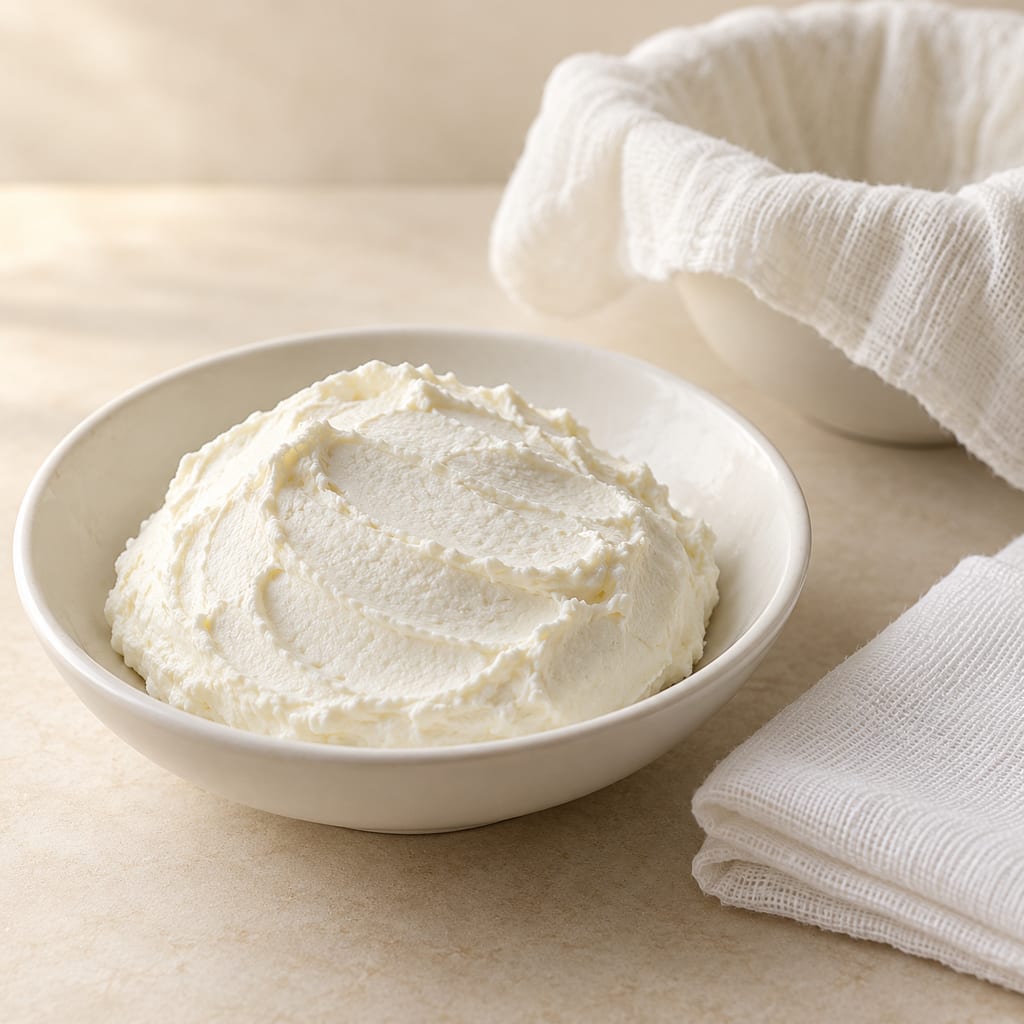
A soft cheese made by setting aside part of the day's milk kefir, draining it in a cloth and salting it through the evening, ready the next morning.

A low-watt electric band warms a fermentation vessel from the outside. Belt position can influence heating, but these examples do not provide a built-in thermostat; electrical ratings and vessel compatibility vary by model.

A thin electric mat warms a propagation tray from below; some models use a separate thermostat and probe. One Vivosun manual also gives generic fermentation-heater instructions, but does not validate a particular fermented food or process.
Follow milk into cheese, cultured drinks, butter, dried curds and sweets: a journey through the animals, seasons and household decisions behind the world's dairy foods.
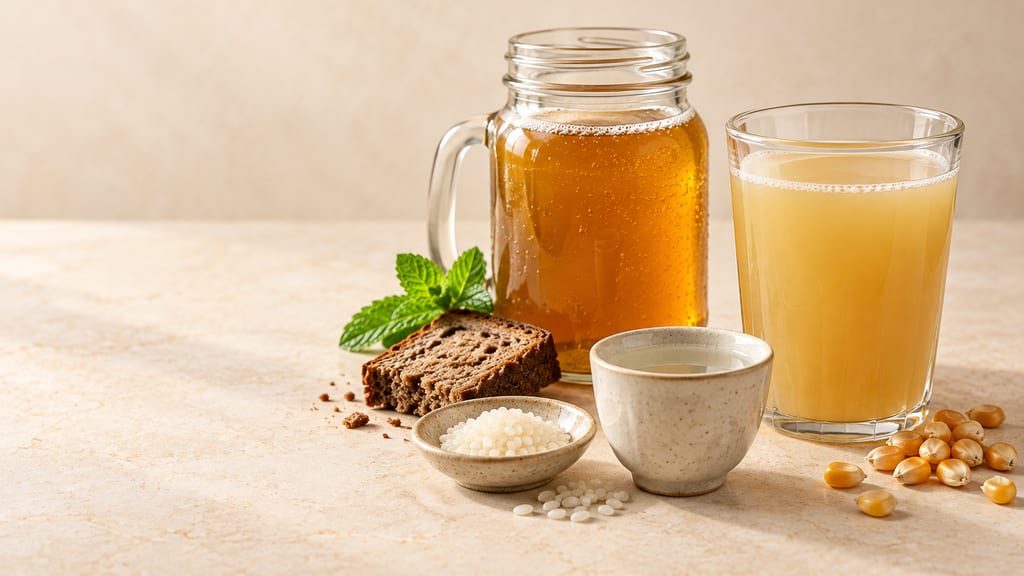
People kept, traded and steered living ferments for thousands of years before anyone saw a yeast cell. This is that history, region by region, and a guide to what a yeast strain is today.
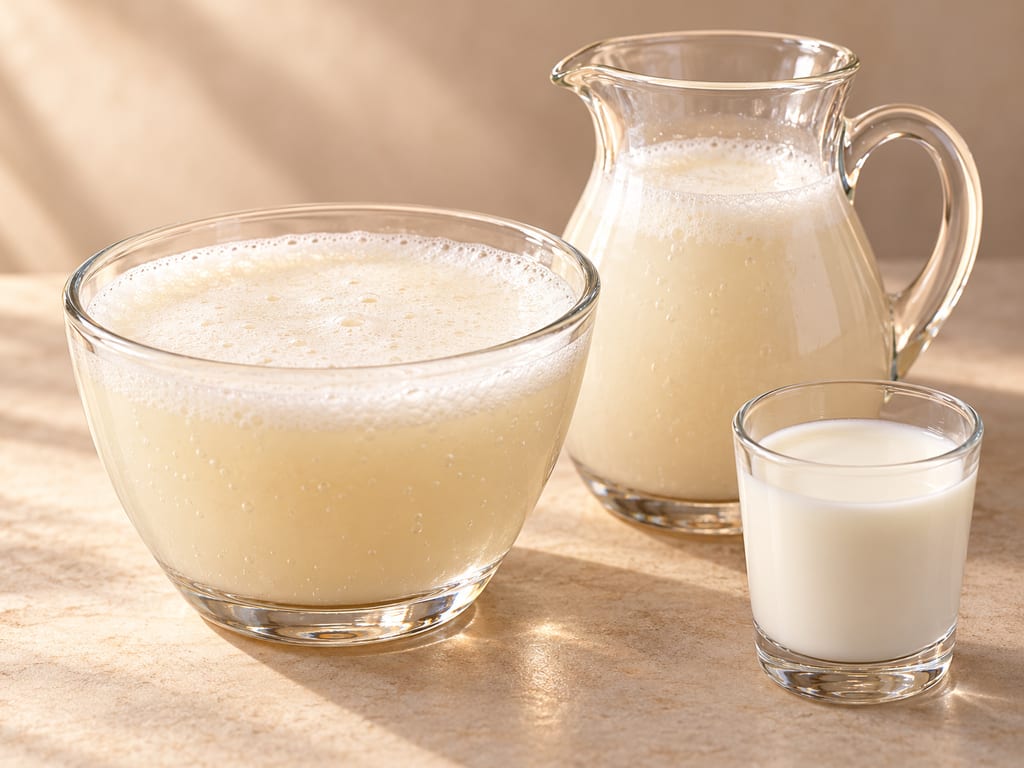
Airag is Mongolia’s fermented mare’s-milk drink, traditionally churned with saved starter in a reusable cowhide khokhuur.

Ayran is Turkey’s cold, savoury yogurt drink: plain yogurt is loosened with water and lightly salted, then whisked smooth or aerated into a soft cap of foam.
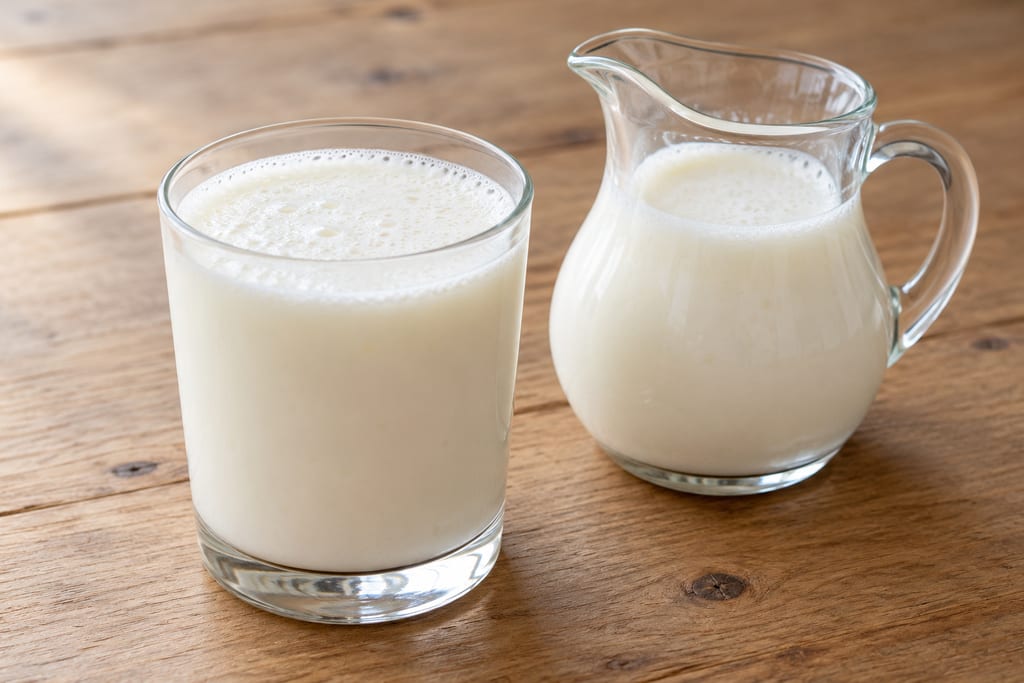
Khurunga is a traditional Buryat fermented milk made with a kept mixed bacteria-and-yeast starter, giving a sour, lightly alcoholic and often fizzy drink that is also the base for milk spirit and curds.
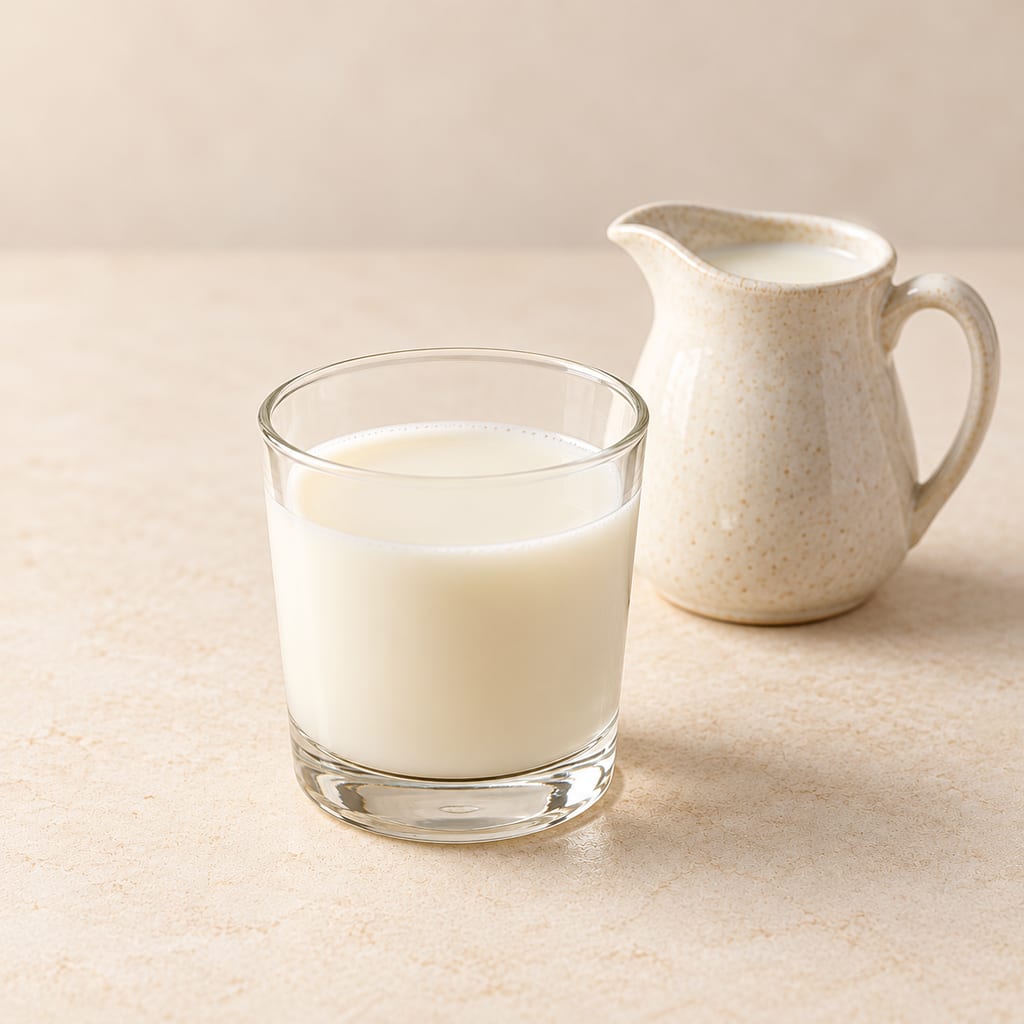
Koumiss is a sour, lightly alcoholic mare-milk drink made by lactic bacteria and yeasts. This technical method uses pasteurized milk, a previous-batch starter and staged cooling.
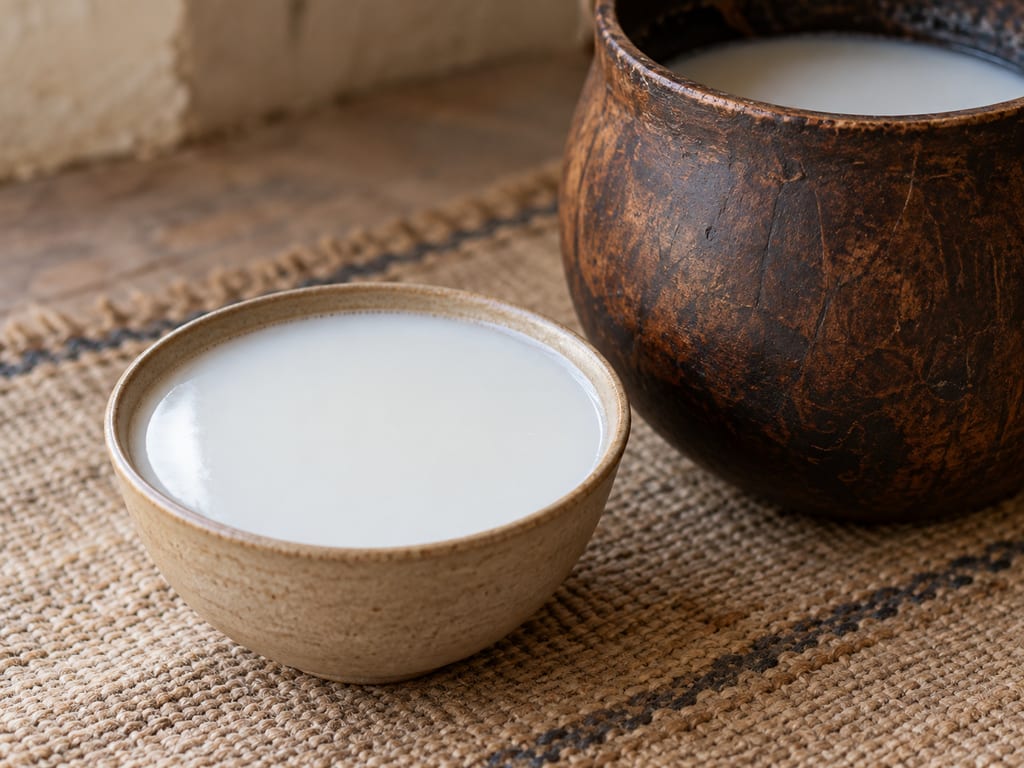
Suusac is a traditional fermented camel-milk drink of Somali pastoral communities in Kenya and Somalia, soured spontaneously in smoke-treated vessels into a thin, acid, smoky milk.
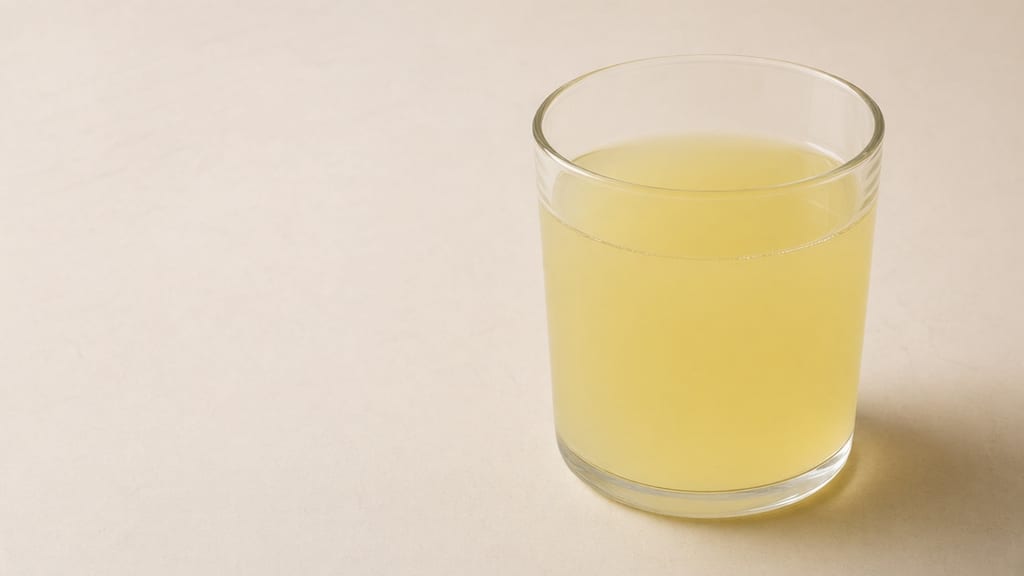
Sýra is Icelandic soured skyr whey kept as a household acid store: a drink when diluted, and historically the medium for súrmatur. Fresh leftover whey is not the same material.
No community contributions have been published for this entry yet.
Sign in to contribute. Published comments and photos are free to read.
Agriculture CanadaInspiration · Process
Home-made dairy products, Publication 1669Milk, culture, curd, incubation and storage process details.
Cited in: Why the ingredients and handling matter; The sequence: inoculate, ferment, strain, refresh; Reading the result without confusing quality and safety
University of Florida IFAS ExtensionSafety · Identity
Fermented Foods: KefirPathogen survival in acidic kefir; pasteurized milk, quality grains and refrigeration at ≤41°F; milk allergy and alcohol considerations.
Cited in: What the culture changes in milk; Why the ingredients and handling matter; The sequence: inoculate, ferment, strain, refresh; Reading the result without confusing quality and safety
Frontiers in MicrobiologyHistory · Culture · Identity
Milk kefir: composition, microbial cultures, biological activities, and related productsCaucasus/Eastern European associations; variable communities of lactic/acetic bacteria and yeasts in reusable grains.
Cited in: A living culture, not a powdered starter; Caucasus histories and uncertain beginnings; What the culture changes in milk; Why the ingredients and handling matter; Different kefirs, different routes; Serving and using the finished drink; Reading the result without confusing quality and safety
Foods (via PubMed Central)History · Regional method · Microbiology
Kefir revisited: Insights from the North CaucasusThe exact origin of kefir grains is not fully elucidated; North Caucasus traditions include competing origin accounts.
Historical household methods used skin or clay vessels and movement; these are context, not directions for the modern recipe.
Traditional grain-based fermentation differs from industrial starter-culture production.
Cited in: A living culture, not a powdered starter; Caucasus histories and uncertain beginnings; What the culture changes in milk; Different kefirs, different routes
Norddeutscher Rundfunk (NDR)Method variation · Serving
Selbst gemachter KefirThe NDR recipe describes a different home formula using milk kefir grains, straining them after fermentation, and serving the drink plain or with fruit.
Its timings and quantities belong to that NDR method and are not substituted into the current recipe.
Cited in: The sequence: inoculate, ferment, strain, refresh; Different kefirs, different routes; Serving and using the finished drink