
Hákarl
A documentary account of Icelandic hákarl, fermented and dried Greenland shark. It describes cultural context and one production study, not a home preparation method.
 FermenteaWhere food goes to change
Equipment · Tanks and vats
Perforated container (shark) · Perforated wooden box (hákarl)
Movable perforated containers hold Greenland-shark cuts during the modern Icelandic maturation of hákarl, letting liquid drain; the best-documented example is a wooden box used in a 2021 study.
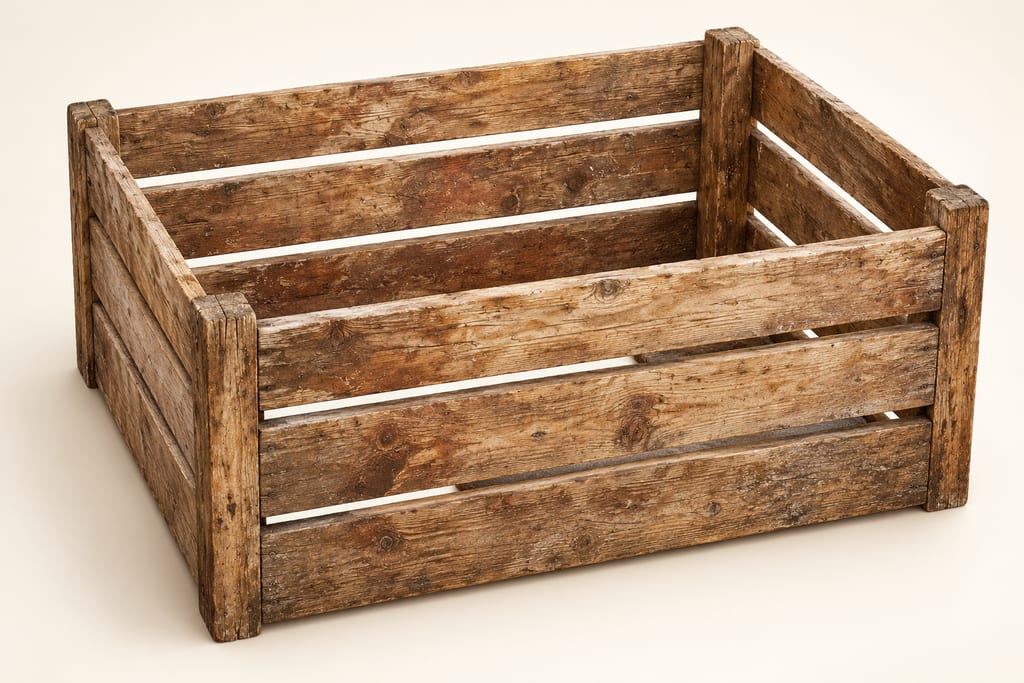
Hákarl is Greenland shark matured and then dried in Iceland. The equipment used during maturation has changed even as the food remains tied to an older preservation tradition. Historical accounts describe shark cuts in gravel pits, often near the sea, covered with stones, seaweed or turf. After maturation, the cuts were taken out to dry in outdoor sheds. These pits and drying structures are fixed-site builds; the perforated box is a separate movable piece of equipment.
The 2023 Heliyon study describes perforated containers as the main indoor form used in contemporary production, allowing liquid to drain from the fish. It records one concrete example: a perforated wooden box used in a small-scale industrial study of hákarl in 2021. The study’s photographs on Matís’ project page show a wooden box holding shark cuts. This provides a documented contemporary form rather than a general claim that every producer uses the same box.
The container holds shark cuts during maturation while allowing liquid to escape through its perforations or spaces between its boards. That drainage function is the key distinction from a sealed storage chest or a liquid-tight tank. Wood is explicitly identified for the study’s box; the paper does not give its dimensions, capacity, timber species, hole size, board spacing, joinery or maker. The visible photograph is evidence of one box in use, not a manufacturing drawing or a standard for all Icelandic producers.
No precise equipment date can be inferred from the tradition’s long history. The 2021 example is the earliest dated wooden perforated box documented by the sources used here, while older descriptions refer to pits rather than portable boxes. A history of hákarl maturation therefore cannot be used to project today’s wooden container back into an earlier period.
After maturation, hákarl is dried outdoors in a separate structure. The drying shed is not part of this portable container, and a photograph of hanging shark does not document the box. The linked Matís photograph is included because it shows the wooden box directly; the linked study explains why the drainage container matters in the contemporary process. An accompanying entry about the hákarl pit and drying shed covers the fixed structures as a separate build.
The sources do not establish a universal box design, a purchase route or routine care. This entry describes the documented equipment and its context rather than offering instructions for making hákarl. Its equipment link leads to the related hákarl preparation record, where the food and its source-supported context belong.
A 2023 study says Icelandic hákarl was traditionally matured in covered gravel pits and that cuts are mainly matured indoors in perforated containers today. Its account of a 2021 study batch specifically names a perforated wooden box. These dates attest to source-described examples; they do not establish the invention date of perforated containers.
The study documents one perforated wooden box but gives no dimensions, capacity or construction drawing; its form should not be treated as a standard for all producers.
Source →The paper associates the fish catch with Iceland’s west coast but does not specify the exact processing-site location.
Source →Traditional gravel pits and outdoor drying sheds are separate fixed-site structures, not parts of the movable box.
Source →The tradition and studied production are Icelandic; the article locates the shark catch off the west coast but does not name the processing site.
A documentary account of Icelandic hákarl, fermented and dried Greenland shark. It describes cultural context and one production study, not a home preparation method.
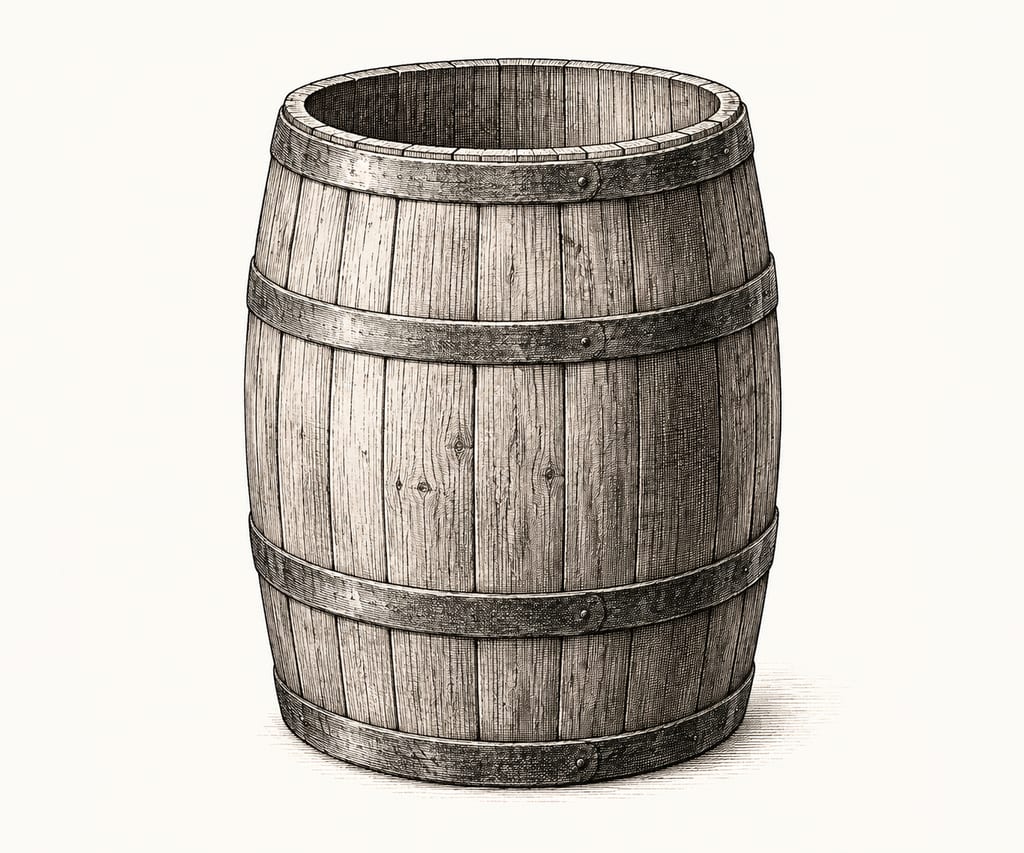
A coopered wooden barrel held herring and salt during northern European curing. Siglufjörður's early-20th-century station is one documented setting; barrel forms and processes varied.

Soft, spreadable Calabrian pork sausage made with a great deal of red chilli and fatty pork, stuffed into natural casings, sometimes smoked and matured while staying soft.

A way to add independent temperature logging to an existing food dehydrator without changing its built-in controls or protections. It is a monitoring method, not a rewiring plan.

Pleurotus cystidiosus is the abalone mushroom, a cultivated oyster-type fungus with dark brown caps that grows more slowly and is more demanding than other Pleurotus species.

A dark, balanced vinegar from Emilia-Romagna made by combining cooked or concentrated grape must with wine vinegar, then acetifying and refining it in wood under a protected specification.

A living dairy inoculum that starts controlled cream fermentation, developing acidity and aroma before sour cream or cultured butter is finished.

A small electric incubator holds jars at a selected temperature for yogurt and other documented warm food preparations. Controls, capacity and vessel arrangement vary by model.

Adygean salt is a seasoned table salt associated with Adygea and the wider North Caucasian culinary tradition. Salt is blended with garlic and a variable selection of herbs and spices; the exact mix depends on the named style and maker.

The African Caesar-group mushroom, Amanita masasiensis, is a wild ectomycorrhizal species of central and southern African woodlands, eaten locally. The genus contains deadly poisonous species, so identification needs care.
No community contributions have been published for this entry yet.
Sign in to contribute. Published comments and photos are free to read.
Heliyon / ElsevierEquipment form · Function · Modern adaptation · History · Geography
Unlocking the microbial diversity and the chemical changes throughout the fermentation process of “hákarl”, Greenland sharkThe study describes older Icelandic hákarl maturation in gravel pits, historically covered with stones, seaweed or turf, and states that modern production mainly ferments shark cuts indoors in perforated containers that let liquid drain.
In the study's 2021 small-scale industrial comparison, fresh shark cuts were placed in a perforated wooden box; thawed cuts were placed in a separate wooden box.
The study identifies Iceland as the long-running tradition's geographic setting; the sample shark was by-catch caught off Iceland's west coast, while the processing site is not localized in the article.
The box is a movable modern vessel; the older pit and the later drying shed are separate equipment/build subjects.
No dimensions, standardized perforation pattern, capacity, maker or current acquisition route are given for the box.
Cited in: A modern vessel in an older Icelandic tradition; What the box does, and what remains unspecified; The maturation box is not the drying shed
MatísEquipment form · Image reference · Modern production
Verkaður hákarl – þjóðarréttur Íslendinga?The page presents images associated with a Matís hákarl research project; the inspected photograph shows a wooden box containing shark cuts.
The article gives context for the hákarl research and names Snorri Páll Ólason as a contributor to the project. It does not provide standardized box dimensions or an equipment specification.
Cited in: A modern vessel in an older Icelandic tradition; What the box does, and what remains unspecified; The maturation box is not the drying shed