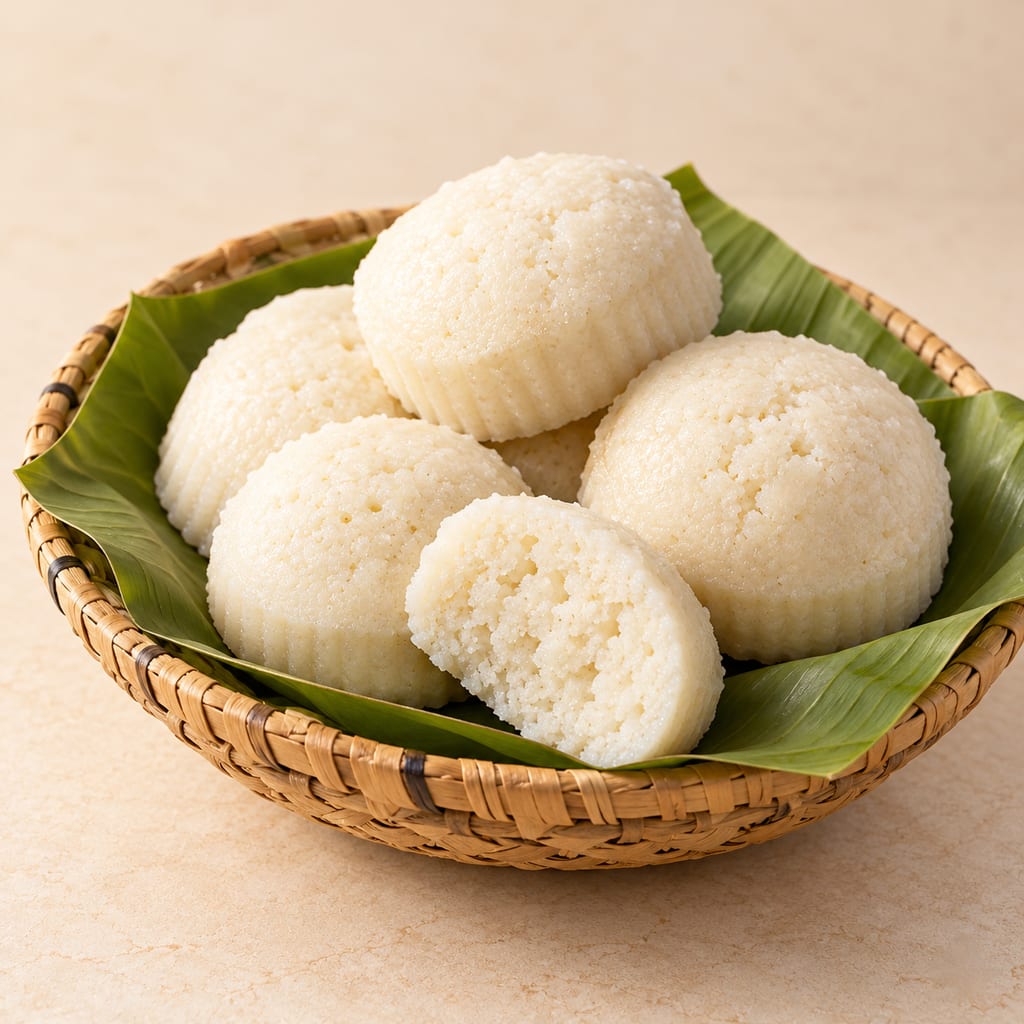
Ablo (rice-based steamed bread)
Soft, lightly tangy steamed cereal bread documented across Benin and Togo. This page gives one measured rice-flour research method; maize-based Ablo and mixed-grain versions remain distinct traditions.
 FermenteaWhere food goes to change
Modern adaptation
Lightly sweet Ghanaian wheat loaves with nutmeg, a long single proof and a crisp warm crust.
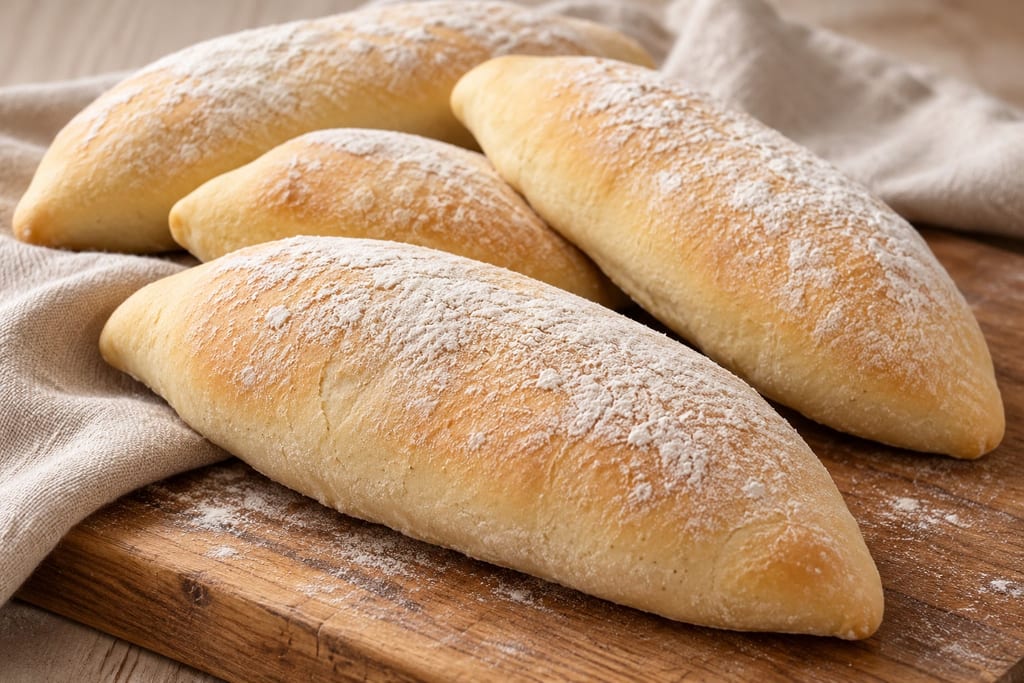
Adwoa Fofie's Ghanaian tea bread makes tapered, lightly sweet loaves with nutmeg and a crisp crust when warm. This formula uses a small amount of yeast and one long proof after shaping; it is distinct from a fruit-filled cake also called tea bread.
A January 1968 Food Research Institute bulletin distinguishes tea bread from sugar bread in Ghana. Its page 11 describes tea bread as unsweetened and served at breakfast stalls with a drink called tea, a category that could also include coffee and other beverages. This is a dated record of use, not proof of the bread's first appearance.
The same account describes both residual-heat ovens and modern town bakeries. It does not establish one universal loaf formula. Fofie's contemporary home version contains a modest amount of sugar, margarine and nutmeg; those measured ingredients remain intact rather than being removed to match the older description.
Atuna and colleagues' 2020 study examined bread consumption in four Ghanaian regions. Tea bread was the most consumed bread type among respondents in Northern and Upper East regions, while butter bread led in Greater Accra. These results describe the study sample, rather than defining every Ghanaian household's preference.
The category therefore sits within a wider bakery range. This page retains Fofie's particular low-yeast, long-proof method; neither a survey preference nor an older oven description justifies changing its yeast dose, counter proof or shaping.
A 2023 Ghanaian consumer-acceptance study used tea bread, butter bread and sugar bread as three familiar commercial categories. Its authors note that commercial preparation is not standardized and describe differences in texture and sweetness between them.
That matters when comparing a bakery loaf, an older description and a modern home recipe: a shared category name does not establish identical ingredients. The study's purchased samples do not replace Fofie's measured low-yeast formula, and its sample handling is not storage advice for this bread.
Ghanaian tea bread is documented in contemporary home and bakery sources; its first attestation is not established.
Scaling: source batch only
Contains wheat; check margarine ingredients for other allergens.
Do not taste raw dough: raw flour can contain harmful germs. Wash hands and surfaces after handling it.
Use care with the hot oven and tray.
The recipe documents Ghanaian tea bread without establishing a precise birthplace.
Soft, lightly tangy steamed cereal bread documented across Benin and Togo. This page gives one measured rice-flour research method; maize-based Ablo and mixed-grain versions remain distinct traditions.
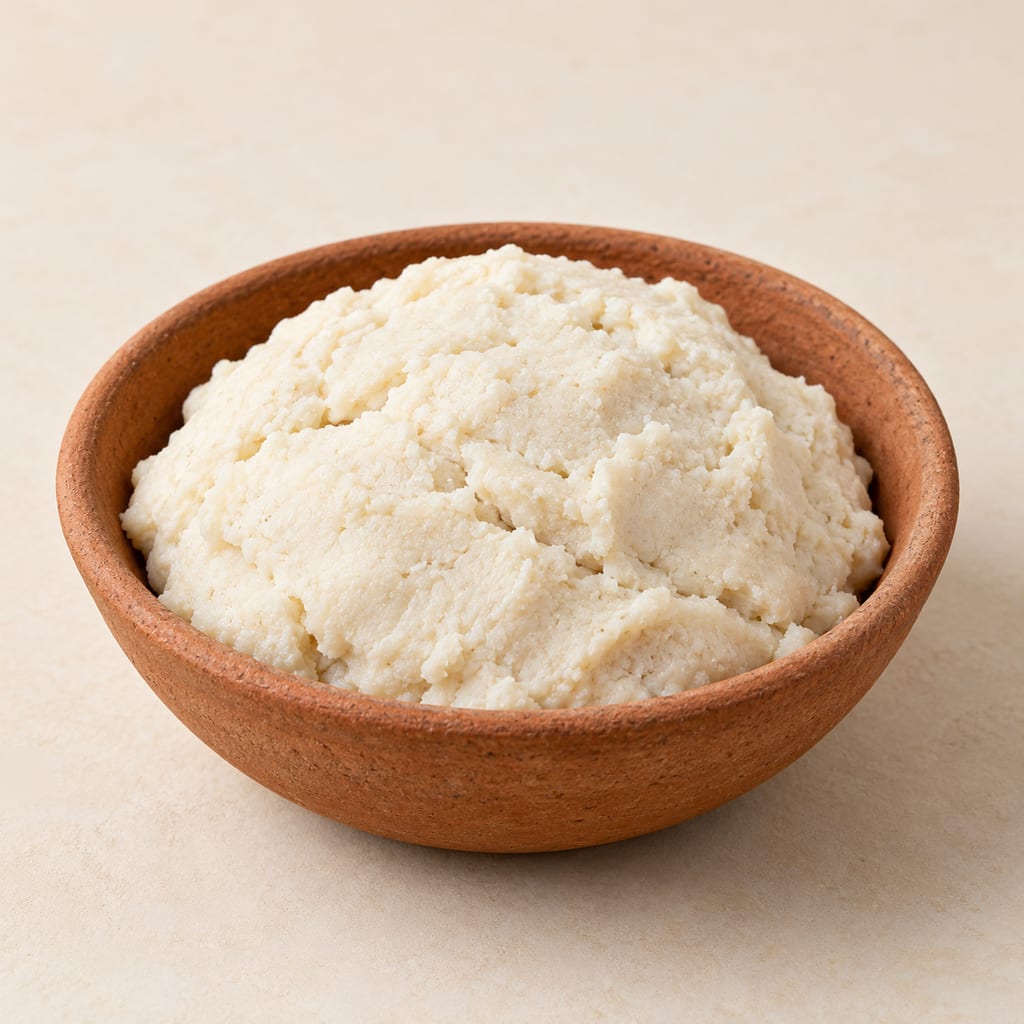
Ghanaian sour cassava dough fermented with traditional inoculum and drained during fermentation. It is used as a base for cooked foods such as banku and akple; process variants and safety outcomes differ.

Koobi is Ghanaian salted and dried tilapia. Sources differ on the brief ripening stage and drying period, and do not establish a single validated household process. This entry records documented variants and their limits.
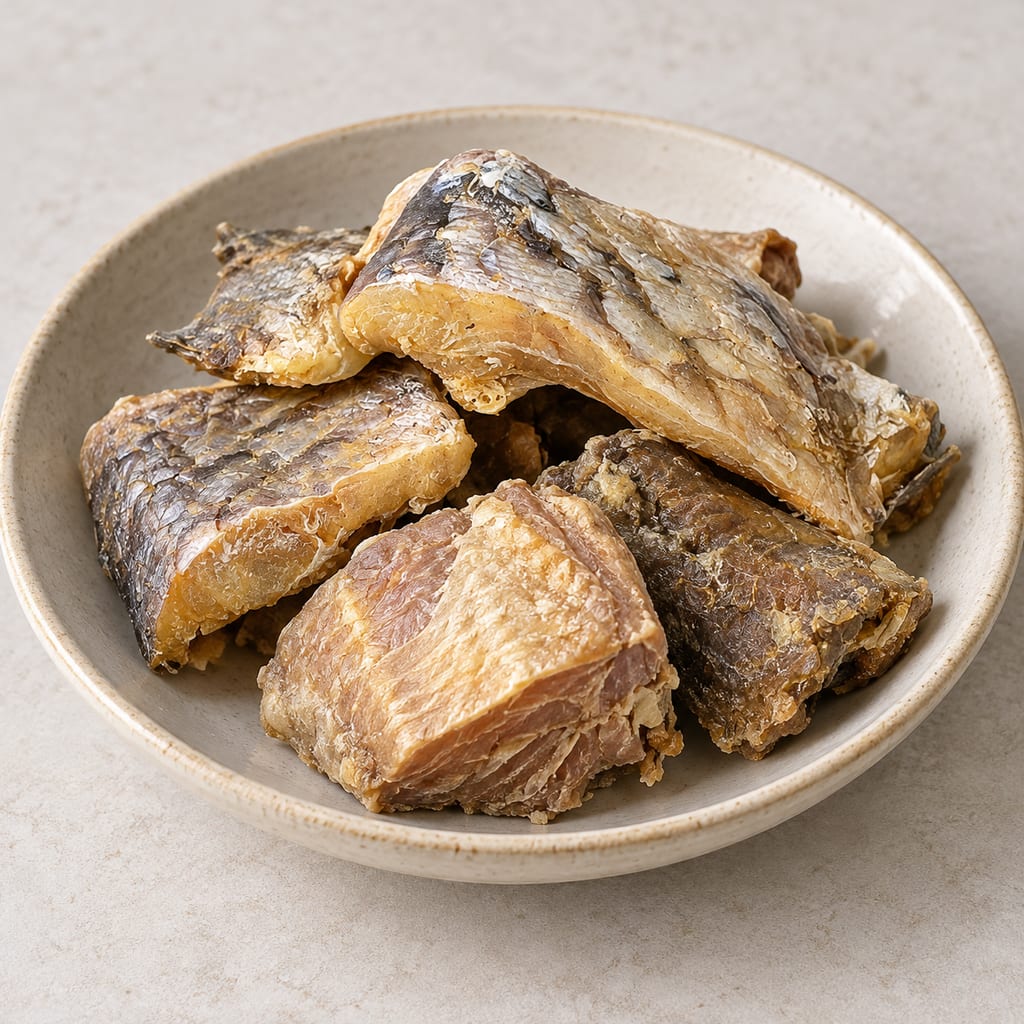
Momone is a Ghanaian salted and fermented fish condiment made from varied marine fish. Historical surveys describe both semi-dried and drier products, with salting and drying methods differing across coastal communities.
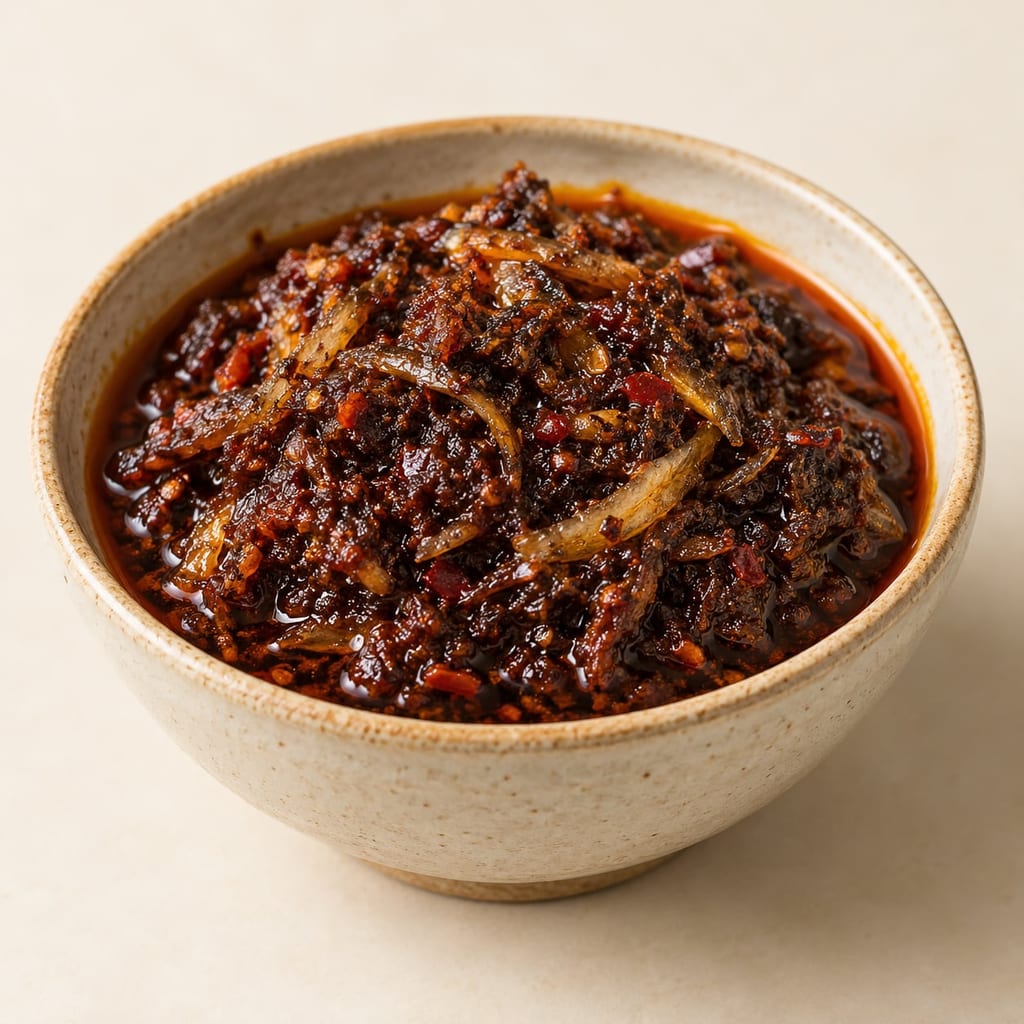
Shito is a hot Ghanaian pepper condiment with fish-rich, oil-cooked and fresh pepper forms; this measured version follows a recipe collected in Ghana’s Northern Region.
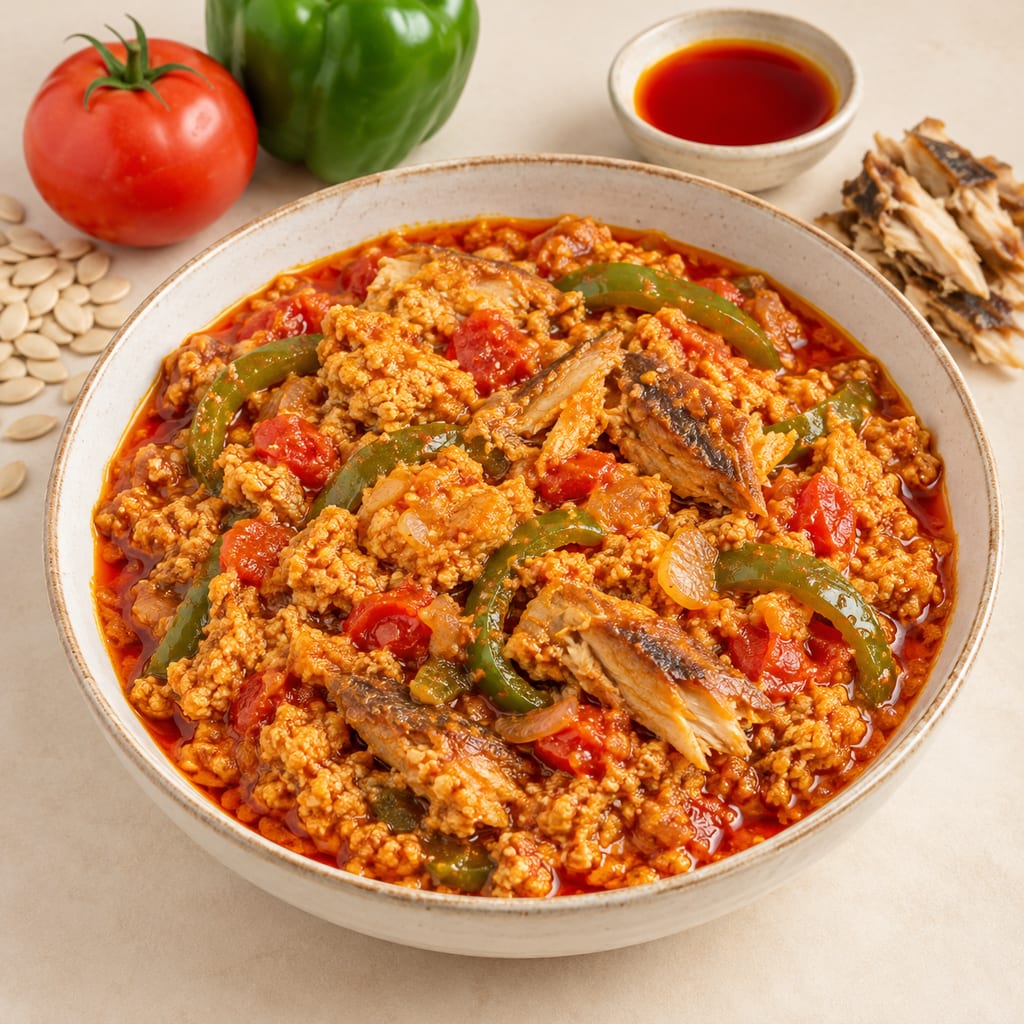
Ghanaian agushie stew combines melon-seed paste with tomatoes, peppers, palm oil and smoked fish, and is served with rice, yam or plantain.
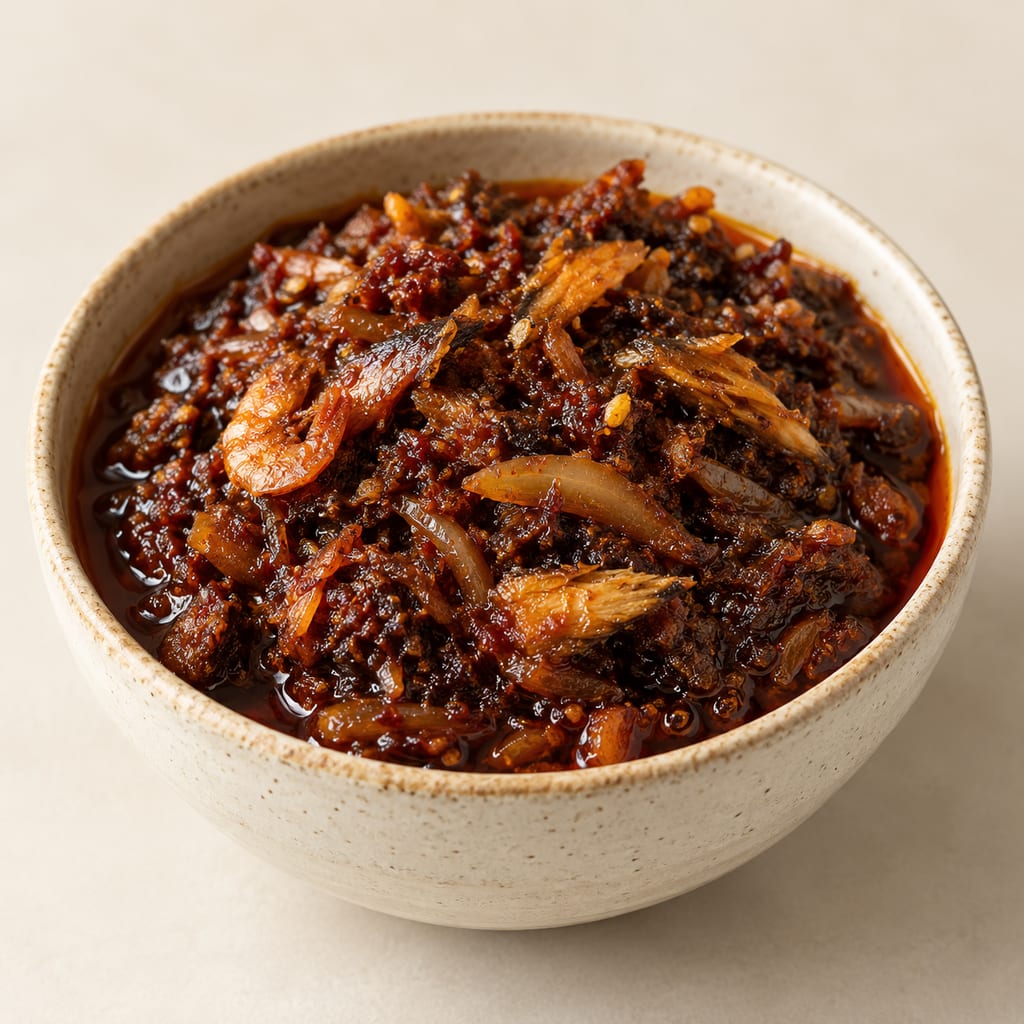
A seafood shito variant by Zoe Adjonyoh, using dried prawn and smoked fish in a cooked chilli and onion base.
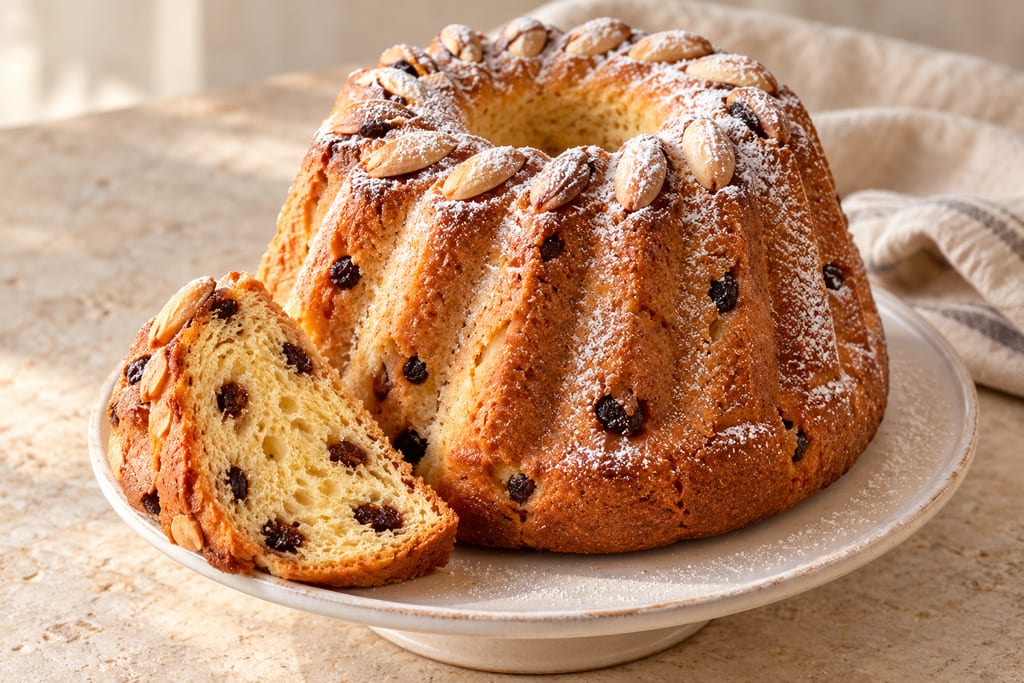
An enriched Alsatian yeast ring with raisins and almonds, kneaded with butter, proofed in a fluted mould and baked until browned.
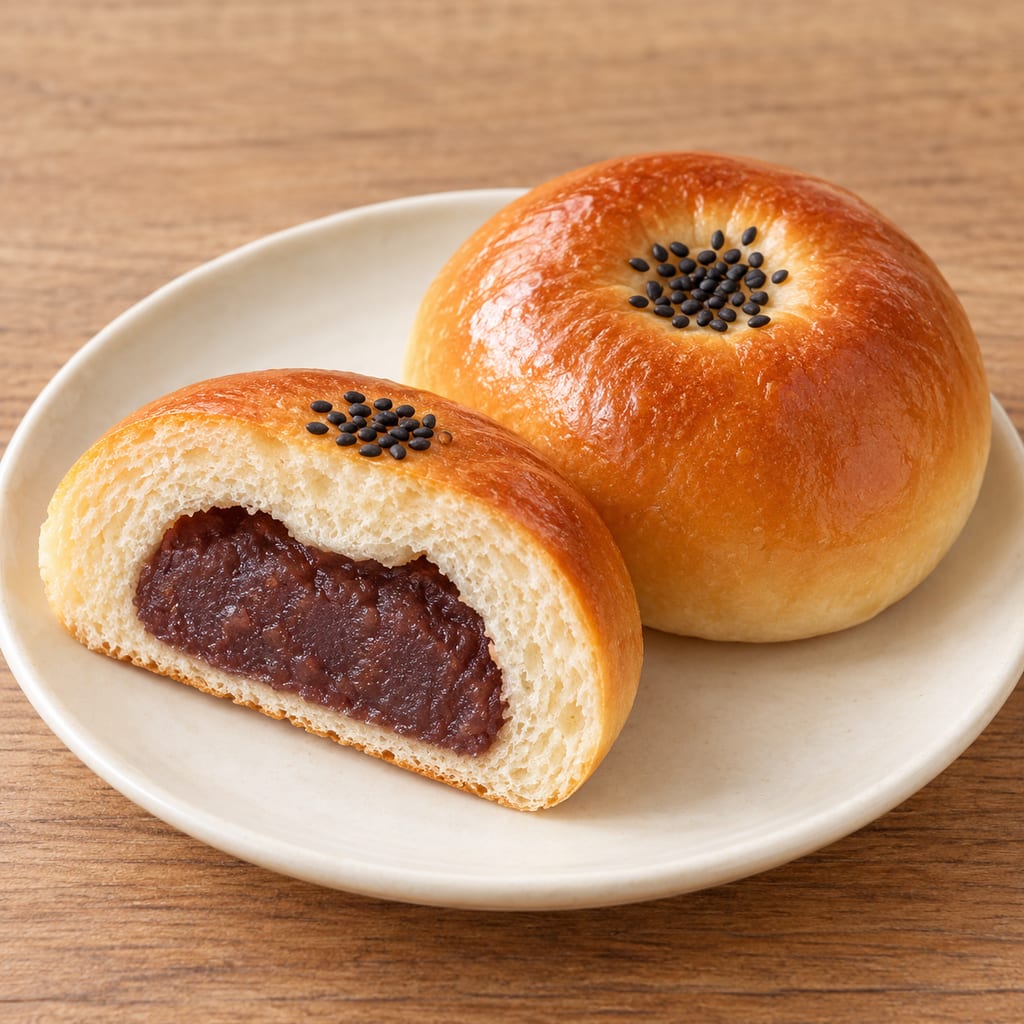
Anpan is a soft wheat bun filled with sweet red-bean paste and finished with egg wash and black sesame. This dough rises with commercial instant yeast.
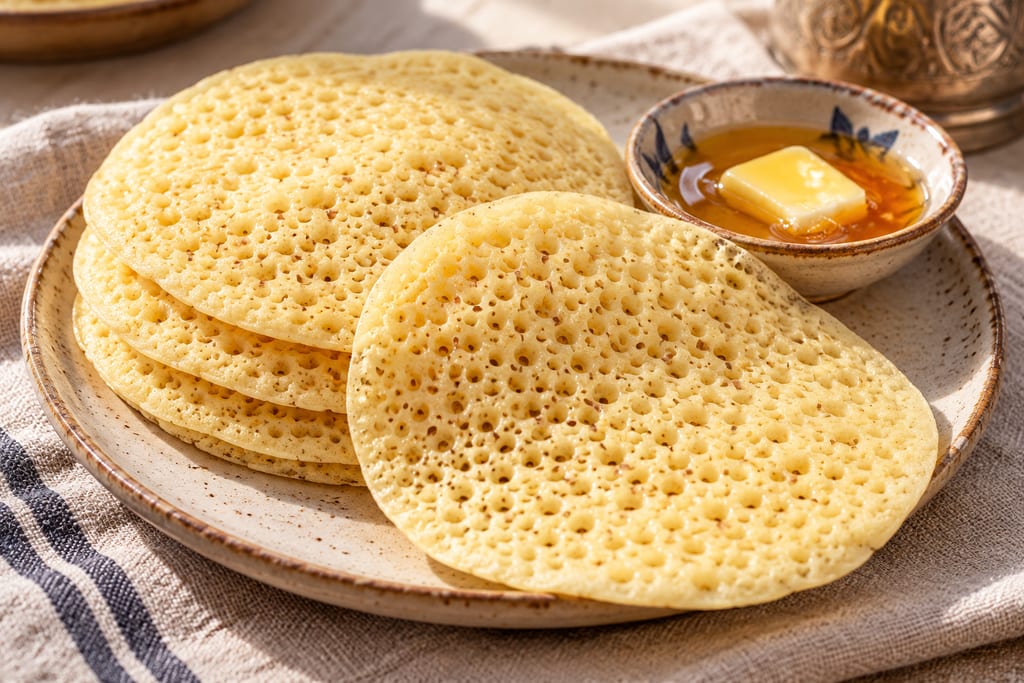
Moroccan semolina pancakes made from a thin yeast batter, rested until foamy and cooked on one side until the surface sets with a honeycomb of holes. This source-specific batch makes sixteen 5-inch pancakes.
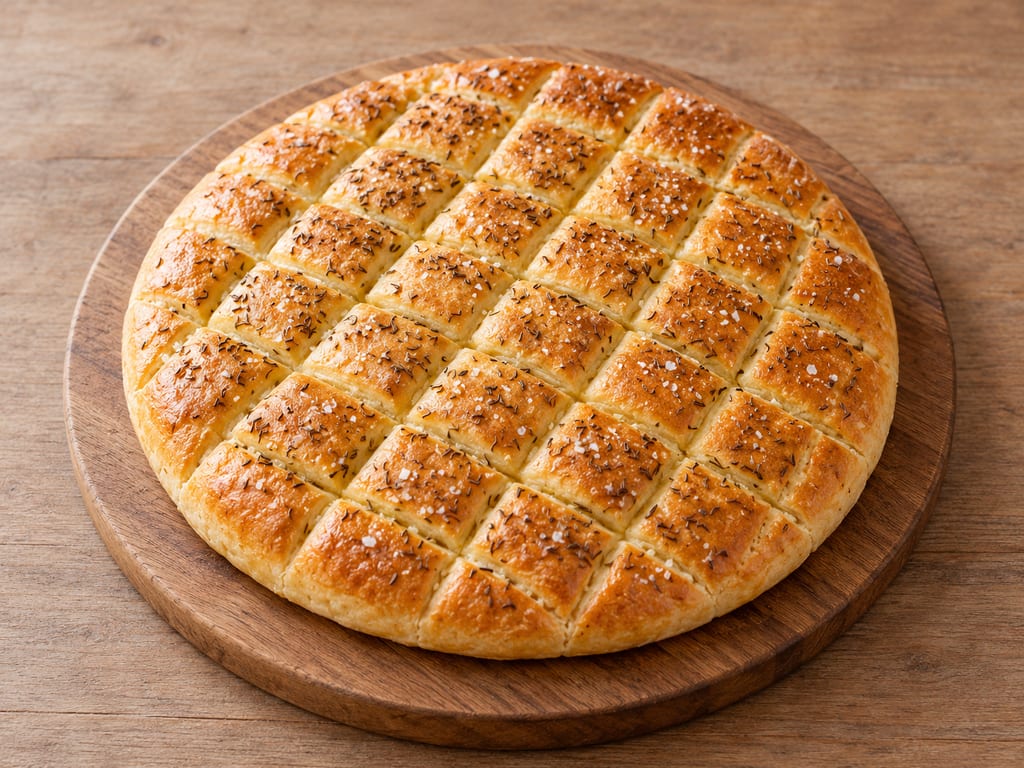
A round Slovenian flatbread scored in a grid and topped with caraway and coarse salt.
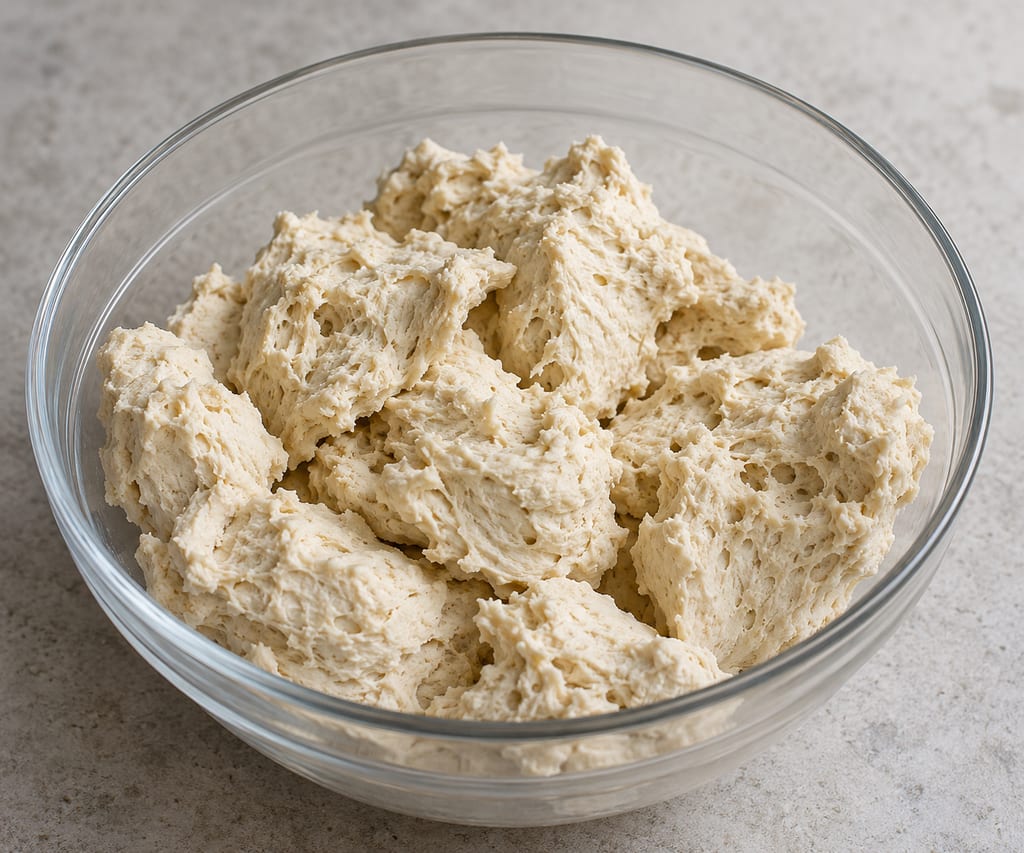
Biga is an Italian bread preferment of flour, water and a little yeast, usually a stiff unsalted mass of about 45 per cent water, fermented ahead and then mixed into the final dough.
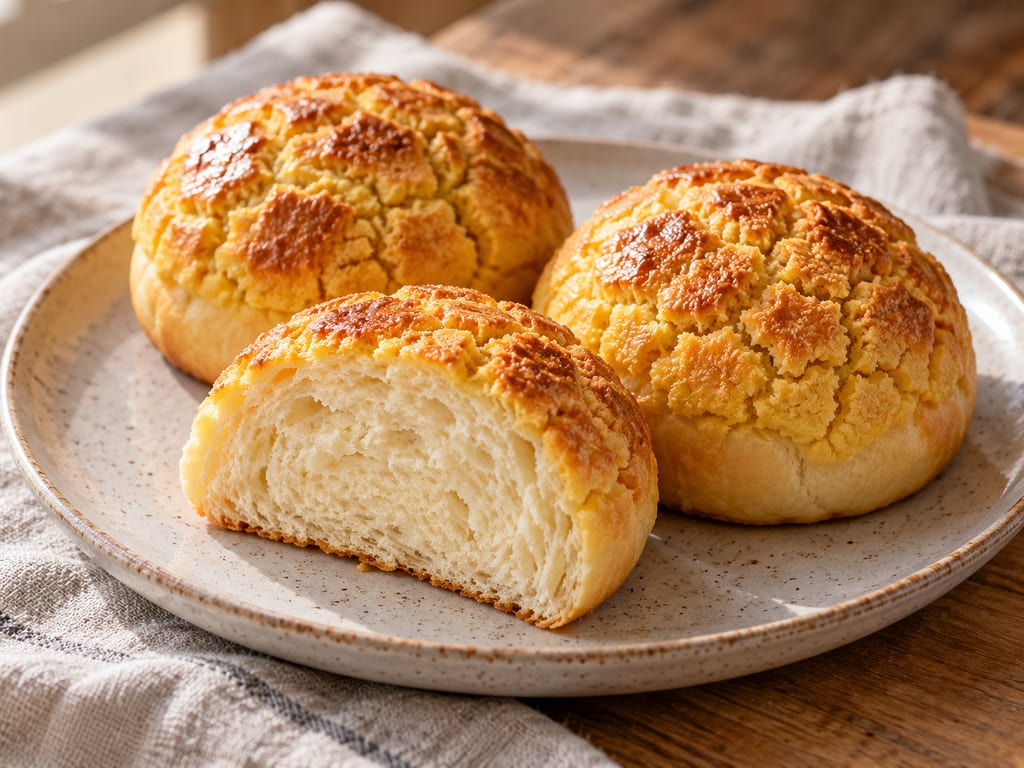
Hong Kong-style pineapple buns have soft yeast dough beneath a crisp, sweet pastry topping.
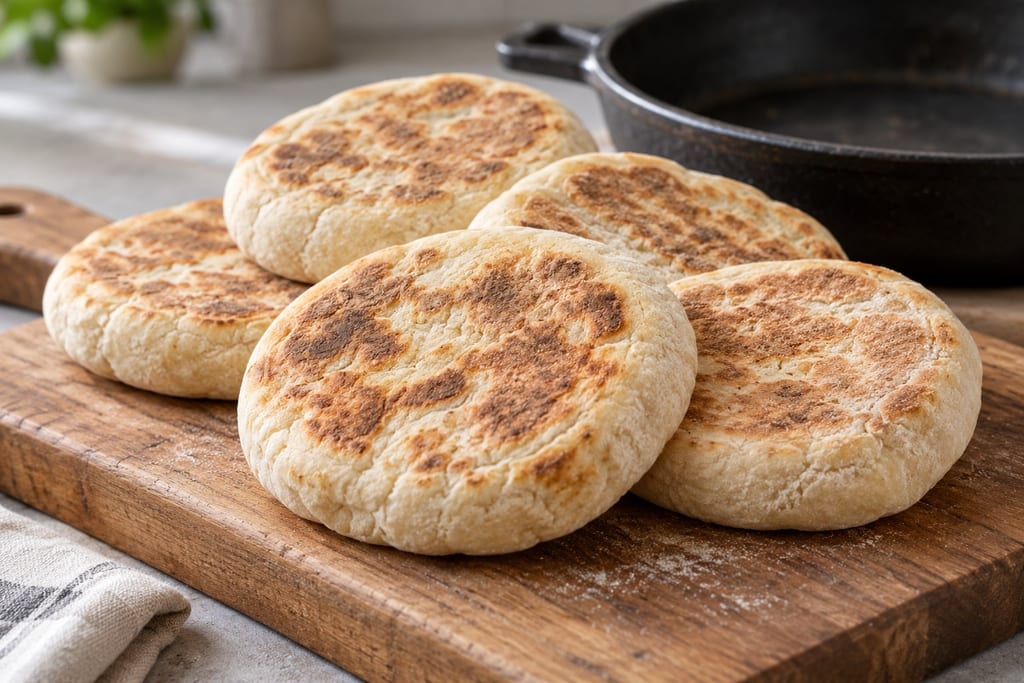
Sweet-potato wheat breads with fresh yeast, browned in a pan and finished in the oven. This is the bread component of Teleculinária's scrambled-egg dish.
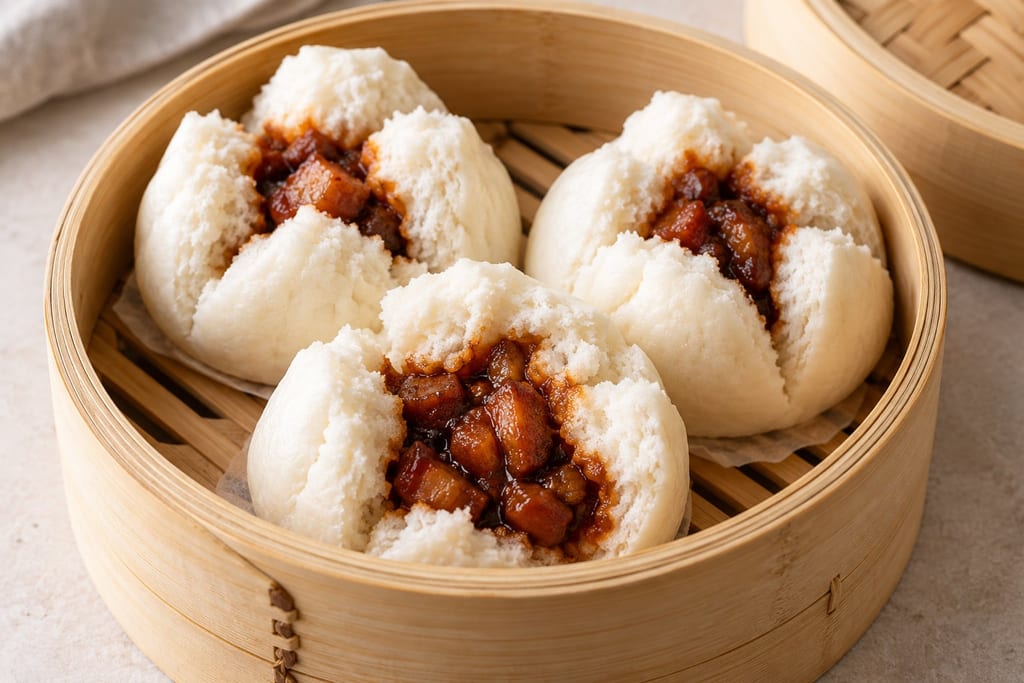
Fourteen fluffy steamed buns filled with cooked char siu and a thickened oyster-soy sauce.
No community contributions have been published for this entry yet.
Sign in to contribute. Published comments and photos are free to read.
AdwoaInspiration · Method · Geography
Ghanaian Tea BreadMeasured dough, yeast and proof timing, shaping, baking and Ghanaian context.
The source divides the dough into four or five equal pieces; the exact batch yield varies.
Cited in: A Ghanaian tea bread; Documented by 1968; A bread category with regional use; Recognized names, variable formulas
Food Research Institute, Ghana Academy of SciencesContext · History
Food Research Institute bulletin No. 1, January 1968, page 11Indexed page 11 distinguishes unsweetened tea bread from sugar bread and describes breakfast stalls, hot drinks and residual-heat ovens. Direct PDF retrieval was inaccessible. This is a dated documentation point, not first attestation.
Cited in: Documented by 1968
African Journal of Food, Agriculture, Nutrition and DevelopmentContext
Bread Consumption Pattern and the Potential of Orange-Fleshed Sweetpotato-Composite Bread in GhanaFour-region survey reports tea bread most consumed among respondents in Northern and Upper East regions; this is sample-specific, not a timeless national rule.
Cited in: A bread category with regional use
Wikimedia Commons / DromoTettehImage reference
Tea and Bread with groundnut paste.JPGFile-level CC BY-SA 4.0, excluded from PD/CC0 references. No exact loaf identity is inferred from the general bread-and-drink description.
Wikimedia CommonsImage reference
Baked tea bread.jpgListed in Breads of Ghana category, but individual page inaccessible; rights and exact subject remain unverified and are not counted.
Frontiers in Food Science and TechnologyCultural context · Category variation
The relevance of the number of categories in the hedonic scale to the Ghanaian consumer in acceptance testing2023 study uses commercially supplied Ghanaian tea, butter and sugar breads as three commonly known and consumed types. Section 2.3 states commercial preparation is not standardized and describes differences in texture and sweetness.
This is evidence about recognized commercial categories and the study's samples, not a universal formula, national preference ranking or storage guidance for Fofie's loaf.
Cited in: Recognized names, variable formulas