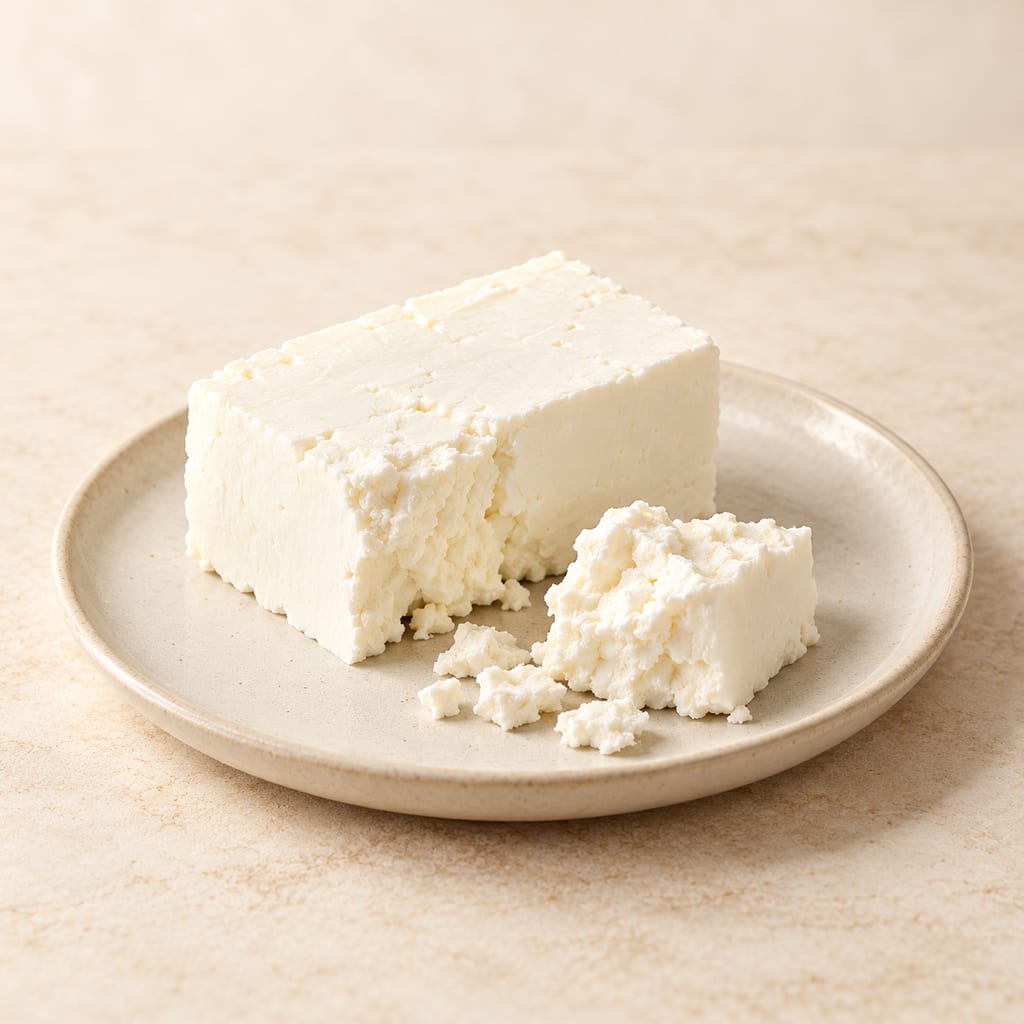
Feta-style brined cheese
White cheese made with a lactic starter and rennet, drained without pressing, dry-salted and covered in brine. This home adaptation allows whole milk from different dairy animals.
 FermenteaWhere food goes to change
Substrates
Full-fat milk given conventional pasteurization, selected in linked cultured-milk and cheese methods for its composition and treatment.
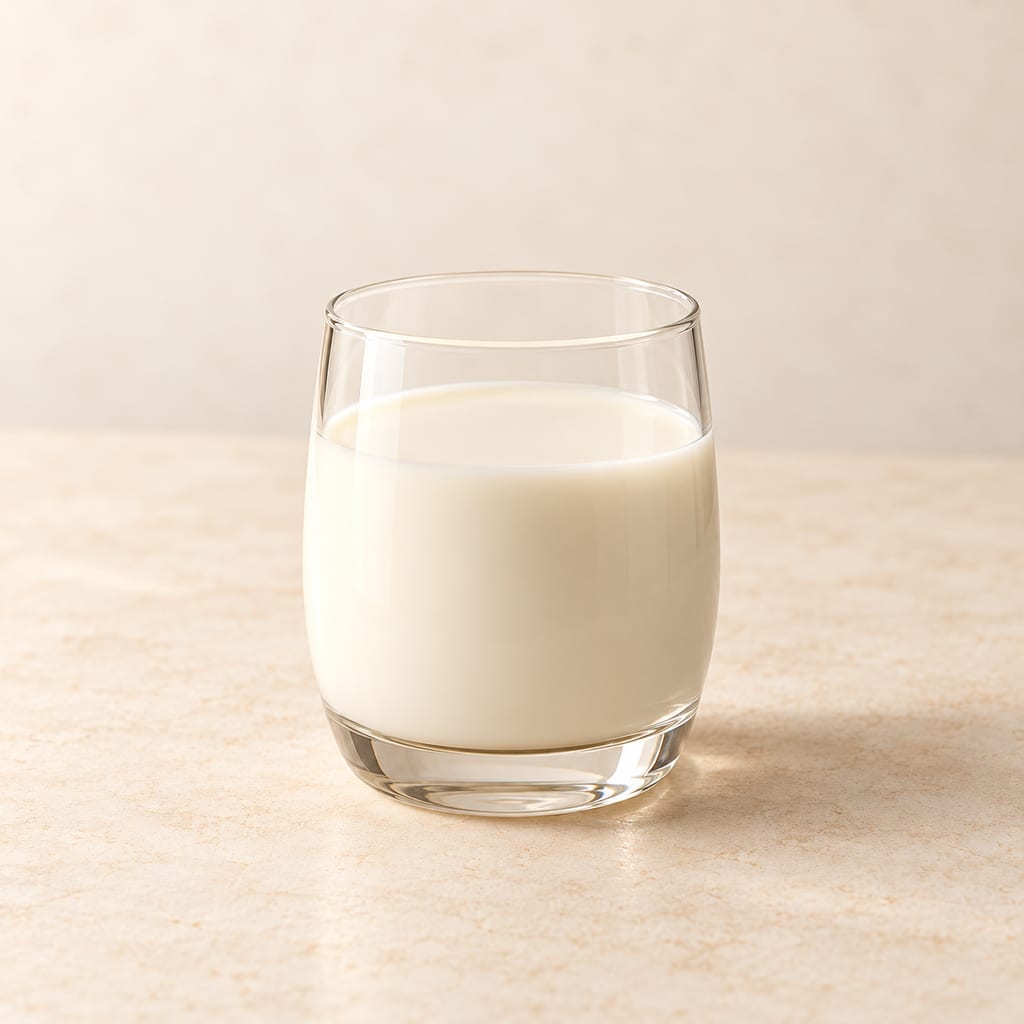
A bottle of pasteurized whole milk brings together two developments in dairy practice: controlling the microorganisms in fresh milk and retaining a full-fat milk composition. It can be poured as a drink or used as the starting material for a cultured food. In a fermentation jar, its apparent simplicity disappears. Milk provides the liquid environment, the sugar that cultures consume, proteins that can form a gel and fat that contributes richness to the finished food.
The history of that bottle includes the difficulty of bringing fresh milk into growing cities. Wellcome Collection's milk exhibition describes the nineteenth-century British 'milk problem', when urban demand met contaminated supplies and inadequate handling. George Scharf's 1825 depiction of a London cowkeeper's shop records an earlier urban supply system. Covered shop pans, later refrigeration and campaigns for pasteurized milk show different attempts to manage the journey between animal and consumer. Those objects tell a history of changing distribution and hygiene, rather than a story in which fresh milk was always an identical supermarket commodity.
Pasteurization made controlled heat part of that journey. It is a treatment of milk, not a species, a fat grade or a fermentation. Whole milk can be pasteurized and can also be homogenized; the words describe different features. The combination matters in the kitchen because a recipe may depend on both composition and previous processing. A conventional pasteurized whole milk selected for a particular culture is a more precise ingredient than an unspecified white dairy liquid.
'Whole' distinguishes a full-fat milk from reduced-fat or skimmed forms. It does not mean that the milk is an undivided, untouched liquid: commercial milk can have its fat standardized before sale. Dairies separate and blend milk streams to produce a chosen composition. The declared fat content identifies the particular product and market standard. The Canadian Dairy Commission's fluid-milk profile describes fat standardization alongside heat treatment and homogenization, illustrating how these separate operations meet in one retail ingredient.
'Pasteurized' describes controlled heating for a specified time to kill harmful bacteria. This page concerns the conventional pasteurized whole milk recommended for the linked countertop cultures; their supplier explicitly excludes ultra-pasteurized and UHT milk. That selection is a requirement of those documented methods, not a claim that every cultured milk everywhere has the same restriction. A different recipe may specify another heat treatment for a different texture or process.
Species remains another part of identity. Much dairy-science teaching uses cow milk as its example, but the countertop supplier's recommendation does not itself name an animal. A carton of cow, goat or sheep milk identifies a biological source with its own composition. Whole, pasteurized and homogenized do not establish that source by themselves. For a repeatable batch, retain the species, fat declaration and treatment information from the milk actually used instead of treating a familiar package shape as an ingredient specification.
Milk contains water, fat, proteins, lactose, minerals, vitamins and enzymes. These are present in different physical arrangements. Lactose and some salts are dissolved in the aqueous phase. Fat is dispersed in globules, while casein proteins occur in particles called micelles. The white appearance results from light interacting with suspended material. Milk's behaviour during fermentation follows from those arrangements, rather than from whiteness or richness alone.
The milk-fat globule has a protective surface containing proteins and phospholipids. This helps the globules remain separate. In unhomogenized milk they can rise and collect as cream; homogenization makes smaller droplets that resist that separation. Whole milk still contains its water-rich phase and dispersed proteins, whereas separated cream concentrates the fat fraction. Removing fat to make skimmed milk changes composition, but it does not remove the protein and lactose needed for many dairy fermentations.
Casein and whey proteins behave differently during processing. Casein can aggregate when acidity changes or when suitable coagulant enzymes act. Many whey proteins remain in the liquid released during ordinary cheesemaking, while stronger heating can change their behaviour and association with casein. This is why two treatments that both produce drinkable milk can lead to different results in a curd or cultured gel. A cook needs the treatment named in the method as well as the intended fat grade.
Pasteurization reduces microbial hazards through controlled heat. It does not turn milk into a dependable starter culture, and it does not make the opened product indefinitely stable. FDA explains that some spoilage organisms can remain after pasteurization and that refrigerated handling is still required. Introducing a selected food culture later is a separate operation with a different purpose: its organisms are intended to direct the transformation rather than leave the result to whatever population happens to be present.
Heating also affects enzymes and proteins to different degrees. FAO's dairy manual distinguishes ordinary pasteurization from more severe heating in its discussion of casein, whey proteins and rennet coagulation. These effects concern function as well as microbial survival. The milk may be satisfactory as a drink while behaving differently when a recipe asks it to set. The same word 'heated' can therefore conceal several quite different histories.
Some industrial yogurt processes deliberately apply stronger heating before inoculation to develop a firmer gel. Wisconsin's Center for Dairy Research explains that denatured whey proteins can associate with casein and help retain water. That is a designed preparation step in those processes. The linked countertop methods begin with their specified cold milk and follow their own sequence. Importing an extra heating stage from a different yogurt method would change the documented preparation, rather than simply repeat the milk's existing pasteurization.
Lactic acid bacteria use lactose, the milk sugar, during fermentation. Enzymes enable its breakdown and further metabolism, producing lactic acid. Acid accumulation changes both flavour and the chemical environment of the proteins. Tang develops as the liquid becomes more acidic; casein particles become able to associate into a network. The resulting set contains water within that protein structure, so the food can change from pourable milk to a soft mass without its water having evaporated away.
This also explains the appearance of whey. The gel does not convert all the milk into one solid substance. Dissolved material remains in its water-rich phase, and some of that liquid may separate. Disturbing or straining a set changes how much liquid is retained and how concentrated the remaining food becomes. A thick drained product and a thin cultured drink can start from milk yet differ because of the treatment of the gel and liquid after acidification.
Fat participates in texture but is not the sugar being fermented into lactic acid. In homogenized milk, protein-covered fat droplets can become associated with an acid protein network. Whole milk's richness and the gel's firmness therefore come from related but different contributions. Increasing the fat content does not substitute for culture activity, and a low-fat milk can still contain the proteins and lactose required to acidify and set. The recipe's desired texture depends on more than a single percentage on the carton.
Cultures for Health recommends whole pasteurized milk for its commercial Viili, Filmjölk, Matsoni and Piimä starter methods. It describes them as mesophilic, meaning that their process uses moderate warmth rather than a conventional hot yogurt incubation. The supplier's named products give a practical route into cultured milk, but the names alone do not establish the exact microorganisms in any packet or reproduce every traditional household version of those foods.
The supplier separates activation of a dried starter from subsequent batches made with some of the previous cultured milk. Activation restores the supplied culture to use in its milk environment. Later inoculation transfers an established culture into fresh milk. In both cases the milk is the substrate and the introduced culture directs the intended acidification. A carton that has unexpectedly soured in storage does not provide the same controlled starting point.
Piimä and Matsoni in the linked preparations illustrate how the same milk recommendation can support different desired consistencies and serving roles. The supplier presents Piimä as a thin cultured drink and Matsoni as a soft, custard-like product. Those outcomes should be read with the chosen culture and method. They cannot be predicted from whole milk alone. Changing to cream, removing whey or selecting another starter creates a different formulation or process even when the original milk source remains the same.
Pasteurized whole milk also supplies the starting material for linked cheeses. Bacillus Bulgaricus's brined-cheese instructions recommend whole milk while allowing several milk species and fat grades. Their pasteurized-milk branch warms the milk before adding starter and rennet, followed by cutting, drainage, salting and brining. Fermentation and enzyme coagulation work together, but the subsequent handling removes liquid and gives the food a structure quite different from a spoonable cultured milk.
A Canadian home-dairy booklet, first published in 1978 and reprinted in 1981, likewise begins its semi-soft cheese with fresh pasteurized whole milk. It calls for mixing the cream through the milk, then adding culture and rennet before cutting the set curd and draining it in a mould. Its introduction reflects a renewed interest in domestic dairy making after commercial distribution had become established. The booklet documents that particular method and period; its old storage advice is not a general present-day rule. These examples show why the ingredient is useful across several dairy processes without making all of their treatments interchangeable.
The practical sequence begins before inoculation. Store the purchased milk according to its label, keep its container closed and use clean equipment when transferring it. Refrigeration slows unwanted microbial growth during storage; the warmer culture stage is a deliberate, bounded part of the recipe. Return the finished cultured product to the storage conditions specified by that method. Milk storage and active incubation serve different purposes and should not be confused because the same vessel passes through both.
Use the selected starter's own instructions for quantities, incubation and transfer to later batches. A reused culture brings organisms into fresh milk, but it does not erase the importance of the milk's treatment or the cleanliness of the equipment. The physical signs used by one supplier to describe a set belong to its process. Appearance is useful for following texture development, while a general ingredient page cannot establish a universal safety endpoint for all cultured milks.
Consistency between batches is easier to interpret when only deliberate changes are made. A new species, different fat grade, homogenization change or stronger heat treatment can alter the starting material. Recording those details helps distinguish a change in milk from a change in culture handling. This is particularly useful when a recipe produces a delicate, thin set: comparing its result with a thick commercial yogurt can otherwise create the impression of a failed fermentation when the intended food is simply different.
Fresh pasteurized whole milk is also used in drinks, sauces, baked foods and dairy desserts. Its water hydrates other ingredients, proteins contribute structure and emulsification, and fat supplies richness. Culturing adds acidity and a new texture to that starting material. A thin cultured milk can be poured or incorporated into a dressing; a set product can be spooned or drained according to its recipe. The food's final use follows the transformation as well as the original milk.
The linked preparations belong to named cultured-milk traditions, but the commercial whole-milk recommendation is a modern ingredient choice. It should not be turned into evidence that every historic version used bottled pasteurized milk or the same animal species. The distinction leaves room for the actual story of a traditional food while allowing the documented contemporary method to remain precise. The ingredient and the cultural identity of the finished food answer different questions.
Milk remains a major allergen after pasteurization. FDA states that the proteins responsible for milk allergy are present in both raw and pasteurized milk. Lactose intolerance is a different issue, involving the ability to digest lactose; pasteurization does not remove that sugar. Fermentation consumes some lactose, but a particular cultured batch cannot be called lactose-free without product-specific evidence. Select and serve the milk and finished food with those distinctions intact, rather than treating heating, richness or sourness as an allergy or dietary guarantee.
milk
No supplier, farm or production place is established for linked milk. British milk-distribution history and Canadian teaching examples do not establish ingredient sourcing.
White cheese made with a lactic starter and rennet, drained without pressing, dry-salted and covered in brine. This home adaptation allows whole milk from different dairy animals.
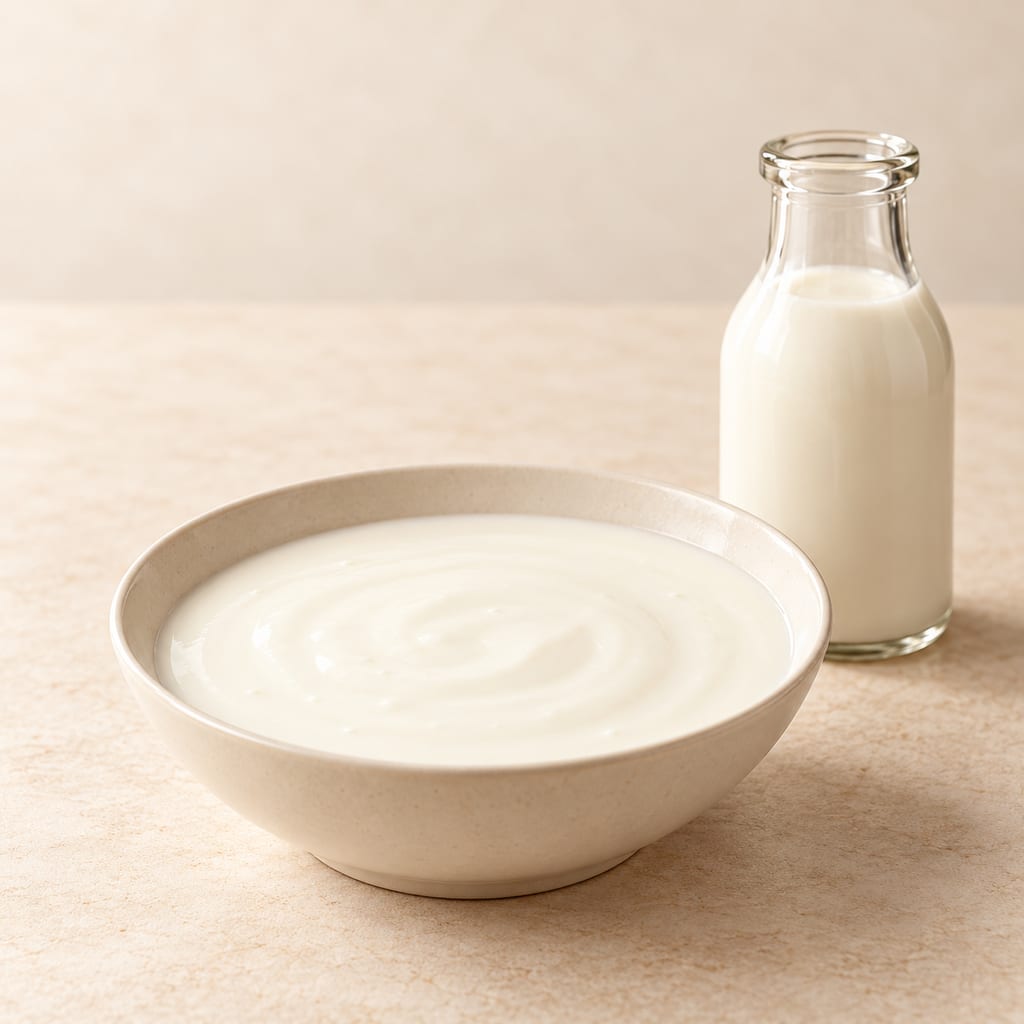
Filmjölk is a Swedish cultured milk with mild acidity and a spoonable body. This recurring batch uses filmjölk from the previous batch to culture fresh milk.
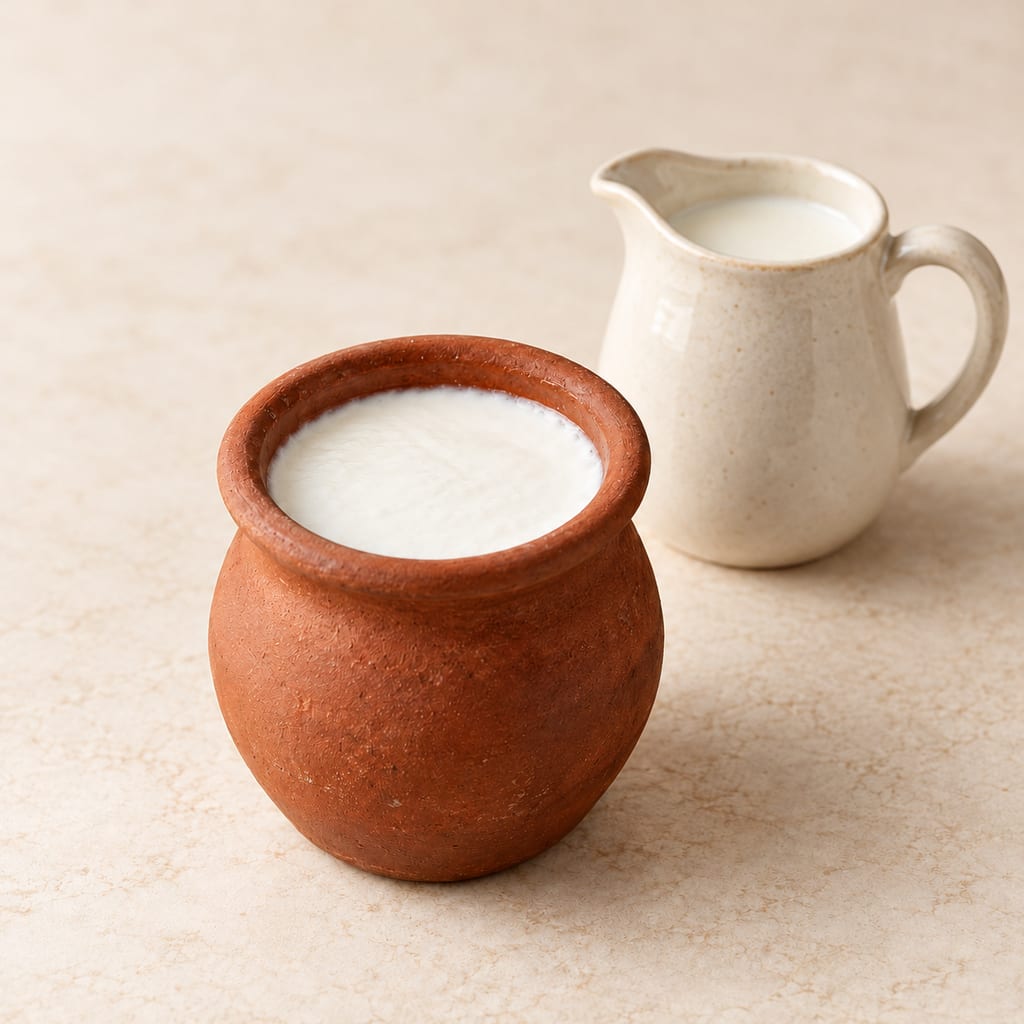
A commercial countertop-culture version of matsoni, a Georgian cultured milk. Its room-temperature method differs from the warmer Georgian production process.
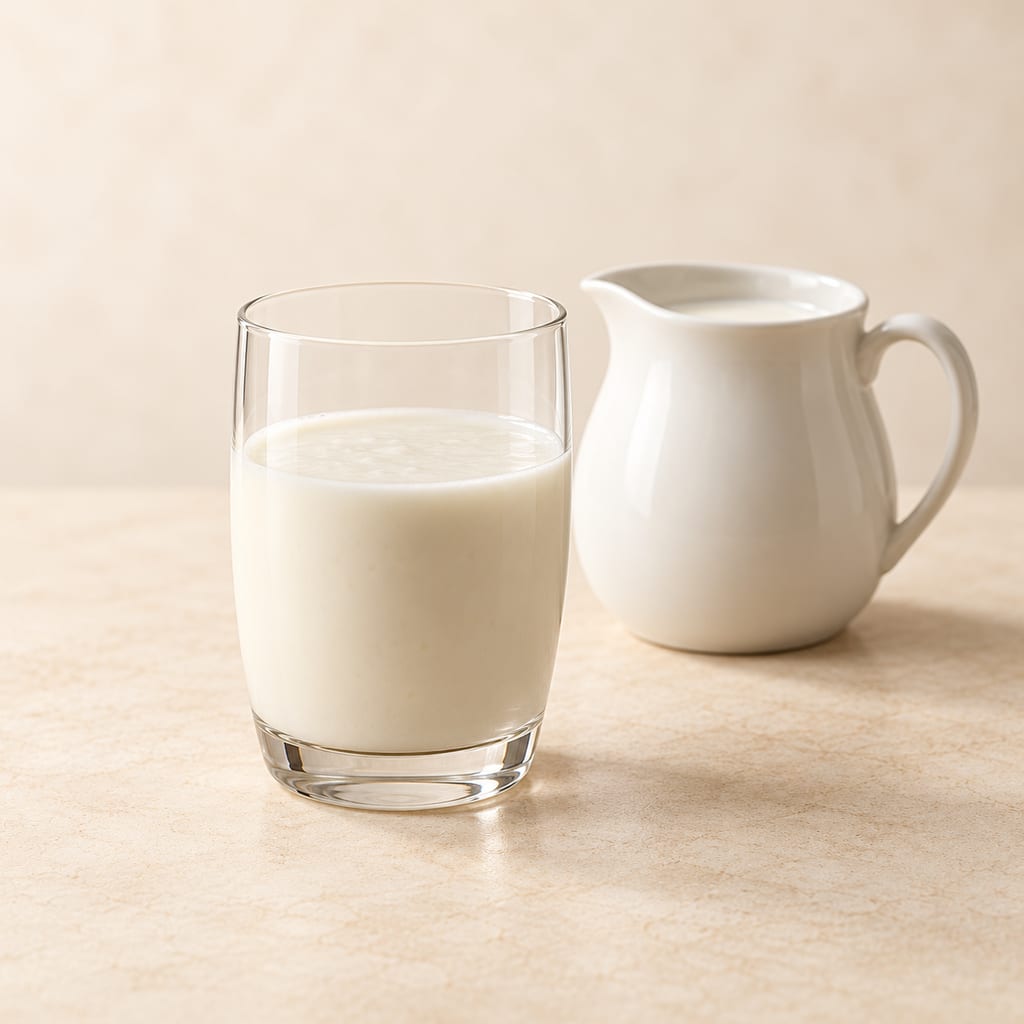
A thin cultured-milk drink made with a commercial countertop starter. Finnish piimä is a mealtime sour milk with distinct regional traditions.
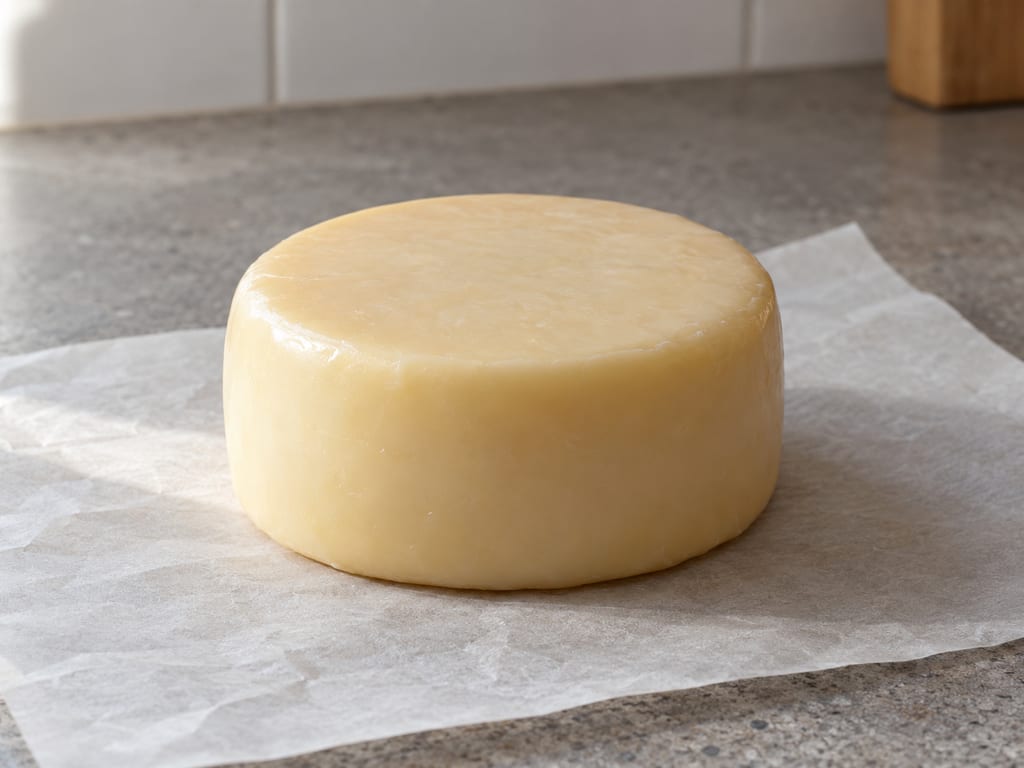
A mild whole-milk cheese set with starter and rennet, drained in a mould, dry-salted and ripened. This small-batch method appeared in Canadian home-dairy guidance.
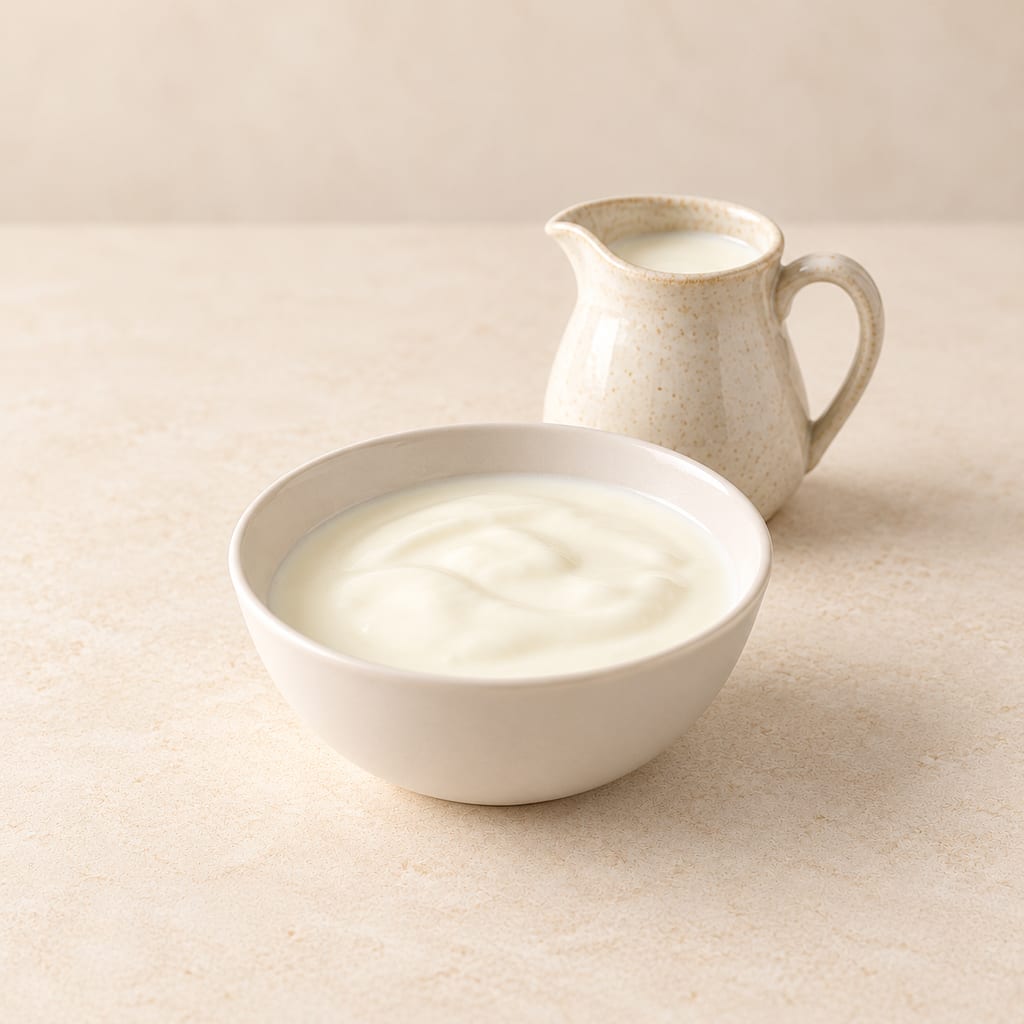
Viili is a Finnish cultured milk with a soft set and, in its western form, a stretchy texture. This small recurring batch uses a spoonful of previously cultured viili.
No community contributions have been published for this entry yet.
Sign in to contribute. Published comments and photos are free to read.
Wellcome CollectionIngredient context
Milk: Exhibition textPersonally read complete relevant nineteenth/early-twentieth-century milk-supply/hygiene captions, including Scharf1825 cowkeeper painting, covered pans, refrigeration and pasteurization campaigning. Specific British/urban history, not global first milk use.
Cited in: Milk made for a longer journey; From the jar to the table
Cultures for HealthIngredient context
How to Make Viili, Filmjölk, Matsoni, and Piimä YogurtPersonally read full relevant milk selection, starter descriptions, activation, repeat-batch and uses. Whole pasteurized recommendation, explicit avoidance UP/UHT scoped to this supplier method. Species/packet taxa not established; no supplier historical-origin assertion adopted.
Cited in: Reading the ingredient's identity; What pasteurization changes; A substrate for countertop cultures; Keeping the milk and the culture distinct; From the jar to the table
Canadian Dairy CommissionIngredient context
Liquid Whole MilkPersonally read whole profile: standardization versus heat/homogenization, milk physical phases, broad functional uses. Institutional cow-milk example; no universal fat percentage, nutrient claim, microbial limit or shelf life adopted.
Cited in: Milk made for a longer journey; Reading the ingredient's identity; A liquid containing several structures; From the jar to the table
FAOIngredient context
Small-Scale Dairy Farming Manual: Milk Composition, Part1Personally read composition, fat-globule/membrane and casein/whey processing sections. Cow example; ordinary versus severe heat/rennet behaviour, acid versus enzyme aggregation. No old numerical nutrition/composition claims adopted.
Cited in: Reading the ingredient's identity; A liquid containing several structures; What pasteurization changes; Sugar becomes acidity, protein becomes a gel
FAOIngredient context
Small-Scale Dairy Farming Manual: Milk Composition, Part2Personally read enzyme/lactose/mineral/bacteria sections: bacterial lactose metabolism, acid development, distinct useful/unwanted organisms. No old storage or numerical microbial advice adopted.
Cited in: Sugar becomes acidity, protein becomes a gel
U.S. Food and Drug AdministrationIngredient context
Raw Milk Questions & AnswersPersonally read relevant controlled heat, remaining spoilage organisms/refrigeration, allergenic proteins and lactose passages. Stable chemistry/handling only; no old legal or outbreak statistics adopted.
Cited in: Milk made for a longer journey; What pasteurization changes; Keeping the milk and the culture distinct; From the jar to the table
University of Wisconsin Center for Dairy Research; Daniel WilbanksIngredient context
Yogurt Monograph Series: ProductionPersonally read full monograph: lactose to acid, casein gel/whey, whey-protein heat association, homogenized fat participation and concentration by liquid removal. General yogurt science separated from actual countertop protocol; no pH/thermal endpoint transferred.
Cited in: What pasteurization changes; Sugar becomes acidity, protein becomes a gel
Bacillus BulgaricusIngredient context
Greek Feta Cheese Making InstructionsPersonally read ingredient/milk recommendation and process through brining; whole-milk recommendation, multiple species allowed, pasteurized branch, starter/rennet, cutting/draining/salting/brine. No source numerical safety advice, pathogen neutralization guarantee or claimed protected identity adopted.
Cited in: The same milk in a cheese vat
Agriculture Canada; J.A. Elliott and D.B. EmmonsIngredient context
Home-made dairy products, Publication1669Personally read original full relevant PDF pp2–8: 1978 copyright/1981 reprint, renewed domestic dairy interest, sanitation and semi-soft cheese beginning fresh pasteurized whole milk, starter/rennet/drainage. Historical method only; no old storage/legal/sanitizer schedules imported.
Cited in: The same milk in a cheese vat; Keeping the milk and the culture distinct
Cultures for HealthIngredient context
Choosing Milk for Making YogurtPersonally read original relevant animal species, processing, homogenization and fat sections. Used narrowly for supplier discussion of texture variation and product selection; broad no-UHT/global milk claims and questionable naturally-homogenized terminology not adopted.
Cited in: A substrate for countertop cultures; Keeping the milk and the culture distinct