
Pasteurized whole milk
Full-fat milk given conventional pasteurization, selected in linked cultured-milk and cheese methods for its composition and treatment.
 FermenteaWhere food goes to change
Modern adaptation
მაწონი (matsoni)
A commercial countertop-culture version of matsoni, a Georgian cultured milk. Its room-temperature method differs from the warmer Georgian production process.
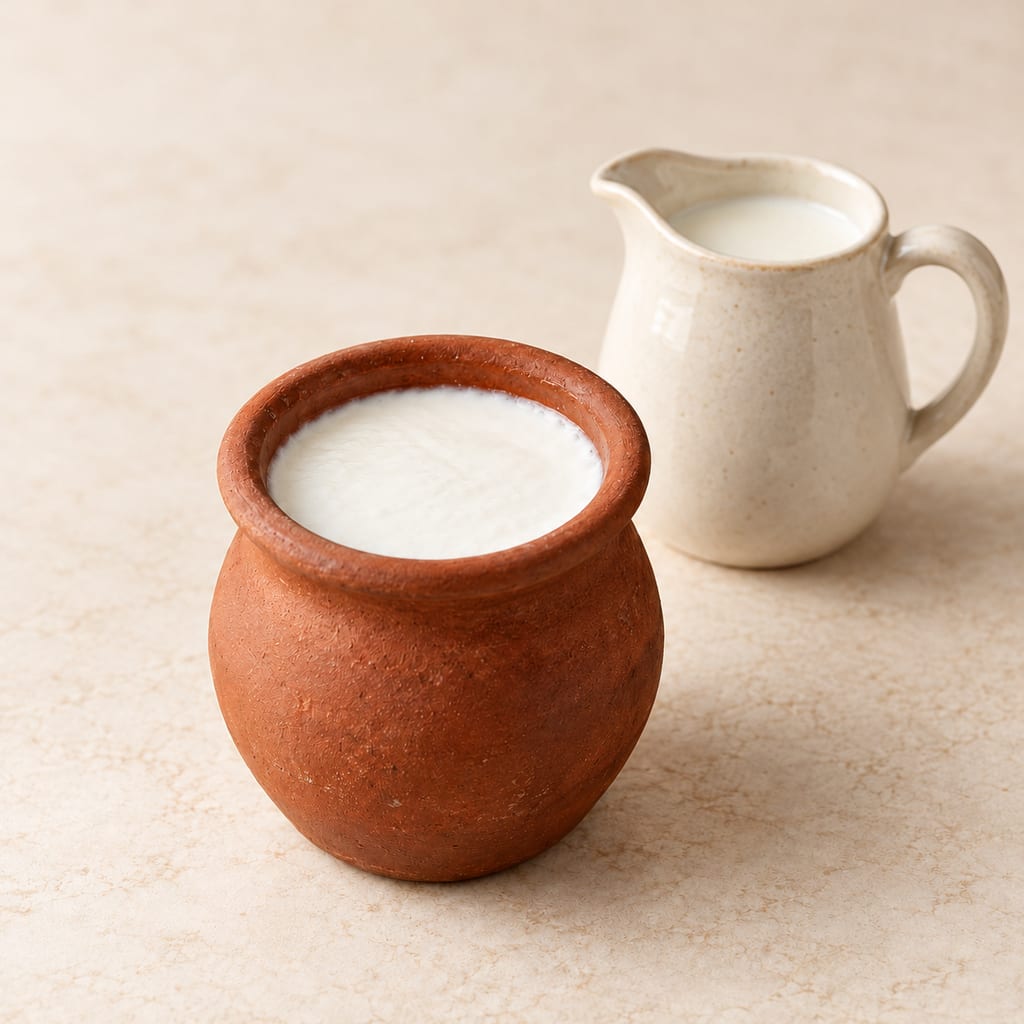
Matsoni is a cultured milk associated with Georgia and with related Armenian matsun traditions. Its character can range from a smooth, relatively fluid food to a densely set one with a little whey. A vessel of plain cultured milk can be eaten on its own, brought to the table beside other foods or worked into a dish. That everyday usefulness reaches beyond any single texture or serving.
The Georgian name is მაწონი, rendered here as Matsoni. Armenian մածուն is commonly written matsun. The two names connect related foods across languages while their household preparations retain local differences. Georgia’s protected-name specification describes production throughout the country; Armenian living-heritage documentation also records household preparation across Armenia.
The practical recipe on this page is a modern supplier’s countertop-culture version. It uses an established previous batch to inoculate pasteurized whole milk, followed by a room-temperature set and refrigeration. The culture carries the product name, but its published instructions and undisclosed microbial composition should be understood on their own terms. The Georgian warm-set specification and Armenian household account offer separate, useful comparisons.
The Georgian local starter, Dedo, is a mother culture of local bacteria. A recent batch of Matsoni can inoculate another. That method maintains a culture through repeated making rather than adding a newly assembled laboratory blend to every vessel.
The protected Georgian make has a warm incubation followed by a much colder conditioning period. Milk is held at 41–45°C for 3–4 hours, then the cultured product is cooled to 4–6°C and held for 12–20 hours before sale. Those numbers belong to the Georgian specification. They are not alternative instructions for the commercial countertop starter used here.
The finished product is white and evenly dense, with a small amount of whey allowed. Its intended taste and aroma are those of cultured milk. Cow, buffalo, goat and sometimes sheep milk, separately or in mixtures, belong within this protected food. It thus recognizes more than one starting milk within the protected food, rather than defining Matsoni through cow milk alone.
Transferring part of a finished fermentation into fresh milk is often called back-slopping. It transfers organisms as well as a spoonful of sour dairy food. In the next vessel, those organisms encounter a new supply of milk sugar and other nutrients. The previous batch therefore participates in making the next one.
Traditional Georgian Matsoni is associated with thermophilic lactic-acid bacteria, including Streptococcus thermophilus and Lactobacillus delbrueckii. Their association with warm-set Matsoni does not identify the species inside the countertop packet.
The distinction matters because a starter is more than its label. Its organisms and their activity interact with the milk and with the temperature at which they are kept. A warm-set local mother culture and a supplier’s mesophilic product can bear related food names while being used under different conditions. Following the instructions attached to the actual culture is part of understanding the ingredient, alongside recognizing the regional food that inspired its name.
A 2015 microbiological survey of finished products from farms, production facilities and markets collected 194 samples across 18 regions in Georgia, Armenia and Nagorno-Karabakh. Rather than growing only selected isolates, they used DNA markers to examine bacterial and fungal communities.
Most samples were dominated by bacteria assigned to Lactobacillus and Streptococcus. Yeast profiles varied more widely. The survey also found relationships between microbial composition, production region, milk and starter type. These relationships varied within the dataset; a broad association did not mean that every regional subset followed the same pattern.
The practical lesson is diversity within a recognizable food. Repeated transfers can maintain local microbial communities instead of producing one standardized consortium everywhere. Detected DNA does not give a starter recipe, and the contribution of particular communities to regional flavour is unresolved. A microbial survey can show that products differ without explaining every difference that someone tastes.
Milk provides water, proteins, fat, lactose and dissolved substances. The culture changes some of that material, while other components become part of the structure of the finished food. Whole milk is therefore more than a neutral liquid for carrying bacteria.
The animal species is one source of variation. Sheep milk is generally richer in fat and protein than cow or goat milk, and buffalo milk is particularly rich in fat. Those broad differences help explain why a shared food name need not imply an identical starting composition.
Composition also varies within a species with factors such as breed, feeding, season and stage of lactation. “Cow milk” is consequently a useful description, but not a complete laboratory specification. Protein and fat contribute to the material from which a gel develops, while milk sugar supplies substrate for acid production.
The countertop recipe selects pasteurized whole milk. Its stated method has not measured the finished texture of every milk permitted by the Georgian specification. The broader milk tradition explains variety around Matsoni; the selected home ingredient keeps this particular preparation clear.
During lactic fermentation, microorganisms convert milk sugar into lactic acid. The increasing acidity changes the way casein particles interact. As their tendency to remain dispersed decreases, they associate into a network. That network holds water and fat, turning a liquid into a soft gel.
The change in body is connected to acidity but is not simply a measure of sour taste. Protein interactions and the milk’s mineral environment also change. The resulting gel can retain liquid without becoming a dry curd. Some whey may remain loosely held and later separate from the network.
This explains why set cultured milk differs from a strained cheese. In the unstrained vessel, much of the water remains within and around the protein structure. Straining takes away liquid after the gel has formed and leaves a more concentrated food. Fermentation and concentration are different operations, even when a household uses them one after the other.
Stirring is another separate operation. It disturbs the gel that formed during the set, changing how the food flows on a spoon or from a jug. A firm undisturbed set and a stirred portion can therefore look different without requiring a different ingredient list.
Heating milk before fermentation can change more than its microbial population. General yogurt science describes how sufficiently heated whey proteins unfold and interact with casein. They can then contribute to a firmer network that holds water more effectively. The milk’s earlier treatment becomes part of the body of the later cultured food.
That is distinct from the temperature used after inoculation. Heating a substrate, providing conditions for culture growth and cooling a finished set are three different stages. Combining them into one instruction to “keep milk warm” would lose their different purposes.
A set product also differs from one concentrated by removal of liquid. Concentration may happen through straining after fermentation or through industrial treatment of milk before fermentation. These paths help explain why cultured milks with similar acidity can have different body and water retention.
In this home recipe, refrigeration follows the supplier’s texture check. It is a distinct stage in the make, with time allowed for chilling before eating. The warm or room-temperature set produces the gel; the later cold stage changes the conditions in which that gel and its culture remain.
Cooling slows fermentation rather than instantly ending all microbial activity. In yogurt science, continued acid production after the main set is called post-acidification; it can alter sourness and whey separation during storage. Creaminess and thickness also describe different qualities. Fat contributes to a creamy impression, while protein structure contributes to body. A dense cultured milk is therefore not automatically the richest one, and a creamy spoonful need not be the firmest set. These general distinctions help describe a portion more precisely without assigning it an unmeasured composition.
Armenian matsun is a household food made in rural and urban communities. One documented household routine boils milk, cools it before adding a starter or saved matsun, wraps the vessel and leaves it warm until a set forms. Refrigeration follows. Wrapping belongs to that recorded household routine, while the modern countertop method has its own covered-container instructions.
Matsun also enters soups, diluted drinks and concentrated preparations. Tan is one of the drink names, while tanapur and matsnaspa identify soup preparations. Draining produces kamats matsun, a concentrated relative of the original cultured milk.
These uses connect one fermentation with several later kitchen operations. Water can make a drink from a thicker food; removing liquid moves it in the other direction. Soup introduces cultured milk into a dish with other ingredients. The original set is therefore both a food ready to eat and material for further preparation.
These preparations carry the cultured milk beyond its first vessel. The work can continue through dilution, draining or cooking, each creating another way to eat or drink it.
In Kartli, a soup combines Matsoni or whey with greens and fried onion. Meskheti-Javakheti dough dishes are also served with Matsoni. Here cultured milk supplies acidity and a dairy component within a larger meal, rather than appearing only as a sweetened breakfast food.
One of those dough dishes, tatarbegi, consists of pieces of dough cooked with clarified butter and covered with Matsoni. The cultured milk goes over the prepared pieces, placing a sour dairy layer around a grain-based food. This is a different use from thinning matsun into a drink or incorporating it into soup: the underlying dish and the cultured topping remain recognizable together on the plate.
Armenian matsun, especially associated with Lori, is eaten with bread and used in salads, soups, drinks and fillings. Concentrated and dried derivatives can later be mixed with water. Those are distinct foods and treatments, not extra steps required to finish this page’s fresh countertop batch.
Together, these accounts show useful culinary directions: serve the cultured food beside bread or another dish, dilute it into a drink, or use it as an ingredient. Texture then becomes part of the choice. A fluid portion pours and mixes differently from a strained one, while a set vessel offers a body that a spoon breaks during serving.
The selected routine begins with cold milk and a spoonful from an established culture. After mixing, the container is covered and left within the supplier’s specified room-temperature range. Gentle tilting checks whether the milk moves as a set mass. Refrigeration then gives the batch its separate chilling period. A reserved portion provides the culture for the next make.
This method assumes an already established batch; activating a dry packet is a separate operation. The supplier’s advice to make a new batch regularly concerns maintaining the culture, rather than assigning a refrigerated shelf life to every finished jar.
Use pasteurized milk, sanitized equipment and prompt refrigeration. No species list, measured acidity endpoint or product-specific storage duration is given for this commercial culture. Historical priority and the biological continuity between that commercial product and any particular Caucasian household culture are unestablished.
Matsoni is an everyday Georgian cultured milk, made from several kinds of milk and renewed with a previous batch. Traditional Georgian matsoni contains lactic bacteria including Streptococcus thermophilus and Lactobacillus delbrueckii. The Georgian production protocol uses a warm fermentation followed by cooling; this commercial countertop culture follows a separate, cooler method. Armenian matsun belongs to the neighbouring dairy tradition, with its own household preparations and uses.
Scaling: source batch only
Milk, cream and finished cultured dairy can be contaminated by unsanitized equipment.
Hazard sourceUse pasteurized dairy and cleaned, sanitized equipment; refrigerate the finished product.
Control sourceUse pasteurized milk and sanitized containers and utensils. Keep the cultured milk away from raw-milk utensils and refrigerate it after setting.
Matsoni countertop culture — Retained cultured milk starts the next batch. The supplier identifies the culture by food name, without species or strain composition.
Refrigerate for at least 6 hours after setting.
Association of matsoni as a food; this commercial countertop method differs from the Georgian production protocol.
Full-fat milk given conventional pasteurization, selected in linked cultured-milk and cheese methods for its composition and treatment.
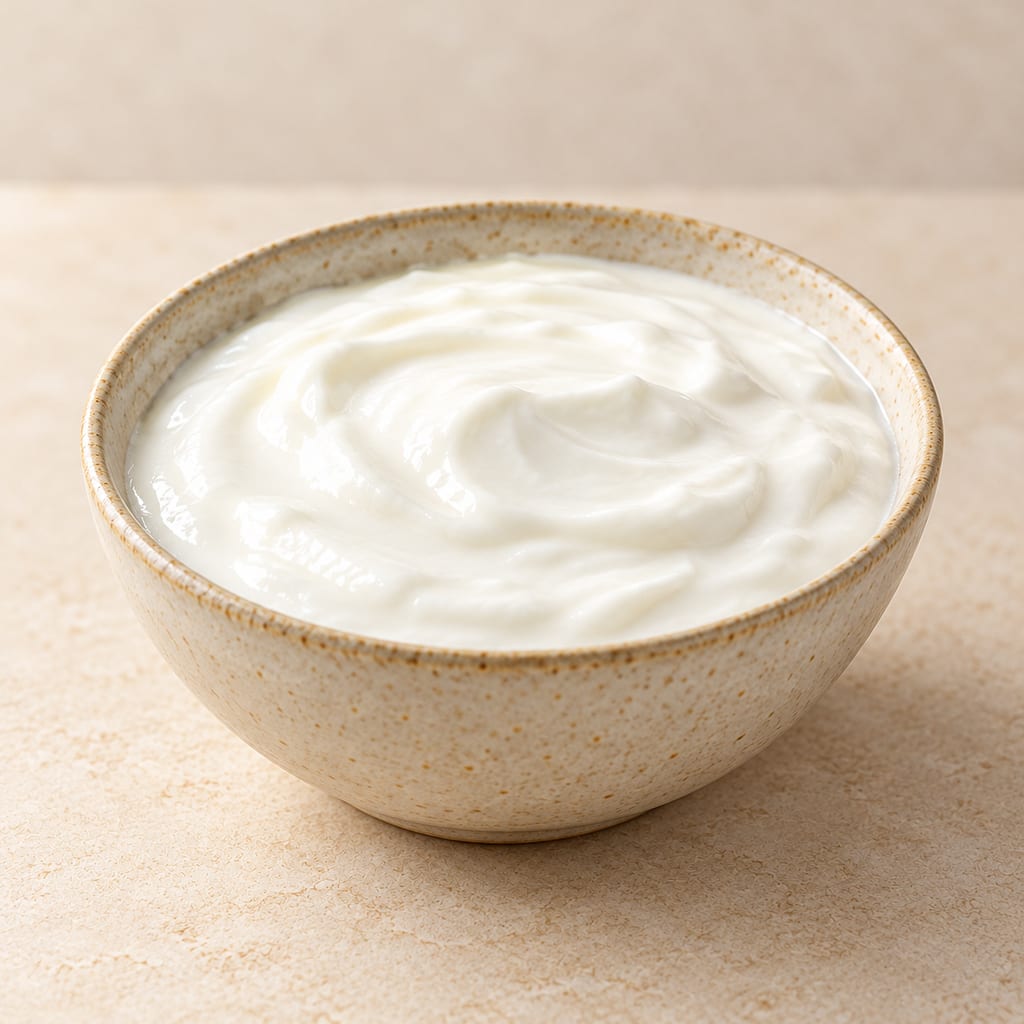
Katyk is a traditional fermented milk of Turkic-speaking peoples, made by souring heated milk with lactic bacteria, often with a spoonful of the last batch, into a thick, sour curd.
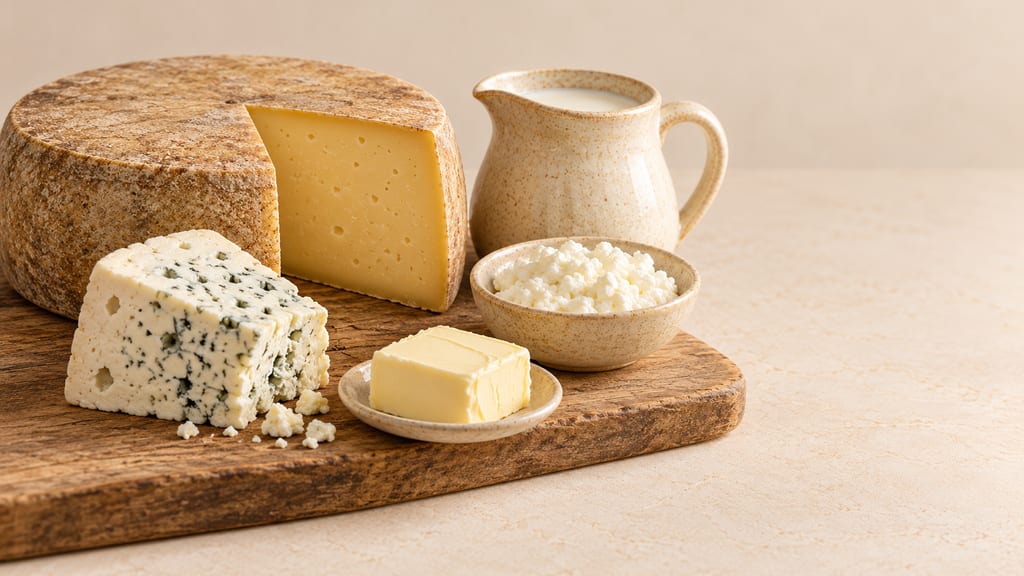
Follow milk into cheese, cultured drinks, butter, dried curds and sweets: a journey through the animals, seasons and household decisions behind the world's dairy foods.
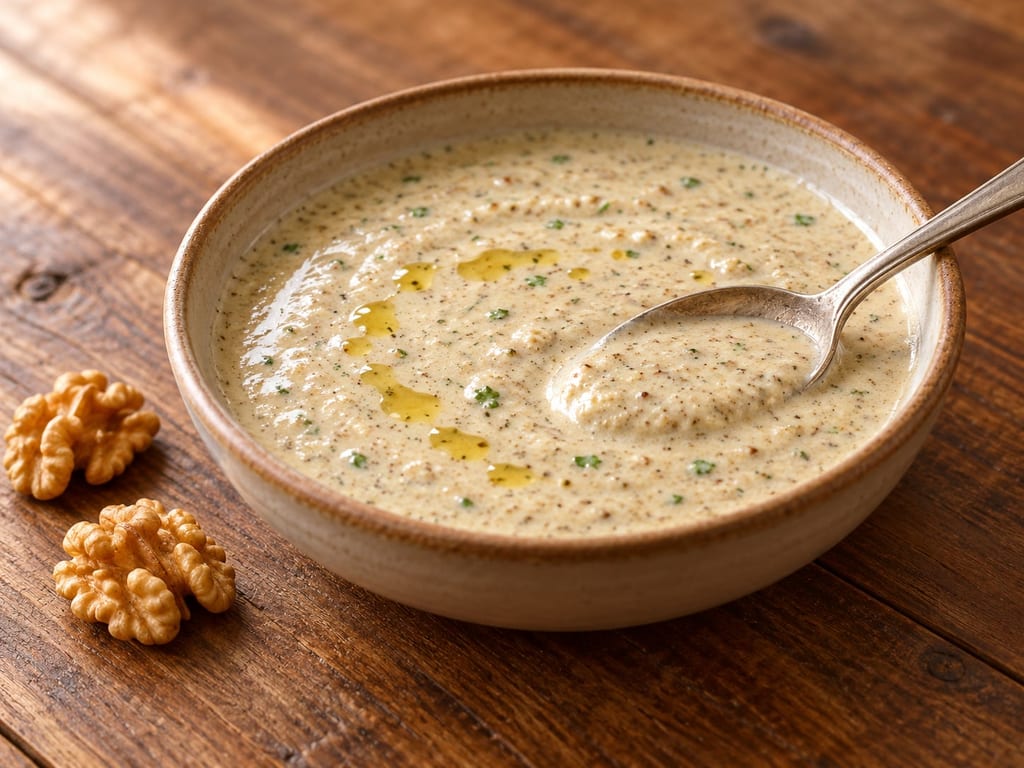
A Georgian walnut sauce of ground walnuts, garlic, vinegar and spices, thinned with water or broth. It is served with poultry, vegetables and bread, and is the sauce of the dish satsivi.

Closed round cheese breads made with sour-cream dough and cooked in a frying pan. This named Gunda version has no added yeast or proofing stage.

Unleavened cornmeal cakes mixed with cold water and cooked on both sides in a covered-then-uncovered pan. Cheese is served alongside rather than mixed into this dough.
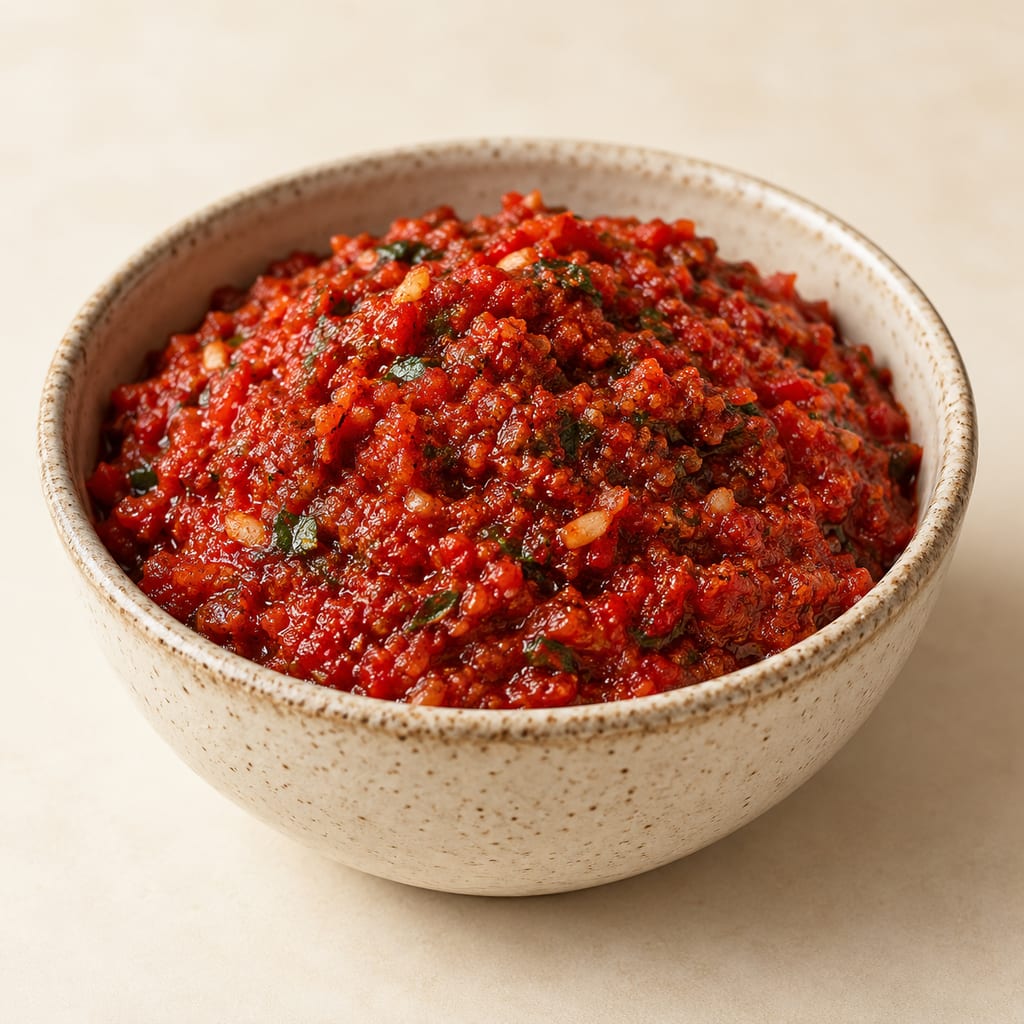
A documented Megrelian red pepper, garlic and herb paste with salt and ground spices. This preparation is mixed, not fermented; its source gives no validated preservation method or shelf life.

Megrelian chvishtari uses a maize dough with sulguni wrapped around a cheese piece, then cooks covered over low heat in a skillet.
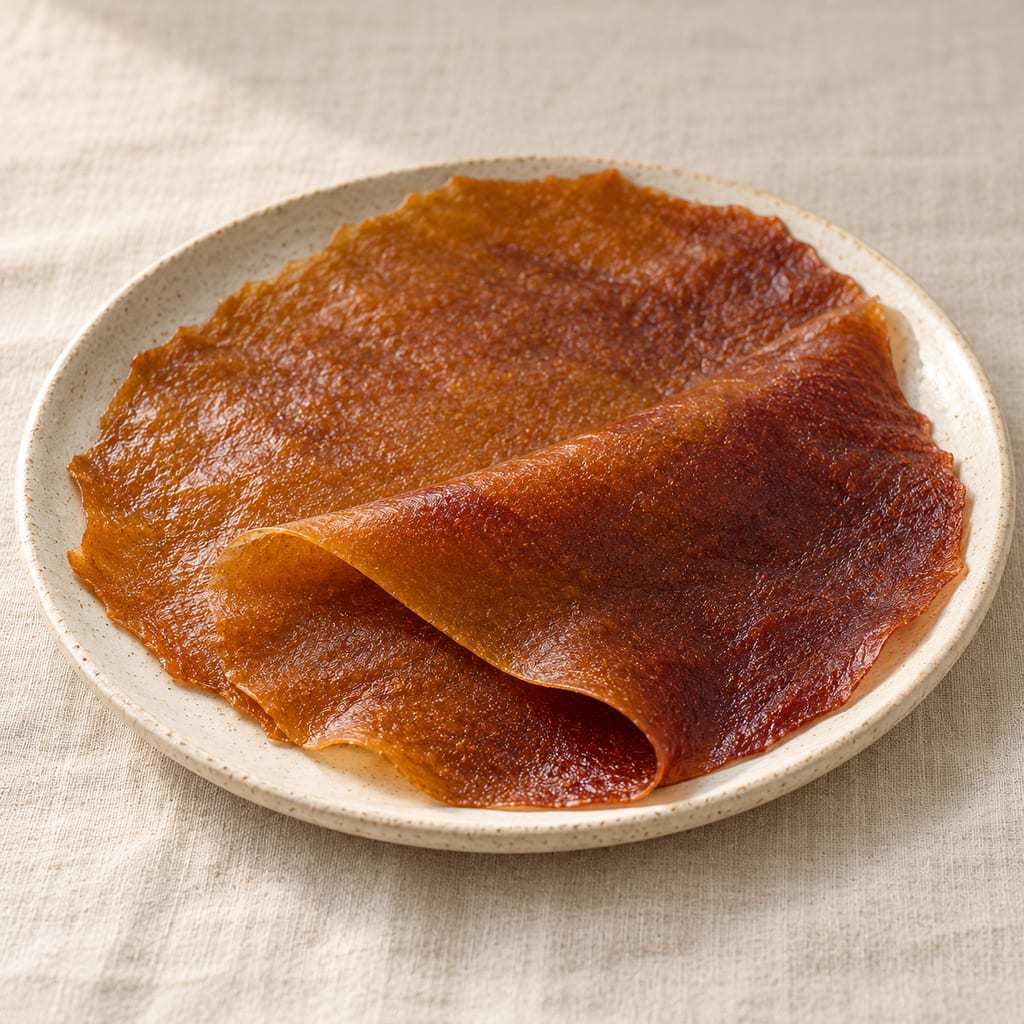
A reported Khizabavra household method cooks mulberry juice with wheat flour into a thin porridge before drying it on cloth; batch measures and a measured endpoint are absent.
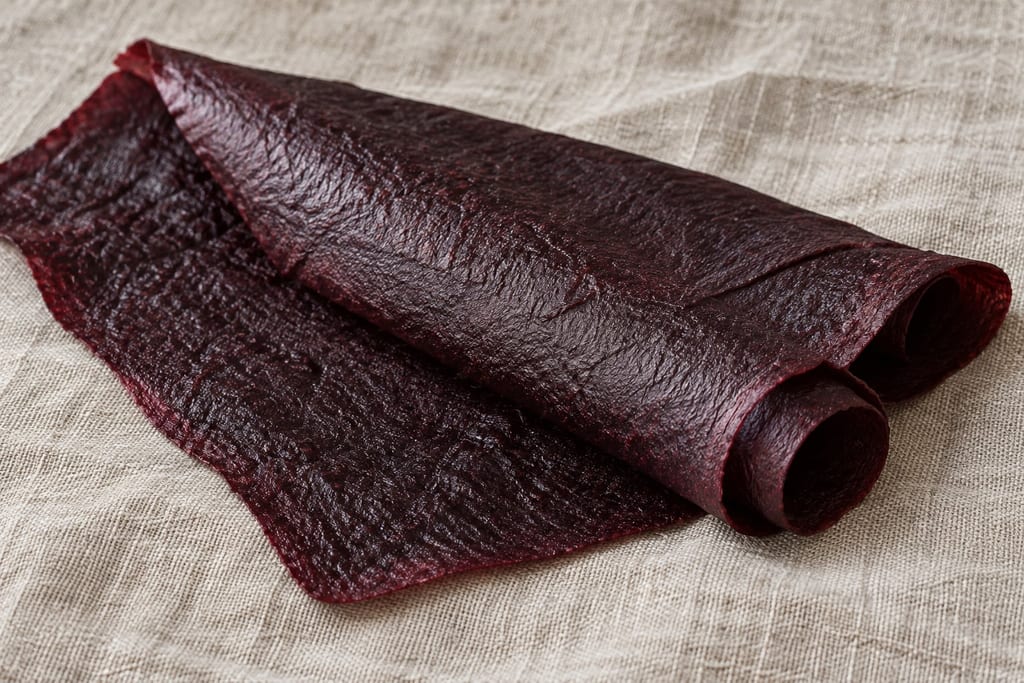
Georgian field notes describe mulberry tklapi with wheat flour but omit how the paste is cooked. FDA warns raw flour can carry harmful bacteria; this incomplete account is documentary, not a home recipe.
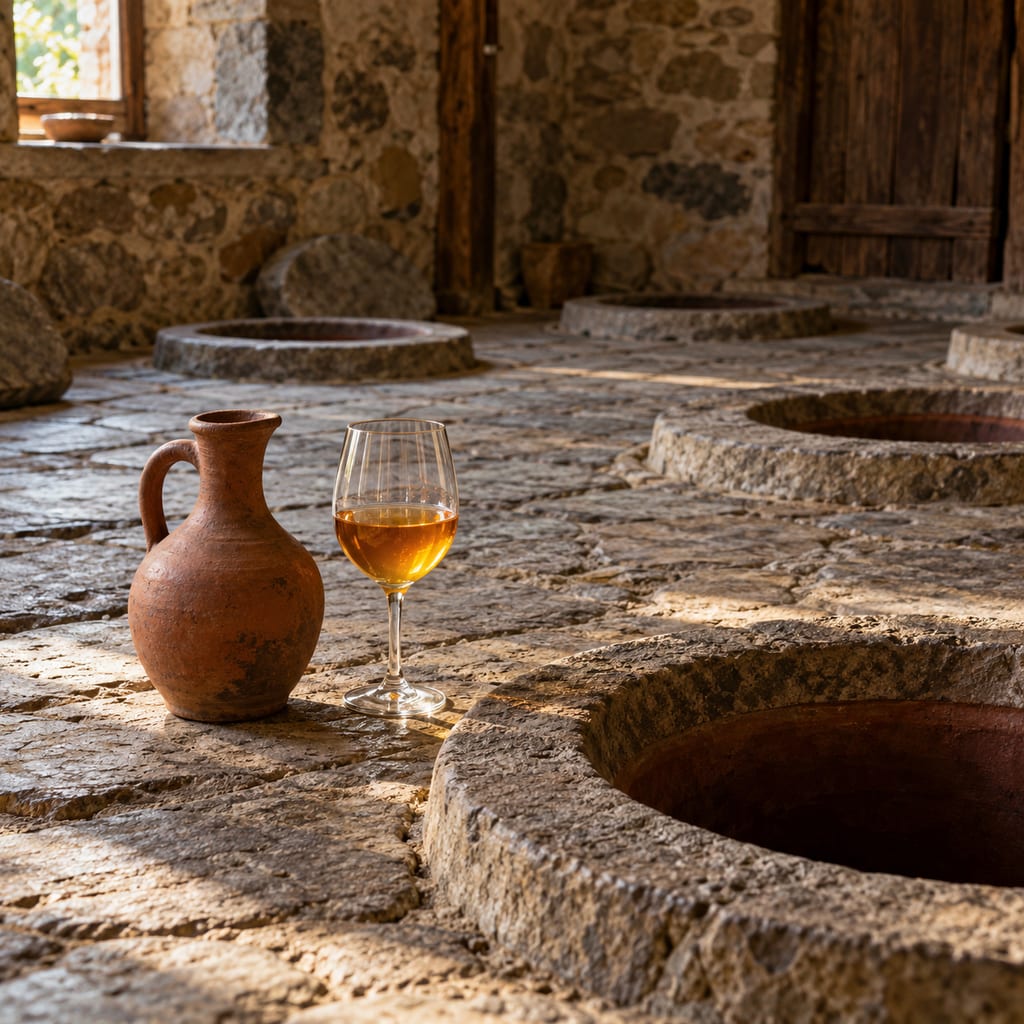
Georgian wine fermented and matured in buried clay vessels called qvevri, usually with grape skins, pips and sometimes stems, in styles from amber to red that differ by region.
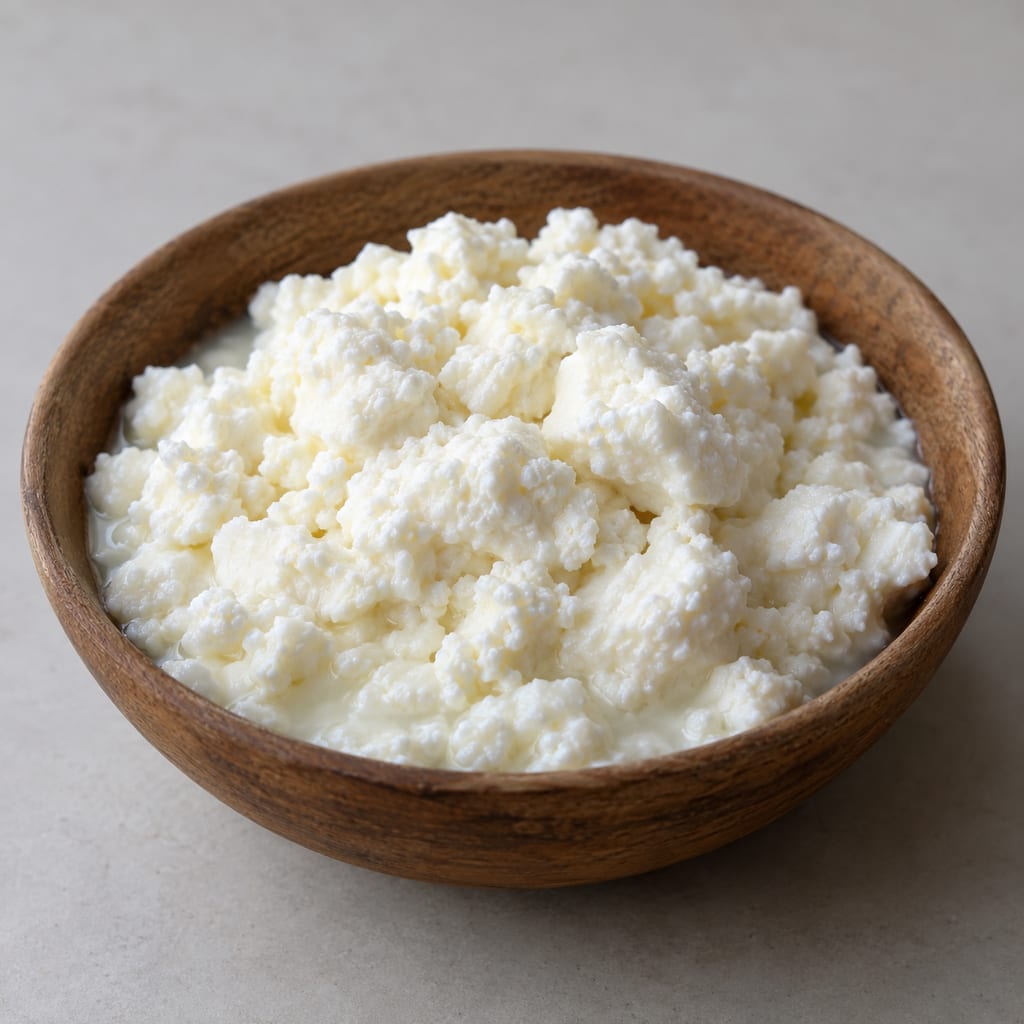
Aarts is a soft Mongolian curd made by draining boiled fermented yogurt; it remains wet, unlike aaruul, which is dried.
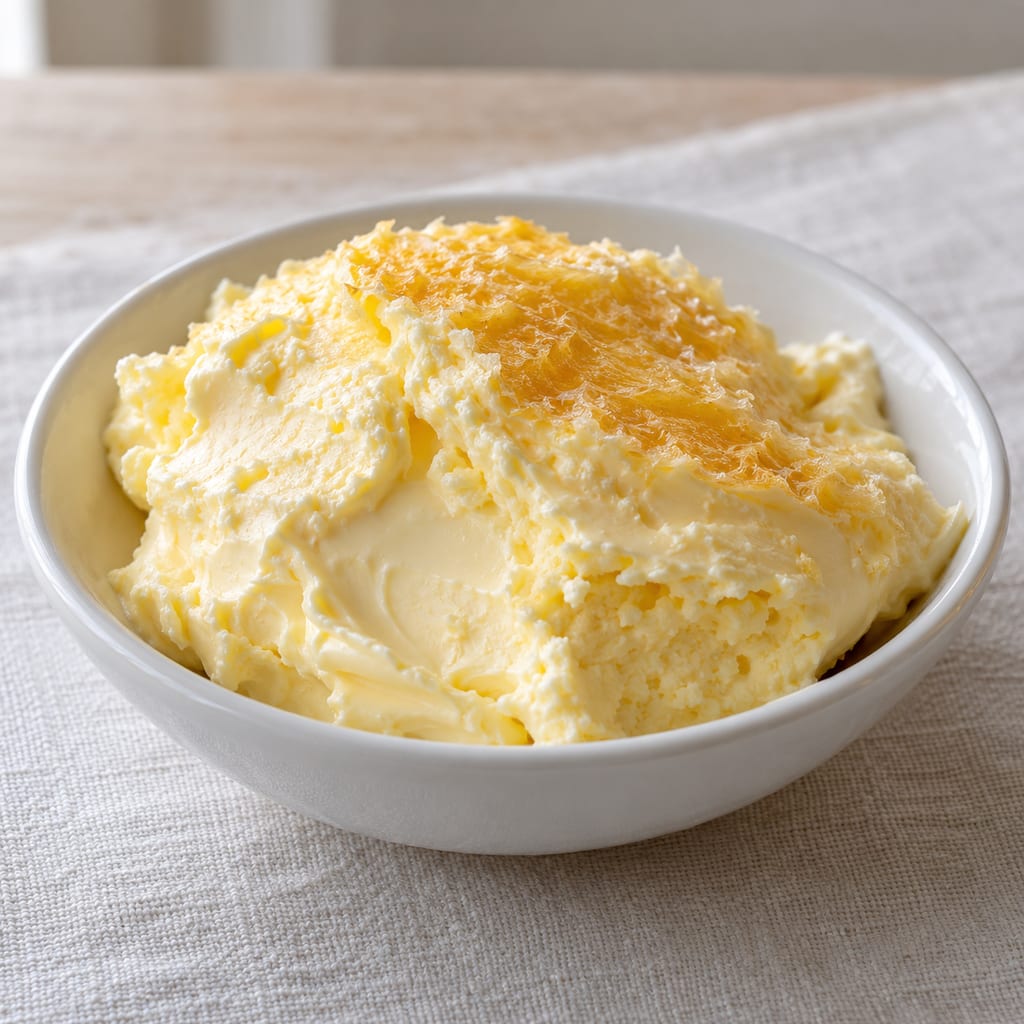
High-fat cream scalded below boiling for at least an hour until a thick crust forms, then cooled hard so the crust sets and the cream beneath thickens.

Crème fraîche is cream soured by lactic cultures into a thick, mild topping. It suits fruit and desserts as well as soups, sauces and other savoury dishes.
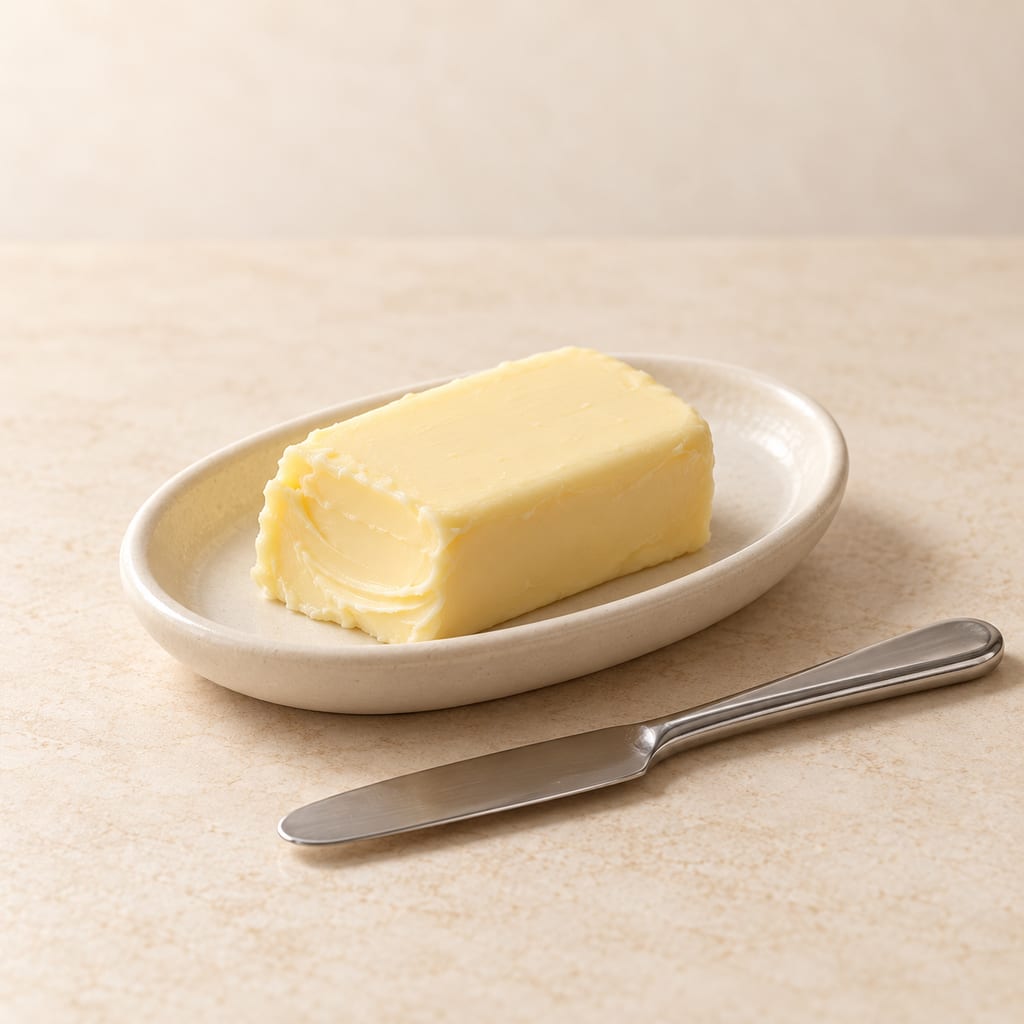
Cultured butter is churned from cream soured with lactic cultures. Its lightly tart flavour comes from the cultured cream, which separates into butter grains and buttermilk.

Cultured buttermilk is skim milk soured with a lactic starter into a tangy drink. This Canadian home method sets the milk without churning cream.

Milk thickened with a packet of buttermilk culture makes a tangy drink and a baking ingredient. This warm-incubated version uses whole milk.
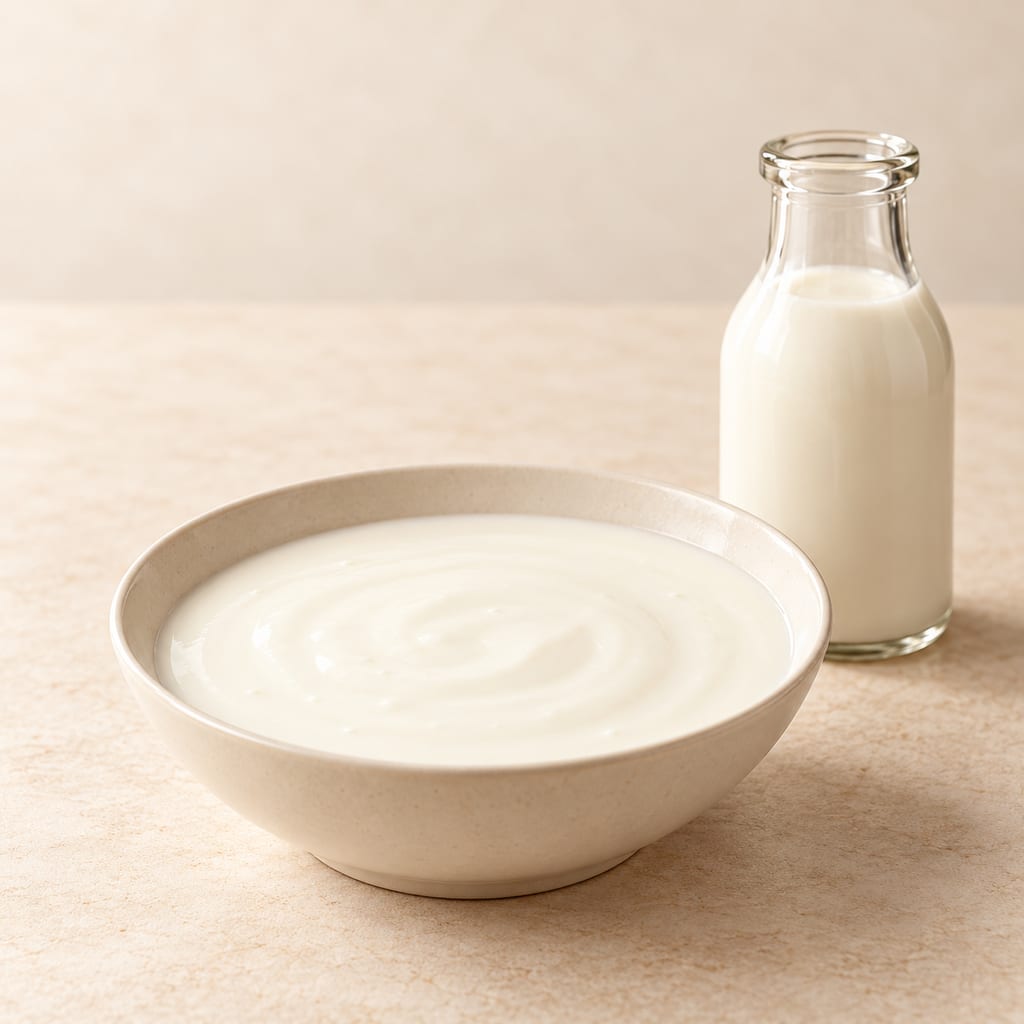
Filmjölk is a Swedish cultured milk with mild acidity and a spoonable body. This recurring batch uses filmjölk from the previous batch to culture fresh milk.
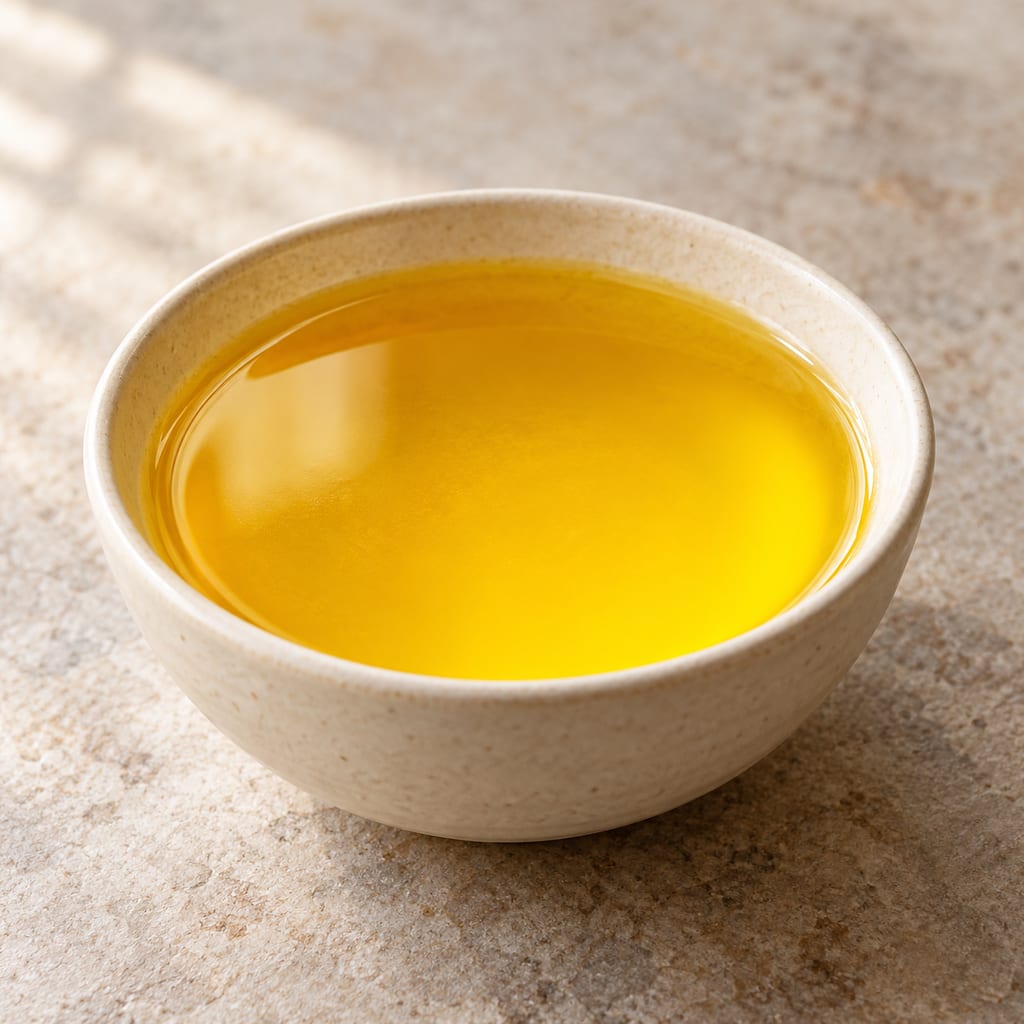
Butter heated until most water leaves and the milk solids separate, giving a fat that keeps far longer than butter. Rendering applies the same heat to animal tissue to make lard and tallow.
No community contributions have been published for this entry yet.
Sign in to contribute. Published comments and photos are free to read.
Cultures for HealthInspiration · Process
How to Make Viili, Filmjölk, Matsoni, and Piimä YogurtRoutine-batch section: 1 cup milk, 1 tablespoon previous batch, 70–77°F for 12–18 hours, texture check, refrigeration for at least 6 hours; distinct dry-starter activation procedure.
Cited in: Cultured milk with several regional lives; A maintained culture is a living ingredient; Milk supplies the material for the set; The countertop make and its limits
Agriculture CanadaSafety · Process
Home-made dairy products, Publication 1669Dairy process and handling context.
General pasteurization, post-pasteurization contamination and clean equipment guidance; not Matsoni process validation.
Cited in: The countertop make and its limits
WikipediaHistory · Identity · Use
Matzoon (matsoni)Armenian matsun and Georgian matsoni as one fermented milk; first written accounts in medieval Armenian manuscripts from the 11th century and a 15th-century Georgian medical book; Georgian geographical indication since 24 January 2012; milks used; strained kamats matsun; churned into butter and buttermilk (tan); tarhana.
Slow Food Foundation (Ark of Taste)History · Use · Culture
MatsunMatsun in Armenia since medieval times and in Armenian writers' tales since the 11th century; now also in Georgia as matsoni; daily food in the Lori province; traditional household starter meran of dried cornelian cherry, wheat and rye; kamats matsun dried for keeping and cioratan balls rehydrated in water; eaten with or without bread, in salads, soups and drinks.
Cited in: Food at the table and in the pot
WikipediaRelated
FilmjölkNot used for matsoni facts; listed only where related cultured milks are compared.
Microbiology & BiotechnologyIdentity · Process
Microbiological investigation of artisanal Caucasian yogurt-like product MatsoniGeorgian matsoni as an everyday food; milk choices; species reported in its microbial community; Table 1 distinguishes the warmer Georgian process from the commercial countertop method.
Cited in: Cultured milk with several regional lives; A maintained culture is a living ingredient
Department for Environment, Food & Rural AffairsIdentity · Geography
მაწონი / MatsoniGeorgian script and product name; Georgian geographic association.
Cited in: Cultured milk with several regional lives
Georgian National Tourism AdministrationImage reference
MatsoniPhotograph of finished Georgian matsoni in clay pots, used as a visual comparison; no health or antiquity claims adopted.
Origin GI resource copy of Georgian GI specificationContext
GEOGRAPHICAL INDICATION: MATSONIProtected Georgian Matsoni identity, permitted milks, Dedo culture and the distinct warm-setting and cold-conditioning sequence.
Cited in: Cultured milk with several regional lives; Warm setting and a mother culture; A maintained culture is a living ingredient
ARLIS Armenian Legal Information SystemContext
Հայաստանի Հանրապետության ոչ նյութական մշակութային ժառանգության արժեքների ցանկը հաստատելու մասին, N 144-AArmenian household matsun preparation, regional reach, diluted drinks, soups and concentrated forms; ancient and medical claims not adopted.
Cited in: Cultured milk with several regional lives; Armenian household preparations and derivatives
Food Microbiology 50, 12–19Context
Microbial biogeography of the transnational fermented milk matsoniPrimary survey of194 Matsoni samples, microbial community variation and unresolved flavour causation.
Cited in: What a survey found inside Matsoni
Food and Agriculture Organization of the United NationsContext
Milk compositionGeneral variation in milk composition by animal species, breed, feeding, season and lactation.
Cited in: Milk supplies the material for the set
University of Wisconsin Center for Dairy ResearchContext
Yogurt Monograph Series: ProductionGeneral acid gel formation, heat-treated whey proteins and concentration before or after fermentation.
Cited in: How a liquid becomes a gel; Heat history and cooling shape the body; Food at the table and in the pot
University of Wisconsin Center for Dairy ResearchContext
Yogurt Monograph Series: Sensory PropertiesGeneral post-acidification and the distinct sensory properties of thickness and creaminess.
Cited in: Heat history and cooling shape the body
Everyday Culture of Georgia XIX–XX centuries: traditions and innovations, Nauka, MoscowHistory
Этнографическая Грузия: пищаRegional Matsoni uses, including Kartli soup and Meskheti-Javakheti dough dishes such as tatarbegi.
Cited in: Food at the table and in the pot
Tetra PakContext
Dairy Processing Handbook: The chemistry of milkMilk constituents, protein network, acidity and minerals, fat globules, cream/butter transformation.
Cited in: How a liquid becomes a gel