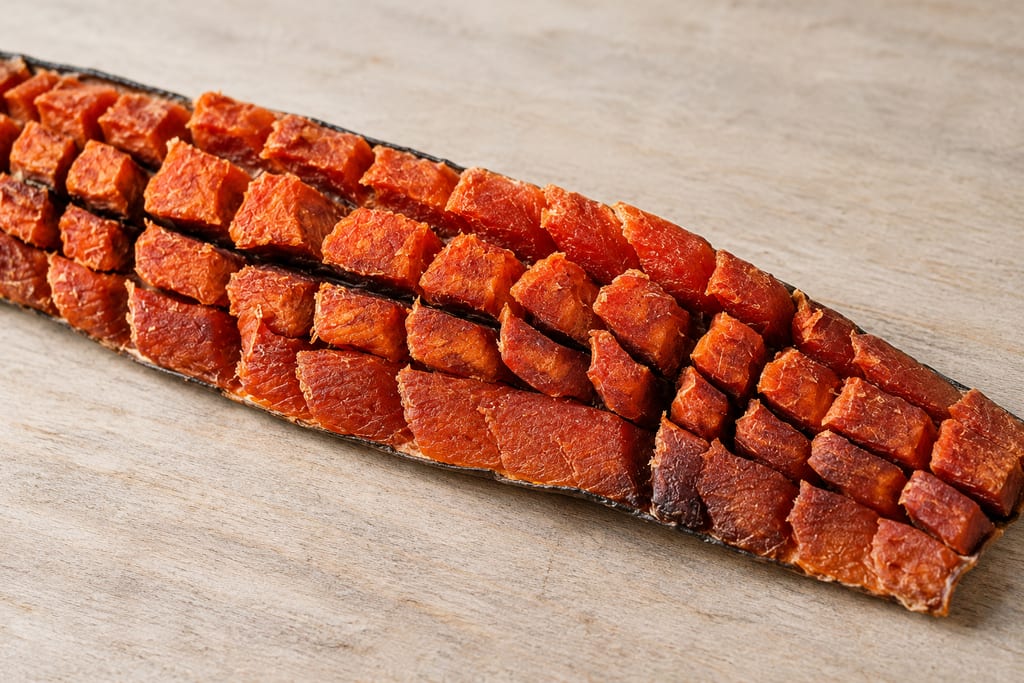
Pipsi
Arctic char opened, scored and air-dried in the Canadian Arctic: concentrated, chewy country food recorded as pipsi in Nunavut and pitsik in Nunavik.
 FermenteaWhere food goes to change
smoked meat · Montreal smoked meat · Montréal-style smoked meat
Montréal smoked meat is a brisket-centred Jewish deli specialty shaped by migration and Montréal's restaurant culture. This entry documents reported commercial traditions and one deli's account; it is not a home-curing method.
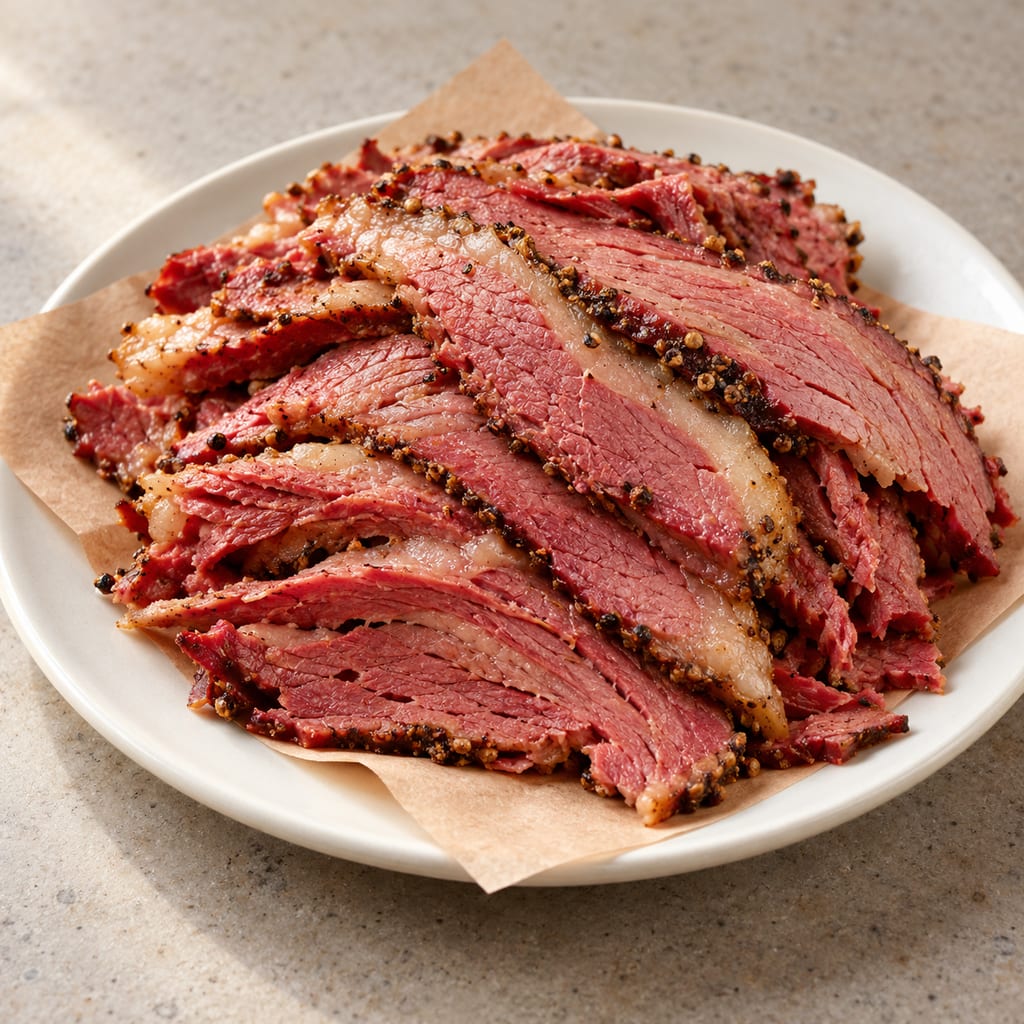
Montréal smoked meat is a brisket-centred deli specialty associated with the city's Jewish food culture. Jewish heritage accounts connect its preparation with Eastern European and Romanian traditions, while the early history remains contested.
A Jewish Montréal heritage account reproduces an 1894 advertisement for Aaron Sanft's smoked meat and records an advertisement for Hyman Rees's deli in 1908. It describes several early butchers and delis, rather than establishing one uncontested inventor. Tourisme Montréal likewise notes competing origin stories and says the accounts point to Jewish diaspora from Romania or Eastern Europe.
Schwartz's Deli dates its own beginning to 1928; the heritage account gives 1927. The difference belongs to the sources and does not settle the earlier history of the food. The commercial tradition has since become one of Montréal's best-known deli foods.
The McCord Stewart Museum's account of Bens dates that business to 1908 and preserves photographs of its smoked-meat sandwich around 1985 and meat being sliced behind the counter in 1952. Other heritage accounts date early businesses differently, so these records document Bens's place in the city's deli history without resolving who first sold the dish.
Schwartz's describes its own on-site process as a ten-day marinade in a secret locally produced herb-and-spice blend, followed by smoking overnight and steaming through the day. The meat is sliced by hand to order. The deli says that it uses its original recipe and that its smoked meat contains no preservatives.
Those are statements about one restaurant's commercial product. The deli does not publish the blend, ingredient proportions, meat weight, curing formulation, holding conditions, smoke or steam temperatures, measured endpoint or storage life. Its phrase “no preservatives” is the business's description; the public account does not provide enough detail to infer a curing system.
Montréal smoked meat is commonly described as brisket-centred. Tourisme Montréal contrasts its use of the whole brisket with the leaner navel cut it associates with New York pastrami. That comparison describes a broad distinction, not a universal specification for every deli.
The familiar Montréal sandwich is piled with sliced smoked meat on rye bread, with yellow mustard and a pickle. Schwartz's menu lists smoked-meat sandwiches and plates; other Montréal restaurants serve their own versions.
A published sandwich recipe from Levitts gives one assembly for purchased smoked meat, with rye, mustard and pickle. It does not cure or smoke the meat and should be read as serving guidance only.
This record is an account of a regional food and publicly described commercial practice, not a household recipe. A USDA FSIS guideline for ready-to-eat fermented, salt-cured and dried products identifies curing temperature, curing time, salt coverage and product characteristics such as size and formulation among the parameters that affect a supported curing process. Schwartz's public description does not disclose those details, and the deli's sequence must not be used as a home curing schedule.
The cited material does not establish a general household cure, cooking endpoint or storage rule for Montréal smoked meat. No home-preservation instructions are supplied here; a separate, validated method would be needed for that.
Claims about the first Montréal smoked-meat maker differ across heritage and tourism accounts. The surviving advertisements and business histories document early sellers, but they do not establish a single origin story or a continuously unchanged recipe.
Jewish Montréal heritage and tourism accounts describe the food's Eastern European and Romanian connections and competing claims about its first maker. An 1894 Aaron Sanft advertisement and a 1908 Hyman Rees advertisement document early sellers; Schwartz's dates its own founding to 1928, while the heritage account gives 1927. The McCord Stewart Museum documents Bens's smoked-meat service, including an archival sandwich photograph from about 1985 and a 1952 photograph of meat being sliced.
Scaling: source batch only
The cited deli account omits formulation and process controls; FSIS guidance identifies curing temperature, time, salt coverage and product characteristics as process parameters.
Hazard sourceThis documentary entry does not provide a home method; follow a separately validated process for any home curing or smoking.
Control sourceThe commercial sequence is not a home curing or smoking recipe.
This entry gives no consumer storage life or internal cooking endpoint.
Montréal delis make and sell the meat; the sources report competing claims about the first maker.
Arctic char opened, scored and air-dried in the Canadian Arctic: concentrated, chewy country food recorded as pipsi in Nunavut and pitsik in Nunavik.
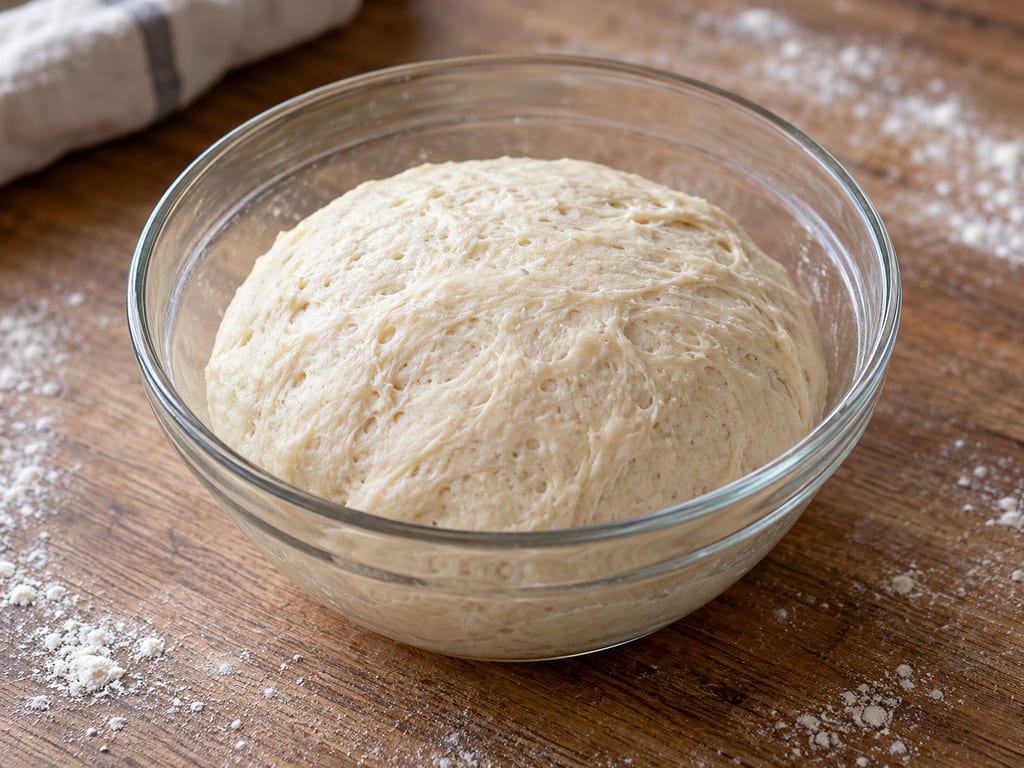
Pâte fermentée is a bread preferment made from salted, yeasted dough set aside to ferment and mixed into a later batch, carrying developed dough and fermentation products with it.
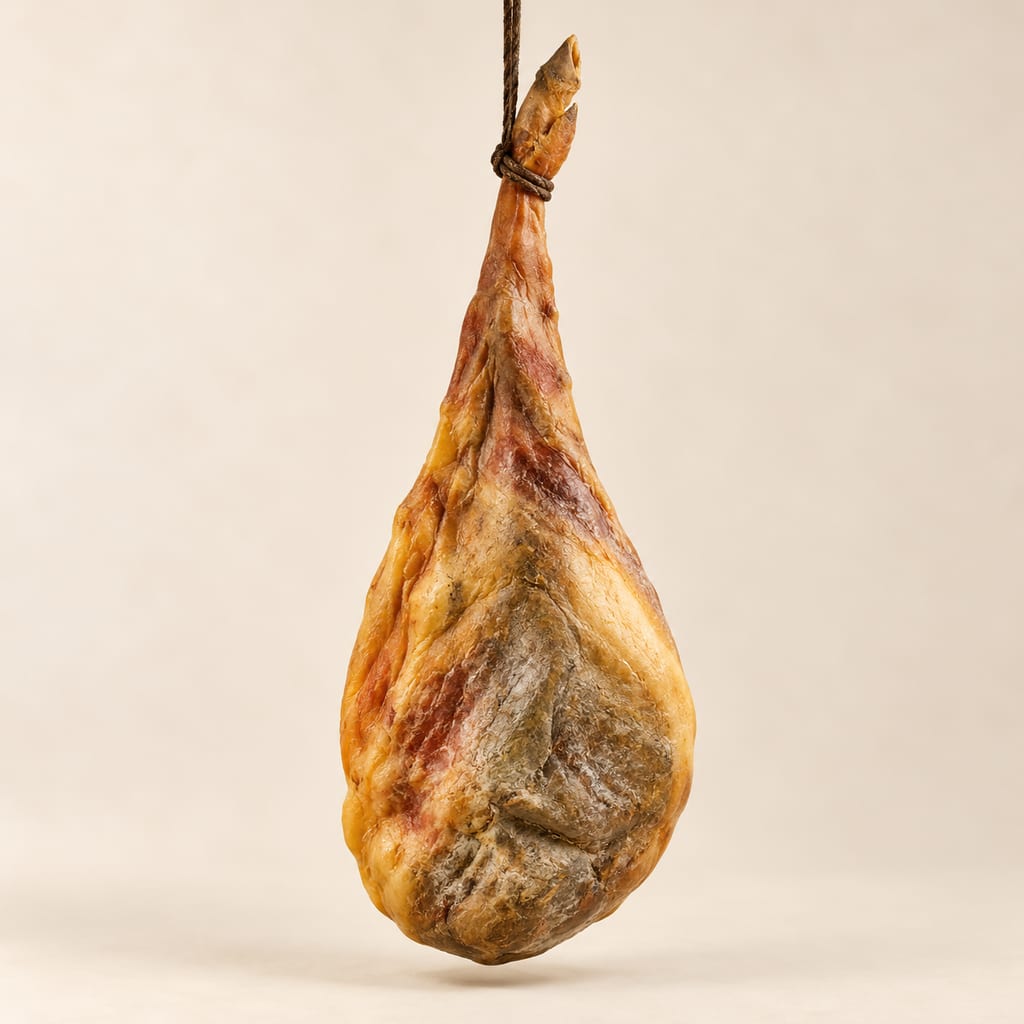
Cato the Elder records a second-century BCE sequence for salting, air-drying, and smoking ham. This historical account is not a validated modern curing protocol.
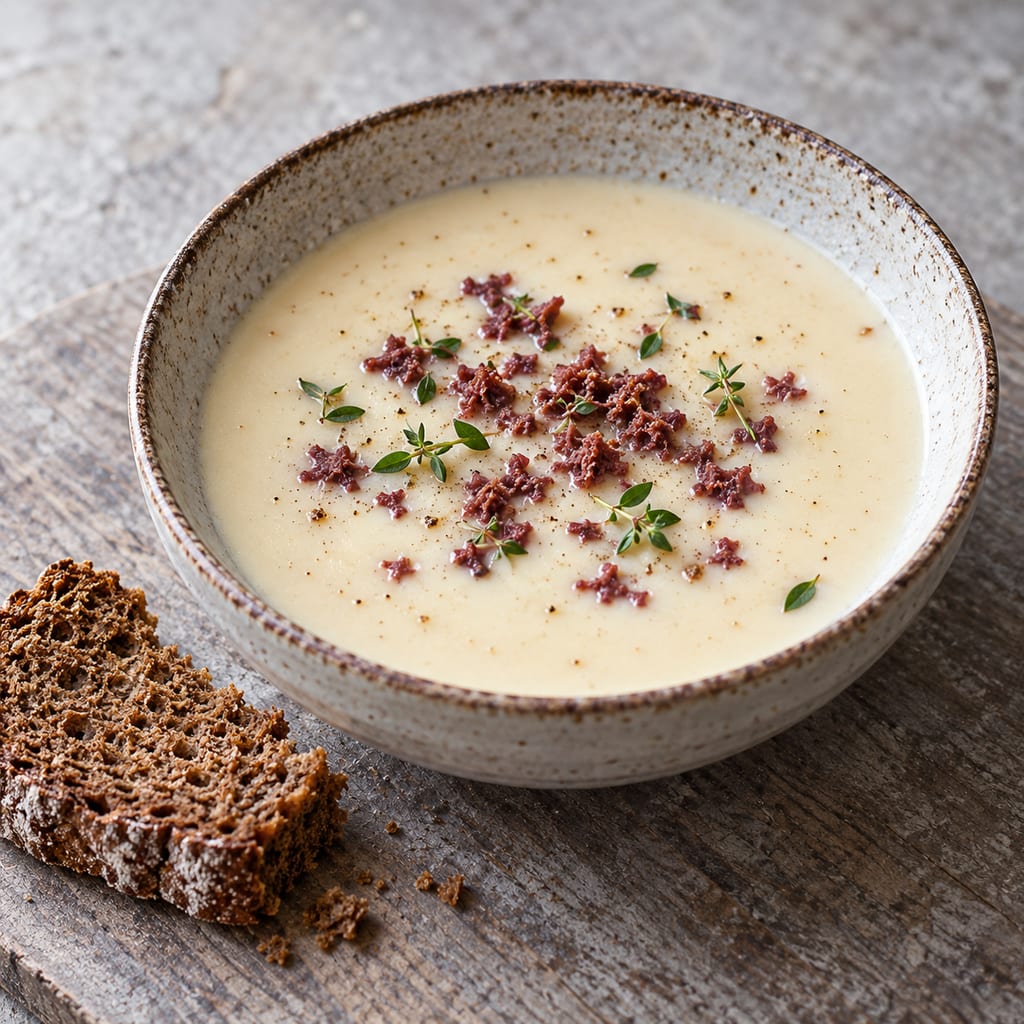
Kylmäsavuporokeitto is a creamy cold-smoked reindeer soup with onion, stock and cheese, served with bread.
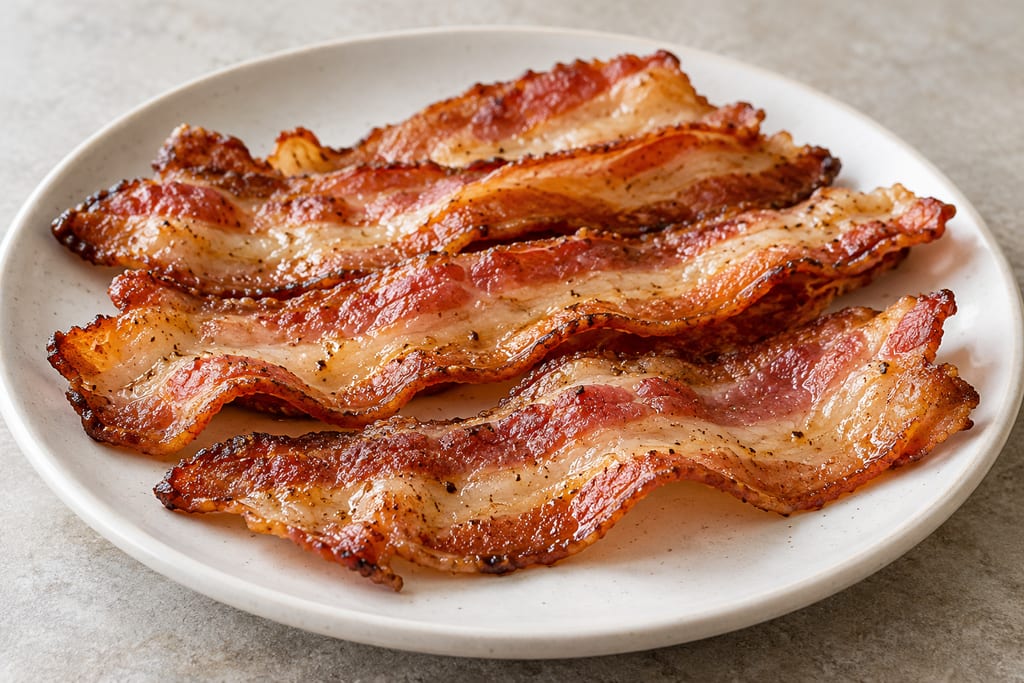
Pork belly receives a measured salt-and-sugar cure with coffee and spices, then is refrigerated before cooking or hot smoking.

Finnish pea soup simmers dried peas with palvikinkku or a vegetable alternative, then is served with mustard and chopped onion.
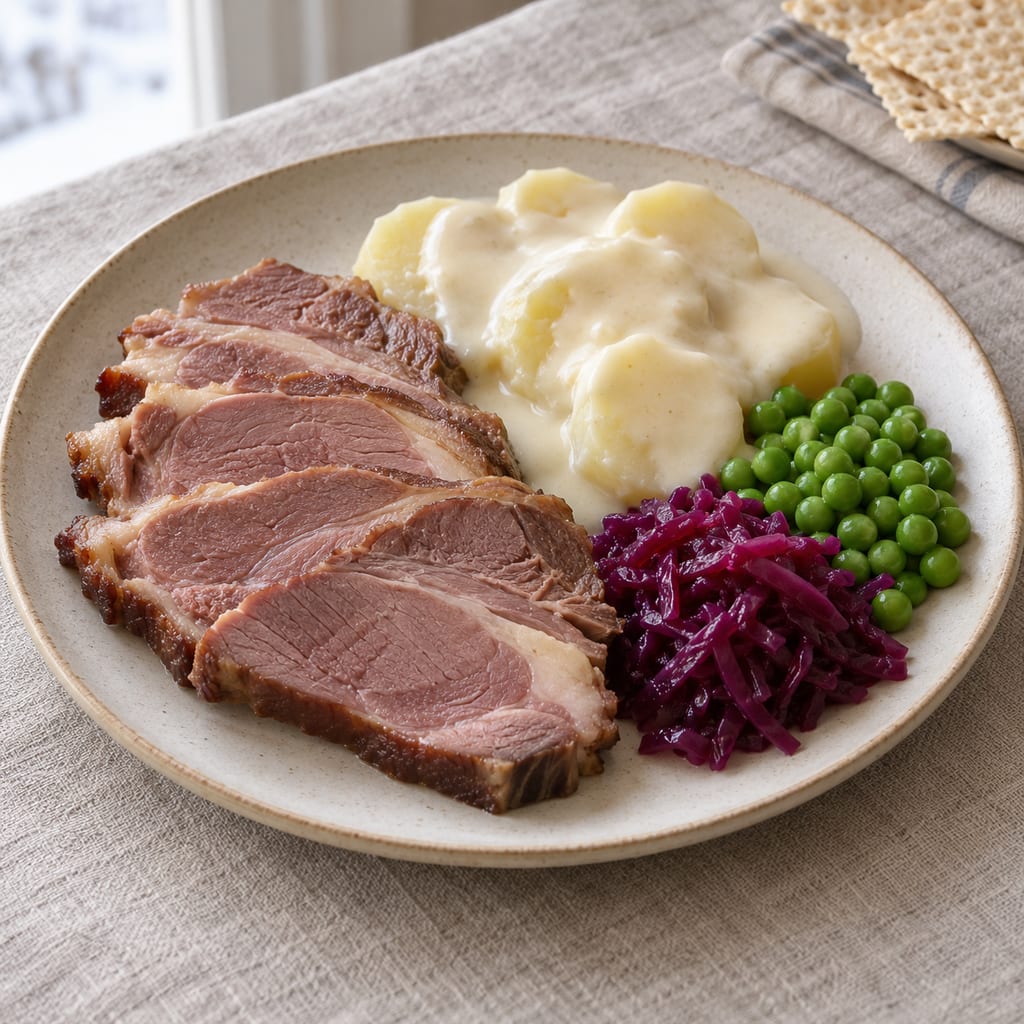
A six-person Icelandic Lamb serving recipe for deboned hangikjöt with potato bechamel, pickled cabbage, peas and laufabrauð. It cooks the product; it does not smoke or cure it.
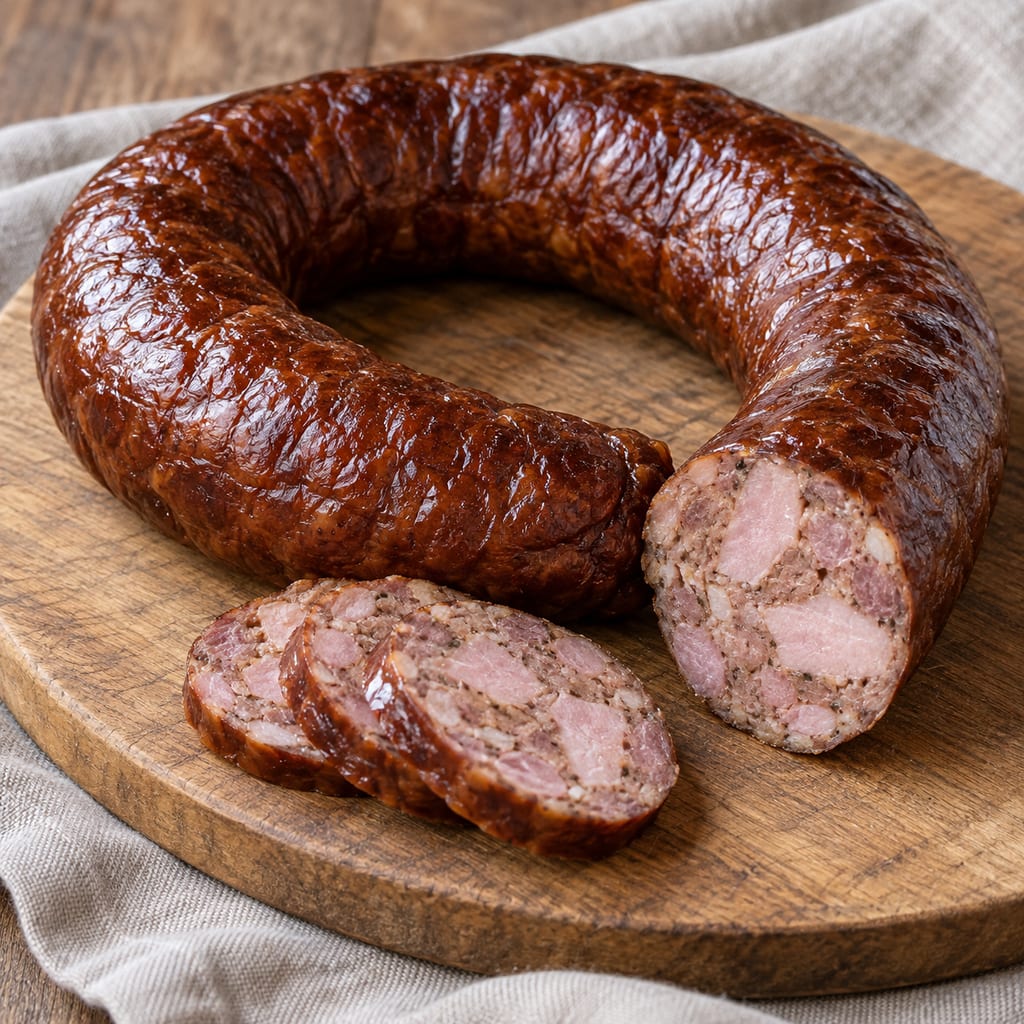
A protected pork sausage associated with Liszki and Czernichów; its application describes commercial curing and smoking, not a home batch.

A two-portion cabbage soup with onion, potato and finished Geselchtes, served with garlic sour cream.
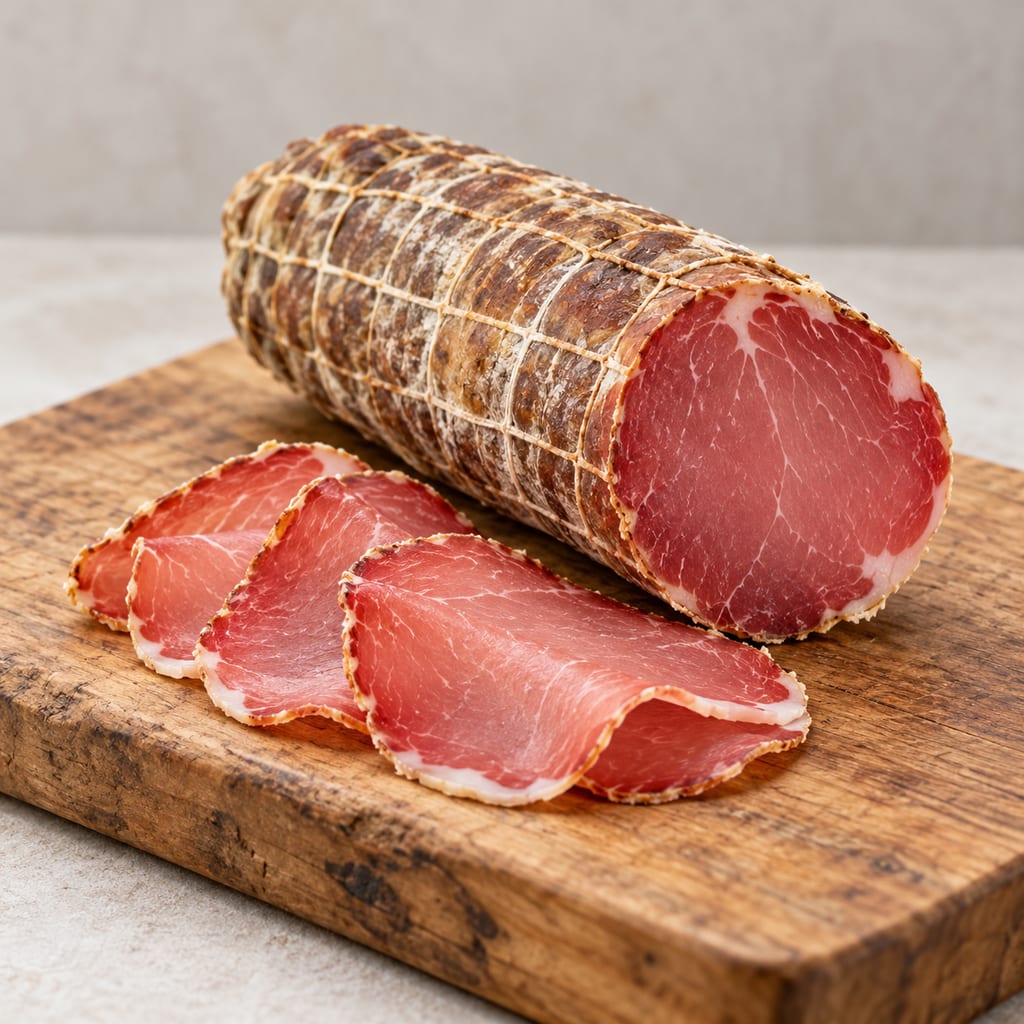
Documentary account of Italian regional cured-loin traditions, including Tuscan and Marche variations; no home-cure instructions are provided because the published professional methods lack validated safety controls.

A Cap-Pelé boucanière is an Acadian herring-smoking building. The documented Willie Niles example is a one-storey wood-frame structure with a ridge smoke vent and interior bays for hanging fish-bearing cannes.

Achcharu is a family of Sri Lankan vinegar pickles made with mixed vegetables or seasonal fruit and a piquant spice dressing. This version is a quick, refrigerated, non-fermented mixed-vegetable pickle.

The acocote is a long, hollowed and dried gourd used to draw aguamiel from a mature maguey. It is a harvesting tool: the sap is transferred to a separate vessel before it ferments into pulque.

Adrak murabba preserves young ginger in sugar syrup, a sweet South Asian preparation recorded in Indian cookery and food-processing sources.

Parkia biglobosa seeds are fermented into regional West African seasonings, including nététou, iru, dawadawa and soumbala. The yellow fruit pulp is a separate food, and names and methods vary by place.

Japanese reddish-brown vinegar from sake lees matured about three years, turned to vinegar by acetic bacteria; the vinegar of Handa and Edomae sushi rice.

A refined common-wheat flour blended for a broad range of baking; its protein and behavior vary with wheat, milling and market.

The almond mushroom, Agaricus subrufescens, was cultivated in eastern North America in the 1800s, lost its market, and returned as a cultivated mushroom from Brazil, where it is grown under several names.
No community contributions have been published for this entry yet.
Sign in to contribute. Published comments and photos are free to read.
Schwartz's DeliMethod · History
About UsTen-day marinade with a secret blend of herbs and spices, smoked overnight, steamed through the day, sliced to order
The deli dates its founding to 1928
Cited in: A Montréal Jewish deli tradition; One deli's reported commercial practice; Documentary limits
Tourisme MontréalUse
Everything you should know about smoked meatSmoked meat served on rye with yellow mustard and a pickle
Distinguishes Montréal's brisket-centred tradition from pastrami
Cited in: A Montréal Jewish deli tradition; One deli's reported commercial practice; How it is served; Historical claims and open questions
Levitts CanadaUse
Classic Montreal-Style Smoked Meat SandwichServing assembly: 150 grams sliced smoked meat, four teaspoons of mustard, two slices of rye, two pickle spears, for one or two servings; it does not cure or smoke the meat
Cited in: How it is served
Juifs d'ici (Montréal Jewish heritage)History
Smoked MeatArchival advertisements for smoked meat, including an 1894 calendar advertisement for Aaron Sanft and a 1908 advertisement for Hyman Rees
Presents early businesses and competing claims; gives 1927 for Schwartz's founding
Cited in: A Montréal Jewish deli tradition; Historical claims and open questions
Angela Hanratty and Diarmuid Cawley; European Journal of Food Drink and Society 4(1), 2024History
Pickelfleisch, Pastirma, and Beyond: An Overview of the Myths of the Origin of PastramiPickelfleisch and homen of the Rhine region as roots of pastrami, carried by Ashkenazi Jews to the United States and Canada
Defining feature: brined, cured, smoked and then steamed; abstract only was read
USDA Food Safety and Inspection ServiceSafety
Ready-to-Eat Fermented, Salt-Cured, and Dried Products GuidelineFor salt curing and equalization, process support identifies curing temperature, curing time, salt coverage, and product characteristics including size and formulation as important parameters.
Cited in: Documentary limits
McCord Stewart MuseumHistory · Use
Bens — The Legendary DeliThe museum dates Bens's founding to 1908 and documents its smoked meat sandwich, its role in Montréal restaurant culture, and historical serving and slicing photographs.
Cited in: A Montréal Jewish deli tradition