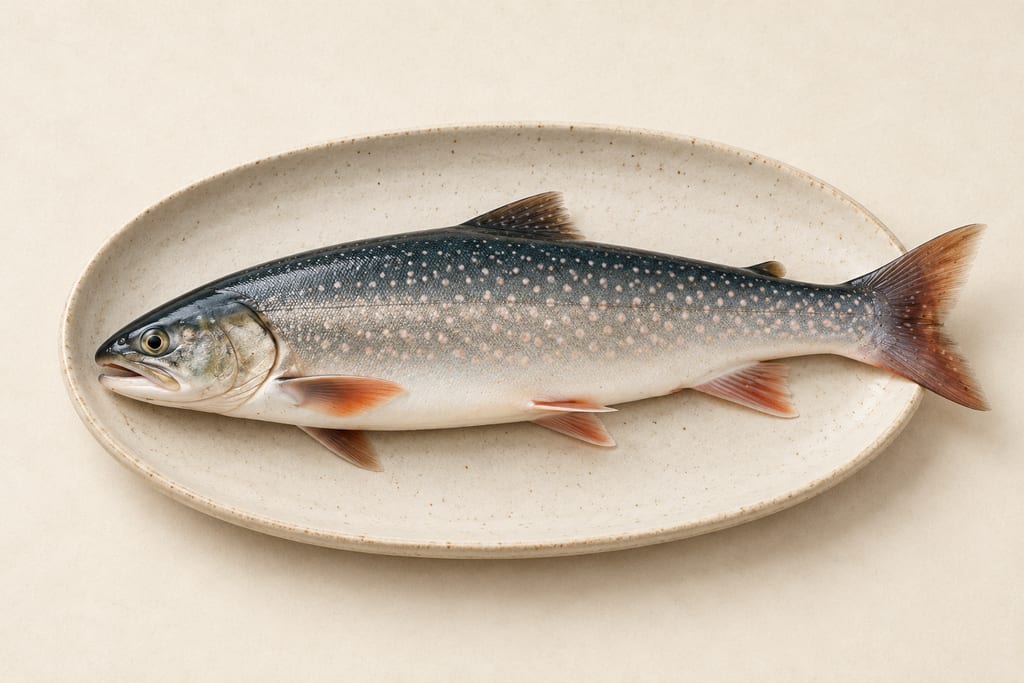
Arctic char
Arctic char (Salvelinus alpinus) is a circumpolar salmonid eaten fresh and preserved in northern communities. Its local forms and food traditions vary; dried or smoked fish and fermented char are distinct from the raw ingredient.
 FermenteaWhere food goes to change
Traditional method
Pitsi · Pitsik · Dried Arctic char
Arctic char opened, scored and air-dried in the Canadian Arctic: concentrated, chewy country food recorded as pipsi in Nunavut and pitsik in Nunavik.
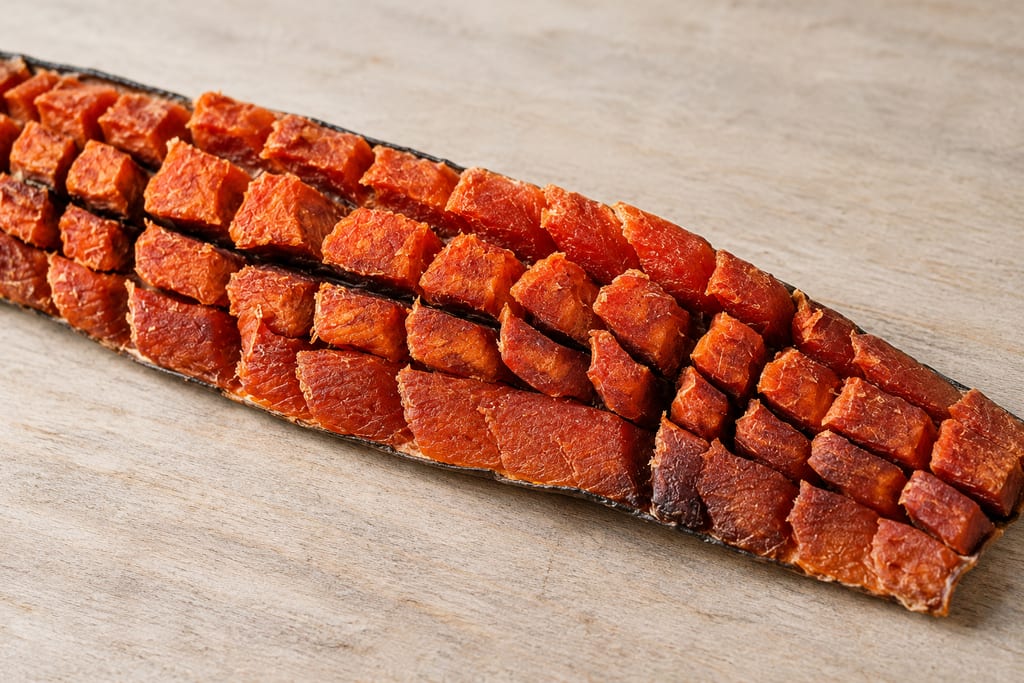
Pipsi is a traditional dried-fish food associated with Inuit communities of the Canadian Arctic. It is particularly well known in preparations made from Arctic char, Salvelinus alpinus.
The fish is opened, cut or scored to expose the flesh, and dried under suitable conditions. Finished pipsi is concentrated, chewy and strongly flavoured, with a texture quite different from fresh or cooked char.
Names and spellings vary across Inuit regions. Pipsi occurs in Nunavut and Inuvialuit documentation; pitsi and pitsik appear in other regional accounts, including photographs and reporting from Nunavik. These are not necessarily perfectly interchangeable terms in every dialect.
Inuktut languages can be written in several orthographic systems. In parts of Nunavut, Canadian Aboriginal Syllabics are used alongside Roman spelling. A single standardized syllabic rendering of pipsi should not be invented without identifying the exact dialect and intended word form.
The terms to distinguish are:
Pipsi — Dried fish, commonly Arctic char; recorded in Nunavut and Inuvialuit sources
Pitsi / pitsik — Regional Roman spellings associated with dried char
Siriaktaq — A distinct Pond Inlet preparation involving larger char dried with skin retained
Quak — Frozen country food, a different preservation state
Arctic char — Salvelinus alpinus, the principal fish associated with pipsi
Pipsi is a name for a food preparation, not a species.
The distinction matters because people often describe it simply as dried Arctic char while overlooking the techniques and cultural practices that make it distinctive.
Arctic char belongs to the salmon family, Salmonidae. It inhabits northern cold-water environments and may live entirely in freshwater or migrate between fresh and marine waters.
Migratory fish feed in coastal waters and return to fresh water to reproduce or overwinter. Other populations remain in lakes.
This life history affects how and when communities can harvest char.
The fish has been important to Inuit diets for generations, providing protein, fat and micronutrients.
Its value extends beyond the flesh. Heads, roe and other parts may be used as food, while historically fish skins and bones also served practical purposes.
There is no justified single invention date for pipsi.
Its development belongs to a much longer history of Inuit fishing, seasonal movement and the preservation of country food. Written descriptions, photographs and modern community testimony preserve particular practices, but they do not date the first use of the technique.
Pipsi remains part of contemporary Inuit food systems.
Kivalliq Arctic Foods in Rankin Inlet produces traditional dried char commercially alongside frozen, cold-smoked and hot-smoked char.
These are distinct products, even though the same fish species may be used.
In July 2026, Amautiit Nunavut Inuit Women's Association documented preparing and distributing approximately 10 pounds of pipsi in nearly 60 portions to Inuit community members in Ottawa.
The distribution illustrates something important about country food in a modern urban setting.
The value of pipsi is not limited to emergency storage or historical survival. It can maintain relationships with home communities, familiar tastes and shared cultural practices.
The preservation principle is the removal of biologically available water.
Fresh char muscle contains water, protein, fat and other nutrients that support spoilage if the fish is mishandled.
Drying removes moisture from the exposed muscle.
Air moving across the flesh carries away water vapour. Internal moisture then moves toward the surface, allowing further evaporation.
The rate depends on temperature, humidity, wind, fish thickness and the way the flesh is cut.
Arctic air can be cold while still being useful for drying, particularly where airflow is strong and relative humidity is appropriate.
Cold alone does not preserve fish indefinitely once it is exposed to conditions that permit spoilage.
One visually characteristic feature of many pipsi preparations is the pattern of cuts across the exposed muscle.
These cuts divide the flesh into blocks or strips while keeping it attached to the skin.
They increase surface area and reduce the thickness of muscle through which moisture must travel.
The skin acts as a supporting sheet, allowing the opened fish to hang while its flesh is exposed.
The resulting pattern can look almost like a ladder or rows of connected rectangles.
This appearance is evidence of deliberate preparation, not simply decoration.
Some documented versions use salt before drying.
Others are described as dried without the same treatment, or combine drying with smoking.
These distinctions are important for both flavour and safety.
Salt contributes to reduced water activity and changes the texture of the muscle. Smoke may contribute additional flavour compounds and some surface antimicrobial effects.
Neither should be casually assumed when a community source describes its product only as dried fish.
There is no one authenticated, universally applicable pipsi recipe across all Inuit communities.
The following outline records stages appearing in community, educational and photographic sources.
Fish may be taken from rivers, lakes or coastal waters, depending on local geography and season.
Their condition varies with habitat and the stage of migration.
Fish must be handled appropriately after capture. Preserving a deteriorating fish does not restore it to a safe state.
The viscera are removed and the body prepared for cutting.
This reduces the presence of intestinal material and opens the fish for subsequent processing.
The extent to which the head and bones are removed differs among regional forms.
In one widely documented method, the fish is split into two sides while retaining a connection at the tail.
Major bones are removed, leaving the skin in place.
The result can be suspended over a wooden crossbar, with the two halves hanging on either side.
Other methods use pieces rather than a complete joined pair.
Cuts are made across the exposed muscle without severing the supporting skin.
This produces the distinctive segmented appearance of much pipsi.
The sources do not establish one universal cut depth or spacing for every community and fish size.
Nunavut tourism documentation describes a version in which the opened fish is salted before hanging.
Other regional descriptions emphasize air drying without providing an exact salt quantity.
It would be inappropriate to invent a standardized salt percentage.
The fish is hung on racks, rails or other elevated supports.
Some photographs show fish suspended close to the shore in open air. Others show more protected arrangements with netting.
Good airflow is important, as is protection against animals, insects, dirt and repeated wetting.
The product is watched as it dries.
The exact duration depends on the fish and conditions. The principal regional references cited here do not establish a universally validated time, temperature or final water activity.
The finished texture can vary, which is another reason not to treat all dried char as identical.
Pond Inlet documentation distinguishes a preparation called siriaktaq.
In this form, larger char may be gutted and headed, then hung upside down to dry with their skin retained.
That is different from the heavily opened and scored form often illustrated as pipsi.
Both use air drying, but differences in anatomy and cut geometry affect how moisture leaves the fish.
A large, relatively intact fish will not dry in the same way as a thin, exposed fillet.
Regional food names preserve this distinction.
An article that uses a photograph of siriaktaq to illustrate a fully opened pipsi preparation should caption it accurately rather than conceal the difference.
The Arctic is not culturally or geographically uniform.
Nunavut encompasses communities separated by enormous distances and different coastlines, rivers and seasonal conditions.
The Inuvialuit Settlement Region, Nunavik and Greenland have their own languages, food traditions and preservation vocabularies.
Related dried-fish preparations appear across these regions, but a word recorded in one place should not automatically be assigned to another.
At Nunavik's Ungava coast, photographs from 2020 document the production of pitsik, showing brightly coloured scored fish suspended for drying.
Around Cambridge Bay, photographs show Arctic char hanging in cool coastal air.
At Rankin Inlet, commercial production includes pipsi alongside other types of prepared char.
These are connected traditions, not proof of one unchanging recipe.
Arctic char is eaten in several states.
Fresh char can be cooked by roasting, baking, frying or simmering. Frozen char has its own customary uses, including preparations known as quak.
Smoked char can have a soft texture resembling cold-smoked salmon or a firmer cooked texture, depending on the smoking process.
Dried pipsi is more concentrated and chewy.
The same fish species can therefore produce foods with very different water content, texture, flavour and safety requirements.
In modern commercial practice, a cold-smoked fish should not be assumed shelf-stable simply because smoke is involved.
Likewise, frozen fish and fully dried fish are different preservation products.
Pipsi is commonly eaten as country food, sometimes in small pieces without elaborate further cooking.
Its dense texture and concentrated flavour make it convenient to portion and share.
Traditional accompaniments depend on the community, household and available foods.
It may form part of a meal alongside other country foods or be eaten as a snack.
The documented distribution of prepared pipsi in Ottawa demonstrates its role as a ready-to-share food.
It is not necessary to invent an elaborate sauce or modern restaurant presentation to explain how it is valued.
A good culinary article should describe the food's actual texture and preparation and leave room for household variation.
The taste of properly prepared dried char differs from that of commercially sweetened fish jerky. It need not contain added sugar or a heavily seasoned marinade.
Air drying changes the environment available to microorganisms.
Removing free water inhibits the growth of many spoilage and pathogenic organisms.
However, not all microorganisms are equally sensitive to drying.
Some bacteria survive in a dormant or stressed state. Others may remain viable on the finished fish.
Salt, when used, contributes another barrier, but its effectiveness depends on concentration and penetration into the flesh.
Char oils are also susceptible to oxidation.
A dry fish with a rancid flavour may have suffered chemical deterioration even when mould is not apparent.
Parasites present an additional seafood safety issue. Wild fish may contain parasites, and neither an unidentified drying process nor casual freezing should be treated as validated parasite control.
The most concerning problems include:
- Wet or soft regions deep inside fish that appears dry outside. - Visible mould. - Slime or suspicious surface deterioration. - Insect or animal contamination. - Prolonged exposure to wet weather. - Strong rancid or putrid odours. - Packaging that traps moisture after drying.
A piece of fish can look appealing and still be unsafe.
Botulinum toxin, in particular, is not reliably detected by smell or taste.
If the safety of a homemade or improperly stored product is uncertain, do not taste it to decide whether it is acceptable.
The original community descriptions do not supply one set of scientifically validated numbers for drying pipsi at home.
A general FDA water-activity threshold of 0.85 or lower is relevant to shelf-stable dried seafood, but achieving that number is only one component of a controlled process.
Fish handling, possible parasites, uneven drying and subsequent storage must also be addressed.
The CDC identifies certain traditional fish preparations, including unsalted dried fish and fermented fish, among foods connected with botulism in Alaska.
That guidance should not be distorted into a claim that Inuit country food is inherently unsafe. It establishes that unfamiliar adaptations of preservation methods can introduce serious hazards.
For cooks without community training and a validated processing method, commercially prepared pipsi is the appropriate option.
Pipsi preserves more than fish.
It embodies knowledge of fishing seasons, Arctic weather, species behaviour, cutting techniques and food sharing.
Commercial producers show that the food can exist in a modern inspected industry without becoming simply another smoked-salmon product.
Community sharing initiatives show that it remains meaningful far from northern harvesting grounds.
Its place in an international preservation reference should therefore recognize both its technical sophistication and its cultural context.
Pipsi is a traditional dried-fish food associated with Inuit communities of the Canadian Arctic, particularly well known in preparations made from Arctic char. Names and spellings vary across Inuit regions: pipsi occurs in Nunavut and Inuvialuit documentation, while pitsi and pitsik appear in other regional accounts, including photographs and reporting from Nunavik. These are not necessarily perfectly interchangeable terms in every dialect.
The Arctic is not culturally or geographically uniform, and a word recorded in one place should not automatically be assigned to another. Photographs from 2020 document pitsik production on Nunavik's Ungava coast; photographs from around Cambridge Bay show char hanging in cool coastal air; and commercial production at Rankin Inlet includes pipsi alongside other prepared char. These are connected traditions, not proof of one unchanging recipe, and no inspected source dates the practice.
Scaling: source batch only
The CDC identifies certain traditional fish preparations, including unsalted dried fish and fermented fish, among foods connected with botulism in Alaska.
Hazard sourceAchieving a low water activity is only one component of a controlled process; fish handling, uneven drying and storage must also be addressed.
Hazard sourcePossible parasites are among the hazards the general guidance requires a processor to address for dried seafood.
Hazard sourceWater activity for shelf-stable dried seafood
Control sourceThe original community descriptions supply no validated set of numbers for drying pipsi at home, and no standardised salt percentage should be invented for the salted versions.
CDC botulism guidance does not make Inuit country food inherently unsafe; it establishes that unfamiliar adaptations of preservation methods can introduce serious hazards.
Without community training and a validated processing method, commercially prepared pipsi is the appropriate option.
A territory-level association; the sources do not place the preparation in one Nunavut community.
Pipsi is recorded in Inuvialuit documentation; the region has its own language and food traditions.
Photographs from the Ungava coast document pitsik, the regional name and form, rather than pipsi as recorded elsewhere.
Commercial production of pipsi alongside other prepared char; coordinates are not given by the source.
Arctic char (Salvelinus alpinus) is a circumpolar salmonid eaten fresh and preserved in northern communities. Its local forms and food traditions vary; dried or smoked fish and fermented char are distinct from the raw ingredient.
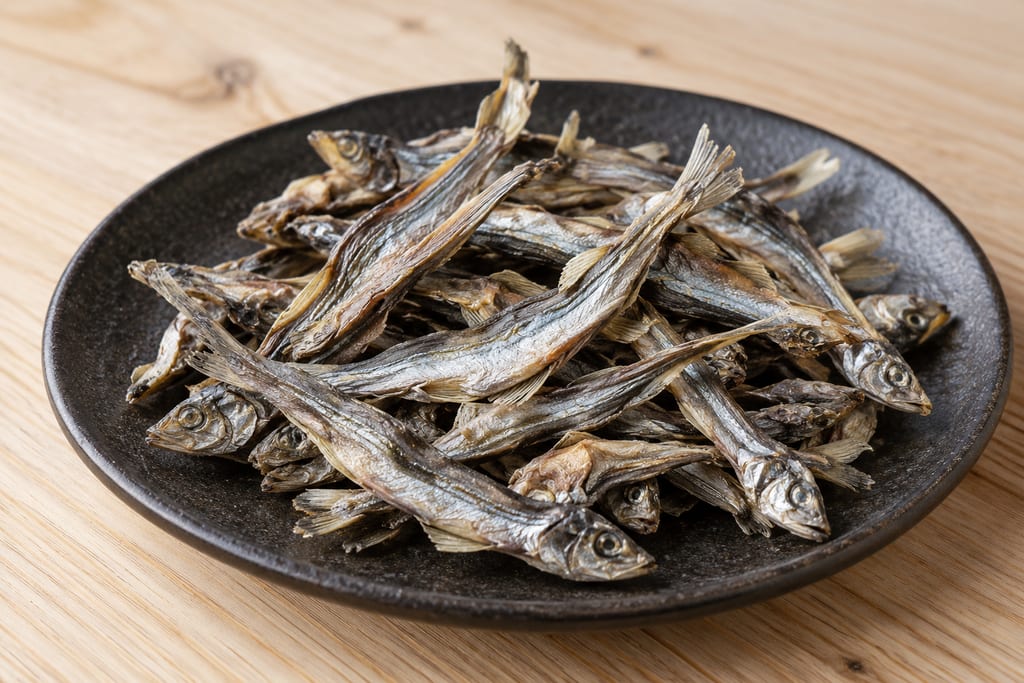
Greenlandic capelin dried whole on rocks, among crowberry vegetation or on buildings, and the microbial research that has made this small fish unusually well studied.
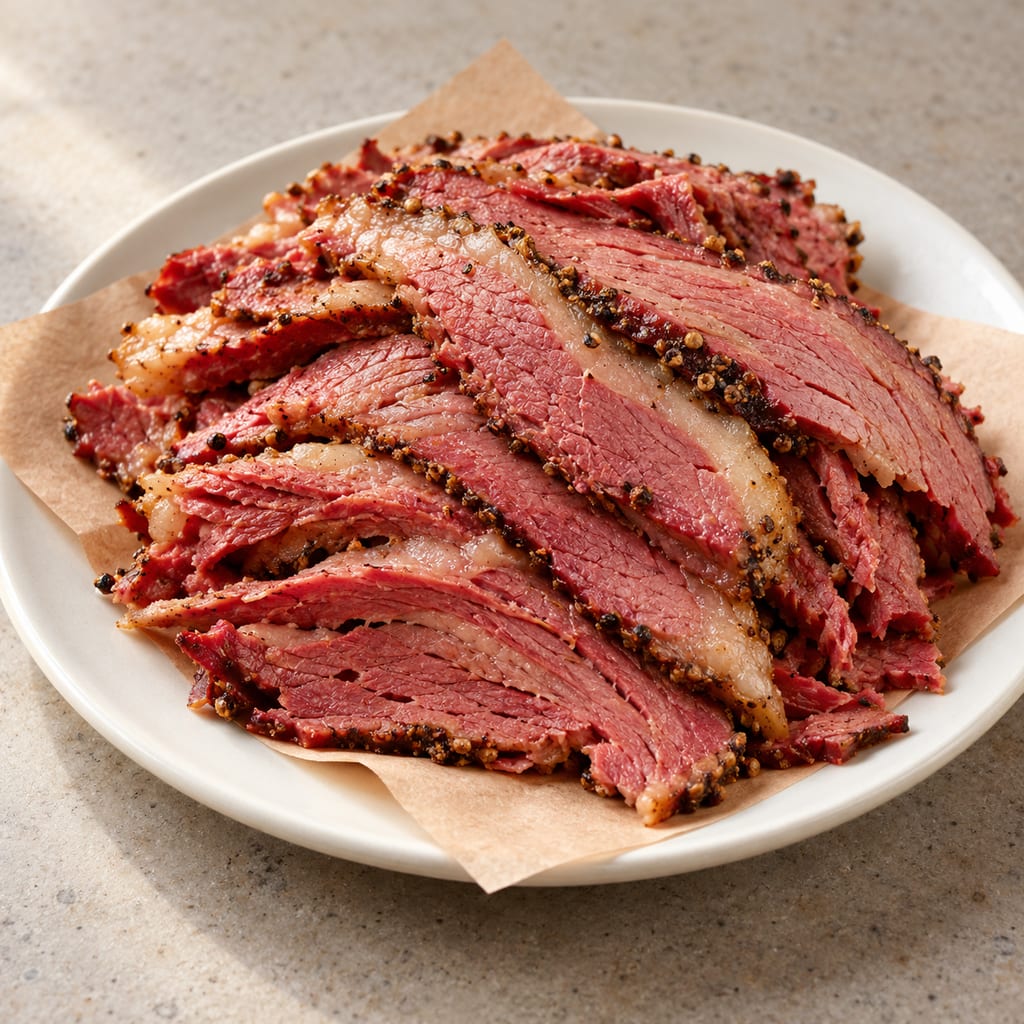
Montréal smoked meat is a brisket-centred Jewish deli specialty shaped by migration and Montréal's restaurant culture. This entry documents reported commercial traditions and one deli's account; it is not a home-curing method.
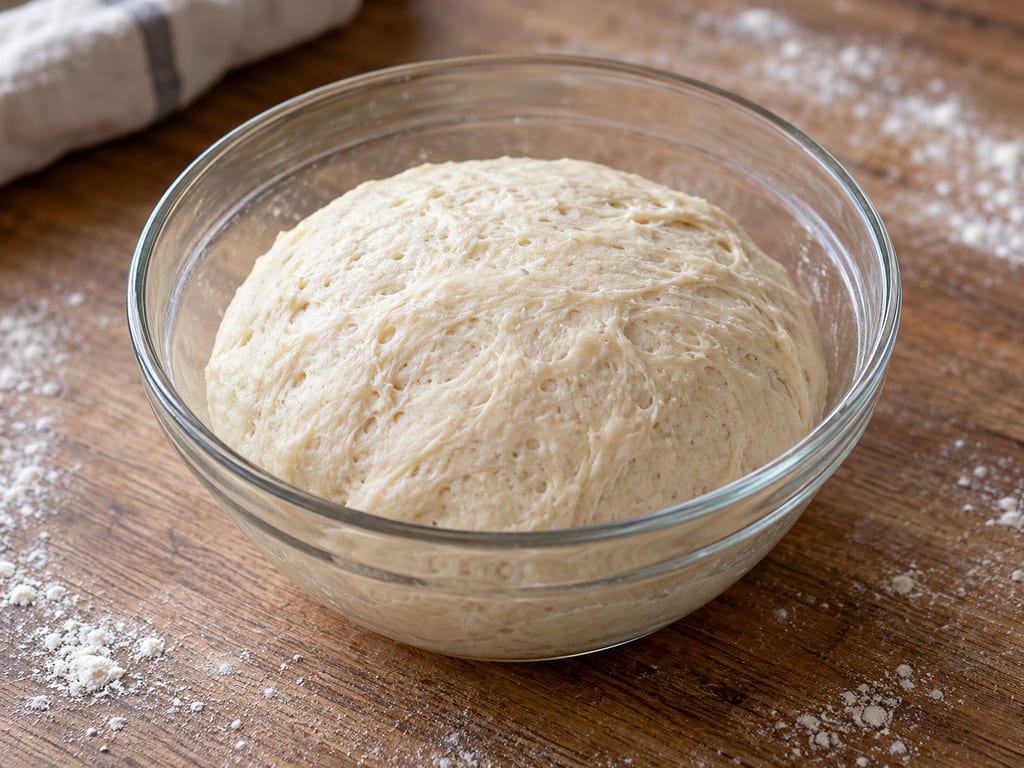
Pâte fermentée is a bread preferment made from salted, yeasted dough set aside to ferment and mixed into a later batch, carrying developed dough and fermentation products with it.
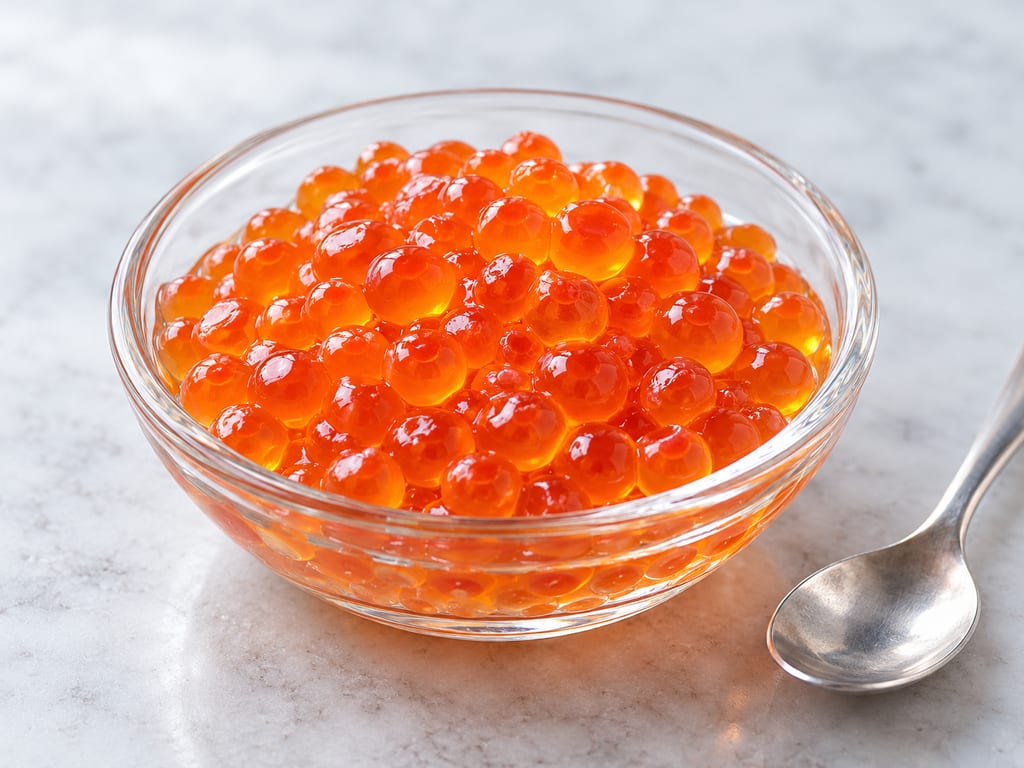
Salmon roe is separated from skeins and treated in two salt-water stages using a University of Alaska Extension formula.

Kodiak salmon, halibut and cod cut as seg'aq and hung on an initaq rack to become tamuuq, with kac'amaasaq and kupcuunaq named as different results.
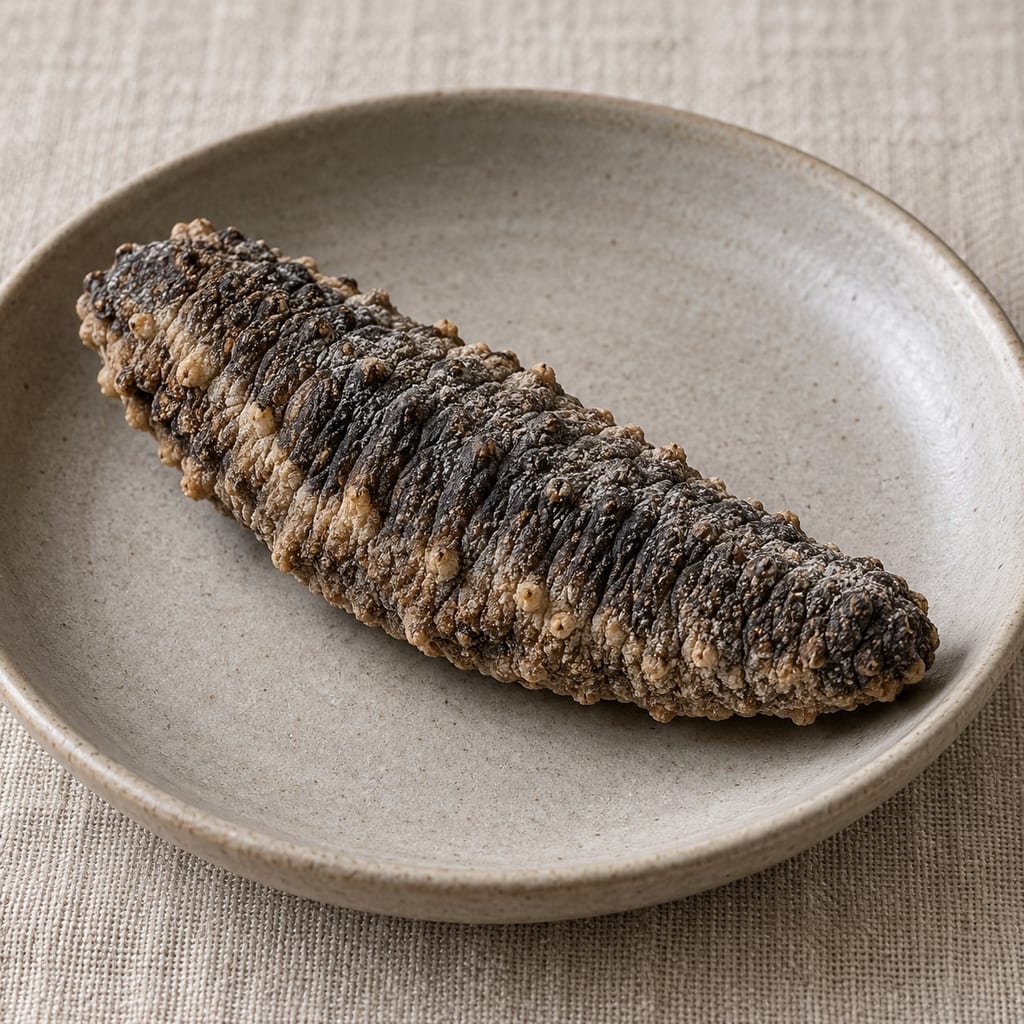
Sea cucumber cleaned, boiled and dried, sometimes with smoke, into a long-keeping trade product; Makassan processing in Arnhem Land is documented from at least the eighteenth century.
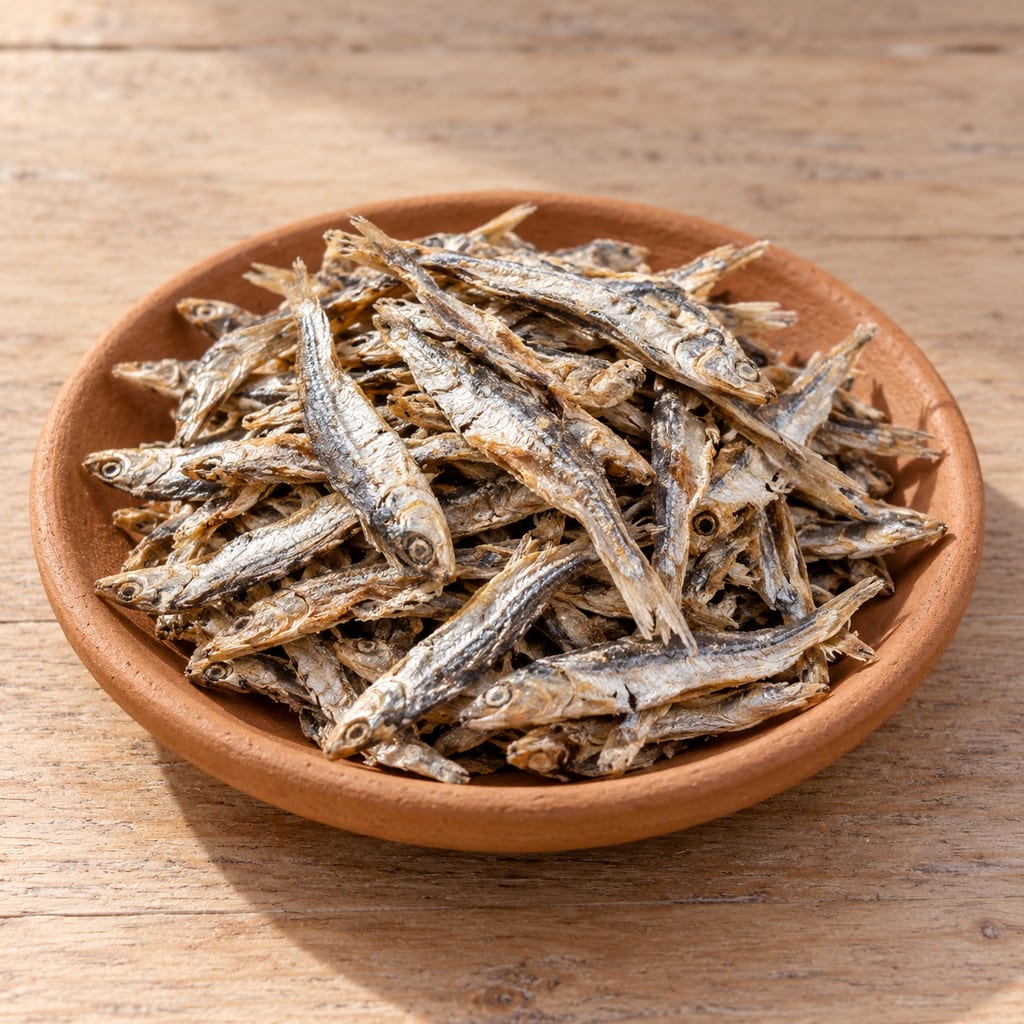
Anchoveta salted, drained of sanguaza and sun-dried on sand or stones at Caleta de Carquín, a technique declared part of Peru's cultural heritage in 2016.
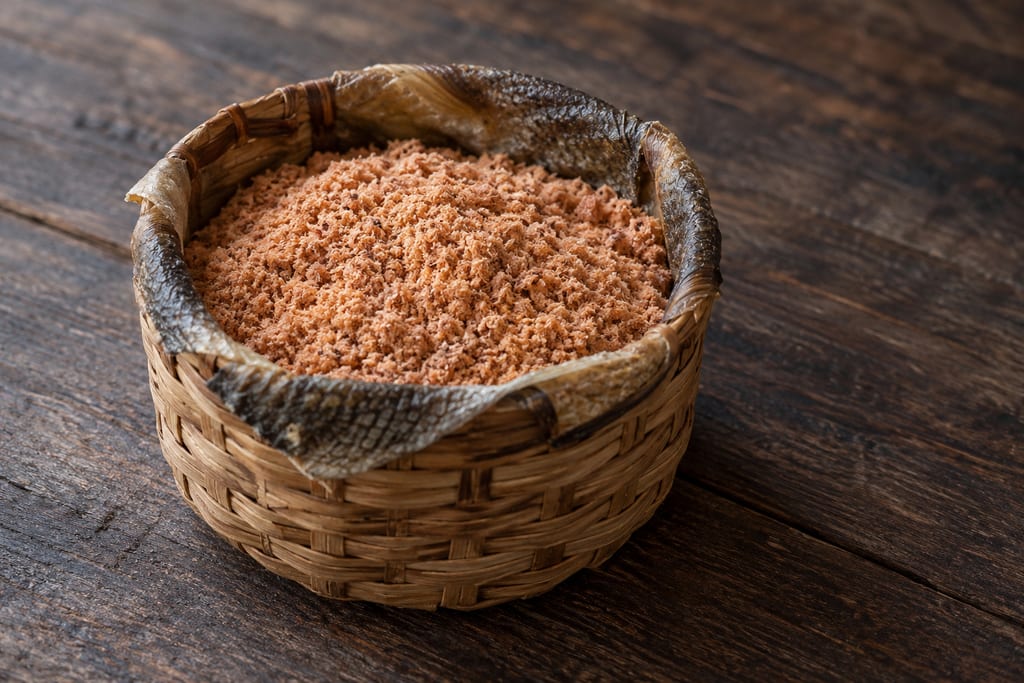
Dried salmon broken down, pounded to a meal and pressed into grass baskets lined with fish skin: the compact trade food of Celilo Falls and The Dalles.
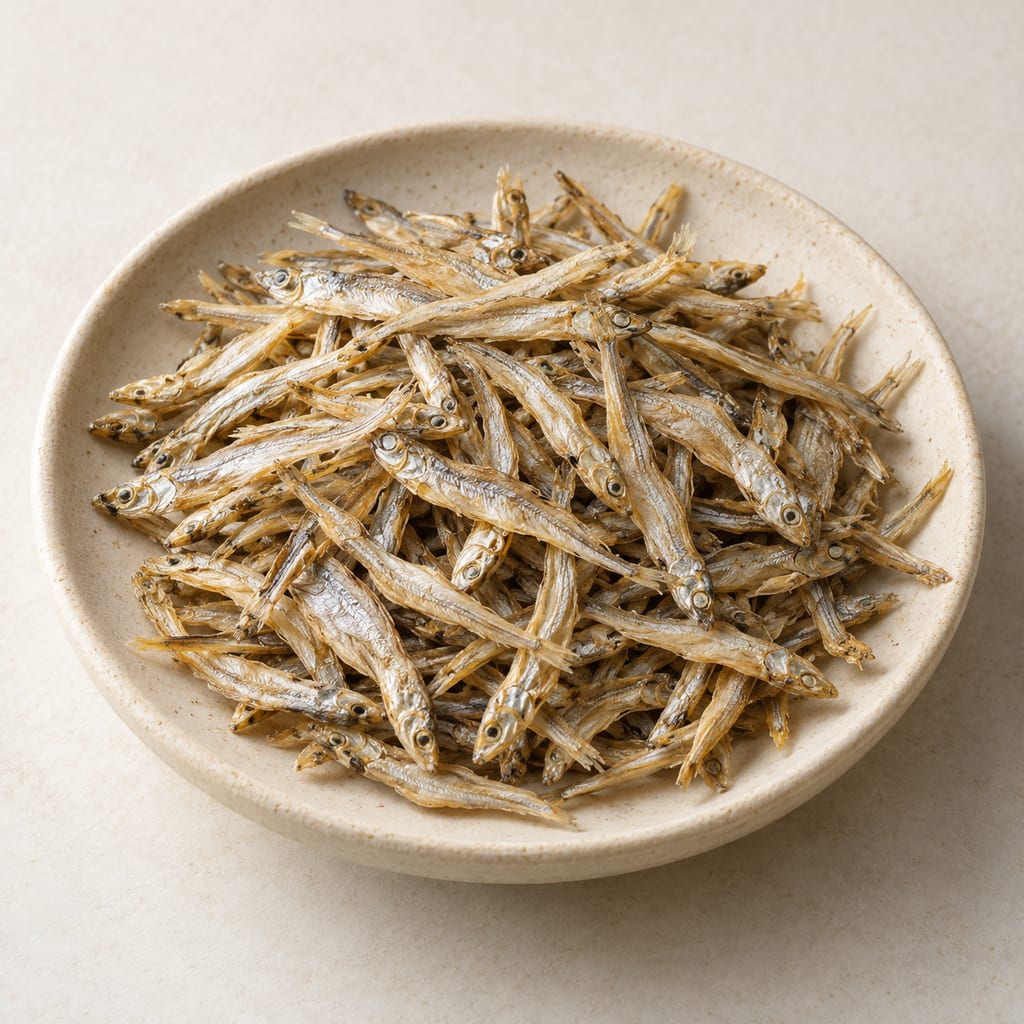
Small central-Mexican lake silversides, Chirostoma spp., dried whole and sometimes salted, then fried, roasted or simmered into Lenten tortitas and snacks.
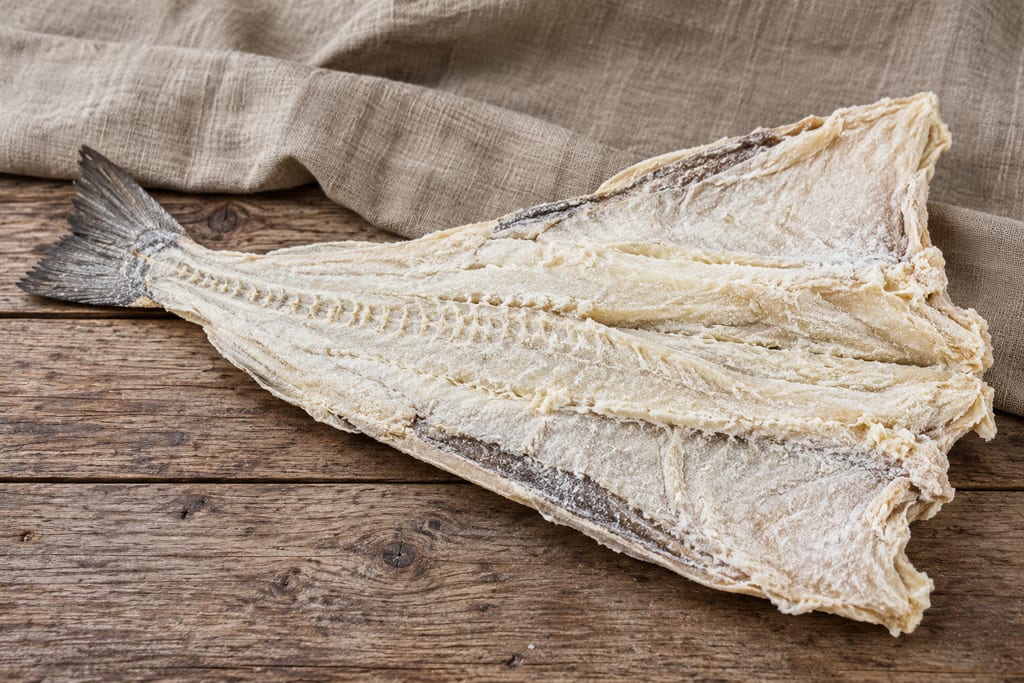
Cod split, salted and dried on flakes until hard, a long-keeping fish that must be desalted and rehydrated before use; the salting and the extensive drying together make it portable where light salting or partial drying does not.
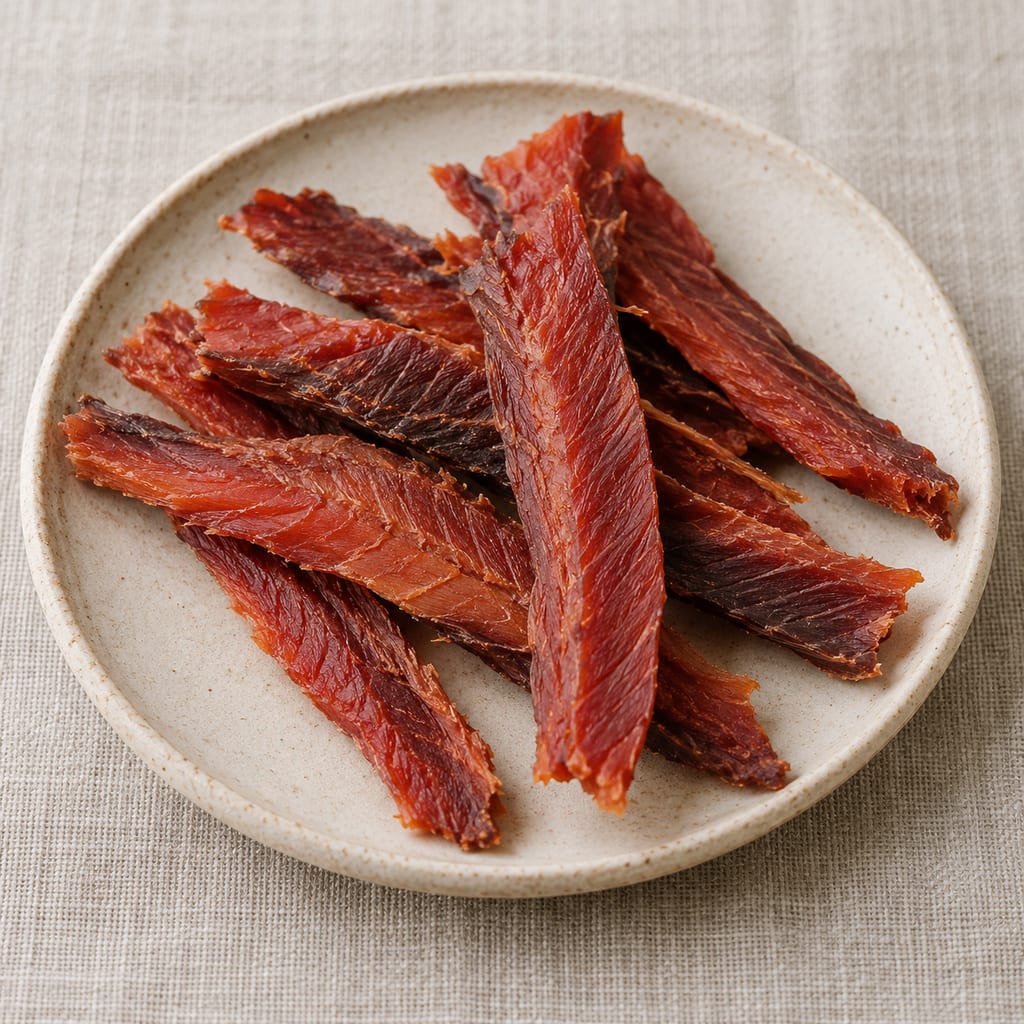
Salmon opened, scored and hung on roofed racks in the dry canyon winds of the Fraser River: slhíts'es in Stó:lō documentation, sts'wan in St'át'imc records.
No community contributions have been published for this entry yet.
Sign in to contribute. Published comments and photos are free to read.
Inuvialuit Regional CorporationMethod · History
Inuvialuit Regional Corporation — Food and cultural traditionsPipsi recorded in Inuvialuit documentation as dried fish, commonly Arctic char
Food and cultural traditions in which drying extends the use of a seasonal catch
Cited in: What is pipsi?; Arctic char as a northern food; Why Arctic char can be dried; Scoring as a preservation technique; Salt and smoke; The stages of preparing pipsi; 1. Catching and selecting char; 2. Cleaning; 3. Opening and deboning; 4. Cutting the flesh; 5. Salting where traditional to the method; 6. Hanging in suitable air; 7. Monitoring and removal; Inuit traditions across the Arctic; Signs of trouble
Nunavut Development CorporationUse · Production
Nunavut Development Corporation — Kivalliq Arctic FoodsCommercial production at Rankin Inlet including pipsi alongside other types of prepared char
Cited in: Food security and community sharing; Inuit traditions across the Arctic; Fresh, frozen, dried and smoked char; The continuing importance of pipsi
Destination NunavutMethod · Use
Destination Nunavut — Country Food and Arctic CharA version in which the opened fish is salted before hanging
Arctic char as country food and the recorded distinction of siriaktaq, a Pond Inlet preparation in which larger char are gutted and headed, then hung upside down to dry with their skin retained
Cited in: What is pipsi?; Salt and smoke; The stages of preparing pipsi; Siriaktaq: a related preparation, not a synonym; Fresh, frozen, dried and smoked char; How pipsi is eaten
Royal Canadian Geographical SocietyContext
Indigenous Peoples Atlas of Canada — Wildlife and Arctic charArctic char, Salvelinus alpinus, and its place in northern wildlife and food systems
Cited in: Arctic char as a northern food
Nunatsiaq NewsMethod · Regional variation
Nunatsiaq News — Making pitsik on the Ungava coastPhotographs from 2020 documenting the production of pitsik on Nunavik's Ungava coast, with brightly coloured scored fish suspended for drying
Cited in: What is pipsi?; Scoring as a preservation technique; Inuit traditions across the Arctic
Amautiit Nunavut Inuit Women's AssociationUse · Community
Amautiit — Sharing Pipsi Across Ottawa, July 2026Pipsi shared across Ottawa in a community food security initiative, July 2026
Cited in: Food security and community sharing; How pipsi is eaten; The continuing importance of pipsi
US Centers for Disease Control and PreventionSafety
CDC — Botulism Prevention in Alaska Native FoodsCertain traditional fish preparations, including unsalted dried fish and fermented fish, among foods connected with botulism in Alaska
Cited in: Safety and responsible reproduction
US Food and Drug AdministrationSafety
US FDA — Fish and Fishery Products Hazards and Controls GuidanceA water-activity threshold of 0.85 or lower for shelf-stable dried seafood
Cited in: Why Arctic char can be dried; Microbiology and chemistry; Signs of trouble; Safety and responsible reproduction