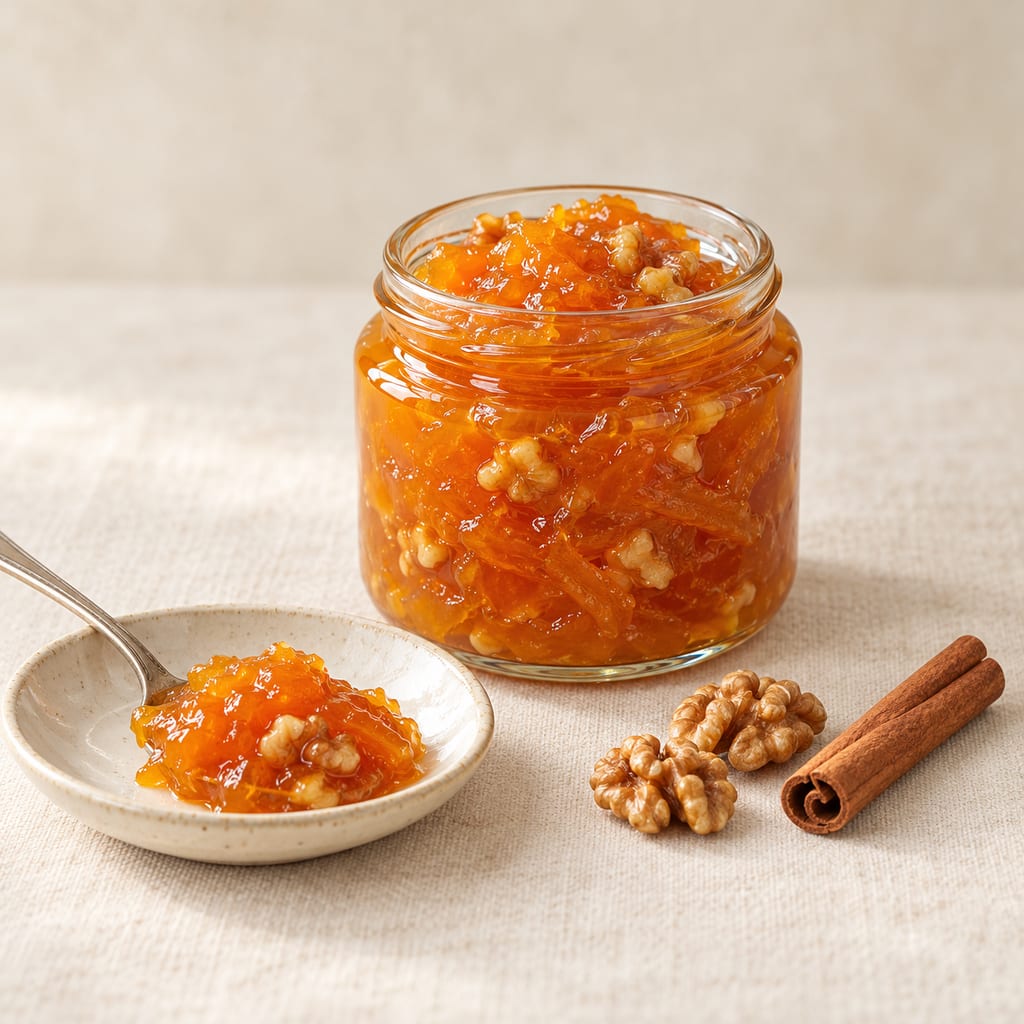
Doce de abóbora with walnuts
Portuguese pumpkin jam cooked with cinnamon and optional walnuts. A sweet spread to refrigerate or freeze, rather than a home-canned preserve.
 FermenteaWhere food goes to change
Modern method
Portuguese pumpkin jam: Freeze for winter; small fresh portion refrigerated up to 48 hours.
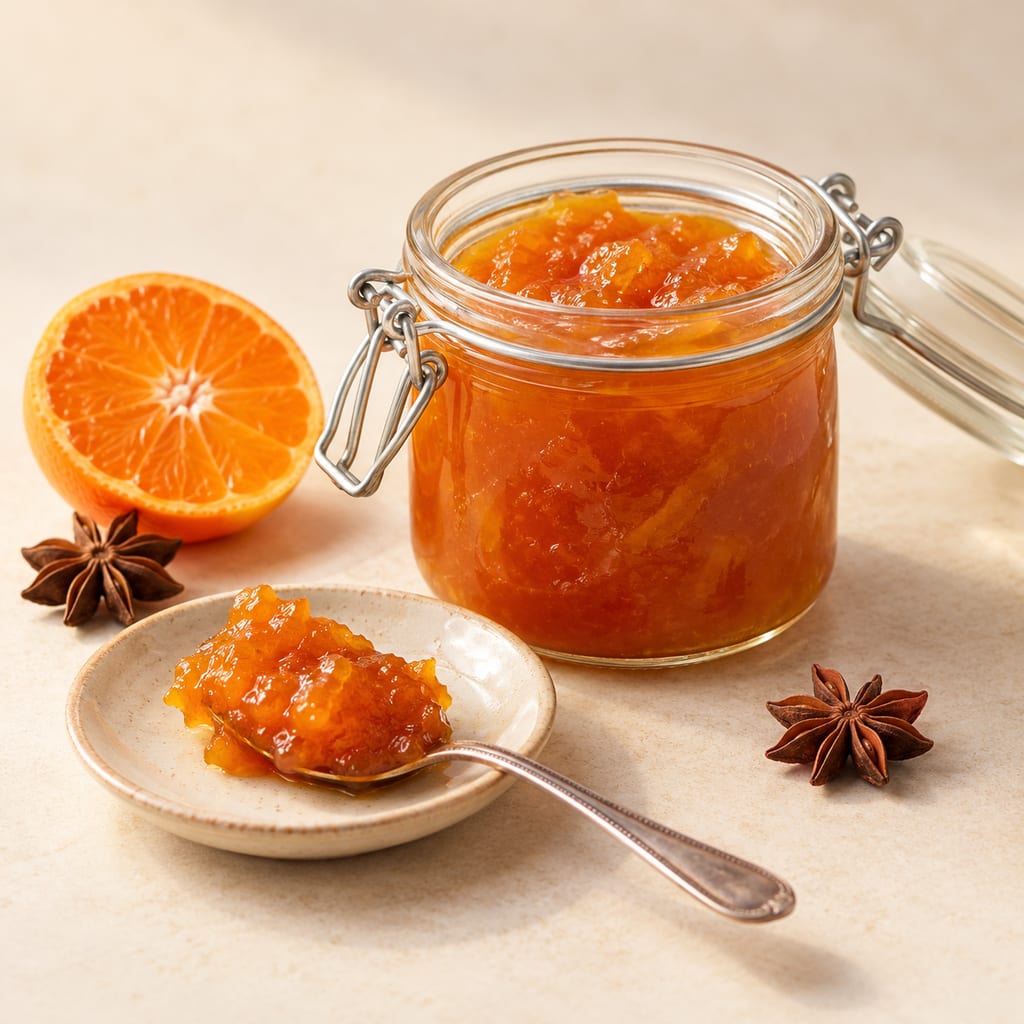
Storage for this version: Cool in small portions and refrigerate within one to two hours at 5°C or below (aim for 4°C). Use the fresh chilled portion within 48 hours; freeze the winter portions promptly at about −18°C in freezer-rated containers with expansion space. Thaw in the refrigerator and use within 24 hours of complete defrosting. This is the collection's conservative handling policy, not a laboratory shelf-life result for this preserve.
Portugal offers a useful answer to a pumpkin glut: cook the flesh down to a concentrated sweet preserve. The preparation is documented in Portuguese recipe publishing with several flavour combinations. Joana Roque's Christmas version uses citrus, ginger, cinnamon, clove and star anise; TeleCulinária also publishes a noticeably less sugary version scented with coriander seed and cinnamon. These are variations within one preserve tradition, rather than evidence of one compulsory national formula.
This batch follows Roque's pumpkin-to-sugar ratio at half scale, with practical quantities of whole spices. It is intended for small frozen portions. It should not be labelled a cupboard-stable jam, even though its name and texture resemble conventional fruit jam.
Yield: one medium batch; weigh the finished preserve because evaporation and pumpkin moisture change the yield. Equipment: wide heavy saucepan, heatproof spatula, potato masher or stick blender, shallow cooling containers and freezer containers.
A smooth preserve accommodates edible pumpkin that is less suited to attractive pickle cubes. Decide the texture before reducing the last water: blending a very thick, bubbling mixture is awkward and can splash. Small freezer portions let you thaw only the amount required, instead of repeatedly opening a large jar.
Do not treat the amount of citrus in this recipe as an acidification specification. Its role here is flavour. A firm consistency also says nothing reliable about equilibrium pH or available water. The safe winter-storage decision is made independently: freeze the finished preserve. The chilling and freezing directions below apply to this version.
Portuguese sources also add nuts, orange or lemon. If recording a walnut version, list the nut explicitly as an allergen and document the formula separately. There is no need to add nuts to this storage batch; they can be added after thawing. The coriander-seed variant in TeleCulinária is interesting precisely because it shows that pumpkin preserves need not taste like the familiar cinnamon-clove mixture.
No medieval origin or exclusive regional birthplace has been established here. The reliable evidence is the published Portuguese preparation itself. The source's hot-fill instructions have been replaced by cold storage; this change should remain visible if the recipe is published.
Cool in small portions and refrigerate within one to two hours at 5°C or below, aiming for 4°C. Use the fresh chilled portion within 48 hours. Freeze winter portions promptly at about −18°C in freezer-rated containers with expansion space. Thaw in the refrigerator and use within 24 hours of complete defrosting. These are conservative handling instructions, not a measured shelf life for this particular preserve. Sugar concentration, a jam-like set and a sealed lid do not establish a home-canning process.
Storage for this version: Cool in small portions and refrigerate within one to two hours at 5°C or below (aim for 4°C). Use the fresh chilled portion within 48 hours; freeze the winter portions promptly at about −18°C in freezer-rated containers with expansion space. Thaw in the refrigerator and use within 24 hours of complete defrosting. This is the collection's conservative handling policy, not a laboratory shelf-life result for this preserve.
Scaling: source batch only
Freezer for winter; conservative 48-hour refrigerated handling
Hazard sourceFreezer for winter; conservative 48-hour refrigerated handling
Control sourceFreezer for winter; conservative 48-hour refrigerated handling
Do not transfer a canning schedule from a different pumpkin preparation.
Geographical association of this documented version, not an asserted origin.
Portuguese pumpkin jam cooked with cinnamon and optional walnuts. A sweet spread to refrigerate or freeze, rather than a home-canned preserve.
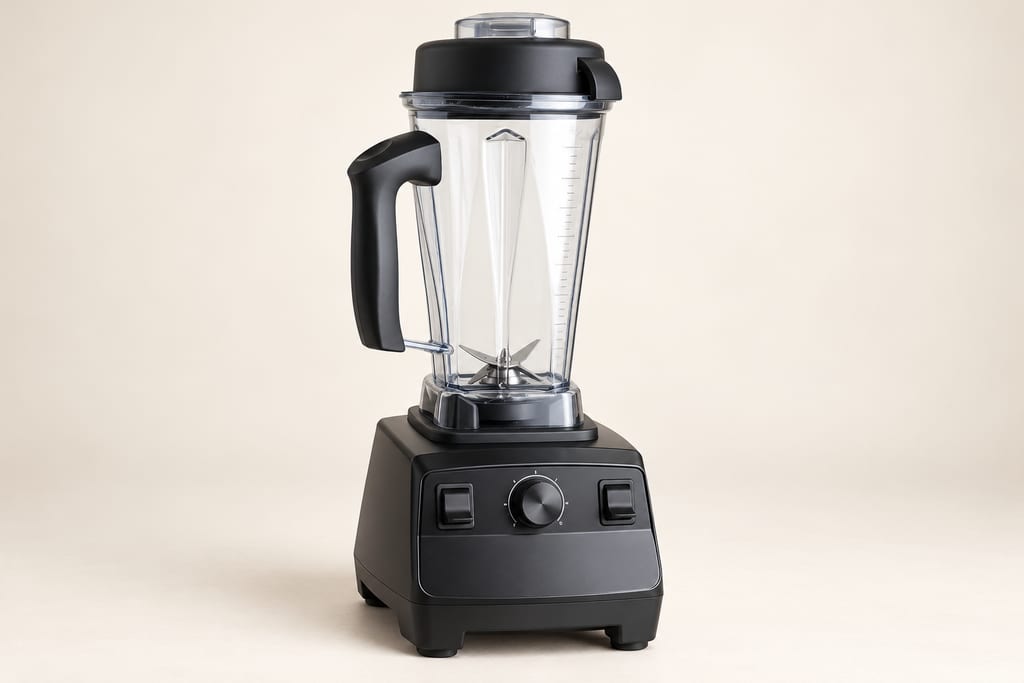
A food blender uses motor-driven blades to purée, emulsify, grind or disperse ingredients in a jar or directly in a pot. Countertop, personal and immersion forms differ in vessel and limits; food processors remain a separate tool family.
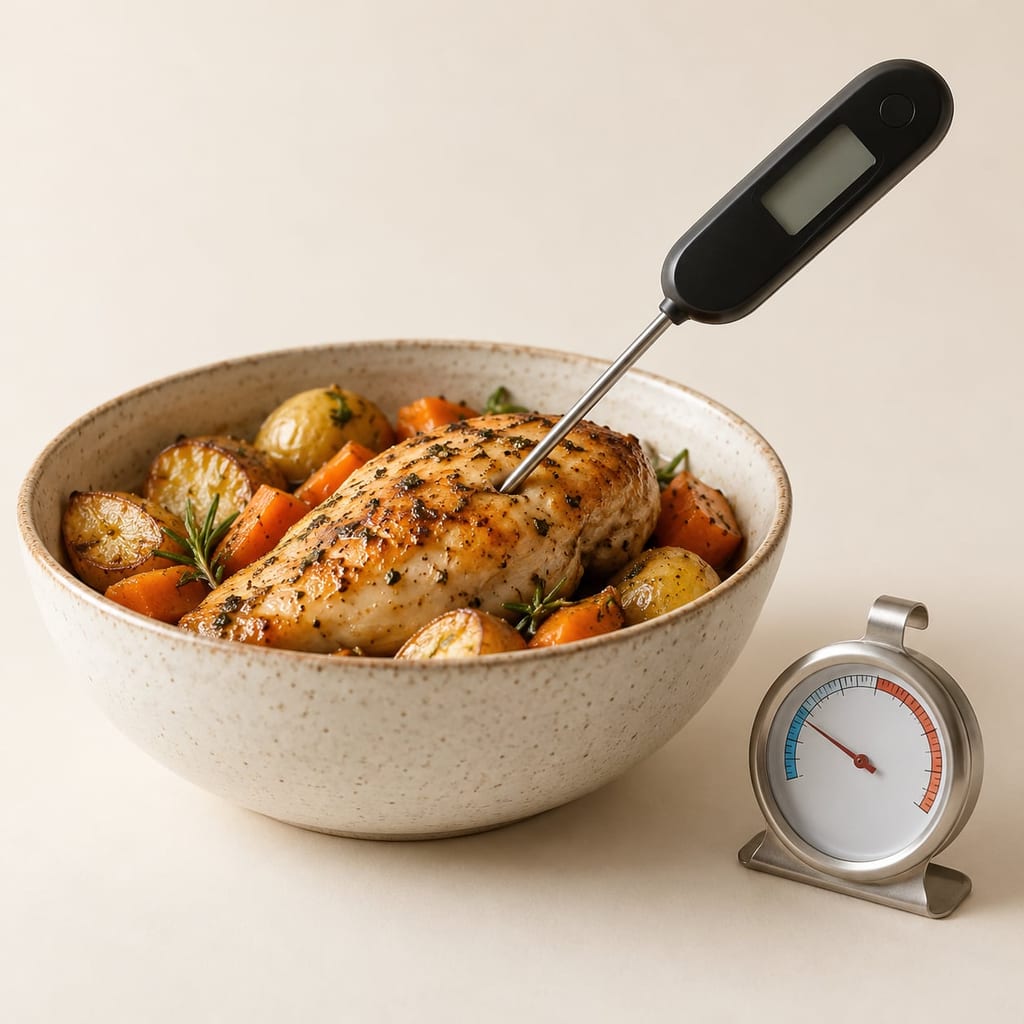
A food probe measures the temperature inside food at the probe tip; a refrigerator thermometer measures the cold storage environment. They answer different questions and cannot establish acidity or validate a preservation process.
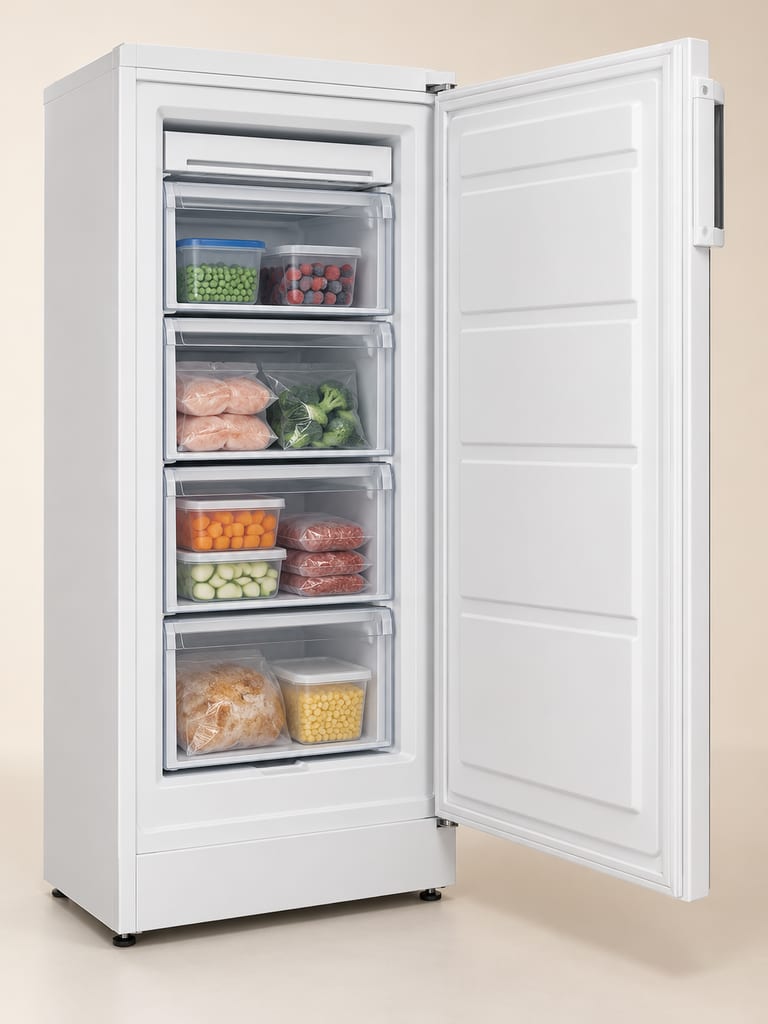
A household freezer holds food in a frozen state for storage and selected texture or separation work; its batch-storage role differs from industrial equipment that freezes individual pieces separately.
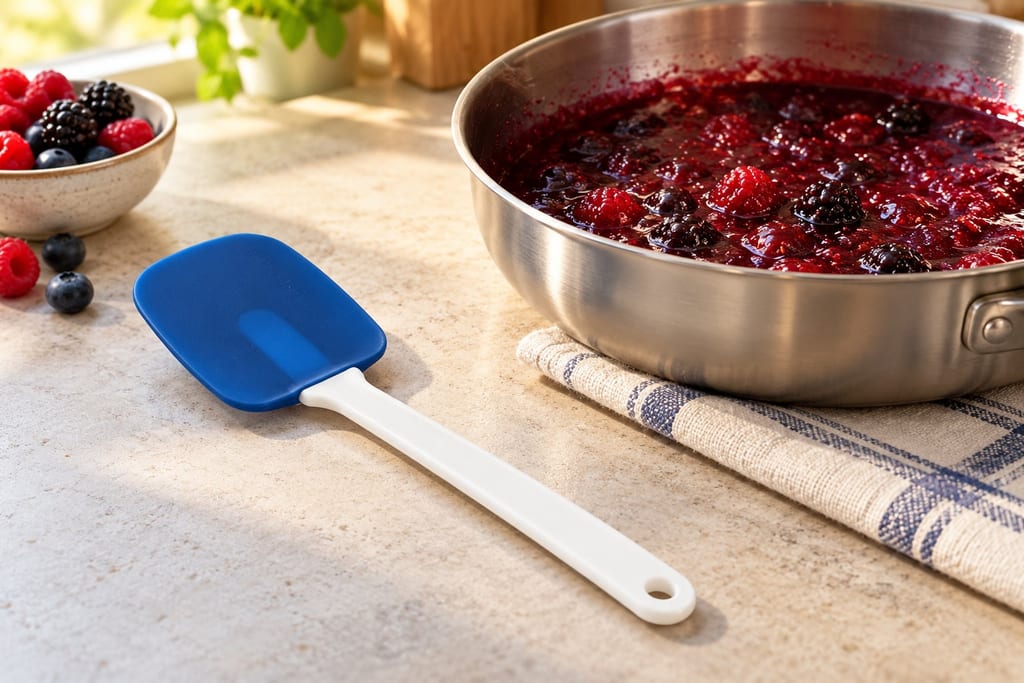
A hand utensil for stirring and scraping a pan of hot preserves. The supplied atlas lists a heatproof spatula for small trials but gives no blade material, dimensions, temperature rating or specific construction.
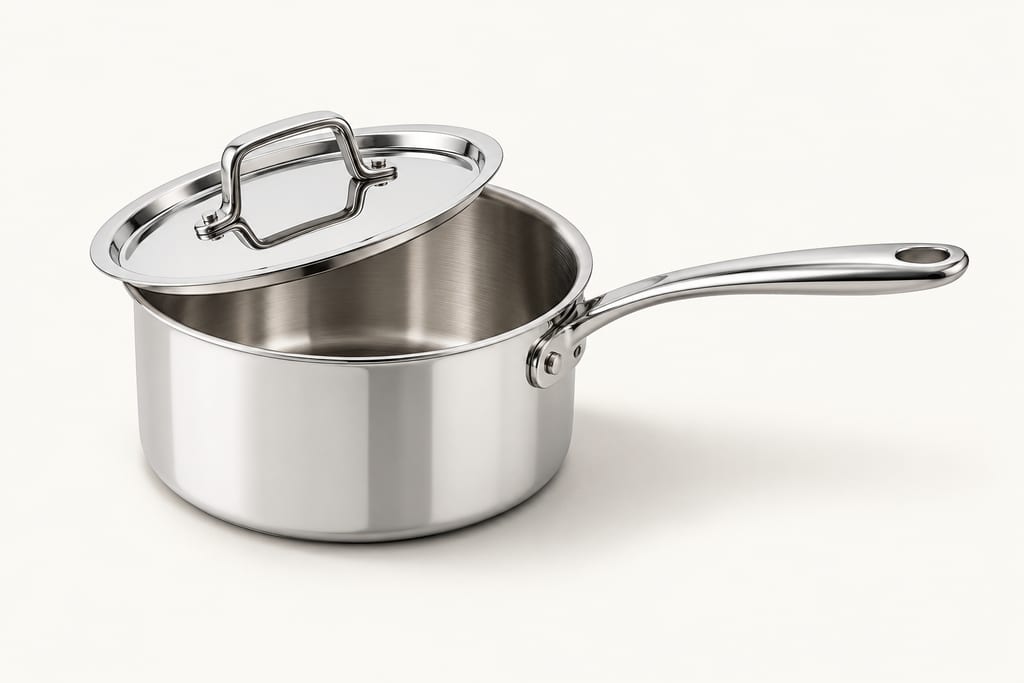
A modern, portable stovetop pan with a stainless-steel cooking surface for sauces and other small simmering jobs. Size, cladding, lid, compatibility and care vary by model.
An ordinary household refrigerator used to store selected fresh produce in vented crates or drawers, at low temperature and at a humidity chosen by the drawer. Not every crop benefits from cold.
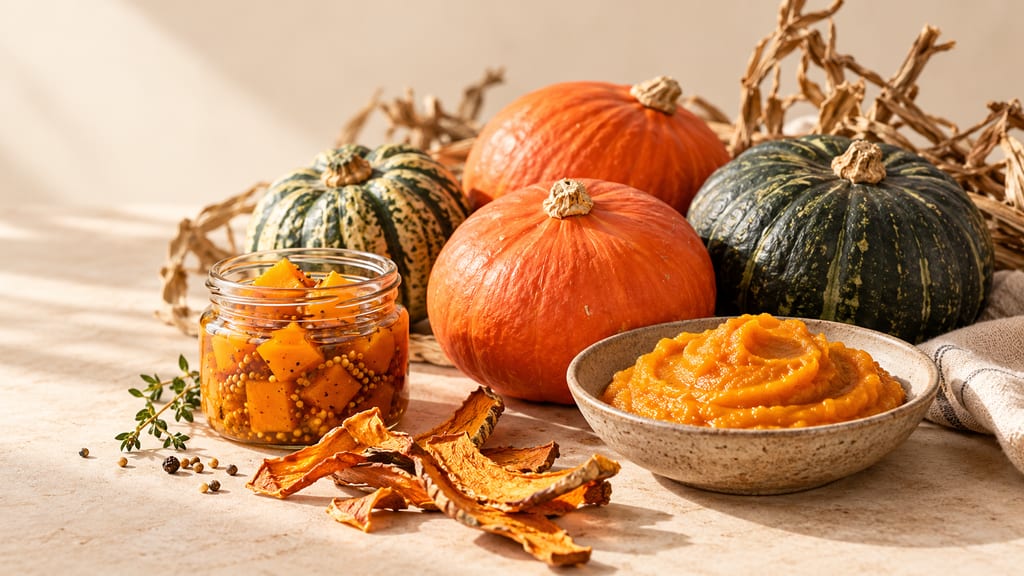
A full harvest-to-pantry guide to keeping pumpkins whole, drying and freezing them, and making pickles and sweet preserves around the world—with the exact distinction between tested canning and cold storage.
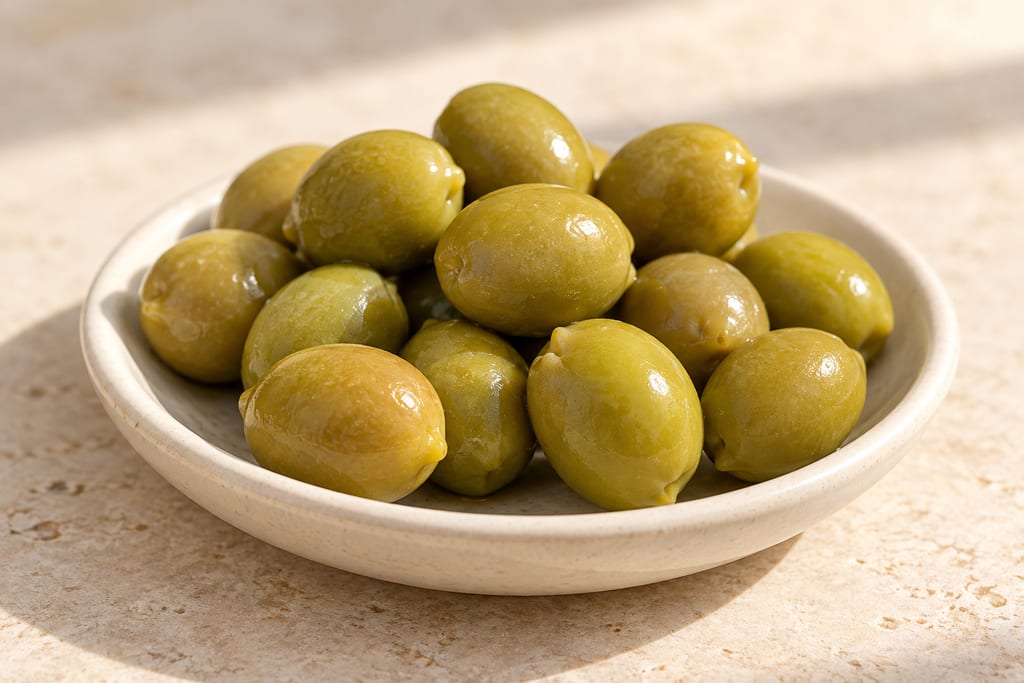
A Portuguese table-olive product from the Negrinha cultivar in northeastern Portugal, sold in three commercial styles, two of them brined fermentations and one oxidised to black.
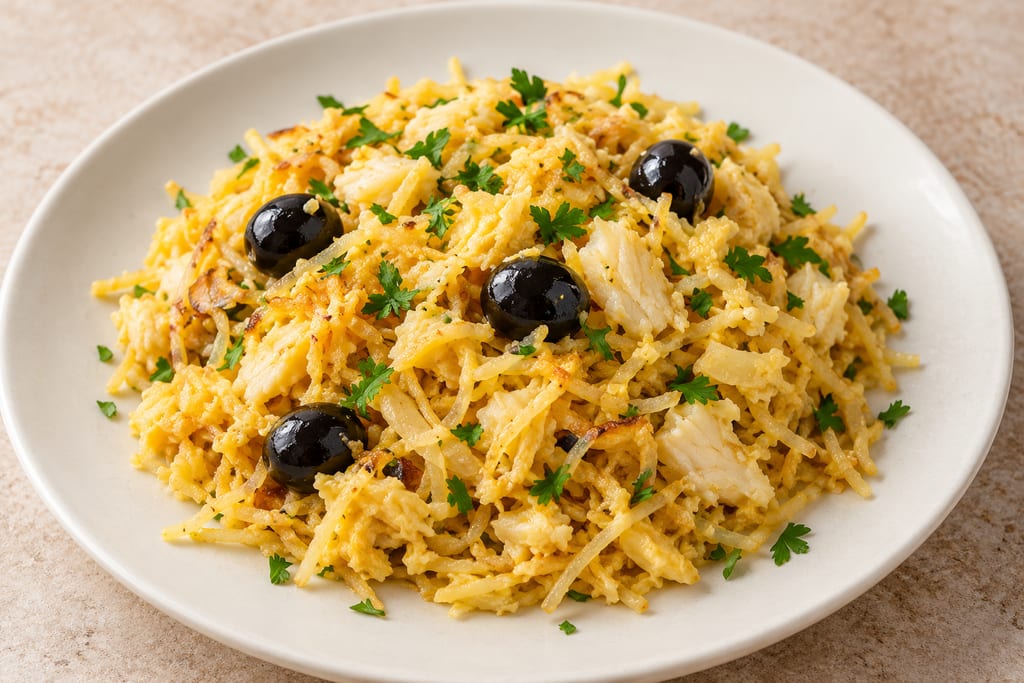
Lisbon's salt cod dish: shredded desalted cod and fine fried potato matchsticks folded through softened onion and bound with beaten egg, finished with parsley and black olives.
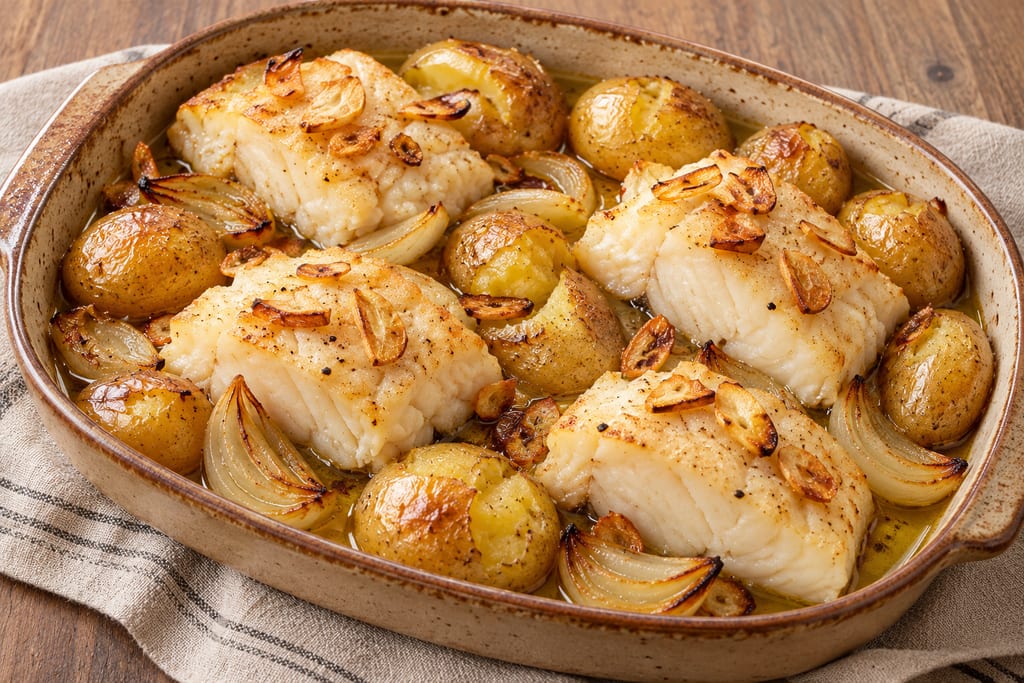
Thick pieces of desalted salt cod roasted in olive oil with garlic and onion, served with small potatoes cooked and then crushed until their skins split.
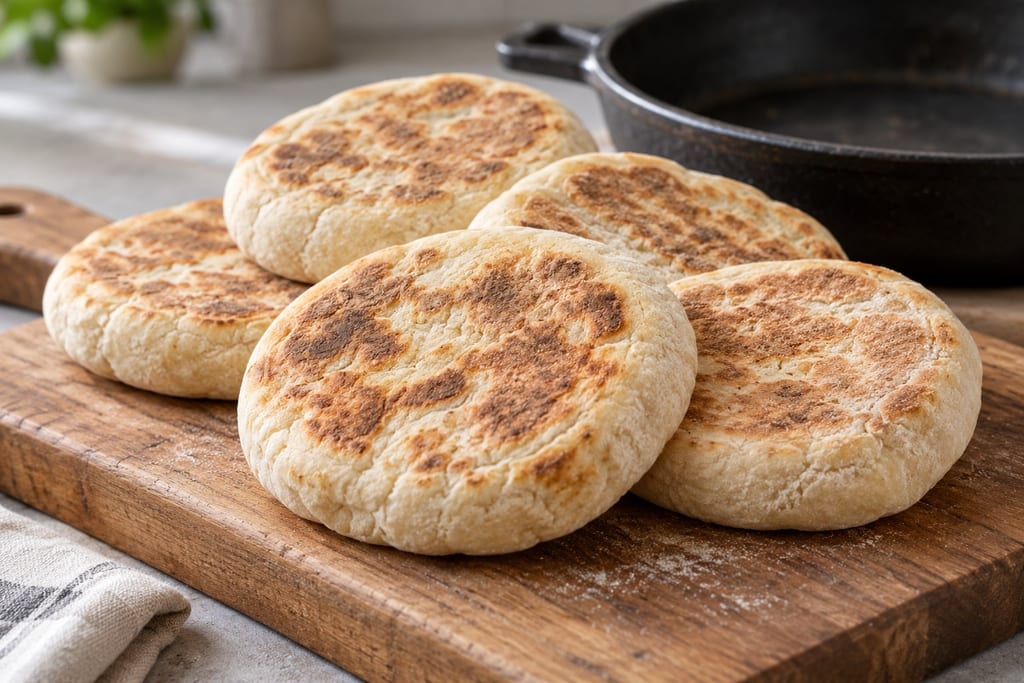
Sweet-potato wheat breads with fresh yeast, browned in a pan and finished in the oven. This is the bread component of Teleculinária's scrambled-egg dish.
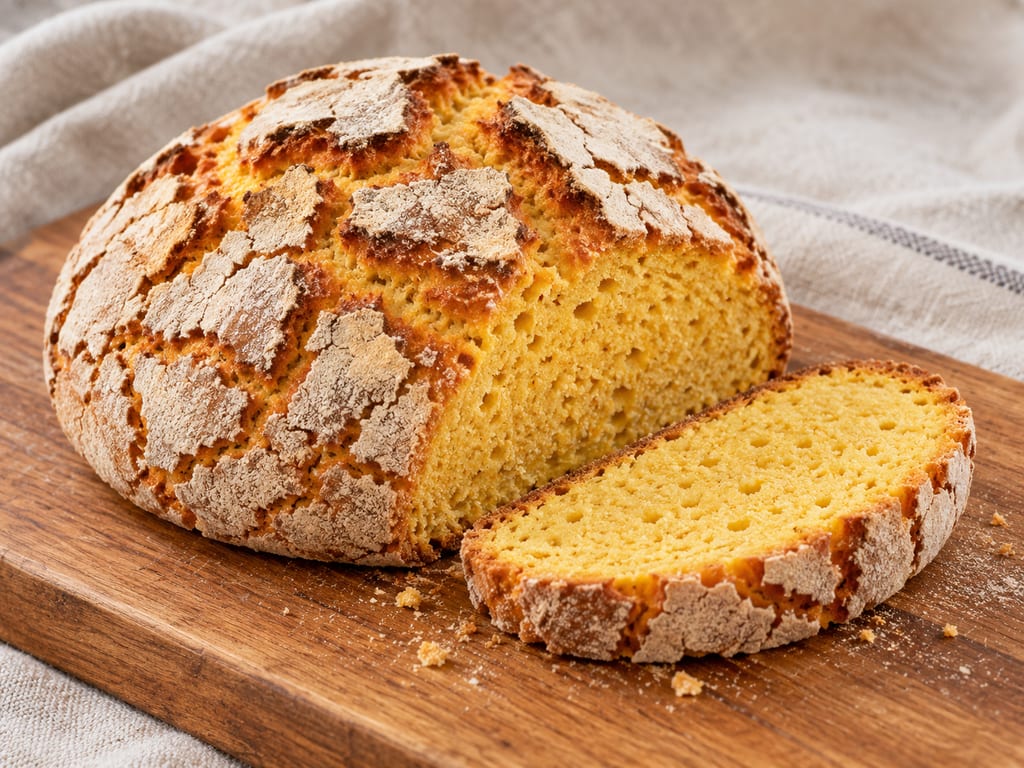
This modern home broa de milho uses scalded maize flour and a wheat-flour yeast sponge; it is distinct from Northern Portuguese maize-and-rye sourdough breads.
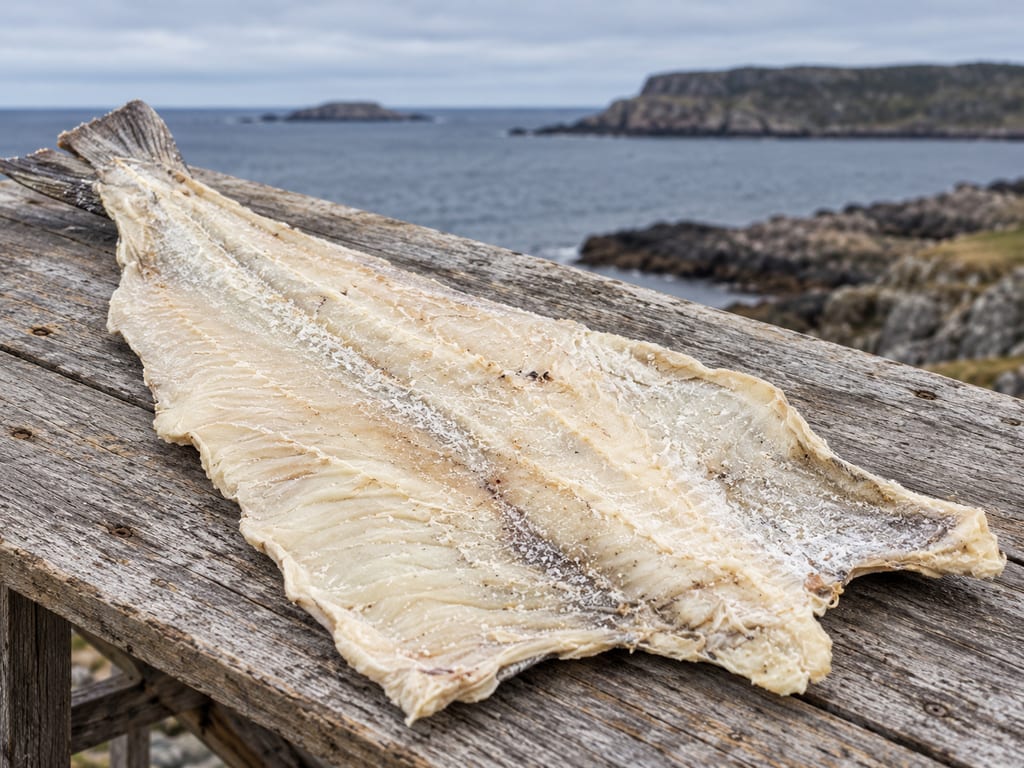
Atlantic cod split, salted and dried on raised flakes along the Newfoundland and Labrador shore, manufactured ashore for markets across the Atlantic.
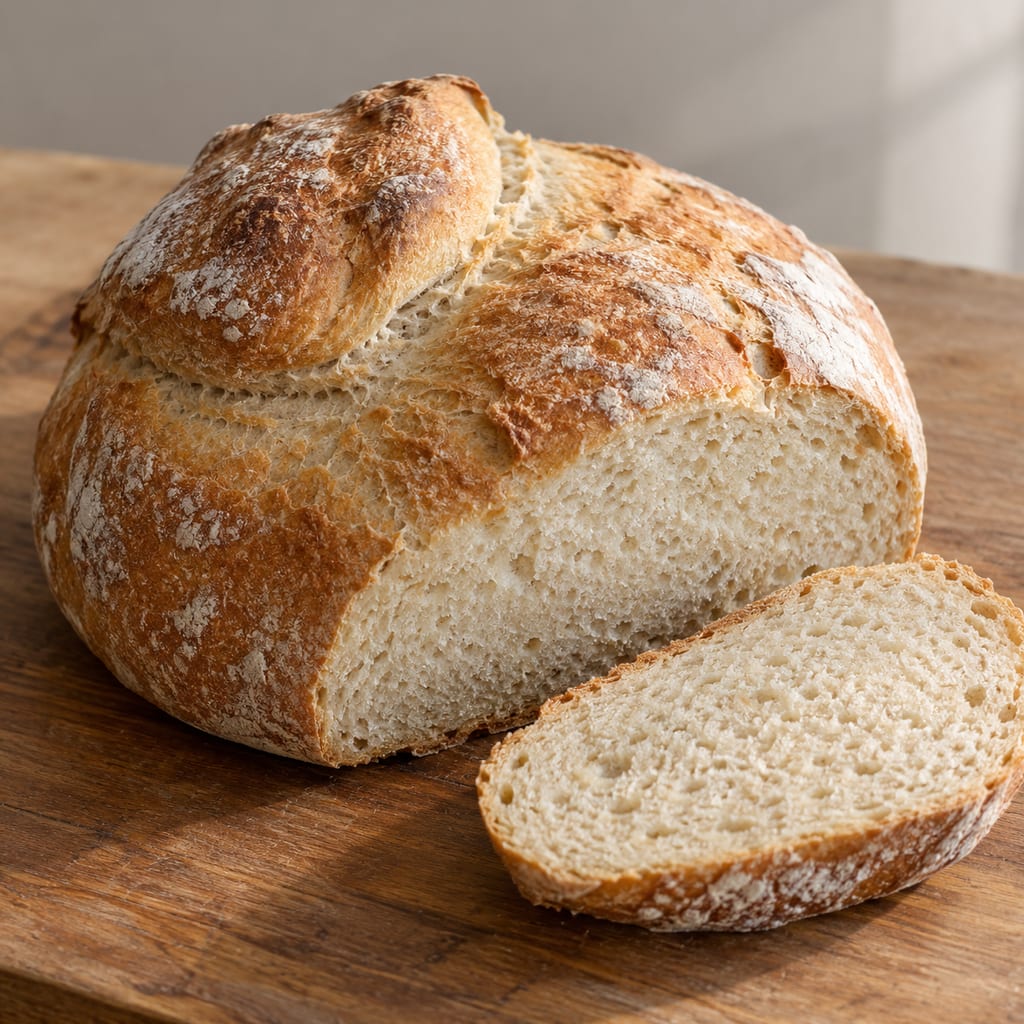
A rounded Alentejo wheat loaf with a raised folded head. This home adaptation uses a fresh-yeast preferment, then proofs the shaped loaf and bakes it with steam.
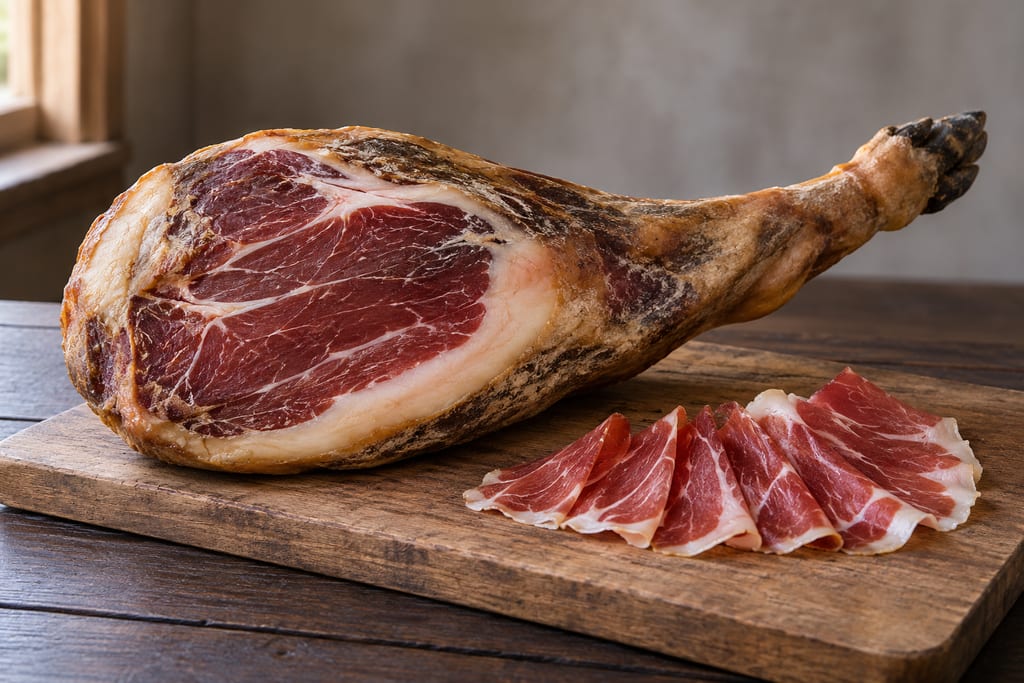
Smoked dry-cured pork ham of the Barroso highlands of northern Portugal: hand-salted, sometimes coated with olive oil and paprika, then smoked slowly over oak or broom in the cold mountain air.
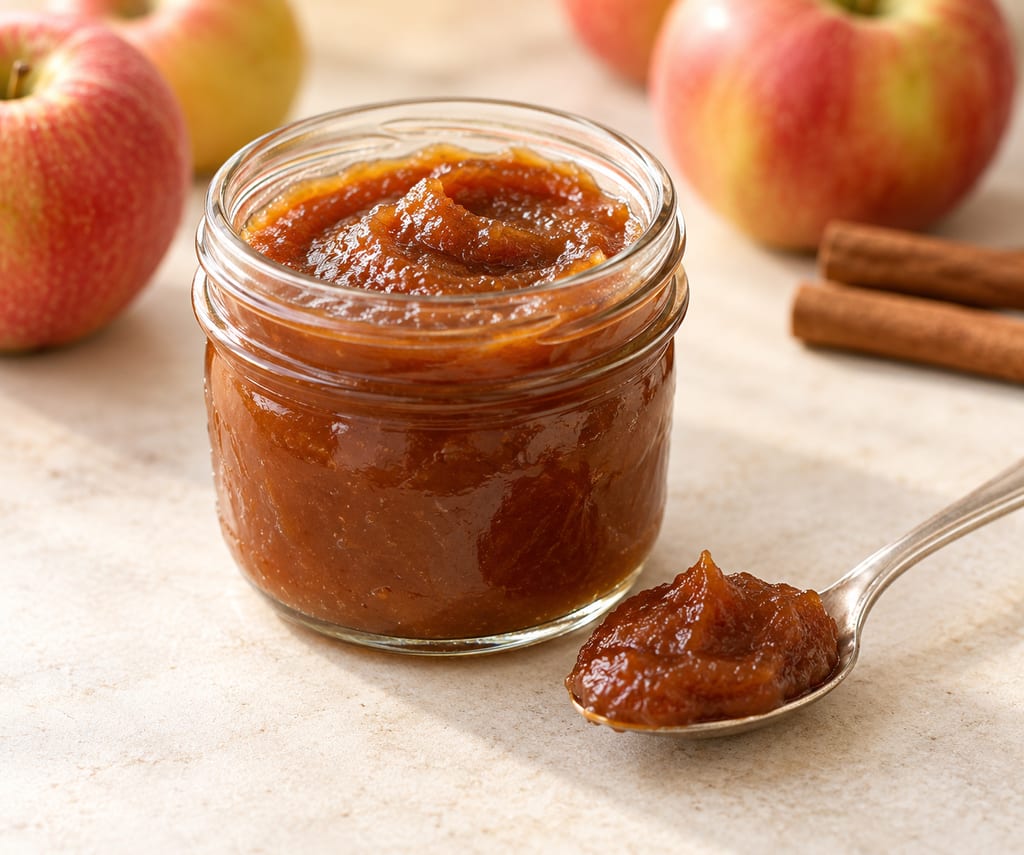
Apple butter is a smooth, concentrated apple preserve cooked with cider, vinegar, two sugars and spices, then hot-filled and processed in a boiling-water canner using the published jar-size and elevation schedule.
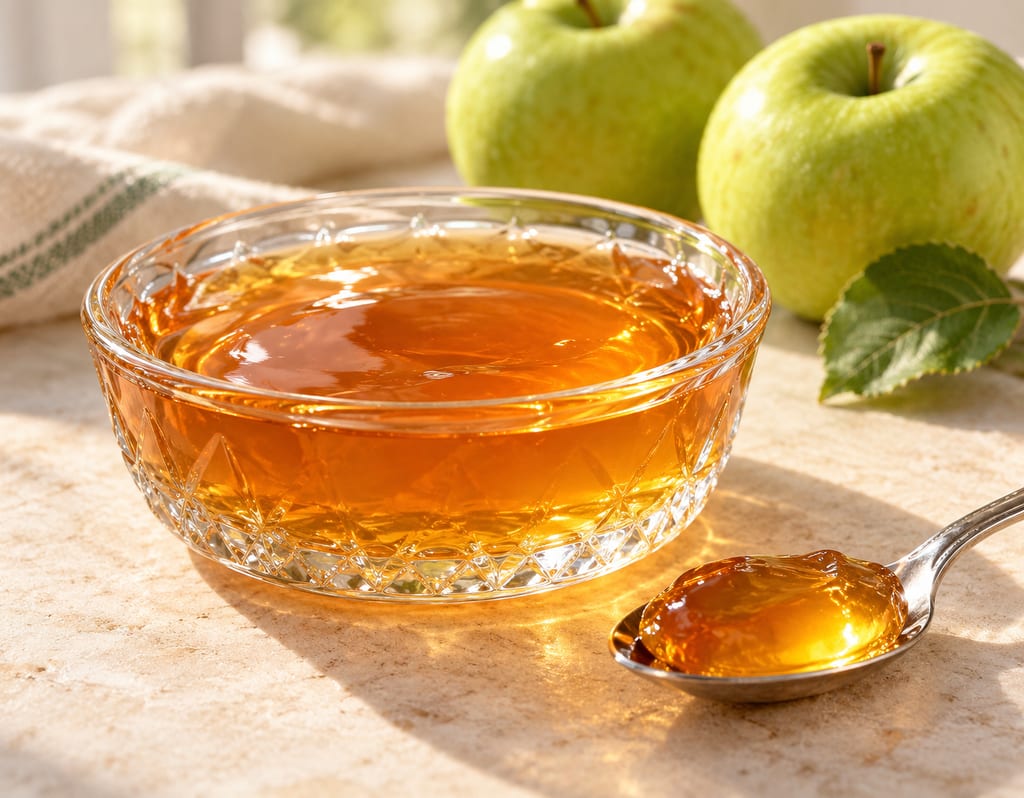
A clear jelly made from tart-apple juice, sugar and optional strained lemon juice. This batch uses a stated fruit-to-water preparation, gel endpoint, hot fill and altitude-adjusted boiling-water process.
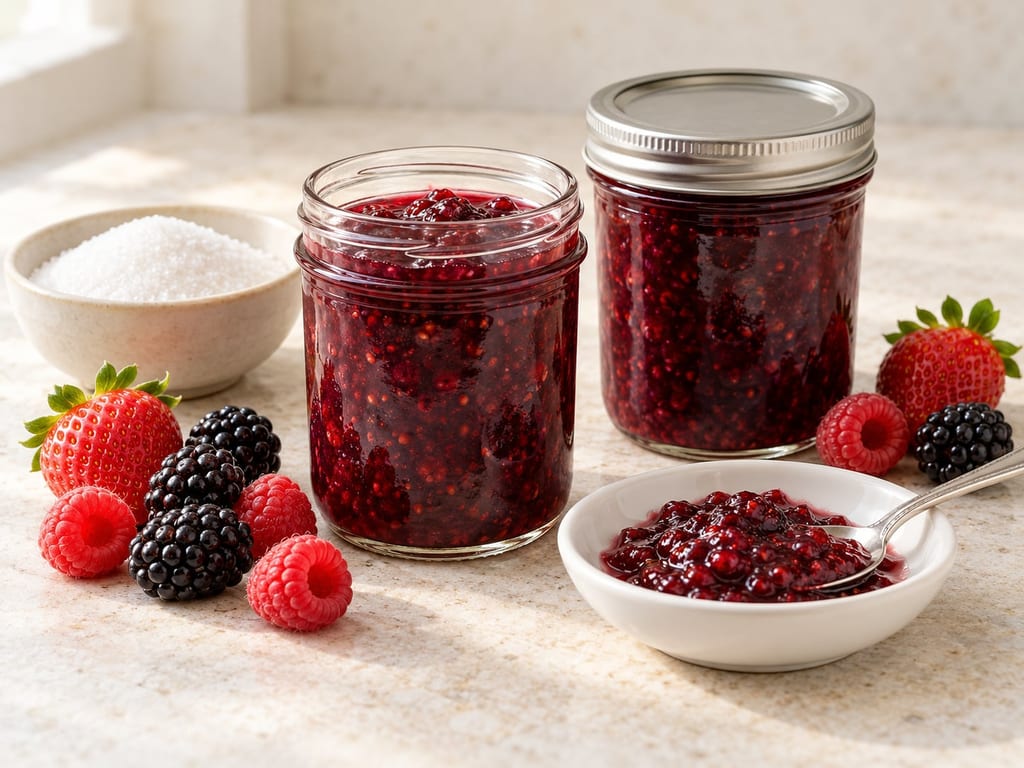
A NCHFP berry jam made without added pectin: crushed berries and sugar are cooked to the desired gel point, hot-filled into sterile half-pint or pint jars, and processed in a boiling-water canner.
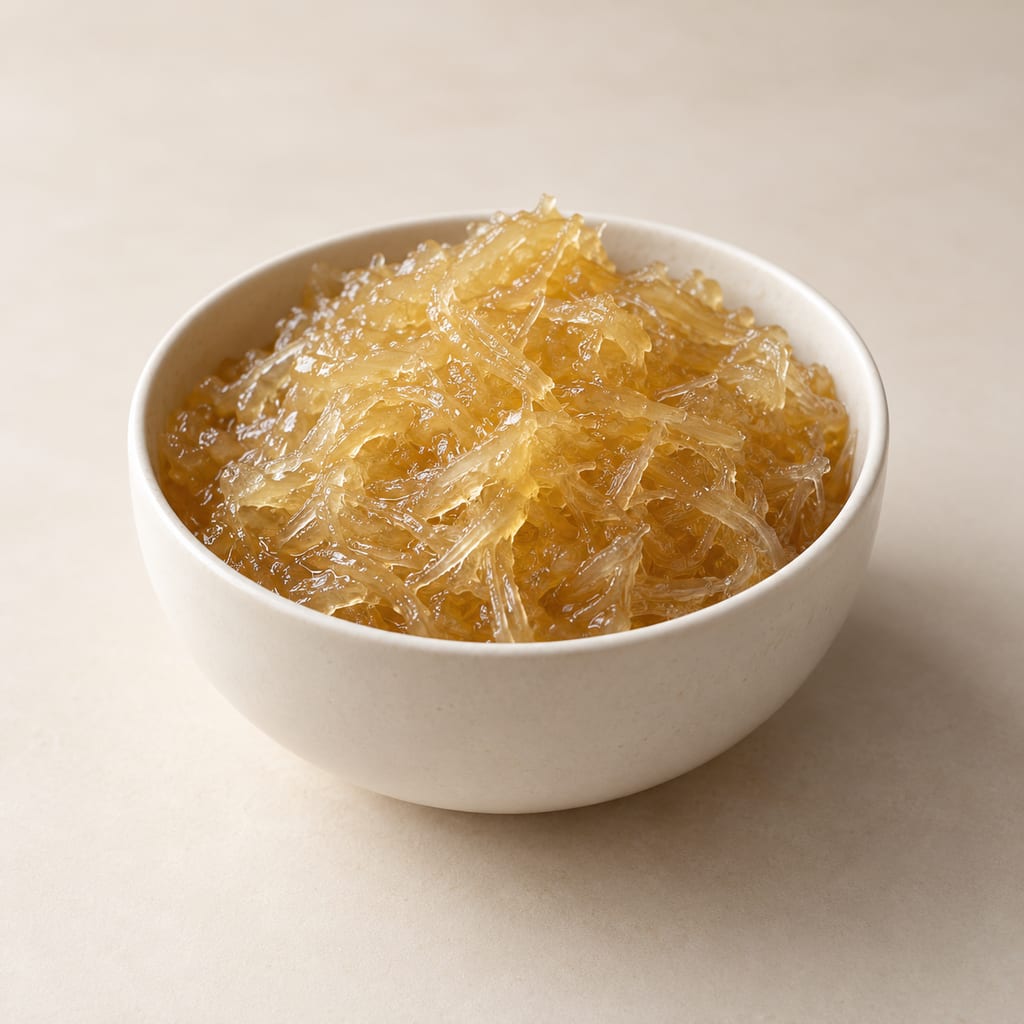
Fine strands of Cucurbita ficifolia cooked in an equal weight of sugar, then portioned for refrigerator or freezer storage. Ordinary orange pumpkin does not give the same fibres.
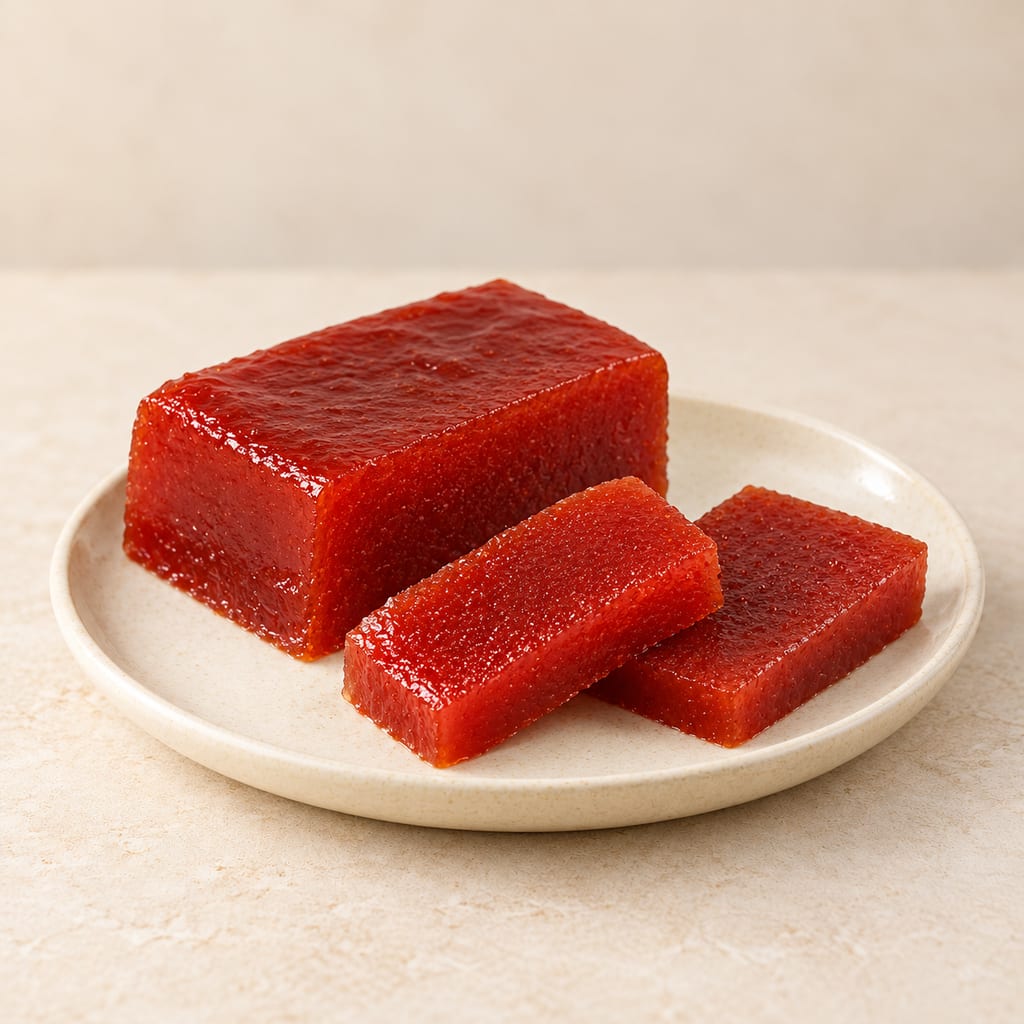
Dulce de membrillo is quince cooked with sugar into a firm paste for slicing. This family method softens the fruit in a pressure cooker, then blends it and leaves it to set.
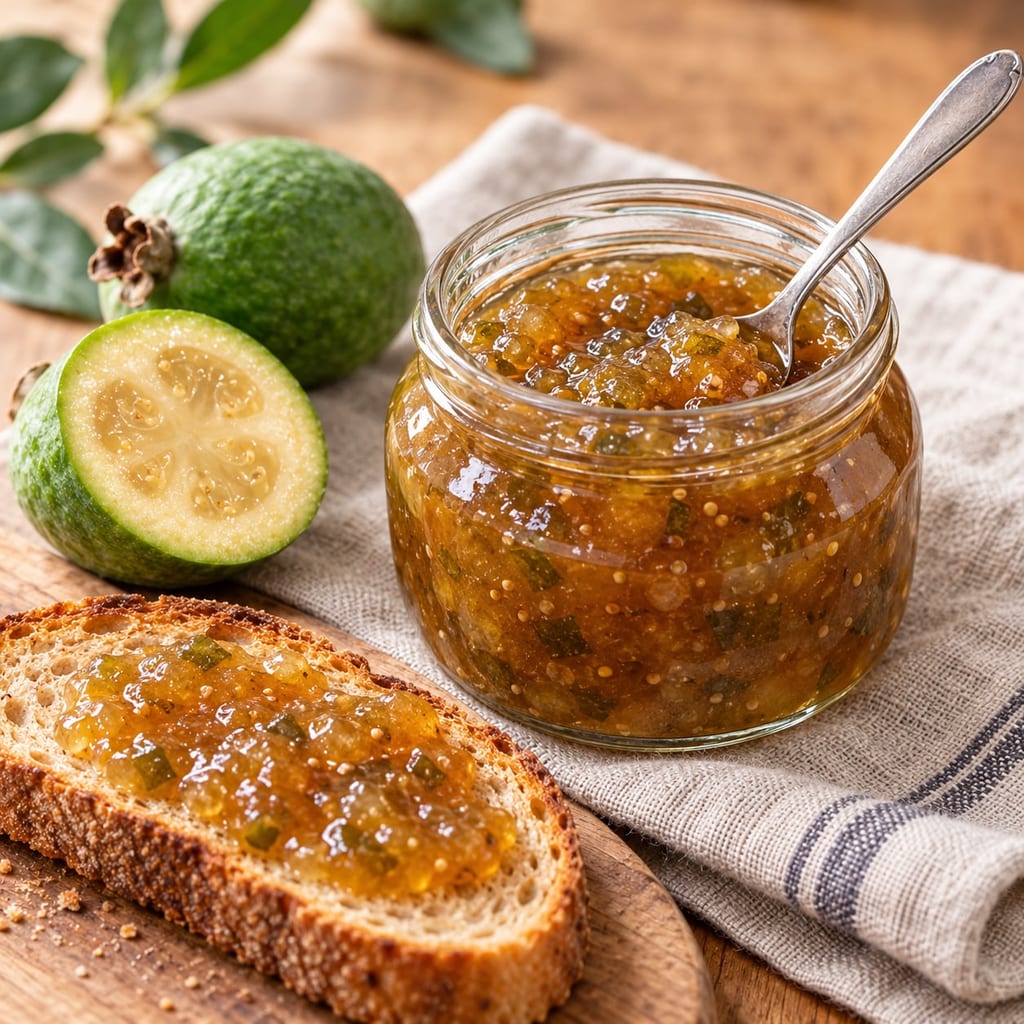
Blended whole feijoas simmer into a skin-on jam with lemon, sugar and vanilla. The skins remain for a more textured finish; keep this batch refrigerated or frozen because its method has no validated shelf-stable canning process.
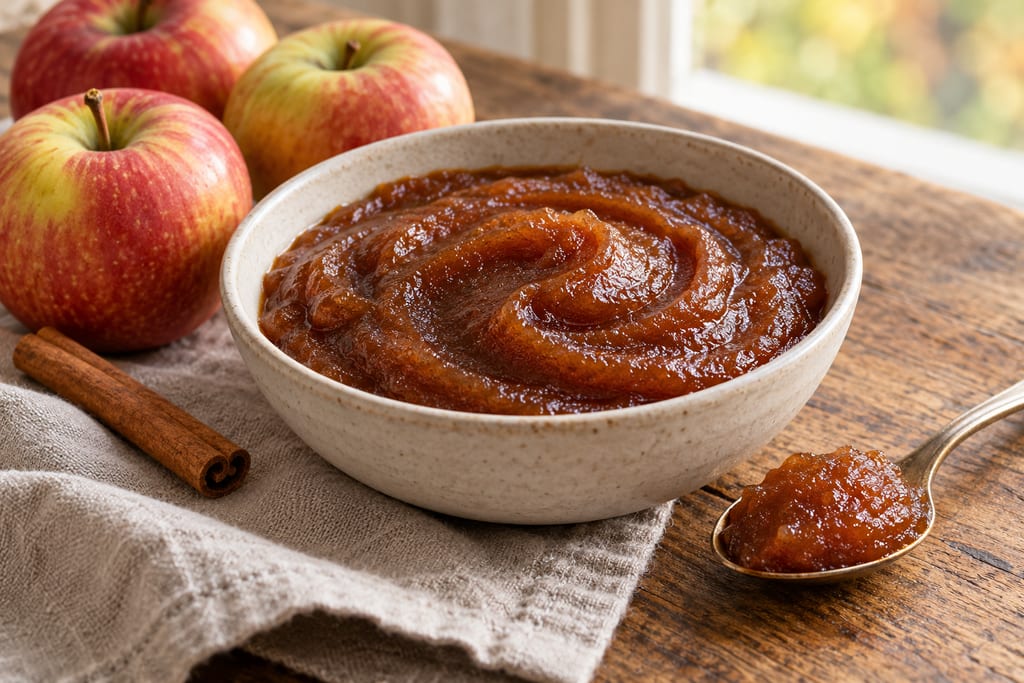
A smooth fruit pulp cooked down with sugar and spice until it holds its shape on a spoon, made by three documented routes in a slow cooker, a microwave or an electric multicooker.
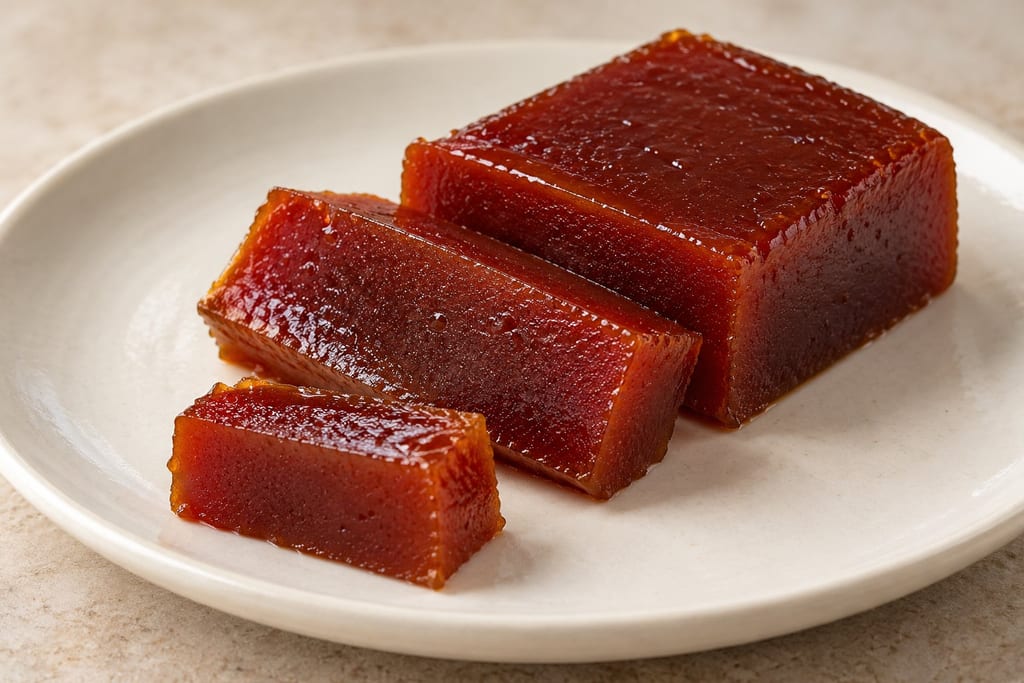
Cooked, sieved guava pulp is reduced with sugar and lime juice to a sliceable paste, then refrigerated. This adapted trial begins with prepared pulp and has no validated canning process or storage duration.
No community contributions have been published for this entry yet.
Sign in to contribute. Published comments and photos are free to read.
revistajardins.ptMethod · Context · Handling
Joana Roque: Doce de abobora de NatalPortuguese recipe and proportions
Cited in: The preserve; Ingredients; Why this preparation is useful; Variations and provenance limits
teleculinaria.ptMethod · Context · Handling
Doce de aboboraPortuguese coriander seed variation
Cited in: The preserve; Ingredients; Why this preparation is useful; Variations and provenance limits
www.food.gov.ukMethod · Context · Handling
Food Standards Agency: Chilling, freezing and defrostingDocumented preparation, regional context or preservation handling, with the limits stated in the text.
Cited in: The preserve; Ingredients; Why this preparation is useful; Variations and provenance limits; Chilling and freezing this preserve
www.food.gov.ukMethod · Context · Handling
Food Standards Agency: Cooking your food, leftoversDocumented preparation, regional context or preservation handling, with the limits stated in the text.
Cited in: The preserve; Ingredients; Why this preparation is useful; Variations and provenance limits; Chilling and freezing this preserve
nchfp.uga.eduMethod · Context · Handling
NCHFP: Vegetables and fruits FAQs, pumpkin butter and pureeNo validated home pumpkin-butter process
Cited in: The preserve; Ingredients; Why this preparation is useful; Variations and provenance limits; Chilling and freezing this preserve