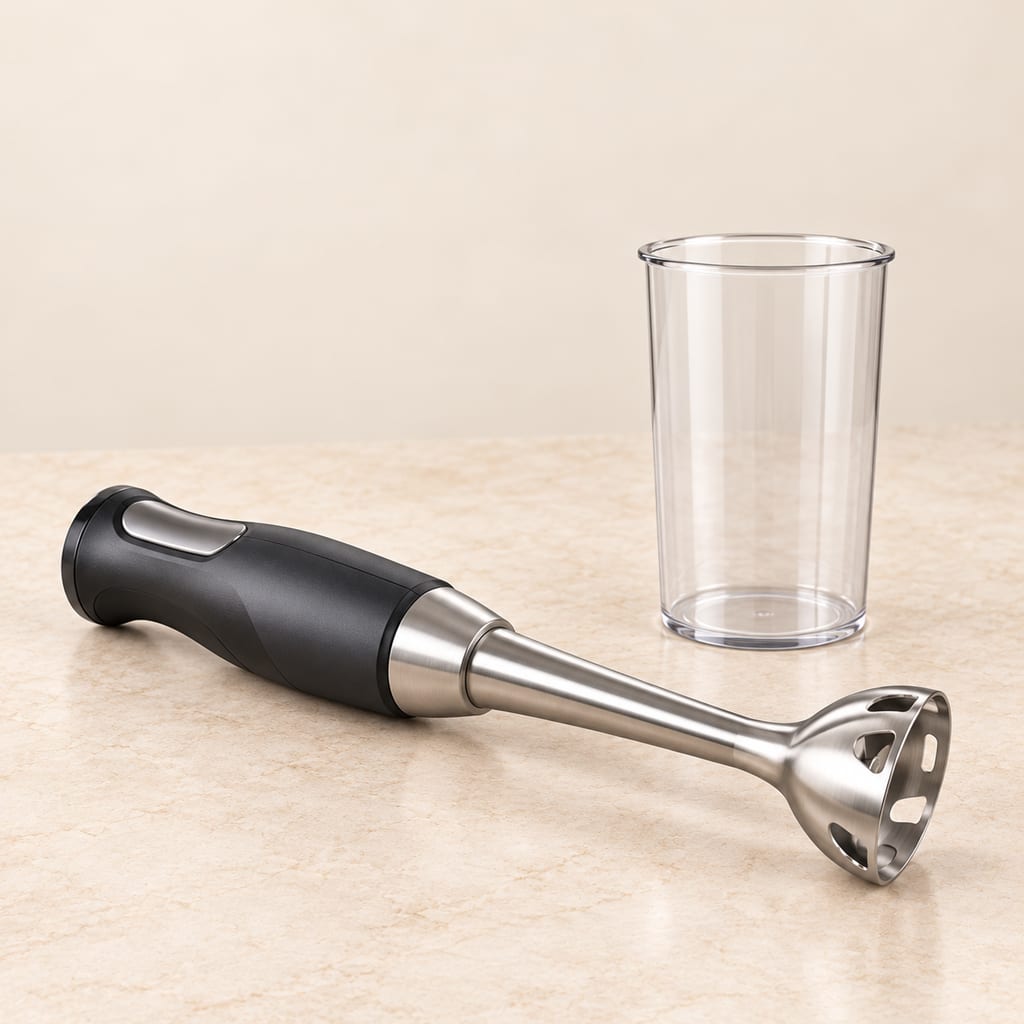
Immersion blender
A handheld electric blender with a guarded blade shaft lowered into food in a suitable vessel; a modern tool for sauces and some condiments, not a traditional fermentation vessel.
 FermenteaWhere food goes to change
Equipment · Food blenders
A food blender uses motor-driven blades to purée, emulsify, grind or disperse ingredients in a jar or directly in a pot. Countertop, personal and immersion forms differ in vessel and limits; food processors remain a separate tool family.
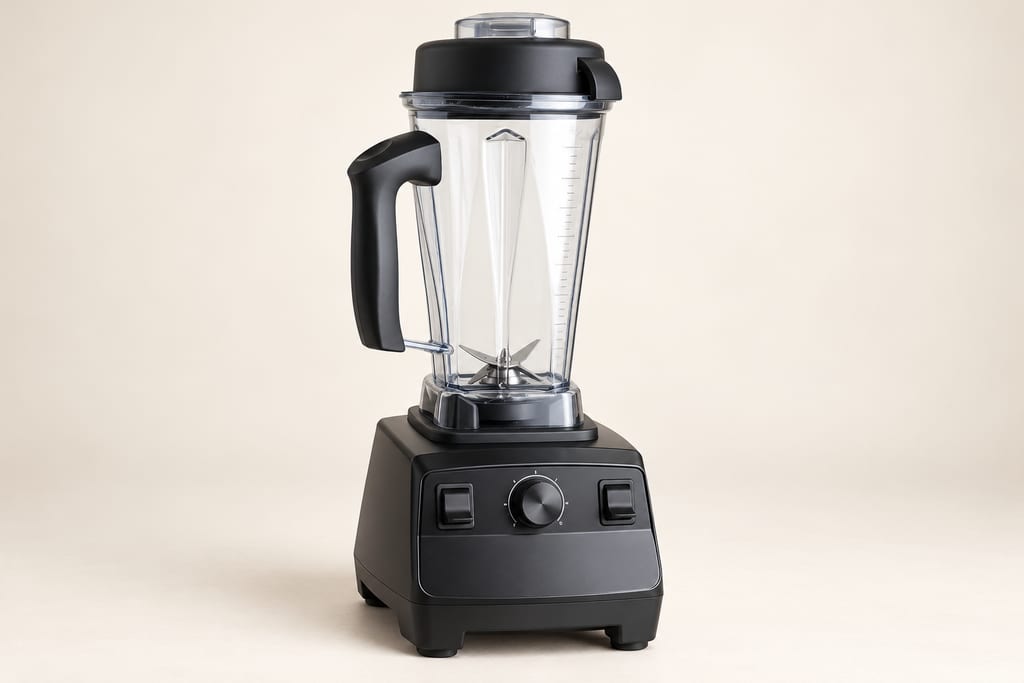
A blender turns a blade quickly enough to break food into smaller pieces and carry those pieces through a moving mixture. The familiar countertop form places an electric motor in a stable base and seats a removable, lidded jar above it, with the blade assembly at the jar’s bottom. The height, taper, handle, lid, controls and capacity vary by model. A personal blender uses a smaller cup or jar; an immersion, stick or hand blender puts the motor in the handle and the guarded blades at the end of a shaft, so the cook blends directly in a pot or other vessel.
The three forms share blade-driven blending, but they are not interchangeable. Vitamix describes the tapered countertop jar of its high-performance models as shaping a vortex that pulls material toward the blades; the manufacturer also says its blades pulverize ingredients rather than relying on sharp edges to slice them. That explanation is specific to its design. An immersion blender works within the vessel the cook selects, while a personal blender is built around a smaller cup. Jar shape, blade geometry, motor, speed and batch size all influence how a mixture circulates, so a result from one model does not define every blender.
Blender history is not one simple invention story. The National Museum of American History records that Arnold Electric, a company in Racine, Wisconsin, asked Stephen J. Poplawski in 1918 to develop a blender for malts and milkshakes. The same account says Poplawski patented another blender in 1932 that could handle fruits and vegetables, then describes Fred Osius improving the design and obtaining support from bandleader Fred Waring. Waring introduced his blender to the market in 1937. A museum-held Waring Blendor shows how the machine became a recognizable countertop object, with a motor base under a glass jar and a lid.
Vitamix tells a separate company history. Its founders encountered a blender at the Great Lakes Exposition in 1937, began demonstrating the Vitamix in their Cleveland store in 1939, and later built the business around whole-food demonstrations. The company says it was already a crowded blender market when the first Vita-Mix joined it in 1937. These are parallel product histories: the Waring line and the Vita-Mix line should not be collapsed into one origin or one claim of invention. Vitamix's own timeline also documents movement into commercial kitchens and later distribution across many countries.
The blender is useful when a recipe needs ingredients broken down into a flowing paste or liquid. In the Vitamix tahini method, toasted sesame seeds go into the lidded jar and the machine runs from low to high; the maker's high-capacity model uses a tamper to push seeds back toward the blade. Toasted seed makes the tahini smoother and more uniform than the thicker paste made from raw seed. That is a model-specific method, not an instruction to reach into a running jar: use only the maker's approved tamper through the lid opening.
Blending can also disperse cooked beans or plant material in water. Vitamix's soy-milk recipe soaks and steams soybeans before blending them with water, then offers straining through a filtration bag or fine sieve for a commercial-style drink. Blending does the size reduction and mixing; straining removes suspended solids. This distinction matters in coconut milk, nut milks and other milky extracts: a blender is not itself a press or filter, and the amount of fibre left in the finished liquid depends on whether the method strains it.
A blade can also combine oil and water-based ingredients into an emulsion or make a smooth sauce, but texture depends on formulation, speed, volume and whether the mixture circulates instead of sitting above the blades. The narrow opening of a jar, the distance between blade and surface and a manufacturer's tamper design all shape what a model can process. A small portion may not reach the blades in a large jar, while an overly thick paste may stop moving. Recipes and manuals therefore matter more than a single wattage number.
Blenders and food processors overlap in puréeing and paste-making, so the names are sometimes used loosely. Their typical working layouts remain different. A blender's tall jar and bottom blade suit mixtures that circulate around the blade, including drinks and some smooth or pourable pastes. A food processor's broad work bowl gives room to chop ingredients and to fit separate attachments such as a slicing disc, shredding disc or feed tube. Cuisinart describes its processor's chopping blade, slicing and shredding discs, pushers and work bowl as distinct tools for food-preparation tasks.
This distinction is functional, not absolute: a processor can purée hummus, and some blender jars can grind or chop. Certain manufacturers also sell combination systems or optional attachments. Check the actual model and tool rather than assuming that the word 'processor' or 'blender' guarantees a particular function. Food processors therefore remain outside this entry's scope even when a particular combination system adds blender-like functions; this page covers powered food blenders and keeps the immersion form as a related subtype.
Choose a countertop blender for a lidded jar and batch mixing, a personal blender when its smaller cup and capacity match the recipe, or an immersion blender when the recipe and vessel suit blending directly in a pot or bowl. These are practical differences, not a ranking. A tall jar may help a liquid flow through the blades; a wide bowl may be better for a food processor's slicing or chopping attachments. No single capacity, speed, material or duty cycle applies across the category.
Read the manual for the exact appliance before handling hot liquids, selecting a batch size or fitting an attachment. Vitamix's A2500 manual warns users to keep hands and utensils away from moving parts, operate with the lid and lid plug in place, unplug before cleaning and never immerse the motor base or cord in liquid. Braun's immersion-blender guidance keeps its guarded shaft in the food and recommends a controlled up-and-down movement for its cited model. These instructions are not universal substitutes for other makers' manuals.
The blender changes a food physically; it does not ferment it. Blending beans into soy milk does not replace the heat treatment in the cited preparation, and grinding seed into tahini does not make a fermentation or a shelf-stable preserve. If a blended ingredient will be fermented or stored, the food's own recipe and safety controls govern what happens next.
The National Museum of American History says Arnold Electric in Racine asked Stephen J. Poplawski to develop a blender for malts and milkshakes in 1918; it records a later Poplawski blender patent for fruits and vegetables in 1932 and Waring's market introduction in 1937. Vitamix's separate company history describes its own 1937 introduction after the Barnards encountered a blender at the Great Lakes Exposition. These sources describe distinct developments, not a single uncontested inventor or launch.
Keep hands and utensils out of a moving countertop-blender jar; follow the model manual about lids, lid plugs, fill limits and hot liquids.
Unplug before handling moving parts or cleaning the base and blade assembly. The cited Vitamix manual warns that its blades are sharp and that the base and cord must not be immersed.
For an immersion blender, use the blade guard and keep the shaft positioned in the food as the maker instructs; vessel and splash requirements vary by model.
A blender mechanically breaks up and disperses food; it does not by itself strain, filter or press out the remaining fibre. A finer plant drink may need a separate filtration bag or sieve.
Source →Do not assume every jar, accessory, fill level or hot-liquid process is compatible with every blender; use the model's supplied manual and safeguards.
Source →A blender does not ferment an ingredient, establish a preservation process, or prove that a blended food is microbiologically safe.
Source →The inspected sources do not establish a specific place of origin or a representative place of use for this equipment category. Manufacturer-specific examples do not establish the geography of the broader type.
A handheld electric blender with a guarded blade shaft lowered into food in a suitable vessel; a modern tool for sauces and some condiments, not a traditional fermentation vessel.
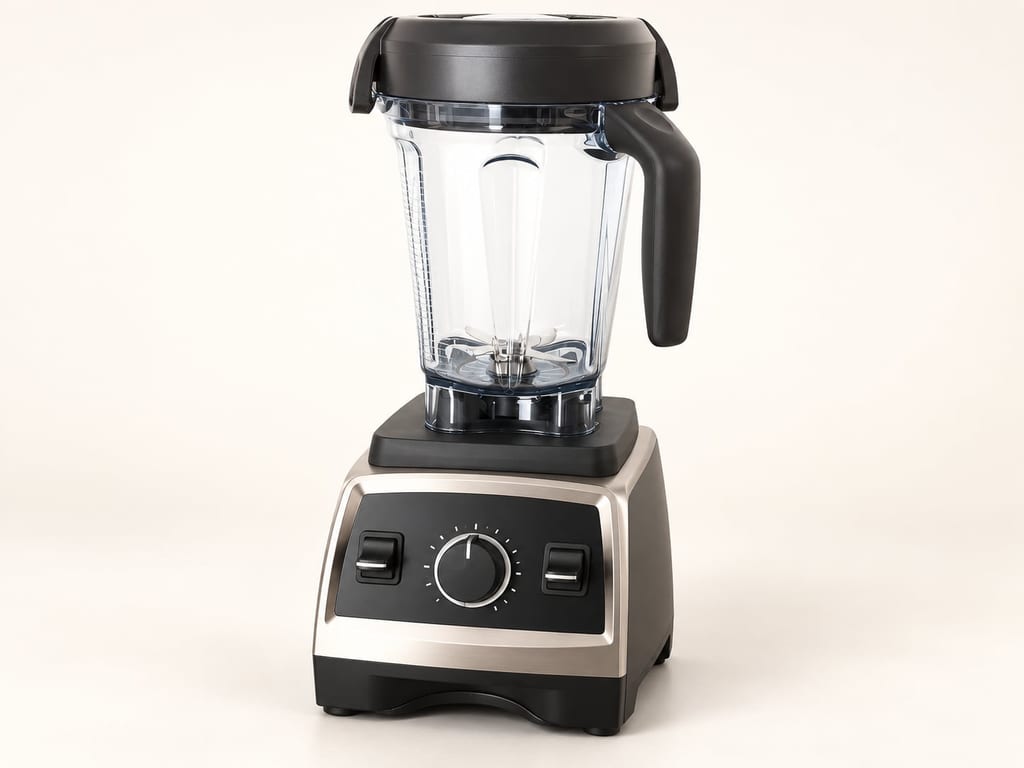
A model-specific countertop blender with a 2 L low-profile Classic container, ten manual speeds and five presets. “Pro 750” is the European short name for Professional Series 750; electrical ratings differ by region.
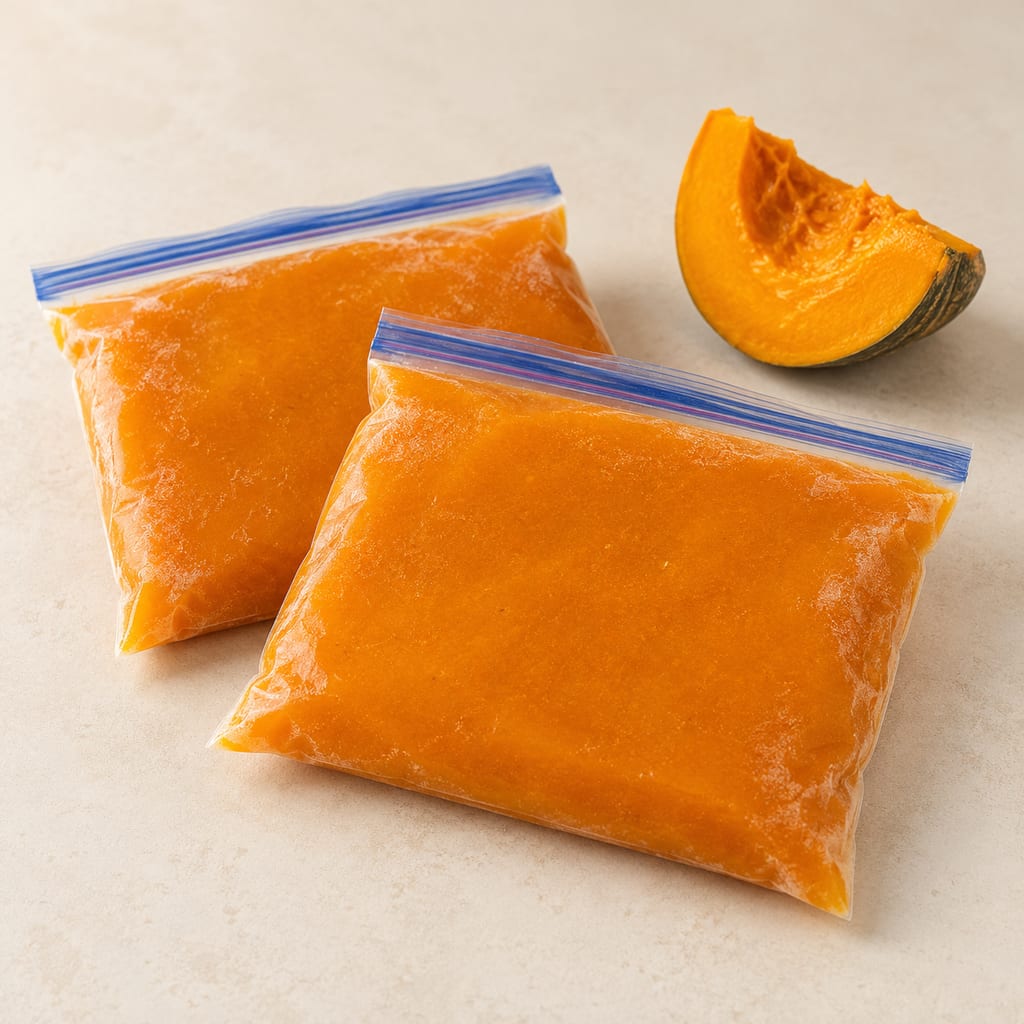
Cooked pumpkin mashed, cooled and frozen in portions: a plain base for pies, soups and baking without canning a dense purée.
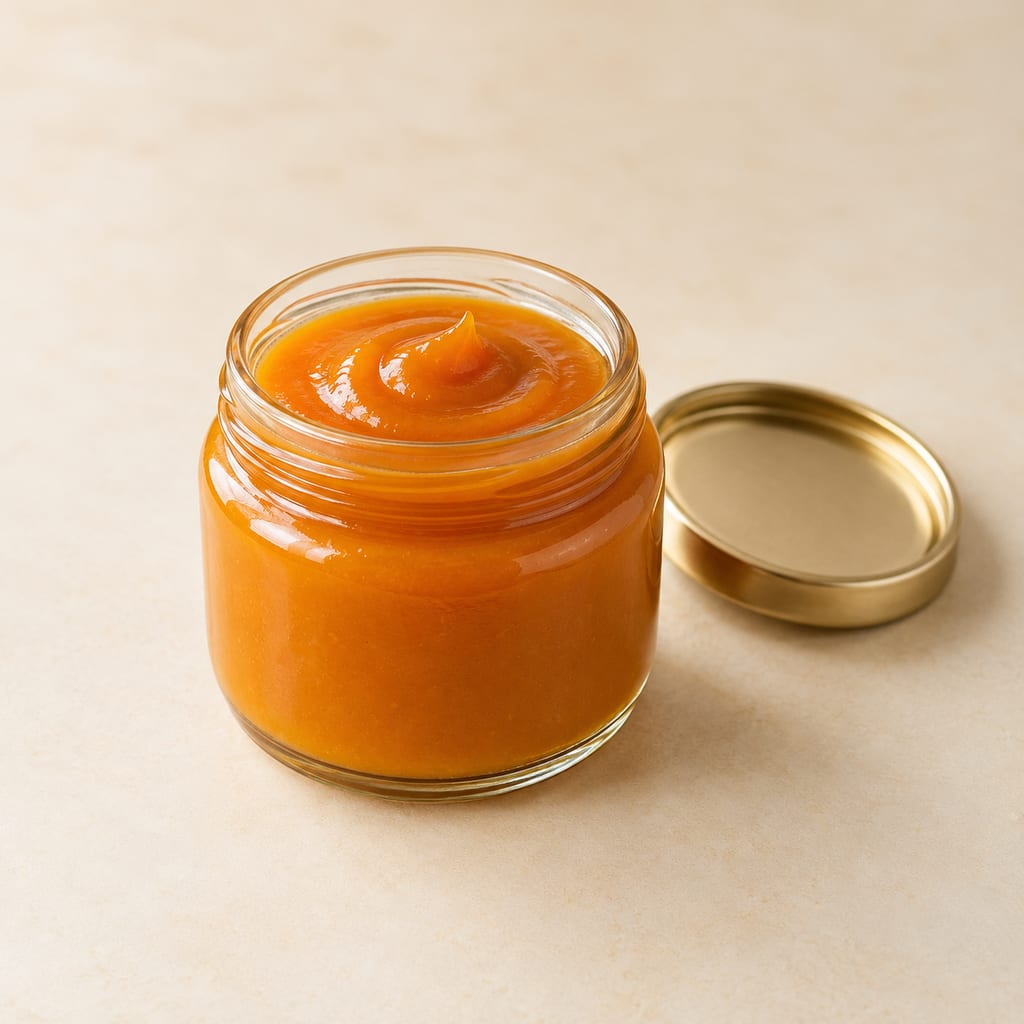
Kalabasa catsup: Freeze for winter; small fresh portion refrigerated up to 48 hours.
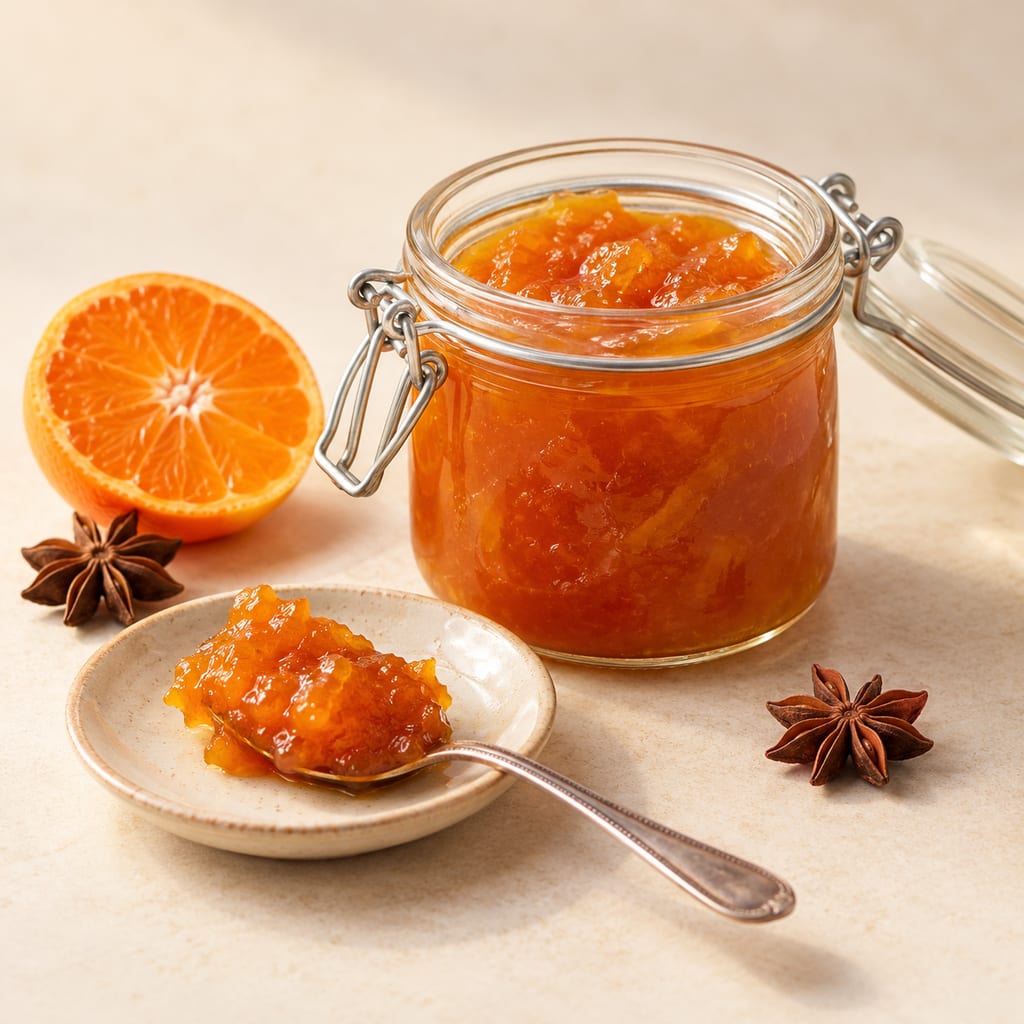
Portuguese pumpkin jam: Freeze for winter; small fresh portion refrigerated up to 48 hours.
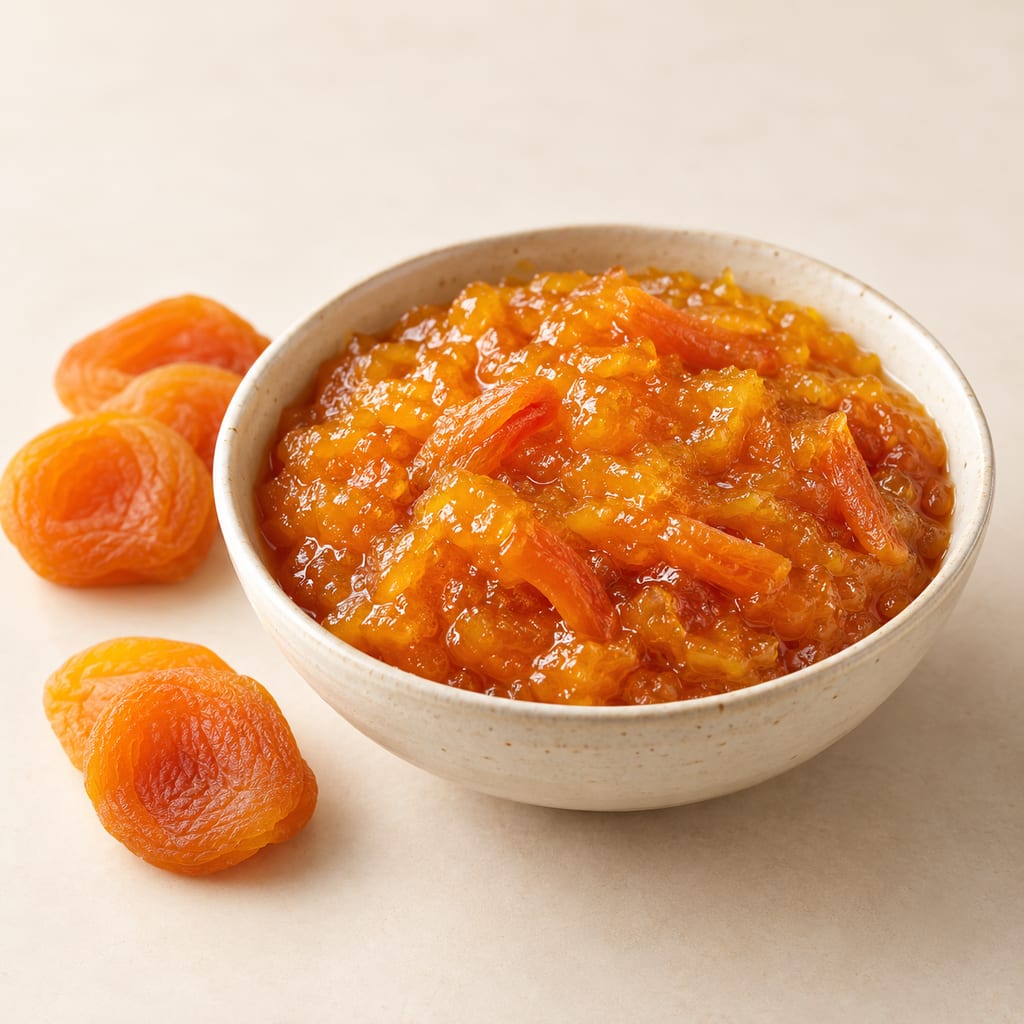
Pumpkin and dried-apricot jam: Freeze for winter; small fresh portion refrigerated up to 48 hours.
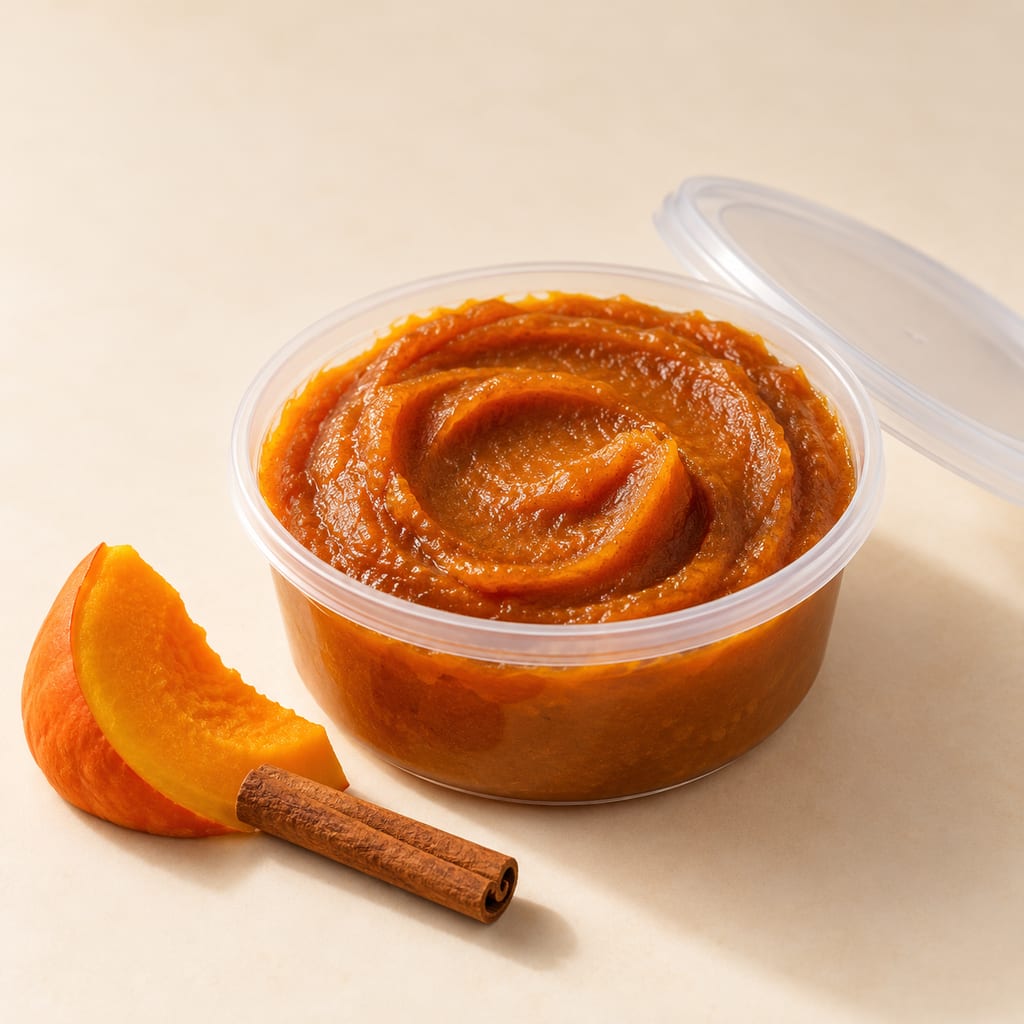
Spiced freezer pumpkin butter: Freeze for winter; small fresh portion refrigerated up to 48 hours.
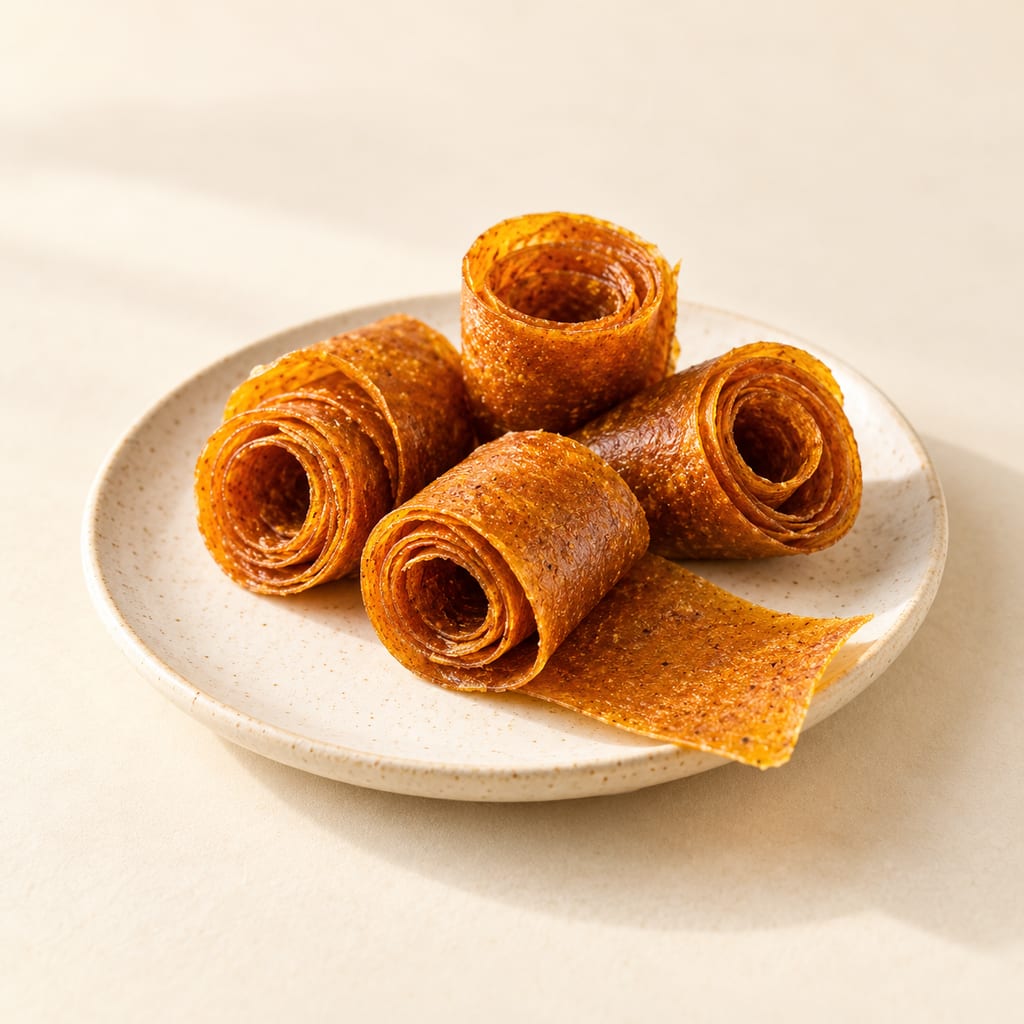
Cooked pumpkin blended with honey, cinnamon, nutmeg and cloves, spread thinly and dried into a rollable sheet.

Soft, spreadable Calabrian pork sausage made with a great deal of red chilli and fatty pork, stuffed into natural casings, sometimes smoked and matured while staying soft.

A way to add independent temperature logging to an existing food dehydrator without changing its built-in controls or protections. It is a monitoring method, not a rewiring plan.

Pleurotus cystidiosus is the abalone mushroom, a cultivated oyster-type fungus with dark brown caps that grows more slowly and is more demanding than other Pleurotus species.

A dark, balanced vinegar from Emilia-Romagna made by combining cooked or concentrated grape must with wine vinegar, then acetifying and refining it in wood under a protected specification.

A living dairy inoculum that starts controlled cream fermentation, developing acidity and aroma before sour cream or cultured butter is finished.

A small electric incubator holds jars at a selected temperature for yogurt and other documented warm food preparations. Controls, capacity and vessel arrangement vary by model.

Adygean salt is a seasoned table salt associated with Adygea and the wider North Caucasian culinary tradition. Salt is blended with garlic and a variable selection of herbs and spices; the exact mix depends on the named style and maker.

The African Caesar-group mushroom, Amanita masasiensis, is a wild ectomycorrhizal species of central and southern African woodlands, eaten locally. The genus contains deadly poisonous species, so identification needs care.
No community contributions have been published for this entry yet.
Sign in to contribute. Published comments and photos are free to read.
National Museum of American History, Smithsonian InstitutionHistory · Development · Mechanism and materials of one museum object
Waring BlenderArnold Electric in Racine, Wisconsin, asked Stephen J. Poplawski to develop a blender for malts and milkshakes in 1918.
The museum says Poplawski patented another blender in 1932 that could handle fruits and vegetables; Fred Osius improved the design, and Waring introduced its blender to market in 1937.
Cited in: A history with several beginnings
Smithsonian InstitutionHistorical object · Materials · Dimensions and manufacture
Waring BlendorThe collection record describes a Waring Blendor introduced in 1937, with a glass jar, chrome-plated steel base, rubber cord and Bakelite cover; it gives measurements for this particular object.
Its object record lists manufacture associated with Winsted, Connecticut, New York, New York and Corning, New York.
Cited in: A history with several beginnings
VitamixCompany history · Manufacture and market geography
Company HistoryVitamix recounts seeing a blender at the Great Lakes Exposition in 1937, a Cleveland store demonstrating the machine in 1939, the move to Olmsted Township, Ohio in 1948 and a Strongsville operations center in 2013.
Its history records expansion to more than 80 countries by 2009 and 130 countries at its 2021 anniversary; these are company figures, not universal blender-market counts.
Cited in: A history with several beginnings
VitamixForm · Mechanism · Model variation
Blender Mastery: A Comprehensive Guide on How to Use a BlenderVitamix distinguishes countertop, immersion and personal blender forms and describes the parts of its countertop design.
It explains how its tapered jar supports a vortex and says its blades pulverize rather than slice; these are manufacturer explanations and should not be generalized to every model.
Cited in: A motor, a blade and a container; Grinding, extracting and emulsifying; Not the same as a food processor
VitamixDocumented use · Seed paste
TahiniThe recipe blends toasted sesame seeds in the maker's jar for two to three minutes, using the tamper as needed.
The maker says toasted sesame yields a smoother, more uniform texture than raw seed.
Cited in: Grinding, extracting and emulsifying
VitamixDocumented use · Extraction and straining
Soy MilkThe method soaks dried soybeans, steams them until tender, then blends cooked beans with water and dates.
The maker recommends a filtration bag or fine sieve for a commercial-style strained milk, showing that filtering is separate from blending.
Cited in: Grinding, extracting and emulsifying; Choosing a form and using it carefully
CuisinartComparison · Food processor form and tasks
Food Processor GuideCuisinart describes the processor work bowl, chopping blade, feed tube, slicing and shredding discs, and the distinct tasks each supports.
The maker notes functional overlap, including puréeing and optional accessories that may add blender-like functions.
Cited in: Not the same as a food processor
CuisinartComparison · Specific processor model
Pro Classic 7 Cup Food ProcessorThe specific Pro Classic model includes a work bowl, feed tube, chopping/mixing blade, slicing disc and shredding disc; the specification is model-specific.
Cited in: Not the same as a food processor
Braun HouseholdImmersion form · Use and model specific handling
What is the ActiveBlade shaft for?Braun describes its immersion blender shaft and guarded blade bell, and lists sauces, soups, purées and drinks as use examples.
The page's blade-travel and performance comparisons apply to Braun's ActiveBlade shaft, not to immersion blenders generally.
Cited in: A motor, a blade and a container; Choosing a form and using it carefully
Vita-Mix CorporationSafety · Model specific operation and care
A2500 High-Performance Blender Owner's ManualThe manual warns users to keep hands and utensils away from moving blades, operate with the lid and lid plug in place and unplug before cleaning.
It says not to immerse the motor base or cord in liquid and gives model-specific electrical and dimensional specifications.
Cited in: Choosing a form and using it carefully