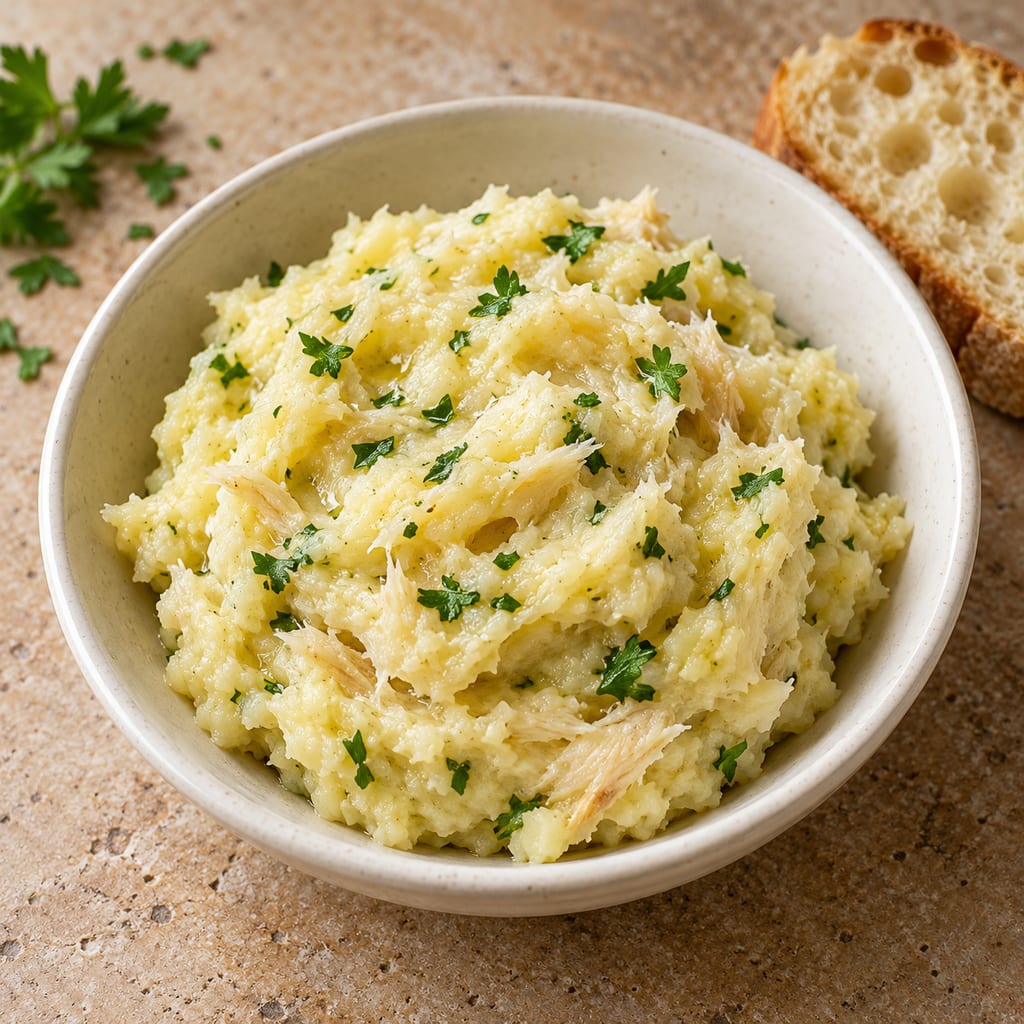
Bakalar na bijelo
An Istrian festive spread of cooked stockfish beaten with olive oil and garlic until pale and cohesive, here bulked out with hand-mashed floury potato.
 FermenteaWhere food goes to change
Modern adaptation
A Croatian chard-filled flatbread baked in a home oven and finished with garlic oil.
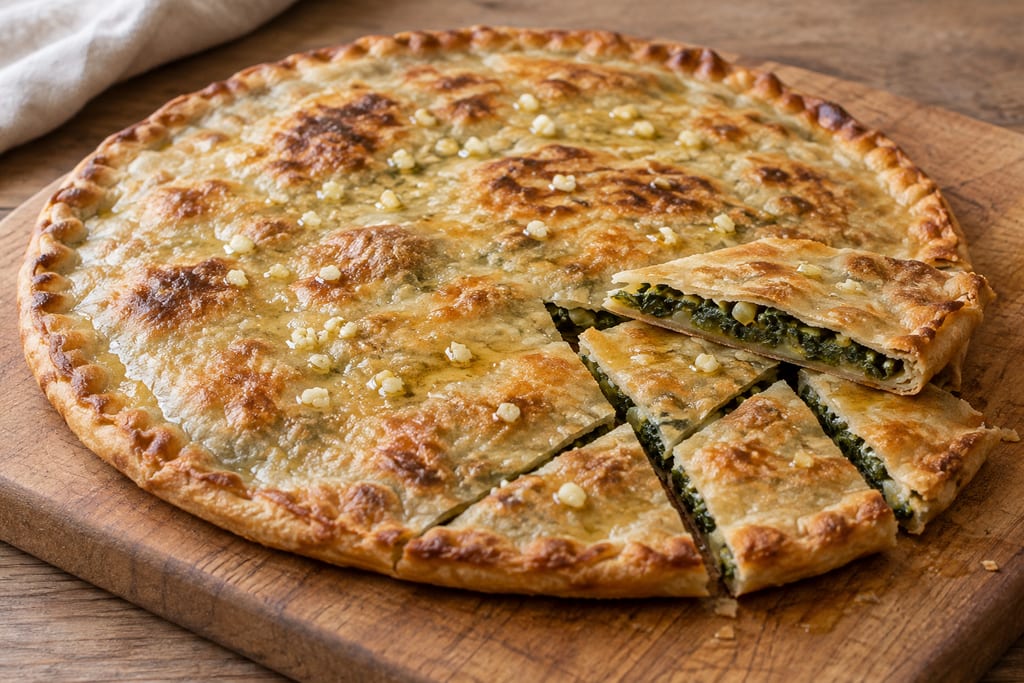
Soparnik is associated with Poljica in Dalmatia. This home recipe bakes chard between thin sheets of dough in an oven and brushes the finished bread with garlic oil. Traditional hearth cooking gives a different result.
The European Union’s product specification describes Poljički soparnik, also named Poljički zeljanik or Poljički uljenjak, as a chard-and-onion bread cooked in a komin, an open hearth. Its round, 90–110 cm form bakes among coals and ash, then receives olive oil and garlic and is divided into rhomboid pieces.
This is a regional production description, not a direction to transfer the home recipe to hot coals. The InclusiGardens version here uses spring onions, a buttered tray and a 200°C oven. Those differences remain visible rather than being presented as certified equivalents of the hearth method.
Commission Implementing Regulation (EU) 2016/526 registered the three Poljica names as a Protected Geographical Indication. The specification links the preparation to its defined Croatian area and requires the stated production stages there. This is PGI protection, distinct from a claim that every chard-filled bread called soparnik has the same protected status.
The registration records a particular regional product and its production requirements. It does not establish the first person to make soparnik or date this modern oven adaptation. The name and cultural connection remain useful context for home cooking without turning this recipe into a certification claim.
Soparnik is documented in the Poljica region of Dalmatia; the inspected sources do not establish a first attestation.
Scaling: source batch only
Contains wheat and milk from the butter used to grease the tray.
Wash the chard and do not taste raw dough; raw flour can contain harmful germs.
Use oven protection when handling the hot tray.
Poljica is a documented regional association; the home-oven method is a modern adaptation.
An Istrian festive spread of cooked stockfish beaten with olive oil and garlic until pale and cohesive, here bulked out with hand-mashed floury potato.
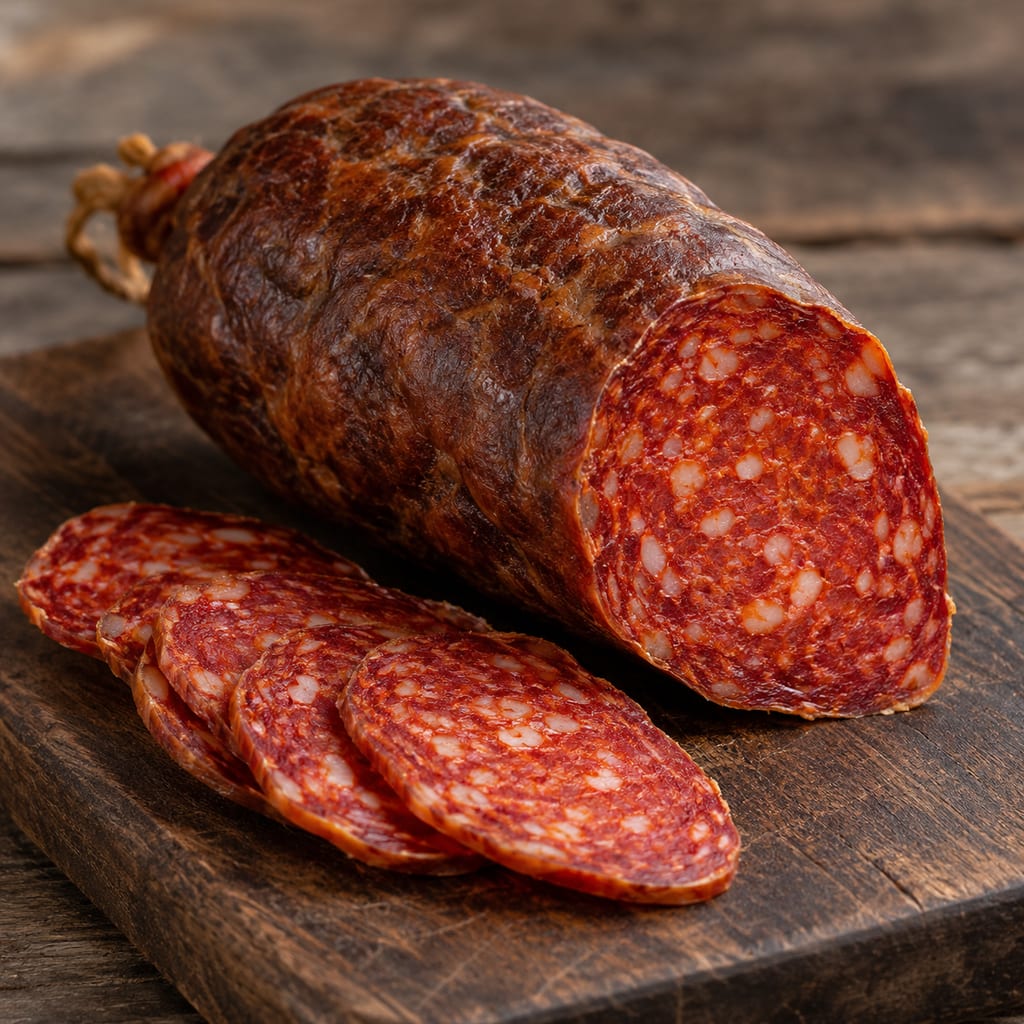
Baranjski kulen is a Croatian protected fermented pork sausage seasoned with sweet and hot paprika, garlic and white pepper, stuffed into a pig’s caecum called katica, cold-smoked and matured.
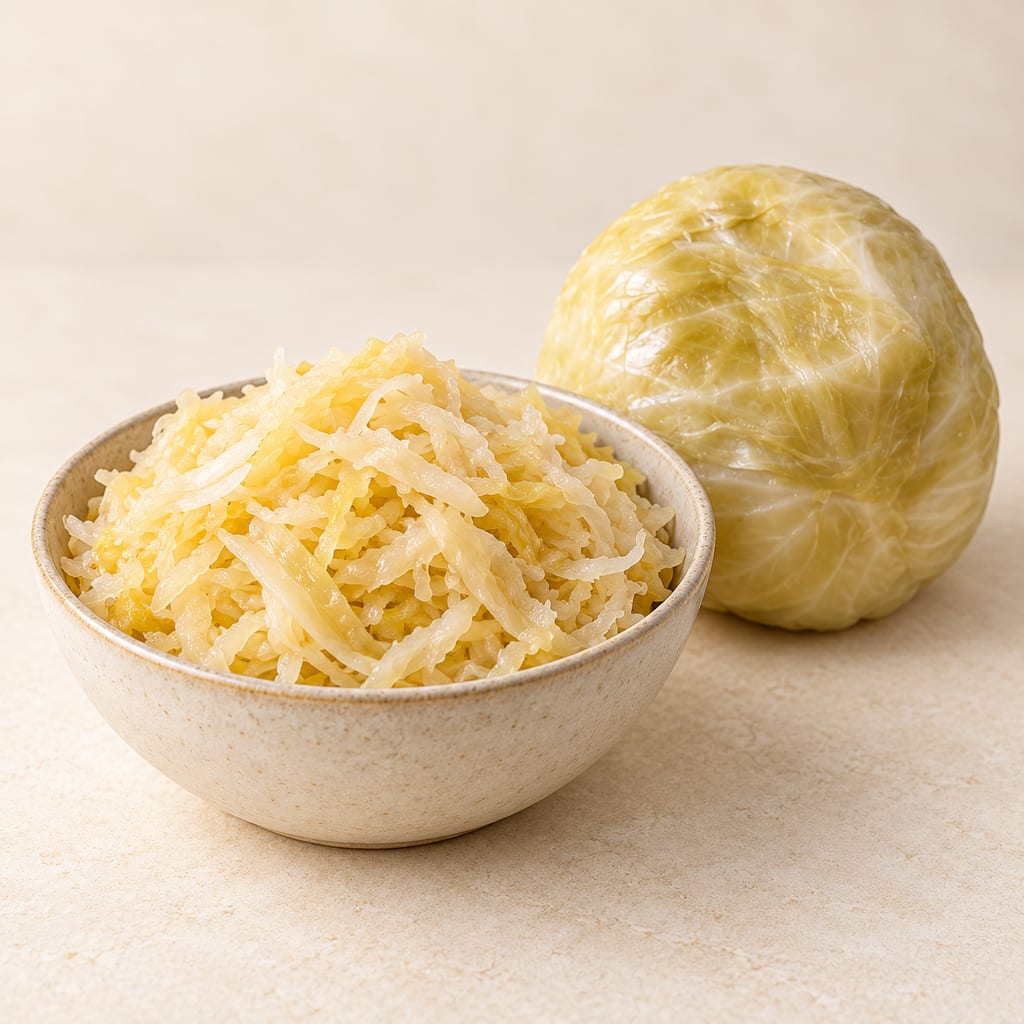
Protected Croatian sauerkraut from the Ogulin area: fresh white cabbage naturally lactic-fermented without preservatives, sold whole or shredded, from registered establishments.
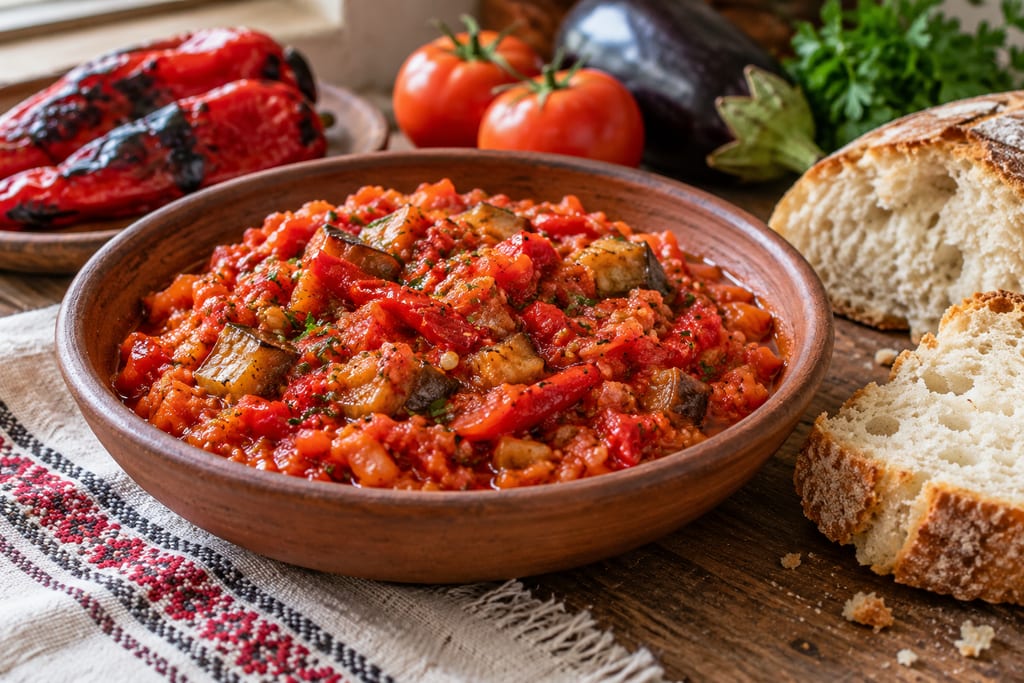
A Balkan relish of roasted red peppers and tomatoes, often with aubergine and garlic, cooked down into a spread for the winter store.
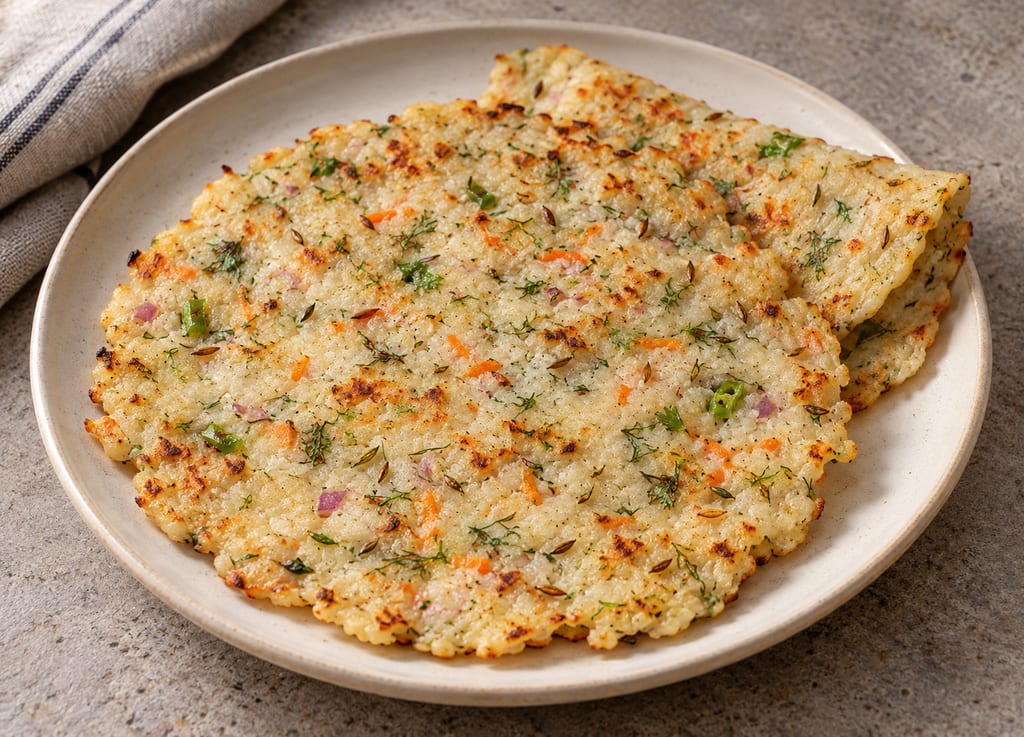
This Karnataka-style akki rotti mixes fine rice flour with vegetables, coconut, herbs and spices, then hand-pats and griddle-cooks the dough.
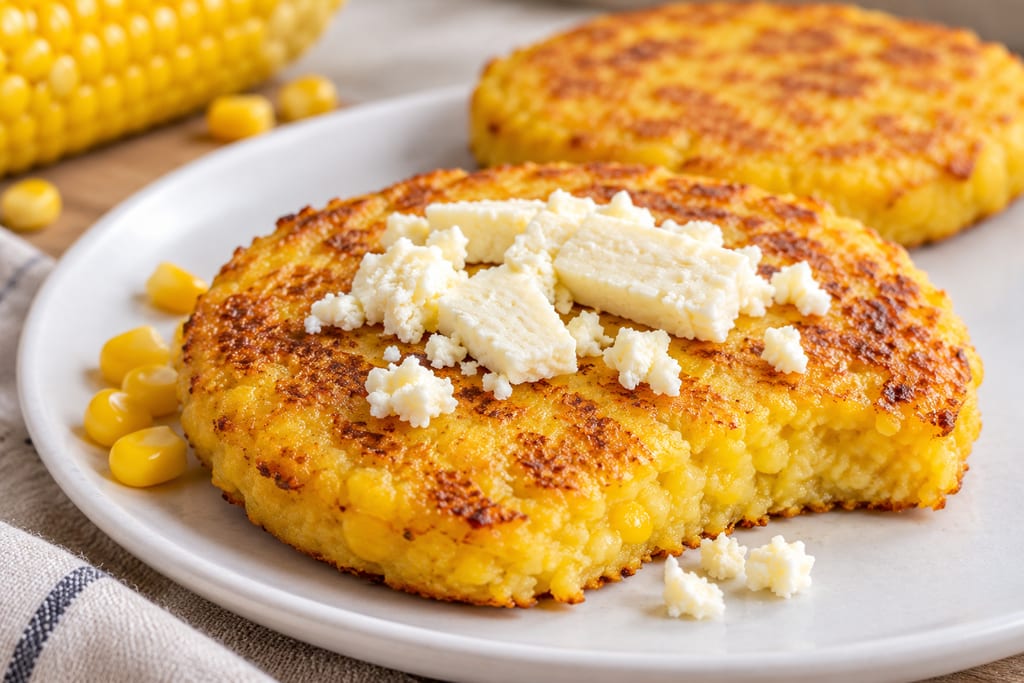
A Colombian Andean griddle cake made from fresh sweet-corn batter, cooked in butter and served with white cheese.
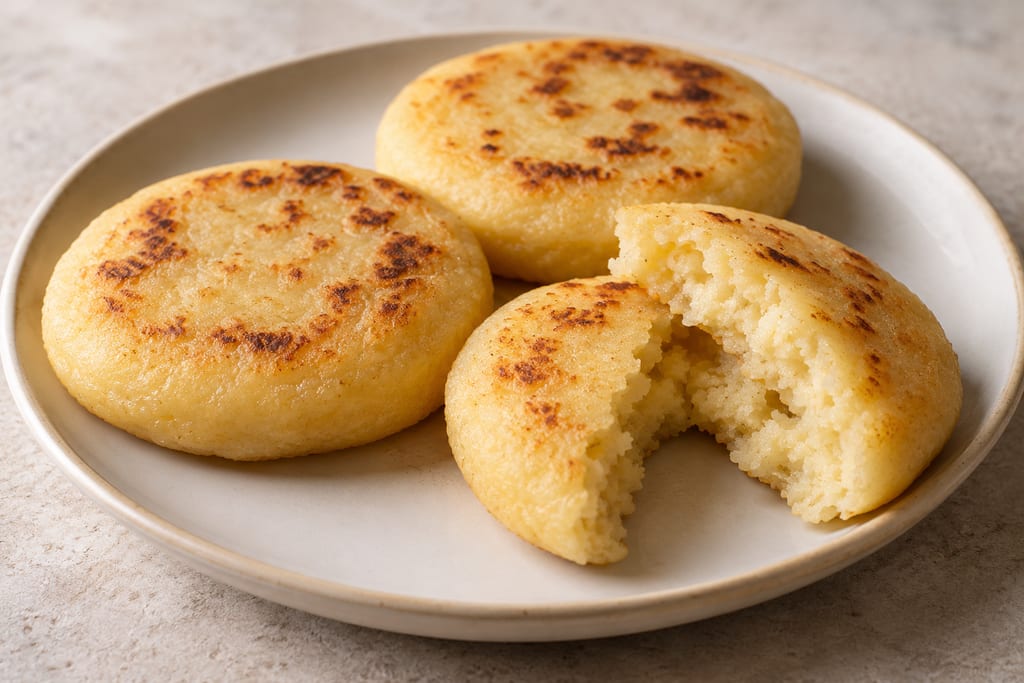
This household version combines precooked corn flour, warm water and salt, then cooks thick rounds on a lightly oiled skillet or griddle. It is one source-specific arepa method, not a universal Colombian or Venezuelan formula.
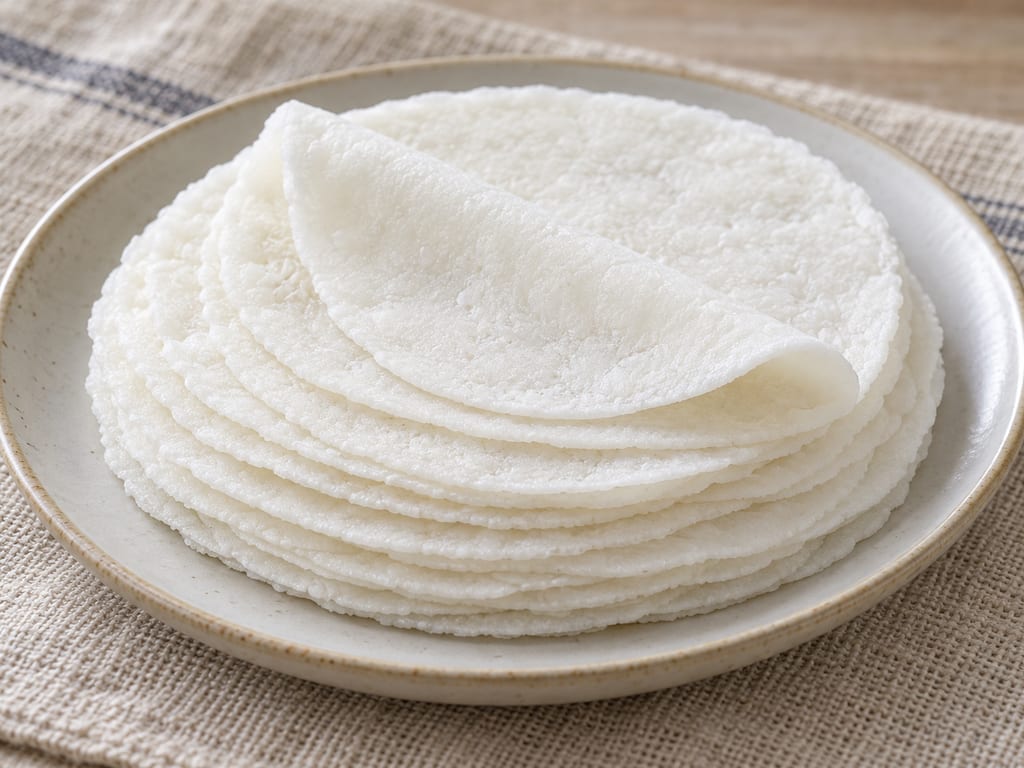
Thin Malabar rice-flour rounds made from roasted rice flour cooked into salted boiling water, kneaded after cooling, and rolled to about 1 mm. They cook on a hot griddle without taking on colour.
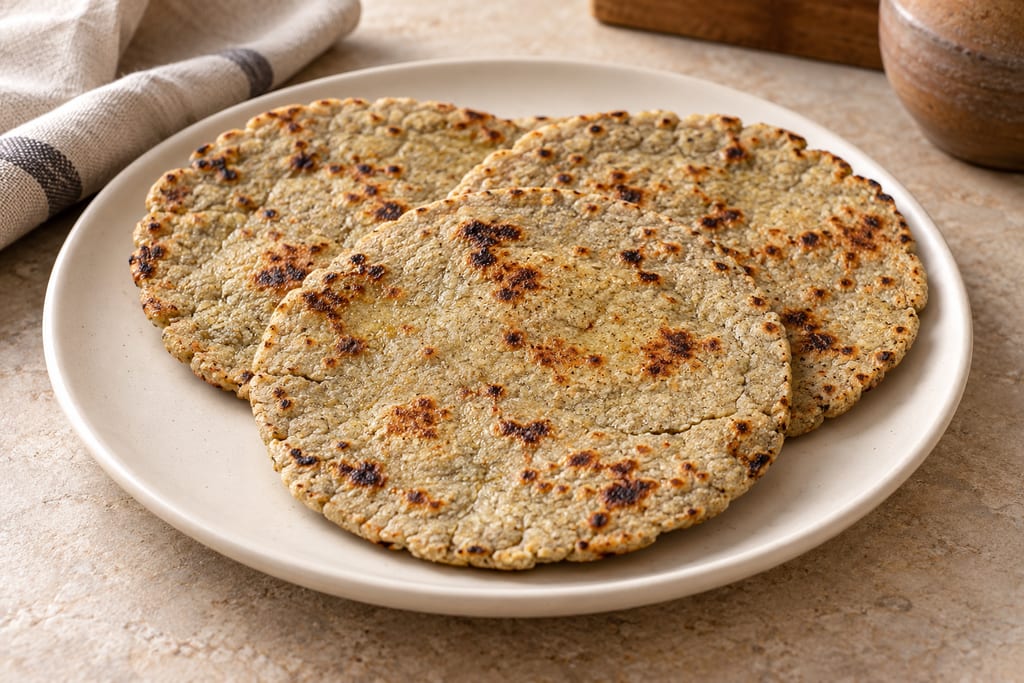
A pearl-millet flatbread shaped between sheets and cooked on a hot tawa. This home batch makes eight.
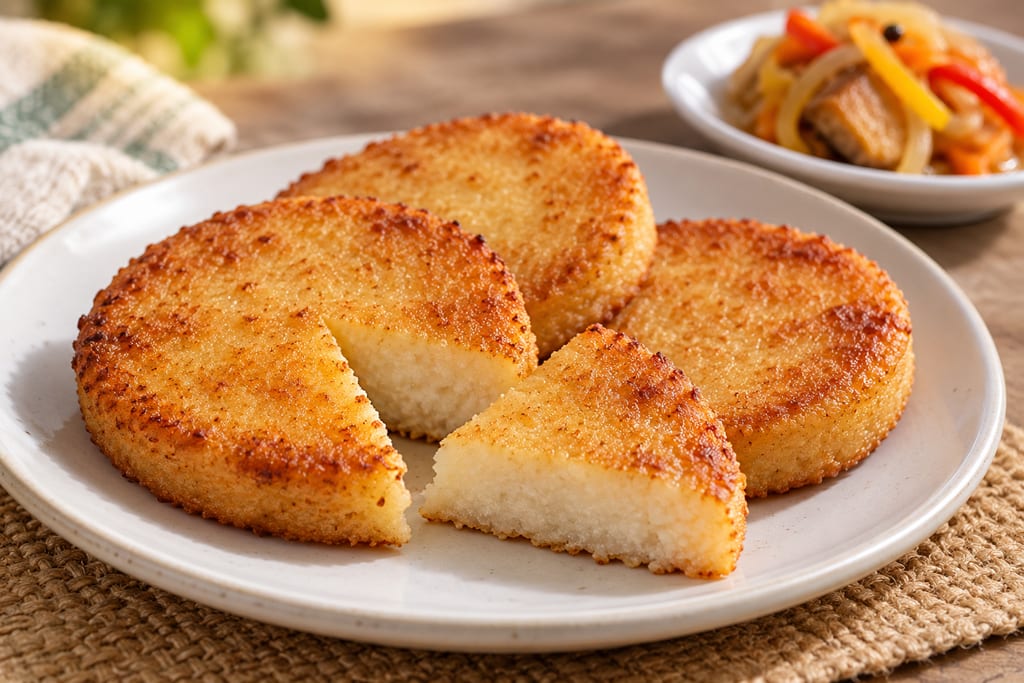
A serving method for approved, prepared bammy rounds: soak them in coconut milk and refry until golden. It does not process raw cassava.
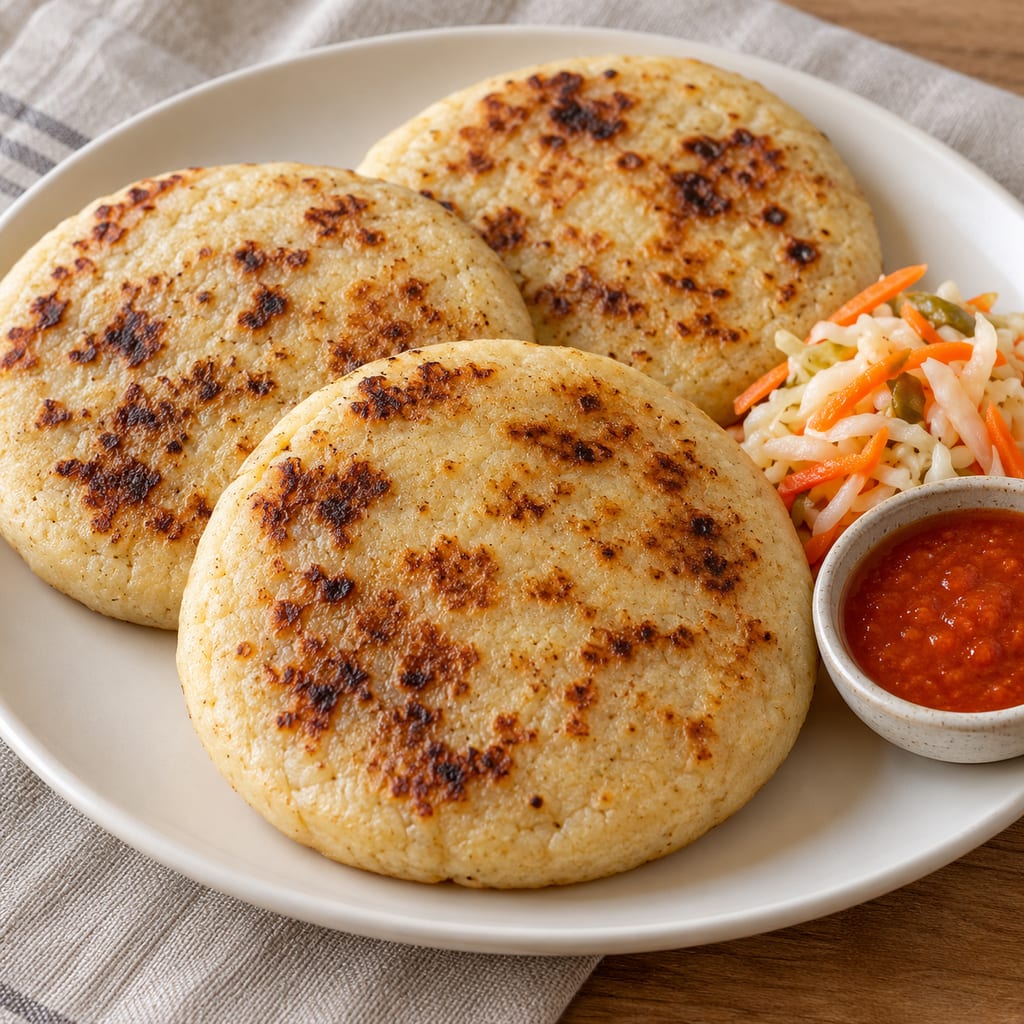
Salvadoran-style masa harina cakes filled with refried beans and cheese, sealed and cooked on an oiled skillet.
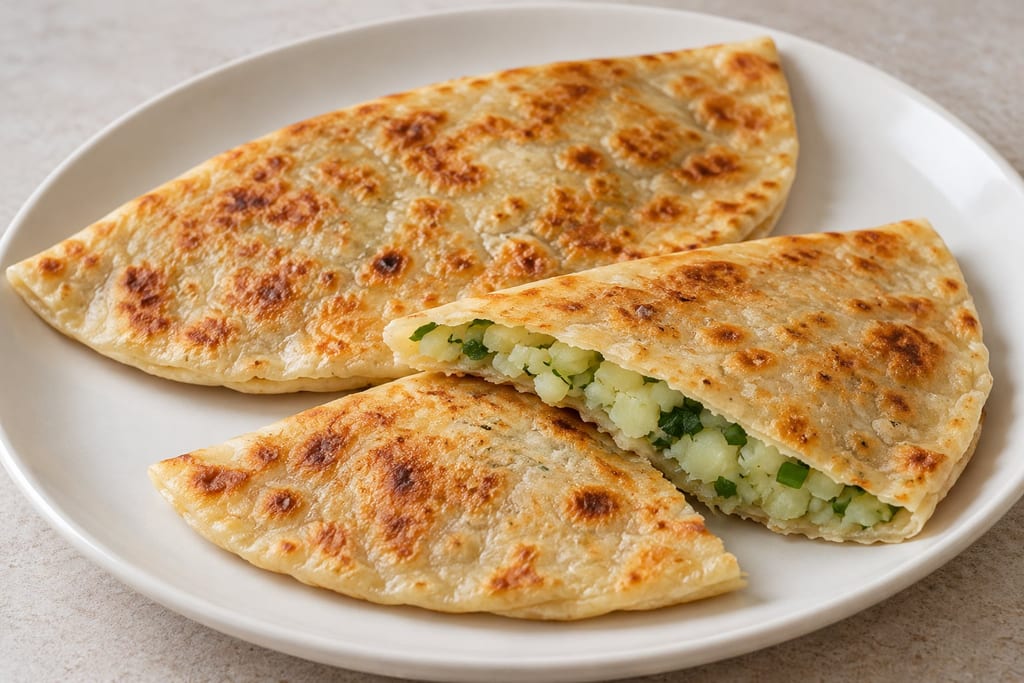
A thin, unleavened Afghan flatbread filled with mashed potato, scallion and cilantro, folded and pan-browned. This version uses a dough made from scratch.
No community contributions have been published for this entry yet.
Sign in to contribute. Published comments and photos are free to read.
InclusiGardensInspiration · Method
Chard Pie SoparnikMeasured home-oven dough, chard filling, baking and garlic-oil finish.
Cited in: Chard between thin sheets; The Poljica hearth form
Croatia WeekContext · Geography
Croatian Recipes: SoparnikSoparnik and the Poljica association; a separate regional method.
Cited in: Chard between thin sheets
Official Journal of the European UnionContext
Single document: Poljički soparnik / Poljički zeljanik / Poljički uljenjak2015 specification, hearth method, dimensions, finish and regional production.
Cited in: The Poljica hearth form; A geographical indication
Official Journal of the European UnionContext
Commission Implementing Regulation (EU) 2016/526PGI registration of the three names in2016.
Cited in: A geographical indication